Bodhicaryāvatāra · Verse 9.7


Sources:    

Sanskrit §No information about the source used.

लोकावतारणार्थं च भावा नाथेन देशिताः। तत्त्वतः क्षणिका नैते संवृत्या चेद्विरुध्यते॥

 
Chanted Verse
Recitation by Professor Kashinath Nyaupane
7

The Protector spoke of entities in the process of becoming only as an introduction for the common human into ultimate truth. In reality these entities are not even impermanent. An Objector Interjects: But if this is true only from the point of view of conventional reality, then there is a contradiction in presenting impermanence as contradicting the idea of a self-existing entity.

Standard Tibetan §Padmakara used the 1990 edition printed by si khron mi rigs dpe skrun khang: Byang chub sems dpa'i spyod pa la 'jug pa rtsa ba dang 'grel pa (1990). Also found in Derge Tengyur D3871, dbu ma, vol. 105, la 1b1–40a7.

འཇིག་རྟེན་གཞུག་པའི་དོན་དུ་ནི། །

མགོན་པོས་དངོས་བསྟན་དེ་ཉིད་དུ། ། དེ་དག་སྐད་[p.104]Byang chub sems dpa'i spyod pa la 'jug pa rtsa ba dang 'grel pa (1990)
Slob dpon zhi ba lha and Mkhan po kun dpal. Byang chub sems dpa'i spyod pa la 'jug pa rtsa ba dang 'grel pa. Khreng tu'u: Si khron mi rigs dpe skrun khang, 1990. Buda by BDRC Logo.jpg
ཅིག་མ་ཉིད་མིན། །

ཀུན་རྫོབ་ཏུ་ཡང་འགལ་ཞེ་ན། །

 
Chanted Verse
Recitation by Lopen Karma Phuntsho
7

But that he might instruct the worldly,

Our Protector spoke of “things.” But these in truth lack even momentariness.

Now if you say it’s wrong to claim the momentary as relative,

Standard Tibetan §Padmakara used the 1990 edition printed by si khron mi rigs dpe skrun khang: Byang chub sems dpa'i spyod pa la 'jug pa rtsa ba dang 'grel pa (1990). Also found in Derge Tengyur D3871, dbu ma, vol. 105, la 1b1–40a7. - Other translations

For the sake of introducing worldly people,

The protector taught in terms of entities. In actuality, these are not momentary phenomena.

You might object, “On the seeming level, they are incompatible.” [7]

Pour amener les êtres ordinaires [sur la voie],

Le Protecteur a parlé de choses qui, dans le réel, N’existent pas même instantanément.

– Ce qui, même relativement, va contre toute vérité !

A fin de guiar a los seres corrientes

el Protector habló de “cosas”, pero en realidad no existen ni “momentáneamente”.

Ahora, si decís que es erróneo proclamar lo “momentáneo” como relativo,

La Práctica del Bodisatva-front.jpg
Padmakara Spain 2008

For the purpose of introducing transitory beings The protector showed functionalities.

They are not momentary in suchness.

If said to be contradictory even with the illusory,

In order to engage worldly beings,

The Protector taught matter.

In reality, it is not momentary.

Even if this is said to contradict the relative,

shift + scroll / swipe
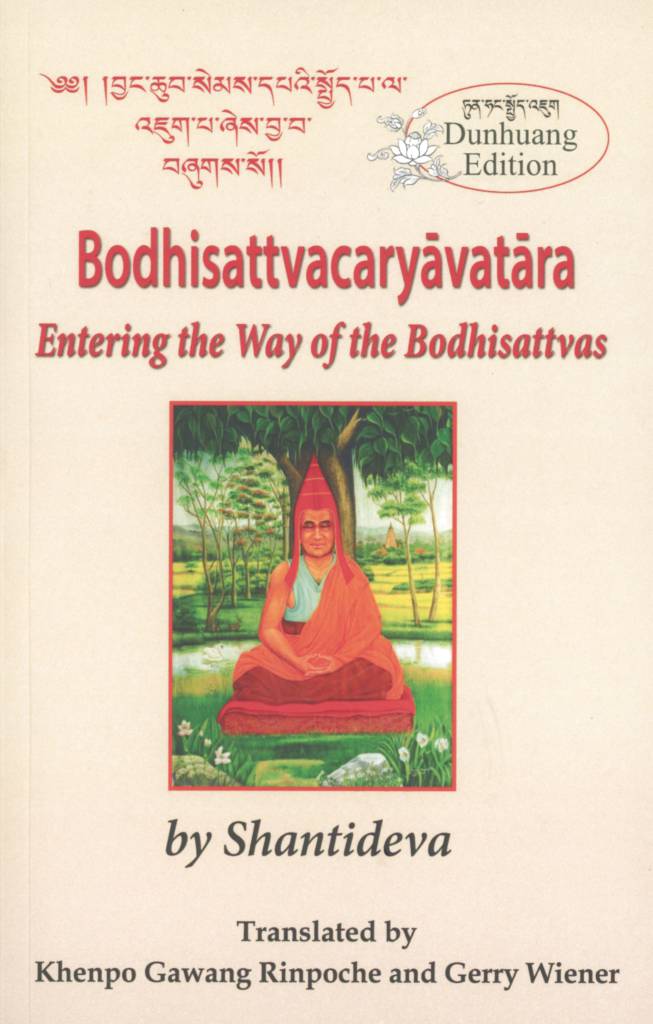
Dūnhuáng §This version is extracted from the book Bodhisattvacaryāvatāra: Entering the Way of the Bodhisattvas (2022, Khenpo Gawang and Wiener), a translation of an edition of the text created from three Dūnhuáng manuscripts. A description and sample pages of these can be found on the Early Tibet Blog. Scans of the actual manuscripts themselves can be found at http://idp.bl.uk

འཇིག་རྟེན་གཟུད་པར་བྱ་བའི་ཕྱིར། །

མགོན་པོ་ཡིས་ནི་དངོས་བསྟན་ཏེ། ། སྒྱུ་མ་ལྟ་བུའི་རྒྱལ་བ་ལས། །

བསོད་ནམས་འབྱུང་བར་གསུངས་པ་བཞིན། །

alt verse 8.7 tm data
This version differs from it's counterparts.

MD: The Buddha taught that phenomena exist

In order to provide ordinary beings Entry to correct understanding. We gain illusory merit

By offering to an illusory buddha.

Tsadra Critical Edition §This text was created by comparing four versions of the text from Derge, Cone, Narthang, and Peking Tengyurs from BDRC scans, along with Dunhuang manuscripts IOL Tib J 628, 629, and 630. When Tibetan readings were problematic, the Sanskrit texts from GRETIL and LTB (Oslo) were consulted.

འཇིག་རྟེན་གཞུག་པའི་དོན་དུ་ནི། །

མགོན་པོས་དངོས་བསྟན་དེ་ཉིད་དུ། །161ཏུན་ཧོང་ཀ་༴ ‘འཇིག་རྟེན་གཟུད་པར་བྱ་བའི་ཕྱིར། །མགོན་པོ་ཡིས་ནྀ་དངོས་བསྟནད་ཏེ། །’ དེ་དག་སྐད་ཅིག་མ་ཉིད་མིན། །162ཏུན་ཧོང་ཀ་༴ ༩.༧ ‘དེ་དག་སྐད་ཅིག་མ་ཉིད་མིན། །’ ་་་ ༩.༨ ‘ངེས་རྟོགས་འཇིག་རྟེན་གྱིས་གནོད་འགྱུར། །’ བར་མེད།

ཀུན་རྫོབ་ཏུ་ཡང་འགལ་ཞེ་ན། །

[edit]
Sazang Mati (1294 - 1376)
A Commentary on Shantideva's Engaging in the Conduct of the Bodhisattvas (citation)Gyaltsen, Lama Kalsang, and Ani Kunga Chodron, trans. A Commentary on Shantideva's Engaging in the Conduct of the Bodhisattvas Written by Sazang Mati Panchen: Known as An Extremely Clear Illumination of the Meaning of the Text. Walden, NY: Tsechen Kunchab Ling, 2019. Bilingual Edition

(གཉིས་པ་)ལུང་འགལ་སྤང་པ་ལ་གཉིས་ལས།

2. Refutation based on citations from the sutras 1.2.2.1.1.3.1.2

This has two sections:

1. Refutation that it contradicts the Buddha’s teachings about matter,

2. Refutation based on citations from the sutras about the field of merit.
1.2.2.1.1.3.1.2

(དང་པོ་)དངོས་པོར་གསུངས་བའི་ལུང་འགལ་སྤང་བ་ནི།

1. Refutation that it contradicts the Buddha’s teachings about matter 1.2.2.1.1.3.1.2.1

གཟུགས་སོགས་བདེན་མེད་སྒྱུ་མ་ལྟ་བུ་ཡིན་ན། ལང་ཀར་གཤེགས་པར། བྲམ་ཟེ་ཐམས་ཅད་ཐམས་ཅད་ཅེས་བྱ་བ་ནི་ཕུང་པོ་ལྔ་དང་སྐྱེ་མཆེད་བཅུ་གཉིས་དང་ཁམས་བཅོ་བརྒྱད་དོ་ཞེས་པ་དང༌། དགོངས་འགྲེལ་དུ།

They may say: If form, sound, and the rest were truly non-existent like a magical apparition, then why in the Lankar Sutra, did the Buddha say, “Brahman, all of these so-called phenomena consist within the five aggregates, twelve sense organs and their objects, and eighteen elements?” Also, a commentary on this sutra known as Intent states:

འདུས་བྱས་ཐམས་ཅད་སྐད་ཅིག་མ། །

མི་གནས་བྱ་བ་ག་ལ་ཡོད། ། འདི་དག་འབྱུང་པ་དེ་ཉིད་ནི། །

བྱ་བ་དེ་ཉིད་བྱེད་པར་བརྗོད། །

All compounded phenomena are momentary.
How could they be non-abiding?
Their arising itself is described
As a function of their action.[p.350]A Commentary on Shantideva's Engaging in the Conduct of the Bodhisattvas
Gyaltsen, Lama Kalsang, and Ani Kunga Chodron, trans. A Commentary on Shantideva's Engaging in the Conduct of the Bodhisattvas Written by Sazang Mati Panchen: Known as An Extremely Clear Illumination of the Meaning of the Text. Walden, NY: Tsechen Kunchab Ling, 2019. First edition published by The Yeshe Dorje Foundation in 2006.

ཅེས་པ་ལ་སོགས་པས་དངོས་པོ་རྣམས་སྐད་ཅིག་མར་བཤད་པ་དང་འགལ་ལོ་ཞེ་ན།

Therefore, your statement is contradicted by this explanation that all matter has momentary existence.

འཇིག་རྟེན་གཞུག་པའི་དོན་དུ་ནི། ། མགོན་པོས་དངོས་བསྟན་དེ་ཉིད་དུ། །

In order to engage worldly beings,

The Protector taught matter.

In reality, it is not momentary.

དངོས་པོ་ལ་མངོན་པར་ཞེན་པའི་འཇིག་རྟེན་པ་རྣམས་རིམ་གྱིས་སྟོང་པ་ཉིད་ལ་གཞུག་པའི་དོན་དུ་ནི༵་སྐྱེ་རྒུ་ཐམས་ཅད་ཀྱི་མགོན་པོ་རྫོགས་པའི་སངས་རྒྱས་ཀྱིས་ཕུང་པོ་ལ་སོགས་པའི་དངོས་པོ་ཀུན་རྫོབ་ཙམ་དུ་ཡོད་པར་བསྟན་པའི་ཕྱིར་འགལ་བ་མེད་དོ། །རིགས་པ་དྲུག་ཅུ་བར།

Madhyamika: The perfectly enlightened Shakyamuni, protector of all living beings, taught that matter such as the aggregates exists merely on the conventional level in order to gradually lead beings who are strongly attached to material phenomena into the view of emptiness, but this does not contradict the truth. Nagarjuna’s Sixty Stanzas states:

དགོས་པའི་དབང་གིས་རྒྱལ་བ་རྣམས། །

ང་དང་ང་ཡི་ཞེས་གསུང་ལྟར། ། ཕུང་པོ་ཁམས་དང་སྐྱེ་མཆེད་རྣམས། །

དེ་བཞིན་དགོས་པའི་དབང་གིས་གསུངས། །

When necessary, even the Buddha
Taught “I" and “my."
Likewise, the aggregates, elements, and ayatanas
Were taught when it was necessary.

ཞེས་པ་ལྟར་རོ། །འདུས་བྱས་དེ་དག་དོན་དམ་པའི་དེ་ཁོ་ན་ཉིད་དུ༵་ན་དེ་དག་སྐད་ཅིག་མ་ཉིད་དུའང་གྲུབ་པ་མེ༵ད་དེ། རྣམ་པར་དཔྱད་ན་རང་བཞིན་མེད་པའི་ཕྱིར་རོ། །

All of these compounded phenomena do not have momentary existence in the ultimate state, because when analyzed, they lack inherent nature.

དེ་དག་སྐད་[p.104]Byang chub sems dpa'i spyod pa la 'jug pa rtsa ba dang 'grel pa (1990)
Slob dpon zhi ba lha and Mkhan po kun dpal. Byang chub sems dpa'i spyod pa la 'jug pa rtsa ba dang 'grel pa. Khreng tu'u: Si khron mi rigs dpe skrun khang, 1990. Buda by BDRC Logo.jpg
ཅིག་མ་ཉིད་མིན། ། ཀུན་རྫོབ་ཏུ་ཡང་འགལ་ཞེ་ན། །

Even if this is said to contradict the relative,

དོན་དམ་དུ་སྐད་ཅིག་མར་མ་གྲུབ་ན་ཀུན་རྫོབ་ཏུ་ཡང་སྐད་ཅིག་མར་གྲུབ་པ་འགལ་ཏེ། ཀུན་རྫོབ་ནི་འཇིག་རྟེན་ལ་ཇི་ལྟར་སྣང་བ་བཞིན་འཇོག་པ་ཡིན་པ་ལ། འཇིག་རྟེན་པ་རྣམས་ཀྱིས་སྐད་ཅིག་མར་མ་མཐོང་པའི་ཕྱིར་ཞེ་ན༵།

They may say: If there is no momentary existence on the ultimate level, it would be a contradiction to say that there is momentary existence on the relative level, because the relative is defined as what worldly beings perceive and worldly beings cannot see momentary existence.
Gyaltsap Je (1364 - 1432)
The Entrance for the Children of the Conquerors (citation)Stracke, Fedor, trans. The Entrance for the Children of the Conquerors: A Commentary on the Introduction to the Actions of Bodhisattvas. By Gyaltsab Rinpoche. N.p.: Happy Monks Publication, 2016. https://happymonkspublication.org/product/bodhisattvacharyavatara-chapter-1-10-commentary/. Bilingual Edition

གཉིས་པ་ལ་གསུམ།

Refuting Harm Through Quotations 1.1.2.1.2.2.1.2

དང་པོ་ནི།

Showing the Sutras Which State That Compounded Phenomena Are Impermanent and So Forth to Be Interpretative 1.1.2.1.2.2.1.2.1

འཇིག་རྟེན་གཞུག་པའི་དོན་དུ་ནི། ། མགོན་པོས་དངོས་བསྟན་དེ་ཉིད་དུ། །

jig rten gzhug pa'i don du ni/_/ mgon pos dngos bstan de nyid du/_/

For the purpose of introducing transitory beings The protector showed functionalities.

གཟུགས་ལ་སོགས་པ་རང་བཞིན་གྱིས་མ་གྲུབ་ན། མདོ་ལས་མི་རྟག་པ་སོགས་སུ་གསུངས་པ་དང་

Argument: If forms and other objects are not established inherently, then it is contrary to the sutras stating that they are impermanent.

འགལ་ལོ་ཞེ་ན་མི་འགལ་ཏེ་འཇིག་རྟེན་དེ་ཁོ་ན་ཉིད་ལ་རིམ་གྱིས་གཞུག་པའི་དོན་དུ་ནི་མགོན་པོས་དངོས་པོ་མི་རྟག་པར་བསྟན་ཏོ། །

Answer: There is no contradiction as the Protector showed forms and the other functionalities to be impermanent in order to lead the transitory beings gradually to emptiness.

གཉིས་པ་ནི།

Refuting Them to Be Definite 1.1.2.1.2.2.1.2.2

དེ་དག་སྐད་ཅིག་མ་ཉིད་མིན། །

de dag skad cig ma nyid min/_/

They are not momentary in suchness.

དེ་ཁོ་ན་ཉིད་དུ་དངོས་པོ་དེ་དག་སྐད་ཅིག་མ་ཉིད་དུ་གྲུབ་པ་མིན་ཏེ་དེ་ཁོ་ན་ཉིད་དུ་གཅིག་དང་དུ་མ་གང་དུ་ཡང་མ་གྲུབ་པའི་ཕྱིར་རོ། །

These functionalities are not momentary in suchness because in suchness they are not established as one or many.

གསུམ་པ་ལ་ལྔ།

Refuting That One Is In Contradiction 1.1.2.1.2.2.1.2.3

དང་པོ་ནི།

Refuting That They Are Not Even Established as Illusory 1.1.2.1.2.2.1.2.3.1

ཀུན་རྫོབ་ཏུ་ཡང་འགལ་ཞེ་ན། །

kun rdzob tu yang 'gal zhe na/_/

If said to be contradictory even with the illusory,

ཀུན་རྫོབ་ཏུ་ཡང་འདུས་བྱས་མི་རྟག་པར་གྲུབ་པ་འགལ་ཏེ་འཇིག་རྟེན་ན་སྔ་དྲོའི་དངོས་པོ་དེ་ཉིད་ཕྱི་དྲོ་ཡོད་པ་སོགས་རྟག་པར་གྲགས་པའི་ཕྱིར་ཞེ་ན།

Argument: Even on the illusory level it would be contradictory for compounded phenomena to be impermanent, because in the world the earlier functionality is renowned to also exist permanently in the later moment.

འཇིག་རྟེན་ན་གཟུགས་སོགས་རྟག་པར་གྲགས་ཀྱང་མི་རྟག་པར་ཚད་མས་མ་གྲུབ་པའི་ཉེས་པ་མེད་དེ་མི་རྟག་སོགས་རྣལ་འབྱོར་བའི་ཀུན་རྫོབ་ཐ་སྙད་པའི་ཚད་མས་གྲུབ་པའི་ཕྱིར།

Answer: Although forms and the other sense objects are renowned in the world as permanent, the fault that their impermanence is not established by prime cognition does not exist. They are established as impermanent, misery, empty and selfless by the illusory nominal prime cognition of yogis.

འོ་ན་མི་རྟག་སོགས་མཐོང་བ་དེ་ཉིད་མཐོང་བར་བཤད་པ་དང་འགལ་ཞེ་ན་མི་འགལ་ཏེ།

Argument: This is in contradiction to the statement that seeing impermanence and the other characteristics is seeing suchness.[p.12]The Entrance for the Children of the Conquerors
Stracke, Fedor, trans. The Entrance for the Children of the Conquerors: A Commentary on the Introduction to the Actions of Bodhisattvas. By Gyaltsab Rinpoche. N.p.: Happy Monks Publication, 2016. https://happymonkspublication.org/product/bodhisattvacharyavatara-chapter-1-10-commentary/.

འཇིག་རྟེན་པ་གཙང་བདེ་རྟག་སོགས་སུ་ཞེན་པ་ལ་བལྟོས་ནས་དེ་ཉིད་མཐོང་བར་བཞེད་པ་ཙམ་ཡིན་པའི་ཕྱིར། དེ་ལས་གཞན་དུ་འཇིག་རྟེན་ན་གྲགས་ཚད་ཚད་མ་ཡིན་ན་བུད་མེད་མི་གཙང་བར་ངེས་པར་རྟོག་པ་མི་སྡུག་པ་སྒོམ་པའི་རྣལ་འབྱོར་བ་ལ་བུད་མེད་གཙང་བར་ཞེན་པའི་འཇིག་རྟེན་གྱིས་གནོད་པར་ཐལ་བར་འགྱུར་རོ། །

Answer: It is the mere assertion that in comparison to the grasping by worldly beings at purity, happiness, permanence and a self, this is seeing suchness. Otherwise, if being renowned by the world would be the measure for prime cognition, then it would follow that the yogi meditating on impurity, who has gained conviction regarding the impurity of the woman’s body, would be harmed by the worldly grasping at the purity of the woman’s body.
Pawo Rinpoche, 2nd (1504 - 1566)
The Center of the Sunlit Sky (citation)Brunnhölzl, Karl. The Center of the Sunlit Sky: Madhyamaka in the Kagyü Tradition. Including a translation of Pawo Rinpoche's commentary on the knowledge section of Śāntideva's The Entrance to the Bodhisattva’s Way of Life (Bodhicaryāvatāra). Nitartha Institute Series. Ithaca, NY: Snow Lion Publications, 2004. Bilingual Edition

གཉིས་པ་ནི།

Removing Contradictions to Scriptsure 2.1.4.2.2.

འཇིག་རྟེན་གཞུག་པའི་དོན་དུ་ནི། །

མགོན་པོས་དངོས་བསྟན་དེ་ཉིད་ཏུ། ། དེ་དག་སྐད་ཅིག་མ་ཉིད་མིན། །

ཀུན་རྫོབ་ཏུ་ཡང་འགལ་ཞེ་ན། །

For the sake of introducing worldly people,

The protector taught in terms of entities. In actuality, these are not momentary phenomena.

You might object, “On the seeming level, they are incompatible.” [7]

ཞེས་གསུངས་ཏེ། རང་སྡེ་བྱེ་མདོ་དག་ན་རེ། གཟུགས་སོགས་མེད་ན་འདུས་བྱས་སྐད་ཅིག་མར་གསུངས་པ་དང་འགལ་ལོ་ཞེ་ན། འཇིག་རྟེན་པ་རྣམས་དེ་ཁོ་ན་ཉིད་ལ་གཞུག་པའི་དོན་དུ་ནི་མགོན་པོས་རགས་པའི་བདེན་རྟོག་ཟློག་པའི་ཕྱིར་

The Followers of the Great Exposition and the Sūtra Followers in our own [Buddhist] faction might say, “If forms and such were not existing, that would contradict the Buddha’s statement that conditioned phenomena are momentary.” For the sake of introducing worldly people to true reality, the protector merely taught in terms of entities in order to counteract coarse conceptions of reality:

འདུས་བྱས་ཐམས་ཅད་ནི་སྐད་ཅིག་མ་ཡིན་གྱི་ཡིད་བརྟན་པར་མི་བྱའོ་ཞེས་

All conditioned phenomena are momentary. You should not rely on them.

དངོས་སུ་བསྟན་པ་ཙམ་ཡིན་གྱི་སྐད་ཅིག་མར་གྲུབ་པར་གསུངས་པ་ནི་མ་ཡིན་སྟེ་དཔེར་ན་འདི་ནི་སྒྱུ་མའི་ཆུའོ་ཞེས་བརྗོད་པ་ན་སྒྱུ་མར་སྟོན་པ་ཡིན་གྱི་ཆུར་གྲུབ་པར་སྟོན་པ་མ་ཡིན་པ་བཞིན་སྟེ་རིགས་པ་དྲུག་བཅུ་པར།

However, this is not a statement that [phenomena] are established as something momentary. For example, it is like when one says, “This is illusory water.” This points out that [what appears] is illusory, yet it does not point out that [this appearance] is established as water. The Sixty Stanzas on Reasoning says:[p.629]The Center of the Sunlit Sky
Brunnhölzl, Karl. The Center of the Sunlit Sky: Madhyamaka in the Kagyü Tradition. Including a translation of Pawo Rinpoche's commentary on the knowledge section of Śāntideva's The Entrance to the Bodhisattva’s Way of Life (Bodhicaryāvatāra). Nitartha Institute Series. Ithaca, NY: Snow Lion Publications, 2004.

དགོས་པའི་དབང་གིས་རྒྱལ་བ་རྣམས། །

ང་དང་ང་ཡི་ཞེས་གསུང་ལྟར། ། ཕུང་པོ་ཁམས་དང་སྐྱེ་མཆེད་རྣམས། །

དེ་བཞིན་དགོས་པའི་དབང་གིས་གསུངས། །

It was for a purpose
That the Victors spoke of “I” and “mine.”
Likewise, they talked about aggregates, sources,
And elements for a purpose.1488Verse 33.

ཅེས་སོ། །དེས་ན་སྐད་ཅིག་མ་དེ་ཉིད་ཏུ་དེ་དག་ཞེན་པར་བྱ་བ་ནི་མ་ཡིན་སྟེ་དཔྱད་ན་སྐད་ཅིག་མ་ཉིད་ཏུ་ཡང་གྲུབ་པ་མིན་པའི་ཕྱིར།

Therefore, these [entities] are not [phenomena] to which one could cling as being momentary phenomena in actuality, because, if analyzed, they are not established as momentary phenomena either.

འོ་ན་སྐད་ཅིག་མ་དོན་དམ་མིན་ན་ཀུན་རྫོབ་ནི་འཇིག་རྟེན་ལ་ཇི་ལྟར་སྣང་བ་ཙམ་ཡིན་ལ་སྐད་ཅིག་མ་འཇིག་རྟེན་ལ་མི་སྣང་བའི་ཕྱིར་ཀུན་རྫོབ་ཏུ་འཇོག་པར་དེ་བས་ཀྱང་འགལ་བས་ཡང་ན་བདེན་གཉིས་ཀྱིས་མ་བསྡུས་པའམ་ཡང་ན་བདེན་པ་གསུམ་པར་ཐལ་ལོ་ཞེ་ན། སྐད་ཅིག་མ་དེ་འཇིག་རྟེན་པའི་ཀུན་རྫོབ་མ་ཡིན་ཡང་རྣལ་འབྱོར་བའི་ཀུན་རྫོབ་ཡིན་པས་ཉེས་པ་དེ་མེད་ཏོ། །

You might object, “However, if momentary phenomena are not the ultimate, it is even more incompatible to present them on the seeming level, since the seeming is just how [things] appear for the world, and momentary phenomena are not what appears for the world. Thus, it follows that either they are not included in the two realities [653] or they are a third reality.” Although momentary phenomena are not the seeming of worldly people, they are the seeming of yogins. Thus, there is no flaw.

འོ་ན་སྐད་ཅིག་མ་མཐོང་བ་དེ་བདེན་པ་མཐོང་བ་ཡིན་པར་གསུངས་པ་དང་འགལ་ལོ་ཞེ་ན་མི་འགལ་སྟེ་འཇིག་རྟེན་པའི་ཀུན་རྫོབ་ལ་བལྟོས་ནས་དེ་ཁོ་ན་ཉིད་མཐོང་བར་བརྗོད་པའི་ཕྱིར།

You might say, “This contradicts the Buddha’s statement that seeing momentary phenomena is seeing reality.” It is not contradictory, because it is stated that, when compared to the seeming of worldly people, this refers to seeing the true reality of these [phenomena].

གལ་སྟེ་རྣལ་འབྱོར་པའི་ཀུན་རྫོབ་འཇོག་པ་མི་འཐད་ཏོ་ཅེ་ན། འཐད་སྟེ་དེ་མ་བཞག་ན་མི་སྡུག་པ་གོམས་པའི་རྣལ་འབྱོར་པས་བུད་མེད་ལ་ཀེང་རུས་དང་མི་གཙང་བར་ངེས་པར་རྟོགས་ཅིང་མཐོང་བ་དེ་འཇིག་རྟེན་པའི་ཀུན་རྫོབ་ཏུ་འཇོག་དགོས་པར་འགྱུར་ལ་དེ་ལྟ་ན་འཇིག་རྟེན་གྱི་གྲགས་པས་གནོད་པར་འགྱུར་སྟེ་འཇིག་རྟེན་ནི་བུད་མེད་ཁྲུས་བྱས་པ་ལ་གཙང་མཛེས་སུ་མཛིན་པའི་ཕྱིར་རོ། །

You might say, “It is unjustified to present the seeming of yogins.” Yet it is justified, because if it were not presented [as the seeming of yogins], the ascertainment and vision that women are impure and [nothing but] skeletons—which is what yogins [see] who are familiar with [the meditation on the body’s] repulsiveness— would have to be presented as the seeming of worldly people. However, in this case, the [yogic understanding] would be invalidated by common worldly consensus, that is, by the world that apprehends bathed women as pure and beautiful.1489It is to be remembered that both Śāntideva’s text and its commentaries were originally addressed to purely male monastic audiences. In general, of course, statements such as the above about the bodies of women equally pertain to males too.

སྐད་ཅིག་མ་དང་བདག་མེད་ལ་སོགས་པ་དོན་དམ་དུ་གསུངས་པ་དང་འགལ་ལོ་ཞེ་ན་འཇིག་རྟེན་གཞུག་པའི་དོན་དུ་ནི་ཞེས་དང་། རྣལ་འབྱོར་པ་ཞེས་བྱ་བ་དེ་ཁོ་ན་མཐོང་བ་ལ་འདོད་པ་མ་ཡིན་ནམ་དེས་མཐོང་བའི་སྐད་ཅིག་མ་སོགས་ཀུན་རྫོབ་ཇི་ལྟར་ཡིན་སྟེ་དེ་ཁོ་ན་མ་མཐོང་བར་ཐལ་ལོ་ཞེ་ན། འཇིག་རྟེན་ལ་བལྟོས་དེ་ཉིད་མཐོང་སྟེ་ཐ་མལ་པ་ལས་ལྷག་པ་ལ་རྣལ་འབྱོར་པའི་གྲངས་སུ་འགྲོའོ་ཞེས་དང་།

[Lines 7–8ab:] You might object, “This contradicts the statement that momentariness and identitylessness are the ultimate.” [They are taught] “for the sake of introducing worldly people . . .” You might ask, “Do you not accept that those who are called yogins see true reality? How could momentariness and such that they see be the seeming? Then it follows that they do not see true reality.” When compared to the world, they see true reality. Those who are superior to ordinary people belong to the ranks of yogins.

Minyak Kunzang Sönam (1823 - 1905)
The Profound Reality of Interdependence (citation)Duckworth, Douglas S., trans. The Profound Reality of Interdependence: An Overview of the Wisdom Chapter of the Way of the Bodhisattva. By Künzang Sönam. New York: Oxford University Press, 2019. Bilingual Edition

ཡང་། འཇིག་རྟེན་གཞུག་པའི་དོན་དུ་ནི། ། 9.7 ཞེས་སོགས་གསུངས། འདིར་གདུལ་བྱ་རྣམས་བདག་མེད་ཕྲ་མོ་ལ་གཞུག་པའི་དོན་དུ་གསུངས་པའི་གསུང་རབ་ཀྱི་དགོངས་པ་འཆད་པ་ལ་གཉིས། གཞུང་འདིས་དངོས་བསྟན་མི་རྟག་སོགས་སྟོན་པའི་མདོ་དྲང་དོན་དུ་བཤད་པ། ཤུགས་བསྟན་འཁོར་ལོ་གསུམ་གྱི་མདོའི་དྲང་ངེས་ཀྱི་འཇོག་ཚུལ་བཤད་པའོ། །

Next, as it is said: [IX.7] For the purpose of guiding the world . . . 9.7 The intent of the scriptures that are spoken for the purpose of guiding disciples to the subtle selflessness is described here in two parts: (1) explaining the explicit teaching of our text here, showing sūtras teaching impermanence and so on to be provisional in meaning, and (2) explaining its implicit teaching, the way of classifying sūtras of the three wheels as provisional or definitive.

དང་པོ་(གཞུང་འདིས་དངོས་བསྟན་མི་རྟག་སོགས་སྟོན་པའི་མདོ་དྲང་དོན་དུ་བཤད་པ།)ནི།

Showing Sūtras that are Provisional in Meaning 2.2.1.3.1.2.2.3.1

དེ་ལ་སྤྱིར་ཐེག་དམན་གྱི་སྡེ་སྣོད་དུ་རགས་པའི་བདེན་བཞི་མི་རྟག་སོགས་བཅུ་དྲུག་གི་ལྟ་བས་དགྲ་བཅོམ་གྱི་བར་དུ་བགྲོད་པར་བཤད་པ་མང་ཞིང་། ཐེག་ཆེན་དུའང་རགས་པའི་མི་རྟག་སོགས་བཅུ་དྲུག་དང་རང་བཞིན་མེད་རྟོགས་ཀྱི་ལམ་གྱི་བགྲོད་ཚུལ་གཉིས་ཀ་བསྟན་པ་ཡོད་ལ། དེ་དག་གི་དགོངས་པ་འགྲེལ་པའི་སློབ་དཔོན་གཞན་དག་ཀྱང་དེ་ལྟར་དུ་བཞེད་དེ་འཆད་པར་འགྱུར་རོ། །འོན་ཀྱང་ལུགས་འདིར་ནི། བཞི་བརྒྱ་པར། ཞི་སྒོ་གཉིས་པ་མེད་པ་དང་། །ཞེས་གསུངས་པ་ལྟར་གྲོལ་ལམ་དངོས་ནི་ཆོས་རང་བཞིན་མེད་རྟོགས་ཀྱི་ལམ་དེ་གཅིག་པུ་ཡིན་གྱི་དེ་ལས་གཞན་པའི་ཞི་སྒོ་གཉིས་པ་མེད་ལ། དེའི་ཕྱིར་རགས་པའི་མི་རྟག་སོགས་བཅུ་དྲུག་རྟོགས་པའི་ལས་ཙམ་[p.66]Spyod 'jug shes rab le'u'i spyi don rim par phye ba zab mo rten 'byung gi de kho na nyid yang gsal sgron me
Mi nyag kun bzang bsod nams (མི་ཉག་ཀུན་བཟང་བསོད་ནམས་). spyod 'jug shes rab le'u'i spyi don rim par phye ba zab mo rten 'byung gi de kho na nyid yang gsal sgron me [སྤྱོད་འཇུག་ཤེས་རབ་ལེའུའི་སྤྱི་དོན་རིམ་པར་ཕྱེ་བ་ཟབ་མོ་རྟེན་འབྱུང་གི་དེ་ཁོ་ན་ཉིད་ཡང་གསལ་སྒྲོན་མེ།]. [Lamp that Thoroughly Illuminates the Suchness of Profound Dependent Origination: An Overview of the Divisions of the Wisdom Chapter of Entering into the Conduct [of the Bodhisattva]]. Tengyur.
གྱིས་ནི་ཐེག་གསུམ་གང་གི་འཕགས་ལམ་ཙམ་ཡང་འཐོབ་མི་ནུས་པར་བཞེད་དེ་རྒྱས་པར་འོག་ཏུ་འཆད་དོ། །

In general, there are many descriptions in the Hīnayāna canon of the coarse view of the four noble truths, including the sixteen aspects such as impermanence, 103The sixteen aspects of the four truths are as follows: for the truth of suffering,

there are the four aspects of (1) impermanence, (2) suffering, (3) emptiness, and (4) selflessness; for the truth of origin, there are the four aspects of (5) cause, (6) origin, (7) complete production, and (8) condition; for the truth of cessation, there are the four aspects of (9) cessation, (10) peace, (11) perfection, and (12) definite emergence; and for the truth of the path, there are the four aspects of (13) path, (14) suitability, (15) accomplishment, and (16) deliverance. which are traversed until the stage of an Arhat. The Mahāyāna also describes both the sixteen aspects such as impermanence, the coarse view, as well as the way of traversing the path of realizing the lack of intrinsic nature. Other masters accept the commentaries on their viewpoints and explain them that way. However, in this Prāsaṅgika system, the actual path of liberation is exclusively the path of realizing the lack of intrinsic nature in phenomena; other than this, there is no second gateway to peace, as it is said in the Four Hundred Verses: “There is no second gateway to peace.”104Āryadeva, Four Hundred Verses, XII.13a (D. 3846), 13b; English trans. in Sonam, Āryadeva’s Four Hundred Stanzas on the Middle Way, 245. Therefore, we assert that merely the path that realizes the coarse view of the sixteen aspects, such as impermanence, is not able to achieve even a sublime path within any of the three vehicles. This will be explained extensively below.

འོ་ན་མི་རྟག་སོགས་བཅུ་དྲུག་གྲོལ་ལམ་དངོས་མིན་ན་དགོས་པ་ཅིའི་ཕྱིར་བསྟན་སྙམ་ན། དེ་དག་ནི་རྒྱུད་སྦྱོང་བྱེད་ཀྱི་ལམ་སྟེ་དེ་ཙམ་གྱི་སྣོད་དུ་རུང་ལ་གྲོལ་ལམ་དངོས་ཀྱི་སྣོད་དུ་རེ་ཞིག་མི་རུང་བའི་ཐེག་དམན་ཡང་རྟུལ་ལྟ་བུ་བདག་མེད་ཕྲ་མོ་ལ་རིམ་གྱིས་བཀྲི་བའི་ཆེད་དུ་གསུངས་པ་སྟེ། རིགས་པ་དྲུག་ཅུ་པ་ལས།

One might wonder, “If the sixteen aspects such as impermanence are not the actual path of liberation, then why were they taught?” These are paths that purify the continua; by just this they are the actual path of liberation for suitable receptacles. Yet for dull Hīnayāna types who are not yet suitable receptacles, they are taught for the purpose of progressively guiding to the subtle selflessness. It is said in Reason in Sixty Verses:

སྐྱེ་བ་དང་ནི་འཇིག་པའི་ལམ། །

དགོས་པའི་དོན་དུ་བསྟན་པའོ། ། སྐྱེ་བ་ཤེས་པས་འཇིག་པ་ཤེས། ། འཇིག་པ་ཤེས་པས་མི་རྟག་ཤེས། ། མི་རྟག་ཉིད་ལ་འཇུག་ཤེས་པས། ། དམ་པའི་ཆོས་ཀྱང་རྟོགས་པར་འགྱུར། ། གང་དག་རྟེན་ཅིང་འབྲེལ་འབྱུང་བ། ། སྐྱེ་དང་འཇིག་པ་རྣམ་སྤངས་པར། ། ཤེས་པར་གྱུར་པ་དེ་དག་ནི། །

ལྟ་གྱུར་སྲིད་པའི་རྒྱ་མཚོ་བརྒལ། །

The path of arising and ceasing
Is taught with a purpose.
By understanding arising, ceasing is understood;
Through understanding ceasing, impermanence is understood.
By applying the understanding of impermanence,
One will understand the sublime doctrine.
Those who know
Dependent arising
Abandon arising and ceasing;
They cross over the ocean of beliefs.105Nāgārjuna, Reason in Sixty Verses, vv. 21cd–23 (Yuktiṣaṣṭikā, D. 3825), 21a.[p.78]The Profound Reality of Interdependence
Duckworth, Douglas S., trans. The Profound Reality of Interdependence: An Overview of the Wisdom Chapter of the Way of the Bodhisattva. By Künzang Sönam. New York: Oxford University Press, 2019.

ཞེས་གསུངས། དེའི་དོན་ནི་རྟག་བདེ་སོགས་སུ་བཟུང་ནས་འདུས་བྱས་ལ་ཡིད་ཀུན་ཏུ་ཆགས་པ་ནི་སྲིད་པ་ལས་ཐར་འདོད་མི་འབྱུང་བས། དེའི་གཉེན་པོར་མི་རྟག་པ་དང་སྡུག་བསྔལ་བ་བསྟན་པ་སྟེ། འདུས་བྱས་སྟེ་བར་ཤེས་ན་དེ་ལ་བརྟེན་ནས་དེ་མི་རྟག་པར་ཤེས་པར་འགྱུར་ལ། དེ་ཤེས་ན་དེ་ལ་བརྟེན་ནས་སྲིད་པ་ལ་སྐྱོ་བ་སྐྱེས་ནས་དེ་འདོར་འདོད་དང་ཐར་པ་འཐོབ་འདོད་ཀྱི་འཇུག་པ་ཤེས་ཤིང་དེ་ལ་བརྟེན་ནས་གྲོལ་ལམ་དངོས་ཀྱི་དམ་པའི་ཆོས་རྟེན་འབྱུང་སྐྱེ་འཇིག་གི་རང་བཞིན་དང་བྲལ་བ་མངོན་སུམ་དུ་རྟོགས་ནས་ལྟ་ངན་གྱིས་བསྐྱེད་པའི་སྲིད་མཚོ་ལས་བརྒལ་བར་འགྱུར་ཞེས་པའོ། །

Here is what this means: By holding onto permanence and happiness, and being completely attached in one’s mind to what is conditioned, there will be no wish for liberation. As a remedy to this, impermanence and suffering are taught. Based on understanding the arising of the conditioned, conditioned phenomena are understood to be impermanent. Based on this understanding, one becomes averse to existence. Then one understands the endeavor, the wish to dispel it and achieve liberation. Based on this, one directly realizes the path of liberation, the actual sacred doctrine of interdependence, which is free from the nature of arising and ceasing. Thereby, one crosses over the ocean of existence generated by wrong views.

ཆོས་དབྱིངས་བསྟོད་པར་ཡང་།

Also, Praise to the Basic Field of Reality states:

མི་རྟག་སྡུག་བསྔལ་སྟོང་པ་ཞེས། །

བྱ་བ་གསུམ་པོས་སེམས་སྦྱོང་བྱེད། ། མཆོག་ཏུ་སེམས་ནི་སྦྱོང་བྱེད་པའི། །

ཆོས་ནི་བསལ་རང་བཞིན་མེད་པ་ཡིན། །[p.67]Spyod 'jug shes rab le'u'i spyi don rim par phye ba zab mo rten 'byung gi de kho na nyid yang gsal sgron me
Mi nyag kun bzang bsod nams (མི་ཉག་ཀུན་བཟང་བསོད་ནམས་). spyod 'jug shes rab le'u'i spyi don rim par phye ba zab mo rten 'byung gi de kho na nyid yang gsal sgron me [སྤྱོད་འཇུག་ཤེས་རབ་ལེའུའི་སྤྱི་དོན་རིམ་པར་ཕྱེ་བ་ཟབ་མོ་རྟེན་འབྱུང་གི་དེ་ཁོ་ན་ཉིད་ཡང་གསལ་སྒྲོན་མེ།]. [Lamp that Thoroughly Illuminates the Suchness of Profound Dependent Origination: An Overview of the Divisions of the Wisdom Chapter of Entering into the Conduct [of the Bodhisattva]]. Tengyur.

Impermanence, suffering, and emptiness –
These three purify the mind.
That which supremely purifies the mind [686]
Is the doctrine of the lack of intrinsic nature.106Nāgārjuna, Praise to the Basic Field of Reality (Dharmadhātustotra, D. 1118), 64b.

ཞེས་སོ། །འོ་ན་མི་རྟག་སོགས་མཐོང་བ་དེ་ཁོ་ན་ཉིད་མཐོང་བར་བཤད་པ་དང་འགལ་ལམ་སྙམ་ན། དེ་ནི་ཟླ་བའི་ཞབས་ཀྱིས་རིགས་པ་དྲུག་ཅུ་པའི་འགྲེལ་པ་ལས། ཕྱིན་ཅི་ལོག་ནི་བདེ་བ་ལ་སོགས་པ་ཉིད་དུ་འཛིན་པ་སྟེ་ཀུན་རྫོབ་ཏུའང་བདག་ཉིད་དེར་དངོས་པོ་དེ་རྣམ་པར་མི་གནས་པ་ཉིད་ཀྱི་ཕྱིར་རོ། །ཕྱིན་ཅི་མ་ལོག་པ་ནི་སྡུག་བསྔལ་ལ་སོགས་པ་ཉིད་དུ་འཛིན་པ་སྟེ་དངོས་པོ་དེ་ཀུན་རྫོབ་ཏུ་བདག་ཉིད་དེར་ཡོད་པ་ཉིད་ཀྱི་ཕྱིར་རོ། །ཞེས་གསུངས་པ་ལྟར་ཕུང་པོ་རྟག་པ་སོགས་སུ་འཛིན་སྟངས་ཀྱི་ཡུལ་ནི་ཐ་སྙད་དུའང་མེད་ལ་དེ་མི་རྟག་སོགས་སུ་འཛིན་པའི་ཡུལ་ནི་ཐ་སྙད་དུ་ཡོད་པས་དེ་གཉིས་ལ་ཐ་སྙད་དུ་ཕྱིན་ཅི་ལོག་མ་ལོག་གི་ཁྱད་ཡོད་པ་ཙམ་ལ་དགོངས་ནས་དེ་སྐད་གསུངས་ཀྱི། དེ་ཁོ་ན་ཉིད་དུ་གཟུགས་སོགས་རྟག་མི་རྟག་གང་དུའང་མ་གྲུབ་ཅིང་དེ་ལ་ལྟོས་ནས་ནི་དེ་རྣམས་ལ་ཕྱིན་ཅི་ལོག་མ་ལོག་གི་ཁྱད་པར་དབྱེ་མི་ནུས་སོ། །དེ་ལ་དགོངས་ནས་ཡུལ་མདོ་རྣམས་ལས། གཟུགས་སོགས་རྟག་མི་རྟག་དང་། བདེ་སྡུག་དང་། བདག་ཡོད་མེད་དང་། སྟོང་མི་སྟོང་སོགས་གང་ལ་སྤྱོད་ནའང་མཚན་མ་ལ་སྤྱོད་པ་ཡིན་པར་གསུངས་སོ། །

One might wonder, “Does this not conflict with statements that claim that seeing impermanence and so forth is seeing reality?” Candrakīrti said this in his commentary on Reason in Sixty Verses: “Distortion is the apprehension of things like happiness, because things with this nature do not even conventionally exist. The lack of distortion is to apprehend things like suffering because things with this nature do exist conventionally.”107Candrakīrti, Commentary on “Reason in Sixty Verses,” 7b. The meaning intended here is that objects apprehended that do not even conventionally exist, like permanent aggregates, and objects apprehended that do conventionally exist, like impermanent aggregates, can be distinguished in terms of being distorted or undistorted conventionally. Yet in terms of reality, based on things like forms not existing as either permanent or impermanent, the distinction between being distorted and undistorted cannot be made. Intending this, the Mother Sūtras say that whoever regards forms and the like as permanent or impermanent, happiness or suffering, self or no-self, empty or non-empty is coursing in signs.108For instance, The Condensed Perfection of Wisdom says: “Even if bodhisattvas conceive ‘this aggregate is empty,’ they are coursing in signs and do not have faith in the domain of the unborn.” Condensed Perfection of Wisdom, 189b–190a.

རྣམ་པ་བཅུ་དྲུག་གི་སྐབས་ཀྱི་སྟོང་བདག་མེད་རྟོགས་པ་ནི་མུ་སྟེགས་པས་བཏགས་པའི་བདག་མེད་པ་ཙམ་རྟོགས་པ་ཡིན་པས། དེ་ནི་གང་ཟག་རང་བཞིན་གྱིས་གྲུབ་པར་འཛིན་པའི་བདག་འཛིན་ལྷན་སྐྱེས་ཀྱི་གཉེན་པོར་མི་རུང་ངོ༌། །དེས་ན་དེའི་གཉེན་པོར་ནི། ཕུང་སོགས་ཆོས་རང་བཞིན་མེད་པ་ཆོས་ཀྱི་བདག་མེད་ཡིན་པ་ལྟར། གང་ཟག་རང་བཞིན་མེད་པའང་གང་ཟག་གི་བདག་མེད་ཡིན་པས་དེ་རྟོགས་དགོས་ཀྱི་དེ་མ་རྟོགས་པར་གཟུགས་བདེན་པར་འཛིན་པ་དེ་སྲིད་དུ་གང་ཟག་ལའང་བདེན་[p.68]Spyod 'jug shes rab le'u'i spyi don rim par phye ba zab mo rten 'byung gi de kho na nyid yang gsal sgron me
Mi nyag kun bzang bsod nams (མི་ཉག་ཀུན་བཟང་བསོད་ནམས་). spyod 'jug shes rab le'u'i spyi don rim par phye ba zab mo rten 'byung gi de kho na nyid yang gsal sgron me [སྤྱོད་འཇུག་ཤེས་རབ་ལེའུའི་སྤྱི་དོན་རིམ་པར་ཕྱེ་བ་ཟབ་མོ་རྟེན་འབྱུང་གི་དེ་ཁོ་ན་ཉིད་ཡང་གསལ་སྒྲོན་མེ།]. [Lamp that Thoroughly Illuminates the Suchness of Profound Dependent Origination: An Overview of the Divisions of the Wisdom Chapter of Entering into the Conduct [of the Bodhisattva]]. Tengyur.
འཛིན་འཇུག་ལ། དེ་འཇུག་པ་དེ་སྲིད་དུ་ཉོན་མོངས་གང་ཡང་ལྡོག་པ་མེད་པས་སྲིད་པ་ལས་གྲོལ་བ་མི་སྲིད་དེ། འཇུག་པ་ལས།

The selflessness and emptiness realized in the context of the sixteen aspects is a realization of merely the lack of a self that is imputed by non-Buddhists. This is not sufficient to be the remedy to the innate apprehension of self that apprehends an intrinsically existent person. Therefore, the remedy to this is necessarily to realize the lack of intrinsic nature of persons[p.79]The Profound Reality of Interdependence
Duckworth, Douglas S., trans. The Profound Reality of Interdependence: An Overview of the Wisdom Chapter of the Way of the Bodhisattva. By Künzang Sönam. New York: Oxford University Press, 2019.
(the selflessness of persons) in the way that the aggregates and so on lack intrinsic existence (the selflessness of phenomena). Without this understanding, as long as form is apprehended to be truly existent, the apprehension of the person as truly existent will persist as well. As long as that persists, there is no removal of the afflictions, so it is impossible to be liberated from existence. It is stated in the Introduction to the Middle Way:

ཁྱོད་ཀྱི་རྣལ་འབྱོར་བདག་མེད་མཐོང་བ་ཡིས། །

གཟུགས་སོགས་དེ་ཉིད་རྟོགས་པར་མི་འགྱུར་ཞིང་། ། གཟུགས་ལ་དམིགས་ནས་འཇུག་ཕྱིར་འདོད་ཆགས་སོགས། །

སྐྱེ་འགྱུར་དེ་ཡི་ངོ་བོ་རྟོགས་མེད་ཕྱིར། །

Your contemplative practice (rnal ’byor, yoga) that sees selflessness
Does not realize the reality of forms and so on;
Since it persists when forms are perceived
Attachment and the like arise, there being no realization of their nature.109Candrakīrti, Introduction to the Middle Way, VI.131.

ཞེས་དང་། བདག་མེད་རྟོགས་ཚེ་རྟག་པའི་བདག་སྤོང་ཞིང་། །ཞེས་སོགས་གསུངས་པའི་ཕྱིར།

And, “When you realize no-self, the permanent self is relinquished . . .”110Candrakīrti, Introduction to the Middle Way, VI.130.

གཉིས་པ་(ཤུགས་བསྟན་འཁོར་ལོ་གསུམ་གྱི་མདོའི་དྲང་ངེས་ཀྱི་འཇོག་ཚུལ་བཤད་པའོ། །)ནི།

The Way of Classifying Sūtras as Provisional or Definitive 2.2.1.3.1.2.2.3.2

འདིར་འཁོར་ལོ་གསུམ་དང་དེའི་དྲང་ངེས་ཀྱི་འཇོག་ཚུལ་ཕྱོགས་ཙམ་བརྗོད་པ་ལ་གྲུབ་མཐའ་སྨྲ་བ་བཞི་ལས། བྱེ་སྨྲས་ལུང་གི་ཆོས་འཁོར་མི་བཞེད་ཅིང་། ཆོས་འཁོར་ལ་རྟོགས་པའི་ཆོས་འཁོར་གྱིས་ཁྱབ་པ་དང་དེའང་མཐོང་ལམ་ཁོ་ནར་འདོད་ལ། མདོ་སྡེ་པས། ལུང་རྟོགས་ཀྱི་ཆོས་འཁོར་གཉིས་ཀ་བཞེད་ཅིང་ལུང་གི་ཆོས་འཁོར་ལ་བདེན་བཞི་སྟོན་པའི་མདོ་ཚིག་ཙམ་ལས་གཞན་མི་འཇོག་གོ །བྱེ་མདོ་གཉིས་པོ་ཕལ་ཆེ་བས་སངས་རྒྱས་ཀྱི་བཀའ་ལ་ངེས་དོན་གྱིས་ཁྱབ་པར་སྨྲ་ལ། དྲང་ངེས་གཉིས་ཀ་འདོད་པའང་ཡོད་པར་རྟོག་གེ་འབར་བ་ལས་གསུངས་པར་བཤད་དོ། །

Here is a brief exposition of the three wheels, and ways of classifying the provisional and definitive. Among the four philosophical systems, the Vaibhāṣikas do not accept the wheel of dharma of scripture; they claim that a wheel of dharma is necessarily the wheel of dharma of realization, and for that to be exclusively the path of seeing. The Sautrāntikas accept both wheels of dharma of scripture and realization. Within the wheel of dharma of scripture, they assert nothing more than simply the words of sūtras that express the four truths. For the most part, both Vaibhāṣikas and Sautrāntikas claim that the Buddha’s Word is necessarily definitive in meaning. There are also those who accept it to include both meanings that are provisional and definitive, as is said in the Blaze of Reason (Tarkajvāla).

སེམས་ཙམ་པ་རྣམས་ཀྱིས་མདོ་དགོངས་འགྲེལ་ལས་འཁོར་ལོ་གསུམ་གྱི་དྲང་ངེས་ཕྱེ་བ་ལྟར་གྱི་རྗེས་སུ་འབྲངས་ནས་འཁོར་ལོ་དང་པོ་གཉིས་དྲོང་དོན་དང་། ཐ་མ་ངེས་དོན་དུ་བཞེད་ལ། དེའི་རྒྱུ་མཚན་ཡང་། འཁོར་ལོ་གསུམ་གྱི་ཁྱད་པར་བརྗོད་བྱའི་ངོས་ནས་འཇོག་ཅིང་། བརྗོད་བྱའང་གཙོ་བོར་བདག་མེད་སྟོན་ཚུལ་གྱི་དབང་དུ་བྱས་པ་སྟེ། འཁོར་ལོ་དང་པོའི་སྐབས་སུ་གང་ཟག་གི་བདག་མེད་ཙམ་བསྟན་ཞིང་ཆོས་རྣམས་ལ་བདེན་གྲུབ་མ་བཀག་པ་དང་། བར་པའི་སྐབས་སུ་གསལ་བར་མ་ཕྱེ་བར་ཆོས་ཐམས་ཅད་ལ་བདེན་པར་གྲུབ་པ་བཀག་ནས་ཆོས་[p.69]Spyod 'jug shes rab le'u'i spyi don rim par phye ba zab mo rten 'byung gi de kho na nyid yang gsal sgron me
Mi nyag kun bzang bsod nams (མི་ཉག་ཀུན་བཟང་བསོད་ནམས་). spyod 'jug shes rab le'u'i spyi don rim par phye ba zab mo rten 'byung gi de kho na nyid yang gsal sgron me [སྤྱོད་འཇུག་ཤེས་རབ་ལེའུའི་སྤྱི་དོན་རིམ་པར་ཕྱེ་བ་ཟབ་མོ་རྟེན་འབྱུང་གི་དེ་ཁོ་ན་ཉིད་ཡང་གསལ་སྒྲོན་མེ།]. [Lamp that Thoroughly Illuminates the Suchness of Profound Dependent Origination: An Overview of the Divisions of the Wisdom Chapter of Entering into the Conduct [of the Bodhisattva]]. Tengyur.
ཀྱི་བདག་མེད་བསྟན་པ་དང་། ཐ་མའི་སྐབས་སུ་མཚན་ཉིད་གསུམ་ལ་སེམས་ཙམ་པ་རང་གིས་འདོད་པ་ལྟར་བདེན་པར་གྲུབ་མ་གྲུབ་ཀྱི་ཁྱད་པར་གསལ་བར་ཕྱེ་ནས་ཆོས་ཀྱི་བདག་མེད་བསྟན་པ་སྟེ། བདག་མེད་སྟོན་ཚུལ་སྐོར་གསུམ་བྱུང་བ་ལས། དང་པོ་གཉིས་ཀྱི་དངོས་བསྟན་ལྟར་སྒྲ་ཇི་བཞིན་དུ་ཁས་བླང་དུ་མི་རུང་བས་དྲང་དོན་དང་། ཐ་མའི་དངོས་བསྟན་ལྟར་སྒྲ་ཇི་བཞིན་དུ་ཁས་བླང་དུ་རུང་བའི་རྒྱུ་མཚན་གྱིས་ངེས་དོན་ཡིན་པར་བཞེད་དོ། །

Proponents of Mind-Only follow [687] the division of the three wheels into provisional and definitive from the Sūtra Explaining the Intent. The first two wheels are accepted as provisional, and the last is accepted as definitive. The reason for this is that the distinctions among the three wheels are posited based on the subject matter. In terms of the subject matter—by way of mainly teaching selflessness—the first wheel teaches merely the selflessness of persons, while phenomena’s true existence is not negated. The middle wheel teaches the selflessness of phenomena through negating the true existence of all phenomena without a clear differentiation. The last wheel teaches the three natures according to Mind-Only and the selflessness of phenomena, through differentiating clearly between what is truly existent and what is not. From among the three cycles teaching selflessness, they accept that the explicit teaching of the first and second wheel is provisional in meaning because it is not suitable to be accepted literally. The explicit teaching of the last wheel is[p.80]The Profound Reality of Interdependence
Duckworth, Douglas S., trans. The Profound Reality of Interdependence: An Overview of the Wisdom Chapter of the Way of the Bodhisattva. By Künzang Sönam. New York: Oxford University Press, 2019.
suitable to be accepted literally, and for this reason is accepted as definitive in meaning.

དབུ་མ་པའི་ལུགས་ལ་ནི། བློ་གྲོས་མི་ཟད་པའི་མདོའི་རྗེས་སུ་འབྲངས་ནས་དྲང་ངེས་འབྱེད་དགོས་པར་ཚིག་གསལ་དང་དབུ་མ་སྣང་བ་སོགས་ལས་གསུངས་ལ། དེའི་ཚུལ་ཡང་། མདོ་དེ་ལས།

In the Madhyamaka system, it is said in texts such as Clear Words and the Light of the Middle Way that one must make the division between the provisional and the definitive following the Akṣayamati Sūtra. As for this way, it is said in the sūtra itself:

ངེས་པའི་དོན་གྱི་མདོ་སྡེ་ནི་གང་། དྲང་བའི་དོན་གྱི་མདོ་སྡེ་ནི་གང་ཞེ་ན། མདོ་སྡེ་གང་དག་ཀུན་རྫོབ་སྒྲུབ་པ་བསྟན་པ་དེ་དག་ནི་དྲང་བའི་དོན་ཞེས་བྱའོ། །མདོ་སྡེ་གང་དག་དོན་དམ་སྒྲུབ་པ་བསྟན་པ་དེ་དག་ནི་ངེས་པའི་དོན་ཞེས་བྱའོ། །

What is a sūtra of definitive meaning and what is a sūtra of provisional meaning? Sūtras that teach the existence of conventional truth are called “provisional in meaning.” Sūtras that teach the existence of ultimate truth are called “definitive in meaning.”111Akṣayamati Sūtra (Akṣayamatisūtra, H. 176, vol. 60), 231a–231b.

ཞེས་སོགས་གསུངས་ལ། དོན་ནི་དྲང་ངེས་ཀྱི་ཁྱད་པར་བརྗོད་བྱའི་སྒོ་ནས་འཇོག་པར་བསྟན་ཏེ། ཆོས་དང་གང་ཟག་ལྟ་བུའི་ཀུན་རྫོབ་བདེན་པ་བརྗོད་བྱའི་གཙོ་བོར་བྱས་ནས་སྟོན་པའི་མདོ་དྲང་དོན་དང་། ཆོས་དང་གང་ཟག་བདེན་མེད་ལྟ་བུའི་དོན་དམ་བདེན་པ་བརྗོད་བྱའི་གཙོ་བོར་བྱས་ནས་སྟོན་པའི་མདོ་ངེས་དོན་དུ་འཇོག་ཚུལ་མདོར་བསྟན་པ་ཡིན་ལ། ད་དུང་ལུང་དེའི་མཇུག་ཐོག་ཏུ་བདེན་གཉིས་སྟོན་པའི་མདོའི་ངོས་འཛིན་དང་སྟོན་ལུགས་ཅི་འདྲ་བ་ཞིག་བསྟན་པས་བདེན་གཉིས་སྟོན་ཚུལ་དང་བཅས་གསལ་བར་གསུངས་སོ། །

This means that the distinction between the provisional and definitive is made based on the subject matter. Those sūtras that mainly teach a conventional truth, like phenomena or persons, are provisional in meaning. Those sūtras that mainly teach the ultimate truth, like the lack of self in phenomena and persons, are definitive in meaning. This is the concise explanation of the way of classifying them. At the end of this passage it also clearly states the way of teaching the two truths by identifying sūtras that teach the two truths and the distinct ways of teaching them.

ཡང་། ཏིང་འཛིན་རྒྱལ་པོ་ལས།

Also, the King of Meditative Stabilizations states:

སྟོང་པ་བདེ་བར་གཤེགས་པས་བཤད་པ་ལྟར། །

ངེས་དོན་མདོ་སྡེ་དག་གི་བྱེ་བྲག་ཤེས། ། གང་[p.70]Spyod 'jug shes rab le'u'i spyi don rim par phye ba zab mo rten 'byung gi de kho na nyid yang gsal sgron me
Mi nyag kun bzang bsod nams (མི་ཉག་ཀུན་བཟང་བསོད་ནམས་). spyod 'jug shes rab le'u'i spyi don rim par phye ba zab mo rten 'byung gi de kho na nyid yang gsal sgron me [སྤྱོད་འཇུག་ཤེས་རབ་ལེའུའི་སྤྱི་དོན་རིམ་པར་ཕྱེ་བ་ཟབ་མོ་རྟེན་འབྱུང་གི་དེ་ཁོ་ན་ཉིད་ཡང་གསལ་སྒྲོན་མེ།]. [Lamp that Thoroughly Illuminates the Suchness of Profound Dependent Origination: An Overview of the Divisions of the Wisdom Chapter of Entering into the Conduct [of the Bodhisattva]]. Tengyur.
ལས་སེམས་ཅན་གང་ཟག་སྐྱེས་བུ་བསྟན། །

ཆོས་དག་ཐམས་ཅད་དྲང་བའི་དོན་དུ་ཤེས། །

Emptiness, as the Sugatas explained –
Know to be a quality of sutras that are definitive in meaning.
All the doctrines that teach sentient beings, persons, and individuals –
Know to be provisional in meaning.112King of Meditative Stabilizations Sūtra, 33b.

ཞེས་གསུངས་ལ། འདིའི་དོན་མདོ་སྔ་མ་དང་འདྲ་བར་ཚིག་གསལ་ལས་གསུངས་སོ། །

This meaning is just like the previous sūtra, as is stated in Clear Words.

དེའང་དྲང་དོན་དུ་འགྲོ་ལུགས་ལ། སྤྱིར་དྲང་དོན་གྱི་མདོ་དེས་གདུལ་བྱ་ཁ་དྲང་བར་བྱ་བའང་ཡིན་མོད། འདིར་དྲང་ཞེས་པ་དེ་ཙམ་ལ་མི་བྱ་བར་མདོ་དེའི་དོན་གཞན་དུ་དྲང་ནས་བཤད་དགོས་པ་ལ་དྲང་དོན་ཞེས་ཞིང་། དེ་ལ་དྲང་ཚུལ་གཉིས་ཡོད་པ་ལས། ཕ་དང་མ་ནི་གསད་བྱ་ཞིང་། །ཞེས་པ་ལྟ་བུ་ནི་དངོས་བསྟན་སྒྲ་ཇི་བཞིན་དུ་གཟུང་དུ་མི་རུང་བས་དེ་ལས་གཞན་དུ། ལས་ཀྱི་སྲིད་པ་དང་། སྲེད་པ་ལ་དྲུང་ནས་བཤད་དགོས་པ་སྟེ་འདི་ནི་དངོས་བསྟན་གཞན་དུ་དྲང་དགོས་པ་དང་། ཡང་འདུས་བྱས་ཐམས་ཅད་མི་རྟག་ཅེས་གསུངས་པ་ལྟ་བུ་ནི་དངོས་བསྟན་སྒྲ་ཇི་བཞིན་དུ་གཟུང་དུ་རུང་ཡང་མི་རྟག་པ་ཙམ་འདུས་བྱས་ཀྱི་གནས་ལུགས་མཐར་ཐུག་མ་ཡིན་པས་ད་དུང་དེ་ལས་གཞན་དུ་དེའི་དེ་ཁོ་ན་ཉིད་འདུས་བྱས་བདེན་པས་སྟོང་པ་ལྟ་བུའི་དོན་དུ་དྲང་དགོས་པ་སྟེ། འདི་ནི་དེ་ཁོ་ན་ཉིད་གཞན་དུ་དྲང་དགོས་པའོ། །

The criteria for what is provisional in meaning are as follows: In general, a provisional meaning sūtra guides disciples. Yet it is not simply by guiding that it is provisional in meaning; here, the meaning of the sūtra must guide elsewhere. Also, within the two ways of guiding, there is one in which the explicit teaching is [688] not suitable to be apprehended literally; its explicit teaching needs to lead elsewhere, as in, “Your mother and father are to be killed.”113Tantra Explaining the Four Seats (Caturpīṭha-vikhyāta-tantrarāja, H. 406, vol. 82), 219b. This should be explained as referring to karmic existence and craving. Furthermore, in the statement, “all conditioned phenomena are impermanent,” its explicit teaching can be accepted literally, yet mere impermanence is not the consummate reality of conditioned phenomena.[p.81]The Profound Reality of Interdependence
Duckworth, Douglas S., trans. The Profound Reality of Interdependence: An Overview of the Wisdom Chapter of the Way of the Bodhisattva. By Künzang Sönam. New York: Oxford University Press, 2019.
It must guide to another reality; it still needs to guide elsewhere, to the meaning of their reality—the emptiness of true reality.

ངེས་དོན་དུ་འགྲོ་ལུགས་ནི། ཆོས་རྣམས་ལ་བདེན་པའི་སྐྱེ་བ་མེད། ཅེས་པ་ལྟ་བུ་སྤྲོས་པ་རྣམ་པར་བཅད་པའི་སྒོ་ནས་བསྟན་པ་ནི་དངོས་བསྟན་དེ་ཉིད་དོན་དམ་མཐར་ཐུག་ཡིན་པས་དེ་ལས་གཞན་དུ་སུས་ཀྱང་གང་དུའང་དྲང་དུ་མེད་པ་དང་། བསྟན་དོན་ལྟར་ལ་སྒྲུབ་བྱེད་ཀྱི་ཚད་མ་དང་བཅས་པ་ནི་ངེས་དོན་དུ་འཇོག་སྟེ། དབུ་མ་སྣང་བ་ལས། ངེས་པའི་དོན་ཡང་གང་ལ་བྱ་ཞེ་ན། ཚད་མ་དང་བཅས་པ་དང་དོན་དམ་པའི དབང་དུ་མཛད་ནས་བཤད་པ་གང་ཡིན་པ་སྟེ། དེ་ནི་དེ་ལས་ལོགས་ཤིག་ཏུ་གཞན་གྱིས་གང་དུའང་དྲང་བར་མི་ནུས་པའི་ཕྱིར། ཞེས་གསུངས་པས་སོ། །འདི་འདྲ་ནི་སྔར་གྱི་འདྲེན་ཚུལ་གཉིས་གང་གི་སྒོ་[p.71]Spyod 'jug shes rab le'u'i spyi don rim par phye ba zab mo rten 'byung gi de kho na nyid yang gsal sgron me
Mi nyag kun bzang bsod nams (མི་ཉག་ཀུན་བཟང་བསོད་ནམས་). spyod 'jug shes rab le'u'i spyi don rim par phye ba zab mo rten 'byung gi de kho na nyid yang gsal sgron me [སྤྱོད་འཇུག་ཤེས་རབ་ལེའུའི་སྤྱི་དོན་རིམ་པར་ཕྱེ་བ་ཟབ་མོ་རྟེན་འབྱུང་གི་དེ་ཁོ་ན་ཉིད་ཡང་གསལ་སྒྲོན་མེ།]. [Lamp that Thoroughly Illuminates the Suchness of Profound Dependent Origination: An Overview of the Divisions of the Wisdom Chapter of Entering into the Conduct [of the Bodhisattva]]. Tengyur.
ནས་ཀྱང་གཞན་དུ་དྲང་མི་ནུས་པས་དོན་ངེས་པའམ་ངེས་པའི་དོན་ཞེས་བྱའོ། །དེ་ནི་འཇུག་པ་ལས།

The criteria for what is definitive in meaning are as follows: a teaching that cuts through constructs, such as the statement, “phenomena do not truly arise,” having an explicit teaching of the consummate ultimate reality. Thus, it does not guide anyone anywhere else. It is classified as definitive in meaning if it also has a source of knowledge that establishes it in accord with the meaning that is taught. The Light of the Middle Way states: “If one wonders, ‘What is definitive in meaning?’ It is a statement oriented to the ultimate with the support of a source of knowledge because it cannot be guided anywhere else by another.”114Kamalaśīla, Light of the Middle Way, 148b. In this way, from the aforementioned two ways of guiding, since it cannot be guided elsewhere, it is called “the certain meaning” or “definitive in meaning.” The Introduction to the Middle Way states:

མགོ་གང་དེ་ཉིད་མ་ཡིན་བཤད་དོན་ཅན། །

དྲང་དོན་གསུངས་པའང་རྟོགས་ནས་དྲང་བྱ་ཞིང༌། །

སྟོང་ཉིད་དོན་ཅན་ངེས་དོན་ཤེས་པར་གྱིས། །

A sūtra that has a meaning that is not reality
Is said to be provisional in meaning; when understood, it is what guides.
Know that what has the meaning of emptiness is definitive in meaning.115Candrakīrti, Introduction to the Middle Way, VI.97bcd.

ཞེས་པ་ལྟར་རོ། །དྲང་ངེས་ཀྱི་འཇོག་ཚུལ་དེ་ཙམ་ལ་ཐལ་རང་གཉིས་ཁྱད་མེད་མོད། ད་དུང་རང་རྒྱུད་པ་དག་གི་ལུགས་ལ། ངེས་དོན་གྱི་མདོ་ལ་དོན་དམ་བདེན་པ་གཙོ་བོར་སྟོན་པ་དགོས་པར་མ་ཟད་སྒྲ་ཇི་བཞིན་པ་ཡིན་པའང་དགོས་པར་བཞེད་དོ། །དེའི་ཕྱིར་ཡུལ་འབུམ་པ་ལྟ་བུར་དེའང་འཇིག་རྟེན་གྱི་ཐ་སྙད་དུ་ཡིན་གྱི་དོན་དམ་པར་ནི་མ་ཡིན་ནོ། །ཞེས་པ་ལྟ་བུ་དགག་བྱ་ལ་དོན་དམ་གྱི་ཁྱད་པར་དངོས་སུ་སྦྱར་བའི་ཚིག་སྐབས་འགར་བྱུང་བ་རྣམས་ནི་ངེས་དོན་གྱི་མདོར་འཇོག་ལ། ཤེར་སྙིང་ལྟ་བུ་ནི་དོན་དམ་བདེན་པ་གཙོ་བོར་སྟོན་པ་ཡིན་ནའང་། དགག་བྱ་ལ་དོན་དམ་གྱི་ཁྱད་པར་གསལ་བར་མ་སྦྱར་བའི་སྒྲ་ཇི་བཞིན་དུ་གཟུང་དུ་མི་རུང་བས་དྲང་དོན་འཇོག་གོ །

In terms of just this way of classifying what is provisional and definitive in meaning, there is no difference between Svātantrika and Prāsaṅgika. Nevertheless, according to the Svātantrika system, not only must a sūtra that is definitive in meaning mainly teach the ultimate truth, but it also must be accepted as the literal truth. For this reason, in the Hundred Thousand Verse Mother, for instance, when it says that “this is conventionally a truth for the world, but not ultimately,”116I did not find this passage in a Perfection of Wisdom Sūtra. there are some times when the qualifier ultimately is explicitly applied to the object of negation and these are classified as sūtras that are definitive in meaning. Even though the Heart Sūtra mainly teaches the ultimate truth, it does not clearly apply the qualifier ultimately to the object of negation, so it cannot be held to be literal; thus, it is classified as provisional in meaning.

དེའི་རྒྱུ་མཚན་ཡང་། རང་རྒྱུད་པ་དག་གི་ལུགས་ལ་ཆོས་གང་ལའང་དོན་དམ་པར་གྲུབ་པ་སོགས་མི་སྲིད་ཅིང་། ཡོད་ན་རང་བཞིན་གྱིས་གྲུབ་པ་སོགས་སུ་ཡོད་དགོས་པར་བཞེད་ཚུལ་སྔར་བཤད་པ་ལྟར་ཡིན་པས། ཤེར་སྙིང་དུ། ཕུང་པོ་ལྔ་པོ་དེ་དག་ཀྱང་རང་བཞིན་གྱིས་སྟོང་པར་ཞེས་སོགས་གསུངས་པ་སྒྲ་ཇི་བཞིན་དུ་གཟུང་མི་ཐུབ་པས་དྲང་དོན་དུ་འཇོག་ལ། གལ་ཏེ་ཕུང་པོ་ལྔ་པོ་དེ་དག་ཀྱང་དོན་དམ་པར་རང་བཞིན་གྱིས་སྟོང་པར་ཞེས་པ་ལྟ་བུའི་དགག་བྱའི་ཁྱད་པར་སྦྱར་ཡོད་ན་སྒྲ་ཇི་བཞིན་དུ་གཟུང་ཐུབ་པས་ངེས་དོན་དུ་འཇོག་ཅེས་པའོ། །

The reason for this is that in the Svātantrika system, it is not possible for any phenomenon to ultimately exist. If something did exist in this way, it would have to intrinsically exist; how they assert was explained above. Yet the Heart Sūtra says, “The five aggregates are empty of intrinsic existence”;117Heart Sūtra, 45a. since this cannot be taken literally, it is classified as provisional in meaning. If it were said that the five aggregates were ultimately empty of intrinsic existence, applying the qualifier ultimately, then it would be classified as definitive in meaning because it could be taken literally.[p.82]The Profound Reality of Interdependence
Duckworth, Douglas S., trans. The Profound Reality of Interdependence: An Overview of the Wisdom Chapter of the Way of the Bodhisattva. By Künzang Sönam. New York: Oxford University Press, 2019.

ཐལ་འགྱུར་བའི་ལུགས་ལ། དོན་དམ་པར་དང་རང་བཞིན་གྱིས་གྲུབ་པ་སོགས་གང་སྦྱར་ཡང་དགག་བྱ་སྦྱར་བ་ལ་ཁྱད་མེད་དོ། །དེས་ན་རང་རྒྱུད་[p.72]Spyod 'jug shes rab le'u'i spyi don rim par phye ba zab mo rten 'byung gi de kho na nyid yang gsal sgron me
Mi nyag kun bzang bsod nams (མི་ཉག་ཀུན་བཟང་བསོད་ནམས་). spyod 'jug shes rab le'u'i spyi don rim par phye ba zab mo rten 'byung gi de kho na nyid yang gsal sgron me [སྤྱོད་འཇུག་ཤེས་རབ་ལེའུའི་སྤྱི་དོན་རིམ་པར་ཕྱེ་བ་ཟབ་མོ་རྟེན་འབྱུང་གི་དེ་ཁོ་ན་ཉིད་ཡང་གསལ་སྒྲོན་མེ།]. [Lamp that Thoroughly Illuminates the Suchness of Profound Dependent Origination: An Overview of the Divisions of the Wisdom Chapter of Entering into the Conduct [of the Bodhisattva]]. Tengyur.
པའི་ལུགས་ལ་འཁོར་ལོ་དང་པོ་དྲང་དོན་དང་། བར་པ་ལ་རྒྱས་འབྲིང་བསྡུས་གསུམ་ངེས་དོན་དང༌། ཤེར་སྙིང་ལྟ་བུ་དྲང་དོན་དུ་བཞེད་པས་དྲང་ངེས་གཉིས་ཀྱི་ཆ་ཡོད་ལ། སེམས་ཙམ་པས་འདོད་པ་ལྟར་གྱི་མཚན་ཉིད་གསུམ་གྱི་རྣམ་གཞག་སྟོན་པའི་ཐ་མ་ལེགས་ཕྱེའི་ཆོས་འཁོར་ནི་དྲང་དོན་དུ་བཞེད་དོ། །འོན་ཀྱང་འདིའི་འཁོར་ལོ་ཐ་མ་དྲང་ངེས་གང་དུ་འཇོག་པའི་སྐབས་འདིར་དཀའ་གནས་དང་འཆད་ཚུལ་མང་ངོ༌། །དྲང་དོན་དུ་འཇོག་རྒྱུ་རྣམས་དགོངས་གཞི་སོགས་གསུམ་གྱི་སྒོ་ནས་དྲང་དོན་དུ་འགྲེལ་ཚུལ་ཡང་འདིར་མ་སྤྲོས་སོ། །

In the Prāsaṅgika system, there is no difference in whether qualifiers like ultimately or intrinsically existent are [689] applied to the objects of negation. Thus, in the Svātantrika system, the first wheel is provisional in meaning and the second wheel has two aspects of definitive and provisional: the extensive, middling, and condensed Perfection of Wisdom are definitive in meaning, whereas something like the Heart Sūtra is held to be provisional in meaning. They accept that the last teaching, the wheel of doctrine of clear differentiation, is provisional in meaning in terms of the framework of the three natures according to the proponents of Mind-Only’s assertions. However, there are many ways of explaining their way of understanding what is provisional and definitive in meaning in the last wheel; it is a difficult point in this context here. I will also not mention here the way of explaining what is provisional and definitive in meaning based on the three criteria of having a basis in another intention, and so forth.118Along with having a basis in another intention (dgongs gzhi), the other two criteria are having a purpose (dgos pa) and explicit invalidation (dngos la gnod).

ཐལ་འགྱུར་བའི་ལུགས་ལ། དགོངས་འགྲེལ་ལས་གསུངས་པའི་འཁོར་ལོ་དང་པོ་ལ་དྲང་དོན་དགོས་ཀྱང་། སྤྱིར་འཁོར་ལོ་དང་པོ་ལ་དྲང་ངེས་གཉིས་ཀྱི་ཆ་ཡོད་དེ། གང་ཟག་དང་ཆོས་རང་བཞིན་མེད་པར་སྟོན་པའི་འཁོར་ལོ་དང་པོ་ངེས་དོན་དང་། གང་ཟག་རང་སྐྱ་ཐུབ་པའི་རྫས་ཡོད་ཀྱིས་སྟོང་པའི་གང་ཟག་གི་བདག་མེད་རགས་པ་ཙམ་སྟོན་པ་དང་། གཟུགས་སོགས་རང་གི་མཚན་ཉིད་ཀྱིས་གྲུབ་པར་གསུངས་པའི་འཁོར་ལོ་དང་པོ་ནི་དྲང་དོན་ཡིན་ལ།

In the Prāsaṅgika system, the first wheel spoken of in the Sūtra Explaining the Intent must be provisional in meaning; yet in general, the first wheel has aspects of both what is provisional and definitive in meaning. The first wheel teachings of the lack of intrinsic nature in persons and phenomena is definitive in meaning. The first wheel’s teachings of merely the coarse selflessness of persons—a person being empty of existence as a self-subsisting substance (rang skya thub pa’i rdzas yod)—and the teaching of forms and so on existing on their own are provisional in meaning.

དེ་དག་དྲང་དོན་དུ་འགྲེལ་ཚུལ་ནི། དགོངས་གཞི་གཟུགས་སོགས་ཐ་སྙད་དུ་ཡོད་པ་ཙམ་ལ་དགོངས་ནས། དགོས་པ་རེ་ཞིག་བདག་མེད་ཕྲ་མོ་སྟོན་པའི་སྣོད་དུ་མི་རུང་བ་རྣམས་ལ་གང་ཟག་གི་བདག་མེད་རགས་པ་ཙམ་བསྟན་ཏེ་བློ་སྦྱངས་ནས་རིམ་གྱིས་བདག་མེད་ཕྲ་མོ་ལ་གཞུག་པའི་ཕྱིར་དང་། སྒྲ་ཇི་བཞིན་པ་ལ་གནོད་བྱེད་ནི། རང་གི་མཚན་ཉིད་ཀྱིས་གྲུབ་པ་འགོག་བྱེད་ཀྱི་རིགས་པ་རྣམས་སོ། །འཁོར་ལོ་བར་པར་ཆོས་རྣམས་ལ་རང་གི་མཚན་ཉིད་ཀྱིས་གྲུབ་པ་བཀག་ནས་ཆོས་རྣམས་ཐ་སྙད་ཙམ་དུ་ཡོད་པར་གསུངས་པ་ནི་གདུལ་བྱ་ཐེག་ཆེན་གྱི་རིགས་ཅན་སྟོང་པ་རྟེན་[p.73]Spyod 'jug shes rab le'u'i spyi don rim par phye ba zab mo rten 'byung gi de kho na nyid yang gsal sgron me
Mi nyag kun bzang bsod nams (མི་ཉག་ཀུན་བཟང་བསོད་ནམས་). spyod 'jug shes rab le'u'i spyi don rim par phye ba zab mo rten 'byung gi de kho na nyid yang gsal sgron me [སྤྱོད་འཇུག་ཤེས་རབ་ལེའུའི་སྤྱི་དོན་རིམ་པར་ཕྱེ་བ་ཟབ་མོ་རྟེན་འབྱུང་གི་དེ་ཁོ་ན་ཉིད་ཡང་གསལ་སྒྲོན་མེ།]. [Lamp that Thoroughly Illuminates the Suchness of Profound Dependent Origination: An Overview of the Divisions of the Wisdom Chapter of Entering into the Conduct [of the Bodhisattva]]. Tengyur.
འབྱུང་གི་དོན་དུ་རྟོགས་ནུས་པའི་དབང་པོ་ཤིན་ཏུ་རྣོན་པོ་རྣམས་ལ་བསྟན་པའི་ངེས་དོན་མཐར་ཐུག་པའོ། །

These are explained as provisional in meaning due to having a basis in another intention, having a purpose, and explicit invalidation of the literal meaning. The basis in another intention is its intending merely the conventional existence of forms and so on. The purpose is to teach merely a coarse selflessness of persons to progressively train the minds of those who are, for the time being, not suitable receptacles for the teaching of the subtle selflessness. Thereby, they are progressively led to the subtle selflessness. Explicit invalidation of the literal meaning is found in arguments negating anything existing on its own. The middle wheel asserts that phenomena are merely conventionally existent, having refuted any phenomenon that exists on its own. This is the consummate definitive meaning taught to those of extremely sharp faculties, those disciples with the heritage of the Mahāyāna who can understand the meaning of emptiness as dependent arising.

ལུགས་འདིར་ནི་ཡུམ་འབུམ་པ་ལ་སོགས་དགག་བྱ་ལ་དོན་དམ་གྱི་ཁྱད་པར་དངོས་སུ་སྦྱར་བ་རྣམས་སྒྲ་ཇི་བཞིན་པའི་ངེས་དོན་ཡིན་པར་མ་ཟད་ཤེར་སྙིང་ལྟ་བུར་དགག་བྱ་ལ་དོན་དམ་གྱི་ཁྱད་པར་ཚིག་ཟིན་ལ་མ་སྦྱར་ཡང་མདོར་བསྟན་གྱི་སྐབས་སུ་རང་བཞིན་གྱིས་ཞེས་དགག་བྱ་དངོས་སུ་སྦྱར་བ་རྒྱས་བཤད་ཀྱི་སྐབས་སུའང་དེ་ལྟར་གོ་དགོས་པ་དང༌། དེ་ཙམ་ཡང་མ་སྦྱར་བར། གཟུགས་མེད། ཚོར་བ་མེད་ཅེས་སོགས་ལྟ་བུ་སྟོང་ཉིད་སྟོན་པའི་མདོ་ཐམས་ཅད་ངེས་དོན་གྱི་མདོ་ཡིན་པ་ལ་ཁྱད་པར་མེད་དེ། །བརྗོད་བྱ་རིགས་མཐུན་པའི་འབུམ་པ་ལྟ་བུ་གཅིག་གི་ནང་དུ་དགག་བྱའི་ཁྱད་པར་སྦྱར་བ་དེ་དེ་དང་བརྗོད་བྱ་མཐུན་པའི་མདོ་སྡེ་ཐམས་ཅད་ལའང་དོན་གྱིས་སྦྱར་བར་བཞེད་པའི་ཕྱིར། དེས་ན་ཡུམ་མདོ་རྣམས་ལས། གཟུགས་མེད། ཚོར་བ་མེད་ཅེས་སོགས་གསུངས་པ་དེ་དག་གིས་གཟུགས་ཚོར་སོགས་མེད་པར་སྟོན་པ་མིན་གྱི། དེ་དག་རང་བཞིན་གྱིས་མེད་པར་སྟོན་པ་ཡིན་པས་ཁྱད་པར་ཤིན་ཏུ་ཆེའོ། །

In the Prāsaṅgika system, the literal statements in texts like the Hundred Thousand Verse Mother, which explicitly apply the qualifier ultimately to the object of negation, are definitive in meaning. Moreover, even when the words of a qualifier ultimately are not applied to the object of negation, as in the[p.83]The Profound Reality of Interdependence
Duckworth, Douglas S., trans. The Profound Reality of Interdependence: An Overview of the Wisdom Chapter of the Way of the Bodhisattva. By Künzang Sönam. New York: Oxford University Press, 2019.
Heart Sūtra, it should be understood in these concise demonstrations as it is in the contexts of the extensive explanations, where intrinsically is also applied to the object of negation. Even when this is not applied, as in “no form, no feeling. . . ,”119Heart Sūtra, 45b. there is no difference in the fact that all the sūtras that teach emptiness are definitive in meaning. This is because when a qualifier is applied in one context, as in the Hundred Thousand Verses, all the other sūtras with its shared subject matter also are understood perforce to make this qualification. Therefore, when a Mother Sūtra states, “no form, no feeling. . . ,” it is not teaching that form and feeling do not exist. Rather, it is teaching that they do not intrinsically exist; there is a big difference.

འཁོར་ལོ་ཐ་མར་ཀུན་བཏགས་རང་གི་མཚན་ཉིད་ཀྱིས་མ་གྲུབ་ཅིང་། གཞན་དབང་དང་ཡོངས་གྲུབ་རང་གི་མཚན་ཉིད་ཀྱིས་གྲུབ་པར་བསྟན་པ་དྲང་དོན་ཏེ། དགོངས་གཞི་མཚན་ཉིད་གསུམ་ལ་སེམས་ཙམ་པས་འདོད་པ་ལྟར་གྱི་མིང་བརྡས་བཞག་མ་བཞག་གི་ཁྱད་པར་ཐ་སྙད་ཙམ་དུ་ཡོད་པ་ལ་དགོངས་ནས། དགོས་པ་གདུལ་བྱ་ཐེག་ཆེན་གྱི་རིགས་ཅན་ཡིན་ཡང་དང་པོ་ནས་ཆོས་རྣམས་ལ་རང་མཚན་བཀག་པའི་ཆོས་ཀྱི་བདག་མེད་ཕྲ་མོ་བསྟན་ན་ལས་འབྲས་དང་འཆིང་གྲོལ་སོགས་མེད་པར་འཛིན་པའི་ཆད་ལྟ་སྐྱེ་བས་དེ་སྤང་བའི་ཆེད་དང༌། །གཟུང་[p.74]Spyod 'jug shes rab le'u'i spyi don rim par phye ba zab mo rten 'byung gi de kho na nyid yang gsal sgron me
Mi nyag kun bzang bsod nams (མི་ཉག་ཀུན་བཟང་བསོད་ནམས་). spyod 'jug shes rab le'u'i spyi don rim par phye ba zab mo rten 'byung gi de kho na nyid yang gsal sgron me [སྤྱོད་འཇུག་ཤེས་རབ་ལེའུའི་སྤྱི་དོན་རིམ་པར་ཕྱེ་བ་ཟབ་མོ་རྟེན་འབྱུང་གི་དེ་ཁོ་ན་ཉིད་ཡང་གསལ་སྒྲོན་མེ།]. [Lamp that Thoroughly Illuminates the Suchness of Profound Dependent Origination: An Overview of the Divisions of the Wisdom Chapter of Entering into the Conduct [of the Bodhisattva]]. Tengyur.
འཛིན་རྫས་གཞན་གྱིས་སྟོང་པ་ལྟ་བུའི་ཆོས་ཀྱི་བདག་མེད་རགས་པ་བསྟན་པས་རྒྱུད་སྦྱངས་ཏེ་ཕྱི་ནས་འཁོར་ལོ་བར་པ་ལས་བསྟན་པ་ལྟ་བུའི་ཆོས་ཀྱི་བདག་མེད་ཕྲ་མོ་ལ་གཞུག་པའི་ཕྱིར་རོ། །དེས་ན་འཁོར་ལོ་བར་ཐ་གཉིས་ཀྱི་གདུལ་བྱ་ལ་དབང་པོ་རྣོ་རྟུལ་གྱི་ཁྱད་པར་ཡོད་དོ། །

In the last wheel, [690] it is taught that the imagined nature (kun btags) does not exist on its own, and that the dependent (gzhan dbang) and consummate natures (yongs grub) exist on their own. This is provisional in meaning. The basis in another intention is that it intends the mere conventional existence of the distinction between what is posited by nominal designation and what is not, in accord with the assertions of the three natures according to proponents of Mind-Only. The purpose is to prevent disciples who, even though they have the Mahāyāna heritage, would develop a view of annihilation—that holds that karmic causality, bondage, and liberation do not exist—if they were taught from the beginning the subtle selflessness of phenomena that negates phenomena’s existence on their own. By training their continua through teaching the coarse selflessness of phenomena, such as the emptiness of a separate substance of the apprehended and the apprehender, later they are led to the subtle selflessness of phenomena, such as is taught in the middle wheel. Therefore, there is a difference between the disciples of the middle and last wheels in terms of the sharpness of their faculties.

སྒྲ་ཇི་བཞིན་པ་ལ་གནོད་བྱེད་ནི། ཆོས་རྣམས་རང་གི་མཚན་ཉིད་ཀྱིས་གྲུབ་པར་འདོད་པའི་ཕྱོགས་ལ་བྱ་བྱེད་སོགས་གང་ཡང་བཞག་ཏུ་མི་རུང་བ་དང་། དེས་སྟོང་པར་འདོད་པའི་ཕྱོགས་ལ་བྱ་བྱེད་སོགས་ཐམས་ཅད་རུང་བར་སྟོན་པའི་རིགས་པ་རྩ་ཤེས་སོགས་ལས་གསུངས་པ་རྣམས་སོ། །སྤྱིར་དྲང་དོན་གྱི་མདོ་ཡིན་ན་དྲང་དོན་དགོངས་པ་ཅན་ཡིན་མི་དགོས་ཀྱང་དྲང་དོན་དགོངས་པ་ཅན་ཡིན་ན་དགོངས་གཞི་སོགས་གསུམ་ཡོད་དགོས་སོ། །

As for explicit invalidation of the literal meaning, no functionality can be posited whatsoever in the position of those who assert that phenomena exist on their own. Yet the functioning of everything is suitable in the position of those who assert emptiness; the reasons for this are shown in texts like the Fundamental Verses of the Middle Way. In general, a sūtra that is provisional in meaning need not be provisional with another intention, but what is provisional in meaning with another intention necessarily has the threefold criteria of having a basis in another intention, etc.

ཡང་གཟུངས་རྒྱལ་གྱིས་ཞུས་པའི་མདོ་ལས། རིགས་ཀྱི་བུ་འདི་ལྟ་སྟེ། ནོར་བུ་མཁན་མཁས་པ་ནོར་བུ་སྦྱོང་ཚུལ་ལེགས་པར་ཤེས་པ་དེས་ཞེས་སོགས་ནོར་བུ་མཁན་གྱིས་བཀྲུ་བ་གསུམ་དང་ཕྱི་བ་གསུམ་གྱིས་ནོར་བུ་སྤྱོད་པའི་དཔེར་རྒྱལ་བས་ཀྱང་སེམས་ཅན་གྱི་ཁམས་མཁྱེན་ནས་མི་རྟག་སྡུག་བསྔལ་བདག་མེད་སོགས་ཀྱི་གཏམ་གྱིས་འཁོར་བར་སྐྱོ་བ་བསྐྱེད་ནས་ཆོས་འདུལ་བར་འཛུད་པ་དང་། དེའི་འོག་ཏུ་སྟོང་ཉིད་མཚན་མེད་སོགས་ཀྱི་གཏན་གྱིས་དེ་བཞིན་གཤེགས་པའི་ཚུལ་རྟོགས་པར་མཛད་པ་དང་དེའི་འོག་ཏུ་ཕྱིར་མི་ལྡོག་པའི་འཁོར་ལོའི་གཏམ་སོགས་ཀྱིས་སེམས་ཅན་དེ་དག་སངས་རྒྱས་ཀྱི་ཡུལ་ལ་འཛུད་པར་མཛད་པ་སྟེ། གདུལ་བྱ་བཀྲི་བའི་རིམ་པ་གསུམ་གསུངས་པ་ནི་འཁོར་ལོ་གསུམ་དང་དོན་མི་གཅིག་སྟེ་འཁོར་ལོ་གསུམ་ནི་ཐེག་པ་ཆེ་ཆུང་གི་གདུལ་བྱ་རྒྱུད་ཐ་དད་པའི་དབང་དུ་བྱས་ལ། འདི་ནི་གང་ཟག་གཅིག་ལམ་ལ་རིམ་གྱིས་བཀྲི་ཚུལ་ཡིན་པས་སོ། །དེས་ན་མདོ་འདིས་[p.75]Spyod 'jug shes rab le'u'i spyi don rim par phye ba zab mo rten 'byung gi de kho na nyid yang gsal sgron me
Mi nyag kun bzang bsod nams (མི་ཉག་ཀུན་བཟང་བསོད་ནམས་). spyod 'jug shes rab le'u'i spyi don rim par phye ba zab mo rten 'byung gi de kho na nyid yang gsal sgron me [སྤྱོད་འཇུག་ཤེས་རབ་ལེའུའི་སྤྱི་དོན་རིམ་པར་ཕྱེ་བ་ཟབ་མོ་རྟེན་འབྱུང་གི་དེ་ཁོ་ན་ཉིད་ཡང་གསལ་སྒྲོན་མེ།]. [Lamp that Thoroughly Illuminates the Suchness of Profound Dependent Origination: An Overview of the Divisions of the Wisdom Chapter of Entering into the Conduct [of the Bodhisattva]]. Tengyur.
གནས་སྐབས་ཐེག་དམན་གྱི་རིགས་ཅན་ལམ་ལ་རིམ་གྱིས་བཀྲི་བའི་ཚུལ་དང་། དང་པོ་ནས་ཐེག་ཆེན་དུ་རིགས་ངེས་པའི་ལམ་གྱི་རིམ་པ་ཞིག་སྟེ་གཉིས་བསྟན་ཏོ། །

Moreover, it says in the Inquiry of King Dhāranīśvara (Dhāranīśvararājaparipṛcchā), “Noble child, a skilled jeweler knows well how to clean gems . . . ,”120 using the example of a jeweler cleaning a jewel with a threefold wash and threefold rub. This shows how the Victorious One, knowing the constituents of sentient beings, teaches in three stages to guide[p.84]The Profound Reality of Interdependence
Duckworth, Douglas S., trans. The Profound Reality of Interdependence: An Overview of the Wisdom Chapter of the Way of the Bodhisattva. By Künzang Sönam. New York: Oxford University Press, 2019.
disciples. First, he brings them to enter the disciplinary doctrine through generating aversion for cyclic existence by means of the discourse on impermanence, suffering, and no-self. Later, through the discourse on emptiness and signlessness, he brings them to understand the way of the Tathāgatas. Then, he brings these sentient beings to the domain of the buddha through the discourse of the irreversible wheel. In this way, the three wheels have different meanings; the three wheels are based upon differences among the continua of the disciples of Mahāyāna and Hīnayāna. This is the way of guiding a single individual through the stages of the path. Thereby, this sūtra shows both the ways of guiding on the path those who are at that time possessing a Hīnayāna heritage, and the stages of the path for those who from the beginning are determined to have the Mahāyāna heritage.

འོ་ན་སེམས་ཙམ་པས་བཀྲལ་བ་ལྟར་གཞན་དབང་ཡོངས་གྲུབ་གཉིས་བདེན་གྲུབ་ཡིན་པ་དང་། དབུ་མ་པས་བཀྲལ་བ་ལྟར་དེ་གཉིས་བདེན་སྟོང་ཡིན་པའི་ཚུལ་དེ་གཉིས་ཀའང་མདོའི་དོན་དུ་འཇོག་དགོས་ན་མདོ་དོན་གཉིས་གཅིག་གིས་གཅིག་བཀག་པར་འགྱུར་ཞིང་གསུང་བ་པོ་ལའང་ནང་འགལ་ཡོད་པར་འགྱུར་རོ་སྙམ་ན།

One might think, “According to how proponents of Mind-Only explain, the dependent and consummate natures both truly exist; and according to Madhyamaka, they are both empty of true existence. If both of these positions must be posited as the meaning of this sūtra, then one meaning of the sūtra would negate the other, and there would be an internal contradiction on the part of the author.”

སྐྱོན་མེད་དེ། གདུལ་བྱ་སེམས་ཙམ་པ་ལྟ་བུའི་བློ་ལ་ལྟོས་ཏེ་གཞན་དབང་ཡོངས་གྲུབ་བདེན་གྲུབ་ཡིན་པ་དེ་འཁོར་ལོ་ཐ་མའི་མདོའི་དོན་དང་། དབུ་མ་པ་ལྟ་བུའི་བློ་ལ་ལྟོས་ཏེ་དེ་གཉིས་བདེན་མེད་ཡིན་པ་དེ་འཁོར་ལོ་བར་པའི་མདོའི་དོན་ཡིན་པས། གདུལ་བྱའི་བསམ་པའི་དབང་གིས་དེ་ལྟར་བསྟན་པས་མདོའི་དོན་བཀག་པར་མི་འགྱུར་ལ་གསུང་བ་པོ་ལ་ནང་འགལ་ཡོད་པར་ཡང་མི་འགྱུར་རོ། །དེའང་གཞན་དབང་ཡོངས་གྲུབ་བདེན་གྲུབ་ཏུ་བསྟན་པ་དེ་མདོ་དགོངས་འགྲེལ་གྱི་བརྗོད་བྱའི་དོན་ཡིན་ཀྱང་གསུང་བ་པོའི་རང་ལུགས་ཀྱི་དགོངས་པ་མིན་ཏེ་བདེན་པར་གྲུབ་པའི་ཆོས་ནི་ཡུལ་དུས་གྲུབ་མཐའ་གང་དུའང་འཇོག་མི་ནུས་པའི་ཕྱིར། འཇུག་པ་ལས། སངས་རྒྱས་རྣམས་ཀྱིས་ནི། འགར་ཡང་དངོས་པོ་ཡོད་ཅེས་མ་བསྟན་ཏོ། །ཞེས་སངས་རྒྱས་རྣམས་ཀྱིས་རང་ལུགས་ལ་གསུང་རབ་འགར་ཡང་དངོས་པོ་བདེན་པར་ཡོད་ཅེས་མ་བསྟན་པའི་ཕྱིར། ཞེས་པའོ། །འདིའི་རང་འགྲེལ་དུ།

[691] This is not a problem. In relation to the mind of a disciple who is a proponent of Mind-Only, the meaning of the last wheel sūtras is that the dependent and consummate natures truly exist. In relation to the mind of a Mādhyamika, these two lacking true existence is the meaning of the middle wheel. They are taught this way based on the minds of the disciples, so there is no negation of the sūtra’s meaning, nor is there an internal contradiction on the part of the author. Furthermore, even though the meaning of the subject matter in the Sūtra Explaining the Intent teaches that the dependent nature and consummate nature truly exist, this is not the viewpoint of the author’s own system; no truly existent phenomenon can be posited there in any time, place, or philosophical system. As it is said in the Introduction to the Middle Way: “The buddhas never taught the existence of entities.”121Candrakīrti, Introduction to the Middle Way, VI.68. No buddhas taught in any scripture the true existence of entities as their own system. The Descent to Laṅka is cited to establish this in the autocommentary:

སྲིད་པ་གསུམ་ནི་བཏགས་པ་ཙམ། ། ངོ་བོ་ཉིད་ཀྱིས་དངོས་པོ་མེད། །

The three existences are mere imputation,
Essentially without entity.122Descent to Laṅka Sūtra, 259b. Candrakīrti, Autocommentary on the “Introduction to the Middle Way,” 270a.

ཅེས་སོགས་ལང་གཤེགས་ཀྱི་ལུང་གིས་སྒྲུབ་པར་མཛད་དོ། །དེ་བཞིན་དུ་དགོངས་འགྲེལ་ལས་[p.76]Spyod 'jug shes rab le'u'i spyi don rim par phye ba zab mo rten 'byung gi de kho na nyid yang gsal sgron me
Mi nyag kun bzang bsod nams (མི་ཉག་ཀུན་བཟང་བསོད་ནམས་). spyod 'jug shes rab le'u'i spyi don rim par phye ba zab mo rten 'byung gi de kho na nyid yang gsal sgron me [སྤྱོད་འཇུག་ཤེས་རབ་ལེའུའི་སྤྱི་དོན་རིམ་པར་ཕྱེ་བ་ཟབ་མོ་རྟེན་འབྱུང་གི་དེ་ཁོ་ན་ཉིད་ཡང་གསལ་སྒྲོན་མེ།]. [Lamp that Thoroughly Illuminates the Suchness of Profound Dependent Origination: An Overview of the Divisions of the Wisdom Chapter of Entering into the Conduct [of the Bodhisattva]]. Tengyur.
གཞན་དབང་བདེན་མེད་དུ་བཟུང་ན་མཚན་ཉིད་གསུམ་ག་ལ་སྐུར་འདེབས་སུ་འགྱུར་བར་གསུངས་པའང་། ཐེག་ཆེན་གྱི་རིགས་ཅན་ཡིན་ཡང་སྟོང་པ་རྟེན་འབྱུང་གི་དོན་དུ་གོ་མི་ནུས་པའི་གདུལ་བྱའི་ངོར་དེ་ལྟར་གསུངས་ཀྱང་། དེ་ལྟར་གོ་ནུས་པའི་གདུལ་བྱ་བློ་མཆོག་དང་ལྡན་པའི་ངོར་གཞན་དབང་བདེན་མེད་དུ་བསྟན་པ་ལྟར་རྟོགས་ན་དེ་ཉིད་སྐུར་འདེབས་ཀྱི་ལྟ་བ་འགོག་པའི་ཐབས་མཆོག་ཏུ་འགྱུར་རོ། །

Likewise, the Sūtra Explaining the Intent says that if the dependent nature is apprehended as not truly existent, then all three natures are denigrated. Even so, this is taught from the perspective of those disciples who cannot[p.85]The Profound Reality of Interdependence
Duckworth, Douglas S., trans. The Profound Reality of Interdependence: An Overview of the Wisdom Chapter of the Way of the Bodhisattva. By Künzang Sönam. New York: Oxford University Press, 2019.
understand the meaning of emptiness as dependent arising even though they have the Mahāyāna heritage. From the perspective of disciples with supreme intelligence who can understand this, realizing the dependent nature as not truly existent is a supreme method for negating the view of denigration.

དེ་ལ་འཁོར་ལོ་བར་པ་ངེས་དོན་དང་ཐ་མ་དྲང་དོན་ཡིན་ཀྱང་གདུལ་བྱ་འགའི་ངོར་ཐ་མ་ངེས་དོན་དང་བར་པ་དྲང་དོན་དུ་འགྲོ་བའང་མི་འགལ་ཏེ། བཞི་བརྒྱ་པར།

Furthermore, the middle wheel is definitive in meaning and the last wheel is provisional in meaning, but this does not contradict the fact that from the perspective of some disciples, the last wheel is definitive in meaning and the middle wheel is provisional in meaning. The Four Hundred Verses says:

དམ་པ་མིན་ལ་བདག་འཛིན་མཆོག ། བདག་མེད་སྟོན་པ་མ་ཡིན་ནོ། །

For those who are not sublime, apprehending a self is supreme;
They should not be taught selflessness.123Āryadeva, Four Hundred Verses, XII.12ab (D. 3846), 13b; English trans. in Sonam, Āryadeva’s Four Hundred Stanzas on the Middle Way, 244.

ཞེས་གདུལ་བྱ་འགའ་ལ་བདག་དང་བདག་མེད་བསྟན་པ་གཉིས་ལས་སྔ་མ་མཆོག་ཏུ་བཤད་པ་བཞིན་ནོ། །དེས་ན་སྟོང་པ་དང་རྟེན་འབྱུང་འགལ་མེད་དུ་ཤེས་མི་ནུས་པ་དེ་སྲིད་དུ་ཆོས་འགའ་ཞིག་བདེན་ལ་འགའ་ཞིག་མི་བདེན་པའི་རྣམ་དབྱེ་མཛད་ནས་བདག་མེད་པའི་ཕྱོགས་རེ་བསྟན་ནས་གདུལ་བྱ་རིམ་གྱིས་གཞུག་ཚུལ་སྔར་རིགས་པ་དྲུག་ཅུ་པ་དང་རིན་ཆེན་ཕྲེང་བ་དྲངས་པ་ལྟར་རོ། །

It says that from among the two teachings of self and selflessness, the former is supreme for some disciples. Therefore, until one is able to understand emptiness and interdependence without contradiction, the division is made between some phenomena being truly existent and some that are not. Thereby, disciples are progressively guided through teaching selflessness partially, as was cited earlier in the verses from Reason in Sixty Verses and the Precious Garland.

དེ་ལྟར་སེམས་ཙམ་པས་བཞག་པ་ལྟར་གྱི་མཚན་ཉིད་གསུམ་གྱི་རྣམ་གཞག་དྲང་དོན་དུ་འགྲེལ་ན། ཐལ་འགྱུར་བ་རང་ལུགས་ལ་མཚན་ཉིད་གསུམ་གྱི་འཇོག་ཚུལ་ཇི་ལྟར་ཡིན་སྙམ་ན།

One might wonder, “If the framework of the three natures as presented by proponents of Mind-Only is described as provisional in meaning, then how do Prāsaṅgikas understand the three natures in their own system?”

དེ་ནི་འདི་ལྟར། གཟུགས་ལ་སོགས་པའི་ཆོས་རྣམས་གཞན་དབང་། དེ་རྣམས་རང་བཞིན་གྱིས་གྲུབ་པ་ཀུན་བཏགས། དེ་རྣམས་ཀྱི་རང་བཞིན་གྱིས་གྲུབ་པས་སྟོང་པ་ཡོངས་གྲུབ་ཏུ་བྱས་པའི་ངོ་བོ་ཉིད་གསུམ་གྱི་རྣམ་གཞག་འཐད་དེ། དཔེར་ན། གདགས་གཞིའི་ཐག་ཁྲ་དེ་གཞན་དབང་། དེའི་སྟེང་གི་སྦྲུལ་དེ་མེད་བཞིན་དུ་བཏགས་པའི་ཀུན་བཏགས། སྤྲུལ་དངོས་ཀྱི་སྟེང་དུ་གནས་ཚོད་ལ་གྲུབ་པའི་[p.77]Spyod 'jug shes rab le'u'i spyi don rim par phye ba zab mo rten 'byung gi de kho na nyid yang gsal sgron me
Mi nyag kun bzang bsod nams (མི་ཉག་ཀུན་བཟང་བསོད་ནམས་). spyod 'jug shes rab le'u'i spyi don rim par phye ba zab mo rten 'byung gi de kho na nyid yang gsal sgron me [སྤྱོད་འཇུག་ཤེས་རབ་ལེའུའི་སྤྱི་དོན་རིམ་པར་ཕྱེ་བ་ཟབ་མོ་རྟེན་འབྱུང་གི་དེ་ཁོ་ན་ཉིད་ཡང་གསལ་སྒྲོན་མེ།]. [Lamp that Thoroughly Illuminates the Suchness of Profound Dependent Origination: An Overview of the Divisions of the Wisdom Chapter of Entering into the Conduct [of the Bodhisattva]]. Tengyur.
ཡོངས་གྲུབ་ཏུ་འཇོག་སྟེ། འཇུག་པ་རང་འགྲེལ་ལས། དཔེར་ན། སྦྲུལ་ནི་ཐག་པ་བསྡོགས་པའི་རྟེན་ཅིང་འབྲེལ་བར་འབྱུང་བ་ལ་བཏགས་པ་ཡིན་ཏེ། ཞེས་སོགས་གསུངས་པའི་ཕྱིར། ལུང་དེའི་མཇུག་ཏུ། དེ་ལྟར་ངོ་བོ་ཉིད་གསུམ་རྣམ་པར་གཞག་པ་རྟོགས་པར་བྱས་ནས་མདོའི་དགོངས་པ་རྣམ་པར་བཤད་པར་བྱའོ། །ཞེས་གསུངས་ཏེ་བཤད་ཚུལ་དེ་ལ་བརྟེན་ནས་ཡུམ་གྱི་བྱམས་ཞུས་ཀྱི་ལེའུ་ངེས་དོན་དང་དགོངས་འགྲེལ་བྱམས་ཞུས་ཀྱི་ལེའུ་དྲང་དོན་དུ་འགྲུབ་པར་གསུངས་ལ།

This is explained as follows: Phenomena such as forms are the dependent nature. Their intrinsic existence is the imagined nature. Their emptiness of intrinsic existence is the consummate nature. This framework for the three natures is reasonable because, for instance, a multicolored rope that is the basis of designation is posited as the dependent nature; the snake designated with respect to that while not existing is [692] posited as the imagined nature; and the genuine reality with respect to the actual snake is posited as the consummate nature. This is stated in the autocommentary on the Introduction to the Middle Way: “The snake is designated upon the dependently arisen assemblage of the rope.”124Candrakīrti, Autocommentary on the “Introduction to the Middle Way,” 282b. And later in that text, “The viewpoint of the sūtras is explained after understanding the framework of the three natures.”125Candrakīrti, Autocommentary on the “Introduction to the Middle Way,” 238a. Based on this explanation, the chapter of Maitreya’s Inquiry in the Mother is shown to be definitive in meaning, and the chapter of Maitreya’s Inquiry in the Sūtra Explaining the Intent is shown to be provisional in meaning.

ཡུམ་གྱི་བྱམས་ཞུས་ཀྱི་དོན་བསྡུ་ན། གཟུགས་ལ་སོགས་པའི་ཆོས་རྣམས་ལ་གདགས་གཞི་གཞན་དབང་གི་ཆ་རེ། བཏགས་ཆོས་ཀུན་བཏགས་ཀྱི་ཆ་རེ་དང་དེས་སྟོང་པའི་ཡོངས་གྲུབ་ཀྱི་ཆ་རེ་བཞག་ནས་སྟོང་ཉིད་ཕྲ་མོ་བསྟན་པ་ལ་སྦྱར་དགོས་སོ། །དེ་གཟུགས་ལ་མཚོན་ན། གཟུགས་དེ་རྣམ་བཏགས་ཀྱི་གཟུགས། གཟུགས་རང་བཞིན་གྱིས་གྲུབ་པ་དེ་ཀུན་བཏགས་ཀྱི་གཟུགས། གཟུགས་རང་བཞིན་གྱིས་གྲུབ་པས་སྟོང་པའི་སྟོང་ཉིད་དེ་ཆོས་ཉིད་ཀྱི་གཟུགས་ཏེ། སྔ་མ་གཟུགས་མཚན་ཉིད་པ་དང་། ཕྱི་མ་གཉིས་གཟུགས་བཏགས་པ་བའོ། །དེ་ལྟར་དུ་ཆོས་གཞན་ལའང་སྦྱར་བར་གསུངས་སོ། །

To summarize the meaning of the chapter of Maitreya’s Inquiry in the Mother, the teaching of the subtle emptiness should be applied to each part by understanding the basis of designation for a phenomenon such as a form,[p.86]The Profound Reality of Interdependence
Duckworth, Douglas S., trans. The Profound Reality of Interdependence: An Overview of the Wisdom Chapter of the Way of the Bodhisattva. By Künzang Sönam. New York: Oxford University Press, 2019.
which is the aspect of the dependent nature; the designated phenomenon, which is the aspect of the imagined nature; and its emptiness of that, the aspect of the consummate nature. To illustrate this with a form, the form is the designated form (rnam btags kyi gzugs); the intrinsically existent form is the imagined form (kun btags kyi gzugs); and the emptiness that is the form’s emptiness of intrinsic existence is the basic nature form (chos nyid kyi gzugs). The first one is a genuine form; the latter two are nominal forms. It is said to apply to other phenomena in the same way.

དེས་ན་དབུ་མ་པ་རང་ལུགས་ལ་མཚན་ཉིད་གསུམ་ཀ་བདེན་པར་མེད་མཉམ། ཐ་སྙད་དུ་ཡོད་མཉམ་ཡིན་པའི་ཚུལ་དེ་ལེགས་པར་ཤེས་ན། དགོངས་འགྲེལ་བྱམས་ཞུས་ལས་གཞན་དབང་ཡོངས་གྲུབ་གཉིས་བདེན་གྲུབ་ཏུ་བསྟན་པ་དྲང་དོན་དུ་འགྲུབ་པ་ལ་ཚེགས་མེད་དོ། །འདི་དག་རྒྱ་ཆེར་དྲང་ངེས་རྣམ་འབྱེད་སོགས་ལས་ཤེས་པར་བྱའོ། །

Therefore, in the Madhyamaka’s own system, all three natures are equally without true existence, and equally conventionally existent. If you know this well, then it is easy to establish as provisional in meaning the teaching of the dependent and consummate natures truly existing in the chapter of Maitreya’s Inquiry from the Sūtra Explaining the Intent. An elaborate treatment of this should be known from texts like the Essence of Eloquence that distinguish between the definitive and provisional meanings.

ཡང་། ཀུན་རྫོབ་ཏུ་ཡང་འགལ་ཞེ་ན། ། 9.7ཞེས་སོགས་གསུངས། འདིར་[p.78]Spyod 'jug shes rab le'u'i spyi don rim par phye ba zab mo rten 'byung gi de kho na nyid yang gsal sgron me
Mi nyag kun bzang bsod nams (མི་ཉག་ཀུན་བཟང་བསོད་ནམས་). spyod 'jug shes rab le'u'i spyi don rim par phye ba zab mo rten 'byung gi de kho na nyid yang gsal sgron me [སྤྱོད་འཇུག་ཤེས་རབ་ལེའུའི་སྤྱི་དོན་རིམ་པར་ཕྱེ་བ་ཟབ་མོ་རྟེན་འབྱུང་གི་དེ་ཁོ་ན་ཉིད་ཡང་གསལ་སྒྲོན་མེ།]. [Lamp that Thoroughly Illuminates the Suchness of Profound Dependent Origination: An Overview of the Divisions of the Wisdom Chapter of Entering into the Conduct [of the Bodhisattva]]. Tengyur.
བདེན་བཞིའི་མི་རྟག་སོགས་བཅུ་དྲུག་ཕྲ་རགས་རྟོགས་པའི་ལམ་གྱི་འཇོག་ཚུལ་ལ། གྲུབ་མཐའ་འོག་མས་འདོད་པ་ལྟར་གྱི་མངོན་པ་གཉིས་ནས་བཤད་པ་ལྟར་གྱི་རགས་པའི་མི་རྟག་སོགས་བཅུ་དྲུག་རྟོགས་པའི་ལམ་གཅིག་དང་། ཐལ་འགྱུར་བས་བཞེད་པའི་ཕྲ་བའི་མི་རྟག་སོགས་བཅུ་དྲུག་རྟོགས་པའི་ལམ་གཅིག་སྟེ་གཉིས་ཡོད་པ་ལས། རང་རྒྱུད་པ་མན་ཆད་ཀྱིས་ལམ་སྔ་མ་ཙམ་གྱིས་ཀྱང་སྲིད་པ་ལས་གྲོལ་ནུས་པར་བཞེད་ལ།

Next, it is said: [IX.7cd] One might say, “There is a contradiction if impermanence is conventional.” 9.7 What follows here is the way to understand the path to realize the subtle and coarse four truths and their sixteen aspects, such as impermanence. There are two paths: one is the path to realize the coarse sixteen aspects such as impermanence explained in the two Abhidharma texts according to the lower philosophical systems; the other is the path to realize the subtle sixteen aspects according to Prāsaṅgika. The Svātantrikas and below accept that one can be liberated from existence even by just the former path.

དེ་ཡང་མི་རྟག་སོགས་བཅུ་དྲུག་གི་ནང་ནས་གང་ཟག་རང་སྐྱ་ཐུབ་པའི་རྫས་ཡོད་ཀྱིས་སྟོང་པའི་བདག་མེད་མངོན་སུམ་དུ་རྟོགས་ཟིན་གོམས་པའི་ལམ་དེ་གྲོལ་བའི་འཐོབ་བྱེད་ཀྱི་ལམ་དངོས་དང་རྣམ་པ་གཞན་རྣམས་དེ་སྐྱེད་བྱེད་ཀྱི་ཐབས་སུ་བྱ་དགོས་ཏེ། མངོན་པ་ཀུན་བཏུས་ལས། བདག་མེད་པའི་ཡིད་བྱེད་ཀྱིས་ཉོན་མོངས་སྤོང་བ་དང་རྣམ་པ་ལྷག་མ་རྣམས་དེ་ཡོངས་སུ་སྦྱོང་བའི་ཐབས་སུ་གསུངས་ལ། རྣམ་འགྲེལ་ལས་ཀྱང་། སྟོང་ཉིད་ལྟ་བས་གྲོལ་འགྱུར་གྱི། །སྒོམ་པ་ལྷག་མ་དེ་དོན་ཡིན། །ཞེས་སྔ་མ་ལྟར་གསུངས། འདིའི་སྟོང་ཉིད་ཅེས་པ་རང་སྐྱ་ཐུབ་པའི་རྫས་ཡོད་ཀྱིས་སྟོང་པའི་བདག་མེད་ལ་བྱའོ། །རང་རྒྱུད་པ་མན་ཆད་ཀྱིས་གང་ཟག་རང་གི་མཚན་ཉིད་ཀྱིས་གྲུབ་པས་སྟོང་པ་གང་ཟག་གི་བདག་མེད་དུ་མི་འཇོག་ཅིང་གང་ཟག་རང་གི་མཚན་ཉིད་ཀྱིས་གྲུབ་པར་འཛིན་པ་གང་ཟག་གི་བདག་འཛིན་དུའང་མི་འཇོག་པ་ནི་དེ་དག་གིས་རང་མཚན་བཞེད་པའི་དབང་གིས་ཡིན་ནོ། །

Also, they accept that after directly realizing the selflessness (among the sixteen aspects) that is the emptiness of a person existing as a self-subsisting substance, one must apply a method to cultivate a path that produces the actual path that brings liberation and other features. The Compendium of Metaphysics (Abhidharmasamuccaya) says that the mental engagement of selflessness eliminates the afflictions, and the rest of the features are methods for this complete purification.126See Asaṅga, Compendium of Metaphysics (Abhidharmasamuccaya, D. 4049), 85a. The Commentary on Epistemology also says this: “The view of emptiness liberates; other meditations are for this purpose.” 127Dharmakīrti, Commentary on Epistemology, II.255 (D. 4210), 117a. “Emptiness” here refers to the selflessness that is the emptiness of the existence of a self-subsisting substance. Svātantrikas and below do not understand the selflessness of persons [693] as the emptiness of existing on its own; they also do not understand that to apprehend a person existing on its own is to apprehend the self of persons. This is due to the fact that they maintain that these things do exist on their own.[p.87]The Profound Reality of Interdependence
Duckworth, Douglas S., trans. The Profound Reality of Interdependence: An Overview of the Wisdom Chapter of the Way of the Bodhisattva. By Künzang Sönam. New York: Oxford University Press, 2019.

ཐལ་འགྱུར་བས་གང་ཟག་གི་བདག་མེད་ཕྲ་མོ་རྟོགས་པ་ལ་གང་ཟག་རང་བཞིན་གྱིས་གྲུབ་པས་སྟོང་པ་རྟོགས་དགོས་པ་དང་། དེ་ལྟའི་བདག་མེད་ཕྲ་མོ་རྟོགས་པའི་ལམ་བདེན་དང་། དེའི་སྟོབས་ཀྱིས་སྤང་བྱའི་ས་བོན་སྤངས་པའི་[p.79]Spyod 'jug shes rab le'u'i spyi don rim par phye ba zab mo rten 'byung gi de kho na nyid yang gsal sgron me
Mi nyag kun bzang bsod nams (མི་ཉག་ཀུན་བཟང་བསོད་ནམས་). spyod 'jug shes rab le'u'i spyi don rim par phye ba zab mo rten 'byung gi de kho na nyid yang gsal sgron me [སྤྱོད་འཇུག་ཤེས་རབ་ལེའུའི་སྤྱི་དོན་རིམ་པར་ཕྱེ་བ་ཟབ་མོ་རྟེན་འབྱུང་གི་དེ་ཁོ་ན་ཉིད་ཡང་གསལ་སྒྲོན་མེ།]. [Lamp that Thoroughly Illuminates the Suchness of Profound Dependent Origination: An Overview of the Divisions of the Wisdom Chapter of Entering into the Conduct [of the Bodhisattva]]. Tengyur.
འགོག་བདེན་སོགས་ཀྱི་ཁྱད་ཆོས་ཕྲ་བའི་མི་རྟག་སོགས་བཅུ་དྲུག་རྟོགས་ཟིན་གོམས་པར་བྱས་པས་འཁོར་བ་ལས་གྲོལ་དགོས་པར་བཞེད་དོ། །འདི་པས་གང་ཟག་རང་མཚན་གྱིས་གྲུབ་པས་སྟོང་པ་གང་ཟག་གི་བདག་མེད་དང་། གང་ཟག་རང་མཚན་གྱིས་གྲུབ་པར་འཛིན་པ་གང་ཟག་གི་བདག་འཛིན་དུ་འཇོག་པ་ནི་ཐ་སྙད་དུའང་རང་མཚན་མི་བཞེད་པའི་དབང་གིས་ཡིན་ནོ། །འོག་ཏུ།

Prāsaṅgikas accept that to realize the subtle selflessness of persons, it is necessary to realize the emptiness of a person’s intrinsic existence. Also, Prāsaṅgikas accept that the truth of the path is the realization of this kind of subtle selflessness, and due to this, that the truth of cessation is the elimination of those potentials (sa bon) to be relinquished. It is through cultivation, having realized the sixteen subtle aspects with these kinds of features, that it is held to be necessary to become liberated from cyclic existence. Here, the emptiness of a person existing on its own is understood as the selflessness of persons, and apprehending a person existing on its own is understood as apprehending the self of persons. This is due to the fact that nothing is accepted to exist on its own, even conventionally. One should know that this is the meaning of the response below to disputations such as,
Mipam Gyatso (1846 - 1912)
The Wisdom Chapter - The Ketaka Jewel (citation)Fletcher, Wulstan, and Helena Blankleder (Padmakara Translation Group), trans. The Wisdom Chapter: Jamgön Mipham's Commentary on the Ninth Chapter of "The Way of the Bodhisattva." Boulder, CO: Shambhala Publications, 2017. Bilingual Edition

གཉིས་པ་དོན་སྨྲ་བ་ལ།[p.18]Spyod 'jug sher 'grel ke ta ka (Si khron mi rigs dpe skrun khang 1993)
Mi pham rgya mtsho. Spyod 'jug sher 'grel ke ta ka. Chengdu: Si khron mi rigs dpe skrun khang, 1993.

A refutation of the objections of those who affirm (extramental) things 2.1.2.1.1.2

དང་པོ་ལུང་གི་རྩོད་སྤོང་ནི།

A refutation of objections based on scripture 2.1.2.1.1.2.1

འཇིག་རྟེན་གཞུག་པའི་དོན་དུ་ནི། །

མགོན་པོས་དངོས་བསྟན་དེ་ཉིད་དུ། ། དེ་དག་སྐད་[p.104]Byang chub sems dpa'i spyod pa la 'jug pa rtsa ba dang 'grel pa (1990)
Slob dpon zhi ba lha and Mkhan po kun dpal. Byang chub sems dpa'i spyod pa la 'jug pa rtsa ba dang 'grel pa. Khreng tu'u: Si khron mi rigs dpe skrun khang, 1990. Buda by BDRC Logo.jpg
ཅིག་མ་ཉིད་མིན། །

ཀུན་རྫོབ་ཏུ་ཡང་འགལ་ཞེ་ན། །

jig rten gzhug pa'i don du ni/_/

mgon pos dngos bstan de nyid du/_/ de dag skad [p.104]Byang chub sems dpa'i spyod pa la 'jug pa rtsa ba dang 'grel pa (1990)
Slob dpon zhi ba lha and Mkhan po kun dpal. Byang chub sems dpa'i spyod pa la 'jug pa rtsa ba dang 'grel pa. Khreng tu'u: Si khron mi rigs dpe skrun khang, 1990. Buda by BDRC Logo.jpg
cig ma nyid min/_/

kun rdzob tu yang 'gal zhe na/_/

But that he might instruct the worldly,

Our Protector spoke of “things,” But these in truth lack even momentariness.

Now if you say it’s wrong to claim the momentary as relative,[p.91]The Wisdom Chapter
Fletcher, Wulstan, and Helena Blankleder (Padmakara Translation Group), trans. The Wisdom Chapter: Jamgön Mipham's Commentary on the Ninth Chapter of "The Way of the Bodhisattva." Boulder, CO: Shambhala Publications, 2017.

Kunzang Palden (1862 - 1943)
The Nectar of Manjushri's Speech (citation)Blankleder, Helena, and Wulstan Fletcher (Padmakara Translation Group), trans. The Nectar of Manjushri's Speech: A Detailed Commentary on Shantideva's Way of the Bodhisattva. By Kunzang Pelden. Boston: Shambhala Publications, 2007. Bilingual Edition

གཟུགས་སོགས་དངོས་པོ་ནི་བདེན་པར་ཡོད་དེ་སངས་རྒྱས་ཀྱིས་གཞི་ཕུང་ཁམས་སྐྱེ་མཆེད་ཡོད་པར་གསུངས་ཤིང་ཕུང་པོ་དེའི་མཚན་ཉིད་ཀྱང་སྐད་ཅིག་མར་གསུངས་པའི་ཕྱིར་ཡོད་དོ་ཞེ་ན། དེ་ནི་དྲང་དོན་དགོངས་པ་ཅན་ཡིན་ཏེ། འདི་ལྟར་དགོངས་གཞི་སྣང་ཚུལ་ཙམ་ལ་དགོངས་ནས། །

འཇིག་རྟེན་གཞུག་པའི་དོན་དུ་ནི། །

མགོན་པོས་དངོས་བསྟན་དེ་ཉིད་དུ། ། དེ་དག་སྐད་[p.104]Byang chub sems dpa'i spyod pa la 'jug pa rtsa ba dang 'grel pa (1990)
Slob dpon zhi ba lha and Mkhan po kun dpal. Byang chub sems dpa'i spyod pa la 'jug pa rtsa ba dang 'grel pa. Khreng tu'u: Si khron mi rigs dpe skrun khang, 1990. Buda by BDRC Logo.jpg
ཅིག་མ་ཉིད་མིན། །

ཀུན་རྫོབ་ཏུ་ཡང་འགལ་ཞེ་ན། །

jig rten gzhug pa'i don du ni/_/

mgon pos dngos bstan de nyid du/_/ de dag skad [p.104]Byang chub sems dpa'i spyod pa la 'jug pa rtsa ba dang 'grel pa (1990)
Slob dpon zhi ba lha and Mkhan po kun dpal. Byang chub sems dpa'i spyod pa la 'jug pa rtsa ba dang 'grel pa. Khreng tu'u: Si khron mi rigs dpe skrun khang, 1990. Buda by BDRC Logo.jpg
cig ma nyid min/_/

kun rdzob tu yang 'gal zhe na/_/

དགོས་པ་སྟོང་ཉིད་རྟོགས་མི་ནུས་པའི་འཇིག་རྟེན་པ་དག་ཡང་དག་པ་དབུ་མའི་ལམ་དུ་རིམ་གྱིས་གཞུག་པའི་དོན་དུ་ནི་སྐྱེ་དགུ་ཐམས་ཅད་ཀྱི་མགོན་པོས་ཏེ་རྫོགས་པའི་སངས་རྒྱས་ཀྱིས་གཟུགས་སོགས་དངོས་པོ་རྣམས་ཡོད་པར་བསྟན་པ་ཡིན་ལ། ཡང་དག་པའི་དོན་དེ་ཁོ་ན་ཉིད་དུ་ནི་ཕུང་སོགས་དེ་དག་སྐད་ཅིག་མ་ཉིད་དུ་གྲུབ་པ་མིན་ཏེ་དཔྱད་ན་གཅིག་དང་དུ་མར་མ་གྲུབ་ཅིང་སྐྱེ་འགག་མེད་པའི་ཕྱིར་རོ། །

It could also be objected that forms and other things must exist truly, since the Buddha affirmed the existence of the aggregates, elements, and the sense fields, and defined the aggregates as momentary. But in this case, Buddha was speaking on the level of expedient meaning; his real intention was only implied.198See Treasury, pp. 246–52.

But that he might instruct the worldly,

Our Protector spoke of “things.” But these in truth lack even momentariness.

Now if you say it’s wrong to claim the momentary as relative,

Thinking only of the mode of appearance—his purpose being to lead the worldly (as yet unable to understand emptiness) gradually onto the path of the authentic Middle Way—the universal protector, the perfect Buddha, taught that things like forms exist. But on the ultimate level, the aggregates and so on, have no such momentary being because, on investigation, they are not established, either in the singular or plural;199This is a reference to the “argument of neither one nor many,” one of several classic arguments used in Madhyamaka to establish the ultimate status of phenomena. See Adornment of the Middle Way, p. 39. they are without origin or cessation.

འོ་ན་སྐད་ཅིག་མ་དེ་དོན་དམ་མིན་ན་ཀུན་རྫོབ་ཏུ་ཡང་རྣམ་པར་བཞག་པ་འགལ་ཏེ་དེས་ན་བདེན་པ་གཉིས་ཀ་མིན་པར་འགྱུར་རོ། །དེ་ལ་ཀུན་རྫོབ་ཏུ་ཇི་ལྟར་འགལ་ན་རིགས་པ་དང་ལུང་གིས་ཏེ། ཀུན་རྫོབ་ནི་ཐུན་མོང་དུ་སྣང་དུ་རུང་བ་བྱིས་པས་ཡང་མཐོང་དགོས་ནའང་དེས་དེ་མཐོང་བར་མི་ནུས་པས་ཀུན་རྫོབ་མིན་[p.633]Byang chub sems dpa'i spyod pa la 'jug pa rtsa ba dang 'grel pa (1990)
Slob dpon zhi ba lha and Mkhan po kun dpal. Byang chub sems dpa'i spyod pa la 'jug pa rtsa ba dang 'grel pa. Khreng tu'u: Si khron mi rigs dpe skrun khang, 1990. Buda by BDRC Logo.jpg
ཞིང༌། བཅོམ་ལྡན་འདས་ཀྱིས་ཀྱང་སྐད་ཅིག་མ་མཐོང་བ་དངོས་པོའི་གནས་ཚུལ་བདེན་པ་མཐོང་བར་གསུངས་པ་མིན་ནམ་ཞེ་ན།

The Shravakas say, however, that if momentariness is not the ultimate truth, it follows that, since it is a contradiction to posit it as the relative, it cannot be accounted for within the two truths. Both reason and the authority of the scriptures show how momentariness cannot be posited as the relative truth. For, given that the relative is defined as that which is commonly perceptible to all, it follows that momentariness should be perceived even by ordinary people. Since this is not the case, momentariness is not the relative. Finally, did not the Lord himself say that to see momentariness is to see the true mode of being of phenomena?


[edit]
[edit]