9.58

From Bodhicitta

Bodhicaryāvatāra · Verse 9.58


Sources:    

Sanskrit §No information about the source used.

नाहं वसा न च स्वेदो न मेदोऽस्त्राणि नाप्यहम्। न चाहमन्त्रनिर्गुण्डी गूथमूत्रमहं न च॥

 
Chanted Verse
Recitation by Professor Kashinath Nyaupane
58

I am neither the flesh nor the sinews. I am neither heat nor wind. I am neither the orifices nor, in any way, the six consciousnesses.

Standard Tibetan §Padmakara used the 1990 edition printed by si khron mi rigs dpe skrun khang: Byang chub sems dpa'i spyod pa la 'jug pa rtsa ba dang 'grel pa (1990). Also found in Derge Tengyur D3871, dbu ma, vol. 105, la 1b1–40a7.

བདག་ནི་ཞག་དང་རྡུལ་མིན་ཏེ། །

གློ་མཆིན་དག་ཀྱང་བདག་མ་ཡིན། ། ནང་ཁྲོལ་གཞན་ཡང་བདག་མིན་ཏེ། །

བདག་ནི་ཕྱི་ས་གཅིན་མ་ཡིན། །

 
Chanted Verse
Recitation by Lopen Karma Phuntsho
58

The “I” is not the body’s grease or sweat,

The lungs and liver likewise do not constitute it. Neither are the inner organs “I,”

Nor yet the body’s excrement and waste.

Standard Tibetan §Padmakara used the 1990 edition printed by si khron mi rigs dpe skrun khang: Byang chub sems dpa'i spyod pa la 'jug pa rtsa ba dang 'grel pa (1990). Also found in Derge Tengyur D3871, dbu ma, vol. 105, la 1b1–40a7. - Other translations

I am not marrow nor sweat,

Nor am I fat, entrails, Or any of the other inner organs.

I am also not excrement or urine. [58]

Je ne suis ni graisse ni sueur ;

Mes poumons ou mon foie ne sont pas moi non plus ; Mes autres viscères ne le sont pas davantage ;

Je ne suis ni excrément ni urine.

La grasa o el sudor no son el “yo”,

tampoco los pulmones ni el hígado lo son, no lo son las vísceras ni los órganos internos,

ni tampoco los excrementos ni la orina son el “yo”.

La Práctica del Bodisatva-front.jpg
Padmakara Spain 2008

The self is not the fat or sweat,

And neither the lungs nor liver are the self. The other inner organs are also not the self,

The self is not feces or urine.

The self is also neither oil nor sweat,

Nor the lungs or liver. The other internal organs are not self;

The self is neither feces nor urine.

shift + scroll / swipe
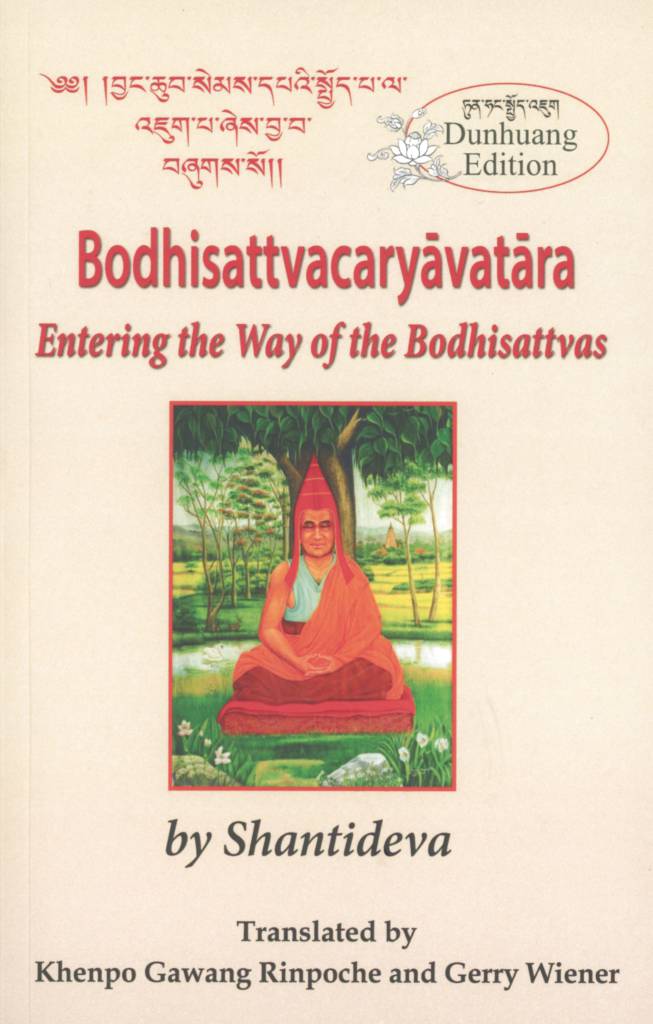
Dūnhuáng §This version is extracted from the book Bodhisattvacaryāvatāra: Entering the Way of the Bodhisattvas (2022, Khenpo Gawang and Wiener), a translation of an edition of the text created from three Dūnhuáng manuscripts. A description and sample pages of these can be found on the Early Tibet Blog. Scans of the actual manuscripts themselves can be found at http://idp.bl.uk

བདག་ནི་ཞག་དང་རྡུལ་མིན་ཏེ། །

བདག་ནི་གློ་མཆིན་དག་ཀྱང་མིན། ། ནང་གྲོལ་གཞན་ཡང་བདག་མིན་ཏེ། །

བདག་ནི་ཕྱི་ས་གཅིན་མ་ཡིན། །

alt verse 8.38 tm data

MD: The self is neither fat nor sweat.

The lungs and liver are not the self. Furthermore, the other inner organs are not the self.

The self is neither excrement nor urine.

Tsadra Critical Edition §This text was created by comparing four versions of the text from Derge, Cone, Narthang, and Peking Tengyurs from BDRC scans, along with Dunhuang manuscripts IOL Tib J 628, 629, and 630. When Tibetan readings were problematic, the Sanskrit texts from GRETIL and LTB (Oslo) were consulted.

བདག་ནི་ཞག་དང་རྔུལ་མིན་ཏེ། །

གློ་མཆིན་དག་ཀྱང་བདག་མ་ཡིན། ། ནང་ཁྲོལ་གཞན་ཡང་བདག་མིན་ཏེ། །

བདག་ནི་ཕྱི་ས་གཅིན་མ་ཡིན། །

[edit]
Sazang Mati (1294 - 1376)
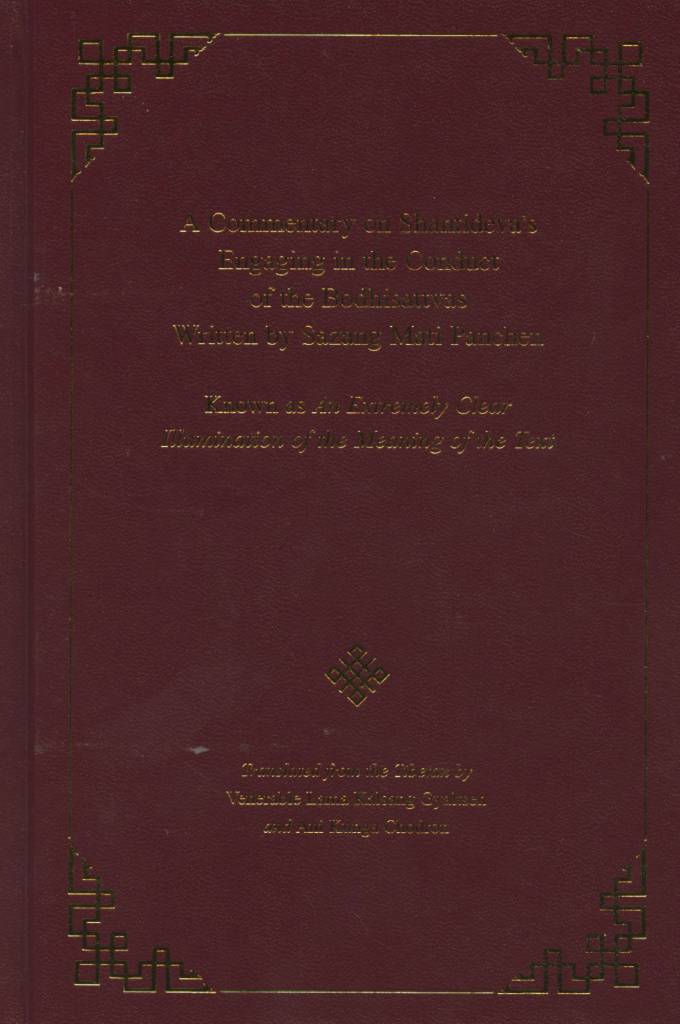
A Commentary on Shantideva's Engaging in the Conduct of the Bodhisattvas (citation)Gyaltsen, Lama Kalsang, and Ani Kunga Chodron, trans. A Commentary on Shantideva's Engaging in the Conduct of the Bodhisattvas Written by Sazang Mati Panchen: Known as An Extremely Clear Illumination of the Meaning of the Text. Walden, NY: Tsechen Kunchab Ling, 2019. Bilingual Edition

བདག་ནི་ཞག་དང་རྡུལ་མིན་ཏེ། །

གློ་མཆིན་དག་ཀྱང་བདག་མ་ཡིན། ། ནང་ཁྲོལ་གཞན་ཡང་བདག་མིན་ཏེ། །

བདག་ནི་ཕྱི་ས་གཅིན་མ་ཡིན། །
bdag ni zhag dang rdul min te/_/

glo mchin dag kyang bdag ma yin/_/ nang khrol gzhan yang bdag min te/_/

bdag ni phyi sa gcin ma yin/_/

The self is also neither oil nor sweat,

Nor the lungs or liver. The other internal organs are not self;

The self is neither feces nor urine.

སྣབས་ཀྱང་བདག་མིན་ལ་བད་ཀན་གྱི་ལྗན་ལྗིན་རྣམས་ཀྱང་བདག་མ་ཡིན་ཏེ༵་ཆུ་སེར་དང་ནི་རྣག་རྣམས་ཀྱང་བདག་མི༵ན་ལ། བདག་ནི་ཞག་དང་རྡུལ་དུ་ཡོད་པའང་མིན་ཏེ༵། གློ་བ་དང་མཆིན་པ་དག་ཀྱང་བདག་མ་ཡི༵ན་ནོ། །མཚེར་པ་ལ་སོགས་པའི་ནང་ཁྲོལ་གཞན་མང་པོ་ཡང་བདག་མིན་ཏེ༵་བདག་ནི་ཕྱི་ས་དང་གཅིན་ལ་སོགས་པ་མི་གཙང་བ་རྣམས་ཀྱང་མ་ཡི༵ན་ལ།

The self is also not the fat and dust, nor the lungs, liver, spleen and other various[p.377]A Commentary on Shantideva's Engaging in the Conduct of the Bodhisattvas
Gyaltsen, Lama Kalsang, and Ani Kunga Chodron, trans. A Commentary on Shantideva's Engaging in the Conduct of the Bodhisattvas Written by Sazang Mati Panchen: Known as An Extremely Clear Illumination of the Meaning of the Text. Walden, NY: Tsechen Kunchab Ling, 2019. First edition published by The Yeshe Dorje Foundation in 2006.
internal organs. The self is not the impure substances such as feces, urine, etc.
Gyaltsap Je (1364 - 1432)
The Entrance for the Children of the Conquerors (citation)Stracke, Fedor, trans. The Entrance for the Children of the Conquerors: A Commentary on the Introduction to the Actions of Bodhisattvas. By Gyaltsab Rinpoche. N.p.: Happy Monks Publication, 2016. https://happymonkspublication.org/product/bodhisattvacharyavatara-chapter-1-10-commentary/. Bilingual Edition

གསུམ་པ་སྟོང་ཉིད་སྒྲུབ་པའི་རིགས་པ་རྒྱས་པར་བཤད་པ་ལ་གཉིས།

Explaining Extensively the Reasoning Establishing Emptiness 1.1.2.3

དང་པོ་ལ་གསུམ།

Explaining Extensively the Reasoning that Establishes the Selflessness of Person 1.1.2.3.1

དང་པོ་ནི།

Refuting the Determined Object17The apprehended object of conceptual thought. of Innate Self-Grasping 1.1.2.3.1.1

དེ་ལ་བདེན་འཛིན་ཀུན་བཏགས་དང་ལྷན་སྐྱེས་ཀྱི་ཁྱད་པར་ནི་གང་ཟག་དང་ཕུང་པོ་གང་ལ་དམིགས་ཀྱང་རུང་། གྲུབ་མཐས་བློ་བསྒྱུར་བ་དང་མ་བསྒྱུར་བ་ཀུན་ལ་ཡོད་པའི་རང་བཞིན་གྱིས་གྲུབ་པ་དང་རང་གི་མཚན་ཉིད་ཀྱིས་གྲུབ་པར་འཛིན་པའི་བློ་རིགས་པའི་དཔྱད་པ་ཞུགས་པ་ལ་མི་ལྟོས་པར་ངང་ངམ་ཤུགས་ཀྱིས་སྐྱེ་བ་དེ་ནི།[p.Ch9-385]Spyod 'jug rtsa 'grel (Mtsho sngon mi rigs dpe skrun khang 2001)
Śāntideva, and Rgyal tshab rje dar ma rin chen. Spyod 'jug rtsa 'grel and Byang chub sems dpa'i spyod pa la 'jug pa'i rnam bshad rgyal sras 'jug ngogs. Xining: Mtsho sngon mi rigs dpe skrun khang, 2001

Regarding the difference between the innate true-grasping and the intellectually acquired true-grasping: Innate true-grasping is the true-grasping that everybody has, irrespective of whether the mind has been influenced by tenets or not. It is generated through its natural power with regards to the person or the aggregates, and it grasps at natural existence and at inherent existence independently of an analysis with reasoning. This true-grasping is called the innate true-grasping.

བདེན་འཛིན་ལྷན་སྐྱེས་ཞེས་བྱ་ལ་བདེན་འཛིན་ཡིན་ཡང་རིགས་པའི་དཔྱད་པ་ཞུགས་པ་ལ་བལྟོས་ནས་བདེན་པར་གྲུབ་པ་འཐད་སྙམ་པ་དང༌། བདེན་པར་གྲུབ་སྙམ་པ་ནི་བདེན་འཛིན་ཀུན་བཏགས་ཡིན་ལ། གང་ཟག་གི་བདག་འཛིན་ལ་རང་རྐྱ་ཐུབ་པའི་རྫས་ཡོད་དུ་འཛིན་པའི་ལྷན་སྐྱེས་ཀྱིས་བསྡུས་པ་ཡང་ཡོད་ལ་གང་ཟག་དང་ཕུང་བོ་རྗེ་བོ་དང་ཁོལ་བོ་བཞིན་དུ་འཛིན་པ་ནི་ཀུན་བཏགས་འབའ་ཞིག་ཏུ་ཤེས་པར་བྱའོ། །

Intellectually acquired true-grasping: If it is true-grasping that, in dependence on an analysis with reasons, thinks it is valid that objects exist truly and that thinks ‘these objects exist truly’, then it is the intellectually acquired true-grasping. In the category of self-grasping at person, there is also an innate grasping at a self-sufficient substantial existent, and the grasping at the person as the lord and at the aggregates as the servant, which can only be intellectually acquired.

དེ་བཞིན་དུ་རྡུལ་ཕྲན་ཆ་མེད་དང་ཤེས་པ་སྐད་ཅིག་ཆ་མེད་དུ་འཛིན་པ་ཡང་ཆོས་ཀྱི་བདག་འཛིན་ཀུན་བཏགས་འབའ་ཞིག་གོ །

Likewise, also the grasping at partless particles and partless moments of time can only be intellectually acquired grasping at the self of phenomena.

མདོར་ན་གྲུབ་མཐའི་དཔྱད་པ་ལ་མ་བལྟོས་པར་ངང་ངམ་ཤུགས་ཀྱིས་སྐྱེ་བའི་བདག་འཛིན་གཉིས་ནི་ལྷན་སྐྱེས་ཡིན་ལ་དེ་ལས་གཞན་པའི་བདག་འཛིན་ནི་ཀུན་བཏགས་སོ། །

In short, the two types of true-grasping that are generated through their natural power, independently of analysis, are innate and any other types of true-grasping are intellectually acquired.

སྔ་མའི་ཞེན་ཡུལ་དགག་བྱའི་གཙོ་བོ་ཡིན་ལ་ཕྱི་མའི་ཞེན་ཡུལ་འགོག་པ་སྔ་མ་འགོག་པའི་ཡན་ལག་ཏུ་ཤེས་པར་བྱའོ། །

The determined object of the earlier is the main object of negation, and the negation of the later should be understood as part of the negation of the earlier.

སོ་དང་སེན་མོ་སོགས་བདག་ཡིན་པ་འགོག་པ་འདི་འཁོར་བ་ལས་གྲོལ་བའི་དོན་དུ་ཡིན་ན་སེམས་ཅན་རྣམས་ལ་དེ་དག་ང་ཡི་བར་འཛིན་པ་ཡོད་ཀྱི་ངར་འཛིན་པ་མེད་པས་མི་རིགས་སོ་ཞེ་ན།

Argument: If one asserts that a refutation of the teeth, nails and so forth as being the self is for the purpose of liberation from cyclic existence, then this would be unsuitable, because sentient beings, while grasping at them as mine, do not grasp at them as ‘I’.

གཟུགས་བདག་མ་ཡིན་པར་གསུངས་པ་སོགས་དང་དོན་གཅིག་པས་འཇིག་ལྟ་ལྷན་སྐྱེས་ཀྱི་དམིགས་རྣམ་གཉིས་ཀྱི་དམིགས་པ་ས་པ་ནི་ནི་ལས་ལསའབྲས་ཀྱི་དེ་ལ་རྟེན་དུ་གྱུར་པའི་ང་ཙམ་དང་ང་ཡི་བའི་རང་ལྡོག་ཙམ་ཡིན་ལ། འཇིག་ལྟས་ང་དང་ང་ཡི་བ་རང་གི་མཚན་ཉིད་ཀྱིས་གྲུབ་པར་ཞེན་པ་ཡིན་པས་ང་རང་གི་མཚན་ཉིད་ཀྱིས་གྲུབ་ན་དེའི་མཚན་གཞིར་ཕུང་བོའི་ཚོགས་[p.Ch9-386]Spyod 'jug rtsa 'grel (Mtsho sngon mi rigs dpe skrun khang 2001)
Śāntideva, and Rgyal tshab rje dar ma rin chen. Spyod 'jug rtsa 'grel and Byang chub sems dpa'i spyod pa la 'jug pa'i rnam bshad rgyal sras 'jug ngogs. Xining: Mtsho sngon mi rigs dpe skrun khang, 2001
པ་དང་རྒྱུན་དང་དེའི་ཡ་གྱལ་དང་ཆ་ཤས་དང་། དེ་རྣམས་ལས་ངོ་བོ་ཐ་དད་པ་གང་རུང་གཅིག་ངའི་མཚན་གཞིར་བསྒྲུབ་དགོས་ལ་དེ་རྣམས་དེ་ལྟར་མ་གྲུབ་པའི་ཕྱིར་ཞེས་འཆད་པ་ཡིན་ནོ། །

Answer: Since this is synonymous with the teachings that form and so forth are not the self, out of the focus and the aspect of the innate transitory view, it is the focus that is the mere self-isolates of the mere ‘I’ and ‘mine’, that are the basis of karmic cause and effect. The innate transitory view grasps at them as inherent ‘I’ and ‘mine’ and therefore, if the ‘I’ existed inherently, then one of the examples for the ‘I’, such as the collection of the aggregates or its continuum, its parts or division, or something of a different entity from the aggregates, should be established as the example of the ‘I’. But they are not, and that is what it is saying here. The point here is that this is not the case.[p.38]The Entrance for the Children of the Conquerors
Stracke, Fedor, trans. The Entrance for the Children of the Conquerors: A Commentary on the Introduction to the Actions of Bodhisattvas. By Gyaltsab Rinpoche. N.p.: Happy Monks Publication, 2016. https://happymonkspublication.org/product/bodhisattvacharyavatara-chapter-1-10-commentary/.

བདག་ནི་ཞག་དང་རྡུལ་མིན་ཏེ། །

གློ་མཆིན་དག་ཀྱང་བདག་མ་ཡིན། ། ནང་ཁྲོལ་གཞན་ཡང་བདག་མིན་ཏེ། །

བདག་ནི་ཕྱི་ས་གཅིན་མ་ཡིན། །
bdag ni zhag dang rdul min te/_/

glo mchin dag kyang bdag ma yin/_/ nang khrol gzhan yang bdag min te/_/

bdag ni phyi sa gcin ma yin/_/

The self is not the fat or sweat,

And neither the lungs nor liver are the self. The other inner organs are also not the self,

The self is not feces or urine.

ཕུང་བོའི་ཡ་གྱལ་བདག་གི་མཚན་གཞི་ཡིན་པ་འགོག་པ་ནི། སོ་དང་སེན་མོ་བདག་མ་ཡིན་པ་དག་གི་མཚན་གཞི་ནི་རུས་པ་དང་ཁྲག་མ་ཡིན་སྣབས་མིན་བད་ཀན་མ་ཡིན་ཏེ་དེ་དག་ལ་བདག་ཏུ་བཏགས་པ་ཙམ་དུ་ཟད་པའི་ཕྱིར། ཆུ་སེར་དང་ནི་རྣག་ཀྱང་ངའི་མཚན་གཞི་མིན་བདག་གི་མཚན་གཞི་ནི་ཞག་དང་རྡུལ་མིན་ཏེ་རྒྱུ་མཚན་སྔ་མའོ། །གློ་མཆིན་དག་ཀྱང་བདག་གི་མཚན་གཞི་མ་ཡིན་ལ་རྒྱུ་མ་ལ་སོགས་པའི་ནང་ཁྲོལ་གཞན་ཡང་བདག་གི་མཚན་གཞི་མིན་ཏེ་བདག་ནི་ཕྱི་ས་གཅིན་མ་ཡིན་ཤ་དང་པགས་པ་བདག་མིན་ཏེ་དེ་དག་ལ་བཏགས་པ་ཙམ་དུ་ཟད་པའི་ཕྱིར་རོ། །དྲོད་དང་རླུང་ཡང་བདག་མ་ཡིན་ལུས་ཀྱི་ནང་གི་བུ་ག་སོགས་ཀྱང་བདག་མ་ཡིན་ཏེ་གོ་བར་ཟད་དོ། །

Refuting parts of the aggregates as examples for the ‘I’: The teeth and nails are not the self, the bones or blood are not the self, and neither is the nasal mucus or phlegm because the self is established as merely labelled on these. Also, because of the earlier reason, lymph or pus are not examples of the ‘I’, and neither are the sweat or fat examples of the self. And neither the lungs nor the liver are examples of the self, and also the other inner organs such as the intestines and so forth are not examples of the self. The self is neither feces nor urine and also the flesh or skin are not the self, as the self is established as merely labelled on them. The heat and air are not the self, and understand that also the holes of the body and so forth are not the self.

དེ་དག་གི་དོན་བསྡུས་ན་རང་སྡེ་དངོས་པོར་སྨྲ་བ་རྣམས་གང་ཟག་གི་མཚན་གཞིར་ཕུང་བོ་འཛིན་ལ་ཕྱི་རོལ་བ་རྣམས་གང་ཟག་རྗེ་བོ་དང་ཕུང་བོ་ཁོལ་བཞིན་དུ་ཕུང་བོ་ལས་དོན་གཞན་པའི་བདག་ཁས་ལེན་པ་ཡིན་ནོ། །

If the meaning of this is summarized: The Realists belonging to our side grasp at the aggregates as an example for the person, and non-Buddhists accept a self that is of different entity from the aggregates; the self being like the master and the aggregates like the servant.

འདིར་བསྟན་པ་འདི་དག་ནི་དབུ་མ་རིན་ཆེན་ཕྲེང་བ་ལས་ཁམས་དྲུག་གང་ཟག་ཡིན་པ་བཀག་པ་དང་དོན་གཅིག་པས་སོ། །བུ་ག་མིན་ཞེས་པ་ནི་ནམ་མཁའི་ཁམས་གང་ཟག་ཡིན་པ་བཀག་པ་ཡིན་ནོ། །

What is shown here is synonymous with the refutation of the six spheres as the person in the Garland of the Middle Way. ‘The holes are not the self’ refutes the sphere of space as the person.

དེས་ན་ཐ་སྙད་དུ་ཡང་ཕུང་བོའི་ཚོགས་པ་དང་རྒྱུན་དང་ཡ་གྱལ་དང་ཆ་ཤས་གང་ཡང་གང་ཟག་གི་མཚན་གཞིར་[p.Ch9-387]Spyod 'jug rtsa 'grel (Mtsho sngon mi rigs dpe skrun khang 2001)
Śāntideva, and Rgyal tshab rje dar ma rin chen. Spyod 'jug rtsa 'grel and Byang chub sems dpa'i spyod pa la 'jug pa'i rnam bshad rgyal sras 'jug ngogs. Xining: Mtsho sngon mi rigs dpe skrun khang, 2001
གཟུང་དུ་མི་རུང་ལ། དེ་རྣམས་ལས་ངོ་བོ་ཐ་དད་པ་གཞན་ཡང་གང་ཟག་ཏུ་བཞག་ཏུ་མེད་དེ་དེ་དག་ལ་བརྟེན་ནས་གང་ཟག་ཏུ་བཏགས་པ་ཙམ་དུ་ཟད་པའོ། །

Then, it is also unsuitable to hold any of the collection of the aggregates, or its continuum, its parts or divisions, or something that is of a different entity from the aggregates, to be an example for the person even nominally, and also, anything of different entity from them cannot be posited as the person because the person is established as being merely labelled in dependence on these.

འོ་ན་གང་ཟག་ཅུང་ཟད་ཀྱང་བཞག་ཏུ་མེད་པར་འགྱུར་རོ་ཞེ་ན་

Argument: But then there is nothing that can be posited as the person.

ཁྱོད་ལ་ལྷ་སྦྱིན་དང་མཆོད་སྦྱིན་སོགས་མ་དཔྱད་པར་འཇུག་པ་འདིས་མི་ཆོག་གམ་གང་ཟག་ཅེས་པའི་ཐ་སྙད་འཇུག་པའི་གཞི་གང་ཟག་རང་གི་མཚན་ཉིད་ཀྱིས་གྲུབ་པ་གཅིག་འདོད་ན་ནི་རྟག་ཆད་ཀྱི་མཐར་ལྟུང་བར་འགྱུར་བས་དེ་རྡུལ་ཙམ་ཡང་མེད་པར་ཤེས་པར་བྱའོ། །

Answer: Are you not satisfied with the analysis of Devadatta and Yajjadatta? As one will fall into the extremes of nihilism or eternalism if one posits an inherently existent person as the object labelled when saying ‘person’, understand that not even one atom of such a self exists.[p.39]The Entrance for the Children of the Conquerors
Stracke, Fedor, trans. The Entrance for the Children of the Conquerors: A Commentary on the Introduction to the Actions of Bodhisattvas. By Gyaltsab Rinpoche. N.p.: Happy Monks Publication, 2016. https://happymonkspublication.org/product/bodhisattvacharyavatara-chapter-1-10-commentary/.
Pawo Rinpoche, 2nd (1504 - 1566)
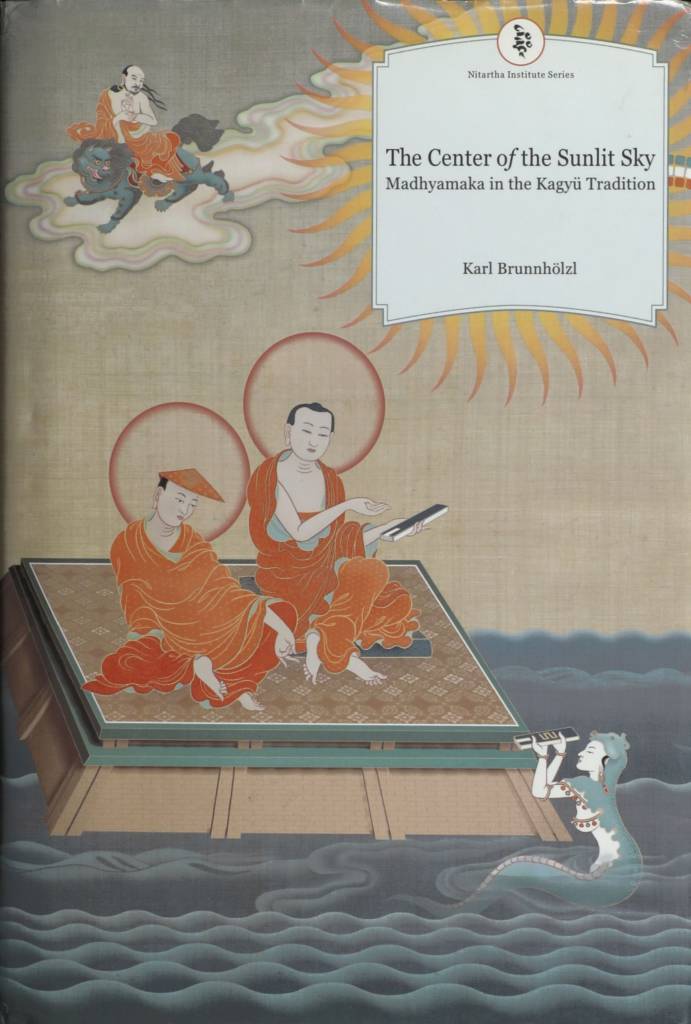
The Center of the Sunlit Sky (citation)Brunnhölzl, Karl. The Center of the Sunlit Sky: Madhyamaka in the Kagyü Tradition. Including a translation of Pawo Rinpoche's commentary on the knowledge section of Śāntideva's The Entrance to the Bodhisattva’s Way of Life (Bodhicaryāvatāra). Nitartha Institute Series. Ithaca, NY: Snow Lion Publications, 2004. Bilingual Edition

བདག་ནི་ཞག་དང་རྡུལ་མིན་སྟེ། །

བློ་མཆིན་དག་ཡང་བདག་མ་ཡིན། ། ནང་རོལ་གཞན་ཡང་བདག་མིན་སྟེ། །

བདག་ནི་ཕྱི་ས་གཅིན་མ་ཡིན། །

I am not marrow nor sweat,

Nor am I fat, entrails, Or any of the other inner organs.

I am also not excrement or urine. [58]

ཞེས་གསུངས་ཏེ། ཚིགས་བཅད་དང་པོས་སྐྲག་པ་པོའི་བདག་མེད་པར་བསྟན། །ལྷག་མས་ལུས་བདག་མ་ཡིན་པར་བསྟན། ཚིག་རྐང་ཐ་མས་སེམས་བདག་མ་ཡིན་པར་བསྟན་ཏོ། །

[The first eleven lines of] these verses teach that the body is not the self, and the last line teaches that the mind is not the self either.

གལ་སྟེ་ལུས་བདག་གོ་ཞེ་ན་ཡན་ལག་གི་ཚོགས་པ་ལས་གཞན་པའི་ལུས་ནི་མེད་པ་ཡན་ལག་དེ་རྣམས་ནི་བདག་མ་ཡིན་ཞིང་དེ་རྣམས་ལ་ཡང་བདག་མེད་སྟེ་འདི་ལྟར་སོ་དང་སྐྲ་དང་སེན་མོ་ནི་རུས་པ་དང་སྤུ་ཡིན་གྱི་བདག་མ་ཡིན་ལ་བདག་ནི་རུས་པ་དང་སྤུ་ལ་སོགས་པར་མི་རིགས་སོ། །དེ་བཞིན་དུ་ཁྲག་ནི་བདག་མ་ཡིན་ལ་བདག་ཡང་ཁྲག་མ་ཡིན་ནོ། །སྣབས་མིན་བད་ཀན་མ་ཡིན་སྟེ། །ཆུ་སེར་དང་ནི་རྣག་ཡང་མིན་སྟེ་དེ་དག་ནི་ལྗན་ལྗིན་དུ་མི་རིགས་ཅིང་ལྗན་ལྗིན་བདག་དུ་ཡང་མི་རིགས་པའི་ཕྱིར། བདག་ནི་ཞག་དང་རྡུལ་མིན་སྟེ། དེ་གཉིས་ནི་ནང་གི་ཆུ་ཁམས་སུ་ཟད་ཏོ། །

You might state, “The body is the self.” There is no body other than the collection of its parts. However, the parts are not the self, nor is there any self within them. Thus, I am not teeth, hair, or nails, as these are [just] bones and hairs. It is not reasonable that I am such [things] as bones or body hairs. Likewise, I am not blood and blood is not me either. I am neither nasal mucus nor phlegm, nor lymph or pus. This is the case because these [substances] are filthy and it is not reasonable that the self is something filthy, nor is it reasonable that something filthy is the self.

གློ་མཆིན་དག་ཡང་བདག་མ་ཡིན། །ནང་རོལ་གཞན་ཡང་བདག་མིན་སྟེ་དེ་དག་ནི་ཤར་ཟད་པའི་ཕྱིར། བདག་ནི་ཕྱི་ས་གཅིན་མ་ཡིན་སྟེ་དེ་གཉིས་ནི་ཟས་སྐོམ་གྱི་རྙིགས་མ་ཡིན་པའི་ཕྱིར། ཤ་དང་པགས་པ་དང་རུས་པ་དང་རྩ་དང་རྒྱུས་པ་ཡང་བདག་མ་ཡིན་སྟེ་དུར་ཁྲོད་ཏུ་བོར་བའི་ཤ་སོགས་བདག་དང་བདག་གི་གང་ཡང་མ་ཡིན་པར་མཐོང་ལ་ལུས་འདིའི་ཤ་སོགས་དང་དེ་དག་ལ་ཁྱད་པར་མ་མཐོང་བའི་ཕྱིར། དེ་རྣམས་ཀྱིས་ལུས་ཀྱི་ས་ཁམས་དང་ཆུ་ཁམས་བདག་མ་ཡིན་པར་བསྟན་ལ།

I am not marrow nor sweat, as these two [substances] are nothing but the water element [in] the interior [of the body]. I am not fat, entrails, or any of the other inner organs, because they are nothing but flesh. I am also not excrement or urine, because these two [substances] are the waste products of food and drink. I am not flesh or sinew, nor bones, blood vessels, nerves, or tendons. The reasons are as follows: [Everybody can] see that flesh and so forth that are scattered on a charnel ground are not the self, nor are they what belong to this self at all. Furthermore, one [can]not see a difference between the [flesh and such on a charnel ground] and the flesh and so forth of this [living] body. [Thus,] these [nine lines of verse] teach that the [inner] earth element and water element are not the self.

དེ་བཞིན་དུ་དྲོད་མེའི་ཁམས་དང་རླུང་འབྱུང་འཇུག་གནས་པ་དབུགས་ཀྱི་ཆ་ཡང་བདག་མ་ཡིན་སྟེ་ཇི་ལྟར་ཐབ་ཀའི་མེ་བདག་མ་ཡིན་པ་དང་སྦུད་པའི་རླུང་བདག་མ་ཡིན་པ་བཞིན་ནོ། །རྣ་བ་ལ་སོགས་པ་ནང་གི་བུ་ག་གཞན་དང་གཞན་རྣམས་ཀྱང་བདག་མ་ཡིན་སྟེ་ཕྱིའི་སྐར་ཁུང་བདག་མ་ཡིན་པ་བཞིན་ནོ། །

In the same way, I am not the body’s warmth [the fire element] or respiration1642Skt. vāyu, Tib. rlung; lit. “wind.” [the factor of the breath that involves inhalation, exhalation, and pause]. These are just like fire in a stove and the wind that kindles it, which are not the self. Nor am I its various other inner orifices, such as the ones in the nose. They are just like outer windows, which are not the self.

གལ་སྟེ་ལུས་བདག་མ་ཡིན་མོད་སེམས་བདག་ཡིན་ནོ་ཞེ་ན་རྣམ་པ་ཀུན་དུ་ཡུལ་ལ་འཇུག་པའི་མིག་གི་རྣམ་ཤེས་ལ་སོགས་པ་དྲུག་པོ་འདི་དག་ཡང་བདག་མ་ཡིན་སྟེ་འདི་དག་ནི་ཡུལ་གཟུགས་སོགས་ལ་བསྟེན་ནས་སྐྱེ་ཡི་བདག་ནི་རྐྱེན་ལ་རག་ལས་པར་མི་རིགས་པ་དང་བདག་གི་མིག་གི་རྣམ་ཤེས་ཅེས་འདི་དག་ལ་བདག་གི་བའི་འདུ་ཤེས་འཇུག་པའི་ཕྱིར། བདག་ཡིན་ན་བདག་གི་བར་འགལ་སྟེ་བདག་ཡང་ཡིན་ལ་བདག་གི་རྟ་ཡང་ཡིན་པ་མི་སྲིད་པ་ལྟ་བུའི་ཕྱིར། ཚོགས་དྲུག་པོ་ལས་གཞན་པའི་སེམས་ཀྱང་མེད་སྟེ་རྣམ་པར་ཤེས་པ་ནི་ཤེས་པའི་ཚོགས་གཅིག་ཁོ་ན་ཡིན་ལ་དེ་ཉིད་ཡུལ་གྱི་དབང་གིས་དྲུག་དུ་བཞག་པའི་ཕྱིར།

Now you might continue, “Granted, the body is surely not the self, but the mind is the self.” I am not these six consciousnesses that engage in objects, such as the eye [consciousness], in any way either. The reasons are as follows: These [consciousnesses] arise in dependence on objects, such as form, [841] whereas it is not reasonable that the self depends on conditions. Also, they are referred to as[p.699]The Center of the Sunlit Sky
Brunnhölzl, Karl. The Center of the Sunlit Sky: Madhyamaka in the Kagyü Tradition. Including a translation of Pawo Rinpoche's commentary on the knowledge section of Śāntideva's The Entrance to the Bodhisattva’s Way of Life (Bodhicaryāvatāra). Nitartha Institute Series. Ithaca, NY: Snow Lion Publications, 2004.
“mine” by such discriminating notions as “my eye consciousness.” If they were the self, it would be contradictory [to say] that they are mine, because this is as impossible as something being both me and my horse. There is also no mind that is other than the six collections [of consciousness], because consciousness is just one single collection of consciousness and it is just this [single collection of consciousness] that is presented as sixfold due to [its apprehension of six kinds of] objects.

ཀུན་གཞིའིརྣམ་ཤེས་བདག་གོ་ཞེ་ན་དེ་ནི་ཐེག་ཆེན་གྱི་སྐབས་ལས་གཞན་དུ་་བསྟན་སྟེ།

Then you might try, “The ground consciousness is the self.” [However,] this is taught nowhere other than in the context of the great vehicle. [For example, The Sūtra That Unravels the Intention says]:

ལེན་པའི་རྣམ་པར་ཤེས་པ་ཟབ་ཅིང་ཕྲ། །

ས་བོན་ཐམས་ཅད་ཆུ་བོ་བཞིན་དུ་འབབ། ། བདག་དུ་རྟོག་པར་གྱུར་ན་མི་རུང་ཞེས། །

དེ་ནི་བྱིས་པ་རྣམས་ལ་ངས་མ་བསྟན། །

The appropriating consciousness is profound and subtle.
All seeds flow into it like a river.
It is not appropriate to conceive of it as a self.
Hence, I did not teach it to naïve beings.1643ACIP KD0106@21B.

ཞེས་སོ། །ཀུན་གཞིའི་རྣམ་ཤེས་རྣམ་པར་བཞག་པའི་ཚེ་ནའང་དེ་ཡང་བདག་མ་ཡིན་སྟེ་དེ་ལ་ཡང་བདག་གི་བའི་འདུ་ཤེས་འཇུག་པའི་ཕྱིར་དང་། སྤྱིར་རྒྱུ་མེད་ཏུ་ལྟ་བ་ལྡོག་ཕྱིར་ཀུན་གཞི་ནི་དགོངས་པས་གསུངས་ཀྱི་ངོ་བོ་ཉིད་ཀྱིས་ཡོད་པ་མ་ཡིན་སྟེ་སངས་རྒྱས་ཀྱི་སར་མི་གནས་པའི་ཕྱིར་དང་མཐར་ཐུག་ཀུན་གཞི་མེད་པའི་ཆོས་ཀྱི་འཁོར་ལོ་གཙོ་བོར་སྟོན་པའི་ཕྱིར་དང་།

Even when one [tries to] present the ground consciousness [as the self], this is not the self either, because it is also referred to by the discriminating notion “mine.” In general, [the Buddha] proclaimed the ground [consciousness] with an intention, which was to reverse the view of causelessness. However, the [ground consciousness] is not something that exists by its nature for the following reasons: It is not present on the Buddha ground. [The Buddha’s] main teaching is the dharma wheel in which, on the final level, the ground [consciousness] does not exist. There, he said:

གང་ཀུན་གཞི་འདོད་པ་དེ་ནི་ཆོས་འདོད་པ་མ་ཡིན་ནོ་ཞེས་གསུངས་པའི་ཕྱིར།

Those who assert the ground [consciousness] do not assert the dharma.

ལུས་སེམས་དེ་དག་ལས་གཞན་པའི་བདག་ཡོད་ན་རང་ཉིད་ལ་སྣང་བར་རིགས་ཏེ་རང་ཉིད་ལ་རང་ལྐོག་དུ་གྱུར་པ་མི་སྲིད་པའི་ཕྱིར། དེ་ཡང་མི་སྣང་བ་ལས་ན་བདག་དེ་ནི་ཀུན་རྫོབ་བམ་དོན་དམ་དུའང་རུང་དཔྱད་པའམ་ཐ་སྙད་ཏུའང་རུང་སྟེ་ནམ་དུ་ཡང་སྲིད་པ་མ་ཡིན་ནོ། །

If there were a self other than body and mind, it would be reasonable that it appears to oneself, because it is impossible for it to be a phenomenon that is hidden from oneself. [However,] such [a self] does not appear. Thus, whether it is on the seeming level or the ultimate level, and whether it is under analysis or [just] conventionally, a self is never possible.

གཉིས་པ་ལ་བཞི་ལས། དང་པོ་སྒྲ་འཛིན་རྟག་པ་བཀག་པ་ནི།

The Particular Refutation of the Enumerators’ Assertion 3.1.2.

དེ་ལ་གྲངས་ཅན་པ་ན་རེ། ཤེས་པ་ནི་བདག་ཡིན་ལ་དེ་དང་བཅས་པའི་སྐྱེས་བུ་ནི་རང་གི་ངོ་བོ་སྟེ་དེའི་འདོད་པ་ལས་རྡུལ་མུན་སྙིང་སྟོབས་གསུམ་ཆ་མཉམ་པ་ནི་རང་བཞིན་སྟེ་རྟག་པ་ཡིན་ལ་ཆ་མི་མཉམ་པ་ནི་འགྲོ་བ་ཞེས་བྱ་བ་སྐྱེ་འཇིག་ཅན་ཡིན་ཞིང་རྟག་པ་དང་འདྲེས་པ་ལས་ཆེན་པོའམ་བློ་དེ་ལས་ང་རྒྱལ་དེ་ལས་སྒྲ་སོགས་དེ་ཙམ་ལྔ་བློ་མེ་ལོང་ངོས་གཉིས་པ་ལྟ་བུ་ལ་འཕོས་པ་ལས་བདག་ལ་གཟུགས་བརྙན་ལྟར་སྣང་ཞིང་མྱོང་ལ་བློས་ཞེན་པ་དེ་སྐྱེས་བུས་སེམ་པར་བྱེད་ཏོ་དེས་ན་བདག་དེ་ནི་རྟག་དུ་སྒྲའི་ཤེས་པ་ལ་སོགས་པའི་རང་བཞིན་ཅན་ཡིན་ནོ་ཞེས་ཟེར་རོ། །

The Enumerators state the following: The self is [mere] consciousness. [The self’s] own nature is [called] “the individual”1644Skt. puruṣa, Tib. skyes bu. For more details on this system, see Appendix II. which is endowed with this [mere consciousness]. Due to [the individual’s] desire, the equilibrium of the triad of “motility,” “darkness,” and “lightness”1645Skt. rajas, tamas, sattva; Tib. rdul, mun pa, snying stobs. —that is, the permanent “nature”1646Skt. prakṛti, Tib. rang bzhin (also called “primal substance,” Skt. pradhāna, Tib. gtso bo).— becomes imbalanced. This is what is called universal flux1647Skt. jagat, Tib. ’gro ba. This is a synonym for the whole universe, indicating its dynamic character. [or “manifestation”], which involves arising and ceasing. [842] [In this process, first,] “the great one,” or “cognition,”1648Skt. mahat/buddhi, Tib. chen po/blo. [splits off] from its [original] unity with this permanent [“nature”].[p.700]The Center of the Sunlit Sky
Brunnhölzl, Karl. The Center of the Sunlit Sky: Madhyamaka in the Kagyü Tradition. Including a translation of Pawo Rinpoche's commentary on the knowledge section of Śāntideva's The Entrance to the Bodhisattva’s Way of Life (Bodhicaryāvatāra). Nitartha Institute Series. Ithaca, NY: Snow Lion Publications, 2004.
From [“cognition” manifests] “identification,”1649Skt. ahaṃkāra, Tib. nga rgyal. and thence the five “essential elements,”1650Skt. pañcatanmātra, Tib. de tsam lnga. such as the one of sound. These become shifted toward “cognition,” which is like a two-sided mirror. Thus, they appear for and are experienced by the self like reflections [in a mirror]. Apprehending [these objects] through “cognition” is what is sensed by “the individual.” Hence, the self is something that permanently has the nature of consciousness, such as [the consciousness] of sound.1651The main point that is refuted here is that the permanent self—the individual—is consciousness. See also section 4.2.2.1.3.1. The Refutation of the Primal Substance of the Enumerators below.
Mipam Gyatso (1846 - 1912)
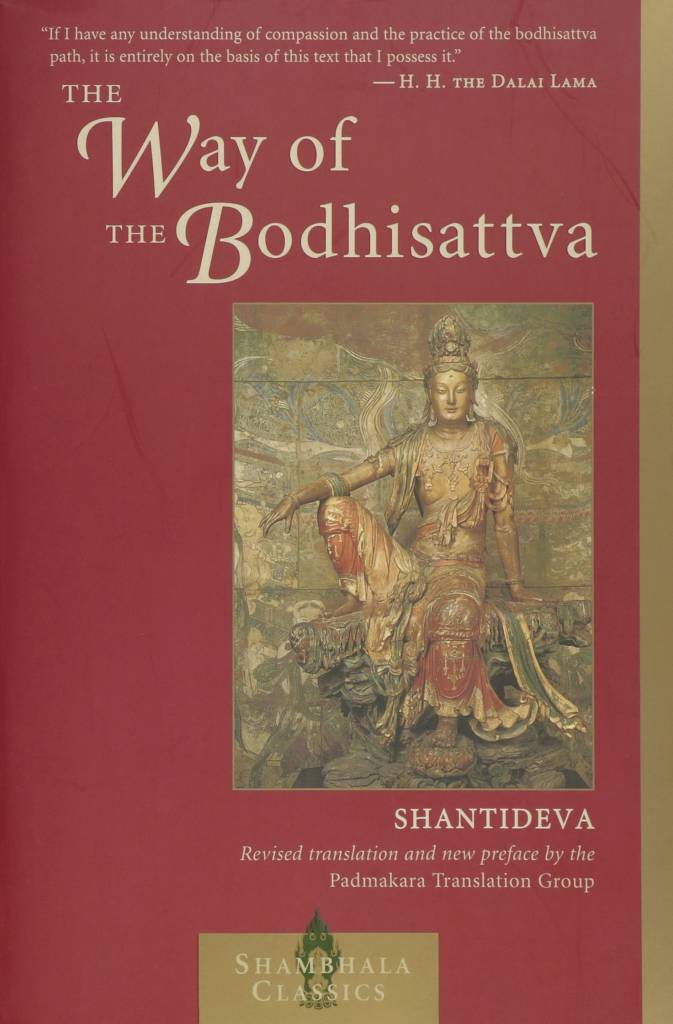
The Wisdom Chapter - The Ketaka Jewel (citation)Fletcher, Wulstan, and Helena Blankleder (Padmakara Translation Group), trans. The Wisdom Chapter: Jamgön Mipham's Commentary on the Ninth Chapter of "The Way of the Bodhisattva." Boulder, CO: Shambhala Publications, 2017. Bilingual Edition

བདག་ནི་ཞག་དང་རྡུལ་མིན་ཏེ། །

གློ་མཆིན་དག་ཀྱང་བདག་མ་ཡིན། ། ནང་ཁྲོལ་གཞན་ཡང་བདག་མིན་ཏེ། །

བདག་ནི་ཕྱི་ས་གཅིན་མ་ཡིན། །
bdag ni zhag dang rdul min te/_/

glo mchin dag kyang bdag ma yin/_/ nang khrol gzhan yang bdag min te/_/

bdag ni phyi sa gcin ma yin/_/

The “I” is not the body’s grease or sweat;

The lungs and liver likewise do not constitute it. Neither are the inner organs “I,”

Nor yet the body’s excrement and waste.

Kunzang Palden (1862 - 1943)
The Nectar of Manjushri's Speech (citation)Blankleder, Helena, and Wulstan Fletcher (Padmakara Translation Group), trans. The Nectar of Manjushri's Speech: A Detailed Commentary on Shantideva's Way of the Bodhisattva. By Kunzang Pelden. Boston: Shambhala Publications, 2007. Bilingual Edition

དེ་བཞིན་དུ་སྐྲ་ཉི་ཁྲི་ཆིག་སྟོང་དང༌། སེན་མོ་ཉི་ཤུ་ཡང་བདག་མ་ཡིན། བདག་ནི་རུས་པའི་དུམ་བུ་སུམ་བརྒྱ་དྲུག་ཅུ་ཡོད་པ་རྣམས་རང་ལུས་ཀྱི་ཁྲག་རྣམས་ཀྱང་མ་ཡིན། སྣབས་མིན་བད་ཀན་ཏེ་ཕོ་བ་སོགས་བེ་སྣབས་ཀྱི་རྣམ་པར་ཡོད་པའི་གཤེར་བའི་ཁམས་ཀྱང་མ་ཡིན་ཏེ་ཆུ་སེར་དང་ནི་ཁྲག་རུལ་བའི་རྣམ་པའི་རྣག་ཀྱང་མིན་ལ། །

བདག་ནི་ཞག་དང་རྡུལ་མིན་ཏེ། །

གློ་མཆིན་དག་ཀྱང་བདག་མ་ཡིན། ། ནང་ཁྲོལ་གཞན་ཡང་བདག་མིན་ཏེ། །

བདག་ནི་ཕྱི་ས་གཅིན་མ་ཡིན། །
bdag ni zhag dang rdul min te/_/

glo mchin dag kyang bdag ma yin/_/ nang khrol gzhan yang bdag min te/_/

bdag ni phyi sa gcin ma yin/_/

བདག་ནི་ལུས་ཀྱི་ཕྱི་ནང་དུ་སྣུམ་བག་གི་རྣམ་པའི་ཞག་དང་ལུས་ཀྱི་རྡུལ་མིན་ཏེ། གློ་མཆིན་དག་ཀྱང་བདག་མ་ཡིན་ལ། སྙིང་ལ་སོགས་པའི་ནང་ཁྲོལ་གཞན་ཡང་བདག་མིན་ཏེ། བདག་ནི་ཕྱིས་སྟེ་དྲི་ཆེན་དང་གཅིན་མ་ཡིན། །

The same kind of argument may be applied in the case of the body’s twenty-one thousand hairs or its twenty nails. They are not the self. Neither is the self the three hundred and sixty bones of the skeleton. It is not the blood, nor any of the watery substances in the form of nasal mucus or phlegm. It is neither lymph nor rotten blood in the form of pus.

The “I” is not the body’s grease or sweat,

The lungs and liver likewise do not constitute it. Neither are the inner organs “I,”

Nor yet the body’s excrement and waste.

The self is not the outer or inner fats, nor the perspiration of the body. The lungs are not the self; neither is the liver, nor the heart nor any of the body’s inner organs. It is not the body’s excrement, the feces or urine.


[edit]
[edit]