9.35

From Bodhicitta

Bodhicaryāvatāra · Verse 9.35


Sources:    

Sanskrit §No information about the source used.

चिन्तामणिः कल्पतरुर्यथेच्छापरिपूरणः। विनेयप्रणिधानाभ्यां जिनबिम्बं तथेक्ष्यते॥

 
Chanted Verse
Recitation by Professor Kashinath Nyaupane
35

Just as a pillar empowered by an expert on poisons, who

then dies, will continue to neutralize venom and other

poisons even when he is long dead,

Standard Tibetan §Padmakara used the 1990 edition printed by si khron mi rigs dpe skrun khang: Byang chub sems dpa'i spyod pa la 'jug pa rtsa ba dang 'grel pa (1990). Also found in Derge Tengyur D3871, dbu ma, vol. 105, la 1b1–40a7.

ཡིད་བཞིན་ནོར་བུ་དཔག་བསམ་ཤིང་། །

ཇི་ལྟར་རེ་བ་ཡོངས་སྐོང་བ། ། དེ་བཞིན་གདུལ་བྱ་སྨོན་ལམ་གྱི། །

དབང་གིས་རྒྱལ་བའི་སྐུར་སྣང་ངོ་། །

 
Chanted Verse
Recitation by Lopen Karma Phuntsho
35

As the wishing jewel and tree of miracles

Fulfill and satisfy all hopes and wishes, Likewise, through their prayers for those who might be trained,

The physical appearance of the Conquerors occurs.

Standard Tibetan §Padmakara used the 1990 edition printed by si khron mi rigs dpe skrun khang: Byang chub sems dpa'i spyod pa la 'jug pa rtsa ba dang 'grel pa (1990). Also found in Derge Tengyur D3871, dbu ma, vol. 105, la 1b1–40a7. - Other translations

Just as a wish-fulfilling jewel and a wish-fulfilling tree

Fully satisfy [all] desires, Likewise, appearances of the Victors are seen

Because of their aspiration prayers and those to be trained. [35]

De même que le Joyau magique et l’Arbre des souhaits

Satisfont tous les espoirs, de même, Grâce à leurs grands vœux, les ainsi-allés

Apparaissent à ceux qu’ils peuvent aider.

Como la joya de los deseos y el árbol mágico

satisfacen por completo todos los deseos y esperanzas, así también debido a sus aspiraciones para los que han de ser adiestrados

aparecen las emanaciones físicas de los victoriosos.

La Práctica del Bodisatva-front.jpg
Padmakara Spain 2008

Like the wish-fulfilling jewel and wish-granting tree

Fulfill hopes Similarly, through the power of prayer

The body of the conqueror appears to disciples.

Just as wishing jewels and wish-fulfilling trees,

Completely fulfill the wishes of others, Likewise, due to the power of aspirations for disciples,

The holy body of the Buddha is perceived.

shift + scroll / swipe
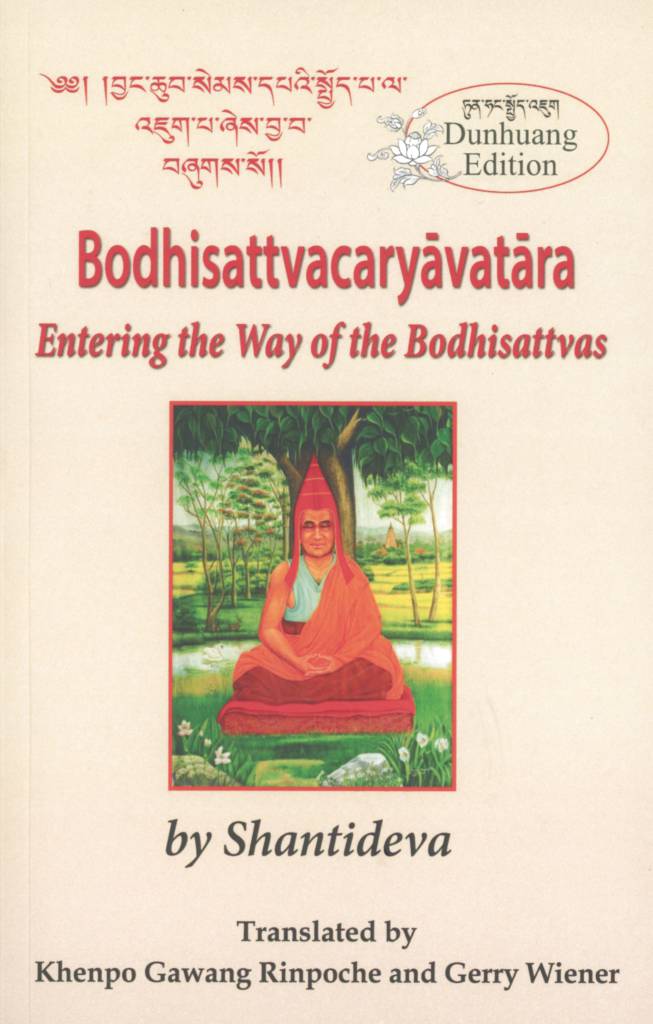
Dūnhuáng §This version is extracted from the book Bodhisattvacaryāvatāra: Entering the Way of the Bodhisattvas (2022, Khenpo Gawang and Wiener), a translation of an edition of the text created from three Dūnhuáng manuscripts. A description and sample pages of these can be found on the Early Tibet Blog. Scans of the actual manuscripts themselves can be found at http://idp.bl.uk

ཡིད་བཞིན་ནོར་བུ་དཔག་བསམས་ཤིང་། །

ཇི་ལྟར་རེ་བ་ཡོངས་བསྐོང་བ། ། དེ་བཞིན་སེམས་ཅན་བསོད་ནམས་ཀྱི། །

དབང་གིས་རྒྱལ་བའི་སྐུ་སྣང་ངོ་། །

alt verse 8.27 tm data

MD: Just as wish-fulfilling jewels and wish-fulfilling trees

Completely fulfill one’s wishes, So, the victorious ones appear

Owing to the power of the merit of sentient beings.

Tsadra Critical Edition §This text was created by comparing four versions of the text from Derge, Cone, Narthang, and Peking Tengyurs from BDRC scans, along with Dunhuang manuscripts IOL Tib J 628, 629, and 630. When Tibetan readings were problematic, the Sanskrit texts from GRETIL and LTB (Oslo) were consulted.

ཡིད་བཞིན་ནོར་བུ་དཔག་བསམ་ཤིང་། །

ཇི་ལྟར་རེ་བ་ཡོངས་སྐོང་བ། ། དེ་བཞིན་གདུལ་བྱ་སྨོན་ལམ་གྱི། །182ཏུན་ཧོང་ཀ་དང་ཁ་༴ ‘སེམས་ཅན་བསོད་ནམས་ཀྱི། །’

དབང་གིས་རྒྱལ་བའི་སྐུར་སྣང་ངོ་། །

[edit]
Sazang Mati (1294 - 1376)
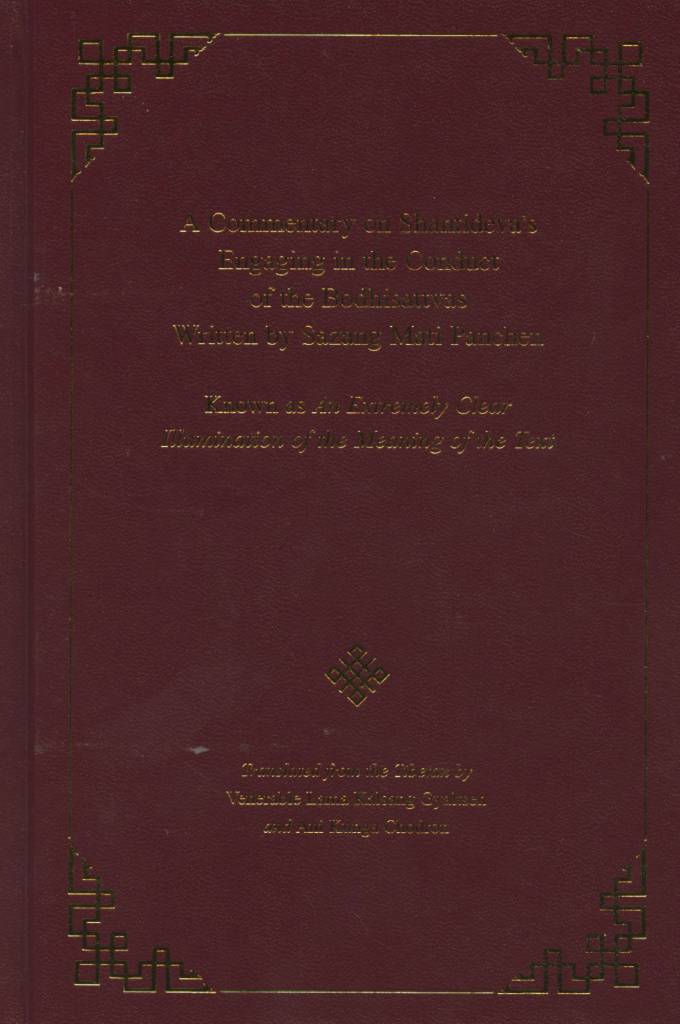
A Commentary on Shantideva's Engaging in the Conduct of the Bodhisattvas (citation)Gyaltsen, Lama Kalsang, and Ani Kunga Chodron, trans. A Commentary on Shantideva's Engaging in the Conduct of the Bodhisattvas Written by Sazang Mati Panchen: Known as An Extremely Clear Illumination of the Meaning of the Text. Walden, NY: Tsechen Kunchab Ling, 2019. Bilingual Edition

(གསུམ་པ་)རབ་ཏུ་ཞི་ཡང་གཞན་དོན་འགྲུབ་ཚུལ་ནི།

3. How the welfare of beings is accomplished despite great inner peace 1.2.2.1.2.1.2.3

ཡིད་བཞིན་ནོར་བུ་དཔག་བསམ་ཤིང་། །

ཇི་ལྟར་རེ་བ་ཡོངས་སྐོང་བ། ། དེ་བཞིན་གདུལ་བྱ་སྨོན་ལམ་གྱི། །

དབང་གིས་རྒྱལ་བའི་སྐུར་སྣང་ངོ་། །

yid bzhin nor bu dpag bsam shing /_/

ji ltar re ba yongs skong ba/_/ de bzhin gdul bya smon lam gyi/_/

dbang gis rgyal ba'i skur snang ngo /_/

Just as wishing jewels and wish-fulfilling trees,

Completely fulfill the wishes of others, Likewise, due to the power of aspirations for disciples,

The holy body of the Buddha is perceived.

དེ་ལྟར་ཀུན་སློང་གི་རྣམ་རྟོག་ཐམས་ཅད་རབ་ཏུ་ཞི་བ་ཡིན་ན་གཞན་གྱི་དོན་ཇི་ལྟར་འགྲུབ་སྙམ་པ་ལ། དཔེར་ན་ཡིད་བཞིན་གྱི་ནོར་བུ་རིན་པོ་ཆེ་དང་དཔག་བསམ་གྱི་ཤི༵ང་ལྗོན་པ་ལ་ཀུན་སློང་གི་རྣམ་རྟོག་མེད་ཀྱང་འགྲོ་བ་རྣམས་ཇི་ལྟར་འདོད་པའི་རེ་བ་མཐའ་དག་ཡོངས་སུ་སྐོང་བ༵ར་བྱེད་པ་དེ་བཞིན་དུ་སྤངས་རྟོགས་མཐར་ཕྱིན་པའི་ཆོས་ཀྱི་སྐུ་ལ་རྟོག་པ་དང་འབད་རྩོལ་མེད་ཀྱང་གདུལ་བྱའི་སྐལ་བ་དང་སངས་རྒྱས་ཀྱི་སྔོན་གྱི་སྨོན་ལམ་གྱི༵་དབང་གིས་རྒྱལ་བའི་གཟུགས་ཀྱི་སྐུར་གང་ལ་གང་མོས་ཀྱི་རྣམ་པ་སྣང་བས།

One may wonder, “How can others’ welfare be accomplished if all conceptual thoughts are pacified?” An example is, even though precious wish-fulfilling jewels or wish-fulfilling trees have no conceptual thoughts, they fulfill every desire of living beings. Likewise, even though the dharmakaya, which is the ultimate accomplishment of relinquishment and realization, does not exert either effort or conceptual thought, the rupakaya is perceived according to capacities and motivations. This is due to the power of Buddhas’ previous aspirations as well as the fortune of disciples.

སེམས་ཅན་མཐའ་དག་གི་དོན་རྒྱུན་མི་འཆད་པར་མཛད་པ་འབྱུང་ངོ༵་ཞེས་སྟོན་པ་སྟེ།

To demonstrate that Buddhas’ holy activities will appear without cessation to benefit beings, it is said:

ཇི་ལྟར་ནོར་བུ་རིན་ཆེན་རྟོག་མེད་འདོད་པའི་ནོར། །

འབད་པ་མེད་པར་གཞན་པ་དག་ལ་རབ་སྟེར་ལྟར། ། དེ་བཞིན་ཐུབ་པ་འབད་མེད་ཇི་ལྟར་འོས་པར་ནི། །

གཞན་གྱི་དོན་དུ་སྲིད་པ་ཇི་སྲིད་རྟག་ཏུ་བཞུགས། །

Just as a precious jewel gives desired wealth effortlessly
To others without conceptual thought,
Likewise, the Sages perform other beings’ welfare effortlessly
According to their needs, and abide as long as samsara exists.

ཞེས་པ་ལྟར་རོ། །

Gyaltsap Je (1364 - 1432)
The Entrance for the Children of the Conquerors (citation)Stracke, Fedor, trans. The Entrance for the Children of the Conquerors: A Commentary on the Introduction to the Actions of Bodhisattvas. By Gyaltsab Rinpoche. N.p.: Happy Monks Publication, 2016. https://happymonkspublication.org/product/bodhisattvacharyavatara-chapter-1-10-commentary/. Bilingual Edition

གསུམ་པ་ལ་གཉིས།

Showing That One Will Receive the Perfect Complete Result of Abandonment 1.1.2.1.2.2.3.2.3

དང་པོ་ནི།

Showing with Example That Although There Are No Conceptual Thoughts, the Hopes of the Students Will Be Fulfilled 1.1.2.1.2.2.3.2.3.1

ཡིད་བཞིན་ནོར་བུ་དཔག་བསམ་ཤིང་། །

ཇི་ལྟར་རེ་བ་ཡོངས་སྐོང་བ། ། དེ་བཞིན་གདུལ་བྱ་སྨོན་ལམ་གྱི། །

དབང་གིས་རྒྱལ་བའི་སྐུར་སྣང་ངོ་། །
yid bzhin nor bu dpag bsam shing /_/

ji ltar re ba yongs skong ba/_/ de bzhin gdul bya smon lam gyi/_/

dbang gis rgyal ba'i skur snang ngo /_/

Like the wish-fulfilling jewel and wish-granting tree

Fulfill hopes Similarly, through the power of prayer

The body of the conqueror appears to disciples.

སངས་རྒྱས་ལ་རྟོག་པ་ཐམས་ཅད་ཉེ་བར་ཞི་བ་ཡིན་ན་གདུལ་བྱ་ལ་ཆོས་བསྟན་པར་བྱའོ་སྙམ་པ་ཡང་མེད་པས་སེམས་ཅན་ལ་ཆོས་བསྟན་པ་སོགས་ཀྱི་དོན་མཛད་པ་མི་འཐད་དོ་ཞེ་ན།

Argument: If buddhas have pacified all conceptual consciousnesses, then they also do not think, ‘I shall show the dharma to those to be subdued’ and therefore it is invalid[p.26]The Entrance for the Children of the Conquerors
Stracke, Fedor, trans. The Entrance for the Children of the Conquerors: A Commentary on the Introduction to the Actions of Bodhisattvas. By Gyaltsab Rinpoche. N.p.: Happy Monks Publication, 2016. https://happymonkspublication.org/product/bodhisattvacharyavatara-chapter-1-10-commentary/.
to say they fulfill the purpose of sentient beings by showing the dharma and through other actions.

སྐྱོན་མེད་དེ་རྟོག་པ་མེད་ཀྱང་མི་ལ་ཡིད་བཞིན་ནོར་བུ་དང་ལྷ་ལ་དཔག་བསམ་གྱི་ཤིང་ལ་གསོལ་བ་བཏབ་པས་ཇི་ལྟར་འདོད་པའི་རེ་བ་ཡོངས་སུ་སྐོང་བ་དེ་བཞིན་དུ།

Answer: There is no fault. Although they have no conceptual thoughts, the wish-fulfilling jewel grants humans their wishes and wish-granting trees fulfill the hopes of gods when supplicated.

གདུལ་བྱའི་སངས་རྒྱས་དང་ཕྲད་པ་སོགས་ཀྱི་བསོད་ནམས་བསགས་པའི་མཐུ་དང་སངས་རྒྱས་རྣམས་ཀྱིས་རྟོག་པ་མེད་བཞིན་དུ་སེམས་ཅན་གྱི་དོན་འབད་མེད་ལྷུན་གྲུབ་ཏུ་བྱེད་པར་གྱུར་ཅིག་སྙམ་པའི་སྔོན་གྱི་སྨོན་ལམ་གྱི་དབང་གིས་རྒྱལ་བའི་གཟུགས་ཀྱི་སྐུར་སྣང་ནས་ཆོས་སྟོན་པ་ཤིན་ཏུ་འཐད་པ་ཡིན་ནོ། །

Similarly, the conquerors appear to those to be subdued through the power of their accumulated merit to meet them. Although the buddhas do not have conceptual thoughts, their form bodies appear and teach the dharma through the power of previous prayers such as, ‘May I be able to fulfill the purpose of sentient beings effortlessly and simultaneously.’

སྨོན་ལམ་བཏབ་པ་འདས་ནས་དུས་རིང་བོ་ལོན་པས་དེས་ད་ལྟར་འབྲས་བུ་བསྐྱེད་པ་མི་འཐད་ཅིང་སྨོན་ལམ་འདེབས་མཁན་བྱང་ཆུབ་སེམས་དཔའ་ཡིན་པས་དེའི་འབྲས་བུ་རྒྱལ་བའི་མཛད་པར་མི་འཐད་དོ་ཞེ་ན།

Argument: Because a long time has passed since these prayers were made they cannot generate a result in the present, and as the ones praying were bodhisattvas, it is invalid to posit the enlightened activities of the conquerors as their result.

སྐྱོན་མེད་དེ་དཔེར་ན་བྲམ་ཟེས་དུག་ཞི་[p.Ch9-372]Spyod 'jug rtsa 'grel (Mtsho sngon mi rigs dpe skrun khang 2001)
Śāntideva, and Rgyal tshab rje dar ma rin chen. Spyod 'jug rtsa 'grel and Byang chub sems dpa'i spyod pa la 'jug pa'i rnam bshad rgyal sras 'jug ngogs. Xining: Mtsho sngon mi rigs dpe skrun khang, 2001
བར་བྱེད་པའི་ནམ་མཁའ་ལྡིང་གི་མཆོད་སྡོང་བསྒྲུབས་ནས་བྲམ་ཟེ་འདས་པར་གྱུར་པ་དེ་འདས་ནས་ཡུན་རིང་ལོན་ཡང་མཆོད་སྡོང་དེ་ད་ལྟར་དུག་ལ་སོགས་པ་ཞི་བར་བྱེད་ནུས་པ་བཞིན་དུ་བྱང་ཆུབ་སེམས་དཔས་བྱང་ཆུབ་ཀྱི་སྤྱོད་པ་དང་རྗེས་སུ་མཐུན་པར་ཚོགས་གཉིས་ཀྱི་སྒོ་ནས་རྒྱལ་བའི་མཆོད་སྡོང་བསྒྲུབས་པ་ཡང་། སྒྲུབ་པ་པོ་བྱང་ཆུབ་སེམས་དཔའ་མི་གནས་པའི་མྱ་ངན་ལས་འདས་པ་མངོན་དུ་བྱས་ཀྱང་གདུལ་བྱའི་གནས་སྐབས་དང་མཐར་ཐུག་གི་དོན་རྣམས་ཐམས་ཅད་མཛད་པ་མི་འགལ་ཞིང་འདི་ནི་རྒྱུན་འཇོག་མ་ཤེས་པའི་རྩོད་པའོ། །

Answer: There is no fault. For example, the brahmin may have passed upon having established an offering tree to the poison pacifying garuda, and although a long time has since passed, the poison tree can even now still pacify poisons. Similarly, the bodhisattvas have established an offering tree to the conquerors by way of building up the two accumulations in accordance with the bodhisattva practices, and although the bodhisattvas have manifested the non-abiding nirvana, this does not contradict them fulfilling all the temporary and ultimate purposes of sentient beings. This debate arises from not knowing placement through continuity.
Pawo Rinpoche, 2nd (1504 - 1566)
The Center of the Sunlit Sky (citation)Brunnhölzl, Karl. The Center of the Sunlit Sky: Madhyamaka in the Kagyü Tradition. Including a translation of Pawo Rinpoche's commentary on the knowledge section of Śāntideva's The Entrance to the Bodhisattva’s Way of Life (Bodhicaryāvatāra). Nitartha Institute Series. Ithaca, NY: Snow Lion Publications, 2004. Bilingual Edition

བཞི་པ་ནི།

The Way in Which the Form Bodies Effortlessly Originate from This 2.2.1.4.

ཡིད་བཞིན་ནོར་བུ་དཔག་བསམ་ཤིང་། །

ཇི་ལྟར་རེ་བ་ཡོངས་སྐོང་བ། ། དེ་བཞིན་གདུལ་བྱར་སྨོན་ལམ་གྱི། །

དབང་གིས་རྒྱལ་བའི་སྐུར་སྣང་ངོ་། །
Just as a wish-fulfilling jewel and a wish-fulfilling tree

Fully satisfy [all] desires, Likewise, appearances of the Victors are seen

Because of their aspiration prayers and those to be trained. [35]

ཞེས་གསུངས་ཏེ། དེའི་ཚེ་རང་དང་གཞན་ལ་སོགས་པའི་དམིགས་པ་ཐམས་ཅད་རྣམ་པར་ལོག་ཅིང་འདུ་ཤེས་ཀྱི་རྒྱུ་བ་རྣམ་པར་ཆད་ལ། འདུ་ཤེས་མེད་པ་ཡང་མ་ཡིན་པ་ཀུན་སློང་གི་རྣམ་པ་ཅི་ཡང་མི་མངའ་མོད་ཀྱི།

There is no question that at that point [of utter mental peace] all observed objects, such as oneself and others, completely vanish and that the motions of discrimination entirely discontinue. This [mental peace] is not something without discrimination, nor does it possess any motivational aspects at all. Still, it is stated:

རྩོམ་པ་ཐམས་ཅད་དགའ་ཕྱིར་ཏེ། །

Because they delight in all endeavors . . .

ཞེས་པ་ལྟར་སྔོན་ཐོག་མ་མེད་པ་ནས་རང་དོན་ལ་བལྟོས་པ་རྡུལ་ཙམ་ཡང་མེད་པར་རང་གཞན་ཕན་འབའ་ཞིག་ཁོ་ནར་དགོངས་པའི་གོམས་པ་རབ་ཀྱི་མཐར་སོན་ཅིང་སྨོན་ལམ་བསམ་གྱིས་མི་ཁྱབ་པ་རྣམས་གྲུབ་པའི་ཕྱིར་ནམ་མཁའ་ལྟར་སྤྲོས་པ་ཞི་བ་དེའི་ཚེ་འབད་རྩོལ་མེད་པར་སྨོན་ལམ་དང་ཐུགས་རྗེའི་དབང་གིས་སེམས་ཅན་ཐམས་ཅད་ཀྱི་དོན་ཅིག་ཆར་དུ་རྒྱུན་མི་འཆད་པར་གྲུབ་པར་འགྱུར་ཏེ།

Accordingly, since beginningless [time] before this [state], [bodhisattvas] did not have even an atom of considering their own welfare. Rather, the benefit of others was simply all they had in mind. [At last,] supreme familiarity with this has reached its final culmination, and inconceivable aspiration prayers are accomplished. Therefore, when discursiveness is at peace like space, the welfare of all sentient beings will be simultaneously and uninterruptedly accomplished without any effort through the impetus of aspiration prayers and enlightened compassion.

ཇི་ལྟར་ཡིད་བཞིན་གྱི་ནོར་བུ་རྟོག་པ་མེད་པར་གསོལ་བ་འདེབས་པོ་ལ་དགོས་འདོད་སྩོལ་བ་དང་། དཔག་བསམ་གྱི་ཤིང་ལས་གོས་དང་རྒྱན་དང་བཟའ་བཏུང་སོགས་གང་འདོད་བླང་དུ་འབྱུང་བ་དེ་བཞིན་དུ་གདུལ་བྱའི་ཚོགས་ལ་སྨོན་ལམ་གྱི་དབང་གིས་ཕྲིན་ལས་འཇུག་པར་འགྱུར་ཏེ།དེ་ཡང་གདུལ་བྱ་དག་པ་རྣམས་ལ་ཡིད་བཞིན་གྱི་ནོར་བུའི་ལོངས་སྤྱོད་རྫོགས་པའི་སྐུར་སྣང་བས་ཆོས་ཀྱི་དགོས་འདོད་རྒྱ་མཚོ་ལྟ་བུ་སྩོལ་ལ། ཅུང་ཟད་དག་པ་རྣམས་ལ་མཆོག་གི་སྤྲུལ་པའི་སྐུ་དཔག་བསམ་གྱི་ཤིང་ལྟ་བུར་སྣང་བས་ལས་དང་པོ་པ་རྣམས་ལ་མངོན་མཐོའི་ཐེག་པ་བཟའ་བཏུང་ལྟ་བུ་དང་། གདུལ་བྱ་ཐུན་མོང་བ་དག་ལ་ངེས་ལེགས་ཀྱི་ཐེག་པ་གོས་ལྟ་བུ་དང་། གདུལ་བྱ་ཁྱད་པར་ཅན་རྣམས་ལ་ཐེག་ཆེན་གྱི་ཆོས་རྒྱུན་གྱི་མཆོག་ལྟ་བུ་སྩོལ་བར་མཛད་ལ། མ་སྨིན་པ་རྣམས་ལ་བྱང་ཆུབ་སེམས་དཔའ་དང་ཉན་རང་དང་ཚངས་སོགས་ནས་གཟིངས་དང་ཟམ་པ་ལ་སོགས་པའི་བར་སྲིད་པ་དང་མི་སྲིད་པའི་རྣམ་པ་གང་དུ་ཡང་སྣང་བས་དོན་ཆེན་པོ་མཛད་དེ་དེའི་ཕྱིར་ཆོས་ཀྱི་སྐུ་གང་དུ་ཡང་མི་གནས་པ་དེ་ཉིད་རྒྱལ་བའི་གཟུགས་ཀྱི་སྐུར་སྣང་བ་གདུལ་བྱ་ལ་འབྱུང་ངོ་། །

Just as a wish-fulfilling jewel [795] grants those who pray [to it] all needs and wishes without thinking and [just as] all that one wishes—such as garments, jewelry, food, and drink—comes forth from a wish-fulfilling tree, ready to be picked, likewise, because of their aspiration prayers, the enlightened activity [of Buddhas] will interact with the assembly of those to be trained. For the pure ones to be trained, it appears as the Body of Perfect Enjoyment that is like a wish-fulfilling jewel. Through this, the oceanlike needs and wishes in terms of the dharma are granted. For those who are [only] slightly pure, it appears as a supreme Emanation Body that is like a wish-granting tree. Through this, the beginners are given the vehicle of higher states that is like food and drink; the common ones to be trained [are given] the vehicle of definite excellence1539Skt. niḥśreyasa, Tib. nges legs. This is another term for liberation from cyclic existence. that is like garments; and the special ones to be trained [are given] the dharma of the great vehicle that is like the best of jewelry. It promotes great welfare through appearing in all possible and impossible forms for those who are not yet ripened, starting with such [appearances] as bodhisattvas, hearers, solitary realizers, and Brahmā up to such [appearances] as ships and bridges. Thus, for those to be trained, the very Dharma Body that does not abide anywhere happens to be seen as the appearances of the Form Bodies of the Victors.[p.656]The Center of the Sunlit Sky
Brunnhölzl, Karl. The Center of the Sunlit Sky: Madhyamaka in the Kagyü Tradition. Including a translation of Pawo Rinpoche's commentary on the knowledge section of Śāntideva's The Entrance to the Bodhisattva’s Way of Life (Bodhicaryāvatāra). Nitartha Institute Series. Ithaca, NY: Snow Lion Publications, 2004.
Minyak Kunzang Sönam (1823 - 1905)
The Profound Reality of Interdependence (citation)Duckworth, Douglas S., trans. The Profound Reality of Interdependence: An Overview of the Wisdom Chapter of the Way of the Bodhisattva. By Künzang Sönam. New York: Oxford University Press, 2019. Bilingual Edition

ཡང་། ཡིད་བཞིན་ནོར་བུ་དཔག་བསམ་ཤིང༌། ། 9.35ཞེས་སོགས་གསུངས། འདིར་འབྲས་བུའི་རྣམ་གཞག་ལ། ཐེག་པ་ཆེན་པོའི་ལམ་རྫོགས་པར་ཉམས་སུ་བླངས་པས་མོས་སྤྱོད་ཀྱི་ས་དང་འཕགས་པའི་ས་བཅུ་རིམ་གྱིས་བགྲོད་དེ་ཚོགས་གཉིས་[p.126]Spyod 'jug shes rab le'u'i spyi don rim par phye ba zab mo rten 'byung gi de kho na nyid yang gsal sgron me
Mi nyag kun bzang bsod nams (མི་ཉག་ཀུན་བཟང་བསོད་ནམས་). spyod 'jug shes rab le'u'i spyi don rim par phye ba zab mo rten 'byung gi de kho na nyid yang gsal sgron me [སྤྱོད་འཇུག་ཤེས་རབ་ལེའུའི་སྤྱི་དོན་རིམ་པར་ཕྱེ་བ་ཟབ་མོ་རྟེན་འབྱུང་གི་དེ་ཁོ་ན་ཉིད་ཡང་གསལ་སྒྲོན་མེ།]. [Lamp that Thoroughly Illuminates the Suchness of Profound Dependent Origination: An Overview of the Divisions of the Wisdom Chapter of Entering into the Conduct [of the Bodhisattva]]. Tengyur.
ཀྱི་རང་འབྲས་དོན་གཉིས་མཐར་ཕྱིན་པའི་སྐུ་གཉིས་འཐོབ་པར་བྱེད་དེ། རིན་ཆེན་ཕྲེང་བ་ལས།

Next, [IX.35] A wish-fulfilling gem and a wish-granting tree . . . 9.35 This is the framework of the result. By practicing the Mahāyāna path to completion, progressively traversing from the ground of inspired conduct to the tenth bodhisattva ground, the effect of the two accumulations is the attainment of the two embodiments of buddhahood that perfect the twofold benefit. The Precious Garland says:[p.123]The Profound Reality of Interdependence
Duckworth, Douglas S., trans. The Profound Reality of Interdependence: An Overview of the Wisdom Chapter of the Way of the Bodhisattva. By Künzang Sönam. New York: Oxford University Press, 2019.

སངས་རྒྱས་རྣམས་ཀྱི་གཟུགས་སྐུ་འདིར། །

བསོད་ནམས་ཚོགས་ལས་བྱུང་བ་སྟེ། ། ཆོས་ཀྱི་སྐུ་ནི་མདོར་བསྡུས་ན། །

རྒྱལ་པོ་ཡེ་ཤེས་ཚོགས་ལས་འཁྲུངས། །

The Form Bodies of the Buddhas
Arise here from the accumulation of merit;
The Truth Body, in brief, O King,
Is born from the accumulation of gnosis.221Nāgārjuna, Precious Garland, v. 212.

ཞེས་སོ། །དེའང་གོ་འཕང་བླ་ན་མེད་པ་མངོན་དུ་མཛད་པའི་ཚུལ་ནི། ས་བཅུའི་རྒྱུན་མཐའ་ཤེས་སྒྲིབ་ཕྲ་མོའི་དངོས་གཉེན་བར་ཆད་མེད་ལམ་དེ་ཉིད་ཆོས་ཉིད་དེ་བཞིན་ཉིད་དང་རོ་གཅིག་ཏུ་ཞུགས་པས་གཉིས་སྣང་ཕྲ་མོས་ཀྱང་བར་མ་ཆད་པའི་ཆུ་ལ་ཆུ་བཞག་ལྟ་བུར་ཡོད་ལ། དེའི་སྐད་ཅིག་གཉིས་པ་རྣམ་གྲོལ་ལམ་སྐྱེས་ས་ས་ཚེ་ཤེས་བྱ་ཇི་ལྟ་བ་ལ་གཉིས་སྣང་ཕྲ་མོས་ཀྱང་བར་མ་ཆད་པར་མཉམ་པར་གཞག་བཞིན་དུ་ཤེས་བྱ་ཇི་སྙེད་པའི་ཁྱད་པར་མཐའ་དག་ལག་མཐིལ་དུ་སྐྱུ་རུ་ར་རློན་པ་བཞག་པ་ལྟར་མངོན་སུམ་དུ་གཟིགས་པའི་ཚེ་ཆོས་སྐུ་མངོན་དུ་བྱས་པ་དང་། མངོན་པར་རྫོགས་པར་སངས་རྒྱས་པ་ཞེས་བྱའོ། །

How this unexcelled state is actualized is like this: At the end of the continuum on the tenth ground, by engaging the suchness of reality on the uninterrupted path (bar chad med lam), which is the direct antidote for the subtle cognitive obscurations, the subtle, dualistic appearances, without interrupting, become like water placed in water. In the second instant of this, when the path of liberation (rnam grol lam) arises, [721] while in meditative equipoise that knows all phenomena as they are without interruptions by subtle dualistic appearances, the entirety of qualities of whatever phenomena exist are known like a fresh myrobalan placed in the palm of the hand. At the time of this direct vision, the Truth Body is actualized and one is called a complete and perfect buddha.

དེའང་སྐུ་བཞིའི་དབང་དུ་བྱས་ནས་དེ་མངོན་དུ་བྱེད་ཚུལ་ལ། རྒྱུན་མཐའི་བར་ཆད་མེད་ལམ་དེའི་སྐད་གཅིག་གཉིས་པ་རྣམ་གྲོལ་ལམ་མངོན་དུ་བྱས་ཚེ་མཉམ་གཞག་ཡེ་ཤེས་དེ་ཉིད་མཉམ་རྗེས་ངོ་བོ་གཅིག་པའི་ཡེ་ཤེས་ཆོས་སྐུར་འགྱུར་བ་དང་། བར་ཆད་མེད་ལམ་དེའི་ཆོས་ཉིད་དེ་དྲི་མ་མཐའ་དག་དང་བྲལ་བའི་ངོ་བོ་ཉིད་སྐུར་འགྱུར་བ་དང་། རྒྱུན་མཐའ་བའི་མཚན་དཔེས་བརྒྱན་པའི་ལུས་དེ་ཉིད་ཀྱི་རིགས་འདྲ་ཕྱི་མ་ལོངས་སྐུའི་ལུས་སུ་འགྱུར་ཞིང་། དེའི་ཚེ་རྣམ་པར་མི་རྟོག་བཞིན་དུ་ཞིང་རབ་འབྱམས་རྣམས་སུ་སྤྲུལ་པའི་སྐུ་མཐའ་ཡས་པ་སྟོན་པ་སྟེ། སྐུ་བཞི་ཅིག་ཅར་དུ་མངོན་དུ་བྱེད་[p.127]Spyod 'jug shes rab le'u'i spyi don rim par phye ba zab mo rten 'byung gi de kho na nyid yang gsal sgron me
Mi nyag kun bzang bsod nams (མི་ཉག་ཀུན་བཟང་བསོད་ནམས་). spyod 'jug shes rab le'u'i spyi don rim par phye ba zab mo rten 'byung gi de kho na nyid yang gsal sgron me [སྤྱོད་འཇུག་ཤེས་རབ་ལེའུའི་སྤྱི་དོན་རིམ་པར་ཕྱེ་བ་ཟབ་མོ་རྟེན་འབྱུང་གི་དེ་ཁོ་ན་ཉིད་ཡང་གསལ་སྒྲོན་མེ།]. [Lamp that Thoroughly Illuminates the Suchness of Profound Dependent Origination: An Overview of the Divisions of the Wisdom Chapter of Entering into the Conduct [of the Bodhisattva]]. Tengyur.
པ་ཡིན་ནོ། །

The way this is actualized in terms of the four embodiments of buddhahood is as follows: In the second instant of the uninterrupted path at the end of the continuum, when the path of liberation is actualized, there is the gnosis of the single essence of the gnosis of meditative equipoise and postmeditation, which becomes the Truth Body. The basic nature of the uninterrupted path itself is free from all stains, which becomes the Essential Body (ngo bo nyid sku). The subsequent body of similar type to the body ornamented with the major and minor marks at the end of the continuum becomes the Enjoyment Body (longs sku). At that time, infinite Emanation Bodies (sprul sku) are revealed in limitless fields, without conceptuality. This is the simultaneous actualization of the four embodiments of buddhahood.

སྐུ་བཞིའི་ངོ་བོ་ནི། སངས་རྒྱས་ཀྱི་སའི་དབྱིངས་རྣམ་པར་དག་པ་དེ་གདོད་ནས་བདེན་གྲུབ་ཀྱི་མྱུ་ངན་གྱིས་དག་པས་ན་རང་བཞིན་རྣམ་དག་དང་། གཉེན་པོས་གློ་བུར་གྱི་དྲི་མ་དག་པར་བྱས་པས་ན་གློ་བུར་རྣམ་དག་གི་ཆ་སྟེ་གཉིས་ཀ་ངོ་བོ་ཉིད་སྐུའོ། །ཇི་ལྟ་ཇི་སྙེད་ཀྱི་ཤེས་བྱ་ལ་ལྟོས་ཏེ་གཟུགས་པ་མཐར་ཐུག་པའི་ཡེ་ཤེས་ནི་ཡེ་ཤེས་ཆོས་སྐུ་སྟེ་དབྱེ་ན་ཡེ་ཤེས་ལྔ་སོགས་མང་ངོ་། །ལོངས་སྐུ་ནི་སྐུ་སྟོན་པ་རྒྱུན་མི་འཆད། གསུང་བརྗོད་པ་རྒྱུད་མི་འཆད། ཐུགས་མཛད་པ་རྒྱུན་མི་འཆད། དེ་ཐམས་ཅད་ལ་འབད་རྩོལ་མེད་པ་དང་། གདུལ་བྱའི་དབང་གིས་སྐུ་སྣ་ཚོགས་སུ་སྣང་ཡང་སྣ་ཚོགས་སུ་མ་གྲུབ་པ་སྟེ་ཁྱད་ཆོས་ལྔ་ལྡན་དུ་རྒྱུད་བླ་མར་བཤད་དོ། །

The essence of the four embodiments of buddhahood is explained as follows: The Essential Body consists of both aspects of the purity of the basic field (dbyings) at the stage of a buddha: (1) the natural purity, which is pure of the pains of true existence from the beginning, and (2) the purity of the adventitious, which is the adventitious stains made pure through an antidote. The Gnosis Truth Body (ye shes chos sku) is the consummate vision in relation to objects of knowledge—what is and whatever there is. When divided, there are many, such as five gnoses. The Enjoyment Body is the incessant displays of body, the incessant expressions of speech, and the incessant activities of mind. All these are without effort. While it appears in a diversity of bodies due to the influence of disciples, it does not exist in diversity. It is explained in the Sublime Continuum to have these five qualities.222See Maitreya, Sublime Continuum, 118b; English trans. in Fuchs, Buddha-Nature, 206–207.[p.124]The Profound Reality of Interdependence
Duckworth, Douglas S., trans. The Profound Reality of Interdependence: An Overview of the Wisdom Chapter of the Way of the Bodhisattva. By Künzang Sönam. New York: Oxford University Press, 2019.

སྤྲུལ་སྐུ་ནི། སྔོན་ལམ་དུས་སུ་སྨོན་ལམ་རླབས་པོ་ཆེ་བཏབ་པ་ལས་འབྲས་དུས་སུ་གདུལ་བྱའི་རྒྱུད་ཚོད་དང་འཚམས་པར་རྣམ་རོལ་མཐའ་ཡས་པའི་སྒོ་ནས་གཞན་དོན་རྒྱུན་མི་འཆད་པར་མཛད་པའོ། །དབྱེ་ན། བཟོ་སྤྲུལ་སྐུ། སྐྱེ་བ་སྤྲུལ་སྐུ། མཆོག་གི་སྤྲུལ་སྐུ་སྟེ་གསུམ་མོ། །

An Emanation Body is the continuous activity for the benefit of others through infinite displays in accord with the continua of disciples, which is the result of the great blessings of previous aspirations. There is a threefold division of Emanation Bodies: (1) artwork Emanation Bodies (2) born Emanation Bodies, and (3) supreme Emanation Bodies.

དེ་ལྟར་སྐུ་བཞིའི་བདག་ཉིད་ཅན་གྱི་སངས་རྒྱས་རྣམས་ཀྱི་གསང་བ་གསུམ་གྱི་ཡོན་ཏན་བསམ་གྱིས་མི་ཁྱབ་ཅིང་བརྗོད་པའི་ཡུལ་ལས་འདས་ཤིང་། ལྷུན་གྱིས་གྲུབ་པ་དང་། རྒྱུན་མི་འཆད་པའི་ཕྲིན་ལས་ཀྱི་སྒོ་ནས་སྲིད་པ་ཇི་སྲིད་ཀྱི་བར་དུ་རྣམ་རྟོག་དང་འབད་རྩོལ་ལ་མ་ལྟོས་པར། ཡིད་བཞིན་གྱི་ནོར་བུ་དང་དཔག་བསམ་གྱི་ཤིང་བཞིན་དུ་གདུལ་བྱ་རྣམས་ཀྱི་སྐལ་བ་དང་མཐུན་པར་རེ་བ་ཡོངས་སུ་རྫོགས་པར་མཛད་དོ། །འདི་ནི་ཕྱོགས་ཙམ་སྟེ། སྐུ་དང་ཡེ་ཤེས། ཡོན་ཏན་དང་ཕྲིན་ལས་སོགས་རྒྱས་པར་གཞན་དུ་ཤེས་དགོས་སོ། །

The qualities of the three mysteries of the buddhas, who have the identity of these four embodiments, are inconceivable and inexpressible. Through enlightened activity that is spontaneously present and unceasing, they do not rely on concepts or efforts for as long as existence remains. Like a wishfulfilling gem or a wish-granting tree, they completely fulfill the hopes of disciples in accordance with their fortunes. This has been merely a partial explanation; one should know from elsewhere the extensive details of the embodiments of buddhahood, gnoses, qualities, and enlightened activities.
Mipam Gyatso (1846 - 1912)
The Wisdom Chapter - The Ketaka Jewel (citation)Fletcher, Wulstan, and Helena Blankleder (Padmakara Translation Group), trans. The Wisdom Chapter: Jamgön Mipham's Commentary on the Ninth Chapter of "The Way of the Bodhisattva." Boulder, CO: Shambhala Publications, 2017. Bilingual Edition

ཡིད་བཞིན་ནོར་བུ་དཔག་བསམ་ཤིང་། །

ཇི་ལྟར་རེ་བ་ཡོངས་སྐོང་བ། ། དེ་བཞིན་གདུལ་བྱ་སྨོན་ལམ་གྱི། །

དབང་གིས་རྒྱལ་བའི་སྐུར་སྣང་ངོ་། །

yid bzhin nor bu dpag bsam shing /_/

ji ltar re ba yongs skong ba/_/ de bzhin gdul bya smon lam gyi/_/

dbang gis rgyal ba'i skur snang ngo /_/

As the wishing jewel and tree of miracles

Fulfill and satisfy all hopes and wishes, Likewise, through their prayers for those who might be trained,

The physical appearance of the Conquerors occurs.[p.112]The Wisdom Chapter
Fletcher, Wulstan, and Helena Blankleder (Padmakara Translation Group), trans. The Wisdom Chapter: Jamgön Mipham's Commentary on the Ninth Chapter of "The Way of the Bodhisattva." Boulder, CO: Shambhala Publications, 2017.

དཔེར་ན་ཡིད་བཞིན་གྱི་ནོར་བུ་དང་། དཔག་བསམ་གྱི་ཤིང་དག་ལ་སྤྱོད་ཡུལ་ན་གནས་ཤིང་གསོལ་བ་འདེབས་པར་བྱེད་པ་རྣམས་ཀྱི་དོན་བྱའོ་སྙམ་དུ་རྣམ་པར་མི་རྟོག་ཀྱང་། ཇི་ལྟར་རེ་བའི་དོན་ཡོངས་སུ་སྐོང་བ་དེ་བཞིན་གདུལ་བྱ་རྣམས་ལ་སྔོན་གྱི་སྨོན་ལམ་གྱི་དབང་གིས་རྒྱལ་བའི་སྐུ་གང་ལ་གང་འདུལ་དུ་སྣང་ཞིང་ཆོས་སྟོན་པ་སོགས་ཀྱི་སྒོ་ནས་ཕན་བདེའི་ཕྲིན་ལས་དུས་རྟག་ཏུ་མཛད་པ་ཡིན་ནོ། །འདིར་སློབ་ལམ་གྱི་འབད་རྩོལ་ཐམས་ཅད་ཉེ་བར་ཞི་ཞིང་ཆོས་ཀྱི་དབྱིངས་ལས་ནམ་ཡང་མི་གཡོ་བའི་མྱང་འདས་མཐར་ཐུག་པ་བརྙེས་པ་ན་འབད་རྩོལ་གྱི་རྟོག་པ་མེད་ཀྱང་། གཞན་དོན་དུ་ཕྲིན་ལས་འཇུག་པ་ནི་ནོར་བུ་ལ་སོགས་པའི་དཔེས་བསྟན་ཏེ། གཞན་ཡང་བརྒྱ་བྱིན་གྱི་གཟུགས་བརྙན་སོགས་དཔེ་བརྒྱད་པོ་དག་ཀྱང་ཡིན་ནོ། །

It is just as with the wish-fulfilling jewel and the tree of miracles, which while not having the intention to benefit anyone, nevertheless perfectly satisfy the hopes of those who pray before them. In the same way, through the power of their former aspirations, Buddhas appear to beings in forms that are appropriate to their needs and constantly deploy their activities for the happiness and good of all, teaching the Dharma and so on. One who has attained the ultimate nirvana, which never stirs from the dharmadhātu and in which all the exertions of the path of learning are completely stilled, experiences no thought of exertion. Nevertheless, enlightened activities occur for the sake of others. This has been illustrated by the wishing jewel and so on, as well as by the eight further examples such as the reflection of Indra.47These eight examples are given in the Uttaratantra-shastra (Rgyud bla ma). The glory of Indra’s image reflected in the crystal floor before him has the real but unintended effect of effortlessly inspiring those who bow before him with respect and the desire to emulate him.

སྨོན་ལམ་གཙོ་བོ་སྟོན་པ་ནི་དེ་བཞིན་གཤེགས་པའི་སྐུ་དང་འཁོར་དང་ཞིང་ལ་སོགས་པ་སྣ་ཚོགས་པར་སྣང་བའི་རྒྱུའི་གཙོ་བོ་ནི་སློབ་ལམ་ན་སྨོན་ལམ་གང་བཏབ་པའི་ལྷན་ཅིག་བྱེད་རྐྱེན་ལས་སྣང་བའི་དབང་གིས་ཡིན་ཏེ། དོན་དུ་ན་ཁམས་བདེ་གཤེགས་སྙིང་པོའམ་ཡང་དག་པའི་མཐའ་ཆོས་ཀྱི་དབྱིངས་སྣང་སྟོང་ཟུང་དུ་འཇུག་པའི་དེ་བཞིན་ཉིད་དེ་རྫོགས་སྨིན་སྦྱངས་གསུམ་མཐར་ཕྱིན་པའི་སྟོབས་ཀྱིས་དག་པ་མངོན་དུ་གྱུར་པ་ན་བསམ་གྱིས་མི་ཁྱབ་པའི་ཡེ་ཤེས་ཀྱི་སྐུ་ཞེས་བྱ་སྟེ། སྐུ་[p.42]Spyod 'jug sher 'grel ke ta ka (Si khron mi rigs dpe skrun khang 1993)
Mi pham rgya mtsho. Spyod 'jug sher 'grel ke ta ka. Chengdu: Si khron mi rigs dpe skrun khang, 1993.
དེ་ཉིད་གདུལ་བྱའི་སྐལ་བ་དང་སྔོན་གྱི་སྨོན་ལམ་གྱི་དབང་གིས་གདུལ་བའི་ཆོ་འཕྲུལ་སྣ་ཚོགས་སུ་སྣང་ཞིང་རྒྱུན་མི་འཆད་པ་སྟེ། རྒྱུད་བླ་མ་ལས།

It is taught that prayers of aspiration are the main factor.48That is, aspirations made by the Buddhas while they were still on the path. They are the principal cause for the various appearances of the forms, retinues, pure fields, and so on, of the Tathāgatas. For these appear through the cooperating conditions occasioned by whatever aspirations were made on the path of learning. Indeed, when the buddha element or sugatagarbha—the complete and utmost purity, the dharmadhātu, the suchness wherein emptiness and appearance are united—is perfectly actualized, bringing to term the three-fold process of perfecting (the accumulations), bringing beings to maturity, and accomplishing (pure fields),49Tib. rdzogs smin sbyangs gsum. Nyoshul Khen Rinpoche explained that, in this context, sbyangs, which normally means to purify, has the sense of “to accomplish” (sgrub), referring to the capacity of enlightened beings to produce pure fields (Sukhavati, and so on). this in itself is called the “inconceivable wisdom body.” And in accordance with the karmic fortune of beings and through the power of former aspirations, this manifests uninterruptedly in various miraculous ways for the sake of beings. This is spoken of in the Uttaratantra-śāstra:

དེ་བཞིན་གཤེགས་པ་མཁའ་བཞིན་དམ་པ་ཡི། ། དབང་པོ་དྲུག་དོན་ཉམས་སུ་མྱོང་བའི་རྒྱུ། །

The Tathāgata, like space, is the cause
For the six sense faculties of the sublime ones to experience their objects.

འབྱུང་མེད་གཟུགས་དོན་བལྟ་དང་གཏམ་བཟང་ནི། །

གཙང་མ་ཉན་དང་བདེ་གཤེགས་ཚུལ་ཁྲིམས་ཀྱི། ། དྲི་གཙང་སྣོམ་དང་འཕགས་ཆེན་དམ་ཆོས་རོ། །

མྱོང་དང་ཏིང་འཛིན་རེག་བདེ་ཉམས་མྱོང་དང་། །

It is the cause by which they see objects of form not made of elements,
Hear excellent and wholesome speech, smell the wholesome perfume
Of the Sugatas’ discipline, taste the flavor of the sacred Dharma
Of the great noble ones, feel the blissful touch of concentration,

རང་གི་ངོ་བོ་ཉིད་ཀྱིས་ཟབ་པའི་ཚུལ། །

རྟོགས་པའི་རྒྱུར་གྱུར་ཞིབ་མོར་བསམ་པ་ན། ། དོན་དམ་བདེ་མཛད་དེ་བཞིན་གཤེགས་པ་ནི། །

ནམ་མཁའ་བཞིན་དུ་རྒྱུ་མཚན་རྣམས་དང་བྲལ། །

And realize the profound way that things are In their own essential nature.
And as careful thought reveals,[p.113]The Wisdom Chapter
Fletcher, Wulstan, and Helena Blankleder (Padmakara Translation Group), trans. The Wisdom Chapter: Jamgön Mipham's Commentary on the Ninth Chapter of "The Way of the Bodhisattva." Boulder, CO: Shambhala Publications, 2017.

The Tathāgata brings about the ultimate felicity
And yet, like space, is free of causal factors.

Kunzang Palden (1862 - 1943)
The Nectar of Manjushri's Speech (citation)Blankleder, Helena, and Wulstan Fletcher (Padmakara Translation Group), trans. The Nectar of Manjushri's Speech: A Detailed Commentary on Shantideva's Way of the Bodhisattva. By Kunzang Pelden. Boston: Shambhala Publications, 2007. Bilingual Edition

གསུམ་པ་འབྲས་བུ་གཞན་དོན་ལ་རྩོད་པ་སྤོང་བ་ནི།

Refutation of Objections with Regard to the Fruit, That Is, the Benefit of Others 2.1.2.3.

དེ་ལྟར་ན་[p.651]Byang chub sems dpa'i spyod pa la 'jug pa rtsa ba dang 'grel pa (1990)
Slob dpon zhi ba lha and Mkhan po kun dpal. Byang chub sems dpa'i spyod pa la 'jug pa rtsa ba dang 'grel pa. Khreng tu'u: Si khron mi rigs dpe skrun khang, 1990. Buda by BDRC Logo.jpg
རྣམ་པར་རྟོག་པ་ཐམས་ཅད་དབྱིངས་སུ་ནུབ་པའི་སངས་རྒྱས་ཀྱི་ས་ན་གདུལ་བྱའི་དོན་དུ་འབད་རྩོལ་གྱི་སྤྲོས་པ་མི་མངའ་བས་དེས་སེམས་ཅན་གྱི་དོན་ཇི་ལྟར་མཛད་སྙམ་ན། །

When the level of buddhahood is attained, all discursive thought dissolves into the expanse of emptiness, and as a consequence, the concept of endeavoring for the sake of others cannot occur. How then is it possible to work for the benefit of beings?

ཡིད་བཞིན་ནོར་བུ་དཔག་བསམ་ཤིང་། །

ཇི་ལྟར་རེ་བ་ཡོངས་སྐོང་བ། ། དེ་བཞིན་གདུལ་བྱ་སྨོན་ལམ་གྱི། །

དབང་གིས་རྒྱལ་བའི་སྐུར་སྣང་ངོ་། །

yid bzhin nor bu dpag bsam shing /_/

ji ltar re ba yongs skong ba/_/ de bzhin gdul bya smon lam gyi/_/

dbang gis rgyal ba'i skur snang ngo /_/

དཔེར་ན་ཡིད་བཞིན་གྱི་ནོར་བུ་རིན་པོ་ཆེ་དང་དཔག་བསམ་གྱི་ཤིང་དག་ལ་སྤྱོད་ཡུལ་ན་གནས་ཤིང་གསོལ་བ་འདེབས་པར་བྱེད་པ་རྣམས་ཀྱི་དོན་བྱའོ་སྙམ་དུ་རྣམ་པར་མི་རྟོག་ཀྱང་ཇི་ལྟར་རེ་བ་ཡི་དོན་ཡོངས་སུ་སྐོང་བ་དེ་བཞིན་གདུལ་བྱར་ཏེ་གདུལ་བྱ་རྣམས་ལ་སྔོན་གྱི་སྨོན་ལམ་གྱི་དབང་གིས་རྒྱལ་བའི་སྐུར་སྣང་ངོ་ཞེས་སྐུ་གང་ལ་གང་འདུལ་དུ་སྣང་ཞིང་ཆོས་སྟོན་པ་སོགས་ཀྱི་སྒོ་ནས་ཕན་བདེའི་ཕྲིན་ལས་དུས་རྟག་ཏུ་མཛད་པ་ཡིན་ནོ། །འདིར་སློབ་ལམ་གྱི་འབད་རྩོལ་ཐམས་ཅད་ཉེ་བར་ཞི་ཞིང་ཆོས་ཀྱི་དབྱིངས་ལས་ནམ་ཡང་མི་གཡོ་བའི་མྱང་འདས་མཐར་ཐུག་པ་བརྙེས་པ་ན་འབད་རྩོལ་གྱི་རྟོག་པ་མེད་ཀྱང༌། གཞན་དོན་དུ་ཕྲིན་ལས་འཇུག་པ་ནི་ནོར་བུ་ལ་སོགས་དཔེས་བསྟན་ཏེ་གཞན་ཡང་བརྒྱ་བྱིན་གྱི་གཟུགས་བརྙན་སོགས་དཔེ་བརྒྱད་པོ་དག་ཀྱང་ཡིན་ནོ། །

As the wishing jewel and tree of miracles

Fulfill and satisfy all hopes and wishes, Likewise, through their prayers for those who might be trained,

The physical appearance of the Conquerors occurs.

It is just as with the wish-fulfilling jewel or the tree of miracles, which, while not having the intention to benefit anyone, nevertheless perfectly satisfy the hopes of those who pray before them. In just the same way, through the power of their former aspirations, Buddhas appear in forms appropriate to the needs of beings and constantly deploy their activity for the happiness and good of all, setting forth the Doctrine and so on. One who has attained the ultimate nirvana, wherein all efforts made along the path of training are completely stilled, and which never diverges from the dharmadhatu, has no concept of endeavor, and yet activity occurs for the welfare of beings. This, as we have said, is illustrated by the wishing jewel and other things, as well as eight further examples such as the reflection of Indra.206These eight examples are mentioned in the Uttaratantra-shastra. The glory of Indra’s reflection seen in the crystal floor before him is such that, without intending to do so, it effortlessly inspires respect in others and the desire to emulate him. See The Changeless Nature, by Arya Maitreya and Acarya Asanga, translated by Ken and Katia Holmes, p. 123.


[edit]
[edit]
[edit]