9.22

From Bodhicitta

Bodhicaryāvatāra · Verse 9.22


Sources:    

Sanskrit §No information about the source used.

प्रकाशा वाप्रकाशा वा यदा दृष्टा न केनचित्। वन्ध्यादुहितृलीलेव कथ्यमानापि सा मुधा॥

 
Chanted Verse
Recitation by Professor Kashinath Nyaupane
22

Whether the mind is luminous or not, talking about it is pointless since it is never seen by anything, like the beauty of a barren woman's daughter.

Standard Tibetan §Padmakara used the 1990 edition printed by si khron mi rigs dpe skrun khang: Byang chub sems dpa'i spyod pa la 'jug pa rtsa ba dang 'grel pa (1990). Also found in Derge Tengyur D3871, dbu ma, vol. 105, la 1b1–40a7.

གང་ཚེ་འགས་ཀྱང་མཐོང་མིན་ན། །

གསལ་བའམ་ནི་མི་གསལ་བ། ། མོ་གཤམ་བུ་མོའི་འགྱིང་བག་བཞིན། །

དེ་ནི་བརྗོད་ཀྱང་དོན་མེད་དོ། །

 
Chanted Verse
Recitation by Lopen Karma Phuntsho
22

The mind, indeed, is never seen by anything.

And therefore, whether it can know, or cannot know, itself, Is like the beauty of a barren woman’s daughter:

Something that it’s pointless to discuss.

Standard Tibetan §Padmakara used the 1990 edition printed by si khron mi rigs dpe skrun khang: Byang chub sems dpa'i spyod pa la 'jug pa rtsa ba dang 'grel pa (1990). Also found in Derge Tengyur D3871, dbu ma, vol. 105, la 1b1–40a7. - Other translations

Once this is not seen by anything,

“Illuminating” and “not illuminating” Are like the looks of a barren woman’s daughter—

Even if described, they are meaningless. [22]

Dès lors que nul ne le perçoit,

Qu’il soit lumineux ou non, Voilà un sujet de conversation aussi futile

Que les charmes de la fille d’une femme stérile.

No hay nada de hecho que perciba a la mente

y por lo tanto que ésta se conozca o no se conozca a sí misma es, como la belleza de la hija de una mujer estéril,

algo que no tiene sentido discutir.

La Práctica del Bodisatva-front.jpg
Padmakara Spain 2008

To remark about it being illuminated or not illuminated,

When it is not seen by anything, Is pointless even though expressed,

Like the airs of a barren woman’s daughter.

Since nothing at all perceives

Whether it is luminous or not, It is meaningless to describe it,

Like the grace of the daughter of a barren woman.[p.357]A Commentary on Shantideva's Engaging in the Conduct of the Bodhisattvas
Gyaltsen, Lama Kalsang, and Ani Kunga Chodron, trans. A Commentary on Shantideva's Engaging in the Conduct of the Bodhisattvas Written by Sazang Mati Panchen: Known as An Extremely Clear Illumination of the Meaning of the Text. Walden, NY: Tsechen Kunchab Ling, 2019. First edition published by The Yeshe Dorje Foundation in 2006.

shift + scroll / swipe
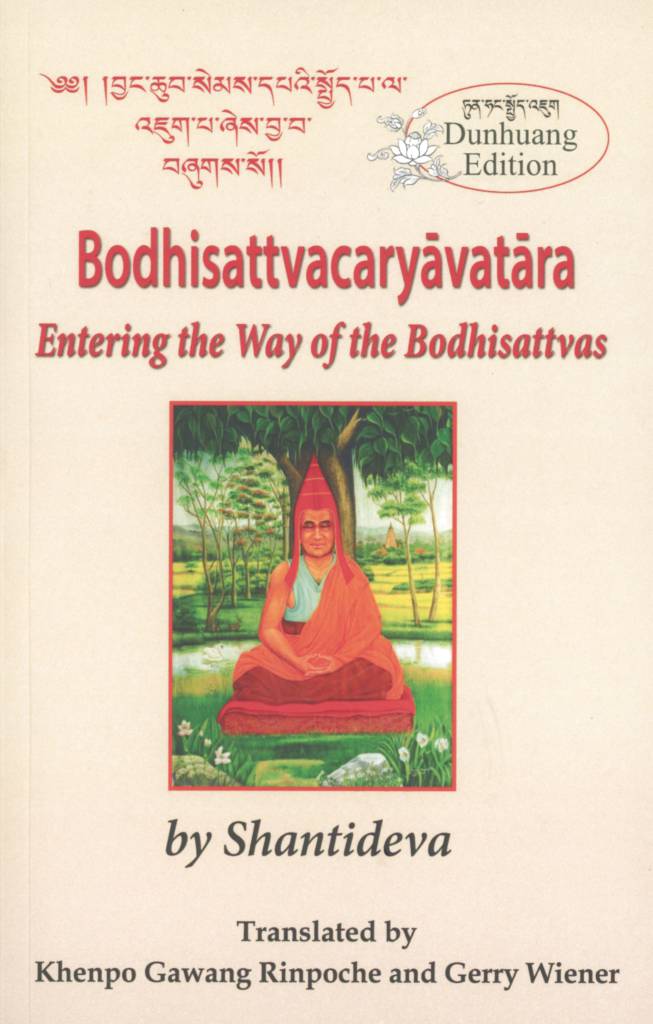
Dūnhuáng §This version is extracted from the book Bodhisattvacaryāvatāra: Entering the Way of the Bodhisattvas (2022, Khenpo Gawang and Wiener), a translation of an edition of the text created from three Dūnhuáng manuscripts. A description and sample pages of these can be found on the Early Tibet Blog. Scans of the actual manuscripts themselves can be found at http://idp.bl.uk

གསལ་ལམ་མི་གསལ་ཡང་རུང་སྟེ། །

སུས་ཀྱང་ཇི་བཞིན་མ་མཐོང་བས། ། མོ་ཤམ་གྱི་ནི་བུ་བཞིན་དུ། །

བརྗོད་དུ་ཟིན་ཀྱང་དོན་མེད་དོ། །[p.251]Entering the Way of the Bodhisattvas (2022, Khenpo Gawang and Wiener)
Gawang, Khenpo, and Gerry Wiener, trans. Bodhisattvacaryāvatāra: Entering the Way of the Bodhisattvas by Shantideva - Dunhuang Edition. Memphis, TN: Jeweled Lotus Publishing, 2022.

alt verse 8.20 tm data

MD: Whether illuminating or not illuminating,

If at that time nothing is seen by anyone at all, Then it is similar to the discussion of the bearing and manner Of the son of a barren woman.

Such a discussion is entirely pointless.[p.252]Entering the Way of the Bodhisattvas (2022, Khenpo Gawang and Wiener)
Gawang, Khenpo, and Gerry Wiener, trans. Bodhisattvacaryāvatāra: Entering the Way of the Bodhisattvas by Shantideva - Dunhuang Edition. Memphis, TN: Jeweled Lotus Publishing, 2022.

Tsadra Critical Edition §This text was created by comparing four versions of the text from Derge, Cone, Narthang, and Peking Tengyurs from BDRC scans, along with Dunhuang manuscripts IOL Tib J 628, 629, and 630. When Tibetan readings were problematic, the Sanskrit texts from GRETIL and LTB (Oslo) were consulted.

གང་ཚེ་འགས་ཀྱང་མཐོང་མིན་ན། །

གསལ་བའམ་ནི་མི་གསལ་བ། ། མོ་གཤམ་བུ་མོའི་འགྱིང་བག་བཞིན། །

དེ་ནི་བརྗོད་ཀྱང་དོན་མེད་དོ། །173ཏུན་ཧོང་ཀ་དང་ཁ་༴ ‘གསལ་ལམ་མྱྀ་གསལ་ཡང་རུང་སྟེ། །སུས་ཀྱང་ཅྀ་བཞིན་མ་མཐོང་བས། །མོ་གཤམ་གྱྀ་ནི་བུ་བཞིན་དུ། །བརྗོད་དུ་ཟིན་ཀྱང་དོན་མྱེད་དོ། །’

[edit]
Sazang Mati (1294 - 1376)
A Commentary on Shantideva's Engaging in the Conduct of the Bodhisattvas (citation)Gyaltsen, Lama Kalsang, and Ani Kunga Chodron, trans. A Commentary on Shantideva's Engaging in the Conduct of the Bodhisattvas Written by Sazang Mati Panchen: Known as An Extremely Clear Illumination of the Meaning of the Text. Walden, NY: Tsechen Kunchab Ling, 2019. Bilingual Edition

(གསུམ་པ་)སྒྲུབ་བྱེད་མངོན་སུམ་མེད་ཚུལ་ནི།

3. Lack of direct evidence for the challenge 1.2.2.1.1.3.2.1.2.2.1.3

གང་ཚེ་འགས་ཀྱང་མཐོང་མིན་ན། །

གསལ་བའམ་ནི་མི་གསལ་བ། ། མོ་གཤམ་བུ་མོའི་འགྱིང་བག་བཞིན། །

དེ་ནི་བརྗོད་ཀྱང་དོན་མེད་དོ། །

gang tshe 'gas kyang mthong min na/_/

gsal ba'am ni mi gsal ba/_/ mo gsham bu mo'i 'gying bag bzhin/_/

de ni brjod kyang don med do/_/

Since nothing at all perceives

Whether it is luminous or not, It is meaningless to describe it,

Like the grace of the daughter of a barren woman.[p.357]A Commentary on Shantideva's Engaging in the Conduct of the Bodhisattvas
Gyaltsen, Lama Kalsang, and Ani Kunga Chodron, trans. A Commentary on Shantideva's Engaging in the Conduct of the Bodhisattvas Written by Sazang Mati Panchen: Known as An Extremely Clear Illumination of the Meaning of the Text. Walden, NY: Tsechen Kunchab Ling, 2019. First edition published by The Yeshe Dorje Foundation in 2006.

བརྟགས་ཤིང་དཔྱད་པ་གང་གི་ཚེ་ཁྱད་པར་གྱི་གཞི་བློ་དེ་ནི་རང་རིག་གཞན་རིག་འགའ་ཡིས་ཀྱང་ནམ་ཡང་མཐོང་བ་མིན་ན༵་དེའི་ཚེ་ཁྱད་པར་གྱི་ཆོས་མར་མེ་ལྟར་གསལ་བའམ་ནི་བུམ་པ་ལྟར་མི་གསལ་བ༵་ཞེས་སྨྲས་ཀྱང་མོ་གཤམ་གྱི་བུ་མོ་གཞི་མ་གྲུབ་པའི་འགྱིང་བག་ཆེ་ཆུང་སྨྲ་བ་བཞི༵ན་དུ་བློ་དེ་ནི་རང་གིས་རང་རིག་གོ་ཞེས་བརྗོད་ཀྱང་སྒྲུབ་བྱེད་དང་བྲལ་བའི་ཕྱིར་འབྲས་བུའི་དོན་ཅིའང་གྲུབ་པ་མེད་དོ༵། །[p.-323]རབ་གསལ་སྣང་བ་

Then, under careful analysis, the actual base of the mind itself cannot be perceived either by its own self awareness, or by another awareness. Therefore, descriptions of its unique qualities such as self-illumination like a light, or non self-illumination like a vase, etc., are merely descriptions of a non-existent base, like describing the elegance or size of the daughter of a barren woman. Though you say that the mind itself can be seen by its own awareness, because there is no evidence or proof, this statement has no meaningful result.
Gyaltsap Je (1364 - 1432)
The Entrance for the Children of the Conquerors (citation)Stracke, Fedor, trans. The Entrance for the Children of the Conquerors: A Commentary on the Introduction to the Actions of Bodhisattvas. By Gyaltsab Rinpoche. N.p.: Happy Monks Publication, 2016. https://happymonkspublication.org/product/bodhisattvacharyavatara-chapter-1-10-commentary/. Bilingual Edition

གཉིས་པ་ནི།

Refuting the Meaning 1.1.2.1.2.2.2.2.2.2.2.2.2

གང་ཚེ་འགས་ཀྱང་མཐོང་མིན་ན། །

གསལ་བའམ་ནི་མི་གསལ་བ། ། མོ་གཤམ་བུ་མོའི་འགྱིང་བག་བཞིན། །

དེ་ནི་བརྗོད་ཀྱང་དོན་མེད་དོ། །

gang tshe 'gas kyang mthong min na/_/

gsal ba'am ni mi gsal ba/_/ mo gsham bu mo'i 'gying bag bzhin/_/

de ni brjod kyang don med do/_/

To remark about it being illuminated or not illuminated,

When it is not seen by anything, Is pointless even though expressed,

Like the airs of a barren woman’s daughter.

མར་མེ་རང་གིས་རང་གསལ་བར་མི་བྱེད་ཀྱང་མར་མེ་གསལ་བ་ཉིད་དོ་ཞེས་ཤེས་པས་ཤེས་ཞེས་དེ་ལྟར་རྗོད་པར་བྱེད་ན་ཤེས་པ་རང་གིས་རང་གསལ་བ་མ་ཡིན་ལ། དེ་ལྟ་ན་བློ་ནི་གསལ་བ་ཉིད་ཡིན་ནོ་ཞེས་ཤེས་པ་རྫས་གཞན་གང་གིས་ཤེས་ནས་དེ་སྐད་དུ་རྗོད་པར་བྱེད་དེ་མི་རིགས་སོ། །

If one says, ‘Although the candle does not illuminate itself, it is illuminated’, and says likewise, ‘it is known by consciousness’, then consciousness does not illuminate itself. Instead one has to say ‘consciousness illuminates’, and this statement would be made after it is known like this by which consciousness of different substance? This is invalid.[p.18]The Entrance for the Children of the Conquerors
Stracke, Fedor, trans. The Entrance for the Children of the Conquerors: A Commentary on the Introduction to the Actions of Bodhisattvas. By Gyaltsab Rinpoche. N.p.: Happy Monks Publication, 2016. https://happymonkspublication.org/product/bodhisattvacharyavatara-chapter-1-10-commentary/.

རྫས་གཞན་གྱིས་རིག་ན་ཐུག་མེད་དུ་འགྱུར་བས་རང་གིས་ཀྱང་མི་རིག་གཞན་གྱིས་ཀྱང་མི་རིག་ན་གང་གི་ཚེ་རིག་བྱེད་འགས་ཀྱང་ཤེས་པ་དེ་མཐོང་བ་མིན་ན། ཤེས་པ་དེ་ནི་གསལ་བའམ་ནི་མི་གསལ་བའི་ཁྱད་པར་དེ་ནི་བརྗོད་ཀྱང་དོན་མེད་དེ། ཁྱད་གཞི་ཤེས་པ་ཚད་མས་མ་གྲུབ་པའི་ཕྱིར།

If it would be known by a consciousness of different substance, it would become infinite. Hence, it is not known by self or by another. As there is no knower seen by any consciousness, then although one may make statements regarding whether consciousness is illuminated or not, they are meaningless as the basis for the distinction is not established by prime cognition.

མོ་གཤམ་བུ་མོ་མི་སྲིད་ན་དེའི་འགྱིང་བག་བརྗོད་པ་དོན་མེད་བཞིན་ནོ། །

If it is impossible for the daughter of a barren woman to exist, then it is meaningless to talk about her airs.
Pawo Rinpoche, 2nd (1504 - 1566)
The Center of the Sunlit Sky (citation)Brunnhölzl, Karl. The Center of the Sunlit Sky: Madhyamaka in the Kagyü Tradition. Including a translation of Pawo Rinpoche's commentary on the knowledge section of Śāntideva's The Entrance to the Bodhisattva’s Way of Life (Bodhicaryāvatāra). Nitartha Institute Series. Ithaca, NY: Snow Lion Publications, 2004. Bilingual Edition

གང་ཚེ་འགའས་ཀྱང་མཐོང་མིན་ན། །

གསལ་བ་འམ་ནི་མི་གསལ་བ། ། མོ་ཤམ་བུ་ཡི་འགྱིང་བག་བཞིན། །

དེ་ནི་བརྗོད་ཀྱང་དོན་མེད་དོ། །

Once this is not seen by anything,

“Illuminating” and “not illuminating” Are like the looks of a barren woman’s daughter—

Even if described, they are meaningless. [22]

ཇི་ལྟར་སོགས་ཚིགས་བཅད་ཕྱེད་དང་ལྔས་རང་གསལ་དུ་འདོད་པ་བཀག །

These four and a half verses refute the assertion of self-illumination.

དེ་ལ་རྣམ་རིག་པ་ན་རེ། ཇི་ལྟར་མར་མེ་རང་གིས་མར་མེའི་དངོས་པོ་ཡང་དག་པར་གསལ་བར་བྱེད་པས་རང་གསལ་ཡིན་པ་བཞིན་དུ་སེམས་ཀྱང་རང་གསལ་བ་ཡིན་ནོ་ཞེ་ན། དེ་ལ་བཤད་པ། དེ་ནི་དཔེ་མ་གྲུབ་སྟེ་གསལ་བ་ནི་མུན་པ་བཀག་ནས་གཟུགས་གསལ་བར་བྱས་པ་ལ་མར་མེས་གསལ་བར་བྱས་པའི་ཐ་སྙད་དུ་འཇོག་པ་ཡིན་ལ་མར་མེ་རང་ཉིད་ནི་གསལ་བར་བྱ་དགོས་པ་མིན་ཏེ། གང་གི་ཕྱིར་མར་མེ་མུན་གྱིས་བསྒྲིབས་པ་མེད་པའི་ཕྱིར་ཏེ། དབུ་མ་རྩ་བར།

The Proponents of Cognizance might answer to the [above], “Just like a lamp is self-illuminating, since itself perfectly illuminates its entity of [being a] lamp, the mind too is self-illuminating.” [The refutation of] this is explained as follows: This is an example that does not apply. “Illuminating” means that some form is[p.635]The Center of the Sunlit Sky
Brunnhölzl, Karl. The Center of the Sunlit Sky: Madhyamaka in the Kagyü Tradition. Including a translation of Pawo Rinpoche's commentary on the knowledge section of Śāntideva's The Entrance to the Bodhisattva’s Way of Life (Bodhicaryāvatāra). Nitartha Institute Series. Ithaca, NY: Snow Lion Publications, 2004.
illuminated by having ended darkness. This is presented as the conventional expression that a lamp illuminates [something]. But the lamp itself does not need to be illuminated, because the lamp is not obscured by darkness. The Fundamental Verses on Centrism says:

མར་མེ་དང་ནི་གང་དག་ན། །

དེ་འདུག་པ་ན་མུན་པ་མེད། ། མར་མེས་ཅི་ཞིག་སྣང་བར་བྱེད། །

མུན་པ་སེལ་བས་སྣང་བྱེད་ཡིན། །

In a lamp and wherever
It stands, there is no darkness.
How does a lamp light up (things]?
It is something that lights up by eliminating darkness.1497VII. 9.

ཞེས་སོ། །ཡང་མར་མེ་རང་གསལ་ཡང་ཡིན་ན་གཞན་ཡང་སྣང་བར་བྱེད་པར་འདོད་དགོས་ལ་དེ་ལྟ་ན་མུན་པས་རང་གཞན་གཉི་ག་སྒྲིབ་པར་འགྱུར་ཏེ།

Furthermore, if a lamp were self-illuminating, one would have to assert that it lights up other things too. If that were the case, then darkness would obscure both itself and others:

མར་མེ་རང་དང་གཞན་གྱི་དངོས། །

གལ་ཏེ་སྣང་བར་བྱེད་འགྱུར་ན། ། མུན་པའང་རང་དང་གཞན་གྱི་དངོས། །

སྒྲིབ་པར་འགྱུར་བར་ཐེ་ཚོམ་མེད། །

If a lamp did light up
Itself and other things,
Then there is no doubt that also darkness
Would obscure itself and other things.1498Ibid., VII.12.

ཅེས་སོ། །རྣམ་རིག་པ་ན་རེ། སྐྱོན་དེ་མེད་དེ་ཤེལ་དྭངས་པ་སྔོན་པོ་མ་ཡིན་ཀྱང་དར་སྔོན་པོ་དང་ཉེ་བའི་རྐྱེན་གྱིས་སྔོན་པོར་སྣང་བ་བཞིན་དུ་རྐྱེན་གཞན་ལ་བལྟོས་པའི་གསལ་བ་དང་ཨུཏྤལ་སྔོན་པོ་ཉིད་སོགས་ལ་ནི་རྐྱེན་གཞན་ལ་བལྟོས་པ་ཡོད་པ་མ་ཡིན་པར་རང་བཞིན་གྱིས་སྔོན་པོར་གནས་པ་དེ་བཞིན་དུ་ཆོས་འགའ་ཞིག་རྐྱེན་གཞན་ལ་ནི་བལྟོས་པ་དང་འགའ་ཞིག་བལྟོས་པ་མེད་པར་ངོ་བོ་ཉིད་ཀྱིས་དེ་ལྟར་ཡིན་པ་ཡང་མཐོང་བས་ན་ཤེས་པ་ནི་རྐྱེན་གཞན་ལ་མ་བལྟོས་པར་ངོ་བོ་ཉིད་ཀྱིས་རང་གསལ་བ་ཡིན་ནོ་ཞེ་ན།

The Proponents of Cognizance might answer, “There is no mistake: Something like a translucent crystal is not blue, but it appears to be blue through the condition of blue silk being close [to it]. This is [a case of an] illumination that depends on other conditions. And [on the other hand, there is] the blueness of such things as an utpala [flower] that does not depend on some other conditions but is naturally blue. Just like this, some phenomena are seen to depend on other conditions, and some [are seen] to be independent just as they are by their very nature. Therefore, consciousness does not depend on other conditions but is self-illuminating by its very nature.”

དེ་དགག་པ་ནི།

The refutation of this is [threefold]:

ཅེས་གསུངས་ཏེ། སྔོན་པོ་དང་རང་རིག་དཔེ་མི་མཚུངས་ཏེ། ཨུཏྤ་ལའི་སྔོན་པོ་ནི་ངོ་བོ་ཉིད་ཀྱིས་གཟོད་ནས་སྔོན་པོར་ཡོད་པ་མ་ཡིན་མོད་ཀྱང་འབྱུང་བའི་དྭངས་མའི་རྒྱུ་རྐྱེན་གཞན་གྱིས་སྔོན་པོར་བསྐྱེད་ཟིན་པ་ཡིན་ལ་རང་རིག་རང་གསལ་དུ་ནི་རྒྱུ་རྐྱེན་གྱིས་སྐྱེད་མ་ཟིན་ཅིང་རིག་པ་ནི་རིག་བྱ་དང་རིག་བྱེད་ལ་བལྟོས་ཤིང་གསལ་བ་ནི་མི་གསལ་བའི་གནས་སྐབས་ལ་བལྟོས་པས་བལྟོས་ཟླ་ཡོད་པ་ན་རྟོག་པ་ཕན་ཚུན་བརྟེན་པའི་སྐྱོན་གྱིས་རང་རིག་རང་གསལ་མི་འགྲུབ་ལ་བལྟོས་ཟླ་མེད་ན་དེ་བས་ཀྱང་མི་འགྲུབ་པའི་ཕྱིར།

[Natural] blue is not a concordant example for self-awareness, [660] because, first, the blue of an utpala has certainly not primordially existed as blue by its very nature. Rather, it has been produced as blue through other causes and conditions, such as the translucence of the elements. However, self-awareness has not been produced as something self-illuminating by causes and conditions. Furthermore, awareness depends on something that it is aware of and something that is aware, while illumination depends on the phase of nonillumination. Therefore, once there are [such] counterparts to depend on, self-illuminating self-awareness is not established due to the mistake of mutually dependent conceptions.1499I.e., a circular argument in the sense that both counterparts would mutually depend on each other. Thus, none of them can be established inherently by itself alone. And if there are no counterparts to depend on, it would be even less established than if there were.

ཤེལ་དར་དང་འཆིང་བུའི་སྣོད་ལ་སོགས་པའི་རྐྱེན་གྱིས་སྔོན་པོར་སྣང་མོད་ཀྱང་དེ་ནི་ཤེལ་དྭངས་པའི་ཕྱིར་མ་བསྒྲིབས་པར་དར་རམ་འཆིང་བུའི་སྣོད་དེའི་ཁ་དོག་མཐོང་བར་ཟད་ཀྱི་ཤེལ་སྔོན་པོར་གྱུར་པ་མ་ཡིན་པའི་ཕྱིར།

[Second, the example of the crystal is also not concordant] because of the following:[p.636]The Center of the Sunlit Sky
Brunnhölzl, Karl. The Center of the Sunlit Sky: Madhyamaka in the Kagyü Tradition. Including a translation of Pawo Rinpoche's commentary on the knowledge section of Śāntideva's The Entrance to the Bodhisattva’s Way of Life (Bodhicaryāvatāra). Nitartha Institute Series. Ithaca, NY: Snow Lion Publications, 2004.
A crystal may certainly appear blue through such conditions as silk or a colored glass vessel [next to it]. However, this is nothing but seeing the color of the silk or the colored glass vessel in an unobscured way because of the translucence of the crystal, whereas the crystal [itself] did not become blue.

ཤེལ་སྔོན་པོ་ཉིད་མིན་པ་ལ་རྐྱེན་དེས་ཀྱང་སྔོན་པོར་ཤེལ་དེ་བྱས་པ་མེད་ལ་ཤེལ་བདག་ཉིད་ཀྱིས་བདག་ཉིད་སྔོན་པོར་བྱས་པ་ཡང་མེད་པའི་ཕྱིར་རོ། །

[Third, this example is furthermore not concordant] because, even through these conditions, what is not blue—the crystal—cannot be made into a blue crystal and the crystal cannot make itself blue by itself either.

ཅེས་གསུངས་ཏེ། དེ་ལྟ་མོད་ཀྱིས་མར་མེ་རང་གསལ་བར་བྱེད་དོ་ཞེས་སུས་ཤེས་ཏེ་བརྗོད་ཅེས་འདྲིའོ། །རྣམ་རིག་པ་ན་རེ། དེ་ནི་ཤེས་པས་ཤེས་ཏེ་བརྗོད་དོ་ཞེ་ན། འོ་ན་བློ་ནི་རང་གསལ་བ་ཉིད་ཡིན་ནོ་ཞེས་གང་གིས་ཤེས་ནས་དེ་སྐད་བརྗོད། རང་རིག་གིས་སོ་ཞེ་ན། སྒྲུབ་བྱེད་བསྒྲུབ་བྱ་དང་མཚུངས་ཏེ་རང་རིག་ཉིད་སྒྲུབས་ཤིག །

All of this is certainly true, but we still ask, upon being known by whom it is stated that the lamp illuminates? You might say, “Such is said once this [illumination] is known by a consciousness.” However, upon being known by what do you state that cognition is illuminating? You will affirm, “This is [known] by self-awareness.” [However, in this case, your reason, which is self-awareness,] which [should] prove [the probandum], is equivalent to the probandum, so prove self-awareness itself!1500There is no commentary for verse 22. The corresponding passage of Künzang Pelden’s commentary says: Is that which knows that consciousness is illuminated by itself this consciousness itself, or is it a consciousness other than this one? The first case is not justified: This does not apply here, since it is the given object of analysis. If it needed to be known through a consciousness other than this [illuminating] consciousness itself, then there would be an infinite regress of that which knows it, and it could not possibly be known. If these [two consciousnesses] were not simultaneous, then objects of the past that have ceased or future ones that have not yet arisen could not be known. Since there is no mutual dependence in something simultaneous in the present, it could not possibly be known then either. Therefore, once otherdependent consciousness is not seen either by itself or by something other than itself, and not seen by anything else either, an analysis of [its] distinctive features, such as “illuminating” and “not illuminating,” is meaningless. A presentation of distinctive attributes with respect to a basis of attribution that was never seen is like saying, “The looks and the physical condition of a barren woman’s daughter are such and such.” Even if described, they are meaningless. (Kun bzang dpal ldan 1994, pp. 641–62)
Mipam Gyatso (1846 - 1912)
The Wisdom Chapter - The Ketaka Jewel (citation)Fletcher, Wulstan, and Helena Blankleder (Padmakara Translation Group), trans. The Wisdom Chapter: Jamgön Mipham's Commentary on the Ninth Chapter of "The Way of the Bodhisattva." Boulder, CO: Shambhala Publications, 2017. Bilingual Edition

གང་ཚེ་འགས་ཀྱང་མཐོང་མིན་ན། །

གསལ་བའམ་ནི་མི་གསལ་བ། ། མོ་གཤམ་བུ་མོའི་འགྱིང་བག་བཞིན། །

དེ་ནི་བརྗོད་ཀྱང་དོན་མེད་དོ། །

gang tshe 'gas kyang mthong min na/_/

gsal ba'am ni mi gsal ba/_/ mo gsham bu mo'i 'gying bag bzhin/_/

de ni brjod kyang don med do/_/

The mind, indeed, is never seen by anything.

And therefore, whether it can know, or cannot know, itself, Is like the beauty of a barren woman’s daughter:

Something that it’s pointless to discuss.

དེས་ན་གང་ཚེ་གཞན་དབང་གི་རྣམ་པར་ཤེས་པ་དེ་ནི་རང་གིས་མི་མཐོང་ལ། རང་ལས་གཞན་པ་དག་གིས་ཀྱང་མི་མཐོང་བས་ན། དེ་གསལ་བའམ་མི་གསལ་བ་[p.28]Spyod 'jug sher 'grel ke ta ka (Si khron mi rigs dpe skrun khang 1993)
Mi pham rgya mtsho. Spyod 'jug sher 'grel ke ta ka. Chengdu: Si khron mi rigs dpe skrun khang, 1993.
ཞེས་ཁྱད་པར་དཔྱོད་པ་ནི་དོན་མེད་དེ། ཁྱད་གཞི་མཐོང་མ་མྱོང་བ་ལ་ཁྱད་པར་གྱི་ཆོས་རྣམ་པར་གཞག་པ་མོ་གཤམ་གྱི་བུ་མོའི་ལུས་ཀྱི་འགྱིང་བག་ནི་འདི་ལྟ་བུའོ་ཞེས་རྣམ་གཞག་བྱེད་པ་དང་འདྲའོ།།

Therefore, if the consciousness, in other words, dependent reality (gzhan[p.100]The Wisdom Chapter
Fletcher, Wulstan, and Helena Blankleder (Padmakara Translation Group), trans. The Wisdom Chapter: Jamgön Mipham's Commentary on the Ninth Chapter of "The Way of the Bodhisattva." Boulder, CO: Shambhala Publications, 2017.
dbang), is not seen either by itself or by a consciousness separate from itself, it is meaningless to inquire about its characteristics, whether it is “illuminating” or not. To ascribe characteristics to a substance that is never encountered is like discussing the charming appearance of a barren woman’s daughter!
Kunzang Palden (1862 - 1943)
The Nectar of Manjushri's Speech (citation)Blankleder, Helena, and Wulstan Fletcher (Padmakara Translation Group), trans. The Nectar of Manjushri's Speech: A Detailed Commentary on Shantideva's Way of the Bodhisattva. By Kunzang Pelden. Boston: Shambhala Publications, 2007. Bilingual Edition

དུས་མི་མཉམ་ན་ནི་འདས་པ་འགགས་པ་དང་མ་འོངས་པ་མ་སྐྱེས་པའི་ཡུལ་མི་ཤེས་ཤིང༌། དུས་མཉམ་པ་ད་ལྟ་བ་ལ་ཕན་ཚུན་ལྟོས་པ་མེད་པས་ཤེས་མི་སྲིད་དོ། །

གང་ཚེ་འགས་ཀྱང་མཐོང་མིན་ན། །

གསལ་བའམ་ནི་མི་གསལ་བ། ། མོ་གཤམ་བུ་མོའི་འགྱིང་བག་བཞིན། །

དེ་ནི་བརྗོད་ཀྱང་དོན་མེད་དོ། །

gang tshe 'gas kyang mthong min na/_/

gsal ba'am ni mi gsal ba/_/ mo gsham bu mo'i 'gying bag bzhin/_/

de ni brjod kyang don med do/_/

དེས་ན་གང་ཚེ་གཞན་དབང་གི་རྣམ་པར་ཤེས་པ་དེ་ནི་རང་གིས་མི་མཐོང་ལ་རང་ལས་གཞན་པ་དག་གམ་འགས་ཀྱང་མཐོང་བ་མིན་པས་ན་དེ་གསལ་བའམ་ནི་མི་གསལ་བ་ཞེས་[p.642]Byang chub sems dpa'i spyod pa la 'jug pa rtsa ba dang 'grel pa (1990)
Slob dpon zhi ba lha and Mkhan po kun dpal. Byang chub sems dpa'i spyod pa la 'jug pa rtsa ba dang 'grel pa. Khreng tu'u: Si khron mi rigs dpe skrun khang, 1990. Buda by BDRC Logo.jpg
ཁྱད་པར་དཔྱོད་པ་ནི་དོན་མེད་དེ། ཁྱད་གཞི་མཐོང་མ་མྱོང་བ་ལ་ཁྱད་པར་གྱི་ཆོས་རྣམ་པར་བཞག་པ་མོ་གཤམ་གྱི་བུ་མོའི་ལུས་ཀྱི་འགྱིང་བག་དང་སྟབས་ནི་འདི་ལྟ་བུའོ་ཞེས་རྣམ་བཞག་བྱེད་པ་བཞིན་ཏུ་དེ་ནི་བརྗོད་ཀྱང་དོན་མེད་པ་ཉིད་དོ། །

Moreover, if such moments of knowing [in this infinite stream of knowers] are not simultaneous, there can be no knowledge of past objects, [or knowledge moments], which have ceased to be; or of future ones, which have not yet occurred. On the other hand, if they are simultaneous, they must be independent of each other, with the result that, once again, knowledge is impossible.

The mind, indeed, is never seen by anything.

And therefore, whether it can know, or cannot know, itself, Is like the beauty of a barren woman’s daughter:

Something that it’s pointless to discuss.

Therefore, if the consciousness (that is, the dependent reality) is not seen by anything—whether by itself or by a consciousness distinct from it—it is meaningless to examine whether it is illuminating or non-illuminating. To talk about the characteristics of something which is never perceived is as futile as discussing the grace and posture of a barren woman’s daughter. It is completely meaningless.


[edit]
[edit]