9.121

From Bodhicitta

Bodhicaryāvatāra · Verse 9.121


Sources:    

Sanskrit §No information about the source used.

तेन किं स्रष्टुमिष्टं च आत्मा चेत् नन्वसौ ध्रुवः। क्ष्मादिस्वभाव ईशश्च ज्ञानं ज्ञेयादनादि च॥

 
Chanted Verse
Recitation by Professor Kashinath Nyaupane
121

Suffering and happiness are the result of action. So say what he created. If you argue that the cause has no beginning, how could there be a beginning to its effect?

Standard Tibetan §Padmakara used the 1990 edition printed by si khron mi rigs dpe skrun khang: Byang chub sems dpa'i spyod pa la 'jug pa rtsa ba dang 'grel pa (1990). Also found in Derge Tengyur D3871, dbu ma, vol. 105, la 1b1–40a7.

དེས་བསྐྱེད་འདོད་པའང་གང་ཞིག་ཡིན། །

བདག་ནི་དེ་དང་ས་སོགས་དང་། ། དབང་ཕྱུག་ངོ་བོའང་རྟག་མིན་ནམ། །

ཤེས་པ་ཤེས་བྱ་ལས་སྐྱེས་དང་། །

 
Chanted Verse
Recitation by Lopen Karma Phuntsho
121

What is it that he wishes to create?

Has he made the self and all the elements? But are not self and elements and he himself eternal?

And consciousness, we know, arises from its object.

Standard Tibetan §Padmakara used the 1990 edition printed by si khron mi rigs dpe skrun khang: Byang chub sems dpa'i spyod pa la 'jug pa rtsa ba dang 'grel pa (1990). Also found in Derge Tengyur D3871, dbu ma, vol. 105, la 1b1–40a7. - Other translations

And what could he want to create? [121a]

If it were a self, isn’t that eternal? [Likewise,] the nature of earth and such, Īśvara, [121bc]

And consciousness arising from knowable objects are all without beginning. [121d]

Qu’a-t-il voulu créer ?

Le soi, les éléments, lui-même ? Tout cela n’est-il pas éternel ?

La conscience naît de son objet.

¿Qué es lo que desea crear?

¿Ha creado el “yo” y todos los elementos? Pero, ¿no son el “yo”, los elementos y él mismo eternos?

Y sabemos que la consciencia surge de su objeto.[p.172]La Práctica del Bodisatva
Hervás, María Jesús (Padmakara Translation Group, Spain), trans. La Práctica del Bodisatva: Una Traducción del Bodicharyavatara de Shantideva. Translated from the 2006 English translation of Helena Blankleder and Wulstan Fletcher. Novelda, Alicante, Spain: Ediciones Dharma, 2008.

La Práctica del Bodisatva-front.jpg
Padmakara Spain 2008

Also what does it desire to create?

Aren’t the nature of the self, Earth and so forth and Ishvara permanent?

Consciousness is generated from the object of knowledge,

What does he wish to create? If it is the self and earth, etc.,

Then isn’t the nature of Ishvara impermanent? The knower arises from knowledge, and

shift + scroll / swipe
Tsadra Critical Edition §This text was created by comparing four versions of the text from Derge, Cone, Narthang, and Peking Tengyurs from BDRC scans, along with Dunhuang manuscripts IOL Tib J 628, 629, and 630. When Tibetan readings were problematic, the Sanskrit texts from GRETIL and LTB (Oslo) were consulted.

དེས་བསྐྱེད་འདོད་པའང་གང་ཞིག་ཡིན། །

བདག་ནི་དེ་དང་ས་སོགས་དང་། ། དབང་ཕྱུག་ངོ་བོའང་རྟག་མིན་ནམ། །

ཤེས་པ་ཤེས་བྱ་ལས་སྐྱེ་དང་། །

[edit]
Sazang Mati (1294 - 1376)
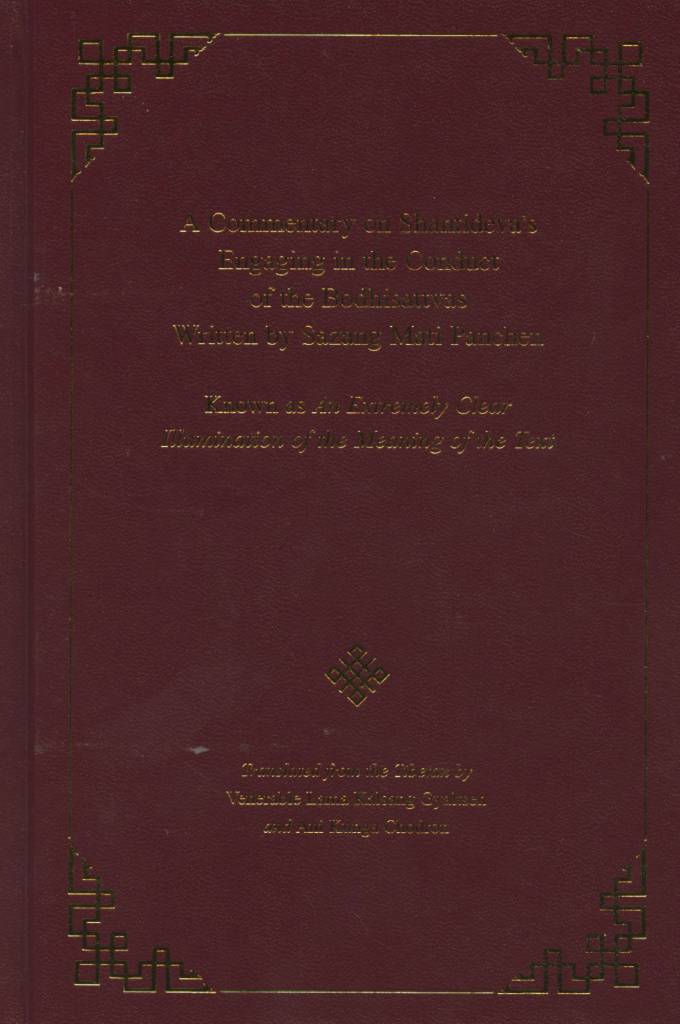
A Commentary on Shantideva's Engaging in the Conduct of the Bodhisattvas (citation)Gyaltsen, Lama Kalsang, and Ani Kunga Chodron, trans. A Commentary on Shantideva's Engaging in the Conduct of the Bodhisattvas Written by Sazang Mati Panchen: Known as An Extremely Clear Illumination of the Meaning of the Text. Walden, NY: Tsechen Kunchab Ling, 2019. Bilingual Edition

དེས་བསྐྱེད་འདོད་པའང་གང་ཞིག་ཡིན། ། བདག་ནི་དེ་དང་ས་སོགས་དང་། །

What does he wish to create? If it is the self and earth, etc.,

ཡང་བསམ་གྱིས་མི་ཁྱབ་པའི་བྱེད་པ་པོ་དབང་ཕྱུག་དེས་བསྐྱེད་ཅིང་སྤྲུལ་པར་འདོད་པའི་འབྲས་བུའང་གང་ཞིག་ཡི༵ན་ཞེས་དྲིས་པ་ལ།

Madhyamika: What do you believe is the result that the creator Ishvara creates or emanates?

བདག་དང་འབྱུང་བ་བཞི་དང་ནམ་མཁའ་དང་དུས་དང་ཕྱོགས་དང་ཡིད་ལ་སོགས་པ་དང་དབང་ཕྱུག་གི་རིགས་རྒྱུན་ཕྱི་མ་རྣམས་ཡིན་ནོ་ཞེ་ན།

They may say: The result is the self, the four elements, space, time, direction, awareness, and others. These are subsequent parts of Ishvara’s continuum.

དབང་ཕྱུག་ངོ་བོའང་རྟག་མིན་ནམ། ། ཤེས་པ་ཤེས་བྱ་ལས་སྐྱེས་དང་། །

Then isn’t the nature of Ishvara impermanent? The knower arises from knowledge, and

བདག་ནི་དེ་དང་འབྱུང་བ་ས་ལ་སོགས་པ་རྣམས་ད༵ང་དབང་ཕྱུག་རང་གི་ངོ་བོའང་རྟག་པར་ཁས་བླངས་པ་མིན་ན༵མ་སྟེ་ཡིན་པས་དབང་ཕྱུག་གི་འབྲས་བུར་མི་རུང་སྟེ། རྟག་པ་ཡིན་པ་དང་སྐྱེད་འབྲས་ཡིན་པ་ནི་ཤིན་ཏུ་འགལ་བའི་ཕྱིར་རོ། །

Madhyamika: Didn’t you state that the self, the elements such as the earth, etc., and the nature of Ishvara are permanent? You did. Therefore these could not be Ishvara’s results because it is contradictory to say that something is permanent and also produces a result.

དེ་བཞིན་དུ་ཤེས་པ་དང་བདེ་སྡུག་ལ་སོགས་པའང་དབང་ཕྱུག་གིས་བསྐྱེད་པ་མ་ཡིན་ཏེ། སྣང་ཙམ་དུ་ཤེས་པ་ནི་དོན་གྱི་རྣམ་པ་ཅན་དུ་ཤེས་བྱའི་ཡུལ་ལས་སྐྱེས་པའི་ཕྱིར་ད༵ང་།

Likewise, the consciousness, and pain and pleasure are also not produced by Ishvara because on the level of mere perception, the knower arises from the object that is known as its factual appearance.
Gyaltsap Je (1364 - 1432)
The Entrance for the Children of the Conquerors (citation)Stracke, Fedor, trans. The Entrance for the Children of the Conquerors: A Commentary on the Introduction to the Actions of Bodhisattvas. By Gyaltsab Rinpoche. N.p.: Happy Monks Publication, 2016. https://happymonkspublication.org/product/bodhisattvacharyavatara-chapter-1-10-commentary/. Bilingual Edition

གཉིས་པ་ནི།

If It Is Permanent, It Is Unsuitable to Be the Cause of Anything Arising from Conditions 1.1.2.3.2.3.1.2.2

དེས་བསྐྱེད་འདོད་པའང་གང་ཞིག་ཡིན། །

བདག་ནི་དེ་དང་ས་སོགས་དང་། ། དབང་ཕྱུག་ངོ་བོའང་རྟག་མིན་ནམ། །

ཤེས་པ་ཤེས་བྱ་ལས་སྐྱེས་དང་། །

des bskyed 'dod pa'ang gang zhig yin/_/

bdag ni de dang sa sogs dang /_/ dbang phyug ngo bo'ang rtag min nam/_/

shes pa shes bya las skyes dang /_/

Also what does it desire to create?

Aren’t the nature of the self, Earth and so forth and Ishvara permanent?

Consciousness is generated from the object of knowledge,

ཚོར་བ་བདེ་སྡུག་སོགས་ནི་སྔོན་གྱི་ལས་ལ་སོགས་པ་ལས་སྐྱེས་པ་ཡིན་ན། ཁྱོད་འདོད་པའི་དབང་ཕྱུག་དེས་བསྐྱེད་པར་འདོད་པའི་འབྲས་བུ་གང་ཞིག་ཡིན་དྲིས་པས་

If the feelings of happiness, suffering, equanimity and other functionalities are generated from previous karma and other causes, then what is the result that the Ishvara asserted by you desires to create?

བདག་གོ་ཞེ་ན།

Argument: It is the self.

དེ་མི་འཐད་པར་ཐལ། བདག་དེ་དང་ས་སོགས་དང་དབང་ཕྱུག་རང་གི་རིགས་འདྲ་ཕྱི་མའི་ངོ་བོའང་རུང་སྟེ་དབང་ཕྱུག་གིས་བྱས་པ་མ་ཡིན་པར་ཐལ། བདག་དང་འབྱུང་བཞིའི་རྡུལ་ཕྲན་དང་དབང་ཕྱུག་སོགས་རྟག་པ་མིན་ནམ་སྟེ་རྟག་པར་ཁས་བླངས་པས་དེ་དག་ལ་བསྐྱེད་བྱ་སྐྱེད་བྱེད་མི་འཐད་པའི་ཕྱིར།

Madhyamaka: It follows that it is not valid - because it follows that this self, the four elements of earth, water, fire and air, and also subsequent similar types of Ishvara are not produced by Ishvara - because aren’t the self, the particles of the four elements and Ishvara permanent? Because you accept them to be permanent they are invalid as that which is generated and the generator.

དེས་ན་སྔོར་སྣང་དབང་པོའི་ཤེས་པ་སོགས་ཤེས་བྱ་སྔོན་པོ་སོགས་ལས་སྐྱེས་པའི་ཕྱིར་དང༌། ཐོག་མ་མེད་པའི་དུས་ནས་ཚོར་བ་བདེ་སྡུག་དགེ་མི་དགེའི་ལས་ལས་སྐྱེས་པ་ཡིན་པའི་ཕྱིར། དབང་ཕྱུག་དེ་ཡིས་འབྲས་བུ་གང་ཞིག་བསྐྱེད་པ་སྨྲོས་ཤིག་སྟེ་དེས་བསྐྱེད་པའི་འབྲས་བུ་མི་སྲིད་པའི་ཕྱིར་རོ། །

Then, because the different sense consciousnesses to which blue and so forth appear are generated from the objects of knowledge blue and so forth, and because the feelings of suffering and happiness are generated from virtuous and non-virtuous karma, therefore state the result that is generated by Ishvara. The result generated by Ishvara does not exist.

རྒྱུ་དབང་ཕྱུག་རྟག་དངོས་ཡིན་པས་དེ་ལ་ཐོག་མ་མེད་པ་ཡིན་ན་ད་ལྟར་གྱི་ཚོར་བ་སོགས་འབྲས་བུའི་ཐོག་མ་ག་ལ་ཡོད་དེ། དེ་རིང་གི་ཚོར་བ་ཡང་ཐོག་མ་མེད་པའི་དུས་ནས་བསྐྱེད་པའི་དངོས་རྒྱུ་ནུས་པ་ཐོག་མེད་ཡིན་པའི་ཕྱིར།

Because the causal Ishvara is a permanent functionality, if he were to exist since beginningless time, then how can there be a first of his resultant feelings and other results? The direct cause of the feeling generated today possesses its ability since beginningless time.

དབང་ཕྱུག་དེས་འབྲས་བུ་ཐམས་ཅད་དུས་རྟག་ཏུ་ཅིའི་ཕྱིར་བྱེད་པ་མིན་ཏེ། དེ་ནི་འབྲས་བུ་[p.Ch9-415]Spyod 'jug rtsa 'grel (Mtsho sngon mi rigs dpe skrun khang 2001)
Śāntideva, and Rgyal tshab rje dar ma rin chen. Spyod 'jug rtsa 'grel and Byang chub sems dpa'i spyod pa la 'jug pa'i rnam bshad rgyal sras 'jug ngogs. Xining: Mtsho sngon mi rigs dpe skrun khang, 2001
ཐམས་ཅད་བྱེད་པ་གང་ཞིག་རྐྱེན་གཞན་ལ་ལྟོས་པ་མིན་པའི་ཕྱིར། དེར་ཐལ། དབང་ཕྱུག་དེས་བྱས་པ་མིན་པའི་འབྲས་བུ་གཞན་ཡོད་པ་མིན་ན་དབང་ཕྱུག་དེས་འབྲས་བུ་བསྐྱེད་པ་འདི་རྐྱེན་གང་ལ་ལྟོས་པར་འགྱུར་ཏེ། ལྷན་ཅིག་བྱེད་རྐྱེན་དུ་འདོད་པ་དེ་ཡང་དབང་ཕྱུག་གིས་བྱ་དགོས་ཤིང་དེས་བྱས་པས་ཆོག་པའི་ཕྱིར།

As he produces all results without depending on other conditions, why would he not produce all results on a continual basis? It follows it is like that - because if there is no other separate result that is not created by Ishvara, then in dependence on what condition does this Ishvara generate these results? That asserted as simultaneously acting condition needs to be created by Ishvara and it is acceptable that it is produced by him.[p.66]The Entrance for the Children of the Conquerors
Stracke, Fedor, trans. The Entrance for the Children of the Conquerors: A Commentary on the Introduction to the Actions of Bodhisattvas. By Gyaltsab Rinpoche. N.p.: Happy Monks Publication, 2016. https://happymonkspublication.org/product/bodhisattvacharyavatara-chapter-1-10-commentary/.
Pawo Rinpoche, 2nd (1504 - 1566)
The Center of the Sunlit Sky (citation)Brunnhölzl, Karl. The Center of the Sunlit Sky: Madhyamaka in the Kagyü Tradition. Including a translation of Pawo Rinpoche's commentary on the knowledge section of Śāntideva's The Entrance to the Bodhisattva’s Way of Life (Bodhicaryāvatāra). Nitartha Institute Series. Ithaca, NY: Snow Lion Publications, 2004. Bilingual Edition

གཉིས་པ་ནི།

Teaching That His Results Are Impossible 4.2.2.1.2.2.

དེས་བསྐྱེད་འདོད་པའང་གང་ཞིག་ཡིན། །

And what could he want to create? [121a]

དང་པོས་དེས་སྐྱེད་པ་མེད་པར་བསྟན།

This line teaches that there is nothing that could be created by him.

དེ་ལྟར་ན་དབང་ཕྱུག་མ་གྲུབ་པས་དེས་བསྐྱེད་པའི་ཆོས་གཞན་ཞིག་འདོད་པའང་གང་ཞིག་ཡིན།

Thus, since Īśvara is not established, what could be the phenomena other [than him] that he wants to create?

བདག་ན་དེ་དང་ས་སོགས་དང་། ། དབང་ཕྱུག་ངོ་བོའང་རྟག་མིན་ནམ། །

If it were a self, isn’t that eternal? [Likewise,] the nature of earth and such, Īśvara, [121bc]

གཉིས་ཀྱིས་བདག་དབང་ཕྱུག་དུ་འདོད་པ་བཀག །

These two lines refute the assertion that the self is Īśvara.

གལ་སྟེ་ཐམས་ཅད་བདག་གིས་སྤྲུལ་པས་བདག་ནི་དབང་ཕྱུག་གོ་ཞེ་ན་དབང་ཕྱུག་ནི་གཅིག་པུ་དེ་དང་རྟག་པ་དེ་ཡིན་པར་འདོད་ན་དེས་ས་སོགས་དངོས་པོ་ཐམས་ཅད་དུས་ཅིག་ཆར་དུ་རྟག་དུ་སྤྲུལ་བར་ཐལ་བ་དང་། ཡང་ན་ནམ་ཡང་མི་སྤྲུལ་བར་ཐལ་སྟེ་དབང་ཕྱུག་དེའི་ངོ་བོའང་རྟག་པ་ཡིན་པར་འདོད་པ་མིན་ནམ།

You might say, “Since everything is emanated by the self, the self is Īśvara.” If you assert that Īśvara is this singular and eternal [self], it follows either that he creates all things, such as earth, simultaneously and all the time, or it follows that he never creates them. Isn’t it that you assert Īśvara’s nature as eternal?1768Here, all other commentaries that I consulted say: The opponents claim that Īśvara creates the self and the particles of earth and such. However, since they also claim that all these are permanent, there cannot be a relationship of cause and result between them. How could a permanent Īśvara ever create something, i.e., change his state by creating various things?And how could a self or particles ever be created, since their state of eternity does not allow them to be created or influenced by anything in the first place?

ཤེས་པ་ཤེས་བྱ་ལས་སྐྱེས་དང་། །

And consciousness arising from knowable objects are all without beginning. [121d]

ཅེས་གསུངས་ཏེ། གསུམ་གྱིས་ལས་ཀྱིས་སྐྱེད་པར་བསྟན་ཏོ། །

These three lines teach that [results] are produced by actions.

དེས་ན་ཤེས་པ་དང་ཤེས་བྱ་ནི་ཕན་ཚུན་བལྟོས་པ་ལས་སྐྱེས་པ་དང་ཐོག་མ་མེད་པའི་བདེ་སྡུག་ཡང་རང་གི་ལས་ལས་སྐྱེ་པ་ཡིན་གྱི་མིང་ཁོ་ནར་ཟད་པའི་དབང་ཕྱུག་དེ་ཡིས་ནི་གང་ཞིག་སྐྱེད་པ་སྨྲོས་ཅིག །

Hence, consciousness and knowable objects arise from being dependent on each other. Beginningless [896] suffering and happiness arise from one’s own actions. So please tell us what this Īśvara who is nothing but a mere name has created.[p.761]The Center of the Sunlit Sky
Brunnhölzl, Karl. The Center of the Sunlit Sky: Madhyamaka in the Kagyü Tradition. Including a translation of Pawo Rinpoche's commentary on the knowledge section of Śāntideva's The Entrance to the Bodhisattva’s Way of Life (Bodhicaryāvatāra). Nitartha Institute Series. Ithaca, NY: Snow Lion Publications, 2004.
Mipam Gyatso (1846 - 1912)
The Wisdom Chapter - The Ketaka Jewel (citation)Fletcher, Wulstan, and Helena Blankleder (Padmakara Translation Group), trans. The Wisdom Chapter: Jamgön Mipham's Commentary on the Ninth Chapter of "The Way of the Bodhisattva." Boulder, CO: Shambhala Publications, 2017. Bilingual Edition

དེས་བསྐྱེད་འདོད་པའང་གང་ཞིག་ཡིན། །

བདག་ནི་དེ་དང་ས་སོགས་དང་། ། དབང་ཕྱུག་ངོ་བོའང་རྟག་མིན་ནམ། །

ཤེས་པ་ཤེས་བྱ་ལས་སྐྱེས་དང་། །

des bskyed 'dod pa'ang gang zhig yin/_/

bdag ni de dang sa sogs dang /_/ dbang phyug ngo bo'ang rtag min nam/_/

shes pa shes bya las skyes dang /_/

What is it that he wishes to create?

Has he made the self and all the elements? But are not self and elements and he himself eternal?

And consciousness, we know, arises from its object.

འོན་ཀྱང་ཁྱོད་ཀྱིས་དབང་ཕྱུག་ནི་རྟག་གཅིག་མཆོད་འོས་ལ་སོགས་པའི་ཁྱད་པར་དང་ལྡན་པར་འདོད་ན། ས་སོགས་འདི་རྣམས་ནི་དུ་མ་དང་། མི་རྟག་པ་དང་། བློ་ཡི་གཡོ་བ་མེད་པ་དང་། མཆོད་བྱའི་ལྷ་མིན་པ་དང་། རྐང་པ་སོགས་ཀྱིས་འགོམ་པར་བྱ་བ་ཡིན་གྱི། གུས་པའི་ཡུལ་མིན་པ་དང་། མི་གཙང་བ་དང་ལྡན་པའང་ཡིན་པས་འབྱུང་བ་དེ་ནི་དབང་ཕྱུག་ཉིད་མིན་ཏེ། དབང་ཕྱུག་དེ་ལས་བཟློག་པའི་མཚན་ཉིད་ཅན་དུ་འདོད་པས་སོ། །དབང་ཕྱུག་ནམ་མཁའ་ཡིན་ནོ་ཞེ་ན་མིན་ཏེ། འབྲས་བུ་སྐྱེད་པའི་བྱེད་རྩོལ་གྱི་གཡོ་བ་མེད་པའི་ཕྱིར། བདག་ཀྱང་མིན་ཏེ་སྔར་ནས་བཀག་ཟིན་པའི་ཕྱིར་རོ། །

But the theists go on to say, however, that God is eternal, one, and worthy of veneration, whereas the elements, the earth and so forth, are multiple, transient, and without any movement of mind. Neither are they divinities to be revered, for they are trampled underfoot. On the contrary, they are impure and not objects of devotion. The theists therefore cannot mean that the elements are God, for they ascribe to him characteristics that are inconsistent with them. Perhaps they will say that he is space. But this cannot be right either, since space is inert and devoid of the movement of a creative exertion that produces effects. Neither is he the Self or puruṣa, for this was already excluded earlier.110In accordance with the Sāṁkhya theory, puruṣa has already been defined as “that which ‘enjoys’ the modulations of prakṛti but does not create them.”

དབང་ཕྱུག་དེའི་ངོ་བོ་ནི་ཚུ་རོལ་མཐོང་བས་བསམ་པར་མི་ནུས་པས་སྐྱོན་དེ་དག་མེད་ཅེ་ན། དབང་ཕྱུག་[p.110]Spyod 'jug sher 'grel ke ta ka (Si khron mi rigs dpe skrun khang 1993)
Mi pham rgya mtsho. Spyod 'jug sher 'grel ke ta ka. Chengdu: Si khron mi rigs dpe skrun khang, 1993.
བསམ་པར་བྱ་བ་མིན་པའི་བྱེད་པོའང་མིན་ཏེ། དེ་བསམ་པར་བྱ་བ་མིན་ན་དེ་བྱེད་པོ་ཡིན་ཞེས་བརྗོད་པས་ཅི་བྱ་སྟེ། བརྗོད་པ་ནི་བསམས་ཞིང་ཤེས་ནས་བརྗོད་དགོས་ཀྱི། ཇི་ལྟ་བུ་ཡིན་པ་ཅིའང་མ་ཤེས་པར་དེ་བྱེད་པོར་སུ་ཞིག་གིས་བརྗོད། རྒྱུ་བྱེད་པོ་མ་ཤེས་ན་འབྲས་བུ་འདི་རྣམས་དེས་བསྐྱེད་པར་འདོད་པའང་གང་ཞིག་ཡིན་ཏེ། བསྐྱེད་བྱ་དང་སྐྱེད་བྱེད་སོ་སོར་ཤེས་ཤིང་རྒྱུ་འབྲས་སུ་ངེས་ནས་བརྗོད་དགོས་ཀྱི། གཞན་དུ་མོ་གཤམ་གྱི་བུ་སོགས་ཀྱང་བྱེད་པོར་ཐལ་ལོ། །

The use of such language, the theists say, does not in fact weaken their position, since, viewed from the side of creatures, the divine nature is inconceivable. But if God is beyond our understanding, so too is his creative role. If he is inconceivable, what is to be gained by calling him creator? Assertions should proceed from knowledge and reflection. If God is utterly unknowable, who can say that he is the Creator? If the Creator is unknown, who can say that the creation is willed by him? On the contrary, it is by knowing[p.172]The Wisdom Chapter
Fletcher, Wulstan, and Helena Blankleder (Padmakara Translation Group), trans. The Wisdom Chapter: Jamgön Mipham's Commentary on the Ninth Chapter of "The Way of the Bodhisattva." Boulder, CO: Shambhala Publications, 2017.
both the Creator and the created that the causal relationship between them is to be ascertained and expressed. Otherwise, it would follow that even a barren woman’s son could be the Creator!
Kunzang Palden (1862 - 1943)
The Nectar of Manjushri's Speech (citation)Blankleder, Helena, and Wulstan Fletcher (Padmakara Translation Group), trans. The Nectar of Manjushri's Speech: A Detailed Commentary on Shantideva's Way of the Bodhisattva. By Kunzang Pelden. Boston: Shambhala Publications, 2007. Bilingual Edition

དབང་ཕྱུག་དེའི་ངོ་བོ་ནི་ཚུ་རོལ་མཐོང་བས་བསམ་པར་མི་ནུས་པས་སྐྱོན་དེ་དག་མེད་ཅེ་ན། དབང་ཕྱུག་བསམ་པར་བྱ་བ་མིན་པ་ཡི་བྱེད་པོ་ཡང་མིན་ཏེ། དེ་བསམ་པར་བྱ་བ་མིན་ན་དེ་བྱེད་པོ་ཡིན་ཞེས་བརྗོད་པས་ཅི་ཞིག་བྱ་སྟེ། བརྗོད་པ་ནི་བསམ་ཞིང་ཤེས་ནས་བརྗོད་དགོས་ཀྱི། ཇི་ལྟ་བུ་ཡིན་པ་ཅིའང་མ་ཤེས་པར་དེ་བྱེད་པ་པོར་སུ་ཞིག་གིས་བརྗོད། །

དེས་བསྐྱེད་འདོད་པའང་གང་ཞིག་ཡིན། །

བདག་ནི་དེ་དང་ས་སོགས་དང་། ། དབང་ཕྱུག་ངོ་བོའང་རྟག་མིན་ནམ། །

ཤེས་པ་ཤེས་བྱ་ལས་སྐྱེས་དང་། །

des bskyed 'dod pa'ang gang zhig yin/_/

bdag ni de dang sa sogs dang /_/ dbang phyug ngo bo'ang rtag min nam/_/

shes pa shes bya las skyes dang /_/

རྒྱུ་བྱེད་པོ་མ་ཤེས་ན་འབྲས་བུ་འདི་རྣམས་དེས་བསྐྱེད་པར་འདོད་པའང་གང་ཞིག་ཡིན་ཏེ། བསྐྱེད་བྱ་དང་སྐྱེད་བྱེད་སོ་སོར་ཤེས་ཤིང་རྒྱུ་འབྲས་སུ་ངེས་ནས་བརྗོད་དགོས་ཀྱི། གཞན་དུ་མོ་གཤམ་གྱི་བུ་སོགས་ཀྱང་བྱེད་པོར་ཐལ་ལོ། །

The use of such images, the theists will say, does not in fact weaken their position, since, viewed from the side of creatures, the divine nature is inconceivable. But if God is beyond understanding, so is his creative role. If he is inconceivable, what is to be gained by calling him creator? Assertions must be based on reflection and knowledge. If God is utterly unknowable, who can say that he is the creator?

What is it that he wishes to create?

Has he made the self and all the elements? But are not self and elements and he himself eternal?

And consciousness, we know, arises from its object.

Moreover, if the cause, the creator, is unknown, how can we say that creation is willed by him? It is in knowing both the “creator” and the “created” that the causal relationship between them is to be ascertained and expressed. If this were not so, it would follow that even a barren woman’s son could be the creator.


[edit]
[edit]