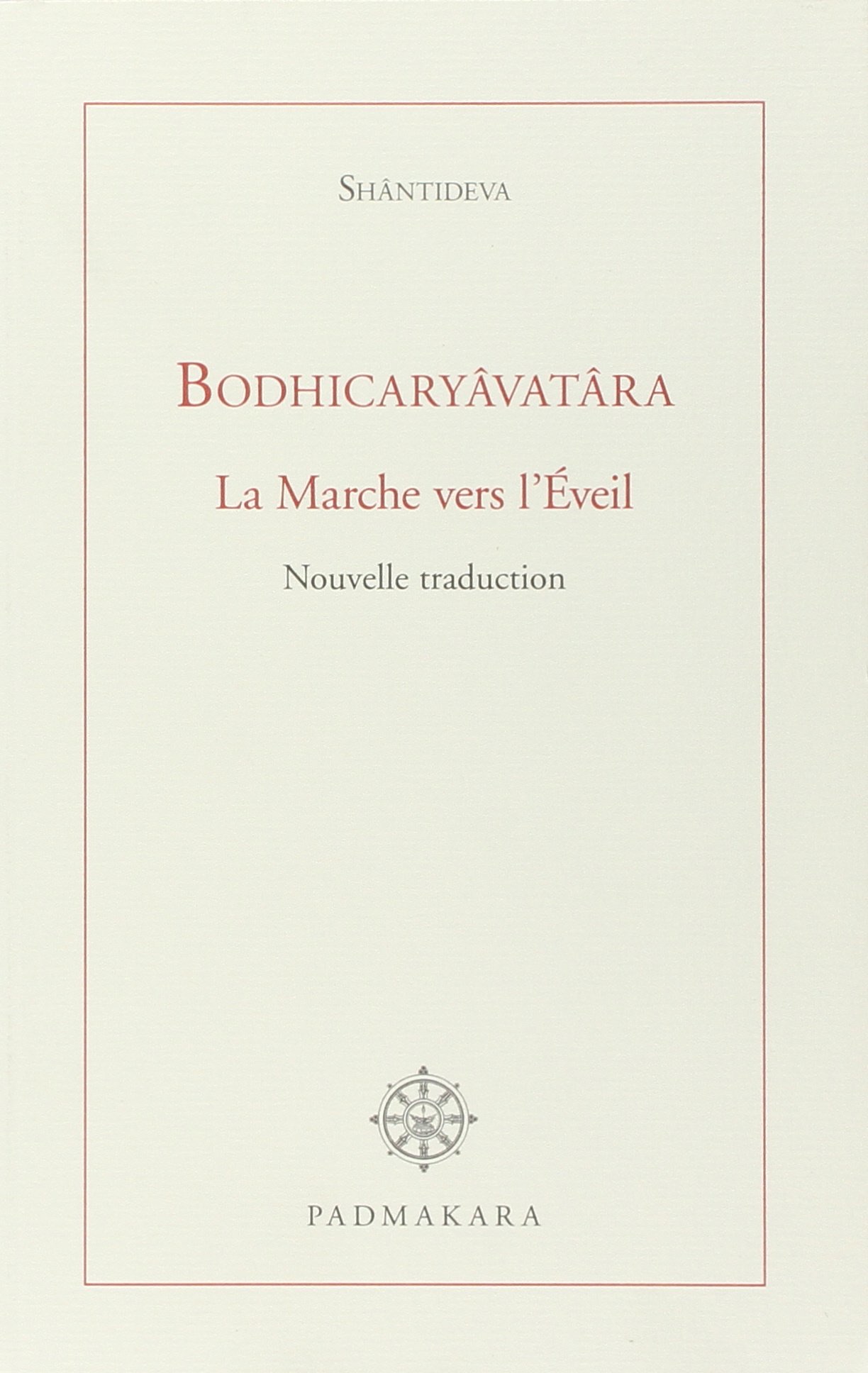
9.120

From Bodhicitta

Bodhicaryāvatāra · Verse 9.120


Sources:    

Sanskrit §No information about the source used.

नाकाशमीशोऽचेष्टत्वात् नात्मा पूर्वनिषेधतः। अचिन्त्यस्य च कर्तृत्वमप्यचिन्त्यं किमुच्यते॥

 
Chanted Verse
Recitation by Professor Kashinath Nyaupane
120

What does he want to create? If a Self, surely that is something eternal? God, consciousness resulting from a cognizable object, and the nature of earth and other elements, are without beginning.

Standard Tibetan §Padmakara used the 1990 edition printed by si khron mi rigs dpe skrun khang: Byang chub sems dpa'i spyod pa la 'jug pa rtsa ba dang 'grel pa (1990). Also found in Derge Tengyur D3871, dbu ma, vol. 105, la 1b1–40a7.

དབང་ཕྱུག་མཁའ་མིན་གཡོ་མེད་ཕྱིར། །

བདག་མིན་སྔར་ནས་བཀག་ཟིན་ཕྱིར། ། བསམ་མིན་པ་ཡི་བྱེད་པོ་ཡང་། །

བསམ་མིན་བརྗོད་པས་ཅི་ཞིག་བྱ། །

 
Chanted Verse
Recitation by Lopen Karma Phuntsho
120

The Deity cannot be space—inert and unproductive.

He cannot be the self, for this we have refuted. He’s inconceivable, they say—then likewise his creatorship.

Is there any point, therefore, to such a claim?

Standard Tibetan §Padmakara used the 1990 edition printed by si khron mi rigs dpe skrun khang: Byang chub sems dpa'i spyod pa la 'jug pa rtsa ba dang 'grel pa (1990). Also found in Derge Tengyur D3871, dbu ma, vol. 105, la 1b1–40a7. - Other translations

Īśvara is not space, because it is inactive.

He is not the self, because this has already been refuted earlier. If he is inconceivable, his state as a creator is inconceivable too,

So what can you say about it? [120][p.760]The Center of the Sunlit Sky
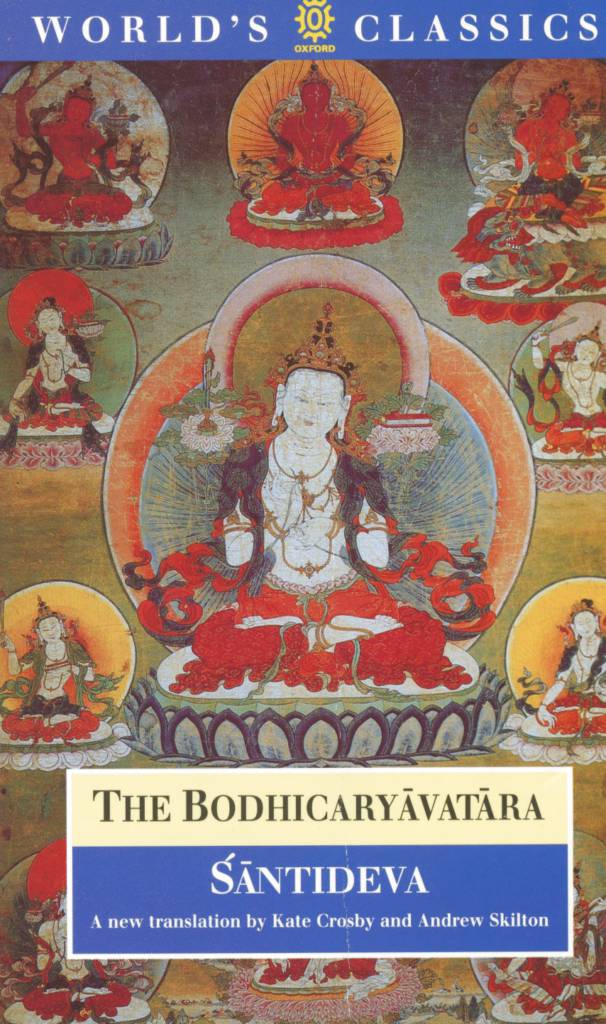
Brunnhölzl, Karl. The Center of the Sunlit Sky: Madhyamaka in the Kagyü Tradition. Including a translation of Pawo Rinpoche's commentary on the knowledge section of Śāntideva's The Entrance to the Bodhisattva’s Way of Life (Bodhicaryāvatāra). Nitartha Institute Series. Ithaca, NY: Snow Lion Publications, 2004.

Dieu est l’espace ? Non, puisque celui-ci ignore le mouvement.

Il n’est pas non plus le soi que nous avons réfuté plus haut. Votre créateur étant inconcevable,

Que pouvez-vous affirmer de lui ?

Isvara no puede ser el espacio, pues éste es inerte.

No puede ser el “yo”, pues eso ya ha sido refutado. Decís que es inconcebible, luego su cualidad creadora también lo es.

¿Tiene por lo tanto algún sentido afirmar eso?

La Práctica del Bodisatva-front.jpg
Padmakara Spain 2008

Space is not Ishvara because it is immutable.

That the self is not Ishvara has been proven earlier. Also, a creator beyond thought,

What good is it to describe that beyond thought?

Space is not Ishvara because it is inactive, Nor is it the self; this has already been rejected.

If the creator is inconceivable, What is the use of describing the inconceivable?

shift + scroll / swipe
Tsadra Critical Edition §This text was created by comparing four versions of the text from Derge, Cone, Narthang, and Peking Tengyurs from BDRC scans, along with Dunhuang manuscripts IOL Tib J 628, 629, and 630. When Tibetan readings were problematic, the Sanskrit texts from GRETIL and LTB (Oslo) were consulted.

དབང་ཕྱུག་མཁའ་མིན་གཡོ་མེད་ཕྱིར། །

བདག་མིན་སྔར་ནི་བཀག་ཟིན་ཕྱིར། ། བསམ་མིན་པ་ཡི་བྱེད་པོ་ཡང་། །

བསམ་མིན་བརྗོད་པས་ཅི་ཞིག་བྱ། །

[edit]
Sazang Mati (1294 - 1376)
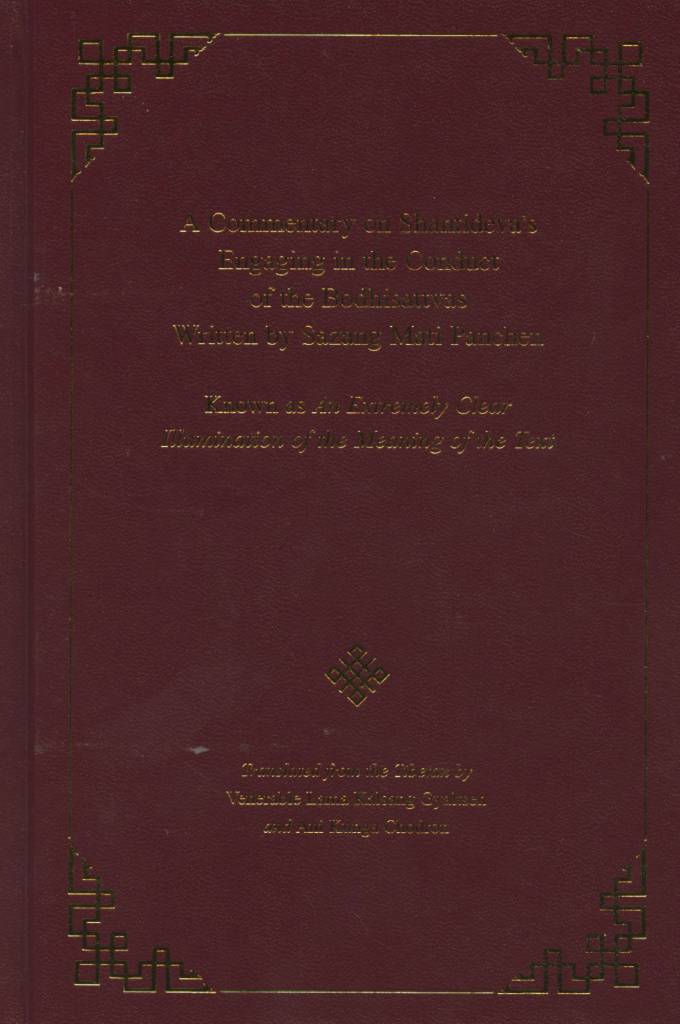
A Commentary on Shantideva's Engaging in the Conduct of the Bodhisattvas (citation)Gyaltsen, Lama Kalsang, and Ani Kunga Chodron, trans. A Commentary on Shantideva's Engaging in the Conduct of the Bodhisattvas Written by Sazang Mati Panchen: Known as An Extremely Clear Illumination of the Meaning of the Text. Walden, NY: Tsechen Kunchab Ling, 2019. Bilingual Edition

དབང་ཕྱུག་མཁའ་མིན་གཡོ་མེད་ཕྱིར། ། བདག་མིན་སྔར་ནས་བཀག་ཟིན་ཕྱིར། །

Space is not Ishvara because it is inactive, Nor is it the self; this has already been rejected.

དབང་ཕྱུག་ནི་ནམ་མཁའ་མིན་པ་ཉིད་དེ། དེ་ནི་བློའི་གཡོ་བ་དང་བཅས་པས་ཐམས་ཅད་ཀྱི་བྱེད་པོར་འདོད་པ་ལ། ནམ་མཁའ་ལ་ནི་བློའི་གཡོ་བ་མེད་ཅིང་བྱེད་པའང་ཅུང་ཟད་ཀྱང་མེད་པའི་ཕྱི༵ར་རོ། །

Madhyamika: Ishvara is not space. Your belief that Ishvara has mental movement and is the creator of everything disproves this because space has not the slightest mental movement and is unable to perform actions.

ཅི་སྟེ་བདག་དབང་ཕྱུག་ཡིན་ནོ་ཞེ་ན།

They may say: Then Ishvara is the self.

བདག་ནི་དབང་ཕྱུག་མིན་པ་ཉིད་དེ་སྔར་ནི་བཀག་ཟིན་ཞིང་དོན་ལ་གྲུབ་པ་མེད་པའི་ཕྱི༵ར་རོ། །

Madhyamika: The nature of Ishvara cannot be the self because the self has already been rejected as having no true existence.

(གཉིས་པ་)བྱེད་པོར་འདོད་པ་དགག་པ་ནི།

2. Rejection of a creator 1.2.2.3.1.2.1.2

བསམ་མིན་པ་ཡི་བྱེད་པོ་ཡང་། ། བསམ་མིན་བརྗོད་པས་ཅི་ཞིག་བྱ། །

If the creator is inconceivable, What is the use of describing the inconceivable?

འོན་ཏེ་ཕལ་པ་རྣམས་ཀྱིས་བསམ་པར་ནུས་པ་མིན་པ་ཡི་དབང་ཕྱུག་ནི་དངོས་པོ་ཐམས་ཅད་ཀྱི་བྱེད་པ་པོར་ཡོད་དོ་ཞེ་ན་ཡ༵ང་

They may say: Ishvara is unable to be conceived of by ordinary beings, but he exists as the creator of all phenomena.

དེ་ལྟར་བསམ་པར་ནུས་པ་མིན་ཞིང་བློའི་ཡུལ་ལས་འདས་པ་ཡིན་ན། གཞན་ལ་བརྗོད་པས་ཅི་ཞིག་བྱ༵་སྟེ། སུས་ཀྱང་རྟོགས་པར་མི་ནུས་པའི་ཕྱིར་རོ། །

Madhyamika: If you believe that Ishvara is beyond the conception of ordinary beings, what is the use of describing him to others? As he is beyond conception, no one can understand him.
Gyaltsap Je (1364 - 1432)
The Entrance for the Children of the Conquerors (citation)Stracke, Fedor, trans. The Entrance for the Children of the Conquerors: A Commentary on the Introduction to the Actions of Bodhisattvas. By Gyaltsab Rinpoche. N.p.: Happy Monks Publication, 2016. https://happymonkspublication.org/product/bodhisattvacharyavatara-chapter-1-10-commentary/. Bilingual Edition

གཉིས་པ་ལ་གསུམ།

Refuting Generation from a Separate Permanent Cause 1.1.2.3.2.3.1.2

དང་པོ་ནི།

Refuting Ishvara with Questions to Its Meaning 1.1.2.3.2.3.1.2.1

དབང་ཕྱུག་མཁའ་མིན་གཡོ་མེད་ཕྱིར། །

བདག་མིན་སྔར་ནས་བཀག་ཟིན་ཕྱིར། ། བསམ་མིན་པ་ཡི་བྱེད་པོ་ཡང་། །

བསམ་མིན་བརྗོད་པས་ཅི་ཞིག་བྱ། །

dbang phyug mkha' min g.yo med phyir/_/

bdag min sngar nas bkag zin phyir/_/ bsam min pa yi byed po yang /_/

bsam min brjod pas ci zhig bya/_/

Space is not Ishvara because it is immutable.

That the self is not Ishvara has been proven earlier. Also, a creator beyond thought,

What good is it to describe that beyond thought?

རིགས་པ་ཅན་པ་དང་བྱེ་བྲག་པ་དང་གྲངས་ཅན་གྱི་ཕྱོགས་གཅིག་དབང་ཕྱུག་ལྷར་ཁས་ལེན་པ་དག་ན་རེ། དབང་ཕྱུག་རང་བྱུང་གི་ཐམས་ཅད་མཁྱེན་པ་དེས་གནས་ལུས་ལོངས་སྤྱོད་ཐམས་ཅད་བློ་སྔོན་དུ་བཏང་ནས་བྱས་པ་ཡིན་པས་འགྲོ་བའི་རྒྱུ་ཡིན་ནོ་ཞེ་ན།

The Naiyayika, Enumerators and Particularists that accept Ishvara: The all-knowing self-arisen Ishvara produced all places, bodies and enjoyments with a preceding movement of his mind, and is therefore the cause of migrators.

རེ་ཞིག་དབང་ཕྱུག་གི་དོན་གང་ཞིག་ཡིན་སྨྱོས་ཤིག་ཅེས་དྲིས་པས།

Madhyamaka: Well then, declare what is posited as the meaning of Ishvara.

ད་ལ་སོགས་པའི་འབྱུང་བ་རྣམས་འཕེལ་འགྲིབ་ལས་འབྲས་བུ་འཕེལ་འགྲིབ་བྱེད་པས་འབྱུང་བ་ལ་ཟེར་ཏོ་ཞེ་ན།

Upon being asked that question: Due to the increase and decrease of the four elements of earth, water, fire and wind the results also increase or decrease.

དེ་ལྟ་མོད་འབྱུང་བ་འཕེལ་འགྲིབ་ལས་འབྲས་བུ་འཕེལ་འགྲིབ་ཏུ་འགྱུར་བ་ཁོ་བོ་ཅག་ཀྱང་འདོད་མོད་ཀྱི། དོན་ཁྱད་པར་མེད་པའི་མིང་མི་འདྲ་བ་ཙམ་ལ་ཡང་དབང་ཕྱུག་སྒྲུབ་པའི་ཚེགས་ཆེན་པོས་ཅི་ཞིག་ངལ་ཏེ་ངལ་བ་བྱེད་མི་རིགས་པར་ཐལ། རྟག་མི་རྟག་སོགས་དོན་གྱི་ཁྱད་པར་ཆེན་པོ་ཡོད་ན་འདི་དབང་ཕྱུག་ཏུ་མི་རིགས་པ་ནི་འོན་ཀྱང་ཞེས་པའོ། །

Madhyamaka: That may be. Although we also accept that from the increasing and decreasing of the elements, the results also increase or decrease, why get strung out over a difference in name of the same meaning out of a great attachment to establish Ishvara? This is unsuitable because that Ishvara is unsuitable to be any great permanent or impermanent meaning is shown in the lines ‘However [...]’.

ས་སོགས་འབྱུང་བ་རྣམས་རྫས་དུ་མའི་རང་བཞིན་དང་། སྐྱེ་འཇིག་བྱེད་པའི་མི་རྟག་པ་དང་འབྲས་བུ་བྱེད་པ་ལ་བློ་སྔོན་དུ་གཏོང་བའི་གཡོ་བ་མེད་པ་དང་། འབྱུང་བ་ལྷ་མིན་ཞིང་རྐང་བ་སོགས་ཀྱི་བགོམ་བྱ་ཉིད་དང་། མི་གཙང་བ་ཡིན་པས་དེ་ནི་དབང་ཕྱུག་ཉིད་མ་ཡིན་ཏེ། དེ་རྟག་པ་དང་གཅིག་པུ་དང་འབྲས་བུ་བསྐྱེད་པ་ལ་བློ་སྔོན་དུ་གཏོང་བ་དང་ལྷར་ཁས་བླངས་ཤིང་མི་གཙང་བ་དང་བགོམ་བྱ་མིན་པར་ཁས་བླངས་པའི་ཕྱིར།

Because the four elements are in the nature of different substances, are impermanent and producing generation and disintegration, are immovable in the sense of preceding the production of results with awareness, are not divine and the very ground that is walked upon, and because they are impure, they are not Ishvara. Ishvara is permanent, unitary and precedes the production of a result with awareness, is accepted to be divine, not to be the very ground walked upon and not as impure.

ནམ་མཁའ་དབང་ཕྱུག་གོ་ཞེ་ན།

Argument: Space is Ishvara.

ནམ་མཁའ་ཆོས་ཅན། དབང་ཕྱུག་མིན་ཏེ། འབྲས་བུའི་དོན་དུ་གཡོ་བ་མེད་པའི་ཕྱིར། བདག་རྟག་པའང་དབང་ཕྱུག་[p.Ch9-414]Spyod 'jug rtsa 'grel (Mtsho sngon mi rigs dpe skrun khang 2001)
Śāntideva, and Rgyal tshab rje dar ma rin chen. Spyod 'jug rtsa 'grel and Byang chub sems dpa'i spyod pa la 'jug pa'i rnam bshad rgyal sras 'jug ngogs. Xining: Mtsho sngon mi rigs dpe skrun khang, 2001
མིན་ཏེ། དེ་བེམ་རིག་གཉིས་ཀ་སྔར་ནི་བཀག་ཟིན་པའི་ཕྱིར།

Madhyamaka: Take the subject ‘space’ - it is not Ishvara - because it is immutable for the purpose of a result. A permanent self is also not Ishvara because this has been refuted earlier both from the point of view of matter or consciousness.

དབང་ཕྱུག་དེ་བསམ་བྱ་མིན་པའི་བྱེད་པ་པོ་ཡིན་པས་སྐྱོན་དེ་དག་མེད་དོ་ཞེ་ན།

Argument: Because Ishvara is a creator beyond thought these faults do not apply.

དེ་ཡང་བསམ་བྱ་མིན་པ་བྱེད་པ་པོར་བྱེད་པས་ཅི་ཞིག་བྱ་ཁྱོད་ཀྱིས་ཀྱང་དབང་ཕྱུག་སུ་ཡིན་མི་ཤེས་པ་བསམ་དུ་མེད་པ་ཡིན་པའི་ཕྱིར་རོ། །

Madhyamaka: What is the point of taking something that is beyond thought as the creator? In addition, you cannot know who Ishvara is as he is beyond thought.[p.65]The Entrance for the Children of the Conquerors
Stracke, Fedor, trans. The Entrance for the Children of the Conquerors: A Commentary on the Introduction to the Actions of Bodhisattvas. By Gyaltsab Rinpoche. N.p.: Happy Monks Publication, 2016. https://happymonkspublication.org/product/bodhisattvacharyavatara-chapter-1-10-commentary/.
Pawo Rinpoche, 2nd (1504 - 1566)
The Center of the Sunlit Sky (citation)Brunnhölzl, Karl. The Center of the Sunlit Sky: Madhyamaka in the Kagyü Tradition. Including a translation of Pawo Rinpoche's commentary on the knowledge section of Śāntideva's The Entrance to the Bodhisattva’s Way of Life (Bodhicaryāvatāra). Nitartha Institute Series. Ithaca, NY: Snow Lion Publications, 2004. Bilingual Edition

དབང་ཕྱུག་མཁའ་མིན་གཡོ་མེད་ཕྱིར། །

བདག་མིན་སྔར་ནི་བཀག་ཟིན་ཕྱིར། ། བསམ་མིན་པ་ཡི་བྱེད་པོ་ཡང་། །

བསམ་མིན་བརྗོད་པས་ཅི་ཞིག་བྱ། །
Īśvara is not space, because it is inactive.

He is not the self, because this has already been refuted earlier. If he is inconceivable, his state as a creator is inconceivable too,

So what can you say about it? [120][p.760]The Center of the Sunlit Sky
Brunnhölzl, Karl. The Center of the Sunlit Sky: Madhyamaka in the Kagyü Tradition. Including a translation of Pawo Rinpoche's commentary on the knowledge section of Śāntideva's The Entrance to the Bodhisattva’s Way of Life (Bodhicaryāvatāra). Nitartha Institute Series. Ithaca, NY: Snow Lion Publications, 2004.

ཞེས་གསུངས་ཏེ། ཐ་མས་ནམ་མཁའ་དང་བསམ་དུ་མེད་པ་དབང་ཕྱུག་མིན་པར་བསྟན་ཏོ། །

This verse teaches that space or something inconceivable is not Īśvara [either].

གལ་སྟེ་ནམ་མཁའ་དབང་ཕྱུག་གོ་ཞེ་ན་དབང་ཕྱུག་ནི་ནམ་མཁའ་མིན་སྟེ་དབང་ཕྱུག་ནི་གཡོ་བ་ཡིན་ལ་ནམ་མཁའ་གཡོ་བ་མེད་པའི་ཕྱིར། བདག་དབང་ཕྱུག་ཡིན་ནོ་ཞེ་ན་ནམ་དུ་ཡང་མི་སྲིད་པའི་བདག་ནི་དབང་ཕྱུག་མིན་སྟེ་བདག་སྔར་ནི་བཀག་ཟིན་པའི་ཕྱིར། བསམ་དུ་མེད་པ་ཞིག་དབང་ཕྱུག་གོ་ཞེ་ན་བསམ་བྱ་མིན་པའི་བྱེད་པོ་དབང་ཕྱུག་དེ་ཡང་བསམ་པར་བྱ་བ་མིན་ན་བརྗོད་པར་ཡང་མི་ནུས་པས་དེ་ལ་དབང་ཕྱུག་ཞེས་བརྗོད་པར་ཡང་མི་ནུས་པས་དེ་ལ་དབང་ཕྱུག་ཞེས་བརྗོད་པས་ཅི་ཞིག་བྱ།

You might continue, “Īśvara is space.” Īśvara is not space, because Īśvara is active, while space is inactive. Then you might try, “The self is Īśvara.” A self, which is never possible, is not Īśvara, because this self has already been refuted earlier. Your last shot might be, “Īśvara is inconceivable.” If the state of Īśvara as an inconceivable creator is inconceivable, you are not able to say something about it. So what is the point of calling him Īśvara?
Mipam Gyatso (1846 - 1912)
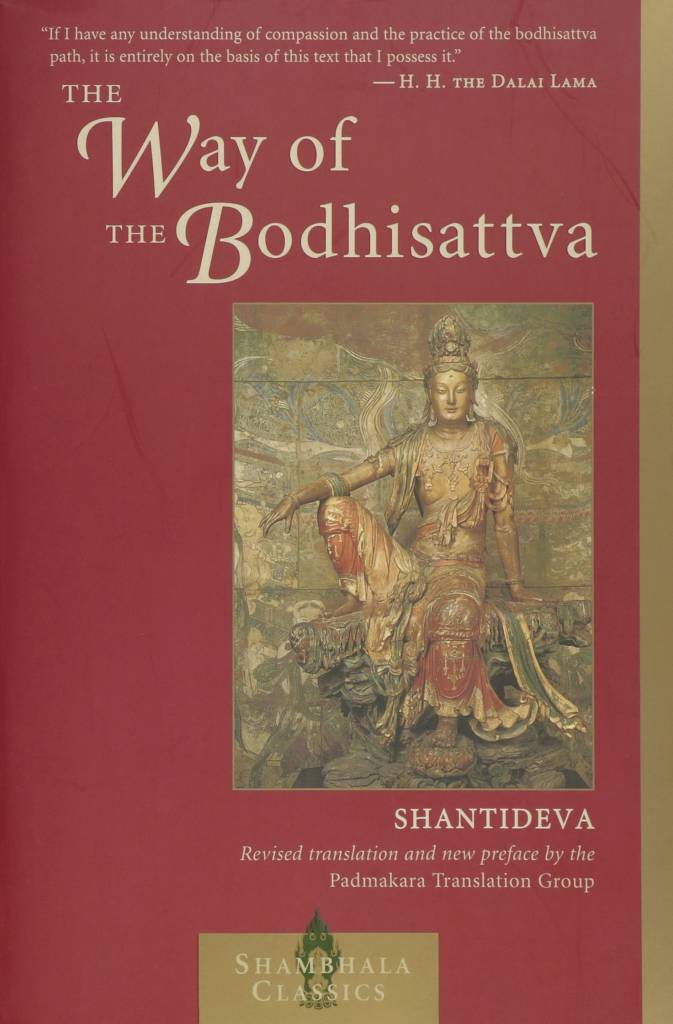
The Wisdom Chapter - The Ketaka Jewel (citation)Fletcher, Wulstan, and Helena Blankleder (Padmakara Translation Group), trans. The Wisdom Chapter: Jamgön Mipham's Commentary on the Ninth Chapter of "The Way of the Bodhisattva." Boulder, CO: Shambhala Publications, 2017. Bilingual Edition

དབང་ཕྱུག་མཁའ་མིན་གཡོ་མེད་ཕྱིར། །

བདག་མིན་སྔར་ནས་བཀག་ཟིན་ཕྱིར། ། བསམ་མིན་པ་ཡི་བྱེད་པོ་ཡང་། །

བསམ་མིན་བརྗོད་པས་ཅི་ཞིག་བྱ། །
dbang phyug mkha' min g.yo med phyir/_/

bdag min sngar nas bkag zin phyir/_/ bsam min pa yi byed po yang /_/

bsam min brjod pas ci zhig bya/_/

The Deity cannot be space—inert and unproductive.

He cannot be the self, for this we have refuted. He’s inconceivable, they say—then likewise his creatorship.

Is there any point, therefore, to such a claim?

Kunzang Palden (1862 - 1943)
The Nectar of Manjushri's Speech (citation)Blankleder, Helena, and Wulstan Fletcher (Padmakara Translation Group), trans. The Nectar of Manjushri's Speech: A Detailed Commentary on Shantideva's Way of the Bodhisattva. By Kunzang Pelden. Boston: Shambhala Publications, 2007. Bilingual Edition

དབང་ཕྱུག་མཁའ་མིན་གཡོ་མེད་ཕྱིར། །

བདག་མིན་སྔར་ནས་བཀག་ཟིན་ཕྱིར། ། བསམ་མིན་པ་ཡི་བྱེད་པོ་ཡང་། །

བསམ་མིན་བརྗོད་པས་ཅི་ཞིག་བྱ། །
dbang phyug mkha' min g.yo med phyir/_/

bdag min sngar nas bkag zin phyir/_/ bsam min pa yi byed po yang /_/

bsam min brjod pas ci zhig bya/_/

དབང་ཕྱུག་ནམ་མཁའ་ཡིན་ནོ་ཞེ་ན། མིན་ཏེ། འབྲས་བུ་སྐྱེད་པའི་བྱེད་རྩོལ་གྱི་གཡོ་བ་མེད་པའི་ཕྱིར། བདག་ཀྱང་མིན་ཏེ་སྔར་ནས་བཀག་ཟིན་པའི་ཕྱིར་རོ། །

The Deity cannot be space—inert and unproductive.

He cannot be the self, for this we have refuted. He’s inconceivable, they say—then likewise his creatorship.

Is there any point, therefore, to such a claim?

Perhaps they will say that he is space. But this cannot be right either, since space is inert or devoid of creative movement; it is unable to produce anything. In any case, the idea that space is the same as purusha or the self has already been refuted.226See commentary on chapter 9, verses 68 and 69.


[edit]
[edit]