9.114

From Bodhicitta

Bodhicaryāvatāra · Verse 9.114


Sources:    

Sanskrit §No information about the source used.

अङ्कुरो जायते बीजाद्बीजं तेनैव सूच्यते। ज्ञेयाज्ज्ञानेन जातेन तत्सत्ता किं न गम्यते॥

 
Chanted Verse
Recitation by Professor Kashinath Nyaupane
114

[Mādhyamika] The existence of the seed is verified by a consciousness which is not the same as the shoot. How is the existence of consciousness cognized so that it verifies the object of consciousness?

Standard Tibetan §Padmakara used the 1990 edition printed by si khron mi rigs dpe skrun khang: Byang chub sems dpa'i spyod pa la 'jug pa rtsa ba dang 'grel pa (1990). Also found in Derge Tengyur D3871, dbu ma, vol. 105, la 1b1–40a7.

མྱུ་གུ་ས་བོན་ལས་སྐྱེ་ཞིང་། །

ས་བོན་དེ་ཉིད་ཀྱིས་རྟོགས་བཞིན། ། ཤེས་བྱ་ལས་སྐྱེས་ཤེས་པ་ཡིས། །

དེ་ཡོད་པ་ནི་ཅིས་མི་རྟོགས། །

 
Chanted Verse
Recitation by Lopen Karma Phuntsho
114

“The plant arises from the seed,” you say,

“And through it is the seed deduced. It’s just the same with consciousness arising from its object.

How can it fail to show the thing’s existence?”

Standard Tibetan §Padmakara used the 1990 edition printed by si khron mi rigs dpe skrun khang: Byang chub sems dpa'i spyod pa la 'jug pa rtsa ba dang 'grel pa (1990). Also found in Derge Tengyur D3871, dbu ma, vol. 105, la 1b1–40a7. - Other translations

“A sprout arises from a seed,

And this points to the seed. So why should the existence of a knowable object not be verified

Through the consciousness that arises from it?” [114]

- Si la pousse qui naît de la graine

Révèle la réalité de la graine, Pourquoi la conscience née de l’objet

N’en révélerait pas l’existence [réelle] ?

Decís: “Puesto que la planta sale de la semilla,

de la planta se deduce la semilla. Igualmente de la consciencia producida por su objeto,

¿cómo no va a deducirse la existencia del objeto?”.[p.171]La Práctica del Bodisatva
Hervás, María Jesús (Padmakara Translation Group, Spain), trans. La Práctica del Bodisatva: Una Traducción del Bodicharyavatara de Shantideva. Translated from the 2006 English translation of Helena Blankleder and Wulstan Fletcher. Novelda, Alicante, Spain: Ediciones Dharma, 2008.

La Práctica del Bodisatva-front.jpg
Padmakara Spain 2008

The sprout is generated from the seed

And just as the seed is realized through it, Why should one not realize the existence of

The object of knowledge from the consciousness generated from it?

That a sprout arises from a seed

Can be understood from the seed, Likewise, why cannot the existence of the known

Be understood from the knower?

shift + scroll / swipe
Tsadra Critical Edition §This text was created by comparing four versions of the text from Derge, Cone, Narthang, and Peking Tengyurs from BDRC scans, along with Dunhuang manuscripts IOL Tib J 628, 629, and 630. When Tibetan readings were problematic, the Sanskrit texts from GRETIL and LTB (Oslo) were consulted.

མྱུ་གུ་ས་བོན་ལས་སྐྱེ་ཞིང་། །

ས་བོན་དེ་ཉིད་ཀྱིས་རྟོགས་བཞིན། ། ཤེས་བྱ་ལས་སྐྱེས་ཤེས་པ་ཡིས། །

དེ་ཡོད་པ་ནི་ཅིས་མི་རྟོགས། །

[edit]
Sazang Mati (1294 - 1376)
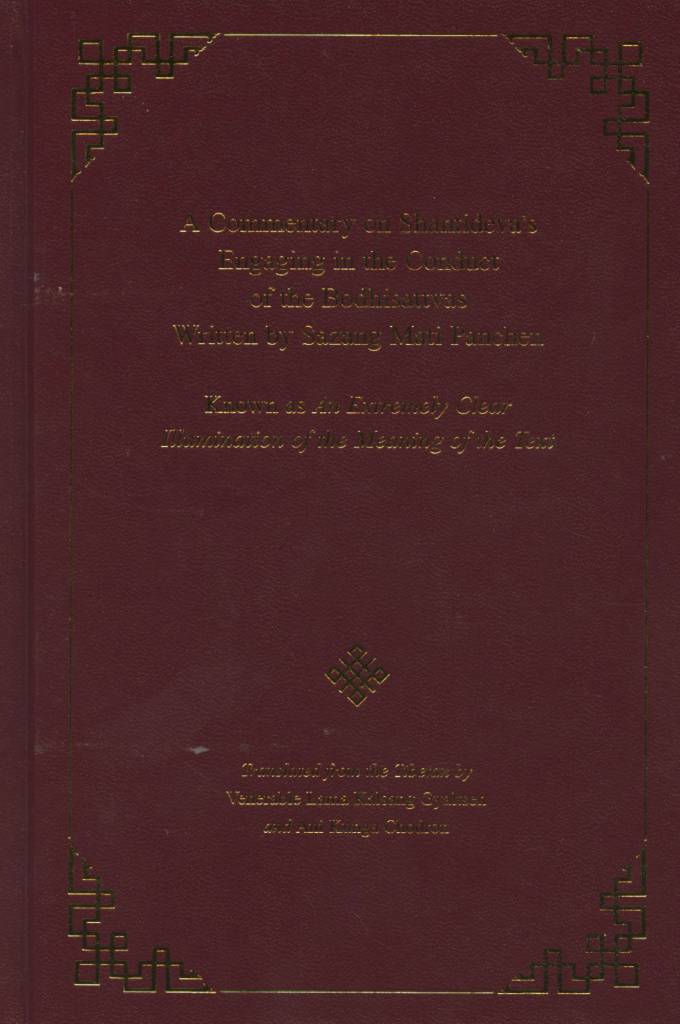
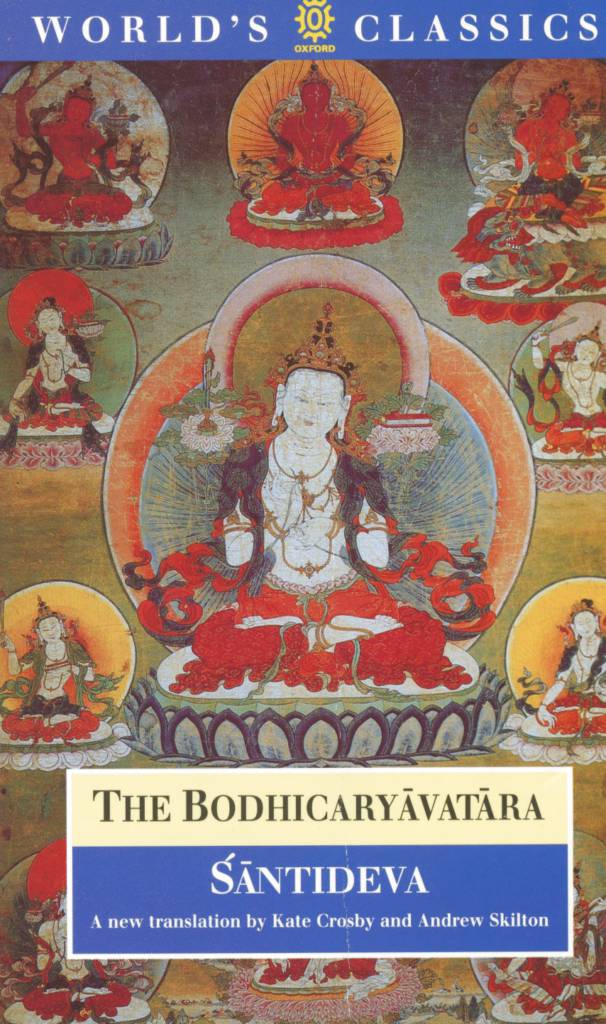
A Commentary on Shantideva's Engaging in the Conduct of the Bodhisattvas (citation)Gyaltsen, Lama Kalsang, and Ani Kunga Chodron, trans. A Commentary on Shantideva's Engaging in the Conduct of the Bodhisattvas Written by Sazang Mati Panchen: Known as An Extremely Clear Illumination of the Meaning of the Text. Walden, NY: Tsechen Kunchab Ling, 2019. Bilingual Edition

(གསུམ་པ་)དཔེ་དང་སྦྱོར་བ་དགག་པ་ནི།

3. Rejection of a metaphor 1.2.2.2.2.2.2.4.3.3

མྱུ་གུ་ས་བོན་ལས་སྐྱེ་ཞིང་། །

ས་བོན་དེ་ཉིད་ཀྱིས་རྟོགས་བཞིན། ། ཤེས་བྱ་ལས་སྐྱེས་ཤེས་པ་ཡིས། །

དེ་ཡོད་པ་ནི་ཅིས་མི་རྟོགས། །
myu gu sa bon las skye zhing /_/

sa bon de nyid kyis rtogs bzhin/_/ shes bya las skyes shes pa yis/_/

de yod pa ni cis mi rtogs/_/

That a sprout arises from a seed

Can be understood from the seed, Likewise, why cannot the existence of the known

Be understood from the knower?

ལྟོས་བཅས་ཡིན་ཡང་བདེན་པ་གྲུབ་པ་མི་འགལ་ཏེ། དཔེར་ན་མྱུ་གུ་ནི་ས་བོན་ལས་སྐྱེས་ཤི༵ང་ལྟོས་པ་ཡིན་ཡང་ས་བོན་ཡོད་པར་མྱུ་གུ་སྐྱེས་པ་དེ་ཉིད་ཀྱིས་རྟོགས་པར་བྱེད་པ་དེ་བཞི༵ན་དུ་ཤེས་པའང་ཤེས་བྱ་ལས་སྐྱེས་ཤིང་ལྟོས་པ་ཡིན་ཡང་ཡུལ་ཅན་ཤེས་པ་ཡོད་པ་ཡི༵། རྟགས་ལས་ཡུལ་ཤེས་བྱ་དེ་ཡོད་པར་ནི་ཅིས་མི་རྟོ༵གས་ཏེ། ཅིས་ཀྱང་རྟོགས་སོ་ཞེ་ན།

They may reply: Even if something is dependent, it does not contradict its true existence. For example, a sprout arises dependent upon a seed. From the process of the birth of the sprout, the existence of the seed can be understood. In the same way, the knower arises from that which is known. Even though they are dependent, from the evidence of the existence of the subject which is the knower, why cannot the existence of the object which is the known, be realized? It certainly could.[p.405]A Commentary on Shantideva's Engaging in the Conduct of the Bodhisattvas
Gyaltsen, Lama Kalsang, and Ani Kunga Chodron, trans. A Commentary on Shantideva's Engaging in the Conduct of the Bodhisattvas Written by Sazang Mati Panchen: Known as An Extremely Clear Illumination of the Meaning of the Text. Walden, NY: Tsechen Kunchab Ling, 2019. First edition published by The Yeshe Dorje Foundation in 2006.

དེ་གཉིས་དཔེ་དོན་མི་མཚུངས་ཏེ།

Madhyamika: The metaphor does not fit the facts.
Gyaltsap Je (1364 - 1432)
The Entrance for the Children of the Conquerors (citation)Stracke, Fedor, trans. The Entrance for the Children of the Conquerors: A Commentary on the Introduction to the Actions of Bodhisattvas. By Gyaltsab Rinpoche. N.p.: Happy Monks Publication, 2016. https://happymonkspublication.org/product/bodhisattvacharyavatara-chapter-1-10-commentary/. Bilingual Edition

གསུམ་པ་ནི།

Showing There Is No Proof for the True Existence of Object and Consciousness 1.1.2.3.2.2.3

མྱུ་གུ་ས་བོན་ལས་སྐྱེ་ཞིང་། །

ས་བོན་དེ་ཉིད་ཀྱིས་རྟོགས་བཞིན། ། ཤེས་བྱ་ལས་སྐྱེས་ཤེས་པ་ཡིས། །

དེ་ཡོད་པ་ནི་ཅིས་མི་རྟོགས། །
myu gu sa bon las skye zhing /_/

sa bon de nyid kyis rtogs bzhin/_/ shes bya las skyes shes pa yis/_/

de yod pa ni cis mi rtogs/_/

The sprout is generated from the seed

And just as the seed is realized through it, Why should one not realize the existence of

The object of knowledge from the consciousness generated from it?

དངོས་པོར་སྨྲ་བ་གང་གི་ལྟར་ན་དོན་ཤེས་འདི་གཉིས་བདེན་པར་གྲུབ་པ་དེ་ཉིད་ཤིན་ཏུ་དཀའ་བར་གནས་ཏེ་སྒྲུབ་བྱེད་མེད་པའི་ཕྱིར།

Regardless of the way that a Realist looks at it, it is extremely problematic to assert that the two, object and consciousness, exist truly, because there exists no proof.

གལ་ཏེ་ཤེས་པ་དེ་ཚད་མ་བདེན་པར་གྲུབ་པའི་དཔེ་ལས་བདེན་གྲུབ་ཀྱི་དོན་གྲུབ་པར་འཇོག་གོ་ཞེ་ན།

Realist: One can establish the meaning of true existence from the example of truly existent primary cognition consciousness.

བདེན་གྲུབ་ཀྱི་ཤེས་པ་ཡོད་པ་ཉིད་ལ་རྒྱབ་རྟེན་ཚད་མ་ཅི་ཡོད་མེད་དེ། རང་རིག་མེད་པའི་ཕྱིར་དང་ཤེས་པ་གཞན་གྱིས་རིག་ན་ཐུག་[p.Ch9-411]Spyod 'jug rtsa 'grel (Mtsho sngon mi rigs dpe skrun khang 2001)
Śāntideva, and Rgyal tshab rje dar ma rin chen. Spyod 'jug rtsa 'grel and Byang chub sems dpa'i spyod pa la 'jug pa'i rnam bshad rgyal sras 'jug ngogs. Xining: Mtsho sngon mi rigs dpe skrun khang, 2001
མེད་དུ་འགྱུར་བའི་ཕྱིར།

Madhyamaka: What supporting prime cognition is there for the existence of a truly existent consciousness? There is not any because there is no self-knower, and if it is known by another consciousness, then it would become endless.[p.62]The Entrance for the Children of the Conquerors
Stracke, Fedor, trans. The Entrance for the Children of the Conquerors: A Commentary on the Introduction to the Actions of Bodhisattvas. By Gyaltsab Rinpoche. N.p.: Happy Monks Publication, 2016. https://happymonkspublication.org/product/bodhisattvacharyavatara-chapter-1-10-commentary/.

འོན་ཏེ་ཤེས་བྱ་དང་གཞལ་བྱ་བདེན་པ་བ་མངོན་སུམ་དུ་གྲུབ་པ་འདི་ལས་ཤེས་པ་གྲུབ་བོ་ཞེ་ན།

Realist: But, consciousness is established through the direct perception of true objects of knowledge and comprehension.

ཤེས་བྱ་ཡོད་པ་ལའང་རྒྱབ་རྟེན་ཅི་ཡོད་ཚད་མས་འཇོག་ན་ངེས་ཏེ་དོན་ཤེས་གཉིས་ཕན་ཚུན་ལྟོས་པའི་དབང་གིས་ཡོད་པའི་ཕྱིར། གཉིས་ཀ་ཡང་ནི་རང་བཞིན་གྱིས་གྲུབ་པ་མེད་པར་གསལ་བར་འགྲུབ་པར་འགྱུར་ཏེ། རིང་ཐུང་དང་ཕ་རོལ་ཚུ་རོལ་བཞིན་ནོ། །

Madhyamaka: What support is there for the existence of object of knowledge? If it is posited by prime cognition, then it is certain: Because both object and consciousness exist through the power of mutual dependence, it is clearly established that again both do not exist inherently, e.g., like long and short or here and there.

གལ་ཏེ་བུ་མེད་ན་ཕ་ཡོད་པ་མིན་ཏེ་ཕར་འཇོག་བྱེད་མེད་པས་སོ། །ཕ་མེད་ན་བུ་དེ་ཉིད་གང་ལས་བྱུང་བ་ཡིན་ཏེ་རྒྱུ་མེད་པའི་ཕྱིར། བུ་མེད་པར་ནི་ཕ་མེད་པས་དེ་གཉིས་ཕན་ཚུན་ལྟོས་པས་བདེན་པར་མེད་པ་དེ་བཞིན་དུ་དོན་ཤེས་དེ་གཉིས་ཀྱང་བདེན་པར་མེད་པ་ཉིད་དོ། །

If there is no child, then the father is not an existent because that which is defining the father does not exist. As there is no cause if there is no father, from where does the child arise? And if there is no child because there is no father, then the two are mutually depent on each other and lack true existence; the two, object and consciousness, lack true existence in the same way.

གལ་ཏེ་མྱུ་གུ་ས་བོན་རང་བཞིན་གྱིས་གྲུབ་པ་ལས་སྐྱེས་ཤིང་ས་བོན་མྱུ་གུ་དེ་ཉིད་ཀྱི་རྟགས་ཡང་དག་ལས་རྟོག་པ་སྟེ་དཔོག་ནུས་པ་དེ་བཞིན་དུ་ཤེས་བྱ་ལས་སྐྱེས་པའི་ཤེས་པ་བདེན་པར་གྲུབ་པ་ཡིས།

Realist: The sprout is generated from an inherently existing seed and the seed can be inferred through the valid reason of that very sprout. Likewise, why should one not realize the existence of truly existent ultimate object of knowledge through the truly existent consciousness that is generated from the object of knowledge?

ཤེས་བྱ་དོན་དམ་བདེན་གྲུབ་དེ་ཡོད་པ་ནི་ཅིས་མི་རྟོགས་ཏེ་རྟོགས་དགོས་སོ་ཞེ་ན། མི་འཐད་དེ་མྱུ་གུ་ལས་རྫ་རྫས་གཞན་གཞན་པ་པའི་ཚད་མའི་ཤེས་པ་ཡིས་མྱུ་གུ་མཐོང་ནས་ས་བོན་ཡོད་ཅེས་རྟོགས་པར་འགྱུར་ན་ཡང་གང་གི་ཕྱིར་ཤེས་བྱ་དེ་རྟོགས་པས་ཤེས་པ་ཡོད་པ་ཉིད་ཚད་མ་གང་ལས་རྟོགས་ཏེ་རང་རིག་བཀག་ཟིན་པའི་ཕྱིར་དང་། རིག་བྱེད་གཞན་ཡང་ཁྱོད་ཀྱིས་ཁས་མ་བླངས་པའི་ཕྱིར་རོ། །

Madhyamaka: This is not valid. If the existence of the seed is ascertained and realized through a prime cognizing consciousness that is of different substance from the sprout and sees the sprout, then from what prime cognition is the existence of a consciousness through the realization of the object of knowledge realized? Self-knowers have already been refuted, and you do not accept any other way of knowing.[p.63]The Entrance for the Children of the Conquerors
Stracke, Fedor, trans. The Entrance for the Children of the Conquerors: A Commentary on the Introduction to the Actions of Bodhisattvas. By Gyaltsab Rinpoche. N.p.: Happy Monks Publication, 2016. https://happymonkspublication.org/product/bodhisattvacharyavatara-chapter-1-10-commentary/.
Pawo Rinpoche, 2nd (1504 - 1566)
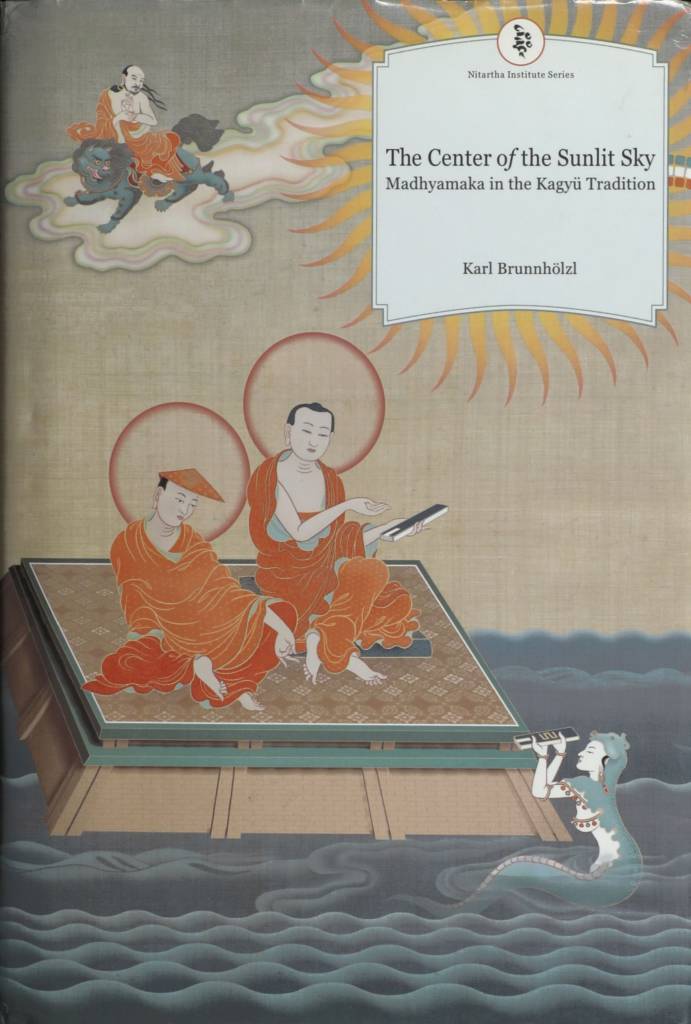
The Center of the Sunlit Sky (citation)Brunnhölzl, Karl. The Center of the Sunlit Sky: Madhyamaka in the Kagyü Tradition. Including a translation of Pawo Rinpoche's commentary on the knowledge section of Śāntideva's The Entrance to the Bodhisattva’s Way of Life (Bodhicaryāvatāra). Nitartha Institute Series. Ithaca, NY: Snow Lion Publications, 2004. Bilingual Edition

མྱུ་གུ་ས་བོན་ལས་སྐྱེས་ཅིང་། །

ས་བོན་དེ་ཉིད་ཀྱིས་རྟོགས་བཞིན། ། ཤེས་བྱ་ལས་སྐྱེས་ཤེས་པ་ཡིས། །

དེ་ཡོད་པར་ནི་ཅིས་མི་རྟོགས། །

“A sprout arises from a seed,

And this points to the seed. So why should the existence of a knowable object not be verified

Through the consciousness that arises from it?” [114]

ཚིགས་བཅད་གཅིག་གིས་ས་མྱུག་གི་དཔེ་དང་མི་མཚུངས་པར་བསྟན་ཏོ། །

These two verses teach that this is not comparable to the example of seed and sprout.

གལ་སྟེ་མྱུ་གུ་ས་བོན་ལས་སྐྱེ་ཞིང་ས་བོན་ཡོད་པར་མྱུ་གུ་དེ་ཉིད་ཀྱིས་རྟོགས་པར་འགྱུར་བ་བཞིན་ཤེས་བྱ་ལས་སྐྱེས་པའི་ཤེས་པ་ཡིས་ཀྱང་ཤེས་བྱ་དེ་ཡོད་པར་ཅིས་མི་རྟོགས་ཅེ་ན།

They might argue, “A sprout arises from a seed, and this points to [the existence of] the seed. So why should the existence of a knowable object not also be verified through the consciousness that arises from this knowable object?”

དེ་ནི་དཔེ་མི་མཚུངས་ཏེ་མྱུ་གུ་ལས་དོན་གཞན་ཞིང་ཐ་དད་པའི་ཤེས་པ་ཡིས་ས་བོན་ཡོད་ཅེས་རྟོགས་པར་འགྱུར་བ་ཡིན་ལ། གང་གི་ཕྱིར་ཤེས་བྱ་ལས་སྐྱེས་པའི་ཤེས་པ་དེས་ཤེས་བྱ་ཡོད་ཅེས་རྟོགས་པར་འགྱུར་ན་ཤེས་པ་ཡོད་པ་ཉིད་དེ་ལས་གཞན་པའི་ཤེས་པ་གང་གིས་རྒྱུ་མཚན་གང་ལས་རྟོགས་ཏེ། ཤེས་བྱ་ལས་སྐྱེས་པའི་ཤེས་པ་ལས་གཞན་པའི་ཤེས་པ་གང་རྟོགས་བྱེད་ཀྱི་ཤེས་པ་གཞན་མ་དམིགས་པའི་ཕྱིར་རོ། །

This is a nonconcordant example: The existence of the seed is verified through consciousness, which is something other than and different from the sprout. [882] The consciousness that arises from a knowable object verifies,[p.744]The Center of the Sunlit Sky
Brunnhölzl, Karl. The Center of the Sunlit Sky: Madhyamaka in the Kagyü Tradition. Including a translation of Pawo Rinpoche's commentary on the knowledge section of Śāntideva's The Entrance to the Bodhisattva’s Way of Life (Bodhicaryāvatāra). Nitartha Institute Series. Ithaca, NY: Snow Lion Publications, 2004.
“There is a knowable object.” What reason should prompt any consciousness other than this [first] consciousness to realize its existence? [There is no such other consciousness,] because one cannot observe any consciousness other than this consciousness that has arisen from knowable objects, that is, any other consciousness that realizes [this first one].1724The gist of this is as follows: In the example, the existence of the seed is not revealed merely by the material sprout (it neither perceives nor infers its own cause). Rather, our mind has to first perceive the sprout (the result) and then infer the existence of the seed (its cause) based on this perception (which, moreover, requires a proper understanding of causality in general and in this specific case; for example, mere observation of a sprout by a baby without such an understanding would not reveal the existence of the seed to this baby). Thus, this is a process that is more complex than the example suggests.

On the other hand, the implication when the opponent’s example is applied to consciousness and knowable object is that—just as the perception of a sprout may lead to an inference about the seed—consciousness itself [the result] should be perceived (a) and thus lead to an inference (b) about the real existence of objects (its cause). However, such two extra consciousnesses (a) and (b) are not observed and moreover are superfluous. Conventionally speaking, unlike a sprout, consciousness in itself is what reveals its perceived object (though not its real existence). Thus, there is no need for this mere perception of an object to lead to a further perception of itself plus to some inference about the existence of an object that it already perceived. Even if one assumes such further consciousnesses, what would they look like? It was already refuted in the section on self-awareness that a given consciousness itself can perceive its own existence (verses 17ff.). If it were another consciousness that perceives the existence of the first one, this would result in the fallacy of infinite regress. Thus, a (really existing) perception of this first consciousness is impossible, not to mention an ensuing inference that is based on such a perception. Consequently, the (real) existence of objects cannot be inferred by reason of a consciousness that perceives them. If the perception of objects were proof of their real existence, this would moreover lead to the absurd consequence that the objects that are perceived in a dream are really existent outside referents, because they are perceived.

Mipam Gyatso (1846 - 1912)
The Wisdom Chapter - The Ketaka Jewel (citation)Fletcher, Wulstan, and Helena Blankleder (Padmakara Translation Group), trans. The Wisdom Chapter: Jamgön Mipham's Commentary on the Ninth Chapter of "The Way of the Bodhisattva." Boulder, CO: Shambhala Publications, 2017. Bilingual Edition

མྱུ་གུ་ས་བོན་ལས་སྐྱེ་ཞིང་། །

ས་བོན་དེ་ཉིད་ཀྱིས་རྟོགས་བཞིན། ། ཤེས་བྱ་ལས་སྐྱེས་ཤེས་པ་ཡིས། །

དེ་ཡོད་པ་ནི་ཅིས་མི་རྟོགས། །
myu gu sa bon las skye zhing /_/

sa bon de nyid kyis rtogs bzhin/_/ shes bya las skyes shes pa yis/_/

de yod pa ni cis mi rtogs/_/

“The plant arises from the seed,” you say,

“And through it is the seed deduced. It’s just the same with consciousness arising from its object.

How can it fail to show the thing’s existence?”

ཡང་དེ་དག་འདི་སྙམ་དུ། འདི་ལྟར་ཕན་ཚུན་གྱི་དབང་གིས་གྲུབ་བོ་ཞེས་མི་སྨྲ་སྟེ། འོན་ཀྱང་ཤེས་བྱའི་འབྲས་བུ་ཤེས་པ་ཡིན་ལ། དེས་ཤེས་བྱ་དེ་ཡོད་པར་ཅིས་མི་རྟོགས་ཏེ། དཔེར་ན་མྱུ་གུ་ནི་ས་བོན་ལས་སྐྱེ་ཞིང་། མྱུ་གུ་དེ་ལ་བརྟེན་ནས་ས་བོན་ཉིད་ཡོད་པར་རྟོགས་པ་[p.106]Spyod 'jug sher 'grel ke ta ka (Si khron mi rigs dpe skrun khang 1993)
Mi pham rgya mtsho. Spyod 'jug sher 'grel ke ta ka. Chengdu: Si khron mi rigs dpe skrun khang, 1993.
བཞིན་ནོ་སྙམ་ན། དཔེ་མི་མཚུངས་ཏེ་མྱུ་གུས་ས་བོན་རྟོགས་པ་ནི་མྱུ་གུ་རང་ཉིད་འབའ་ཞིག་གིས་རྟོགས་པ་མ་ཡིན་ལ།

Those who raised this objection continue by saying that they do not claim that the two terms mutually prove each other. Rather it is just as when a shoot is produced from a seed: the [previous] existence of the seed is understood from the presence of the plant. In the same way, consciousness, which is the effect proceeding from the object of cognition, itself demonstrates the existence of the object. This example, however, is inadequate. For it is not the case that the existence of the seed is understood simply by virtue of the shoot.
Kunzang Palden (1862 - 1943)
The Nectar of Manjushri's Speech (citation)Blankleder, Helena, and Wulstan Fletcher (Padmakara Translation Group), trans. The Nectar of Manjushri's Speech: A Detailed Commentary on Shantideva's Way of the Bodhisattva. By Kunzang Pelden. Boston: Shambhala Publications, 2007. Bilingual Edition

མྱུ་གུ་ས་བོན་ལས་སྐྱེ་ཞིང་། །

ས་བོན་དེ་ཉིད་ཀྱིས་རྟོགས་བཞིན། ། ཤེས་བྱ་ལས་སྐྱེས་ཤེས་པ་ཡིས། །

དེ་ཡོད་པ་ནི་ཅིས་མི་རྟོགས། །
myu gu sa bon las skye zhing /_/

sa bon de nyid kyis rtogs bzhin/_/ shes bya las skyes shes pa yis/_/

de yod pa ni cis mi rtogs/_/

འདི་ལ་ཕན་ཚུན་གྱི་དབང་གིས་གྲུབ་བོ་ཞེས་མི་སྨྲ་སྟེ། དཔེར་ན་མྱུ་གུ་ནི་ས་བོན་ལས་སྐྱེ་ཞིང་ས་[p.708]Byang chub sems dpa'i spyod pa la 'jug pa rtsa ba dang 'grel pa (1990)
Slob dpon zhi ba lha and Mkhan po kun dpal. Byang chub sems dpa'i spyod pa la 'jug pa rtsa ba dang 'grel pa. Khreng tu'u: Si khron mi rigs dpe skrun khang, 1990. Buda by BDRC Logo.jpg
བོན་ཡོད་པར་མྱུ་གུ་སྐྱེས་པ་དེ་ཉིད་ཀྱིས་རྟོགས་པར་འགྱུར་བ་བཞིན་དུ་ཤེས་བྱ་ཡུལ་ལས་སྐྱེས་པའི་འབྲས་བུ་ཤེས་པ་ཡིས་ཤེས་བྱ་དེ་ཡོད་པར་ནི་ཅིས་མི་རྟོགས་ཏེ་རྟོགས་སོ་ཞེ་ན། དཔེ་མི་མཚུངས་ཏེ། མྱུ་གུས་ས་བོན་རྟོགས་པ་ནི་མྱུ་གུ་རང་ཉིད་འབའ་ཞིག་གིས་རྟོགས་པ་མ་ཡིན་ལ། །

“The plant arises from the seed,” you say,

“And through it is the seed deduced. It’s just the same with consciousness arising from its object.

How can it fail to show the thing’s existence?”

Those who raised the objection continue by saying that they do not claim that the two terms mutually prove each other. Rather it is just as when a shoot is produced from a seed: The existence of the seed is understood from the presence of the plant. In the same way, consciousness,[p.371]The Nectar of Manjushri's Speech
Blankleder, Helena, and Wulstan Fletcher (Padmakara Translation Group), trans. The Nectar of Manjushri's Speech: A Detailed Commentary on Shantideva's Way of the Bodhisattva. By Kunzang Pelden. Boston: Shambhala Publications, 2010.
which is the effect arising from the object of cognition, itself demonstrates the existence of the object. Unfortunately, this example is inadequate. For it is not the case that the existence of the seed is understood simply by virtue of the plant.


[edit]
[edit]