8.23

From Bodhicitta

Bodhicaryāvatāra · Verse 8.23


Sources:    

Sanskrit §No information about the source used.

निन्दन्त्यलाभिनं सत्त्वमवध्यायन्ति लाभिनम्। प्रकृत्या दुःखसंवासैः कथं तैर्जायते रतिः॥

 
Chanted Verse
Recitation by Professor Kashinath Nyaupane
23

They despise those who have nothing, and resent those who have everything. How can one find pleasure in associating with those whose company is only a source of suffering?

Standard Tibetan §Padmakara used the 1990 edition printed by si khron mi rigs dpe skrun khang: Byang chub sems dpa'i spyod pa la 'jug pa rtsa ba dang 'grel pa (1990). Also found in Derge Tengyur D3871, dbu ma, vol. 105, la 1b1–40a7.

སེམས་ཅན་རྙེད་པ་མེད་ལ་སྨོད། །

རྙེད་པ་ཅན་ལ་མི་སྙན་བརྗོད། ། རང་བཞིན་འགྲོགས་དཀའ་དེ་དག་གིས། །

དགའ་བ་ཇི་ལྟར་སྐྱེ་བར་འགྱུར། །

 
Chanted Verse
Recitation by Lopen Karma Phuntsho
23

People scorn the poor who have no wealth,

They also criticize the rich who have it. What pleasure can derive from keeping company

With people such as these, so difficult to please?

Standard Tibetan §Padmakara used the 1990 edition printed by si khron mi rigs dpe skrun khang: Byang chub sems dpa'i spyod pa la 'jug pa rtsa ba dang 'grel pa (1990). Also found in Derge Tengyur D3871, dbu ma, vol. 105, la 1b1–40a7. - Other translations

Ils méprisent ceux qui n’ont rien

Et critiquent ceux qui possèdent : Comment des êtres si difficiles à vivre

Pourraient-ils me rendre heureux ?

La gente desprecia a aquellos sin riquezas

y de aquellos que las tienen dicen cosas lamentables. ¿Cómo es posible disfrutar en compañía

de tales seres que son tan difíciles de complacer?

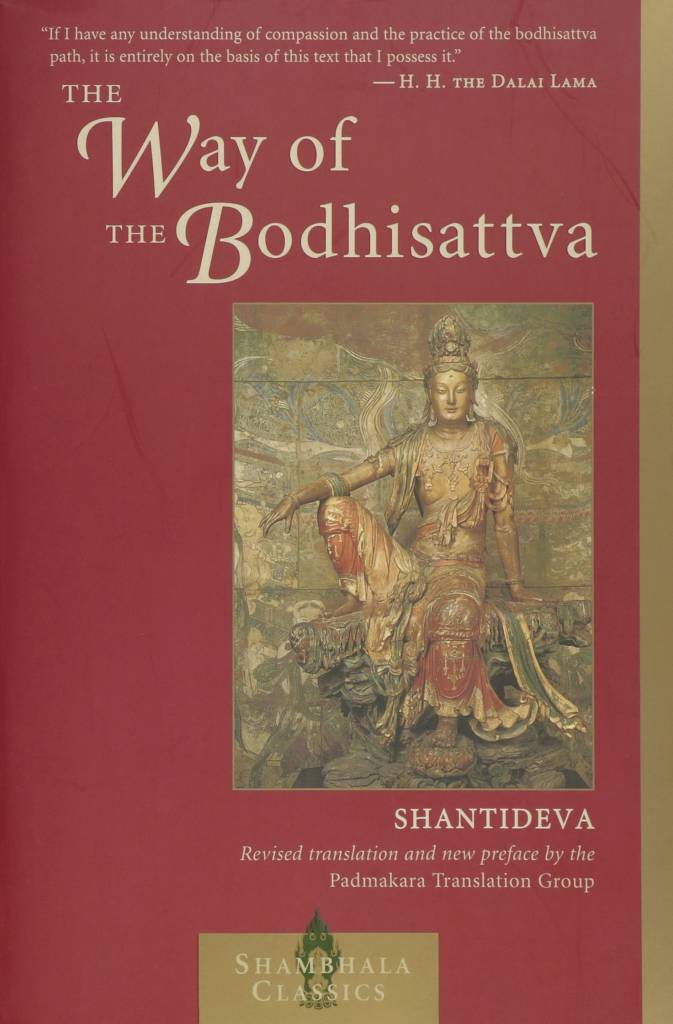
La Práctica del Bodisatva-front.jpg
Padmakara Spain 2008

They criticize those who do not have gain

And are unpleasant to those with gain. How can one be made happy by them

Who are naturally difficult to associate with?

Scorn for beings without wealth,

Speaking ill of those with wealth, How could joy arise from association

With those whose nature is hardened?

shift + scroll / swipe
Dūnhuáng §This version is extracted from the book Bodhisattvacaryāvatāra: Entering the Way of the Bodhisattvas (2022, Khenpo Gawang and Wiener), a translation of an edition of the text created from three Dūnhuáng manuscripts. A description and sample pages of these can be found on the Early Tibet Blog. Scans of the actual manuscripts themselves can be found at http://idp.bl.uk

སེམས་ཅན་རྙེད་པ་མེད་ལ་སྨོད། །

རྙེད་པ་ཅན་ལ་མི་སྙན་བརྗོད། ། རང་བཞིན་འགྲོགས་དཀའ་དེ་དག་གིས། །

དགའ་བ་ཇི་ལྟར་སྐྱེ་བར་འགྱུར། །[p.225]Entering the Way of the Bodhisattvas (2022, Khenpo Gawang and Wiener)
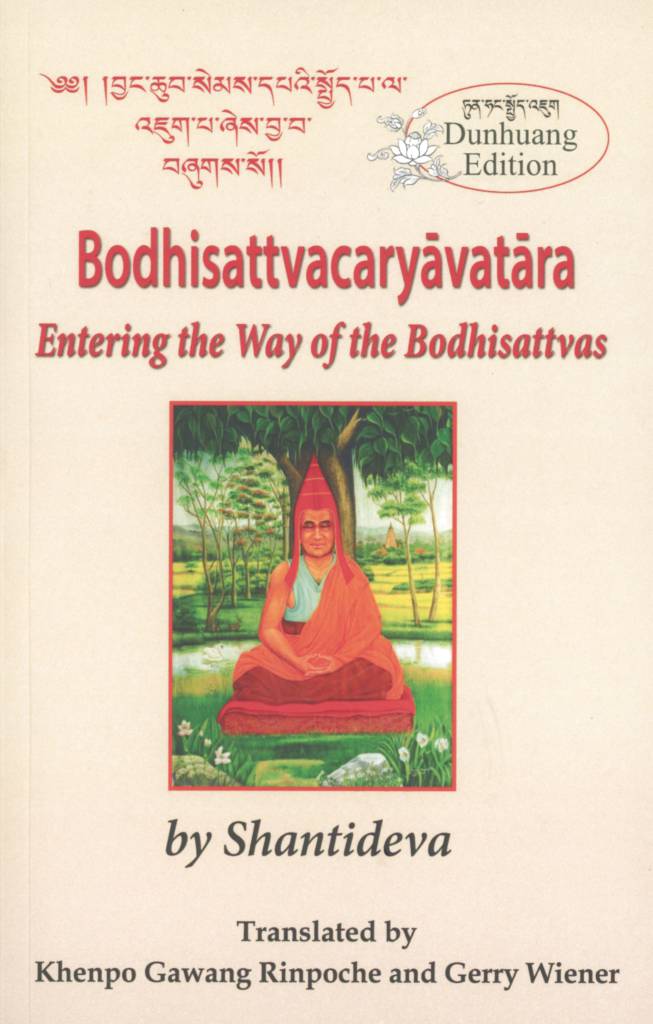
Gawang, Khenpo, and Gerry Wiener, trans. Bodhisattvacaryāvatāra: Entering the Way of the Bodhisattvas by Shantideva - Dunhuang Edition. Memphis, TN: Jeweled Lotus Publishing, 2022.

alt verse 7.20 tm data
This version differs from it's counterparts.

There are beings who disparage those lacking wealth

And will even speak unpleasantly to those having wealth. How can such individuals who are by nature difficult to be with

Make me happy?[p.226]Entering the Way of the Bodhisattvas (2022, Khenpo Gawang and Wiener)
Gawang, Khenpo, and Gerry Wiener, trans. Bodhisattvacaryāvatāra: Entering the Way of the Bodhisattvas by Shantideva - Dunhuang Edition. Memphis, TN: Jeweled Lotus Publishing, 2022.

Tsadra Critical Edition §This text was created by comparing four versions of the text from Derge, Cone, Narthang, and Peking Tengyurs from BDRC scans, along with Dunhuang manuscripts IOL Tib J 628, 629, and 630. When Tibetan readings were problematic, the Sanskrit texts from GRETIL and LTB (Oslo) were consulted.

སེམས་ཅན་རྙེད་པ་མེད་ལ་སྨོད། །

རྙེད་པ་ཅན་ལ་མི་སྙན་བརྗོད། ། རང་བཞིན་འགྲོགས་དཀའ་དེ་དག་གིས། །

དགའ་བ་ཇི་ལྟར་སྐྱེ་བར་འགྱུར། །

[edit]
Sazang Mati (1294 - 1376)
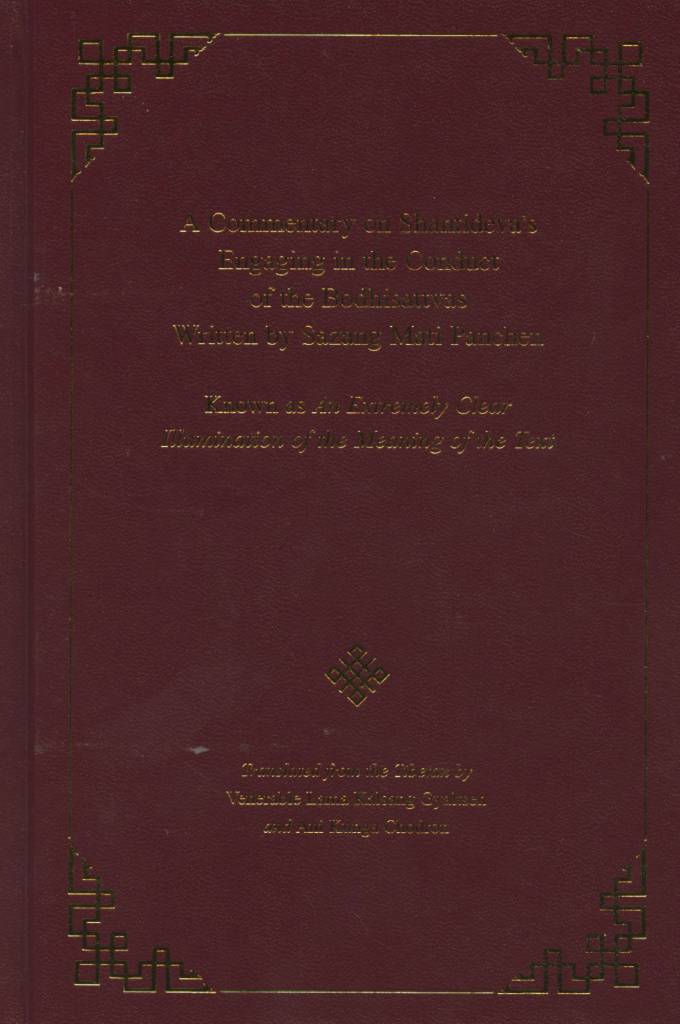
A Commentary on Shantideva's Engaging in the Conduct of the Bodhisattvas (citation)Gyaltsen, Lama Kalsang, and Ani Kunga Chodron, trans. A Commentary on Shantideva's Engaging in the Conduct of the Bodhisattvas Written by Sazang Mati Panchen: Known as An Extremely Clear Illumination of the Meaning of the Text. Walden, NY: Tsechen Kunchab Ling, 2019. Bilingual Edition

སེམས་ཅན་རྙེད་པ་མེད་ལ་སྨོད། །

རྙེད་པ་ཅན་ལ་མི་སྙན་བརྗོད། ། རང་བཞིན་འགྲོགས་དཀའ་དེ་དག་གིས། །

དགའ་བ་ཇི་ལྟར་སྐྱེ་བར་འགྱུར། །

sems can rnyed pa med la smod/_/

rnyed pa can la mi snyan brjod/_/ rang bzhin 'grogs dka' de dag gis/_/

dga' ba ji ltar skye bar 'gyur/_/

Scorn for beings without wealth,

Speaking ill of those with wealth, How could joy arise from association

With those whose nature is hardened?

རྙེད་པ་ཅན་རྣམས་ལ་ནི་ལོག་འཚོ་བསགས་པའོ་ཞེས་མི་སྙན་པ་བརྗོ༵ད་དེ། རང་བཞིན་གྱིས་འགྲོགས་པ་དཀའ་བ་དེ་དག་དང་ལྷན་ཅིག་འགྲོགས་པ་དག་གི༵ས་དགའ་བ་ཇི་ལྟར་སྐྱེ་བར་འགྱུ༵ར་ཏེ་མི་འགྱུར་རོ། །

Those who lack wealth are criticized as lacking merit. Those who possess wealth are criticized as having wrong livelihood. How is it possible to please those who cannot be pleased?
Gyaltsap Je (1364 - 1432)
The Entrance for the Children of the Conquerors (citation)Stracke, Fedor, trans. The Entrance for the Children of the Conquerors: A Commentary on the Introduction to the Actions of Bodhisattvas. By Gyaltsab Rinpoche. N.p.: Happy Monks Publication, 2016. https://happymonkspublication.org/product/bodhisattvacharyavatara-chapter-1-10-commentary/. Bilingual Edition

གསུམ་པ་འདུ་འཛིའི་ཉེས་དམིགས་ལ་གཉིས།

The Faults of Distractions 1.1.2.1.2.3

དང་པོ་ནི།

Since It Is Difficult to Be Associated with the Childish, One Should Not Be Attached to Their Distractions 1.1.2.1.2.3.1

སེམས་ཅན་རྙེད་པ་མེད་ལ་སྨོད། །

རྙེད་པ་ཅན་ལ་མི་སྙན་བརྗོད། ། རང་བཞིན་འགྲོགས་དཀའ་དེ་དག་གིས། །

དགའ་བ་ཇི་ལྟར་སྐྱེ་བར་འགྱུར། །
sems can rnyed pa med la smod/_/

rnyed pa can la mi snyan brjod/_/ rang bzhin 'grogs dka' de dag gis/_/

dga' ba ji ltar skye bar 'gyur/_/

They criticize those who do not have gain

And are unpleasant to those with gain. How can one be made happy by them

Who are naturally difficult to associate with?

སེམས་ཅན་མོས་པ་སྣ་ཚོགས་པ་མགུ་བར་མི་ནུས་ཏེ། འཕྲིན་ལས་སྣ་ཚོགས་ཀྱིས་དོན་མཛད་པ་རྒྱལ་བས་ཀྱང་ནི་མི་མགུ་ན་བསམ་པ་མི་ཤེས་པའི་བདག་འདྲ་བའི་ངན་པས་མགུ་མི་ནུས་པ་སྨོས་ཅི་དགོས། དེ་བས་ན་འཇིག་རྟེན་པ་དང་འགྲོགས་པའི་བསམ་པ་གཏང་བར་བྱའོ། །

One cannot fulfil the various wishes of sentient beings. If even the conquerors cannot fulfil their wishes with their diverse enlightened activities, then what need is there to mention someone inferior like oneself who does not know their thoughts? Therefore, give up the thought of associating with worldly people.

སེམས་ཅན་རྣམས་ནི་གྲོགས་རྙེད་པ་མེད་པ་ལ་འདི་ནི་སྔོན་བསོད་ནམས་མ་བྱས་པའོ་ཞེས་འཕྱ་ཞིང་སྨོད་ལ། རྙེད་པ་ཅན་ལ་ལོག་འཚོ་སྤྱོད་པའོ་ཞེས་མི་སྙན་པ་བརྗོད་དོ། །དེ་དག་གི་རང་བཞིན་འགྲོག་དཀའ་བ་ཡིན་པ་དེ་བས་ན་བྱིས་པ་དེ་དག་གིས་བདག་ལ་དགའ་བ་ཇི་ལྟར་སྐྱེ་བར་འགྱུར། མི་འགྱུར་བས་འགྲོག་པར་མི་བྱའོ། །

They criticize and put down those sentient beings that have not found gain, saying, “They have no merits.” Those who have gain they criticize, saying, “They practice[p.9]The Entrance for the Children of the Conquerors
Stracke, Fedor, trans. The Entrance for the Children of the Conquerors: A Commentary on the Introduction to the Actions of Bodhisattvas. By Gyaltsab Rinpoche. N.p.: Happy Monks Publication, 2016. https://happymonkspublication.org/product/bodhisattvacharyavatara-chapter-1-10-commentary/.
wrong livelihood”. As they are difficult to associate with, how can one be made happy by the childish? As one cannot, one should not associate.
Minyak Kunzang Sönam (1823 - 1905)
The Great Hūṃ (citation)Duckworth, Douglas, trans. The Great Hūṃ: A Commentary on Śāntideva's Way of the Bodhisattva. By Minyak Kunzang Sönam. New York, NY: Wisdom Publications, 2025. Bilingual Edition

མགུ་དཀའ་བ་དང་དེའི་ཕྱིར་བསྟེན་ཀྱང་དགའ་བ་མི་སྐྱེ་བ་ནི།

Next it shows that immature beings are difficult to please, and that because of this, they are difficult to make happy even when attending to them:

སེམས་ཅན་རྙེད་པ་མེད་ལ་སྨོད། །

རྙེད་པ་ཅན་ལ་མི་སྙན་བརྗོད། ། རང་བཞིན་འགྲོགས་དཀའ་དེ་དག་གིས། །

དགའ་བ་ཇི་ལྟར་སྐྱེ་བར་འགྱུར། །

They criticize sentient beings without wealth

and speak badly of those who are wealthy. How can happiness come about

from those who by nature are difficult company? (8.23)

མགུ་དཀའ་བའི་རྒྱུ་མཚན་གཞན་ཡང་བྱིས་པར་གྱུར་པའི་སེམས་ཅན་དམན་པ་རྣམས་ཀྱི་རང་བཞིན་ནམ་ངང་ཚུལ་ནི་གྲོགས་སོགས་གཞན་རྙེད་པ་མེད་པ་རྣམས་ལ་འདི་ནི་སྔོན་བསོད་ནམས་མ་བསགས་པས་བསོད་སྙོམས་ཙམ་ཡང་མི་རྙེད་པའོ་ཞེས་འཕྱ་ཞིང་སྨོད་པར་བྱེད་ལ་རྙེད་པ་ཅན་རྣམས་ལ་ནི་འདི་ཚུལ་འཆོས་སོགས་ཀྱི་སྒོ་ནས་སྦྱིན་བདག་རྣམས་མགོ་བསྐོར་ནས་དད་པས་བྱིན་པ་ལེན་པས་ལོག་འཚོ་སྤྱོད་པའོ་ཞེས་

There are other reasons why they are hard to please. The nature or personality of inferior and childish sentient beings is such that they criticize and ridicule those who they associate with who lack wealth, saying, “They have not even found alms due to their lack of merit from the past!” They express many bad and unpleasant things about those who are wealthy, saying, “They have tricked their benefactors into giving to them by means of hypocrisy and so on; they have a wrong livelihood, taking gifts given out of faith!”

ངན་སྨྲས་སྣ་ཚོགས་ཀྱིས་མི་སྙན་པ་རྗོད་པར་བྱེད་པས་གང་ལྟར་ཡང་མགུ་བ་སྐྱེད་མི་ནུས་པ་དེ་དག་གི་རང་བཞིན་ནི་ཤིན་ཏུ་འགྲོགས་པར་དཀའ་བའམ་རང་བཞིན་གྱིས་འགྲོགས་དཀའ་བ་ཅན་ཡིན་པས་ན་ལྷན་ཅིག་ཏུ་མཐུན་པར་བྱས་ནས་བསྟེན་ཀྱང་མགུ་དཀའ་བའི་ཕྱིར་དེ་དག་གིས་བདག་ལ་དགའ་བ་ཇི་ལྟར་སྐྱེ་བར་འགྱུར་ཏེ་མི་འགྱུར་བས་དེ་དག་དང་འགྲོགས་པར་མི་བྱའོ་ཞེས་བསྟེན་ཀྱང་དགའ་བ་མི་སྐྱེ་བས་སྙིང་དུ་སྡུག་པའི་གྲོགས་སུ་བྱས་ནས་འགྲོགས་མི་རིགས་པར་བསྟན་པའོ། །

There is no way to please them. [459] Their nature is such that they are extremely difficult to accompany, or that they are by nature difficult company. Therefore they are hard to please even if you attend to them in a harmonious way. So how could happiness come from this? It will not. You should not associate with them; even if you do attend to them, no happiness will come to be. This shows that it does not make sense to develop strong associations or make close friends with immature beings.
Kunzang Palden (1862 - 1943)
The Nectar of Manjushri's Speech (citation)Blankleder, Helena, and Wulstan Fletcher (Padmakara Translation Group), trans. The Nectar of Manjushri's Speech: A Detailed Commentary on Shantideva's Way of the Bodhisattva. By Kunzang Pelden. Boston: Shambhala Publications, 2007. Bilingual Edition

སེམས་ཅན་རྙེད་པ་མེད་ལ་སྨོད། །

རྙེད་པ་ཅན་ལ་མི་སྙན་བརྗོད། ། རང་བཞིན་འགྲོགས་དཀའ་དེ་དག་གིས། །

དགའ་བ་ཇི་ལྟར་སྐྱེ་བར་འགྱུར། །

sems can rnyed pa med la smod/_/

rnyed pa can la mi snyan brjod/_/ rang bzhin 'grogs dka' de dag gis/_/

dga' ba ji ltar skye bar 'gyur/_/

གཉེན་གྲོགས་སོགས་ཉམས་ཆུང་བའི་སེམས་ཅན་རྙེད་པ་མེད་པ་རྣམས་ལ་བསོད་ཟད་ཐབས་སྡུག་འདིས་རྙེད་བསྐུར་སོགས་གཡོག་གླ་ཙམ་ཡང་མི་རྙེད་དོ་ཞེས་གཤེ་ཞིང་སྨོད་པར་བྱེད་ལ་དེ་ལ་བལྟས་ན་རྙེད་པ་ཅན་ལ་བསྟོད་པར་བྱེད་རིགས་ནའང་བསྟོད་པ་མི་བྱེད་པར་མ་ཟད་གཞན་དཀོར་བསོད་ཆེ་བ་སོགས་རྙེད་པ་ཅན་རྣམས་ལ་ནི་འདིས་ཚེ་ཕྱི་མ་ལ་རྙེད་པ་འདི་རྣམས་ཁུར་ཞིང་གཤིན་རྗེ་ཆོས་རྒྱལ་ལ་ལྐོག་ནོར་འདྲ་འབུལ་བ་ཡིན་ནམ་འདི་ཙམ་གྱི་རྙེད་པས་ཅི་བྱའོ་ཞེས་འཕྱ་ཞིང་མི་སྙན་པ་སྣ་ཚོགས་པ་བརྗོད་པར་བྱེད་པ་དེ་ལྟར་ན་རྙེད་པ་མེད་པ་རྣམས་ལ་བསྟོད་པར་བྱེད་རིགས་ནའང་[p.535]Byang chub sems dpa'i spyod pa la 'jug pa rtsa ba dang 'grel pa (1990)
Slob dpon zhi ba lha and Mkhan po kun dpal. Byang chub sems dpa'i spyod pa la 'jug pa rtsa ba dang 'grel pa. Khreng tu'u: Si khron mi rigs dpe skrun khang, 1990. Buda by BDRC Logo.jpg
མི་བྱེད་པར་མ་ཟད་སྨད་པར་བྱེད་པ་འདི་འདྲའི་ཕྱིན་ཅི་ལོག་ཏུ་གྱུར་པ་གང་གིས་ཀྱང་མི་མགུ་བར་རང་བཞིན་གྱིས་འགྲོགས་པར་དཀའ་བ་ལ་བསྟེན་པ་དེ་དག་གིས་བདག་ལ་དགའ་བ་ཇི་ལྟར་སྐྱེ་བར་འགྱུར་ཏེ་མི་འགྱུར་རོ། །

People scorn the poor who have no wealth,

They also criticize the rich who have it. What pleasure can derive from keeping company

With people such as these, so difficult to please?

The poor and weak, who have nothing, are usually an object of contempt. People regard them as miserable and without merit, unable even to make their living as servants. By contrast, although it would be consistent for such people to praise the rich, they do not do so. Instead they criticize the wealthy who are fortunate and have lots of attendants, and say unpleasant things to them—asking sarcastic questions about whether they will be able to take their possessions with them to their next lives or whether they will try to bribe the Lord of Death with them, and wondering what they will do with all that they have! Logically, such people ought to praise the poor. But they do not; they revile them instead. What joy can possibly come from keeping company with such individuals, people who are completely perverse and who are so difficult to please and to be with?


[edit]
[edit]