8.115

From Bodhicitta

Bodhicaryāvatāra · Verse 8.115


Sources:    

Sanskrit §No information about the source used.

यथात्मबुद्धिरभ्यासात्स्वकायेऽस्मिन्निरात्मके। परेष्वपि तथात्मत्वं किमभ्यासान्न जायते॥

 
Chanted Verse
Recitation by Professor Kashinath Nyaupane
115

If by the force of habit the notion of a self is produced with respect to this body, which has no self, then why not produce by the force of habit the notion of a self with respect to other sentient beings?

Standard Tibetan §Padmakara used the 1990 edition printed by si khron mi rigs dpe skrun khang: Byang chub sems dpa'i spyod pa la 'jug pa rtsa ba dang 'grel pa (1990). Also found in Derge Tengyur D3871, dbu ma, vol. 105, la 1b1–40a7.

ཇི་ལྟར་བདག་མེད་ལུས་འདི་ལ། །

གོམས་པས་བདག་གི་བློ་འབྱུང་བ། ། དེ་བཞིན་སེམས་ཅན་གཞན་ལ་ཡང་། །

གོམས་པས་བདག་བློ་ཅིས་མི་སྐྱེ། །

 
Chanted Verse
Recitation by Lopen Karma Phuntsho
115

Just as in connection with this form, devoid of self,

My sense of “I” arose through strong habituation, Why should not the thought of “I,”

Through habit, not arise related to another?

Standard Tibetan §Padmakara used the 1990 edition printed by si khron mi rigs dpe skrun khang: Byang chub sems dpa'i spyod pa la 'jug pa rtsa ba dang 'grel pa (1990). Also found in Derge Tengyur D3871, dbu ma, vol. 105, la 1b1–40a7. - Other translations

De même que, par habitude,

J’applique l’idée de moi à ce corps dénué de moi, Pourquoi, par habitude également,

Ne l’appliquerais-je point aux autres êtres ?

Del mismo modo que, por haberme habituado,

surge la idea de “yo” en relación a este cuerpo que carece de ese “yo”, ¿por qué no ha de surgir, si me habitúo a ello,

la idea de “yo” en relación a otros seres?

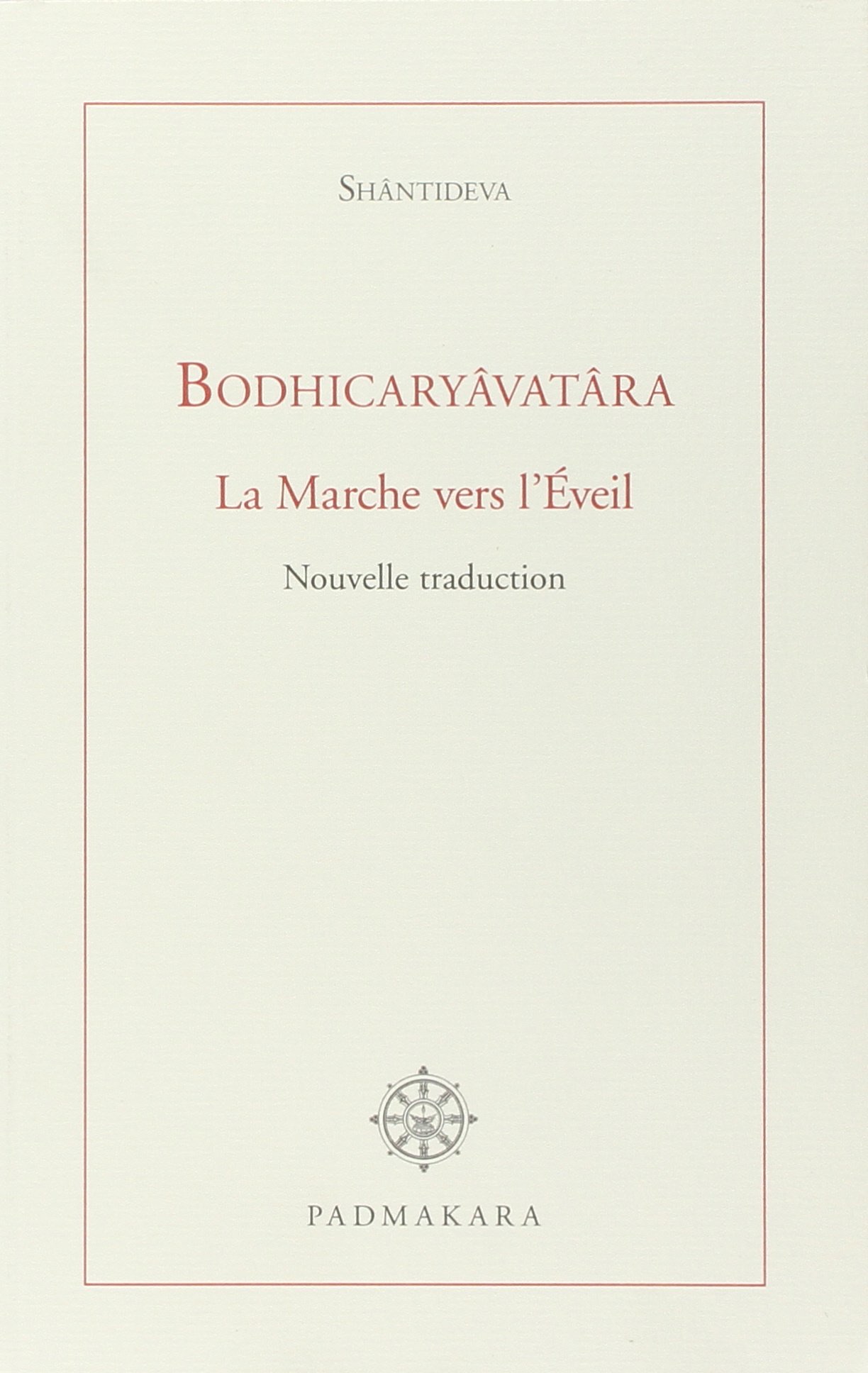
La Práctica del Bodisatva-front.jpg
Padmakara Spain 2008

Just as one generates through familiarity

The awareness of ‘mine’ for a body lacking self, Why should one not generate the awareness of ‘mine’

For other sentient beings through familiarization?[p.36]The Entrance for the Children of the Conquerors
Stracke, Fedor, trans. The Entrance for the Children of the Conquerors: A Commentary on the Introduction to the Actions of Bodhisattvas. By Gyaltsab Rinpoche. N.p.: Happy Monks Publication, 2016. https://happymonkspublication.org/product/bodhisattvacharyavatara-chapter-1-10-commentary/.

Just as this selfless body

Became familiar with the thought that it is a self, Through familiarization, why could the thought that

Other beings are the self not arise?

shift + scroll / swipe
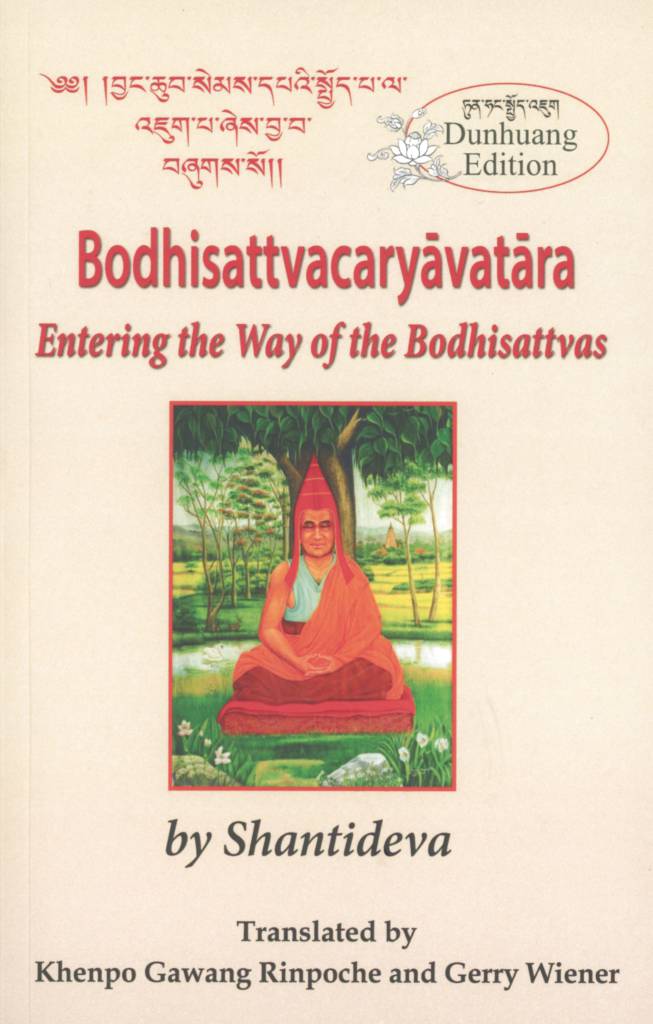
Dūnhuáng §This version is extracted from the book Bodhisattvacaryāvatāra: Entering the Way of the Bodhisattvas (2022, Khenpo Gawang and Wiener), a translation of an edition of the text created from three Dūnhuáng manuscripts. A description and sample pages of these can be found on the Early Tibet Blog. Scans of the actual manuscripts themselves can be found at http://idp.bl.uk

ཇི་ལྟར་བདག་མེད་ལུས་འདི་ལ། །

གོམས་པས་བདག་གི་བློ་འབྱུང་བ། ། དེ་བཞིན་སེམས་ཅན་གཞན་ལ་ཡང་། །

གོམས་པས་བདག་བློ་ཅེས་མི་སྐྱེ། །[p.197]Entering the Way of the Bodhisattvas (2022, Khenpo Gawang and Wiener)
Gawang, Khenpo, and Gerry Wiener, trans. Bodhisattvacaryāvatāra: Entering the Way of the Bodhisattvas by Shantideva - Dunhuang Edition. Memphis, TN: Jeweled Lotus Publishing, 2022.

alt verse 6.45 tm data
This version differs from it's counterparts.

Just as this body lacking a self

Arises in mind as “I” through habit, Likewise, why don’t other sentient beings

Arise in mind as “I” through habit?[p.198]Entering the Way of the Bodhisattvas (2022, Khenpo Gawang and Wiener)
Gawang, Khenpo, and Gerry Wiener, trans. Bodhisattvacaryāvatāra: Entering the Way of the Bodhisattvas by Shantideva - Dunhuang Edition. Memphis, TN: Jeweled Lotus Publishing, 2022.

Tsadra Critical Edition §This text was created by comparing four versions of the text from Derge, Cone, Narthang, and Peking Tengyurs from BDRC scans, along with Dunhuang manuscripts IOL Tib J 628, 629, and 630. When Tibetan readings were problematic, the Sanskrit texts from GRETIL and LTB (Oslo) were consulted.

ཇི་ལྟར་བདག་མེད་ལུས་འདི་ལ། །

གོམས་པས་བདག་གི་བློ་བྱུང་བ། ། དེ་བཞིན་སེམས་ཅན་གཞན་ལ་ཡང་། །

གོམས་པས་བདག་བློ་ཅིས་མི་སྐྱེ། །

[edit]
Sazang Mati (1294 - 1376)
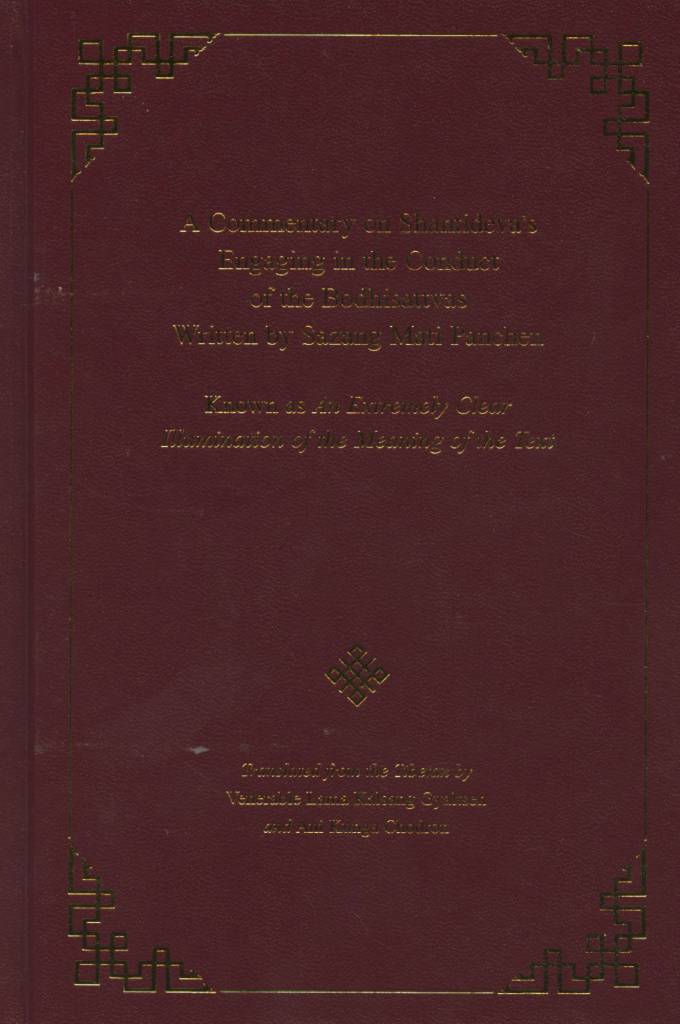
A Commentary on Shantideva's Engaging in the Conduct of the Bodhisattvas (citation)Gyaltsen, Lama Kalsang, and Ani Kunga Chodron, trans. A Commentary on Shantideva's Engaging in the Conduct of the Bodhisattvas Written by Sazang Mati Panchen: Known as An Extremely Clear Illumination of the Meaning of the Text. Walden, NY: Tsechen Kunchab Ling, 2019. Bilingual Edition

ཇི་ལྟར་བདག་མེད་ལུས་འདི་ལ། །

གོམས་པས་བདག་གི་བློ་འབྱུང་བ། ། དེ་བཞིན་སེམས་ཅན་གཞན་ལ་ཡང་། །

གོམས་པས་བདག་བློ་ཅིས་མི་སྐྱེ། །

ji ltar bdag med lus 'di la/_/

goms pas bdag gi blo 'byung ba/_/ de bzhin sems can gzhan la yang /_/

goms pas bdag blo cis mi skye/_/

Just as this selfless body

Became familiar with the thought that it is a self, Through familiarization, why could the thought that

Other beings are the self not arise?

དཔེ་ཇི་ལྟར་ན་བདག་བདེན་པར་གྲུབ་པ་མེད་པའི་ལུས་འདི་ལ༵་ཡང་ཐོག་མ་མེད་པ་ནས་གོམས་[p.-274]རབ་གསལ་སྣང་བ་
པར་གྱུར་པས་བདག་གི་ལུས་སོ་སྙམ་པའི་བློ་ངང་གིས་འབྱུང་བ༵་ལྟར། དོན་དེ་བཞིན་དུ་སེམས་ཅན་གཞན་ཐམས་ཅད་ཀྱི་ལུས་ལ་ཡ༵ང་རིམ་གྱིས་གོམས་པར་བྱས་ན་བདག་གོ་སྙམ་པའི་བློ་ཅིས་མི་སྐྱེ༵་སྟེ་ཅིས་ཀྱང་སྐྱེ་བའི་ཕྱིར་རོ། །

For example, although there is no truly existing self, through familiarization from beginningless time, the thought that this physical body is my body has arisen. Likewise, through gradual familiarization, why could not the thought that the bodies of other sentient beings are my own also arise? By all means it could.
Gyaltsap Je (1364 - 1432)
The Entrance for the Children of the Conquerors (citation)Stracke, Fedor, trans. The Entrance for the Children of the Conquerors: A Commentary on the Introduction to the Actions of Bodhisattvas. By Gyaltsab Rinpoche. N.p.: Happy Monks Publication, 2016. https://happymonkspublication.org/product/bodhisattvacharyavatara-chapter-1-10-commentary/. Bilingual Edition

གཉིས་པ་ལ་གསུམ།

Extensive Explanation 1.1.3.2.2

དང་པོ་ལ་གཉིས།

Explaining the Way of Exchanging Self and Other 1.1.3.2.2.1

དང་པོ་ལ་གསུམ།

Extensive Explanation 1.1.3.2.2.1.1

དང་པོ་ལ་ལྔ།

Meditate on Cherishing Other 1.1.3.2.2.1.1.1

དང་པོ་ནི།

Being Able to Exchange Self and Other, Exaggeration Is Pacified 1.1.3.2.2.1.1.1.1

ཇི་ལྟར་བདག་མེད་ལུས་འདི་ལ། །

གོམས་པས་བདག་གི་བློ་འབྱུང་བ། ། དེ་བཞིན་སེམས་ཅན་གཞན་ལ་ཡང་། །

གོམས་པས་བདག་བློ་ཅིས་མི་སྐྱེ། །
ji ltar bdag med lus 'di la/_/

goms pas bdag gi blo 'byung ba/_/ de bzhin sems can gzhan la yang /_/

goms pas bdag blo cis mi skye/_/

Just as one generates through familiarity

The awareness of ‘mine’ for a body lacking self, Why should one not generate the awareness of ‘mine’

For other sentient beings through familiarization?[p.36]The Entrance for the Children of the Conquerors
Stracke, Fedor, trans. The Entrance for the Children of the Conquerors: A Commentary on the Introduction to the Actions of Bodhisattvas. By Gyaltsab Rinpoche. N.p.: Happy Monks Publication, 2016. https://happymonkspublication.org/product/bodhisattvacharyavatara-chapter-1-10-commentary/.

བདག་གཞན་བརྗེ་བའི་བློ་གོམས་པར་མི་ནུས་སོ་ཞེ་ན།

Argument: I am not able to meditate on exchanging self and other.

ཇི་ལྟར་གང་ཟག་གི་བདག་མེད་པའི།[p.323]Spyod 'jug rtsa 'grel (Mtsho sngon mi rigs dpe skrun khang 2001)
Śāntideva, and Rgyal tshab rje dar ma rin chen. Spyod 'jug rtsa 'grel and Byang chub sems dpa'i spyod pa la 'jug pa'i rnam bshad rgyal sras 'jug ngogs. Xining: Mtsho sngon mi rigs dpe skrun khang, 2001
ལུས་འདི་ལ་གོམས་པས་བདག་གི་བར་འཛིན་པའི་བློ་འབྱུང་བ་དེ་བཞིན་དུ་སེམས་ཅན་གཞན་ལ་ཡང་གཅེས་འཛིན་གོམས་པས་བདག་གི་བའི་བློ་ཅིས་མི་སྐྱེ་གོམས་པས་ངེས་པར་སྐྱེའོ། །

Answer: Through familiarity, one generates the grasping at ‘mine’ for the body even though the body lacks a self. Likewise, why should one not be able to generate the awareness of ‘this is mine’ through familiarizing oneself with cherishing other sentient beings? If one meditates, one can definitely generate it.

སེམས་ཅན་ཀུན་བདག་ཏུ་གཟུང་བ་གོམས་པ་དེ་ལྟ་ནའང་ནི་གཞན་གྱི་དོན་བྱས་ཀྱང་ངོ་མཚར་དང་རློམ་སེམས་མི་འབྱུང་ངོ༌། །

As this meditation on holding all sentient beings as self accomplishes the purpose of others, one does not generate a feeling of superiority or a puffed up mind.
Minyak Kunzang Sönam (1823 - 1905)
The Great Hūṃ (citation)Duckworth, Douglas, trans. The Great Hūṃ: A Commentary on Śāntideva's Way of the Bodhisattva. By Minyak Kunzang Sönam. New York, NY: Wisdom Publications, 2025. Bilingual Edition

An extensive explanation of how to cultivate this 8.1.3.2.2.2

General demonstration of how to exchange 8.1.3.2.2.2.1

དང་པོ་ནི།

Taking on others 8.1.3.2.2.2.1.1

This shows that it makes sense to take others as yourself and that it can be done:

ཇི་ལྟར་བདག་མེད་ལུས་འདི་ལ། །

གོམས་པས་བདག་གི་བློ་འབྱུང་བ། ། དེ་བཞིན་སེམས་ཅན་གཞན་ལ་ཡང་། །

གོམས་པས་བདག་བློ་ཅིས་མི་སྐྱེ། །
In the way that the notion of “I” occurs

through habituating to this selfless body, through habituating to other sentient beings in the same way,

why wouldn’t this notion of “I” occur as well? (8.115)

དེ་ལ། གཞན་བདག་ཏུ་བླང་རིགས་ཤིང་བླང་བར་ནུས་པ་ནི།

སེམས་ཅན་གཞན་ནི་མཐའ་ཡས་པས་དེ་རྣམས་བདག་གཅིག་ཏུ་གཟུང་བར་མི་རིགས་སོ་སྙམ་ན། ཇི་ལྟར་ཏེ་དཔེར་ན་ལག་པ་དང་རྐང་བ་ལ་སོགས་པ་ལུས་ཀྱི་ཆ་ཐ་དད་པ་དུ་མ་ཡོད་ཀྱང་དེ་ཐམས་ཅད་རང་གི་ལུས་གཅིག་པོ་འདི་ཉིད་ཀྱི་ཡན་ལག་གམ་ཆ་ཤས་ཡིན་པའི་རྒྱུ་མཚན་གྱིས་རང་གི་ལུས་ཞེས་བསྲུང་བྱའི་ལུས་ཉིད་དུ་གཅིག་པར་འདོད་པ་ལྟར། དེ་བཞིན་དུ་སེམས་ཅན་ཐ་དད་པ་དུ་མ་ཡིན་ཡང་དེ་ཐམས་ཅད་འགྲོ་བའི་ཡན་ལག་གམ་ཆ་ཤས་དག་ཏུ་བཟུང་ནས་འགྲོ་བ་ཞེས་ཅི་ཕྱིར་ལུས་ཅན་རྣམས་བསྲུངབྱའི་འགྲོ་བར་གཅིག་ཏུ་མི་འདོད་དེ་འདོད་རིགས་པར་མཚུངས་ཏེ་དེ་རྣམས་ལའང་གཅེས་འཛིན་གོམས་ན་རང་གི་ལུས་ལྟར་གཅེས་པར་འཛིན་པའི་བློ་འབྱུང་བའི་ཕྱིར་རོ་ཞེས་སེམས་ཅན་རྣམས་བདག་ཏུ་བླངས་རིགས་པར་བསྟན་ལ།

You might think, “There are infinite other sentient beings, so it is unreasonable to regard them as my single self.” There are many different parts of the body, for example, such as the hands and feet, yet all of them are held to be one body to be protected as “my body” for the reason that they are parts or limbs of a single body. In the same way, while there are many different sentient beings, why is it that these embodied beings are not held to be a single being to be protected—all of them regarded as parts or limbs of a being? It makes sense to do so for the same reason that a single body is to be protected. That is, by habituating to cherishing them, an attitude arises that cherishes them as you cherish your own body. Thus this shows that it makes sense to take on sentient beings as yourself.

དེ་ལྟར་འདོད་རིགས་ཀྱང་དེ་འདྲའི་བློ་གོམས་པར་མི་ནུས་སོ་སྙམ་ན། ཡུན་རིང་དུ་རིམ་གྱིས་གོམས་པར་བྱས་ན་དེ་འདྲའི་བློ་འབྱུང་སྟེ། དཔེ་ཇི་ལྟར་ན་གང་ཟག་གི་བདག་མེད་པའི་ལུས་འདི་ལ་ཡང་བདག་གིར་འཛིན་པ་རིང་དུ་གོམས་པས་བདག་གི་ལུས་སོ་སྙམ་པའི་བློ་ངང་གིས་འབྱུང་བ་དེ་བཞིན་དུ་སེམས་ཅན་གཞན་གྱི་ལུས་ལ་ཡང་བདག་གིར་འཛིན་པ་རིང་དུ་གོམས་པར་བྱས་པས་བདག་གི་ལུས་སོ་སྙམ་པའི་བློ་ཅིས་མི་སྐྱེ་སྟེ་རྒྱུ་མཚན་མཚུངས་པའི་ཕྱིར་ངེས་པར་སྐྱེ་བས་བདག་ཏུ་བླང་ནུས་སོ་ཞེས་གོམས་ན་སེམས་ཅན་རྣམས་བདག་ཏུ་བླང་ནུས་པར་བསྟན་ཏོ། །

You might think, “It makes sense to do so, but I cannot become habituated to such a mindset.” This kind of attitude will arise when you become habituated [509] to it for a long time. For example an attitude that thinks “my body” comes naturally by habituating for a long time to apprehending this body that does not have a personal identity as “mine.” Likewise, by habituating for a long time to apprehending the bodies of other sentient beings as “mine,” why wouldn’t an attitude arise that thinks they are “my body”? This follows the same logic, so it certainly will arise. Thereby this shows that by habituating to the thought, “I can take on others,” you can then take on sentient beings as yourself.
Kunzang Palden (1862 - 1943)
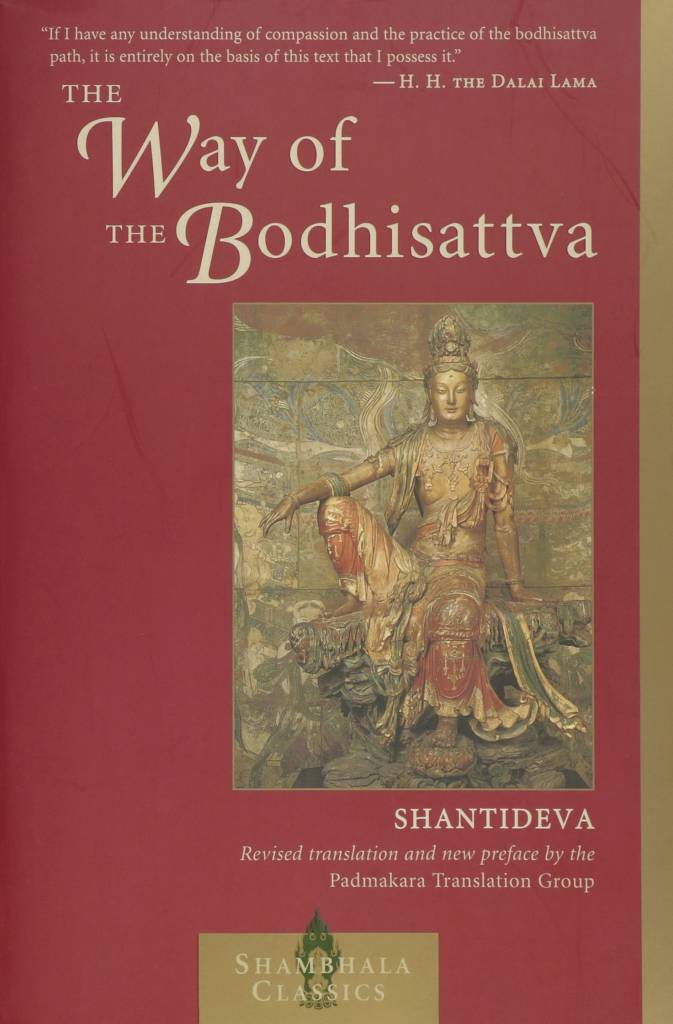
The Nectar of Manjushri's Speech (citation)Blankleder, Helena, and Wulstan Fletcher (Padmakara Translation Group), trans. The Nectar of Manjushri's Speech: A Detailed Commentary on Shantideva's Way of the Bodhisattva. By Kunzang Pelden. Boston: Shambhala Publications, 2007. Bilingual Edition

ཇི་ལྟར་བདག་མེད་ལུས་འདི་ལ། །

གོམས་པས་བདག་གི་བློ་འབྱུང་བ། ། དེ་བཞིན་སེམས་ཅན་གཞན་ལ་ཡང་། །

གོམས་པས་བདག་བློ་ཅིས་མི་སྐྱེ། །

ji ltar bdag med lus 'di la/_/

goms pas bdag gi blo 'byung ba/_/ de bzhin sems can gzhan la yang /_/

goms pas bdag blo cis mi skye/_/

དེ་འདོད་དགོས་པར་རིགས་པ་མཚུངས་[p.583]Byang chub sems dpa'i spyod pa la 'jug pa rtsa ba dang 'grel pa (1990)
Slob dpon zhi ba lha and Mkhan po kun dpal. Byang chub sems dpa'i spyod pa la 'jug pa rtsa ba dang 'grel pa. Khreng tu'u: Si khron mi rigs dpe skrun khang, 1990. Buda by BDRC Logo.jpg
པས་སོ། །དེ་འདྲའི་བློ་མི་སྐྱེའོ་སྙམ་ན། དཔེ་ཇི་ལྟར་ན་གྲོལ་འཁྲུལ་གྱི་གཞིར་གྱུར་པའི་བདག་མེད་པའི་ཕ་མའི་ཁུ་ཁྲག་ཡོངས་སུ་སྨིན་པའི་ལུས་འདི་ལ་བདག་འཛིན་ཡང་ཡང་གོམས་པས་བདེ་ན་བདག་བདེའོ་ཞེས་དང་སྡུག་ན་བདག་སྡུག་གོ་ཞེས་བདག་གི་བློ་ངང་གིས་འབྱུང་བ་དེ་བཞིན་དུ་སེམས་ཅན་གཞན་གྱི་ལུས་ལ་ཡང་བདག་ཏུ་འཛིན་པ་ཡང་ཡང་གོམས་པས་བདག་གོ་སྙམ་པའི་བློ་ཅིས་མི་སྐྱེ་སྟེ་ངེས་པར་སྐྱེ་བར་འགྱུར་རོ། །

Just as in connection with this form, devoid of self,

My sense of “I” arose through strong habituation, Why should not the thought of “I,”

Through habit, not arise related to another?

It might be thought that such a state of mind could never arise. However, within our present form (which is the fully grown effect of the generative substances of our parents and which, in itself, is devoid of any “I” acting as the basis of either liberation or delusion in samsara), the sense of self has naturally arisen. It has done so on account of a long propensity to self-clinging, the result of which is that, when the body is at ease, there is the feeling, “I am comfortable,” and when the body is wounded, it is as if “I am in pain.” Why, therefore, as a result of long habituation to the apprehension of the bodies of others as being ourselves, should the state of mind of thinking, “They are myself,” be impossible?


[edit]
[edit]