6.126

From Bodhicitta

Bodhicaryāvatāra · Verse 6.126


Sources:    

Sanskrit §No information about the source used.

आत्मीकृतं सर्वमिदं जगत्तैः कृपात्मभिर्नैव हि संशयोऽस्ति। दृश्यन्त एते ननु सत्त्वरूपास्त एव नाथाः किमनादरोऽत्र॥

 
Chanted Verse
Recitation by Professor Kashinath Nyaupane
126

The compassionate ones have made the whole world their own body, there is no doubt about this. Then, is it not the protectors themselves who appear under the guise of living beings? How could I despise them?

Standard Tibetan §Padmakara used the 1990 edition printed by si khron mi rigs dpe skrun khang: Byang chub sems dpa'i spyod pa la 'jug pa rtsa ba dang 'grel pa (1990). Also found in Derge Tengyur D3871, dbu ma, vol. 105, la 1b1–40a7.

འགྲོ་བ་འདི་ཀུན་ཐུགས་རྗེའི་བདག་ཅན་དེས། །

བདག་ཏུ་མཛད་པ་འདི་ལ་ཐེ་ཚོམ་མེད། ། སེམས་ཅན་ངོ་བོར་མཐོང་བ་འདི་དག་ཉིད། །

མགོན་དེ་བདག་ཉིད་ཅི་ཕྱིར་གུས་མི་བྱེད། །

 
Chanted Verse
Recitation by Lopen Karma Phuntsho
126

The great compassionate lords consider as themselves82This idea is further developed in the course of chapter 8. See the commentary in appendix 2.

All beings—there’s no doubt of this. Those whom I perceive as beings are Buddhas in themselves;

How can I not treat them with respect?

Standard Tibetan §Padmakara used the 1990 edition printed by si khron mi rigs dpe skrun khang: Byang chub sems dpa'i spyod pa la 'jug pa rtsa ba dang 'grel pa (1990). Also found in Derge Tengyur D3871, dbu ma, vol. 105, la 1b1–40a7. - Other translations

Ceux qui incarnent la grande compassion

S’identifient indubitablement à tous ces êtres. Pourquoi donc n’ai-je pas de respect pour ceux que je vois

Comme des êtres ordinaires, alors qu’ils sont les mêmes que nos protecteurs ?

Sin duda alguna, los grandes compasivos

consideran a todos los seres como a sí mismos94 Esta idea se desarrolla más en el capítulo VIII. V. el comentario en el apéndice II.. Aquellos que percibo como seres son budas en sí mismos,

¿cómo es posible que no los trate con respeto?

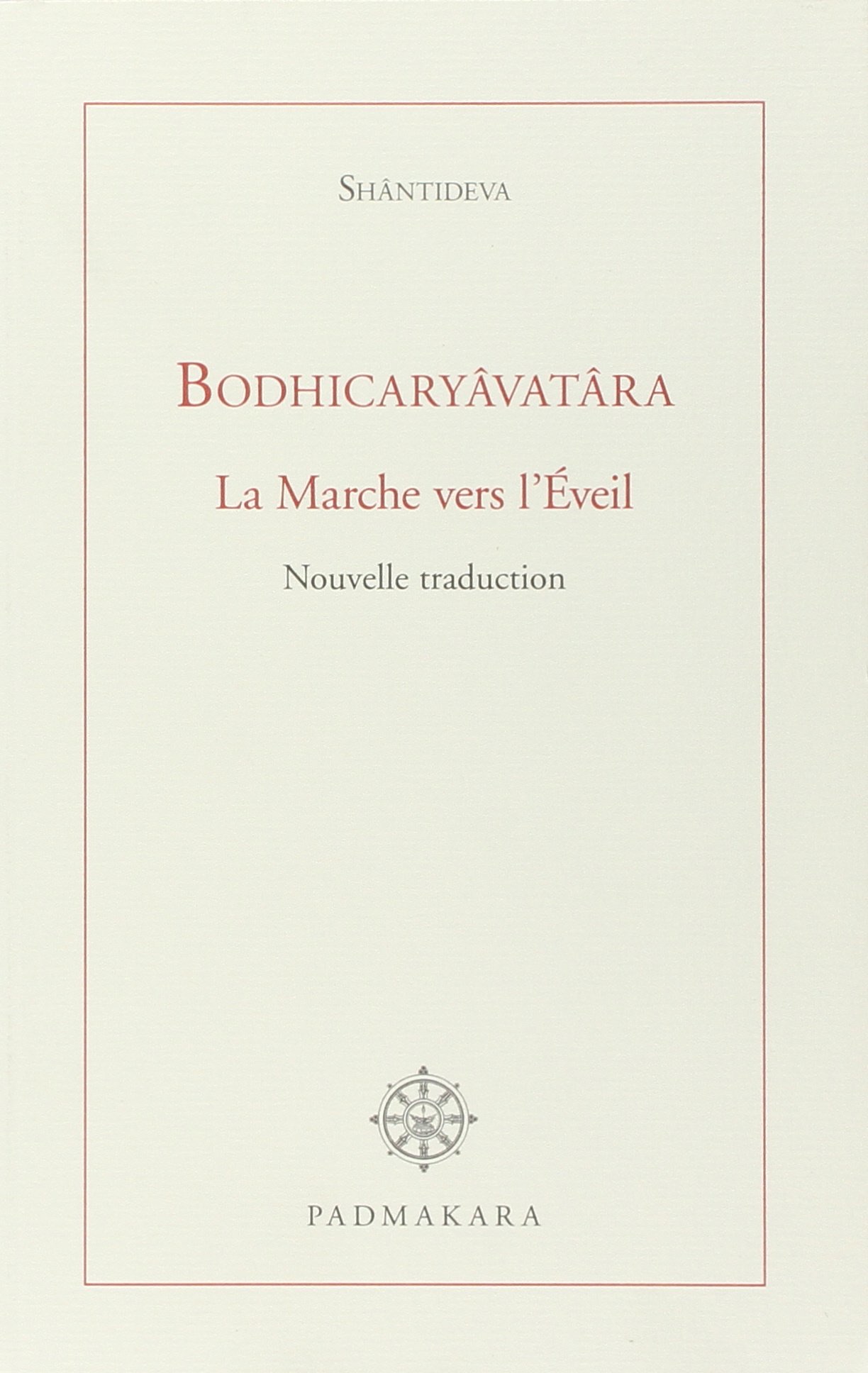
La Práctica del Bodisatva-front.jpg
Padmakara Spain 2008

There is no doubt that all these migrators

Are regarded by those possessing compassion as self. Those seen in the identity of sentient beings

Are in the nature of the protector, why not be respectful?

There is no doubt that all of these sentient beings

Owned by the Compassionate Ones as themselves, Although perceived in the form of sentient beings,

Are the nature of the Protector, so why should I not respect them?

shift + scroll / swipe
Tsadra Critical Edition §This text was created by comparing four versions of the text from Derge, Cone, Narthang, and Peking Tengyurs from BDRC scans, along with Dunhuang manuscripts IOL Tib J 628, 629, and 630. When Tibetan readings were problematic, the Sanskrit texts from GRETIL and LTB (Oslo) were consulted.

འགྲོ་བ་འདི་ཀུན་ཐུགས་རྗེའི་བདག་ཅན་དེས། །

བདག་ཏུ་མཛད་པ་འདི་ལ་ཐེ་ཚོམ་མེད། ། སེམས་ཅན་ངོ་བོར་མཐོང་བ་འདི་དག་ཉིད། །

མགོན་དེ་བདག་ཉིད་ཅི་ཕྱིར་གུས་མི་བྱེད། །101ཏུན་ཧོང་ཀ་དང་ཁ་༴ ཤླཽ་ཀ་འདི་མེད།

[edit]
Sazang Mati (1294 - 1376)
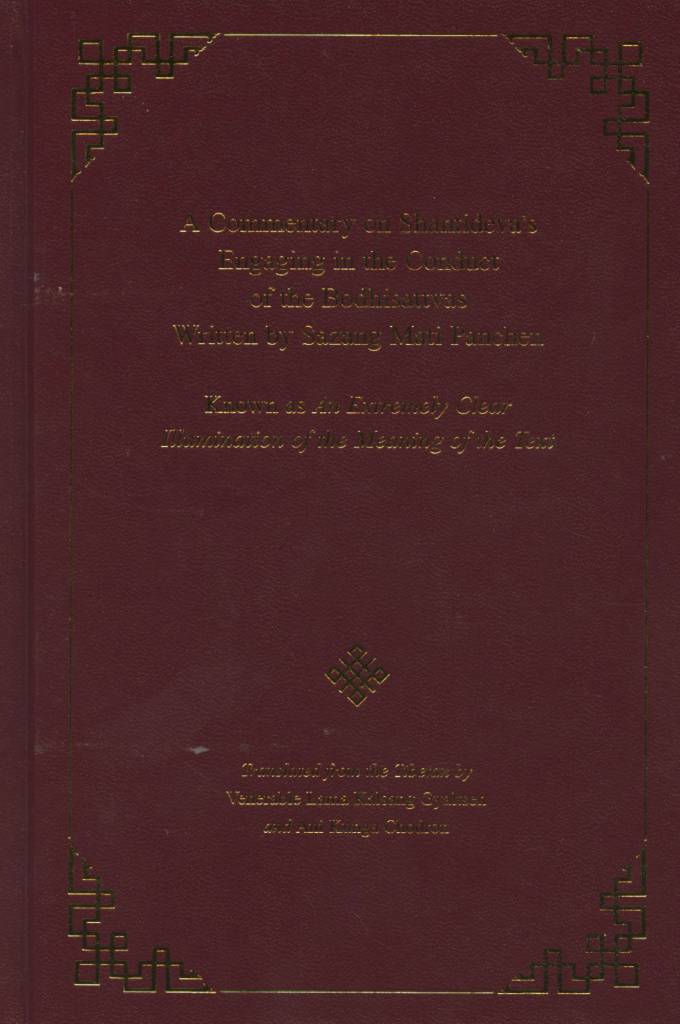
A Commentary on Shantideva's Engaging in the Conduct of the Bodhisattvas (citation)Gyaltsen, Lama Kalsang, and Ani Kunga Chodron, trans. A Commentary on Shantideva's Engaging in the Conduct of the Bodhisattvas Written by Sazang Mati Panchen: Known as An Extremely Clear Illumination of the Meaning of the Text. Walden, NY: Tsechen Kunchab Ling, 2019. Bilingual Edition

(བཞི་པ་)རང་བཞིན་རྣམ་དག་བསམས་ཏེ་གུས་པར་བྱ་བ་ནི།

4. Respect sentient beings by thinking of their immaculate nature 1.2.2.2.2.3.5.4

རྒྱུད་བླ་མར།

The Mahayana Uttaratantra states:

རྫོགས་སངས་སྐུ་ནི་འཕྲོ་ཕྱིར་དང༌། །

དེ་བཞིན་ཉིད་དབྱེར་མེད་ཕྱིར་དང༌། ། རིགས་ཡོད་ཕྱིར་ན་ལུས་[p.-210]རབ་གསལ་སྣང་བ་
ཅན་ཀུན། །

རྟག་ཏུ་སངས་རྒྱས་སྙིང་པོ་ཅན། །

Because of being emanated from the holy body of the Buddha;
Because of the non-differentiation of their suchness;
Because of existence of their race;
All embodied beings always possess the essence of the Buddha.

འགྲོ་བ་འདི་ཀུན་ཐུགས་རྗེའི་བདག་ཅན་དེས། །

བདག་ཏུ་མཛད་པ་འདི་ལ་ཐེ་ཚོམ་མེད། ། སེམས་ཅན་ངོ་བོར་མཐོང་བ་འདི་དག་ཉིད། །

མགོན་དེ་བདག་ཉིད་ཅི་ཕྱིར་གུས་མི་བྱེད། །

gro ba 'di kun thugs rje'i bdag can des/_/

bdag tu mdzad pa 'di la the tshom med/_/ sems can ngo bor mthong ba 'di dag nyid/_/

mgon de bdag nyid ci phyir gus mi byed/_/

There is no doubt that all of these sentient beings

Owned by the Compassionate Ones as themselves, Although perceived in the form of sentient beings,

Are the nature of the Protector, so why should I not respect them?

ཞེས་པ་ལྟར་འགྲོ་བ་མ་ལུས་པ་འདི་དག་ཀུན་ཐུགས་རྗེ་ཆེན་པོའི་བདག་ཉིད་ཅན་རྫོགས་པའི་སངས་རྒྱས་དེ༵ས། དེ་བཞིན་ཉིད་བདག་དག་པའི་བདག །ཅེས་པ་ལྟར་དེ་བཞིན་ཉིད་རང་བཞིན་གྱིས་དག་པའི་བདག་ཉིད་དུ་གཅིག་པར་དགོངས་པར་མཛད་པ་འདི་ལ་ཐེ་ཚོམ་དང་སོམ་ཉི་མེ༵ད་དོ། །དེས་ན། སེམས་ཅན་རྣམས་ནི་སངས་རྒྱས་ཉིད། །

The suchness of the fully enlightened Buddha, the embodiment of great compassion toward all sentient beings without exception, is known as the self that has been purified of self. The Buddha’s suchness is the same as the suchness of all sentient beings. There is no doubt or question of this whatsoever. Therefore, as it is said, “Sentient beings are the Buddha.”

ཅེས་པ་ལྟར་ཀུན་རྫོབ་ཏུ་སེམས་ཅན་གྱི་ངོ་བོར་མཐོང་བ་འདི་དག་ཉི༵ད་དོན་དམ་པར་མགོན་པོ་སངས་རྒྱས་དེའི་བདག་ཉིད་དམ་རང་བཞིན་ཅན་ཡིན་པས། འདི་ལྟར་དེ་ནི་ཐོས་པ་ལས། །སྤྲོ་དང་སྟོན་པ་བཞིན་གུས་དང༌། །ཞེས་པ་ལྟར་ཅིའི་ཕྱིར་གུས་པར་མི་བྱེ༵ད་དེ། སྟོན་པ་སངས་རྒྱས་ལ་གུས་པ་བཞིན་དུ་སེམས་ཅན་རྣམས་ལ་ཡང་གུས་པར་བྱ་བ་ཉིད་དོ། །

Although in the conventional world they appear as sentient beings, in reality, they are the embodiment of the Buddha, as they possess that nature. Thus it has been said, “Be delighted to hear this and respect them as Buddhas.” Why should sentient beings not be respected? They should be respected just as we respect the Buddha.
Gyaltsap Je (1364 - 1432)
The Entrance for the Children of the Conquerors (citation)Stracke, Fedor, trans. The Entrance for the Children of the Conquerors: A Commentary on the Introduction to the Actions of Bodhisattvas. By Gyaltsab Rinpoche. N.p.: Happy Monks Publication, 2016. https://happymonkspublication.org/product/bodhisattvacharyavatara-chapter-1-10-commentary/. Bilingual Edition

གཉིས་པ་འགྲོ་བ་འདི་ཀུན་ཐུགས་རྗེའི་

Showing Subsequently as a Summary That One Also Needs To Be Respectful to Sentient Beings 1.1.1.2.1.4.2.2.2.3.2.2

འགྲོ་བ་འདི་ཀུན་ཐུགས་རྗེའི་བདག་ཅན་དེས། །

བདག་ཏུ་མཛད་པ་འདི་ལ་ཐེ་ཚོམ་མེད། ། སེམས་ཅན་ངོ་བོར་མཐོང་བ་འདི་དག་ཉིད། །

མགོན་དེ་བདག་ཉིད་ཅི་ཕྱིར་གུས་མི་བྱེད། །

gro ba 'di kun thugs rje'i bdag can des/_/

bdag tu mdzad pa 'di la the tshom med/_/ sems can ngo bor mthong ba 'di dag nyid/_/

mgon de bdag nyid ci phyir gus mi byed/_/

There is no doubt that all these migrators

Are regarded by those possessing compassion as self. Those seen in the identity of sentient beings

Are in the nature of the protector, why not be respectful?

བདག་ཉིད་ཅན་གྱི་སངས་རྒྱས་དེས་བདག་གཞན་མཉམ་པ་དང་བརྗེ་བ་གོམས་པའི་སྒོ་ནས་བདག་ཏུ་མཛད་པས་འདི་ལ་ཐེ་ཚོམ་མེད་པས་སེམས་ཅན་གྱི་ངོ་བོར་མཐོང་བ་འདི་དག་ཉིད་བདག་གི་མགོན་དེ་དག་ཉིད་ཡིན་ཏེ། གུས་པར་བྱས་ན་སངས་རྒྱས་སྟེར་བས་ཅིའི་ཕྱིར་གུས་པར་མི་བྱེད་དད་ཅིང་གུས་པར་རིགས་སོ། །

There is no doubt that all these migrators are regarded by the buddhas that possess compassion as self by way of meditating on equalizing and exchanging self and others. Hence, those seen in the identity of sentient beings are in the very nature of the protector, and respecting them gives enlightenment. Therefore, why not be respectful? It is appropriate to have faith and be respectful.[p.51]The Entrance for the Children of the Conquerors
Stracke, Fedor, trans. The Entrance for the Children of the Conquerors: A Commentary on the Introduction to the Actions of Bodhisattvas. By Gyaltsab Rinpoche. N.p.: Happy Monks Publication, 2016. https://happymonkspublication.org/product/bodhisattvacharyavatara-chapter-1-10-commentary/.
Minyak Kunzang Sönam (1823 - 1905)
The Great Hūṃ (citation)Duckworth, Douglas, trans. The Great Hūṃ: A Commentary on Śāntideva's Way of the Bodhisattva. By Minyak Kunzang Sönam. New York, NY: Wisdom Publications, 2025. Bilingual Edition

སངས་རྒྱས་ཀྱི་བདག་ཉིད་ཡིན་པས་སེམས་ཅན་མགུ་བར་བྱ་བ་ནི།

Next it shows that sentient beings should be pleased because they are the nature of buddhas:

འགྲོ་བ་འདི་ཀུན་ཐུགས་རྗེའི་བདག་ཅན་དེས། །

བདག་ཏུ་མཛད་པ་འདི་ལ་ཐེ་ཚོམ་མེད། ། སེམས་ཅན་ངོ་བོར་མཐོང་བ་འདི་དག་ཉིད། །

མགོན་དེ་བདག་ཉིད་ཅི་ཕྱིར་གུས་མི་བྱེད། །

There is no doubt that those with the nature of compassion

take all beings as themselves. Those seen with the nature of sentient beings are the buddhas themselves,

so why do I not respect them as the Protectors? (6.126)

འཇིག་རྟེན་གྱི་ཁམས་ཀྱི་འགྲོ་བ་མ་ལུས་པ་འདི་དག་ཀུན་ཀྱང་ཐུགས་རྗེའི་བདག་ཉིད་ཅན་གྱི་སངས་རྒྱས་དེས་སྔོན་སློབ་པ་ལམ་གྱི་གནས་སྐབས་སུ་བདག་གཞན་མཉམ་པ་དང་བརྗེ་བའི་ཉམས་ལེན་ཟབ་མོ་ལ་སློབ་པའི་སྐབས་དང་ཆོས་དབྱིངས་མཉམ་པ་ཉིད་ཀྱི་དོན་ཇི་ལྟ་བ་བཞིན་དུ་གཟིགས་པའི་དུས་སུ་བདག་ཏུ་མཛད་པ་འདི་ལ་ཐེ་ཚོམ་མེད་ལ། རྒྱུ་མཚན་དེས་ན་ད་ལྟ་སེམས་ཅན་ཕལ་བའི་ངོ་བོར་མཐོང་བ་འདི་དག་ཉིད་བདག་ཅག་གི་[p.406]Byang chub sems dpa'i spyod pa la 'jug pa'i 'grel bshad rgyal sras rgya mtsho'i yon tan rin po che mi zad 'jo ba'i bum bzang
Mi nyag kun bzang bsod nams (མི་ཉག་ཀུན་བཟང་བསོད་ནམས་). byang chub sems dpa'i spyod pa la 'jug pa'i 'grel bshad rgyal sras rgya mtsho'i yon tan rin po che mi zad 'jo ba'i bum bzang [བྱང་ཆུབ་སེམས་དཔའི་སྤྱོད་པ་ལ་འཇུག་པའི་འགྲེལ་བཤད་རྒྱལ་སྲས་རྒྱ་མཚོའི་ཡོན་ཏན་རིན་པོ་ཆེ་མི་ཟད་འཇོ་བའི་བུམ་བཟང།]. [Excellent Vase That Spills Forth an Ocean of the Inexhaustible and Precious Qualities of the Victor's Heirs: An Explanation of the "Way of the Bodhisattva."].
མགོན་སྐྱབས་དམ་པར་གྱུར་པའི་སངས་རྒྱས་དེ་དག་ཉིད་ཡིན་ལ་དེའི་ཕྱིར་གུས་པར་བྱས་ན་སངས་རྒྱས་ཀྱི་ཆོས་འགྲུབ་པས་བདག་ཉིད་ཀྱིས་ཅིའི་ཕྱིར་སངས་རྒྱས་ལ་གུས་པ་བཞིན་དུ་དད་པ་དང་གུས་པ་བསྐྱེད་པར་མི་བྱེད་དེ་དད་ཅིང་གུས་པར་བྱ་རིགས་སོ། །ཡང་མགོན་པོ་སངས་རྒྱས་དེའི་བདོག་ཉིད་ཁོ་ན་ཡིན་པ་ལ་དེའི་ཚུལ་ལ་རྨོངས་ནས་ཅིའི་ཕྱིར་གུས་པར་མི་བྱེད་ཅེས་བཤད་ཀྱང་རུང་ངོ༌། །འགྲེལ་པ་འགར། གཞན་ཡང་གཡོ་མེད་སོགས་ཀྱིས་སངས་རྒྱས་ཀྱིས་སེམས་ཅན་བདག་གིར་མཛད་པས་གུས་པར་བྱ་རིགས་པར་བསྟན་ལ་འདིས་སེམས་ཅན་བདག་ཏུ་མཛད་པས་གུས་རིགས་པར་བསྟན་པ་ཡིན་ཞེས་འབྱུང་ངོ༌། །

Without a doubt, all beings in the world without exception have been taken as the buddhas themselves—those with the nature of compassion—when the buddhas were previously on the path of training and were practicing the equalization of self and other and the exchange of self and other, as well as when they see the meaning of equality, the basic field of reality, as it is. Therefore these sentient beings who I now see as ordinary are the very nature of the buddhas, our sacred refuge and protectors. Thus the qualities of a buddha are accomplished by pleasing sentient beings. So why do I not cultivate faith and respect for them as I do for the buddhas? It makes sense to have faith and respect for them. Alternatively it can also be explained like this: since I have been confused about the fact that sentient beings are only the nature of the buddhas, the protectors, why have I not respected them? Some commentaries say that “Furthermore, for those who are unflagging . . .” (6.119) shows that it makes sense to respect sentient beings because the buddhas have taken sentient beings as their own, while here, it shows that it makes sense to respect sentient beings because the buddhas take sentient beings as themselves.
Kunzang Palden (1862 - 1943)
The Nectar of Manjushri's Speech (citation)Blankleder, Helena, and Wulstan Fletcher (Padmakara Translation Group), trans. The Nectar of Manjushri's Speech: A Detailed Commentary on Shantideva's Way of the Bodhisattva. By Kunzang Pelden. Boston: Shambhala Publications, 2007. Bilingual Edition

འགྲོ་བ་འདི་ཀུན་ཐུགས་རྗེའི་བདག་ཅན་དེས། །

བདག་ཏུ་མཛད་པ་འདི་ལ་ཐེ་ཚོམ་མེད། ། སེམས་ཅན་ངོ་བོར་མཐོང་བ་འདི་དག་ཉིད། །

མགོན་དེ་བདག་ཉིད་ཅི་ཕྱིར་གུས་མི་བྱེད། །

gro ba 'di kun thugs rje'i bdag can des/_/

bdag tu mdzad pa 'di la the tshom med/_/ sems can ngo bor mthong ba 'di dag nyid/_/

mgon de bdag nyid ci phyir gus mi byed/_/

འགྲོ་བ་མ་ལུས་པ་འདི་ཀུན་ཐུགས་རྗེའི་སྟེ་སྙིང་རྗེ་ཆེན་པོའི་བདག་ཉིད་ཅན་དེས་ཞེས་སངས་རྒྱས་བཅོམ་ལྡན་འདས་རྣམས་ཀྱིས་བདག་ཏུ་མཛད་པ་འདི་ལ་ཐེ་ཚོམ་མེད་དེ་དེ་ཡང་ལྷས་སྦྱིན་གྱིས་མདའ་བསྣུན་པའི་ངང་པ་སངས་རྒྱས་ཉིད་ཀྱིས་བདག་གིར་མཛད་པར་གསུངས་པ་བཞིན་[p.474]Byang chub sems dpa'i spyod pa la 'jug pa rtsa ba dang 'grel pa (1990)
Slob dpon zhi ba lha and Mkhan po kun dpal. Byang chub sems dpa'i spyod pa la 'jug pa rtsa ba dang 'grel pa. Khreng tu'u: Si khron mi rigs dpe skrun khang, 1990. Buda by BDRC Logo.jpg
ནོ། །ཇི་ལྟར་ན་སངས་རྒྱས་ཀྱིས་དང་པོ་ཐུགས་བསྐྱེད་པའི་ཚེ་སྤྱིར་སེམས་ཅན་ཐམས་ཅད་ཕ་དང་མ། བྱེ་བྲག་ཏུ་རང་ལས་ཆེ་བ་རྣམས་ལ་ཕ་མ་དང༌། མཉམ་པ་རྣམས་ལ་སྤུན་དང་སྲིང་མོ། །ཆུང་བ་རྣམས་ལ་བུ་དང་བུ་མོའི་འདུ་ཤེས་བསྐྱེད་ནས་བདག་གིར་མཛད་ལ། ཚོགས་སྦྱོར་དུ་བདག་གཞན་མཉམ་བརྗེའི་སྒོ་ནས་བདག་ཏུ་མཛད་པ་འཆད་འགྱུར་ལྟར་དང༌། མཐོང་ལམ་ནས་ཆོས་ཉིད་བདག་གཞན་མཉམ་པ་ཉིད་རྟོགས་པས་བདག་གཞན་གཉིས་མེད་ཀྱི་བདག་ཏུ་མཛད་པ་དང༌། སྒྲིབ་གཉིས་བག་ཆགས་དང་བཅས་པ་སྤངས་ཏེ་སངས་རྒྱས་པའི་ཚེ་ཡུལ་ཆོས་ཀྱི་དབྱིངས་དང་ཡུལ་ཅན་ཡེ་ཤེས་གཉིས་ཆུ་ལ་ཆུ་བཞག་པ་ལྟར་གཉིས་སུ་མེད་པར་རོ་མཉམ་གཅིག་ཏུ་གྱུར་པའི་ཚེ། སངས་རྒྱས་དང་སངས་རྒྱས་ཀྱི་ཞིང་ཞེས་ཁོང་བུར་གཅིག་ཏུ་འཛིན་པའི་གཉིས་ཆོས་ཅུང་ཟད་ཙམ་ཡང་མེད་པས་

The great compassionate lords consider as themselves82This idea is further developed in the course of chapter 8. See the commentary in appendix 2.

All beings—there’s no doubt of this. Those whom I perceive as beings are Buddhas in themselves;

How can I not treat them with respect?

There is no doubt that the Lords of great compassion consider all wandering beings without exception as their very selves. It is just as when the Buddha took to himself the swan that had been shot down by Devadatta. It is taught that when the Buddha first engendered the attitude of bodhichitta, he considered all beings in general as his fathers and mothers. More specifically, he looked upon all those older than himself as his parents, all those who were his age as his brothers and sisters, and all those who were younger than him as his sons and daughters. It was thus that he took them all to himself. When he was traversing the paths of accumulation[p.229]The Nectar of Manjushri's Speech
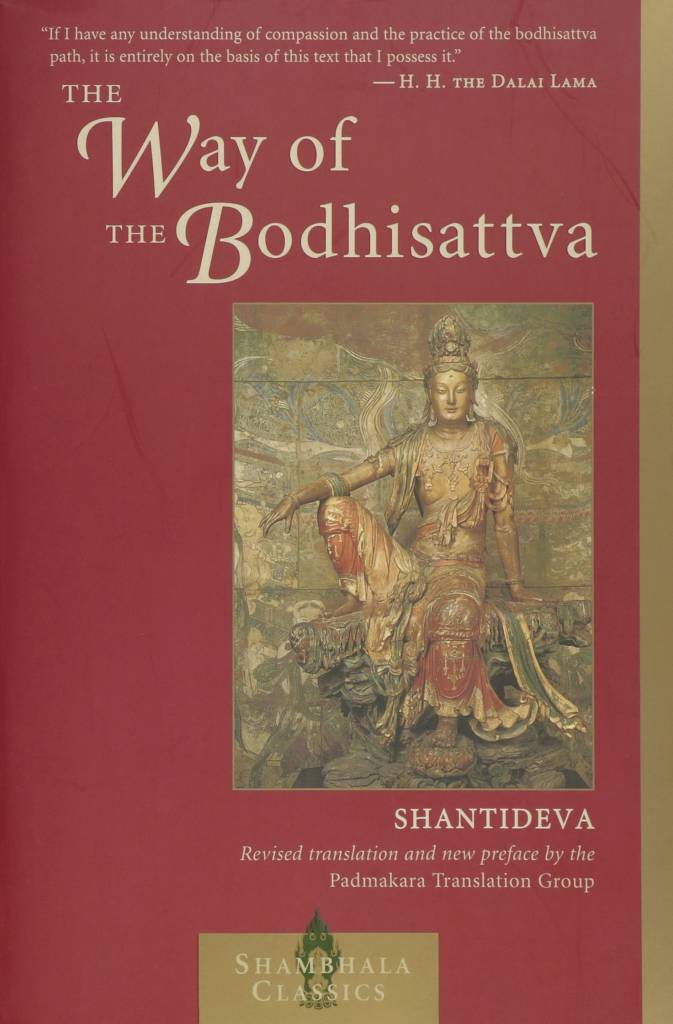
Blankleder, Helena, and Wulstan Fletcher (Padmakara Translation Group), trans. The Nectar of Manjushri's Speech: A Detailed Commentary on Shantideva's Way of the Bodhisattva. By Kunzang Pelden. Boston: Shambhala Publications, 2010.
and joining, he regarded them as himself through the process of equalizing and exchanging self and other (a practice that will be explained later). When he reached the path of seeing and realized ultimate reality in which self and other are the same, he claimed all beings for himself in a manner devoid of all duality. And when, having discarded the two veils together with their associated habitual tendencies, he achieved buddhahood—when, that is, the dharmadhatu (the object) and primordial wisdom (the subject) mingled, like water with water into a single taste free from all duality and there was not the slightest trace of dualistic phenomena—Buddha and buddhafield were apprehended as a single whole.

ནམ་མཁས་གང་ཁྱབ་སངས་རྒྱས་ཀྱི་སྐུ་གསུང་ཐུགས་ཀྱིས་ཁྱབ་སྟེ། མདོ་ལས།

The enlightened body, speech, and mind of the Buddha embraces the whole of space, wherever it extends. As it is written in the sutras:

ནམ་མཁའ་མཐར་ཐུག་གྱུར་པ་ཅི་ཙམ་བར། ། སེམས་ཅན་མ་ལུས་མཐའ་ཡས་དེ་བཞིན་དེ། །

However far the sphere of space extends,
Thus far is the extent of living beings.

ཞེས་དང༌།

And:

ནམ་མཁས་ཇི་སྙེད་ཁྱབ་གྱུར་པར། །

སྐུ་ཡིས་ཀྱང་ནི་དེ་སྙེད་ཁྱབ། ། སྐུ་ཡིས་ཇི་སྙེད་ཁྱབ་གྱུར་པར། ། གསུང་གིས་ཀྱང་ནི་དེ་སྙེད་ཁྱབ། ། གསུང་གིས་ཇི་སྙེད་ཁྱབ་གྱུར་པར། །

ཐུགས་ཀྱིས་ཀྱང་ནི་དེ་སྙེད་ཁྱབ། །

Wherever space pervades,
The enlightened body likewise spreads.
Wherever the enlightened body lies,
Is present also the enlightened speech.
Wherever the enlightened speech pervades
Enlightened mind is present too.

ཅེས་གསུངས་པ་ལྟར་ནམ་མཁས་གར་ཁྱབ་སེམས་ཅན་གྱིས་ཁྱབ་ལ་དེ་ལ་སངས་རྒྱས་ཀྱི་སྐུ་གསུང་ཐུགས་ཀྱིས་ཁྱབ་པའི་ཕྱིར་ན་སེམས་ཅན་དང་སངས་རྒྱས་ཀྱི་ཐུགས་གཉིས་ཡེ་ནས་དབྱེར་མེད་ཡིན་པ་ལ་[p.475]Byang chub sems dpa'i spyod pa la 'jug pa rtsa ba dang 'grel pa (1990)
Slob dpon zhi ba lha and Mkhan po kun dpal. Byang chub sems dpa'i spyod pa la 'jug pa rtsa ba dang 'grel pa. Khreng tu'u: Si khron mi rigs dpe skrun khang, 1990. Buda by BDRC Logo.jpg
ཡིན་པར་གཟིགས་པས་

As the text declares, beings dwell wherever space pervades, and they are all embraced by the enlightened body, speech, and mind. Therefore, from the very beginning, beings are never separated from the enlightened mind. Knowing this, those great beings who have attained enlightenment take beings as themselves.

སངས་རྒྱས་དང་སེམས་ཅན་ཞེས་ཐ་དད་པ་ཅི་ཡང་མེད་པས་སེམས་ཅན་རྣམས་སངས་རྒྱས་ཀྱི་བདག་ཉིད་ཅན་དུ་ཡིན་པས་བདག་ཉིད་ཆེན་པོའི་བདག་ཏུ་མཛད་པ་ཡིན་གྱི་སངས་རྒྱས་ལ་བདག་དང་གཞན་དུ་འཛིན་པ་ཅི་ཡང་མེད་ལ་གལ་ཏེ་ཡོད་ན་བདག་མེད་མ་རྟོགས་པར་ཐལ་བར་འགྱུར་བའི་ཕྱིར་མི་འཐད་དོ། །དེ་ལྟར་ན་འཁྲུལ་ངོར་སེམས་ཅན་གྱི་ངོ་བོར་སྣང་ཞིང་མཐོང་བ་འདི་དག་ཉིད་མགོན་པོ་སངས་རྒྱས་དེ་ཡི་བདག་ཉིད་ཅན་ཡིན་པར་གོང་བཤད་ལྟར་དང༌། བདེ་གཤེགས་སྙིང་པོས་ཁྱབ་པས་མ་འོངས་པའི་སངས་རྒྱས་ཀྱང་ཡིན་པར་མདོ་ལས། བདེ་གཤེགས་སྙིང་པོས་འགྲོ་བ་ཡོངས་ལ་ཁྱབ། ཅེས་དང༌།

For there is not the slightest difference between what is called “Buddha” and what is called “beings” in that all are endowed with the Buddha-nature. The Buddhas are totally free from apprehending a duality between self and other. For if they were to apprehend this duality, it would follow that they had not realized the absence of self, which is absurd. Therefore, as explained earlier, those who appear to deluded perception as beings possess the same nature as the Buddha, the protector. Since they are pervaded[p.230]The Nectar of Manjushri's Speech
Blankleder, Helena, and Wulstan Fletcher (Padmakara Translation Group), trans. The Nectar of Manjushri's Speech: A Detailed Commentary on Shantideva's Way of the Bodhisattva. By Kunzang Pelden. Boston: Shambhala Publications, 2010.
by the sugatagarbha, they are indeed the Buddhas of the future. For as the sutra says, “All beings are permeated by the sugatagarbha,” and:

དག་པ་དྭང་བ་འོད་གསལ་བ། །

མི་འཁྲུགས་འདུས་མ་བྱས་པ་སྟེ། བདེ་བར་གཤེགས་པའི་སྙིང་པོ་ནི། །

ཡེ་ནས་གནས་པའི་མཚན་ཉིད་དོ། །

Pure and limpid, luminous,
Untroubled, uncompounded,
The nature of the Buddhas, gone in bliss,
Is present from the outset and is thus defined.

ཅེས་སོགས་གང་གསུང་བ་དེ་ཉིད་རིགས་པས་སྒྲུབ་བྱེད། མགོན་པོ་བྱམས་པས།

And supporting such passages with reasoned argument, the Lord Maitreya has also said in the Uttaratantra-shastra:

རྫོགས་སངས་སྐུ་ནི་འཕྲོ་ཕྱིར་དང༌། །

དེ་བཞིན་ཉིད་དབྱེར་མེད་ཕྱིར་དང༌། རིགས་ཡོད་ཕྱིར་ན་ལུས་ཅན་ཀུན། །

རྟག་ཏུ་སངས་རྒྱས་སྙིང་པོ་ཅན། །

Because the perfect Buddha’s kaya all-pervades,
And suchness is undifferentiated,
Because they all possess the Buddha’s lineage,
All beings, always, have the Buddha-nature.

ཞེས་པ་ལ་སོགས་པ་ལུང་རིགས་ཟབ་མོས་སེམས་ཅན་རྣམས་སངས་རྒྱས་སུ་གྲུབ་ན་ཅི་ཕྱིར་གུས་པར་མི་བྱེད་དེ་སངས་རྒྱས་ལ་གུས་ཕན་ཆད་སེམས་ཅན་སྤང་ནས་སངས་རྒྱས་ཞེས་པ་འགའ་ཡང་མེད་པས་སེམས་ཅན་ལ་གུས་པར་བྱ་དགོས་སོ། །

Since it is demonstrated both by scripture and by reasoning that beings are indeed Buddhas, how is it possible for us not to treat them with respect? As much as we reverence the Buddhas we must also reverence beings. For there is no such thing as buddhahood if beings are abandoned.


[edit]
[edit]