4.30

From Bodhicitta

Bodhicaryāvatāra · Verse 4.30


Sources:    

Sanskrit §No information about the source used.

सर्वे देवा मनुष्याश्च यदि स्युर्मम शत्रवः। तेऽपि नावीचिकं वह्निं समुदानयितुं क्षमाः॥

 
Chanted Verse
Recitation by Professor Kashinath Nyaupane
30

If all the gods and all the human beings were my enemies, all of them together could not force me into the fires of Avichi hell.

Standard Tibetan §Padmakara used the 1990 edition printed by si khron mi rigs dpe skrun khang: Byang chub sems dpa'i spyod pa la 'jug pa rtsa ba dang 'grel pa (1990). Also found in Derge Tengyur D3871, dbu ma, vol. 105, la 1b1–40a7.

གལ་ཏེ་ལྷ་དང་ལྷ་མིན་རྣམས། །

ཐམས་ཅད་བདག་ལ་དགྲར་ལངས་ཀྱང་། ། དེ་དག་གིས་ཀྱང་མནར་མེད་པའི། །

མེ་ནང་ཁྲིད་ཅིང་འཇུག་མི་ནུས། །

 
Chanted Verse
Recitation by Lopen Karma Phuntsho
30

If all the gods and demigods besides

Together came against me as my foes, They would be powerless to throw me down

To fires of hell of Unrelenting Pain.

Standard Tibetan §Padmakara used the 1990 edition printed by si khron mi rigs dpe skrun khang: Byang chub sems dpa'i spyod pa la 'jug pa rtsa ba dang 'grel pa (1990). Also found in Derge Tengyur D3871, dbu ma, vol. 105, la 1b1–40a7. - Other translations

Si les dieux et les titans

Devenaient tous mes ennemis, Ils seraient incapables de me traîner

Dans les flammes de l’enfer Insurpassable.

Incluso si todos los dioses y asuras

como enemigos se levantaran en mi contra, todos ellos juntos no podrían arrojarme

al fuego del infierno de las Torturas Máximas.

La Práctica del Bodisatva-front.jpg
Padmakara Spain 2008

Even if all the gods and demi gods

Arise against me as enemy,[p.20]The Entrance for the Children of the Conquerors
Stracke, Fedor, trans. The Entrance for the Children of the Conquerors: A Commentary on the Introduction to the Actions of Bodhisattvas. By Gyaltsab Rinpoche. N.p.: Happy Monks Publication, 2016. https://happymonkspublication.org/product/bodhisattvacharyavatara-chapter-1-10-commentary/.
They are not able to guide me into

The fire without respite.

If all, even gods and demigods,

Stand as enemies against me, Even all of them cannot put or drag me

Into the fires of Avici Hell.

shift + scroll / swipe
Dūnhuáng §This version is extracted from the book Bodhisattvacaryāvatāra: Entering the Way of the Bodhisattvas (2022, Khenpo Gawang and Wiener), a translation of an edition of the text created from three Dūnhuáng manuscripts. A description and sample pages of these can be found on the Early Tibet Blog. Scans of the actual manuscripts themselves can be found at http://idp.bl.uk

གལ་ཏེ་ལྷ་དང་ལྷ་མིན་རྣམས། །

ཐམས་ཆད་བདག་ལ་དགྲར་ལངས་ཀྱང༌། ། དེ་དག་གིས་ཀྱང་མནར་མེད་པའི། །

མེ་ནང་ཁྲིད་ཅིང་འཇུག་མི་ནུས། །[p.75]Entering the Way of the Bodhisattvas (2022, Khenpo Gawang and Wiener)
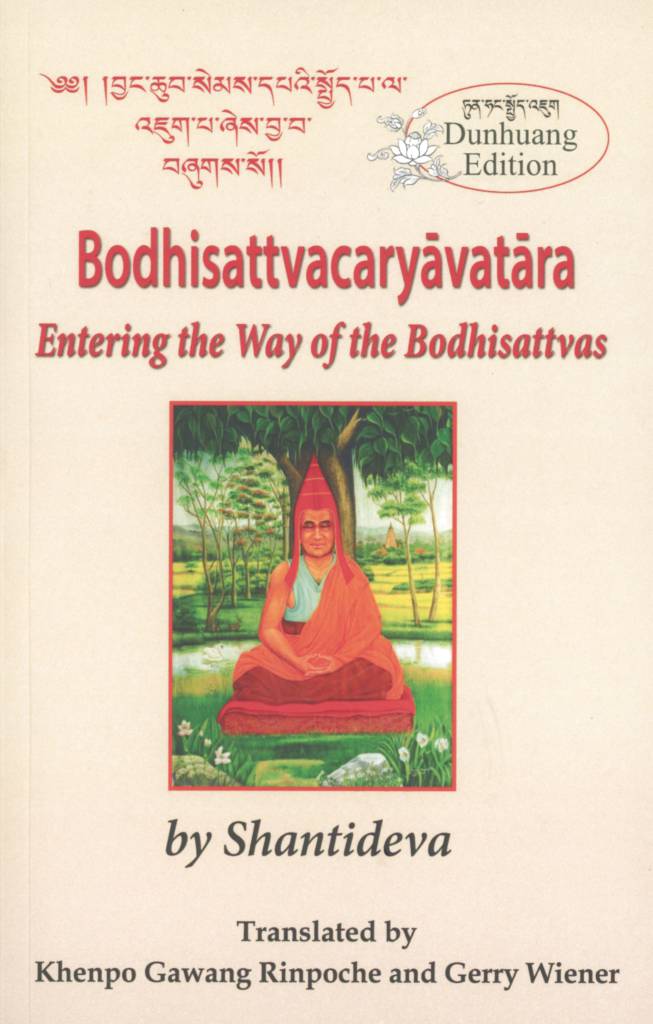
Gawang, Khenpo, and Gerry Wiener, trans. Bodhisattvacaryāvatāra: Entering the Way of the Bodhisattvas by Shantideva - Dunhuang Edition. Memphis, TN: Jeweled Lotus Publishing, 2022.

alt verse 3.30 tm data

If all gods and asuras

Arise as my enemies, They won’t be able to lead me to,

And then place me in, the fires of the Avici Hell.[p.76]Entering the Way of the Bodhisattvas (2022, Khenpo Gawang and Wiener)
Gawang, Khenpo, and Gerry Wiener, trans. Bodhisattvacaryāvatāra: Entering the Way of the Bodhisattvas by Shantideva - Dunhuang Edition. Memphis, TN: Jeweled Lotus Publishing, 2022.

Tsadra Critical Edition §This text was created by comparing four versions of the text from Derge, Cone, Narthang, and Peking Tengyurs from BDRC scans, along with Dunhuang manuscripts IOL Tib J 628, 629, and 630. When Tibetan readings were problematic, the Sanskrit texts from GRETIL and LTB (Oslo) were consulted.

གལ་ཏེ་ལྷ་དང་ལྷ་མིན་རྣམས། །

ཐམས་ཅད་བདག་ལ་དགྲར་ལངས་ཀྱང་། ། དེ་དག་གིས་ཀྱང་མནར་མེད་པའི། །

མེ་ནང་ཁྲིད་ཅིང་འཇུག་མི་ནུས། །

[edit]
Sazang Mati (1294 - 1376)
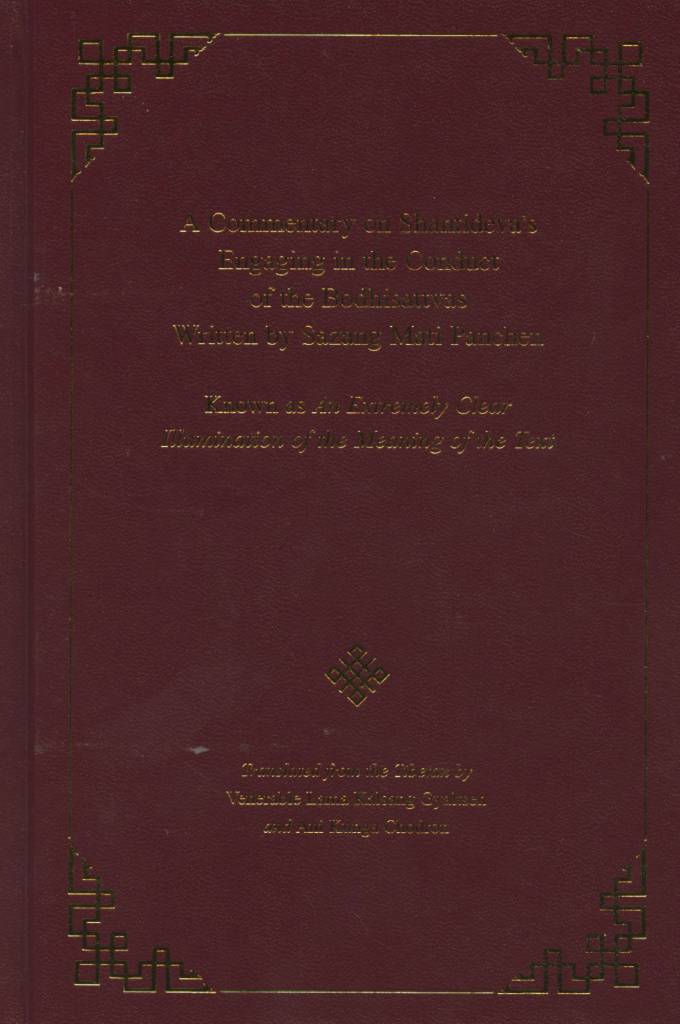
A Commentary on Shantideva's Engaging in the Conduct of the Bodhisattvas (citation)Gyaltsen, Lama Kalsang, and Ani Kunga Chodron, trans. A Commentary on Shantideva's Engaging in the Conduct of the Bodhisattvas Written by Sazang Mati Panchen: Known as An Extremely Clear Illumination of the Meaning of the Text. Walden, NY: Tsechen Kunchab Ling, 2019. Bilingual Edition

གལ་ཏེ་ལྷ་དང་ལྷ་མིན་རྣམས། །

ཐམས་ཅད་བདག་ལ་དགྲར་ལངས་ཀྱང་། ། དེ་དག་གིས་ཀྱང་མནར་མེད་པའི། །

མེ་ནང་ཁྲིད་ཅིང་འཇུག་མི་ནུས། །

gal te lha dang lha min rnams/_/

thams cad bdag la dgrar langs kyang /_/ de dag gis kyang mnar med pa'i/_/

me nang khrid cing 'jug mi nus/_/

If all, even gods and demigods,

Stand as enemies against me, Even all of them cannot put or drag me

Into the fires of Avici Hell.

གལ་ཏེ་ལྷའི་དབང་པོ་དང་ལྷ་མིན་གྱི་[p.-133]རབ་གསལ་སྣང་བ་
དབང་པོ་འཁོར་དང་བཅས་པ་ལ་སོགས་པ་འཇིག་རྟེན་ན་སྟོབས་ཆེ་བར་གྲགས་པ་རྣ༵མས་ཐམས་ཅད་བདག་ལ་དགྲར་ལངས་པ་སྲིད་ཀྱང༵་ཚེ་འདིའི་ལུས་དང་ལོངས་སྤྱོད་ལ་གནོད་པ་ཙམ་ནུས་ཀྱི། དགྲ་བོ་དེ་དག་གིས་ཀྱང་བདག་མནར་མེད་པ༵འི་དམྱལ་བའི་མེ་ནང་དུ་ཁྲིད་ཅིང་འཇུག་པར་བྱེད་མི་ནུ༵ས་ལ།

Even if the kings of the gods, kings of the demigods and all of their retinues, as well as the most powerful beings in the world and all of their retinues, were[p.140]A Commentary on Shantideva's Engaging in the Conduct of the Bodhisattvas
Gyaltsen, Lama Kalsang, and Ani Kunga Chodron, trans. A Commentary on Shantideva's Engaging in the Conduct of the Bodhisattvas Written by Sazang Mati Panchen: Known as An Extremely Clear Illumination of the Meaning of the Text. Walden, NY: Tsechen Kunchab Ling, 2019. First edition published by The Yeshe Dorje Foundation in 2006.
to become my enemies, they could only attack my body and wealth in this life. Such enemies do not have the ability to lead me into the fire of Avici Hell.
Gyaltsap Je (1364 - 1432)
The Entrance for the Children of the Conquerors (citation)Stracke, Fedor, trans. The Entrance for the Children of the Conquerors: A Commentary on the Introduction to the Actions of Bodhisattvas. By Gyaltsab Rinpoche. N.p.: Happy Monks Publication, 2016. https://happymonkspublication.org/product/bodhisattvacharyavatara-chapter-1-10-commentary/. Bilingual Edition

གལ་ཏེ་ལྷ་དང་ལྷ་མིན་རྣམས། །

ཐམས་ཅད་བདག་ལ་དགྲར་ལངས་ཀྱང་། ། དེ་དག་གིས་ཀྱང་མནར་མེད་པའི། །

མེ་ནང་ཁྲིད་ཅིང་འཇུག་མི་ནུས། །
gal te lha dang lha min rnams/_/

thams cad bdag la dgrar langs kyang /_/ de dag gis kyang mnar med pa'i/_/

me nang khrid cing 'jug mi nus/_/

Even if all the gods and demi gods

Arise against me as enemy,[p.20]The Entrance for the Children of the Conquerors
Stracke, Fedor, trans. The Entrance for the Children of the Conquerors: A Commentary on the Introduction to the Actions of Bodhisattvas. By Gyaltsab Rinpoche. N.p.: Happy Monks Publication, 2016. https://happymonkspublication.org/product/bodhisattvacharyavatara-chapter-1-10-commentary/.
They are not able to guide me into

The fire without respite.

གལ་ཏེ་ལྷ་དང་ལྷ་མིན་རྣམས་ཐམས་ཅད་ཕྱོགས་གཅིག་ཏུ་བདག་ལ་དགྲར་ལངས་ཀྱང་ཉོན་མོངས་པའི་དབང་དུ་མ་གྱུར་ན་དེ་དག་གིས་ཀྱང་མནར་མེད་པའི་མེ་ནང་དུ་ཁྲིད་ཅིང་འཇུག་མི་ནུས་ལ་

Even if all the gods and demi gods arise as my enemies, if I do not fall under the control of the mental afflictions, then they are not able to guide and place me into the fire without respite.

རང་རྒྱུད་ཀྱི་ཉོན་མོངས་སྟོབས་ཅན་དགྲ་འདི་ཡིས་མནར་མེད་ཀྱི་མེ་གང་དང་ཕྲད་ན་རི་རབ་ཀྱང་ཐལ་བ་ཡང་ནི་མི་ལུས་པར་བྱེད་པ་དེར་བདག་སྐད་ཅིག་གཅིག་ལ་འདོར་བར་བྱེད་པས།

But this powerful enemy of the afflictions in my continuum throws me in an instant into the fire without respite, where even the ashes of Mount Meru do not remain upon contact.

ཉོན་མོངས་པའི་དགྲ་གཞོམ་པ་ལ་བརྩོན་པར་བྱའོ། །

Therefore one should strive to destroy the enemy of the afflictions.
Minyak Kunzang Sönam (1823 - 1905)
The Great Hūṃ (citation)Duckworth, Douglas, trans. The Great Hūṃ: A Commentary on Śāntideva's Way of the Bodhisattva. By Minyak Kunzang Sönam. New York, NY: Wisdom Publications, 2025. Bilingual Edition

ཅེས་དང༌། དཔའ་བོས་ཀྱང་།

Āryaśūra also says:

གནོད་ཚབས་ཤིན་ཏུ་ཆེ་བ་ནི།

Next it shows that afflictions are extremely harmful:

གལ་ཏེ་ལྷ་དང་ལྷ་མིན་རྣམས། །

ཐམས་ཅད་བདག་ལ་དགྲར་ལངས་ཀྱང་། ། དེ་དག་གིས་ཀྱང་མནར་མེད་པའི། །

མེ་ནང་ཁྲིད་ཅིང་འཇུག་མི་ནུས། །
Even if all the gods and demigods

rose up against me as enemies, they would not be able to deliver me

into the fires of Utter Torment. (4.30)

དེ་ཙམ་དུ་ཅི་གནོད་དགྲར་བལྟ་དགོས་པ་ཅི་ཡིན་སྙམ་ན། གལ་ཏེ་ལྷ་དང་ལྷ་མིན་སོགས་འཇིག་རྟེན་ན་མཐུ་དང་སྟོབས་ཆེ་བར་གྲགས་པ་རྣམས་ཕྱོགས་གཅིག་ཏུ་བསྡོངས་ནས་དེ་ཐམས་ཅད་བདག་ལ་དགྲར་ལངས་པར་གྱུར་ཀྱང་ནོར་འཕྲོག་པ་ལུས་ལ་བརྡུང་བརྡེག་བྱེད་པ་ཙམ་དང་ཅི་ཙམ་ཐུ་ན་ཡང་སྲོག་གཅོད་པ་ཙམ་བྱེད་ནུས་ཀྱི། དེ་ལས་གཞན་དུ་དགྲ་དེ་དག་གི་ནང་ནས་སུས་ཀྱང་མནར་མེད་པའི་དམྱལ་བའི་མེ་ནང་དུ་བདག་འཁྲིད་ཅིང་རང་མེ་ནང་དེར་འཇུག་པར་བྱེད་པ་ཙམ་ཡང་བྱེད་མི་ནུས་ལ།

One might think, “How much harm could they do? Why should they be seen as enemies?” If the gods and demigods of the world, and those renowned as powerful, all rose up [199] as my enemy, they would just be able to steal my wealth, strike my body, and at most, take my life. Other than this, none of these enemies could lead me to the fires of the hell of Utter Torment and deliver me inside them.

རང་རྒྱུད་ཀྱི་ཉོན་མོངས་པ་སྟོབས་ཤིན་ཏུ་ཆེན་པོ་ཅན་གྱི་དགྲ་འདིས་དབང་དུ་བྱས་ན་ནི་མཚམས་མེད་པ་ལ་སོགས་པའི་ལས་ངན་ཚབས་ཆེན་ཀྱང་ཉེ་བར་གསོག་པའི་རྒྱུ་དང་རྐྱེན་༌བྱས་ནས་མནར་མེད་ཀྱི་མེ་གང་དང་འཕྲད་ན་རྩ་ཤིང་སོགས་ཀྱི་དངོས་པོ་གཞན་ལྟ་ཅི་རིའི་རྒྱལ་པོ་རི་རབ་ཀྱང་ལྷག་མ་ཐལ་བ་ཙམ་ཡང་ནི་མི་ལུས་པ་ཉིད་དུ་སྲེག་པར་བྱེད་པའི་མེ་ནང་དེར་བདག་སྐད་ཅིག་གཅིག་ལའང་འདོར་བར་བྱེད་པའམ་འཕེན་པར་བྱེད་ངེས་པས་ན་འདིས་གནོད་པ་ལྟ་བུ་དགྲ་སུས་ཀྱང་བྱ་མི་ནུས་པ་འདི་ལ་དགྲར་བལྟ་བ་ཙམ་དུ་མ་ཟད་གཉེན་པོ་སྟོབས་ལྡན་བསྟེན་ནས་ཉོན་མོངས་པའི་དགྲ་འདི་གཞོམ་པ་ལ་ཐབས་སྣ་ཚོགས་ཀྱིས་བརྩོན་པར་བྱའོ། །ལྷ་མིན་ཞེས་པ་ནི་རྒྱུ་དཔེར་མི་མིན་ཏེ་གནོད་སྦྱིན་ལ་སོགས་པ་ཞེས་གསུངས་སོ། །

When controlled by the enemies that are the powerful afflictions in my continuum, and brought on by the causes and conditions of having amassed severe negative actions like the five heinous deeds, when touching the flames of the hell of Utter Torment, it is needless to mention what happens to things like grass and wood, for even the supreme king of mountains, Mount Meru, would be reduced to ashes without any remainder. These enemies will certainly throw or toss my body into this scorching fire in a single instant; no other enemy can do this kind of harm. Not only should I see the afflictions as enemies, but I should strive in various ways to destroy this enemy that is the afflictions by relying on a powerful antidote. It is said that the Sanskrit manuscripts read “nonhuman” rather than demigod here, referring to spirits and so on.627Rather, the Sanskrit reads “humans” (manuṣya) here, not “nonhumans.”

respectively summarize these verses:

གལ་ཏེ་ལྷ་དང་ལྷ་མིན་རྣམས། །

ཐམས་ཅད་བདག་ལ་དགྲར་ལངས་ཀྱང་། ། དེ་དག་གིས་ཀྱང་མནར་མེད་པའི། །

མེ་ནང་ཁྲིད་ཅིང་འཇུག་མི་ནུས། །

Even if all the gods and demigods

rose up against me as enemies, they would not be able to deliver me

into the fires of Utter Torment. (4.30)

དེ་ལྟར་ཡུན་རིང་སོགས་དང་གནོད་པའི་ཚོགས་རབ་སོགས་དང་བདག་གི་སྙིང་ལ་སོགས་ནི་རིམ་པར་གོང་གིབདག་གི་ཉོན་མོངས་སོགས་དང་གལ་ཏེ་ལྷ་དང་ལྷ་མིན་སོགས་དང་བདག་གི་སེམས་ལ་སོགས་ཀྱི་དོན་བསྡུར་སྦྱར་རོ། །གཞན་ཡང་སྡུག་བསྔལ་སྣ་ཚོགས་ཀྱིས་འཆིང་བར་བྱེད་པ་ཡི་གནས་འཁོར་བའི་བཙོན་ར་ལས་ནམ་དུ་ཡང་ཐར་དུ་མི་སྟེར་ཞིང་གནོད་པ་བྱར་བཏུབ་ཚད་བྱ་ཞིང་ཨ་བཟོད་དཀའ་བའི་སྡུག་བསྔལ་དུ་མ་ལ་སྤྱོར་བའི་སྒོ་ནས་འཁོར་བའི་བཙོན་རའི་སྲུང་མ་བྱེད་ཅིང་དམྱལ་བ་སོགས་ཀྱི་བཙོན་དོང་མ་རུངས་པར་འཕེན་པར་བྱེད་པ་དང༌། ཉོན་མོངས་པས་བསྐྱེད་པའི་ལས་ངན་པའི་དབང་གིས་དམྱལ་བ་ཡི་དྭགས་སོགས་ཀྱི་གནས་སུ་མི་དང་བྱ་ཁྱི་སོགས་གཤིན་རྗེའི་སྐྱེས་བུའི་ཚུལ་དུ་སྣང་བའི་གསོད་བྱེད་ཀྱི་གཤེད་མར་གྱུར་ཅིང་མཐོ་རིས་དང་ཐར་བའི་སྲོག་གཅོད་པར་བྱེད་པའི་ཉོན་མོངས་པའི་དགྲ་བོ་མ་རུངས་པ་ཉེས་པ་མ་ལུས་པའི་འབྱུང་གནས་སུ་གྱུར་པ་འདི་དག་ནི་གལ་ཏེ་བདག་གི་བློ་ཡི་གནས་སམ་ཡིད་ཀྱི་ཁྱིམ་གྱི་ནང་དུ་ཆགས་པའི་དྲ་བ་སྟེ་ཚུལ་མིན་ཡིད་བྱེད་ཀྱི་རྟོག་པའི་ཨདྲ་བ་ལྕགས་ཀྱི་གཟེབ་ལྟ་བུའི་ནང་ན་རྫོང་བཅས་ནས་རྟག་ཏུ་གནས་ན་བདག་ལ་དུས་ནམ་གྱི་ཚེ་ཡང་ལུས་སེམས་བདེ་བའི་གོ་སྐབས་ག་ལ་ཡོད་དེ་མེད་པ་ནི་དཔེར་ན་སྤྱང་ཀུ་དང་ལུག་གཉིས་ལྷན་ཅིག་ཏུ་སྦྲེལ་ཏེ་བཞག་ན་ལུག་ལ་བདེ་བའི་སྐབས་མེད་པ་བཞིན་ནོ་ཞེས་བླ་མ་རྗེའི་ཞལ་རྒྱུན་ལས་སོ། །

Moreover, you are harmed to the greatest extent and are never given freedom in the prison of cyclic existence, a place where you are bound by various sufferings and brought to much suffering that is difficult to fathom or bear. The force of negative actions driven by the afflictions generates the prison guards of cyclic existence and perpetuates the treacherous dungeons, executioners appearing in the forms of the Lord of Death, people, and birds in the realms of hell and hungry ghosts. These wicked enemies, the afflictions, cut the life-force of the higher realms and liberation; they are the source of all problems. If they dwell in my mind, as if taking up residence there, I will always be involved in a web of improper thinking, which is like being caught[p.311]The Great Hum
Duckworth, Douglas, trans. The Great Hūṃ: A Commentary on Śāntideva's Way of the Bodhisattva. By Minyak Kunzang Sönam. New York, NY: Wisdom Publications, 2025.
in an iron trap. When locked up in this way, when will I have [201] an opportunity to have ease in body and mind? I will not. For example, there is no opportunity for a sheep to be happy when a jackal and sheep remain together—this is the oral transmission of my great teacher.

དེ་ལྟར་ཉོན་མོངས་པའི་དགྲས་ནི་གནོད་པ་ཤིན་ཏུ་ཆེན་པོ་བྱེད་པའི་ཕྱིར་དགྲའི་ནང་ནས་ཀྱང་དགྲ་ཆེན་པོ་མ་རུངས་པ་ཡིན་ཏེ། འཆར་བྱེད་ཀྱིས་ཞུས་པ་ལས།

In this way, this enemy that is the afflictions causes extremely grave harm, and for this reason is a horrible enemy among enemies. The Inquiry of Udayana says:

རྒྱལ་པོ་ཆེན་པོ་དགྲ་འདི་ནི་དགྲ་ཆུང་ངུ་ཡིན་ཏེ། འདི་མ་ཡིན་པའི་དགྲ་ཆེན་པོ་ཤར་གཉེར་བ་ཞིག་ཡོད་དོ། །གསོལ་པ་དགྲ་དེ་གང་ལགས། བཀའ་སྩལ་པ། དགྲ་ཆེན་པོ་ཉོན་མོངས་པ་བདག་ཏུ་འཛིན་པ་ཞེས་བྱ་བ་ཞིག་ཡོད་དོ་

“Great king, this enemy is a minor enemy. There is a greater flesh-thirsty enemy here.” He asked, “What is this enemy?” The Blessed One responded, “The great enemy is the affliction of ego-clinging.” 630Rather than the Inquiry of King Udayana of Vatsa, this is found in the Advice to a King Sūtra (H. 216), 321a–b.

ཞེས་དང༌།

Also,

རྣམ་རྟོག་བདག་ཏུ་འཛིན་པའི་དགྲ་ཆེན་པོ། །

འདི་ནི་སྒྱུ་བཞིན་དངོས་པོ་མེད་བཞིན་དུ། ། ཐོག་མ་མེད་ནས་བདག་[p.213]Byang chub sems dpa'i spyod pa la 'jug pa'i 'grel bshad rgyal sras rgya mtsho'i yon tan rin po che mi zad 'jo ba'i bum bzang
Mi nyag kun bzang bsod nams (མི་ཉག་ཀུན་བཟང་བསོད་ནམས་). byang chub sems dpa'i spyod pa la 'jug pa'i 'grel bshad rgyal sras rgya mtsho'i yon tan rin po che mi zad 'jo ba'i bum bzang [བྱང་ཆུབ་སེམས་དཔའི་སྤྱོད་པ་ལ་འཇུག་པའི་འགྲེལ་བཤད་རྒྱལ་སྲས་རྒྱ་མཚོའི་ཡོན་ཏན་རིན་པོ་ཆེ་མི་ཟད་འཇོ་བའི་བུམ་བཟང།]. [Excellent Vase That Spills Forth an Ocean of the Inexhaustible and Precious Qualities of the Victor's Heirs: An Explanation of the "Way of the Bodhisattva."].
མལ་གནས་ནས་ནི། ། བདག་གི་ཆོས་སྐུ་ཡིད་བཞིན་རིན་ཆེན་ཏེ། ། གཟོད་མའི་མུ་ནས་དགྲ་ཡིས་བརྐུས་ནས་སུ། ། མཚན་མའི་ཚང་ཚིང་གསེབ་ཏུ་སྦས་ནས་བདག །

ད་དུང་འཆིང་ཞིང་འཁོར་བར་འཁྱམ་དུ་འཇུག །

The conception that is the great enemy, ego-clinging,
is like an illusion without substance;
it has resided within you from beginningless time.
The precious, wish-fulfilling jewel of your embodiment of truth
is stolen away from the beginning by this enemy,
hidden away in the dense thickness of night.
Still, you are brought to be bound and wander in cyclic existence.

འཇིག་རྟེན་དགྲས་ནི་བསད་ནས་ནོར་འཕྲོག་ཙམ། །

དེ་ལ་བཟོད་བྱས་བསོད་ནམས་ཚོགས་ཀྱང་རྫོགས། ། དགྲ་འདི་ཞི་བདེ་ཐར་པའི་སྲོག་ཀྱང་གཅོད། །

དེ་བསྟེན་བསོད་ནམས་འཁོར་བར་འདམ་དུ་འཆིང༌། །

The collection of merit is fulfilled by forbearing
enemies of the world, those who merely kill and steal your wealth,
but this enemy cuts the life-force of peace and happiness;
the reward for serving it is to be stuck in the mire of cyclic existence.631Advice to a King Sūtra (H. 216), 321b.

ཞེས་གསུངས་པའི་ཕྱིར། དེ་རྣམས་ནི་ཉོན་མོངས་པའི་ཉེས་དམིགས་བསྟན་པ་ཡིན་ལ། དེ་ལྟ་བུའི་ཉེས་དམིགས་མཐོང་ནས་དེ་ལ་དགྲར་བཟུང་སྟེ་སྤང་དགོས་པ་ཡིན་པས་དེའི་ཉེས་དམིགས་ཤེས་པ་གལ་ཆེའོ། །

These lines show the problems with the afflictions. Seeing these kinds of problems, you should regard the afflictions as enemies and abandon them. Thus acknowledging their problems is extremely important.

གཞན་ཡང་ཉོན་མོངས་པའི་ཉེས་དམིགས་ནི། ཉོན་མོངས་སྐྱེས་པ་ན་དང་པོར་སེམས་ཀུན་ནས་ཉོན་མོངས་པར་བྱེད་པ་དང་དམིགས་པ་ལ་ཕྱིན་ཅི་ལོག་ཏུ་བྱེད་པ་དང་བག་ལ་ཉལ་བརྟན་པར་བྱེད་པ་དང་རིགས་མཐུན་གྱི་ཉོན་མོངས་པའི་རྒྱུན་མི་འཆད་པར་བྱེད་པ་དང༌། རང་གཞན་གཉིས་ཀ་ལ་གནོད་པ་ཆེན་པོ་བྱེད་པ་དང་ཚེ་འདི་ཕྱི་གཉིས་ཀ་ལ་ཁ་ན་མ་ཐོ་བ་ཆེན་པོ་སྐྱེད་པ་དང་སྡུག་བསྔལ་དང་ཡིད་མི་བདེ་བ་མྱོང་བར་བྱེད་པ་དང་སྐྱེ་བ་ལ་སོགས་པའི་སྲིད་པའི་སྡུག་བསྔལ་རྣམས་འགྲུབ་པར་བྱེད་པ་དང༌། ཐར་བ་ལས་རིང་དུ་བྱེད་པ་དང་དགེ་བ་དང་བདེ་བ་སོགས་ལས་ཉམས་པར་བྱེད་པ་དང་འཁོར་གྱི་ནང་དུ་སོང་བ་ན་དགའ་བ་དང་མི་འཇིགས་པ་མེད་ཅིང་ཡིད་ཞུམ་པ་དང་ཕྱོགས་མཚམས་རྣམས་སུ་མི་སྙན་པ་འཕེལ་བ་དང་བསྟན་པ་སྲུང་བའི་ལྷ་དང་སྟོན་པ་དང་གྲོགས་དམ་པ་རྣམས་ཀྱིས་སྨོད་པ་དང་འགྱོད་བཞིན་དུ་འཆི་ལ་ཤི་བའི་འོག་ཏུ་ཡང་ངན་འགྲོར་སྐྱེ་བ་སོགས་ཀྱི་ཉེས་དམིགས་མང་དུ་འབྱུང་བར་གསུངས་ལ། མདོ་སྡེའི་རྒྱན་ལས་ཀྱང་།

Moreover, there are said to be many problems with the afflictions: When an affliction arises, at first the mind becomes completely afflicted, the observation goes awry, the latencies become reinforced, the continuity of afflictions of similar type is unbroken, great harm is done to both yourself and[p.312]The Great Hum
Duckworth, Douglas, trans. The Great Hūṃ: A Commentary on Śāntideva's Way of the Bodhisattva. By Minyak Kunzang Sönam. New York, NY: Wisdom Publications, 2025.
others, greatly reprehensible acts are produced both in this life and in the future, suffering and mental anxiety are experienced, the sufferings of existence (like birth) are established, liberation goes far away, things like virtue and happiness decline, you will be discouraged when going in a crowd without joy or fearlessness, disrepute will spread in all directions, you will be criticized by gods who protect the teachings, as well as by teachers and sacred friends, and you will die with regret and go to the lower realms after you die. The Ornament of the Mahāyāna Sūtras says:

ཉོན་མོངས་རྣམས་ཀྱིས་བདག་འཇོམས་སེམས་ཅན་འཇོམས་ཤིངཚུལ་ཁྲིམས་འཇོམས། །

ཉམས་བཅས་རྙེད་པས་དམན་ཞིང་སྲུང་དང་དེ་བཞིན་སྟོན་པས་སྨད། ། རྩོད་བཅས་མི་སྙན་དེ་ནི་གཞན་དུ་མི་ཁོམ་གནས་སུ་སྐྱེ། །

ཐོབ་དང་མ་ཐོབ་ཉམས་པས་ཡིད་ལ་སྡུག་བསྔལ་ཆེན་པོ་ཐོབ། །ཅེས་གསུངས་སོ། །

The afflictions destroy oneself, sentient beings, and discipline;
with decline, one becomes impoverished and criticized by the lowly, protectors, and teachers.
There will be strife, disrepute, and birth in other unfree states;
that acquired and not acquired will diminish, and one will suffer greatly [202] in mind.632Maitreya, Ornament of the Mahāyāna Sūtras, 18.25–26, 26a.

Kunzang Palden (1862 - 1943)
The Nectar of Manjushri's Speech (citation)Blankleder, Helena, and Wulstan Fletcher (Padmakara Translation Group), trans. The Nectar of Manjushri's Speech: A Detailed Commentary on Shantideva's Way of the Bodhisattva. By Kunzang Pelden. Boston: Shambhala Publications, 2007. Bilingual Edition

གལ་ཏེ་ལྷ་དང་ལྷ་མིན་རྣམས། །

ཐམས་ཅད་བདག་ལ་དགྲར་ལངས་ཀྱང་། ། དེ་དག་གིས་ཀྱང་མནར་མེད་པའི། །

མེ་ནང་ཁྲིད་ཅིང་འཇུག་མི་ནུས། །

gal te lha dang lha min rnams/_/

thams cad bdag la dgrar langs kyang /_/ de dag gis kyang mnar med pa'i/_/

me nang khrid cing 'jug mi nus/_/

ཉོན་མོངས་པའི་དགྲ་བོ་འདི་ཡིས་གནོད་ཚབ་ཆེ་བ་ལ་བསམ་ན་གལ་ཏེ་ལྷ་ཡི་དབང་པོ་དང་ལྷ་མིན་གྱི་དབང་པོ་འཁོར་དང་བཅས་པ་ལ་སོགས་པ་འཇིག་རྟེན་ན་སྟོབས་ཆེ་བར་གྲགས་པ་རེ་རེས་ཀྱང་མི་སྟོང་ཕྲག་མང་པོ་གཞོམ་ནུས་པ་དེ་རྣམས་མ་ལུས་པ་ཐམས་ཅད་བདག་ཁོ་ན་ལ་དགྲར་ལངས་ཀྱང་ཚེ་འདིའི་ལུས་དང་ལོངས་སྤྱོད་ལ་གནོད་པ་ཙམ་ནུས་མོད་ཀྱི་དགྲ་བོ་དེ་དག་གིས་ཀྱང་བདག་དམྱལ་བ་མནར་མེད་པའི་མེ་རབ་ཏུ་འབར་བའི་[p.343]Byang chub sems dpa'i spyod pa la 'jug pa rtsa ba dang 'grel pa (1990)
Slob dpon zhi ba lha and Mkhan po kun dpal. Byang chub sems dpa'i spyod pa la 'jug pa rtsa ba dang 'grel pa. Khreng tu'u: Si khron mi rigs dpe skrun khang, 1990. Buda by BDRC Logo.jpg
ནང་དུ་འཁྲིད་ཅིང་འཇུག་པར་བྱེད་མི་ནུས་ལ།

If all the gods and demigods besides

Together came against me as my foes, They would be powerless to throw me down

To fires of hell of Unrelenting Pain.

Shantideva reflects about the terrible damage that his enemies, the emotional afflictions, can wreak. Even if the kings of the gods and lords of the asuras were to come against him with all their retinues, renowned as the most powerful forces in the world, each of them able to defeat multitudes of many thousands, and even if their aggression were directed at him alone, they could certainly do no more than harm his body and belongings. They would be unable to throw him into the blazing fiery Hell of Unrelenting Pain.


[edit]
[edit]