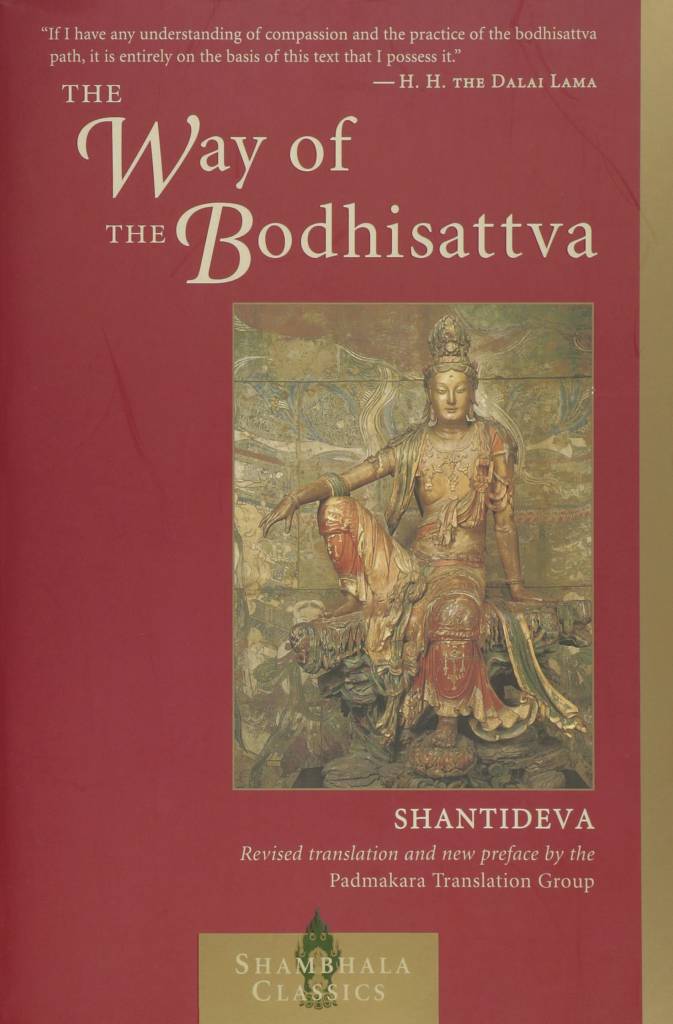
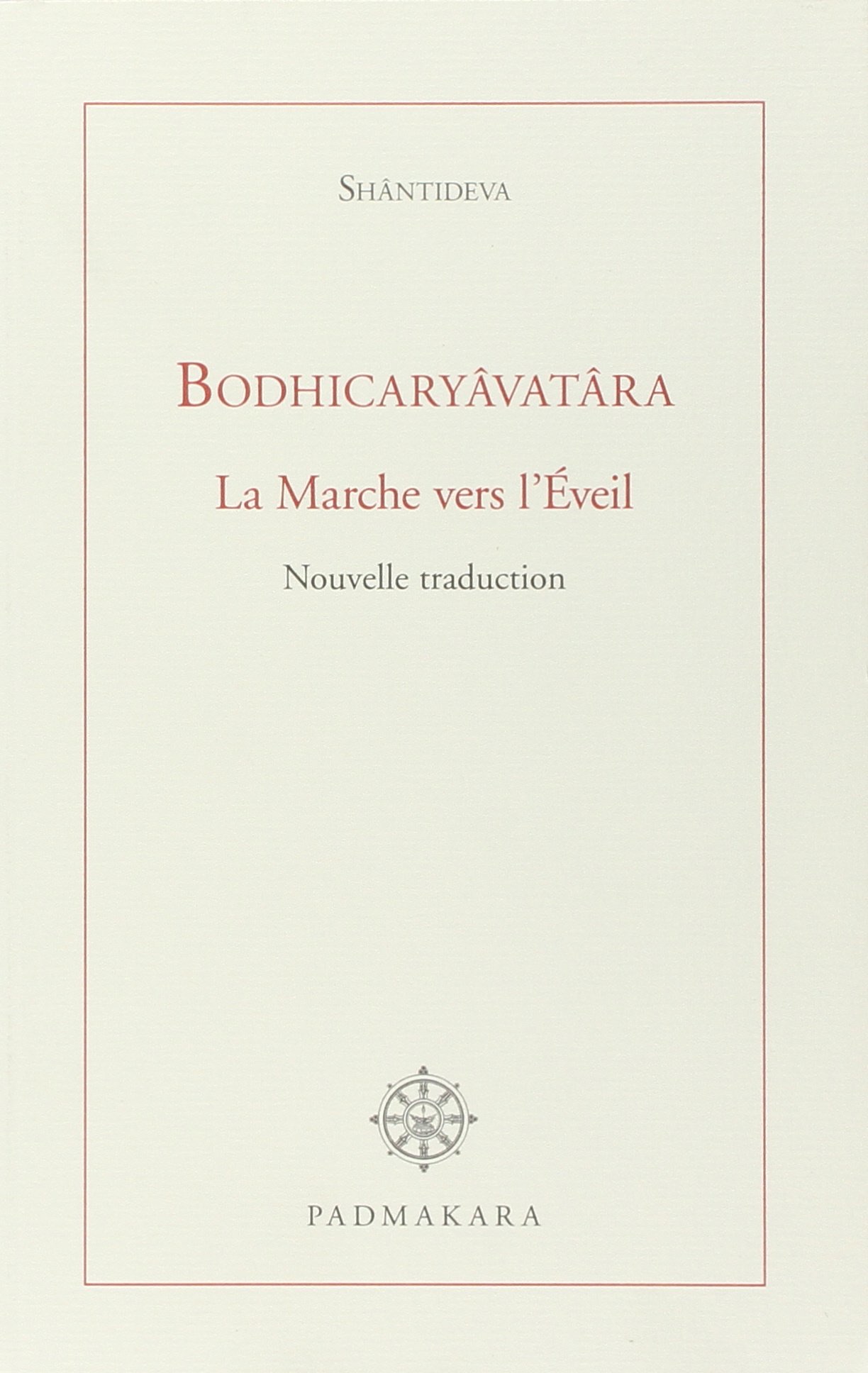
Sources:
तस्माच्छुभं दुर्बलमेव नित्यं
बलं तु पापस्य महत्सुघोरम्। तज्जीयतेऽन्येन शुभेन केन
संबोधिचित्तं यदि नाम न स्यात्॥
དེ་ལྟས་དགེ་བ་ཉམ་ཆུང་ཉིད་ལ་རྟག །
སྡིག་པ་སྟོབས་ཆེན་ཤིན་ཏུ་མི་བཟད་པ། ། དེ་ནི་རྫོགས་པའི་བྱང་ཆུབ་སེམས་མིན་པ། །
དགེ་གཞན་གང་གིས་ཟིལ་གྱིས་གནོན་པར་འགྱུར། །Virtue, thus, is weak; and always
Evil is of great and overwhelming strength. Except for perfect bodhichitta,
What other virtue is there that can lay it low?
Le bien est donc fragile et le mal
Toujours si puissant que rien ne lui résiste. Quelle vertu, sinon l’esprit d’Éveil
Parfait, pourrait le terrasser ?
Así el bien es tan frágil, mientras que siempre
la fuerza del mal es inmensa y arrolladora. Excepto la perfecta bodichita,
¿qué otra virtud podría aplastarlo?
Hence, virtue is always meek
And powerful negativity dreadful.
How can this be overcome by other virtue
That is not the mind of enlightenment?
Hence virtue is perpetually feeble;
The great strength of sin is extremely unbearable. Other than the mind of a fully enlightened one.
What other virtue can overpower it?
In this way, virtue is constantly weak and feeble,
And the extremely great power of nonvirtue is unbearable.[p.29]Bodhicaryāvatāra with Commentary (O'Sullivan)
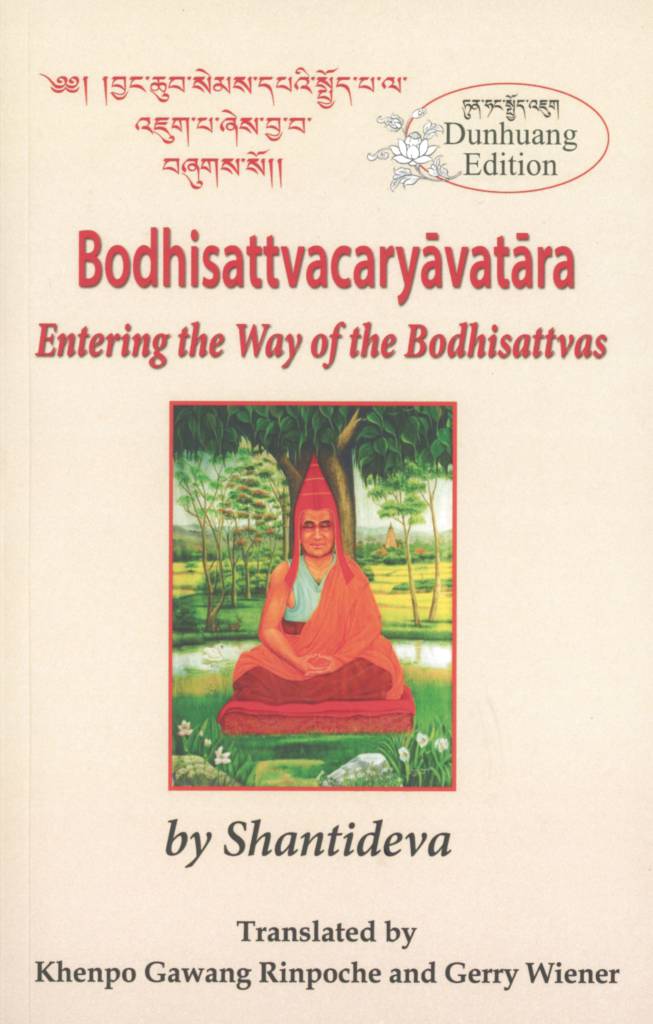
O'Sullivan, Adrian, trans. Bodhicaryāvatāra with Commentary. By Śāntideva and Sonam Tsemo. Los Angeles: Dechen Foundation, 2019.
What virtue, if not perfect bodhicitta, Could possibly overcome it?

དེ་ལྟས་དགེ་བ་ཉམ་ཆུང་ཉིད་ལ་རྟག །
སྡིག་པ་སྟོབས་ཆེན་ཤིན་དུ་མི་བཟད་པ། ། དེ་ནི་རྫོགས་པའི་བྱང་ཆུབ་སེམས་མིན་བར། །
དགེ་གཞན་གང་གིས་ཟིལ་གྱིས་ནོན་པར་འགྱུར། །
དེ་ལྟས་དགེ་བ་ཉམ་ཆུང་ཉིད་ལ་རྟག །
སྡིག་པ་སྟོབས་ཆེན་ཤིན་ཏུ་མི་བཟད་པ། ། དེ་ནི་རྫོགས་པའི་བྱང་ཆུབ་སེམས་མིན་པ། །
དགེ་གཞན་གང་གིས་ཟིལ་གྱིས་གནོན་པར་འགྱུར། །