- [[<span class="smw-highlighter" data-type="4" data-state="inline" data-title="Warning" title="Some use of "|]]
- "
- In your query was not closed by a matching "
- "
- [[.">Some use of "" in your query was not closed by a matching "".|]]
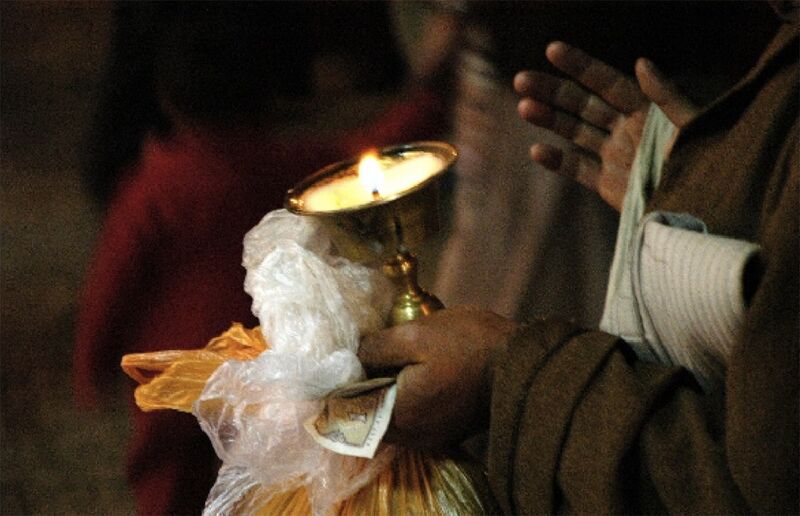
Chapter 10 ends the Bodhicaryāvatāra with a concluding prayer, in which Śāntideva makes a dedication for the benefit of others, a dedication for the benefit of oneself, and a dedication for the flourishing of the teachings.
Concise Summary of Essential Points
We come to the last chapter of the Bodhicaryāvatāra.
At the beginning of the text, the first chapter sets the scene for the path of the bodhisattvas by presenting the benefits of developing the mind of enlightenment, bodhicitta. Inspired by the qualities of this vast vision, the wish to act only for the welfare of other beings, we start the process of generating bodhicitta where it has not previously arisen.
The middle eight chapters directly or indirectly cover the six perfections. These come under the umbrella of the other two stages of practice—preventing bodhicitta which has arisen from declining and the further and further increase of this mind of enlightenment.
All these amazing practices of the bodhisattva, whether we train in them mentally or actually implement them practically, create a vast amount of merit. The immense positivity of this mindset, and the actions of body and speech which naturally stem from it, spur us on in our quest to be of maximum benefit for others.
This positive potential is often talked about in terms of the two accumulations—the accumulation of merit and the accumulation of wisdom. The goal of all practices within Buddhism is to gather these two accumulations.
But this positive potential needs to be protected. It is like a seed which has been planted but which will wither if we neglect to water and nurture it. Likewise, we need to take great care with this huge positive potential that we have amassed. Just as we protect the newly unfolding bodhicitta from declining, so we must protect this vast collection of merit from going to waste.
The way praised as the most effective in protecting this merit is to dedicate it all, without any thought of our own reward, for the welfare of all beings, for both their temporary and ultimate happiness.
Here, at the end of the text, there is a series of extremely beautiful verses dedicating all of this virtue for the welfare of all the different kinds of living beings. These verses contain a series of dedicated vows (praṇidhāna), almost like empathic prayers, that hope for the relief of other beings’ suffering and the accomplishment of their wish for all forms of happiness.
Śāntideva takes each realm of existence, starting with those reborn in the lower realms, and dedicates his merit to the beings in each of these realms so that they may immediately find relief from those particular sufferings.
For each of those sufferings, he wishes from the depths of his heart that they be instantly gone and that those beings attain the very opposite, all the joys and happiness and ease. The beauty of the verses is matched only by the sincerity of Śāntideva's wishes.
And may the naked now be clothed, And all the hungry eat their fill. And may those parched with thirst receive Pure waters and delicious drink.
Page(s) 166
Blankleder, Helena, and Wulstan Fletcher (Padmakara Translation Group), trans. The Way of the Bodhisattva: A Translation of the Bodhicharyāvatāra. By Śāntideva. Rev. ed. Shambhala Classics. Boston: Shambhala Publications, 2006.
གཅེར་བུ་རྣམས་ཀྱིས་གོས་དག་དང་། །
བཀྲེས་པ་རྣམས་ཀྱིས་ཟས་དང་ནི། ། སྐོམ་པ་རྣམས་ཀྱིས་ཆུ་དག་དང་། །
བཏུང་བ་ཞིམ་པོ་ཐོབ་པར་ཤོག །gcer bu rnams kyis gos dag dang /_/
bkres pa rnams kyis zas dang ni/_/ skom pa rnams kyis chu dag dang /_/
btung ba zhim po thob par shog_/May travelers upon the road Find happiness no matter where they go, And may they gain, without the need of toil, The goals on which they set their hearts.
Page(s) 166
Blankleder, Helena, and Wulstan Fletcher (Padmakara Translation Group), trans. The Way of the Bodhisattva: A Translation of the Bodhicharyāvatāra. By Śāntideva. Rev. ed. Shambhala Classics. Boston: Shambhala Publications, 2006.
འགྲོན་པོ་དག་ནི་ཐམས་ཅད་ལ། །
ཕྱོགས་རྣམས་ཐམས་ཅད་བདེ་བར་ཤོག ། གང་གི་དོན་དུ་འགྲོ་བྱེད་པ། །
དེ་འབད་མི་དགོས་འགྲུབ་གྱུར་ཅིག །gron po dag ni thams cad la/_/
phyogs rnams thams cad bde bar shog_/ gang gi don du 'gro byed pa/_/
de 'bad mi dgos 'grub gyur cig_/May those who put to sea in boat or ship,
Attain the ports that they desire,
And may they safely come to shore
And sweet reunion with their kith and kin.[p.167]The Way of the Bodhisattva (2006)
Blankleder, Helena, and Wulstan Fletcher (Padmakara Translation Group), trans. The Way of the Bodhisattva: A Translation of the Bodhicharyāvatāra. By Śāntideva. Rev. ed. Shambhala Classics. Boston: Shambhala Publications, 2006.
Page(s) 166
Blankleder, Helena, and Wulstan Fletcher (Padmakara Translation Group), trans. The Way of the Bodhisattva: A Translation of the Bodhicharyāvatāra. By Śāntideva. Rev. ed. Shambhala Classics. Boston: Shambhala Publications, 2006.
གྲུ་དང་གྲུ་ཆེན་ཞུགས་པ་རྣམས། །
ཡིད་ལ་བསམ་པ་གྲུབ་གྱུར་ཏེ། །[p.129]Byang chub sems dpa'i spyod pa la 'jug pa rtsa ba dang 'grel pa (1990)
Slob dpon zhi ba lha and Mkhan po kun dpal. Byang chub sems dpa'i spyod pa la 'jug pa rtsa ba dang 'grel pa. Khreng tu'u: Si khron mi rigs dpe skrun khang, 1990. 
gru dang gru chen zhugs pa rnams/_/
yid la bsam pa grub gyur te/_/[p.129]Byang chub sems dpa'i spyod pa la 'jug pa rtsa ba dang 'grel pa (1990)
Slob dpon zhi ba lha and Mkhan po kun dpal. Byang chub sems dpa'i spyod pa la 'jug pa rtsa ba dang 'grel pa. Khreng tu'u: Si khron mi rigs dpe skrun khang, 1990.
There are prayers that wish for the spiritual upliftment of sentient beings, that they may be wiser and more compassionate, and that they may more sincerely walk the path.
May all be freed from states of bondage, May they be possessed of wisdom, faith, and love. With perfect sustenance and conduct, May they always have remembrance of their former lives.
Page(s) 167
Blankleder, Helena, and Wulstan Fletcher (Padmakara Translation Group), trans. The Way of the Bodhisattva: A Translation of the Bodhicharyāvatāra. By Śāntideva. Rev. ed. Shambhala Classics. Boston: Shambhala Publications, 2006.
མི་དལ་ཀུན་ལས་ཐར་བ་དང་། །
དད་དང་ཤེས་རབ་བརྩེར་ལྡན་ཞིང་། ། ཟས་དང་སྤྱོད་པ་ཕུན་ཚོགས་ནས། །
རྟག་ཏུ་ཚེ་རབས་དྲན་གྱུར་ཅིག །mi dal kun las thar ba dang /_/
dad dang shes rab brtser ldan zhing /_/ zas dang spyod pa phun tshogs nas/_/
rtag tu tshe rabs dran gyur cig_/But there is no sense in the text of holding back from wishing beings more mundane forms of happiness. Personal safety, temporary peace, and even beauty are not beyond the hopes of the bodhisattva.
May those who lose their way and wander In the wild find fellow travelers. And safe from threat of thieves and savage beasts, May they be tireless and their journey light.
Page(s) 167
Blankleder, Helena, and Wulstan Fletcher (Padmakara Translation Group), trans. The Way of the Bodhisattva: A Translation of the Bodhicharyāvatāra. By Śāntideva. Rev. ed. Shambhala Classics. Boston: Shambhala Publications, 2006.
མྱ་ངན་ལམ་གོལ་འཁྱམས་པ་རྣམས། །
འགྲོན་པོ་དག་དང་ཕྲད་གྱུར་ནས། ། ཆོམ་རྐུན་སྟག་སོགས་འཇིགས་མེད་པར། །
མི་ངལ་བདེ་བླག་འདོང་བར་ཤོག །mya ngan lam gol 'khyams pa rnams/_/
'gron po dag dang phrad gyur nas/_/ chom rkun stag sogs 'jigs med par/_/
mi ngal bde blag 'dong bar shog_/May children and the aged, and all those without protection Wandering in the fearful, pathless wastes, Who fall asleep unconscious of their peril, Have pure celestial beings as their guardians.
Page(s) 167
Blankleder, Helena, and Wulstan Fletcher (Padmakara Translation Group), trans. The Way of the Bodhisattva: A Translation of the Bodhicharyāvatāra. By Śāntideva. Rev. ed. Shambhala Classics. Boston: Shambhala Publications, 2006.
དགོན་སོགས་ལམ་མེད་ཉམ་ང་བར། །
བྱིས་པ་རྒན་པོ་མགོན་མེད་པ། ། གཉིད་ལོག་མྱོས་ཤིང་རབ་མྱོས་རྣམས། །
ལྷ་དག་སྲུང་བ་བྱེད་པར་ཤོག །dgon sogs lam med nyam nga bar/_/
byis pa rgan po mgon med pa/_/ gnyid log myos shing rab myos rnams/_/
lha dag srung ba byed par shog_/May everyone have unrestricted wealth Just like the treasury of space, Enjoying it according to their wish, Without a trace of harm or enmity.
Page(s) 167
Blankleder, Helena, and Wulstan Fletcher (Padmakara Translation Group), trans. The Way of the Bodhisattva: A Translation of the Bodhicharyāvatāra. By Śāntideva. Rev. ed. Shambhala Classics. Boston: Shambhala Publications, 2006.
ཐམས་ཅད་ནམ་མཁའ་མཛོད་བཞིན་དུ། །
ལོངས་སྤྱོད་ཆད་པ་མེད་པར་ཤོག ། རྩོད་པ་མེད་ཅིང་འཚེ་མེད་པར། །
རང་དབང་དུ་ནི་སྤྱོད་པར་ཤོག །thams cad nam mkha' mdzod bzhin du/_/
longs spyod chad pa med par shog_/ rtsod pa med cing 'tshe med par/_/
rang dbang du ni spyod par shog_/May beings destitute of splendor, Be magnificent and bright. And those who suffer from deformity Acquire great beauty and perfection.
Page(s) 167
Blankleder, Helena, and Wulstan Fletcher (Padmakara Translation Group), trans. The Way of the Bodhisattva: A Translation of the Bodhicharyāvatāra. By Śāntideva. Rev. ed. Shambhala Classics. Boston: Shambhala Publications, 2006.
སེམས་ཅན་གཟི་བརྗིད་ཆུང་ངུ་གང་། །
དེ་དག་གཟི་བརྗིད་ཆེན་པོར་ཤོག ། དཀའ་ཐུབ་ཅན་གང་གཟུགས་ངན་པ། །
གཟུགས་བཟང་ཕུན་སུམ་ཚོགས་གྱུར་ཅིག །sems can gzi brjid chung ngu gang /_/
de dag gzi brjid chen por shog_/ dka' thub can gang gzugs ngan pa/_/
gzugs bzang phun sum tshogs gyur cig_/Wealth and beauty are not things to be singularly chased, but it is not necessary to completely shun them either. Śāntideva is pragmatic. He understands that wealth or influence can do a huge amount of good in the world if they are used in ways that do not harm and if attachment to them is kept to a minimum.
Near the end of the chapter, there is a very famous verse which His Holiness the Dalai Lama quotes frequently as one of the sources of inspiration for his motivation to be of maximum welfare for all sentient life until all beings are liberated. The verse is as follows:
And now as long as space endures, As long as there are beings to be found, May I continue likewise to remain To drive away the sorrows of the world.
Page(s) 171
Blankleder, Helena, and Wulstan Fletcher (Padmakara Translation Group), trans. The Way of the Bodhisattva: A Translation of the Bodhicharyāvatāra. By Śāntideva. Rev. ed. Shambhala Classics. Boston: Shambhala Publications, 2006.
This verse points out the extent of the commitment of bodhisattvas to the welfare of all beings. Their vow is to remain not just for this life but for all lives. As long as there are sentient beings trapped in the results of their afflictive emotions and karmic webs, continually thrown back into the terrifying prison of samsara, until then do the bodhisattvas pledge also to remain, to dispel the sufferings of all.
This last chapter is primarily an explanation of how to train in the generosity of giving away one's body, possessions, and roots of virtue for the purpose of others. Taking each object of dedication, they are transformed with strong aspiration into the temporary and ultimate objectives of prayer.
In his commentary to the root text, Gyaltsap Je condenses the intent of this whole chapter down into the following single verse:
Whatever virtue there is from listening, contemplating and meditating, Whether it is the mere virtue of prostration or offering, To make all virtues inexhaustible and to increase them, I adorn them effortfully with dedication. This is the condensed explanation.[1]
The chapter concludes with a verse of dedication and thanks to Mañjuśrī, who was the empowering condition for Śāntideva to compose this text, and to his gurus, whose kindness inspired him to engage in the way of life of the bodhisattva.
Additional resources
Here we need to think about what would be particularly useful to the student/reader at this point. Link to key terms found in chapter ten? Any thoughts?
The Way of the Bodhisattva
The Compendium of Training
Notes
- ↑ Fedor Stracke, trans., The Entrance for the Children of the Conquerors - A Commentary on the Introduction to the Actions of Bodhisattvas, Chapter Ten: The Dedication: An Explanation of the Training in the Generosity of Giving Away Body, Possessions, and Roots of Virtue for the Purpose of Others, by Gyaltsab Rinpoche (N.p.: HappyMonksPublication, 2016), 22, https://happymonkspublication.org/product/bodhisattvacharyavatara-chapter-1-10-commentary/.

