10.27

From Bodhicitta

Bodhicaryāvatāra · Verse 10.27


Sources:    

Sanskrit §No information about the source used.

सर्वाक्षणविनिर्मुक्ताः श्रद्धाप्रज्ञाकृपान्विताः। आकाराचारसंपन्नाः सन्तु जातिस्मराः सदा॥

 
Chanted Verse
Recitation by Professor Kashinath Nyaupane
27

May all humans be free from conditions unfavorable to following the Path. Let them have faith, wisdom, and compassion, positive attitudes and good conduct, constantly remembering their past lives.

Standard Tibetan §Padmakara used the 1990 edition printed by si khron mi rigs dpe skrun khang: Byang chub sems dpa'i spyod pa la 'jug pa rtsa ba dang 'grel pa (1990). Also found in Derge Tengyur D3871, dbu ma, vol. 105, la 1b1–40a7.

མི་དལ་ཀུན་ལས་ཐར་བ་དང་། །

དད་དང་ཤེས་རབ་བརྩེར་ལྡན་ཞིང་། ། ཟས་དང་སྤྱོད་པ་ཕུན་ཚོགས་ནས། །

རྟག་ཏུ་ཚེ་རབས་དྲན་གྱུར་ཅིག །

 
Chanted Verse
Recitation by Lopen Karma Phuntsho
27

May all be freed from states of bondage,

May they be possessed of wisdom, faith, and love. With perfect sustenance and conduct,

May they always have remembrance of their former lives.

Standard Tibetan §Padmakara used the 1990 edition printed by si khron mi rigs dpe skrun khang: Byang chub sems dpa'i spyod pa la 'jug pa rtsa ba dang 'grel pa (1990). Also found in Derge Tengyur D3871, dbu ma, vol. 105, la 1b1–40a7. - Other translations

Puissent [les êtres] échapper à tous les manques de liberté,

Être doués de foi, de connaissance et d’amour, Avoir assez de nourriture, se comporter parfaitement

Et toujours se souvenir de leurs existences !

Que todos escapen de los estados carentes de libertad,

estén dotados de sabiduría, fe y amor, tengan una conducta y medio de vida perfectos

y recuerden siempre sus vidas anteriores.

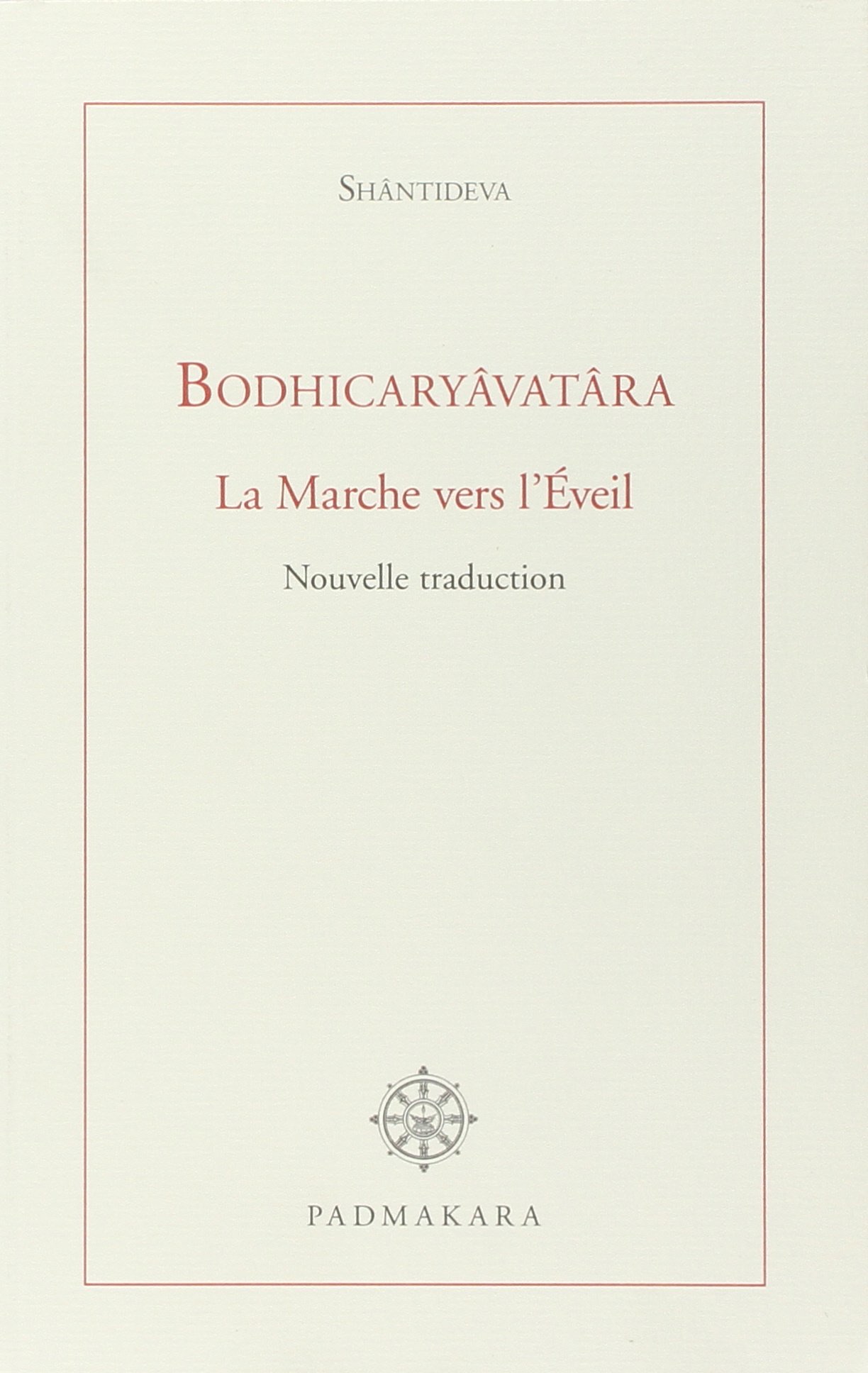
La Práctica del Bodisatva-front.jpg
Padmakara Spain 2008

May they be liberated from all inopportune states,

Be endowed with faith, wisdom, and compassion. Always having perfect food and actions,

May they always be aware of their lifetimes.

May all be free from lack of any leisure,

Possessed of faith, wisdom, and compassion, Successful in food and conduct,

And always remember their lives.

shift + scroll / swipe
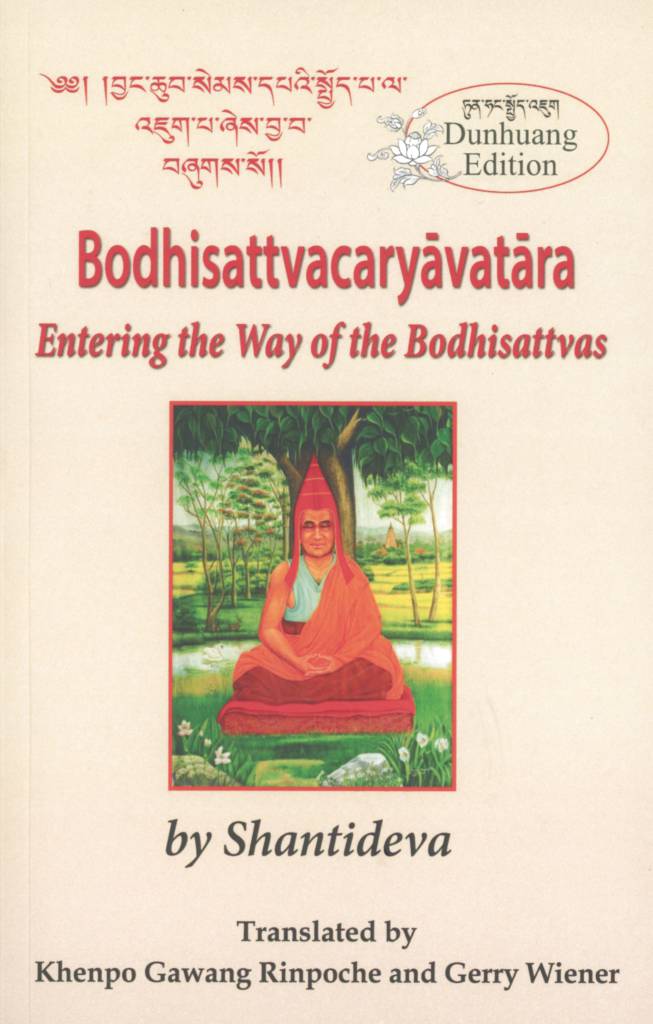
Dūnhuáng §This version is extracted from the book Bodhisattvacaryāvatāra: Entering the Way of the Bodhisattvas (2022, Khenpo Gawang and Wiener), a translation of an edition of the text created from three Dūnhuáng manuscripts. A description and sample pages of these can be found on the Early Tibet Blog. Scans of the actual manuscripts themselves can be found at http://idp.bl.uk

མི་དལ་ཀུན་ལས་ཐར་པ་དང༌། །

དད་དང་ཤེས་རབ་བརྩེར་ལྡན་ཞིང༌། ། ཟས་དང་སྤྱོད་པ་ཕུན་ཚོགས་ནས། །

རྟག་དུ་ཚེ་རབས་དྲན་གྱུར་ཅིག །[p.295]Entering the Way of the Bodhisattvas (2022, Khenpo Gawang and Wiener)
Gawang, Khenpo, and Gerry Wiener, trans. Bodhisattvacaryāvatāra: Entering the Way of the Bodhisattvas by Shantideva - Dunhuang Edition. Memphis, TN: Jeweled Lotus Publishing, 2022.

alt verse 9.27 tm data

May beings be free from all unfree conditions,

May they have faith, prajna, and love. Possessing food and abundant activities,

May they always recall their former lives.[p.296]Entering the Way of the Bodhisattvas (2022, Khenpo Gawang and Wiener)
Gawang, Khenpo, and Gerry Wiener, trans. Bodhisattvacaryāvatāra: Entering the Way of the Bodhisattvas by Shantideva - Dunhuang Edition. Memphis, TN: Jeweled Lotus Publishing, 2022.

Tsadra Critical Edition §This text was created by comparing four versions of the text from Derge, Cone, Narthang, and Peking Tengyurs from BDRC scans, along with Dunhuang manuscripts IOL Tib J 628, 629, and 630. When Tibetan readings were problematic, the Sanskrit texts from GRETIL and LTB (Oslo) were consulted.

མི་དལ་ཀུན་ལས་ཐར་བ་དང་། །

དད་དང་ཤེས་རབ་བརྩེ་ལྡན་ཞིང་། ། ཟས་དང་སྤྱོད་པ་ཕུན་ཚོགས་ནས། །

རྟག་ཏུ་ཚེ་རབས་དྲན་གྱུར་ཅིག །

[edit]
Sazang Mati (1294 - 1376)
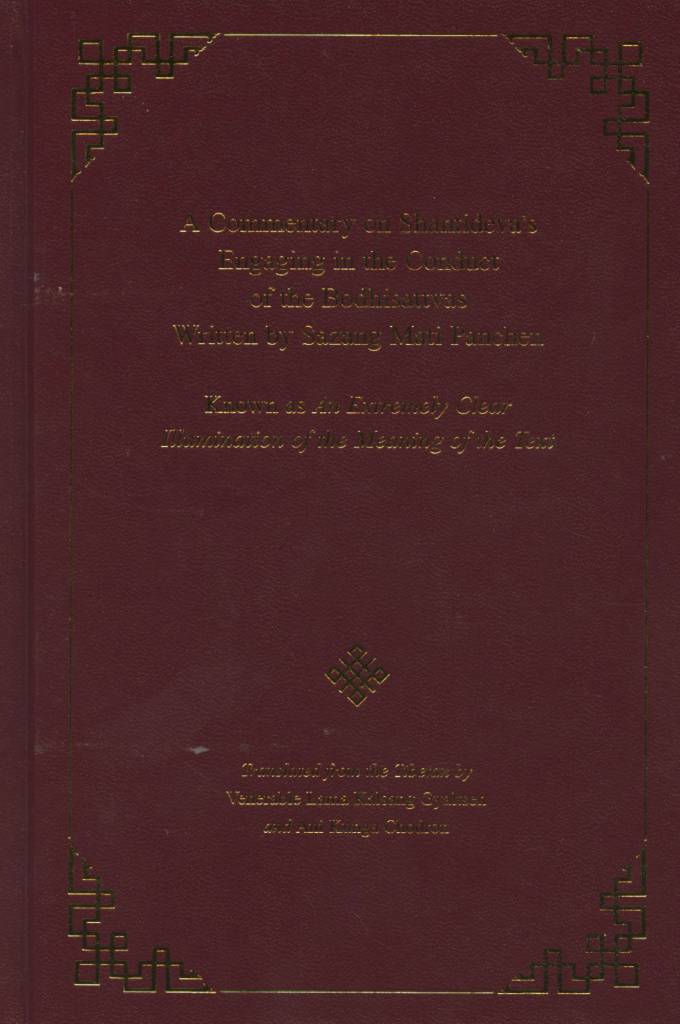
A Commentary on Shantideva's Engaging in the Conduct of the Bodhisattvas (citation)Gyaltsen, Lama Kalsang, and Ani Kunga Chodron, trans. A Commentary on Shantideva's Engaging in the Conduct of the Bodhisattvas Written by Sazang Mati Panchen: Known as An Extremely Clear Illumination of the Meaning of the Text. Walden, NY: Tsechen Kunchab Ling, 2019. Bilingual Edition

(གཉིས་པ་)འབྱོར་བ་ཐོབ་པར་བསྔོ་བ་ལ་དྲུག་ལས།

2. Dedication to attain endowments 1.2.1.1.1.3.2

This has six sections:

1. Dedication to obtain body and wealth, 2. Dedication to possess beauty and dignity, 3. Dedication to find magnificent virtue, 4. Dedication to obtain immaculate pure realms, 5. Dedication to accomplish favorable conditions for the practice of Dharma,

6. Dedication that worldly regions become successful and virtuous.
1.2.1.1.1.3.2

(དང་པོ་)ལུས་དང་ལོངས་སྤྱོད་འབྱོར་[p.-408]རབ་གསལ་སྣང་བ་
བར་བསྔོ་བ་ནི།

1. Dedication to obtain body and wealth 1.2.1.1.1.3.2.1

མི་དལ་ཀུན་ལས་ཐར་བ་དང་། །

དད་དང་ཤེས་རབ་བརྩེར་ལྡན་ཞིང་། ། ཟས་དང་སྤྱོད་པ་ཕུན་ཚོགས་ནས། །

རྟག་ཏུ་ཚེ་རབས་དྲན་གྱུར་ཅིག །

mi dal kun las thar ba dang /_/

dad dang shes rab brtser ldan zhing /_/ zas dang spyod pa phun tshogs nas/_/

rtag tu tshe rabs dran gyur cig_/

May all be free from lack of any leisure,

Possessed of faith, wisdom, and compassion, Successful in food and conduct,

And always remember their lives.

ལུས་ཅན་ཐམས་ཅད་མི་དལ་ཞིང་མི་ཁོམ་པའི་གནས་བརྒྱད་པོ་ཀུན་ལས་ཐར་ནས་དལ་བའི་ལུས་ཕུན་སུམ་ཚོགས་པ་ཐོབ་པ་ད༵ང༌། དེར་ཡང་མངོན་པར་ཡིད་ཆེས་པ་དང་དང་བ་དང་འདོད་པའི་དད་པ་གསུམ་དང༌། ཀུན་རྫོབ་དང་དོན་དམ་པ་རྟོགས་པའི་ཤེས་རབ་དང་སེམས་ཅན་ཐམས་ཅད་ལ་སྙིང་བརྩེ་བ་དང་ལྡན་ཞི༵ང་ཟས་དང་གཟུགས་དང་ཚུལ་ཁྲིམས་ཀྱི་ཀུན་ཏུ་སྤྱོད་པ་ཕུན་སུམ་ཚོགས་པ་དང་ལྡན་པར་གྱུར་ན༵ས། སྐྱེ་བ་ཐམས་ཅད་དུ་རྟག་ཏུ་ཚེ་རབས་དྲན་པ་ལ་སོགས་པའི་མངོན་ཤེས་དང་ལྡན་པར་གྱུར་ཅི༵ག

May all those who are not free from the eight unfavorable conditions be completely freed from them and obtain a precious human body with all of the correct endowments. There, may they possess the three types of faith: believing, clear, and desiring faith; the wisdom to understand both relative[p.451]A Commentary on Shantideva's Engaging in the Conduct of the Bodhisattvas
Gyaltsen, Lama Kalsang, and Ani Kunga Chodron, trans. A Commentary on Shantideva's Engaging in the Conduct of the Bodhisattvas Written by Sazang Mati Panchen: Known as An Extremely Clear Illumination of the Meaning of the Text. Walden, NY: Tsechen Kunchab Ling, 2019. First edition published by The Yeshe Dorje Foundation in 2006.
and ultimate phenomena; and heartfelt compassion toward each and every sentient being. May they be possessed of genuine moral conduct, a fine physical form and obtain good nutritious food. In each and every life, may they remember all of their previous lives and possess clairvoyance.
Gyaltsap Je (1364 - 1432)
The Entrance for the Children of the Conquerors (citation)Stracke, Fedor, trans. The Entrance for the Children of the Conquerors: A Commentary on the Introduction to the Actions of Bodhisattvas. By Gyaltsab Rinpoche. N.p.: Happy Monks Publication, 2016. https://happymonkspublication.org/product/bodhisattvacharyavatara-chapter-1-10-commentary/. Bilingual Edition

གཉིས་པ་ལ་གཉིས།

Dedication to Achieve their Purpose 1.1.2.1.1.3.2

དང་པོ་ལ་གསུམ།

General Human Purpose 1.1.2.1.1.3.2.1

དང་པོ་ལ་བཞི།

Attaining Perfect Excellence 1.1.2.1.1.3.2.1.1

དང་པོ་ནི།

Attaining a Basis with Freedoms and Endowments with Perfect Possessions 1.1.2.1.1.3.2.1.1.1

མི་དལ་ཀུན་ལས་ཐར་བ་དང་། །

དད་དང་ཤེས་རབ་བརྩེར་ལྡན་ཞིང་། ། ཟས་དང་སྤྱོད་པ་ཕུན་ཚོགས་ནས། །

རྟག་ཏུ་ཚེ་རབས་དྲན་གྱུར་ཅིག །
mi dal kun las thar ba dang /_/

dad dang shes rab brtser ldan zhing /_/ zas dang spyod pa phun tshogs nas/_/

rtag tu tshe rabs dran gyur cig_/

May they be liberated from all inopportune states,

Be endowed with faith, wisdom, and compassion. Always having perfect food and actions,

May they always be aware of their lifetimes.

ཆོས་སྒྲུབ་ཏུ་མི་དལ་བའི་གནས་བརྒྱད་པོ་ཀུན་ལས་ཐར་བ་དང༌། དད་པ་དང་ཤེས་རབ་དང་གཞན་དོན་གྱི་བསམ་[p.Ch10-443]Spyod 'jug rtsa 'grel (Mtsho sngon mi rigs dpe skrun khang 2001)
Śāntideva, and Rgyal tshab rje dar ma rin chen. Spyod 'jug rtsa 'grel and Byang chub sems dpa'i spyod pa la 'jug pa'i rnam bshad rgyal sras 'jug ngogs. Xining: Mtsho sngon mi rigs dpe skrun khang, 2001
པའི་སྙིང་བརྩེར་ལྡན་ཞིང་ཟས་དང་སྤྱོད་པ་ཕུན་སུམ་ཚོགས་པར་གྱུར་ནས་རྟག་ཏུ་ཚེ་རབས་དྲན་པར་གྱུར་ཅིག ལོངས་སྤྱོད་ཀྱིས་ཕོངས་པ་ཐམས་ཅད་ནམ་མཁའི་མཛོད་ཀྱི་ཏིང་ངེ་འཛིན་ཐོབ་པ་བཞིན་དུ་ལོངས་སྤྱོད་རྒྱུན་ཆད་མེད་པར་ཤོག

May they always be free from the eight inopportune states for dharma practice, and endowed with faith, wisdom and compassion thinking about the welfare of others. Having attained perfect food and actions, may they always remember their lifetimes. May all who are destitute of possessions May they always be free from the eight inopportune states for dharma practice, and endowed with faith, wisdom and compassion thinking about the welfare of others. Having attained perfect food and actions, may they always remember their lifetimes. May all who are destitute of possessions[p.12]The Entrance for the Children of the Conquerors
Stracke, Fedor, trans. The Entrance for the Children of the Conquerors: A Commentary on the Introduction to the Actions of Bodhisattvas. By Gyaltsab Rinpoche. N.p.: Happy Monks Publication, 2016. https://happymonkspublication.org/product/bodhisattvacharyavatara-chapter-1-10-commentary/.
receive an unceasing stream of possessions, equalling the concentration of space treasure.
Kunzang Palden (1862 - 1943)
The Nectar of Manjushri's Speech (citation)Blankleder, Helena, and Wulstan Fletcher (Padmakara Translation Group), trans. The Nectar of Manjushri's Speech: A Detailed Commentary on Shantideva's Way of the Bodhisattva. By Kunzang Pelden. Boston: Shambhala Publications, 2007. Bilingual Edition

མི་དལ་ཀུན་ལས་ཐར་བ་དང་། །

དད་དང་ཤེས་རབ་བརྩེར་ལྡན་ཞིང་། ། ཟས་དང་སྤྱོད་པ་ཕུན་ཚོགས་ནས། །

རྟག་ཏུ་ཚེ་རབས་དྲན་གྱུར་ཅིག །
mi dal kun las thar ba dang /_/

dad dang shes rab brtser ldan zhing /_/ zas dang spyod pa phun tshogs nas/_/

rtag tu tshe rabs dran gyur cig_/

ལུས་ཅན་ཐམས་ཅད་མི་དལ་ཞིང་མི་ཁོམས་པའི་གནས་བརྒྱད་པོའི་སྡུག་བསྔལ་ཀུན་ལས་ཐར་ནས་དལ་བ་མི་ཡི་ལུས་རྟེན་བཟང་པོ་ཐོབ་པའི་བདེ་བ་དང་ལྡན་པར་ཤོག་ཅིག །མིར་གྱུར་ནའང་རང་རྒྱུད་ལོག་ལྟས་བསླད་པ་རྣམས་སྣོད་ཁ་སྦུབ་ལྟ་བུར་སངས་རྒྱས་བྱོན་ཀྱང་དོན་དུ་མི་འགྱུར་བས་དཀོན་མཆོག་དང་བདེན་བཞི་རྟེན་འབྲེལ་དང་ཁྱད་པར་ལས་རྒྱུ་འབྲས་ལ་ཡིད་ཆེས་ཀྱི་དད་པ་མེད་ན་བླང་དོར་ཕྱིན་ཅི་ལོག་ཏུ་གྱུར་ནས་ངན་སོང་ནས་ངན་སོང་དུ་བརྒྱུད་མར་འཇུག་པ་ལས་མེད་པས་ན་

May all be freed from states of bondage,

May they be possessed of wisdom, faith, and love. With perfect sustenance and conduct,

May they always have remembrance of their former lives.

May all beings be free from the sufferings implied by the eight conditions in which there is no leisure to practice the Dharma. May they [p.420]The Nectar of Manjushri's Speech
Blankleder, Helena, and Wulstan Fletcher (Padmakara Translation Group), trans. The Nectar of Manjushri's Speech: A Detailed Commentary on Shantideva's Way of the Bodhisattva. By Kunzang Pelden. Boston: Shambhala Publications, 2010.
obtain the freedom and excellence of a human existence, and may they be happy! Among those who achieve a human form, there are some whose minds are corrupted by false ideas. They are like upturned vessels. Even if a Buddha were to appear, it would do them no good. If one has no faith in the Three Jewels, no belief in the four truths or in the principle of dependent arising and especially in the karmic law of cause and effect, and if one persists in what should not be done and neglects what should be done, the sole result will be to fall lower and lower into evil destinies.

དེ་དག་སྡུག་བསྔལ་དང་བྲལ་ཏེ་དང་འདོད་ཡིད་ཆེས་ཕྱིར་མི་ལྡོག་པའི་དད་པ་ཕུན་སུམ་ཚོགས་པ་དང་ལྡན་པར་ཤོག་ཅིག །བླང་དོར་གྱི་གནས་ལེགས་པར་ཤེས་པའི་ཤེས་རབ་ཀྱི་མིག་ལོང་བས་བླུན་ཞིང་རྨོངས་པ་རྣམས་ཀྱིས་འཇིག་རྟེན་ཚེ་འདིའི་དོན་ཙམ་ཡང་མི་འགྲུབ་ན་དམ་པའི་ཆོས་མི་ཤེས་པ་དང་མི་འགྲུབ་པ་ལྟ་སྨོས་ཀྱང་ཅི་དགོས། དེས་ན་ཤེས་རབ་མེད་པ་རྣམས་ཀྱིས་རང་གཞན་གྱི་དོན་མི་འགྲུབ་པ་སོགས་རྨོངས་པའི་སྡུག་བསྔལ་དང་བྲལ་ཏེ་སྐྱེས་སྦྱང་གི་ཤེས་རབ་ཕུན་སུམ་ཚོགས་པ་དང་ལྡན་པ་དང༌།

We should have the wish that such beings be freed from their sufferings and that they be perfectly endowed with [the four kinds of] faith: vivid, yearning, confident, and irreversible. For the eyes of their wisdom have been blinded with regard to what is to be done and what is not to be done. As a result, these ignorant and foolish people have no success even in the profane activities of the present life. It is hardly necessary to say that they fail to understand and accomplish the Dharma. Therefore, may those who are destitute of wisdom be free from the suffering of their stupidity (which prevents them from achieving their own and others’ welfare). May they enjoy the fullness of wisdom, both inborn and acquired.

ཐེག་ཆེན་ལམ་གྱི་རྩ་བ་སེམས་ཅན་ལ་སྙིང་རྗེ་ཡིན་པས་དེ་དང་བྲལ་ནས་སེམས་ཅན་རྣམས་ལ་སྙིང་རྗེ་མེད་པའི་བསམ་སྦྱོར་གྱིས་འདི་ཕྱི་གཉིས་ཕུང་གི་སྡུག་བསྔལ་དང་བྲལ་ཏེ་སེམས་ཅན་རྣམས་ལ་མ་ལྟར་[p.784]Byang chub sems dpa'i spyod pa la 'jug pa rtsa ba dang 'grel pa (1990)
Slob dpon zhi ba lha and Mkhan po kun dpal. Byang chub sems dpa'i spyod pa la 'jug pa rtsa ba dang 'grel pa. Khreng tu'u: Si khron mi rigs dpe skrun khang, 1990. Buda by BDRC Logo.jpg
བརྩེར་ལྡན་ཞིང་སྟེ་བརྩེ་བའི་སྙིང་རྗེ་ཆེན་པོ་དང་ལྡན་པ་དང་

The root of the Mahayana path is compassion for all that lives. When beings lack this, their pitiless intentions and actions bring them ruin in this and future lives. May they be free from such sufferings! May they be endowed with great love and compassion for beings, like loving mothers for their children!

མ་དག་པའི་ཟས་སྡིག་ཟས་ཤ་ཆང་སོགས་དང༌། ལོག་འཚོ་ལྔ་སྟེ། རིན་ཆེན་ཕྲེང་བ་ལས།

May they refrain from impure and sinful sustenance such as alcohol and meat, and also from the five kinds of wrong livelihood! As it is written in the Ratnavali:

ཚུལ་འཆོས་རྙེད་དང་བཀུར་སྟིའི་ཕྱིར། །

དབང་པོ་སྡོམ་པར་བྱེད་པ་སྟེ། ། ཁ་གསག་རྙེད་དང་བཀུར་སྟིའི་ཕྱིར། །

ཚིག་འཇམ་སྔར་ནི་སྨྲ་བའོ། །

Hypocrisy is to rule one’s senses
For the sake of gain and reputation.
Wheedling flattery will say sweet things
For sake of gain and reputation.

གཞོག་སློང་དེ་ནི་ཐོབ་བྱའི་ཕྱིར།

།གཞན་གྱི་རྫས་ལ་བསྔགས་བྱེད་པའོ། ། ཐོབ་ཀྱིས་འཇལ་བ་རྙེད་པའི་ཕྱིར། ། མངོན་སུམ་གཞན་ལ་སྨོད༷་བྱེད༷་པའོ། ། རྙེད་པས་རྙེད་པ་རྣམས་འདོད་པ། །

སྔར་ཐོབ་པ་ལ་བསྔགས་བྱེད་པའོ། །

Praising other’s wealth in hope of getting some
Is indirectly robbing them.
Pulling rank for sake of acquisition
Is to put one’s fellow humans down.
To praise their former generosity (for selfish ends)
Is “wishing to secure gain from gain.”[p.421]The Nectar of Manjushri's Speech
Blankleder, Helena, and Wulstan Fletcher (Padmakara Translation Group), trans. The Nectar of Manjushri's Speech: A Detailed Commentary on Shantideva's Way of the Bodhisattva. By Kunzang Pelden. Boston: Shambhala Publications, 2010.

ཞེས་པ་དང༌། ལྡན་གྲོལ་མེད་པས་དད་ཟས་གཤིན་དཀོར་སྟེ། འདུལ་བ་ས་གའི་ལྷས།

If one lacks the qualities of realization and liberation, all the offerings received from the faithful and offerings made in order to help the dead are to be considered as explained in the Vinaya written by Sagalha:

མི་སློབ་པ་ནི་བདག་པོར་སྤྱོད། །

སློབ་པ་བྱིན་པ་སྤྱོད་པ་སྟེ། ། བསམ་གཏན་ཀློག་དང་ལྡན་པ་ལ། ། རྗེས་གནང་སྤྱོད་པས་ཉེས་པ་མེད། ། ལྷག་མ་ལེ་ལོས་བཅོམ་པ་ཡི། ། བདག་ཉིད་རྣམས་ནི་བུ་ལོན་སྤྱོད། ། ཚུལ་འཆལ་རྣམས་ལ་ནམ་དུ་ཡང༌། །

གཙུག་ལག་ཁང་སོགས་ཉེར་སྤྱོད་བཀག །

Those upon the path of no-more-learning may enjoy them as their own.
Those upon the path of learning may enjoy them as a gift.
Those who meditate and study are allowed the use of them; there is no fault.
Those engulfed in indolence contract a karmic debt by using them.
Those whose acts are wanton and undisciplined
May never use religious goods. For them it is prohibited.

ཅེས་དང༌། སྙིང་གི་ཐུར་མ་ལས།

We find also in The Scalpel of the Heart:234snying gi thur ma, a text composed by Butön Rinchen Drup.

ཚུལ་ཁྲིམས་འཆལ་བས་ས་ནི་གོམས་པ་གང༌། །

ཟས་ནི་ཁམ་གཅིག་བཏུང་བ་ཆུ་ཕོར་གང༌། ། ཙམ་ཞིག་དགེ་འདུན་རྫས་ལ་ལོངས་སྤྱོད་ན། །

ལོག་འཚོ་ཡིན་ཏེ་དམྱལ་བར་སྐྱེ་བར་གསུངས། །

When someone who is dissolute takes but a single step
Toward the use and the enjoyment of monastic wealth,
Who eats a single mouthful, drinks a single cup,
Lives wrongly, it is said, and will be born in hell.

ཞེས་གསུངས་པས་ན། མ་དག་པའི་ཟས་སོགས་ལ་ལོངས་སྤྱོད་པ་རྣམས་དེ་དང་བྲལ་ནས་འཚོ་བ་བྱ་ཚོལ་བྱིས་ཚོལ་གང་བྱུང་དེས་ཆོག་སྡིག་དང་མ་འདྲེས་པས་འཚོ་བ་རྣམ་པར་དག་པའི་ཟས་ཕུན་སུམ་ཚོགས་པ་དང༌། སྤྱོད་པ་ངན་པ་ཕ་མར་བརྙས་[p.785]Byang chub sems dpa'i spyod pa la 'jug pa rtsa ba dang 'grel pa (1990)
Slob dpon zhi ba lha and Mkhan po kun dpal. Byang chub sems dpa'i spyod pa la 'jug pa rtsa ba dang 'grel pa. Khreng tu'u: Si khron mi rigs dpe skrun khang, 1990. Buda by BDRC Logo.jpg
ཞིང་སྨོད་པ་དང་ཚོང་ཁེ་དཔོག །བཤས་ཉོ་བཤས་བཙོང་བག་མེད་ཐོ་ཅོ་ཁྱིམ་པ་སུན་འབྱིན་གྱི་སྤྱོད་པ་དཀོན་མཆོག་གི་རྐང་འདྲེན། བསྟན་པའི་བླ་བཙོང་སྡོམ་པ་ཉམས་ཤིང་དམ་ཚིག་འཆལ་བའི་སྤྱོད་པ་ངན་པས་རང་གཞན་གཉིས་ཕུང་གི་སྤྱོད་ངན་དང་བྲལ་ནས་མནའ་མི་ཟ། ཆང་མི་འཐུང༌། རྫུན་མི་བཤད། མི་ཆོས་གཙང་མ་བཅུ་དྲུག་གིས་གཞུང་བཟུང༌། ལྷ་ཆོས་འཕགས་པའི་ནོར་བདུན་གྱིས་རྒྱུད་འབྱོར་བས་བརྒྱན་ཏེ། ཚུལ་ཁྲིམས་རྣམ་པར་དག་པས་གཞི་བྱས་ཏེ། ཀློག་པ་ཐོས་བསམ་དང་སྤོང་བ་བསམ་གཏན་ལ་རྩེ་གཅིག་ཏུ་སྤྱོད་པ་རྣམ་པར་དག་པ་ཕུན་སུམ་ཚོགས་པའི་སྒོ་ནས་བསྟན་འགྲོ་ལ་ཕན་པ་བླ་ན་མེད་པ་དང་ལྡན་པར་ཤོག་ཅིག །

May those who consume impure and sinful food rid themselves of it. May they eat the food that comes from an utterly pure livelihood, unstained by negative action. May they be like the birds, satisfied with whatever they find. To behave badly, to despise one’s parents, to trade for profit, to slaughter animals and make traffic of their meat, to give scandal to the lay people: All such reprehensible conduct is a disgrace to the Triple Gem. The life of the Doctrine is exchanged for money, the vows are weakened, and the samaya is distorted. Such evil conduct brings destruction to oneself and others. May those who act in this way be freed from it. May they keep their pledges; may they refrain from alcohol; may they not tell lies. May they adhere first and foremost to the sixteen pure principles of human society;235The basic code of Tibetan law, founded on Buddhist principles and established by King Songtsen Gampo (616–49). may their minds be graced with the seven sublime riches of the Buddha’s teaching; may they be grounded in the utterly pure discipline, and, through their perfect and pure conduct (reading, receiving, and studying the teachings, relinquishing defilements, and practicing focused concentration) may they secure great benefit for the Doctrine and beings.

ཚེ་རབས་དྲན་ན་ལས་རྒྱུ་འབྲས་ལ་ཡིད་ཆེས་པ་དང༌། བྱང་ཆུབ་སེམས་ཀྱི་རིགས་སད་དེ་བྱང་ཆུབ་ཀྱི་སེམས་མི་བརྗེད་པ་ལ་སོགས་པའི་དོན་ཆེན་པོ་ཡོད་པས་གང་དུ་སྐྱེས་པའི་སྐྱེ་བ་ཐམས་ཅད་དུ་དུས་རྟག་ཏུ་ཚེ་རབས་ཐམས་ཅད་དྲན་པ་དང་ལྡན་པར་གྱུར་ཅིག །དེ་ཡང་དཔེར་ན་ཤཱ་རའི་བུས་ཆོས་གསུང་པ་ཐོས་པའི་ཁྱི་མོ་ཤི་བ་བུ་མོར་སྐྱེས་པས་ཚེ་རབས་དྲན་ནས་རབ་ཏུ་བྱུང་སྟེ་བརྩོན་པས་དགྲ་བཅོམ་པ་ཐོབ་པར་གྱུར་པ་དང༌། རྒྱལ་བུ་ལྐུགས་འཕྱེ་ལྟ་བུ་ཡིན་ནོ།

To have remembrance of the series of one’s lives is something of the[p.422]The Nectar of Manjushri's Speech
Blankleder, Helena, and Wulstan Fletcher (Padmakara Translation Group), trans. The Nectar of Manjushri's Speech: A Detailed Commentary on Shantideva's Way of the Bodhisattva. By Kunzang Pelden. Boston: Shambhala Publications, 2010.
highest moment. For one will thereby be convinced of the karmic principle of cause and effect. And once the seed of bodhichitta is awakened, it will never be forgotten. Therefore wherever they are born, may beings maintain unbroken memory throughout the sequence of their incarnations. Such a thing is illustrated in the story of the prince Kukche or the story of when Shariputra gave a teaching that was heard by a female dog. (When the dog died, it was reborn as a girl who, remembering her previous existence, took monastic ordination and endeavored on the path, thanks to which she attained arhatship.)


[edit]
[edit]