- Chapter 1 - The Excellence and Benefits of Bodhicitta
- Chapter 10 - Dedication
- Chapter 2 - Confession of Negativity
- Chapter 3 - Taking Hold of Bodhicitta
- Chapter 4 - Conscientiousness
- Chapter 5 - Vigilant Introspection
- Chapter 6 - Patience
- Chapter 7 - Diligence
- Chapter 8 - Meditative Concentration
- Chapter 9 - Wisdom
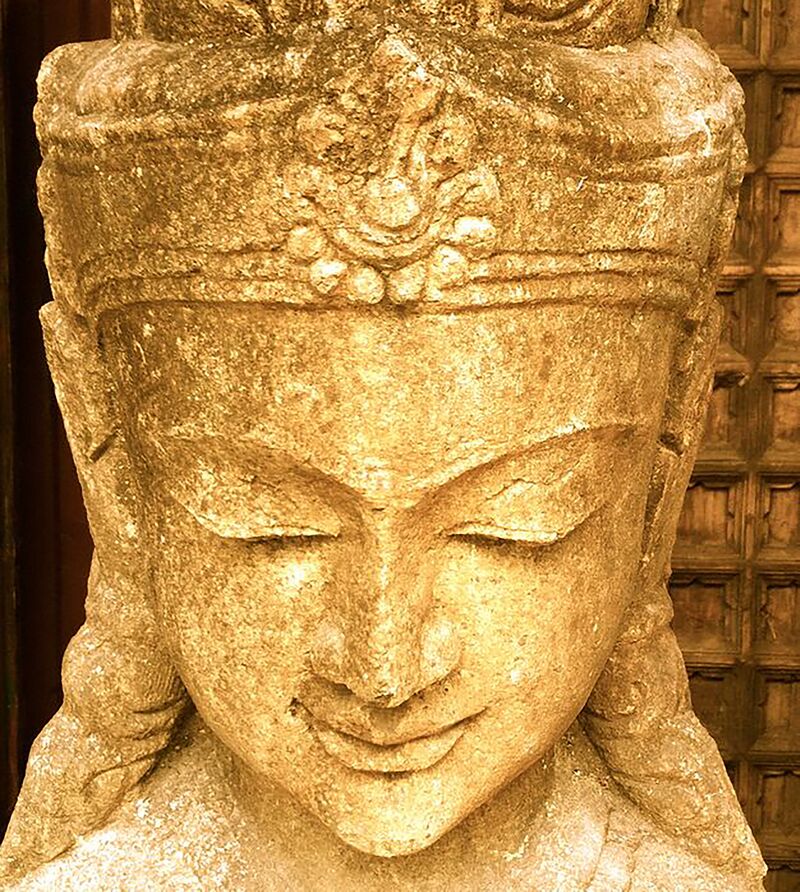
Chapter 5 concerns the topic of vigilant introspection. This discussion is a continuation of Śāntideva's theme of protecting the attitude of bodhicitta. Here, such vigilance requires the constant guarding of the mind from negative emotions through mindfulness, the discipline of refraining from negative conduct, the discipline of practicing virtuous dharmas, and the discipline of working for the benefit of beings.
Concise Summary of Essential Points
In chapter 5 Śāntideva continues the flow of the text that was taken up in chapter 4 and that continues on to chapter 6. These chapters cover the second major section of the whole text, which includes the practices and contemplations that help us prevent the bodhicitta that we have given rise to from weakening and declining. From chapter 4 onward, Śāntideva also introduces the six perfections, or pāramitās, which are an integral part of the Mahāyāna path to complete enlightenment.
The second of the perfections, ethical discipline, is required to maintain this mind of enlightenment, and chapters 4 and 5 provide us with mental tools to guard and enhance this practice. These mental factors are conscientiousness (apramādha), mindfulness (smṛtiḥ), and vigilant introspection (saṃprajanyam).
Conscientiousness was covered extensively in chapter 4, and chapter 5 now explains how to cultivate mindfulness and vigilant introspection.
Mindfulness
In this modern world there is so much talk about mindfulness as a life-enhancing as well as a spiritual tool, and there are many explanations as to what mindfulness is and how to cultivate it. Here, in the Buddhist context, mindfulness is a mental factor that functions to hold the mind to its object, preventing the mind from forgetting its object or straying away from its object.
But Śāntideva also adds another context to the practice of mindfulness. He argues that it is not just mindfulness of any kind of object but mindfulness of the actions that are to be implemented and those that are to be avoided when following the Mahāyāna path.
Vigilant Introspection
The other guardian of the mind that is discussed in this chapter is vigilant introspection, also translated as alertness, mental introspection, or watchfulness. Vigilant introspection is the repeated examination in all situations of our physical, verbal, and mental behavior, and the conscious implementation of those factors that are required on the path, while turning away from what is to be avoided.
There is an analogy that is commonly used to describe the relationship between these two crucial mental factors: mindfulness is like a rope which secures a sheep in place, whereas vigilant introspection is like the shepherd who watches the sheep to ensure that it does not break free from the rope and get away. Mindfulness holds our minds focused on the focal object of meditation, and vigilance continually checks to see if the mind has strayed from and forgotten that object. We will not be able to maintain these trainings on the bodhisattva path if we do not protect our minds. Therefore, Śāntideva reminds us, we must continually guard our minds.
Those who wish to keep the trainings Must with perfect self-possession guard their minds. Without this guard upon the mind, The trainings cannot be preserved.
Page(s) 61
Blankleder, Helena, and Wulstan Fletcher (Padmakara Translation Group), trans. The Way of the Bodhisattva: A Translation of the Bodhicharyāvatāra. By Śāntideva. Rev. ed. Shambhala Classics. Boston: Shambhala Publications, 2006.
༈ བསླབ་པ་བསྲུང་བར་འདོད་པ་ཡིས། །
རབ་ཏུ་བསྒྲིམས་ནས་སེམས་བསྲུང་སྟེ། ། སེམས་འདི་བསྲུང་བར་མ་བྱས་ན། །
བསླབ་པ་བསྲུང་བར་ཡོང་མི་ནུས། །bslab pa bsrung bar 'dod pa yis/_/
rab tu bsgrims nas sems bsrung ste/_/ sems 'di bsrung bar ma byas na/_/
bslab pa bsrung bar yong mi nus/_/With these positive mental supports helping us to protect our minds, we can effectively engage in the trainings. Awareness of all that is happening for us mentally allows us to guard our minds in the most effective way.
All Harm and Virtue Arise from the Mind
In the early verses of the chapter, Śāntideva explains to us how all harm arises from the mind and how all virtue, too, arises from the mind, and he therefore points out the fundamental need to gain some control over our minds. As always, he likes to take a practical approach to the development of our spiritual life.
In the explanation of how all virtue arises from the mind, he goes through each of the perfections, explicitly explaining how they arise from the mind, and at the same time implicitly explaining how mindfulness and vigilant introspection are required to help us do this.
In relation to the practice of patience in counteracting our anger, he points out that it is not feasible to believe we can control all the external situations of our lives and the goings-on of the world. There is no possibility for us to find a place away from all adverse circumstances, a place that can be guaranteed to be free from the harm of others. Similarly, we cannot do away with all the objects of our anger and aversion.
In some famous lines from this chapter, Śāntideva draws a striking analogy to this by saying that it is not possible to find enough leather to cover the entire world so that our feet would not be harmed by rocks or thorns. However, he reminds us, if we are able to find enough leather to cover the soles of our feet, which it is possible to do, then exactly the same purpose will be achieved.
To cover all the earth with sheets of leather— Where could such amounts of skin be found? But with the leather soles of just my shoes It is as though I cover all the earth!
Page(s) 63
Blankleder, Helena, and Wulstan Fletcher (Padmakara Translation Group), trans. The Way of the Bodhisattva: A Translation of the Bodhicharyāvatāra. By Śāntideva. Rev. ed. Shambhala Classics. Boston: Shambhala Publications, 2006.
ས་སྟེང་འདི་དག་ཀོས་གཡོག་ཏུ། །
དེ་སྙེད་ཀོ་བས་ག་ལ་ལང་། ། ལྷམ་མཐིལ་ཙམ་གྱི་ཀོ་བས་ནི། །
ས་སྟེང་ཐམས་ཅད་གཡོགས་དང་འདྲ། །sa steng 'di dag kos g.yog tu/_/
de snyed ko bas ga la lang /_/ lham mthil tsam gyi ko bas ni/_/
sa steng thams cad g.yogs dang 'dra/_/Similarly, he argues, even though we are not able to avoid every single external source of harm to ourselves, we can restrain the internal enemies of the afflictive emotions, in this case anger.
And thus the outer course of things I myself cannot restrain. But let me just restrain my mind, And what is left to be restrained?
Page(s) 63
Blankleder, Helena, and Wulstan Fletcher (Padmakara Translation Group), trans. The Way of the Bodhisattva: A Translation of the Bodhicharyāvatāra. By Śāntideva. Rev. ed. Shambhala Classics. Boston: Shambhala Publications, 2006.
དེ་བཞིན་ཕྱི་རོལ་དངོས་པོ་ཡང་། །
བདག་གིས་ཕྱིར་བཟློག་མི་ལང་གི ། བདག་གི་སེམས་འདི་ཕྱིར་བཟློག་བྱའི། །
གཞན་རྣམས་བཟློག་གོ་ཅི་ཞིག་[p.34]Byang chub sems dpa'i spyod pa la 'jug pa rtsa ba dang 'grel pa (1990)Slob dpon zhi ba lha and Mkhan po kun dpal. Byang chub sems dpa'i spyod pa la 'jug pa rtsa ba dang 'grel pa. Khreng tu'u: Si khron mi rigs dpe skrun khang, 1990.

de bzhin phyi rol dngos po yang /_/
bdag gis phyir bzlog mi lang gi_/ bdag gi sems 'di phyir bzlog bya'i/_/
gzhan rnams bzlog go ci zhig [p.34]Byang chub sems dpa'i spyod pa la 'jug pa rtsa ba dang 'grel pa (1990)Slob dpon zhi ba lha and Mkhan po kun dpal. Byang chub sems dpa'i spyod pa la 'jug pa rtsa ba dang 'grel pa. Khreng tu'u: Si khron mi rigs dpe skrun khang, 1990.
And therefore, he argues, once we are able to conquer these internal foes, there will be no further need to subdue the external enemies. Irritating situations and harmful people will no longer appear to us that way once we are able to subdue these internal demons. This is all achieved with the help of the tools of mindfulness and vigilant introspection.
The Need to Keep Watch over the Mind
In the main body of the chapter, Śāntideva explains to us the need to understand the importance of watching over our minds, which these new mental tools can help us to achieve.
When mindfulness is stationed as a sentinel, A guard upon the threshold of the mind, Introspection will be likewise there, Returning when forgotten or dispersed.
Page(s) 66
Blankleder, Helena, and Wulstan Fletcher (Padmakara Translation Group), trans. The Way of the Bodhisattva: A Translation of the Bodhicharyāvatāra. By Śāntideva. Rev. ed. Shambhala Classics. Boston: Shambhala Publications, 2006.
གང་ཚེ་དྲན་པ་ཡིད་སྒོ་ནས། །
བསྲུང་བའི་དོན་དུ་གནས་གྱུར་པ། ། དེ་ཚེ་ཤེས་བཞིན་འོང་འགྱུར་ཞིང་། །
སོང་བ་དག་ཀྱང་ཕྱིར་འོང་འགྱུར། །gang tshe dran pa yid sgo nas/_/
bsrung ba'i don du gnas gyur pa/_/ de tshe shes bzhin 'ong 'gyur zhing /_/
song ba dag kyang phyir 'ong 'gyur/_/He urges us to station mindfulness as a guard at the gate of our minds, alert to the arising of any afflictions, and he explains that with that mindfulness, vigilant introspection will also naturally arise. Vigilant introspection is aware of the conduct of our body, speech, and mind, constantly identifying what we are doing by thinking, "My body is acting in this way. I am speaking in this way. I am thinking in this way." It may be that mindfulness and vigilant introspection will get distracted or decline, but with practice we can easily return our minds to a state of awareness.
Śāntideva reminds us that we must constantly examine our motivation in every situation. When we are going to do anything, whether physical, verbal, or mental, we must first contemplate whether we need to do it or not and whether it has a positive purpose. If there is no purpose, or if it may harm others, we must refrain from that action. And once we have started something, from time to time we should stop and reflect, "Should I be doing this? Is my motivation pure or not?"
Summary of the Chapter
In summarizing the chapter, Śāntideva offers us a clear understanding of what it means to maintain a state of vigilant introspection. It is, he explains, the repeated examination of our deeds, words, and thoughts to see whether they are positive or negative, beneficial or harmful.
Examining again and yet again The state and actions of your body and your mind— This alone defines in brief The maintenance of watchful introspection.
Page(s) 76
Blankleder, Helena, and Wulstan Fletcher (Padmakara Translation Group), trans. The Way of the Bodhisattva: A Translation of the Bodhicharyāvatāra. By Śāntideva. Rev. ed. Shambhala Classics. Boston: Shambhala Publications, 2006.
ལུས་དང་སེམས་ཀྱི་གནས་སྐབས་ལ། །
ཡང་དང་ཡང་དུ་བརྟག་བྱ་བ། ། དེ་ཉིད་ཁོ་ན་མདོར་ན་ནི། །
ཤེས་བཞིན་བསྲུང་བའི་མཚན་ཉིད་དོ། །lus dang sems kyi gnas skabs la/_/
yang dang yang du brtag bya ba/_/ de nyid kho na mdor na ni/_/
shes bzhin bsrung ba'i mtshan nyid do/_/
