9.92

From Bodhicitta

Bodhicaryāvatāra · Verse 9.92


Sources:    

Sanskrit §No information about the source used.

अत एव विचारोऽयं प्रतिपक्षोऽस्य भाव्यते। विकल्पक्षेत्रसंभूतध्यानाहारा हि योगिनः॥

 
Chanted Verse
Recitation by Professor Kashinath Nyaupane
92

. . . This analysis is practiced as a counteragent to habitual misconceptions. For yogins find their sustenance in those states of meditation that grow in the soil of our past misconceptions.

Standard Tibetan §Padmakara used the 1990 edition printed by si khron mi rigs dpe skrun khang: Byang chub sems dpa'i spyod pa la 'jug pa rtsa ba dang 'grel pa (1990). Also found in Derge Tengyur D3871, dbu ma, vol. 105, la 1b1–40a7.

དེ་ཉིད་ཕྱིར་ན་འདི་ཡི་ནི། །

གཉེན་པོ་རྣམ་དཔྱོད་འདི་བསྒོམ་སྟེ། ། རྣམ་བརྟགས་ཞིང་ལས་བྱུང་བ་ཡི། །

བསམ་གཏན་རྣལ་འབྱོར་པ་ཡི་ཟས། །

 
Chanted Verse
Recitation by Lopen Karma Phuntsho
92

Since so it is, the antidote

Is meditation and analysis. Absorption grown in fields of their investigation

Is indeed the food and sustenance of yogis.

Standard Tibetan §Padmakara used the 1990 edition printed by si khron mi rigs dpe skrun khang: Byang chub sems dpa'i spyod pa la 'jug pa rtsa ba dang 'grel pa (1990). Also found in Derge Tengyur D3871, dbu ma, vol. 105, la 1b1–40a7. - Other translations

For this reason, you should cultivate

This analysis as the remedy for such. Meditative stability that springs from the field of examination

Is the food of yogins. [92]

Voilà bien pourquoi l’antidote est ici

La méditation analytique. La concentration née du champ de l’analyse

Est cela qui nourrit les contemplatifs.

Por eso mismo, el antídoto

es la meditación analítica. Esta concentración procedente de este análisis

es el sustento de los yoguis.[p.168]La Práctica del Bodisatva
Hervás, María Jesús (Padmakara Translation Group, Spain), trans. La Práctica del Bodisatva: Una Traducción del Bodicharyavatara de Shantideva. Translated from the 2006 English translation of Helena Blankleder and Wulstan Fletcher. Novelda, Alicante, Spain: Ediciones Dharma, 2008.

La Práctica del Bodisatva-front.jpg
Padmakara Spain 2008

Because of this very fact this analysis

Should be meditated upon as its antidote. The mental stabilization derived from the field of

Analysis is the food of a yogi.

Therefore, as its antidote,

Meditate upon these analyses. The outcome of these analyses

Is the food for practitioners' meditation.

shift + scroll / swipe
Tsadra Critical Edition §This text was created by comparing four versions of the text from Derge, Cone, Narthang, and Peking Tengyurs from BDRC scans, along with Dunhuang manuscripts IOL Tib J 628, 629, and 630. When Tibetan readings were problematic, the Sanskrit texts from GRETIL and LTB (Oslo) were consulted.

དེ་ཉིད་ཕྱིར་ན་འདི་ཡི་ནི། །

གཉེན་པོ་རྣམ་དཔྱོད་འདི་བསྒོམ་སྟེ། ། རྣམ་བརྟགས་ཞིང་ལས་བྱུང་བ་ཡི། །

བསམ་གཏན་རྣལ་འབྱོར་པ་ཡི་ཟས། །

[edit]
Sazang Mati (1294 - 1376)
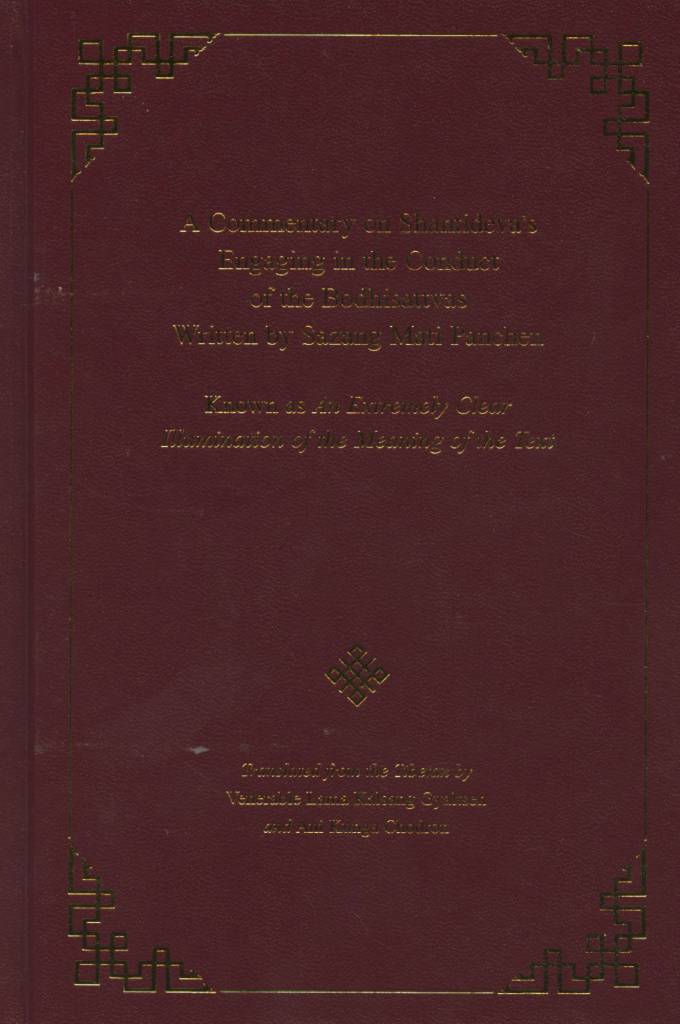
A Commentary on Shantideva's Engaging in the Conduct of the Bodhisattvas (citation)Gyaltsen, Lama Kalsang, and Ani Kunga Chodron, trans. A Commentary on Shantideva's Engaging in the Conduct of the Bodhisattvas Written by Sazang Mati Panchen: Known as An Extremely Clear Illumination of the Meaning of the Text. Walden, NY: Tsechen Kunchab Ling, 2019. Bilingual Edition

(གསུམ་པ་)གཉེན་པོ་རྣམ་དཔྱོད་བསྒོམ་ཚུལ་ནི།

3. How to meditate the antidote of analysis 1.2.2.2.2.2.2.2.1.3

དེ་ཉིད་ཕྱིར་ན་འདི་ཡི་ནི། །

གཉེན་པོ་རྣམ་དཔྱོད་འདི་བསྒོམ་སྟེ། ། རྣམ་བརྟགས་ཞིང་ལས་བྱུང་བ་ཡི། །

བསམ་གཏན་རྣལ་འབྱོར་པ་ཡི་ཟས། །

de nyid phyir na 'di yi ni/_/

gnyen po rnam dpyod 'di bsgom ste/_/ rnam brtags zhing las byung ba yi/_/

bsam gtan rnal 'byor pa yi zas/_/

Therefore, as its antidote,

Meditate upon these analyses. The outcome of these analyses

Is the food for practitioners' meditation.

ཚོར་བ་བདེན་པར་རྟོག་པ་ནི་འཁྲུལ་སྣང་ལ་མངོན་པར་ཞེན་པ་ཙམ་ཡིན་པ་དེ་ཉིད་ཀྱི་ཕྱིར་ན་འཁྲུལ་པ་འདི་ཡི་ནི༵་གཉེན་པོ་ཟག་བཅས་ཀྱི་ཚོར་བ་རྣམས་རང་བཞིན་མེད་པར་རྣམ་པར་དཔྱོད་པའི་ཤེས་རབ་དང་དྲན་པ་འདི་བསྒོམ་པར་བྱ་སྟེ༵། དེ་ལྟར་རིགས་པས་རྣམ་པར་བརྟགས་པ་ཞིང་དང་འདྲ་བ་ལས་བྱུང་བ་ཡི༵་འབྲས་བུ་བསམ་གཏན་ལ་རྩེ་གཅིག་ཏུ་མཉམ་པར་འཇོག་པ་ནི་ཟག་པ་མེད་པའི་བདེ་བས་རྣལ་འབྱོར་པ་ཡི་ལུས་སེམས་རྟས་པར་བྱེད་པས་ན་ཟ༵ས་དང་འདྲ་བར་ལོངས་སྤྱད་པར་བྱ་བ་ཡིན་པའི་ཕྱིར་རོ། །

The conception that feeling truly exists is mere clinging to deluded perception. Therefore, as an antidote to that delusion, meditate the contemplation of mindfulness, and through wisdom thoroughly analyze the lack of inherent nature of contaminated feeling. Thus meditate with single-pointed samadhi on the product of this intellectual analysis, because uncontaminated bliss energizes the meditator’s body and mind like food.
Gyaltsap Je (1364 - 1432)
The Entrance for the Children of the Conquerors (citation)Stracke, Fedor, trans. The Entrance for the Children of the Conquerors: A Commentary on the Introduction to the Actions of Bodhisattvas. By Gyaltsab Rinpoche. N.p.: Happy Monks Publication, 2016. https://happymonkspublication.org/product/bodhisattvacharyavatara-chapter-1-10-commentary/. Bilingual Edition

གསུམ་པ་ནི།

Advice to Abide in the Yoga of Meditating on the Lack of Inherent Existence of Feeling 1.1.2.3.2.1.2.1.3

དེ་ཉིད་ཕྱིར་ན་འདི་ཡི་ནི། །

གཉེན་པོ་རྣམ་དཔྱོད་འདི་བསྒོམ་སྟེ། ། རྣམ་བརྟགས་ཞིང་ལས་བྱུང་བ་ཡི། །

བསམ་གཏན་རྣལ་འབྱོར་པ་ཡི་ཟས། །
de nyid phyir na 'di yi ni/_/

gnyen po rnam dpyod 'di bsgom ste/_/ rnam brtags zhing las byung ba yi/_/

bsam gtan rnal 'byor pa yi zas/_/

Because of this very fact this analysis

Should be meditated upon as its antidote. The mental stabilization derived from the field of

Analysis is the food of a yogi.

ཚོར་བ་རང་བཞིན་གྱིས་མ་གྲུབ་པ་དེ་ཉིད་ཀྱི་ཕྱིར་ན་ཚོར་བ་བདེན་འཛིན་འདི་ཡི་ནི་གཉེན་པོར་ཚོར་བ་རང་བཞིན་མེད་པར་རྟོགས་པའི་རྣམ་པར་དཔྱོད་པ་འདི་བསྒོམ་པར་བྱ་སྟེ། རྣམ་པར་བརྟགས་ཤིང་དཔྱད་པའི་ཞིང་ལས་བྱུང་བའི་ཇི་ལྟ་བ་ལ་དམིགས་པའི་ལྷག་མཐོང་དང་། ཞི་གནས་ལ་བརྟེན་ནས་ལྷག་མཐོང་སྒོམ་པའི་བསམ་གཏན་གོམས་པར་བྱས་ན་རྣལ་འབྱོར་བའི་རྟོགས་པའི་ལུས་གོང་ནས་གོང་དུ་འཕེལ་ཞིང་རྒྱས་པར་བྱེད་པའི་ཕྱིར་ཟས་ཞེས་བྱ་སྟེ། ཐ་མལ་བའི་ཟས་ཀྱིས་ལུས་རྒྱས་པར་བྱེད་པ་བཞིན་ནོ། །

Because of the very fact that feelings do not exist inherently, one should meditate on this analysis, which realizes feeling to be lacking inherent existent existence, as the antidote against the true-grasping at feeling. If one meditates on the mental stabilization of superior insight in dependence on the superior insight focusing on suchness that arises from the field of pure analysis and investigation, and in dependence on calm abiding, then the body of the yoga will be further and further increased and boosted. Therefore it is called ‘food’, like the food that increases the body.

ཏིང་ངེ་འཛིན་འདིས་ཐ་མལ་བའི་ལུས་ཀྱང་རྒྱས་པར་འགྱུར་བ་ཡིན་ནོ། །དེས་ན་སྟོང་ཉིད་རྟོགས་ནས་རྩེ་གཅིག་ཏུ་མཉམ་པར་འཇོག་པ་ལ་འབད་པར་བྱའོ། །

Through this concentration the ordinary body is also increased. Hence, one should strive in single-pointed meditative placement upon realizing emptiness.[p.53]The Entrance for the Children of the Conquerors
Stracke, Fedor, trans. The Entrance for the Children of the Conquerors: A Commentary on the Introduction to the Actions of Bodhisattvas. By Gyaltsab Rinpoche. N.p.: Happy Monks Publication, 2016. https://happymonkspublication.org/product/bodhisattvacharyavatara-chapter-1-10-commentary/.
Pawo Rinpoche, 2nd (1504 - 1566)
The Center of the Sunlit Sky (citation)Brunnhölzl, Karl. The Center of the Sunlit Sky: Madhyamaka in the Kagyü Tradition. Including a translation of Pawo Rinpoche's commentary on the knowledge section of Śāntideva's The Entrance to the Bodhisattva’s Way of Life (Bodhicaryāvatāra). Nitartha Institute Series. Ithaca, NY: Snow Lion Publications, 2004. Bilingual Edition

དེ་ཉིད་ཕྱིར་ན་འདི་ཡི་ནི། །

གཉེན་པོར་རྣམ་དཔྱོད་འདི་སྒོམ་སྟེ། ། རྣམ་བརྟགས་ཞིང་ལས་བྱུང་བ་ཡི། །

བསམ་གཏན་རྣལ་འབྱོར་པ་ཡི་ཟས། །

For this reason, you should cultivate

This analysis as the remedy for such. Meditative stability that springs from the field of examination

Is the food of yogins. [92]

ཐ་མས་ཚོར་བ་རང་བཞིན་མེད་པར་བསྟན་ཏོ། །

This verse teaches that feelings are without nature.

གལ་སྟེ་སྡུག་བསྔལ་ནི་རང་བཞིན་གྱིས་རྟག་པ་སྐྱེས་པ་མིན་སྟེ་རྒྱུ་རྐྱེན་ཚོགས་པ་ལས་བྱུང་བ་ཙམ་མོ་ཞེ་ན་ནི། དེ་ལྟ་ན་རྒྱུ་རྐྱེན་བརྫུན་པ་ཚོགས་པ་ལས་གནས་སྐབས་གཞན་དུ་སྣང་བ་ཙམ་དེ་ལ་ཚོར་བ་བདེ་སྡུག་བར་མར་རྟོག་ཞིང་དེ་ཡང་དག་དུ་འཛིན་པ་ནི་ཕྱིན་ཅི་ལོག་དུ་མངོན་པར་ཞེན་པ་ཁོ་ན་ཉིད་ཡིན་ནོ་ཞེས་བྱ་བར་འགྲུབ་པ་མིན་ནམ། དེ་ཉིད་ཀྱི་ཕྱིར་ན་བདེ་སོགས་ཀྱི་ཚོར་བ་ལ་བདེན་པར་ཞེན་པ་འདི་ཡི་ནི་གཉེན་པོར་ཚོར་བ་རང་གི་ངོ་བོ་ལ་རྣམ་པར་དཔྱོད་པ་འདི་སྒོམས་ཅིག་དང་། ཚུལ་བཞིན་དུ་རྣམ་པར་བརྟགས་པའི་ཞིང་ས་གཤིན་པོ་ལས་སྐྱེས་པའི་བསམ་གཏན་གྱི་མྱུ་གུ་ཤེས་རབ་ཀྱི་འབྲས་བུས་བལྕིང་བ་སྤྲོས་པའི་སྦུན་པ་དང་བྲལ་བ་འདི་ནི་ཤེས་རབ་དམ་པ་ལ་སྤྱོད་པའི་རྣལ་འབྱོར་པ་རྣམས་ཀྱི་བདེ་བར་འཚོ་བའི་ཟས་ཀྱི་དམ་པའོ། །

For this reason, you should cultivate this analysis of feelings’ own nature as the remedy for such clinging that [takes] feelings, such as pleasure, to be real. This is the sprout of meditative stability that grows from the fertile field of proper examination. It is weighed down with the fruits of knowledge and is freed from the husks of discursiveness. It is the most genuine food to sustain the wellbeing of yogins who engage in authentic knowledge.

[Synopsis of Other Commentaries]

འདིར་དགེ་བའི་ལྷས་ནི།

Kalyāṇadeva says:

རྣམ་པར་ནི་རྟོག་པའི་བསམ་གཏན་དེ་ནི་ཟག་པ་མེད་པའི་ཟས་དེ་ཁོ་ན་རྟོགས་པའི་མཚན་ཉིད་ཅན་དེ་གང་ལ་ཡོད་པ་དེ་ནི་རྣལ་འབྱོར་པར་འགྱུར་སྟེ་ཐོས་པ་ལས་བསམ་པ་དེ་ལས་སྒོམ་པ་དེ་ལས་དེ་ཁོ་ན་ཉིད་ཀྱི་ཡེ་ཤེས་སྐྱེ་བ་ཡིན་པའི་ཕྱིར་སྟེ་ཇི་ལྟར་སྒྱུ་མའི་སེང་གེས་སྒྱུ་མའི་གླང་པོ་ཆེ་གསོད་པ་ནི་ཡང་དག་པ་ཉིད་ཏུ་མ་ཡིན་པ་བཞིན་དུ་དེ་ཁོ་ན་ཉིད་རྣམ་པར་དཔྱོད་པས་ལོག་པར་རྣམ་པར་རྟོག་པ་ཡང་དག་པར་མེད་བཞིན་དུ་འཇོམས་པ་ཡིན་ནོ་ཞེས་དང་།

[As for verse 92,] conceptual meditative stability [that analyzes true reality] is the food without contamination. It has the defining characteristic of realizing true reality. The one in whom it exists is a yogin, because studying gives rise to reflection, [reflection] to meditation, and [meditation] to the wisdom of true reality. Just as the killing of an illusory elephant by an illusory lion is not [happening] in actuality, the analysis of true reality vanquishes wrong conceptions while, actually, [both] do not exist.1704ACIP TD3874@079B.

Minyak Kunzang Sönam (1823 - 1905)
The Profound Reality of Interdependence (citation)Duckworth, Douglas S., trans. The Profound Reality of Interdependence: An Overview of the Wisdom Chapter of the Way of the Bodhisattva. By Künzang Sönam. New York: Oxford University Press, 2019. Bilingual Edition

ཞེས་[p.227]Spyod 'jug shes rab le'u'i spyi don rim par phye ba zab mo rten 'byung gi de kho na nyid yang gsal sgron me
Mi nyag kun bzang bsod nams (མི་ཉག་ཀུན་བཟང་བསོད་ནམས་). spyod 'jug shes rab le'u'i spyi don rim par phye ba zab mo rten 'byung gi de kho na nyid yang gsal sgron me [སྤྱོད་འཇུག་ཤེས་རབ་ལེའུའི་སྤྱི་དོན་རིམ་པར་ཕྱེ་བ་ཟབ་མོ་རྟེན་འབྱུང་གི་དེ་ཁོ་ན་ཉིད་ཡང་གསལ་སྒྲོན་མེ།]. [Lamp that Thoroughly Illuminates the Suchness of Profound Dependent Origination: An Overview of the Divisions of the Wisdom Chapter of Entering into the Conduct [of the Bodhisattva]]. Tengyur.
སོ། །དེ་གཉིས་ཀྱི་གོ་རིམ་ཡང་། དང་པོ་གསར་དུ་སྐྱེད་པའི་ཚེ་སྔོན་ལ་ཞི་གནས་བསྒྲུབས་ནས། དེ་ནས་དེ་ལ་བརྟེན་ནས་ལྷག་མཐོང་སྒྲུབ་དགོས་པར་དགོངས་འགྲེལ་དང་སྒོམ་རིམ་སོགས་ལས་གསུངས་ཤིང་། ཕྱིན་དྲུག་ཐ་མ་གཉིས་བསླབ་གསུམ་ཕྱི་མ་གཉིས་ཀྱི་གོ་རིམ་འཆད་པ་ལྟར་བཤད་དོ། །ཕྱིས་ནི་ལྷག་མཐོང་ལ་བརྟེན་ནས་ཞི་གནས་སྒོམ་པ་ཡང་ཡོད་པར་གསུངས་སོ། །གཞུང་འདིར་ཡང་དེ་གཉིས་ཀ་བསྟན་ཏེ། ཐོག་མར་ཞི་གནས་བཙལ་བྱ། ། 8.4 ཞེས་དང་། རྣམ་བརྟགས་ཞིང་ལས་བྱུང་བ་ཡི། ། 9.92བསམ་གཏན། ཞེས་སོ། །དེའང་ཞི་གནས་མ་ཐོབ་ན་དཔྱད་སྒོམ་བྱས་ཀྱང་ཤིན་སྦྱངས་སྐྱེ་མི་ནུས་ལ། ཞི་གནས་ཐོབ་ནས་དཔྱད་སྒོམ་བྱས་མཐར་དེ་སྐྱེད་ནུས་པའི་རྒྱུ་མཚན་གྱིས་ལྷག་མཐོང་གི་སྔོན་དུ་ཞི་གནས་དགོས་ཀྱི། དེ་ལས་གཞན་དུ་བདག་མེད་རྟོགས་པའི་ལྟ་བའི་གོ་བ་སྐྱེ་བ་དང་དེ་ལ་ཡིད་འགྱུར་གྱི་མྱོང་བ་སྐྱེ་བ་ཙམ་ལ་ནི་ཞི་གནས་སྔོན་དུ་འགྲོ་མི་དགོས་སོ། །

The sequence of these two is like this: In the beginning, when it is newly engendered, calm abiding must be accomplished first. Then based on this, special insight must be accomplished. This is stated in the Sūtra Explaining the Intent and the Stages of Meditation. It is explained this way in the contexts of all the explanations on the sequence of the latter two of the six transcendent perfections meditative concentration and wisdom and the latter two of the three trainings meditative stabilization and wisdom. It is also explained that later, calm abiding can be cultivated based on special insight. In our text here, both of these are taught: [VIII.4] First, seek out calm abiding . . . 8.4, and [IX.92] Meditative concentration that grows from the field of investigation . . . 9.92 Moreover, when calm abiding is not attained, one cannot generate pliancy even by doing analytic meditation. Since it can be produced at the end of an analytic meditation that has achieved calm abiding, calm abiding is necessary before special insight. Yet being preceded by calm abiding is not necessary otherwise for an understanding (go ba) of the view that realizes selflessness to arise, or for just a mentally transformative experience (myong ba) of that to arise.

ཞི་ལྷག་གཉིས་སྒོམ་ཚུལ་ལ།

What follows is how to cultivate calm abiding and special insight.

How to Cultivate Calm Abiding 2.2.3.2.2.1.2.1

ཉེས་པ་ལྔ་སྤོང་འདུ་བྱེད་བརྒྱད། ། བསྟེན་པའི་རྒྱུ་ལས་བྱུང་བའོ། །

The five flaws are relinquished by the eight applications;
This arises through relying on the cause.396Maitreya, Distinguishing the Middle and the Extremes, IV.3cd (Madhyāntavibhāga, D. 4021), 43a; English trans. in Dharmachakra Translation Group, Middle beyond Extremes, 105.[p.203]The Profound Reality of Interdependence
Duckworth, Douglas S., trans. The Profound Reality of Interdependence: An Overview of the Wisdom Chapter of the Way of the Bodhisattva. By Künzang Sönam. New York: Oxford University Press, 2019.

ཞེས་པ་ལྟར། ཉེས་པ་ལྔ་སྤོང་བའི་གཉེན་པོར་འདུ་བྱེད་བརྒྱད་བསྟེན་པའི་སྒོ་ནས་ཞི་གནས་སྒྲུབ་པ་ཡིན་ལ། ཉེས་པ་ལྔ་ནི། དེ་ཉིད་ལས།

Calm abiding is accomplished through relying on the eight applications that are the antidotes to the five flaws. The five flaws are stated in Distinguishing the Middle and the Extremes:

ལེ་ལོ་དང་ནི་གདམས་ངག་རྣམས། །

བརྗེད་དང་བྱིང་དང་རྒོད་པ་དང་། ། འདུ་མི་བྱེད་དང་འདུ་བྱེད་དེ། །

འདི་དག་ཉེས་པ་[p.228]Spyod 'jug shes rab le'u'i spyi don rim par phye ba zab mo rten 'byung gi de kho na nyid yang gsal sgron me
Mi nyag kun bzang bsod nams (མི་ཉག་ཀུན་བཟང་བསོད་ནམས་). spyod 'jug shes rab le'u'i spyi don rim par phye ba zab mo rten 'byung gi de kho na nyid yang gsal sgron me [སྤྱོད་འཇུག་ཤེས་རབ་ལེའུའི་སྤྱི་དོན་རིམ་པར་ཕྱེ་བ་ཟབ་མོ་རྟེན་འབྱུང་གི་དེ་ཁོ་ན་ཉིད་ཡང་གསལ་སྒྲོན་མེ།]. [Lamp that Thoroughly Illuminates the Suchness of Profound Dependent Origination: An Overview of the Divisions of the Wisdom Chapter of Entering into the Conduct [of the Bodhisattva]]. Tengyur.
ལྔར་འདོད་དོ། །

Laziness, forgetting the practical instructions,
Laxity and agitation,
Application, and over-application –
These are held to be the five flaws.397Maitreya, Distinguishing the Middle and the Extremes, IV.4 (D. 4021), 43a; English trans. in Dharmachakra Translation Group, Middle beyond Extremes, 106.

ཞེས་གསུངས། དེ་དག་ཉེས་པར་འགྱུར་ཚུལ་ནི། ཏིང་ངེ་འཛིན་ལ་སྦྱོར་བའི་ཚེ་ལེ་ལོ་ཉེས་པ་ཡིན་ཏེ་དེ་ལ་མི་སྦྱོར་བའི་ཕྱིར། ཏིང་ངེ་འཛིན་ལ་འཇུག་པའི་ཚེ་གདམས་ངག་བརྗེད་པ་ཉེས་པ་ཡིན་ཏེ་དམིགས་པ་བརྗེད་ན་སེམས་དམིགས་ཡུལ་ལ་མཉམ་པར་འཇོག་པ་མེད་པའི་ཕྱིར། ཏིང་ངེ་འཛིན་སྒོམ་བཞིན་པའི་ཚེ་བྱིང་རྒོད་ཉེས་པ་སྟེ་དེ་གཉིས་ཀྱིས་སེམས་ལས་རུང་མེད་པར་བྱེད་པའི་ཕྱིར། བྱིང་རྒོད་བྱུང་བའི་ཚེ་གཉེན་པོ་མངོན་པར་འདུ་མི་བྱེད་པ་ཉེས་པ་སྟེ་དེ་གཉིས་ཞི་བར་མི་བྱེད་པའི་ཕྱིར། བྱིང་རྒོད་མེད་པར་ཏིང་ངེ་འཛིན་སྐྱོན་མེད་དུ་གནས་ཚེ་གཉེན་པོ་འདུ་བྱེད་པ་ཉེས་པ་སྟེ། སླར་བསྒྲིམས་ན་རྒོད་པ་དང་འཛིན་སྟངས་ཀྱི་ངར་གློད་ན་བྱིང་བ་ཤས་ཆེ་བར་འགྱུར་བའི་ཕྱིར།

[782] How these are flaws is this: When practicing meditative stabilization, laziness is a flaw because one will not practice it. When engaging in meditative stabilization, forgetting the practical instructions is a flaw because there is no meditative equipoise on the observed object in mind when the observation is forgotten. When cultivating meditative stabilization, laxity and agitation are flaws because these two cause the mind to be unworkable. When laxity and agitation occur, not applying the antidote is a flaw because thereby these two will not be pacified. When abiding in flawless meditative stabilization without laxity or agitation, over-application of the antidote is a flaw because one will become too agitated by tightening again, and one will become too lax by loosening the sharpness of the mode of apprehension.

བྱིང་རྒོད་མེད་པར་ཏིང་ངེ་འཛིན་སྐྱོན་མེད་དུ་གནས་ཚེ་གཉེན་པོ་འདུ་བྱེད་པ་ཉེས་པ་སྟེ། སླར་བསྒྲིམས་ན་རྒོད་པ་དང་འཛིན་སྟངས་ཀྱི་ངར་གློད་ན་བྱིང་བ་ཤས་ཆེ་བར་འགྱུར་བའི་ཕྱིར། བྱིང་རྒོད་གཉིས་སོ་སོར་བྱས་ན་ཉེས་པ་དྲུག་ཏུ་ཡང་སྒོམ་རིམ་དུ་གསུངས་སོ། །དེ་ལ་ལེ་ལོ་ནི་ཏིང་འཛིན་སྒོམ་པ་ལ་མི་སྤྲོ་ཞིང་དེའི་མི་མཐུན་ཕྱོགས་ལ་དགའ་བའོ། །བརྗེད་ངས་ནི་ཏིང་ངེ་འཛིན་གྱི་དམིགས་པ་སྟོར་བའོ། །བྱིང་བ་ནི་དམིགས་པ་གང་ལ་གཏད་པ་དེ་ལ་དྭངས་ཆ་ཙམ་ཡོད་ཀྱང་དམིགས་པའི་འཛིན་སྟངས་ལྷོད་ནས་དམིགས་པ་ཤིན་ཏུ་གསལ་བའམ་དམ་པར་མི་འཛིན་པའོ། །འདི་བླུགས་པ་ལས་བྱུང་ཞིང་དགེ་བའང་ཡོད་པས་རྨུགས་པ་དང་མི་གཅིག་གོ །རྒོད་པ་ནི། སྡུག་པའི་མཚན་མའི་རྗེས་སུ་འཇུག་པའི་འདོད་ཆགས་ཀྱི་ཆར་གཏོགས་སེམས་རྣམ་པར་མ་ཞི་བ་སྟེ་ཞི་གནས་ཀྱི་བར་དུ་གཅོད་པའི་ལས་ཅན་ནོ། །ཕྱི་མ་གཉིས་ནི་གོང་དུ་བཤད་པས་གོ་ནུས་སོ། །

Laxity and agitation are also treated individually in the Stages of Meditation, making six flaws. Regarding this, laziness is not to delight in the cultivation of meditative stabilization and to enjoy what is unconducive to it. Forgetfulness is to give up the observation of a meditative stabilization. Laxity is to have slight clarity with regard to the object of one’s attention, but without a very clear or firm apprehension of the observation because the mode of apprehension is lax; this comes from dullness, yet can also be virtuous so it is different from dullness. Agitation is a mind not at ease; it is included within attachment that follows after attractive characteristics; it functions to obstruct calm abiding. The latter two can be understood as explained above.

དེ་དག་གི་གཉེན་པོ་འདུ་བྱེད་བརྒྱད་ནི། དབུས་མཐའ་ལས།

The eight applications that are their antidotes are as follows: Distinguishing the Middle and the Extremes states:

གནས་དང་དེ་ལ་གནས་པ་དང་། །

རྒྱུ་དང་འབྲས་བུ་ཉིད་དུའོ། ། དམིགས་པ་བརྗེད་པར་མ་གྱུར་དང་། ། བྱིང་དང་རྒོད་པ་རྟོགས་པ་དང་། ། དེ་སྤོང་མངོན་པར་འདུ་བྱེད་དང་། །

ཞི་ཚེ་རྣལ་དུ་འཇུག་པའོ། །

The basis and what is based in that,
Cause and effect,
Not forgetting the observation,
Noticing laxity and agitation,
Application to relinquishing those, and
Letting be when they are pacified.398Maitreya, Distinguishing the Middle and the Extremes, IV.5 (D. 4021), 43a; English trans. in Dharmachakra Translation Group, Middle beyond Extremes, 107.

ཞེས་[p.229]Spyod 'jug shes rab le'u'i spyi don rim par phye ba zab mo rten 'byung gi de kho na nyid yang gsal sgron me
Mi nyag kun bzang bsod nams (མི་ཉག་ཀུན་བཟང་བསོད་ནམས་). spyod 'jug shes rab le'u'i spyi don rim par phye ba zab mo rten 'byung gi de kho na nyid yang gsal sgron me [སྤྱོད་འཇུག་ཤེས་རབ་ལེའུའི་སྤྱི་དོན་རིམ་པར་ཕྱེ་བ་ཟབ་མོ་རྟེན་འབྱུང་གི་དེ་ཁོ་ན་ཉིད་ཡང་གསལ་སྒྲོན་མེ།]. [Lamp that Thoroughly Illuminates the Suchness of Profound Dependent Origination: An Overview of the Divisions of the Wisdom Chapter of Entering into the Conduct [of the Bodhisattva]]. Tengyur.
གསུངས། དེ་དག་གཉེན་པོར་འགྱུར་ཚུལ་ལ། ལེ་ལོའི་གཉེན་པོ་བརྩོན་འགྲུས་རྒྱུ་འབྲས་བཞི་སྟེ། དད་པ་འདུན་པ་བརྩོན་འགྲུས་ཤིན་སྦྱངས་སོ། །དེ་ནས་བརྗེད་ངེས་དང་། བྱིང་རྒོད་དང་། འདུ་མི་བྱེད་དང་། འདུ་བྱེད་པའི་གཉེན་པོར་ནི། རིམ་པ་ལྟར། །དྲན་པ་དང་། བྱིང་རྒོད་རྟོགས་པའི་ཤེས་བཞིན་དང་། འདུ་བྱེད་པའི་སེམས་པ་དང་། རྣལ་དུ་འཇོག་པའི་བཏང་སྙོམས་སོ། །

How these are antidotes is this: The antidote for laziness is diligence and the fourfold cause and effect: faith, aspiration, diligence, and pliancy. Next, the[p.204]The Profound Reality of Interdependence
Duckworth, Douglas S., trans. The Profound Reality of Interdependence: An Overview of the Wisdom Chapter of the Way of the Bodhisattva. By Künzang Sönam. New York: Oxford University Press, 2019.
antidote for forgetfulness is mindfulness; the antidote for laxity and agitation is meta-awareness that notices laxity and agitation; the antidote for nonapplication is the intention to apply; and the antidote for over-application is to let be in equanimity.

དེ་ལ་དད་པ་ནི། ཏིང་ངེ་འཛིན་གྱི་ཡོན་ཏན་མཐོང་བའོ། །འདུན་པ་ནི་ཏིང་ངེ་འཛིན་དོན་དུ་གཉེར་བའོ། །བརྩོན་འགྲུས་ནི་ཏིང་ངེ་འཛིན་ལ་སྤྲོ་བས་བརྩོན་འགྲུས་རྒྱུན་ལྡན་དུ་རྩོམ་པ་སྟེ་ལེ་ལོའི་གཉེན་པོ་དངོས་སོ། །ཤིན་སྦྱངས་ནི་ལུས་སེམས་ལས་སུ་རུང་བ་སྟེ་ལེ་ལོ་སོགས་སྒྲིབ་པ་སེལ་བའི་ལས་ཅན་ནོ། །དེ་ལ་གནས་ནི་འདུན་པ་སྟེ་བརྩོན་འགྲུས་ཀྱི་གནས་སོ། །གནས་པ་ནི་བརྩོན་འགྲུས་སོ། །འདུན་པའི་རྒྱུ་ནི་དད་པའོ། །རྩོལ་བའི་འབྲས་བུ་ནི་ཤིན་སྦྱངས་ཏེ། འདི་བཞི་སྔ་ཕྱི་རྒྱུ་འབྲས་སོ། །

Regarding these, faith is seeing the qualities of meditative stabilization. Aspiration is to pursue meditative stabilization. Diligence is to continually endeavor out of delight for meditative stabilization; this is the actual antidote to laziness. Pliancy is being workable in body and mind; it functions to eliminate obscurations like laziness. Further, “the basis” is aspiration, the basis of diligence; what is “based in that” is diligence. The “cause” of aspiration is faith. The “effect” of the effort is pliancy. These four precede and follow one another as cause and effect.

དྲན་པ་ནི། །སྔར་འདྲིས་པར་བྱས་པའི་དམིགས་པ་དེ་མི་བརྗེད་ཅིང་དེ་ལས་གཞན་དུ་མི་འཕྲོ་བའི་ལས་ཅན་ཏེ་ཁྱད་

པར་གསུམ་ལྡན་ནོ། །ཤེས་བཞིན་ནི་བྱིང་རྒོད་བྱུང་མ་བྱུང་ཇི་བཞིན་ཤེས་པའོ། །སེམས་པ་ནི་སེམས་ཡུལ་ ལ་གཡོ་ཞིང་སྐུལ་བར་བྱེད་པའི་སེམས་བྱུང་ཡིན་ལ། འདིར་ནི་བྱིང་རྒོད་བྱུང་ན་དེ་སྤོང་བ་ལ་སེམས་མངོན་

པར་འདུ་བྱེད་པའི་སེམས་པའོ། །

Mindfulness has three qualities: it functions to observe what one has familiarized oneself with, not to forget it, and not to be drawn away from it. Meta-awareness is to notice the presence or absence of laxity and agitation. Intention is a mental state that moves toward a mental object, inciting the mind. If there is laxity or agitation, it is the intention to apply the mind to relinquish them.

སྤོང་ཚུལ་ཡང་། བྱིང་ན་སེམས་འཕྲོ་བའི་རྒྱུ་དགའ་བའི་དངོས་པོ་དང་རྒོད་ན་སེམས་ནང་དུ་སྡུད་པའི་རྒྱུ་ཡིད་འབྱུང་གི་དངོས་པོ་ཡིད་ལ་བྱ་སྟེ་བསླབ་བཏུས་ལས། ཡིད་ཞུམ་ན་དགའ་བ་བསྒོམས་ནས་གཟེངས་བསྟོད་པར་བྱའོ། །རྒོད་པར་གྱུར་ན་མི་རྟག་པ་ཡིད་ལ་བྱ་བས་ཞི་བར་བྱའོ། །ཞེས་སོ། །[p.230]Spyod 'jug shes rab le'u'i spyi don rim par phye ba zab mo rten 'byung gi de kho na nyid yang gsal sgron me
Mi nyag kun bzang bsod nams (མི་ཉག་ཀུན་བཟང་བསོད་ནམས་). spyod 'jug shes rab le'u'i spyi don rim par phye ba zab mo rten 'byung gi de kho na nyid yang gsal sgron me [སྤྱོད་འཇུག་ཤེས་རབ་ལེའུའི་སྤྱི་དོན་རིམ་པར་ཕྱེ་བ་ཟབ་མོ་རྟེན་འབྱུང་གི་དེ་ཁོ་ན་ཉིད་ཡང་གསལ་སྒྲོན་མེ།]. [Lamp that Thoroughly Illuminates the Suchness of Profound Dependent Origination: An Overview of the Divisions of the Wisdom Chapter of Entering into the Conduct [of the Bodhisattva]]. Tengyur.
འདུ་བྱེད་བཏང་སྙོམས་ནི་བྱིང་རྒོད་དབལ་ཆོག་པ་ན་གཟེངས་བསྟོད་པ་དང་ནང་དུ་འགུགས་པ་སོགས་མི་བྱེད་པར་རྩོལ་བ་གློད་ནས་འཇོག་པའོ། །ཚོར་བ་བཏང་སྙོམས་ཚད་མེད་བཏང་སྙོམས་འདུ་བྱེད་བཏང་སྙོམས་གསུམ་ལས་འདི་ཕྱི་མའོ། །མདོར་ན་འཕྲོ་རྒོད་ལ་སེམས་བླན་ཏེ་ནང་དུ་དམིགས་པ་ལ་གཏོད་ནས་གནས་ཆ་བཙལ། གནས་ཆ་ནམ་བྱུང་རེས་ཀྱིས་བྱིང་ཟོན་ཆེར་བྱས་ཏེ། གསལ་ཆའི་ངར་གདོན། དེ་གཉིས་རེས་མོས་སུ་བྱས་ནས་བསྐྱངས་ན་ཏིང་ངེ་འཛིན་སྐྱོན་མེད་འགྲུབ་ཀྱི། དེ་ལས་གཞན་དུ་བསྒྲིམས་ཆེས་ན་གསལ་ཆ་འོང་ཡང་རྒོད་ཤས་ཆེ་བས་གནས་པ་སྐྱེ་དཀའ་ལ། གློད་ཆེས་ན་གནས་ཆ་འོང་ཡང་བྱིང་ཤས་ཆེ་བས་རིག་པ་གསལ་བའི་ངར་མི་འོང་ངོ་། །དེས་ན་གྲིམས་ལྷོད་ཆ་མཉམ་པའི་རན་པ་ཞིག་དགོས་ལ། དེའི་མཚམས་ཟིན་དཀའ་བའི་ཕྱིར། ཙནྡྲ་གོ་མིས།

How to relinquish them is like this: When lax, bring to mind a joyous object that causes excitement in the mind; when agitated, bring to mind a somber object, causing the mind to become drawn within. The Anthology of Training states: “When disheartened, cultivate joy and raise your spirits. When agitated, think of impermanence and quell the mind.”399Śāntideva, Anthology of Training, 114a; English trans. in Goodman, Training Anthology of Śāntideva, 200. The application of equanimity is to leave be when laxity and agitation have subsided, relaxing the efforts to raise the spirits or draw within, etc. Among the three types of equanimity (btang snyoms)—the indifferent feeling, the immeasurable impartiality, and the application of equanimity—this one is the latter. In short, look again to the mind; turn within to see if it is agitated or lax and seek out the quality of abiding. When this quality of abiding is there, alternate between loosening up and inducing the sharpness of the quality of clarity. A flawless meditative stabilization is accomplished by sustaining these two in alternation. Otherwise, when too tight, there will be a quality of clarity but it will be difficult for abiding to occur because of being too agitated. When too loose, there will be a quality of abiding but there will be no sharpness of clarity because of being too lax. Therefore, there needs to be an equal balance of the qualities of tightness and looseness. Since this is difficult to maintain, Candragomin said:

རྩོལ་བ་བསྟེན་ན་རྒོད་པ་འབྱུང་འགྱུར་ཞིང་། །

དེ་སྤངས་ན་ནི་ཞུམ་པ་སྐྱེ་བར་འགྱུར། ། འདི་ཡིས་རིགས་པར་མཉམ་འཇུག་རྙེད་དཀའ་བས། །

བདག་གི་སེམས་དཀྲུགས་པས་ནི་ཅི་ཞིག་བགྱི། །

By relying on effort, there is agitation;
When giving this up, there is dullness.[p.205]The Profound Reality of Interdependence
Duckworth, Douglas S., trans. The Profound Reality of Interdependence: An Overview of the Wisdom Chapter of the Way of the Bodhisattva. By Künzang Sönam. New York: Oxford University Press, 2019.

Thus, it is difficult to find an equipoise that is appropriate.
Since my mind is disturbed, what shall I do?400Candragomin, Praise of Confession, 205b.

ཞེས་གསུངས། གཉིས་པ་ལ། སེམས་གནས་སྐྱེ་བའི་རིམ་པ་དངོས་ནི། སེམས་དགུ་ལས། དེ་དང་དེ་ལ་སེམས་འཇོག་པ་ནི། ཕྱི་རོལ་གྱི་དམིགས་པ་ལས་སེམས་བསྡུས་ཏེ་ནང་དུ་དམིགས་རྟེན་གང་ཡིན་པ་ལ་གཏོད་པར་བྱེད་པ་སྟེ། མདོ་སྡེའི་རྒྱུན་ལས། དམིགས་པ་ལ་ནི་སེམས་གཏད་ནས། །ཞེས་གསུངས། རྒྱུན་དུ་འཇོག་པ་ནི། སྔར་གཏད་པའི་སེམས་དེའི་རྒྱུན་བཞིན་དུ་མི་གཡེང་བར་དམིགས་པ་དེ་ལ་རྒྱུན་དུ་འཇོག་པ་སྟེ། དེའི་རྒྱུན་རྣམ་པར་གཡེང་མི་བྱ། །ཞེས་སོ། །བླན་ཏེ་འཇོག་པ་ནི། སེམས་ཕྱི་རོལ་ཏུ་གཡེངས་ན་དེ་མ་ཐག་དེ་ཤེས་པར་བྱས་ནས་སླར་ཡང་དམིགས་པ་སྔ་མ་[p.231]Spyod 'jug shes rab le'u'i spyi don rim par phye ba zab mo rten 'byung gi de kho na nyid yang gsal sgron me
Mi nyag kun bzang bsod nams (མི་ཉག་ཀུན་བཟང་བསོད་ནམས་). spyod 'jug shes rab le'u'i spyi don rim par phye ba zab mo rten 'byung gi de kho na nyid yang gsal sgron me [སྤྱོད་འཇུག་ཤེས་རབ་ལེའུའི་སྤྱི་དོན་རིམ་པར་ཕྱེ་བ་ཟབ་མོ་རྟེན་འབྱུང་གི་དེ་ཁོ་ན་ཉིད་ཡང་གསལ་སྒྲོན་མེ།]. [Lamp that Thoroughly Illuminates the Suchness of Profound Dependent Origination: An Overview of the Divisions of the Wisdom Chapter of Entering into the Conduct [of the Bodhisattva]]. Tengyur.
ཉིད་ལ་འདོགས་པའམ་བློན་པ་སྟེ། རྣམ་གཡེང་མྱུར་དུ་རྟོགས་བྱས་ནས། །དེ་ལ་སླར་ནི་བླན་པར་བྱ། །ཞེས་སོ། །ཉེ་བར་འཇོག་པ་ནི། སེམས་རྒྱ་ཆེ་བ་ལས། ཡང་ཡང་བསྡུས་ཏེ་ཕྲ་བར་བྱས་ནས་གོང་ནས་གོང་དུ་འཇོག་པ་སྟེ། བློ་ལྡན་གོང་ནས་གོང་དུ་ཡང་། །སེམས་ནི་ནང་དུ་བསྡུ་བར་བྱ། །ཞེས་སོ། དུལ་བར་བྱེད་པ་ནི།

Secondly, the actual stages of development of mental abiding: From among the nine mental abidings, the first is setting the mind appropriately. This is to withdraw the mind from an external focus and direct the mind to an internal support of observation. The Ornament of the Mahāyāna Sūtras states: “Direct the mind to an observed object . . .”401Maitreya, Ornament of the Mahāyāna Sūtras, XV.11a (D. 4020), 19a; English trans. in Dharmachakra Translation Committee, Ornament of the Great Vehicle Sūtras, 462. Continuous setting is to continually set the mind on the observation, without getting distracted from the continuity of the mind’s earlier focus: “Do not get distracted from its continuity.”402Maitreya, Ornament of the Mahāyāna Sūtras, XV.11b (D. 4020), 19a; English trans. in Dharmachakra Translation Committee, Ornament of the Great Vehicle Sūtras, 462. Resetting is to immediately notice when the mind becomes outwardly distracted, and to bring it back again, or bind it, to the previous observation: “Swiftly notice distraction, and bring it back again.”403Maitreya, Ornament of the Mahāyāna Sūtras, XV.11cd (D. 4020), 31a; English trans. in Dharmachakra Translation Committee, Ornament of the Great Vehicle Sūtras, 462. Close setting is to again and again bring the mind back within a wide open mind, making it subtle and settled further: “Intelligent ones further and further bring their minds back within.”404Maitreya, Ornament of the Mahāyāna Sūtras, XV.12ab (D. 4020), 31a; English trans. in Dharmachakra Translation Committee, Ornament of the Great Vehicle Sūtras, 462.

ཏིང་ངེ་འཛིན་གྱི་ཡོན་ཏན་བསམས་ནས་དེ་ལ་དགའ་བར་བྱེད་པ་སྟེ། དེ་ནས་ཡོན་ཏན་མཐོང་བའི་ཕྱིར། །ཏིང་ངེ་འཛིན་ལ་སེམས་འདུལ་ལོ། །ཞེས་སོ། །ཞི་བར་བྱེད་པ་ནི། རྣམ་གཡེང་གི་ཉེས་དམིགས་མཐོང་ནས་ཏིང་ངེ་འཛིན་ལ་མི་དགའ་བ་ཞི་བར་བྱེད་པ་སྟེ། རྣམ་གཡེང་ཉེས་པ་མཐོང་བའི་ཕྱིར། །དེ་ལ་མི་དགའ་ཞི་བར་བྱ། །ཞེས་སོ། །རྣམ་པར་ཞི་བར་བྱེད་པ་ནི། ཆགས་སེམས་ཡིད་མི་བདེ་རྨུགས་གཉིད་སོགས་ཉོན་མོངས་ལ་ངས་པ་རྣམས་རྩོལ་བས་ཞི་བར་བྱེད་པ་སྟེ། ཆགས་སེམས་ཡིད་མི་བདེ་ལ་སོགས། །ལངས་པ་དེ་བཞིན་ཞི་བར་བྱ། །ཞེས་སོ། །རྩེ་གཅིག་ཏུ་བྱེད་པ་ནི། རང་གི་ངང་གིས་འབད་མེད་དུ་འཇུག་པའི་ཕྱིར་འབད་པར་བྱེད་པ་སྟེ། དེ་ནས་སྡོམ་བརྩོན་ཅན་གྱིས་ནི། །སེམས་ལ་མངོན་པར་འདུ་བྱེད་བཅས། །རང་གི་ངང་གིས་འབྱུང་བ་འཐོབ། །ཅེས་སོ། །ཡང་ན་འདི་ལ། རྒྱུད་གཅིག་ཏུ་བྱེད་པ་ཞེས་བྱ་སྟེ། ཆད་པ་མེད་པར་རྒྱུན་ཆགས་སུ་འཇུག་པར་བྱེད་པའོ། །མཉམ་པར་འཇོག་པ་ནི། སྔ་མ་དེ་དག་གོམས་པ་ལས་འབད་མི་དགོས་པར་ལྷུག་གྲུབ་ཏུ་རང་གི་ངང་གིས་འཇུག་པ་སྟེ། དེ་གོམས་པ་ལ་འདུ་མི་བྱེད། །ཅེས་སོ། །འདི་ནི་གཉེན་པོ་བསྟེན་པའི་རྩོལ་བ་མི་དགོས་པས་སྔར་གྱི་འདུ་བྱེད་བཏང་སྙོམས་དང་གནད་གཅིག་གོ །

[783] Disciplining is to reflect on the qualities of meditative stabilization and bring forth joy: “Then from seeing the qualities, the mind becomes disciplined in meditative stabilization.”405Maitreya, Ornament of the Mahāyāna Sūtras, XV.12cd (D. 4020), 31a; English trans. in Dharmachakra Translation Committee, Ornament of the Great Vehicle Sūtras, 462. Pacifying is to see the faults of distraction and pacify the distaste for meditative stabilization: “From seeing the faults of distraction, distaste for it will be pacified.”406Maitreya, Ornament of the Mahāyāna Sūtras, XV.13ab (D. 4020), 31a English trans. in Dharmachakra Translation Committee, Ornament of the Great Vehicle Sūtras, 462. Thorough pacification is to pacify with effort the arising of afflictions like mental attachment, unhappiness, lethargy, and sleep: “The arising of things like mental attachment and unhappiness are pacified as well.”407Maitreya, Ornament of the Mahāyāna Sūtras, XV.13cd (D. 4020), 31a; English trans. in Dharmachakra Translation Committee, Ornament of the Great Vehicle Sūtras, 462. Single-pointedness is to put effort into becoming naturally effortless: “Then the ones who endeavor with discipline apply the mind and attain its occurrence naturally.”408Maitreya, Ornament of the Mahāyāna Sūtras, XV.14ab (D. 4020), 31a; English trans. in Dharmachakra Translation Committee, Ornament of the Great Vehicle Sūtras, 463. Alternatively, this is called streamlining, which is to continuously engage without interruption. Setting in equipoise is a natural, spontaneous engagement, without needing effort due to habituation with the previous ones: “Through habituation, there is no application.”409Maitreya, Ornament of the Mahāyāna Sūtras, XV.14cd (D. 4020), 31a; English trans. in Dharmachakra Translation Committee, Ornament of the Great Vehicle Sūtras, 463. Here, there is no effort needed to depend on an antidote; this is the same essential point as the equanimity of application mentioned above.

དེ་དག་སྟོབས་[p.232]Spyod 'jug shes rab le'u'i spyi don rim par phye ba zab mo rten 'byung gi de kho na nyid yang gsal sgron me
Mi nyag kun bzang bsod nams (མི་ཉག་ཀུན་བཟང་བསོད་ནམས་). spyod 'jug shes rab le'u'i spyi don rim par phye ba zab mo rten 'byung gi de kho na nyid yang gsal sgron me [སྤྱོད་འཇུག་ཤེས་རབ་ལེའུའི་སྤྱི་དོན་རིམ་པར་ཕྱེ་བ་ཟབ་མོ་རྟེན་འབྱུང་གི་དེ་ཁོ་ན་ཉིད་ཡང་གསལ་སྒྲོན་མེ།]. [Lamp that Thoroughly Illuminates the Suchness of Profound Dependent Origination: An Overview of the Divisions of the Wisdom Chapter of Entering into the Conduct [of the Bodhisattva]]. Tengyur.
དྲུག་གིས་འགྲུབ་ཚུལ་ལ། ཐོས་པའི་སྟོབས་ཀྱིས་ནི་འཇོག་པའི་སེམས་འགྲུབ་སྟེ། སེམས་དམིགས་པ་ལ་འཇོག་པའི་གདམས་པ་གཞན་ལ་ཐོས་པ་ཙམ་གྱི་རྗེས་སུ་འབྲངས་ནས་དང་པོ་དམིགས་པ་ལ་གཏད་པ་ཙམ་ཡིན་གྱི་རང་གིས་ཡང་ཡང་བསམས་ནས་གོམས་པ་མིན་པའི་ཕྱིར། བསམ་པའི་སྟོབས་ཀྱིས་ནི་རྒྱུན་དུ་འཇོག་པའི་སེམས་འགྲུབ་སྟེ། སེམས་དང་པོར་དམིགས་པ་ལ་གཏད་པ་དེའི་རྒྱུན་ཡང་ཡང་བསམས་ནས་བསྐྱངས་པས་རྒྱུན་ཅུང་ཟད་མཐུད་ནུས་པ་ཐོག་མར་ཐོབ་པའི་ཕྱིར། དྲན་པའི་སྟོབས་ཀྱིས་ནི། བླན་ཏེ་འཇོག་པ་དང་ཉེ་བར་འཇོག་པའི་སེམས་གཉིས་འགྲུབ་སྟེ། དམིགས་པ་ལས་གཡེངས་པ་ན་སྔར་གྱི་དམིགས་པ་དྲན་ནས་དེ་ལ་བླན་པ་དང་དང་པོ་ནས་དྲན་པ་ཤུགས་བསྐྱེད་ནས་གཡེང་བར་མི་བྱེད་པའི་ཕྱིར། ཤེས་བཞིན་གྱི་སྟོབས་ཀྱིས་ནི་དུལ་བར་བྱེད་པ་དང་ཞི་བར་བྱེད་པའི་སེམས་གཉིས་འགྲུབ་སྟེ། རྣམ་རྟོག་དང་ཉེ་ཉོན་གྱི་ཉེས་དམིགས་ཤེས་བཞིན་གྱིས་རིག་ནས་དེ་གཉིས་ལ་འཕྲོར་མི་སྟེར་བའི་ཕྱིར། བརྩོན་འགྲུས་ཀྱི་སྟོབས་ཀྱིས་ནི་རྣམ་པར་ཞི་བར་བྱེད་པ་དང་རྩེ་གཅིག་ཏུ་བྱེད་པའི་སེམས་གཉིས་འགྲུབ་སྟེ། རྣམ་རྟོག་དང་ཉེ་ཉོན་ཕྲ་མོ་བྱུང་བ་ཡང་དང་དུ་མི་ལེན་ཞིང་རྩོལ་བས་སྤོང་བས་བྱིང་རྒོད་སོགས་ཀྱིས་བར་གཅོད་མི་ནུས་པར་རྒྱུན་ཆགས་སུ་སྐྱེ་བའི་ཏིང་ངེ་འཛིན་འགྲུབ་པའི་ཕྱིར། འདྲིས་པའི་སྟོབས་ཀྱིས་ནི་མཉམ་པར་འཇོག་པའི་སེམས་འགྲུབ་སྟེ། སྔ་མ་རྣམས་ལ་གོམས་འདྲིས་ཆེས་པའི་སྟོབས་ཀྱིས་འབད་མེད་དུ་ངང་གིས་འཇུག་པའི་ཏིང་འཛིན་སྐྱེ་བའི་ཕྱིར།

How these are accomplished by the six powers is like this: The power of study accomplishes the setting of mind. This is because it is just the initial directing of mind by simply following what was heard from another’s instructions for setting the mind on the observation; there has been no habituation through consistent contemplation. The power of contemplation accomplishes the continuous setting of mind. This is because one attains the beginning of an ability to maintain a slight continuity through sustaining[p.206]The Profound Reality of Interdependence
Duckworth, Douglas S., trans. The Profound Reality of Interdependence: An Overview of the Wisdom Chapter of the Way of the Bodhisattva. By Künzang Sönam. New York: Oxford University Press, 2019.
a consistent contemplation of the mind upon the initial directed observation. The power of mindfulness establishes the mind of both re-setting and close setting. This is because there is mindfulness of the former observation that is reset when there is distraction from the observation, and because cultivating the power of mindfulness deters distraction from the onset. The power of meta-awareness accomplishes both the mind of disciplining and pacifying. This is because noticing the faults of concepts and subsidiary afflictions with meta-awareness does not allow them to proliferate. The power of diligence accomplishes both the mind of through pacification and single-pointedness. This is because even when subtle concepts and subsidiary afflictions occur, they are not taken up; they are rejected with effort. Thereby, a continuous meditative stabilization is accomplished that cannot be disrupted by laxity or agitation. The power of familiarization accomplishes the mind of setting in equipoise. This is because there naturally arises meditative stabilization without effort through the power of strong habituation to the previous ones.

དེ་ལ་ཡིད་བྱེད་བཞི་ཡོད་པའི་ཚུལ་ནི། སེམས་དང་པོ་གཉིས་ཀྱི་དུས་སུ་འབད་པས་བསྒྲིམ་པ་དགོས་པའི་ཕྱིར་བསྒྲིམས་ཏེ་འཇུག་པའི་ཡིད་བྱེད་དང་། དེ་ནས་[p.233]Spyod 'jug shes rab le'u'i spyi don rim par phye ba zab mo rten 'byung gi de kho na nyid yang gsal sgron me
Mi nyag kun bzang bsod nams (མི་ཉག་ཀུན་བཟང་བསོད་ནམས་). spyod 'jug shes rab le'u'i spyi don rim par phye ba zab mo rten 'byung gi de kho na nyid yang gsal sgron me [སྤྱོད་འཇུག་ཤེས་རབ་ལེའུའི་སྤྱི་དོན་རིམ་པར་ཕྱེ་བ་ཟབ་མོ་རྟེན་འབྱུང་གི་དེ་ཁོ་ན་ཉིད་ཡང་གསལ་སྒྲོན་མེ།]. [Lamp that Thoroughly Illuminates the Suchness of Profound Dependent Origination: An Overview of the Divisions of the Wisdom Chapter of Entering into the Conduct [of the Bodhisattva]]. Tengyur.
སེམས་ལྔའི་སྐབས་སུ་བྱིང་རྒོད་ཀྱིས་བར་བཅད་ནས་ཐུན་རིང་བོར་སྐྱོང་མི་ནུས་པའི་ཕྱིར་སྐབས་སུ་ཆད་ཅིང་འཇུག་པའི་ཡིད་བྱེད་དང་། སེམས་བརྒྱད་པ་ལ་བྱིང་རྒོད་ཀྱིས་བར་གཅོད་མི་ནུས་པར་ཐུན་རིང་པོར་སྐྱོང་ཐུབ་པའི་ཕྱིར་སྐབས་སུ་ཆད་པ་མེད་པར་འཇུག་པའི་ཡིད་བྱེད་དང་། སེམས་དགུ་བ་ལ་བར་ཡང་མི་འཆད་ཅིང་རྩོལ་བ་ཡང་རྒྱུན་པར་བསྟེན་མི་དགོས་པས་རྩོལ་བ་མེད་པར་འཇུག་པའི་ཡིད་བྱེད་འཇོག་གོ །སྟོབས་དྲུག་དང་ཡིད་བྱེད་བཞི་ཉན་ས་ལས་བཤད་པ་ལྟར་རོ། །

[784] Within these there are four mental engagements (yid byed). There is a tightened mental engagement because there needs to be concentrated effort in the first two mental abidings. Then there is an interrupted mental engagement because one cannot sustain the mind for a long time without being interrupted by laxity or agitation at the time of the fifth mental abiding. There is an uninterrupted mental engagement at the time of the eighth mental abiding because one can sustain the mind for a long time without the interruptions of laxity and agitation. There is an effortless mental engagement at the time of the ninth mental abiding because there is neither disruption nor need to rely on continuous effort. This is explained in accord with the way the six powers and four mental engagements are described in the Disciple Grounds (Śrāvakabhūmi).

དེ་དག་ནི་ཇི་ལྟ་ཇི་སྙེད་ལ་དམིགས་པ་སོ་སོར་མ་ཕྱེ་བར་སྤྱིར་ཞི་གནས་སྒྲུབ་ཚུལ་ཡིན་ལ། གཞུང་འདིའི་བསམ་གཏན་ལེའུར་བྱམས་སྙིང་རྗེའམ་བདག་གཞན་བརྗེ་བའི་བློ་ལ་བྱང་ཆུབ་ཀྱི་སེམས་སུ་བཏགས་ནས་དེ་ཉིད་ཞི་གནས་ཀྱི་དམིགས་པར་བསྟན་པ་ལྟར་བྱམས་སོགས་ཏིང་ངེ་འཛིན་གྱི་ངོ་བོར་སྒྲུབ་ནའང་དེ་དང་དེའི་དམིགས་པ་ལ་སེམས་གཏད་ནས་འཇོག་པ་དང་རྒྱུན་དུ་འཇོག་པ་སོགས་བྱས་ནས་སྒྲུབ་དགོས་ཤིང་། ཁྱད་པར་སྟོང་ཉིད་ལ་དམིགས་པའི་ཞི་གནས་སྒྲུབ་ན་ཡང་། ཆོས་དང་གང་ཟག་རང་ངོས་ནས་མ་གྲུབ་པའི་སྟོང་ཉིད་ལ་དང་པོར་སེམས་གཏད་ནས་འཇོག་པ་དང་རྒྱུན་དུ་འཇོག་པ་སོགས་སླར་ལྟར་བྱས་པས་སེམས་སྟོང་ཉིད་ལ་འབད་མེད་ལྷུན་གྲུབ་ཏུ་འཇུག་པ་ཐོབ་པའི་ཚེ་སྟོང་ཉིད་ལ་དམིགས་པའི་སེམས་གནས་དགུ་བ་ཐོབ་པའོ། །

These are the ways of accomplishing calm abiding in general, without separating the observations of what is and whatever there is. The Meditative Concentration Chapter of our text here designates love and compassion, or the mind that exchanges self and other, as the spirit of awakening, teaching this itself as the observation for calm abiding. Even while practicing the essence of a meditative stabilization on love and so on, it must be practiced by directing the mind to the appropriate observation, then setting, followed by re-setting, and so forth. Specifically, in the practice of calm abiding that observes emptiness as well, the mind is initially directed to the emptiness that is the lack of the objective existence of phenomena and persons, then it is done as before with setting, then re-setting, and so on. Thereby, the ninth[p.207]The Profound Reality of Interdependence
Duckworth, Douglas S., trans. The Profound Reality of Interdependence: An Overview of the Wisdom Chapter of the Way of the Bodhisattva. By Künzang Sönam. New York: Oxford University Press, 2019.
mental abiding that observes emptiness is achieved when an effortless, spontaneously present engagement with emptiness is attained.

མདོར་ན་དམིགས་པ་ཐུན་མོང་བ་ཁྱབ་པའི་དམིགས་པ་སོགས་བཞི་དང༌། ཁྱད་པར་དེ་བཞིན་གཤེགས་པའི་སྐུ་ལྟ་བུ་གང་རུང་ཞིག་ལ་དམིགས་ཏེ་བསྒྲུབ་བྱའི་ཏིང་ངེ་འཛིན་ནི་སེམས་ཤིན་ཏུ་གསལ་བའི་གསལ་ཆའི་ངར་དང་ལྡན་པ་དང་། དམིགས་པ་ལ་རྩེ་གཅིག་ཏུ་གནས་པའི་མི་རྟོག་པའི་གནས་ཆ་དང་ལྡན་པ་སྟེ་[p.234]Spyod 'jug shes rab le'u'i spyi don rim par phye ba zab mo rten 'byung gi de kho na nyid yang gsal sgron me
Mi nyag kun bzang bsod nams (མི་ཉག་ཀུན་བཟང་བསོད་ནམས་). spyod 'jug shes rab le'u'i spyi don rim par phye ba zab mo rten 'byung gi de kho na nyid yang gsal sgron me [སྤྱོད་འཇུག་ཤེས་རབ་ལེའུའི་སྤྱི་དོན་རིམ་པར་ཕྱེ་བ་ཟབ་མོ་རྟེན་འབྱུང་གི་དེ་ཁོ་ན་ཉིད་ཡང་གསལ་སྒྲོན་མེ།]. [Lamp that Thoroughly Illuminates the Suchness of Profound Dependent Origination: An Overview of the Divisions of the Wisdom Chapter of Entering into the Conduct [of the Bodhisattva]]. Tengyur.
ཁྱད་པར་གཉིས་ལྡན་ཞིག་ཡིན་ལ། དེའང་དམིགས་པ་ལ་རྒྱུན་ལྡན་དུ་སྡོད་པ་ཞིག་དགོས་པས་དེ་ལ་ནི་རྩ་བའི་དམིགས་པ་དེ་ལས་གཞན་དུ་མི་གཡེང་བར་བྱེད་པའི་དྲན་པ་དང་། གཡེང་མ་གཡེང་ཇི་བཞིན་ཤེས་པའི་ཤེས་བཞིན་བསྟེན་པ་གཉིས་ནི་ཤིན་ཏུ་གལ་ཆེའོ། །

In short, there are common observations, like the fourfold pervasive observation410The fourfold pervasive observation (khyab pa’i dmigs pa bzhi) is (1) the conceptual image, (2) the nonconceptual image, (3) the extent of entities, and (4) the consummate purpose. See Dungkar Lozang Trinlé, Dungkar’s Dictionary, 326. and so on, and specific observations, like the observation of something like a Tathāgāta’s body, for instance. In either case, the meditative stabilization to be achieved has two qualities: it has a sharpness of strong mental clarity and it has the quality of abiding single-pointedly on the observation without conceptualization. Furthermore, it must remain on the observation continually. For this, it is extremely important to rely on both mindfulness, which prevents distraction elsewhere from the fundamental observation, and meta-awareness, which properly notices whether or not there is distraction.

དེ་ལྟར་དྲན་ཤེས་བསྟེན་ཏེ་ལེགས་པར་བསྐྱངས་པས་སྔར་བཤད་པའི་སེམས་གནས་དགུ་པ་ཐོབ་པ་ན་དེ་ལ་འདོད་སེམས་རྩེ་གཅིག་པའི་ཏིང་ངེ་འཛིན་ཞེས་བྱ་ལ། དེ་ནས་ཤིན་སྦྱངས་མ་ཐོབ་བར་དུ་ཞི་གནས་རྗེས་མཐུན་པ་དང་། ཤིན་སྦྱངས་ནམ་ཐོབ་པ་ན་ཞི་གནས་མཚན་ཉིད་པའམ་མཉམ་གཞག་གི་ས་པའི་ཡིད་བྱེད་ཐོག་མར་ཐོབ་པ་སྟེ། རྒྱུན་ལས། དེ་ནས་དེ་ཡི་ལུས་དང་སེམས། །ཤིན་ཏུ་སྦྱངས་པ་ཆེ་ཐོབ་ནས། །ཡིད་ལ་བྱེད་དང་བཅས་ཞེས་བྱ། །

By relying on mindfulness and meta-awareness in this way, one will sustain well and attain the ninth mental abiding as described above, which is called “the meditative stabilization of a single-pointed mind of the Desire Realm.” It is a semblance of calm abiding until the attainment of pliancy. When pliancy is attained, it is a genuine calm abiding or the initial attainment of the mental engagement (yid byed) of one on the ground of meditative equipoise. The Ornament of the Mahāyāna Sūtras states: “Then, their bodies and minds attain a great pliancy; this is together with mental engagement.”411Maitreya, Ornament of the Mahāyāna Sūtras, XV.15abc (D. 4020), 31a; English trans. in Dharmachakra Translation Committee, Ornament of the Great Vehicle Sūtras, 463.

ཞེས་སོ། །དེ་ལྟར་གོང་མའི་ཉེར་བསྡོགས་ཀྱིས་བསྡུས་པའི་ཡིད་བྱེད་དང་པོ་ཐོབ་པ་དེས་ཀྱང་ལྷག་མཐོང་མ་བསྐྱེད་ན་ཉོན་མོངས་གང་ཡང་སྤོང་མི་ནུས་པས་ལྷག་མཐོང་སྒོམ་དགོས་ལ། དེ་ལའང་ཞི་རགས་ཀྱི་རྣམ་པ་ཅན་དང་། བདག་མེད་པའི་རྣམ་པ་ཅན་གཉིས་ལས། སྔ་མ་ནི་ཕྱི་ནང་གཉིས་ཀའི་ཐུན་མོང་བ་ཉོན་མོངས་མངོན་གྱུར་ཙམ་སྤོང་བའི་གཉེན་པོ་ཇི་སྙེད་པ་ལ་དམིགས་པའི་ལྷག་མཐོང་ངོ༌། །སྔར་ཞི་གནས་ཉོན་མོངས་མངོན་གྱུར་མགོ་གནོན་གྱི་གཉེན་པོར་བཤད་པའང་འདི་ཉིད་ཞི་གནས་ཀྱི་ཁོངས་སུ་བསྡུས་པའོ། །

In this way, the first mental engagement that is included within the previous preparations (nyer bsdogs) cannot eliminate any afflictions without the cultivation [785] of special insight, so it is necessary to cultivate special insight. Also, there are two kinds of special insight: (1) one with the form of a coarse peace and (2) one with the form of selflessness. The former is shared among Buddhists and non-Buddhists; it is a special insight that observes whatever there is, and is an antidote that eliminates just the manifest afflictions. It has also been explained before as an antidote that suppresses manifest afflictions in calm abiding, and is included within calm abiding.

How to Cultivate Special Insight 2.2.3.2.2.1.2.2

དེ་འདྲའི་ལྷག་མཐོང་སྒོམ་ཚུལ་ནི། སྔར་གྲུབ་པའི་ཞི་གནས་ལ་བརྟེན་ནས་མཚན་ཉིད་སོ་སོར་རིག་པ་སོགས་ཀྱི་སྐབས་ཞི་ལྷག་སྤེལ་མར་བསྒོམས་ནས་དངོས་གཞི་ལ་འཇུག་དགོས་ཏེ། རྒྱན་ལས། དེ་ཡིས་དེ་ནི་སྤེལ་བྱས་ནས། །འཕེལ་བ་རིང་དུ་འགྲོ་བ་ཡིས། །དངོས་གཞིའི་གནས་པ་དེས་འཐོབ་བོ། །[p.235]Spyod 'jug shes rab le'u'i spyi don rim par phye ba zab mo rten 'byung gi de kho na nyid yang gsal sgron me
Mi nyag kun bzang bsod nams (མི་ཉག་ཀུན་བཟང་བསོད་ནམས་). spyod 'jug shes rab le'u'i spyi don rim par phye ba zab mo rten 'byung gi de kho na nyid yang gsal sgron me [སྤྱོད་འཇུག་ཤེས་རབ་ལེའུའི་སྤྱི་དོན་རིམ་པར་ཕྱེ་བ་ཟབ་མོ་རྟེན་འབྱུང་གི་དེ་ཁོ་ན་ཉིད་ཡང་གསལ་སྒྲོན་མེ།]. [Lamp that Thoroughly Illuminates the Suchness of Profound Dependent Origination: An Overview of the Divisions of the Wisdom Chapter of Entering into the Conduct [of the Bodhisattva]]. Tengyur.
ཞེས་སོ། །དེའི་ཚུལ་ནི་བསམ་གཏན་དང་པོའི་ཉེར་བསྡོགས་མཚན་ཉིད་སོ་སོར་རིག་པ་སོགས་ཡིད་བྱེད་དྲུག་ལ་བརྟེན་ནས་འོག་ས་འདོད་པའི་ཉོན་མོངས་མངོན་གྱུར་པ་ལ་ཆགས་བྲལ་བྱས་ཏེ་ཡིད་བྱེད་བདུན་པའི་དུས་བསམ་གཏན་དང་པོའི་དངོས་གཞི་ལ་ཞུགས་པ་ཡིན་ལ། ཚུལ་འདིས་སྲིད་རྩེའི་ཉེར་བསྡོགས་ལ་བརྟེན་ནས་ཅི་ཡང་མེད་ལ་ཆགས་བྲལ་བྱས་ཏེ་སྲིད་རྩེའི་དངོས་གཞིའི་སྙོམས་འཇུག་ལ་འཇུག་པའི་བར་གྱི་བསམ་གཟུགས་བརྒྱུད་རིམ་ཅན་དུ་བགྲོད་པ་ཡོད་ཀྱང་། བདག་མེད་རྟོགས་པའི་ལམ་མེད་ན་སྲིད་རྩེའི་ཉོན་མོངས་ནི་མངོན་གྱུར་ཙམ་ཡང་འགོག་མི་ནུས་པས་སྲིད་པ་ལས་འདའ་མི་ནུས་ཏེ། བསྔགས་བསྟོད་ལས། །

How to cultivate this kind of special insight is like this: Based on the previously accomplished calm abiding, the main part (dngos gzhi) must be engaged through cultivating calm abiding and special insight in alternation at the times of knowing the individual characteristics (mtshan nyid so sor rig pa) and so forth. The Ornament of the Mahāyāna Sūtras states: “Through developing this, it expands and goes afar; abiding in the main part is achieved by this.”412Maitreya, Ornament of the Mahāyāna Sūtras, XV.16ab (D. 4020), 31a; English trans. in Dharmachakra Translation Committee, Ornament of the Great Vehicle Sūtras, 463. The way this occurs is that in the preparation for the first concentration, one is freed from attachment to the manifest afflictions of the lower[p.208]The Profound Reality of Interdependence
Duckworth, Douglas S., trans. The Profound Reality of Interdependence: An Overview of the Wisdom Chapter of the Way of the Bodhisattva. By Künzang Sönam. New York: Oxford University Press, 2019.
ground (the Desire Realm) based on the six mental engagements of knowing the individual characteristics and so forth. At the time of the seventh mental engagement, one enters the main part of the first concentration. Through this, based on the preparation for the summit of existence, one is freed from attachment at Nothing Whatsoever. Then one progressively traverses the eight concentrations and formless absorptions until engaging in the main part of the absorption at the summit of existence. However, if this is without the path that realizes selflessness, it will not be able to eliminate even the manifest afflictions at the summit of existence, so one will not be able to go beyond existence. The Praise Honoring the Honorable One (Varṇārhavarṇastotra) states:

ཁྱོད་ཀྱི་བསྟན་ལ་ཕྱིར་ཕྱོགས་པའི། །

སྐྱེ་བོ་གཏི་མུག་གིས་ལྡོངས་པ། ། སྲིད་རྩེའི་བར་དུ་སོང་ནས་ཀྱང་། །

སྡུག་བསྔལ་ཡང་འབྱུང་སྲིད་པ་སྒྲུབ། །

Beings who have turned away from your teachings
Are blinded by delusion.
Although they go to the summit of existence
They again suffer and establish existence.413Mātṛcera, Praise Honoring the Honorable One, 96a.

ཅེས་སོ། །ཞི་རགས་ཀྱི་རྣམ་པ་ཅན་གྱི་ལམ་བགྲོད་ཚུལ་འདི་ལ་བཤད་པར་བྱ་བ་ཆེས་མང་ངོ༌། །

There is a lot that can be said about this way of traversing the path of special insight with the form of coarse peace.

བདག་མེད་པའི་རྣམ་པ་ཅན་ནི་ནང་པའི་ཁྱད་ཆོས་ཏེ། དེ་ལའང་བདག་མེད་ཐུན་མོང་བ་ཙམ་གྱི་ལྷག་མཐོང་ཞིག་དང་། ཉོན་མོངས་པའི་ས་བོན་རྩ་བ་ནས་སྤོང་བའི་བདག་མེད་པའི་དེ་ཁོ་ན་ཉིད་ཀྱི་རྣམ་པ་ཅན་གྱི་ལྷག་མཐོང་གཉིས་ལས། ཕྱི་མ་ནི་བསམ་གཟུགས་ཀྱི་དངོས་གཞི་མ་ཐོབ་པར་ཡང་བསམ་གཏན་དང་པོའི་ཉེར་བསྡོགས་ཀྱིས་བསྡུས་པའི་ཞི་གནས་ཙམ་ལ་བརྟེན་ནས་བསྒོམས་པས་ཀྱང་སྲིད་པ་ལས་གྲོལ་བའི་ཐར་པ་ཙམ་འཐོབ་པར་ནུས་ཏེ། སྔ་མ་ལས།

Special insight with the form of selflessness is a special quality of Buddhists. Within this as well, there are two forms: (1) special insight with simply a common feature of selflessness and (2) special insight with the feature of selfless reality that eliminates the potentials for afflictions from the root. The latter one may lack the attainment of concentration and formless absorption, but it can achieve sheer liberation, freedom from existence, through meditation based on just the calm abiding that is included within the preparation for the first concentration. The Praise Honoring the Honorable One states:

ཁྱོད་ཀྱི་བསྟན་པའི་རྗེས་འགྲོ་བ། །

བསམ་གཏན་དངོས་གཞི་མ་ཐོབ་ཀྱང་། ། བདུད་ཀྱི་མིག་རས་བཙའ་བཞིན་དུ། །

སྲིད་པ་དག་ནི་བཟློག་པར་བྱེད། །

By following your teaching,
Even if the main part of concentration is not attained,
Like removing a demonic blindfold,
Existence can be overturned.414Mātṛcera, Praise Honoring the Honorable One, 96a.

ཅེས་སོ། །མདོར་ན་དེ་ལྟར་ལམ་གཉིས་ལས། [p.236]Spyod 'jug shes rab le'u'i spyi don rim par phye ba zab mo rten 'byung gi de kho na nyid yang gsal sgron me
Mi nyag kun bzang bsod nams (མི་ཉག་ཀུན་བཟང་བསོད་ནམས་). spyod 'jug shes rab le'u'i spyi don rim par phye ba zab mo rten 'byung gi de kho na nyid yang gsal sgron me [སྤྱོད་འཇུག་ཤེས་རབ་ལེའུའི་སྤྱི་དོན་རིམ་པར་ཕྱེ་བ་ཟབ་མོ་རྟེན་འབྱུང་གི་དེ་ཁོ་ན་ཉིད་ཡང་གསལ་སྒྲོན་མེ།]. [Lamp that Thoroughly Illuminates the Suchness of Profound Dependent Origination: An Overview of the Divisions of the Wisdom Chapter of Entering into the Conduct [of the Bodhisattva]]. Tengyur.
སྔ་མ་འཇིག་རྟེན་པའི་ལམ་སྟེ་དེ་ལ་བརྟེན་ནས་སྲིད་རྩེའི་བར་དུ་བགྲོད་པ་དང་། ཕྱི་མ་འཇིག་རྟེན་ལས་འདས་པའི་ལམ་སྟེ་དེ་ལ་བརྟེན་ནས་ཐམས་ཅད་མཁྱེན་པའི་བར་དུ་འགྲོད་པར་བྱེད་དོ། །

In short, there are two paths: the former is a mundane path, through which one can traverse up to the summit of existence; the latter is the transcendent path, based on which one can traverse all the way up to omniscience.

བདག་མེད་ཕྲ་མོའི་རྣམ་པ་ཅན་གྱི་ལྷག་མཐོང་སྒོམ་ཚུལ་ལ། དགོངས་འགྲེལ་ལས། ཐོས་བསམ་ལས་བྱུང་བའི་ལྟ་བ་རྣམ་པར་དག་པའི་རྒྱུ་ལས་བྱུང་བ་ཡིན་ནོ། །ཞེས་སོགས་གསུངས་པ་ལྟར། མཁས་པའི་མགོན་ལ་བསྟེན་ནས་དབུ་མའི་གཞུང་ལུགས་དྲི་མ་མེད་པ་ལ་ཐོས་བསམ་བྱས་ཏེ་དབུ་མའི་ལྟ་བ་ཚོལ་བ་ནི་ལྷག་མཐོང་གི་ཚོགས་མེད་དུ་མི་རུང་བ་སྟེ། ལྟ་བའི་ངེས་པ་ཐག་ཆོད་མེད་ན་སྟོང་ཉིད་རྟོགས་པའི་ལྷག་མཐོང་གི་རྟོགས་པ་མི་སྐྱེ་བས་སོ། །

How to cultivate special insight with the form of the subtle selflessness is like this: The Sūtra Explaining the Intent states: “It comes from the cause of a [786] pure view arising from study and contemplation.”415Sūtra Explaining the Intent, 54a; English trans. in Powers, Wisdom of the Buddha, 195. By relying on a learned protector, one seeks out the Madhyamaka view through study and[p.209]The Profound Reality of Interdependence
Duckworth, Douglas S., trans. The Profound Reality of Interdependence: An Overview of the Wisdom Chapter of the Way of the Bodhisattva. By Künzang Sönam. New York: Oxford University Press, 2019.
contemplation of the stainless scriptural tradition of Madhyamaka. This is indispensable for amassing special insight. If one has not determined the view with certainty, no understanding of special insight will occur that realizes emptiness.

དེ་ནས་ལྟ་བ་རྙེད་པ་དེས་དེ་བསྒོམ་པའི་ཚེ་སྔར་གྲུབ་པའི་ཞི་གནས་ཀྱི་ངང་ནས་ཆོས་དང་གང་ཟག་རང་བཞིན་མེད་པའི་བདག་མེད་ཀྱི་དོན་ལ་སོ་སོར་རྟོག་པའི་ཤེས་རབ་ཀྱིས་ཡང་ཡང་དཔྱད་དེ་བདག་འཛིན་གྱི་འཛིན་སྟངས་སུན་དབྱུང་བ་དང༌། དཔྱད་མཐར་བདག་མེད་ལ་ངེས་པ་ཤུགས་དྲག་བསྐྱེད་དེ་མི་འཕྲོ་བར་འཇོག་པ་སྟེ། ལྟ་བ་དེའི་སྟེང་ནས་དཔྱད་འཇོག་སྤེལ་ནས་སྒོམ་དགོས་ཀྱི། ཡུལ་ལ་ཅི་ཡང་མི་དཔྱོད་པར་ཡིད་བྱེད་བསྡུས་པ་ཙམ་གྱིས་ནི་བདག་འཛིན་སྤོང་མི་ནུས་ཏེ། དེ་ནི་བདག་ཡོད་པར་མི་རྟོག་པ་ཙམ་ཡིན་གྱི་བདག་མེད་རྟོགས་པ་མིན་པས་སོ། །

Therefore, when cultivating the view that one has discovered within the state of a previously achieved calm abiding, analyze again and again with discerning wisdom the meaning of selflessness, which is the lack of intrinsic nature in phenomena and persons. Undermine the mode of apprehension that holds onto a self. At the end of analysis, settle without dispersion within a fierce certainty of selflessness. Within this view one should meditate by alternating analysis and settling. Simply summoning a mental engagement without any analysis of objects whatsoever cannot eliminate the apprehension of self. This is because this is merely not conceiving the existence of self; it is not realizing the nonexistence of self.

སོ་སོར་དཔྱོད་པ་རྣམ་རྟོག་ཡིན་ཡང་དེ་ལས་མི་རྟོག་ཡེ་ཤེས་སྐྱེ་བ་མི་འགལ་བ་ནི། ཤིང་གཉིས་རླུང་གིས་དྲུད་པ་ལས་མེ་བྱུང་ནས་ཤིང་གཉིས་སྲེག་པ་ལྟར། སོ་སོར་རྟོག་པ་ལས་ཤེས་རབ་ཀྱི་མེ་བྱུང་ནས་རྟོག་པའི་ཤིང་སྲེག་པའི་དཔེས་མདོ་ལས་བསྟན་ཏོ་ཞེས་སྒོམ་རིམ་དུ་བཤད་དོ། །གཟུགས་སོགས་སྟོང་པ་དང་བདག་མེད་པའོ་[p.237]Spyod 'jug shes rab le'u'i spyi don rim par phye ba zab mo rten 'byung gi de kho na nyid yang gsal sgron me
Mi nyag kun bzang bsod nams (མི་ཉག་ཀུན་བཟང་བསོད་ནམས་). spyod 'jug shes rab le'u'i spyi don rim par phye ba zab mo rten 'byung gi de kho na nyid yang gsal sgron me [སྤྱོད་འཇུག་ཤེས་རབ་ལེའུའི་སྤྱི་དོན་རིམ་པར་ཕྱེ་བ་ཟབ་མོ་རྟེན་འབྱུང་གི་དེ་ཁོ་ན་ཉིད་ཡང་གསལ་སྒྲོན་མེ།]. [Lamp that Thoroughly Illuminates the Suchness of Profound Dependent Origination: An Overview of the Divisions of the Wisdom Chapter of Entering into the Conduct [of the Bodhisattva]]. Tengyur.
སྙམ་དུ་སྤྱོད་ན་མཚན་མ་ལ་སྤྱོད་པར་གསུངས་པ་ནི་སྟོང་ཉིད་ལ་བདེན་འཛིན་འགོག་པ་ཡིན་གྱི་སོ་སོར་རྟོག་པ་འགོག་པ་མིན་ཏེ། སྡུད་པ་ལས། གང་ཚེ་འདུས་བྱས་འདུས་མ་བྱས་དང་དཀར་ནག་ཆོས། །ཤེས་རབ་རྣམ་པར་བཤིག་ནས་རྡུལ་ཙམ་མི་དམིགས་ཚེ། །འཇིག་རྟེན་དག་ན་ཤེས་རབ་ཕ་རོལ་ཕྱིན་གྲངས་འགྲོ། །ཞེས་ཆོས་རྣམས་ལ་ངོ་བོས་གྲུབ་པ་རྡུལ་ཙམ་ཡང་མ་གྲུབ་པར་ཤེས་རབ་ཀྱི་མཚོན་གྱིས་བཤིག་ནས་རང་བཞིན་མེད་པར་མཐོང་ན་ཤེར་ཕྱིན་དུ་འགྲོ་བར་གསུངས་ཤིང་། དཀོན་མཆོག་སྤྲིན་ལས་ཀྱང་། ལྷག་མཐོང་གིས་བརྟགས་ནས་ངོ་བོ་ཉིད་མེད་པར་རྟོགས་པ་ནི་མཚན་མ་མེད་པ་ལ་འཇུག་གོ །

Discriminating analysis is conceptual, but there is no conflict in nonconceptual gnosis arising from it. Fire comes from two sticks rubbing together in the wind, and burns the sticks. Likewise, the fire of wisdom comes from discerning concepts, and burns the conceptual wood. This example is taught in sūtras and is explained in the Stages of Meditation.416Kamalaśīla, Stages of Meditation II, 49b. The statement, “Thinking that material forms and so on are empty and selfless is to engage in signs,” negates the apprehension of emptiness as truly existent; it does not negate discernment. The Condensed Perfection of Wisdom says: “When the conditioned and the unconditioned, and virtuous and unvirtuous phenomena, have been deconstructed by wisdom, and there is not the slightest thing observed, the world moves into the transcendent perfection of wisdom.”417Condensed Perfection of Wisdom, 195b. It says that when the weapon of wisdom deconstructs phenomena as not existing in the slightest way essentially, a lack of intrinsic existence is seen, which becomes the transcendent perfection of wisdom. The Cloud of Jewels says: “Through investigation by special insight, essencelessness is realized and signlessness engaged.”418A similar meaning is expressed in a passage found in the Cloud of Jewels Sūtra, 146a.

ཞེས་སོ། །དཔྱད་འཇོག་སྤེལ་ནས་བསྒོམས་པས་དཔྱད་སྟོབས་ཀྱིས་དྲངས་པའི་ཤིན་སྦྱངས་མ་སྐྱེས་ཚུན་ཆད་ལྷག་མཐོང་རྗེས་མཐུན་པ་དང་། དཔྱད་པ་དེས་རང་སྟོབས་ཀྱིས་དྲངས་པའི་ཤིན་སྦྱངས་སྐྱེས་ཚེ་བདག་མེད་ལ་དམིགས་པའི་ལྷག་མཐོང་མཚན་ཉིད་པ་གྲུབ་བོ། །དེ་ལྟར་ལྷག་མཐོང་ནམ་ཐོབ་པ་ན་བདག་མེད་ལ་དམིགས་པའི་ཞི་ལྷག་ཟུང་འབྲེལ་དུ་འགྱུར་ཏེ། ལྷག་མཐོང་མ་ཐོབ་གོང་དཔྱད་འཇོག་གི་རྩོལ་བ་སོ་སོར་བསྟེན་དགོས་ལ། དེ་ཐོབ་ནས་དཔྱད་སྒོམ་བྱས་པ་ཉིད་ཀྱིས་ཞི་གནས་འདྲེན་ནུས་པའི་ཕྱིར་རོ། །ཞི་ལྷག་གཉིས་ཀྱིས་ཏིང་འཛིན་ཐམས་ཅད་བསྡུས་པ་དང་། ལམ་གྱི་ཡོན་ཏན་ཐམས་ཅད་ཀྱང་དེ་གཉིས་ཀྱི་འབྲས་བུ་ཡིན་པར་དགོངས་འགྲེལ་ལས་གསུངས་སོ། །

Until pliancy arises that is induced through the power of analysis by practicing analytic and settling meditations in alternation, it is only a semblance of special insight. When pliancy arises that is induced through the power of that analysis itself, a genuine special insight that observes emptiness is accomplished. When special insight is achieved in this way, it becomes a unity of calm abiding and special insight that observes selflessness. Before special insight is achieved, one must rely on effort for both analysis and settling. When it is achieved, calm abiding can be induced simply through analytic meditation. All meditative stabilizations are included within calm abiding[p.210]The Profound Reality of Interdependence
Duckworth, Douglas S., trans. The Profound Reality of Interdependence: An Overview of the Wisdom Chapter of the Way of the Bodhisattva. By Künzang Sönam. New York: Oxford University Press, 2019.
and special insight, and all the qualities of the path are also products of these two. This is stated in the Sūtra Explaining the Intent.419See Sūtra Explaining the Intent, 54a; Tibetan edition and English translation in Powers, Wisdom of the Buddha, 194–195.
Mipam Gyatso (1846 - 1912)
The Wisdom Chapter - The Ketaka Jewel (citation)Fletcher, Wulstan, and Helena Blankleder (Padmakara Translation Group), trans. The Wisdom Chapter: Jamgön Mipham's Commentary on the Ninth Chapter of "The Way of the Bodhisattva." Boulder, CO: Shambhala Publications, 2017. Bilingual Edition

དེ་ཉིད་ཕྱིར་ན་འདི་ཡི་ནི། །

གཉེན་པོ་རྣམ་དཔྱོད་འདི་བསྒོམ་སྟེ། ། རྣམ་བརྟགས་ཞིང་ལས་བྱུང་བ་ཡི། །

བསམ་གཏན་རྣལ་འབྱོར་པ་ཡི་ཟས། །
de nyid phyir na 'di yi ni/_/

gnyen po rnam dpyod 'di bsgom ste/_/ rnam brtags zhing las byung ba yi/_/

bsam gtan rnal 'byor pa yi zas/_/

Since so it is, the antidote

Is meditation and analysis. Absorption grown in fields of their investigation

Is indeed the food and sustenance of yogis.

རྒྱུ་མཚན་དེ་ལྟ་བུ་ཉིད་ཀྱི་ཕྱིར་ན་ཚོར་བ་བདེ་སོགས་ལ་དེ་ཉིད་དུ་མངོན་པར་ཞེན་ནས་འདོར་ལེན་གྱི་རྣམ་པར་རྟོག་པའི་འཕྲོ་འདུ་ལུ་གུ་རྒྱུད་དུ་འབྲེལ་བའི་ཚུལ་འདིའི་གཉེན་པོར་ཇི་སྐད་བཤད་མ་ཐག་པའི་རྣམ་པར་དཔྱད་པ་འདི་ལྟ་བུ་བསྒོམ་པར་བྱ་སྟེ། ཚོར་བ་ལ་མངོན་པར་ཞེན་པའི་འཇིག་རྟེན་འདི་ཀུན་[p.93]Spyod 'jug sher 'grel ke ta ka (Si khron mi rigs dpe skrun khang 1993)
Mi pham rgya mtsho. Spyod 'jug sher 'grel ke ta ka. Chengdu: Si khron mi rigs dpe skrun khang, 1993.
ནས་སྨྱོན་པ་བཞིན་དུ་འཁྲུགས་པར་གྱུར་ཅིང་། དེའི་གཉེན་པོ་ནི་འདི་ལས་གཞན་མེད་པའི་ཕྱིར་རོ། །དེ་འདྲའི་རྣམ་པ་བརྟག་ཅིང་དཔྱད་པའི་ཞིང་ས་བཟང་པོ་ལྟ་བུ་ལས་བྱུང་བའི་ཚོར་བ་རང་བཞིན་མེད་པའི་དོན་ལ་མཉམ་པར་བཞག་པའི་བསམ་གཏན་དེ་ནི་རྣལ་འབྱོར་པ་རྣམས་ཀྱིས་ལོངས་སྤྱད་པའི་ཟས་ཡིན་ཏེ། ཇི་ལྟར་ཟས་ཀྱིས་ལུས་རྒྱས་པ་དང་དགའ་ཞིང་ཚིམ་པར་བྱེད་པ་བཞིན་དུ་རྣལ་འབྱོར་པ་རྣམས་ཀྱིས་ཆགས་བྲལ་གྱི་དགའ་བ་ཉམས་སུ་མྱོང་ཞིང་རྟོགས་པའི་ལུས་རྒྱས་པའི་ཕྱིར་རོ། །དེས་ན་རྣལ་འབྱོར་པ་རྣམས་ནི་ཚོར་བ་མེད་པར་མཐོང་བའི་ཡུལ་ལ་རོལ་ཞིང་། འཇིག་རྟེན་པ་ཚོར་བ་ཉིད་ཀྱི་ཡུལ་ལ་གཡེང་ཞིང་རྒྱུག་གོ་ཞེས་པའི་དོན་ནོ། །

For just such a reason, the remedy for clinging to pleasure and the other feelings as though they were real, and the chains of thoughts connected therewith (wanting this, not wanting that) is to familiarize oneself through meditation to the analytical investigation just explained. Apart from this, there is no other antidote to grasping at the supposed reality of feelings, something that convulses the world with a kind of collective insanity. The contemplation or meditation on the unreality of feelings, arising from such[p.156]The Wisdom Chapter
Fletcher, Wulstan, and Helena Blankleder (Padmakara Translation Group), trans. The Wisdom Chapter: Jamgön Mipham's Commentary on the Ninth Chapter of "The Way of the Bodhisattva." Boulder, CO: Shambhala Publications, 2017.
a rich field of analysis, is the food enjoyed by yogis. Just as food brings growth to the body while delighting and satisfying it, likewise, yogis, through the experience of pleasure free from desire, bring increase to the body of realization. The meaning of this is that yogis play and toy with the objects of their feelings, realizing that the latter have no real existence. Worldly people, on the other hand, race into the objects of their feelings and are lost in them.
Kunzang Palden (1862 - 1943)
The Nectar of Manjushri's Speech (citation)Blankleder, Helena, and Wulstan Fletcher (Padmakara Translation Group), trans. The Nectar of Manjushri's Speech: A Detailed Commentary on Shantideva's Way of the Bodhisattva. By Kunzang Pelden. Boston: Shambhala Publications, 2007. Bilingual Edition

དེ་ཉིད་ཕྱིར་ན་འདི་ཡི་ནི། །

གཉེན་པོ་རྣམ་དཔྱོད་འདི་བསྒོམ་སྟེ། ། རྣམ་བརྟགས་ཞིང་ལས་བྱུང་བ་ཡི། །

བསམ་གཏན་རྣལ་འབྱོར་པ་ཡི་ཟས། །
de nyid phyir na 'di yi ni/_/

gnyen po rnam dpyod 'di bsgom ste/_/ rnam brtags zhing las byung ba yi/_/

bsam gtan rnal 'byor pa yi zas/_/

རྒྱུ་མཚན་དེ་ལྟ་བུ་ཉིད་ཀྱི་ཕྱིར་ན་ཚོར་བ་བདེ་སོགས་ལ་དེ་ཉིད་དུ་མངོན་པར་ཞེན་ནས་འདོར་ལེན་གྱི་རྣམ་པར་རྟོག་པའི་འཕྲོ་འདུ་ལུ་གུ་རྒྱུད་དུ་འབྲེལ་བའི་འཁྲུལ་པ་འདི་ཡི་ནི་གཉེན་པོ་ཚོར་བ་དང་རང་བཞིན་མེད་པར་རྣམ་པར་དཔྱད་པ་འདི་ལྟ་བུ་བསྒོམ་པར་བྱ་སྟེ་ཚོར་བ་ལ་མངོན་པར་ཞེན་པའི་འཇིག་རྟེན་འདི་ཀུན་ནས་སྨྱོན་པ་བཞིན་དུ་འཁྲུགས་པར་གྱུར་ཅིང༌། དེའི་གཉེན་པོ་ནི་འདི་ལས་གཞན་མེད་པའི་ཕྱིར་རོ། །དེ་འདྲའི་རྣམ་པ་བརྟག་ཅིང་དཔྱད་པའི་ཞིང་ས་བཟང་པོ་ལྟ་བུ་ལས་བྱུང་བ་ཡི་ཚོར་བ་རང་བཞིན་མེད་པའི་དོན་ལ་མཉམ་པར་བཞག་པའི་བསམ་གཏན་དེ་ནི་རྣལ་འབྱོར་པ་ཡི་སྟེ་རྣལ་འབྱོར་པ་རྣམས་ཀྱིས་ལོངས་སྤྱོད་པའི་ཟས་ཡིན་ཏེ་ཇི་ལྟར་ཟས་ཀྱིས་ལུས་རྒྱས་པ་དང་དགའ་ཞིང་ཚིམ་པར་བྱེད་པ་བཞིན་དུ་རྣལ་འབྱོར་པ་རྣམས་ཀྱིས་ཆགས་བྲལ་གྱི་དགའ་བ་ཉམས་སུ་མྱོང་ཞིང་རྟོགས་པའི་ཡོན་ཏན་གྱི་ལུས་རྒྱས་པའི་[p.694]Byang chub sems dpa'i spyod pa la 'jug pa rtsa ba dang 'grel pa (1990)
Slob dpon zhi ba lha and Mkhan po kun dpal. Byang chub sems dpa'i spyod pa la 'jug pa rtsa ba dang 'grel pa. Khreng tu'u: Si khron mi rigs dpe skrun khang, 1990. Buda by BDRC Logo.jpg
ཕྱིར་རོ། །

Since so it is, the antidote

Is meditation and analysis. Absorption grown in fields of their investigation

Is indeed the food and sustenance of yogis.

For this reason, the remedy for clinging to pleasure and other[p.362]The Nectar of Manjushri's Speech
Blankleder, Helena, and Wulstan Fletcher (Padmakara Translation Group), trans. The Nectar of Manjushri's Speech: A Detailed Commentary on Shantideva's Way of the Bodhisattva. By Kunzang Pelden. Boston: Shambhala Publications, 2010.
feelings as though they were real and the delusory chain of thoughts connected therewith (wanting this, not wanting that) is the meditation that examines and shows that feelings have no inherent existence in themselves. Apart from this meditation, there is no other antidote to grasping at the supposed reality of feelings—something that convulses the world with a kind of collective insanity. The contemplation or meditation on the unreality of feelings, arising from such a rich field of analysis, is the food enjoyed by yogis. Just as food satisfies and nourishes the body, likewise yogis, through the experience of pleasure free from desire, nourish the body of the qualities of realization.

ཚོར་བ་ནི་སྲེད་པའི་རྩ་བ་རྩོད་པའི་གཞིར་གྱུར་པའི་གཙོ་བོ་ཡིན་པའི་ཕྱིར་ན་རང་བཞིན་མེད་པར་གཏན་ལ་ཕབ་ནས་བསྒོམ་པ་ནི་གལ་ཆེའོ་གསུངས། གོང་དུ་ཇི་སྐད་བཤད་པའི་དཔྱད་འཇོག་གིས་བསྒོམ་གང་ཡིན་ཀྱང་དང་པོ་ཐོས་པའི་ཤེས་རབ་ནི་མཆོག་ཡིན་ཏེ། སྟོན་པ་ཤཱཀྱ་ཐུབ་པའི་འཁོར་བདེན་པ་མཐོང་བ་ཐམས་ཅད་སངས་རྒྱས་འོད་སྲུང་གི་བསྟན་པ་ལ་ཐོས་པ་བྱས་པ་རྣམས་ཡིན་པར་གསུངས་པའི་ཕྱིར་ན། མ་འོངས་པ་ན་བྱམས་པ་བྱོན་ཚེ་འཁོར་གྱི་ཐོག་མར་སྐྱེས་ནས་བདེན་པ་མཐོང་བར་འགྱུར་སྲིད་པས་སོ་གསུངས།

Since feelings are the root of craving and constitute the main grounds for all disagreements and quarrels, it has been said that it is of vital importance to come to a clear-cut conviction that they are without any inherent existence, and to become accustomed to this. Whether one performs analytical or resting meditation as described above, the most important thing in the beginning is to acquire wisdom through listening to the teachings. It has been said that among the disciples of Buddha Shakyamuni, those who realized the truth were the ones who had imbibed the teachings of the preceding Buddha Kashyapa. In the future, therefore, when the Buddha Maitreya appears, those who listen to the teachings now will be born as the first of his followers and will see the truth.


[edit]
[edit]