9.72

From Bodhicitta

Bodhicaryāvatāra · Verse 9.72


Sources:    

Sanskrit §No information about the source used.

हेतुमान् फलयोगीति दृश्यते नैष संभवः। संतानस्यैक्यमाश्रित्य कर्ता भोक्तेति देशितम्॥

 
Chanted Verse
Recitation by Professor Kashinath Nyaupane
72

The past or future mind is not 'I' since that does not exist.

If the present mind is 'I' then, when i.t has ceased, the 'I'

does not exist any more.

Standard Tibetan §Padmakara used the 1990 edition printed by si khron mi rigs dpe skrun khang: Byang chub sems dpa'i spyod pa la 'jug pa rtsa ba dang 'grel pa (1990). Also found in Derge Tengyur D3871, dbu ma, vol. 105, la 1b1–40a7.

རྒྱུ་ལྡན་འབྲས་བུ་དང་བཅས་ཞེས། །

མཐོང་བ་འདི་ནི་སྲིད་མ་ཡིན། ། རྒྱུད་གཅིག་ལ་ནི་བརྟེན་ནས་སུ། །

བྱེད་པོ་སྤྱོད་པོ་ཞེས་བྱར་བསྟན། །

 
Chanted Verse
Recitation by Lopen Karma Phuntsho
72

“A cause coterminous with its result”

Is something quite impossible to see. And only in the context of a single mental stream

Can it be said that one who acts will later reap the fruit.

Standard Tibetan §Padmakara used the 1990 edition printed by si khron mi rigs dpe skrun khang: Byang chub sems dpa'i spyod pa la 'jug pa rtsa ba dang 'grel pa (1990). Also found in Derge Tengyur D3871, dbu ma, vol. 105, la 1b1–40a7. - Other translations

One never sees it happen

That the provider of a cause is the recipient of its result. It is just in dependence on a single continuum

That a so-called agent and experiencer are taught. [72]

Il est impossible de voir un effet

Dont la cause est encore présente. L’agent et le patient sont enseignés

Relativement à un continuum individuel.

“Un fruto que coexiste con su causa”

es algo imposible de ver. Solo en el contexto de un mismo continuo mental

puede decirse que quien actúa experimentará el resultado.

La Práctica del Bodisatva-front.jpg
Padmakara Spain 2008

It is impossible to see what you say,

That the cause is endowed with the result. In dependence on one continuum

We refer to agent and engager.

Here it is impossible to see

That the result is possessed within the cause. Based on their shared continuation,

It is known as the actor or experiencer.

shift + scroll / swipe
Tsadra Critical Edition §This text was created by comparing four versions of the text from Derge, Cone, Narthang, and Peking Tengyurs from BDRC scans, along with Dunhuang manuscripts IOL Tib J 628, 629, and 630. When Tibetan readings were problematic, the Sanskrit texts from GRETIL and LTB (Oslo) were consulted.

རྒྱུ་ལྡན་འབྲས་བུ་དང་བཅས་ཞེས། །

མཐོང་བ་འདི་ནི་སྲིད་མ་ཡིན། ། རྒྱུད་གཅིག་ལ་ནི་བརྟེན་ནས་སུ། །

བྱེད་པོ་སྤྱོད་པོ་ཞེས་བྱར་བསྟན། །

[edit]
Sazang Mati (1294 - 1376)
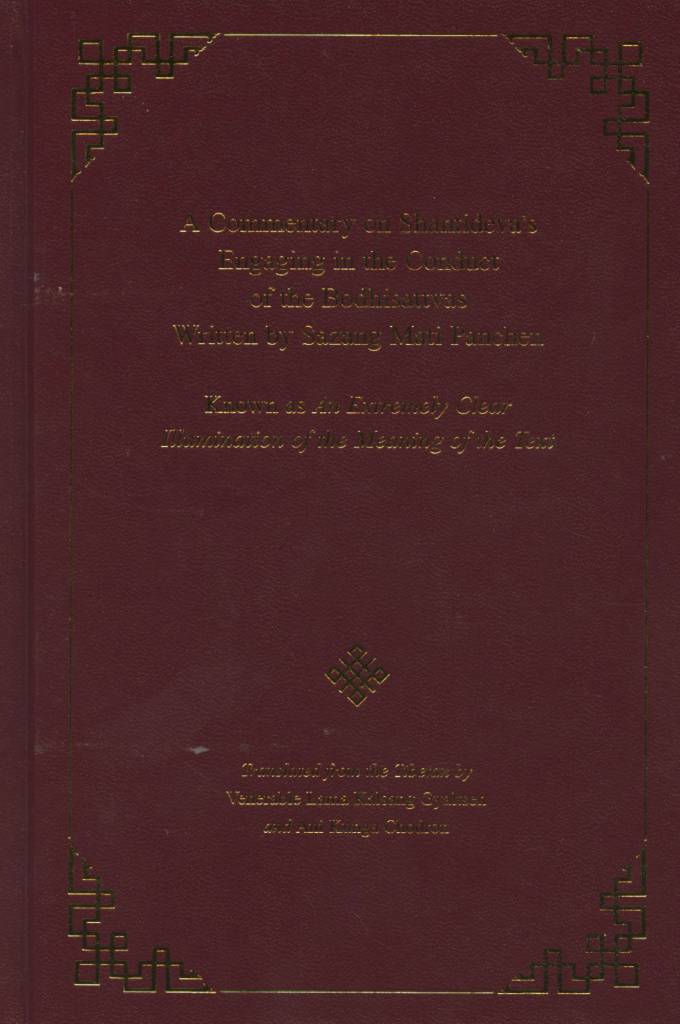
A Commentary on Shantideva's Engaging in the Conduct of the Bodhisattvas (citation)Gyaltsen, Lama Kalsang, and Ani Kunga Chodron, trans. A Commentary on Shantideva's Engaging in the Conduct of the Bodhisattvas Written by Sazang Mati Panchen: Known as An Extremely Clear Illumination of the Meaning of the Text. Walden, NY: Tsechen Kunchab Ling, 2019. Bilingual Edition

རྒྱུ་ལྡན་འབྲས་བུ་དང་བཅས་ཞེས། །

མཐོང་བ་འདི་ནི་སྲིད་མ་ཡིན། ། རྒྱུད་གཅིག་ལ་ནི་བརྟེན་ནས་སུ། །

བྱེད་པོ་སྤྱོད་པོ་ཞེས་བྱར་བསྟན། །
rgyu ldan 'bras bu dang bcas zhes/_/

mthong ba 'di ni srid ma yin/_/ rgyud gcig la ni brten nas su/_/

byed po spyod po zhes byar bstan/_/

Here it is impossible to see

That the result is possessed within the cause. Based on their shared continuation,

It is known as the actor or experiencer.

རྒྱུ་ལས་བྱས་པ་དང་ལྡན་པའི་བདག་རྟག་པ་གཅིག་པུ་དེ་ཉིད་ཀྱིས་འབྲས་བུ་རྣམ་སྨིན་མྱོང་བ་དང་བཅས་པ་ཞེ༵ས་བྱ་གཞི་མཐུན་པར་མཐོང་བ་དེ་ནི་ཕྱིན་ཅི་ལོག་ཡིན་གྱི། དོན་ལ་གནས་པ་སྲིད་པ་མ་ཡི༵ན་ཏེ། བསྐྱེད་བྱ་སྐྱེད་བྱེད་དུས་མཉམ་དུ་གྲུབ་པར་ཤིན་ཏུ་འགལ་བའི་ཕྱིར་རོ། །

Madhyamika: You believe that the self is permanent and singular, and performs actions which are the cause, and experiences ripening which is the result. But seeing these two as connected is a misconception. In ultimate reality there is no connection, because it is extremely contradictory to believe that the producer and that which is produced occur simultaneously.

འོ་ན་ཁྱེད་རང་གི་ལུང་ལས་ཀྱང་རང་གིས་བྱས་པའི་ལས་ཀྱི་རྣམ་པར་སྨིན་པ་རང་ཉིད་ཀྱིས་མྱོང་བར་བཤད་པ་དང་འགལ་ལོ་ཞེ་ན་

They may say: In that case, your own scriptures are also contradictory when they state that one must experience the karmic effects of one’s actions.

དེ་ནི་སྐད་ཅིག་སྔ་ཕྱི་བར་མ་ཆད་དུ་རྒྱུ་འབྲས་འབྲེལ་པར་འབྱུང་བའི་ཕུང་པོའི་རྒྱུན་གཅིག་ལ་ནི། གང་ཟག་ཏུ་བཏགས་པ་ལ་བརྟེན་ནས་སུ༵་དང་པོར་ལས་བྱེད་པ་པོ་དང་ཕྱིས་རྣམ་སྨིན་ལ་ལོངས་སྤྱོད་པ་པོ་ཞེས་བྱ་བར་གདུལ་བྱའི་[p.-346]རབ་གསལ་སྣང་བ་
བསམ་པའི་དབང་གིས་བཅོམ་ལྡན་འདས་ཀྱིས་བསྟ༵ན་པ་སྟེ། འདི་ཉིད་ཀྱིས་བྱས་པའི་ལས་ཇི་ལྟར་གཞན་གྱིས་མྱོང་བར་འགྱུར།

Madhyamika: The Buddha taught this to motivate disciples. In the same way that a continuation of aggregates is merely labeled as a person, the Buddha described an unbroken continuation of moments in which the earlier performer of an action is merely labeled as the later experiencer of the result. If you wonder if another could experience the result of an action performed at a particular time, the Buddha stated:

དགེ་སློང་དག་བྱས་ཤིང་བསགས་པའི་ལས་འདི་ནི་ཕྱི་རོལ་གྱི་སའི་ཁམས་ལ་སོགས་པ་ལ་སྨིན་པར་མི་འགྱུར་གྱི། ཟིན་པའི་ཕུང་པོ་དང་ཁམས་དང་སྐྱེ་མཆེད་འདི་ཉིད་ལ་སྨིན་པར་འགྱུར་རོ་ཞེས་པ་ལ་སོགས་པས་སོ། །

Monks, whatever actions you accumulate will not ripen upon external elements such as the earth, etc. They will be experienced as a ripening result upon your own already-existing elements, aggregates, and ayatanas.

རྒྱན་ལས་ཀྱང༌།

The Ornament also states:

གང་ཟག་བཏགས་པའི་ཡོད་ཉིད་དུ། ། བརྗོད་བྱ་རྫས་སུ་མ་ཡིན་ནོ། །

The existence of the label “person"
Does not mean that a substance exists as described.

ཞེས་ཀུན་རྫོབ་ལས་འབྲས་ལ་ཡིད་ཆེས་པའི་དོན་དུ་བཏགས་ནས་བསྟན་པ་ཡིན་གྱི་དོན་དམ་དུ་རྫས་སུ་གྲུབ་པ་ནི་མེད་པར་གསུངས་སོ། །

The Buddha gave these teachings to provide a foundation for trusting the truth of cause and result at the relative level. The Buddha also taught that at the ultimate level, no material substance exists.
Gyaltsap Je (1364 - 1432)
The Entrance for the Children of the Conquerors (citation)Stracke, Fedor, trans. The Entrance for the Children of the Conquerors: A Commentary on the Introduction to the Actions of Bodhisattvas. By Gyaltsab Rinpoche. N.p.: Happy Monks Publication, 2016. https://happymonkspublication.org/product/bodhisattvacharyavatara-chapter-1-10-commentary/. Bilingual Edition

གཉིས་པ་ནི།

Answer 1.1.2.3.1.3.1.2

རྒྱུ་ལྡན་འབྲས་བུ་དང་བཅས་ཞེས། །

མཐོང་བ་འདི་ནི་སྲིད་མ་ཡིན། ། རྒྱུད་གཅིག་ལ་ནི་བརྟེན་ནས་སུ། །

བྱེད་པོ་སྤྱོད་པོ་ཞེས་བྱར་བསྟན། །
rgyu ldan 'bras bu dang bcas zhes/_/

mthong ba 'di ni srid ma yin/_/ rgyud gcig la ni brten nas su/_/

byed po spyod po zhes byar bstan/_/

It is impossible to see what you say,

That the cause is endowed with the result. In dependence on one continuum

We refer to agent and engager.

རྒྱུ་ལས་བྱེད་པའི་བྱ་བའི་དུས་དང་འབྲས་བུ་ལོངས་སྤྱོད་པའི་དུས་ཀྱི་གཞི་གང་ཟག་རྫས་ཐ་དད་དང་འབྲས་བུ་མྱོང་བའི་དུས་དེར་བདག་སྟེ་ལས་བྱེད་པ་པོ་མེད་པར་ཡང་འུ་བུ་ཅག་གཉིས་ཀ་ལ་གྲུབ་པས། མས་[p.Ch9-393]Spyod 'jug rtsa 'grel (Mtsho sngon mi rigs dpe skrun khang 2001)
Śāntideva, and Rgyal tshab rje dar ma rin chen. Spyod 'jug rtsa 'grel and Byang chub sems dpa'i spyod pa la 'jug pa'i rnam bshad rgyal sras 'jug ngogs. Xining: Mtsho sngon mi rigs dpe skrun khang, 2001
འབྲས་ཀྱི་འབྲེལ་བ་སྟོན་པའི་སྐབས་འདིར་ཁྱེད་ཀྱིས་རྩོད་པ་དོན་མེད་མ་ཡིན་ནམ་རྒྱུ་ལས་བྱེད་དུས་ན་འབྲས་བུ་མྱོང་བ་མེད་མྱོང་དུས་ན་ལས་བྱེད་པ་པོ་མེད་པར་ཁྱོད་ཀྱིས་ཀྱང་ཁས་བླངས་པའི་ཕྱིར། དེ་སྐྱོན་དུ་འགྱུར་ན་ཁྱོད་རང་ལ་ཡང་མཚུངས་པའི་ཕྱིར་དང་། རྒྱུ་ལྡན་ཏེ་རྒྱུ་གསོག་དུས་ན་འབྲས་བུ་མྱོང་བ་དང་བཅས་ཞེས་མཐོང་བ་འདི་ནི་སྲིད་པ་མ་ཡིན་པའི་ཕྱིར་རོ། །

Since it is established for both of us that the persons who are the basis at the causal time of creating the action, and at the resultant time of experiencing the result are of different substance, and that at the time of experiencing the result the self who created the karma does not exist, isn’t your debate here at this time of explaining the relationship between karmic cause and effect pointless? You also accept that at the causal time of creating the karma the experience of the result is not there, and that at the time of experiencing the result, the creator of the karma is not there. If this becomes a fault, then it also applies to you. Additionally, your observation that the one endowed with the cause at the time of creating the cause is endowed with the experience of the result, this observation is impossible.

འོ་ན་ཁྱོད་རང་གི་ལུགས་ཇི་ལྟར་ཡིན་ཞེ་ན།

Particularists: How is it then in your school?

ཕུང་པོའི་རྒྱུན་གཅིག་ལ་ནི་བརྟེན་ནས་སུ་ལས་བྱེད་པ་པོ་དང་འབྲས་བུ་མྱོང་བ་པོ་ཞེས་བྱ་བར་བསྟན་པ་སྟེ་གདགས་སོ། །རྒྱུན་ཞེས་པ་ནི་ཆ་ཤས་སུ་གྱུར་པའི་སྐད་ཅིག་སྔ་ཕྱི་བར་གསུམ་ཉེ་བར་བླང་བྱར་ཡོད་པའི་ཆོ་ཅན་ཉེ་བར་ལེན་པ་པོ་སྟེ་མདོར་ན་གང་ཟག་འདིས་ལས་ཀྱང་བྱས་འབྲས་བུ་ཡང་མྱོང་ཞེས་པ་འཐད་ཀྱི་རྒྱུ་འབྲས་དུས་གཅིག་པ་སུས་ཀྱང་གཞག་མི་ནུས་སོ། །

Madhyamaka: In dependence on one continuum of aggregates we refer to the agent who creates the karma and the engager of the result. That called a continuum is the taker, which possesses parts, possessing that taken, the parts of the earlier, intermediate and later moments. In brief, it is valid to say this person creates karma, as well as experiences karma, and nobody is able to isolate18Changed from posit. cause and effect at any one time.

འདས་པ་དང་མ་འོངས་པའི་སེམས་བདག་མིན་ཏེ་དེ་ནི་ཞིག་པ་དང་མ་སྐྱེས་པས་བདག་ཏུ་མེད་པའི་ཕྱིར། འོན་ཏེ་སྐྱེས་པའི་སེམས་ད་ལྟར་བ་བདག་ཡིན་ན་སྐད་ཅིག་གཉིས་པར་དེ་ཞིག་ན་ཡང་ཁྱོད་འདོད་པའི་བདག་མེད་དེ། དཔེར་ན་ཆུ་ཤིང་གི་སྡོང་བོ་དག་ཆ་ཤས་སུ་ཕྱེ་ན་རང་བཞིན་གྱིས་གྲུབ་པ་འགའ་ཡང་མེད་པ་དེ་བཞིན་དུ་རང་བཞིན་གྱིས་གྲུབ་མ་གྲུབ་རིགས་པས་རྣམ་པར་དཔྱད་པ་ཡིས་བཙལ་ན་བདག་ཀྱང་ཡང་དག་པར་གྲུབ་པ་མིན་ཏེ་འོག་ནས་འཆད་པའི་བདག་མེད་སྒྲུབ་པའི་རིགས་པས་གནོད་པའི་ཕྱིར་རོ། །

The past and future minds are not the self or exist as self because they disintegrate and do not generate and therefore do not exist as self. Then, if the generated present mind were the self, as it disintegrates in the next moment, again the self asserted by you does not exist. For example, when the banana tree is separated into its parts, there[p.45]The Entrance for the Children of the Conquerors
Stracke, Fedor, trans. The Entrance for the Children of the Conquerors: A Commentary on the Introduction to the Actions of Bodhisattvas. By Gyaltsab Rinpoche. N.p.: Happy Monks Publication, 2016. https://happymonkspublication.org/product/bodhisattvacharyavatara-chapter-1-10-commentary/.
is nothing there that exists inherently. Likewise, if one searches with the logical analysis whether something is established inherently or not, then also the self does not exist in an absolute manner, because such a self is harmed by the reasoning that establishes the selflessness of person that is explained below.
Pawo Rinpoche, 2nd (1504 - 1566)
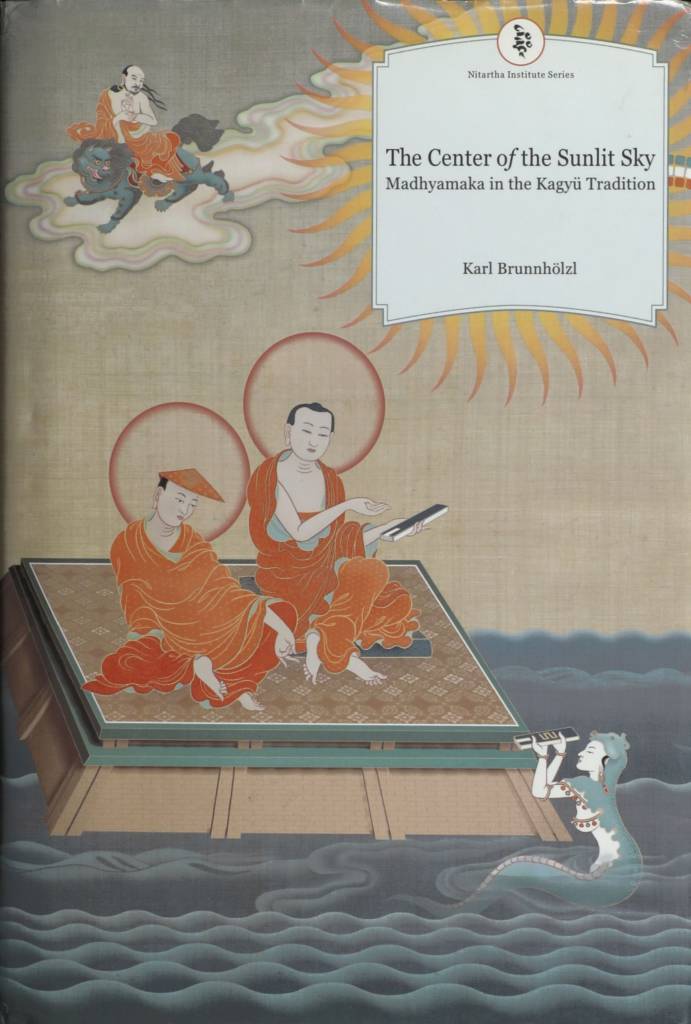
The Center of the Sunlit Sky (citation)Brunnhölzl, Karl. The Center of the Sunlit Sky: Madhyamaka in the Kagyü Tradition. Including a translation of Pawo Rinpoche's commentary on the knowledge section of Śāntideva's The Entrance to the Bodhisattva’s Way of Life (Bodhicaryāvatāra). Nitartha Institute Series. Ithaca, NY: Snow Lion Publications, 2004. Bilingual Edition

རྒྱུ་ལྡན་འབྲས་བུ་དང་བཅས་པར། །

མཐོང་བ་འདི་ནི་སྲིད་མ་ཡིན། ། རྒྱུན་གཅིག་ལ་ནི་བརྟེན་ནས་སུ། །

བྱེད་པོ་སྤྱོད་པོ་ཅེས་བྱར་བསྟན། །

One never sees it happen

That the provider of a cause is the recipient of its result. It is just in dependence on a single continuum

That a so-called agent and experiencer are taught. [72]

གསུམ་པས་རྒྱུ་འབྲས་དུས་མཉམ་མི་སྲིད་པར་བསྟན་ཏོ། །

This verse teaches that it is impossible for a cause and [its] result to be simultaneous.

ཆོས་གཅིག་ཁོ་ན་ལ་བལྟོས་ཏེ་ཅིག་ཆར་རྒྱུ་དང་ཡང་ལྡན་ཞིང་འབྲས་བུ་དང་ཡང་བཅས་པ་ཅེས་བྱ་བ་མཐོང་བ་འདི་ནི་འཇིག་རྟེན་ན་སྲིད་པ་མ་ཡིན་སྟེ་དཔེར་ན་པདྨའི་ས་བོན་ཡང་མ་ཞིག་ལ་མྱུ་གུ་ཡང་སྐྱེས་ཅིང་མྱུ་གུ་ལས་མ་འདས་ལ་མེ་ཏོག་ཡང་ཁ་བྱེ་བ་དང་མེ་ཏོག་གི་མདབ་མ་ཡང་མ་བྲུལ་ཞིང་འབྲས་བུ་ཡང་སྨིན་པ་ནི་མི་སྲིད་པ་བཞིན་ནོ། །

Based on just a single phenomenon, one never sees it happen in the world that the provider of a cause is simultaneously the recipient of its result. This is just like the following example: As long as a lotus seed has not perished, it is impossible that its sprout nevertheless would grow, or that its flower would open without the sprout having ceased, or that its fruit would ripen while the flower leaves do not wither.[p.709]The Center of the Sunlit Sky
Brunnhölzl, Karl. The Center of the Sunlit Sky: Madhyamaka in the Kagyü Tradition. Including a translation of Pawo Rinpoche's commentary on the knowledge section of Śāntideva's The Entrance to the Bodhisattva’s Way of Life (Bodhicaryāvatāra). Nitartha Institute Series. Ithaca, NY: Snow Lion Publications, 2004.

ཁྱེད་རང་གི་སྟོན་པས་ལས་བྱེད་པ་པོས་འབྲས་བུ་མྱོང་བར་གསུངས་སོ་ཞེ་ན། ཆུ་ལ་བདག་ཅི་ཡང་མེད་ཅིང་སྔ་ཕྱི་ཐ་དད་པ་ཡིན་ཡང་རྒྱུན་གྱིས་གཅིག་དུ་འཇོག་པ་ལྟར་བདག་ཅི་ཡང་མེད་ཀྱང་སེམས་ཀྱི་རྒྱུད་གཅིག་ལ་བརྟེན་ནས་སུ་སྔ་མ་ལས་བྱེད་པའི་དུས་སུ་བྱེད་པ་པོ་དང་ཕྱིས་འབྲས་བུ་མྱོང་བའི་དུས་སུ་སྤྱོད་པ་པོ་ཅེས་བྱ་ཞིང་བྱེད་པ་པོའི་བདག་མེད་ཅིང་བྱེད་པ་པོའི་སེམས་དེ་ཉིད་ཏུ་འགགས་ཀྱང་དེའི་རྒྱུན་ཙམ་གྱིས་རྣམ་སྨིན་ཆུད་མི་ཟ་བར་མྱོང་ངེས་སུ་བསྟན་པ་ཡིན་ནོ། །

You might argue, “Your own teacher has stated that the agent of actions experiences the result.” He taught the following: There is no self in a river at all, and its earlier [moments] are different from its later ones. However, it is presented as one due to being a stream. Likewise, there is no [personal] self at all. [Rather,] it is just in dependence on a single mental continuum that [its] earlier [moments] are called “agent” at the time of committing an action and [its] later [moments are called] “experiencer” at the time of experiencing the result. Thus, there is no self that is an agent, and it has been refuted that [such a self] is this very mind that represents the agent. However, just through the mere continuum of this [mind], you will certainly experience what has completely ripened [in it] without anything becoming lost.

རྒྱུ་གཅིག་ལ་ནི་སོགས་ལ་ནི་བི་བྷུ་ཏིས།

With respect to [lines 72cd] “It is just in dependence on a single continuum . . . ,” Vibhūticandra says:

གང་ཕྱིར་རྒྱུ་ནི་གང་ཉིད་ཏུ། །

ལས་ཀྱི་བགས་ཆགས་རྣམ་བཞག་པ། ། དེ་ཉིད་ཏུ་ནི་འབྲས་སྨིན་བྱེད། །

རས་བལ་ལ་ནི་དམར་པོ་བཞིན། །

You wonder why? The very continuum
In which the latent tendencies of actions are placed
Is that in which the result matures,
Just as red [color] in cotton wool.

ཞེས་ཏེ་རས་བལ་གྱི་ས་བོན་ཚོས་ཀྱི་ཁུ་བ་ཡང་ཡང་བྱུགས་པའི་མྱུ་གུ་ནས་འབྲས་བུའི་བར་དམར་པོ་ཁོ་ནར་སྐྱེ་བ་ལྟར་ཐ་དད་ཡིན་ཡང་སེམས་ཀྱི་རྒྱུན་གང་གིས་ལས་བྱས་པ་དེ་ཉིད་ཏུ་འབྲས་བུ་སྨིན་པའི་ཕྱིར་ཀླན་ཀ་མི་འབྱུང་ངོ་ཞེས་དང་།

One may repeatedly apply some [red] dye to a seed of cotton wool. Then, whatever grows out of this [seed]—from the sprout up through the fruit—will be red only. Likewise, [action and result] are different, but the mind stream that has performed an action is exactly the one in which the result matures. Therefore, qualms do not occur here.1676ACIP TD3880@269B.

Mipam Gyatso (1846 - 1912)
The Wisdom Chapter - The Ketaka Jewel (citation)Fletcher, Wulstan, and Helena Blankleder (Padmakara Translation Group), trans. The Wisdom Chapter: Jamgön Mipham's Commentary on the Ninth Chapter of "The Way of the Bodhisattva." Boulder, CO: Shambhala Publications, 2017. Bilingual Edition

རྒྱུ་ལྡན་འབྲས་བུ་དང་བཅས་ཞེས། །

མཐོང་བ་འདི་ནི་སྲིད་མ་ཡིན། ། རྒྱུད་གཅིག་ལ་ནི་བརྟེན་ནས་སུ། །

བྱེད་པོ་སྤྱོད་པོ་ཞེས་བྱར་བསྟན། །
rgyu ldan 'bras bu dang bcas zhes/_/

mthong ba 'di ni srid ma yin/_/ rgyud gcig la ni brten nas su/_/

byed po spyod po zhes byar bstan/_/

A cause coterminous with its result

Is something quite impossible to see. And only in the context of a single mental stream

Can it be said that one who acts will later reap the fruit.

དེ་ལྟར་ནའང་སྐྱོན་དེ་ཁོ་བོའི་ལུགས་ལ་ནི་སྤང་བར་ནུས་ཀྱི། ཁྱོད་ཀྱིས་ནི་ནམ་ཡང་མི་ནུས་སོ་ཞེས་སྟོན་ལ། ལས་བྱེད་པ་པོ་ཉིད་ལ་སྨིན་ཞེས་པ་འདིའང་རྒྱུད་གཅིག་གི་དབང་དུ་བྱས་པའི་རྣམ་བཞག་སྟེ། རྒྱུ་མ་འགགས་པར་ལྡན་བཞིན་དུ་དེའི་འབྲས་བུ་མཐོང་བ་ནི་མི་སྲིད་དེ་རྒྱུ་ལས་འབྲས་བུ་འབྱུང་དགོས་པས་སོ། །དེས་ན་འབྲས་བུ་འབྱུང་བའི་དུས་ན་རྒྱུ་འགགས་པས་ཁྱབ་ཀྱང་། རྟེན་འབྲེལ་བསླུ་བ་མེད་པའི་དབང་ལས་འབྲས་བུ་འབྱིན་པར་ནི་ངེས་ལ། དེ་འདྲའི་འབྲས་བུ་དེའང་རྒྱུའི་ཚོགས་པ་གང་དུ་ཚང་བ་གང་ཟག་གི་རྒྱུད་དེ་ཉིད་དུ་སྨིན་གྱི།གཞན་དུ་མ་ཡིན་ཏེ་ས་བོན་ས་ལ་བཏབ་པ་བྲག་ལ་མི་སྐྱེ་བ་བཞིན་ནོ། །དེས་ན་ཕུང་པོ་ལྔའི་རྒྱུན་རིགས་འདྲ་བར་མ་ཆད་པའི་རྒྱུད་གཅིག་ལ་བརྟེན་ནས་ལས་བྱེད་པ་པོ་དང་། འབྲས་བུ་ལོངས་སྤྱོད་པ་པོ་གཅིག་པའི་རྣམ་བཞག་མཛད་དེ་འཇིག་རྟེན་[p.79]Spyod 'jug sher 'grel ke ta ka (Si khron mi rigs dpe skrun khang 1993)
Mi pham rgya mtsho. Spyod 'jug sher 'grel ke ta ka. Chengdu: Si khron mi rigs dpe skrun khang, 1993.
པའི་བློའི་ཚུལ་ལུགས་ཐམས་ཅད་དེ་ལྟར་གནས་པ་ཡིན་ནོ། །

For it is impossible to find an effect the cause of which has not ceased and is still present. For effects must manifest from causes. At the time when effects occur, all causes have necessarily ceased, and yet, by the ineluctable power of interdependence, it is certain that their effects are produced. Moreover, these effects ripen wherever the causal conditions are complete—in the mind-stream of a specific person and not elsewhere. It is just as with seeds planted in the earth; they do not spring from rock. It is because there is a single, uninterrupted, and homogeneous continuity of the aggregates that the perpetrator of an action and the one who experiences its result are said to be one and the same—which is, of course, the opinion that ordinary worldly people hold.

དེ་ལྟར་ན་རྒྱུད་གཅིག་ཡིན་པ་དེ་ཉིད་ཀྱིས་བདག་གཅིག་ཏུ་ཡོད་པ་མིན་ནམ་ཞེ་ན་མིན་ཏེ། རྒྱུད་ནི་ཕྲེང་བ་བཞིན་དུ་བཏགས་པ་སྟེ་དོན་ལ་མི་སྲིད་དོ། །དེའང་གཟུགས་རྒས་གཞོན་དང་སྐྱེ་བ་སྔ་ཕྱི་མི་གཅིག་པར་རྟོགས་པར་སླ་མོད།སེམས་ཀྱི་དབང་དུ་བྱས་ཏེ་གསུངས་པ།

The question could then be asked whether this mental continuum does not in fact constitute a single self. The answer is that it does not. “Continuum” is just a conceptual label. Like a garland, it cannot actually exist as such. And it is easy to see that the aged and youthful bodies of a single life—and likewise earlier and later births—are not the same.
Kunzang Palden (1862 - 1943)
The Nectar of Manjushri's Speech (citation)Blankleder, Helena, and Wulstan Fletcher (Padmakara Translation Group), trans. The Nectar of Manjushri's Speech: A Detailed Commentary on Shantideva's Way of the Bodhisattva. By Kunzang Pelden. Boston: Shambhala Publications, 2007. Bilingual Edition

རྒྱུ་ལྡན་འབྲས་བུ་དང་བཅས་ཞེས། །

མཐོང་བ་འདི་ནི་སྲིད་མ་ཡིན། ། རྒྱུད་གཅིག་ལ་ནི་བརྟེན་ནས་སུ། །

བྱེད་པོ་སྤྱོད་པོ་ཞེས་བྱར་བསྟན། །
rgyu ldan 'bras bu dang bcas zhes/_/

mthong ba 'di ni srid ma yin/_/ rgyud gcig la ni brten nas su/_/

byed po spyod po zhes byar bstan/_/

རྒྱུ་མ་འགགས་པར་ལྡན་བཞིན་དུ་འབྲས་བུ་དང་བཅས་ཞེས་ཏེ་དེའི་འབྲས་བུ་མཐོང་བ་འདི་ནི་སྲིད་པ་མ་ཡིན་ཏེ་རྒྱུ་ལས་འབྲས་བུ་འབྱུང་དགོས་པས་སོ། །ཡང་ན་རྒྱུ་ལས་བྱེད་པ་དང་ལྡན་པའི་སྐད་ཅིག་དེ་ཉིད་ཀྱིས་དེའི་འབྲས་བུ་མྱོང་བ་དང་བཅས་པ་ཞེས་མཐོང་བ་འདི་ནི་སྲིད་པ་མ་ཡིན་ཏེ་ཕ་བུ་དུས་མཉམ་མི་སྐྱེ་བ་བཞིན་ནོ། །ཞེས་གསུངས། དེས་ན་འབྲས་བུ་འབྱུང་བའི་དུས་ན་རྒྱུ་འགགས་པས་ཁྱབ་ཀྱང༌། རྟེན་འབྲེལ་བསླུ་བ་མེད་པའི་དབང་ལས་འབྲས་བུ་འབྱིན་པར་ནི་ངེས་ལ། དེ་འདྲའི་འབྲས་བུ་དེའང་རྒྱུའི་ཚོགས་པ་གང་དུ་ཚང་བ་གང་ཟག་གི་རྒྱུད་དེ་ཉིད་དུ་སྨིན་གྱི་གཞན་དུ་མ་ཡིན་ཏེ། ས་བོན་ས་ལ་བཏབ་པ་བྲག་ལ་མི་སྐྱེ་བ་བཞིན་ནོ། །དེས་ན་ཕུང་པོ་ལྔའི་རྒྱུན་རིགས་འདྲ་བར་མ་ཆད་པའི་རྒྱུད་གཅིག་ལ་ནི་བརྟེན་ནས་སུ་ལས་བྱེད་པ་པོ་དང་འབྲས་བུ་ལ་ལོངས་སྤྱོད་པ་པོ་ཞེས་བྱར་བསྟན་ཞེས་གཅིག་པའི་རྣམ་བཞག་མཛད་དེ་འཇིག་རྟེན་པའི་བློའི་ཚུལ་ལུགས་ཐམས་ཅད་དེ་ལྟར་གནས་པ་ཡིན་ནོ། །

“A cause coterminous with its result”

Is something quite impossible to see. And only in the context of a single mental stream

Can it be said that one who acts will later reap the fruit.

For it is impossible to find an effect, the substantial cause of which has not ceased and is still present, for effects must manifest from causes. According to an alternative explanation, it has been said that it is impossible to find the performance of a causal action occurring in the same moment as the experience of its result, any more than a father and his son can be born simultaneously. Thus, at the time when the effect occurs, the cause has necessarily ceased. Nevertheless, by the ineluctable force of interdependence, it is certain that the effect will happen. Furthermore, this effect ripens wherever the causal conditions are all complete—in the mind stream of a specific person and not elsewhere. It is just as when seeds are sown in the earth. They spring up from the soil, not from rock. It is due to the fact that there is a single stream (one uninterrupted, homogeneous continuity) of the five aggregates, that the perpetrator of an act and the one who enjoys the result are said to be one and the same—which is, of course, the opinion that people commonly hold.


[edit]
[edit]