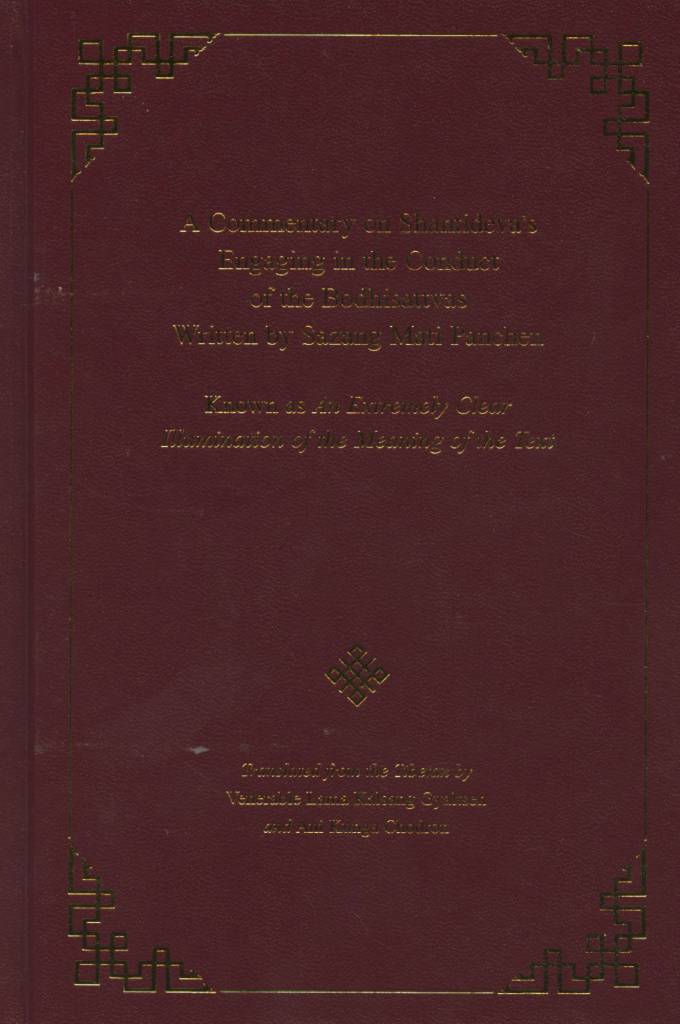
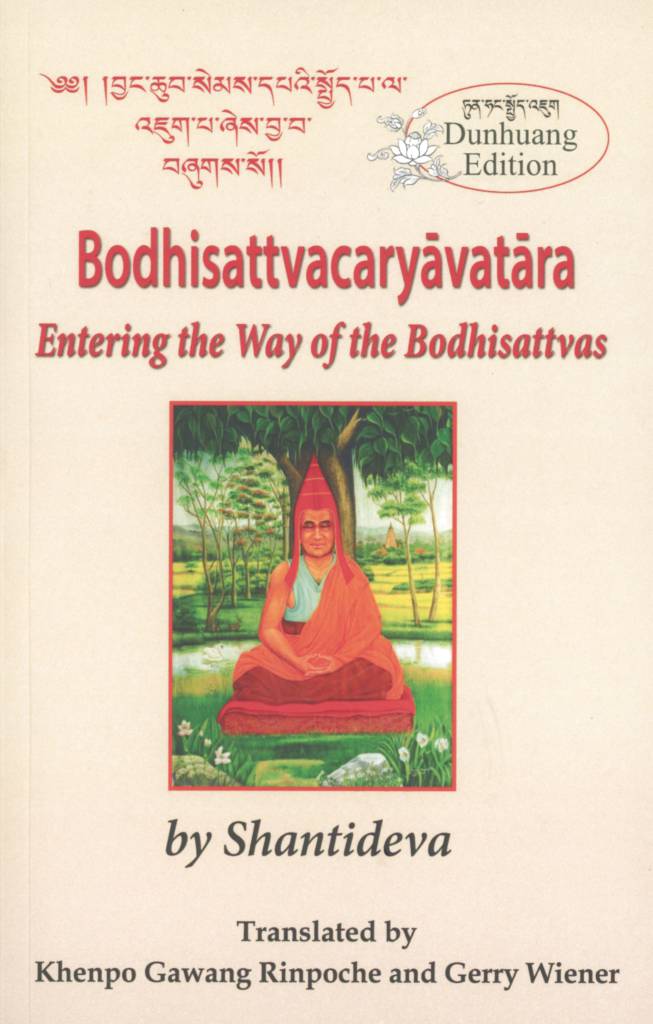
Sources:
यतस्ततो वास्तु भयं यद्यहं नाम किंचन। अहमेव च किंचिच्चेद्भयं कस्य भविष्यति॥
The teeth, hair, or nails are not I, nor is the bone, nor am I the blood, neither the mucus nor the phlegm, not the pus nor the synovial fluid.

གལ་ཏེ་བདག་འགའ་ཡོད་ན་ནི། །
ཅི་ཡང་རུང་ལས་འཇིགས་འགྱུར་ན། ། བདག་ཉིད་འགའ་ཡང་ཡོད་མིན་པས། །
འཇིགས་པར་འགྱུར་བ་སུ་ཞིག་ཡིན། །If such a thing as “I” exists indeed,
Then terrors, granted, will torment it. But since no self or “I” exists at all,
What is there left for fears to terrify?
If there were something called “I,”
It might be afraid of things here and there. However, since there is no “I” at all,
Who is it who could be afraid? [56]
Si le moi existait, il aurait
Peur de ceci, de cela. Or il n’y a pas de moi :
Qui donc peut encore avoir peur ?
Si el “yo” fuese algo que existiese
podría tener miedo de esto o aquello. Pero puesto que el “yo” no existe,
¿quién es, pues, el que tiene miedo?[p.163]La Práctica del BodisatvaHervás, María Jesús (Padmakara Translation Group, Spain), trans. La Práctica del Bodisatva: Una Traducción del Bodicharyavatara de Shantideva. Translated from the 2006 English translation of Helena Blankleder and Wulstan Fletcher. Novelda, Alicante, Spain: Ediciones Dharma, 2008.

If some selves exist
And one becomes afraid of any object, Since there is no nature at all
Who is the one afraid?
If there is something that is the so-called self,
One could feel fear toward any aspect of it. There is no so-called self whatsoever,
So, who could feel that fear?
བདག་ཅེས་བྱ་བ་འགའ་ཡོད་ན། །
ཅི་ཡང་རུང་ལས་འཇིགས་གྲང་ན། ། བདག་ཉིད་ཅུང་ཟད་ཡོད་མིན་ན། །
སུ་ཞིག་ལ་ནི་འཇིགས་པར་འགྱུར། །
གལ་ཏེ་བདག་འགའ་ཡོད་ན་ནི། །
ཅི་ཡང་རུང་ལས་འཇིགས་འགྱུར་ན། ། བདག་ཉིད་འགའ་ཡང་ཡོད་མིན་པས། །
འཇིགས་པར་འགྱུར་བ་སུ་ཞིག་ཡིན། །