9.46

From Bodhicitta

Bodhicaryāvatāra · Verse 9.46


Sources:    

Sanskrit §No information about the source used.

तृष्णा तावदुपादानं नास्ति चेत्संप्रधार्यते। किमक्लिष्टापि तृष्णैषां नास्ति संमोहवत् सती॥

 
Chanted Verse
Recitation by Professor Kashinath Nyaupane
46

Feeling causes craving, and they do have feeling. A mind which has objects will get stuck on one or another.

Standard Tibetan §Padmakara used the 1990 edition printed by si khron mi rigs dpe skrun khang: Byang chub sems dpa'i spyod pa la 'jug pa rtsa ba dang 'grel pa (1990). Also found in Derge Tengyur D3871, dbu ma, vol. 105, la 1b1–40a7.

རེ་ཞིག་ཉེར་ལེན་སྲེད་པ་ནི། །

མེད་ཅེས་ངེས་པ་ཉིད་ཅེ་ན། ། སྲེད་འདི་ཉོན་མོངས་ཅན་མིན་ཡང་། །

ཀུན་རྨོངས་བཞིན་དུ་ཅི་སྟེ་མེད། །

 
Chanted Verse
Recitation by Lopen Karma Phuntsho
46

“Only for a while,” you say. “For it is certain

That the causes of rebirth, their cravings, are no more.” They have no craving, granted, through defilement, But like their ignorance, why should they not have

craving undefiled?[p.144]The Way of the Bodhisattva (2006)
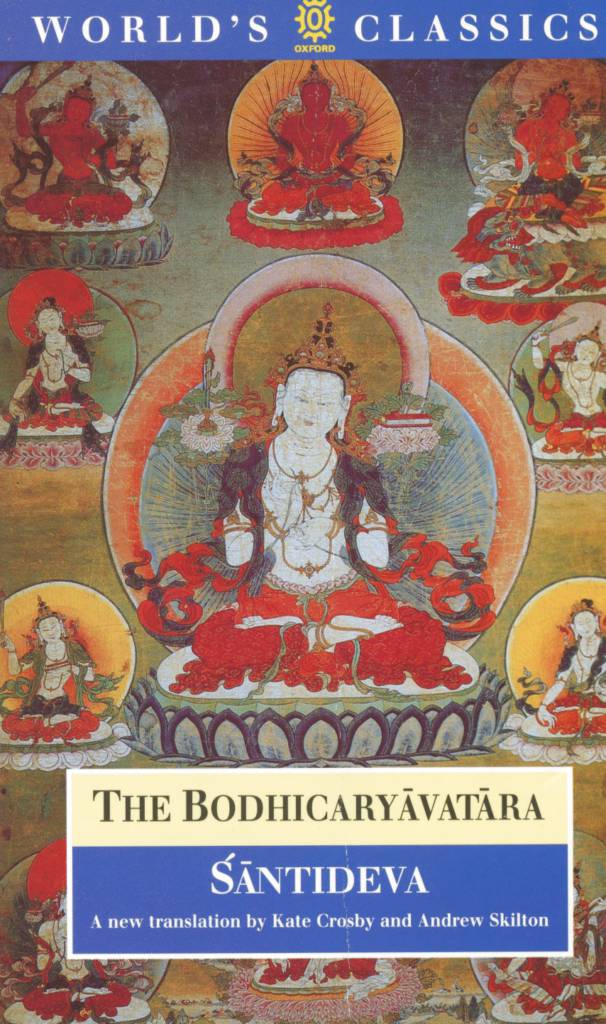
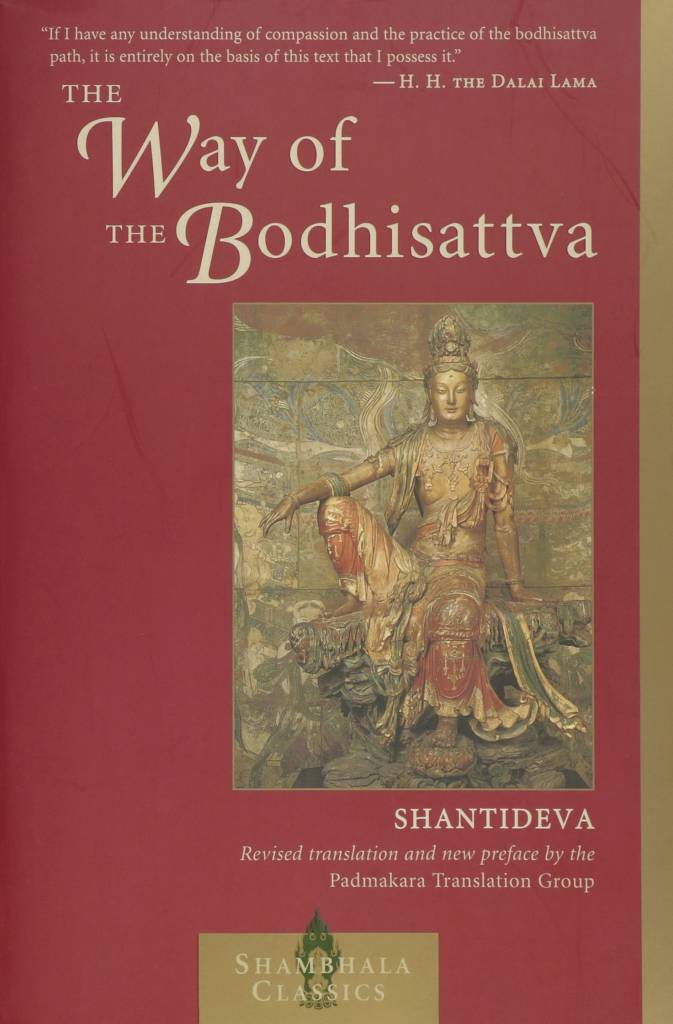
Blankleder, Helena, and Wulstan Fletcher (Padmakara Translation Group), trans. The Way of the Bodhisattva: A Translation of the Bodhicharyāvatāra. By Śāntideva. Rev. ed. Shambhala Classics. Boston: Shambhala Publications, 2006.

Standard Tibetan §Padmakara used the 1990 edition printed by si khron mi rigs dpe skrun khang: Byang chub sems dpa'i spyod pa la 'jug pa rtsa ba dang 'grel pa (1990). Also found in Derge Tengyur D3871, dbu ma, vol. 105, la 1b1–40a7. - Other translations

You might argue, “Here it has been determined

That they do not have any craving that appropriates.” Why should they not also have unafflicted craving,

Just as they have basic ignorance? [46]

– Mais il est sûr qu’ils ne sont plus sujets

À la soif d’appropriation. – Cette soif n’est plus émotionnelle, certes,

Mais n’obéit-elle pas encore à l’aveuglement ?

“Por poco tiempo —decís—, pues sin ninguna duda

se han deshecho del aferramiento, la causa de renacer”. Carecen del aferramiento asociado a las emociones aflictivas, pero igual que tienen ignorancia, ¿por qué no iban a tener

aferramiento no aflictivo?

La Práctica del Bodisatva-front.jpg
Padmakara Spain 2008

If: ‘You say the craving that takes forcefully,

Is temporarily non-existent. I say it is certain.’ Although this craving is not afflicted,

Why should it not be like ignorance?

It is certain that for the time being, There is no clinging to the aggregates.

Although this clinging is not a defilement, Why would it not exist like a delusion?

shift + scroll / swipe
Tsadra Critical Edition §This text was created by comparing four versions of the text from Derge, Cone, Narthang, and Peking Tengyurs from BDRC scans, along with Dunhuang manuscripts IOL Tib J 628, 629, and 630. When Tibetan readings were problematic, the Sanskrit texts from GRETIL and LTB (Oslo) were consulted.

རེ་ཞིག་ཉེར་ལེན་སྲེད་པ་ནི། །

མེད་ཅེས་ངེས་པ་ཉིད་ཅེ་ན། ། སྲེད་དེ་ཉོན་མོངས་ཅན་མིན་ཡང་། །

ཀུན་རྨོངས་བཞིན་དུ་ཅི་སྟེ་མེད། །

[edit]
Sazang Mati (1294 - 1376)
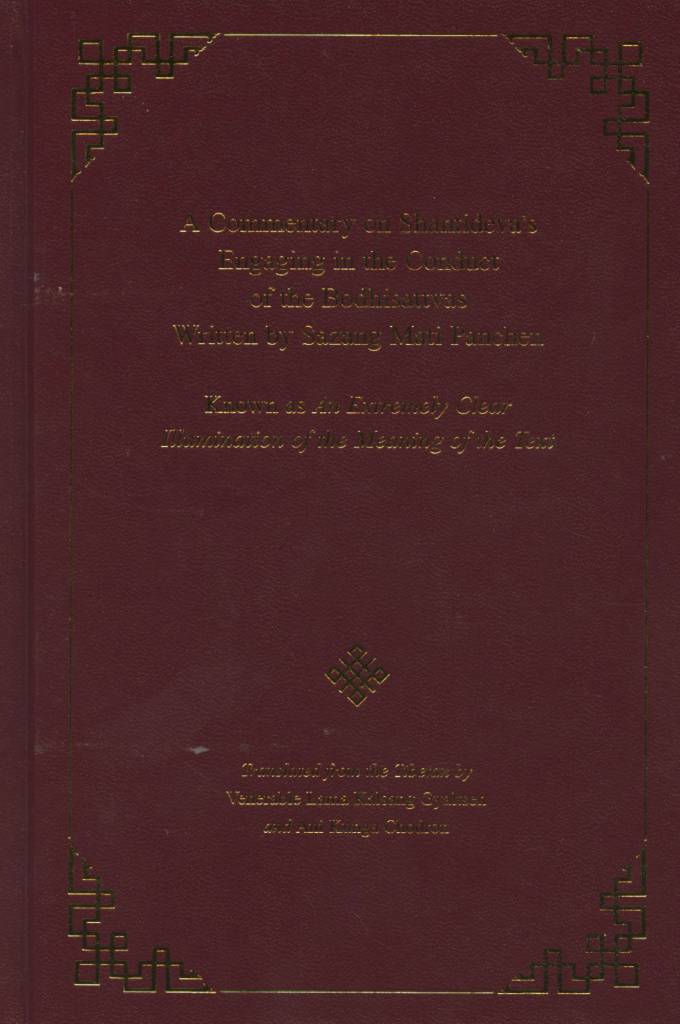
A Commentary on Shantideva's Engaging in the Conduct of the Bodhisattvas (citation)Gyaltsen, Lama Kalsang, and Ani Kunga Chodron, trans. A Commentary on Shantideva's Engaging in the Conduct of the Bodhisattvas Written by Sazang Mati Panchen: Known as An Extremely Clear Illumination of the Meaning of the Text. Walden, NY: Tsechen Kunchab Ling, 2019. Bilingual Edition

(གསུམ་པ་)སྲིད་པ་གནས་པའི་ཉེས་པ་ནི།

3. Consequence that craving still exists 1.2.2.1.2.2.2.2.2.1.3

རེ་ཞིག་ཉེར་ལེན་སྲེད་པ་ནི། ། མེད་ཅེས་ངེས་པ་ཉིད་ཅེ་ན། །

It is certain that for the time being, There is no clinging to the aggregates.

རེ་ཞིག་དང་པོ་ཉོན་མོངས་པ་སྤང་མ་ཐག་ཉིད་དུ་སྡུག་བསྔལ་ལས་མ་གྲོལ་ཡང་སྐུ་ཚེའི་འདུ་བྱེད་བཏང་བ་ན་གྲོལ་བར་འགྱུར་ཏེ་དེ་དག་ལ་ཡང་སྲིད་ཉེ་བར་ལེན་པའི་རྒྱུ་ཕུང་པོ་ལ་སྲེད་པ་ནི༵་མེད་ཅེས་བྱ་བར་ངེས་པ་ཉིད་ཡིན་པའི་ཕྱིར་རོ་ཞེ་ན༵།

Shravakas: Although such Arhats may not be completely liberated from suffering and defilement in this life, it is certain that when their life is extinguished, they will be liberated because they have no more clinging to the aggregates, which is the cause of taking rebirth in existence.[p.371]A Commentary on Shantideva's Engaging in the Conduct of the Bodhisattvas
Gyaltsen, Lama Kalsang, and Ani Kunga Chodron, trans. A Commentary on Shantideva's Engaging in the Conduct of the Bodhisattvas Written by Sazang Mati Panchen: Known as An Extremely Clear Illumination of the Meaning of the Text. Walden, NY: Tsechen Kunchab Ling, 2019. First edition published by The Yeshe Dorje Foundation in 2006.

སྲེད་འདི་ཉོན་མོངས་ཅན་མིན་ཡང་། ། ཀུན་རྨོངས་བཞིན་དུ་ཅི་སྟེ་མེད། །
Although this clinging is not a defilement, Why would it not exist like a delusion?

ཐེག་དམན་འཕགས་པ་ལ་ཡོད་པའི་སྲེད་པ་འདི་དག་ཀུན་བརྟགས་ཉོན་[p.-335]རབ་གསལ་སྣང་བ་
མོངས་ཅན་མིན་ན་ཡ༵ང་ཉོན་མོངས་པ་ཅན་མ་ཡིན་པའི་ཀུན་ཏུ་རྨོངས་པ་ལྷན་ཅིག་སྐྱེས་པའི་མ་རིག་པ་ཡོད་པ་བཞིན་དུ་ཅི་སྟེ་མེ༵ད་དེ་དེ་དག་གི་རྒྱུད་ལ་ཡོད་པ་ཉིད་དོ། །

Madhyamika: Although this clinging that exists in the holy people of the Shravaka tradition is not an obvious, gross, or completely nominal defilement, isn’t this ignorance which arises simultaneously with that delusion which is not a defilement? If it is, that craving exists in their minds.
Gyaltsap Je (1364 - 1432)
The Entrance for the Children of the Conquerors (citation)Stracke, Fedor, trans. The Entrance for the Children of the Conquerors: A Commentary on the Introduction to the Actions of Bodhisattvas. By Gyaltsab Rinpoche. N.p.: Happy Monks Publication, 2016. https://happymonkspublication.org/product/bodhisattvacharyavatara-chapter-1-10-commentary/. Bilingual Edition

གསུམ་པ་ནི།

Refuting the Answer to This 1.1.2.2.2.1.2.2.3

རེ་ཞིག་ཉེར་ལེན་སྲེད་པ་ནི། །

མེད་ཅེས་ངེས་པ་ཉིད་ཅེ་ན། ། སྲེད་འདི་ཉོན་མོངས་ཅན་མིན་ཡང་། །

ཀུན་རྨོངས་བཞིན་དུ་ཅི་སྟེ་མེད། །
re zhig nyer len sred pa ni/_/

med ces nges pa nyid ce na/_/ sred 'di nyon mongs can min yang /_/

kun rmongs bzhin du ci ste med/_/

If: ‘You say the craving that takes forcefully,

Is temporarily non-existent. I say it is certain.’ Although this craving is not afflicted,

Why should it not be like ignorance?

མི་རྟག་སོགས་ཀྱི་ལམ་བསྒོམས་པས་དགྲ་བཅོམ་པ་ཐོབ་པ་སྤངས་པ་རེ་ཞིག་པ་ཙམ་མིན་པའི་སྲིད་པ་ཉེ་བར་ལེན་པའི་ལྷན་ཅིག་བྱེད་རྐྱེན་སྲེད་པ་ནི་ལམ་དེས་ཟད་པར་སྤངས་པས་ས་བོན་མེད་པའི་ཕྱིར་ཡང་སྲིད་ཕྱི་མ་མི་ལེན་པ་ཉིད་དོ་ཞེས་ངེས་པ་ཉིད་དོ་ཞེ་ན།

Argument: The attainment of the state of arhat by meditating on the path of impermanence and so forth is not merely temporary. Craving is the simultaneously acting condition[p.32]The Entrance for the Children of the Conquerors
Stracke, Fedor, trans. The Entrance for the Children of the Conquerors: A Commentary on the Introduction to the Actions of Bodhisattvas. By Gyaltsab Rinpoche. N.p.: Happy Monks Publication, 2016. https://happymonkspublication.org/product/bodhisattvacharyavatara-chapter-1-10-commentary/.
for the forceful taking of another existence, and as it is exhaustively abandoned through this path, there is no seed and one does not take another rebirth. It is like this with certainty.

ཁྱོད་དགྲ་བཅོམ་པར་འདོད་པའི་གང་ཟག་དེའི་རྒྱུད་ཀྱི་སྲེད་པ་འདི་མངོན་པ་ནས་བཤད་པ་ལྟར་གྱི་ཉོན་མོངས་ཅན་མིན་ཡང་། མངོན་པ་ནས་ཀུན་རྨོངས་མ་རིག་པ་ལ་ཉོན་མོངས་ཅན་ཡིན་མིན་གཉིས་སུ་འདོད་པ་བཞིན་དུ་སྲེད་པ་ལ་ཡང་མངོན་པ་ནས་བཤད་པ་ལྟར་གྱི་ཉོན་མོངས་ཅན་ཡིན་པ་གཅིག་དང་མིན་པ་གཅིག་ཀྱང་ཅི་སྟེ་མེད་དེ་འདོད་དགོས་སོ། །

Answer: Although the craving in the continuum of the person that you assert to be an arhat is not afflicted as explained in the Knowledges, similar to there being posited a total incomprehension15Ignorance. that is afflicted according to the Knowledges and one being not, why should there not be a craving that is afflicted according to the Knowledges and one that is not? Two need to be posited.

གཞུང་དེས་ནི་སྡེ་བ་[p.Ch9-380]Spyod 'jug rtsa 'grel (Mtsho sngon mi rigs dpe skrun khang 2001)
Śāntideva, and Rgyal tshab rje dar ma rin chen. Spyod 'jug rtsa 'grel and Byang chub sems dpa'i spyod pa la 'jug pa'i rnam bshad rgyal sras 'jug ngogs. Xining: Mtsho sngon mi rigs dpe skrun khang, 2001
གཉིས་དང་ཐེག་པ་ཆེན་པོ་ལ་ཐུན་མོང་དུ་གྲགས་པ་ལྟར་གྱི་ཉོན་མོངས་ཅན་མ་ཡིན་པའི་སྲེད་པ་ཡོད་པར་སྟོན་གྱི་རང་ལུགས་ཀྱི་སྲེད་པ་ལ་ཉོན་མོངས་ཅན་ཡིན་མིན་གཉིས་སུ་འདོད་པ་གཏན་མིན་པར་ཤེས་པར་བྱའོ། །

These texts show the existence of a craving that is commonly renowned as non-af- flicted in the two Hinayana schools and the Mahayana, but for the craving that is asserted by our own system certainly no afflicted and non-afflicted are asserted.

དེས་ན་གང་ཟག་རང་རྐྱ་ཐུབ་པའི་རྫས་ཡོད་དུ་འཛིན་པའི་བདག་འཛིན་གྱིས་དྲངས་པའི་སྲེད་པ་མངོན་གྱུར་པ་རེ་ཞིག་སྤངས་ཀྱང་གང་ཟག་ངོ་བོ་ཉིད་ཀྱིས་གྲུབ་པར་འཛིན་པའི་འཇིག་ལྟས་དྲངས་པའི་སྲེད་པ་ཅི་སྟེ་མེད་ཅེས་པ་ཡིན་པས། སྔར་བཤད་པའི་མངོན་གྱུར་སྤངས་པ་ལ་ནི་བཤད་མ་ཐག་པའི་འཇིག་ལྟ་དང་སྲེད་པ་མངོན་གྱུར་པ་ཡང་མི་ལྡོག་གོ །

Then, it is saying that although one temporarily abandons the manifest craving induced by the grasping at a person that is a self-sufficient substantial-existent self, how can one say that the craving induced by the transitory view that is grasping at the person as existing out of its own nature, is non-existent? The elimination of the earlier mentioned in manifest form does not stop even the manifest form of the just mentioned transitory view and craving.

གལ་ཏེ་ལུགས་དེ་གཉིས་ཀའི་ཉོན་མོངས་མངོན་གྱུར་སྤངས་ན་གཉིས་ཀའི་ས་བོན་མ་སྤངས་པར་ནི་འདྲ་ལ་མངོན་གྱུར་ཡོད་མེད་ལ་ཁྱད་པར་མ་བྱུང་ན་སྲེད་པ་ལ་ཁྱད་པར་ཕྱེ་བ་དོན་མེད་དོ། །

If it is the same for both schools that when their manifest afflictions are abandoned, that this does not mean that the seeds are abandoned, then it is meaningless to set craving apart.

སྟོང་ཉིད་མ་རྟོགས་པའི་གང་ཟག་དེ་དག་ལ་ཚོར་བ་བདེན་འཛིན་གྱི་མ་རིག་པ་ཅུང་ཟད་ཀྱང་མ་སྤངས་པས་ཚོར་བའི་རྐྱེན་གྱིས་ཚོར་བ་བདེ་བ་ལ་མི་འབྲལ་བར་སྲེད་པ་དང་། སྡུག་བསྔལ་ལ་འབྲལ་འདོད་ཀྱི་སྲེད་པ་ངེས་པར་སྐྱེ་བ་ཡིན་ལ་

A person who has not realized emptiness has not abandoned in the slightest the ignorance grasping at the true existence of feeling, and through the condition of feeling such a person will certainly generate craving for not being separated from happiness and the wish to be separated from suffering.

ཚོར་བ་རང་གི་མཚན་ཉིད་ཀྱིས་གྲུབ་པར་ཞེན་པ་ཁྱོད་དགྲ་བཅོམ་དུ་འདོད་པ་དེ་དག་ལ་ཡོད་པའི་ཕྱིར་དངོས་པོ་ལ་བདེན་པར་དམིགས་པ་དང་ནི་བཅས་པའི་སེམས་གང་ཟག་འགའ་ཞིག་གི་རྒྱུད་ལ་ནི་མངོན་གྱུར་དུ་གནས་པར་འགྱུར་བ་དེ་སྲིད་དུ་དེས་དྲངས་པའི་སྲེད་པ་མངོན་གྱུར་ཡང་ལྡོག་པ་མི་སྲིད་དོ། །

Because you posit that arhats have the grasping at inherent existence of feeling, that craving exists in their continuum. For as long as the mind that possesses the object that is perceived as truly existent, is manifest in the continuum of a person, for that long it is impossible to stop the manifest craving that is induced by it.
Pawo Rinpoche, 2nd (1504 - 1566)
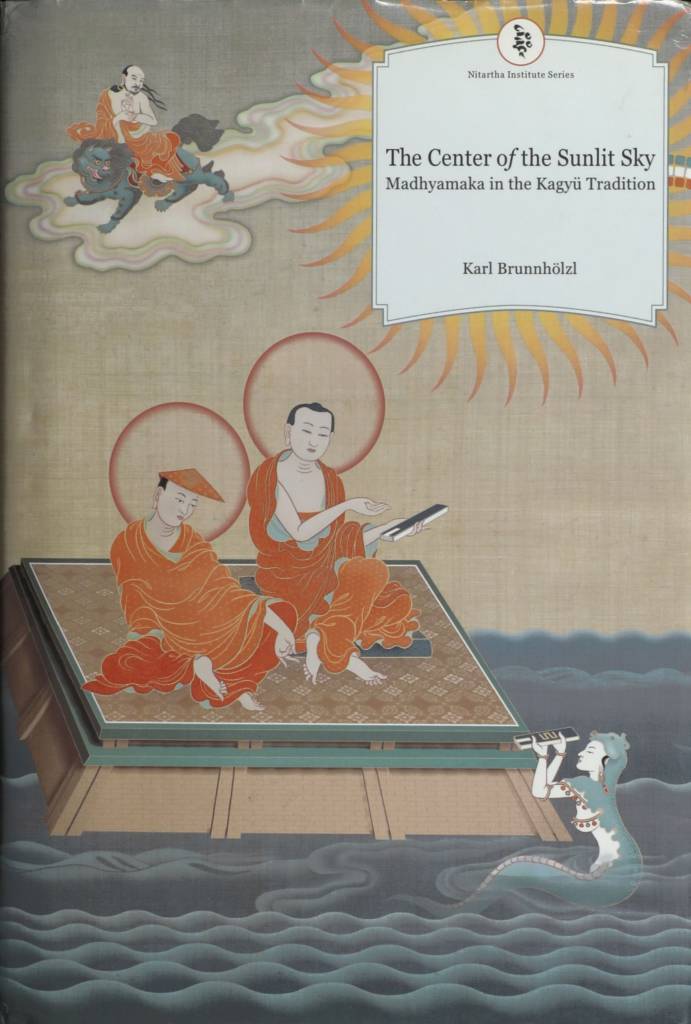
The Center of the Sunlit Sky (citation)Brunnhölzl, Karl. The Center of the Sunlit Sky: Madhyamaka in the Kagyü Tradition. Including a translation of Pawo Rinpoche's commentary on the knowledge section of Śāntideva's The Entrance to the Bodhisattva’s Way of Life (Bodhicaryāvatāra). Nitartha Institute Series. Ithaca, NY: Snow Lion Publications, 2004. Bilingual Edition

རེ་ཞིག་ཉེར་ལེན་སྲེད་པ་ནི། །

མེད་ཅེས་ངེས་པ་ཉིད་ཅེ་ན། ། སྲེད་འདི་ཉོན་མོངས་ཅན་མིན་ཡང་། །

ཀུན་རྨོངས་བཞིན་དུ་ཅི་སྟེ་མེད། །
You might argue, “Here it has been determined

That they do not have any craving that appropriates.” Why should they not also have unafflicted craving,

Just as they have basic ignorance? [46]

ཉོན་མོངས་སོགས་ཚིགས་བཅད་ཕྱེད་དང་གསུམ་གྱི་དགྲ་བཅོམ་པ་རྣམས་ཀྱང་ལས་ལས་མ་གྲོལ་བར་བསྟན།

These two and a half verses teach that even arhats are not released from karma.

ཞེས་གསུངས་ཏེ། སྟོང་ཉིད་མ་རྟོགས་ཀྱང་ཉོན་མོངས་པ་ལས་གྲོལ་ན་དེ་ཉིད་བྱང་ཆུབ་བོ་ཞེ་ན། འོ་ན་ཉོན་མོངས་ལས་གྲོལ་བ་དེའི་དེ་མ་ཐག་ཏུ་སྤངས་པ་ཕུན་སུམ་ཚོགས་པར་ཐལ་བར་འགྱུར་རོ། །འདོད་མི་ནུས་ཏེ། ཉོན་མོངས་མངོན་གྱུར་བ་མེད་ཀྱང་ཐེག་དམན་གྱི་དགྲ་བཅོམ་དུ་འདོད་པ་དེ་དག་ལ་སྔོན་མའི་ལས་ཀྱིས་འཕངས་པའི་འབྲས་བུ་མཽངྒལ་གྱི་བུ་ཀུན་ཏུ་རྒྱུས་ཡན་ལག་བཅོམ་པ་དང་། འཆར་ཀ་ཆོམ་རྐུན་པའི་དཔོན་གྱིས་དབུ་བཅད་པ་དང་། སྒུར་ཆུང་ཞག་བདུན་སྨྱུང་བར་འགྱུར་པའི་མཐར་ཐལ་སྐྱོ་གསོལ་བ་དང་། ཉེ་སྡེ་སྦྲུལ་དུག་ཅན་གྱིས་ཟིན་པ་སོགས་དུ་མ་བཤད་པ་དང་།

You might say, “Even without the realization of emptiness, if one is liberated from the afflictions, this in itself is enlightenment.” Then it would follow that the [state that is attained] immediately after this liberation from the afflictions is perfect relinquishment. However, you cannot assert this, because it is explained that many results that are induced by former actions [exist] even in those who are asserted to be arhats of the inferior vehicle and lack manifest afflictions. [This can be seen from] such cases as Maudgalyāyana’s limbs being smashed by wandering ascetics, Udāyin being beheaded by a robber chief, Little Kubja [dying from] eating mud soup at the end of being ill for seven days, and Upasena being caught by poisonous snakes.

ཉོན་མོངས་པའི་བག་ཆགས་དགྲ་བཅོམ་པ་ཆུ་འཐུང་གིས་ཞེ་སྡང་གི་བག་ཆགས་ལས་གྲེ་ལས་སྐྱེས་ཀྱི་མཆོད་རྟེན་བཤིག་པ་དང་། ཁ་ཅིག་བུད་མེད་ལ་བཟང་མོ་ཞེས་འབོད་པ་དང་། རྟ་གད་དུ་རྒོད་པ་སོགས་བཤད་པ་དང་། ཀུན་དགའ་བོའི་སྲིང་མོའི་བུ་གཉིས་ལོ་བདུན་པ་ལ་དགེ་ཚུལ་དང་དགྲ་བཅོམ་ཐོབ་ནས་ཆུ་ལེན་པ་ན་བུམ་པ་ནམ་མཁའ་ལ་སྔོན་དུ་བཏང་ནས་བདག་ཉིད་ཕྱི་ནས་འོང་བ་སོགས་རྫུ་འཕྲུལ་གྱི་རྩེད་མོ་བྱེད་པ་དང་། བ་ལང་བདག་མཛའ་བའི་བག་ཆགས་ཀྱིས་ཇོ་བོ་གང་པོ་ཞེས་འབོད་པ་སོགས་ལས་ཀྱི་བག་ཆགས་དང་ལྡན་པར་མཐོང་བ་ཡིན་པའི་ཕྱིར་རོ། །

[Also the effects of] latent tendencies of afflictions are explained here, such as in the case of the arhat Kapītanaḥ who destroyed the reliquary of [a person called] Thursday out of his latent tendencies of hatred. There were also some [arhats] who yelled, “Ain’t they gorgeous!” at women and got all excited while guffawing with laughter. Or, we have such [reports] as the one about the two sons of finanda’s sister [828] who were fooling around with their miraculous powers after they had attained novitiate and arhathood at the age of seven: On their way to fetch water, they would send the pot ahead in space while they followed behind. Furthermore, there was Gavāmpati, who, due to his latent tendencies of affection, cried out, “Brother Pūrṇa!”1630All these examples refer to stories in the Vinaya scriptures about such arhats. For example, Maudgalyāyana—who was renowned for his miraculous powers—went to the hell realms and met a hell-being who was suffering in a very particular way and told him that such suffering had befallen him because—during his human lifetime as a non-Buddhist spiritual teacher—he had propagated certain wrong views. The hell-being requested Maudgalyāyana to tell his students that their teacher urged them to renounce their wrong views because of such karmic results. When Maudgalyāyana returned to the surface of the earth and told the teacher’s students what he had seen and heard, they did not believe him but took his words as an insult to their deceased guru and beat him to death.

Udāyin still had some attachment and preferred to teach dharma in the neighborhood brothel. The local robber chief caught him alone with his own favorite prostitute and chopped his head off. The arhat Little Kubja had the problem that everything that was given to him as alms did not stay in his begging bowl but fell out immediately. So he finally tried some broth made of mud, which stayed in his bowl but led to his passing away. Nanda used to stare at the women in the audience when giving a dharma talk. There are other stories (quoted in Crosby and Skilton 1995): High-caste Mahākāśyapa could not rid himself of habitual snobbery and—despite his renown for ascetism—could not help jigging to a tune because of his former lives spent as a monkey. Likewise, Gavāmpati—because of his many lifetimes as an ox—habitually regurgitated his food to chew the cud. Madhuvasiṣṭha—another ex-monkey—could not resist climbing walls and trees. Reportedly, even a pratyekabuddha—who had been a courtesan in past lives—still dressed “like a coquette.” Pūrṇa(maitrāyaṇīputra) was noted for his abilities in expounding the dharma and his skill in training novice monks. Thus, one sees that they possess the latent tendencies of actions.

གལ་ཏེ་དེ་བདེན་མོད་ཀྱང་རེ་ཞིག་སྲིད་པ་ཕྱི་མ་ཉེ་བར་ལེན་པའི་སྲེད་པ་ནི་མེད་ཅེས་ངེས་པ་ཉིད་དོ་ཞེ་ན། ཉན་རང་གི་དགྲ་བཅོམ་པར་འདོད་པ་དེ་དག་ལ་ཉོན་མོངས་པ་ཅན་གྱི་མ་རིག་པ་མེད་ཀྱང་ཉོན་མོངས་ཅན་མ་ཡིན་པའི་མ་རིག་པ་ཡོད་པས་ཤེས་བྱ་ཐམས་ཅད་ལ་ཡེ་ཤེས་འཇུག་མི་ནུས་པ་ཡིན་ལ། དེས་ན་དེ་དག་ལ་སྲེད་པ་འདི་ཡང་ཉོན་མོངས་ཅན་ཡོད་པ་མིན་ན་ཡང་ཉོན་མོངས་ཅན་མིན་པའི་ཀུན་ནས་རྨོངས་པ་ཡོད་པ་དེ་བཞིན་དུ་ཉོན་མོངས་ཅན་མ་ཡིན་པའི་སྲེད་པ་ཅི་སྟེ་མེད་དེ་ཁ་ཟས་ཚོལ་བ་དང་སྨན་བསྟེན་པ་སོགས་མཐོང་བའི་ཕྱིར་རོ། །འོ་ན་སངས་རྒྱས་ལ་ཡང་དེར་ཐལ་ལོ་སྙམ་ན་མ་ཡིན་སྟེ་སངས་རྒྱས་བསོད་སྙོམས་ལ་གཤེགས་པ་སོགས་ཀྱི་དགོས་པ་ནི་སྔར་བསྟན་ཟིན་ཏོ། །

You might argue, “This is certainly true. However, here, it has been determined that they do not have any craving that appropriates further existences.” Agreed, those who are asserted to be hearer arhats surely do not have afflicted ignorance. However, since they do have unafflicted ignorance, their wisdom cannot engage in all knowable objects. Hence, they do not have this afflicted craving, but why should they not have unafflicted craving, just as they have unafflicted basic ignorance? [They indeed have unafflicted craving], because one sees them looking for food, taking medicine, and so on. You might think, “Well,[p.688]The Center of the Sunlit Sky
Brunnhölzl, Karl. The Center of the Sunlit Sky: Madhyamaka in the Kagyü Tradition. Including a translation of Pawo Rinpoche's commentary on the knowledge section of Śāntideva's The Entrance to the Bodhisattva’s Way of Life (Bodhicaryāvatāra). Nitartha Institute Series. Ithaca, NY: Snow Lion Publications, 2004.
then, that follows for the Buddha too.” It does not: The purpose of such [beings] as the Buddha going for alms was already taught earlier.

གཞན་ཡང་ཉན་རང་དེ་དག་ལ་སྲེད་པ་ཡོད་སྟེ་ཚོར་བའི་རྐྱེན་གྱིས་སྲེད་པ་འབྱུང་བ་ཡིན་ལ་ཚོར་བ་ནི་དེ་དག་ལ་ཡང་ཡོད་པའི་ཕྱིར། འོ་ན་སྲེད་པ་ལས་ལེན་པ་དང་དེ་ལས་སྲིད་པ་འབྱུང་བས་དེ་དག་སྲིད་པར་སྐྱེ་བ་ཡང་ཡོད་པར་ཐལ་ལོ་ཞེ་ན། ལས་ཉོན་མངོན་གྱུར་བས་འཕངས་པའི་ལེན་སྐྱེ་མེད་ཀྱང་བག་ཆགས་ཕྲ་མོས་བསྒོས་པ་མ་རིག་བག་ཆགས་ཀྱི་ས་ལ་བསྟེན་པ་བསམ་གྱིས་མི་ཁྱབ་པའི་འཆི་འཕོ་བར་བསྒྱུར་བའི་ལེན་སྐྱེ་ནི་ཡོད་སྟེ་

Furthermore, [arhats of] the hearers and solitary realizers possess craving, because craving originates from the condition of feelings, and they do have feelings. You might say, “However, then it follows that coming into existence and being reborn must exist for them too, since craving leads to grasping, and [grasping] is followed by coming into existence.” They do not have any grasping or birth that are induced by manifest actions and afflictions. However, they do have [the kind of] grasping and birth that is the transformation in the form of inconceivable death and transition that is based on imprints through subtle latent tendencies. This is the ground of latent tendencies of basic unawareness.

དེའི་ཕྱིར་དེ་དག་གིས་མ་རིག་བག་ཆགས་ཀྱིས་སྤངས་པའི་གཙང་པ་དམ་པ་དང་བསམ་གྱིས་མི་ཁྱབ་པའི་འཆི་འཕོ་སྤངས་པའི་རྟག་པ་དམ་པའི་ཕ་རོལ་ཏུ་སོན་པ་མ་ཐོབ་པར་དཔལ་ཕྲེང་གི་མདོ་སོགས་ལས་གསུངས་སོ། །

Therefore, The Sūtra of [the Lion’s Roar of Queen] Śrīmālā and others declare that [arhats] do not attain the perfection of ultimate purity—the relinquishment of the ground of latent tendencies of basic unawareness—nor the [perfection] of ultimate permanence—the relinquishment of inconceivable death and transition. [829]

ཉེ་བར་དམིགས་པ་ཡོད་པ་རྣམས་ཀྱིས་ཇི་སྲིད་ཕུང་པོར་འཛིན་པ་ཡོད་པ་དེ་སྲིད་ངར་འཛིན་གྱི་ང་རྒྱལ་བྱེད་ལ་ལས་དང་སྐྱེ་བ་ཡོད་པ་དེ་ལྟ་ན་མྱ་ངན་ལས་འདས་པ་ཡང་དཀའོ་གལ་སྟེ་བདེན་པ་མཐོང་བས་ཉོན་མོངས་སྤོང་བའི་ཕྱིར་མི་དཀའོ་ཞེ་ན་དེའི་ཕྱིར་ཉོན་མོངས་སོགས་སོ་ཞེས་དང་། གཞན་དག་ན་རེ་ཉོན་མོངས་ཅན་དང་ལུང་མ་བསྟན་པའི་སྲིད་པ་དང་འདོད་ཁམས་ཀྱི་མི་དགེ་བ་ནི་འདིར་ཡང་སྲིད་འབྱུང་བའི་དབང་དུ་བྱས་པ་ཡིན་སྟེ། དེ་ཡང་དགའ་བའི་འདོད་ཆགས་དང་བཅས་པ་ནི་ཉོན་མོངས་པ་དང་བཅས་ཡིན་ན་ཉོན་མོངས་མེད་ཀྱང་ཞེས་ཅིའི་ཕྱིར་རྟོགས་ཞེས་སྨྲ་ན་འདི་ལྟར་དགོངས་ཏེ་གཏི་མུག་ཡང་ཉོན་མོངས་པའི་ས་པ་ཆེན་པོ་ཡིན་པས་ཉོན་མོངས་ཅན་ཡིན་ལ་དེའི་བག་ཆགས་ཀྱང་ཀུན་དུ་རྨོངས་པའི་ཉོན་མོངས་ཅན་མ་ཡིན་པའི་མི་ཤེས་པ་ནི་སེམས་དམིགས་པ་དང་བཅས་པ་འདི་ལ་ཡོད་པར་འདོད་ཏོ་དེ་བཞིན་དུ་ཉོན་མོངས་ཅན་གྱི་སྲེད་པ་ལ་ཡང་བག་ཆགས་ཉོན་མོངས་ཅན་མ་ཡིན་པ་ཡོད་སྟེ་དེ་ཡང་ཚོར་བ་ཡིན་ནོ་དེ་ཉོན་མོངས་པ་ཅན་མ་ཡིན་ཡང་ལྷན་ཅིག་བྱེད་པའི་རྐྱེན་དང་ཕྲད་ན་ཉོན་མོངས་ཅན་དུ་སྐྱེད་ཏོ་ཅེས་ཡང་སྒྲས་སྟོན་ཏོ་དེས་ན་སྲེད་འདི་ཞེས་སོགས་སྨོས་སོ། །

As long as there is clinging to the aggregates by those who are referential, for that long the pride of clinging to an I is generated and there are actions and births. Thus, nirvāṇa is ill [established] too. You might object, “It is not ill [established], because the afflictions are relinquished by seeing reality.” Therefore, [verse 45] “If liberation came from . . .” is [taught]. . . . Someone else [835] might say, “Here, afflicted and neutral craving as well as negativities of the desire realm are used in terms of the origination of further existences. If possessing joyous[p.695]The Center of the Sunlit Sky
Brunnhölzl, Karl. The Center of the Sunlit Sky: Madhyamaka in the Kagyü Tradition. Including a translation of Pawo Rinpoche's commentary on the knowledge section of Śāntideva's The Entrance to the Bodhisattva’s Way of Life (Bodhicaryāvatāra). Nitartha Institute Series. Ithaca, NY: Snow Lion Publications, 2004.
desire means possessing afflictions, why were [lines 45cd] ‘However, one sees the efficacy of actions . . .’ spoken?” The implication [of this] is as follows: It is asserted that dullness is afflicted too, since it is the great seed for afflictions. Its latent tendencies exist also in this referential mind of unafflicted ignorance that entails basic unawareness. Likewise, unafflicted latent tendencies exist also in unafflicted craving: These are feelings. . . . [Feelings themselves] are not afflicted, but if they meet with cooperative causes, they produce something afflicted. This is what is taught by the term “also” [in line 46c]. Therefore, [lines 46cd–47ab] “Why should they not . . .” are stated. You might say,“Causes are not something that definitely produces results.” Therefore, [lines 47cd] “Referential minds . . .” are given.1638Ibid., @073B–074A.

རྒྱུ་རྣམས་ནི་འབྲས་བུ་ངེས་པར་སྐྱེད་པ་མ་ཡིན་ནོ་ཞེ་ན། དམིགས་པ་ཅེས་སོགས་སྨོས་ཏེ་ཅེས་སོགས་སྣང་མོད། དགྲ་བཅོམ་ལ་ཉོན་མོངས་མེད་ཀྱང་ཞེས་སྨོས་མི་རིགས་པར་དོགས་པ་བསླང་ནས་གཏི་མུག་ཉོན་མོངས་ཡིན་ལ་ཞེས་ལན་བཏབ་འདི་ནི་དཔྱད་པའི་གཞིའོ། །

These are the passages that appear [in Kalyāṇadeva’s commentary]. However, this answer [to the question about lines 45cd] that he gives—that “dullness is an affliction”—is a basis for analysis. The reason for this is that [his answer] is affected by the [above] qualm [of the opponent] that it is not reasonable [for Śāntideva] to say, “However, one sees the efficacy of actions . . .”

དཀའ་འགྲེལ་ཆུང་བ་ལས་ནི།

In The Small Commentary on the Difficult Points, the following appears:

དགེ་སློང་ལྔ་ལས་འདིར་ཉོན་མོངས་བཅོམ་པའི་དགེ་སློང་བཟུང་སྟེ་སྟོང་ཉིད་མེད་ན་ལྷག་བཅས་མྱང་འདས་ཀྱི་དགེ་སློང་མེད་པར་ཐལ་བའོ་ཉོན་མོངས་བཅོམ་པ་ནི་བསྟན་པའི་རྩ་བ་ཡིན་སྟེ་དགྲ་བཅོམ་པའི་ཚོགས་ཀྱིས་བསྟན་པ་སྡུད་འཛིན་སྲུང་བའི་ཕྱིར། ཁ་ཆེ་ལ་སོགས་པའི་ཡུལ་སོ་སོར་ད་ལྟར་ཡང་བསྟན་པ་བཟུང་བ་དང་སྲུང་བའི་དོན་དུ་གནས་པར་བཤད་པའི་ཕྱིར། སྟོང་ཉིད་མེད་པར་ཉོན་མོངས་པ་བཅོམ་པ་ཇི་ལྟར་མི་འཐད་ན་དེའི་ས་བོན་མ་སྤངས་པས་ཡང་སྐྱེ་བའི་ཕྱིར། ཡང་ན་ཉོན་མོངས་བཅོམ་པ་འཐད་ཀྱང་ལྷག་མེད་ཀྱི་མྱང་འདས་མི་འཐད་ཏོ་ཅེས། སེམས་ནི་དམིགས་དང་སོགས་སོ། །འོན་སྟེ་ཡང་སྲིད་མི་ལེན་པས་སྔོན་འཕངས་པའི་ཕུང་པོ་ཟད་པ་ན་མྱང་འདས་སོ་ཞེས་དོགས་པ་གསུ་བའི་ཕྱིར་རེ་ཞིག་སོགས་སོ། །ངར་འཛིན་གྱི་ཕུང་པོ་དོན་གཉེར་དེ་དག་ལ་མེད་ཀྱང་ཕུང་པོ་དོན་གཉེར་གྱི་སྲིད་པ་ནི་ཡོད་སྟེ་ཁ་ཟས་དོན་དུ་གཉེར་བ་ཡོད་པའི་ཕྱིར། དེའི་རྒྱུ་ཚང་བས་ཀྱང་ཡོད་པར་སྟོན་སྟེ། ཚོར་བའི་རྐྱེན་གྱིས་སོགས་ཏེ་བསམ་གྱིས་མི་ཁྱབ་པའི་འཆི་འཕོ་ཡོད་པར་རྒྱུད་བླ་དང་དཔལ་ཕྲེང་གི་མདོ་སོགས་ལས་བཤད་ཏོ་ཅེས་སྣང་བ་ལ་ནི། ངར་འཛིན་གྱི་ཕུང་པོ་དོན་གཉེར་དེ་དག་ལ་མེད་ཀྱང་ཕུང་པོ་དོན་གཉེར་གྱི་སྲིད་པ་ནི་ཡོད་སྟེ་ཁ་ཟས་དོན་དུ་གཉེར་བ་ཡོད་པའི་ཕྱིར། དེའི་རྒྱུ་ཚང་བས་ཀྱང་ཡོད་པར་སྟོན་སྟེ། ཚོར་བའི་རྐྱེན་གྱིས་སོགས་ཏེ་བསམ་གྱིས་མི་ཁྱབ་པའི་འཆི་འཕོ་ཡོད་པར་རྒྱུད་བླ་དང་དཔལ་ཕྲེང་གི་མདོ་སོགས་ལས་བཤད་ཏོ་ཅེས་

[As for verse 44:] Among the five [kinds of] fully ordained monks, the fully ordained monk who has vanquished the afflictions is the one to be identified here [836]. If emptiness does not exist, it follows that the fully ordained monk of the nirvāṇa with remainder does not exist[p.696]The Center of the Sunlit Sky
Brunnhölzl, Karl. The Center of the Sunlit Sky: Madhyamaka in the Kagyü Tradition. Including a translation of Pawo Rinpoche's commentary on the knowledge section of Śāntideva's The Entrance to the Bodhisattva’s Way of Life (Bodhicaryāvatāra). Nitartha Institute Series. Ithaca, NY: Snow Lion Publications, 2004.
[either]. Those who have vanquished the afflictions are the roots of the teaching for the following reasons: (a) The assembly of arhats collects, upholds, and protects the teaching. (b) It is explained that they remain even now in different countries, such as Kashmir, for the sake of upholding and protecting the teaching. (c) If someone asks, “How is it that having vanquished the afflictions is unjustified without emptiness?” the reason is that the [afflictions] arise again, since their seeds have not been relinquished. Or [you might say], “Having vanquished the afflictions is justified, but nirvāṇa without remainder is not justified.” [The answer is in lines 44cd] “A nirvāṇa of those whose minds are referential . . .” [You might continue,] “However, once the aggregates that were induced in the past are extinguished, this is nirvāṇa, since [there are] no [aggregates] that could be reborn.” In order to anticipate such a qualm, [verse 46 says,] “You might argue, ‘Here, it has been determined . . .’” [Arhats] do not possess any striving for such aggregates that involve clinging to an I. However, they do possess craving that strives for the aggregates [as such], because they possess striving for food. It is taught that such [craving] exists [in them], since its causes are complete. [This is found in verse 47] “Craving comes from . . .” It is explained in such [scriptures] as The Sublime Continuum and The Sūtra [of the Lion’s Roar of Queen] Śrīmālā that inconceivable death and transition exist [for these arhats].

སྣང་བ་ལ་ནི།

The following phrases [indicate that the opponents] are forced to accept that these passages above do apply to the inferior vehicle’s [own] texts:

ཉོན་མོངས་བཅོམ་པ་དགེ་སློང་གི་མཆོག་དུ་ཁྱེད་ཅག་ཉིད་འདོད་སྟེ་དགྲ་བཅོམ་གྱིས་བསྟན་པའི་བྱ་བ་དངོས་རྣམས་བྱེད་པའི་ཕྱིར་

You yourself assert that those who have vanquished the afflictions are the supreme fully ordained monks, because it is the arhats who perform the actual main activities of the teaching.

ཞེས་ཐེག་དམན་གྱི་གཞུང་དང་སྦྱར་བ་ཁས་ལེན་དུ་བཅུག་ནས་

Following this, there appears what seems to be a further rebuttal by using the great vehicle’s own texts as [a source of] valid cognition:

སླར་སྟོང་ཉིད་མ་རྟོགས་ན་ཉོན་མོངས་པ་སྤོང་མི་ནུས་ལ་དེས་ན་ཐེག་དམན་ལ་མྱང་འདས་དང་དགྲ་བཅོམ་ཡང་མེད་ཏོ་ཅེས་ཐེག་ཆེན་གྱི་རང་གཞུང་ཚད་མར་བྱས་ཏེ་བརྒལ་བ་ཞིག་ཡིན་པར་སྣང་ངོ་། །

If you do not realize emptiness, you are not able to relinquish the afflictions. Hence, there is no nirvāṇa or arhathood in the inferior vehicle.

ཤེར་ལེ་ཁོ་ནའི་དཀའ་འགྲེལ་ཆུང་ངུ་ལས་ནི་དགེ་སློང་དཀའ་བར་གནས་ཏེ་རྩོད་བཅས་ཡིན་པའི་ཕྱིར་དང་ཉོན་མོངས་བཅོམ་པ་དཀའ་བ་གཉི་གར་འབྲུ་གཉེར་ཏོ། །

In The Small Commentary on the Difficult Points of the Knowledge Chapter Only, both [versions] appear as supplementary words: Full monkhood is ill established for the reason that there is dispute about it and that it is hard to vanquish the afflictions.1641ACIP TD3876@166A.[p.697]The Center of the Sunlit Sky
Brunnhölzl, Karl. The Center of the Sunlit Sky: Madhyamaka in the Kagyü Tradition. Including a translation of Pawo Rinpoche's commentary on the knowledge section of Śāntideva's The Entrance to the Bodhisattva’s Way of Life (Bodhicaryāvatāra). Nitartha Institute Series. Ithaca, NY: Snow Lion Publications, 2004.
Minyak Kunzang Sönam (1823 - 1905)
The Profound Reality of Interdependence (citation)Duckworth, Douglas S., trans. The Profound Reality of Interdependence: An Overview of the Wisdom Chapter of the Way of the Bodhisattva. By Künzang Sönam. New York: Oxford University Press, 2019. Bilingual Edition

ཡང་། རེ་ཞིག་ཉེར་ལེན་སྲེད་པ་ནི། 9.46 ཞེས་སོགས་གསུངས། འདིར་ལས་དང་ཉོན་མོངས་པའི་ཀུན་འབྱུང་ཐམས་ཅད་ཀྱི་ནང་ནས་སྲེད་པ་ཉིད་གཙོ་བོར་སྟོན་པའི་རྒྱུ་མཚན་ནི། མདོ་ལས།

Next, it is said, [IX.46] “For a time, the appropriations, craving . . . 9.46 ” This shows that from among all the origins of suffering, which are karma and the afflictions, the primary one is craving. The reason for this is as follows: A sūtra says:

སྡུག་བསྔལ་ཀུན་འབྱུང་བ་འཕགས་པའི་བདེན་པ་གང་ཞེ་ན། སྲིད་པ་ཡང་འབྱུང་བ་ཅན། དགའ་བའི་འདོད་ཆགས་དང་བཅས་པ། དེ་དང་དེ་ལ་མངོན་པར་དགའ་བའི་ངང་ཚུལ་ཅན་འདི་ལྟ་སྟེ། འདོད་པའི་སྲེད་པ་དང་། སྲིད་པའི་སྲེད་པ་དང་། འཇིགས་པའི་སྲེད་པའོ། །

One might ask, “What is the noble truth of the origin of suffering?” It arises again with craving, along with enthusiastic attachment. It has the nature of fascination for this and that. It is like this: desirous craving, existential craving, and fearful craving.275A close parallel to this passage is found in Foundations of Vinaya, 4:64a.

ཞེས་གསུངས། དེ་ལ་སྲིད་པ་ཡང་འབྱུང་བ་ཞེས་པ་ནས་ངང་ཚུལ་ཅན་ཞེས་པའི་བར་གྱི་ཚིག་གསུམ་[p.153]Spyod 'jug shes rab le'u'i spyi don rim par phye ba zab mo rten 'byung gi de kho na nyid yang gsal sgron me
Mi nyag kun bzang bsod nams (མི་ཉག་ཀུན་བཟང་བསོད་ནམས་). spyod 'jug shes rab le'u'i spyi don rim par phye ba zab mo rten 'byung gi de kho na nyid yang gsal sgron me [སྤྱོད་འཇུག་ཤེས་རབ་ལེའུའི་སྤྱི་དོན་རིམ་པར་ཕྱེ་བ་ཟབ་མོ་རྟེན་འབྱུང་གི་དེ་ཁོ་ན་ཉིད་ཡང་གསལ་སྒྲོན་མེ།]. [Lamp that Thoroughly Illuminates the Suchness of Profound Dependent Origination: An Overview of the Divisions of the Wisdom Chapter of Entering into the Conduct [of the Bodhisattva]]. Tengyur.
གྱིས། མ་འོངས་པ་ད་ལྟ་བ་འདས་པའི་ཡུལ་ལ་སྲེད་པ་གསུམ་བསྟན། ཡང་ན། སྔ་མ་མདོར་བསྟན་དང་། ཕྱི་མ་གཉིས་ད་ལྟའི་ཡུལ་ཐོབ་པ་ལ་མི་འབྲལ་བར་སྲེད་པ་དང་མ་འོངས་པའི་ཡུལ་མ་ཐོབ་པ་ལ་འཕྲད་འདོད་ཀྱི་སྲེད་པ་བསྟན་པ་ལ་སྦྱར་རོ། །འདི་ལྟ་སྟེ་སོགས་ཀྱིས་དེའི་དབྱེ་བ་བསྟན་ཏེ། བདེ་བ་ཐོབ་འདོད་ཀྱི་འདོད་སྲེད་དང་། བདག་ཏུ་ཆགས་པའི་སྲིད་སྲེད་དང་། སྡུག་བསྔལ་འདོར་འདོད་ཀྱི་འཇིགས་སྲེད་དེ་གསུམ་མོ། །

The three lines where it says, “It arises again with craving . . . the nature of fascination” shows craving for objects in the future, the past, and the present. Alternatively, the first gives a brief demonstration, and the latter two respectively show craving to be not separated from an object acquired in the present, and craving that is the desire to encounter in the future what has not been acquired. The last part of the passage, following “It is like this” shows its division: (1) desirous craving, which is wanting to achieve happiness; (2) existential craving, which is the attachment to self; and (3) fearful craving, which is wanting to eliminate suffering.

མངོན་པ་ཀུན་བཏུས་ལས། མདོ་འདི་དྲངས་ནས་སྲེད་པ་ཉིད་ཐམས་ཅད་དུ་འགྲོ་བའི་སྒོ་ནས་གཙོ་བོར་བསྟན་ཏེ། དེ་ཉིད་ལས།

The Compendium of Metaphysics cites the above sūtra to show that craving is primary since it encompasses everything. The Compendium of Metaphysics says:

ཐམས་ཅད་དུ་འགྲོ་བའི་དོན་གང་ཞེ་ན། འདི་ལྟར་སྲེད་པ་དངོས་པོ་ཐམས་ཅད་དུ་འགྲོ་བ་དང་། གནས་སྐབས་ཐམས་ཅད་དུ་འགྲོ་བ་དང་། དུས་ཐམས་ཅད་དུ་འགྲོ་བ་དང་། ཁམས་ཐམས་ཅད་དུ་འགྲོ་བ་དང་། ཚོལ་བ་ཐམས་ཅད་དུ་འགྲོ་བ་དང་། རྣམ་པ་ཐམས་ཅད་དུ་འགྲོ་བའོ། །

One might ask, “What is the meaning of ‘encompassing everything’?” This craving follows after all things. It follows all situations. It happens in all times. It encompasses all realms. It is involved in all efforts. It takes on all forms.276Asaṅga, Compendium of Metaphysics, 78b.

ཞེས་གསུངས། དེ་ལ་ཡུལ་ཐོབ་པ་ལ་མི་འབྲལ་བ་དང་མ་ཐོབ་པ་ལ་ཕྲད་པར་སྲེད་པས་ཁྱབ་པ་དངོས་པོ་ཐམས་ཅད་དུ་འགྲོ་བ་དང་། ཚོར་བ་སྡུག་བསྔལ་ལ་འབྲལ་བར་དང་བདེ་བ་ལ་མི་འབྲལ་བར་སྲེད་པ་སོགས་ཚོར་བའི་གནས་སྐབས་ཐམས་ཅད་དུ་དང་། འདས་པ་ལ་དྲན་པ་དང་ད་ལྟ་བ་ལ་ཆགས་པ་དང་མ་འོངས་པ་ལ་དགའ་བ་ནི་དུས་ཐམས་ཅད་དུ་དང་། འདོད་ཁམས་སོགས་གསུམ་ལ་སྲེད་པ་ཁམས་ཐམས་ཅད་དུ་དང་། ལ་འདོད་པ་དང་སྲིད་པ་ཚོལ་བ་ལ་སྲེད་པས་འདོད་ཁམས་སོགས་ཀྱི་སྡུག་བསྔལ་འགྲུབ་ཅིང་། ལོག་པའི་ཚངས་སྤྱོད་ཚོལ་བ་ལ་སྲེད་པས་སྲིད་པ་ལས་མི་ཐར་པ་ནི་ཚོལ་བ་ཐམས་ཅད་དུ་དང་། འདོད་[p.154]Spyod 'jug shes rab le'u'i spyi don rim par phye ba zab mo rten 'byung gi de kho na nyid yang gsal sgron me
Mi nyag kun bzang bsod nams (མི་ཉག་ཀུན་བཟང་བསོད་ནམས་). spyod 'jug shes rab le'u'i spyi don rim par phye ba zab mo rten 'byung gi de kho na nyid yang gsal sgron me [སྤྱོད་འཇུག་ཤེས་རབ་ལེའུའི་སྤྱི་དོན་རིམ་པར་ཕྱེ་བ་ཟབ་མོ་རྟེན་འབྱུང་གི་དེ་ཁོ་ན་ཉིད་ཡང་གསལ་སྒྲོན་མེ།]. [Lamp that Thoroughly Illuminates the Suchness of Profound Dependent Origination: An Overview of the Divisions of the Wisdom Chapter of Entering into the Conduct [of the Bodhisattva]]. Tengyur.
པའི་ཡུལ་རྟག་པར་འབྱུང་བ་དང་མི་འདོད་པ་འཕྲལ་དུ་རྒྱུན་ཆད་པར་སྲེད་པ་རྟག་ཆད་ཀྱི་རྣམ་པ་ཐམས་ཅད་འགྲོ་བའི་དོན་ཏོ། །

Here, “it follows after all things” refers to the way that the craving not to lose what one has acquired and for acquiring what has not been acquired is encompassing. “It follows all situations” of feeling refers to the feeling of craving to be free from suffering and not to part from happiness. “It happens in all times” refers to memories of the past, attachment to the present, and anticipation for the future. “It encompasses all realms” refers to craving in the three[p.144]The Profound Reality of Interdependence
Duckworth, Douglas S., trans. The Profound Reality of Interdependence: An Overview of the Wisdom Chapter of the Way of the Bodhisattva. By Künzang Sönam. New York: Oxford University Press, 2019.
realms, such as the Desire Realm. [737] The sufferings of the Desire Realm and so on are accomplished by craving for what is desirable, and effort for existence. “It is involved in all efforts” refers to there being no liberation from existence due to craving in pursuit of perverse activities. “It takes on all forms” refers to all forms of permanence and annihilation in craving for the permanence of desirable objects and for the immediate termination of undesirable things.

ཚད་མ་རྣམ་འགྲེལ་ལས་ནི་ཡང་སྲིད་ཕྱི་མ་ལེན་པའི་རྒྱུའི་གཙོ་བོ་ཡིན་པའི་སྒོ་ནས་ཀྱང་སྲེད་པ་ཉིད་གཙོ་བོ་བསྟན་ཏེ། དེ་ཉིད་ལས།

The Commentary on Epistemology also teaches craving as primary in terms of being the main cause for taking on a future existence. The Commentary on Epistemology states:

མི་ཤེས་སྲིད་པའི་རྒྱུ་ཡིན་ཡང་། །

མ་བརྗོད་སྲེད་པ་ཉིད་བཤད་པ། ། རྒྱུན་ནི་འཕེན་པར་བྱེད་ཕྱིར་དང་། ། དེ་མ་ཐག་ཕྱིར་ལས་ཀྱང་མིན། །

དེ་ཡོད་ན་ཡོད་མེད་ཕྱིར་རོ། །

While ignorance is the cause of existence,
It is not mentioned, but craving is:
Since it perpetuates the continuum
And is immediately preceding; but not karma because
When it is present, it is existent and nonexistent.277Dharmakīrti, Commentary on Epistemology, II.190–191a (D. 4210), 110b.

ཞེས་གསུངས། དོན་ནི་མ་རིག་པ་དང་སྲེད་པ་དང་ལས་གསུམ་ཀ་ཡང་སྲིད་ཕྱི་མའི་རྒྱུ་ཡིན་ན། འདིར་སྲེད་པ་ཁོ་ན་དེའི་རྒྱུར་བཤད་པ་ཅི་ཡིན་སྙམ་ན། ཡན་ལག་བཅུ་གཉིས་ཀྱི་ཐོག་མའི་མི་ཤེས་པའམ་མ་རིག་པ་དེ་སྤྱིར་ཡང་སྲིད་འཕེན་བྱེད་ཀྱི་རྒྱུ་ཡིན་ཡང་། དེ་མ་ཐག་འགྲུབ་བྱེད་མིན་པས་འདིར་མ་བརྗོད་ལ། སྲེད་པ་ཉིད་རང་འབྲས་ཕྱི་མའི་རྒྱུན་འཕེན་བྱེད་དང་དེ་མ་ཐག་འགྲུབ་བྱེད་གཉིས་ཀ་ཡིན་ཕྱིར་སྐབས་འདིར་སྲེད་པ་ཉིད་ཡང་སྲིད་ཕྱི་མའི་རྒྱུར་དངོས་སུ་བརྗོད་ལ། ལས་ཀྱང་ཡང་སྲིད་ཕྱི་མའི་རྒྱུའི་གཙོ་བོ་མིན་ཏེ། སྲེད་པ་ཡོད་ན་ལས་ངང་གིས་གསོག་པ་ཡོད་ལ་སྲེད་པ་མེད་ན་ལས་ཡོད་ཀྱང་སྲིད་པར་སྐྱེ་བའི་ངེས་པ་མེད་པའི་ཕྱིར། ཞེས་པའོ། །དེས་ན་སྲིད་པ་མངོན་པར་འགྲུབ་པ་ལ་ལས་ཉོན་གཉིས་ལས་ཉོན་མོངས་གཙོ་ཆེ་ཞིང་དེའི་ནང་ནས་སྲེད་པ་ཉིད་གཙོ་ཚེའོ། །

Here is what this means: Given that ignorance, craving, and karma are all three causes of a future existence, one might then wonder, “Why is only craving said to be the cause here?” The lack of knowledge, or ignorance, that is first among the twelve links of dependent origination is a cause that perpetuates existence in general. Nevertheless, since it is not an immediate producer, it is not mentioned here. Since craving alone is both the immediate producer and the perpetuator of the continuum for its subsequent effect, just craving is explicitly mentioned here as the cause of a future existence. Karma is also not the primary cause of a future existence because karma will naturally accumulate if craving is present, but if craving is absent, it is not certain that there will be birth in a future existence even with karma. Therefore, for the complete production of existence, between karma and afflictions, afflictions are primary; and among the afflictions, craving is primary.

དེ་བཞིན་དུ། དེ་ཉིད་ལས་འཁོར་བའི་རྒྱུ་དངོས་ངོས་བཟུང་བའི་སྐབས་སུ་འདི་སྐད་གསུངས་ཏེ།

Likewise, in the context of identifying the direct cause of cyclic existence, the Commentary on Epistemology says:

བདག་ལ་ཆགས་པ་དང་ལྡན་པས། །

སེམས་ཅན་གཞན་གྱིས་བཀྲི་མིན་པར། ། བདེ་སྡུག་དོར་ཐོབ་འདོད་ནས་ནི། ། དམན་པའི་གནས་ནི་ཡོངས་སུ་ལེན། ། སྡུག་བསྔལ་ཕྱིན་ཅི་ལོག་བློ་དང་། ། སྲེད་པའི་ཀུན་ནས་འཆིང་བ་ནི། ། སྐྱེ་[p.155]Spyod 'jug shes rab le'u'i spyi don rim par phye ba zab mo rten 'byung gi de kho na nyid yang gsal sgron me
Mi nyag kun bzang bsod nams (མི་ཉག་ཀུན་བཟང་བསོད་ནམས་). spyod 'jug shes rab le'u'i spyi don rim par phye ba zab mo rten 'byung gi de kho na nyid yang gsal sgron me [སྤྱོད་འཇུག་ཤེས་རབ་ལེའུའི་སྤྱི་དོན་རིམ་པར་ཕྱེ་བ་ཟབ་མོ་རྟེན་འབྱུང་གི་དེ་ཁོ་ན་ཉིད་ཡང་གསལ་སྒྲོན་མེ།]. [Lamp that Thoroughly Illuminates the Suchness of Profound Dependent Origination: An Overview of the Divisions of the Wisdom Chapter of Entering into the Conduct [of the Bodhisattva]]. Tengyur.
རྒྱུ་གང་ལ་དེ་མེད་པ། །

དེ་ནི་སྐྱེ་བར་མི་འགྱུར་རོ། །

By attachment to the self,
Not led by another sentient being,
With the wish to remove suffering and achieve happiness,
A decadent place is taken.
A distorted mind with regards to suffering,
And the strong binds of craving –
Those without these causes of birth[p.145]The Profound Reality of Interdependence
Duckworth, Douglas S., trans. The Profound Reality of Interdependence: An Overview of the Wisdom Chapter of the Way of the Bodhisattva. By Künzang Sönam. New York: Oxford University Press, 2019.
Will not be born.278Dharmakīrti, Commentary on Epistemology, II.81–82 (D. 4210), 138a.

ཞེས་གསུངས། དོན་ནི། ཐ་མལ་པ་དག་བདག་ལ་ཆགས་པ་དང་ལྡན་པས་ན་དབང་ཕྱུག་སོགས་གཞན་གྱིས་དབང་མེད་དུ་བཀྲི་བ་མིན་པར། །བདེ་བ་ཐོབ་འདོད་དང་སྡུག་བསྔལ་འདོར་འདོད་ཀྱི་སྲེད་པས་མངལ་སོགས་དམན་པའི་གནས་ནི་ཡོངས་སུ་ལེན་ཏེ། སྡུག་བསྔལ་ལ་བདེ་བར་འཛིན་པའི་ཕྱིན་ཅི་ལོག་གི་བློ་དང་། བདེ་བ་ཐོབ་འདོད་ཀྱི་སྲེད་པའི་འཆིང་བ་ནི་ཐ་མལ་པ་འཁོར་བར་སྐྱེ་བའི་རྒྱུ་ཡིན་པའི་ཕྱིར། གང་ལ་སྲེད་པ་དེ་མེད་པའི་དགྲ་བཅོམ་པ་ནི་སྐྱེ་བར་མི་འགྱུར་རོ་ཞེས་པའོ། །གཞན་ཡང་དེ་ཉིད་ལས་སྲེད་པའི་སྐྱོན་མང་དུ་གསུངས་སོ། །དབུ་མ་རྩ་བ་ལས་ཀྱང་།

This means that ordinary beings are attached to the self; they are not led by another power, like Īśvara. Through a craving that wishes to achieve happiness and remove suffering, they take up a decadent place, like a womb. A distorted mind (apprehending suffering as happiness) and the binds of craving (wishing to achieve happiness) are causes of birth as an ordinary being in cyclic existence. Those who do not crave anything, the Arhats, will not be born. There is a lot more in this text that describes the faults of craving. Also, the Fundamental Verses of the Middle Way says:

སྲེད་མེད་ཉེ་བར་ལེན་མེད་ན། ། གྲོལ་བར་འགྱུར་ཏེ་སྲིད་མི་འགྱུར། །

Without craving, there is no appropriation;
There will be liberation, not existence.279Nāgārjuna, Fundamental Verses of the Middle Way, XXVI.7cd. The Degé edition of the Tibetan for Nāgārjuna’s text differs slightly in the first line: gal te nye bar len med na (D. 3829), 94b.

ཞེས་གསུངས། དོན་ནི། ཚོར་བ་ལ་བདག་གིར་བྱེད་པའི་སྲེད་པ་མེད་ན་ཉེ་བར་ལེན་པ་མི་འབྱུང་ལ་དེ་ལྟ་ན་གྲོལ་བར་འགྱུར་གྱི་སྲིད་པ་མངོན་པར་འགྲུབ་པར་མི་འགྱུར་ཞེས་པའོ། །

This means that without craving for feelings as mine, there is no appropriation. Thereby, there will be liberation; [738] there will be no complete production of existence.

རང་རྒྱུད་པ་སོགས་ཀྱིས་རང་མཚན་བཞེད་པའི་དབང་གིས་གང་ཟག་རང་གི་མཚན་ཉིད་ཀྱིས་གྲུབ་པར་འཛིན་པ་གང་ཟག་གི་བདག་འཛིན་དུ་མི་འདོད་ལ། དེའི་ཕྱིར་གང་ཟག་རང་སྐྱ་ཐུབ་པའི་རྫས་ཡོད་དུ་འཛིན་པའི་བློ་ལས་[p.163]Spyod 'jug shes rab le'u'i spyi don rim par phye ba zab mo rten 'byung gi de kho na nyid yang gsal sgron me
Mi nyag kun bzang bsod nams (མི་ཉག་ཀུན་བཟང་བསོད་ནམས་). spyod 'jug shes rab le'u'i spyi don rim par phye ba zab mo rten 'byung gi de kho na nyid yang gsal sgron me [སྤྱོད་འཇུག་ཤེས་རབ་ལེའུའི་སྤྱི་དོན་རིམ་པར་ཕྱེ་བ་ཟབ་མོ་རྟེན་འབྱུང་གི་དེ་ཁོ་ན་ཉིད་ཡང་གསལ་སྒྲོན་མེ།]. [Lamp that Thoroughly Illuminates the Suchness of Profound Dependent Origination: An Overview of the Divisions of the Wisdom Chapter of Entering into the Conduct [of the Bodhisattva]]. Tengyur.
ཕྲ་བའི་གང་ཟག་གི་བདག་འཛིན་མི་འཇོག་ཅིང་ཆགས་སོགས་ཉོན་མོངས་རྣམས་ལའང་དེ་འདྲའི་གང་ཟག་གི་བདག་འཛིན་གྱིས་དྲངས་པ་ལས་ཕྲ་བའི་ཉོན་མོངས་གཞན་མི་འཇོག་གོ ། །ལུགས་འདིར་སྲེད་པ་སོགས་ལ་ཕྲ་རགས་གཉིས་རེ་ཡོད་དགོས་པ་ནི། གཞུང་འདིར། སྲེད་འདི་ཉོན་མོངས་ཅན་མིན་ཡང་། ། 9.46

Others like the Svātantrikas accept something that exists on its own, and due to this, do not accept that to apprehend a person as existing on its own is to apprehend the self of persons. For this reason, they do not understand apprehending a subtle self of person other than as a cognition that apprehends a person to exist as a self-subsisting substance. Thus, in terms of afflictions like attachment as well, they do not understand any subtle affliction other than what comes from this type of apprehension of a self of persons. In this[p.152]The Profound Reality of Interdependence
Duckworth, Douglas S., trans. The Profound Reality of Interdependence: An Overview of the Wisdom Chapter of the Way of the Bodhisattva. By Künzang Sönam. New York: Oxford University Press, 2019.
Prāsaṅgika system here, there needs to be both subtle and coarse types of afflictions like craving, as our text clearly says: [IX.46] This craving, even though not afflictive . . . 9.46

ཞེས་སོགས་ཀྱིས་གསལ་བར་བསྟན་ཏོ། །འདིར་སྒྲིབ་གཉིས་ཀྱི་མཚན་ཉིད་སོགས་སྟོང་ཐུན་དང་ཕལ་ཆེར་འདྲ་བར་བཤད་ན། གཙོ་བོར་ཐར་པ་འཐོབ་པ་ལ་བར་དུ་གཅོད་བྱེད་ཀྱི་རིགས་སུ་གནས་པའི་སྒྲིབ་པ་དེ་ཉོན་སྒྲིབ་ཀྱི་མཚན་ཉིད། དབྱེ་ན། ཀུན་བཏགས་དང་ལྷན་སྐྱེས་གཉིས་ལས། གྲུབ་མཐས་རྒྱུད་བསླད་པའི་དབང་གིས་བྱུང་བའི་ཉོན་མོངས་པ་མཚུངས་ལྡན་དང་བཅས་པའམ་དེ་སྐྱེད་པའི་ས་བོན་གང་རུང་གིས་བསྡུས་པ་དེ་ཉོན་སྒྲིབ་ཀུན་བཏགས་ཀྱི་མཚན་ཉིད། གྲུབ་མཐས་རྒྱུད་བསླད་པ་ལ་མ་ལྟོས་པར་ཐོག་མེད་ནས་གོམས་པའི་བག་ཆགས་ལས་སྐྱེས་པའི་ཉོན་མོངས་མཚུངས་ལྡན་དང་བཅས་པའམ་དེ་སྐྱེད་པའི་ས་བོན་གང་རུང་གིས་བསྡུས་པ་དེ་ཉོན་སྒྲིབ་ལྷན་སྐྱེས་ཀྱི་མཚན་ཉིད་དོ། །

Here I will present the characteristics of the two obscurations for the most part in the way of Khedrupjé’s Exposition. The definition of an afflictive obscuration is a type of affliction that mainly obscures the attainment of liberation. When divided, there are two: those that are imputed (kun btags) and those that are innate (lhan skyes). The definition of an imputed afflictive obscuration is any seed consisting of a producer of an affliction, or is concordant with it, that arises due to the influence of a philosophical system. The definition of an innate afflictive obscuration is any seed consisting of a producer of an affliction, or is concordant with it, that has arisen from a predisposition from beginningless habituation without depending on the influence of a philosophical system.

དེ་གཉིས་རེ་རེ་ལའང་མངོན་གྱུར་དང་ས་བོན་གྱི་ཆ་གཉིས་རེ་ཡོད་དེ། ཕུང་པོ་དང་མཚན་ཉིད་མི་མཐུན་པའི་གང་ཟག་རང་སྐྱ་ཐུབ་པའི་རྫས་ཡོད་དུ་འཛིན་པ་དང་། དེས་བསྐྱེད་པའི་ཉོན་མོངས་པ་མཚུངས་ལྡན་དང་བཅས་པ་དང་། གྲུབ་མཐས་བཏགས་པའི་བདེན་འཛིན་དང་དེས་བསྐྱེད་པའི་མཐར་འཛིན་སོགས་ཉོན་མོངས་མཚུངས་ལྡན་དང་བཅས་པ་རྣམས་ནི་ཉོན་སྒྲིབ་ཀུན་བཏགས་མངོན་གྱུར་དང༌། དེ་དག་སྐྱེད་བྱེད་ཀྱི་ཉོན་མོངས་པའི་བག་ཆགས་རྣམས་ནི་ཉོན་སྒྲིབ་ཀུན་བཏགས་ས་བོན་གྱི་ཆའོ། །

Each of these has two aspects: a manifest aspect and a potential aspect (mngon gyur dang sa bon gyi cha). A manifest afflictive obscuration that is imputed is to apprehend a person existing as a self-subsisting substance that is in disjunction with the characteristics of the aggregates; and produced from that, afflictions and that which is concordant with them. Also, it is to apprehend true existence imputed by a philosophical system, and that which is produced from this—afflictions like holding onto an extreme and that which is concordant with them. The imputed afflictive obscuration’s potential aspect is the predispositions for afflictions that produce these.

བདེན་འཛིན་ལྷན་སྐྱེས་དང་དེའི་[p.164]Spyod 'jug shes rab le'u'i spyi don rim par phye ba zab mo rten 'byung gi de kho na nyid yang gsal sgron me
Mi nyag kun bzang bsod nams (མི་ཉག་ཀུན་བཟང་བསོད་ནམས་). spyod 'jug shes rab le'u'i spyi don rim par phye ba zab mo rten 'byung gi de kho na nyid yang gsal sgron me [སྤྱོད་འཇུག་ཤེས་རབ་ལེའུའི་སྤྱི་དོན་རིམ་པར་ཕྱེ་བ་ཟབ་མོ་རྟེན་འབྱུང་གི་དེ་ཁོ་ན་ཉིད་ཡང་གསལ་སྒྲོན་མེ།]. [Lamp that Thoroughly Illuminates the Suchness of Profound Dependent Origination: An Overview of the Divisions of the Wisdom Chapter of Entering into the Conduct [of the Bodhisattva]]. Tengyur.
དབང་གིས་བྱུང་བའི་ཉོན་མོངས་པ་མཚུངས་ལྡན་དང་བཅས་པ་ཉོན་སྒྲིབ་ལྷན་སྐྱེས་མངོན་གྱུར་དང་། དེ་དག་གིས་བཞག་པའི་བག་ཆགས་ཉོན་མོངས་ཕྱི་མ་སྐྱེད་བྱེད་རྣམས་ཉོན་སྒྲིབ་ལྷན་སྐྱེས་ས་བོན་གྱི་ཆའོ། །ཆགས་སོགས་དང་མཚུངས་ལྡན་གྱི་ཡིད་ཀྱི་རྣམ་ཤེས་ལྟ་བུ་ནི་ཉོན་མོངས་ཅན་དང་ཉོན་སྒྲིབ་ཡིན་ཡང་ཉོན་མོངས་དངོས་ནི་མིན་ནོ། །ཉོན་སྒྲིབ་ཀུན་བཏགས་དང་ཉོན་སྒྲིབ་མཐོང་སྤང་དོན་གཅིག་ལ། ཉོན་སྒྲིབ་ལྷན་སྐྱེས་དང་ཉོན་སྒྲིབ་སྒོམ་སྤང་དོན་གཅིག་གོ །

Manifest innate afflictive obscurations are innate apprehensions of true existence, the afflictions (that arise from these), and that which is concordant with them. The predispositions that are placed by the power of these for [743] producing later afflictions are the innate afflictive obscuration’s potential aspect. A mental consciousness that is concordant with an affliction like attachment is afflictive and an afflictive obscuration, but is not an actual affliction. Imputed afflictive obscurations (nyon sgrib kun btags) and afflictive obscurations that are to be removed on the path of seeing (nyon sgrib mthong spang) have the same meaning. Innate afflictive obscurations (nyon sgrib lhan skyes) and afflictive obscurations that are to be removed on the path of meditation (nyon sgrib sgom spang) have the same meaning.

ཤེས་སྒྲིབ་ཀྱི་འཇོག་ཚུལ་ནི། འཇུག་པ་རང་འགྲེལ་ལས།

This is how to understand cognitive obscurations: It is stated clearly in the autocommentary on the Introduction to the Middle Way:[p.153]The Profound Reality of Interdependence
Duckworth, Douglas S., trans. The Profound Reality of Interdependence: An Overview of the Wisdom Chapter of the Way of the Bodhisattva. By Künzang Sönam. New York: Oxford University Press, 2019.

དེ་ལ་མ་རིག་པའི་བག་ཆགས་ནི་ཤེས་བྱ་ཡོངས་སུ་གཅོད་པའི་གེགས་སུ་གྱུར་པ་ཡིན་ལ། འདོད་ཆགས་ལ་སོགས་པའི་བག་ཆགས་ཡོད་པ་ནི་ལུས་དང་ངག་གི་འཇུག་པ་དེ་ལྟ་བུའི་རྒྱུ་ཡང་ཡིན་ཏེ། མ་རིག་པ་དང་འདོད་ཆགས་ལ་སོགས་པའི་བག་ཆགས་དེའང་རྣམ་པ་ཐམས་ཅད་མཁྱེན་པ་དང་། སངས་རྒྱས་ཁོ་ན་ལ་ལྡོག་པར་འགྱུར་གྱི་གཞན་དག་ལ་ནི་མ་ཡིན་ནོ། །

On this, the predispositions for ignorance are obstacles to discerning cognitive objects. The presence of these predispositions for attachment and the like is also the cause of the engagements of body and speech. These predispositions, for ignorance and attachment and so on, desist only in omniscience and in becoming a buddha, not otherwise.298Candrakīrti, Autocommentary on the “Introduction to the Middle Way,” 342b–343a.

ཞེས་པས་གསལ་བར་བསྟན་ཏེ། མ་རིག་པའི་བག་ཆགས་ཞེས་པས་ཤེས་སྒྲིབ་ཀྱི་མཚན་གཞི་བསྟན་ཏེ་བདེན་འཛིན་གྱི་བག་ཆགས་སོ། །ཤེས་བྱ་ཞེས་སོགས་ཀྱིས་དེའི་མཚན་ཉིད་བསྟན། ལུས་ངག་གི་འཇུག་པ་ནི་དགྲ་བཅོམ་པ་རྣམས་ལའང་འདོད་ཆགས་ཀྱི་བག་ཆགས་ཀྱི་དབང་གིས་ལུས་ཀྱི་གནས་ངན་ལེན་སྤྲེའུ་ལྟར་མཆོང་བ་དང་། ཞེ་སྡང་གི་བག་ཆགས་ཀྱི་དབང་གིས་ངག་གི་གནས་ངན་ལེན་གཞན་ལ་རྨངས་མོ་ཟེར་བ་ལྟ་བུའོ། །ཡིད་ཀྱི་གནས་ངན་ལེན་ནི་ཤེས་བྱ་ཡོངས་སུ་གཅོད་པའི་གེགས་ཞེས་པས་བསྟན་པ། ཤེས་བྱའི་གནས་རྟོགས་དཀའ་བ་ཕྲ་མོ་ལ་བློ་མི་གསལ་བའི་ཆ་མོའུ་འགལ་གྱི་བུས་རང་གི་མ་འཇིག་རྟེན་གྱི་ཁམས་འོད་ཟེར་ཅན་གྱི་དམྱལ་བར་སྐྱེས་པ་[p.165]Spyod 'jug shes rab le'u'i spyi don rim par phye ba zab mo rten 'byung gi de kho na nyid yang gsal sgron me
Mi nyag kun bzang bsod nams (མི་ཉག་ཀུན་བཟང་བསོད་ནམས་). spyod 'jug shes rab le'u'i spyi don rim par phye ba zab mo rten 'byung gi de kho na nyid yang gsal sgron me [སྤྱོད་འཇུག་ཤེས་རབ་ལེའུའི་སྤྱི་དོན་རིམ་པར་ཕྱེ་བ་ཟབ་མོ་རྟེན་འབྱུང་གི་དེ་ཁོ་ན་ཉིད་ཡང་གསལ་སྒྲོན་མེ།]. [Lamp that Thoroughly Illuminates the Suchness of Profound Dependent Origination: An Overview of the Divisions of the Wisdom Chapter of Entering into the Conduct [of the Bodhisattva]]. Tengyur.
མངོན་ཤེས་ཀྱིས་རིང་དུ་བལྟས་ཀྱང་མ་ཤེས་པར་གསུངས་པ་ལྟ་བུའོ། །ཡང་ཞེས་པས་ཆགས་སོགས་ཀྱི་བག་ཆགས་དེ་ཤེས་བྱ་ཡོངས་སུ་གཅོད་པའི་གེགས་སུ་ཡང་བསྟན་ཏོ། །

“The predispositions for ignorance” shows an illustration of a cognitive obscuration; these are the predispositions for apprehending true existence. “Obstacle for discerning cognitive objects” shows the definition of a cognitive obscuration. In terms of engagements of body and speech, assuming a negative state (gnas ngan len) of body due to a predisposition such as attachment, even for Arhats, is like jumping like a monkey. Assuming a negative state of speech due to a predisposition such as hatred is like saying to someone, “you idiot!” Assuming a negative state of mind is said to be “an obstacle for discerning cognitive objects.” This is the subtle aspect of an unclear mind, such that it is difficult to realize the domain of a cognitive object; for instance, it is said that Maudgalyāyana did not know that his mother had been born in the mundane realm of the luminous hell, despite looking for a long time with his paranormal powers. The word “also” shows that these predispositions for attachment and the like are also obstacles for discerning cognitive objects.

དེས་ན་བདེན་འཛིན་དང་དེས་བསྐྱེད་པའི་ཆགས་སོགས་ཀྱིས་བག་ཆགས་འཇོག་བྱེད་བྱས་ནས་སེམས་སྟེང་དུ་བཞག་པའི་བག་ཆགས་དེ་ལ། བདེན་འཛིན་དང་ཆགས་སོགས་རང་གི་རིགས་འདྲ་ཕྱི་མ་སྐྱེད་ནུས་ཀྱི་ཉོན་མོངས་པའི་ས་བོན་དེ་འདྲ་ལ་ཉོན་མོངས་ཀྱི་བག་ཆགས་སུ་བཀག་པ་ཞིག་དང་། བདེན་འཛིན་གྱིས་བཀག་པའི་བག་ཆགས་ཕྲ་མོ་རྐྱེན་དང་འཕྲད་ཀྱང་བདེན་འཛིན་གྱི་ཉོན་མོངས་མངོན་གྱུར་པ་སྐྱེད་མི་ནུས་ཤིང་། འཇུག་ཤེས་དྲུག་ལ་རང་ཡུལ་གཟུགས་སོགས་བདེན་གྲུབ་ཏུ་སྣང་བའི་བདེན་སྣང་ཙམ་ཞིག་སྐྱེད་ནུས་པ་ལ་ཉོན་མོངས་པའི་པག་ཆགས་སུ་བཞག་པ་ཞིག་དང་གཉིས་ཡོད་པ་ལས་ཤེས་སྒྲིབ་ཏུ་འཇོག་རྒྱུ་ནི་ཕྱི་མ་ཡིན་ནོ། །ཉོན་མོངས་པའི་ས་བོན་ཡིན་ན་ཉོན་སྒྲིབ་ཡིན་དགོས་ཀྱང་ཉོན་མོངས་པའི་བག་ཆགས་ཡིན་ན་ཉོན་སྒྲིབ་ཡིན་མི་དགོས་ཏེ། དེ་ལ་ཤེས་སྒྲིབ་ཀྱང་ཡོད་པའི་ཕྱིར་རོ། །

Thus, when the apprehension of true existence and the predispositions for attachment and so on produced by it are set in place, there are two predispositions implanted in the mind: (1) one that can produce a subsequent apprehension of true existence, attachment, and so on, similar in type to it, and (2) the subtle predisposition implanted by apprehending true existence that cannot produce a manifest affliction that is an apprehension of true existence, even if it meets with conditions. It can produce merely an appearance of true existence; that is, the objects of the six engaged consciousnesses (such as forms) appearing as if they truly existed, and the potential for this kind of affliction is understood to be a predisposition for afflictions. Within these two, a cognitive obscuration is understood to be the latter predisposition for afflictions. A potential (sa bon) for an affliction is necessarily an afflictive obscuration, but a predisposition (bag chags) for an affliction is not necessarily an afflictive obscuration because there are cognitive obscurations among them as well.

དེས་ན། ཤེས་བྱ་ཐམས་ཅད་ཅིག་ཅར་དུ་མཁྱེན་པ་ལ་བར་དུ་གཅོད་བྱེད་ཀྱི་རིགས་སུ་གནས་པའི་སྒྲིབ་པ་དེ་ཤེས་སྒྲིབ་ཀྱི་མཚན་ཉིད། ཤེས་སྒྲིབ་དང་ཐོགས་སྒྲིབ་དོན་གཅིག དབྱེ་ན་མངོན་གྱུར་དང་ས་བོན་གྱི་ཆ་གཉིས་ཡོད་པ་ལས། བདེན་འཛིན་ཟད་པར་སྤངས་པའི་འཕགས་པ་སློབ་པའི་རྒྱུད་ལ་འབྱུང་བའི་སྒྲིབ་པའི་རིགས་གནས་གང་ཞིག་རང་ཡུལ་གཟུགས་སོགས་བདེན་གྲུབ་ཏུ་སྣང་བའི་གཉིས་སྣང་འཁྲུལ་པའི་ཆ་ཤེས་སྒྲིབ་མངོན་གྱུར་གྱི་འཇོག་བྱེད་དང་། རང་རྒྱུ་བདེན་འཛིན་གྱིས་བཞག་ཅིང་རང་འབྲས་གཉིས་སྣང་འཁྲུལ་པའི་ཉེར་ལེན་གང་ཞིག་བདེན་འཛིན་ཟད་པར་སྤངས་པའི་འཕགས་[p.166]Spyod 'jug shes rab le'u'i spyi don rim par phye ba zab mo rten 'byung gi de kho na nyid yang gsal sgron me
Mi nyag kun bzang bsod nams (མི་ཉག་ཀུན་བཟང་བསོད་ནམས་). spyod 'jug shes rab le'u'i spyi don rim par phye ba zab mo rten 'byung gi de kho na nyid yang gsal sgron me [སྤྱོད་འཇུག་ཤེས་རབ་ལེའུའི་སྤྱི་དོན་རིམ་པར་ཕྱེ་བ་ཟབ་མོ་རྟེན་འབྱུང་གི་དེ་ཁོ་ན་ཉིད་ཡང་གསལ་སྒྲོན་མེ།]. [Lamp that Thoroughly Illuminates the Suchness of Profound Dependent Origination: An Overview of the Divisions of the Wisdom Chapter of Entering into the Conduct [of the Bodhisattva]]. Tengyur.
པ་སློབ་པའི་རྒྱུད་ལ་འབྱུང་བའི་སྒྲིབ་པའི་རིགས་གནས་དེ་ཤེས་སྒྲིབ་ས་བོན་གྱི་ཆའི་འཇོག་བྱེད་དོ། །ཤེས་སྒྲིབ་ཡིན་ན་ལྷན་སྐྱེས་དང་སྒོམ་སྤང་ཡིན་པས་ཁྱབ་པས་དེ་ལ་ཀུན་བཏགས་དང་མཐོང་སྲོང་གི་ཆ་མེད་དོ། །

Thus, the definition of a cognitive obscuration is an obscuration of the type that obstructs the simultaneous knowledge of all cognitive objects.[p.154]The Profound Reality of Interdependence
Duckworth, Douglas S., trans. The Profound Reality of Interdependence: An Overview of the Wisdom Chapter of the Way of the Bodhisattva. By Künzang Sönam. New York: Oxford University Press, 2019.
“Cognitive obscurations” (shes sgrib) and “obstructive obscurations” (thogs sgrib) have the same meaning. They have a twofold division: the manifest aspect and the potential aspect. The manifest aspect of a cognitive obscuration is understood to be the distorted aspect of dualistic appearance for which any of its objects, like form, appears as truly existent; it is a type of obscuration that arises in the continuum of a sublime being [744] on the path of training who has completely relinquished apprehending true existence. Cognitive obscuration’s potential aspect is understood to be that which is caused by what is implanted by apprehending true existence and has as its effect the appropriating distortion of dualistic appearance; it is a type of obscuration that arises in the continuum of a sublime being on the path of training who has completely relinquished apprehending true existence. A cognitive obscuration is necessarily innate and is to be removed on the path of meditation; it has no imputed aspects or aspects that are to be removed on the path of seeing.

ཤེས་སྒྲིབ་དང་ཤེས་པའི་གཞི་མཐུན་ཡོད་པར་བཤད་པ་འགའ་ཡོད་ཀྱང་། རིགས་སྨྲའི་དབང་ཕྱུག་སྔ་མ་མང་པོ་ཞིག་མགྲིན་གཅིག་ཏུ་ཤེས་པར་གྱུར་པའི་ཤེས་སྒྲིབ་མེད་པར་གསུངས་ཤིང་། ཉོན་མོངས་པ་ཅན་མ་ཡིན་པའི་མ་རིག་པ་ཞེས་བཤད་པའང་གནས་ལུགས་ཕྲ་མོ་རྟོགས་པ་ལ་སྒྲིབ་བྱེད་ཡིན་པའི་ཆ་ནས་མ་རིག་པ་ཞེས་བརྗོད་ཀྱི་དེ་ཡིན་ན་དམིགས་རྣམ་འཛིན་པའི་ཤེས་པ་ཡིན་མི་དགོས་སོ། །ཉོན་མོངས་པ་ཅན་མ་ཡིན་པའི་མ་རིག་པ་དེའི་ངོ་བོ་ཇི་ལྟ་བུ་ཞེ་ན། འཇུག་པ་རང་འགྲེལ་ལས།

Some people say that there is a common ground of cognitive obscurations and cognitions, but most of the previous masters of reason say with one voice that there are no cognitive obscurations that are cognitions. It is also said that the non-afflictive ignorance is ignorance, from the aspect that it obscures the understanding of subtle reality. Yet if this were the case, it would not need to be a cognition that apprehends an object. One might wonder, “What is the essence of non-afflictive ignorance?” It is stated in the autocommentary on the Introduction to the Middle Way:

གང་གིས་སེམས་ཀྱི་རྒྱུད་འབག་པར་བྱེད་ཅིང་སྒོ་བར་བྱེད་ལ། རྗེས་སུ་བགྲོད་པར་བྱེད་པ་དེ་ནི་བག་ཆགས་ཏེ། ཉོན་མོངས་པའི་མུར་ཐུག་པ་དང་། གོམས་པ་དང་རྩ་བ་དང་བག་ཆགས་ཞེས་བྱ་བ་ནི་རྣམ་གྲངས་སོ། །དེ་ནི་ཟག་པ་མེད་པའི་ལམ་གྱིས་ཉོན་མོངས་པ་སྤངས་སུ་ཟིན་ཀྱང་ཉན་ཐོས་དང་རང་སངས་རྒྱས་ཀྱིས་སྤངས་པར་མི་ནུས་ཏེ། ཏིལ་དང་མར་དང་མེ་ཏོག་ལ་སོགས་པ་བསལ་དུ་ཟིན་ཀྱང་། བུམ་པ་དང་སྣམ་བུ་ལ་སོགས་པ་རྣམས་ལ་དེ་དང་ཕྲད་པས་ཡོན་ཏན་ཕྲ་མོ་དམིགས་པ་བཞིན་ནོ། །

That which taints or infuses the mental continuum, and proceeds along with it, is a predisposition. Other words for predispositions are that which reaches the extreme of affliction, habit, and root. When afflictions have been removed by the uncontaminated path, even these cannot be relinquished by the Disciples and the Self-Realized Ones. It is as in the case when oil, butter, or flowers have been removed, but their subtle qualities are still observed in a vase or on the clothes that have touched them.299Candrakīrti, Autocommentary on the “Introduction to the Middle Way,” 342b.

ཞེས་གསུངས། ལུང་འདིས་ཉོན་མོངས་ཟད་པར་མ་སྤངས་བར་དུ་དེའི་བག་ཆགས་སྤངས་པ་མེད་པར་བསྟན་ཏོ། །རྒྱུད་བླ་མར། འཁོར་གསུམ་རྣམ་པར་རྟོག་པ་གང་། །དེ་ནི་ཤེས་བྱའི་སྒྲིབ་པར་འདོད། །ཅེས་གསུངས་པའང་འཁོར་གསུམ་རྣམ་པར་རྟོག་པའི་བདེན་འཛིན་གྱི་བག་ཆགས་ཉིད་ཤེས་སྒྲིབ་ཡིན་པའི་དོན་ནོ།། །།

This passage shows that until the afflictions are completely removed, their predispositions have not been relinquished. The Sublime Continuum also says: “We assert the concepts of the three spheres to be cognitive obscuration.” 300Maitreya, Sublime Continuum, 72b. This means that the predispositions for apprehending the three spheres as truly existent are cognitive obscurations.[p.155]The Profound Reality of Interdependence
Duckworth, Douglas S., trans. The Profound Reality of Interdependence: An Overview of the Wisdom Chapter of the Way of the Bodhisattva. By Künzang Sönam. New York: Oxford University Press, 2019.

གསུམ་པ་(སྒྲིབ་གཉིས་ལམ་གང་དུ་ཇི་ལྟར་སྤོང་ཚུལ་ལོ། །) [p.167]Spyod 'jug shes rab le'u'i spyi don rim par phye ba zab mo rten 'byung gi de kho na nyid yang gsal sgron me
Mi nyag kun bzang bsod nams (མི་ཉག་ཀུན་བཟང་བསོད་ནམས་). spyod 'jug shes rab le'u'i spyi don rim par phye ba zab mo rten 'byung gi de kho na nyid yang gsal sgron me [སྤྱོད་འཇུག་ཤེས་རབ་ལེའུའི་སྤྱི་དོན་རིམ་པར་ཕྱེ་བ་ཟབ་མོ་རྟེན་འབྱུང་གི་དེ་ཁོ་ན་ཉིད་ཡང་གསལ་སྒྲོན་མེ།]. [Lamp that Thoroughly Illuminates the Suchness of Profound Dependent Origination: An Overview of the Divisions of the Wisdom Chapter of Entering into the Conduct [of the Bodhisattva]]. Tengyur.
ལ།

How the Two Obscurations Are Eliminated on Which Path 2.2.3.2.3

ཉོན་སྒྲིབ་སྤོང་ཚུལ་ནི། ཐེག་དམན་གྱི་དབང་དུ་བྱས་ན་ཐེག་དམན་གྱི་མཐོང་ལམ་སྡུག་བསྔལ་ཆོས་བཟོད་ནས་ཉོན་སྒྲིབ་སྤོང་བའི་མགོ་རྩོམ་ཞིང་ཐེག་དམན་དགྲ་བཅོམ་ཐོབ་པ་དང་ཉོན་སྒྲིབ་སྤངས་པ་དུས་མཉམ། དེའང་ཉོན་སྒྲིབ་ཀུན་བཏགས་ཀྱི་ཆ་རྣམས་མཐོང་ལམ་བར་ཆད་མེད་ལམ་གྱིས་སྤོང་། སྒོམ་སྤང་བདེན་འཛིན་ལྷན་སྐྱེས་ལ་སྐོར་དགུར་ཕྱེ་བ་སྒོམ་ལམ་བར་ཆད་མེད་ལམ་སྐོར་དགུའི་ངོས་སྐལ་གྱི་སྤང་བྱར་བྱས་ནས་རིམ་པར་སྤོང་བར་བྱེད། ཐེག་ཆེན་གྱི་དབང་དུ་བྱས་ན་ཐེག་ཆེན་མཐོང་ལམ་སྡུག་བསྔལ་ཆོས་བཟོད་ནས་ཉོན་སྒྲིབ་སྤོང་བའི་མགོ་རྩོམ་ཞིང་ས་བརྒྱད་པ་ཐོབ་པའམ། ས་བརྒྱད་པའི་རྣམ་གྲོལ་ལམ་དང་པོ་ཐོབ་པ་དང་ཉོན་སྒྲིབ་ཟད་པར་སྤངས་པ་དུས་མཉམ།

The way that afflictive obscurations are eliminated is as follows: For the Hīnayāna, the removal of the afflictive obscurations begins from the forbearance of the phenomena of suffering (sdug bsngal chos bzod) on the Hīnayāna path of seeing. The attainment of Hīnayāna Arhatship occurs at the same time as the elimination of the afflictive obscurations. Furthermore, the imputed aspects of the afflictive obscurations are removed by the uninterrupted path of seeing. The innate apprehension of true existence that is to be removed on the path of meditation is divided into nine types, and each of the nine types removed are progressively eliminated by the appropriate stage of the uninterrupted path of meditation. As for the Mahāyāna, the removal of the afflictive obscurations begins from the forbearance of the phenomena of suffering on the Mahāyāna path of seeing. The attainment of the eighth ground, or the attainment of the first path of liberation on the eighth ground, occurs at the same time as the complete elimination of the afflictive obscurations.

མཐོང་སྤང་སྤོང་ཚུལ་ཡང་། མཐོང་ལམ་བར་ཆད་མེད་ལམ་དེས་མཐོང་སྤང་གི་ཉོན་སྒྲིབ་ཀུན་བཏགས་རྣམས་ཀྱི་ས་བོན་སྤོང་བའི་སྒོ་ནས་དེ་སྤོང་བར་བྱེད་དེ། སྦྱོར་ལམ་ཆོས་མཆོག་ཐ་མའི་ཡེ་ཤེས་ལ་གནས་པའི་གང་ཟག་དེའི་རྒྱུད་ལ་ཐེག་ཆེན་མཐོང་ལམ་བར་ཆད་མེད་ལམ་སྐྱེ་བ་ལ་མངོན་དུ་ཕྱོགས་པ་དང་། མཐོང་སྤང་རྟོག་པའི་ས་བོན་རང་རྒྱུད་ལ་འགག་པ་ལ་མངོན་དུ་ཕྱོགས་པ་དུས་མཉམ། ཐེག་ཆེན་མཐོང་ལམ་བར་ཆད་མེད་ལམ་རང་རྒྱུད་ལ་སྐྱེས་ཟིན་པ་དང་མཐོང་སྤང་རྟོག་པའི་ས་བོན་རང་རྒྱུད་ལ་སླར་སྐྱེ་མི་རུང་དུ་བྱས་པའི་ཚུལ་གྱིས་འགགས་ཟིན་པ་དུས་མཉམ་པའི་སྒོ་ནས་སྤོང་བར་བྱེད། སྐད་ཅིག་གཉིས་པར་མཐོང་སྤང་སྤངས་པའི་སྤངས་པ་རང་གི་རྒྱུད་སྟེང་དུ་མངོན་དུ་བྱས་པ་དང་མཐོང་ལམ་རྣམ་གྲོལ་ལམ་ཐོབ་པ་དུས་མཉམ་མོ། །

The way that the things removed on the path of seeing are eliminated is as follows: [745] The uninterrupted path of seeing eliminates them by means of eliminating the potentials for the imputed afflictive obscurations that are to be removed on the path of seeing. The continua of persons in which resides the last gnosis of “the supreme quality” (chos mchog) on the path of joining becomes oriented (mngon du phyogs pa) toward the arising of the uninterrupted path on the Mahāyāna path of seeing. At the same time, the potentials in their continua for concepts that are to be removed on the path of seeing become oriented toward cessation. What is to be removed is eliminated as the uninterrupted Mahāyāna path of seeing arises in their continua at the same time as the cessation of the potentials for concepts to be removed on the path of seeing, such that they are not capable of arising again in their continua. In the second instant, the elimination of what is to be removed on the path of seeing is actualized in their continua at the same time as the attainment of the path of liberation on the path of seeing.

ཐེག་ཆེན་མཐོང་ལམ་བར་ཆད་མེད་ལམ་པའི་རྒྱུད་ལ་མཐོང་སྤང་རྟོག་པའི་ས་བོན་མེད་མོད། དེའི་རྒྱུད་ལ་སྒོམ་སྤང་གི་ས་བོན་ཡོད་དམ་[p.168]Spyod 'jug shes rab le'u'i spyi don rim par phye ba zab mo rten 'byung gi de kho na nyid yang gsal sgron me
Mi nyag kun bzang bsod nams (མི་ཉག་ཀུན་བཟང་བསོད་ནམས་). spyod 'jug shes rab le'u'i spyi don rim par phye ba zab mo rten 'byung gi de kho na nyid yang gsal sgron me [སྤྱོད་འཇུག་ཤེས་རབ་ལེའུའི་སྤྱི་དོན་རིམ་པར་ཕྱེ་བ་ཟབ་མོ་རྟེན་འབྱུང་གི་དེ་ཁོ་ན་ཉིད་ཡང་གསལ་སྒྲོན་མེ།]. [Lamp that Thoroughly Illuminates the Suchness of Profound Dependent Origination: An Overview of the Divisions of the Wisdom Chapter of Entering into the Conduct [of the Bodhisattva]]. Tengyur.
ཞེ་ན། ཀུན་གཞི་ཁས་མི་ལེན་པའི་རང་རྒྱུད་པ་དག་གི་ལུགས་ལ་མེད་དེ། དེའི་རྒྱུད་ཀྱི་ཡིད་ཀྱི་རྣམ་ཤེས་དེ་མཐོང་ལམ་པ་དེའི་མཚན་གཞིར་འཇོག་ཅིང་དེ་ཟག་མེད་ཀྱི་ངོ་བོར་འགྱུར་ཟིན་ལ། དེའི་སྟེང་དུ་སྤང་བྱ་ལྷག་མའི་ས་བོན་ཡོད་ན་དེ་ཟག་བཅས་སུ་ཐལ་བ་སོགས་ཀྱི་སྐྱོན་ཡོད་པའི་ཕྱིར། དེ་ལྟ་ནའང་སྤང་བྱ་དེ་དག་རེ་ཞིག་སྐྱེ་བའི་རྐྱེན་མ་ཚང་བས་མ་སྐྱེས་པ་ཡིན་གྱི་གཉེན་པོས་སྐྱེ་མི་རུང་དུ་བྱས་པ་མིན་པས་དེའི་ཚེ་དེའི་རྒྱུད་ལ་དེ་མེད་ཀྱང་སྤངས་པ་མིན་ནོ་ཞེས་བཞེད།

In the continuum of one on the uninterrupted path of the Mahāyāna path of seeing, there are no potentials for concepts that are to be removed on the path of seeing. Yet one might wonder whether potentials for what is to be removed on the path of meditation are present or not in that continuum. In the system of the Svātantrikas who do not accept the basic consciousness, they are not. Rather, the mental consciousness in this continuum is understood as an illustration (mtshan gzhi) of the path of seeing, which has become essentially uncontaminated. If there were potentials that remained to be eliminated within this, then there[p.156]The Profound Reality of Interdependence
Duckworth, Douglas S., trans. The Profound Reality of Interdependence: An Overview of the Wisdom Chapter of the Way of the Bodhisattva. By Künzang Sönam. New York: Oxford University Press, 2019.
would be problems such that it would follow that it would be contaminated. In this way, these potentials to be removed are held not to arise temporarily because the conditions for their arising are not complete, not because they are not able to arise due to an antidote. Thus, even though they are held not to exist in this continuum at that time, they are not held to be eliminated.

ཀུན་གཞི་ཁས་ལེན་པ་དག་གིས་ཀུན་གཞིའི་སྟེང་ན་སྒོམ་སྤང་གི་ས་བོན་ཡོད་པར་བཞེད། ཐལ་འགྱུར་བའི་ལུགས་འདིར་དེའི་རྒྱུད་ཀྱི་ཡིད་ཀྱི་རྣམ་ཤེས་སོགས་ཟག་མེད་ཀྱི་ངོ་བོར་གྱུར་ཀྱང་། དེའི་ཕུང་པོ་ལ་བརྟེན་ནས་བཏགས་པའི་ང་ཙམ་གྱི་སྟེང་ན་སྤང་བྱ་ལྷག་མའི་ས་བོན་ཡོད་པར་བཞེད། སྒོམ་སྤང་སྤོང་ཚུལ་ལ།

Those who accept the basic consciousness hold that within the basic consciousness there are potentials to be removed on the path of meditation. In this Prāsaṅgika system, even though the mental consciousness of this continuum is essentially uncontaminated, it is held that there are potentials that remain to be eliminated based on the mere “I” that is imputed based on the aggregates.

ས་དང་པོའི་སྒོམ་ལམ་ཡོད་མེད་ལ་ལུགས་གཉིས་ཡོད་ལ། ཡོད་པའི་དབང་དུ་བྱས་ན། སྒོམ་སྤང་ཆེན་པོའི་ཆེན་པོ་ལ་ཕྲ་རགས་གཉིས་སུ་ཕྱེ་བའི་རགས་པའི་དངོས་གཉེན་ས་དང་པོའི་སྒོམ་ལམ་བར་ཆད་མེད་ལམ་དང་། ཆེན་པོའི་ཕྲ་བའི་དངོས་གཉེན་ས་གཉིས་པའི་བར་ཆད་མེད་ལམ་སྦྱོར། ཆེན་པོའི་འབྲིང་ནས་འབྲིང་གི་ཆུང་ངུ་བཅས་པའི་བར་ས་གསུམ་པའི་བར་ཆད་མེད་ལམ་ནས་ས་བདུན་པའི་བར་ཆད་མེད་ལམ་གྱི་བར་གྱི་ངོས་སྐལ་གྱི་སྤང་བྱར་རིམ་པར་སྦྱོར། ཆུང་དུ་སྐོར་གསུམ་ཅིག་ཅར་དུ་སྤོང་བར་བཞེད་ཅིང་། སྤོང་ཚུལ་ལ་ལུགས་མང་ཡང་གཙོ་བོ་ནི། དེ་གསུམ་ས་བདུན་པའི་ཐ་མའི་བར་ཆད་མེད་ལམ་གྱིས་སྤོང་ཞིང་། དེ་སྤངས་པའི་རྣམ་གྲོལ་ལམ་ཐོབ་པ་དང་ས་བརྒྱད་པ་ཐོབ་པ་དུས་མཉམ་དང་། ས་བརྒྱད་པའི་ཡེ་ཤེས་ལ་ཉོན་སྒྲིབ་ཀྱིས་དག་པའི་ཡེ་ཤེས་ཀྱིས་ཁྱབ་སྟེ། འཇུག་པ་ལས།

The way that the things removed on the path of meditation are eliminated is explained as follows: There are two systems, in terms of whether or not what is to be removed on the path of meditation is present on the first ground. For the first in which they are present, the greater of the great of what is to be removed on the path of meditation is divided into the coarse and the subtle. The direct antidote for the coarse ones is the uninterrupted path of meditation on the first ground, and the direct antidote for the subtle greater ones to be removed is the uninterrupted path on the second ground. What is removed from the middling of the great to the lesser of the middling is progressively eliminated by the appropriate stage, from the uninterrupted path on the third ground to the uninterrupted path on the seventh ground. The three lesser ones to be removed are held to be eliminated simultaneously. There are many accounts of how they are eliminated, but mainly these three are eliminated by the uninterrupted path at the end of the seventh ground. The attainment of the path of liberation that eliminates them occurs at the same time as the attainment of the eighth ground. The eighth-ground gnosis is permeated by gnosis that is pure of afflictive obscurations. This is the intent of the words of the Introduction to the Middle Way:

ཆགས་པ་མེད་པའི་བློ་ནི། སྐྱོན་རྣམས་དག་དང་ལྷན་ཅིག་མི་གནས་ཕྱིར། །ས་བརྒྱད་པ་[p.169]Spyod 'jug shes rab le'u'i spyi don rim par phye ba zab mo rten 'byung gi de kho na nyid yang gsal sgron me
Mi nyag kun bzang bsod nams (མི་ཉག་ཀུན་བཟང་བསོད་ནམས་). spyod 'jug shes rab le'u'i spyi don rim par phye ba zab mo rten 'byung gi de kho na nyid yang gsal sgron me [སྤྱོད་འཇུག་ཤེས་རབ་ལེའུའི་སྤྱི་དོན་རིམ་པར་ཕྱེ་བ་ཟབ་མོ་རྟེན་འབྱུང་གི་དེ་ཁོ་ན་ཉིད་ཡང་གསལ་སྒྲོན་མེ།]. [Lamp that Thoroughly Illuminates the Suchness of Profound Dependent Origination: An Overview of the Divisions of the Wisdom Chapter of Entering into the Conduct [of the Bodhisattva]]. Tengyur.
ལ་དྲི་མ་དེ་དག་རྩ་བཅས་ཉེ་བར་ཞི་འགྱུར་ཞིང༌། ཉོན་མོངས་ཟད་ཅིང་ས་གསུམ་བླ་མར་གྱུར་ཀྱང་།

Their minds without attachment are pure of faults and do not remain together with them.
So the stains of these along with their roots are pacified on the eighth ground;
The afflictions are exhausted and they become exalted on the three grounds.301Candrakīrti, Introduction to the Middle Way, VIII.2.

ཞེས་གསུངས་པའི་དགོངས་པ་ཡིན་པའི་ཕྱིར་ཞེས་བཞེད་པ་ཞིག་དང་།

This is one position.

ཡང་། ས་བརྒྱད་པའི་ཡེ་ཤེས་ལ་སྒོམ་སྤང་ཉོན་མོངས་ཆུང་དུ་སྐོར་གསུམ་གྱི་དངོས་གཉེན་དུ་གྱུར་པའི་ས་བརྒྱུད་པའི་བར་ཆད་མེད་ལམ་དང་པོ་དང་། དེས་དྲངས་པའི་ཉོན་སྒྲིབ་ཟད་པར་སྤངས་པའི་རྣམ་གྲོལ་ལམ་དང་། ཡང་ཤེས་སྒྲིབ་ཆེན་པོའི་དངོས་གཉེན་དུ་གྱུར་པའི་ས་བརྒྱད་པའི་བར་ཆད་མེད་ལམ་སོགས་ཀྱང་ཡོད་དེ། ས་བདུན་པ་མན་ཆད་དུ་བསྐལ་པ་འབུམ་ལ་སྤོང་མི་ནུས་པའང་ས་འདིར་ཡུད་ཙམ་ལ་སྤོང་ནུས་པར་གསུངས་པའི་ཕྱིར་དང་། གོང་དུ་དྲངས་པའི་འཇུག་པའི་ལུང་གིས་ཀྱང་ས་བརྒྱུད་པའི་གནས་སྐབས་སུ་བདེན་འཛིན་ས་བོན་དང་བཅས་པ་ཟད་པར་བསྟན་པའི་ཕྱིར་ཞེས་བཞེད་པ་ཞིག་དང་གཉིས་ཡོད་དོ། །

Alternatively, [746] the eighth-ground gnosis includes the direct antidote for the three kinds of lesser afflictions that are to be removed on the path of[p.157]The Profound Reality of Interdependence
Duckworth, Douglas S., trans. The Profound Reality of Interdependence: An Overview of the Wisdom Chapter of the Way of the Bodhisattva. By Künzang Sönam. New York: Oxford University Press, 2019.
meditation on the initial uninterrupted path of the eighth ground, the path of liberation that completely eliminates the afflictive obscurations brought about by that, and the uninterrupted path, and so on, on the eighth ground that is the direct antidote to the greater cognitive obscurations as well. This is because it is said that even though these cannot be eliminated for 100,000 eons on the seventh ground and below, they can be eliminated in an instant on this ground. Also, it is because the passage from the Introduction to the Middle Way cited above shows that apprehending true existence along with its potentials are exhausted on the eighth ground. This is a second position.

ཤེས་སྒྲིབ་སྤོང་ཚུལ་ལ། ཤེས་སྒྲིབ་ཆེ་འབྲིང་ཆུང་གསུམ་དང་། ཆུང་ངུ་ལའང་ཕྲ་རགས་གཉིས་ཏེ་སྐོར་བཞི་ལས་མི་འབྱེད་ལ། དེ་དག་སྤོང་ཚུལ་ཡང་། ཤེས་སྒྲིབ་ཆེན་པོ་དེ་ས་བརྒྱུད་པའི་དངོས་གཉེན་བར་ཆད་མེད་ལམ་གྱིས་སྤོང་། འབྲིང་དེ་ས་དགུ་པའི་བར་ཆད་མེད་ལམ་གྱིས་སྤོང་། ཆུང་ངུའི་རགས་པ་དེ་ས་བཅུ་པའི་ཐོག་མའི་བར་ཆད་མེད་ལམ་གྱིས་སྤོང་། ཤེས་སྒྲིབ་ཆུང་ངུའི་ཕྲ་བ་དེ་རྒྱུན་མཐའི་བར་ཆད་མེད་ལམ་གྱིས་སྤོང་བ་ཡིན་ནོ། །བར་ཆད་མེད་ལམ་དེ་དག་གིས་དྲངས་པའི་རྣམ་གྲོལ་ལམ་རེ་ཡོད་པའང་ཤུགས་ཀྱིས་ཤེས་སླ། རྒྱུན་མཐའི་བར་ཆད་མེད་ལམ་གྱིས་དྲངས་པའི་རྣམ་གྲོལ་ལམ་ནི་ཐེག་ཆེན་མི་སློབ་ལམ་ཡིན་ནོ། །

For the way that cognitive obscurations are eliminated, there is none other than a fourfold division of greater, middling, and lesser cognitive obscurations; and within the lesser ones, those that are subtle and coarse. These are eliminated like this: The greater cognitive obscurations are eliminated on the eighth ground by the uninterrupted path that is their direct antidote. The middling ones are eliminated by the uninterrupted path on the ninth ground. The coarse lesser ones are eliminated at the beginning of the uninterrupted path on the tenth ground, and the subtle lesser cognitive obscurations are eliminated on the uninterrupted path at the end of the continuum. Each of these uninterrupted paths has a path of liberation that it induces, but these are easily understood by implication. The path of liberation induced by the uninterrupted path at the end of the continuum is the Mahāyāna path of no more learning (mi slob lam).

དེ་དག་ནི་ཐེག་ཆེན་རིགས་ངེས་ཀྱི་དབང་དུ་བྱས་པ་ཡིན་ལ། ཚུལ་དེ་རང་རྒྱུད་[p.170]Spyod 'jug shes rab le'u'i spyi don rim par phye ba zab mo rten 'byung gi de kho na nyid yang gsal sgron me
Mi nyag kun bzang bsod nams (མི་ཉག་ཀུན་བཟང་བསོད་ནམས་). spyod 'jug shes rab le'u'i spyi don rim par phye ba zab mo rten 'byung gi de kho na nyid yang gsal sgron me [སྤྱོད་འཇུག་ཤེས་རབ་ལེའུའི་སྤྱི་དོན་རིམ་པར་ཕྱེ་བ་ཟབ་མོ་རྟེན་འབྱུང་གི་དེ་ཁོ་ན་ཉིད་ཡང་གསལ་སྒྲོན་མེ།]. [Lamp that Thoroughly Illuminates the Suchness of Profound Dependent Origination: An Overview of the Divisions of the Wisdom Chapter of Entering into the Conduct [of the Bodhisattva]]. Tengyur.
པ་སོགས་དང་མི་འདྲ་སྟེ། རྣལ་འབྱོར་སྤྱོད་པའི་དབུ་མ་རང་རྒྱུད་པའི་ལུགས་ལ། སྒྲིབ་པ་གཉིས་ཀ་ཀུན་བཏགས་ཀྱི་ཆ་ས་བོན་དང་བཅས་པ་ཐེག་ཆེན་མཐོང་ལམ་བར་ཆད་མེད་ལམ་གྱིས་སྤོང་ཞིང་སྒྲིབ་གཉིས་ལྷན་སྐྱེས་ཀྱི་ཆ་ལ་སྐོར་དགུར་ཕྱེ་ནས་སྒོམ་ལམ་བར་ཆད་མེད་ལམ་སྐོར་དགུ་སོགས་ཀྱིས་རིམ་གྱིས་སྤོང་ཞིང་། མཐར་རྒྱུན་མཐའི་བར་ཆད་མེད་ལམ་གྱི་རང་གི་ངོས་སྐལ་གྱི་སྤང་བྱའི་སྒྲིབ་གཉིས་ཕྲ་མོ་ཅིག་ཅར་དུ་སྤངས་ནས་འཆང་རྒྱུ་བར་འདོད་དེ་ཐེག་ཆེན་རིགས་ངེས་ཀྱིས་སྤང་བྱ་སྤོང་ཚུལ་ལོ། །སློབ་དཔོན་ལེགས་ལྡན་གྱིས་ཐེག་ཆེན་རིགས་ངེས་ས་བརྒྱད་པ་ཐོབ་ཚེ་ཉོན་སྒྲིབ་ཟད་པར་སྤངས་པར་རྟོག་གེ་འབར་བ་ལས་བཤད་པས་སྔ་མ་དང་མི་འདྲ་ལ། ཉོན་སྒྲིབ་མ་ཟད་བར་ཤེས་སྒྲིབ་སྤོང་བའི་མགོ་མི་རྩོམ་པར་མི་བཞེད་པས་ཐལ་འགྱུར་བ་དང་ཡང་མི་འདྲའོ། །

These were presented in terms of those who have a determined Mahāyāna heritage. It is different for others like the Svātantrikas. According to the system of the Yogācāra-Svātantrika-Mādhyamikas, the imputed aspects of both obscurations, along with their potentials, are eliminated by the uninterrupted path on the Mahāyāna path of seeing. Also, the innate aspects of both obscurations, which are divided into nine types, are held to be progressively eliminated in nine stages of the uninterrupted path on the path of meditation. Then, one becomes a buddha when both of the subtle aspects of the two obscurations, which are to be eliminated by the uninterrupted path at the end of the continuum, are simultaneously eliminated. This is their explanation of how they are eliminated for one with a determined Mahāyāna heritage. In his Blaze of Reason, Bhāviveka says that those with a determined Mahāyāna heritage completely remove the afflictive obscurations when they reach the eighth ground. This is different from the description above. Also, this differs from that of the Prāsaṅgikas because this position does not accept that cognitive obscurations have yet to begin to be eliminated before afflictive obscurations have been exhausted.[p.158]The Profound Reality of Interdependence
Duckworth, Douglas S., trans. The Profound Reality of Interdependence: An Overview of the Wisdom Chapter of the Way of the Bodhisattva. By Künzang Sönam. New York: Oxford University Press, 2019.

ཉན་རང་དགྲ་བཅོམ་ཐེག་ཆེན་ལམ་དུ་ཞུགས་པའི་ཚེ་ཉོན་སྒྲིབ་ནི་སྔར་ནས་སྤངས་ཟིན། ཤེས་སྒྲིབ་ནི་ཐལ་འགྱུར་བའི་ལུགས་འདིར་ས་བརྒྱད་པ་མ་ཐོབ་པར་སྤོང་མི་ནུས་པར་བཞེད་པས། ས་བདུན་པ་མན་ཆད་དུ་སྤང་བྱ་གང་ཡང་སྤོང་རྒྱུ་མེད་དམ་ཞེ་ན།

One might wonder, “When Arhats who are Disciples or Self-Realized Ones enter the Mahāyāna path, they have already eliminated the afflictive obscurations. The cognitive obscurations, however, cannot be eliminated until the attainment of the eighth ground according to the position of this Prāsaṅgika system. So would it not be the case that they would have nothing to eliminate up until the seventh ground?”

ཉན་རང་དགྲ་བཅོམ་ཐེག་ཆེན་ལམ་དུ་ཞུགས་པའི་ཚེ་ས་བདུན་པ་མན་ཆད་དུ་རྗེས་ཐོབ་ཏུ་བསོད་ནམས་ཀྱི་ཚོགས་ལ་གཙོ་བོར་སློབ་ཅིང་། ཡེ་ཤེས་ཀྱི་ཚོགས་ནུས་ལྡན་དུ་བྱ་བའི་ཕྱིར་མཉམ་གཞག་ཏུ་སྟོང་ཉིད་ལ་རྩེ་གཅིག་ཏུ་མཉམ་པར་འཇོག་པ་སོགས་ཚོགས་གཉིས་ཀྱི་ཉམས་ལེན་ལ་སྤེལ་མར་སློབ་པ་ཡིན་ལ། དེ་འདྲའི་མཉམ་གཞག་ཡེ་ཤེས་ལ་བར་ཆད་མེད་ལམ་དང་རྣམ་གྲོལ་ལམ་གྱི་ཁྱད་པར་མི་འཇོག་སྟེ། དེ་འདྲའི་ཐ་སྙད་ནི་སྤང་བྱ་སྤོང་ཚུལ་གྱིས་ཡིན་ན་དེ་འདྲའི་ས་བདུན་པ་མན་ཆད་དུ་སྤང་བྱ་གང་[p.171]Spyod 'jug shes rab le'u'i spyi don rim par phye ba zab mo rten 'byung gi de kho na nyid yang gsal sgron me
Mi nyag kun bzang bsod nams (མི་ཉག་ཀུན་བཟང་བསོད་ནམས་). spyod 'jug shes rab le'u'i spyi don rim par phye ba zab mo rten 'byung gi de kho na nyid yang gsal sgron me [སྤྱོད་འཇུག་ཤེས་རབ་ལེའུའི་སྤྱི་དོན་རིམ་པར་ཕྱེ་བ་ཟབ་མོ་རྟེན་འབྱུང་གི་དེ་ཁོ་ན་ཉིད་ཡང་གསལ་སྒྲོན་མེ།]. [Lamp that Thoroughly Illuminates the Suchness of Profound Dependent Origination: An Overview of the Divisions of the Wisdom Chapter of Entering into the Conduct [of the Bodhisattva]]. Tengyur.
གིའང་ས་བོན་སྤོང་རྒྱུ་མེད་པའི་ཕྱིར། དཔེར་ན། ཐེག་དམན་དགྲ་བཅོམ་ཐེག་ཆེན་ལམ་དུ་ཞུགས་པའི་ཚོགས་སྦྱོར་གྱི་གནས་སྐབས་བཞིན་ནོ། །དེ་ལྟར་ཚོགས་གཉིས་ལ་བསླབས་པས་དེ་གཉིས་གོང་ནས་གོང་དུ་འཕེལ་བའི་ནུས་པའི་ཁྱད་པར་གྱིས་ལམ་གོང་མར་འཕོ་བའི་འགལ་རྐྱེན་བསལ་ཞིང་མཐུན་རྐྱེན་ཚང་བའི་ཚད་རེར་སླེབས་པ་ན་དེའི་སྟོབས་ཀྱིས་ཚོགས་ལམ་ནས་སྦྱོར་ལམ་དང་། སྦྱོར་ལམ་ཡང་དྲོད་སོགས་བཞི་དང་། དེ་ནས་ས་དང་པོ་སོགས་སུ་རིམ་གྱིས་འཕོ་བ་རང་ས་གོང་མ་གོང་མའི་ཡོན་ཏན་བརྒྱ་ཕྲག་བཅུ་གཉིས་སོགས་ཀྱང་རིམ་གྱིས་མངོན་དུ་བྱེད་པའི་ཁྱད་པར་ཆེས་འཐད་པ་ཡིན་ནོ་ཞེས་བཞེད་དེ་འདི་ནི་ཡོངས་སུ་གྲགས་པའི་ལེགས་བཤད་དོ། །

When Arhats who are Disciples or Self-Realized Ones enter the Mahāyāna path, up until the seventh ground they mainly train in the accumulation of merit in postmeditation. In order to make their accumulation of gnosis powerful, they rest one-pointedly in meditative equipoise on emptiness, and so on, [747] training by alternating the practices of the two accumulations. This kind of gnosis of meditative equipoise is not distinguished in terms of being an uninterrupted path or a path of liberation. This is because, if these kinds of conventions were made in terms of the way the things to be eliminated were removed, then there would be no potentials at all to be removed for them up until the seventh ground. It is just like the case of a Hīnayāna Arhat entering the Mahāyāna path at the time of the paths of accumulation or joining. Yet by training in the two accumulations, they develop further and further the distinctive powers of these two. So they move through the higher paths and arrive to the appropriate degree of each one, in terms of dispelling conflicting factors and fulfilling conducive conditions. Through the power of this, they move from the path of accumulation to the path of joining, and move within the path of joining through the four stages, such as “warmth.” Then they move progressively to the first ground and onto the higher grounds, progressively actualizing the distinctive 1,200-fold qualities, and so on. This is most reasonable and is acknowledged as a good explanation.

ཡང་ལུགས་གཅིག་ལ་མདོ་དགོངས་འགྲེལ་ལས་བཤད་པའི་ས་བཅུའི་ངོས་སྐལ་གྱི་ཀུན་རྨོངས་ཉི་ཤུ་དང་གནས་ངན་ལེན་བཅུ་གཅིག་ཡོད་པར་གསུངས་པ་རྣམས་དང་། ས་གོང་མ་གོང་མའི་རྗེས་ཐོབ་ཏུ་ཡོན་ཏན་བརྒྱ་ཕྲག་བཅུ་གཉིས་སོགས་འཐོབ་པ་ལ་གེགས་བྱེད་ཀྱི་སྒྲིབ་པ་རྣམས་སྤོང་བའི་བར་ཆད་མེད་ལམ་སོགས་ཡོད་པར་བཞེད་པའང་ཡོད་དོ། །དམན་ལམ་སྔོན་དུ་སོང་མ་སོང་གང་ལྟར་ཡང་ས་བརྒྱུད་པ་མ་ཐོབ་པར་ཤེས་སྒྲིབ་མི་སྤོང་སྟེ།

Also, another system based on the Sūtra Explaining the Intent describes twenty complete delusions (kun rmongs) and eleven negative states (gnas ngan len) that correspond to the ten grounds.302See Sūtra Explaining the Intent, chap. 9, where the twenty-two complete delusions (kun tu rmongs ba) and eleven negative states are mentioned. See Powers, trans., Wisdom of the Buddha, 228–233. It is also claimed that the uninterrupted paths eliminate the obscurations that obstruct the attainments in postmeditation on the higher paths, such as the 1,200-fold qualities. Whether or not it is preceded by a lower path, no cognitive obscurations are eliminated before the eighth ground is reached.

ཤེས་སྒྲིབ་སྤོང་བ་ལ་གྲངས་མེད་གཉིས་སུ་བསགས་པའི་བསོད་ནམས་ཀྱི་ཚོགས་དངོས་སམ་དེའི་དོད་ཐུབ་ཀྱི་བསོད་ནམས་ཀྱི་ཚོགས་གང་རུང་གྲོགས་སུ་མེད་ན། གཉེན་པོ་སྟོང་ཉིད་རྟོགས་པའི་ཤེས་རབ་དེ་རྐྱང་པའམ། ཐབས་ཀྱི་རྣམ་པ་དེ་དག་རྫོགས་པར་མ་ཚང་བས་ནི་ཤེས་སྒྲིབ་སྤོང་མི་ནུས་པའི་ཕྱིར་རོ། །དེས་ན་ཤེས་སྒྲིབ་སྤོང་བ་ལ་ཆོས་ཀྱི་བདག་མེད་རྫོགས་པར་སྒོམ་པའི་ཤེས་རབ་དང་ཐེག་པ་ཆེན་པོའི་ཐབས་ཀྱི་ཆ་བསམ་གྱིས་མི་ཁྱབ་པ་[p.172]Spyod 'jug shes rab le'u'i spyi don rim par phye ba zab mo rten 'byung gi de kho na nyid yang gsal sgron me
Mi nyag kun bzang bsod nams (མི་ཉག་ཀུན་བཟང་བསོད་ནམས་). spyod 'jug shes rab le'u'i spyi don rim par phye ba zab mo rten 'byung gi de kho na nyid yang gsal sgron me [སྤྱོད་འཇུག་ཤེས་རབ་ལེའུའི་སྤྱི་དོན་རིམ་པར་ཕྱེ་བ་ཟབ་མོ་རྟེན་འབྱུང་གི་དེ་ཁོ་ན་ཉིད་ཡང་གསལ་སྒྲོན་མེ།]. [Lamp that Thoroughly Illuminates the Suchness of Profound Dependent Origination: An Overview of the Divisions of the Wisdom Chapter of Entering into the Conduct [of the Bodhisattva]]. Tengyur.
གཉིས་ཟུང་དུ་འབྲེལ་བ་ཞིག་དགོས་སོ། །འཇུག་པ་ལས།

To eliminate cognitive obscurations, if there is no accompaniment of an actual accumulation of merit gathered for two incalculable eons, or a gathering of merit equivalent to this, then cognitive obscurations cannot be eliminated solely by the antidote that is wisdom that realizes emptiness, or without having the full aspects of method in place. Therefore, to eliminate the cognitive obscurations, it is necessary for the integration of both the wisdom[p.159]The Profound Reality of Interdependence
Duckworth, Douglas S., trans. The Profound Reality of Interdependence: An Overview of the Wisdom Chapter of the Way of the Bodhisattva. By Künzang Sönam. New York: Oxford University Press, 2019.
that meditates on the complete selflessness of phenomena and the inconceivable aspects of Mahāyāna method. The Introduction to the Middle Way states:

ཤེས་བྱའི་བུད་ཤིང་མ་ལུས་སྲེག་པའི་མེའི། ། འོད་འབྱུང་ཕྱིར་ན་ས་ནི་གསུམ་པ་འདི། །

Since the light of the fire that burns all the kindling of cognitive objects without exception
Comes from the fire on this third ground.303Candrakīrti, Introduction to the Middle Way, III.1.

ཞེས་པ་ནི། ཤེས་སྒྲིབ་སྲེག་པའི་ཡེ་ཤེས་ཀྱི་མེ་དངོས་དག་ས་ནས་འབྱུང་བའི་སྔ་ལྟས་ཀྱི་མེ་འོད་ས་གསུམ་པ་ནས་འབྱུང་བའི་དོན་ཏོ། །རང་རྒྱུད་པ་མན་ཆད་ཀྱི་ལུགས་ཀྱི་སྒྲིབ་གཉིས་ངོས་འཛིན་ཚུལ་དང་སྤང་བྱ་སྤོང་ཚུལ་སོགས་ཀྱི་ཁྱད་པར་དུ་མ་ཡོད་པ་རྣམས་གཞན་ལས་ཤེས་པར་བྱའོ། །

This means that the fire light that foretells the actual fire of gnosis, which arises on the pure grounds and burns the cognitive obscurations, arises on the third ground. There are many other differences among the systems of Svātantrika and below as to how the two obscurations are identified and how they are eliminated, and so on. These should be known elsewhere.

སྟོང་ཉིད་སྒྲུབ་པའི་རིགས་པ་རྒྱས་པར་བཤད་པ།

Extensive Presentation of the Arguments That Establish Emptiness 2.2.3

དང་པོ་(སྤྱིར་བསྟན་པ།)ནི།

General Demonstration 2.2.3.1

དང་པོ་(བདག་མེད་སྒོམ་པ་ལ་འཇུག་རིམ་བསླབ་བཏུས་ལྟར་བཤད་པ།)ནི།

The Stages of Entering the Meditation on Selflessness as Explained in the Anthology of Training 2.2.3.1.1

བསླབ་བཏུས་ལས།

The Anthology of Training states:

བཟོད་བྱ་ཐོས་པ་བཙལ་བར་བྱ། །

དེ་ནས་ནགས་སུ་གནས་པར་བྱ། ། མཉམ་པར་གཞག་ལ་བརྩོན་བྱ་ཞིང་། །

མི་སྡུག་ལ་སོགས་བསྒོམ་པར་བྱ། །

Seek out and study the object of forbearance,
Then remain in the forest.
Strive in meditative equipoise and
Meditate on things like foulness.304Śāntideva, Anthology of Training Verses, v. 20 (D. 3939), 2b; English trans. in Goodman, Training Anthology of Śāntideva, lxxv.

ཞེས་གསུངས་ལ། དེའི་དོན་འཆད་པ་ལ། མདོར་བསྟན་པ་ནི། ཡང་དེ་ཉིད་ལས། དེ་ལ་ཐོག་མར་རེ་ཞིག་བཟོད་པར་བྱའོ། །མི་བཟོད་པ་ནི་སྐྱོ་བ་ལ་བསྲན་མི་ནུས་པའི་ཕྱིར་ཐོས་པ་ལ་སོགས་པ་ལ་བརྩོན་པ་ཉམས་པར་འགྱུར་ཞིང་། ཞེས་པ་ནས། བསྟན་པའི་ཚིག་གོ །ཞེས་པའི་བར་གསུངས། དེ་རྒྱས་པར་བཤད་པ་ནི། དེ་ཉིད་ལས། དེ་ལ་བཟོད་པ་ནི་ཆོས་ཡང་དག་པར་སྡུད་པའི་མདོ་ལས། སྡུག་བསྔལ་དང་དུ་ལེན་པའི་བཟོད་པ་དང་ཞེས་པ་[p.173]Spyod 'jug shes rab le'u'i spyi don rim par phye ba zab mo rten 'byung gi de kho na nyid yang gsal sgron me
Mi nyag kun bzang bsod nams (མི་ཉག་ཀུན་བཟང་བསོད་ནམས་). spyod 'jug shes rab le'u'i spyi don rim par phye ba zab mo rten 'byung gi de kho na nyid yang gsal sgron me [སྤྱོད་འཇུག་ཤེས་རབ་ལེའུའི་སྤྱི་དོན་རིམ་པར་ཕྱེ་བ་ཟབ་མོ་རྟེན་འབྱུང་གི་དེ་ཁོ་ན་ཉིད་ཡང་གསལ་སྒྲོན་མེ།]. [Lamp that Thoroughly Illuminates the Suchness of Profound Dependent Origination: An Overview of the Divisions of the Wisdom Chapter of Entering into the Conduct [of the Bodhisattva]]. Tengyur.
ནས། འདི་ནི་གཏི་མུག་སྦྱོང་བ་མདོར་བསྡུས་པའོ། །ཞེས་པའི་བར་གྱིས་བཟོད་པ་སོགས་སོ་སོའི་དོན་མདོའི་ལུང་དུ་མས་བསྒྲུབས་པར་མཛད་དོ། །

To explain this meaning in brief, the Anthology of Training itself says: “On this, forebear for a while in the beginning. Since lacking forbearance is not being able to forbear sorrow, which causes your endeavor in study and so on[p.160]The Profound Reality of Interdependence
Duckworth, Douglas S., trans. The Profound Reality of Interdependence: An Overview of the Wisdom Chapter of the Way of the Bodhisattva. By Künzang Sönam. New York: Oxford University Press, 2019.
to diminish . . . these words are a teaching.”305Śāntideva, Anthology of Training, 100b; English trans. in Goodman, Training Anthology of Śāntideva, 177–178. To explain this in detail, the Anthology of Training establishes the meaning of each word through many sūtra passages, saying: “Forbearance is spoken of in the Compendium of Dharma (Dharmasaṃgītisūtra): ‘Forbearance is to take up suffering’306Compendium of Dharma (Dharmasaṃgītisūtra, H. 239, vol. 65), 57a. . . . this summarizes the purification of delusion.”307Śāntideva, Anthology of Training, 100b–128a; English trans. in Goodman, Training Anthology of Śāntideva, 178–221.

དེ་དག་གི་དོན་འདིར་སྐབས་དོན་དང་སྦྱར་ནས་མདོ་ཙམ་སྨོས་ན། བཟོད་པ་ནི་སྟོང་ཉིད་ཀྱི་དོན་ཐོས་པའི་དོན་དུ་དཀའ་སྤྱད་སོགས་བཟོད་པ་དང་། ཐོས་པ་བཙལ་བ་ནི། སྟོང་ཉིད་ཀྱི་གཏམ་ཚོལ་བ་ལ་བརྩོན་འགྲུས་རྩོམ་པ་དང་། དེའང་ཐོས་པ་ཙམ་གྱིས་མི་ཆོག་པར་རྩེ་གཅིག་ཏུ་སྒོམ་དགོས་ཤིང་། ད་ནི་བསྲིང་བ་གཉིས་ལྡན་གྱི་སྒོ་ནས་སེམས་མཉམ་པར་བཞག་པས་འགྲུབ་ལ་མཉམ་པར་བཞག་པའི་དགོས་པའང་ཉོན་མོངས་སྤོང་བ་ཡིན་པས། ཐོག་མར་ཉོན་མོངས་མགོ་གནོན་གྱི་གཉེན་པོར་བསམ་གཏན་སྒོམ་པ་ལ། འདོད་ཆགས་ཀྱི་གཉེན་པོར་མི་སྡུག་པ་དང་། ཞེ་སྡང་གི་གཉེན་པོར་བྱམས་པ་དང་། གཏི་མུག་གི་གཉེན་པོར་རྟེན་འབྲེལ་སྒོམ་པའི་ཚུལ་རྣམས་བསྟན་ཏོ། །

To explain this meaning in brief in conjunction with the context at hand, “forbearance” is to forbear difficulties for the purpose of studying the meaning of emptiness. “Seek out and study” is to muster diligence to find discourses on emptiness. Further, one must not simply be satisfied with mere study, but one must meditate single-pointedly. With a twofold extension308The twofold extension is to distance one’s body from commotion and one’s mind from thoughts. Khenpo Tsöndrü Zangpo, personal comm., April 2017. one practices by resting the mind evenly, and the purpose of meditative equipoise is also to eliminate the afflictions. Thus, this shows the way that initially one meditates by concentrating on the antidote that suppresses the afflictions: by meditating on foulness as an antidote for attachment, love as an antidote for hatred, and interdependence as an antidote for delusion.

དེ་ནས་ཉོན་མོངས་པའི་ས་བོན་དྲུངས་འབྱིན་གྱི་གཉེན་པོར་བདག་མེད་རྟོགས་པའི་ཤེས་རབ་བསྐྱེད་པ་ལ། དྲན་པ་ཉེར་གཞག་བཞིའི་སྒོ་ནས་བདག་མེད་སྒོམ་ཚུལ་ནི། ཡང་དེ་ཉིད་ལས། དེ་ལྟར་སེམས་ལས་སུ་རུང་ནས་དྲན་པ་ཉེ་བར་གཞག་པ་ལ་འཇུག་སྟེ། ཞེས་པ་ནས། དྲན་པ་ཉེ་བར་གཞག་པ་བཤད་ཟིན་ཏེ། །ཞེས་པའི་བར་གྱིས་ལུས་དྲན་པ་ཉེར་གཞག་སོགས་སོ་སོའི་དོན་རྣམས་ཆོས་ཡང་དག་པར་སྡུད་པའི་ལུང་སོགས་ཀྱིས་རྒྱས་པར་བསྒྲུབས་ནས་གསུངས་སོ། །ཡང་དེ་ཉིད་ལས། དེ་ལྟར་སེམས་འོས་སུ་གྱུར་ནས་སྟོང་པ་ཉིད་ལ་འཇུག་པར་བྱ་སྟེ། ཞེས་སོགས་ཀྱིས་ཁམས་དྲུག་དང་། རེག་པའི་སྐྱེ་མཆེད་དྲུག་དང་། ཡིད་ཀྱི་ཉེ་བར་རྒྱུ་བའི་ཚོར་བ་བཅོ་བརྒྱད་ཀྱི་སྒོ་ནས་[p.174]Spyod 'jug shes rab le'u'i spyi don rim par phye ba zab mo rten 'byung gi de kho na nyid yang gsal sgron me
Mi nyag kun bzang bsod nams (མི་ཉག་ཀུན་བཟང་བསོད་ནམས་). spyod 'jug shes rab le'u'i spyi don rim par phye ba zab mo rten 'byung gi de kho na nyid yang gsal sgron me [སྤྱོད་འཇུག་ཤེས་རབ་ལེའུའི་སྤྱི་དོན་རིམ་པར་ཕྱེ་བ་ཟབ་མོ་རྟེན་འབྱུང་གི་དེ་ཁོ་ན་ཉིད་ཡང་གསལ་སྒྲོན་མེ།]. [Lamp that Thoroughly Illuminates the Suchness of Profound Dependent Origination: An Overview of the Divisions of the Wisdom Chapter of Entering into the Conduct [of the Bodhisattva]]. Tengyur.
བདག་མེད་སྒོམ་ཚུལ་ཡབ་སྲས་མཇལ་བའི་མདོ་སོགས་དྲངས་ནས་རྒྱས་པར་གསུངས་སོ། །

Then, to generate wisdom that realizes selflessness—the antidote that completely uproots the afflictions—meditation on selflessness through the fourfold application of mindfulness is explained. The Anthology of Training further states: “Then when the mind has become workable, engage in the applications of mindfulness . . . this was the explanation of the applications of mindfulness.”309Śāntideva, Anthology of Training, 128a–133a; English trans. in Goodman, Training Anthology of Śāntideva, 221–232. The individual meanings of the applications of mindfulness, to the body and so on, are established in detail through scriptures such as the Compendium of Dharma. Again, the Anthology of Training states: “Then when the mind has become suitable, engage emptiness . . .”310Śāntideva, Anthology of Training, 133a; English trans. in Goodman, Training Anthology of Śāntideva, 232. In an extensive explanation of the way of meditating on emptiness by means of the six elements, the six sense-fields of texture, and the eighteen feelings of mental movement, it cites texts like the Meeting of the Father and Son Sūtra.
Mipam Gyatso (1846 - 1912)
The Wisdom Chapter - The Ketaka Jewel (citation)Fletcher, Wulstan, and Helena Blankleder (Padmakara Translation Group), trans. The Wisdom Chapter: Jamgön Mipham's Commentary on the Ninth Chapter of "The Way of the Bodhisattva." Boulder, CO: Shambhala Publications, 2017. Bilingual Edition

རེ་ཞིག་ཉེར་ལེན་སྲེད་པ་ནི། །

མེད་ཅེས་ངེས་པ་ཉིད་ཅེ་ན། ། སྲེད་འདི་ཉོན་མོངས་ཅན་མིན་ཡང་། །

ཀུན་རྨོངས་བཞིན་དུ་ཅི་སྟེ་མེད། །
re zhig nyer len sred pa ni/_/

med ces nges pa nyid ce na/_/ sred 'di nyon mongs can min yang /_/

kun rmongs bzhin du ci ste med/_/

“Only for a while,” you say. “For it is certain

That they have no craving that will make them take rebirth.” This craving that they have indeed is not defiled;

But why should they not have a craving that is like their ignorance?66Here again, the translation of the root text has been modified to allow for rival interpretations.

སྐྱོན་མེད་དེ་སྔར་གྱི་ལས་ཉོན་གྱིས་འཕགས་པའི་སྐུ་ཚེ་འདི་ལ་ལས་ཀྱི་ནུས་པ་འབྱིན་པར་མཐོང་ཡང་། རེ་ཞིག་ཡང་སྲིད་ཉེ་བར་ལེན་པའི་རྒྱུ་སྲེད་པ་ཡིན་པས་དེ་མེད་ཅིང་དེའི་ཕྱིར་སྲིད་པ་གཞན་དུ་མཚམས་མི་སྦྱོར་ཞེས་ངེས་པ་ཉིད་དུ་སྨྲའོ་ཞེ་ན།

The Shrāvakas deny that they are at fault. They say that, although the effects of karma could be seen in Maudgalyāyana’s continued physical existence, propelled as it was by former karma and defilement, nevertheless, since all craving, which is the cause for taking subsequent existences, had been extinguished, it can be affirmed with certainty that he would never take another birth.

སྐྱོན་མེད་དེ་སྔར་གྱི་ལས་ཉོན་གྱིས་འཕགས་པའི་སྐུ་ཚེ་འདི་ལ་ལས་ཀྱི་ནུས་པ་འབྱིན་པར་མཐོང་ཡང་། རེ་ཞིག་ཡང་སྲིད་ཉེ་བར་ལེན་པའི་རྒྱུ་སྲེད་པ་ཡིན་པས་དེ་མེད་ཅིང་དེའི་ཕྱིར་སྲིད་པ་གཞན་དུ་མཚམས་མི་སྦྱོར་ཞེས་ངེས་པ་ཉིད་དུ་སྨྲའོ་ཞེ་ན། ཉན་རང་དགྲ་བཅོམ་པ་འདི་ལས་ཉོན་གྱིས་འཕངས་པས་སྲིད་པ་རྣམས་སུ་མཚམས་མི་སྦྱོར་དུ་ཆུག་ཀྱང་། འོན་ཀྱང་འདི་ཁྱོད་རང་གི་འདོད་པ་ལྟར་མར་མེ་རྒྱུན་ཆད་པ་བཞིན་དུ་ཞི་བར་འགྱུར་བ་མིན་ཏེ་འདི་ལ་ཡིད་ཀྱི་རང་བཞིན་གྱི་ལུས་འགྲུབ་པའི་རྒྱུ་ཚོགས་པ་ཚང་ཞིང་གེགས་མེད་པ་ཡོད་པའི་ཕྱིར། གང་ཞེ་ན་དགྲ་བཅོམ་པའི་རྒྱུད་ཀྱི་སྲེད་པ་འདི་ངར་འཛིན་གྱིས་བསྐྱེད་པའི་ཉོན་མོངས་ཅན་མིན་ཡང་། དཔེར་ན་ཉོན་མོངས་ཅན་མིན་པའི་ཀུན་རྨོངས་ཏེ་ཡུལ་དུས་བསྐལ་པའི་དངོས་པོས་མི་ཤེས་པའི་རྨོངས་པ་ཡོད་པར་འདོད་པ་[p.57]Spyod 'jug sher 'grel ke ta ka (Si khron mi rigs dpe skrun khang 1993)
Mi pham rgya mtsho. Spyod 'jug sher 'grel ke ta ka. Chengdu: Si khron mi rigs dpe skrun khang, 1993.
བཞིན་དུ་སྲེད་པ་ཉོན་མོངས་ཅན་མིན་པའང་ཅི་སྟེ་མེད། དེའི་ཕྱིར་རྒྱུ་ཀུན་རྨོངས་མ་ལོག་པས་དེའི་འབྲས་བུའི་ཆ་ཡང་མི་ལྡོག་སྟེ།

The Madhyamikas admit that the Shrāvaka and Pratyekabuddha Arhats are no longer subject to rebirth as the result of karma and defilement. They deny however that they come to the peace of nirvana like lamps that are extinguished, as the Shrāvaka believe. On the contrary, they have all the causes unhindered for the production of bodies of a mental nature. How so? It is because while the craving (sred pa) that is in the continuum of the[p.125]The Wisdom Chapter
Fletcher, Wulstan, and Helena Blankleder (Padmakara Translation Group), trans. The Wisdom Chapter: Jamgön Mipham's Commentary on the Ninth Chapter of "The Way of the Bodhisattva." Boulder, CO: Shambhala Publications, 2017.
Arhats is not defiled in being engendered through self-clinging, they still have an undefiled ignorance, which consists in the fact that their knowledge of objects is impeded by the effects of time and distance—as the Shrāvakas themselves admit. This being so, why should they not have an undefiled craving? Since they have not reversed the cause, namely, ignorance, they are unable to overcome its effect.67Maudgalyāyana was ignorant of where his mother had been reborn, and Shariputra did not know when the seed of liberation had arisen in a certain person’s mind-stream. Khenpo Kunzang Pelden mentions this in his commentary on the Bodhicaryāvatāra. See Kunzang Pelden, Nectar of Manjushri’s Speech, 16. Thus it is shown that Arhats suffer from a limitation in their knowledge. As it is said in the Abhidharmakosha, they are not omniscient. Since the Arhats are beyond samsara, however, their ignorance cannot be described as defiled. And, Shāntideva asks, just as the Arhats with remainder have an undefiled ignorance, why should they not also have an undefiled craving?
Kunzang Palden (1862 - 1943)
The Nectar of Manjushri's Speech (citation)Blankleder, Helena, and Wulstan Fletcher (Padmakara Translation Group), trans. The Nectar of Manjushri's Speech: A Detailed Commentary on Shantideva's Way of the Bodhisattva. By Kunzang Pelden. Boston: Shambhala Publications, 2007. Bilingual Edition

རེ་ཞིག་ཉེར་ལེན་སྲེད་པ་ནི། །

མེད་ཅེས་ངེས་པ་ཉིད་ཅེ་ན། ། སྲེད་འདི་ཉོན་མོངས་ཅན་མིན་ཡང་། །

ཀུན་རྨོངས་བཞིན་དུ་ཅི་སྟེ་མེད། །

re zhig nyer len sred pa ni/_/

med ces nges pa nyid ce na/_/ sred 'di nyon mongs can min yang /_/

kun rmongs bzhin du ci ste med/_/

སྐྱོན་མེད་དེ་སྔར་གྱི་ལས་ཉོན་གྱིས་འཕངས་པའི་སྐུ་ཚེ་འདི་ལ་ལས་ཀྱི་ནུས་པ་འབྱིན་པར་མཐོང་ཡང༌། རེ་ཞིག་ཡང་སྲིད་ཉེར་ལེན་ཏེ་ཉེ་བར་ལེན་པའི་རྒྱུ་སྲེད་པ་ཡིན་པས་དེ་ནི་མེད་ཅེས་ཏེ་མེད་ཅིང་དེའི་ཕྱིར་སྲིད་པ་གཞན་དུ་མཚམས་མི་སྦྱོར་ཞེས་ངེས་པ་ཉིད་དུ་སྨྲའོ་ཞེ་ན།

“Only for a while,” you say. “For it is certain

That the causes of rebirth, their cravings, are no more.” They have no craving, granted, through defilement, But like their ignorance, why should they not have

craving undefiled?[p.144]The Way of the Bodhisattva (2006)
Blankleder, Helena, and Wulstan Fletcher (Padmakara Translation Group), trans. The Way of the Bodhisattva: A Translation of the Bodhicharyāvatāra. By Śāntideva. Rev. ed. Shambhala Classics. Boston: Shambhala Publications, 2006.

The Shravakas get around this difficulty by saying that even though the effects of karma were observable in their continued physical existence, propelled as it was by former karmas and emotions, nevertheless, since all craving, which is the cause for the taking of subsequent existences, was extinguished, it may be affirmed with certainty that they could never take another rebirth.


[edit]
[edit]