9.142

From Bodhicitta

Bodhicaryāvatāra · Verse 9.142


Sources:    

Sanskrit §No information about the source used.

अन्यतो नापि चायातं न तिष्ठति न गच्छति। मायातः को विशेषोऽस्य यन्मूढैः सत्यतः कृतम्॥

 
Chanted Verse
Recitation by Professor Kashinath Nyaupane
142

Nothing comes from elsewhere, nothing remains, nothing goes elsewhere. What difference is there between a magical creation and this that the foolish imagine to be real?

Standard Tibetan §Padmakara used the 1990 edition printed by si khron mi rigs dpe skrun khang: Byang chub sems dpa'i spyod pa la 'jug pa rtsa ba dang 'grel pa (1990). Also found in Derge Tengyur D3871, dbu ma, vol. 105, la 1b1–40a7.

གཞན་ནས་འོངས་པའང་མ་ཡིན་ལ། །

གནས་པ་མ་ཡིན་འགྲོ་མ་ཡིན། ། རྨོངས་པས་བདེན་པར་གང་བྱས་འདི། །

སྒྱུ་མ་ལས་ནི་* ལ་ནི་ in the source text. ཁྱད་ཅི་ཡོད། །

 
Chanted Verse
Recitation by Lopen Karma Phuntsho
142

It does not come from somewhere else,

Neither does it stay nor yet depart. How will what confusion takes for truth

In any sense be different from a mirage?

Standard Tibetan §Padmakara used the 1990 edition printed by si khron mi rigs dpe skrun khang: Byang chub sems dpa'i spyod pa la 'jug pa rtsa ba dang 'grel pa (1990). Also found in Derge Tengyur D3871, dbu ma, vol. 105, la 1b1–40a7. - Other translations

Neither does anything come from something other, Nor does it abide, nor does it go. [142ab]

So what is the difference between illusions And what is taken to be real by ignorant people? [142cd]

L’effet ne vient pas non plus d’ailleurs ;

Il ne reste nulle part et ne s’en va pas. Tout ce que les ignorants prennent pour réel,

En quoi cela diffère-t-il d’une illusion [magique] ?

No procede de otro lugar

ni permanece ni parte. ¿En qué se diferencia de un espejismo

lo que por ignorancia se considera verdadero?[p.175]La Práctica del Bodisatva
Hervás, María Jesús (Padmakara Translation Group, Spain), trans. La Práctica del Bodisatva: Una Traducción del Bodicharyavatara de Shantideva. Translated from the 2006 English translation of Helena Blankleder and Wulstan Fletcher. Novelda, Alicante, Spain: Ediciones Dharma, 2008.

La Práctica del Bodisatva-front.jpg
Padmakara Spain 2008

It does not come from other, It does not abide or go.

How is that made true by delusion Different from an illusion?

It does not come from another source,

Nor does it abide or go. How is that which is imputed by delusion as truth

Different than a magical apparition?

shift + scroll / swipe
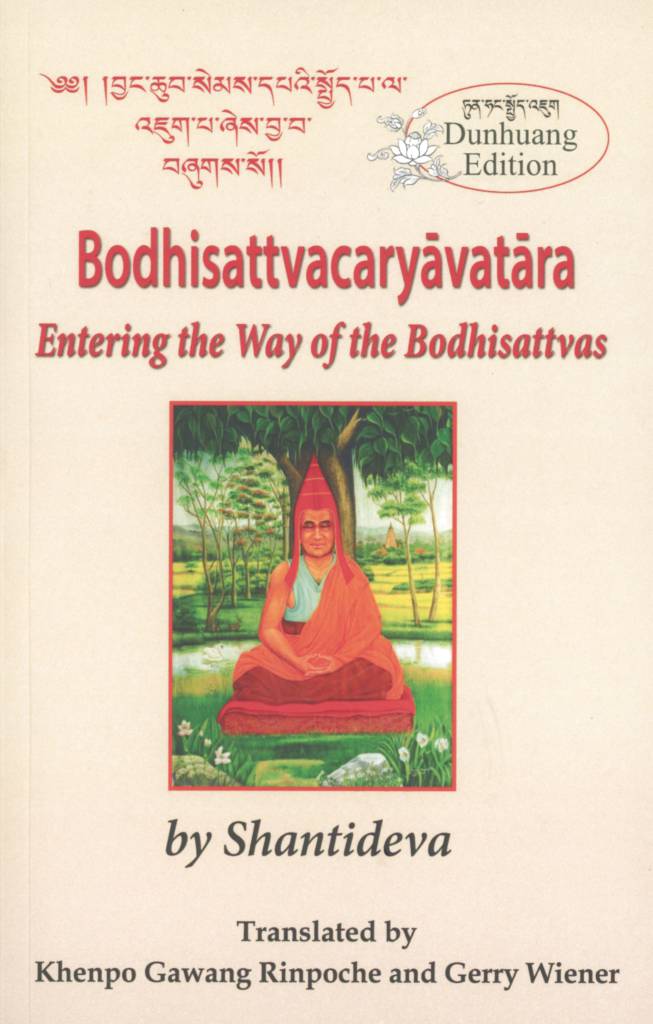
Dūnhuáng §This version is extracted from the book Bodhisattvacaryāvatāra: Entering the Way of the Bodhisattvas (2022, Khenpo Gawang and Wiener), a translation of an edition of the text created from three Dūnhuáng manuscripts. A description and sample pages of these can be found on the Early Tibet Blog. Scans of the actual manuscripts themselves can be found at http://idp.bl.uk

གཞན་ནས་འོང་བ་མ་ཡིན་ལ། །

གནས་པ་མེད་ལ་འགྲོ་བའང་མེད། ། སྒྱུ་མ་དང་ནི་ཁྱད་མེད་ལ། །

རྨོངས་པ་རྣམས་ཀྱིས་བདེན་བར་བརྟགས། །

alt verse 8.77 tm data

MD: Arising does not come from something other,

It does not abide, and does not go elsewhere. That which is no different from illusion –

The ignorant label as truly existent.

Tsadra Critical Edition §This text was created by comparing four versions of the text from Derge, Cone, Narthang, and Peking Tengyurs from BDRC scans, along with Dunhuang manuscripts IOL Tib J 628, 629, and 630. When Tibetan readings were problematic, the Sanskrit texts from GRETIL and LTB (Oslo) were consulted.

གཞན་ནས་འོངས་[p.105-1-36a]པའང་མ་ཡིན་ལ། །

གནས་པ་མ་ཡིན་འགྲོ་མ་ཡིན། ། རྨོངས་པས་བདེན་པར་གང་བྱས་འདི། །

སྒྱུ་མ་ལས་ནི་ཁྱད་ཅི་ཡོད། །

[edit]
Sazang Mati (1294 - 1376)
A Commentary on Shantideva's Engaging in the Conduct of the Bodhisattvas (citation)Gyaltsen, Lama Kalsang, and Ani Kunga Chodron, trans. A Commentary on Shantideva's Engaging in the Conduct of the Bodhisattvas Written by Sazang Mati Panchen: Known as An Extremely Clear Illumination of the Meaning of the Text. Walden, NY: Tsechen Kunchab Ling, 2019. Bilingual Edition

གཞན་ནས་འོངས་པའང་མ་ཡིན་ལ། །

གནས་པ་མ་ཡིན་འགྲོ་མ་ཡིན། ། རྨོངས་པས་བདེན་པར་གང་བྱས་འདི། །

སྒྱུ་མ་ལས་ནི་* ལ་ནི་ in the source text. ཁྱད་ཅི་ཡོད། །

gzhan nas 'ongs pa'ang ma yin la/_/

gnas pa ma yin 'gro ma yin/_/ rmongs pas bden par gang byas 'di/_/

sgyu ma las ni * la ni [ in the source text. ] khyad ci yod/_/

It does not come from another source,

Nor does it abide or go. How is that which is imputed by delusion as truth

Different than a magical apparition?

དུས་གསུམ་རྫས་སུ་གྲུབ་པར་འདོད་པ་ལྟར་དུས་གཞན་ནས་འདིར་འོངས་པའང་མ་ཡིན་པས་དང་པོར་སྐྱེ་བ་མེད་ལ༵། བར་དུ་གནས་པའང་ཡོད་པ་མ་ཡིན་ཞིང༌། ཐ་མར་འགགས་ནས་གཞན་དུ་འགྲོ་བའང་ཡོད་པ་མ་ཡི༵ན་ནོ། །དེ་ལྟར་བརྟགས་ན་མ་གྲུབ་ཀྱང་

Again, phenomena did not come from another time elsewhere to here, as some other traditions that hold that the three times do materially exist, may believe. Therefore, initially they are birthless; in the middle they do not abide; and in the end they do not go elsewhere by ceasing. Thus, through analysis it is affirmed that nothing exists.

དེ་ཁོ་ན་ཉིད་ལ་རྨོངས་པའི་བྱིས་པ་རྣམས་ཀྱིས་བདེན་པར་གང་བྱས་པའི་ཀུན་རྫོབ་ཀྱི་སྣང་བ་འདི༵་དག་སྒྱུ་མའི་རྟ་དང་གླང་པོ་ལ་སོགས་པ་ལས་ནི་ཁྱད་པར་ཅི་ཞིག་ཡོ༵ད་དེ། སྣ་ཚོགས་སུ་སྣང་ཡང་རང་བཞིན་མེད་པར་མཚུངས་པའི་ཕྱིར་རོ། །

However, these conventional perceptions are believed to truly exist by childlike beings who are deluded about the nature of phenomena. What is the difference between conventional perceptions and magical apparitions, such as magical horses and elephants, etc.? They are equal in their lack of inherent nature, even if they are perceived in myriad forms.
Gyaltsap Je (1364 - 1432)
The Entrance for the Children of the Conquerors (citation)Stracke, Fedor, trans. The Entrance for the Children of the Conquerors: A Commentary on the Introduction to the Actions of Bodhisattvas. By Gyaltsab Rinpoche. N.p.: Happy Monks Publication, 2016. https://happymonkspublication.org/product/bodhisattvacharyavatara-chapter-1-10-commentary/. Bilingual Edition

ལྔ་བ་ནི།

Refuting Generation from Both Self and Other 1.1.2.3.2.3.1.5

གཞན་ནས་འོངས་པའང་མ་ཡིན་ལ། ། གནས་པ་མ་ཡིན་འགྲོ་མ་ཡིན། །

gzhan nas 'ongs pa'ang ma yin la/_/ gnas pa ma yin 'gro ma yin/_/

It does not come from other, It does not abide or go.

གཞུང་རྐང་བ་བཞི་བོ་འདིས་མུ་གསུམ་ལས་པས་སྐྱེ་བ་བཀག་པའི་མཇུག་སྡུད་ལ་སྦྱར་ཡང་རུང་ཞིང་རང་གཞན་གཉིས་ཀ་ལས་སྐྱེ་བ་འགོག་པའི་རིགས་ལ་ཡང་སྦྱར་རོ། །

These four lines can be a summary for the refutation of generation from three principles, and can also be related to the refutation of generation from both self and other.

སྨྱུ་གུ་ལ་སོགས་པའི་འབྲས་བུ་རྣམས་ཆུ་ལུད་དྲོད་གཤེར་ལ་[p.Ch9-422]Spyod 'jug rtsa 'grel (Mtsho sngon mi rigs dpe skrun khang 2001)
Śāntideva, and Rgyal tshab rje dar ma rin chen. Spyod 'jug rtsa 'grel and Byang chub sems dpa'i spyod pa la 'jug pa'i rnam bshad rgyal sras 'jug ngogs. Xining: Mtsho sngon mi rigs dpe skrun khang, 2001
སོགས་པ་སོ་སོ་བ་རྣམས་ལ་གནས་པའམ་ཐམས་ཅད་འདུས་པའི་རྐྱེན་རྣམས་ལ་ཡང་རང་བཞིན་གྱིས་འཁར་གཞོང་ལ་རྒྱ་ཤུག་བརྟེན་པའི་ཚུལ་དུ་གནས་པ་མ་ཡིན་ཏེ། དེ་ཡོད་ན་དམིགས་སུ་རུང་བ་ལས་མ་དམིགས་པའི་ཕྱིར་དང༌། དེའི་དུས་ན་ཡང་ཡོད་པ་མ་ཡིན་ཏེ་རྐྱེན་རྣམ་པར་མ་འགྱུར་བར་མྱུ་གུ་མི་སྐྱེ་བའི་ཕྱིར་རོ། །རྐྱེན་དེ་རྣམས་ལས་གཞན་ལས་འོངས་པའང་མ་ཡིན་ལ་རང་བཞིན་གྱིས་གྲུབ་པའི་ཚུལ་གྱིས་གྲུབ་ཟིན་གནས་པ་མ་ཡིན་ཞིང་། འགགས་ནས་གཞན་དུ་འགྲོ་བ་ཡང་མ་ཡིན་པས་རང་བཞིན་ཅུང་ཟད་ཀྱང་མེད་ལ། དེའི་ཕྱིར་བདག་ལས་སྐྱེ་བ་དང་གཞན་ལས་སྐྱེ་བ་དང༌། བདག་གཞན་གཉིས་ཀ་ལས་སྐྱེ་བ་ཡང་མེད་དོ། །

The sprout abides neither inherently on the individual causes such as the water, fertilizer, warmth and moisture nor on their collection, as a juniper tree would abide on the bronze base. If it abides in such a way it should be observable, which it is not. It is the same for other results. They also do not exist at that time because without the conditions taking shape the sprout cannot be generated. It also does not come from something other than these conditions, it also does not abide inherently upon having been generated inherently, and it does not go somewhere else upon cessation. Hence, it does not exist inherently in the slightest, and therefore there is also no generation from self, generation from other or generation from both self and other.

མདོར་ན་ཕུང་བོ་དང་གང་ཟག་ཆོས་ཅན། རང་བཞིན་གྱིས་སྐྱེ་བ་མེད་དེ། བདག་ལས་ཀྱང་མི་སྐྱེ་གཞན་ལས་ཀྱང་མི་སྐྱེ་གཉིས་ཀ་ལས་ཀྱང་མི་སྐྱེ་རྒྱུ་མེད་ལས་ཀྱང་མི་སྐྱེ་བའི་ཕྱིར། ཞེས་པའི་ཕྱོགས་ཆོས་སྒྲུབ་པ་ཡིན་ནོ། །

In short, this establishes the directional property of the argument, ‘take the subject the aggregates and the person’: it follows they are not generated inherently - because they are not generated from self, generated from other, generated from both or generated from no cause.

གཉིས་པ་རྟེན་འབྲེལ་གྱི་གཏན་ཚིགས་ནི།

The Reason of Dependent Arising 1.1.2.3.2.3.2

རྨོངས་པས་བདེན་པར་གང་བྱས་འདི། ། སྒྱུ་མ་ལ་ནི་ཁྱད་ཅི་ཡོད། །

rmongs pas bden par gang byas 'di/_/ sgyu ma la ni khyad ci yod/_/

How is that made true by delusion Different from an illusion?

ཉོན་མོངས་ཅན་གྱི་རྨོངས་པ་མ་རིག་པས་བདེན་པར་གང་བྱས་ཤིང་བཏགས་པའི་དངོས་པོ་འདི་སྒྱུ་མ་དང་རྨི་ལམ་དང་གཟུགས་བརྙན་སོགས་ལས་ནི་ཁྱད་ཅི་ཡོད་དེ། རང་བཞིན་གྱིས་གྲུབ་པས་སྟོང་བཞིན་དུ་རང་བཞིན་གྱིས་གྲུབ་པར་སྣང་བའི་ཕྱིར།

What difference is there between the object labelled and made true by afflicted delusion, i.e., ignorance, and an illusion, dream, reflection and so forth? They appear as inherently existent while being empty of inherent existence.

སྒྱུ་མ་མཁན་གྱིས་སྤྲུལ་བ་སྒྱུ་མའི་རྟ་གླང་སོགས་གང་ཡིན་པ་དང་རྒྱུ་རྐྱེན་རྣམས་ཀྱིས་ནི་གང་སྤྲུལ་བའི་དངོས་པོ་དེ་ནི་རང་བཞིན་གྱིས་གྲུབ་ན་སྐྱེས་པའི་ཚེ་གཞན་ནས་འོང་དགོས་ཤིང༌། འགགས་པའི་ཚེ་གཞན་དུ་འགྲོ་དགོས་ན་གང་ནས་འོང་བར་[p.Ch9-423]Spyod 'jug rtsa 'grel (Mtsho sngon mi rigs dpe skrun khang 2001)
Śāntideva, and Rgyal tshab rje dar ma rin chen. Spyod 'jug rtsa 'grel and Byang chub sems dpa'i spyod pa la 'jug pa'i rnam bshad rgyal sras 'jug ngogs. Xining: Mtsho sngon mi rigs dpe skrun khang, 2001
འགྱུར་ཞིང་གང་དུ་འགྲོ་བའང་རྟག་པར་གྱིས་ཏེ་འགྲོ་འོང་རང་བཞིན་མེདཔས་གང་ཟག་དང་ཕུང་བོ་ཆོས་ཅན། རང་བཞིན་གྱིས་མེད་དེ་རྟེན་འབྲེལ་ཡིན་པའི་ཕྱིར་དཔེར་ན་གཟུགས་བརྙན་བཞིན་ཞེས་པའོ། །

If the illusory horse and elephant conjured by the magician and the functionalities conjured by causes and conditions were to exist truly then, when they are generated, they should come from somewhere else, and when they cease they should go somewhere else. In this case it should be analyzed where they come from and where they go to. Because they do not possess inherent coming or going, take the subject ‘the person and the aggregates’ - they lack inherent existence - because they are dependent arising, e.g., like a reflection of form.

འདུ་བྱེད་དང་མྱུ་གུ་ལ་སོགས་པའི་འབྲས་བུ་གང་ཞིག་མ་རིག་པ་དང་ས་བོན་ལ་སོགས་པའི་རྒྱུ་གང་དང་ནི་ཉེ་བ་ཡིས་སྐྱེ་བ་མཐོང་བར་འགྱུར་བ་རྒྱུ་དེ་དག་མེད་ན་སྐྱེ་བ་མིན་པ་བཅོས་བུ་ཡིན་པས་གཟུགས་བརྙན་དང་མཚུངས་པ་དེ་ལ་བདེན་པར་གྲུབ་པ་ཉིད་ཇི་ལྟར་ཡོད་དེ་མེད་དོ། །

Any result, such as the compounded itself or the sprout are seen to generate in proximity to their cause, such as ignorance or the seed and the like. Because they are artificial phenomena that are not generated if these causes do not exist, they are like a reflection of form. How could they exist in the very nature of true existence? They do not.

སྒྱུ་མ་ཞེས་པ་བཞིས་རྟེན་འབྲེལ་གྱི་རྟགས་ཀྱི་ཁྱབ་པ་བསྒྲུབ་པ་དང་། དེ་ནས་རྐང་བ་ཕྱེད་དང་གསུམ་གྱིས་གཏན་ཚིགས་དང་། དེ་ནས་ཕྱེད་ཀྱིས་དཔེ་དང་ཐ་མས་དམ་བཅའ་བསྟན་ཏོ། །

The four lines of, ‘That magically [...]’ establish the pervasion of the reason of dependent arising. The next two and a half lines show the reason, the next half is the example and the last line shows the thesis.

རྒྱས་པར་ཤེས་པར་འདོད་ན་འཇུག་པའི་རྣམ་བཤད་ཆེན་མོ་ལས་ཤེས་པར་བྱའོ། །

If one wishes to study this more extensively, then one should study the great commentary on the Introduction.
Pawo Rinpoche, 2nd (1504 - 1566)
The Center of the Sunlit Sky (citation)Brunnhölzl, Karl. The Center of the Sunlit Sky: Madhyamaka in the Kagyü Tradition. Including a translation of Pawo Rinpoche's commentary on the knowledge section of Śāntideva's The Entrance to the Bodhisattva’s Way of Life (Bodhicaryāvatāra). Nitartha Institute Series. Ithaca, NY: Snow Lion Publications, 2004. Bilingual Edition

ལྔ་པ་ཚད་མས་ངེས་པའི་དོན་བརྗོད་པ་ནི།

Stating the Meaning That is Ascertained through Valid Cognition 4.2.2.1.5.

གཞན་ནས་འོངས་པའང་མ་ཡིན་ལ། ། གནས་པ་མ་ཡིན་འགྲོ་མ་ཡིན། །

Neither does anything come from something other, Nor does it abide, nor does it go. [142ab]

གཞན་རྣམས་ཀྱིས་དཔྱད་ན་རྒྱུ་མི་འགྲུབ་པར་བསྟན།

These six lines teach that causes are not established when one analyzes them.

དེ་བས་དེ་ལྟར་རྣམ་པར་དཔྱད་པས་ཆོས་འགའ་ཡང་རྒྱུ་མེད་ཏུ་སྐྱེ་བ་ཡང་ཡོད་པ་མིན་ལ་རྒྱུ་སོ་སོ་བའམ་མང་པོ་འདུས་པ་ཡི་རྐྱེན་རྣམས་ལ་ཡང་འབྲས་བུ་གནས་པ་མ་ཡིན་ཞིང་རྒྱུ་གཞན་ནས་འོངས་པ་ཡང་མ་ཡིན་ལ་རྒྱུ་ལ་འབྲས་བུ་གནས་པའང་མ་ཡིན་ཞིང་འབྲས་བུ་བསྐྱེད་ནས་རྒྱུ་འགགས་འགྲོ་བའང་མ་ཡིན་སྟེ་རྨོངས་པས་བདེན་པར་གང་བྱས་ཅིང་བཟུང་བ་འདི་ཐམས་ཅད་ནི་

Thus, through having been analyzed in this way, no phenomenon exists in a way that it arises without a cause. Nor is any result contained in its individual causes or in a combination of many of them. Neither does anything come from some other causes, nor do results abide in their causes, nor do causes cease or go after they have produced their results.

རྨོངས་པས་བདེན་པར་གང་བྱས་འདི། ། སྒྱུ་མ་ལས་ནི་ཁྱད་ཅི་ཡོད། །

So what is the difference between illusions And what is taken to be real by ignorant people? [142cd]

ཅེས་གསུངས་ཏེ། རྐང་པ་ཐ་མ་གཉིས་ཀྱིས་ཐམས་ཅད་སྒྱུ་མ་ལྟ་བུར་བསྟན་ཏོ། །

These two lines teach that everything is illusionlike.

སྒྱུ་མ་ལས་ནི་ཁྱད་པར་ཅི་ཡོད་སྟེ་སྒྱུ་མ་ལྟ་བུར་ཤེས་པར་བྱ་སྟེ་དེའི་ཕྱིར་ཡུམ་ལས་གཟུགས་ནས་མྱ་ངན་ལས་འདས་པའི་བར་དང་དེ་ལས་ཆེས་ལྷག་པའི་ཆོས་ཡོད་ན་དེ་ཡང་སྒྱུ་མ་ལྟ་བུར་བསྟན་པ་ཡིན་ནོ། །

What is the difference between illusions and all that is taken to be real and apprehended as [real] by ignorant people? In fact, one has to understand it as being like an illusion. Therefore, the Mother [Sūtras] teach that [everything] from form up to nirvāṇa [is illusionlike] and that any hypothetical phenomenon superior to it would be illusionlike too.

[Synopsis of Other Commentaries]

འདི་རྣམས་སུ་དགེ་བའི་ལྷས།

As for these [verses], in the section that refutes the Enumerators, Kalyāṇadeva [first] states their assertion:

གྲངས་ཅན་འགོག་ཚེ། གོས་སོགས་རྒྱུའི་རང་བཞིན་དུ་གྱུར་པས་རྒྱུ་ཡིན་ལ་དེའི་འབྲས་བུ་གོས་སོགས་ཡིན་པས་དེ་ལ་བདེ་བ་སོགས་ཡོད་ལ་དེ་མེད་ན་དེ་ལས་བདེ་སོགས་སྐྱེ་བར་མི་འགྱུར་རོ། །

“Pleasure and such are the nature or entity of the cause. Since things, such as garments, have the nature of this cause, they are this cause. Since its results are garments and so on, pleasure and such exist in these. If they did not exist [in them], pleasure and such would not arise from them.”1786ACIP TD3874@084B.

འོ་ན་ཅི་ཞེ་ན། དངོས་པོ་ཉིད་ཏུ་སྒྲོ་བཏགས་པ་དེ་དོགས་པར་བཅས་པ་འགོག་པ་ཡིན་ནོ་ཞེས་དང་། མཇུག་སྡུད་ཀྱི་རྒྱུ་མེད་དང་། སོ་སོ་བ་དང་འདུས་པ་དང་གཞན་ནས་འོངས་པ་རྣམས་ཀྱིས་རིམ་པ་ལྟར་རྒྱུ་མེད་ཏུ་སྨྲ་བ་དང་དབང་ཕྱུག་པ་དང་རྒོལ་བ་གཞན་དང་དུས་འཕོ་བར་སྨྲ་བར་རྣམས་འགོག་པ་བསྡུས་པར་བཤད་ཅིང་སྒྱུ་མས་སྤྲུལ་པ་སོགས་ཀྱི་གཞུང་ཡང་འདི་ཉིད་ཀྱི་སྒྲུབ་བྱེད་ཏུ་བཀོད་ཏོ། །

[The Small Commentary’s] concluding summary [of this section] explains that “without a cause,” “individual,” “combined,” and “coming from something other” [in verses 141–142] are, in due order, a synopsis of the refutations of the following [opponents]: those who say that there are no causes, the followers of Īśvara, other opponents, and those who say that [entities] shift in time.1791Some Indian non-Buddhist schools say that results come about through time as their ripening cause. Then it adduces the passages in [verses 143–144] “What is created by illusions . . .” as the proof for this [statement].1792ACIP TD3876@176A–176B.

Minyak Kunzang Sönam (1823 - 1905)
The Profound Reality of Interdependence (citation)Duckworth, Douglas S., trans. The Profound Reality of Interdependence: An Overview of the Wisdom Chapter of the Way of the Bodhisattva. By Künzang Sönam. New York: Oxford University Press, 2019. Bilingual Edition

གཉིས་པ་རྟེན་འབྲེལ་ཆེན་མོའི་རིགས་པ་ནི། །

Explaining the Argument of Great Interdependence 2.2.3.2.3.2

རྨོངས་པས་བདེན་པར་གང་བྱས་འདི། ། 9.142ཞེས་སོགས་གསུངས། འདིར་རིགས་པའི་རྒྱལ་པོ་རྟེན་འབྲེལ་གྱི་གཏན་ཚིགས་བཤད་པ་ལ་གཉིས། རྟེན་འབྱུང་གི་གཏན་ཚིགས་ཀྱི་གོ་དོན་སྤྱིར་བསྟན་པ། གཏན་ཚིགས་འགོད་ཚུལ་དང་མཐའ་གཉིས་སེལ་ཚུལ་སོགས་བྱེ་བྲག་ཏུ་བཤད་པའོ། །

[IX.142c] What delusion holds to be real . . . 9.142 Here the king of reasoning, the argument of interdependence, will be explained in two parts: (1) a general demonstration of the meaning of the argument of interdependence, and (2) a specific explanation of the way of formulating the argument and the way of eliminating the two extremes.

དང་པོ་(རྟེན་འབྱུང་གི་གཏན་ཚིགས་ཀྱི་གོ་དོན་སྤྱིར་བསྟན་པ།)ནི།

General Demonstration of the Meaning of the Argument of Interdependence 2.2.3.2.3.2.1

མ་དྲོས་པས་ཞུས་པ་ལས།

The Inquiry of Anavatapta (Anavataptaparipṛcchā) states:

གང་ཞིག་རྐྱེན་ལས་སྐྱེས་པ་དེ་མ་སྐྱེས། །

དེ་ལ་སྐྱེ་བའི་རང་བཞིན་ཡོད་མ་ཡིན། ། རྐྱེན་ལ་རག་ལས་གང་དེ་སྟོང་པར་བཤད། །

གང་གིས་སྟོང་ཉིད་ཤེས་དེ་བག་ཡོད་ཡིན། །

That which arises from conditions does not arise;
It does not have the [810] nature of arising.
That which depends on conditions is said to be empty;
Those who know emptiness are conscientious.493Inquiry of Anavatapta (H. 157, vol. 58), 349a–349b.

ཞེས་གསུངས། དེ་ལ། རྐྱེན་ལས་སྐྱེས་ཞེས་པས་གཏན་ཚིགས་བསྟན། མ་སྐྱེས་ཞེས་པས་བསྒྲུབ་བྱ་བསྟན། མ་སྐྱེས་པའི་དོན་སྐྱེ་བ་ཙམ་ཡང་མེད་པ་ཡིན་ནམ་སྙམ་ན། དེ་མིན་ཚུལ་རྐང་པ་གཉིས་པས་བསྟན་ཏེ་རང་བཞིན་གྱིས་མ་སྐྱེས་པ་ཡིན་གྱི་སྐྱེ་བ་ཙམ་བཀག་པ་མིན་པའོ། །འདིའི་ཤེས་བྱེད་ཚིག་གསལ་དུ་ལང་གཤེགས་དྲངས་པ། བློ་གྲོས་[p.278]Spyod 'jug shes rab le'u'i spyi don rim par phye ba zab mo rten 'byung gi de kho na nyid yang gsal sgron me
Mi nyag kun bzang bsod nams (མི་ཉག་ཀུན་བཟང་བསོད་ནམས་). spyod 'jug shes rab le'u'i spyi don rim par phye ba zab mo rten 'byung gi de kho na nyid yang gsal sgron me [སྤྱོད་འཇུག་ཤེས་རབ་ལེའུའི་སྤྱི་དོན་རིམ་པར་ཕྱེ་བ་ཟབ་མོ་རྟེན་འབྱུང་གི་དེ་ཁོ་ན་ཉིད་ཡང་གསལ་སྒྲོན་མེ།]. [Lamp that Thoroughly Illuminates the Suchness of Profound Dependent Origination: An Overview of the Divisions of the Wisdom Chapter of Entering into the Conduct [of the Bodhisattva]]. Tengyur.
ཆེན་པོ་རང་བཞིན་གྱིས་མ་སྐྱེས་པ་ལ་དགོངས་ནས་ཆོས་ཐམས་ཅད་སྐྱེ་བ་མེད་པའོ། །ཞེས་གསུངས་སོ། །ཞེས་སྟོན་པ་རང་ཉིད་ཀྱིས་སྐྱེ་བ་མེད་པར་གསུངས་པ་རྣམས་རང་བཞིན་གྱིས་མ་སྐྱེས་པ་ལ་དེ་དགོངས་པར་གསུངས་པ་ལྟར་རོ། །དེས་ན་རྐང་པ་དང་པོ་གཉིས་ཀྱིས་རྐྱེན་ལས་སྐྱེས་པའི་རྟེན་འབྱུང་ལ་རང་བཞིན་གྱིས་མ་སྐྱེས་པས་ཁྱབ་པ་དང་།

The words “arises from conditions” presents the reason; “does not arise” presents what is established (bsgrub bya). One might think, “Does non-arising mean the lack of mere arising, too?” The fact that this is not the case is shown in the second line, which shows that not intrinsically arising is not a negation of mere arising. To make this known, Clear Words cites the Descent to Laṅka: “Mahāmati, with the intent of no intrinsic arising, I said that all phenomena are non-arising.”494Candrakīrti, Clear Words, 167b. Thus, our teacher himself says that statements of non-arising intend no intrinsic arising. Therefore, the first two lines show that being a dependent arising—arising from conditions—entails not intrinsically arising.

རྐང་པ་གསུམ་པས་རྐྱེན་ལ་རག་ལས་པའི་རྟེན་འབྱུང་གི་དོན་རང་བཞིན་གྱིས་སྟོང་པའི་དོན་དུ་བསྟན་ཏོ། །གང་ཞིག་དང་། དེ་ཞེས་པས་ཆོས་ཅན་བསྟན་ཏེ། མྱུ་གུ་དང་འདུ་བྱེད་སོགས་ཕྱི་ནང་གི་དངོས་པོའོ། །རྐང་པ་བཞི་པས་ཕན་ཡོན་བསྟན་ཏོ། །བློ་གྲོས་རྒྱ་མཚོས་ཞུས་པ་ལས་ཀྱང་།

The third line shows the meaning of being a dependent arising—arising from conditions—as the meaning of being empty of intrinsic nature. “That which . . .” presents the logical subject (chos can), namely, outer and inner entities like sprouts and conditioned phenomena. The fourth line presents the benefits. The Inquiry of Sāgaramati (Sāgaramatiparipṛcchā) states:

གང་རྣམས་རྟེན་ཅིང་འབྲེལ་བར་འབྱུང་། ། དེ་ནི་ངོ་བོ་ཉིད་ཀྱིས་ཞི། །

That which arises in dependent relation
Is free of essential existence.495A variant of this quoted passage, which suggests the same meaning, can be found in the Inquiry of Sāgaramati (Sāgaramatiparipṛcchā, H. 153, vol. 158), 73b–74a.[p.240]The Profound Reality of Interdependence
Duckworth, Douglas S., trans. The Profound Reality of Interdependence: An Overview of the Wisdom Chapter of the Way of the Bodhisattva. By Künzang Sönam. New York: Oxford University Press, 2019.

ཞེས་རྟེན་འབྱུང་གི་ཆོས་རྣམས་ངོ་བོ་ཉིད་ཀྱིས་གྲུབ་པས་སྟོང་པར་བསྟན་ཏོ། །རིགས་པ་དྲུག་ཅུ་པ་ལས།

It states that dependently arisen phenomena are empty of essential existence. Reason in Sixty Verses states:

དེ་དང་དེ་བརྟེན་གང་འབྱུང་བ། །

རང་གི་ངོ་བོ་དེར་མ་སྐྱེས། ། རང་གི་ངོ་བོར་གང་མ་སྐྱེས། །

དེ་ནི་སྐྱེས་ཞེས་ཇི་སྐད་བྱ། །

That which arises in dependence upon this and that
Does not arise with its own essence.
How can that which does not arise with its own essence
Be said to arise?496Nāgārjuna, Reason in Sixty Verses, v. 19 (D. 3825), 21a.

ཞེས་སོ། །དེ་ལ་རྟེན་ཅིང་འབྲེལ་བར་འབྱུང་བའི་སྐད་དོ། །པྲཏཱི་ཏྱ་ས་མུཏྤཱད༔ ཞེས་ཡོད་པ་ལ་འཆད་ཚུལ་མང་ཡང་། ཚིག་གསལ་ལས། དེ་ལ་པྲ་ཏི་ནི་ཕྲད་པའི་དོན་ཏོ། །ཨི་ཏི་ནི་འགྲོ་བའི་དོན་ཏོ། །ཞེས་སོགས་གསུངས་པའི་དོན་མདོར་བསྡུ་ན། དངོས་པོ་རྣམས་ཀྱི་འབྱུང་བའམ་ཡོད་པའམ་གྲུབ་པ་རྒྱུ་དང་རྐྱེན་ལ་ལྟོས་པའམ་བརྟེན་པ་ནི་རྟེན་འབྱུང་གི་དོན་ཡིན་པར་བསྟན་ཏེ། སྔ་མ་ལས། དེའི་ཕྱིར་དངོས་པོ་རྣམས་ཀྱི་འབྱུང་བ་རྒྱུ་དང་རྐྱེན་ལ་ལྟོས་པ་ནི་རྟེན་ཅིང་འབྲེལ་བར་འབྱུང་བའི་དོན་ཏོ། །ཞེས་གསུངས་པའི་ཕྱིར།

The word for dependent arising, pratītyasamutpāda, is explained in many ways. Clear Words says: “prati means ‘meet’ and iti means ‘go’.”497Candrakīrti, Clear Words, 2b. To summarize what this means, the meaning of dependent arising is that entities depend or rely on causes and conditions for their arising, establishment, and existence. Clear Words states: “For this reason, the meaning of dependent arising is that the arising of entities depends on causes and conditions.”498Candrakīrti, Clear Words, 2b.

དེས་ན་རྟེན་འབྱུང་གི་དོན་ཕྲད་ལྟོས་བརྟེན་གསུམ་ལ་བཤད་དུ་ཡོད་པར་གྲུབ་ལ། དེ་གསུམ་སྤྱིར་རྣམ་གྲོངས་པར་གསུངས་ནའང་། [p.279]Spyod 'jug shes rab le'u'i spyi don rim par phye ba zab mo rten 'byung gi de kho na nyid yang gsal sgron me
Mi nyag kun bzang bsod nams (མི་ཉག་ཀུན་བཟང་བསོད་ནམས་). spyod 'jug shes rab le'u'i spyi don rim par phye ba zab mo rten 'byung gi de kho na nyid yang gsal sgron me [སྤྱོད་འཇུག་ཤེས་རབ་ལེའུའི་སྤྱི་དོན་རིམ་པར་ཕྱེ་བ་ཟབ་མོ་རྟེན་འབྱུང་གི་དེ་ཁོ་ན་ཉིད་ཡང་གསལ་སྒྲོན་མེ།]. [Lamp that Thoroughly Illuminates the Suchness of Profound Dependent Origination: An Overview of the Divisions of the Wisdom Chapter of Entering into the Conduct [of the Bodhisattva]]. Tengyur.
འདིར་གཏན་ཚིགས་མི་འདྲ་བ་གསུམ་ངོས་འཛིན་ཚུལ་དང་སྦྱར་ནས་སོ་སོར་བཤད་ན། ཕྲད་པ་ཞེས་པས་ཕྲད་ནས་སྐྱེ་བའི་གཏན་ཚིགས་ཀྱི་དོན་བསྟན་ཏེ། འདུས་བྱས་ཀྱི་དངོས་པོ་རྣམས་རང་རང་གི་རྒྱུ་དང་ཕྲད་ནས་སྐྱེ་བ་ཙམ་ལ་བྱས་པའོ། །ཕྲད་པའི་དོན་ཡང་རྒྱུ་ས་བོན་ལྟ་བུ་འགག་པ་ལ་ཕྱོགས་པའི་བྱ་བ་དང་། འབྲས་བུ་མྱུ་གུ་ལྟ་བུ་སྐྱེ་བ་ལ་ཕྱོགས་པའི་བྱ་བ་གཉིས་ཕྲད་པའི་དོན་ཡིན་གྱི་རྒྱུ་འབྲས་གཉིས་ཕྲད་པ་ནི་མིན་ཏེ་མི་སྲིད་པས་སོ། །

Therefore, the meaning of dependent arising can be explained in the three ways of meeting (phrad), relying (ltos), and depending (brten). These three are in general said to be synonymous, but here they can be described separately to identify three distinctive arguments. Meeting presents the meaning of an argument that there is arising through meeting: conditioned phenomena merely arise (skye ba tsam) when meeting with their particular causes and conditions. Also, the meaning of meeting is the meeting of a cause like a seed oriented toward cessation and an effect like a sprout oriented toward arising. This is the meaning of meeting; it does not refer to the meeting of cause and effect, which is impossible.

དེ་ཙམ་ཞིག་རྟེན་འབྲེལ་གྱི་དོན་དུ་འདོད་པ་དངོས་སྨྲ་བ་དང་འདྲ་བས་དེ་དག་དང་ཐུན་མོང་བ་ཞེས་བཤད་ཆོག་ནའང་། འདི་པས་བདེན་གྲུབ་མི་འདོད་ཅིང་དངོས་སྨྲ་པས་རྟེན་འབྱུང་ལ་འདུས་བྱས་དང་བདེན་གྲུབ་ཀྱིས་ཁྱབ་པར་འདོད་ལ། རྟེན་འབྱུང་རྟགས་སུ་བཀོད་ནས་བདེན་མེད་སྒྲུབ་པ་འགལ་ཁྱབ་ཏུ་འདོད་ཅིང་བདེན་མེད་བསྒྲུབ་བྱར་བྱེད་པའང་མིན་པས་དོན་ལ་ཁྱད་པར་ཆེའོ། །

Asserting the meaning of dependent arising as merely this is similar to how realists assert, so it is referred to as an assertion in common with them, which is fine. Yet Prāsaṅgikas do not accept true existence, whereas realists claim that being a dependent arising entails being a conditioned phenomenon and being truly existent. Thus, there is a big difference in meaning because they accept that dependent arising is formulated [811] as evidence that entails being in conflict with establishing a lack of true existence, and that it is also not a means to establish a lack of true existence.

ལྟོས་པ་ཞེས་པས་ལྟོས་ནས་གྲུབ་པའི་གཏན་ཚིགས་ཀྱི་དོན་བསྟན་ཏེ། ཆོས་ཐམས་ཅད་རང་གི་ཆ་ཤས་ལ་ལྟོས་ནས་རང་གི་ངོ་བོས་གྲུབ་པ་ལ་བྱས་པའོ། །འདིས་ནི་འདུས་བྱས་དང་འདུས་མ་བྱས་ཀྱི་ཆོས་ཐམས་ཅད་རྟེན་འབྱུང་དུ་བསྟན་པས་སྔ་མ་ལས་ཁྱབ་ཆེ་ཞིང་དངོས་བསྟན་ཙམ་རང་རྒྱུད་པ་དང་ཐུན་མོང་བའོ། །འོན་ཀྱང་རང་ངོས་ནས་རང་གི་ཆ་ཤས་ལ་ལྟོས་ནས་གྲུབ་དགོས་པ་དང་མི་དགོས་པ་སོགས་ཀྱི་ཁྱད་པར་ཆེའོ། །

Relying presents the meaning of an argument that things are established in relation: all phenomena rely upon their parts to establish (grub pa) their own essence. Here, all phenomena—conditioned and unconditioned—are shown to be dependent arisings. Thereby, this is even more comprehensive than the previous argument, and its mere explicit teaching is held in common with Svātantrikas. Yet there is a big difference in whether or not it is held to be necessary for phenomena to objectively rely upon their parts and so on.[p.241]The Profound Reality of Interdependence
Duckworth, Douglas S., trans. The Profound Reality of Interdependence: An Overview of the Wisdom Chapter of the Way of the Bodhisattva. By Künzang Sönam. New York: Oxford University Press, 2019.

བརྟེན་པ་ཞེས་པས་བརྟེན་ནས་བཏགས་པའི་གཏན་ཚིགས་ཀྱི་དོན་བསྟན་ཏེ། ཆོས་ཐམས་ཅད་རང་རང་གི་གདགས་གཞི་ལ་བརྟེན་ནས་བཏགས་པ་ཙམ་དུ་ཡོད་པ་ལ་བྱས་པའོ། །འདིར་ནི་རང་རྒྱུད་པ་མན་ཆད་དང་ཐུན་མོང་བ་མ་ཡིན་པ་ཐལ་འགྱུར་བ་ཁོ་ནའི་ཁྱད་ཆོས་ཏེ། ཆོས་རྣམས་རྟོག་བཏགས་ཙམ་ལས་རང་ངོས་ནས་མ་གྲུབ་པར་བསྟན་པས་སོ། །དེ་དག་[p.280]Spyod 'jug shes rab le'u'i spyi don rim par phye ba zab mo rten 'byung gi de kho na nyid yang gsal sgron me
Mi nyag kun bzang bsod nams (མི་ཉག་ཀུན་བཟང་བསོད་ནམས་). spyod 'jug shes rab le'u'i spyi don rim par phye ba zab mo rten 'byung gi de kho na nyid yang gsal sgron me [སྤྱོད་འཇུག་ཤེས་རབ་ལེའུའི་སྤྱི་དོན་རིམ་པར་ཕྱེ་བ་ཟབ་མོ་རྟེན་འབྱུང་གི་དེ་ཁོ་ན་ཉིད་ཡང་གསལ་སྒྲོན་མེ།]. [Lamp that Thoroughly Illuminates the Suchness of Profound Dependent Origination: An Overview of the Divisions of the Wisdom Chapter of Entering into the Conduct [of the Bodhisattva]]. Tengyur.
ནི་སྔར་དྲངས་པའི་ཚིག་གསལ་གྱི་ལུང་གི་དངོས་པོ་རྣམས་ཀྱི་འབྱུང་བ་ཞེས་པའི་འབྱུང་བའི་དོན་སྐྱེ་བ་ཙམ་དང༌། གྲུབ་པ་དང་། ཡོད་པ་ལ་བྱས་ནས་རིམ་པར་གཏན་ཚིགས་གསུམ་དང་སྦྱར་བའོ།། །།

Depending presents the meaning of an argument that things are dependently designated: all phenomena exist (yod pa) as mere designations in dependence upon their bases of designation. This is a distinctive feature of only Prāsaṅgika, which is not held in common with Svātantrikas and those below. This is because it shows that phenomena do not exist objectively other than being merely conceptual designations. These three arguments correlate with the meaning of the passage from Clear Words cited above concerning the meaning of arising in “the arising of entities,” respectively in terms of mere arising (skye ba tsam), establishment (grub pa), and existence (yod pa).

དེ་ལྟར་ཆོས་རྣམས་ཐམས་ཅད་ཀྱི། ། སྐྱེ་བ་རྟོགས་པར་འགྱུར་མ་ཡིན། །

[IX.105cd] In this way, all phenomena Are not conceived to arise.

ཞེས་དང་།

And,

ཡིད་ནི་དབང་རྣམས་ལ་མི་གནས། །

[IX.102a] The mind does not reside in the faculties . . . ,

སོགས་དང་།

and:

གཞན་ནས་འོངས་པ་མ་ཡིན་ལ། ། གནས་པ་མ་ཡིན་འགྲོ་མ་ཡིན། །

[IX.154ab] May beings like myself hold Everything to be like space . . .

ཞེས་སོགས་སྐྱེ་འགག་གནས་གསུམ་རང་བཞིན་གྱིས་མེད་པར་སྟོན་པ་ཐམས་ཅད་ལ་སྦྱར་རོ། །

The triad of arising, abiding, and ceasing lacking intrinsic nature applies to all these statements.[p.248]The Profound Reality of Interdependence
Duckworth, Douglas S., trans. The Profound Reality of Interdependence: An Overview of the Wisdom Chapter of the Way of the Bodhisattva. By Künzang Sönam. New York: Oxford University Press, 2019.

དེ་ལྟར་ངོ་བོ་ལ་ལྟོས་པའི་སྐྱེ་འགག་རང་བཞིན་མེད་པར་བསྟན་པ་འདིས་དུས་ལ་ལྟོས་པའི་རྟག་ཆད་གཉིས། ཡུལ་ལ་ལྟོས་པའི་འགྲོ་འོང་གཉིས། [p.288]Spyod 'jug shes rab le'u'i spyi don rim par phye ba zab mo rten 'byung gi de kho na nyid yang gsal sgron me
Mi nyag kun bzang bsod nams (མི་ཉག་ཀུན་བཟང་བསོད་ནམས་). spyod 'jug shes rab le'u'i spyi don rim par phye ba zab mo rten 'byung gi de kho na nyid yang gsal sgron me [སྤྱོད་འཇུག་ཤེས་རབ་ལེའུའི་སྤྱི་དོན་རིམ་པར་ཕྱེ་བ་ཟབ་མོ་རྟེན་འབྱུང་གི་དེ་ཁོ་ན་ཉིད་ཡང་གསལ་སྒྲོན་མེ།]. [Lamp that Thoroughly Illuminates the Suchness of Profound Dependent Origination: An Overview of the Divisions of the Wisdom Chapter of Entering into the Conduct [of the Bodhisattva]]. Tengyur.
ཟླ་ལ་ལྟོས་པའི་གཅིག་ཐ་དད་སོགས་ཐམས་ཅད་ལ་རང་བཞིན་འགོག་ནུས་ལ། དེའི་ཕྱིར་རྩ་ཤེས་ལས། ཐོག་མར་སྐྱེ་བ་རང་བཞིན་གྱིས་གྲུབ་པ་འགོག་པར་མཛད་དོ། །དེ་ལྟར་རང་བཞིན་གྱིས་སྐྱེ་འགག་སོགས་མེད་ཀྱང་། ཐ་སྙད་ཙམ་དུ་དེ་དག་ཡོད་པ་ནི་གོང་དུ་ཆོས་ཡང་དག་པར་སྡུད་པ་དྲུངས་པ་དང་། རྩ་ཤེས་ལས་ཀྱང་།

These statements of arising and ceasing lacking an intrinsic nature with regards to essence can negate the intrinsic nature of everything, in terms of such notions as permanence and annihilation with regards [816] to time, coming and going with regards to space, and identity and difference with regards to dichotomous pairs. For this reason, the Fundamental Verses of the Middle Way first negated the intrinsic existence of arising. In this way, while there is no intrinsic arising or ceasing, they exist merely conventionally, as was cited before in the Compendium of Dharma. Also, the Fundamental Verses of the Middle Way states:

རྨི་ལམ་ཇི་བཞིན་སྒྱུ་མ་བཞིན། །

དྲི་ཟའི་གྲོང་ཁྱེར་ཇི་བཞིན་དུ། ། དེ་བཞིན་སྐྱེ་དང་དེ་བཞིན་གནས། །

དེ་བཞིན་དུ་ནི་འཇིག་པ་གསུངས། །

Like a dream and an illusion,
Like a city of gandharvas,
In this way there is said to be arising and abiding, too,
And likewise, ceasing.525Nāgārjuna, Fundamental Verses of the Middle Way, VII.34.

ཞེས་པ་ལྟར་རོ། །གཞན་ཡང་སྐྱེ་འགག་སོགས་ཆོས་ཐམས་ཅད་ཐ་སྙད་ཙམ་དུ་དེ་དང་དེའི་ངོ་བོར་སྣང་ཡང་རང་གི་ངོ་བོ་ཉིད་ཀྱིས་ཡོད་པས་སྟོང་པ་སྒྱུ་མ་དང་རྨི་ལམ་སོགས་ལྟ་བུ་ཡིན་པར་ནི། ཏིང་ངེ་འཛིན་རྒྱལ་པོ་ལས།

Moreover, all phenomena arise and cease merely conventionally; they appear to have their own essences but are essentially empty, like an illusion and a dream. This is firmly established in passages like this from the King of Meditative Stabilizations:

ཇི་ལྟར་དྲི་ཟའི་གྲོང་ཁྱེར་སྨིག་རྒྱུ་དང་། །

སྒྱུ་མ་ཇི་བཞིན་རྨི་ལམ་ཅི་འདྲ་བར། ། ཆོས་རྣམས་ཐམས་ཅད་དེ་བཞིན་ཤེས་བྱ་སྟེ། །

མཚན་མ་སྒོམ་པ་ངོ་བོ་ཉིད་ཀྱིས་སྟོང་། །

In the way of a city of gandharvas, a mirage,
An illusion, and a dream,
Know all phenomena in this way;
Meditation on signs is also essentially empty.526King of Meditative Stabilizations Sūtra, 42b.

ཞེས་སོགས་ཀྱིས་ལེགས་པར་གྲུབ་བོ། །

Mipam Gyatso (1846 - 1912)
The Wisdom Chapter - The Ketaka Jewel (citation)Fletcher, Wulstan, and Helena Blankleder (Padmakara Translation Group), trans. The Wisdom Chapter: Jamgön Mipham's Commentary on the Ninth Chapter of "The Way of the Bodhisattva." Boulder, CO: Shambhala Publications, 2017. Bilingual Edition

གཞན་ནས་འོངས་པའང་མ་ཡིན་ལ། །

གནས་པ་མ་ཡིན་འགྲོ་མ་ཡིན། ། རྨོངས་པས་བདེན་པར་གང་བྱས་འདི། །

སྒྱུ་མ་ལས་ནི་* ལ་ནི་ in the source text. ཁྱད་ཅི་ཡོད། །

gzhan nas 'ongs pa'ang ma yin la/_/

gnas pa ma yin 'gro ma yin/_/ rmongs pas bden par gang byas 'di/_/

sgyu ma las ni * la ni [ in the source text. ] khyad ci yod/_/

It does not come from somewhere else,

Neither does it stay nor yet depart. How will what confusion takes for truth

In any sense be different from a mirage?

འབྲས་བུ་སྣང་བའི་ཚེ་རྒྱུ་རྐྱེན་དེ་དག་ལས་གཞན་ཞིག་ནས་འབྲས་བུ་ཉིད་དེར་འོང་བ་མ་ཡིན་ལ། རྒྱུ་ལས་ངོ་བོ་ཉིད་ཀྱིས་ཐ་དད་པའི་འབྲས་བུ་ཞིག་རྒྱུ་ལ་བརྟེན་ནས་གྲུབ་ཟིན་འདིར་གནས་པའང་མིན་ཞིང་། འགག་པའི་ཚེ་འདི་ནས་གཞན་ཞིག་ཏུ་འགྲོ་བའང་མིན་ཏེ་དེ་ཕྱིར་ཆོས་ཐམས་ཅད་ནི་རང་བཞིན་གྱི་རྒྱུས་སྟོང་པའོ། །ཞེས་སོ། །

This does not mean that when the result appears, it arises from something other than its own causes and conditions. Neither does it mean that the result abides in the present, produced in dependence upon its causes but nevertheless different from them by nature. Furthermore, when it subsides, it does not depart hence and go elsewhere. This is why all phenomena are said to be by nature “empty of causes.”

འདི་ལ་སོ་སོ་བ་ཞེས་པས་བདག་[p.121]Spyod 'jug sher 'grel ke ta ka (Si khron mi rigs dpe skrun khang 1993)
Mi pham rgya mtsho. Spyod 'jug sher 'grel ke ta ka. Chengdu: Si khron mi rigs dpe skrun khang, 1993.
སྐྱེ་དང་གཞན་སྐྱེ་དགག་པ་དང་། འདུས་པ་ཞེས་གཉིས་ཀ་ལས་སྐྱེ་བ་བཀག་པ་སྟེ་མུ་བཞི་པོ་བཀག་པར་ཡང་བཤད་དོ། །

In this context, the expression “causes taken one by one” refers to the refutation of origination whether from self or from other. The expression “in the aggregate” indicates the refutation of origination from both [and neither]. This is also explained as the refutation of the four theories of production.
Kunzang Palden (1862 - 1943)
The Nectar of Manjushri's Speech (citation)Blankleder, Helena, and Wulstan Fletcher (Padmakara Translation Group), trans. The Nectar of Manjushri's Speech: A Detailed Commentary on Shantideva's Way of the Bodhisattva. By Kunzang Pelden. Boston: Shambhala Publications, 2007. Bilingual Edition

གཞན་ནས་འོངས་པའང་མ་ཡིན་ལ། །

གནས་པ་མ་ཡིན་འགྲོ་མ་ཡིན། ། རྨོངས་པས་བདེན་པར་གང་བྱས་འདི། །

སྒྱུ་མ་ལས་ནི་* ལ་ནི་ in the source text. ཁྱད་ཅི་ཡོད། །

gzhan nas 'ongs pa'ang ma yin la/_/

gnas pa ma yin 'gro ma yin/_/ rmongs pas bden par gang byas 'di/_/

sgyu ma las ni * la ni [ in the source text. ] khyad ci yod/_/

འབྲས་བུ་སྣང་བའི་ཚེ་རྒྱུན་རྐྱེན་དེ་དག་ལས་གཞན་ཞིག་ནས་འབྲས་བུ་ཉིད་དེར་འོངས་པའང་མ་ཡིན་ལ། རྒྱུ་ལས་ངོ་བོ་ཉིད་ཀྱིས་ཐ་དད་པའི་འབྲས་བུ་ཞིག་རྒྱུ་ལ་བརྟེན་ནས་གྲུབ་ཟིན་འདིར་གནས་པ་ཡང་མ་ཡིན་ཞིང༌། འགག་པའི་ཚེ་འདི་ནས་གཞན་ཞིག་ཏུ་འགྲོ་བའང་མ་ཡིན་ཏེ། དེའི་ཕྱིར། ཆོས་ཐམས་ཅད་ནི་རང་བཞིན་གྱི་རྒྱུས་སྟོང་པའོ། །ཞེས་སོ། །

It does not come from somewhere else,

Neither does it stay nor yet depart. How will what confusion takes for truth

In any sense be different from a mirage?

It does not mean that, when the result appears, it arises from something other than its own causes and conditions. Neither does it mean that the result abides in the present, produced in dependence upon its causes but nevertheless different from them by nature. Furthermore, when it subsides, it does not depart hence and go elsewhere. This is why it is said that all phenomena are by nature empty of their causes.

འདི་ལ་སོ་སོ་ཞེས་པས་བདག་སྐྱེ་དང་གཞན་སྐྱེ་དགག་པ་དང༌། འདུས་པ་ཞེས་གཉིས་ཀ་ལས་སྐྱེ་བ་བཀག་པ་སྟེ་མུ་བཞི་པོ་བཀག་པར་ཡང་བཤད་དོ། །

In this context, the expression “causes taken one by one” refers to the refutation of origination from self and from other. The expression “in the aggregate” indicates the refutation of origination from both and neither. This is also explained as the refutation of the four theories of production.


[edit]
[edit]