9.141

From Bodhicitta

Bodhicaryāvatāra · Verse 9.141


Sources:    

Sanskrit §No information about the source used.

तस्मादेवं विचारेण नास्ति किंचिदहेतुतः। न च व्यस्तसमस्तेषु प्रत्ययेषु व्यवस्थितम्॥

 
Chanted Verse
Recitation by Professor Kashinath Nyaupane
141

In light of all of the above arguments, we conclude that nothing comes about without a cause, and that nothing is found preexisting in its conditions, whether taken separately or jointly.

Standard Tibetan §Padmakara used the 1990 edition printed by si khron mi rigs dpe skrun khang: Byang chub sems dpa'i spyod pa la 'jug pa rtsa ba dang 'grel pa (1990). Also found in Derge Tengyur D3871, dbu ma, vol. 105, la 1b1–40a7.

དེ་བས་དེ་ལྟར་རྣམ་དཔྱད་པས། །

འགའ་ཡང་རྒྱུ་མེད་ཡོད་མ་ཡིན། ། སོ་སོ་བའམ་འདུས་པ་ཡི། །

རྐྱེན་རྣམས་ལ་ཡང་གནས་མ་ཡིན། །

 
Chanted Verse
Recitation by Lopen Karma Phuntsho
141

Therefore, as we see through such investigation,

Nothing is that does not have a cause; And nothing is existent in its causes

Taken one by one or in the aggregate.

Standard Tibetan §Padmakara used the 1990 edition printed by si khron mi rigs dpe skrun khang: Byang chub sems dpa'i spyod pa la 'jug pa rtsa ba dang 'grel pa (1990). Also found in Derge Tengyur D3871, dbu ma, vol. 105, la 1b1–40a7. - Other translations

Hence, through having been analyzed in this way,

Nothing exists without a cause, Nor is anything contained

In its individual or combined conditions. [141]

Cette analyse révèle donc

Qu’il n’est rien sans cause Et que [l’effet] ne se trouve pas dans ses causes

Prises ensemble ou séparément.[p.189]La Marche vers l'Éveil (2007)

Por lo tanto, como revela este análisis,

no hay nada que no tenga una causa; y nada existe en sus causas

consideradas una a una o en conjunto.

La Práctica del Bodisatva-front.jpg
Padmakara Spain 2008

Therefore, by analyzing in such a way There is nothing without a cause

It also does not abide on the individual Conditions or their collection;

Thus upon thorough investigation,

There is nothing whatsoever that does not have a cause, It does not exist either separately or as a composite,

Nor does the cause abide within the conditions.

shift + scroll / swipe
Tsadra Critical Edition §This text was created by comparing four versions of the text from Derge, Cone, Narthang, and Peking Tengyurs from BDRC scans, along with Dunhuang manuscripts IOL Tib J 628, 629, and 630. When Tibetan readings were problematic, the Sanskrit texts from GRETIL and LTB (Oslo) were consulted.

དེ་བས་དེ་ལྟར་རྣམ་དཔྱད་པས། །

འགའ་ཡང་རྒྱུ་མེད་ཡོད་མ་ཡིན། ། སོ་སོ་བའམ་འདུས་པ་ཡི། །

རྐྱེན་རྣམས་ལ་ཡང་གནས་མ་ཡིན། །

[edit]
Sazang Mati (1294 - 1376)
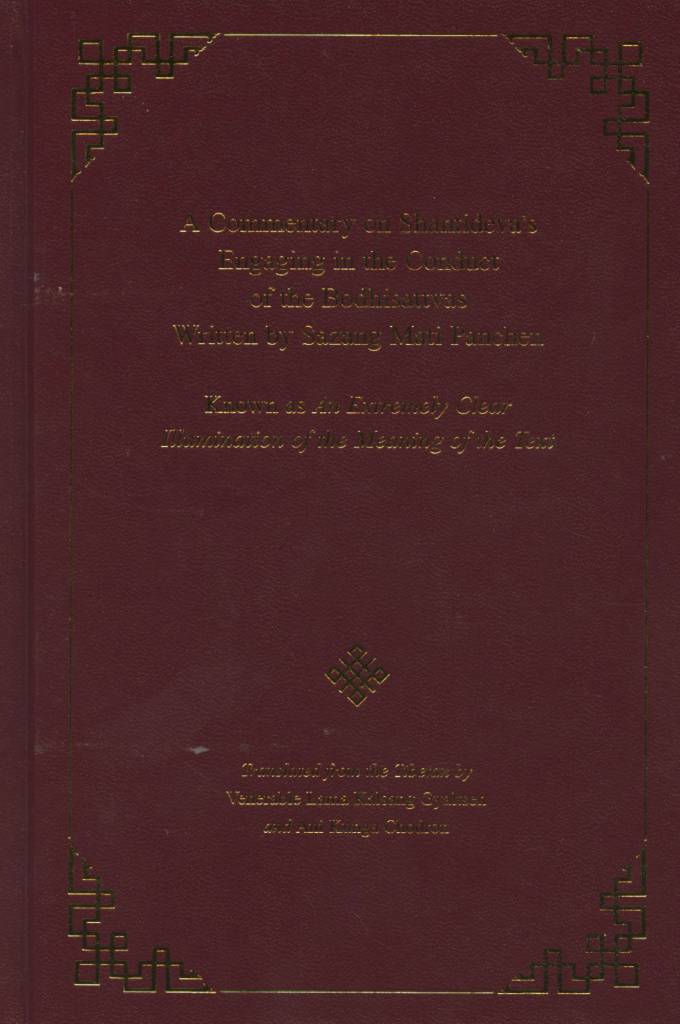
A Commentary on Shantideva's Engaging in the Conduct of the Bodhisattvas (citation)Gyaltsen, Lama Kalsang, and Ani Kunga Chodron, trans. A Commentary on Shantideva's Engaging in the Conduct of the Bodhisattvas Written by Sazang Mati Panchen: Known as An Extremely Clear Illumination of the Meaning of the Text. Walden, NY: Tsechen Kunchab Ling, 2019. Bilingual Edition

(གསུམ་པ་)རྟེན་འབྲེལ་གྱི་དོན་ལ་གདམས་པ་ནི།

3. Advice concerning the meaning of interdependent arising 1.2.2.3.1.3

རྒྱུ་མེད་དང་དབང་ཕྱུག་དང་གཙོ་བོ་ལ་སོགས་པ་ལས་དངོས་པོ་རྣམས་སྐྱེ་བ་མ་ཡིན་པ་

Causelessness, Ishvara, or a primordial substance are not cause of the arising of material phenomena.[p.417]A Commentary on Shantideva's Engaging in the Conduct of the Bodhisattvas
Gyaltsen, Lama Kalsang, and Ani Kunga Chodron, trans. A Commentary on Shantideva's Engaging in the Conduct of the Bodhisattvas Written by Sazang Mati Panchen: Known as An Extremely Clear Illumination of the Meaning of the Text. Walden, NY: Tsechen Kunchab Ling, 2019. First edition published by The Yeshe Dorje Foundation in 2006.

དེ་བས་དེ་ལྟར་རྣམ་དཔྱད་པས། །

འགའ་ཡང་རྒྱུ་མེད་ཡོད་མ་ཡིན། ། སོ་སོ་བའམ་འདུས་པ་ཡི། །

རྐྱེན་རྣམས་ལ་ཡང་གནས་མ་ཡིན། །

de bas de ltar rnam dpyad pas/_/

'ga' yang rgyu med yod ma yin/_/ so so ba'am 'dus pa yi/_/

rkyen rnams la yang gnas ma yin/_/

Thus upon thorough investigation,

There is nothing whatsoever that does not have a cause, It does not exist either separately or as a composite,

Nor does the cause abide within the conditions.

དེ་བས་ན་གོང་དུ་བསྟན་པའི་ཚུལ་དེ་ལྟར་རྣམ་པར་དཔྱད་ན། སྣང་ཙམ་དུ་རང་རང་གི་རྒྱུ་ལས་བྱུང་བ༵ས་དངོས་པོ་འགའ་ཡང་[p.-376]རབ་གསལ་སྣང་བ་
རྒྱུ་མེད་ལས་བྱུང་བའང་ཡོད་པ་མ་ཡི༵ན་ལ།

Therefore, under careful analysis by the system explained above, on the level of mere perception, material phenomena appear to arise from their individual prior causes. None of them arise causelessly. As it is said, in reality:

དོན་དམ་པར་བདག་ལས་མ་ཡིན་གཞན་ལས་མིན། གཉིས་ལས་མ་ཡིན་

Phenomena are produced neither from themselves, nor from other, nor from both.

ཞེས་པ་ལྟར་རང་དང་གཞན་སོ་སོ་བའམ་ནི་རང་གཞན་གཉི་ག་འདུས་པ་ཡི༵་རྐྱེན་རྣམས་ལ་ཡང་གནས་པའི་ཚུལ་གྱིས་སྐྱེ་བ་མ་ཡི༵ན་ཞིང༌།

A phenomenon does not arise from itself, or from another separately, or in the manner of abiding within a condition that is a composite of both self and other.
Gyaltsap Je (1364 - 1432)
The Entrance for the Children of the Conquerors (citation)Stracke, Fedor, trans. The Entrance for the Children of the Conquerors: A Commentary on the Introduction to the Actions of Bodhisattvas. By Gyaltsab Rinpoche. N.p.: Happy Monks Publication, 2016. https://happymonkspublication.org/product/bodhisattvacharyavatara-chapter-1-10-commentary/. Bilingual Edition

བཞི་བ་ནི།

Summarizing the Meaning of Generation from No-cause 1.1.2.3.2.3.1.4

དེ་བས་དེ་ལྟར་རྣམ་དཔྱད་པས། ། འགའ་ཡང་རྒྱུ་མེད་ཡོད་མ་ཡིན། །

de bas de ltar rnam dpyad pas/_/ 'ga' yang rgyu med yod ma yin/_/

Therefore, by analyzing in such a way There is nothing without a cause

རྒྱུ་མཚན་དེ་བས་ན་སྔར་བཤད་པ་དེ་ལྟར་རིགས་པས་རྣམ་པར་དཔྱད་པས་དབང་ཕྱུག་དང་གཙོ་བོ་སོགས་མི་མཐུན་པའི་རྒྱུ་ལས་སྐྱེ་བ་མི་སྲིད་པར་མ་ཟད། འབྲས་བུ་འགའ་ཡང་རྒྱུ་མེད་པས་སྐྱེ་བ་ཡང་ཡོད་པ་མ་ཡིན་ཞེས་རྒྱུ་མེད་ལས་སྐྱེ་བ་ཁེགས་པའི་མཇུག་བསྡུས་པ་ཡིན་ནོ། །

Therefore, for these reasons, if one investigates with the reasons mentioned above, not only does generation from discordant causes such as Ishvara and the primary principle become impossible, saying ‘there is no result that generates without a cause’, it is also the concluding summary of the refutation of causeless generation.

ལྔ་བ་ནི།

Refuting Generation from Both Self and Other 1.1.2.3.2.3.1.5

སོ་སོ་བའམ་འདུས་པ་ཡི། ། རྐྱེན་རྣམས་ལ་ཡང་གནས་མ་ཡིན། །

so so ba'am 'dus pa yi/_/ rkyen rnams la yang gnas ma yin/_/

It also does not abide on the individual Conditions or their collection;

གཞུང་རྐང་བ་བཞི་བོ་འདིས་མུ་གསུམ་ལས་པས་སྐྱེ་བ་བཀག་པའི་མཇུག་སྡུད་ལ་སྦྱར་ཡང་རུང་ཞིང་རང་གཞན་གཉིས་ཀ་ལས་སྐྱེ་བ་འགོག་པའི་རིགས་ལ་ཡང་སྦྱར་རོ། །

These four lines can be a summary for the refutation of generation from three principles, and can also be related to the refutation of generation from both self and other.

སྨྱུ་གུ་ལ་སོགས་པའི་འབྲས་བུ་རྣམས་ཆུ་ལུད་དྲོད་གཤེར་ལ་[p.Ch9-422]Spyod 'jug rtsa 'grel (Mtsho sngon mi rigs dpe skrun khang 2001)
Śāntideva, and Rgyal tshab rje dar ma rin chen. Spyod 'jug rtsa 'grel and Byang chub sems dpa'i spyod pa la 'jug pa'i rnam bshad rgyal sras 'jug ngogs. Xining: Mtsho sngon mi rigs dpe skrun khang, 2001
སོགས་པ་སོ་སོ་བ་རྣམས་ལ་གནས་པའམ་ཐམས་ཅད་འདུས་པའི་རྐྱེན་རྣམས་ལ་ཡང་རང་བཞིན་གྱིས་འཁར་གཞོང་ལ་རྒྱ་ཤུག་བརྟེན་པའི་ཚུལ་དུ་གནས་པ་མ་ཡིན་ཏེ། དེ་ཡོད་ན་དམིགས་སུ་རུང་བ་ལས་མ་དམིགས་པའི་ཕྱིར་དང༌། དེའི་དུས་ན་ཡང་ཡོད་པ་མ་ཡིན་ཏེ་རྐྱེན་རྣམ་པར་མ་འགྱུར་བར་མྱུ་གུ་མི་སྐྱེ་བའི་ཕྱིར་རོ། །རྐྱེན་དེ་རྣམས་ལས་གཞན་ལས་འོངས་པའང་མ་ཡིན་ལ་རང་བཞིན་གྱིས་གྲུབ་པའི་ཚུལ་གྱིས་གྲུབ་ཟིན་གནས་པ་མ་ཡིན་ཞིང་། འགགས་ནས་གཞན་དུ་འགྲོ་བ་ཡང་མ་ཡིན་པས་རང་བཞིན་ཅུང་ཟད་ཀྱང་མེད་ལ། དེའི་ཕྱིར་བདག་ལས་སྐྱེ་བ་དང་གཞན་ལས་སྐྱེ་བ་དང༌། བདག་གཞན་གཉིས་ཀ་ལས་སྐྱེ་བ་ཡང་མེད་དོ། །

The sprout abides neither inherently on the individual causes such as the water, fertilizer, warmth and moisture nor on their collection, as a juniper tree would abide on the bronze base. If it abides in such a way it should be observable, which it is not. It is the same for other results. They also do not exist at that time because without the conditions taking shape the sprout cannot be generated. It also does not come from something other than these conditions, it also does not abide inherently upon having been generated inherently, and it does not go somewhere else upon cessation. Hence, it does not exist inherently in the slightest, and therefore there is also no generation from self, generation from other or generation from both self and other.

མདོར་ན་ཕུང་བོ་དང་གང་ཟག་ཆོས་ཅན། རང་བཞིན་གྱིས་སྐྱེ་བ་མེད་དེ། བདག་ལས་ཀྱང་མི་སྐྱེ་གཞན་ལས་ཀྱང་མི་སྐྱེ་གཉིས་ཀ་ལས་ཀྱང་མི་སྐྱེ་རྒྱུ་མེད་ལས་ཀྱང་མི་སྐྱེ་བའི་ཕྱིར། ཞེས་པའི་ཕྱོགས་ཆོས་སྒྲུབ་པ་ཡིན་ནོ། །

In short, this establishes the directional property of the argument, ‘take the subject the aggregates and the person’: it follows they are not generated inherently - because they are not generated from self, generated from other, generated from both or generated from no cause.
Pawo Rinpoche, 2nd (1504 - 1566)
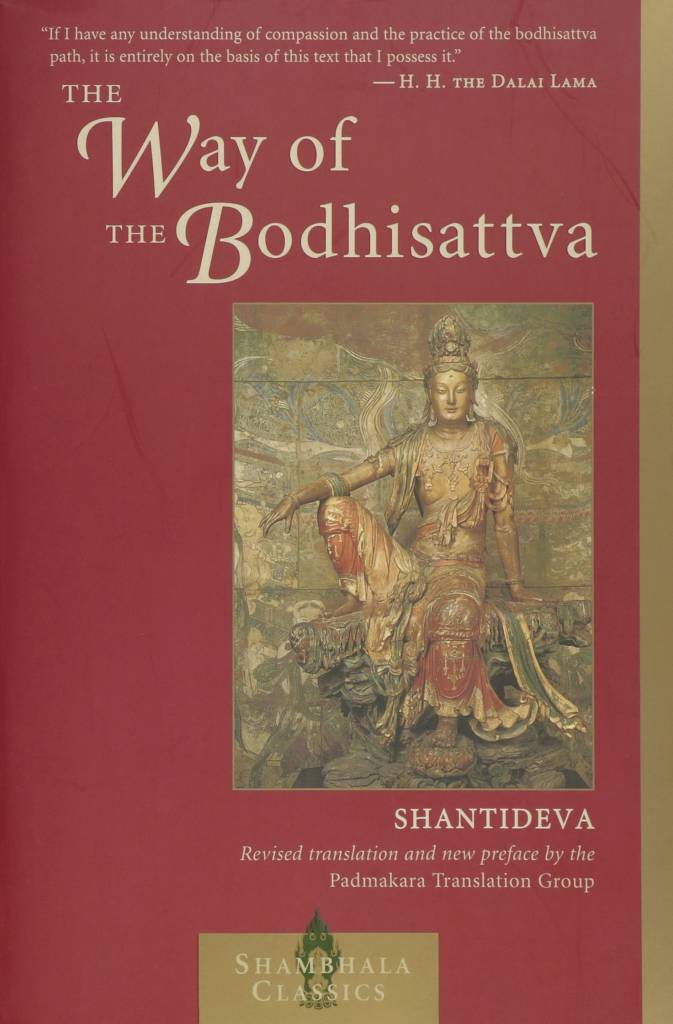
The Center of the Sunlit Sky (citation)Brunnhölzl, Karl. The Center of the Sunlit Sky: Madhyamaka in the Kagyü Tradition. Including a translation of Pawo Rinpoche's commentary on the knowledge section of Śāntideva's The Entrance to the Bodhisattva’s Way of Life (Bodhicaryāvatāra). Nitartha Institute Series. Ithaca, NY: Snow Lion Publications, 2004. Bilingual Edition

ལྔ་པ་ཚད་མས་ངེས་པའི་དོན་བརྗོད་པ་ནི།

Stating the Meaning That is Ascertained through Valid Cognition 4.2.2.1.5.

དེ་བས་དེ་ལྟར་རྣམ་དཔྱད་པས། །

འགའ་ཡང་རྒྱུ་མེད་ཡོད་མ་ཡིན། ། སོ་སོ་བའམ་འདུས་པ་ཡི། །

རྐྱེན་རྣམས་ལ་ཡང་གནས་མ་ཡིན། །
Hence, through having been analyzed in this way,

Nothing exists without a cause, Nor is anything contained

In its individual or combined conditions. [141]

གཞན་རྣམས་ཀྱིས་དཔྱད་ན་རྒྱུ་མི་འགྲུབ་པར་བསྟན།

These six lines teach that causes are not established when one analyzes them.

དེ་བས་དེ་ལྟར་རྣམ་པར་དཔྱད་པས་ཆོས་འགའ་ཡང་རྒྱུ་མེད་ཏུ་སྐྱེ་བ་ཡང་ཡོད་པ་མིན་ལ་རྒྱུ་སོ་སོ་བའམ་མང་པོ་འདུས་པ་ཡི་རྐྱེན་རྣམས་ལ་ཡང་འབྲས་བུ་གནས་པ་མ་ཡིན་ཞིང་རྒྱུ་གཞན་ནས་འོངས་པ་ཡང་མ་ཡིན་ལ་རྒྱུ་ལ་འབྲས་བུ་གནས་པའང་མ་ཡིན་ཞིང་འབྲས་བུ་བསྐྱེད་ནས་རྒྱུ་འགགས་འགྲོ་བའང་མ་ཡིན་སྟེ་རྨོངས་པས་བདེན་པར་གང་བྱས་ཅིང་བཟུང་བ་འདི་ཐམས་ཅད་ནི་

Thus, through having been analyzed in this way, no phenomenon exists in a way that it arises without a cause. Nor is any result contained in its individual causes or in a combination of many of them. Neither does anything come from some other causes, nor do results abide in their causes, nor do causes cease or go after they have produced their results.

འོ་ན་ཅི་ཞེ་ན། དངོས་པོ་ཉིད་ཏུ་སྒྲོ་བཏགས་པ་དེ་དོགས་པར་བཅས་པ་འགོག་པ་ཡིན་ནོ་ཞེས་དང་། མཇུག་སྡུད་ཀྱི་རྒྱུ་མེད་དང་། སོ་སོ་བ་དང་འདུས་པ་དང་གཞན་ནས་འོངས་པ་རྣམས་ཀྱིས་རིམ་པ་ལྟར་རྒྱུ་མེད་ཏུ་སྨྲ་བ་དང་དབང་ཕྱུག་པ་དང་རྒོལ་བ་གཞན་དང་དུས་འཕོ་བར་སྨྲ་བར་རྣམས་འགོག་པ་བསྡུས་པར་བཤད་ཅིང་སྒྱུ་མས་སྤྲུལ་པ་སོགས་ཀྱི་གཞུང་ཡང་འདི་ཉིད་ཀྱི་སྒྲུབ་བྱེད་ཏུ་བཀོད་ཏོ། །

[The Small Commentary’s] concluding summary [of this section] explains that “without a cause,” “individual,” “combined,” and “coming from something other” [in verses 141–142] are, in due order, a synopsis of the refutations of the following [opponents]: those who say that there are no causes, the followers of Īśvara, other opponents, and those who say that [entities] shift in time.1791Some Indian non-Buddhist schools say that results come about through time as their ripening cause. Then it adduces the passages in [verses 143–144] “What is created by illusions . . .” as the proof for this [statement].1792ACIP TD3876@176A–176B.

Minyak Kunzang Sönam (1823 - 1905)
The Profound Reality of Interdependence (citation)Duckworth, Douglas S., trans. The Profound Reality of Interdependence: An Overview of the Wisdom Chapter of the Way of the Bodhisattva. By Künzang Sönam. New York: Oxford University Press, 2019. Bilingual Edition

ཡང་སོ་སོ་བའམ་འདུས་པ་ཡི། ། 9.141ཞེས་སོགས་གསུངས། འདིས་རྒྱུ་རྐྱེན་གཉིས་སོ་སོ་བ་དང་དེ་གཉིས་འདུས་པའམ་ཚོགས་པ་ལ་འབྲས་བུ་རང་བཞིན་གྱིས་མི་གནས་པར་བསྟན་ཏེ་འདི་ནི་རྒྱུས་པར་རྩ་ཤེས་རབ་བྱེད་ཉི་ཤུ་པ་ཚོགས་པ་བརྟགས་པ་ལྟར་ཤེས་པར་བྱའོ། །ཡང་། སོ་སོ་བ་ནི་བདག་སྐྱེ་དང་གཞན་སྐྱེ་རེ་རེ་བ་དང་འདུས་པ་ནི་གཉིས་ཀ་ལས་སྐྱེ་བ་སྟེ་མུ་གསུམ་ལས་སྐྱེ་བ་འགོག་པའི་དོན་བསྡུར་སྦྱར་བའམ། གཉིས་ཀ་ལས་སྐྱེ་བར་འདོད་པ་འགོག་ཚུལ་ལའང་སྦྱར་ཆོག་པར་གསུངས་སོ། །དེས་ན་འདིར་མུ་སྟེགས་གཅེར་བུ་པས་གཉིས་ཀ་ལས་སྐྱེ་བར་འདོད་པ་འགོག་པ་ལ་གཉིས། འདོད་པ་བརྗོད་པ། དེ་དགག་པའོ། །

Next, it says, [IX.141d] Individually or in conjunction. 9.141 Here our text shows that both causes and conditions—individually or in conjunction or combination—do not intrinsically reside in their effects. One should know this as it is described extensively in the twentieth chapter of the Fundamental Verses of the Middle Way, “Investigation of Combination.” Alternatively, this can be applied to a summation of the meaning of the refutation of three possibilities for production: individually referring to arising each from self and from another, and in conjunction referring to arising from both. Or, it is also fine to apply this as the way of refuting the assertion of arising from both. [799] Thus, here is a twofold explanation of the assertions of the Nigranthas, who assert arising from both, and a refutation of them.

དང་པོ་(འདོད་པ་བརྗོད་པ།)ལ།

Assertions of the Nigranthas 2.2.3.2.3.1.1.B1

དེའི་སྟོན་པ་ནི། ལྷ་ཆེན་རྒྱལ་བ་དམ་པ། དྲང་སྲོང་མཆོད་འོས། ཁྱུ་[p.259]Spyod 'jug shes rab le'u'i spyi don rim par phye ba zab mo rten 'byung gi de kho na nyid yang gsal sgron me
Mi nyag kun bzang bsod nams (མི་ཉག་ཀུན་བཟང་བསོད་ནམས་). spyod 'jug shes rab le'u'i spyi don rim par phye ba zab mo rten 'byung gi de kho na nyid yang gsal sgron me [སྤྱོད་འཇུག་ཤེས་རབ་ལེའུའི་སྤྱི་དོན་རིམ་པར་ཕྱེ་བ་ཟབ་མོ་རྟེན་འབྱུང་གི་དེ་ཁོ་ན་ཉིད་ཡང་གསལ་སྒྲོན་མེ།]. [Lamp that Thoroughly Illuminates the Suchness of Profound Dependent Origination: An Overview of the Divisions of the Wisdom Chapter of Entering into the Conduct [of the Bodhisattva]]. Tengyur.
མཆོག་སོགས་སྟོན་པ་ཉེར་ལྔ་ཡོད་པར་བཤད། མིང་གི་རྣམ་གྲངས་ལ། རྒྱལ་བ་པ། མཆོད་འོས་པ། གཅེར་བུ་པ། ཀུན་ཏུ་རྒྱུ་སོགས་མང་ངོ༌། །ལུང་ནི་རྒྱས་བྱེད་སྐར་མའི་བསྟན་བཅོས་ཞེས་པ་སོགས་ལ་ཚད་མར་བྱེད་དོ། །ཤེས་བྱ་ཐམས་ཅད་ཚིག་གི་དོན་དགུར་འདུས་པར་འདོད་དེ། སྲོག ཟག་པ། སྡོམ་པ། ངེས་པར་རྒ་བ། འཆིང་བ། ལས། སྡིག་པ། བསོད་ནམས། ཐར་པའོ། །དེ་ལ་སྲོག་ནི། བདག་ཡིན་ལ། དེ་ནི་སྲོག་ཅན་གྱི་སྐྱེས་བུའི་ལུས་ཚད་ཙམ་ཡོད་པ་སེམས་པའི་བདག་ཉིད་ཅན་ངོ་བོ་རྟག་ལ་གནས་སྐབས་མི་རྟག་པ་ཞིག་ཏུ་འདོད་དེ། ཁྱད་པར་འཕགས་བསྟོད་ལས།

As for their teachers, there were said to be twenty-five, such as Mahāvīra, the sage Arhat, and Ṛṣabha. They go by many other names including Jains, Ārhatas, Nigranthas, Parivrajakas, and so on. The texts they consider authoritative include the Expanding Star.452Jeffrey Hopkins suggests, as a possible Sanskrit title, the Bhāratatārakaśāstra for the Tibetan rgyas byed skar ma’i bstan bcos. See Hopkins, Maps of the Profound, 179. They assert all objects of knowledge to be included in nine categories: life, contaminations, stoppage, perishing, bondage, karma, evil, merit, and liberation. Regarding these, life is held to be the self. It only extends through the body of a living being; it has the identity[p.226]The Profound Reality of Interdependence
Duckworth, Douglas S., trans. The Profound Reality of Interdependence: An Overview of the Wisdom Chapter of the Way of the Bodhisattva. By Künzang Sönam. New York: Oxford University Press, 2019.
of mind and a permanent nature, while in an impermanent state. The Praise of the Exceptional One states:

གཅེར་བུས་ལུས་ཀྱི་ཚད་བཞིན་དུ། ། སྲོག་ནི་ཞུམ་དང་རྒྱུས་པར་སྨྲ། །

The Nigranthas claim that to the extent of the body
Life expands and contracts.453Udbhaṭasiddhasvāmin, Praise of the Exceptional One, 3b.

ཞེས་སོ། །གསོ་བ། སྐྱེས་བུ། འགྲོ་བ། གང་ཟག་སོགས་ཀྱང་བདག་གི་རྣམ་གྲངས་སོ། །ཟག་པ་ནི། དགེ་མི་དགེའི་ལས་ཀྱིས་འཁོར་བར་ཟག་པར་བྱེད་པའོ། །སྡོམ་པ་ནི། ཟག་པ་འགོག་བྱེད་དེ་ལས་གསར་དུ་མི་གསོག་པས་སོ། །ངེས་པར་རྒ་བ་ནི། བཟའ་བཏུང་མི་སྤྱོད་པ་དང་། བསམ་གཏན་དང་ལུས་གདུང་བྱེད་པའི་དཀའ་ཐུབ་ཀྱིས་སྔར་བསགས་ཀྱི་ལས་ཟད་པར་བྱེད་པའོ། །འཆིང་བ་ནི། ཐར་པའི་གེགས་བྱེད་ཀྱི་ལོག་པར་ལྟ་བ་སུམ་བརྒྱ་དྲུག་ཅུ་སོགས་སོ། །ལས་ནི། ཕྱིས་མྱོང་འགྱུར་དང་མིང་དང་རུང་དང་ཚེ་སྟེ་བཞིའོ། །སྡིག་པ་ནི། ཆོས་མིན་ཕྱོགས་ཀྱི་བྱ་བ་ངན་པའོ། །བསོད་ནམས་ནི་ཆོས་ཕྱོགས་ཀྱི་བྱ་བ་བཟང་པོའོ། །ཐར་པ་ནི། ལུས་གཅེར་བུ་སོགས་སྡོམ་པ་དང་། མི་འཚེ་བ་སོགས་བརྟུལ་ཞུགས་དང་། བློ་གྲོས་སོགས་ཡེ་ཤེས་དང་། མེ་ལྔ་བསྟེན་པ་སོགས་ཀྱི་དཀའ་ཐུབ་སྤྱོད་པ་རྣམས་ནི་[p.260]Spyod 'jug shes rab le'u'i spyi don rim par phye ba zab mo rten 'byung gi de kho na nyid yang gsal sgron me
Mi nyag kun bzang bsod nams (མི་ཉག་ཀུན་བཟང་བསོད་ནམས་). spyod 'jug shes rab le'u'i spyi don rim par phye ba zab mo rten 'byung gi de kho na nyid yang gsal sgron me [སྤྱོད་འཇུག་ཤེས་རབ་ལེའུའི་སྤྱི་དོན་རིམ་པར་ཕྱེ་བ་ཟབ་མོ་རྟེན་འབྱུང་གི་དེ་ཁོ་ན་ཉིད་ཡང་གསལ་སྒྲོན་མེ།]. [Lamp that Thoroughly Illuminates the Suchness of Profound Dependent Origination: An Overview of the Divisions of the Wisdom Chapter of Entering into the Conduct [of the Bodhisattva]]. Tengyur.
ཐར་ལམ་ཡིན་ལ། དེ་ལ་བརྟེན་ནས་ལས་སྔར་བསགས་ཟད་ཅིང་གསར་དུ་མ་བྱས་པས་འཁོར་བ་ལས་ཐར་པར་འདོད་ལ།

Other names for the self include the sustained, an individual, a being, and a person. Contaminations are the outflows in cyclic existence from virtuous and unvirtuous actions. Stoppage prevents the outflows and does not accrue new actions. Perishing is to abstain from food and drink and to undergo austerities of meditative concentration and bodily penance, by which previously accumulated karma is exhausted. Bondages are that which obstructs liberation, such as the 360 wrong views. Karma is fourfold: feeling-producing karma, body-determining karma, status-determining karma, and lifespandetermining karma. Evil is bad actions, those on the side of untruth. Merit is good actions, those on the side of truth. As for liberation, the path of liberation is austerity: the vows of body, such as being naked; the disciplines, such as nonviolence; gnosis, such as intelligence; and relying on the five fires. Based on these, through the exhaustion of previous karma and not producing any new karma, they assert that there is liberation from cyclic existence.

དེ་ཡང་འཇིག་རྟེན་ཐམས་ཅད་ཀྱི་སྟེང་ཁམས་གསུམ་ལས་འདས་པ་ན། འཇིག་རྟེན་འདུས་པ་ཞེས་པའི་གནས་ཚད་དཔག་ཚད་འབུམ་ཕྲག་ཞེ་ལྔ་པ། དབྱིབས་གདུགས་དཀར་གྱེན་བཀན་ལྟ་བུ། ཁ་དོག་ཀུ་མུད་སོགས་ལྟར་དཀར་བ་དེར་འགྲོ་སྟེ་དེ་ནི་ཐར་པའི་འགྲོ་བ་ཞེས་བྱ་ཟེར། དེ་ལྟར་ཡང་། རྒྱལ་བ་དམ་པས།

Furthermore, they claim that above all worlds and beyond the three realms there is a “combination world” with an area of 4,500,000 fathoms. It is shaped like an upside-down parasol, and its color is white like a water lily. Going there is said to be going to liberation. Moreover, the Great Jina said:

ཁ་བ་རྒྱ་སྤོས་མེ་ཏོག་མདོག །

བ་ཞོ་བ་མོ་མུ་ཏིག་མདོག ། གདུགས་བཀན་བཟུང་བའི་དབྱིབས་འདྲ་བ། །

ཐར་པ་ཡིན་པར་རྒྱལ་བས་བཤད། །

The Victors say that liberation
Has a vast fragrance of incense and the color of a flower;
With a color like that of curds, frost, and pearls,
And a shape like an upside-down parasol.

ཅེས་སོ། །རྒྱུ་འབྲས་རང་བཞིན་གཅིག་ཅིང་གནས་སྐབས་ཐ་དད་པས་འབྲས་བུ་རྣམས་བདག་གཞན་གཉིས་ཀ་ལས་སྐྱེ་ཟེར། ཀུན་མཁྱེན་མེད་པར་སྒྲུབ་པ་དང་། ལྗོན་ཤིང་སེམས་ལྡན་དུ་སྒྲུབ་པའི་རིགས་པའང་འདི་བས་མང་དུ་སྨྲའོ། །

They claim that effects arise from both self and other because a cause and an effect are intrinsically the same, but in different states. They have a lot to say, including arguments to establish that there is no omniscience and that plants have minds.

གཉིས་པ་དེ་འགོག་པ་ལ།

Refutation of the Nigranthas 2.2.3.2.3.1.1.B2

རྒྱུ་འབྲས་རང་བཞིན་གཅིག་པར་འདོད་པ་འགོག་ཚུལ། རྣམ་འགྲེལ་ལས།

The assertion of the intrinsic identity of cause and effect is refuted in the Commentary on Epistemology:

ཞོ་འཐུང་ཞེས་ནི་བསྐུལ་བ་ན། ། ཅིའི་ཕྱིར་རྔ་མོ་ལ་མི་འཇུག །

[800] When asked to have curd,
Why don’t you take milk?454Dharmakīrti, Commentary on Epistemology, I.182bc (D. 4210), 101b.[p.227]The Profound Reality of Interdependence
Duckworth, Douglas S., trans. The Profound Reality of Interdependence: An Overview of the Wisdom Chapter of the Way of the Bodhisattva. By Künzang Sönam. New York: Oxford University Press, 2019.
[

ཅེས་སོགས་དོན་ལ་འཇུག་པ་འཆོལ་བར་ཐལ་བའི་རིགས་པས་བཀག་ལ། གཉིས་ཀ་ལས་སྐྱེ་བར་འདོད་པ་འགོག་ཚུལ་འོག་ཏུ་འཆད་དོ། །ཀུན་མཁྱེན་མེད་པར་སྒྲུབ་པའི་རིགས་པ་རྣམས་རིགས་པ་ལྟར་སྣང་དུ་བསྟན་ནས་དེ་རྣམས་ཀུན་མཁྱེན་ཉིད་དུ་སྒྲུབ་པའི་གཏན་ཚིགས་སུ་འགྱུར་ཚུལ་དང་། ཤིང་སེམས་ལྡན་དུ་སྒྲུབ་པའི་རིགས་པ་རྣམས་ཀྱང་མ་ངེས་པར་བསྟན་ནས་ཤིང་སེམས་ལྡན་མིན་པར་སྒྲུབ་ཚུལ་སོགས་རྣམ་འགྲེལ་དང་དབུ་མ་སྙིང་པོ་རྩ་འགྲེལ་སོགས་ལས་རྒྱ་ཆེར་གསུངས་སོ། །

It is refuted with the absurd consequence that there would be confusion in the pursuit of objects. How arising from both is negated will be explained below. Their arguments to establish the nonexistence of omniscience are shown to be bogus arguments, and become arguments for establishing omniscience. Also, their arguments to establish that plants have minds are shown to be inconclusive. Arguments that show that plants do not have minds are stated extensively in the Commentary on Epistemology and in the Essence of Madhyamaka.455See Dharmakīrti, Commentary on Epistemology, II.17; Bhāviveka, Essence of Madhyamaka, 39a.

སྤྱིར་མུ་སྟེགས་པའི་གྲུབ་མཐའ་ལ་དབྱེ་བ་མང་ཡང་རྟག་ཆད་དུ་སྨྲ་བ་གཉིས་སུ་[p.261]Spyod 'jug shes rab le'u'i spyi don rim par phye ba zab mo rten 'byung gi de kho na nyid yang gsal sgron me
Mi nyag kun bzang bsod nams (མི་ཉག་ཀུན་བཟང་བསོད་ནམས་). spyod 'jug shes rab le'u'i spyi don rim par phye ba zab mo rten 'byung gi de kho na nyid yang gsal sgron me [སྤྱོད་འཇུག་ཤེས་རབ་ལེའུའི་སྤྱི་དོན་རིམ་པར་ཕྱེ་བ་ཟབ་མོ་རྟེན་འབྱུང་གི་དེ་ཁོ་ན་ཉིད་ཡང་གསལ་སྒྲོན་མེ།]. [Lamp that Thoroughly Illuminates the Suchness of Profound Dependent Origination: An Overview of the Divisions of the Wisdom Chapter of Entering into the Conduct [of the Bodhisattva]]. Tengyur.
འདུ་ལ། ཆད་སྨྲ་བ་ནི་རྒྱང་འཕེན་དང་། རྟག་སྨྲ་བ་ལ་གངས་ཅན་སོགས་མང་ཡང་འདིར་ནི་རྩ་ཚིག་གིས་ཟིན་པ་རྣམས་ཀྱིས་འདོད་ཚུལ་བསྡུས་ཙམ་རེ་ལས་གཞན་མ་བྲིས་སོ།།

In general, there are many divisions within non-Buddhist philosophical systems, but they can be comprised within the eternalists and the annihilationists. The annihilationists are the Cārvākas, and there are many among the eternalists, such as the Sāṃkhyas. Here I have only written a bit to summarize the claims of just those mentioned in the root verses.

དེ་ཡང་ཁྱད་པར་འཕགས་བསྟོད་ལས།

Also, the Praise of the Exceptional One states:

མུ་སྟེགས་ཅན་གྱི་གཞུང་ལུགས་ལ། །

ཇི་ལྟ་ཇི་ལྟར་རྣམ་བསམས་པ། ། དེ་ལྟ་དེ་ལྟར་མགོན་ཁྱོད་ལ། །

བདག་གི་སེམས་ནི་དད་པར་གྱུར། །

The more I consider the
Scriptural traditions of non-Buddhists,
The more it is you, Protector, that
I have complete faith in mind.456Udbhaṭasiddhasvāmin, Praise of the Exceptional One, 4b.

ཅེས་པ་ལྟར་མུ་སྟེགས་རྣམས་ཀྱིས་རྟག་ཆད་དུ་སྨྲ་བའི་ཚུལ། དེ་དག་འགོག་བྱེད་ཀྱི་རིགས་པ་ཤིང་རྟ་ཆེན་པོ་རྣམས་ཀྱི་གཞུང་ལས་འབྱུང་བ་རྣམས་ཁོང་དུ་ཆུད་ན་རང་ལུགས་ཀྱི་སྟོན་པ་དང་བསྟན་པ་དྲི་མ་མེད་པ་ལ་རིགས་པའི་ལམ་ནས་དྲངས་པའི་དད་པ་བཅོས་མིན་སྐྱེ་བར་འགྱུར་བ་དང་། དགོས་པ་གཞན་ཡང་མང་དུ་ཡོད་དེ། སྡུག་བསྔལ་རྒྱུ་མེད་དུ་འཛིན་པ་དང་། རྒྱུ་ཡོད་ཀྱང་མི་མཐུན་པའི་རྒྱུ་ལས་འབྱུང་བར་འཛིན་པ་དང་། ལམ་དང་ཐར་པ་མ་ཡིན་པ་ལ་ལམ་དང་ཐར་པར་འཛིན་པ་ལ་སོགས་པའི་ལོག་རྟོག་མཐའ་དག་འགག་པར་འགྱུར་དང༌། སྐྱེ་བ་སྔ་མ་རྣམས་སུ་རྒྱང་འཕེན་སོགས་ཀྱི་གྲུབ་མཐའ་ངན་པའི་གཞུང་ལུགས་ཐོས་པའི་སྟོབས་ཀྱིས་བཞག་པའི་བག་ཆགས་ཀྱི་ས་བོན་ཉམས་སྨད་པར་བྱ་བའི་ཕྱིར་དང་། སྐྱེ་བ་ཕྱི་མ་རྣམས་སུ་ཡང་ལོག་པར་ལྟ་བ་མཐའ་དག་ལས་ལྡོག་པ་དང་། ཡང་དག་པའི་ལྟ་བ་རྒྱུད་ལ་མྱུར་བར་སྐྱེ་བའི་བག་ཆགས་འཇོག་པ་སོགས་ཀྱི་ཆེད་དུ་དགག་སྒྲུབ་ཀྱི་རྣམ་གཞག་དུ་མ་མཛད་པ་ཡིན་པས་འདི་དག་ནི་ཉམས་ལེན་སྙིང་པོར་བྱེད་པ་ལ་མི་མཁོའོ་སྙམ་དུ་སེམས་པར་མི་བྱའོ་ཞེས་རིགས་པའི་དབང་ཕྱུག་རྣམས་ཀྱིས་གསུངས་སོ། །

Arguments refuting the way non-Buddhists proclaim eternalism and annihilationism appear in the scriptures of the great chariots. By understanding them, there arises an uncontrived faith induced by reason in the stainless teachings and teacher of our tradition. There are many other purposes served as well: the entirety of misconceptions is dispelled, such as apprehending suffering to be causeless; holding that suffering has a cause, but apprehending it to arise from a discordant cause; and holding to what is not the path and not liberation to be the path and liberation. Also, the potentials for predispositions, embedded from previous lives through the power of hearing the scriptural traditions of bad philosophical systems like that of the Cārvāka, are weakened. In future lives, all wrong views are turned away, and a predisposition is infused in the continuum for the authentic view to take birth quickly. For these purposes, there are many presentations of refutation and proof; do not think that these are unnecessary for the essence of practice. The lords of reason say this.

གཉིས་པ་མཐའ་བཞིའི་སྐྱེ་བ་འགོག་ཚུལ་བྱེ་བྲག་ཏུ་

Specific Explanation of How Arising from the Four Extremes Is Negated 2.2.3.2.3.1.2

དང་པོ་(མཐའ་བཞི་ལས་མི་སྐྱེ་བར་དམ་བཅའ་བ།)ནི།

The Thesis of Not Arising from the Four Extremes 2.2.3.2.3.1.2.1

སྤྱིར་བདག་མེད་གཏན་ལ་འབེབས་བྱེད་ཀྱི་རིགས་པ་དེ་ལ། ཐལ་འགྱུར་གྱི་དབང་དུ་བྱས་པ་དང་། གཏན་ཚིགས་ཀྱི་དབང་དུ་བྱས་པ་དུ་མ་ཞིག་ཡོད་པ་ལས། ཆོས་ཀྱི་བདག་མེད་གཏན་ལ་འབེབས་བྱེད་ཀྱི་རིགས་པའི་གཙོ་བོ་ནི་མཐའ་བཞིའི་སྐྱེ་འགོག་གི་རིག་པའམ་རྡོ་རྗེ་གཟེགས་མའི་གཏན་ཚིགས་འདི་ཡིན་ནོ། །དེའང་སྔར་བཤད་པའི་དགག་བྱ་རང་ངོས་ནས་གྲུབ་པ་དེ་ཆོས་ཐམས་ཅད་ཀྱི་སྟེང་དུ་འགོག་དགོས་ནའང་། ཐོག་མར་འདུས་བྱས་ཀྱི་སྟེང་དུ་འགོག་དགོས་ཏེ། བྱ་བ་བྱེད་ནུས་ཀྱི་དངོས་པོ་ལ་བདེན་པར་སྨྲ་བའི་འཁྲུལ་གཞི་ཆེ་ལ། དེ་ལྟར་མི་ནུས་པའི་འདུས་མ་བྱས་ལ་བདེན་པར་འཛིན་པའི་འཁྲུལ་གཞི་ཆུང་བས་སོ། །

In general, among arguments ascertaining selflessness, there are many formulated as reductios and many formulated as probative arguments. From among these, the main argument to ascertain the selflessness of phenomena is this: the argument negating arising from the four extremes, or “the argument of the diamond shards.” Moreover, as was explained before, one must negate objective existence with respect to all phenomena, [801] but first one should negate it with respect to conditioned phenomena. This is because entities that are efficacious are major grounds for the confusion of realism; unconditioned phenomena, which are not efficacious in this way, are minor grounds for the confusion of apprehending true existence.

དེའི་ཕྱིར་རང་སྡེ་དངོས་སྨྲ་བ་རྣམས་ཀྱིས་དངོས་པོ་ལ་སྐྱེ་འཇིག་གནས་གསུམ་སོགས་མཐོང་བའི་རྒྱུ་མཚན་གྱིས་བདེན་གྲུབ་ཏུ་ཡོད་པར་འདོད་པ་ལ། རྩ་ཤེས་མཆོད་བརྗོད་ཀྱི་སྐབས་ནས་འགགས་སོགས་བརྒྱུད་རང་བཞིན་མེད་པར་གཏན་ལ་འབེབས་པར་མཛད་དོ། །དེ་ལྟར་འདུས་བྱས་ཀྱི་སྟེང་དུ་རང་བཞིན་གྱིས་གྲུབ་པ་ཁེགས་ན། འདུས་མ་བྱས་ཀྱི་སྟེང་དུའང་འགོག་སླ་བ་ལ་དགོངས་ནས།

For this reason, Buddhist realist schools assert that entities truly exist for the reason that they are seen to arise, abide, and cease. The expression of praise in the Fundamental Verses of the Middle Way ascertains the lack of intrinsic nature in the eight extremes of ceasing and so on.457The praise in the prologue of Nāgārjuna’s Fundamental Verses of the Middle Way states: “I pay homage to the best of speakers, the perfectly awakened one who taught dependent arising—the pacification of conceptual constructs—without ceasing or arising, not annihilated nor eternal, neither coming nor going, and neither different nor the same” (D. 3824), 1b. Thus, if intrinsic existence with respect to conditioned phenomena is negated, it is easy to negate it with respect to unconditioned phenomena. With this in mind, the Fundamental Verses of the Middle Way first negates the true existence of conditioned phenomena in earnest:

འདུས་བྱས་རབ་ཏུ་མ་གྲུབ་པས། ། འདུས་མ་བྱས་ནི་ཇི་ལྟར་འགྲུབ། །

When conditioned phenomena are not established at all
How could unconditioned phenomena be established?458Nāgārjuna, Fundamental Verses of the Middle Way, VII.33cd. Künzang Sönam cites a version of the verse with a slight difference from the first line of the Degé edition of the Tibetan translation of Nāgārjuna’s verses.

ཅེས་རྩ་ཤེས་ལས་ཐོག་མར་འདུས་བྱས་བདེན་པ་འགོག་པ་ཉིད་ལ་ནན་ཏན་ཆེར་མཛད་དོ། །འདུས་བྱས་ལའང་། སྐྱེ་གནས་འཇིག་གསུམ་ལས་སྐྱེ་བ་རང་བཞིན་གྱིས་གྲུབ་པ་ཁེགས་ན་གཞན་གཉིས་རང་བཞིན་གྱིས་གྲུབ་པའང་ཞར་ལ་ཁེགས་པས་ཐོག་མར་རང་ཞིན་ཀྱིས་སྐྱེ་བ་མེད་པ་གཏན་ལ་འབེབས་དགོས་སོ། །དེའི་ཕྱིར་སློབ་དཔོན་ཀླུ་སྒྲུབ་ཡབ་སྲས་ཀྱིས་ས་བཅུ་པའི་[p.263]Spyod 'jug shes rab le'u'i spyi don rim par phye ba zab mo rten 'byung gi de kho na nyid yang gsal sgron me
Mi nyag kun bzang bsod nams (མི་ཉག་ཀུན་བཟང་བསོད་ནམས་). spyod 'jug shes rab le'u'i spyi don rim par phye ba zab mo rten 'byung gi de kho na nyid yang gsal sgron me [སྤྱོད་འཇུག་ཤེས་རབ་ལེའུའི་སྤྱི་དོན་རིམ་པར་ཕྱེ་བ་ཟབ་མོ་རྟེན་འབྱུང་གི་དེ་ཁོ་ན་ཉིད་ཡང་གསལ་སྒྲོན་མེ།]. [Lamp that Thoroughly Illuminates the Suchness of Profound Dependent Origination: An Overview of the Divisions of the Wisdom Chapter of Entering into the Conduct [of the Bodhisattva]]. Tengyur.
མདོ་ལས་གསུངས་པའི་མཉམ་ཉིད་བཅུའི་ནང་ནས་སྐྱེ་བ་མེད་པ་མཉམ་པ་ཉིད་ཐོག་མར་འཆད་པར་བྱེད་དེ། འཇུག་པ་རང་འགྲེལ་ལས།

Within conditioned phenomena as well, when intrinsically existent arising is negated among the threefold arising, abiding, and, ceasing, the intrinsic existence of the other two are negated along with it. Therefore, first one should ascertain the lack of intrinsic arising. For this reason, the master Nāgārjuna, father and son Candrakīrti, first explained the equality of non-arising from among ten equalities mentioned in the Sūtra on the Ten Grounds. The autocommentary on the Introduction to the Middle Way says:

དེའི་ཕྱིར་འདིར་ཆོས་སྐྱེ་བ་མེད་པར་མཉམ་པ་ཉིད་ཁོ་ན་རིགས་པས་བསྟན་པ་ཉིད་ཀྱིས་ཆོས་མཉམ་པ་ཉིད་གཞན་བསྟན་པ་སླ་བར་དགོངས་ཏེ། སློབ་དཔོན་གྱིས་དབུ་མའི་བསྟན་བཅོས་ཀྱི་དང་པོར།

Therefore, through showing the reasoning of only the equality of nonarising here, the other equalities are easily demonstrated. Intending this, in the beginning of the master’s treatise on Madhyamaka, he states:

བདག་ལས་མ་ཡིན་གཞན་ལས་མིན། །

གཉིས་ལས་མ་ཡིན་རྒྱུ་མེད་མིན། ། དངོས་པོ་གང་དག་གང་ན་ཡང་། ། སྐྱེ་བ་ནམ་ཡང་ཡོད་མ་ཡིན། །

ཞེས་ཉེ་བར་བཀོད་པ་ཡིན་ནོ། །

Not from self, nor from other,
Not from both, nor without cause;
No entity whatsoever
Has ever arisen anywhere.459Candrakīrti, Autocommentary on the “Introduction to the Middle Way,” 246b; Nāgārjuna, Fundamental Verses of the Middle Way, I.1.[p.229]The Profound Reality of Interdependence
Duckworth, Douglas S., trans. The Profound Reality of Interdependence: An Overview of the Wisdom Chapter of the Way of the Bodhisattva. By Künzang Sönam. New York: Oxford University Press, 2019.

ཞེས་གསུངས་ཤིང་། འཇུག་པའི་རྩ་བ་ལས་ཀྱང་།

The root text of the Introduction to the Middle Way also says:

དེ་ཉིད་དེ་ལས་འབྱུང་མིན་གཞན་དག་ལས་ལྟ་ག་ལ་ཞིག ། གཉིས་ཀ་ལས་ཀྱང་མ་ཡིན་རྒྱུ་མེད་པར་ནི་ག་ལ་ཡོད། །

It does not arise from itself, nor does it arise from another.
It does not arise from both, either, nor does it arise causelessly.460Candrakīrti, Introduction to the Middle Way, VI.8.

ཅེས་གསུངས། ལུང་འདི་དག་གིས་མཐའ་བཞི་ལས་མི་སྐྱེ་བ་རྟགས་སུ་བཀོད་ནས་དངོས་པོ་རྣམས་རང་བཞིན་གྱི་སྐྱེ་མེད་དུ་དངོས་སུ་སྒྲུབ་པ་མིན་གྱི། འདིར་དངོས་སུ་མཐའ་བཞི་ལས་སྐྱེ་བ་མེད་པའི་དམ་བཅའ་ཙམ་ཞིག་བསྟན་ལ་དམ་བཅས་པའི་དོན་ཡང་བསྒྲུབ་ཆོས་གཞན་མི་འཕེན་པའི་མེད་དགག་ཁོ་ན་ཡིན་ཏེ། ཕྱི་ནང་གི་དངོས་པོ་གང་དག་ཡུལ་དུས་གྲུབ་མཐའ་གང་ནའང་བདག་དང་། གཞན་དང་། གཉིས་ཀ་དང་རྒྱུ་མེད་ལས་སྐྱེ་བ་ནམ་ཡང་མེད་ཅེས་བསྟན་པའི་ཕྱིར་རོ། །

These passages do not explicitly establish the lack of intrinsic arising of entities through formulating a reason that there is no intrinsic arising from the four extremes. Yet here, by explicitly presenting the mere thesis that there is no arising from the four extremes, the meaning of the thesis is exclusively a nonimplicative negation that does not imply any other affirmed phenomenon. This is because it says that there is no entity at all—be it external or internal, in any time, place, or philosophical system—that ever arises from itself, from another, from both, or causelessly.

དམ་བཅའ་བཞི་ཁོ་ན་བྱེད་པའི་དོན་ཡང་། རང་བཞིན་གྱིས་སྐྱེ་བ་ལ་མཐའ་བཞིའི་སྐྱེ་བ་གང་རུང་གིས་ཁྱབ་པའི་རྒྱུ་མཚན་གྱིས་ཏེ། རང་བཞིན་གྱིས་སྐྱེ་བ་ལ་རྒྱུ་ཡོད་མེད་གཉིས་སུ་ངེས་ཤིང་། རྒྱུ་ཡོད་པ་ལ་རྒྱུ་འབྲས་གཉིས་རང་བཞིན་གཅིག་པའི་བདག་སྐྱེ་དང༌། རང་བཞིན་ཐ་དད་པའི་གཞན་སྐྱེ་སྟེ་བདག་གཞན་རེ་རེ་པ་ལས་སྐྱེ་བ་གཉིས་དང་། བདག་[p.264]Spyod 'jug shes rab le'u'i spyi don rim par phye ba zab mo rten 'byung gi de kho na nyid yang gsal sgron me
Mi nyag kun bzang bsod nams (མི་ཉག་ཀུན་བཟང་བསོད་ནམས་). spyod 'jug shes rab le'u'i spyi don rim par phye ba zab mo rten 'byung gi de kho na nyid yang gsal sgron me [སྤྱོད་འཇུག་ཤེས་རབ་ལེའུའི་སྤྱི་དོན་རིམ་པར་ཕྱེ་བ་ཟབ་མོ་རྟེན་འབྱུང་གི་དེ་ཁོ་ན་ཉིད་ཡང་གསལ་སྒྲོན་མེ།]. [Lamp that Thoroughly Illuminates the Suchness of Profound Dependent Origination: An Overview of the Divisions of the Wisdom Chapter of Entering into the Conduct [of the Bodhisattva]]. Tengyur.
གཞན་གཉིས་ཀ་ཚོགས་པ་ལས་སྐྱེ་བ་དང་གསུམ་དུ་ཁ་ཚོན་ཆོད་པའི་ཕྱིར་རོ། །དེ་ལྟའི་དམ་བཅའ་བཞི་གྲུབ་ན་རང་བཞིན་གྱིས་སྐྱེ་བ་མེད་པའང་ཤུགས་ཀྱིས་འགྲུབ་བོ། །

The meaning of this thesis being delimited to four is this: For the reason that being an intrinsic arising entails arising from one of these four extremes, there is determined to be two ways for intrinsic arising to take place: with a cause or causelessly. If it has a cause, then there are only three alternatives: it could arise from itself, for which the cause and effect would have the same nature; it could arise from another, for which itself and its other would each have distinct natures; or it could arise from the collective of both itself and another. When this fourfold thesis is established, it is established perforce that there is no [802] intrinsic arising.

འོ་ན་དམ་བཅའ་འདི་རྣམས་མ་ཡིན་དགག་ཏུ་ཐལ་ལོ་སྙམ་ན།

One might think, “Then it would follow that these theses are implicative negations.”

སྐྱོན་མེད་དེ། མ་ཡིན་ཡིན་དགག་ལ་བསྒྲུབ་ཆོས་གཞན་འཕེན་པའམ་སྒྲུབ་པ་ཞིག་དགོས་སོ། །དམ་བཅའ་འདི་དག་མེད་དགག་ཡིན་པའང་། ཚིག་གསལ་ལས། མེད་པར་དགག་པ་བརྗོད་པར་འདོད་པའི་ཕྱིར། །དངོས་པོ་མེད་པའི་དོན་ནི་རང་བཞིན་མེད་པའི་དོན་ཡིན་ནོ། །ཞེས་གསུངས་ལ། ལེགས་ལྡན་གྱིས་ཀྱང་མེད་དགག་ཡིན་པར་མང་དུ་གསུངས་སོ། །

This is not a problem. An implicative negation needs to imply another affirmed phenomenon or affirmation. Yet these theses are non-implicative negations. Clear Words states: “Due to accepting the expression as a nonimplicative negation, the meaning of the absence of entities is the meaning of the absence of intrinsic nature.”461Candrakīrti, Clear Words, 93b. Bhāviveka also said several times that it is a non-implicative negation.462See, for instance, Bhāviveka, Lamp of Wisdom (Mūlamadhyamakavṛttiprajñāpradīpa, D. 3853), 62a.

སྤྱིར་དགག་པ་ནི། རང་ཞེས་བརྗོད་པའི་སྒྲས་དགག་བྱ་དངོས་སུ་བཅད་མ་བཅད་གང་ཡིན་ཀྱང་། བློ་དོན་མཐུན་ལ་རང་གི་རྣམ་པ་ཤར་བའི་ཚེ་དགག་པའི་རྣམ་པ་ཅན་དུ་འཆར་བ་ཞིག་ལ་བྱའོ། །དེ་ལ་གཉིས་ལས། མེད་དགག་ནི། རང་གི་དགག་བྱ་བཀག་ཤུལ་དུ་ཆོས་གཞན་མི་འཕེན་པའི་དགག་པ་སྟེ། དཔེར་ན། བྲམ་ཟེས་ཆང་འཐུང་རུང་མི་རུང་དྲིས་པ་ན་མི་བཏུང་ངོ༌། །ཞེས་པ་ལྟ་བུའོ། །

In general, a negation—whether or not the expressed words explicitly eliminate an object of negation—is what occurs in the form of a negation when it appears to a cognition that accords with fact (blo don mthun). There are two types of negations: non-implicative and implicative. A non-implicative negation is a negation that does not imply another phenomenon upon negating its object of negation. For example, when asked whether or not brahmins are permitted to drink alcohol, it is like the response: “They are not permitted to drink.”

མ་ཡིན་དགག་ནི། རང་གི་དགག་བྱ་བཀག་ཤུལ་དུ་ཆོས་གཞན་འཕེན་པའི་དགག་པའོ། །ཆོས་གཞན་འཕེན་ཚུལ་ལ། དངོས་སུ་འཕེན་པ། ཤུགས་ལ་འཕེན་པ། དངོས་ཤུགས་གཉིས་ཀ་ལ་འཕེན་པ། སྐབས་ཐོབ་ཀྱིས་འཕེན་པ་དང་བཞི་ལས།བདག་མེད་པ་ཡོད་ཅེས་པ་ལྟ་བུ་དང་པོ་དང་། མཆོད་སྦྱིན་ཚོན་པོ་ཉིན་པར་ཟས་མི་ཟ་བ་ཞེས་པ་ལྟ་བུ་གཉིས་པ་དང་། མཆོད་སྦྱིན་ཚོན་པོ་ཉིན་པར་ཟས་མི་ཟ་བ་རིད་པ་མིན་པ་ཡོད་ཅེས་པ་ལྟ་བུ་གསུམ་པ་དང༌། སྐྱེས་བུ་གཅིག་རྒྱལ་རིགས་དང་བྲམ་ཟེའི་རིགས་གང་རུང་དུ་ངེས་ཤིང་ཁྱད་པར་མ་ངེས་པའི་[p.265]Spyod 'jug shes rab le'u'i spyi don rim par phye ba zab mo rten 'byung gi de kho na nyid yang gsal sgron me
Mi nyag kun bzang bsod nams (མི་ཉག་ཀུན་བཟང་བསོད་ནམས་). spyod 'jug shes rab le'u'i spyi don rim par phye ba zab mo rten 'byung gi de kho na nyid yang gsal sgron me [སྤྱོད་འཇུག་ཤེས་རབ་ལེའུའི་སྤྱི་དོན་རིམ་པར་ཕྱེ་བ་ཟབ་མོ་རྟེན་འབྱུང་གི་དེ་ཁོ་ན་ཉིད་ཡང་གསལ་སྒྲོན་མེ།]. [Lamp that Thoroughly Illuminates the Suchness of Profound Dependent Origination: An Overview of the Divisions of the Wisdom Chapter of Entering into the Conduct [of the Bodhisattva]]. Tengyur.
སྐབས་སུ། བྲམ་ཟེ་མ་ཡིན་ཞེས་པ་ལྟ་བུ་བཞི་པ་ཡིན་པའི་ཕྱིར་རོ། །

An implicative negation is a negation that implies another phenomenon upon negating its object of negation. How a phenomenon is implied can be[p.230]The Profound Reality of Interdependence
Duckworth, Douglas S., trans. The Profound Reality of Interdependence: An Overview of the Wisdom Chapter of the Way of the Bodhisattva. By Künzang Sönam. New York: Oxford University Press, 2019.
done in four ways: explicit implication, implicit implication, both explicit and implicit implication, and circumstantial implication. Explicit implication is like saying: “The absence of self exists.” Implicit implication is like saying: “The fat Devadatta does not eat food during the day.” Both explicit and implicit implication is like saying: “The fat Devadatta does not eat food during the day, and he is not emaciated.” Circumstantial implication is like saying, to one who is not certain about a man who is known to be either a kṣatriya or a brahmin, “He is the non-brahmin.”

གཉིས་པ་དེ་རིགས་པས་སྒྲུབ་པ་

Establishing This through Reasoning 2.2.3.2.3.1.2.2

དང་པོ་བདག་སྐྱེ་འགོག་པ་ལ།

Negating Arising from Self 2.2.3.2.3.1.2.2.1

སྔར་བཤད་པ་ལྟར་གྲངས་ཅན་པ་དག་གིས་བདག་ལས་སྐྱེ་བར་འདོད་དོ། །འདོད་ཚུལ་ཡང་། མྱུ་གུ་སོགས་སྐྱེ་ལྡན་གྱི་དངོས་པོ་ཐམས་ཅད་རང་རྒྱུའི་དུས་ན་ཡོད་དེ། དེ་དག་རང་རྒྱུའི་དུས་སུ་རྒྱུའི་རང་བཞིན་དུ་ཡོད་པའི་ཕྱིར། དཔེར་ན། རྫ་བུམ་དེ་རྒྱུ་འཇིམ་པའི་དུས་སུ་འཇིམ་པའི་རང་བཞིན་དུ་གནས་ལ་མྱུ་གུ་དེ་རྒྱུ་ས་བོན་གྱི་དུས་སུ་ས་བོན་གྱི་རང་བཞིན་དུ་གནས་པ་བཞིན་ནོ་ཞེས་འདོད། གལ་ཏེ་རང་རྒྱུའི་དུས་ན་མེད་པ་ཞིག་གསར་དུ་སྐྱེ་ན་རི་བོང་གི་རྭ་ཡང་སྐྱེ་བར་ཐལ་ལོ་ཞེས་ཟེར།

As was explained before, the Sāṃkhyas assert arising from self. The way they do so is that they say, “All entities that have arisen, such as sprouts, have existed from the time of their causes. This is because they exist in the nature of their causes at the time of their causes. For example, at the time of clay, the cause for an earthen pot, the pot resides in the nature of the clay, and a sprout resides in the nature of the seed at the time of the seed, its cause. If something were to newly arise that did not exist at the time of its cause, then it would absurdly follow that even horns of a rabbit could arise.”

བདག་ལས་སྐྱེ་ཞེས་པའི་དོན་ཡང་། འདི་བས་ས་སྨྱུག་གཉིས་རང་བཞིན་གཅིག་ཏུ་ཁས་བླངས་པས་ས་བོན་གྱི་རང་བཞིན་ལས་མྱུ་གུ་སྐྱེ་བ་ན། ས་བོན་གྱི་རང་བཞིན་ཡང་མྱུ་གུའི་རང་བཞིན་ཡིན་པས་མྱུ་གུ་རང་གི་རང་བཞིན་ལས་སྐྱེ་བའི་དོན་དུ་སོང་བས་དེ་བདག་སྐྱེའི་དོན་ཡིན་གྱི། མྱུ་གུ་ལས་མྱུ་གུ་སྐྱེ་བ་ལྟ་བུ་བདག་སྐྱེའི་དོན་མིན་ཏེ། འདི་བས་ས་སྨྱུག་གཉིས་ཕན་ཚུན་ཐ་དད་པ་ཁོ་ནར་འདོད་ཅིང་མྱུ་གུ་ས་བོན་ལས་སྐྱེ་བར་འདོད་པའི་ཕྱིར་རོ། །

The meaning of arising from self here is that they accept that a seed and a sprout are intrinsically the same. Thus, when a sprout arises from the nature of a seed, the nature of the seed is also the nature of the sprout. Thereby, this comes to mean that a sprout arises from its own nature; this is the meaning of arising from self. For them, arising from self does not mean that a sprout arises from a sprout, for instance; this is because they claim that a seed and sprout are mutually distinct, and that a sprout arises from a seed.

རྒྱུ་རྐྱེན་འབྲས་བུ་ཐམས་ཅད་ལ་ཁྱབ་ཅིང་རྗེས་སུ་འགྲོ་བའི་གཙོ་བོའམ། སྤྱིའམ་རང་བཞིན་གཅིག་ཁོ་ན་ཡིན་པ་ཞིག་མེད་ན་རྒྱུ་རྐྱེན་དུ་མ་ལ་འབྲས་བུ་ཐུན་མོང་བ་གཅིག་དམིགས་པ་སོགས་ཀྱི་རྒྱུ་འབྲས་ཀྱི་འབྲེལ་བ་མི་འཐད་པར་གོའོ། །རང་བཞིན་གཅིག་ཚུལ་ཡང་། རྒྱུ་རྐྱེན་འབྲས་བུ་ཐམས་ཅད་ཀྱི་རང་བཞིན་ཕར་ཡིན་ཚུར་ཡིན་དུ་འདོད་པ་ཡིན་ནོ། །གྲངས་ཅན་པ་ཁ་ཅིག་སྤྱིའམ་གཙོ་བོ་ལས་སྐྱེ་བར་མི་འདོད་ཀྱང༌། རྒྱུ་དུས་ན་ཡོད་པ་རྐྱེན་གྱིས་གསལ་བར་ནི་འདོད་དོ། །དེས་ན་ས་བོན་གྱི་དུས་ན་ཡོད་པའི་མྱུ་[p.266]Spyod 'jug shes rab le'u'i spyi don rim par phye ba zab mo rten 'byung gi de kho na nyid yang gsal sgron me
Mi nyag kun bzang bsod nams (མི་ཉག་ཀུན་བཟང་བསོད་ནམས་). spyod 'jug shes rab le'u'i spyi don rim par phye ba zab mo rten 'byung gi de kho na nyid yang gsal sgron me [སྤྱོད་འཇུག་ཤེས་རབ་ལེའུའི་སྤྱི་དོན་རིམ་པར་ཕྱེ་བ་ཟབ་མོ་རྟེན་འབྱུང་གི་དེ་ཁོ་ན་ཉིད་ཡང་གསལ་སྒྲོན་མེ།]. [Lamp that Thoroughly Illuminates the Suchness of Profound Dependent Origination: An Overview of the Divisions of the Wisdom Chapter of Entering into the Conduct [of the Bodhisattva]]. Tengyur.
གུ་མི་གསལ་བ་དེ་སྐྱེ་རྒྱུར་བྱས་ནས་རྒྱུ་ས་བོན་དང་རྐྱེན་ཆུ་ལུད་སོགས་ཀྱིས་གསལ་བར་བྱས་ནས་མྱུ་གུ་གསལ་བའི་ངོ་བོར་སྐྱེ་བར་འདོད། །

For them, that which pervades and encompasses all causes, conditions, and effects is singularly the primal basis, [803] the universal, or the basic materiality. They think that if this did not exist, then causal relationships would not be possible, whereas many causes and conditions come together in what is observed to be a common effect. As for the way things are intrinsically the same, they accept that the nature of all causes, conditions, and effects is intertwined. Some Sāṃkhyas do not accept arising from the universal or primal basis; they accept that effects that exist at the time of their causes are manifested due to conditions. Thereby, an unmanifest sprout that exists at[p.231]The Profound Reality of Interdependence
Duckworth, Douglas S., trans. The Profound Reality of Interdependence: An Overview of the Wisdom Chapter of the Way of the Bodhisattva. By Künzang Sönam. New York: Oxford University Press, 2019.
the time of a seed is considered to be the cause of its arising; it is manifested through the cause of a seed and conditions like water and manure. Thus, they accept the arising of a sprout to be essentially manifestation.

དེ་འགོག་པ་ནི། སྤྱིར་མེད་པ་མི་སྐྱེ་བར་ཡོད་པ་གཅིག་སྐྱེ་དགོས་ལ། དེའང་རང་སྐྱེ་བའི་སྔ་རོལ་དུ་མེད་པ་ཞིག་རང་གི་བདག་ཉིད་དམ་ངོ་བོ་འཐོབ་པའི་ཕྱིར་དུ་སྐྱེ་བ་ཡིན་པར་ནི་རང་སྡེ་དག་འདོད་ཀྱི། གྲངས་ཅན་ལྟར་བདག་ཉིད་ལས་སྐྱེ་བ་དང༌། སླར་ཡང་སྐྱེ་བ་ནི་སུས་ཀྱང་མི་འདོད་དོ། དེའི་ཕྱིར་གྲངས་ཅན་གྱིས་འདོད་ཚུལ་དེ་མི་འཐད་དེ། བུདྡྷ་པཱ་ལི་ཏ་ལས།

What follows is a refutation of this. In general, a nonexistent phenomenon does not arise; something existent needs to arise. Also, Buddhist schools accept that before something arises, it is nonexistent and needs to arise in order to achieve its essence or nature. Yet as the Sāṃkhyas assert, what arises does so from its own nature; it arises again. This is not accepted by anyone. For this reason, the way that Sāṃkhyas assert is not reasonable. Buddhapālita said:

དངོས་པོ་རྣམས་བདག་གི་བདག་ཉིད་ལས་སྐྱེ་བ་མེད་དེ། དེ་དག་གི་སྐྱེ་བ་དོན་མེད་པ་ཉིད་དུ་འགྱུར་བའི་ཕྱིར་དང་། ཤིན་ཏུ་ཐལ་བར་འགྱུར་བའི་ཕྱིར་རོ། །དངོས་པོ་བདག་གི་བདག་ཉིད་དུ་ཡོད་པ་རྣམས་ལ་ནི་ཡང་སྐྱེ་བ་ལ་དགོས་པ་མེད་དོ། །ཅི་སྟེ་ཡོད་ཀྱང་སྐྱེ་ན་ནམ་ཡང་མི་སྐྱེ་བར་མི་འགྱུར་རོ། །

Entities do not arise from their own natures because their arising would thereby be pointless and absurd. There is no point for entities with their own natures to arise again because if they did arise even though they already existed, they would never not arise.463Buddhapālita, Buddhapālita’s Commentary on the “Fundamental Verses of the Middle Way” (Buddhapālitamūlamadhyamakavṛtti, D. 3842), 161b.

ཞེས་གསུངས། དོན་ནི། རྒྱུའི་དུས་སུ་མི་གསལ་བའི་ཚུལ་གྱིས་ཡོད་པར་འདོད་པའི་མྱུ་གུ་ཆོས་ཅན། སླར་ཡང་སྐྱེ་བ་དོན་མེད་པར་ཐལ། རང་གི་བདག་ཉིད་དུ་གྲུབ་ཟིན་པའི་ཕྱིར། དེ་ལ་མ་ཁྱབ་ཟེར་ན། དེ་འདྲའི་མྱུ་གུ་ཆོས་ཅན། ཁྱོད་ཀྱི་སྐྱེ་བ་ལ་ཐུག་པ་མེད་པར་ཐལ། རང་གི་བདག་ཉིད་གྲུབ་ཟིན་ཀྱང་སླར་ཡང་སྐྱེ་བ་ལ་དོན་ཡོད་པའི་ཕྱིར། ཞེས་སླར་ཡང་སྐྱེ་བ་དོན་མེད་དུ་ཐལ་བ་དང་། སླར་ཡང་སྐྱེ་བ་ཐུག་མེད་དུ་ཐལ་བའི་འགལ་བརྗོད་ཀྱི་ཐལ་བ་སྔ་ཕྱི་གཉིས་ཀྱི་སྒོ་ནས་གྲངས་ཅན་གྱིས་བདག་སྐྱེ་འདོད་པ་ལ་གནོད་བྱེད་སྟོན་པར་མཛད་དོ། །

Here is what this means: Take a sprout that is asserted to exist in the way of being unmanifest at the time of its cause. It absurdly follows that it would be pointless for it to arise again because its nature has already been established. If they respond here that there is no entailment, then consider that kind of sprout. It absurdly follows that its arising would be endless because, even while its nature has already been established, there is a purpose for it to arise again. These two absurd consequences expressing contradiction—that its arising again would be pointless and endless—undermine the Sāṃkhya’s claim of arising from self.

གྲངས་ཅན་པས། ཡོད་ཀྱང་མི་གསལ་བ་གསལ་བར་སྐྱེ་བར་འདོད་པས་ཐལ་འགྱུར་སྣ་མར་མ་ཁྱབ་ཟེར་ལ། གསལ་ཟིན་སྐྱེ་མི་དགོས་པས་ཐལ་འགྱུར་ཕྱི་མར་མ་ཁྱབ་ཟེར་ཡང་།

The Sāṃkhyas say, “We hold that even though it exists, there is arising in that the unmanifest becomes manifest, so the entailment of the first consequence does not hold. Since there is no need for what has become manifest to arise, there is also no entailment for the second consequence.”

གཉིས་ཀ་ལ་ལན་རྣམ་དག་མི་ཐེབས་པར་གསུངས་ཏེ། [p.267]Spyod 'jug shes rab le'u'i spyi don rim par phye ba zab mo rten 'byung gi de kho na nyid yang gsal sgron me
Mi nyag kun bzang bsod nams (མི་ཉག་ཀུན་བཟང་བསོད་ནམས་). spyod 'jug shes rab le'u'i spyi don rim par phye ba zab mo rten 'byung gi de kho na nyid yang gsal sgron me [སྤྱོད་འཇུག་ཤེས་རབ་ལེའུའི་སྤྱི་དོན་རིམ་པར་ཕྱེ་བ་ཟབ་མོ་རྟེན་འབྱུང་གི་དེ་ཁོ་ན་ཉིད་ཡང་གསལ་སྒྲོན་མེ།]. [Lamp that Thoroughly Illuminates the Suchness of Profound Dependent Origination: An Overview of the Divisions of the Wisdom Chapter of Entering into the Conduct [of the Bodhisattva]]. Tengyur.
གསལ་བ་སྔ་ནས་ཡོད་ན་དེར་སྐྱེ་མི་དགོས་ལ། སྔ་ནས་ཡོད་ཀྱང་སྐྱེ་ན་ཐུག་མེད་སོ་ན་གནས་ཤིང་། གསལ་བ་སྔར་མངོན་རྒྱུ་ལ་སྔར་ཡོད་ཁོ་ན་སྐྱེ་བར་འདོད་པ་ཉམས་སོ་ཞེས་རྩ་ཤེས་ཊཱིཀ་ཆེན་ལས་སོ། །འདིས་ནི་མྱུ་གུའི་རང་བཞིན་ནམ་ངོ་བོ་ས་བོན་གྱི་དུས་སུ་ཡོད་ན་དེ་མ་ཡིན་པའི་མྱུ་གུའི་གསལ་བ་ཉིད་ཀྱང་མི་སྲིད་པས་རྒྱུའི་དུས་ན་མྱུ་གུ་ཁོ་རང་ཡོད་དགོས་ལ། ཡོད་ཀྱང་དེས་མི་ཆོག་པར་སླར་ཡང་སྐྱེ་དགོས་ན་དོན་མེད་དང་ཐུག་མེད་དུ་ཐལ་ཞེས་འགལ་བ་བརྗོད་དོ། །དེ་བཞིན་དུ་འཇུག་པ་ལས་ཀྱང་།

Both of these responses miss the mark. If its manifestation existed before, then it would not need to arise. If it existed before and arises, then it would be endless; our points hold. Also, if its manifestation did not exist before, the assertion that there is only what already exists in the cause would collapse. This is stated in Tsongkhapa’s Ocean of Reason.464See Tsongkhapa, Ocean of Reason, 35–36; English trans. in Garfield and Ngawang Samten, Ocean of Reasoning, 61. Thus, when the nature or essence of a sprout exists at the time of the seed, yet the manifestation of the sprout (which is not that) is not present, there must then be the sprout itself at the time of the cause. Yet even though it existed, when this is not enough and it needs to arise again, then we express the contradictions that it would[p.232]The Profound Reality of Interdependence
Duckworth, Douglas S., trans. The Profound Reality of Interdependence: An Overview of the Wisdom Chapter of the Way of the Bodhisattva. By Künzang Sönam. New York: Oxford University Press, 2019.
absurdly follow that its arising would be pointless and endless. Likewise, the Introduction to the Middle Way states:

དེ་ནི་དེ་ལས་འབྱུང་ན་ཡོན་ཏན་འགའ་ཡང་ཡོད་མ་ཡིན། །

སྐྱེས་པར་གྱུར་པ་སླར་ཡང་སྐྱེ་བར་སབ་རིགས་པའང་མ་ཡིན་ཉིད། ། སྐྱེས་ཟིན་སླར་ཡང་སྐྱེ་བར་ཡོངས་སུ་རྟོག་པར་འགྱུར་ན་ནི། ། མྱུ་གུ་ལ་སོགས་རྣམས་ཀྱི་སྐྱེ་བ་འདིར་རྙེད་མི་འགྱུར་ཞིང་། །

ས་བོན་སྲིད་མཐར་ཐུག་པར་རབ་ཏུ་སྐྱེ་བ་ཉིད་དུ་འགྱུར། །

If it arises from itself, there is no value there;
The arising of what has already arisen [804] also makes no sense.
If it is thought that there is the arising again of what has already arisen,
Then the arising of things like sprouts would not occur;
There would be the arising of seeds until the end of existence.465Candrakīrti, Introduction to the Middle Way, VI.8cd–9abc.

ཞེས་རང་དང་ངོ་བོ་གཅིག་པའི་རྒྱུ་ལས་སྐྱེ་བ་འགོག་པའི་རིགས་པ་བསྟན་ལ། དོན་ནི། རྐང་པ་དང་པོས་མྱུ་གུ་དེ་རྒྱུའི་དུས་སུ་ངོ་བོ་རྫོགས་པར་གྲུབ་ཟིན་ན་སླར་ཡང་སྐྱེ་བ་ལ་དགོས་པའམ་ཡོན་ཏན་འགའ་ཡང་མེད་དེ། སྐྱེ་བ་ནི་རང་གི་ངོ་བོའམ་བདག་ཉིད་འཐོབ་པའི་དོན་དུ་ཡིན་པས་སོ་ཞེས་སྔར་ལྟར་སླར་ཡང་སྐྱེ་བ་དོན་མེད་དུ་ཐལ་བ་འཕངས་པའོ། །ལྷག་མ་རྐང་པ་བཞིས། སྐྱེས་ཟིན་སླར་ཡང་ལྡབས་ནས་སྐྱེ་བ་ནི་རིགས་པ་མ་ཡིན་པ་ཉིད་དོ། །ཅི་སྟེ་ན་གལ་ཏེ་སྐྱེས་ཟིན་གྱི་ས་བོན་ལྟ་བུ་སླར་ཡང་ལྡབས་ནས་སྐྱེ་དགོས་ན། མྱུ་གུ་དང་སྡོང་བུ་སོགས་འབྲས་བུའི་རིགས་འདྲ་རྣམས་སྐྱེ་བའི་སྐབས་མི་རྙེད་ཅིང་། རྒྱུ་ས་བོན་གྱི་རིགས་འདྲ་སྲིད་མཐའི་བར་དུ་བར་མ་ཆད་དུ་སྐྱེ་བར་ཐལ་ལོ་ཞེས་སླར་ཡང་སྐྱེ་བ་རིགས་པ་དང་འགལ་བར་བསྟན་ཏོ། །

This shows an argument refuting anything arising from a cause that is essentially the same as itself. This is what it means: The first line says that if the essence of a sprout is completely established at the time of its cause, then there is no point or value in it arising again. This is because arising is for the purpose of attaining its own essence or nature, so there is the absurd consequence that it would be pointless for it to arise again, like before. The remaining four lines show that the repeated arising of what has already arisen does not make sense. They express that arising again contradicts reason: that if something like a seed that has already arisen had to repeat and arise again, then there would be no opportunity for results of similar types to arise, such as sprouts and stalks. It would absurdly follow that the cause, the seed of similar type, would arise without interruption until the end of existence.

སྤྱིར་ཡོད་པ་དང་[p.268]Spyod 'jug shes rab le'u'i spyi don rim par phye ba zab mo rten 'byung gi de kho na nyid yang gsal sgron me
Mi nyag kun bzang bsod nams (མི་ཉག་ཀུན་བཟང་བསོད་ནམས་). spyod 'jug shes rab le'u'i spyi don rim par phye ba zab mo rten 'byung gi de kho na nyid yang gsal sgron me [སྤྱོད་འཇུག་ཤེས་རབ་ལེའུའི་སྤྱི་དོན་རིམ་པར་ཕྱེ་བ་ཟབ་མོ་རྟེན་འབྱུང་གི་དེ་ཁོ་ན་ཉིད་ཡང་གསལ་སྒྲོན་མེ།]. [Lamp that Thoroughly Illuminates the Suchness of Profound Dependent Origination: An Overview of the Divisions of the Wisdom Chapter of Entering into the Conduct [of the Bodhisattva]]. Tengyur.
སྐྱེ་བ་གཉིས་མི་འགལ་ཡང་། ཡོད་པ་དང་སླར་ཡང་སྐྱེ་བ་གཉིས་འགལ་ལ། དེ་བཞིན་དུ་ཡོད་པ་དང་སྐྱེ་བ་ཐུག་བཅས་གཉིས་མི་འགལ་ཡང་ཡོད་པ་དང་སླར་ཡང་སྐྱེ་བ་ཐུག་བཅས་གཉིས་འགལ་བརྗོད་པ་སྟེ། དེ་ནི་སྔར་དྲངས་པའི་བུདྡྷ་པཱ་ལི་ཏ་དང་འཇུག་པའི་ལུང་གི་ཡང་སྒྲ་སྔ་ཕྱིས་གསལ་བར་བསྟན་ཏོ། །བུདྡྷ་པཱ་ལི་ཏའི་ལུང་དེ་ལ་མདོར་བསྟན་རྒྱས་བཤད་གཉིས་ཡོད་པ་སྦྱོར་ཚུལ་ཤེས་པ་གལ་ཆེ་ཞིང་། མདོར་བསྟན་སྐབས་ཡང་སྒྲ་མེད་ཀྱང་རྒྱས་བཤད་སྐབས་ཡོད་པ་མདོར་བསྟན་ལའང་སྦྱར་དགོས་སོ། །

In general, to exist and to arise are not in contradiction, but to exist and to arise again is said to be a contradiction. Likewise, to exist and to arise with an end is not a contradiction, but to exist and to arise again with an end is said to be a contradiction. Therefore, the passages cited from Buddhapālita and from the Introduction to the Middle Way clearly express the word again (yang), before and after. In Buddhapālita’s text, there is a short demonstration and an extensive explanation, and it is important to know that again applies to both. Although the short demonstration does not have the word again, it should be applied there from the extensive explanation.

གཞན་ཡང་འཇུག་པ་ལས། རྒྱུ་འབྲས་བདག་ཉིད་གཅིག་པ་ལ་ས་སྨྱུག་གཉིས་ལ་དབྱིབས་ཁ་དོག་རོ་ནུས་སོགས་ཐ་དད་མེད་པར་ཐལ་བ་དང་། གནས་སྐབས་སྔ་མ་སྤངས་ན་ས་སྨྱུག་གཉིས་རང་བཞིན་གཅིག་པ་ཉམས་པར་ཐལ་བ་དང་། ས་མྱུག་གི་གནས་སྐབས་གཉིས་ཀྱི་རེ་རེར་གཉིས་ཀ་བཟུང་དུ་ཡོད་མེད་མཚུངས་པར་ཐལ་བ་དང་། ས་སྨྱུག་གཉིས་རང་བཞིན་གཅིག་པ་ལ་འཇིག་རྟེན་གྲགས་པས་གནོད་པར་ཐལ་བའི་རིགས་པ་རྣམས་ཀྱིས་འགོག་པར་མཛད་དོ། །རྩ་ཤེས་ལས་ནི།

Furthermore, the Introduction to the Middle Way refutes this with the following arguments: It would follow that a cause and effect that have the same identity would not have differences in shape, color, taste, and power. Also, it would follow that the single nature of seeds and sprouts would desist if they relinquished their former states. It would also follow that in each of their two states of being a seed and being a sprout, the existence and nonexistence of both would be equally apprehended. Also, it would follow that the intrinsic identity of seeds and sprouts would be undermined by mundane convention. The Fundamental Verses of the Middle Way says:[p.233]The Profound Reality of Interdependence
Duckworth, Douglas S., trans. The Profound Reality of Interdependence: An Overview of the Wisdom Chapter of the Way of the Bodhisattva. By Künzang Sönam. New York: Oxford University Press, 2019.

རྒྱུ་དང་འབྲས་བུ་གཅིག་ཉིད་ན། ། སྐྱེད་དང་བསྐྱེད་པ་གཅིག་ཏུ་འགྱུར། །

If cause and effect were one,
Producer and produced would be the same.466Nāgārjuna, Fundamental Verses of the Middle Way, XX.20ab.

ཞེས་རྒྱུ་འབྲས་རང་བཞིན་གཅིག་ན་སྐྱེད་བྱེད་ཀྱི་ཕ་དང་བསྐྱེད་བྱའི་བུ་སོགས་ཀྱི་རྒྱུ་འབྲས་གཉིས་གཅིག་ཏུ་འགྱུར་བའི་སྐྱོན་དང་། ཡང་།

If cause and effect were one, then there would be the problem that cause and effect—like the producer-father and the produced son—would be the same. Also, there is a second problem expressed:

གལ་ཏེ་ཤིང་དེ་མེ་ཡིན་ན། ། བྱེད་པ་པོ་དང་ལས་གཅིག་འགྱུར། །

If wood were fire,
Agent and object would be the same.467Nāgārjuna, Fundamental Verses of the Middle Way, X.1ab. Künzang Sönam cites a slight variant in the first line from the Degé edition of the Tibetan translation of Nāgārjuna’s text, which reads: bud shing gang de me yin na.

ཞེས་གང་ཞིག་བསྲེག་པར་བྱ་བའི་ལས་ཤིང་དང་། གང་གིས་སྲེག་པར་བྱེད་པའི་བྱེད་པ་པོ་མེ་སོགས་ཀྱི་བྱ་བྱེད་ཐམས་ཅད་གཅིག་ཏུ་འགྱུར་བའི་སྐྱོན་དང་གཉིས་ཡོད་པར་གསུངས་ལ། དོན་དེ་ཉིད་འཇུག་པ་ལས། བདག་ལས་སྐྱེ་བར་འདོད་ན་བསྐྱེད་པར་བྱ་དང་སྐྱེད་བྱེད་དང་། [p.269]Spyod 'jug shes rab le'u'i spyi don rim par phye ba zab mo rten 'byung gi de kho na nyid yang gsal sgron me
Mi nyag kun bzang bsod nams (མི་ཉག་ཀུན་བཟང་བསོད་ནམས་). spyod 'jug shes rab le'u'i spyi don rim par phye ba zab mo rten 'byung gi de kho na nyid yang gsal sgron me [སྤྱོད་འཇུག་ཤེས་རབ་ལེའུའི་སྤྱི་དོན་རིམ་པར་ཕྱེ་བ་ཟབ་མོ་རྟེན་འབྱུང་གི་དེ་ཁོ་ན་ཉིད་ཡང་གསལ་སྒྲོན་མེ།]. [Lamp that Thoroughly Illuminates the Suchness of Profound Dependent Origination: An Overview of the Divisions of the Wisdom Chapter of Entering into the Conduct [of the Bodhisattva]]. Tengyur.
ལས་དང་བྱེད་པ་པོ་ཡང་གཅིག་ཉིད་འགྱུར་ན། ཞེས་སོགས་གསུངས། དེ་ལྟར་བདག་སྐྱེ་བཀག་པ་དེ་བདེན་པ་གཉིས་ཆར་དུ་བཀག་པ་ཡིན་པས་དེ་འགོག་པ་ལ་དོན་དམ་གྱི་ཁྱད་པར་སྦྱར་མི་དགོས་པའི་ཕྱིར། བདག་ལས་མ་ཡིན། ཞེས་བདག་སྐྱེ་སྤྱིར་འགོག་པར་མཛད་དོ། །འཇུག་པ་ལས། དེ་ཕྱིར་དངོས་པོ་བདག་ལས་འབྱུང་ཞེས་རབ་ཏུ་བརྟགས་པ་འདི། དེ་ཉིད་དང་ནི་འཇིག་རྟེན་དུ་ཡང་རིགས་པ་མ་ཡིན་ནོ། །ཞེས་སོ། །

There would be another problem that all the functions of wood (which is the object burned) and fire (which is the agent that burns) would be the same. On this point, the Introduction to the Middle Way says: “If you assert arising from self, then producer and produced, and object and agent would be the same.”468Candrakīrti, Introduction to the Middle Way, VI.13ab. In this way, the negation of arising from self is a negation [805] in both of the two truths, so there is no need to apply the qualifier ultimately to the negation. Therefore, “Not from itself . . .”469Nāgārjuna, Fundamental Verses of the Middle Way, I.1. is a general negation of arising from itself. The Introduction to the Middle Way says: “For this reason, designating that an entity arises from itself does not make sense in reality or in the world.”470Candrakīrti, Introduction to the Middle Way, VI.12cd.

གཉིས་པ་གཞན་སྐྱེ་འགོག་པ་ལ།

Negating Arising from Other 2.2.3.2.3.1.2.2.2

གཞན་སྐྱེ་འདོད་མཁན་ནི། བྱེ་བྲག་པ་སོགས་གཞན་སྡེ་ཕལ་ཆེར་དང་། རང་རྒྱུད་པ་མན་ཆད་ཀྱི་རང་སྡེ་བཅས་ཡིན་ལ། དེ་དག་གིས། གཞན་སྐྱེ་ཡོད་དེ་འཇིག་རྟེན་མངོན་སུམ་གྱིས་གྲུབ་པའི་ཕྱིར་ཟེར། དེ་ཡང་དངོས་སྨྲ་བས་དོན་དམ་པའི་གཞན་སྐྱེ་དང་། རང་རྒྱུད་པས་ཐ་སྙད་དུ་རང་གི་མཚན་ཉིད་ཀྱིས་གྲུབ་པའི་གཞན་སྐྱེ་འདོད་དོ། །དེ་ལ་དངོས་སྨྲ་བ་དག་ན་རེ། བདག་སྐྱེ་ནི་དོན་མེད་པས་མི་རིགས་ཤིང་། དེ་མེད་པས་གཉིས་ཀ་ལས་སྐྱེ་བའང་མི་འཐད་ལ། རྒྱུ་མེད་ནི་གཅིག་ཏུ་ཐ་ཆད་པས་དེ་དག་དགག་པར་རིགས་ན། གཞན་སྐྱེ་འགོག་པ་ནི་མི་རིགས་ཏེ། གསུངས་རབ་ལས་སྐྱེ་ལས་ཀྱི་དངོས་པོ་རྣམས་རང་གི་མཚན་ཉིད་ཀྱིས་གཞན་དུ་གྱུར་པའི་རྐྱེན་བཞི་ལས་སྐྱེ་བར་གསུངས་པས། གཞན་སྐྱེ་བཀག་ན་ལུང་རིགས་དང་འགལ་ལོ་ཞེས་ཟེར།

Those who accept arising from other include most of the non-Buddhist schools, such as the Vaiśeṣikas, and our Buddhist schools from the Svātantrika on down. They say that there is arising from other because it is established by mundane perception. Also, realists assert that there is arising from other ultimately, while Svātantrikas claim that conventionally there is arising from an other that exists on its own. Thus, realists say, “Self-arising is pointless, so it does not make sense. Without this, arising from both also is not reasonable, and causeless arising is totally absurd. It makes sense to refute these, but it does not make sense to refute arising from other. This is because scriptures say that entities that arise come about from four conditions, which exist on their own as other. Thus, to refute arising from other contradicts scripture and reasoning.”

དེ་ལྟར་ཡང་། རྩ་ཤེས་ལས། ལུང་དང་འགལ་བའི་རྩོད་པ་དགོད་པའི་སྐབས་སུ།

Regarding this, in the context of presenting an objection that otherwise it would contradict scripture, the Fundamental Verses of the Middle Way says:

རྐྱེན་རྣམ་བཞི་སྟེ་རྒྱུ་དང་ནི། །

དམིགས་པ་དང་ནི་དེ་མ་ཐག ། བདག་པོ་ཡང་ནི་དེ་བཞིན་ཏེ། །

རྐྱེན་ལྔ་པ་ནི་ཡོད་མ་ཡིན། །

There are four conditions: the causal,
The objective support, the immediately preceding, and
Likewise, the dominant;[p.234]The Profound Reality of Interdependence
Duckworth, Douglas S., trans. The Profound Reality of Interdependence: An Overview of the Wisdom Chapter of the Way of the Bodhisattva. By Künzang Sönam. New York: Oxford University Press, 2019.

There is no fifth condition.471Nāgārjuna, Fundamental Verses of the Middle Way, I.2.

ཞེས་གསུངས་ཤིང་། རྐྱེན་སོ་སོའི་ངོས་འཛིན་ལ། མཛོད་ནས་བཤད་པ་དང་། [p.270]Spyod 'jug shes rab le'u'i spyi don rim par phye ba zab mo rten 'byung gi de kho na nyid yang gsal sgron me
Mi nyag kun bzang bsod nams (མི་ཉག་ཀུན་བཟང་བསོད་ནམས་). spyod 'jug shes rab le'u'i spyi don rim par phye ba zab mo rten 'byung gi de kho na nyid yang gsal sgron me [སྤྱོད་འཇུག་ཤེས་རབ་ལེའུའི་སྤྱི་དོན་རིམ་པར་ཕྱེ་བ་ཟབ་མོ་རྟེན་འབྱུང་གི་དེ་ཁོ་ན་ཉིད་ཡང་གསལ་སྒྲོན་མེ།]. [Lamp that Thoroughly Illuminates the Suchness of Profound Dependent Origination: An Overview of the Divisions of the Wisdom Chapter of Entering into the Conduct [of the Bodhisattva]]. Tengyur.
དེ་ལས་གཞན་པའི་སྡེ་པ་ཁ་ཅིག་གི་ལུགས་དང་། དབང་ཕྱུག་སོགས་རྐྱེན་མ་ཡིན་པས་རྐྱེན་ལྔ་པ་མེད་ཅིང་རྐྱེན་བཞིར་འདུ་བར་ཕྱོགས་སྔ་མས་འདོད་པ་མཛོད་ལས་བཤད་པ་དང་འདྲ་ཚུལ་བཅས་རྩ་འཇུག་གི་ཊཱིཀ་ཆེན་གཉིས་སུ་རྒྱས་པར་གསུངས་སོ། །དེ་ལས་གཞན་སྐྱེ་ཞེས་པའི་གཞན་ནི་རྒྱུ་འབྲས་གཉིས་ཐ་སྙད་དུ་གཞན་ཡིན་པ་ཙམ་མིན་གྱི། རང་གི་མཚན་ཉིད་ཀྱིས་གྲུབ་པའི་རྒྱུ་གཞན་ལས་རང་མཚན་གྱིས་གྲུབ་པའི་འབྲས་བུ་གཞན་སྐྱེ་བ་ལ་བྱ་དགོས་པ་ནི། སྔར་དྲངས་པའི་འཇུག་པ་རང་འགྲེལ་གྱི་ལུང་དེར། དེ་དག་གི་རང་བཞིན་ནི་གདོན་མི་ཟ་བར་གཞན་ལས་སྐྱེ་བར་འགྱུར་རོ་ཞེས་ཕྱོགས་སྔའི་འདོད་པ་འགོད་པའི་སྐབས་སུ་བཤད་པས་གྲུབ་པོ། །

The Treasury of Metaphysics identifies each condition, and also expresses the position of opponents when comprising the conditions into four; it states that there is no fifth condition, refuting some other non-Buddhist systems and any condition like Īśvara.472Vasubandhu, Treasury of Metaphysics, II.64 (Abhidharmakośa, D. 4089), 6b. Tsongkhapa’s two great commentaries on the Fundamental Verses of the Middle Way and the Introduction to the Middle Way extensively describe this similarly.473See Tsongkhapa, Ocean of Reason, 65; English trans. in Garfield and Ngawang Samten, Ocean of Reasoning, 74. Moreover, the other in “arising from other” does not simply refer to the cause of an effect being conventionally other. Rather, it must refer to the arising of an effect that exists on its own as other from a cause that exists on its own as other. It is established this way in the statement cited above in the autocommentary on the Introduction to the Middle Way, in the context of presenting the assertion of the opponent that their natures “without a doubt arise from another.”474Candrakīrti, Autocommentary on the “Introduction to the Middle Way,” 258b. See p. 210.

དེ་ལྟའི་གཞན་སྐྱེ་འགོག་པ་ལ། བུདྡྷ་པཱ་ལི་ཏ་ལས། དངོས་པོ་རྣམས་གཞན་ལས་ཀྱང་སྐྱེ་བ་མེད་དེ། ཅིའི་ཕྱིར་ཞེ་ན། ཐམས་ཅད་ལས་ཐམས་ཅད་སྐྱེ་བར་ཐལ་བར་འགྱུར་བའི་ཕྱིར་རོ། །ཞེས་གསུངས། འཇུག་པ་ལས་ཀྱང་།

To refute arising from other, Buddhapālita says, “Entities also do not arise from what is other. Why? Because if they did, it would absurdly follow that everything would arise from everything.”475Buddhapālita, Buddhapālita’s Commentary on the “Fundamental Verses of the Middle Way,” 161b. The Introduction to the Middle Way also says:

གཞན་ལ་བརྟེན་ནས་གལ་ཏེ་གཞན་ཞིག་འབྱུང་བར་འགྱུར་ན་ནི། །

འོ་ན་མེ་ལྕེ་ལས་ཀྱང་མུན་པ་འཐུག་པོ་འབྱུང་འགྱུར་ཞིང་། ། ཐམས་ཅད་ལས་ཀྱང་ཐམས་ཅད་སྐྱེ་བར་འགྱུར་ཏེ་གང་གི་ཕྱིར། །

སྐྱེད་པར་བྱེད་པ་མ་ཡིན་མ་ལུས་ལ་ཡང་གཞན་ཉིད་མཚུངས། །

If something can arise based on what is other than itself
Then thick darkness could also arise from the tongue of a flame, and
Anything could arise from anything because
All that is not a producer is the same in being other.476Candrakīrti, Introduction to the Middle Way, VI.14.

ཞེས་གསུངས། དོན་ནི། དངོས་པོ་རྣམས་བདག་ལས་མི་སྐྱེ་བར་མ་ཟད་གཞན་ལས་ཀྱང་སྐྱེ་བ་མེད། རྒྱུ་མཚན་ཅིའི་ཕྱིར་ན། གཞན་སྐྱེའི་གཞན་ནི། རྒྱུ་འབྲས་གཉིས་རང་གི་མཚན་ཉིད་ཀྱིས་གྲུབ་པའི་གཞན་ཡིན་པ་ལ་བྱ་དགོས་ལ། དེ་ཡིན་ཕྱིན་གཞན་ཡིན་པ་དེ་ཁོ་རང་གི་གནས་ལུགས་ཡིན་དགོས། དེ་ཡིན་ན་ཕན་ཚུན་འབྲེལ་བ་གཏན་ནས་མེད་པའི་ལྟོས་[p.271]Spyod 'jug shes rab le'u'i spyi don rim par phye ba zab mo rten 'byung gi de kho na nyid yang gsal sgron me
Mi nyag kun bzang bsod nams (མི་ཉག་ཀུན་བཟང་བསོད་ནམས་). spyod 'jug shes rab le'u'i spyi don rim par phye ba zab mo rten 'byung gi de kho na nyid yang gsal sgron me [སྤྱོད་འཇུག་ཤེས་རབ་ལེའུའི་སྤྱི་དོན་རིམ་པར་ཕྱེ་བ་ཟབ་མོ་རྟེན་འབྱུང་གི་དེ་ཁོ་ན་ཉིད་ཡང་གསལ་སྒྲོན་མེ།]. [Lamp that Thoroughly Illuminates the Suchness of Profound Dependent Origination: An Overview of the Divisions of the Wisdom Chapter of Entering into the Conduct [of the Bodhisattva]]. Tengyur.
མེད་ཀྱི་གཞན་ཡིན་དགོས་ལ། དེ་འདྲའི་འབྲས་བུ་ཞིག་རང་གི་རྒྱུ་ལ་སྐྱེ་ན། རྒྱུ་མིན་པ་ཐམས་ཅད་ལས་ཀྱང་སྐྱེ་བ་དང་། དེ་འདྲའི་རྒྱུ་ཞིག་གིས་རང་གི་འབྲས་བུ་སྐྱེད་ན་རང་གི་འབྲས་བུ་མིན་པའི་འབྲས་བུའི་དངོས་པོ་ཐམས་ཅད་སྐྱེད་པར་ཐལ་ལོ་ཞེས་ཧ་ཅང་ཐལ་བ་འཇུག་པར་བསྟན་ཏོ། །

This means that entities not only do not arise from themselves, but do not arise from what is other, either. This is because the other of “arising from other” [806] necessarily refers to cause and effect existing on their own as other. Once something is other in this way, its mode of existence must be other, in which case it must be other such that it does not rely on any mutual relation whatsoever. This is shown to result in extremely absurd consequences: If such an effect were produced from its cause, then it would follow that any non-cause could also produce it; if such a cause could produce its effect, then it would follow that it could produce all entities that are not its effect as its effect.

དེའང་ས་ལུའི་ས་བོན་རང་འབྲས་སཱ་ལུའི་མྱུ་གུ་ལས་རང་མཚན་གྱིས་གཞན་ཡིན་པ་བཞིན་དུ། མེ་དང་སོལ་བ་སོགས་ཀྱང་སཱ་ལུའི་མྱུ་གུ་ལས་རང་མཚན་གྱིས་གཞན་ཡིན་པ་མཚུངས་པར་ཕྱོགས་སྔ་མས་འདོད་དགོས་ལ། དེ་ལྟ་ན་སེལ་བྱེད་མེ་ལྕེ་འབར་བ་ལས་ཀྱང་བསལ་བྱ་མུན་པ་འཐུག་པོ་འབྱུང་བ་དང་། རྒྱུ་ཡིན་མིན་ཐམས་ཅད་ལས་འབྲས་བུ་ཡིན་མིན་ཐམས་ཅད་འབྱུང་བར་ཐལ་ཏེ། དེ་དག་ལ་རང་གི་མཚན་ཉིད་ཀྱིས་གྲུབ་པའི་གཞན་ཉིད་མཚུངས་པར་ཡོད་པའི་ཕྱིར། ཞེས་པའོ། །དེ་དག་ནི་རྩ་ཤེས་ལས།

Furthermore, the opponent would have to accept that as a rice seed is, on its own, other than the rice sprout that is its effect, things like fire and charcoal also are the same in being, on their own, different from a rice sprout. In that case, it would follow that there could arise a thick darkness illuminated from the blazing tongue of an illuminating fire. It would follow that anything could arise from anything, regardless of whether it was or was not its cause[p.235]The Profound Reality of Interdependence
Duckworth, Douglas S., trans. The Profound Reality of Interdependence: An Overview of the Wisdom Chapter of the Way of the Bodhisattva. By Künzang Sönam. New York: Oxford University Press, 2019.
or effect, because they are the same in existing on their own as other. The Fundamental Verses of the Middle Way also says:

རྒྱུ་དང་འབྲས་བུ་གཞན་ཉིད་ན། ། རྒྱུ་དང་རྒྱུ་མིན་མཚུངས་པར་འགྱུར། །

If cause and effect were other,
Cause and non-cause would be the same.477Nāgārjuna, Fundamental Verses of the Middle Way, XX.20cd.

ཞེས་གཞན་སྐྱེ་ལ་ཧ་ཅང་ཐལ་བ་འཇུག་པར་གསུངས་པའི་རིགས་པ་དབུ་མ་འཇུག་པར་སྤྲོས་ཏེ་བཤད་པའོ། །

Since the arguments stated in the Introduction to the Middle Way extensively expose the absurd consequences of arising from other, I elaborate here upon the Introduction to the Middle Way.

དེ་ལྟར་བཀག་པ་ན། ཕྱོགས་སྔ་མས་དེའི་སྐྱོན་སྤོང་ཚུལ་ནི། འཇུག་པ་ལས། རབ་ཏུ་བྱ་བར་ནུས་པ་དེ་ཕྱིར་འབྲས་བུར་དེས་བརྗོད་ཅིང་། །ཞེས་སོགས་གསུངས། དེའི་དོན་བསྡུ་ན། རྒྱུ་འབྲས་གཉིས་རང་མཚན་གྱིས་གཞན་ཡིན་ནའང་། རྒྱུ་འབྲས་ཀྱི་ངེས་པ་སོ་སོར་མཐོང་བའི་ཕྱིར་རྒྱུ་ཡིན་མིན་ཐམས་ཅད་ལས་འབྲས་བུ་ཡིན་མིན་ཐམས་ཅད་སྐྱེ་མི་དགོས་ཏེ། དངོས་པོ་གང་ཞིག་རྒྱུས་བྱ་བར་ནུས་པ་དེ་དེའི་འབྲས་བུ་དང་། དངོས་པོ་གང་ཞིག་འབྲས་བུ་སྐྱེད་ནུས་པ་དེ་དེའི་རྒྱུར་ངེས་པའི་ཕྱིར་གཞན་ཁྱད་པར་བ་ཁོ་ནས་རྒྱུ་[p.272]Spyod 'jug shes rab le'u'i spyi don rim par phye ba zab mo rten 'byung gi de kho na nyid yang gsal sgron me
Mi nyag kun bzang bsod nams (མི་ཉག་ཀུན་བཟང་བསོད་ནམས་). spyod 'jug shes rab le'u'i spyi don rim par phye ba zab mo rten 'byung gi de kho na nyid yang gsal sgron me [སྤྱོད་འཇུག་ཤེས་རབ་ལེའུའི་སྤྱི་དོན་རིམ་པར་ཕྱེ་བ་ཟབ་མོ་རྟེན་འབྱུང་གི་དེ་ཁོ་ན་ཉིད་ཡང་གསལ་སྒྲོན་མེ།]. [Lamp that Thoroughly Illuminates the Suchness of Profound Dependent Origination: An Overview of the Divisions of the Wisdom Chapter of Entering into the Conduct [of the Bodhisattva]]. Tengyur.
འབྲས་སུ་འཇོག་སྟེ། དཔེར་ན། ནས་ཀྱི་ས་བོན་དེ་རང་དང་རྒྱུད་གཅིག་པའི་ནས་ཀྱི་མྱུ་གུའི་རྒྱུ་ཡིན་གྱི། སཱ་ལུའི་མྱུ་གུའི་རྒྱུ་མིན་པ་ལྟར་རོ། །ཞེས་པའོ། །

When refuted in this way, the opponent’s response to this problem is stated in the Introduction to the Middle Way: “Since it can be produced, it is said to be an effect.”478Candrakīrti, Introduction to the Middle Way, VI.15. To summarize this meaning, they say, “Even though a cause and effect exist on their own as other, since determinate causes and effects are seen separately, this does not entail that anything could arise from anything, whether or not it be its cause or its effect. This is because the entity that has the potential to be produced from a cause is determined as its effect, and the entity that has the potential to produce an effect is determined as its cause; cause and effect are simply qualified by being other. For example, it is like the way that a barley seed is the cause of a barley sprout that has its same continuum, but it is not the cause of a rice sprout.”

དེའི་ལན་ནི། ཡང་དེ་ལས། ཇི་ལྟར་ནས་དང་གེ་སར་དང་ནི་ཀེང་ཤུ་ཀ་ལ་སོགས། །ཞེས་སོགས་གསུངས། དེའི་དོན་བསྡུ་ན། ཇི་ལྟར་ནས་དང་པད་མའི་གེ་སར་སོགས་ནི་སཱ་ལུའི་མྱུ་གུའི་རྒྱུ་མིན་པ་བཞིན་དུ་ས་ལུའི་ས་བོན་དེའང་སཱ་ལུའི་མྱུ་གུའི་རྒྱུ་མིན་ཏེ། རང་མཚན་གྱིས་གཞན་ཡིན་པའི་ཕྱིར། ཞེས་པའོ། །འདིས་རང་མཚན་གྱིས་གཞན་ཡིན་པ་ལ་རྒྱུད་གཅིག་པ་སོགས་ཀྱང་མི་རུང་བར་བསྟན་ཏོ། །

In response, the Introduction to the Middle Way says, “Barley, lotuses, and cyprus . . .”479Candrakīrti, Introduction to the Middle Way, VI.16a. I will summarize what this means: Just as things like barley and the anthers of a lotus are not the cause of a rice sprout, similarly, a rice seed is also not the cause of a rice sprout because it is intrinsically other. This shows that it is not possible to be the same continuum while existing on its own as other.

གཞན་ཡང་གང་ལྕེ་ནི་རྒྱུ་འབྲས་གཉིས་རང་བཞིན་གྱིས་གཞན་ཡིན་པ་དང་། རང་བཞིན་གྱིས་སྐྱེ་བ་གཉིས་ཚོགས་པ་ཡིན་ལ། དེའི་ཡ་གྱལ་རེ་རེ་བཀག་པའི་སྒོ་ནས་ཚོགས་པ་གཞན་སྐྱེ་འགོག་ཚུལ། དབུ་མ་འཇུག་པ་ལས་གཞན་སྐྱེ་བྱེ་བྲག་ཏུ་འགོག་པའི་སྐབས་སུ། རྒྱུ་འབྲས་སྔ་ཕྱི་བ་ལ་གཞན་སྐྱེ་དགག་པའི་རིགས་པ་དང་། རྒྱུ་འབྲས་དུས་མཉམ་པ་ལ་གཞན་སྐྱེ་དགག་པའི་རིགས་པ་གཉིས་བསྟན་ལ། རིགས་པ་སྔ་མས་རྒྱུ་འབྲས་ལ་སྐྱེ་བ་སྲིད་ཀྱང་རང་བཞིན་གྱིས་གཞན་ཡིན་པ་མི་སྲིད་ལ་དེའི་ཕྱིར་གཞན་སྐྱེ་མི་སྲིད་པ་དང་། རིགས་པ་ཕྱི་མས་རྒྱུ་འབྲས་སུ་འདོད་པ་ལ་གཞན་ཉིད་ཡོད་ཀྱང་རང་བཞིན་གྱིས་སྐྱེ་བ་མི་སྲིད་ལ་དེའི་ཕྱིར་གཞན་སྐྱེ་མི་སྲིད་ཅེས་བསྟན་ནས་གཞན་སྐྱེ་བཀག་ལ། གཞན་ཡང་འབྲས་བུ་ལ་མུ་བཞིར་དཔྱད་ནས་གཞན་སྐྱེ་འགོག་ཚུལ་ཡང་བསྟན་ཏོ། །

Furthermore, whatever arises, whether it be held that cause and effect are intrinsically other or the collective of two intrinsic arisings, each one of them is refuted so a collective arising from other is refuted. When arising from other is specifically refuted in the Introduction to the Middle Way, it shows two arguments that refute arising from other in the case of a cause and effect occurring in a temporal sequence [807] and in the case of a cause and effect occurring simultaneously. As for the first argument, the arising of an effect from a cause is possible, but it is not possible for them to be intrinsically other. Therefore, arising from other is impossible. As for the second argument, while what is asserted to be cause and effect are other, since intrinsic arising is impossible, arising from other is impossible. In this way, it refutes arising from other. Further, it also refutes arising from other through analyzing an effect in four alternatives.

རང་རྒྱུད་པ་དག་གིས་ཀྱང་། དོན་དམ་པར་གཞན་སྐྱེ་འགོག་པ་འདི་རིགས་མོད། འཇིག་རྟེན་ཐ་སྙད་དུ་གཞན་སྐྱེ་འགོག་པ་ནི་མི་རིགས་ཏེ། ཐ་སྙད་དུ་[p.273]Spyod 'jug shes rab le'u'i spyi don rim par phye ba zab mo rten 'byung gi de kho na nyid yang gsal sgron me
Mi nyag kun bzang bsod nams (མི་ཉག་ཀུན་བཟང་བསོད་ནམས་). spyod 'jug shes rab le'u'i spyi don rim par phye ba zab mo rten 'byung gi de kho na nyid yang gsal sgron me [སྤྱོད་འཇུག་ཤེས་རབ་ལེའུའི་སྤྱི་དོན་རིམ་པར་ཕྱེ་བ་ཟབ་མོ་རྟེན་འབྱུང་གི་དེ་ཁོ་ན་ཉིད་ཡང་གསལ་སྒྲོན་མེ།]. [Lamp that Thoroughly Illuminates the Suchness of Profound Dependent Origination: An Overview of the Divisions of the Wisdom Chapter of Entering into the Conduct [of the Bodhisattva]]. Tengyur.
དངོས་པོ་རྣམས་རང་ངོས་ནས་སྐྱེ་བ་མངོན་སུམ་གྱིས་མཐོང་བའི་ཕྱིར་དང་། སཱ་ལུ་ལྗང་བའི་མདོ་ལས་ཀྱང་སྲང་མདའི་མཐོ་དམན་གྱི་བྱ་བ་ཅིག་ཅར་དུ་མཐོང་བ་དང་འདྲ་བར་རང་ངོས་ནས་ས་བོན་འགག་པ་དང་མྱུ་གུ་སྐྱེ་བའི་བྱ་བ་དུས་གཅིག་པའི་གཞན་སྐྱེ་ཡོད་པར་གསུངས་པའི་ཕྱིར་ཞེ་ན།

Svātantrikas might say, “This negation of arising from other is fine ultimately, but it is not so in the case of negating arising from other according to mundane convention. This is because conventionally entities are directly[p.236]The Profound Reality of Interdependence
Duckworth, Douglas S., trans. The Profound Reality of Interdependence: An Overview of the Wisdom Chapter of the Way of the Bodhisattva. By Künzang Sönam. New York: Oxford University Press, 2019.
perceived to arise objectively (rang ngos nas). Also, it is because the Rice Seedling Sūtra says that there is a simultaneous arising from other, an objective arising of a sprout when a seed ceases like the two sides of a scale seen to rise and fall simultaneously.”480See Rice Seedling Sūtra, 184a.

མདོའི་དགོངས་པ་ནི། ཐ་སྙད་ཙམ་དུ་སྐྱེ་འགག་གི་བྱ་བ་ཅིག་ཅར་དུ་བརྟེན་ནས་འབྱུང་བའི་སྒྱུ་མ་ལྟ་བུའི་སྐྱེ་བ་བསྟན་པ་ཡིན་གྱི་རང་མཚན་གྱིས་སྐྱེ་བ་བསྟན་པ་མིན་ཏེ། མདོ་དེ་ལས། མིང་དང་གཟུགས་ཀྱི་མྱུ་གུ་འདི་ཡང་བདག་གིས་མ་བྱས། གཞན་གྱིས་མ་བྱས། གཉིས་ཀས་མ་བྱས། དབང་ཕྱུག་གིས་མ་བྱས་ཞེས་སོགས་གསུངས་པའི་ཕྱིར། དངོས་སྨྲ་བས་བདེན་གྲུབ་ཀྱི་གཞན་དང་། སྐྱེ་འགག་གི་བྱ་བ་ཅིག་ཅར་དུ་ཡོད་པ་སཱ་ལུ་ལྗང་པའི་མདོའི་དགོངས་པར་འཆད་པའང་འདིས་ཁེགས་སོ། །

The intent of this sūtra is to show that merely conventionally there is an illusion-like dependent arising of the simultaneous activity of arising and ceasing; it is not making a claim to arising that exists on its own. This is because the sūtra says: “The sprout in name and in form is not created by itself, nor from another, nor from both, and not from Īśvara.”481Rice Seedling Sūtra, 189a. This refutes the realist’s explanation of the intent of the Rice Seedling Sūtra, saying that there is a truly existent other and that the activity of arising and ceasing is simultaneous.

དེ་བཞིན་དུ་རྐྱེན་བཞི་ལས་སྐྱེ་བར་གསུངས་པའི་མདོས་ཀྱང་ཐ་སྙད་ཙམ་དུ་དངོས་པོ་རྣམས་རྒྱུ་རྐྱེན་གཞན་ལས་སྐྱེ་བར་བསྟན་པ་ཡིན་གྱི་གཞན་སྐྱེ་བསྟན་པ་མིན་ནོ། །ཐལ་འགྱུར་བ་རང་ལུགས་ལ་གཞན་སྐྱེ་ཐ་སྙད་ཙམ་དུའང་མི་འདོད་པར་མ་ཟད་རྒྱུ་འབྲས་གཉིས་རང་གི་མཚན་ཉིད་ཀྱིས་གྲུབ་པའི་གཞན་དུ་འཛིན་པའང་འཇིག་རྟེན་པའི་བློ་ལྷན་སྐྱེས་ལ་མེད་པར་བཞེད་དེ། འཇུག་པ་ལས། གཞན་ལས་སྐྱེ་བ་འཇིག་རྟེན་ལས་ཀྱང་མེད། ། ཅེས་སོ། །འདིས་གཞན་སྐྱེ་འཇིག་རྟེན་མངོན་སུམ་གྱིས་གྲུབ་ཟེར་བའང་ཁེགས་སོ། །

Likewise, sūtras that describe arising from the four conditions are merely showing that conventionally entities arise from other causes and conditions; they are not claiming arising from other. In the Prāsaṅgika system, not only is arising from other not accepted even conventionally, but it is accepted that even to apprehend cause and effect as existing on their own as other is not innate to a mundane mind. The Introduction to the Middle Way states: “Arising from other is not accepted even in the world.”482Candrakīrti, Introduction to the Middle Way, VI.32d. This also refutes the claim that arising from other is established by mundane perception.

གསུམ་པ་གཉིས་ཀ་ལས་སྐྱེ་བ་འགོག་པ་ནི།

Negating Arising from Both 2.2.3.2.3.1.2.2.3

དེ་ལ་དབང་ཕྱུག་རྒྱུར་སྨྲའི་གྲངས་ཅན་པ་དག་གིས། མྱུ་གུ་རྒྱུ་ས་བོན་ལས་སྐྱེ་བ་དེའི་བདག་ཉིད་ཀྱི་སྐྱེ་བ་དང༌། རྐྱེན་ས་དང༌། ཆུ་ལུད་ལ་སོགས་པ་ལས་སྐྱེ་བ་དེ་དང་དོན་གཞན་པའི་སྐྱེ་[p.274]Spyod 'jug shes rab le'u'i spyi don rim par phye ba zab mo rten 'byung gi de kho na nyid yang gsal sgron me
Mi nyag kun bzang bsod nams (མི་ཉག་ཀུན་བཟང་བསོད་ནམས་). spyod 'jug shes rab le'u'i spyi don rim par phye ba zab mo rten 'byung gi de kho na nyid yang gsal sgron me [སྤྱོད་འཇུག་ཤེས་རབ་ལེའུའི་སྤྱི་དོན་རིམ་པར་ཕྱེ་བ་ཟབ་མོ་རྟེན་འབྱུང་གི་དེ་ཁོ་ན་ཉིད་ཡང་གསལ་སྒྲོན་མེ།]. [Lamp that Thoroughly Illuminates the Suchness of Profound Dependent Origination: An Overview of the Divisions of the Wisdom Chapter of Entering into the Conduct [of the Bodhisattva]]. Tengyur.
བར་སྨྲ་བ་དང་། གཅེར་བུ་པས། རྫ་བུམ་ལྟ་བུ་རང་རྒྱུ་འཇིམ་པའི་བདག་ཉིད་ལས་སྐྱེ་བ་འཇིམ་པ་ལ་ལྟོས་ཏེ་བདག་སྐྱེ་དང་། རྫ་མཁན་དང་འཁོར་ལོ་སོགས་ལ་ལྟོས་ཏེ་གཞན་སྐྱེ་ཡིན་ཞིང་། མཆོད་སྦྱིན་ལྟ་བུ་ཚེ་རབས་སྔ་མའི་སྲོག་གི་བདག་ཉིད་དུ་ཡོད་པ་སྐྱེ་བས་སྲོག་ལ་ལྟོས་ཏེ་བདག་སྐྱེ་དང་། ཕ་མ་དང་སྔོན་གྱི་ལས་ལ་ལྟོས་ཏེ་གཞན་སྐྱེ་ཡིན་ལ། ཚུལ་དེ་ལྟ་བུར་དངོས་པོ་རྣམས་བདག་གཞན་གཉིས་ཀ་ལས་སྐྱེ་བར་ཁོ་བོ་ཅག་འདོད་པས། སྔར་གྱི་བདག་གཞན་རེ་རེ་བ་ལས་སྐྱེ་བ་འགོག་པའི་རིགས་པས་མི་གནོད་དོ་ཞེས་ཟེར།

The Sāṃkhyas who claim Īśvara assert that a sprout arises from its cause (a seed), arising from its own nature, while also claiming that it arises from other things (conditions such as water and manure). The Nigranthas assert arising from self, as in the case of an earthen pot arising from clay, which is its nature, in light of it depending on clay; while also claiming that it arises from other, in light of it depending upon things like a potter and a potter’s wheel. Also, in the case of someone like Devadatta, for instance, they claim arising from self, in light of his depending on a life that arises from a previous life that had his own nature; and they claim arising from another, in light of his depending on his parents and his previous karma. In this way, they say, “We accept that entities arise from self and other, so the previous arguments that refute arising from self and other individually do not [808] invalidate our position.”

དེ་འགོག་པ་ལ། བུདྡྷ་པཱ་ལི་ཏ་ལས། བདག་དང་གཞན་གཉིས་ཀ་ལས་ཀྱང་སྐྱེ་བ་མེད་དེ། གཉིས་ཀའི་སྐྱོན་དུ་ཐལ་བར་འགྱུར་བའི་ཕྱིར་རོ། །ཞེས་དང་། འཇུག་པ་ལས་ཀྱང་།

To refute this, Buddhapālita says, “There is also no arising from both self and other because in that case it would follow that the problems of both would ensue.”483Buddhapālita, Buddhapālita’s Commentary on the “Fundamental Verses of the Middle Way,” 161b. The Introduction to the Middle Way also says:

གཉིས་ལས་སྐྱེ་བའང་རིགས་པའི་ངོ་བོ་མ་ཡིན་གང་གི་ཕྱིར། །

བཤད་ཟིན་ཉེས་པ་དེ་དག་ཐོག་ཏུ་འབབ་པ་ཡིན་ཕྱིར་རོ། ། འདི་ནི་འཇིག་རྟེན་ལས་མིན་དེ་ཉིད་དུ་ཡང་འདོད་མིན་ཏེ། །

གང་ཕྱིར་རེ་རེ་ལས་ནི་སྐྱེ་བ་འགྲུབ་པ་ཡོད་མ་ཡིན། །

It also does not make sense to arise from both
Because of the problems already mentioned.[p.237]The Profound Reality of Interdependence
Duckworth, Douglas S., trans. The Profound Reality of Interdependence: An Overview of the Wisdom Chapter of the Way of the Bodhisattva. By Künzang Sönam. New York: Oxford University Press, 2019.

This is not accepted in reality or in the world;
Therefore, in neither one can arising be established.484Candrakīrti, Introduction to the Middle Way, VI.98.

ཞེས་གསུངས། དོན་ནི་གཉིས་ཀ་ལས་སྐྱེ་བའང་མི་འཐད་དེ་བདག་ལས་སྐྱེ་བའི་ཆ་བདག་སྐྱེ་འགོག་པའི་རིགས་པས་ཁེགས་ཤིང་། གཞན་ལས་སྐྱེ་བའི་ཆ་གཞན་སྐྱེ་འགོག་པའི་རིགས་པས་ཁེགས་ལ། བདག་སྐྱེ་དང་གཞན་སྐྱེ་གཉིས་བདེན་པ་གཉིས་ཆར་དུ་བཀག་པ་བཞིན་དུ། འདི་ཡང་འཇིག་རྟེན་ལས་ཀྱང་ཡོད་པ་མིན་ལ་དེ་ཁོ་ན་ཉིད་དོན་དམ་དུའང་ཡོད་པ་མིན་ནོ། །ཞེས་པའོ། །

This means that arising from both is not reasonable because the argument negating self-arising refutes the aspect of arising from self and the argument negating other-arising refutes the aspect of arising from other. As arising from both self and other is negated in both of the two truths, this does not exist in the world nor does it exist in ultimate reality.

བཞི་པ་རྒྱུ་མེད་ལས་སྐྱེ་བར་འདོད་པ་འགོག་པ་ནི།

Negating Causeless Arising 2.2.3.2.3.1.2.2.4

རྒྱང་འཕེན་ན་རེ། འབྲས་བུ་རྣམས་རྒྱུ་ལས་སྐྱེ་བར་ཁས་ལེན་ན། བདག་དང་གཞན་དང་གཉིས་ཀ་གང་རུང་ལས་སྐྱེ་[p.275]Spyod 'jug shes rab le'u'i spyi don rim par phye ba zab mo rten 'byung gi de kho na nyid yang gsal sgron me
Mi nyag kun bzang bsod nams (མི་ཉག་ཀུན་བཟང་བསོད་ནམས་). spyod 'jug shes rab le'u'i spyi don rim par phye ba zab mo rten 'byung gi de kho na nyid yang gsal sgron me [སྤྱོད་འཇུག་ཤེས་རབ་ལེའུའི་སྤྱི་དོན་རིམ་པར་ཕྱེ་བ་ཟབ་མོ་རྟེན་འབྱུང་གི་དེ་ཁོ་ན་ཉིད་ཡང་གསལ་སྒྲོན་མེ།]. [Lamp that Thoroughly Illuminates the Suchness of Profound Dependent Origination: An Overview of the Divisions of the Wisdom Chapter of Entering into the Conduct [of the Bodhisattva]]. Tengyur.
དགོས་ན་དེ་དག་ལ་སྔར་བཤད་པའི་སྐྱོན་རྣམས་འཇུག་པས་ཁོ་བོ་ཅག་རྒྱུ་མེད་ལས་སྐྱེ་བར་འདོད་པ་ལ་སྐྱོན་དེ་རྣམས་མི་འཇུག་གོ་ཞེ་ན།

The Cārvākas say, “If you assert that effects arise from causes, they need to arise either from themselves, others, or both. Since there are problems with all of these, as stated before, we accept causeless arising so these problems do not apply.”

དེ་འགོག་པ་ནི། བུདྡྷ་པཱ་ལི་ཏ་ལས། དངོས་པོ་རྣམས་རྒྱུ་མེད་པ་ལས་ཀྱང་སྐྱེ་བ་མེད་དེ། རྟག་ཏུ་ཐམས་ཅད་ལས་ཐམས་ཅད་སྐྱེ་བར་འགྱུར་བའི་ཕྱིར་དང་། རྩོམ་པ་ཐམས་ཅད་དོན་མེད་པ་ཉིད་ཀྱི་སྐྱོན་དུ་འགྱུར་བའི་ཕྱིར་རོ། །ཞེས་དང་། འཇུག་པར།

To refute them, Buddhapālita said, “Entities also do not arise without cause, because if they did, there would be the problems that anything would constantly arise from anything and that there would be no point in making any effort.”485Buddhapālita, Buddhapālita’s Commentary on the “Fundamental Verses of the Middle Way,” 161b. Also, the Introduction to the Middle Way says:

གལ་ཏེ་རྒྱུ་མེད་ཁོ་ནར་སྐྱེ་བ་ལྟ་ཞིག་འགྱུར་ན་ནི། །

དེ་ཚེ་མཐའ་དག་རྟག་ཏུ་ཐམས་ཅད་ལས་ཀྱང་སྐྱེ་འགྱུར་ཞིང༌། ། འབྲས་འབྱུང་ཆེད་དུ་འཇིག་རྟེན་འདི་ཡིས་ས་བོན་ལ་སོགས་ནི། །

བརྒྱ་ཕྲག་དག་གི་སྒོ་ནས་སྡུད་པར་བྱེད་པར་ཡང་མི་འགྱུར། །

If things were to arise without cause,
Then everything would constantly arise from anything,
In order to produce crops, this world would not endure
The hundredfold activities of gathering seeds and so on.486Candrakīrti, Introduction to the Middle Way, VI.99.

ཞེས་སོགས་གསུངས། དོན་ནི། གལ་ཏེ་རྒྱུ་མེད་ལས་སྐྱེ་ན་ནི། ཡུལ་དང་དུས་འདིར་སྐྱོ་དང་འདིར་མི་སྐྱེ་བའི་ངེས་པ་མེད་པ་དང་། རྒྱུ་འདི་ལས་འབྲས་བུ་འདི་སྐྱེ་འདི་མི་སྐྱེ་ཞེས་ངེས་པ་མེད་པའི་ཕྱིར། ཡུལ་ཐམས་ཅད་དུ་དུས་རྟག་ཏུ་རྒྱུ་ཡིན་མིན་ཐམས་ཅད་ལས་འབྲས་བུ་ཡིན་མིན་ཐམས་ཅད་སྐྱེ་བར་ཐལ་བར་འགྱུར་བའི་ཕྱིར་དང་། འཇིག་རྟེན་པ་རྣམས་ཀྱིས་འབྲས་བུའི་ཕྱིར་ས་བོན་འདེབས་པ་སོགས་ཀྱི་རྩོམ་པ་ཐམས་ཅད་དོན་མེད་པ་ཉིད་ཀྱི་སྐྱོན་དུ་འགྱུར་བའི་ཕྱིར། ཞེས་རིགས་པ་དང་། འགལ་བ་དང་། མཐོང་བ་དང་། འགལ་བའི་སྐྱོན་གཉིས་བརྗོད་པའོ། །བཞི་བརྒྱ་པ་ལས་ཀྱང་།

This means that if there were arising without cause, there would be no way to determine anything to arise in this or that time or place because there would be no determining that this effect arises from this cause and not that one. It would follow that in all places and in all times any effect could arise from any cause, regardless of whether or not it was or was not its cause or effect. Also, there would be the problem that all the efforts of the world, such as planting seeds for producing crops, would be pointless. Thus, this reveals two problems: that it would conflict with reason and that it would conflict with what is seen. The Four Hundred Verses also says:

ཁྱིམ་གྱི་དོན་དུ་ཀ་བ་སོགས། ། བརྒྱན་པའི་དོན་ཡང་མེད་པར་འགྱུར། །

There would be no point in embellishments
Like pillars for homes.487Āryadeva, Four Hundred Verses, XI.15cd (D. 3846), 12b; English trans. in Sonam, Āryadeva’s Four Hundred Stanzas on the Middle Way, 233.

ཞེས་གསུམ་པ་དེས་གྲུབ་པའི་དོན་ནི།

The Meaning Thereby Established 2.2.3.2.3.1.2.3

གལ་ཏེ་དངོས་པོ་རྣམས་ལ་རང་བཞིན་གྱིས་གྲུབ་པའི་སྐྱེ་བ་ཡོད་ན་སྐྱེ་ཚུལ་བཞི་པོ་གང་རུང་ལས་མ་འདས་ཤིང་། རང་བཞིན་གྱིས་སྐྱེ་བ་ཁས་ལེན་པའི་རང་གཞན་གྱི་[p.276]Spyod 'jug shes rab le'u'i spyi don rim par phye ba zab mo rten 'byung gi de kho na nyid yang gsal sgron me
Mi nyag kun bzang bsod nams (མི་ཉག་ཀུན་བཟང་བསོད་ནམས་). spyod 'jug shes rab le'u'i spyi don rim par phye ba zab mo rten 'byung gi de kho na nyid yang gsal sgron me [སྤྱོད་འཇུག་ཤེས་རབ་ལེའུའི་སྤྱི་དོན་རིམ་པར་ཕྱེ་བ་ཟབ་མོ་རྟེན་འབྱུང་གི་དེ་ཁོ་ན་ཉིད་ཡང་གསལ་སྒྲོན་མེ།]. [Lamp that Thoroughly Illuminates the Suchness of Profound Dependent Origination: An Overview of the Divisions of the Wisdom Chapter of Entering into the Conduct [of the Bodhisattva]]. Tengyur.
སྡེ་པ་དག་གིས་ཀྱང་སྐྱེ་ཚུལ་བཞི་པོ་གང་རུང་རེར་དམ་འཆའ་བར་བྱེད་ལ། འདིར་རང་བཞིན་གྱིས་སྐྱེ་བ་འགོག་པ་ནའང་མཐའ་བཞིའི་སྐྱེ་བ་འགོག་པར་མཛད་པ་ཡིན་ནོ། །འོ་ན་དབང་ཕྱུག་རྒྱུར་སྨྲ་བ་སོགས་གང་གིས་བསྡུས་སྙམ་ན། སློབ་དཔོན་ལེགས་ལྡན་གྱིས་རྒྱུ་མེད་ལ་གཉིས་བྱས་ཏེ། རྒྱུ་ཡོད་ཀྱང་རྒྱུའི་བྱ་བ་མི་བྱེད་པ། དབང་ཕྱུག་དང་ཁྱབ་འཇུག་དང་སྐྱེས་བུ་དང་དུས་སོགས་རྒྱུར་སྨྲ་བ་རྣམས་རྒྱུ་མེད་ལས་སྐྱེ་བར་སྨྲ་བའི་ཁོངས་སུ་བསྡུས་ནས་བཀག་ཀྱང་། ཟླ་བའི་ཞབས་ཀྱིས་དེ་དག་ལས་སྐྱེ་བར་སྨྲ་བ་སྔ་མ་གསུམ་གྱིས་བསྡུས་པར་འཇུག་འགྲེལ་ལས་གསུངས་སོ། །དེ་ལྟར་མཐའ་བཞི་ལས་སྐྱེ་བ་བཀག་ནས་དེ་དག་གང་ལས་ཀྱང་མི་སྐྱེ་བར་བསྟན་པ་འདིས་དངོས་པོ་རྣམས་ལ་རང་བཞིན་གྱིས་སྐྱེ་བ་མེད་པར་གྲུབ་སྟེ། འཇུག་པ་ལས།

If entities were to intrinsically arise, they would have to arise in one of these four ways of arising. Buddhist and non-Buddhist schools that accept intrinsic[p.238]The Profound Reality of Interdependence
Duckworth, Douglas S., trans. The Profound Reality of Interdependence: An Overview of the Wisdom Chapter of the Way of the Bodhisattva. By Künzang Sönam. New York: Oxford University Press, 2019.
arising do so in one of these four ways of arising. Here, the refutation of arising from the four extremes [809] is also a refutation of intrinsic arising. One might wonder, “In which category do those who accept Īśvara as a cause fall?” Master Bhāviveka made a distinction within those who accept causeless arising between two types. One type accepts a cause, but a cause that does not perform a function. So he said that those who claim Īśvara, Viṣṇu, spirit, and time, etc., as causes ạre included within those who claim causeless arising, and refuted them.488Bhāviveka, Lamp of Wisdom, 50b–51a. Yet Candrakīrti said in his auto-commentary on the Introduction to the Middle Way that they are included within the first three claims of arising.489Candrakīrti, Autocommentary on the “Introduction to the Middle Way,” 287a. By negating arising from the four extremes, arising is shown not to occur through any of them; thereby, entities are established as not intrinsically arising. The Introduction to the Middle Way says:

གང་གི་ཕྱིར་ན་བདག་དང་གཞན་དང་གཉིས་ཀ་ལས་སྐྱེ་དང༌། ། རྒྱུ་ལ་མ་ལྟོས་ཡོད་པ་མིན་པས་དངོས་རྣམས་རང་བཞིན་བྲལ། །

Since there is no arising from self, other, both,
Nor without relying on a cause, entities have no intrinsic nature.490Candrakīrti, Introduction to the Middle Way, VI.104.

ཞེས་གསུངས། དེ་ལྟར་ན། སྐྱེ་ལྡན་གྱི་དངོས་པོ་རྣམས་ཆོས་ཅན། རང་བཞིན་གྱིས་སྐྱེ་བ་མེད་དེ། མཐའ་བཞི་གང་རུང་ལས་མི་སྐྱེ་བའི་ཕྱིར། དཔེར་ན་གཟུགས་བརྙན་བཞིན། ཞེས་བྱའོ། །

In this way, consider entities that arise: they do not intrinsically arise because they do not arise through any of the four extremes, like a reflection.

འོ་ན་དངོས་པོ་རྣམས་གཏན་ནས་མི་སྐྱེ་བར་འགྱུར་རོ་སྙམ་ན། སྐྱོན་མེད་དེ། མཐའ་བཞིའི་སྐྱེ་བ་བཀག་པ་ནི་རང་བཞིན་གྱིས་སྐྱེ་བ་བཀག་པ་ཡིན་གྱི་ཐ་སྙད་ཙམ་གྱི་སྐྱེ་བ་བཀག་པ་མིན་ཏེ། ཐ་སྙད་ཙམ་གྱི་སྐྱེ་བ་ལ་མཐའ་བཞིའི་སྐྱེ་བ་གང་རུང་ཡིན་མི་དགོས་པའི་ཕྱིར་དང་། དེར་མ་ཟད། ཐ་སྙད་དུ་མྱུ་གུ་སོགས་རྒྱུ་རྐྱེན་ལ་བརྟེན་ནས་སྐྱེ་བའི་རྟེན་འབྱུང་ཡིན་པ་ཉིད་ཀྱིས་མཐའ་བཞི་ལས་མི་སྐྱེ་བ་དང་། བཏགས་དོན་བཙལ་ན་མཐའ་བཞི་ལས་མི་སྐྱེ་བ་ཉིད་ཀྱིས་ཐ་སྙད་ཙམ་དུ་བརྟེན་ནས་[p.277]Spyod 'jug shes rab le'u'i spyi don rim par phye ba zab mo rten 'byung gi de kho na nyid yang gsal sgron me
Mi nyag kun bzang bsod nams (མི་ཉག་ཀུན་བཟང་བསོད་ནམས་). spyod 'jug shes rab le'u'i spyi don rim par phye ba zab mo rten 'byung gi de kho na nyid yang gsal sgron me [སྤྱོད་འཇུག་ཤེས་རབ་ལེའུའི་སྤྱི་དོན་རིམ་པར་ཕྱེ་བ་ཟབ་མོ་རྟེན་འབྱུང་གི་དེ་ཁོ་ན་ཉིད་ཡང་གསལ་སྒྲོན་མེ།]. [Lamp that Thoroughly Illuminates the Suchness of Profound Dependent Origination: An Overview of the Divisions of the Wisdom Chapter of Entering into the Conduct [of the Bodhisattva]]. Tengyur.
སྐྱེ་བའི་རྟེན་འབྱུང་ཉིད་དུ་འགྲུབ་པར་གསུངས་ཏེ། འཇིག་རྟེན་ལས་འདས་པར་བསྟོད་པ་ལས།

One might think, “Then entities would not arise at all.” This is not a problem because to negate arising from the four extremes is to negate intrinsic arising, not arising merely conventionally. This is because arising that is merely conventional does not need to arise from any of the four extremes. Moreover, since the conventional arising of things like seeds are dependent arisings in dependence upon causes and conditions, they do not arise from the four extremes. As a consequence of the fact that nothing arises through the four extremes when a designated object is sought out, it is said to be established that merely conventionally there is relational, dependent arising. Praise to the Transcendent (Lokātītastava) says:

སྡུག་བསྔལ་རང་གིས་བྱས་པ་དང་། །

གཞན་གྱིས་བྱས་དང་གཉིས་ཀས་བྱས། ། རྒྱུ་མེད་པར་ནི་རྟོག་གེ་འདོད། །

ཁྱོད་ཀྱིས་བརྟེན་ནས་འབྱུང་བར་གསུངས། །

Sophists accept that suffering is created by itself,
Created by another, created from both,
Or created without cause;
You taught dependent arising.491Nāgārjuna, Praise to the Transcendent, v. 21 (D. 1120), 69a.

ཞེས་དང་། འཇུག་པ་ལས་ཀྱང་།

The Introduction to the Middle Way says:

གང་ཕྱིར་རྒྱུ་མང་བ་དང་དབང་ཕྱུག་གི །

རྒྱུ་ལ་སོགས་དང་བདག་གཞན་གཉིས་ཀ་ལས། ། དངོས་རྣམས་སྐྱེ་བར་འགྱུར་བ་མ་ཡིན་པ། །

དེ་ཕྱིར་བརྟེན་ནས་རབ་ཏུ་སྐྱེ་བར་འགྱུར། །

Since entities do not arise causelessly,
Nor from a cause like Īśvara,
Nor from themselves, others, or both,[p.239]The Profound Reality of Interdependence
Duckworth, Douglas S., trans. The Profound Reality of Interdependence: An Overview of the Wisdom Chapter of the Way of the Bodhisattva. By Künzang Sönam. New York: Oxford University Press, 2019.

They dependently arise.492Candrakīrti, Introduction to the Middle Way, VI.114.

ཞེས་གསུངས། ལུང་འདི་དག་གིས་མཐའ་བཞི་སྐྱེ་འགོག་གི་རིགས་པའི་གནད་རྟེན་འབྲེལ་གྱི་རིགས་པ་ལ་ཐུག་པར་བསྟན་ཏོ། །

These scriptures show that the essential point of the argument refuting arising from the four extremes comes down to the argument of interdependence.
Mipam Gyatso (1846 - 1912)
The Wisdom Chapter - The Ketaka Jewel (citation)Fletcher, Wulstan, and Helena Blankleder (Padmakara Translation Group), trans. The Wisdom Chapter: Jamgön Mipham's Commentary on the Ninth Chapter of "The Way of the Bodhisattva." Boulder, CO: Shambhala Publications, 2017. Bilingual Edition

གཉིས་པ་ཡང་དག་པའི་དོན་བསྟན་པ།

An exposition of the correct view 2.2.1.2.4.2.1.2

དེ་བས་དེ་ལྟར་རྣམ་དཔྱད་པས། །

འགའ་ཡང་རྒྱུ་མེད་ཡོད་མ་ཡིན། ། སོ་སོ་བའམ་འདུས་པ་ཡི། །

རྐྱེན་རྣམས་ལ་ཡང་གནས་མ་ཡིན། །
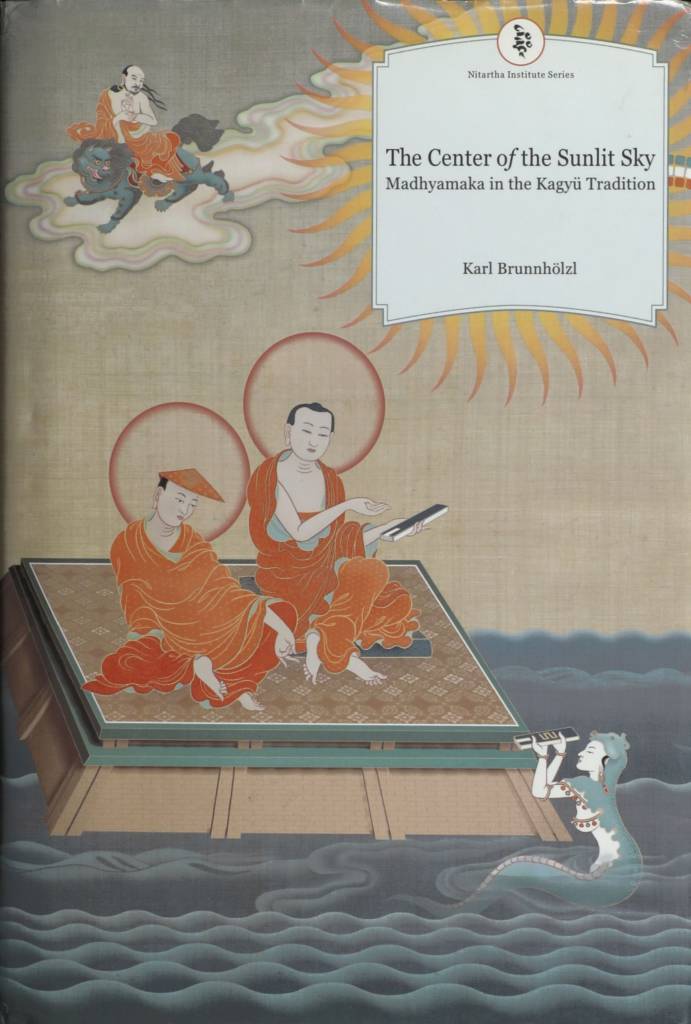
de bas de ltar rnam dpyad pas/_/

'ga' yang rgyu med yod ma yin/_/ so so ba'am 'dus pa yi/_/

rkyen rnams la yang gnas ma yin/_/

Therefore, as we see through such investigation,

Nothing is that does not have a cause; And nothing is existent in its causes,

Taken one by one or in the aggregate.

ཡང་དག་པའི་དོན་བསྟན་པ། རྒྱུ་མཚན་དེ་བས་དེ་ལྟར་རྣམ་པར་དཔྱད་པས་དངོས་པོའི་གའང་རྒྱུ་མེད་པ་ཡོད་པ་མིན་ལ། རྒྱུ་རྟག་པ་ལས་ཀྱང་མི་སྐྱེ་སྟེ། ཕྱིའི་ཆོས་ཐམས་ཅད་ནི་ས་བོན་ལས་མྱུ་གུ་ལ་སོགས་པ་བཞིན་དུ་རང་རང་གི་རྒྱུ་རྐྱེན་ལ་བརྟེན་ཏེ་འབྱུང་ལ།ནང་གི་སྐྱེ་མཆེད་ནི་མ་རིག་པ་ནས་རྒ་ཤིའི་བར་ལུ་གུ་རྒྱུད་དུ་བརྟེན་ནས་སྐྱེའོ། །དེ་འདྲའི་དངོས་པོ་རང་རང་གི་རྒྱུ་རྐྱེན་དེ་དག་སོ་སོ་བ་རེ་རེ་ནས་དང་། ཐམས་ཅད་འདུས་པ་ཡི་རྐྱེན་རྣམས་ལ་ནི་འབྲས་བུ་མི་གནས་ཏེ། རེ་རེ་བས་སྐྱེད་པར་མི་ནུས་ལ། འདུས་པ་ལ་ཡང་རྒྱུ་རྣམས་ལས་གཞན་དུ་གྱུར་པ་ཅུང་ཟད་མེད་དོ། །

On the basis of the reasons and analytical methods given above, we can see that things do not exist uncaused and also that they do not proceed from an eternal cause. Just like shoots burgeoning from their seeds, all outer phenomena arise in dependence on their own causes and conditions; and all inner, personal experience arises dependently in a continuous chain, from ignorance down to old age and death.118These are the first and last links in the twelvefold chain of dependent arising, which explains how the experience of samsara unfolds and proliferates, and how it can be reversed and brought to an end. Nevertheless, none of these resultant phenomena abides within its own causes and conditions, whether they are taken one by one or in the aggregate. Taken one by one, causal elements are unable to produce effects; and a combination of these same elements is not the slightest bit different from the individual items of which it is composed.[p.183]The Wisdom Chapter
Fletcher, Wulstan, and Helena Blankleder (Padmakara Translation Group), trans. The Wisdom Chapter: Jamgön Mipham's Commentary on the Ninth Chapter of "The Way of the Bodhisattva." Boulder, CO: Shambhala Publications, 2017.
Kunzang Palden (1862 - 1943)
The Nectar of Manjushri's Speech (citation)Blankleder, Helena, and Wulstan Fletcher (Padmakara Translation Group), trans. The Nectar of Manjushri's Speech: A Detailed Commentary on Shantideva's Way of the Bodhisattva. By Kunzang Pelden. Boston: Shambhala Publications, 2007. Bilingual Edition

བཞི་པ་དོན་བསྡུ་བ་ནི།

Conclusion of the Argument 2.3.2.1.4.

དེ་བས་དེ་ལྟར་རྣམ་དཔྱད་པས། །

འགའ་ཡང་རྒྱུ་མེད་ཡོད་མ་ཡིན། ། སོ་སོ་བའམ་འདུས་པ་ཡི། །

རྐྱེན་རྣམས་ལ་ཡང་གནས་མ་ཡིན། །
de bas de ltar rnam dpyad pas/_/

'ga' yang rgyu med yod ma yin/_/ so so ba'am 'dus pa yi/_/

rkyen rnams la yang gnas ma yin/_/

རྒྱུ་མཚན་དེ་བས་དེ་ལྟར་རྣམ་དཔྱོད་པས་དངོས་པོ་འགའ་ཡང་རྒྱུ་མེད་པ་ཡོད་པ་མ་ཡིན་ལ། རྒྱུ་རྟག་པ་ལས་ཀྱང་མི་སྐྱེ་སྟེ། ཕྱིའི་ཆོས་ཐམས་ཅད་ནི་ས་བོན་ལས་མྱུ་གུ་ལ་སོགས་པ་བཞིན་ཏུ་རང་རང་གི་རྒྱུ་རྐྱེན་ལ་བརྟེན་ཏེ་འབྱུང་ལ། ནང་གི་སྐྱེ་མཆེད་ནི་མ་རིག་པ་ནས་རྒ་ཤིའི་བར་ལུ་གུ་རྒྱུད་དུ་བརྟེན་ནས་སྐྱེའོ། །དེ་འདྲའི་དངོས་པོ་རང་རང་གི་རྒྱུ་རྐྱེན་དེ་དག་སོ་སོ་བ་རེ་རེ་པའམ་ཐམས་ཅད་འདུས་པ་ཡི་རྐྱེན་རྣམས་ལ་ཡང་ནི་འབྲས་བུ་གནས་པ་མ་ཡིན་ཏེ། རེ་རེ་བས་སྐྱེད་པར་མི་ནུས་ལ། འདུས་པ་ལ་ཡང་རྒྱུ་རྣམས་ལས་གཞན་དུ་གྱུར་[p.723]Byang chub sems dpa'i spyod pa la 'jug pa rtsa ba dang 'grel pa (1990)
Slob dpon zhi ba lha and Mkhan po kun dpal. Byang chub sems dpa'i spyod pa la 'jug pa rtsa ba dang 'grel pa. Khreng tu'u: Si khron mi rigs dpe skrun khang, 1990. Buda by BDRC Logo.jpg
པ་ཅུང་ཟད་མེད་དེ། དཔེར་ན་མེ་ཆ་མེ་རྡོ་སྤྲ་བ་ལ་སོགས་པ་རེ་རེ་བས་མེ་སྐྱེད་པར་མི་ནུས་ལ་འདུས་པ་ཡང་དེ་རྣམས་ལས་གཞན་དུ་གྱུར་པ་ཅི་ཡང་མེད་པས་སྐྱེད་མི་ནུས་ལ། དེར་གཞན་ནས་འོང་བ་དང་དེར་དང་པོ་ཉིད་ནས་གནས་པ་མེད་པ་བཞིན་ནོ། །

Therefore, as we see through such investigation,

Nothing is that does not have a cause; And nothing is existent in its causes

Taken one by one or in the aggregate.

On the basis of the reasons and analytical methods given above, we can see that things do not exist uncaused and also that they do not proceed[p.380]The Nectar of Manjushri's Speech
Blankleder, Helena, and Wulstan Fletcher (Padmakara Translation Group), trans. The Nectar of Manjushri's Speech: A Detailed Commentary on Shantideva's Way of the Bodhisattva. By Kunzang Pelden. Boston: Shambhala Publications, 2010.
from an eternal cause. Just like shoots burgeoning from their seeds, all inanimate phenomena arise in dependence on their own causes and conditions; and all animate phenomena arise dependently in a continuous chain, from ignorance down to old age and death. Nevertheless, none of these resultant phenomena coexist in their own causes and conditions, either one by one or in the aggregate. Causal elements taken one by one, are unable to produce effects, and a combination of such elements is not the slightest bit different from these individual elements. For example, a flint stone, steel, and tinder taken individually are unable to produce a flame, and a combination of them, being no different from the said elements, is equally unproductive. This does not mean, however, that the effect arises from causes other than these or that it has coexisted in these causes from the outset.


[edit]
[edit]
[edit]