8.35

From Bodhicitta

Bodhicaryāvatāra · Verse 8.35


Sources:    

Sanskrit §No information about the source used.

असंस्तवाविरोधाभ्यामेक एव शरीरकः। पुर्वमेव मृतो लोके म्रियमाणो न शोचति॥

 
Chanted Verse
Recitation by Professor Kashinath Nyaupane
36

The renouncer, free from both attraction and revulsion, is nothing but this solitary body. Because he has died to the world long before his physical death, he does not grieve when the time of death arrives.

Standard Tibetan §Padmakara used the 1990 edition printed by si khron mi rigs dpe skrun khang: Byang chub sems dpa'i spyod pa la 'jug pa rtsa ba dang 'grel pa (1990). Also found in Derge Tengyur D3871, dbu ma, vol. 105, la 1b1–40a7.

བཤེས་མེད་འཁོན་པའང་མེད་བྱས་ནས། །

ལུས་འདི་གཅིག་པུ་དབེན་གནས་ཏེ། ། སྔར་ནས་ཤི་དང་འདྲར་བརྩིས་ནས། །

ཤི་ནའང་མྱ་ངན་བྱེད་པ་མེད། །

 
Chanted Verse
Recitation by Lopen Karma Phuntsho
35

There, with no befriending or begrudging,

I will stay alone in solitude, Considered from the outset as already dead,

Thus, when I die, a source of pain to none.

Standard Tibetan §Padmakara used the 1990 edition printed by si khron mi rigs dpe skrun khang: Byang chub sems dpa'i spyod pa la 'jug pa rtsa ba dang 'grel pa (1990). Also found in Derge Tengyur D3871, dbu ma, vol. 105, la 1b1–40a7. - Other translations

Quand, libre d’amis et d’ennemis,

Vous restez dans la solitude Et qu’on vous compte pour déjà mort,

Votre départ n’attriste personne.

Allí, sin amigos ni enemigos

permaneceré en la soledad y, considerado de antemano como ya muerto,

cuando muera nadie se afligirá.[p.134]La Práctica del Bodisatva
Hervás, María Jesús (Padmakara Translation Group, Spain), trans. La Práctica del Bodisatva: Una Traducción del Bodicharyavatara de Shantideva. Translated from the 2006 English translation of Helena Blankleder and Wulstan Fletcher. Novelda, Alicante, Spain: Ediciones Dharma, 2008.

La Práctica del Bodisatva-front.jpg
Padmakara Spain 2008

As there is no friend and no one with resentment,

This body should remain alone in solitude. Being regarded as dead even before death,

There will be no mourner when one dies.

If the body dwells alone in isolation

With neither friends nor enemies, No one will grieve even at death,

As one will have long been regarded as dead.

shift + scroll / swipe
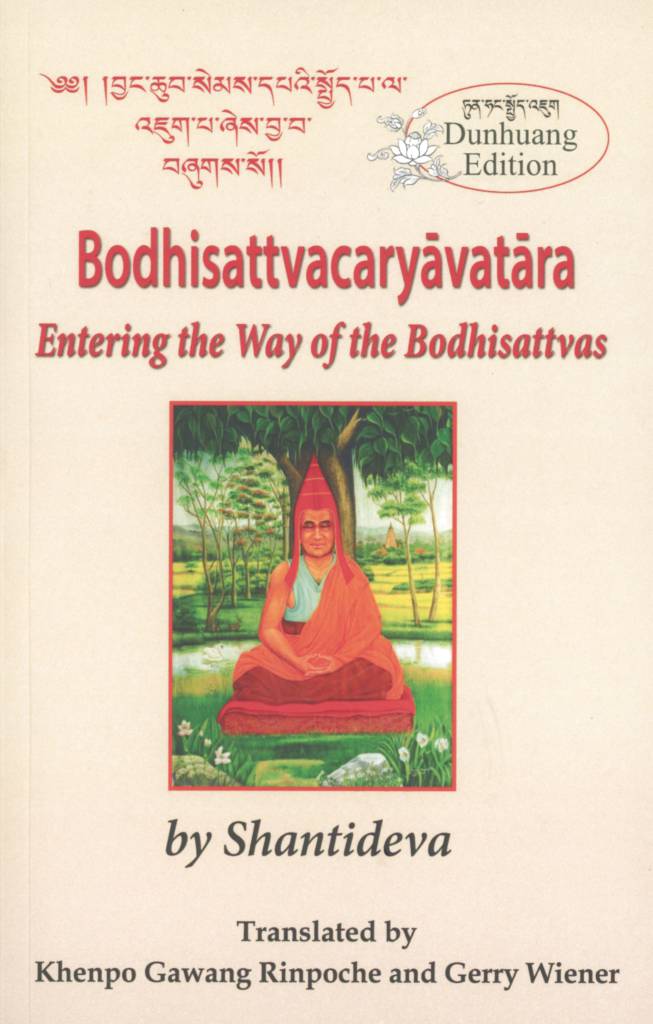
Dūnhuáng §This version is extracted from the book Bodhisattvacaryāvatāra: Entering the Way of the Bodhisattvas (2022, Khenpo Gawang and Wiener), a translation of an edition of the text created from three Dūnhuáng manuscripts. A description and sample pages of these can be found on the Early Tibet Blog. Scans of the actual manuscripts themselves can be found at http://idp.bl.uk

བཤེས་མེད་འཁོན་པའང་མེད་བྱས་ནས། །

ལུས་འདི་གཅིག་པུ་དབེན་གནས་ཏེ། ། སྔ་ན་ཤི་དང་འདྲར་བརྩིས་ན། །

ཤི་ནའང་མྱ་ངན་བྱེད་པ་མེད། །

alt verse 7.29 tm data
This version differs from it's counterparts.

That place of solitude where my body abides alone

Should be free from friendship and resentment. Once I have gone, if others think I have earlier died,

Even when I pass away, no one will suffer anguish.

Tsadra Critical Edition §This text was created by comparing four versions of the text from Derge, Cone, Narthang, and Peking Tengyurs from BDRC scans, along with Dunhuang manuscripts IOL Tib J 628, 629, and 630. When Tibetan readings were problematic, the Sanskrit texts from GRETIL and LTB (Oslo) were consulted.

བཤེས་མེད་འཁོན་པའང་མེད་བྱས་ནས། །

ལུས་འདི་གཅིག་པུ་དབེན་གནས་ཏེ། ། སྔ་ནས་ཤི་དང་འདྲར་བརྩིས་ནས། །

ཤི་ནའང་མྱ་ངན་བྱེད་པ་མེད། །

[edit]
Sazang Mati (1294 - 1376)
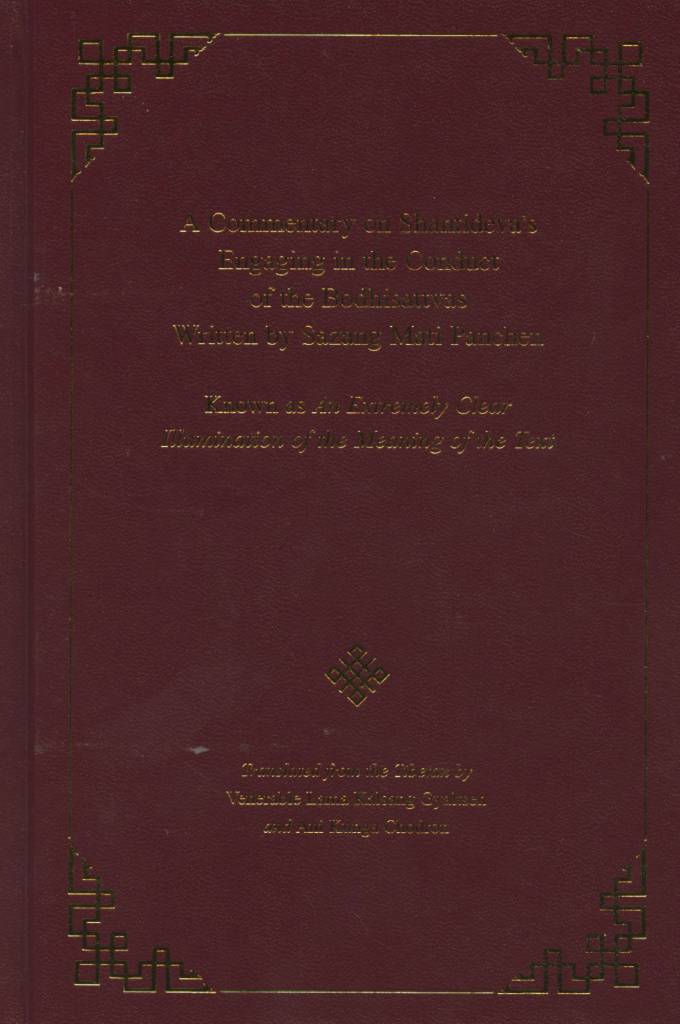
A Commentary on Shantideva's Engaging in the Conduct of the Bodhisattvas (citation)Gyaltsen, Lama Kalsang, and Ani Kunga Chodron, trans. A Commentary on Shantideva's Engaging in the Conduct of the Bodhisattvas Written by Sazang Mati Panchen: Known as An Extremely Clear Illumination of the Meaning of the Text. Walden, NY: Tsechen Kunchab Ling, 2019. Bilingual Edition

(ལྔ་པ་)མཚམས་སྦྱོར་བཟང་པོས་འཆི་བའི་ཡོན་ཏན་བསམ་པ་ནི།

5. Think of the good qualities of the time of death which makes a good connection for the next life 1.2.2.1.2.2.1.5

བཤེས་མེད་འཁོན་པའང་མེད་བྱས་ནས། །

ལུས་འདི་གཅིག་པུ་དབེན་གནས་ཏེ། ། སྔར་ནས་ཤི་དང་འདྲར་བརྩིས་ནས། །

ཤི་ནའང་མྱ་ངན་བྱེད་པ་མེད། །

bshes med 'khon pa'ang med byas nas/_/

lus 'di gcig pu dben gnas te/_/ sngar nas shi dang 'drar brtsis nas/_/

shi na'ang mya ngan byed pa med/_/

If the body dwells alone in isolation

With neither friends nor enemies, No one will grieve even at death,

As one will have long been regarded as dead.

ཆགས་པའི་ཡུལ་གྱིས་གཉེན་བཤེས་མེད་ཅིང་ཁྲོ་བའི་ཡུལ་གྱི་མཁོན་པའང་མེད་པར་བྱས་ན༵ས། རང་གི་ལུས་འདི་གཅིག་པུ་རི་ཁྲོད་དབེན་པ་རྣམས་སུ་གནས་ཏེ༵། སྔར་ཁྱིམ་ནས་སོང་ཕྱིན་ཆད་ཤི་བ་དང་འདྲ་བར་བརྩིས་ན༵ས་རེ་ཐག་བཅད་པའི་ཕྱིར། ཕྱིས་ཤི༵་བར་གྱུར་པ་ནའང་མྱ་ངན་བྱེད་པ་སུ་ཡང་[p.-252]རབ་གསལ་སྣང་བ་
མེ༵ད་ཅིང༌།

Physically dwell alone in an isolated place, close to neither friends and relatives who are objects of attachment, nor enemies who are objects of anger. Depart from home so that all abandon hope and one is already regarded as dead. Then, even at the future time of death, there will be no distraction by mourners.
Gyaltsap Je (1364 - 1432)
The Entrance for the Children of the Conquerors (citation)Stracke, Fedor, trans. The Entrance for the Children of the Conquerors: A Commentary on the Introduction to the Actions of Bodhisattvas. By Gyaltsab Rinpoche. N.p.: Happy Monks Publication, 2016. https://happymonkspublication.org/product/bodhisattvacharyavatara-chapter-1-10-commentary/. Bilingual Edition

གཉིས་པ་ལ་གསུམ།

The Benefits of Relying on Isolation 1.1.2.1.2.4.5.2

དང་པོ་ནི།

There Is No Misery of Mourning 1.1.2.1.2.4.5.2.1

བཤེས་མེད་འཁོན་པའང་མེད་བྱས་ནས། །

ལུས་འདི་གཅིག་པུ་དབེན་གནས་ཏེ། ། སྔར་ནས་ཤི་དང་འདྲར་བརྩིས་ནས། །

ཤི་ནའང་མྱ་ངན་བྱེད་པ་མེད། །
bshes med 'khon pa'ang med byas nas/_/

lus 'di gcig pu dben gnas te/_/ sngar nas shi dang 'drar brtsis nas/_/

shi na'ang mya ngan byed pa med/_/

As there is no friend and no one with resentment,

This body should remain alone in solitude. Being regarded as dead even before death,

There will be no mourner when one dies.

ནགས་ན་གནས་པ་ལ་ཕན་ཡོན་ཅི་ཡོད་ཅེ་ན།

If it is asked, “What are the benefits of remaining in the forest?”

ཆགས་སྡང་སྐྱེ་བའི་བཤེས་མེད་ཅིང་གནོད་པ་བྱས་དོགས་པའི་ཁོན་པའང་མེད་པར་བྱས་ནས་རང་གི་ལུས་འདི་གཅིག་པུ་དབེན་པར་གནས་ཏེ། གཉེན་བཤེས་རྣམས་དོར་བས་ཤི་བའི་སྡེ་ནས་ཀྱང་ཤི་བ་དང་འདྲ་བར་བརྩིས་ནས་ཆགས་པ་དང་བྲལ་བས་ཤི་ནའང་མྱ་ངན་བྱེད་པ་སུ་[p.300]Spyod 'jug rtsa 'grel (Mtsho sngon mi rigs dpe skrun khang 2001)
Śāntideva, and Rgyal tshab rje dar ma rin chen. Spyod 'jug rtsa 'grel and Byang chub sems dpa'i spyod pa la 'jug pa'i rnam bshad rgyal sras 'jug ngogs. Xining: Mtsho sngon mi rigs dpe skrun khang, 2001
ཡང་མེད་དོ། །

Answer: In the forest there are no friends that generate attachment or hatred and there is no one harboring resentment against one because of wondering whether they have been harmed by one. Hence, one should remain in physical isolation. Having given up friends and relatives one will be regarded by them as already dead before death, and so there will be no attachment and no mourners when one dies.
Minyak Kunzang Sönam (1823 - 1905)
The Great Hūṃ (citation)Duckworth, Douglas, trans. The Great Hūṃ: A Commentary on Śāntideva's Way of the Bodhisattva. By Minyak Kunzang Sönam. New York, NY: Wisdom Publications, 2025. Bilingual Edition

དབེན་པར་སོང་བའི་ཕན་ཡོན་ནི།

Next it shows the benefits of going to a solitary place:

བཤེས་མེད་འཁོན་པའང་མེད་བྱས་ནས། །

ལུས་འདི་གཅིག་པུ་དབེན་གནས་ཏེ། ། སྔར་ནས་ཤི་དང་འདྲར་བརྩིས་ནས། །

ཤི་ནའང་མྱ་ངན་བྱེད་པ་མེད། །
Staying alone in a solitary place,

without friends or anyone to despise, there will be no grief when I die,

for I have already been written off as dead. (8.35)

ནགས་སུ་སོང་བ་ལ་ཡོན་ཏན་གྱི་ཁྱད་པར་ཅི་ཡོད་སྙམ་ན། རང་ཉིད་ཁྱིམ་གྱི་གནས་ནས་བྱུང་སྟེ་ཆགས་པ་སྐྱེ་ཡུལ་གྱི་གཉེན་བཤེས་མེད་ཅིང་དགྲ་སོགས་གནོད་བྱེད་ཀྱི་ཡུལ་ལ་ཁྲོ་བ་དང་འཁོན་དུ་འཛིན་པའང་མེད་པར་བྱས་ནས་ད་ལྟ་ནས་ལུས་འདི་གཅིག་པུ་དབེན་པའི་གནས་སུ་རང་ཉིད་ཀྱིས་བསྐྱལ་ནས་དེར་གནས་བཅས་ཏེ་བསྡད་པ་ན་ཉེ་དུ་སོགས་ཀྱིས་ཀྱང་མ་ཤི་བའི་སྔ་རོལ་ནས་ཤི་བ་དང་འདྲ་བར་བརྩིས་ནས་ཆགས་ཞེན་དང་བྲལ་བར་གྱུར་ན་ཕྱིས་ཤི་བའི་ཚེ་ནའང་གསན་དུ་མྱ་ངན་བྱེད་པ་སུ་ཡང་མེད་ལ།

You might wonder, “What are the particular good qualities of going to the wilderness?” When you go from your home, there are no friends around to be attached to nor enemies around toward whom to be spiteful or angry. Having now taken this body to a solitary place where you are alone, others who are close to you will have no clinging or attachment to you as you stay[p.713]The Great Hum
Duckworth, Douglas, trans. The Great Hūṃ: A Commentary on Śāntideva's Way of the Bodhisattva. By Minyak Kunzang Sönam. New York, NY: Wisdom Publications, 2025.
there, for they already have written you off as dead even before you have died. So later when you do die, there will be no new grief brought onto them.

དེར་མ་ཟད་ཡོན་ཏན་གཞན་ཡང་ཡོད་དེ། གང་ལྟར་ཡང་གཞན་མྱ་ངན་དང་གནོད་པ་བྱེད་བའམ་མྱ་ངན་གྱིས་གནོད་པ་བྱེད་པ་མེད་པས་ན་བདག་མེད་མི་དགའ་བའི་རྐྱེན་མེད་ལ། དེར་རང་འཆི་བའི་ཚེ་གཉེན་དང་དགྲ་ལྟ་བུ་དྲུང་ན་འཁོད་པའི་སྐྱེ་བོ་སུ་དག་གིས་ཀྱང་རིམ་པར་ཡིད་གདུང་བས་མྱ་ངན་བྱེད་པ་དང་ཁོང་ཁྲོ་སློང་བ་སོགས་ཀྱིས་གནོད་བྱེད་པ་ལྟ་བུ་གང་ཡང་མེད་དེ་དེ་ལྟ་བུ་འབྱུང་གིས་དོགས་ནས་དེ་དག་སྔ་ནས་སྤངས་ཟིན་པས་སོ་ཞེས་སམ། བླ་མ་རྗེའི་ཞལ་རྒྱུན་ལྟར་ན། རང་གཞན་ལ་དེ་ལྟའི་འཆི་བ་འོང་བ་སྔ་ནས་ཤེས་ཏེ་དབེན་པ་དེར་འོང་ནས་གནས་པའི་གྲོགས་རི་ཁྲོད་པ་ལྟ་བུ་དྲུང་ན་ཉེ་བར་འཁོད་པ་སུ་དག་ཀྱང་མྱ་ངན་དང་སྨྲེ་སྔགས་འདོན་པ་སོགས་ཀྱིས་གནོད་པ་བྱེད་པ་མེད་པས་ཞེས་བཤད་དགོས་ལ༑ཡང་དྲུང་ན་འཁོད་པ་ཞེས་པ་ཉེ་འབྲེལ་གྱི་མིང་གི་རྣམ་གྲངས་ཡིན་ལ་དེ་འདྲའི་གཉེན་སུ་དག་པཀྱང་རང་རང་ཡིད་གདུང་བའི་མྱ་ངན་དང་གནོད་པ་བྱེད་པ་མེད་པའམ་ཉེ་དུ་རྣམས་ཀྱིས་ཡིད་གདུང་བྱེད་པ་མཐོང་ནས་འཆི་བ་པོ་དེ་ལ་མྱ་ངན་དང་གནོད་པ་སྐྱེད་པར་བྱེད་པ་མེད་ཅེས་འཆད་པ་ནི་འགྲེལ་ཆེན་ལ་ལྟར་དང༌།

Moreover there are other good qualities. At the time when you die there, there will be no beings around, like friends or enemies, who will bring harm by grieving in pain or by getting angry, respectively. Fearing that this would happen, they have already been left behind. Or, according to the words transmitted by my lord teacher, it should be explained like this: Having already acknowledged that you and others will come to die like this, the company of mountain hermits who have come to the solitary place and stay there will not cause harm by grieving and lamenting; there will be no one around who will. Alternatively, one around is also a synonym for relatives. The great commentary explains that there will be no such friends to suffer their own mental anguish or cause harm, nor will the grieving of those who are close be seen, whereby the one who is dying will be harmed and brought to sorrow. Likewise it can also be explained that there will be no harm done by the grief or lamentations of any wild animals staying around; no one is an inclusive term.

དེ་བཞིན་དུ་དྲུང་ན་འཁོད་པའི་བྱ་དང་རི་དྭགས་སོགས་སུ་དག་ཀྱང་མྱ་ངན་དང་སྨྲེ་སྔགས་འདོན་པ་སོགས་ཀྱི་གནོད་པ་བྱེད་པ་མེད་ཅེས་འཆད་པའང་རུང་སྟེ། སུ་དག་ཀྱང་ཞེས་པའི་ཚིག་གིས་བསྡུས་པས་སོ། །དེར་མ་ཟད་དབེན་བར་རྣམ་གཡེང་གི་རྐྱེན་མེད་པར་འཆི་བ་འདི་ཡིས་སངས་རྒྱས་རྗེས་སུ་དྲན་པ་དང༌། སོགས་སྒྲས་ཆོས་དང་དགེ་འདུན་སོགས་རྗེས་སུ་དྲན་པ་དང་བྱང་ཆུབ་ཀྱི་སེམས་རྣམ་པ་གཉིས་སྒོམ་པ་སོགས་དགེ་བའི་དམིགས་རྣམས་ཡིད་ལ་བྱེད་པ་ལ་སུས་ཀྱང་སེམས་རྣམ་པར་གཡེང་བར་འགྱུར་བ་མེད་པས་ན་དགེ་བའི་བསམ་པ་མི་ཉམས་ཤིང་པ་གོང་དུ་འཕེལ་བ་སོགས་ཀྱི་ཕན་ཡོན་ཡང་འབྱུང་ངོ་། །

In any case, when there are no others who are grieving, bringing harm, or causing harm by grieving, then there are no conditions for one’s own unhappiness. Moreover, in solitude there are no conditions for distraction. There are many benefits to dying in solitude. Virtuous attitudes do not dissipate; they further increase because there is no one to [468] distract the mind from attending to a virtuous observation. Doing things like recollecting the Buddha includes recollecting the Dharma and the spiritual community and cultivating the twofold spirit of awakening.

འཆི་ཀའི་ཚེ་སངས་རྒྱས་རྗེས་དྲན་གྱི་དད་པས་[p.499]Byang chub sems dpa'i spyod pa la 'jug pa'i 'grel bshad rgyal sras rgya mtsho'i yon tan rin po che mi zad 'jo ba'i bum bzang
Mi nyag kun bzang bsod nams (མི་ཉག་ཀུན་བཟང་བསོད་ནམས་). byang chub sems dpa'i spyod pa la 'jug pa'i 'grel bshad rgyal sras rgya mtsho'i yon tan rin po che mi zad 'jo ba'i bum bzang [བྱང་ཆུབ་སེམས་དཔའི་སྤྱོད་པ་ལ་འཇུག་པའི་འགྲེལ་བཤད་རྒྱལ་སྲས་རྒྱ་མཚོའི་ཡོན་ཏན་རིན་པོ་ཆེ་མི་ཟད་འཇོ་བའི་བུམ་བཟང།]. [Excellent Vase That Spills Forth an Ocean of the Inexhaustible and Precious Qualities of the Victor's Heirs: An Explanation of the "Way of the Bodhisattva."].
སྐྱབས་འགྲོ་སོགས་བྱེད་པ་ནི་དེའི་དུས་ཀྱི་ཉམས་ལེན་མཆོག་ཡིན་ཏེ། ཟླ་བ་སྒྲོན་མེར།

At the time of death, the best practice is to take refuge and so on, with faith that recollects the Buddha. The Moon Lamp says:

ལུས་དང་ངག་དང་ཡིད་རབ་དང་བ་ཡིས། །

རྟག་ཏུ་སངས་རྒྱས་དག་གི་བསྔགས་པ་བརྗོད། ། དེ་ལྟར་དེས་ནི་སེམས་ཀྱི་རྒྱུན་བསྒོམས་པས། །

ཉིན་མཚན་དུ་ཡང་འཇིག་རྟེན་མགོན་པོ་མཐོང༌། །

With pure body, speech, and mind,
always express praise for the buddhas.
By cultivating the continuum of mind through this,
the protector of the world will be seen day and night.

ནམ་ཞིག་དེ་ནི་ན་ཞིང་མི་བདེ་ནས། །

ཤི་ལ་ཐུག་པའི་སྡུག་བསྔལ་ཚོར་བྱུང་ན། ། སངས་རྒྱས་ལ་ནི་དྲན་པ་མི་ཉམས་ཏེ། །

སྡུག་བསྔལ་ཚོར་བས་འཕྲོག་པར་ཡོང་མི་འགྱུར། །

When the time comes when you are sick and uncomfortable,
when you feel the suffering of reaching death,
do not let the mindfulness of the buddhas fade
so that the feeling of suffering will not take over.[p.714]The Great Hum
Duckworth, Douglas, trans. The Great Hūṃ: A Commentary on Śāntideva's Way of the Bodhisattva. By Minyak Kunzang Sönam. New York, NY: Wisdom Publications, 2025.
1320King of Meditative Stabilizations Sūtra, 23a.

ཞེས་དང༌། དཀོན་མཆོག་སྒྲོན་མེར་ཡང་།

Also, the Jewel Lamp says:

སངས་རྒྱས་བསྟན་པའི་འོད་ཟེར་རབ་བཀྱེ་ཞིང་། །

ཚེ་ཟད་མཐར་ནི་ཇི་སྙེད་དེས་བསྐུལ་བ། ། སངས་རྒྱས་རྗེས་དྲན་སངས་རྒྱས་མཐོང་བར་འགྱུར། །

དེ་དག་ཤི་འཕོས་སངས་རྒྱུས་བཞུགས་ཤིང་འགྲོ། །

The light rays of the Buddha’s teaching shine, and
as much as one is moved by them at the end of life,
the Buddha will be recollected and the Buddha will be seen;
those who die this way go where the Buddha resides.

འཆི་བའི་དུས་སུ་སངས་རྒྱས་དྲན་བྱས་ཏེ། །

དགའ་འགྱུར་རྒྱལ་བའི་སྐུ་གཟུགས་བསྟན་བྱས་ཤིང༌། ། འཆི་ཀར་སངས་རྒྱས་སྐྱབས་སུ་གཏང་བརྗོད་པས། །

སངས་རྒྱས་སྟོན་པའི་འོད་ཟེར་དེས་འཐོབ་པོ། །

When the Buddha is recollected at the time of death,
one will be joyful and the body of the Victor will be revealed.
One who expresses refuge in the Buddha at the time of death
obtains the light rays of the Buddha teacher through this.1321Flower Garland Sūtra, 336a.

ཞེས་གསུངས། བསླབ་བཏུས་ཀྱི་བསོད་ནམས་སྤེལ་བའི་སྐབས་སུ་སངས་རྒྱས་རྗེས་དྲན་སོགས་སྒོམ་ཚུལ་རྒྱས་པར་གསུངས་སོ། །དེ་ལྟ་བུའི་ལམ་གྱི་ཉམས་ལེན་ལ་གོམས་པར་བྱས་པ་དང་ཚངས་སྤྱོད་ལ་གནས་པ་སོགས་ལ་འཆི་བའི་ཚེ་མྱ་ངན་མེད་ཅིང་བདེ་ནས་བདེ་བར་འགྲོ་སྟེ། འདུལ་བ་ལུང་ལས།

There is an extensive description of how to cultivate recollecting the Buddha and so on in the section on developing merit in the Anthology of Training.1322See chapter 18 of Śāntideva’s Anthology of Training. Through habituating to the practice of this kind of path and by remaining in pure discipline, when one dies there will be no sorrow and one will go from one happiness to another. A Vinaya text says:

ཚངས་སྤྱོད་ལེགས་པར་སྤྱད་པ་དང༌། །

ལམ་ནི་ལེགས་པར་གོམས་པ་ཡིས། ། འཆི་བའི་ཚེ་ན་མྱ་ངན་མེད། །

འབར་བའི་ཁྱིམ་ནས་ཐར་པ་བཞིན། །ཞེས་སོ། །

Through practicing pure discipline well
and by habituating well to the path,
at the time of death there will be no sorrow,
like escaping a burning house.1323Distinguishing the Vinaya, 175b.

Kunzang Palden (1862 - 1943)
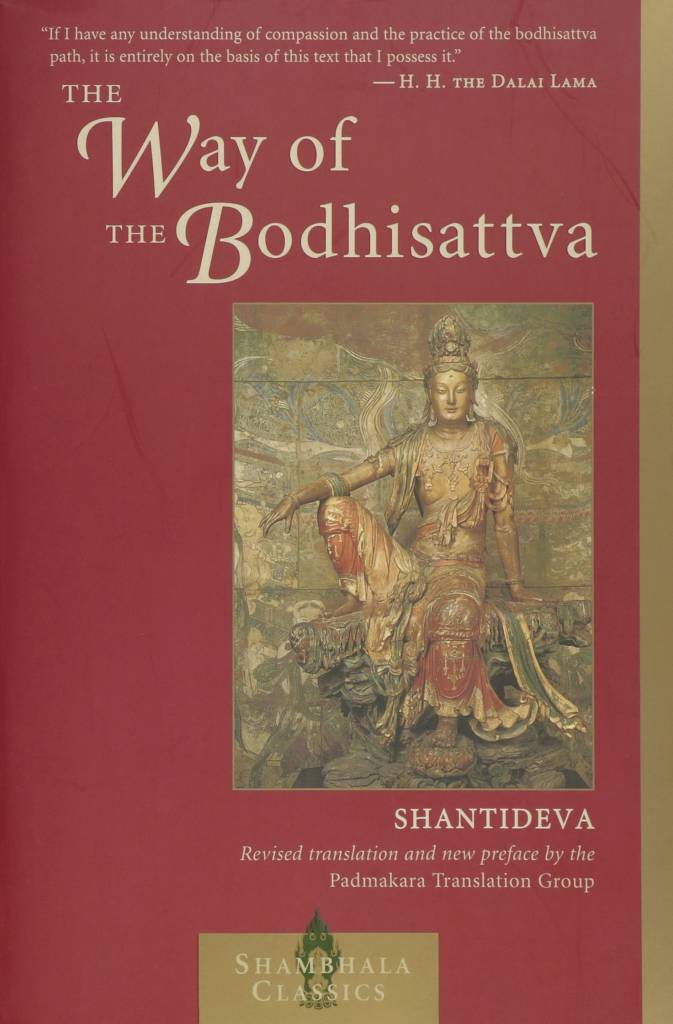
The Nectar of Manjushri's Speech (citation)Blankleder, Helena, and Wulstan Fletcher (Padmakara Translation Group), trans. The Nectar of Manjushri's Speech: A Detailed Commentary on Shantideva's Way of the Bodhisattva. By Kunzang Pelden. Boston: Shambhala Publications, 2007. Bilingual Edition

མ་བཏེག་པའམ་མ་དོར་བའི་གོང་དེ་སྲིད་དུ་ནི་མི་མེད་དབེན་པའི་ནགས་སུ་སོང་ལ་འཆི་ཆོས་དགེ་བ་ལ་བརྩོན་པར་གྱིས་ཤིག །

བཤེས་མེད་འཁོན་པའང་མེད་བྱས་ནས། །

ལུས་འདི་གཅིག་པུ་དབེན་གནས་ཏེ། ། སྔར་ནས་ཤི་དང་འདྲར་བརྩིས་ནས། །

ཤི་ནའང་མྱ་ངན་བྱེད་པ་མེད། །

bshes med 'khon pa'ang med byas nas/_/

lus 'di gcig pu dben gnas te/_/ sngar nas shi dang 'drar brtsis nas/_/

shi na'ang mya ngan byed pa med/_/

དེར་སོང་ནས་ཆགས་ཡུལ་གྱི་གཉེན་བཤེས་མེད་ཅིང་ཁྲོ་བའི་ཡུལ་གྱི་འཁོན་པའང་མེད་པར་བྱས་ནས་རང་གི་ལུས་འདི་གཅིག་པུར་དབེན་པའི་རི་ཁྲོད་དུ་[p.540]Byang chub sems dpa'i spyod pa la 'jug pa rtsa ba dang 'grel pa (1990)
Slob dpon zhi ba lha and Mkhan po kun dpal. Byang chub sems dpa'i spyod pa la 'jug pa rtsa ba dang 'grel pa. Khreng tu'u: Si khron mi rigs dpe skrun khang, 1990. Buda by BDRC Logo.jpg
གནས་ཏེ། ཉེ་དུ་སོགས་ཀྱིས་སྔ་ནས་ཤི་བ་དང་འདྲར་ཏེ་འདྲ་བར་བརྩིས་ནས་རེ་ཐག་ཆད་པས་ན་ནམ་ཞིག་ཤི་བར་གྱུར་པ་ནའང་ངུ་ཞིང་འོ་དོད་འབོད་པས་མྱ་ངན་བྱེད་པ་སུ་ཡང་མེད་ཅིང་

Shantideva resolves that, until that moment comes, he will go away into the forest far from human company and devote his efforts to virtuous practice, the one thing that will be of help at the moment of death.

There, with no befriending or begrudging,

I will stay alone in solitude, Considered from the outset as already dead,

Thus, when I die, a source of pain to none.

There, “with no befriending or begrudging,” he says, he will stay in solitude. Because his family considers him as someone already dead, they have ceased to harbor any expectations in his regard. This being so, his death will be a source of pain and grief to none.


[edit]
[edit]