8.16

From Bodhicitta

Bodhicaryāvatāra · Verse 8.16


Sources:    

Sanskrit §No information about the source used.

धर्मार्थमात्रमादाय भृङ्गवत् कुसुमान्मधु। अपूर्व इव सर्वत्र विहरिष्याम्यसंस्तुतः॥

 
Chanted Verse
Recitation by Professor Kashinath Nyaupane
16

As the bee takes only the nectar from flowers, I will take with me only what is essential for the practice of dharma, and I will live everywhere unknown, like the new moon.

Standard Tibetan §Padmakara used the 1990 edition printed by si khron mi rigs dpe skrun khang: Byang chub sems dpa'i spyod pa la 'jug pa rtsa ba dang 'grel pa (1990). Also found in Derge Tengyur D3871, dbu ma, vol. 105, la 1b1–40a7.

བུང་བས་མེ་ཏོག་སྦྲང་རྩི་བཞིན། །

ཆོས་ཀྱི་དོན་ཙམ་བླངས་ནས་ནི། ། ཀུན་ལ་སྔོན་ཆད་མ་མཐོང་བཞིན། །

འདྲིས་པ་མེད་པར་གནས་པར་བྱ། །

 
Chanted Verse
Recitation by Lopen Karma Phuntsho
16

Like bees that get their honey from the flowers,

Take only what will serve the practice of the Dharma. Treat everyone like new acquaintances

And keep yourself from close familiarity.

Standard Tibetan §Padmakara used the 1990 edition printed by si khron mi rigs dpe skrun khang: Byang chub sems dpa'i spyod pa la 'jug pa rtsa ba dang 'grel pa (1990). Also found in Derge Tengyur D3871, dbu ma, vol. 105, la 1b1–40a7. - Other translations

Comme l’abeille qui ne prélève que le nectar des leurs,

Je ne prendrai que ce qui sert au Dharma ; Et, comme lors d’une première rencontre,

Avec tous j’éviterai l’intimité.

Como una abeja coge el polen de las flores,

tomaré sólo lo que es necesario para el darma y como si apenas los conociese

evitaré intimar con ellos.

La Práctica del Bodisatva-front.jpg
Padmakara Spain 2008

Like the bee takes the honey from the flower

Take only the meaning of the dharma and, Like not having seen them before,

Abide without familiarity.[p.7]The Entrance for the Children of the Conquerors
Stracke, Fedor, trans. The Entrance for the Children of the Conquerors: A Commentary on the Introduction to the Actions of Bodhisattvas. By Gyaltsab Rinpoche. N.p.: Happy Monks Publication, 2016. https://happymonkspublication.org/product/bodhisattvacharyavatara-chapter-1-10-commentary/.

Taking only for the purpose of Dharma,

Like a bee takes honey from a flower, Dwell without being too familiar.

Act toward all as though one had not met them before.

shift + scroll / swipe
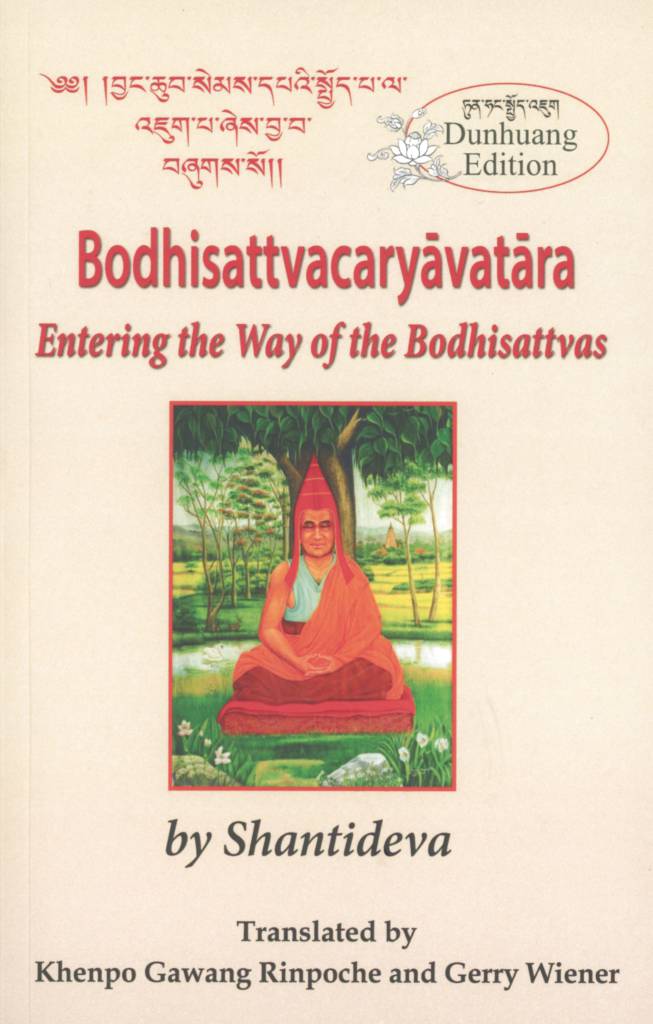
Dūnhuáng §This version is extracted from the book Bodhisattvacaryāvatāra: Entering the Way of the Bodhisattvas (2022, Khenpo Gawang and Wiener), a translation of an edition of the text created from three Dūnhuáng manuscripts. A description and sample pages of these can be found on the Early Tibet Blog. Scans of the actual manuscripts themselves can be found at http://idp.bl.uk

བུང་བས་མེ་ཏོག་སྦྲང་རྩི་བཞིན། །

ཆོས་ཀྱི་དོན་ཙམ་བླངས་ནས་ནི། ། ཀུན་ལ་སྔོན་ཆད་མ་མཐོང་བཞིན། །

འདྲིས་པ་མེད་པར་གནས་པར་བྱ། །

alt verse 7.13 tm data
This version differs from it's counterparts.

Just like a bee drinking nectar from a flower,

I should obtain the mere necessities for the purpose of the dharma. And just as if I had never seen any of my acquaintances before,

I should abide free from dependency.

Tsadra Critical Edition §This text was created by comparing four versions of the text from Derge, Cone, Narthang, and Peking Tengyurs from BDRC scans, along with Dunhuang manuscripts IOL Tib J 628, 629, and 630. When Tibetan readings were problematic, the Sanskrit texts from GRETIL and LTB (Oslo) were consulted.

བུང་བས་མེ་ཏོག་སྦྲང་རྩི་བཞིན། །

ཆོས་ཀྱི་དོན་ཙམ་བླངས་ནས་ནི། ། ཀུན་ལས་སྔོན་ཆད་མ་མཐོང་བཞིན། །

འདྲིས་པ་མེད་པར་གནས་པར་བྱ། །

[edit]
Sazang Mati (1294 - 1376)
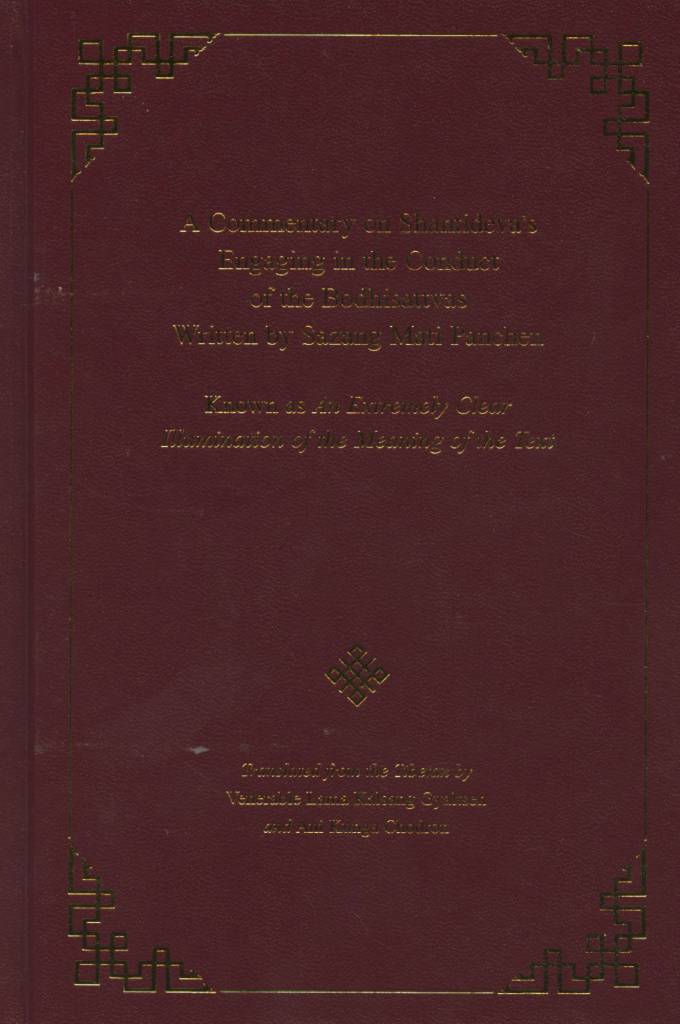
A Commentary on Shantideva's Engaging in the Conduct of the Bodhisattvas (citation)Gyaltsen, Lama Kalsang, and Ani Kunga Chodron, trans. A Commentary on Shantideva's Engaging in the Conduct of the Bodhisattvas Written by Sazang Mati Panchen: Known as An Extremely Clear Illumination of the Meaning of the Text. Walden, NY: Tsechen Kunchab Ling, 2019. Bilingual Edition

བུང་བས་མེ་ཏོག་སྦྲང་རྩི་བཞིན། །

ཆོས་ཀྱི་དོན་ཙམ་བླངས་ནས་ནི། ། ཀུན་ལ་སྔོན་ཆད་མ་མཐོང་བཞིན། །

འདྲིས་པ་མེད་པར་གནས་པར་བྱ། །

bung bas me tog sbrang rtsi bzhin/_/

chos kyi don tsam blangs nas ni/_/ kun la sngon chad ma mthong bzhin/_/

'dris pa med par gnas par bya/_/

Taking only for the purpose of Dharma,

Like a bee takes honey from a flower, Dwell without being too familiar.

Act toward all as though one had not met them before.

ཐོས་པ་ལ་སོགས་པའི་ཆེད་དུ་མང་པོའི་ནང་དུ་འགྲོ་བ་ན་ཡང༌། དཔེར་ན་བུང་བས་མེ་ཏོག་གི་ནང་ནས་སྦྲང་རྩི་ལེན་པ་བཞི༵ན་དུ་ལེགས་པར་བཤད་པའི་ཆོས་ཀྱི་ཚིག་མཐའ་ཡས་པ་རྣམས་ཀྱི་ནང་ནས་ཉམས་སུ་བླང་བར་བྱ་བའི་དོན་སྙིང་པོ་ཙམ་བླངས་ནས་ནི༵་བྱིས་པ་ཀུན་ལ་སྔོན་ཆད་ཕན་ཚུན་མ་མཐོང་བ་བཞི༵ན་དུ་འདྲིས་པ་མེད་པར་གནས་པར་བྱ༵འོ། །

When going to public places to study or receive teachings, act like a bee extracting honey from a flower. From the endless conversation, take just what is necessary for the practice of Dharma. Treat everyone equally, as if they had never been seen before.[p.273]A Commentary on Shantideva's Engaging in the Conduct of the Bodhisattvast
Gyaltsap Je (1364 - 1432)
The Entrance for the Children of the Conquerors (citation)Stracke, Fedor, trans. The Entrance for the Children of the Conquerors: A Commentary on the Introduction to the Actions of Bodhisattvas. By Gyaltsab Rinpoche. N.p.: Happy Monks Publication, 2016. https://happymonkspublication.org/product/bodhisattvacharyavatara-chapter-1-10-commentary/. Bilingual Edition

གཉིས་པ་ནི།

The Way of Abandoning 1.1.2.1.2.2.1.2.2

བུང་བས་མེ་ཏོག་སྦྲང་རྩི་བཞིན། །

ཆོས་ཀྱི་དོན་ཙམ་བླངས་ནས་ནི། ། ཀུན་ལ་སྔོན་ཆད་མ་མཐོང་བཞིན། །

འདྲིས་པ་མེད་པར་གནས་པར་བྱ། །
bung bas me tog sbrang rtsi bzhin/_/

chos kyi don tsam blangs nas ni/_/ kun la sngon chad ma mthong bzhin/_/

'dris pa med par gnas par bya/_/

Like the bee takes the honey from the flower

Take only the meaning of the dharma and, Like not having seen them before,

Abide without familiarity.[p.7]The Entrance for the Children of the Conquerors
Stracke, Fedor, trans. The Entrance for the Children of the Conquerors: A Commentary on the Introduction to the Actions of Bodhisattvas. By Gyaltsab Rinpoche. N.p.: Happy Monks Publication, 2016. https://happymonkspublication.org/product/bodhisattvacharyavatara-chapter-1-10-commentary/.

བྱིས་པ་སོ་སོའི་སྐྱེ་བོ་དེས་ཀྱང་བདག་ལ་ཕན་པའི་དོན་མ་བྱས་ལ་བདག་གིས་ཀྱང་དེའི་དོན་དུ་མི་འགྱུར་བས་བྱིས་པ་ལས་ཐག་རིང་བའི་དགོན་པར་བྱོལ་བར་བྱའོ། སྐབས་འགར་ཕྲད་ན་དགའ་བས་མགུ་བར་བྱས་ཏེ་ཧ་ཅང་འདྲིས་ཆེན་ཉིད་དུ་མི་འགྱུར་བར་བརྡ་ཕྲད་པའི་ཐ་མལ་བ་ཙམ་ཆགས་སྡང་དང་བྲལ་བའི་སྤྱོད་པ་ལེགས་པར་བྱའོ། །

As childish ordinary individuals have not produced one’s purpose and one also does not become meaningful for them, one should retreat far away into isolation. When occasionally meeting them, first make them happy through joy but then do not become greatly familiar. Act well, without attachment or anger, like an ordinary person just pointing the way.

གྲོང་དུ་བསོད་སྙོམས་སོགས་ཀྱིས་སྤྱོད་པ་ན་ཡང་བུང་བས་མེ་ཏོག་གི་ཁ་དོག་སོགས་ལ་མ་ཆགས་པར་སྦྲང་རྩི་ལེན་པ་བཞིན་དུ་ལུས་གནས་པར་བྱས་ནས་ཆོས་སྒྲུབ་པའི་ཆོས་ཀྱི་དོན་ཙམ་དུ་ཆོས་གོས་དང་བསོད་སྙོམས་བླངས་ནས་ནི། སྐྱེ་བོ་ཀུན་ལ་སྔོན་ཆད་མ་མཐོང་བ་བཞིན་དུ་འདུ་འཛིའི་འདྲིས་པ་མེད་པར་གནས་པར་བྱའོ། །

Although one goes for the begging round into the town, like the bee that takes the honey from the flower without being attached to its color and so on, whilst being there physically, take only robes and food for the purpose of the dharma. Abide without involvement in the distractions, and treat all people as if not having seen them before.
Minyak Kunzang Sönam (1823 - 1905)
The Great Hūṃ (citation)Duckworth, Douglas, trans. The Great Hūṃ: A Commentary on Śāntideva's Way of the Bodhisattva. By Minyak Kunzang Sönam. New York, NY: Wisdom Publications, 2025. Bilingual Edition

སྐབས་འགར་ཕྲད་ན་མི་དགའ་བ་དང་འདྲིས་ཆེ་ན་སྤང་བ་ནི།

Next, it says you should avoid making them sad or becoming too familiar when you sometimes encounter them:[p.690]The Great Hum
Duckworth, Douglas, trans. The Great Hūṃ: A Commentary on Śāntideva's Way of the Bodhisattva. By Minyak Kunzang Sönam. New York, NY: Wisdom Publications, 2025.

བུང་བས་མེ་ཏོག་སྦྲང་རྩི་བཞིན། །

ཆོས་ཀྱི་དོན་ཙམ་བླངས་ནས་ནི། ། ཀུན་ལ་སྔོན་ཆད་མ་མཐོང་བཞིན། །

འདྲིས་པ་མེད་པར་གནས་པར་བྱ། །
In the way that a bee extracts nectar from a flower,

I shall just take the purpose of the Dharma and remain without becoming acquainted,

as if I had not seen them before. (8.16)

གལ་ཏེ་དབེན་པར་གནས་པ་སོགས་ཀྱི་སྐབས་ལྟ་བུ་རྒྱུ་ལ་རེས་འགའ་གློ་བུར་དུ་བྱིས་པའི་སྐྱེ་བོ་དང་ཕྲད་པར་གྱུར་ན་དེ་ཉིད་མི་དགའ་ཞིང་མ་དད་པར་འགྱུར་བའི་སྤྱོད་ཚུལ་སྤངས་ནས་རེ་ཞིག་སྙན་པར་སྨྲ་བ་སོགས་ཁོ་དགའ་ཞིང་སྤྲོ་བར་འགྱུར་བའི་སྤྱོད་པས་ཡིད་མགུ་བར་བྱས་ཏེ། དེ་ནས་རྗེས་སུ་ཆགས་པ་དང་མཛའ་ཞིང་ཡིད་གཅུགས་པ་དང་རྙེད་བཀུར་འོང་དུ་རེ་བའི་བསམ་པ་སོགས་ཀྱི་སྒོ་ནས་ཧ་ཅང་རིང་དུ་འགྲོགས་པའི་འདྲིས་ཆེན་པོ་ཉིད་དུ་ཡང་མི་འགྱུར་བར་བྱ་ཞིང་དེ་ལ་གཉེན་དུ་བཟུང་ནས་ཆགས་ཤིང་ཞེན་པ་དང་དགྲར་བཟུང་ནས་སྣང་ཞིང་འཁོན་པ་ལྟ་བུའི་ཉེ་རིང་གཉིས་ཀ་དང་བྲལ་བའི་སྒོ་ནས་ཐ་མལ་བ་སྟེ་བར་མ་བཏང་སྙོམས་པ་ཙམ་མམ་གཟུ་བོ་ལྟ་བུའི་སྒོ་ནས་འདྲིས་པ་དང་འགྲས་པ་གང་ཡང་མེད་པར་ཆོས་མཐུན་གྱི་སྤྱོད་པས་ལེགས་པར་གནས་པར་བྱ་ལ།

When you are staying in a solitary place and once in a while you have a brief encounter with an immature being, avoid behaviors that will make them sad or cause them to lose faith. You should greet them pleasingly with pleasant words and actions that bring them joy and make them happy. Then do not become too familiar with them by becoming attached, affectionate, and attracted to them, or with thoughts and hopes of getting acquisitions or esteem. Rather, you should remain evenly in accord with the Dharma, not becoming too familiar and without offending them, by showing them common courtesy—being neutral, straightforward, and equanimous—and neither close nor distant, without the attachment and fixation of holding them as friends or the hostility and spite of holding them as enemies.

དེ་བཞིན་དུ་ཐ་མལ་པ་བར་མའི་ཚུལ་གྱིས་བསོད་སྙོམས་ལྟ་བུའི་ཆེད་དུ་གྲོང་དང་གྲོང་ཁྱེར་སོགས་སུ་རྒྱུ་བའི་ཚེ་ཡང་དཔེར་ན་བུང་བའམ་སྦྲང་མས་མེ་ཏོག་གི་ཁ་དོག་དང་དྲི་སོགས་ལ་ཆགས་ནས་དེར་རིང་དུ་གནས་པ་དང་གནོད་པའི་བསམ་པ་སོགས་གང་ཡང་མེད་པར་སྦྲང་རྩི་ཙམ་བླངས་ནས་འགྲོ་བ་བཞིན་དུ་ཆགས་སྡང་སོགས་ཀྱི་བསམ་པ་གཞན་མེད་པར་ཆོས་སྒྲུབ་པའི་རྟེན་རང་གི་ལུས་འཚོ་ཞིང་གནས་པ་དང་ཆོས་སྒྲུབ་པའི་ཉེར་སྤྱོད་ཀྱི་དོན་ཙམ་དུ་ཆོས་གོས་དང་བསོད་སྙོམས་སོགས་བླངས་ནས་ནི་ཞེས་པའམ་ཡང་ན་ཐོས་པ་སོགས་ཀྱི་ཆེད་དུ་སྐྱེ་བོ་མང་པོའི་ནང་དུ་འགྲོ་བ་ན་ཡང་ལེགས་པར་བཤད་པའི་ཆོས་ཀྱི་རྣམ་གྲངས་མང་པོའི་ནང་ནས་ཉམས་སུ་བླང་བྱའི་དོན་གྱི་སྙིང་པོ་ཙམ་བླངས་ནས་ནི་ཞེས་སྦྱར་ལ། གང་ལྟར་ཡང་དེ་དང་དེར་གནས་པའི་སྐྱེ་བོ་ཀུན་ལ་སྔོན་ཆད་ཕན་ཚུན་འགྲོགས་འདྲིས་བྱེད་མ་མྱོང་བས་མ་མཐོང་ཞིང་མ་ཐོས་པ་བཞིན་དུ་རིང་དུ་འདྲིས་པ་མེད་ཅིང་སུ་ལའང་རེ་བ་མེད་པར་བྱས་ནས་གནས་པར་བྱ་སྟེ། མདོར།

I shall act similarly, in a routine and neutral way, when going to a city or town for alms and so forth. For example, a bee or insect simply extracts the nectar and departs without any intention to remain there for a long time out of attachment to the color or scent of the flower or any intention to cause harm. Likewise, without any other intention such as attachment or anger, I shall remain with this body as a support for practicing the Dharma, sustain it, and take the dharma robes and alms for the purpose that they are just provisions for practicing the Dharma. Alternatively this can be understood as meaning that, when I go into a large crowd in order to study and so on, among all the elegantly spoken categories of the Dharma, I shall just take the heart of the meaning that can be practiced. In any case, one should remain without expectations of anyone, without becoming too familiar with every person here and there, as if you had not seen or heard of them before and had never been acquainted. A sūtra says:

ཇི་ལྟར་བུང་བ་མེ་ཏོག་གི །

ཁ་དོག་དྲི་ལ་མི་གནོད་པར། ། ཁུ་བ་གཞིབས་ནས་འཕུར་བ་ལྟར། །

དེ་བཞིན་ཐུབ་པ་གྲོང་དུ་རྒྱུ། །

As a bee does not harm the
color and scent of a flower[p.691]The Great Hum
Duckworth, Douglas, trans. The Great Hūṃ: A Commentary on Śāntideva's Way of the Bodhisattva. By Minyak Kunzang Sönam. New York, NY: Wisdom Publications, 2025.

but extracts the nectar and flies away,
the Sage likewise moves through towns.1282Collection of Aphorisms 18.7, 353b–354a.

ཞེས་པ་ལྟར་རོ། །འདྲིས་པ་སྤོང་ཚུལ་བསླབ་བཏུས་ལས།

The Anthology of Training shows how to avoid close associations:

འདྲིས་པར་བྱ་བ་བོར་བས་ཀྱང་སེམས་མྱུར་དུ་དག་པར་འགྱུར་རོ་ཞེས་འདིར་ཡང་བསམ་པར་བྱའོ། །

By giving up close associations, the mind will quickly become [454] pure. For this, you should contemplate as follows:

མཚན་མར་གཟུང་ལས་སོ་སོར་ཤེས། །

ཕྱི་ཕྱིར་ཞིང་ནི་[p.484]Byang chub sems dpa'i spyod pa la 'jug pa'i 'grel bshad rgyal sras rgya mtsho'i yon tan rin po che mi zad 'jo ba'i bum bzang
Mi nyag kun bzang bsod nams (མི་ཉག་ཀུན་བཟང་བསོད་ནམས་). byang chub sems dpa'i spyod pa la 'jug pa'i 'grel bshad rgyal sras rgya mtsho'i yon tan rin po che mi zad 'jo ba'i bum bzang [བྱང་ཆུབ་སེམས་དཔའི་སྤྱོད་པ་ལ་འཇུག་པའི་འགྲེལ་བཤད་རྒྱལ་སྲས་རྒྱ་མཚོའི་ཡོན་ཏན་རིན་པོ་ཆེ་མི་ཟད་འཇོ་བའི་བུམ་བཟང།]. [Excellent Vase That Spills Forth an Ocean of the Inexhaustible and Precious Qualities of the Victor's Heirs: An Explanation of the "Way of the Bodhisattva."].
འབྱུང་བར་འགྱུར། ། རྗེས་སུ་ཆགས་པར་སྐྱེ་བར་བྱེད། ། གང་ལ་རྗེས་ཆགས་ཁོང་ཁྲོ་ཡོད། །ཅེས་པ་ནས།

རིང་པོར་མི་ཐོགས་མེད་པར་འགྱུར། །

Grasping attributes leads to a cognition of separation
that arises again and again;
this produces attachment.
Where there is attachment, there is aversion . . .
And before long [all of this] will not exist.1283Śāntideva, Anthology of Training, 147b; English trans. in Goodman, The Training Anthology of Śāntideva, 253–54.

ཞེས་པའི་བར་གསུངས་ཏེ། གཉེན་བཤེས་སོགས་ལ་འདྲིས་པའི་དོན་ལ་མཚན་མར་བཟུང་ནས་ཞེན་པ་ལས་ཆགས་སྡང་སོགས་སྐྱེས་ནས་སེམས་མ་དག་པར་འགྱུར་བས་འདྲིས་པ་ལ་ཞེན་པ་སྤང་བར་བྱ་དགོས་ལ། དེའང་འཕྲད་པ་འདྲིས་པ་ཞེས་པ་འདྲ་བ་གཞན་འབྱུང་གི་རྒྱུན་དངོས་མེད་ལ་ཞེན་ན་སྡུག་བསྔལ་སྐྱེད་པས་རང་གཞན་ཐམས་ཅད་མྱུར་དུ་འགྱེས་པ་ལ་བསམས་ནས་སེམས་སྦྱོང་དགོས་ཞེས་པའོ། །

Fixation from grasping attributes with regard to those with whom one is closely acquainted, like friends and family, leads to the arising of attachment and aversion, which makes the mind impure; therefore one should give up fixation upon close acquaintances. Further, it produces suffering to become fixated upon the continuum that is a similar occurrence of what is other— the nonentity that is an “encounter” or an “acquaintance.” Thus one should train the mind by thinking that everyone, oneself and others, will soon part ways.
Kunzang Palden (1862 - 1943)
The Nectar of Manjushri's Speech (citation)Blankleder, Helena, and Wulstan Fletcher (Padmakara Translation Group), trans. The Nectar of Manjushri's Speech: A Detailed Commentary on Shantideva's Way of the Bodhisattva. By Kunzang Pelden. Boston: Shambhala Publications, 2007. Bilingual Edition

བུང་བས་མེ་ཏོག་སྦྲང་རྩི་བཞིན། །

ཆོས་ཀྱི་དོན་ཙམ་བླངས་ནས་ནི། ། ཀུན་ལ་སྔོན་ཆད་མ་མཐོང་བཞིན། །

འདྲིས་པ་མེད་པར་གནས་པར་བྱ། །

bung bas me tog sbrang rtsi bzhin/_/

chos kyi don tsam blangs nas ni/_/ kun la sngon chad ma mthong bzhin/_/

'dris pa med par gnas par bya/_/

འཚོ་བའི་ཟས་གོས་ཀྱི་ཆེད་གོང་དུ་བསོད་སྙོམས་དང་ཨ་མཆོད་དང་གྲོང་ཆོག་ལྟ་བུར་འགྲོ་དགོས་པ་ནའང་དཔེར་ན་བུང་བས་མེ་ཏོག་གི་ཁ་དོག་དང་དྲི་ལ་མི་གནོད་པར་སྦྲང་རྩི་བླངས་ནས་ཆགས་པ་མེད་པར་གཞན་དུ་འགྲོ་བ་བཞིན་དུ་ཆོས་དང་མཐུན་པའི་ཟས་གོས་ཀྱི་དོན་ནམ་འབྱོར་པ་ཅུང་ཟད་ཙམ་ལོན་པའམ་བླངས་ནས་ནི་ཡོན་བདག་ཀུན་ལ་སྔོན་ཆད་ཕན་ཚུན་མ་[p.531]Byang chub sems dpa'i spyod pa la 'jug pa rtsa ba dang 'grel pa (1990)
Slob dpon zhi ba lha and Mkhan po kun dpal. Byang chub sems dpa'i spyod pa la 'jug pa rtsa ba dang 'grel pa. Khreng tu'u: Si khron mi rigs dpe skrun khang, 1990. Buda by BDRC Logo.jpg
མཐོང་བ་བཞིན་དུ་ཧ་ཅང་འབྲེལ་ཞིང་འདྲིས་པ་ཆེན་པོ་མེད་པ་ཉིད་དུ་ཆགས་སྡང་མེད་པར་གནས་པར་བྱ་སྟེ།

Like bees that get their honey from the flowers,

Take only what will serve the practice of the Dharma. Treat everyone like new acquaintances

And keep yourself from close familiarity.

As the text says, if there is a need to visit a village, whether in search of alms (our necessities in terms of food and clothes) or in order to read the scriptures and perform ceremonies, we should be like bees that can take the nectar from the flower without disturbing its color or perfume and fly away again without attachment. We should take only a few possessions in the way of food and clothing and only what is consonant with the Dharma, treating those who help us like first-time acquaintances, without encouraging familiarity, the source of both attachment and aversion.

ཀུན་མཁྱེན་ཆོས་རྗེས།

Longchenpa, the omniscient lord of Dharma, has said:

གྲོང་དང་དགོན་པ་བས་མཐའ་ནགས་ཁྲོད་སོགས། །

གང་དུ་འདུག་ཀྱང་དགོས་མཛའ་མི་འཚོལ་ཞིང༌། ། སུ་དང་འགྲོགས་ཀྱང་མི་མཛའ་མི་མཁོན་པར། །

རང་ཚུགས་འཛིན་པ་ཁོ་བོས་སྙིང་གཏམ་ཡིན། །

In towns or monasteries, lonely places, forest groves,
Wherever you may be, seek not for friends.
Whoever you are with, keep to yourself.
No attachment, no resentment: That’s the counsel of my heart.

ཞེས་གསུངས་བཞིན་བྱ་དགོས་ཀྱི་ཕལ་ཆེར་དེང་དུས་བླ་མཆོད་ཀྱིས་ཡོན་བདག་བདག་ཏུ་བཟུང༌། ཡོན་བདག་གིས་བླ་མཆོད་བདག་ཏུ་བཟུང་ནས་བསྟན་འགྲོའི་དོན་ལྟ་ཅི་ཆོས་བརྒྱད་ཆགས་སྡང་གིས་རང་གཞན་འདི་ཕྱི་གཉིས་ཕུང་གི་ལས་ངན་སྤངས་ཏེ་རང་རང་གྲོགས་མེད་གཅིག་པུར་གནས་དབེན་པར་སྡོད་ཚུགས་པར་བྱ་དགོས་སོ། །འདིར་ཆོས་ཀྱི་དོན་ཙམ་ཞེས་བླ་མ་ལས་ཆོས་ཀྱི་སྙིང་པོའི་དོན་ཙམ་བླངས་ནས་ཞེས་ཀྱང་གསུངས།

That is surely a piece of advice we should follow. But what usually happens nowadays is that lamas act as though their benefactors were their private property. And benefactors do the same with regard to the lamas whom they sponsor. How can they possibly be of benefit to beings and the Doctrine? What we need to do is to give up the eight worldly concerns and actions motivated by attachment and anger. For these will destroy us in this and future lives. We need to establish ourselves firmly in solitude, alone and without company! It has been said that Shantideva’s words “Take only what will serve the practice of the Dharma” can also be interpreted as referring to the essence of the teachings received from one’s teacher.


[edit]
[edit]