8.17

From Bodhicitta

Bodhicaryāvatāra · Verse 8.17


Sources:    

Sanskrit §No information about the source used.

लाभी च सत्कृतश्चाहमिच्छन्ति बहवश्च माम्। इति मर्त्यस्य संप्राप्तान् मरणाज्जायते भयम्॥

 
Chanted Verse
Recitation by Professor Kashinath Nyaupane
17

“I am a wealthy landowner. People have me in high regard. Many come looking for me.” For one who thinks like this, there will be fear of sudden[p.425]How to Be a Bodhisattva: Introduction to the Practice of the Bodhisattva Path (The Bodhicaryāvatāra)
Gómez, Luis O., trans. "How to Be a Bodhisattva: Introduction to the Practice of the Bodhisattva Path (The Bodhicaryāvatāra)." In Norton Anthology of World Religions: Buddhism, edited by Donald S. Lopez Jr., 395–441. New York: Norton, 2017.
death.

Standard Tibetan §Padmakara used the 1990 edition printed by si khron mi rigs dpe skrun khang: Byang chub sems dpa'i spyod pa la 'jug pa rtsa ba dang 'grel pa (1990). Also found in Derge Tengyur D3871, dbu ma, vol. 105, la 1b1–40a7.

བདག་ནི་རྙེད་མང་བཀུར་སྟི་བཅས། །

བདག་ལ་མང་པོ་དགའ་བོ་ཞེས། ། དེ་འདྲའི་སྙེམས་པ་འཆང་གྱུར་ན། །

ཤི་བའི་འོག་ཏུ་འཇིགས་པ་སྐྱེ། །

 
Chanted Verse
Recitation by Lopen Karma Phuntsho
17

“Oh I am rich and well respected;

Lots of people take delight in me.” Nourish such complacency and later,

After death, your fears will start!

Standard Tibetan §Padmakara used the 1990 edition printed by si khron mi rigs dpe skrun khang: Byang chub sems dpa'i spyod pa la 'jug pa rtsa ba dang 'grel pa (1990). Also found in Derge Tengyur D3871, dbu ma, vol. 105, la 1b1–40a7. - Other translations

« Je suis riche et honoré.

Je possède tant de choses : quel bonheur ! » Qui se laisse envahir par ce genre de fatuité

Connaîtra la peur quand il sera mort.

“Soy rico, respetado,

mucha gente me aprecia...”. Si mantengo esa clase de altivez,

después de la muerte empezará el pánico.

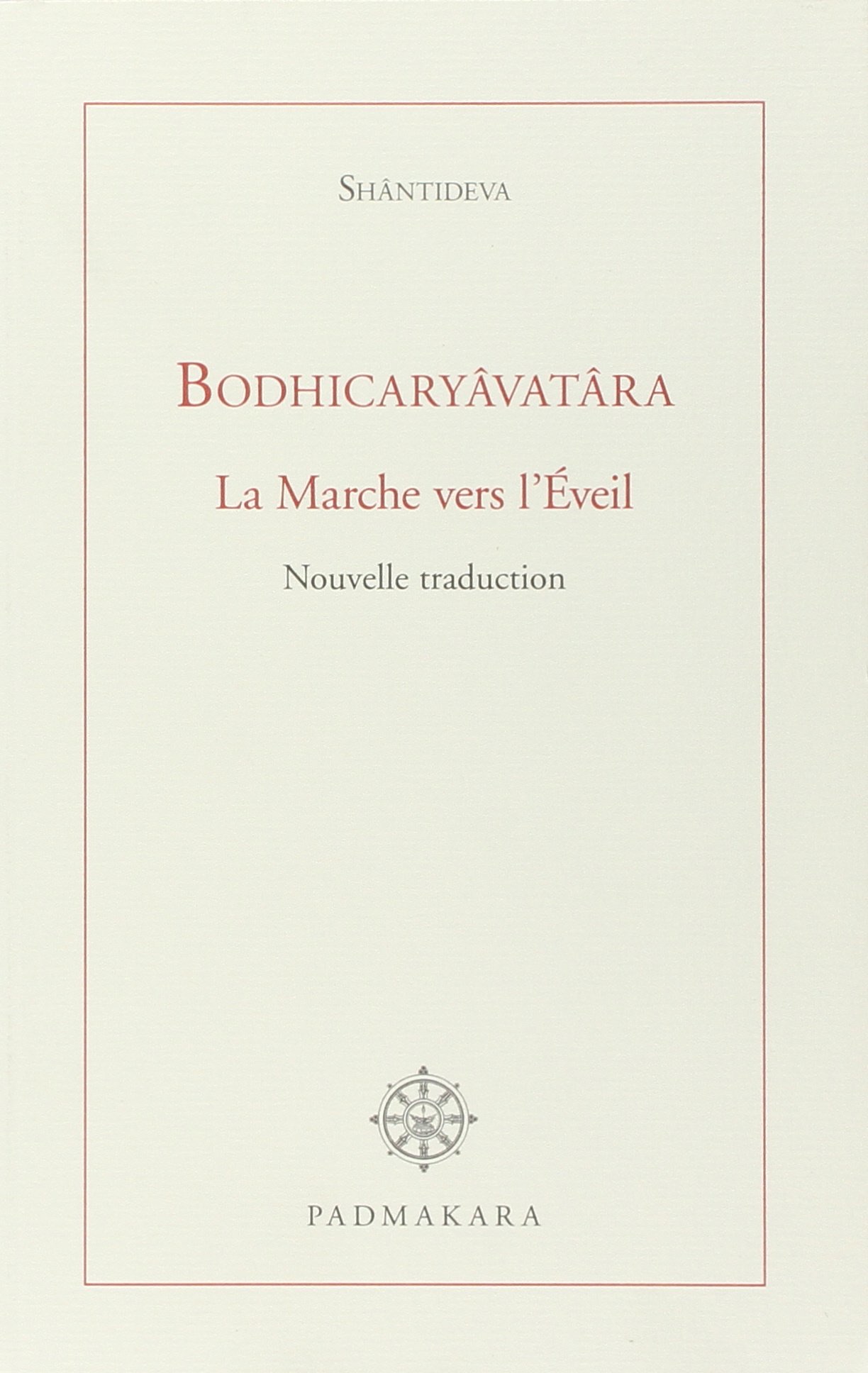
La Práctica del Bodisatva-front.jpg
Padmakara Spain 2008

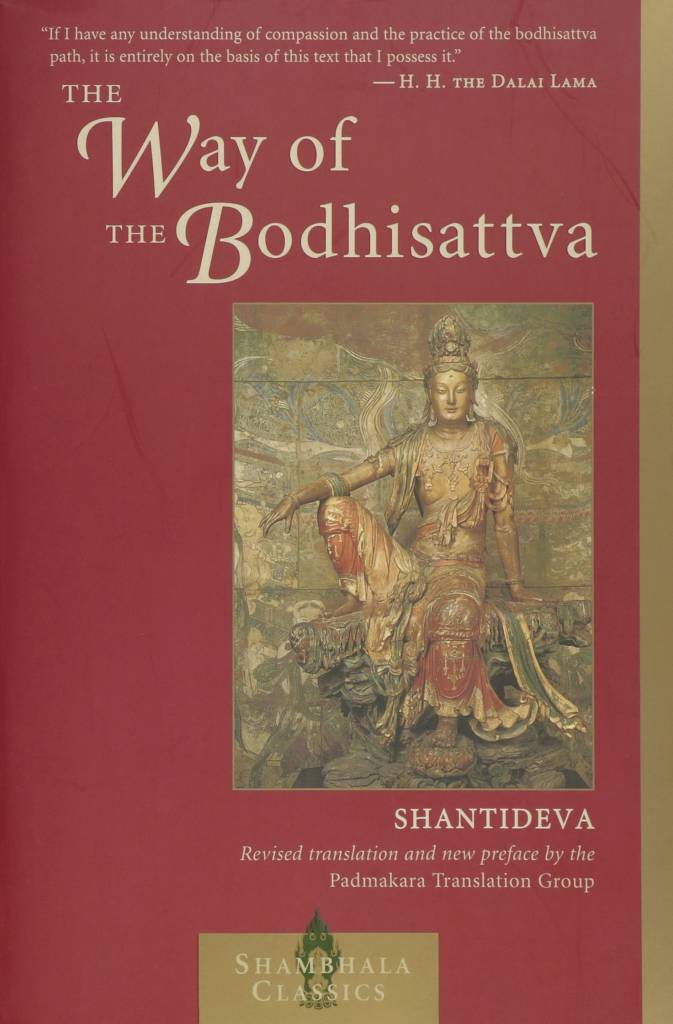
One says, “I have a lot of gain and praise,

I am very popular with others.” If one holds such arrogance

One will be frightened after death.

If one carries conceit such as,

"The crowds are happy with me; I am honored and receive much wealth,”

Fear will arise after death.

shift + scroll / swipe
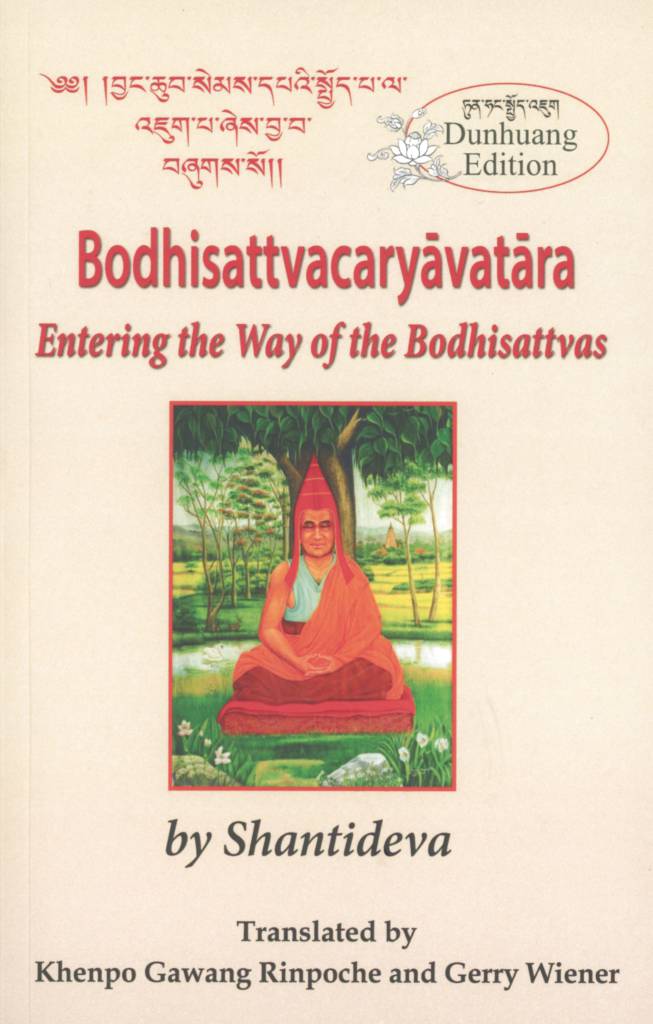
Dūnhuáng §This version is extracted from the book Bodhisattvacaryāvatāra: Entering the Way of the Bodhisattvas (2022, Khenpo Gawang and Wiener), a translation of an edition of the text created from three Dūnhuáng manuscripts. A description and sample pages of these can be found on the Early Tibet Blog. Scans of the actual manuscripts themselves can be found at http://idp.bl.uk

བདག་ནི་རྙེད་མང་བཀུར་བསྟི་བྱས། །

བདག་ལ་མང་པོ་དགའོ་ཞེས། ། དེ་འདྲའི་སྙེམས་པ་ཆང་འགྱུར་ན། །

ཤི་བའི་འོག་དུ་འཇིགས་པ་སྐྱེ། །

alt verse 7.14 tm data
This version differs from it's counterparts.

I may think, “Possessing great wealth and respect,

Many individuals will like me.” If I become conceited and cling to pride in this way,

Once I die, I will become terrified.

Tsadra Critical Edition §This text was created by comparing four versions of the text from Derge, Cone, Narthang, and Peking Tengyurs from BDRC scans, along with Dunhuang manuscripts IOL Tib J 628, 629, and 630. When Tibetan readings were problematic, the Sanskrit texts from GRETIL and LTB (Oslo) were consulted.

བདག་ནི་རྙེད་མང་བཀུར་སྟི་བཅས། །

བདག་ལ་མང་པོ་དགའ་འོ་ཞེས། ། དེ་འདྲའི་སྙེམས་པ་འཆང་གྱུར་ན། །

ཤི་བའི་འོག་ཏུ་འཇིགས་པ་སྐྱེ། །

[edit]
Sazang Mati (1294 - 1376)
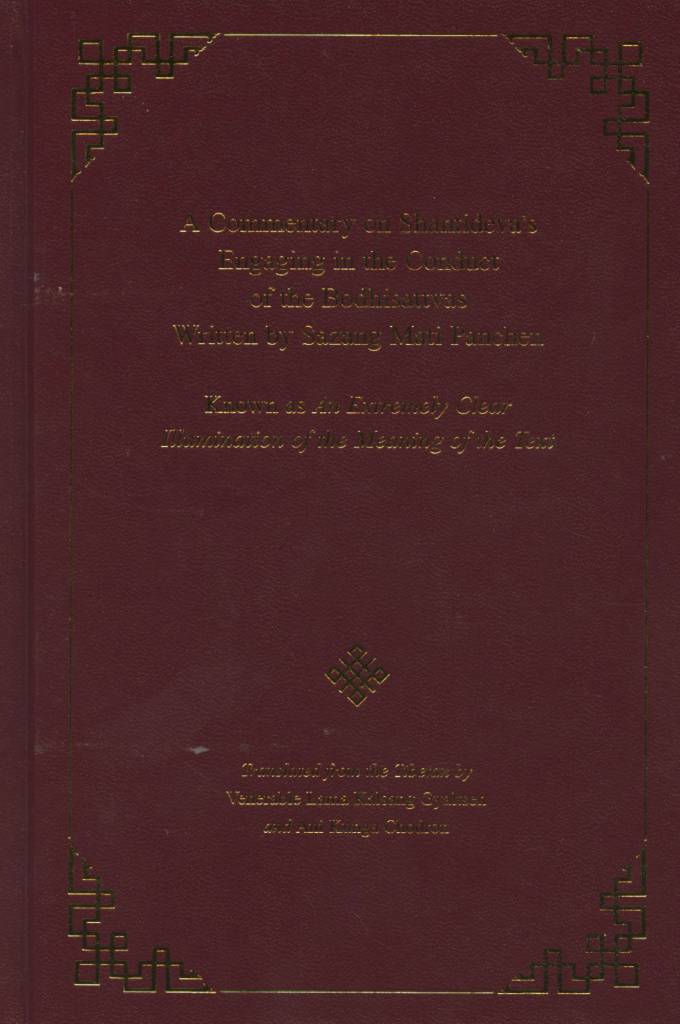
A Commentary on Shantideva's Engaging in the Conduct of the Bodhisattvas (citation)Gyaltsen, Lama Kalsang, and Ani Kunga Chodron, trans. A Commentary on Shantideva's Engaging in the Conduct of the Bodhisattvas Written by Sazang Mati Panchen: Known as An Extremely Clear Illumination of the Meaning of the Text. Walden, NY: Tsechen Kunchab Ling, 2019. Bilingual Edition

(གསུམ་པ་)རྙེད་བཀུར་ལ་སྙིང་པོ་མེད་ཚུལ་ནི།

3. Material gain and veneration lack essence 1.2.2.1.2.1.3

བདག་ནི་རྙེད་མང་བཀུར་སྟི་བཅས། །

བདག་ལ་མང་པོ་དགའ་བོ་ཞེས། ། དེ་འདྲའི་སྙེམས་པ་འཆང་གྱུར་ན། །

ཤི་བའི་འོག་ཏུ་འཇིགས་པ་སྐྱེ། །

bdag ni rnyed mang bkur sti bcas/_/

bdag la mang po dga' bo zhes/_/ de 'dra'i snyems pa 'chang gyur na/_/

shi ba'i 'og tu 'jigs pa skye/_/

If one carries conceit such as,

"The crowds are happy with me; I am honored and receive much wealth,”

Fear will arise after death.

བདག་ནི་ཡོ་བྱད་རྙེད་པ་མང་པོ་དང་བཅས་པ་དང༌། མང་པོས་མཆོད་ཅིང་བཀུར་སྟིར་བཅ༵ས་པ་དང༌། བདག་ལ་སྐྱེ་བོ་མང་པོ་[p.-248]རབ་གསལ་སྣང་བ་
དགའ་བ་དང་བཅས་པའོ་ཞེ༵ས་ཚེ་འདིར་དེ་འདྲ་བའི་སྙེམས་པ་དང་ང་རྒྱལ་འཆང་བར་གྱུར་ན༵་ཤི་བའི་འོག་ཏུ་ཕྱི་མ་ལ་སྡུག་བསྔལ་གྱི་འཇིགས་པ་སྣ་ཚོགས་སྐྱེ༵་བར་འགྱུར་རོ། །

By thinking in this life such arrogant and conceited thoughts as, “I am wealthy with many possessions,” “I am respected and venerated by many,” and “Many are attracted to me,” then after death, in the next life many fears and sufferings will occur.
Gyaltsap Je (1364 - 1432)
The Entrance for the Children of the Conquerors (citation)Stracke, Fedor, trans. The Entrance for the Children of the Conquerors: A Commentary on the Introduction to the Actions of Bodhisattvas. By Gyaltsab Rinpoche. N.p.: Happy Monks Publication, 2016. https://happymonkspublication.org/product/bodhisattvacharyavatara-chapter-1-10-commentary/. Bilingual Edition

གཉིས་པ་ཕྱི་རྙེད་བཀུར་སོགས་ལ་ཆགས་པ་སྤང་བ་ལ་གཉིས།

Abandoning Attachment to Outer Gain, Praise and the Like 1.1.2.1.2.2.2

དང་པོ་ལ་གཉིས།

The Faults of the Object Possessor 1.1.2.1.2.2.2.1

དང་པོ་ནི།

The Faults of Pride 1.1.2.1.2.2.2.1.1

བདག་ནི་རྙེད་མང་བཀུར་སྟི་བཅས། །

བདག་ལ་མང་པོ་དགའ་བོ་ཞེས། ། དེ་འདྲའི་སྙེམས་པ་འཆང་གྱུར་ན། །

ཤི་བའི་འོག་ཏུ་འཇིགས་པ་སྐྱེ། །
bdag ni rnyed mang bkur sti bcas/_/

bdag la mang po dga' bo zhes/_/ de 'dra'i snyems pa 'chang gyur na/_/

shi ba'i 'og tu 'jigs pa skye/_/

One says, “I have a lot of gain and praise,

I am very popular with others.” If one holds such arrogance

One will be frightened after death.

བདག་ནི་རྙེད་པ་མང་ངོ་བདག་ལ་བཀུར་སྟི་བྱས་སོ་བདག་ལ་སྐྱེ་བོ་མང་བོ་དགའོ་ཞེས། དེ་འདྲའི་སྙེམས་ཤིང་རྒྱགས་པ་འཆང་བར་གྱུར་ན་ང་རྒྱལ་དང་ཆགས་པའི་ཉེས་པས་དམྱལ་བར་འགྲོ་བས་ཤི་བའི་འོག་ཏུ་འཇིགས་པ་སྐྱེའོ། །

One says, “I have a lot of gain, I am praised and I am very popular with others.” If one holds such arrogance and conceit, one will go to the lower realms due to the faults of pride and attachment, and one will generate fear after death.
Minyak Kunzang Sönam (1823 - 1905)
The Great Hūṃ (citation)Duckworth, Douglas, trans. The Great Hūṃ: A Commentary on Śāntideva's Way of the Bodhisattva. By Minyak Kunzang Sönam. New York, NY: Wisdom Publications, 2025. Bilingual Edition

གསུམ་པ་ཕྱི་རྙེད་སོགས་ཀྱི་འཇིག་རྟེན་ལ་སྲེད་པ་སྤོང་བ་ནི།

Relinquishing craving for external things like acquisitions in the world 8.1.3.1.2

To show the problems with acquisitions and esteem and how they are pointless, next it shows the problems with cultivating arrogance and pride:

བདག་ནི་རྙེད་མང་བཀུར་སྟི་བཅས། །

བདག་ལ་མང་པོ་དགའ་བོ་ཞེས། ། དེ་འདྲའི་སྙེམས་པ་འཆང་གྱུར་ན། །

ཤི་བའི་འོག་ཏུ་འཇིགས་པ་སྐྱེ། །
“I have a lot of acquisitions and esteem,

and a lot of people like me!” Filled with this kind of arrogance,

there will be fear after death. (8.17)

དེ་ཡང་རྙེད་བཀུར་གྱི་ཉེས་པ་དང་དེ་ལ་སྙིང་པོ་མེད་ཚུལ་སྟོན་པ་ལ། རྒྱགས་པ་དང་ང་རྒྱལ་སྐྱེད་པའི་ཉེས་པ་ནི།

བདག་ལ་ནི་སྦྱིན་བདག་མང་པོས་ཆོས་གོས་དང་བསོད་སྙོམས་སྟེར་བ་སོགས་ཡོ་བྱད་ཀྱི་རྙེད་པ་མང་པོ་དང་ལྡན་ལ། ཡུལ་མི་མང་པོས་མཆོད་ཅིང་བཀུར་སྟི་དང་བཅས་པ་དང༌། བདག་ལ་སྐྱེ་བོ་མང་པོ་དག་དགའ་ཞིང་གུས་པ་དང་བཅས་པའོ་ཞེས་ཚེ་འདིར་དེ་འདྲའི་སྙེམས་པ་སྟེ་རྙེད་བཀུར་གྱིས་སེམས་ཁེངས་པའི་ང་རྒྱལ་དང་རྙེད་བཀུར་ལ་ཆགས་པས་རོ་མྱང་བའི་རྒྱགས་པའམ་དྲེགས་པ་ལྟ་བུ་སེམས་ལ་འཆང་བར་གྱུར་ན་དེ་དག་གི་ཉེས་པས་རང་ཤི་བའི་འོག་ཕྱི་མའི་དུས་དག་ཏུ་དམྱལ་བ་སོགས་ངན་འགྲོར་ལྷུང་ནས་ཡུན་རིང་ལ་བཟོད་དཀའ་བའི་སྡུག་བསྔལ་སྣ་ཚོགས་ཀྱི་འཇིགས་པ་མི་བཟད་པ་སྐྱེ་བར་འགྱུར་ཏེ། དེ་ལྟར་རྙེད་བཀུར་སོགས་ཀྱིས་རློམས་པ་ནི་དམྱལ་བར་སྐྱེ་བའི་རྒྱུ་ཡིན་པར་བྱམས་པའི་སེང་གེའི་སྒྲ་ཆེན་པོ་བསྟན་པ་ལས་གསུངས་པའི་ཕྱིར། དེ་ཉིད་ལས།

“I have acquired a lot of things, like dharma robes and alms that were given to me by my many benefactors. Many people in this area worship and revere me. Many people love me and respect me!” By being full of yourself in this way—full of pride and having a haughty and arrogant mind that craves the taste of acquisitions and esteem—in the future due to these flaws you will fall into the lower realms, like the hells, after death. Then for a long time, tremendous fears of many kinds of horrible suffering will arise. The Lion’s Roar of Maitreya states that the conceit of wealth and esteem are causes for taking birth in the hells; it says:

མང་དུ་ཐོས་པས་རྒྱགས་ཤིང་དེ་མང་དུ་ཐོས་པས་བག་མེད་པར་འགྱུར་བ་དང༌། རྙེད་པ་དང་བཀུར་སྟི་དང་ཚིགས་སུ་བཅད་པས་རྒྱགས་ཤིང་དེ་རྙེད་པ་དང་བཀུར་སྟི་དང་ཚིགས་སུ་བཅད་པས་ཟིལ་གྱིས་ནོན་པས་བག་མེད་པར་འགྱུར་བ་དང་། མཛའ་བཤེས་ཀྱི་ཁྱིམ་དང་སློང་མོ་སྟེར་བའི་ཁྱིམ་གྱིས་རྒྱུགས་ཤིང་དེ་མཛའ་བཤེས་ཀྱི་ཁྱིམ་དང་སློང་མོ་སྟེར་བའི་ཁྱིམ་གྱིས་སྦགས་པས་བག་མེད་པར་འགྱུར་བ་དང་། སྦྱངས་པའི་ཡོན་ཏན་དང་ཡོ་བྱད་བསྙུངས་པས་རྒྱུགས་ཤིང་དེ་སྦྱངས་པའི་ཡོན་ཏན་དང་ཡོ་བྱད་བསྙུངས་པས་རྒྱགས་པས་བདག་ལ་བསྟོད་པར་བྱེད་གཞན་ལ་སྨོད་པར་བྱེད་པ་དེ་ནི་བག་མེད་པ་ཞེས་བྱ་སྟེ། འོད་སྲུང་བཞི་པོ་དེ་དག་ནི་རབ་ཏུ་བྱུང་བའི་རྒྱགས་ཤིང་བག་མེད་པ་ཡིན་ཏེ་རབ་ཏུ་བྱུང་བ་རྒྱུགས་ཤིང་བག་མེད་པ་དེ་དག་དང་ལྡན་ན་སེམས་ཅན་དམྱལ་བར་འགྲོ་བ་ཡིན་པར་བརྗོད་པར་བྱའོ་ཞེས་གསུངས་ལ། འོད་སྲུང་བཞི་པོ་དེ་དག་ནི་རབ་ཏུ་བྱུང་བའི་རྒྱགས་ཤིང་བག་མེད་པ་ཡིན་ཏེ་རབ་ཏུ་བྱུང་བ་རྒྱུགས་ཤིང་བག་མེད་པ་དེ་དག་དང་ལྡན་ན་སེམས་ཅན་དམྱལ་བར་འགྲོ་བ་ཡིན་པར་བརྗོད་པར་བྱའོ་ཞེས་གསུངས་ལ།

By being full of yourself in terms of learning, you become careless by being learned. By being full of yourself in terms of acquisitions, esteem, and praise, you become overwhelmed by acquisitions, esteem, and praise and become careless. Being full of yourself from a friend’s house or a house from which you collect alms, you become defiled by the friend’s house or the house from which you collect alms and thus become careless. By being full of yourself in terms of your qualities of training and by the few possessions you have, you become careless, praising yourself and belittling others by being full of yourself in terms of your qualities of training and by the few possessions you have. Kāśyapa, these four are a renunciate’s arrogance and carelessness. It is said that when renunciates are arrogant and careless, sentient beings are going to hell.1284Lion’s Roar of Maitreya Sūtra, 162a–b.

དེ་ལྟར་རྒྱུགས་པ་ལ་བརྟེན་ནས་བག་མེད་པ་སྐྱེ་བས་ན། མདོར། རྒྱགས་འདི་བག་མེད་ཀུན་གྱི་རྩ་བ་སྟེ། ཞེས་གསུངས་པ་ཡིན་ནོ། །[p.485]Byang chub sems dpa'i spyod pa la 'jug pa'i 'grel bshad rgyal sras rgya mtsho'i yon tan rin po che mi zad 'jo ba'i bum bzang
Mi nyag kun bzang bsod nams (མི་ཉག་ཀུན་བཟང་བསོད་ནམས་). byang chub sems dpa'i spyod pa la 'jug pa'i 'grel bshad rgyal sras rgya mtsho'i yon tan rin po che mi zad 'jo ba'i bum bzang [བྱང་ཆུབ་སེམས་དཔའི་སྤྱོད་པ་ལ་འཇུག་པའི་འགྲེལ་བཤད་རྒྱལ་སྲས་རྒྱ་མཚོའི་ཡོན་ཏན་རིན་པོ་ཆེ་མི་ཟད་འཇོ་བའི་བུམ་བཟང།]. [Excellent Vase That Spills Forth an Ocean of the Inexhaustible and Precious Qualities of the Victor's Heirs: An Explanation of the "Way of the Bodhisattva."].

Thus carelessness arises based on arrogance, as is said in a sūtra: “Arrogance is the root of all carelessness.”1285Inciting a Superior Intention, 265a. Cited in Śāntideva, Anthology of Training, 64a; English trans. in Goodman, The Training Anthology of Śāntideva, 109. [455]

ཡང་དག་པར་ལྡན་པའི་ལུང་ལས་ཀྱང་།

The scripture of Pure Endowment also says:

ཤིང་ནྱ་གྲོ་ཏ་ཞིག་གི་དྲུང་དུ་ལུག་ཁྱུ་ཆེན་པོ་ཞིག་འཁོད་དེ་ལུག་ཁྱུ་དེའི་ནང་ནས་ཕྱི་ས་ཟ་བའི་ལུག་གཅིག་ཕྱི་ས་ཁུང་དུ་ཕྱི་ས་ཟར་སོང་སྟེ་ཕྱི་ས་ལ་ཅི་འདོད་ཟོས་ནས་མདུན་དུ་ཕྱི་སའི་ཕུང་པོ་བཞག་སྟེ་འདུག་ནས་མགོ་བསྒྱུར་ཞིང་དེས་དེ་ཙམ་དུ་ལུག་གཞན་དག་ལ་བརྙས་པ་བྱེད་དོ། །དེ་བཞིན་དུ་དགེ་སློང་ལ་ལ་ཞིག་རྙེད་པ་དང་བཀུར་སྟི་དང་གྲགས་པས་ནོན་པས་སེམས་ཟིན་པ་སྟེ་གྲོང་དང་གྲོང་ཁྱེར་དང་གྲོང་རྡལ་ཞིག་ཏུ་བསོད་སྙོམས་ཀྱི་ཕྱིར་ཞུགས་ཏེ་དེས་དེར་ཟས་གཙང་མ་ཞིམ་པོ་ཅི་འདོད་པ་ཟོས་ནས་ཕྱི་དེ་ཉིན་པར་ཟས་ལས་ལྷག་པའི་ཟས་དག་ཁྱེར་ཏེ་འོངས་ནས་དགེ་སློང་དག་ལ་སྨྲས་པ། ཚེ་དང་ལྡན་པ་དག་ཁོ་བོས་ཟས་གཙང་མ་ཞིམ་པོ་ཅི་འདོད་པ་ཟོས་འདི་མི་དགོས་ཏེ་ལྷག་མ་གཏོར་བའི་རིགས་ན་ཁྱོད་འདོད་ན་འདི་ཟོ་ཞིག་ཅེས་དེས་དེ་ཙམ་དུ་དགེ་སློང་དུང་བ་དེས་པ་གཞན་དག་ལ་བརྙས་པར་བྱེད་དོ་ཞེས་གསུངས་ཏེ།

A flock of sheep gathered in front of a banyan tree. One sheep in the flock was eating shit. He had gone to the latrine and was happily eating it, with a big pile of shit in front of him. He then turned his head and thereby disparaged the other sheep. Similarly, when a monk is impressed by acquisitions, esteem, and fame and goes out on an alms round to the city, town, or village,[p.693]The Great Hum
Duckworth, Douglas, trans. The Great Hūṃ: A Commentary on Śāntideva's Way of the Bodhisattva. By Minyak Kunzang Sönam. New York, NY: Wisdom Publications, 2025.
he may eat clean and delicious food. Then he may bring leftover food back from that day and say to the monks, “Fortunate ones, I don’t need this delicious food, I should throw out the leftovers, but eat it if you want.” The anguished monk thereby disparages the others.1286Nāgārjuna, Anthology of Sūtras, 180a.

གང་རྙེད་བཀུར་དང་བཟའ་བཏུང་སོགས་ཅུང་ཟད་རེ་བྱུང་བས་ང་རྒྱལ་དང་རྒྱགས་པ་སྐྱེས་ནས་གཞན་ལ་ངོམས་ཤིང་བརྙས་པར་བྱེད་པ་དག་གིས་འདི་དག་སེམས་པ་གལ་ཆེ་བར་གསུངས་སོ། །

When people come across something like acquisitions, esteem, food, or drink and then become arrogant and prideful because of it, they may show off and disparage others, so it is important for them to reflect on these things.

དེ་ལྟར་རྙེད་བཀུར་གྱིས་སེམས་ཁེངས་པ་དང་དེ་ལ་ཆགས་པས་རོ་མྱང་བ་ལས་འཇིགས་པ་སྐྱེ་བའི་རྒྱུ་མཚན་དེ་ལྟ་བས་ན་བདེ་སྡུག་གི་རྒྱུ་ལ་རྣམ་པར་རྨོངས་པའི་ཡིད་ཁྱོད་ཀྱིས་ད་ལྟའི་དུས་སུ་སྡུག་བསྔལ་གྱི་རྒྱུའི་རྙེད་བཀུར་ལ་བདེ་བའི་རྒྱུར་རློམ་ནས་དེ་དག་གང་དང་གང་ལ་ཆགས་ཤིང་ཞེན་པར་གྱུར་ནས་དད་པས་བྱིན་པ་སོགས་ལ་ཇི་ཙམ་ལོངས་སྤྱོད་པ་དེ་དང་དེ་བསྡོངས་ཞེས་ཏེ་དེ་དང་དེའི་ནུས་པ་ཕྱོགས་གཅིག་ཏུ་བསྡོངས་པའམ་བསྡོམས་པ་ལས་འབྲས་བུ་རྣམ་སྨིན་མྱོང་བའི་དུས་སུ་གོང་ནས་གོང་དུ་བརྒྱ་འགྱུར་སྟོང་འགྱུར་དུ་འཕེལ་ནས་སྡུག་བསྔལ་ཉིད་དུ་འགྱུར་ཞིང་ལྡང་ངོ༌། །དེ་བས་ན་བདེ་སྡུག་གི་རྒྱུའི་བླང་དོར་ལ་མཁས་པས་ནི་རྙེད་བཀུར་སོགས་ལ་ཆགས་པར་མི་བྱ་སྟེ་དེ་དག་ལ་ཆགས་ཤིང་ཞེན་པ་དེ་ལས་ནི་འདི་ཕྱི་ཀུན་ཏུ་འཇིགས་པ་མི་བཟད་པ་སྐྱེ་བ་བཤད་མ་ཐག་པ་དེའི་ཕྱིར་རོ། །ཞེས་ཡུལ་ཅན་ཆགས་པའི་ཉེས་པ་བསྟན་ཏོ། །དེ་དང་དེ་བསྡོངས་ཞེས་པ་ནི་རྙེད་སོགས་སྡུག་བསྔལ་དང་སྡུག་བསྔལ་གྱི་རྒྱུར་གྱུར་པའོ་ཞེས་ཀྱང་བཤད་དོ། །

Being full of yourself due to acquisitions and esteem, and being attached to this taste, produces fear. So you think now, O mind, that wealth and esteem, which are the causes of suffering, are the causes of happiness due to being confused about the causes of happiness and suffering. Whatever it is that you are attached to and cling to, all of the enjoyments that have been faithfully donated to you, if all of it were to be combined and brought together in one place, when the effect of this maturation is experienced it will lead to suffering that will be hundreds and thousands of times more. Therefore those who are wise about accepting and rejecting the causes of happiness and suffering should not be attached to things like acquisitions and esteem. This is because, as was just said, attachment and clinging to them produce horrible fear in this life and all future lives. These lines show the problem of attachment from the subjective side. It is also explained that all brought together refers to the suffering of things like acquisitions and the cause of suffering.

འབྲས་བུ་རྣམ་པར་སྨིན་པའི་དུས་སུ་སྟོང་འགྱུར་དུ་འཕེལ་ནས་སྡུག་བསྔལ་ཉིད་དུ་འགྱུར་ཞིང་ལྡང་བ་ནི་འདུལ་བའི་མདོར། ལེ་ལོ་ཅན་ལ་ནི་བླངས་པ་དང་ཉེ་བར་སྤྱད་པ་བུ་ལོན་དུ་འགྱུར་རོ་ཞེས་ཚུལ་ཁྲིམས་རྣམ་པར་དག་ཀྱང་ཐོས་བསམ་སོགས་ལ་མི་བརྩོན་ཞིང་བསླབ་པ་ཡོངས་སྦྱོང་གི་ཐབས་ལ་བརྟེན་ནས་བསླབ་པ་གོང་འཕེལ་དུ་སྒྲུབ་མི་ནུས་པའི་ལེ་ལོ་ཅན་ནི་བླངས་པ་དང་སྤྱོད་པ་བུ་ལོན་གྱི་ཚུལ་དུ་འགྱུར་ཞིང་སྐྱེ་བ་ཕྱི་མར་བརྒྱ་འགྱུར་སྟོང་འགྱུར་དུ་སྦྱིན་བདག་ལ་འཇལ་དགོས་པར་གསུངས་པ་ལྟ་བུ་ཡིན་ལ། [p.486]Byang chub sems dpa'i spyod pa la 'jug pa'i 'grel bshad rgyal sras rgya mtsho'i yon tan rin po che mi zad 'jo ba'i bum bzang
Mi nyag kun bzang bsod nams (མི་ཉག་ཀུན་བཟང་བསོད་ནམས་). byang chub sems dpa'i spyod pa la 'jug pa'i 'grel bshad rgyal sras rgya mtsho'i yon tan rin po che mi zad 'jo ba'i bum bzang [བྱང་ཆུབ་སེམས་དཔའི་སྤྱོད་པ་ལ་འཇུག་པའི་འགྲེལ་བཤད་རྒྱལ་སྲས་རྒྱ་མཚོའི་ཡོན་ཏན་རིན་པོ་ཆེ་མི་ཟད་འཇོ་བའི་བུམ་བཟང།]. [Excellent Vase That Spills Forth an Ocean of the Inexhaustible and Precious Qualities of the Victor's Heirs: An Explanation of the "Way of the Bodhisattva."].
དེ་བཞིན་དུ་སྦྱིན་བདག་གི་བྲན་གཡོག་དང་དེ་ལ་དཔྱ་འཇོལ་མཁན་ལྟ་བུར་སྐྱེ་བའང་ཡིན་ཏེ་དེ་ནི་ཞིང་པ་ལྔ་བརྒྱ་དང་རྨོས་གླང་ལྔ་བརྒྱའི་བྱུང་བ་འདུལ་བ་ལས་གསུངས་པ་དེ་དག་གིས་ཤེས་པས་སོ། །

The Vinaya Sūtra shows how, at the time of the maturation of the effect, the suffering that is brought on is amplified a thousandfold: “Lazy people take and use, going into debt.”1287Guṇaprabha, Vinaya Sūtra, 72b. Even with pure discipline, lazy people are unable to develop the training based on the methods of training or by applying themselves to things like study and contemplation. It is said that with the debts from taking and using, they will need to repay their benefactors in future lives a hundredfold and a thousandfold. Similarly they might also be born as their benefactor’s slave or tax collector; this happened with the five hundred farmers [456] and five hundred plowing oxen, as can be known from the Vinaya.1288For a story about the karmic retribution of five hundred farmers, see Foundations of Vinaya, 2:237a–b.

ཁྲིམས་འཆལ་གྱིས་དད་རྫས་སྤྱོད་པ་ནི་དེ་བས་ཀྱང་ཉེས་པ་ཆེ་སྟེ། སངས་རྒྱས་ཀྱི་མཛོད་ཀྱི་མདོ་ལས།

It is an even bigger problem when those with lapsed discipline use substances that were donated in faith. The Sūtra of the Buddha’s Treasury states:[p.694]The Great Hum
Duckworth, Douglas, trans. The Great Hūṃ: A Commentary on Śāntideva's Way of the Bodhisattva. By Minyak Kunzang Sönam. New York, NY: Wisdom Publications, 2025.

ཤཱ་རིའི་བུ་ཚུལ་ཁྲིམས་ཞིག་པའི་དགེ་སློང་བསྐལ་པ་བརྒྱ་སྟོང་ཁྲི་འབུམ་གྱི་བར་དུ་རང་གི་ཤ་བཅད་ཅིང་གཏུབས་ཏེ་སྦྱིན་བདག་ལ་འཇལ་ལོ། །ཕྱུགས་སུ་སྐྱེས་ན་ཡང་ཁུར་ལྕི་བ་ཁྱེར་བར་འོང་ངོ༌། །སྐྲ་ཉག་མ་འབུམ་དུ་བགོས་པའི་ཆ་ཙམ་ཡང་བཞུ་བར་མི་ནུས་ན་གོས་དང་ཟས་དངམལ་ཆ་དང་སྨན་ལ་སོགས་པ་ལྟ་ཅི་སྨོས་ཞེས་གསུངས།

Śāriputra, a monk with lapsed discipline repays his benefactors with the flesh of his body being chopped and cut up for eons numbering in the hundreds, the thousands, the tens of thousands, and hundreds of thousands. If he is born as an ox, then he will carry a heavy load. If he cannot handle even a hundred thousandth of a single hair, then it is needless to mention about clothes, food, bedding, medicines, and so on.1289Sūtra of the Buddha’s Treasury (Sangs rgyas kyi mdzod kyi chos kyi yi ge, H. 125), 252b.

བླ་མ་རྗེའི་གསུངས་རྒྱུན་ལས་ནི། ལྡན་གྲོལ་གྱི་ཡོན་ཏན་གང་ཡང་མེད་བཞིན་དུ་ད་ལྟ་དད་པས་བྱིན་པས་བཟའ་བ་དང་བཏུང་བ་ཁམ་རེ་རེ་ཙམ་ལ་ཡང་ཆགས་སྲེད་དང་བཅས་པས་སྤྱོད་ན་ཕྱིས་དམྱལ་བར་སྐྱེས་པའི་ཚེ་ལྕགས་ཀྱི་ཐུ་ལུམ་མེ་འབར་བ་ཁམ་སྟོང་དང་ཁྲོ་ཆུ་ཁོལ་མ་ཁམ་སྟོང་ཕྲག་ལྟ་བུ་ལ་མི་འདོད་བཞིན་དུ་སྤྱོད་དགོས་པ་དེ་འདྲ་ཡིན་པར་གསུངས་སོ། །

According to the transmitted words of my lord and teacher, it is said that while lacking any qualities of endowment or freedom, if you partake now of what is given in faith with craving and attachment—even as little as a mouthful of food or drink—then later, when you are born in hell, without wanting to you will have to take a thousand mouthfuls of blazing chunks of iron and partake of thousands of mouthfuls of molten iron.

དེ་ལ་སྤྱིར་རྙེད་བཀུར་གྱི་ཉེས་པ་ནི། ལྷག་བསམ་བསྐུལ་བ་ལས།

The problems with acquisitions and esteem in general are stated in Inciting a Superior Intention:

བྱམས་པ་འདི་ལ་བྱང་ཆུབ་སེམས་དཔའ་སེམས་དཔའ་ཆེན་པོས་རྙེད་པ་དང་བཀུར་སྟི་ནི་འདོད་ཆགས་སྐྱེས་པ་ཡིན་པར་རིག་པར་༌བྱའོ། །རྙེད་པ་དང་བཀུར་སྟི་ནི་དྲན་པ་འཇོམས་པར་བྱེད་པར་བརྟག་པར་བྱའོ། །རྙེད་པ་དང་བཀུར་སྟི་ནི་རྙེད་པ་དང་མ་རྙེད་པས་ཁེངས་པ་དང་འདུད་པར་བརྟག་པར་བྱའོ། །རྙེད་པ་དང་བཀུར་སྟི་ནི་གཏི་མུག་བསྐྱེད་པར་བརྟག་པར་བྱའོ། །ཞེས་པ་ནས། རྙེད་པ་དང་བཀུར་སྟི་ནི་བསམ་གཏན་དང་ཚད་མེད་པ་ཡོངས་སུ་སྤོང་བ་དང་སེམས་ཅན་དམྱལ་བ་དང་དུད་འགྲོའི་སྐྱེ་གནས་དང་གཤིན་རྗེའི་༌འཇིག་རྟེན་དུ་ལྟུང་བར་བྱེད་པ་དང་། རྙེད་པ་དང་བཀུར་སྟི་ནི་ལྷས་བྱིན་དང་ལྷག་སྤྱོད་ཀྱི་ཆོ་ག་དང་མཐུན་པར་བརྟག་པར་བྱའོ་ཞེས་ཉེས་དམིགས་མང་དུ་གསུངས་ལ།

Maitreya! Bodhisattvas, great beings, should know that acquisitions and esteem breed attachment. They should understand that acquisitions and esteem destroy mindfulness. They should understand that the gain and loss of acquisitions and esteem bring arrogance and lowliness. They should understand that acquisitions and esteem produce delusion . . . Acquisitions and esteem lead to rejecting meditative concentration and rejecting the immeasurables. They cause sentient beings to fall into the hells, the states of animals, and the world of the Lord of Death. They should understand that acquisitions and esteem accord with the ways of conduct of Devadatta and Udraka.1290Cited in Śāntideva, Anthology of Training, 63a–b; English trans. in Goodman, The Training Anthology of Śāntideva, 106–7.

དེ་བས་ན་དེ་དག་ལ་བརྟགས་ཏེ་ཆགས་པ་སྤངས་ནས་འདོད་པ་ཆུང་བར་བྱ་སྟེ། དེ་ཉིད་ལས།

This describes a lot of problems. Thus you should investigate them and give up attachment; thereby you should reduce your desires. Inciting a Superior Intention again says:

བརྟགས་ནས་ཀྱང་འདོད་པ་ཆུང་བར་བྱའི་ཡོངས་སུ་གདུང་བར་ནི་མི་བྱའོ། །དེ་ཅིའི་ཕྱིར་ཞེ་ན། བྱམས་པ་འདོད་པ་ཆུང་བ་ལ་སྐྱོན་འདི་ལྟ་བུ་དག་མེད་པའི་ཕྱིར་ཏེ་ཞེས་སོགས་དང། བྱམས་པ་ཕན་ཡོན་འདི་ལྟ་བུ་འདི་དག་ཤེས་ནས་བྱང་ཆུབ་སེམས་དཔའ་མཁས་པས་རྙེད་པ་དང་བཀུར་སྟི་ཐམས་ཅད་སྤང་བའི་ཕྱིར་ལྷག་པའི་བསམ་པས་འདོད་པ་ཆུང་བ་ལ་གནས་པར་བྱ་ཞིང་འདོད་པ་ཆུང་བ་ལ་བརྟེན་པར་བྱའོ། །ཞེས་གསུངས་ལ།

Understanding this, they should not be distressed by having few desires. Why is this? Maitreya, having few desires does not bring these kinds of problems . . . Maitreya, knowing these kinds of benefits, wise bodhisattvas, in order to always reject acquisitions[p.695]The Great Hum
Duckworth, Douglas, trans. The Great Hūṃ: A Commentary on Śāntideva's Way of the Bodhisattva. By Minyak Kunzang Sönam. New York, NY: Wisdom Publications, 2025.
and all esteem, should remain with few desires and rely on few desires with a superior intention.1291Cited in Śāntideva, Anthology of Training, 63b; English trans. in Goodman, The Training Anthology of Śāntideva, 107–8.

མདོར་ན་རྙེད་བཀུར་སོགས་ལ་ཆགས་ཤིང་ཞེན་པས་ནི་བདེ་འགྲོ་དང་ཐར་པའི་གེགས་བྱེད་ཅིང་ངན་འགྲོའི་སྡུག་བསྔལ་མི་བཟད་པ་སོགས་སྐྱེས་པས་[p.487]Byang chub sems dpa'i spyod pa la 'jug pa'i 'grel bshad rgyal sras rgya mtsho'i yon tan rin po che mi zad 'jo ba'i bum bzang
Mi nyag kun bzang bsod nams (མི་ཉག་ཀུན་བཟང་བསོད་ནམས་). byang chub sems dpa'i spyod pa la 'jug pa'i 'grel bshad rgyal sras rgya mtsho'i yon tan rin po che mi zad 'jo ba'i bum bzang [བྱང་ཆུབ་སེམས་དཔའི་སྤྱོད་པ་ལ་འཇུག་པའི་འགྲེལ་བཤད་རྒྱལ་སྲས་རྒྱ་མཚོའི་ཡོན་ཏན་རིན་པོ་ཆེ་མི་ཟད་འཇོ་བའི་བུམ་བཟང།]. [Excellent Vase That Spills Forth an Ocean of the Inexhaustible and Precious Qualities of the Victor's Heirs: An Explanation of the "Way of the Bodhisattva."].
ན་གང་ལའང་ཆགས་པ་དང་ཞེན་པ་མེད་པར་གནས་དགོས་པར་གསུངས་ཏེ། ཇོ་བོས།

In short, attachment and fixation on things like acquisitions and esteem obstruct the higher realms and liberation, bringing things like the terrible sufferings of the lower realms. Therefore it is said that you should remain without attachment or fixation to anything. Atiśa said:

གང་ལའང་ཆགས་པ་སྤང་བྱ་ཞིང༌། །

ཆགས་པ་མེད་པར་གནས་པར་བྱ། ། ཆགས་པས་བདེ་འགྲོ་མི་འཐོབ་ཅིང༌། །

ཐར་བའི་སྲོག་ཀྱང་གཅོད་པར་བྱེད། །

You should give up attachment to everything and
remain unattached.
The higher realms are not obtained with attachment;
it also severs the life-force of liberation.1292Atiśa, Bodhisattva’s Garland of Gems, 295a.

ཅེས་སོ། །དེས་ན་དེ་ལྟ་བུའི་ངན་སོང་གི་རྒྱུའི་ཆགས་པ་དང་ང་རྒྱལ་སོགས་ཉོན་མོངས་སྤོང་བར་འདོད་པས་རྙེད་བཀུར་སོགས་ལ་ཆགས་ཞེན་སྤངས་ནས་འོག་ཏུ་འཆད་པ་ལྟར་དབེན་པ་བསྟེན་ནས་ཉོན་མོངས་པའི་གཉེན་པོ་བསྒོམ་པར་བྱ་དགོས་ཏེ། གང་བོས་ཞུས་པར།

Therefore, if you wish to give up afflictions like attachment and pride, which are causes [457] of the lower realms, you should give up attachment and fixation and remain in solitude, as will be explained below, cultivating the antidote to the afflictions. The Inquiry of Pūrṇa states:

དེ་ཕྱིར་བྱང་ཆུབ་སེམས་དཔའ་རྣམས། །

རྟག་པར་དགོན་པ་བསྟེན་བྱ་ཞིང༌། ། གྲོང་ཁྱེར་དག་ལ་ཆགས་མི་བྱ། །

བསྟེན་ན་རྙེད་སེམས་སྐྱེ་བར་འགྱུར། །

Therefore bodhisattvas should
always rely upon remote places and
not be attached to cities.
If they come to rely upon cities they will think about wealth.

རྙེད་པ་ཐོབ་ན་རབ་ཏུ་དགའ། །

སྟོར་བར་གྱུར་ན་མྱ་ངན་སྐྱེ། ། དེ་ཡིས་སངས་རྒྱས་མཆོད་བྱས་ཤིང་། །

མཆོད་པ་བྱས་ཞེས་མི་བརྗོད་དོ། །

When they obtain wealth, they will become joyous,
and they will become miserable when it is lost.
They may make offerings to the buddhas,
but it is not said to be an offering made.

དེ་འདྲའི་ཉོན་མོངས་སེལ་འདོད་ན། །

རྙེད་པ་རྣམས་ནི་སྤང་བར་བྱ། ། སྤངས་ནས་གནས་དབེན་རབ་གནས་ནས། །

སྟོང་པའི་ཆོས་ནི་བསྒོམ་པར་བྱ། །ཞེས་སོ། །

If you want to dispel these kinds of affliction, you should give up acquisitions. After giving them up, you should stay in a solitary place and meditate on the doctrine of emptiness.1293Inquiry of Pūrṇa 4.49–51 (Pūrṇaparipṛcchā, H. 61), 404b.

Kunzang Palden (1862 - 1943)
The Nectar of Manjushri's Speech (citation)Blankleder, Helena, and Wulstan Fletcher (Padmakara Translation Group), trans. The Nectar of Manjushri's Speech: A Detailed Commentary on Shantideva's Way of the Bodhisattva. By Kunzang Pelden. Boston: Shambhala Publications, 2007. Bilingual Edition

གསུམ་པ་༼ཕྱི་རྙེད་སོགས་ཀྱི་འཇིག་རྟེན་ལ་སྲེད་པ་སྤོང་བར་བྱ་བ་༽ནི།

Giving up Attachment to Worldly Gain 2.2.1.3.

བདག་ནི་རྙེད་མང་བཀུར་སྟི་བཅས། །

བདག་ལ་མང་པོ་དགའ་བོ་ཞེས། ། དེ་འདྲའི་སྙེམས་པ་འཆང་གྱུར་ན། །

ཤི་བའི་འོག་ཏུ་འཇིགས་པ་སྐྱེ། །

bdag ni rnyed mang bkur sti bcas/_/

bdag la mang po dga' bo zhes/_/ de 'dra'i snyems pa 'chang gyur na/_/

shi ba'i 'og tu 'jigs pa skye/_/

བདག་ནི་རྟ་ནོར་ལོངས་སྤྱོད་ཀྱི་རྙེད་པ་མང་པོ་རྙེད་པ་དང༌། མང་པོས་མཆོད་ཅིང་བཀུར་སྟི་དང་བཅས་པ་དང༌། བདག་ལ་སློབ་མ་དང་ཡོན་བདག་མང་པོ་དགའ་བ་དང་བཅས་པའོ་ཞེས་ཚེ་འདིར་དེ་འདྲའི་སྟེ་དེ་འདྲ་བའི་སྙེམས་པ་སྟེ་ང་རྒྱལ་འཆང་བར་གྱུར་ནས་དད་ཟས་གཤིན་དཀོར་ཅི་ལོན་ཅི་ཐོབ་བསྡུས་ཏེ་བསྡད་ན་ནམ་ཤི་བའི་འོག་ཏུ་[p.532]Byang chub sems dpa'i spyod pa la 'jug pa rtsa ba dang 'grel pa (1990)
Slob dpon zhi ba lha and Mkhan po kun dpal. Byang chub sems dpa'i spyod pa la 'jug pa rtsa ba dang 'grel pa. Khreng tu'u: Si khron mi rigs dpe skrun khang, 1990. Buda by BDRC Logo.jpg
ཕྱི་མ་ལ་ངན་སོང་གི་སྡུག་བསྔལ་གྱི་འཇིགགས་པ་སྣ་ཚོགས་སྐྱེ་ཞིང་མྱོང་བར་འགྱུར་ཏེ། གཙང་བླ་རྟ་ནག་ཅན་ལ་སོགས་པའི་ལོ་རྒྱུས་ལ་བསམ་ཏེ་བག་ཡོད་པར་བྱའོ། །

“Oh I am rich and well respected;

Lots of people take delight in me.” Nourish such complacency and later,

After death, your fears will start!

We may think, “I’m rich; I have a horse, money, things to enjoy myself with. What’s more, I’m well regarded. People look up to me; I have followers and benefactors who appreciate me.” But if we nourish this kind of complacency in our lives (grabbing whatever we can lay our hands on:[p.265]The Nectar of Manjushri's Speech
Blankleder, Helena, and Wulstan Fletcher (Padmakara Translation Group), trans. The Nectar of Manjushri's Speech: A Detailed Commentary on Shantideva's Way of the Bodhisattva. By Kunzang Pelden. Boston: Shambhala Publications, 2010.
the offerings of the faithful, the money given for performing ceremonies for the dead and so forth), later on, after we ourselves are dead, we will experience all the fears and sufferings of the lower realms in our later lives. We ought to reflect about the life story of Lama Tanakchen from Tsang171See The Words of My Perfect Teacher, p. 69. and conduct ourselves prudently and with care.

དེ་ཡང་སྤྱིར་དཀོར་རྫས་ལ་འབགས་པ་མི་སློབ་པ་བདག་པོ་ལྟ་བུར་སྤྱོད་པ་དང༌། སློབ་པ་ནི་བྱིན་པ་ལ་སྤྱོད་པ་ལྟ་བུ་དང༌། སོ་སོའི་སྐྱེ་བོ་ལྡན་གྲོལ་གྱི་ཡོན་ཏན་གཉིས་དང་ལྡན་པ་ལ་རྗེས་སུ་གནང་བའི་ཚུལ་དུ་སྤྱོད་པ་དང༌། ལྷག་མ་ལེ་ལོས་བཅོམ་པ་ཤེས་རབ་མེད་པ་ཚུལ་ཁྲིམས་དང་ལྡན་པ་ལ་བུ་ལོན་གྱི་ཚུལ་དང༌། ཚུལ་ཁྲིམས་དེ་འཆལ་བ་རྣམས་ལ་དཀོར་རྫས་ལྕགས་ཀྱི་ཐོ་ལུམ་མེ་འབར་བ་ཟ་བ་དང་འདྲ་བ་ཡིན་པར་སངས་རྒྱས་ཀྱིས་གསུངས་སོ། །

As a general principle, the Buddha taught that monastic religious property may be used by noble beings on the path of no-more-learning as though it were their own property. Those who are still on the path of learning may regard it as something gifted to them. Ordinary beings who are nevertheless endowed with the qualities of knowledge and freedom [from defilement] may use it as beneficiaries of something granted by dispensation. On the other hand, when other beings, who are without wisdom and liable to indolence (but who observe nevertheless the monastic discipline) avail themselves of it, it is as though they were contracting a karmic debt. Finally, in the case of those who are degenerate in their discipline, it is as if they were swallowing incandescent balls of iron.


[edit]
[edit]