8.125

From Bodhicitta

Bodhicaryāvatāra · Verse 8.125


Sources:    

Sanskrit §No information about the source used.

यदि दास्यामि किं भोक्ष्ये इत्यात्मार्थे पिशाचता। यदि भोक्ष्ये किं ददामीति परार्थे देवराजता॥

 
Chanted Verse
Recitation by Professor Kashinath Nyaupane
125

“If I give, what will I eat?”—this selfishness will turn you into an ogre. “If I eat, what will I give?”—this generosity will make you King of the Gods.

Standard Tibetan §Padmakara used the 1990 edition printed by si khron mi rigs dpe skrun khang: Byang chub sems dpa'i spyod pa la 'jug pa rtsa ba dang 'grel pa (1990). Also found in Derge Tengyur D3871, dbu ma, vol. 105, la 1b1–40a7.

གལ་ཏེ་བྱིན་ན་ཅི་སྤྱོད་ཅེས། །

བདག་དོན་སེམས་པ་འདྲེ་ཡི་ཚུལ། ། གལ་ཏེ་སྤྱོད་ན་ཅི་སྦྱིན་ཞེས། །

གཞན་དོན་སེམས་པ་ལྷ་ཡི་ཆོས། །

 
Chanted Verse
Recitation by Lopen Karma Phuntsho
125

“If I give this, what will be left for me?”

Thinking of oneself—the way of evil ghosts. “If I keep this, what will be left to give?”

Concern for others is the way of heaven.102In other words, the way of Dharma, leading to the realization of Buddhahood—not, of course, the heavens of the worldly gods.

Standard Tibetan §Padmakara used the 1990 edition printed by si khron mi rigs dpe skrun khang: Byang chub sems dpa'i spyod pa la 'jug pa rtsa ba dang 'grel pa (1990). Also found in Derge Tengyur D3871, dbu ma, vol. 105, la 1b1–40a7. - Other translations

Celui qui pense égoïstement : « Si je donne,

Qu’aurai-je pour mon usage ? » se conduit comme un démon. Celui qui pense aux autres et se dit : « Si j’en jouis,

Qu’aurai-je à leur donner ? » agit comme un dieu.

“Si se lo doy ¿qué me quedará para disfrutar?”:

pensar en uno mismo es la conducta de los espíritus malignos. “Si lo disfruto ¿qué me quedará para ofrecer?”:

pensar en los demás es la conducta divina115Esto es, la conducta que lleva a la budeidad, no al mundo de los dioses mundanos..

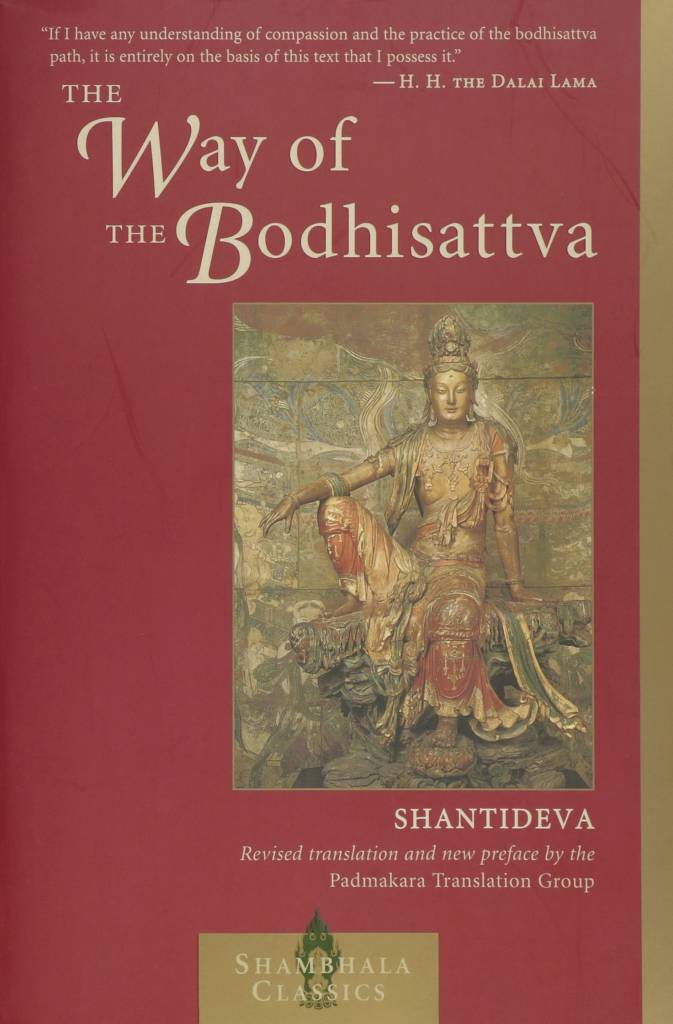
La Práctica del Bodisatva-front.jpg
Padmakara Spain 2008

Saying, ‘If I give, what shall I use?’,

Is the way of the demon; the egotistical thought. Saying, ‘If I use, then what will I give?’,

Is thinking about others; the dharma of gods.

Thinking of one's own welfare, and saying

"What can I use if I give this? ” is the custom of ghosts. Thinking of others' welfare, and saying

"What can I give if I use this? ” is the Dharma of the gods.

shift + scroll / swipe
Dūnhuáng §This version is extracted from the book Bodhisattvacaryāvatāra: Entering the Way of the Bodhisattvas (2022, Khenpo Gawang and Wiener), a translation of an edition of the text created from three Dūnhuáng manuscripts. A description and sample pages of these can be found on the Early Tibet Blog. Scans of the actual manuscripts themselves can be found at http://idp.bl.uk

གལ་ཏེ་བྱིན་ན་ཅི་སྤྱད་ཅེས། །

བདག་དོན་སེམས་པ་འདྲེ་ཡི་ཚུལ། ། གལ་ཏེ་སྤྱད་ན་ཅི་སྦྱིན་ཞེས། །

གཞན་དོན་སེམས་པ་ལྷ་ཡི་ཆོས། །[p.201]Entering the Way of the Bodhisattvas (2022, Khenpo Gawang and Wiener)
Gawang, Khenpo, and Gerry Wiener, trans. Bodhisattvacaryāvatāra: Entering the Way of the Bodhisattvas by Shantideva - Dunhuang Edition. Memphis, TN: Jeweled Lotus Publishing, 2022.

alt verse 6.55 tm data
This version differs from it's counterparts.

“If I give it away, what will I use,”

This is a thought for my own benefit, And is the way of demons. “If I use it, what will I give away?” This is a thought for others’ benefit,

And is the dharma of the divine.[p.202]Entering the Way of the Bodhisattvas (2022, Khenpo Gawang and Wiener)
Gawang, Khenpo, and Gerry Wiener, trans. Bodhisattvacaryāvatāra: Entering the Way of the Bodhisattvas by Shantideva - Dunhuang Edition. Memphis, TN: Jeweled Lotus Publishing, 2022.

Tsadra Critical Edition §This text was created by comparing four versions of the text from Derge, Cone, Narthang, and Peking Tengyurs from BDRC scans, along with Dunhuang manuscripts IOL Tib J 628, 629, and 630. When Tibetan readings were problematic, the Sanskrit texts from GRETIL and LTB (Oslo) were consulted.

གལ་ཏེ་བྱིན་ན་ཅི་སྤྱད་ཅེས། །

བདག་[p.105-1-28a]དོན་སེམས་པ་འདྲེ་ཡི་ཚུལ། ། གལ་ཏེ་སྤྱད་ན་ཅི་སྦྱིན་ཅེས། །

གཞན་དོན་སེམས་པ་ལྷ་ཡི་ཆོས། །

[edit]
Sazang Mati (1294 - 1376)
A Commentary on Shantideva's Engaging in the Conduct of the Bodhisattvas (citation)Gyaltsen, Lama Kalsang, and Ani Kunga Chodron, trans. A Commentary on Shantideva's Engaging in the Conduct of the Bodhisattvas Written by Sazang Mati Panchen: Known as An Extremely Clear Illumination of the Meaning of the Text. Walden, NY: Tsechen Kunchab Ling, 2019. Bilingual Edition

(གསུམ་པ་)བདག་གཞན་གཙོ་བོའི་སྐྱོན་ཡོན་ལ་གཉིས་ལས།

3. Advantages of others’ good qualities and disadvantages of one’s own faults 1.2.3.2.1.2.2.3

This has two sections:

1. Detailed explanation of differences between the two,

2. Summary with metaphors.[p.306]A Commentary on Shantideva's Engaging in the Conduct of the Bodhisattvas
Gyaltsen, Lama Kalsang, and Ani Kunga Chodron, trans. A Commentary on Shantideva's Engaging in the Conduct of the Bodhisattvas Written by Sazang Mati Panchen: Known as An Extremely Clear Illumination of the Meaning of the Text. Walden, NY: Tsechen Kunchab Ling, 2019. First edition published by The Yeshe Dorje Foundation in 2006.
1.2.3.2.1.2.2.3

(དང་པོ་)ཁྱད་པར་རྒྱས་པར་བཤད་པ་ནི།

1. Detailed explanation of differences between the two 1.2.3.2.1.2.2.3.1

གལ་ཏེ་བྱིན་ན་ཅི་སྤྱོད་ཅེས། །

བདག་དོན་སེམས་པ་འདྲེ་ཡི་ཚུལ། ། གལ་ཏེ་སྤྱོད་ན་ཅི་སྦྱིན་ཞེས། །

གཞན་དོན་སེམས་པ་ལྷ་ཡི་ཆོས། །
gal te byin na ci spyod ces/_/

bdag don sems pa 'dre yi tshul/_/ gal te spyod na ci sbyin zhes/_/

gzhan don sems pa lha yi chos/_/

Thinking of one's own welfare, and saying

"What can I use if I give this? ” is the custom of ghosts. Thinking of others' welfare, and saying

"What can I give if I use this? ” is the Dharma of the gods.

གལ་ཏེ་ཡོ་བྱད་རྣམས་གཞན་ལ་ཕྱིན་ན་བདག་ཅི་ཞིག་ལ་ལོངས་སྤྱད་པར་བྱ་ཞེ༵ས་གཞན་ལ་མི་ལྟོས་པར་བདག་ཉིད་གཅིག་པུའི་བདེ་བའི་དོན་སེམས་པ་ནི་འདྲེ་ཡི་ཚུ༵ལ་ཏེ་སེར་སྣའི་དབང་གིས་ཡི་དྭགས་དང་ཤ་ཟ་ལ་སོགས་པར་འགྱུར་བའི་ཕྱིར་རོ། །གལ་ཏེ་ཡོ་བྱད་བདག་གིས་ལོངས་སྤྱད་ན་གཞན་ལ་ཅི་ཞིག་སྦྱིན་པར་བྱ་ཞེ༵ས་རང་དོན་ལ་མི་ལྟོས་པར་གཞན་མང་པོའི་བདེ་བའི་དོན་སེམས་པ་ནི་ལྷ་ཡི་ཆོ༵ས་ཏེ་སྦྱིན་པའི་དབང་གིས་ཚངས་པ་དང་བརྒྱ་བྱིན་ལ་སོགས་པར་འགྱུར་བའི་ཕྱིར་རོ། །

“If I give these things to others, what can I use for myself?” Thus thinking only of oneself, without regard for others is the manner of ghosts because, due to miserliness, one becomes a hungry ghost, flesh-eating ghost, etc. “If I use all of these things, what will I have to give to others?” Thus thinking of and wishing to benefit many others and disregarding one’s own purpose is the Dharma of the deities because, due to the power of giving, one becomes Brahma or Indra, etc.
Gyaltsap Je (1364 - 1432)
The Entrance for the Children of the Conquerors (citation)Stracke, Fedor, trans. The Entrance for the Children of the Conquerors: A Commentary on the Introduction to the Actions of Bodhisattvas. By Gyaltsab Rinpoche. N.p.: Happy Monks Publication, 2016. https://happymonkspublication.org/product/bodhisattvacharyavatara-chapter-1-10-commentary/. Bilingual Edition

གསུམ་པ་ལ་གཉིས།

Contemplating the Faults of Holding Self as the Most Important and the Benefits of Holding Other as the Most Important 1.1.3.2.2.1.1.3

དང་པོ་ལ་གཉིས།

A List of the Faults and Benefits of Cherishing Self and Other 1.1.3.2.2.1.1.3.1

དང་པོ་ལ་ལྔ།

Extensive Explanation 1.1.3.2.2.1.1.3.1.1

དང་པོ་ནི།

From the Point of View of Generosity 1.1.3.2.2.1.1.3.1.1.1

གལ་ཏེ་བྱིན་ན་ཅི་སྤྱོད་ཅེས། །

བདག་དོན་སེམས་པ་འདྲེ་ཡི་ཚུལ། ། གལ་ཏེ་སྤྱོད་ན་ཅི་སྦྱིན་ཞེས། །

གཞན་དོན་སེམས་པ་ལྷ་ཡི་ཆོས། །
gal te byin na ci spyod ces/_/

bdag don sems pa 'dre yi tshul/_/ gal te spyod na ci sbyin zhes/_/

gzhan don sems pa lha yi chos/_/

Saying, ‘If I give, what shall I use?’,

Is the way of the demon; the egotistical thought. Saying, ‘If I use, then what will I give?’,

Is thinking about others; the dharma of gods.

གལ་ཏེ་སེར་སྣའི་དབང་གིས་ནོར་ལ་སོགས་པ་གཞན་ལ་བྱིན་ན་རང་ཉིད་ཅི་ལོངས་སྤྱོད་ཅེས་བདག་དོན་འབའ་ཞིག་སེམས་པ་འདྲེའི་ཚུལ་ཏེ་འཇིགས་པ་སྐྱེད་པའི་ཕྱིར་རོ། །གལ་ཏེ་རང་གིས་ལོངས་སྤྱད་ན་གཞན་ལ་ཅི་སྦྱིན་ཞེས་གཞན་དོན་འབའ་ཞིག་སེམས་པ་ལྷའི་ཆོས་ཏེ་ཕུན་སུམ་ཚོགས་པ་ཐམས་ཅད་འབྱུང་བའི་ཕྱིར་རོ། །

The way of the demon, the egotistical thought, where out of miserliness one thinks, ‘If I give my wealth to others, then what will I use?’, generates danger. The thought of, ‘If I use it, then what will I give to others?’, is only about the welfare of others. It is the dharma of the gods and gives rise to all that is good and perfect.
Minyak Kunzang Sönam (1823 - 1905)
The Great Hūṃ (citation)Duckworth, Douglas, trans. The Great Hūṃ: A Commentary on Śāntideva's Way of the Bodhisattva. By Minyak Kunzang Sönam. New York, NY: Wisdom Publications, 2025. Bilingual Edition

གསུམ་པ་བདག་གཞན་གཙོ་བོར་བྱས་པའི་སྐྱོན་ཡོན་ནི།

The respective problems and good qualities of prioritizing yourself or others 8.1.3.2.2.2.1.3

For an extensive demonstration of how [513] flaws and good qualities stem from this, next it shows the respective flaws and qualities of using versus giving:

གལ་ཏེ་བྱིན་ན་ཅི་སྤྱོད་ཅེས། །

བདག་དོན་སེམས་པ་འདྲེ་ཡི་ཚུལ། ། གལ་ཏེ་སྤྱོད་ན་ཅི་སྦྱིན་ཞེས། །

གཞན་དོན་སེམས་པ་ལྷ་ཡི་ཆོས། །

“If I give this, what will I have to use?”

Thinking of one’s own welfare is the way of demons. “If I use this, what will I have to give?”

Thinking of others’ welfare is divine. (8.125)[p.784]The Great Hum
Duckworth, Douglas, trans. The Great Hūṃ: A Commentary on Śāntideva's Way of the Bodhisattva. By Minyak Kunzang Sönam. New York, NY: Wisdom Publications, 2025.

དེ་ལྟ་བུའི་སྐྱོན་ཡོན་གྱི་ཁྱད་པར་སྤེལ་ཏེ་རྒྱས་པར་སྟོན་པ་ལ། སྤྱད་པ་དང་བྱིན་པའི་སྐྱོན་ཡོན་ནི།

ཡོ་བྱད་འགའ་ཞིག་གསར་དུ་རྙེད་པའམ་སྔ་ནས་རང་ལ་ཡོད་པའང་རུང་སྟེ་སློང་མོ་བ་ལྟ་བུ་དང་འཕྲད་པའམ་དེ་མིན་ཀྱང་ཡོ་བྱད་ལ་གཞན་ལ་བྱིན་ནམ་རང་གི་ལོངས་སྤྱོད་པར་བྱ་སྙམ་དུ་སེམས་པ་ན། གལ་ཏེ་སེར་སྣའི་[p.547]Byang chub sems dpa'i spyod pa la 'jug pa'i 'grel bshad rgyal sras rgya mtsho'i yon tan rin po che mi zad 'jo ba'i bum bzang
Mi nyag kun bzang bsod nams (མི་ཉག་ཀུན་བཟང་བསོད་ནམས་). byang chub sems dpa'i spyod pa la 'jug pa'i 'grel bshad rgyal sras rgya mtsho'i yon tan rin po che mi zad 'jo ba'i bum bzang [བྱང་ཆུབ་སེམས་དཔའི་སྤྱོད་པ་ལ་འཇུག་པའི་འགྲེལ་བཤད་རྒྱལ་སྲས་རྒྱ་མཚོའི་ཡོན་ཏན་རིན་པོ་ཆེ་མི་ཟད་འཇོ་བའི་བུམ་བཟང།]. [Excellent Vase That Spills Forth an Ocean of the Inexhaustible and Precious Qualities of the Victor's Heirs: An Explanation of the "Way of the Bodhisattva."].
དབང་གིས་ཡོ་བྱད་འདི་གཞན་ལ་བྱིན་པར་བྱས་ན་བདག་རང་གིས་ཅི་ཞིག་ལ་ལོངས་སྤྱོད་ཅེས་གཞན་ལྟོས་མེད་དུ་ཡལ་བར་བོར་ནས་བདག་བདེ་བའི་དོན་འབའ་ཞིག་གཙོ་བོར་སེམས་པ་ནི་འདྲེ་ཡི་ཚུལ་སྟེ་ཡི་དྭགས་ཀྱི་སྤྱོད་ཚུལ་ཡིན་པས་དེས་འཇིགས་པ་སྐྱེད་པར་བྱེད་དེ་སེར་སྣའི་དབང་གིས་ཕྱི་མར་ཤ་ཟའམ་ཡི་དྭགས་སུ་འགྱུར་ལ། གལ་ཏེ་ནོར་རྫས་འདི་བདག་རང་གིས་ལོངས་སྤྱོད་པར་བྱས་ན་གཞན་ལ་ཅི་ཞིག་སྦྱིན་པར་བྱ་ཞེས་རང་ལྟོས་མེད་དུ་བོར་ནས་གཞན་བདེ་བའི་དོན་ཁོ་ན་གཙོ་བོར་སེམས་པ་ནི་ལྷ་ཡི་ཆོས་ཚུལ་ཡིན་པས་དེས་ཕུན་སུམ་ཚོགས་པའི་བདེ་བ་སྐྱེད་པར་བྱེད་དེ་གཏོང་སེམས་དེས་ཕྱི་མར་ལྷའི་རྒྱལ་པོ་ཚངས་དབང་སོགས་ཀྱི་དབང་ཕྱུག་ཐོབ་པའི་རྒྱུ་བྱེད་པས་སོ། །ཡང་ན་འདྲེ་ཡི་ཚུལ་ཞེས་པ་དམན་པའི་སྤྱོད་པའམ་སྤྱོད་ཚུལ་ངན་པ་དང་ལྷ་ཡི་ཆོས་ཞེས་པ་ཁྱད་པར་གྱི་སྤྱོད་པའམ་ཆོས་ལུགས་བཟང་པོ་ཙམ་ལ་བྱའོ། །

You may newly acquire some goods or may have already had them. Then you meet someone like a beggar, or even if not, you might think, “Shall I give these goods away or use them myself?” If you disregard others without concern out of stinginess with the thought, “What will I use if I give this to someone else?” and think primarily of just your own happiness, this is the way of demons—the behavior of a hungry ghost. This brings fear; in the future you will become a fiend or a hungry ghost due to this stinginess. If you think, “If I use this wealth, what will I have to give to others?” and completely disregard yourself without concern, thinking primarily of only the happiness of others, then this is the divine way. This brings abundant happiness; it is the cause for becoming a powerful king of gods, like Brahmā or Indra, in the future. Alternatively the way of demons is simply bad conduct or inferior conduct, and divine is simply a special conduct or good way of being.
Kunzang Palden (1862 - 1943)
The Nectar of Manjushri's Speech (citation)Blankleder, Helena, and Wulstan Fletcher (Padmakara Translation Group), trans. The Nectar of Manjushri's Speech: A Detailed Commentary on Shantideva's Way of the Bodhisattva. By Kunzang Pelden. Boston: Shambhala Publications, 2007. Bilingual Edition

གསུམ་པ་༼བདག་གཞན་གཙོ་བོར་བྱས་པའི་སྐྱོན་ཡོན་༽ནི།

The Defects of Considering Oneself as Important; The Excellence That Derives from Considering Others as Important 3.2.2.2.1.3.

གལ་ཏེ་བྱིན་ན་ཅི་སྤྱོད་ཅེས། །

བདག་དོན་སེམས་པ་འདྲེ་ཡི་ཚུལ། ། གལ་ཏེ་སྤྱོད་ན་ཅི་སྦྱིན་ཞེས། །

གཞན་དོན་སེམས་པ་ལྷ་ཡི་ཆོས། །

gal te byin na ci spyod ces/_/

bdag don sems pa 'dre yi tshul/_/ gal te spyod na ci sbyin zhes/_/

gzhan don sems pa lha yi chos/_/

ཟས་གོས་ལོངས་སྤྱོད་འདི་དག་གལ་ཏེ་གཞན་ལ་བྱིན་ན་བདག་རང་གི་ཅི་ཞིག་ཟ་ཞིང་འཐུང་ཅི་ཞིག་གྱོན་ཅིང་ལོངས་སྤྱོད་ཅེས་བདག་རང་དོན་གཙོ་བོར་སེམས་ཤིང་བསམ་པ་ནི་སེར་སྣ་དང་འཇུར་གེགས་ཀྱིས་ཡི་དྭགས་དང་ཤ་ཟ་ལ་སོགས་པར་འབྱུང་པོར་སྐྱེ་བར་འགྱུར་བས་ན་འདྲེ་ཡི་ཚུལ་ལུགས་ངན་པ་ཡིན་ལ་

“If I give this, what will be left for me?”

Thinking of oneself—the way of evil ghosts. “If I keep this, what will be left to give?”

Concern for others is the way of heaven.102In other words, the way of Dharma, leading to the realization of Buddhahood—not, of course, the heavens of the worldly gods.

“If I give this, what will there be left for me? If I give away my food, clothes, and property to others, what shall I have to eat, wear, and use?” Such self-concern, such a self-centered attitude is the way of demons. For it is through being avaricious and tightfisted that we will be reborn as pretas and flesh-devouring spirits.

གལ་ཏེ་རང་གིས་ཁ་ཟས་རྒྱབ་གོས་སོགས་སུ་ལོངས་སྤྱད་པར་བྱས་ན་གཞན་སེམས་ཅན་རྣམས་ལ་ཅི་ཞིག་[p.587]Byang chub sems dpa'i spyod pa la 'jug pa rtsa ba dang 'grel pa (1990)
Slob dpon zhi ba lha and Mkhan po kun dpal. Byang chub sems dpa'i spyod pa la 'jug pa rtsa ba dang 'grel pa. Khreng tu'u: Si khron mi rigs dpe skrun khang, 1990. Buda by BDRC Logo.jpg
སྦྱིན་ཞེས་གཞན་དོན་གཙོ་བོར་སེམས་ཤིང་བསམ་པ་ནི་སྦྱིན་པ་བཏང་བས་འདི་ཕྱི་ཀུན་ཏུ་དགའ་བདེ་རྒྱ་ཆེན་པོ་འབྱུང་བར་འགྱུར་བས་ན་སངས་རྒྱས་དང་བྱང་སེམས་སྦྱིན་པ་ལ་གོམས་པ་རྣམས་ཀྱི་ཚུལ་ལྷ་ཡི་ཆོས་ལུགས་བཟང་པོ་ཡིན་ཏེ།

“If I keep this, what will there be left to give? If I hang on to my food, clothes, and wealth, what will I have to give to others?” Such a concern for others and such acts of generosity are the source of great happiness and joy in this and future lives. It is the excellent way of the Buddhas and Bodhisattvas who are masters of generosity. It is the spiritual tradition of the enlightened ones.

དཔེར་ན་སྔོན་རྒྱལ་པོ་ཚངས་བྱིན་གྱི་ཡུལ་དུ་ལོ་བཅུ་གཉིས་སུ་ཆར་མ་བབ་པ་ན་རྒྱལ་པོའི་མཛོད་ཀྱིས་འཁོར་འབངས་གསོ་བར་བྱས་ནས་མཐར་རང་ཉིད་ཀྱི་འཚོ་བ་ནས་བྲེ་གང་ཡོད་པའང་རང་རྒྱལ་ཞིག་ལ་ཕུལ་བ་ན་དེའི་རྫུ་འཕྲུལ་གྱིས་ཆར་ཕབ་པས་མུ་གེ་ཞི་བར་བྱས་པ་བཞིན་ནོ། །

This principle is illustrated by the following tale. Once upon a time, in the country of King Brahmadana, no rain fell for twelve years. The whole population was fed from the royal treasury. Finally, the king even took the bushel of barley that had been set aside for himself and offered it to a Pratyekabuddha. As a result, the latter miraculously produced rain, so that the famine came to an end.


[edit]
[edit]