8.112

From Bodhicitta

Bodhicaryāvatāra · Verse 8.112


Sources:    

Sanskrit §No information about the source used.

तथा कायोऽन्यदीयोऽपि किमात्मेति न गृह्यते। परत्वं तु स्वकायस्य स्थितमेव न दुष्करम्॥

 
Chanted Verse
Recitation by Professor Kashinath Nyaupane
112

Why don’t I perceive in the same manner my self in the body of another sentient being? It should not be difficult, as it has been established that even my own body is other than myself.

Standard Tibetan §Padmakara used the 1990 edition printed by si khron mi rigs dpe skrun khang: Byang chub sems dpa'i spyod pa la 'jug pa rtsa ba dang 'grel pa (1990). Also found in Derge Tengyur D3871, dbu ma, vol. 105, la 1b1–40a7.

དེ་བཞིན་གཞན་གྱི་ལུས་ལ་ཡང་། །

བདག་ཅེས་ཅི་ཡི་ཕྱིར་མི་བཟུང་། ། བདག་གི་ལུས་འདི་གཞན་དག་ཏུའང་། །

བཞག་པ་དེ་ལྟར་དཀའ་བ་མེད། །

 
Chanted Verse
Recitation by Lopen Karma Phuntsho
112

And so, why not identify

Another’s body, calling it my “I”? And vice versa, why should it be hard

To think of this my body as another’s?

Standard Tibetan §Padmakara used the 1990 edition printed by si khron mi rigs dpe skrun khang: Byang chub sems dpa'i spyod pa la 'jug pa rtsa ba dang 'grel pa (1990). Also found in Derge Tengyur D3871, dbu ma, vol. 105, la 1b1–40a7. - Other translations

De même, pourquoi ne pas considérer

Comme « moi » le corps des autres ? Et il n’est pas difficile, non plus,

D’assimiler les autres à mon propre corps.

Del mismo modo, ¿por qué no identifico

en el cuerpo de otro ser mi “yo”? E igualmente, ¿por qué ha de ser difícil

pensar que mi cuerpo es de otro?

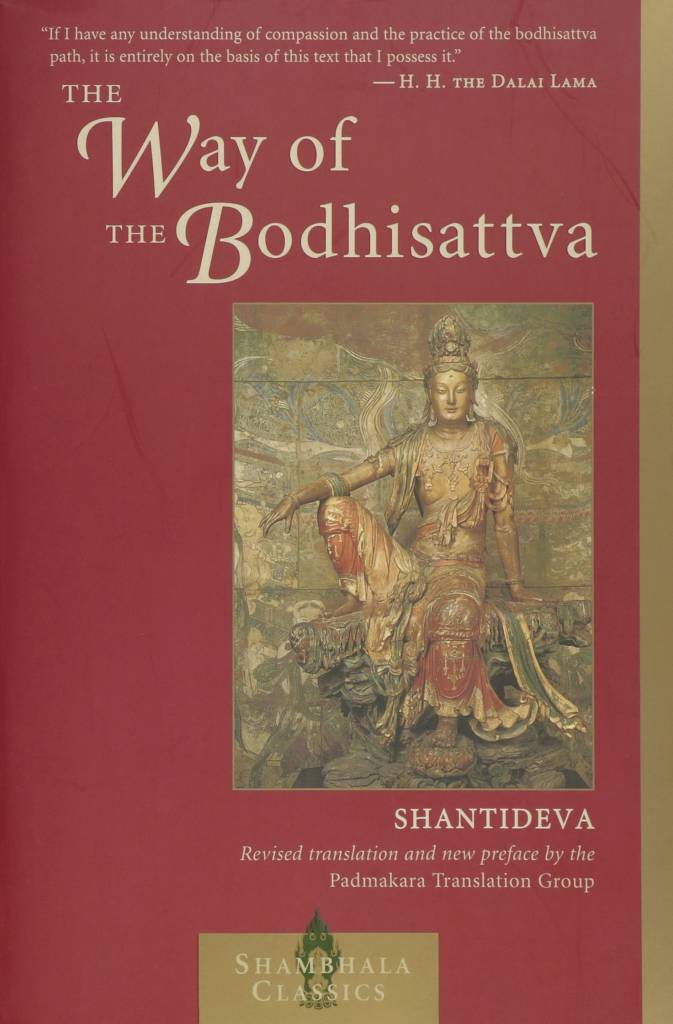
La Práctica del Bodisatva-front.jpg
Padmakara Spain 2008

Likewise, why does one not hold

The body of others by saying, ‘mine?’ By replacing one’s body with that

Of another, there is no difficulty in this regard.

So too are others’ bodies; Why not regard them as the self'

To replace one's own body With others' is not too difficult.

shift + scroll / swipe
Tsadra Critical Edition §This text was created by comparing four versions of the text from Derge, Cone, Narthang, and Peking Tengyurs from BDRC scans, along with Dunhuang manuscripts IOL Tib J 628, 629, and 630. When Tibetan readings were problematic, the Sanskrit texts from GRETIL and LTB (Oslo) were consulted.

དེ་བཞིན་གཞན་གྱི་ལུས་ལ་ཡང་། །

བདག་ཅེས་ཅི་ཡི་ཕྱིར་མི་གཟུང་། ། བདག་གི་ལུས་ནི་གཞན་དག་ཏུའང་། །

[p.105-1-27b]བཞག་པ་དེ་ལྟར་དཀའ་བ་མེད། །

[edit]
Sazang Mati (1294 - 1376)
A Commentary on Shantideva's Engaging in the Conduct of the Bodhisattvas (citation)Gyaltsen, Lama Kalsang, and Ani Kunga Chodron, trans. A Commentary on Shantideva's Engaging in the Conduct of the Bodhisattvas Written by Sazang Mati Panchen: Known as An Extremely Clear Illumination of the Meaning of the Text. Walden, NY: Tsechen Kunchab Ling, 2019. Bilingual Edition

དེ་བཞིན་གཞན་གྱི་ལུས་ལ་ཡང་། ། བདག་ཅེས་ཅི་ཡི་ཕྱིར་མི་བཟུང་། །

So too are others’ bodies; Why not regard them as the self'

དེ་བཞིན་དུ་གཞན་སེམས་ཅན་ཐམས་ཅད་ཀྱི་ལུས་ལ་ཡ༵ང་རིམ་གྱིས་གོམས་པར་བྱས་ནས་བདག་གི་ལུས་སོ་ཞེས་ཅི་ཡི་[p.-273]རབ་གསལ་སྣང་བ་
ཕྱིར་མི་གཟུ༵ང་སྟེ་གཟུང་བར་རིགས་སོ། །

Likewise, by gradually becoming familiarized with other sentient beings’ bodies, why could they too, not be held with the thought “this is my body?” It is right to hold them thus.

(གཉིས་པ་)བདག་གཞན་བརྗེ་བ་བསྒོམ་པ་ལ།

2. Meditation on the exchange of self and others 1.2.3.2.1.2

རྒྱུ་མཚན་མདོར་བསྟན།

རྒྱས་པར་བཤད་པ། ཇི་ལྟར་བརྗེ་ཚུལ།

བརྗེས་ནས་བསྒྲུབ་ཚུལ་ལོ། །

This has four sections:

1. Overview with reasons to meditate, 2. Detailed explanation, 3. How to exchange,

4. Having exchanged, how to practice.[p.302]A Commentary on Shantideva's Engaging in the Conduct of the Bodhisattvas
Gyaltsen, Lama Kalsang, and Ani Kunga Chodron, trans. A Commentary on Shantideva's Engaging in the Conduct of the Bodhisattvas Written by Sazang Mati Panchen: Known as An Extremely Clear Illumination of the Meaning of the Text. Walden, NY: Tsechen Kunchab Ling, 2019. First edition published by The Yeshe Dorje Foundation in 2006.
1.2.3.2.1.2

དང་པོ་ནི།

I. Overview with reasons to meditate 1.2.3.2.1.2.1

བདག་གི་ལུས་འདི་གཞན་དག་ཏུའང་། ། བཞག་པ་དེ་ལྟར་དཀའ་བ་མེད། །

To replace one's own body With others' is not too difficult.

དེ་ལྟར་བདག་གཞན་མཉམ་པ་གོམས་ནས་བདག་གི་ལུས་བདེ་བ་དང་ལྡན་པར་སྣང་བ་འདི་གཞན་གྱི་ལུས་སྡུག་བསྔལ་དང་ལྡན་པའི་ཚ་བ་དག་ཏུའ༵ང་བློས་གཞག་པ་དེ་ལྟར་དཀའ་བ་མེ༵ད་དེ་གོམས་པ་ལ་བརྟེན་ནས་བརྗེ་བར་ཡང་ནུས་པའི་ཕྱིར་རོ། །

Thus having become familiar with the equality of self and others, it will not be very difficult to mentally exchange what appears to be one’s own body that possesses happiness, with others’ bodies that possess suffering, because based on familiarization, exchange is possible.
Gyaltsap Je (1364 - 1432)
The Entrance for the Children of the Conquerors (citation)Stracke, Fedor, trans. The Entrance for the Children of the Conquerors: A Commentary on the Introduction to the Actions of Bodhisattvas. By Gyaltsab Rinpoche. N.p.: Happy Monks Publication, 2016. https://happymonkspublication.org/product/bodhisattvacharyavatara-chapter-1-10-commentary/. Bilingual Edition

If One Meditates On Equalizing Self and Others, One Can Develop It 1.1.3.1.2.4

དེ་བཞིན་གཞན་གྱི་ལུས་ལ་ཡང་། །

བདག་ཅེས་ཅི་ཡི་ཕྱིར་མི་བཟུང་། ། བདག་གི་ལུས་འདི་གཞན་དག་ཏུའང་། །

བཞག་པ་དེ་ལྟར་དཀའ་བ་མེད། །

de bzhin gzhan gyi lus la yang /_/

bdag ces ci yi phyir mi bzung /_/ bdag gi lus 'di gzhan dag tu'ang /_/

bzhag pa de ltar dka' ba med/_/

Likewise, why does one not hold

The body of others by saying, ‘mine?’ By replacing one’s body with that

Of another, there is no difficulty in this regard.

གཞན་གྱི་ལུས་ལ་ངའོ་སྙམ་པ་དང་གཞན་གྱི་མིག་ལ་ངའི་མིག་གོ་སྙམ་པའི་བློ་མི་སྐྱེ་བས་གཞན་གྱི་བདེ་སྡུག་ལ་རང་གི་དང་འདྲ་བའི་འདོར་ལེན་གྱི་བློ་ཇི་ལྟར་སྐྱེ་ཞེ་ན།

Argument: Since one does not generate the thought that thinks of the other’s body or eye as ‘my body’ or ‘my eye,’ how could one generate the awareness that accepts and rejects others’ happiness and suffering as one’s own?

མ་གོམས་ན་བདེན་མོད་ཀྱི་གོམས་པ་ཡིས་ནི་གཞན་ཕ་དང་མ་དག་གི་ཁུ་བ་ཁྲག་གི་ཐིགས་པ་ལ་བདག་གི་དངོས་པོ་གྲུབ་པ་མེད་པར་གྱུར་ཀྱང་ནི། གོམས་པའི་སྟོབས་ཀྱིས་བདག་གོ་ཞེས་ནི་ཤེས་ཤིང་འཛིན་པ་ལྟར་དེ་བཞིན་དུ་གོམས་པར་བྱས་ན། གཞན་གྱི་ལུས་ལ་ཡང་བདག་ཅེས་ཅིའི་ཕྱིར་མི་གཟུང་སྟེ་ཟུངས་ཤིག་དང་། གོམས་པར་བྱས་ན་རང་གི་དང་འདྲ་བའི་བློ་སྐྱེའོ། །དེས་ན་གཞན་གཅེས་པར་འཛིན་པའི་ཕན་ཡོན་བསམས་ནས་གཞན་གྱི་སྡུག་བསྔལ་སེལ་བ་ལ་འབད་པར་བྱའོ། །

Answer: If one does not meditate, then this is correct. But, if one is able through familiarization to know and grasp at the drop of the father’s and mother’s semen and blood[p.34]The Entrance for the Children of the Conquerors
Stracke, Fedor, trans. The Entrance for the Children of the Conquerors: A Commentary on the Introduction to the Actions of Bodhisattvas. By Gyaltsab Rinpoche. N.p.: Happy Monks Publication, 2016. https://happymonkspublication.org/product/bodhisattvacharyavatara-chapter-1-10-commentary/.
as one’s own object, saying ‘this is mine,’ then why should one not be able to hold the body of others as one’s own through familiarization? One should be able to. If one meditates, then one generates the mind thinking of it as one’s own. Hence, having contemplated the benefits of eliminating the sufferings of others one should strive to eliminate them.

འགྱུར་ཁ་ཅིག་ལས་དངོས་པོ་མེད་་པར་གྱུར་ཀྱང་ནི་ཞེས་པའི་ཚིག་རྐང་མི་འབྱུང་ངོ༌། །དེས་ན་བདག་གི་ལུས་འདི་གཅེས་པར་འཛིན་པ་ཆེད་དུ་བཀག་ནས་གཞན་དུ་ཡང་བཞག་པ་དེ་ལྟར་གོམས་ན་དཀའ་བ་མེད་པ་བདག་གཅེས་འཛིན་གོམས་པ་དང་འདྲ་བའོ། །

Then, if one purposely stops cherishing one’s body and meditates on substituting another, it will be without out difficulty, like meditating on cherishing self.[p.35]The Entrance for the Children of the Conquerors
Stracke, Fedor, trans. The Entrance for the Children of the Conquerors: A Commentary on the Introduction to the Actions of Bodhisattvas. By Gyaltsab Rinpoche. N.p.: Happy Monks Publication, 2016. https://happymonkspublication.org/product/bodhisattvacharyavatara-chapter-1-10-commentary/.
Minyak Kunzang Sönam (1823 - 1905)
The Great Hūṃ (citation)Duckworth, Douglas, trans. The Great Hūṃ: A Commentary on Śāntideva's Way of the Bodhisattva. By Minyak Kunzang Sönam. New York, NY: Wisdom Publications, 2025. Bilingual Edition

གཉིས་པ་བདག་གཞན་བརྗེ་བ་སྒོམ་པ་ལ་གཉིས།

How to cultivate the exchange of self and other 8.1.3.2.2

དང་པོ་ནི།

A summary that expresses the reason for this 8.1.3.2.2.1

[507] This shows the reason for being able to exchange:

དེ་བཞིན་གཞན་གྱི་ལུས་ལ་ཡང་། །

བདག་ཅེས་ཅི་ཡི་ཕྱིར་མི་བཟུང་། ། བདག་གི་ལུས་འདི་གཞན་དག་ཏུའང་། །

བཞག་པ་དེ་ལྟར་དཀའ་བ་མེད། །

So why isn’t “I” conceived

in the same way with regard to others’ bodies too? It is not difficult to think of my body

as others’ as well. (8.112)

དེ་ལ། བརྗེ་ནུས་པའི་རྒྱུ་མཚན་ནི།

བདག་གཞན་བརྗེ་བ་ལ་གཞན་གྱི་ལུས་ལ་རང་གི་ལུས་སྙམ་པ་དང་རང་གི་ལུས་ལ་གཞན་གྱི་ལུས་སོ་སྙམ་པའི་བློ་སྐྱེ་བ་དགོས་ན་དེ་ལྟར་སྐྱེ་དཀའ་ལ། དེ་བཞིན་དུ་གཞན་ལ་རང་ལྟར་གཅེས་པར་འཛིན་ཞིང་རང་ལ་གཞན་ལྟར་ཡལ་བར་འདོར་བའི་བློ་སྐྱེད་པ་ཡིན་ན་དེ་འདྲའི་བློ་ནི་ནམ་ཡང་མི་སྐྱེ་བས་བདག་གཞན་བརྗེ་བ་ལྟ་ཅི་བདག་གཞན་མཉམ་པའི་བློ་ཙམ་ཡང་སྐྱེ་དཀའོ་སྙམ་ན། མ་གོམས་ན་དེ་ལྟར་སྐྱེ་དཀའ་བ་བདེན་མོད།

One might think, “To exchange self and other you must have a mindset that thinks of another’s body as your own body and that your own body is the body of another. It is difficult for this to happen. Similarly, if you must produce this kind of mindset that cherishes others as yourself and that disregards yourself in the way that it does others, then it will never arise. Forget about exchanging self and others, it is even difficult for just a mindset to occur that equalizes self and others.”

འོན་ཀྱང་ཡུན་རིང་དུ་གོམས་པར་བྱས་པ་ཡིས་ནི་རང་ལས་གཞན་ཕ་དང་མ་དག་གི་ཁུ་བ་དང་ཁྲག་གི་ཐིགས་པ་འདྲེས་ཤིང་སྨིན་པ་དེ་ལ་བདག་གི་བའི་དངོས་པོ་ཉིད་དུ་གྲུབ་པ་མེད་པར་གྱུར་ཀྱང་། སྔར་བར་དོ་ནས་འོངས་པའི་ཤེས་པའི་རྒྱུན་དེས་བདག་གི་ལུས་སོ་སྙམ་དུ་འཛིན་པའི་བློ་ཉེ་བར་གོམས་པའི་སྟོབས་ལས་ཕྱིས་རང་གི་ངང་གིས་བདག་གོ་ཞེས་སམ་བདག་གི་ལུས་སོ་ཞེས་ནི་ཤེས་ཤིང་འཛིན་པ་ལྟར། དེ་བཞིན་དུ་སེམས་ཅན་གཞན་གྱི་ལུས་ལ་ཡང་བདག་གི་ལུས་ཉིད་ཅེས་ཅི་ཡི་ཕྱིར་མི་གཟུངསྟེ་ཟུངས་ཤིག་དང་དེ་ལྟར་འཛིན་པའི་བློ་རིམ་གྱིས་གོམས་པར་བྱས་ན་རང་གི་ལུས་དང་འདྲ་བའི་བློ་སྐྱེ་བར་ནུས་ཀྱི་མི་ནུས་པ་མེད་དོ། །

It is true that without habituation it is difficult for this to happen. Yet through habituating for a long time, the continuum of consciousness that previously came from the intermediate state regards what lacks the reality of being “mine”—namely, the mixture and maturation of the drops of a mother’s blood and father’s semen, which are other than me—as “my body.” Through the force of habituating to this mental conception, cognition later comes naturally to conceive and identify as “I” and “my body.” Similarly, why don’t I conceive the bodies of other sentient beings as “my body”? I should do this. By progressively habituating to this mindset, I can develop an attitude that regards others as my own body. It is possible.

དེ་ལྟར་ཚིག་རྐང་དྲུག་པོ་འདི་འགྲེལ་པ་ཕལ་ཆེར་དུ་བདག་གཞན་མཉམ་[p.541]Byang chub sems dpa'i spyod pa la 'jug pa'i 'grel bshad rgyal sras rgya mtsho'i yon tan rin po che mi zad 'jo ba'i bum bzang
Mi nyag kun bzang bsod nams (མི་ཉག་ཀུན་བཟང་བསོད་ནམས་). byang chub sems dpa'i spyod pa la 'jug pa'i 'grel bshad rgyal sras rgya mtsho'i yon tan rin po che mi zad 'jo ba'i bum bzang [བྱང་ཆུབ་སེམས་དཔའི་སྤྱོད་པ་ལ་འཇུག་པའི་འགྲེལ་བཤད་རྒྱལ་སྲས་རྒྱ་མཚོའི་ཡོན་ཏན་རིན་པོ་ཆེ་མི་ཟད་འཇོ་བའི་བུམ་བཟང།]. [Excellent Vase That Spills Forth an Ocean of the Inexhaustible and Precious Qualities of the Victor's Heirs: An Explanation of the "Way of the Bodhisattva."].
པ་ལ་ཡར་སྦྱར་ནས་འཆད་ལ། བི་བྷཱུ་ཏི་སོགས་བླ་མ་ཕལ་ཆེར་གྱིས་བདག་གཞན་བརྗེ་བར་སྦྱར་ནས་འཆད་དེ་འདིར་ཡང་དེ་ལྟར་རོ། །དངོས་པོ་མེད་པར་གྱུར་ཀྱང་ནི། །ཞེས་པའི་ཚིག་རྐང་འདི་འགྱུར་ཁ་ཅིག་ཏུ་མེད་པར་ཡང་གསུངས་སོ། །

Most commentaries explain these six lines (8.111–12ab) as part of the section above on equalizing self and other. Yet most teachers, like Vibhūticandra, explain it in terms of the exchange of self and other, so here it is[p.775]The Great Hum
Duckworth, Douglas, trans. The Great Hūṃ: A Commentary on Śāntideva's Way of the Bodhisattva. By Minyak Kunzang Sönam. New York, NY: Wisdom Publications, 2025.
explained in that way. Also, it is said that some translations lack the line which lack that reality.

དེས་ན་བདག་རང་གི་ལུས་འདི་ཉིད་ལ་ནི་གཅེས་འཛིན་དོར་ནས་རང་གི་བློས་གཞན་གྱི་ལུས་དག་ཏུ་བཞག་པར་བྱས་ན་རང་གི་ལུས་མིན་པའི་གཞན་གྱི་ཁུ་ཁྲག་ལྟ་བུ་ལའང་གོས་ན་བདག་གི་ལུས་སོ་སྙམ་པའི་བློ་སྐྱེ་བ་དེ་ལྟར་རང་གི་ལུས་ལའང་གཞན་གྱི་ལུས་སོ་སྙམ་དུ་གོམས་ན་གཞན་ཕྱིར་བློ་སྐྱེ་བ་ལ་དཀའ་བའམ་མི་ནུས་པ་ཆེར་མེད་པས་བརྗེ་བར་ནུས་སོ། །ཚིག་རྐང་འདི་གཉིས་ཀྱང་འགྲེལ་ཆེན་དང་རྣམ་སྣང་མཉམ་པ་ལ་ཡར་སྦྱར་ལ། དགེ་ལྷ་དང་འགྲེལ་བ་ཕལ་ཆེར་དུ་བརྗེ་བ་ལ་མར་སྦྲེལ་ནས་འཆད་པར་གསུངས་སོ། །དེ་ཡང་ཇི་སྐད་དུ།

Thus, by giving up the attitude of cherishing my own body and taking the attitude that the body of another is myself, when I habituate to what is not my body—like another’s semen and blood—an attitude arises that it is “my body.” In the same way, when I habituate to thinking of my own body as “another’s body,” it is also not so difficult for an attitude to arise for the sake of others. It can be done, so the exchange can be done as well. In the great commentary and in Vairocanarakṣita’s commentary, these two lines (8.112cd) are explained in the above section on equalizing self and other. Kalyāṇadeva and most other commentaries explain them in this section below on the exchange. Furthermore it is said:

དེ་ཕྱིར་ཡང་དག་ཡང་དག་མིན། །

གང་གང་ཞིག་ཏུ་བསྒོམས་པ་ལས། ། བསྒོམས་པའི་སྟོབས་ནི་རྫོགས་པ་ན། །

དེ་བསལ་མི་རྟོག་བློ་འབྲས་ཅན། །

Therefore whoever cultivates
what is either correct or incorrect,
when the power of cultivation culminates
it has the effect on the mind such that it is becomes clear and
nonconceptual.1398Cited in Prajñākaramati, Commentary on the Way of the Bodhisattva, 62a. Read gsal (as translation of Prajñākaramati) for Kunzang Sönam’s bsal. A similar passage is found in Lotus Net Tantra (Padmajālatantra, H. 651), 281a.

Kunzang Palden (1862 - 1943)
The Nectar of Manjushri's Speech (citation)Blankleder, Helena, and Wulstan Fletcher (Padmakara Translation Group), trans. The Nectar of Manjushri's Speech: A Detailed Commentary on Shantideva's Way of the Bodhisattva. By Kunzang Pelden. Boston: Shambhala Publications, 2007. Bilingual Edition

དེ་བཞིན་གཞན་གྱི་ལུས་ལ་ཡང་། །

བདག་ཅེས་ཅི་ཡི་ཕྱིར་མི་བཟུང་། ། བདག་གི་ལུས་འདི་གཞན་དག་ཏུའང་། །

བཞག་པ་དེ་ལྟར་དཀའ་བ་མེད། །

de bzhin gzhan gyi lus la yang /_/

bdag ces ci yi phyir mi bzung /_/ bdag gi lus 'di gzhan dag tu'ang /_/

bzhag pa de ltar dka' ba med/_/

དེ་བཞིན་ཕ་མའི་ཁུ་ཁྲག་གི་རང་བཞིན་གཞན་སེམས་ཅན་གྱི་ལུས་ལ་ཡང་རིམ་གྱིས་གོམས་པར་བྱས་ནས་བདག་ཅེས་ཅི་ཡི་ཕྱིར་མི་བཟུང་སྟེ་བཟུང་བར་ནུས་སོ། །དེ་ལྟར་གོམས་པར་གྱུར་པ་ན་བདག་གི་ལུས་འདི་ནི་གཞན་སེམས་ཅན་དང༌། གཞན་སེམས་ཅན་ཀྱང་བདག་གི་ལུས་དག་ཏུའང་བཞག་པ་ལ་དེ་ལྟར་དཀའ་བ་མེད་དོ། །

And so, why not identify

Another’s body, calling it my “I”? And vice versa, why should it be hard

To think of this my body as another’s?

Since we are able to identify as our bodies and minds things that are devoid of such an “I-identity,” why should it be difficult to identify the bodies of other people (which are also of the nature of the generative substances of their parents) as “I” and grow used to such a perspective? And vice versa, why, as a result of habituation, should it be difficult for us to think of this body of ours as though it belonged to someone else?


[edit]
[edit]