8.113

From Bodhicitta

Bodhicaryāvatāra · Verse 8.113


Sources:    

Sanskrit §No information about the source used.

ज्ञात्वा सदोषमात्मानं परानपि गुणोदधीन्। आत्मभावपरित्यागं परादानं च भावयेत्॥

 
Chanted Verse
Recitation by Professor Kashinath Nyaupane
113

By recognizing that I have many faults, while others are oceans of virtue, I should give up completely the self, and practice adopting others as my self.

Standard Tibetan §Padmakara used the 1990 edition printed by si khron mi rigs dpe skrun khang: Byang chub sems dpa'i spyod pa la 'jug pa rtsa ba dang 'grel pa (1990). Also found in Derge Tengyur D3871, dbu ma, vol. 105, la 1b1–40a7.

བདག་ཉིད་སྐྱོན་བཅས་གཞན་ལ་ཡང་། །

ཡོན་ཏན་རྒྱ་མཚོར་ཤེས་བྱས་ནས། ། བདག་འཛིན་ཡོངས་སུ་དོར་བ་དང་། །

གཞན་བླང་བ་ནི་བསྒོམ་པར་བྱ། །

 
Chanted Verse
Recitation by Lopen Karma Phuntsho
113

Perceiving now the faults possessed by “I,”

The ocean of good qualities that are in “other,” I shall lay aside all love of self

And gain the habit of adopting other beings.

Standard Tibetan §Padmakara used the 1990 edition printed by si khron mi rigs dpe skrun khang: Byang chub sems dpa'i spyod pa la 'jug pa rtsa ba dang 'grel pa (1990). Also found in Derge Tengyur D3871, dbu ma, vol. 105, la 1b1–40a7. - Other translations

Reconnaissant mes défauts

Et l’océan de qualités des autres, Je m’habituerai à rejeter l’attachement au moi

Pour m’identifier à autrui.

Conociendo ahora todas las faltas atribuibles a mí mismo

y el océano de cualidades atribuibles a “otros”, descartaré cualquier apego a mí mismo

y adoptaré el hábito de cambiarme por los demás.

La Práctica del Bodisatva-front.jpg
Padmakara Spain 2008

Understanding that self is faulty

And that others are an ocean of qualities, Meditate on completely rejecting self-grasping

And on accepting others.

With the understanding that one is faulty

And others have oceans of good qualities, Completely discard clinging to self

And meditate the adoption of others.

shift + scroll / swipe
Tsadra Critical Edition §This text was created by comparing four versions of the text from Derge, Cone, Narthang, and Peking Tengyurs from BDRC scans, along with Dunhuang manuscripts IOL Tib J 628, 629, and 630. When Tibetan readings were problematic, the Sanskrit texts from GRETIL and LTB (Oslo) were consulted.

བདག་ཉིད་སྐྱོན་བཅས་གཞན་ལ་ཡང་། །

ཡོན་ཏན་རྒྱ་མཚོར་ཤེས་བྱས་ནས། ། བདག་འཛིན་ཡོངས་སུ་དོར་བ་དང་། །

གཞན་བླང་བ་ནི་བསྒོམ་པར་བྱ། །

[edit]
Sazang Mati (1294 - 1376)
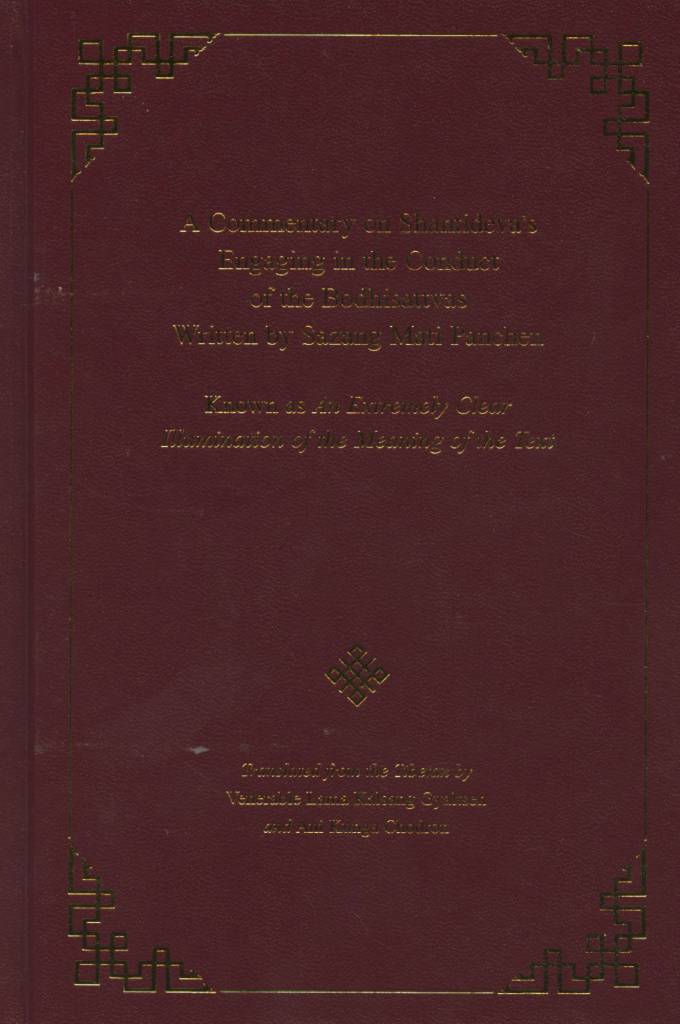
A Commentary on Shantideva's Engaging in the Conduct of the Bodhisattvas (citation)Gyaltsen, Lama Kalsang, and Ani Kunga Chodron, trans. A Commentary on Shantideva's Engaging in the Conduct of the Bodhisattvas Written by Sazang Mati Panchen: Known as An Extremely Clear Illumination of the Meaning of the Text. Walden, NY: Tsechen Kunchab Ling, 2019. Bilingual Edition

བདག་ཉིད་སྐྱོན་བཅས་གཞན་ལ་ཡང་། །

ཡོན་ཏན་རྒྱ་མཚོར་ཤེས་བྱས་ནས། ། བདག་འཛིན་ཡོངས་སུ་དོར་བ་དང་། །

གཞན་བླང་བ་ནི་བསྒོམ་པར་བྱ། །

bdag nyid skyon bcas gzhan la yang /_/

yon tan rgya mtshor shes byas nas/_/ bdag 'dzin yongs su dor ba dang /_/

gzhan blang ba ni bsgom par bya/_/

With the understanding that one is faulty

And others have oceans of good qualities, Completely discard clinging to self

And meditate the adoption of others.

དེའང་སྔར་བདག་ཡོན་ཏན་དང་ལྡན་པར་བཟུང་ནས་ཆགས་པ་དང༌། གཞན་སྐྱོན་དང་ལྡན་པར་བཟུང་ནས་སྡང་བ་ལ་སོགས་པའི་གཉེན་པོར་བདག་ཉིད་ལ་གཞན་གྱི་སྐྱོན་དང་བཅས་པ་དང་གཞན་ལ་ཡ༵ང་བདག་གི་ཡོན་ཏན་གྱི་རྒྱ་མཚོ་དང་ལྡན་པར་ཤེས་པར་བྱས་ན༵ས་བདག་ཉིད་མཆོག་ཏུ་འཛིན་པ་ཡོངས་སུ་དོར་ཏེ་གཞན་དུ་བྱ་བ་ད༵ང་གཞན་རྣམས་བདག་ཏུ་བཟུང་སྟེ་བླང་བར་བྱ་བ་ནི་རབ་ཏུ་འབད་པས་བསྒོམ་པར་བྱ༵་བ་ཉིད་དོ། །

Further, previously one clung to the thought, “I have good qualities,” and felt attachment to them, and clung to the thought, “Others possess faults,” and felt hatred to them. As an antidote to these and other faults, realize that one possesses others’ faults, and others possess oceans of one’s own good qualities. Therefore, completely relinquish holding oneself as exalted, and adopt thoughts that hold others as oneself, and perform the welfare of other beings. Thus strongly meditate.
Gyaltsap Je (1364 - 1432)
The Entrance for the Children of the Conquerors (citation)Stracke, Fedor, trans. The Entrance for the Children of the Conquerors: A Commentary on the Introduction to the Actions of Bodhisattvas. By Gyaltsab Rinpoche. N.p.: Happy Monks Publication, 2016. https://happymonkspublication.org/product/bodhisattvacharyavatara-chapter-1-10-commentary/. Bilingual Edition

གཉིས་པ་བདག་གཞན་བརྗེ་བའི་ཚུལ་ལ་གཉིས།

The Way of Exchanging Self and Others 1.1.3.2

དང་པོ་ལ་གཉིས།

In Brief 1.1.3.2.1

དང་པོ་ནི།

The Way of Exchanging Self and Other 1.1.3.2.1.1

བདག་ཉིད་སྐྱོན་བཅས་གཞན་ལ་ཡང་། །

ཡོན་ཏན་རྒྱ་མཚོར་ཤེས་བྱས་ནས། ། བདག་འཛིན་ཡོངས་སུ་དོར་བ་དང་། །

གཞན་བླང་བ་ནི་བསྒོམ་པར་བྱ། །
bdag nyid skyon bcas gzhan la yang /_/

yon tan rgya mtshor shes byas nas/_/ bdag 'dzin yongs su dor ba dang /_/

gzhan blang ba ni bsgom par bya/_/

Understanding that self is faulty

And that others are an ocean of qualities, Meditate on completely rejecting self-grasping

And on accepting others.

བདག་གཅེས་པར་འཛིན་པ་ནི་ཉེས་པ་ཐམས་ཅད་ཀྱི་འབྱུང་ཁུངས་ཡིན་པས་སྐྱོན་དང་བཅས་ས་པཔས་ཆེད་ཆེར་འགོག་པ་དང་སེམས་ཅན་གཞན་ལ་ཀཅེས་པར་འཛིན་པ་ཡང་ལེགས་ཚོགས་ཐམས་ཅད་ཀྱི་[p.322]Spyod 'jug rtsa 'grel (Mtsho sngon mi rigs dpe skrun khang 2001)
Śāntideva, and Rgyal tshab rje dar ma rin chen. Spyod 'jug rtsa 'grel and Byang chub sems dpa'i spyod pa la 'jug pa'i rnam bshad rgyal sras 'jug ngogs. Xining: Mtsho sngon mi rigs dpe skrun khang, 2001
འབྱུང་ཁུངས་ཡིན་པས་ཡོན་ཏན་རྒྱ་མཚོར་ཤེས་པར་བྱས་ནས། བདག་གཅེས་འཛིན་ཡོངས་སུ་དོར་བ་དང་གཞན་གཅེས་པར་འཛིན་ཞིང་བླང་བ་ནི་བསྒོམ་པར་བྱའོ། །

Since cherishing oneself is the source of all shortcomings it is faulty and needs to be abandoned with great purpose, and since cherishing other sentient beings is the source of all that is good, it has an ocean of qualities. Understanding this, one should meditate on completely abandoning cherishing self and accept cherishing others.
Minyak Kunzang Sönam (1823 - 1905)
The Great Hūṃ (citation)Duckworth, Douglas, trans. The Great Hūṃ: A Commentary on Śāntideva's Way of the Bodhisattva. By Minyak Kunzang Sönam. New York, NY: Wisdom Publications, 2025. Bilingual Edition

ཞེས་གསུངས་པ་ལྟར་རོ། །བདག་གཞན་བརྗེ་ཚུལ་ནི།

This is how to meditate on the exchange of self and others:

བདག་ཉིད་སྐྱོན་བཅས་གཞན་ལ་ཡང་། །

ཡོན་ཏན་རྒྱ་མཚོར་ཤེས་བྱས་ནས། ། བདག་འཛིན་ཡོངས་སུ་དོར་བ་དང་། །

གཞན་བླང་བ་ནི་བསྒོམ་པར་བྱ། །
Regarding oneself as flawed

and recognizing others as an ocean of good qualities, one should cultivate a disregard for self-grasping

and habituate to taking on others. (8.113)

དེ་ལྟར་གོམས་ན་བརྗེ་ནུས་པ་དེ་ཡི་ཕྱིར་སྔར་བདག་ཡོན་ཏན་ཅན་དུ་བལྟས་ནས་ཆགས་སེམས་ཀྱིས་གཅེས་པར་བཟུང་བ་དང་གཞན་སྐྱོན་ཅན་དུ་བཟུང་བ་ནས་སྡང་སེམས་ཀྱིས་ཡལ་བར་དོར་བའི་གཉེན་པོར་བརྗེ་བ་སྒོམ་པའི་སྐབས་འདིར་ནི་བདག་རང་ཉིད་སྐྱོན་དང་བཅས་པ་ཉིད་དུ་ཤེས་པར་བྱ་ཞིང་ཞེས་སམ་བདག་ཉིད་གཅེས་བ་པར་འཛིན་པ་ནི་ཉེས་པ་ཐམས་ཅད་ཀྱི་གཞི་ཡིན་པས་དེ་ལྟར་འཛིན་པ་སྐྱོན་དང་བཅས་པ་ཉིད་དུ་ཤེས་པར་བྱ་བ་དང༌། གཞན་དག་ལ་ཡང་ཡོན་ཏན་རྒྱ་མཚོར་ཤེས་པའམ་གཞན་དག་ལ་གཅེས་པར་འཛིན་པ་ཡང་ནི་ལེགས་ཚོགས་ཐམས་ཅད་ཀྱི་གཞི་ཡིན་པས་དེ་ལྟར་འཛིན་པ་ཡོན་ཏན་རྒྱ་མཚོ་དང་ལྡན་པར་ཤེས་པར་བྱས་ནས་བདག་གཅེས་པར་འཛིན་པའི་བློ་ཡོངས་སུ་དོར་ནས་དེ་ལྟར་མི་འཛིན་པ་ལ་གོམས་པར་བྱ་བ་དང་གཞན་བདག་ཏུ་བླང་བའམ་བཟུང་བར་བྱས་ཏེ་དེ་ལ་གཅེས་པར་འཛིན་པའི་བློ་ནི་ལེགས་པར་མ་གོམས་ཀྱི་བར་དུ་བསྒོམ་པར་བྱའོ། །

Previously there has been a cherishing attitude with attachment toward oneself, seeing oneself as having good qualities, while others are seen to have flaws and are disregarded with an attitude of aversion. The antidote to this in the context here is to meditate on exchanging self and others because you can exchange through habituation. You should regard yourself as flawed or recognize that cherishing yourself is the basis of all problems; thus you should know that apprehending in this way has problems. Also, you should recognize others as an ocean of good qualities or cherish [508] them; this is the basis of all good things. You should know that apprehending in this way has an ocean of good qualities. Thereby completely reject the self-cherishing attitude and habituate to not apprehending in that way. Also, take others on[p.776]The Great Hum
Duckworth, Douglas, trans. The Great Hūṃ: A Commentary on Śāntideva's Way of the Bodhisattva. By Minyak Kunzang Sönam. New York, NY: Wisdom Publications, 2025.
as yourself or regard them as yourself; you should cultivate an attitude that cherishes them until it becomes a strong habit.

འདིས་བདག་གཞན་བརྗེ་བའི་ཚུལ་དངོས་མདོར་བསྟན་གྱི་སྒོ་ནས་བསྟན་ལ། བདག་གཞན་བརྗེ་ཞེས་པའི་དོན་ནི། རང་གཅེས་པར་འཛིན་པ་དང་གཞན་ཡལ་བར་འདོར་བའི་བློ་གཉིས་གོ་ས་བརྗེས་ཏེ་གཞན་ལ་རང་ལྟར་གཅེས་པར་འཛིན་ཞིང་རང་ལ་གཞན་ལྟར་ཡལ་བར་འདོར་བའི་བློ་སྐྱེད་པ་ཡིན་ལ། དེའང་སྔར་རང་གཅེས་པར་བཟུང་ནས་རང་གི་བདེ་བ་ཆེད་དུ་སྒྲུབ་ཅིང་སྡུག་བསྔལ་ཆེད་དུ་སེལ་བ་དེ་ལས་ལྡོག་ནས་ཕྱིན་ཆད་རང་གཅེས་འཛིན་ལ་དགྲར་བལྟས་ནས་རང་གི་བདེ་བ་སྒྲུབ་པ་དང་སྡུག་བསྔལ་སེལ་བ་ལ་ཆེད་ཆེར་བྱེད་པ་འགོག་པ་དང་། དེ་བཞིན་དུ་སྔར་གཞན་ཡལ་བར་དོར་ནས་དེའི་བདེ་བ་[p.542]Byang chub sems dpa'i spyod pa la 'jug pa'i 'grel bshad rgyal sras rgya mtsho'i yon tan rin po che mi zad 'jo ba'i bum bzang
Mi nyag kun bzang bsod nams (མི་ཉག་ཀུན་བཟང་བསོད་ནམས་). byang chub sems dpa'i spyod pa la 'jug pa'i 'grel bshad rgyal sras rgya mtsho'i yon tan rin po che mi zad 'jo ba'i bum bzang [བྱང་ཆུབ་སེམས་དཔའི་སྤྱོད་པ་ལ་འཇུག་པའི་འགྲེལ་བཤད་རྒྱལ་སྲས་རྒྱ་མཚོའི་ཡོན་ཏན་རིན་པོ་ཆེ་མི་ཟད་འཇོ་བའི་བུམ་བཟང།]. [Excellent Vase That Spills Forth an Ocean of the Inexhaustible and Precious Qualities of the Victor's Heirs: An Explanation of the "Way of the Bodhisattva."].
ཆེད་དུ་སྒྲུབ་པར་མི་བྱེད་པ་དང་སྡུག་བསྔལ་ཆེད་དུ་སེལ་བར་མི་བྱེད་པ་དེ་ལས་ལྡོག་ནས་ཕྱིན་ཆད་གཞན་གཅེས་འཛིན་ལ་ཡོན་ཏན་དུ་བལྟས་ནས་དེའི་བདེ་བ་སྒྲུབ་པ་དང་སྡུག་བསྔལ་སེལ་བ་ལ་ཆེད་ཆེར་བྱེད་པའི་སྒོ་ནས་བརྗེ་བ་ཡིན་ལ། མདོར་ན་རང་གི་བདེ་བ་ལ་མི་ལྟ་བར་གཞན་གྱི་སྡུག་བསྔལ་བསལ་བའི་དོན་དུ་འཇུག་པ་ཡིན་པར་གསུངས་སོ། །

These lines show actually how to exchange self and other by means of a summary. The meaning of “exchange self and other” is said to be this: to change places, in terms of the attitude that cherishes the self and the attitude that disregards others. Thus it is to produce an attitude that cherishes others as yourself and that disregards yourself as it does others. Further, as you previously cherished yourself and accomplished happiness and removed suffering for your own sake, it is to flip that and from now on to regard cherishing yourself as the enemy and to stop prioritizing accomplishing your own happiness and dispelling your own suffering. Similarly, as you previously disregarded others and did not work to establish their happiness or remove their suffering, it is to flip this, and from now on to regard cherishing others as a good quality and to prioritize establishing their happiness and dispelling their suffering. This is the exchange. In short, it is to work to remove the suffering of others without concern for your own happiness.
Kunzang Palden (1862 - 1943)
The Nectar of Manjushri's Speech (citation)Blankleder, Helena, and Wulstan Fletcher (Padmakara Translation Group), trans. The Nectar of Manjushri's Speech: A Detailed Commentary on Shantideva's Way of the Bodhisattva. By Kunzang Pelden. Boston: Shambhala Publications, 2007. Bilingual Edition

བདག་ཉིད་སྐྱོན་བཅས་གཞན་ལ་ཡང་། །

ཡོན་ཏན་རྒྱ་མཚོར་ཤེས་བྱས་ནས། ། བདག་འཛིན་ཡོངས་སུ་དོར་བ་དང་། །

གཞན་བླང་བ་ནི་བསྒོམ་པར་བྱ། །

bdag nyid skyon bcas gzhan la yang /_/

yon tan rgya mtshor shes byas nas/_/ bdag 'dzin yongs su dor ba dang /_/

gzhan blang ba ni bsgom par bya/_/

དེས་ན་རང་དོན་ཡིད་བྱེད་ཀྱིས་བདག་ཉིད་དམ་རང་གཅེས་པར་བཟུང་བས་འདི་ཕྱིར་སྡུག་བསྔལ་འབྱུང་བའི་སྐྱོན་དང་བཅས་པ་དམ་པ་རྣམས་ཀྱིས་སྨད་པར་བྱ་བ་དང༌། ཕན་པའི་སེམས་ཀྱིས་གཞན་སེམས་ཅན་དེ་གཅེས་པར་བཟུང་བ་ལ་ཡང་འདི་ཕྱིར་ཕན་བདེ་ཐམས་ཅད་འབྱུང་བའི་ཡོན་ཏན་རྒྱ་མཚོར་ཏེ་རྒྱ་མཚོ་ལྟ་བུ་དང་ལྡན་པ་དམ་པ་རྣམས་ཀྱིས་བསྟོད་ཅིང་བསྔགས་པའི་གནས་ཡིན་པར་ཤེས་པར་བྱས་ནས་བདག་ཏུ་འཛིན་པ་ཡོངས་སུ་དོར་ཏེ་གཞན་དུ་བྱ་བ་དང་གཞན་རྣམས་བདག་ཏུ་བཟུང་སྟེ་དང་དུ་བླང་བར་བྱ་བ་ལ་ནི་འབད་དེ་བསྒོམ་པར་བྱ་བ་དང༌།

Perceiving now the faults possessed by “I,”

The ocean of good qualities that are in “other,” I shall lay aside all love of self

And gain the habit of adopting other beings.

The holy beings have criticized the fault of self-clinging and the selfish, self-cherishing attitude that is the source of sufferings in this and future lives. And they have praised the endless, ocean-like qualities that give rise to happiness and well-being—a state that derives from loving others with selfless altruism. In view of this, Shantideva says, he will lay aside all self-love and gladly strive to acquire the habit of adopting others and considering them as himself.

དེ་ལ་བདག་གཞན་བརྗེ་བ་འདི་ལ་གཞུང་ནས་བཤད་ཚུལ་དང་རྣལ་འབྱོར་པའི་སྒོམ་པའི་[p.582]Byang chub sems dpa'i spyod pa la 'jug pa rtsa ba dang 'grel pa (1990)
Slob dpon zhi ba lha and Mkhan po kun dpal. Byang chub sems dpa'i spyod pa la 'jug pa rtsa ba dang 'grel pa. Khreng tu'u: Si khron mi rigs dpe skrun khang, 1990. Buda by BDRC Logo.jpg
ཚུལ་མི་འདྲ་བས། འདི་ལྟར་བདག་གཞན་གྱི་གཅེས་འཛིན་བརྗེ་བ་དང༌། གདགས་གཞི་ལུས་བརྗེ་བ་དང༌། བདེ་སྡུག་བརྗེ་བ་དང༌། དགེ་སྡིག་བརྗེ་བ་དང་བཞི་ཡོད་ཀྱང་གཞུང་འདིར་དང་པོ་གསུམ་ཚིག་གིས་དངོས་སུ་ཟིན་པར་མཛད་དོ། །

The exchange of self and other as explained in the texts is not like the one practiced by yogis. Thus though there are four ways of effecting the exchange of self and other (the exchange of the self-cherishing itself, the exchange of the body as the ground of imputation of the self, the exchange of happiness and suffering, and the exchange of negative and positive actions), in Shantideva’s text only the first three topics are mentioned.


[edit]
[edit]