5.60

From Bodhicitta

Bodhicaryāvatāra · Verse 5.60


Sources:    

Sanskrit §No information about the source used.

रक्षसीमं मनः कस्मादात्मीकृत्य समुच्छ्रयम्। त्वत्तश्चेत्पृथगेवायं तेनात्र तव को व्ययः॥

 
Chanted Verse
Recitation by Professor Kashinath Nyaupane
60

Why do you protect this frame as if it were your own self? If it is something different from yourself, why should its end matter to you?

Standard Tibetan §Padmakara used the 1990 edition printed by si khron mi rigs dpe skrun khang: Byang chub sems dpa'i spyod pa la 'jug pa rtsa ba dang 'grel pa (1990). Also found in Derge Tengyur D3871, dbu ma, vol. 105, la 1b1–40a7.

ལུས་འདི་བདག་གིར་བཟུང་* བདག་གིས་གཟུང་ in the source text. བྱས་ནས། །

ཡིད་ཁྱོད་ཅི་ཕྱིར་སྲུང་བར་བྱེད། ། ཁྱོད་དང་འདི་གཉིས་སོ་སོ་ན། །

དེས་ཀོ་ཁྱོད་ལ་ཅི་ཞིག་བྱ། །

 
Chanted Verse
Recitation by Lopen Karma Phuntsho
60

Why, O mind, do you protect this body,

Taking it to be your own? You and it are each a separate entity;

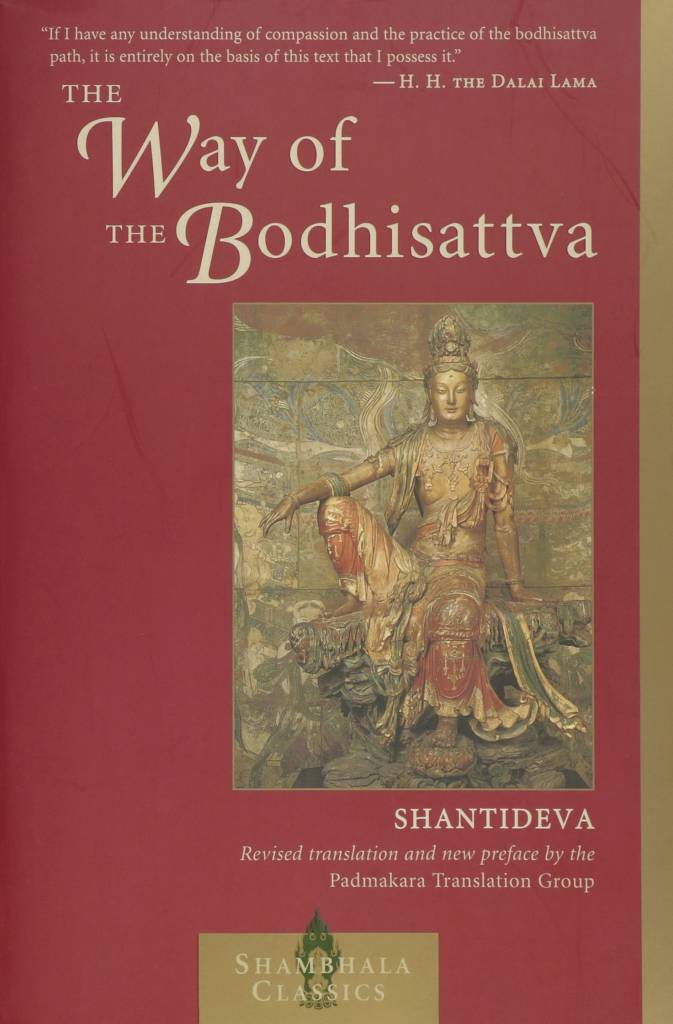
How ever can it be of use to you?[p.70]The Way of the Bodhisattva (2006)
Blankleder, Helena, and Wulstan Fletcher (Padmakara Translation Group), trans. The Way of the Bodhisattva: A Translation of the Bodhicharyāvatāra. By Śāntideva. Rev. ed. Shambhala Classics. Boston: Shambhala Publications, 2006.

Standard Tibetan §Padmakara used the 1990 edition printed by si khron mi rigs dpe skrun khang: Byang chub sems dpa'i spyod pa la 'jug pa rtsa ba dang 'grel pa (1990). Also found in Derge Tengyur D3871, dbu ma, vol. 105, la 1b1–40a7. - Other translations

Pourquoi, ô mon esprit, protèges-tu

Ce corps en le tenant pour tien ? S’il est différent de toi,

Qu’en as-tu donc à faire ?

¡Oh mente, ¿por qué proteges

este cuerpo considerándolo como tuyo?! Si tú y él sois entidades separadas,

¿para qué puede servirte?

La Práctica del Bodisatva-front.jpg
Padmakara Spain 2008

Having claimed the body as mine

Why guard the mind? Since both of you are distinct

What is it doing for you?

O Mind, why guard this body,

Clinging to it as the self? If it and you are separate

What good is it to you?

shift + scroll / swipe
Tsadra Critical Edition §This text was created by comparing four versions of the text from Derge, Cone, Narthang, and Peking Tengyurs from BDRC scans, along with Dunhuang manuscripts IOL Tib J 628, 629, and 630. When Tibetan readings were problematic, the Sanskrit texts from GRETIL and LTB (Oslo) were consulted.

ལུས་འདི་བདག་གིར་གཟུང་བྱས་ནས། །

ཡིད་ཁྱོད་ཅི་ཕྱིར་སྲུང་བར་བྱེད། ། ཁྱོད་དང་འདི་གཉིས་སོ་སོ་ན། །

དེས་ཀོ་ཁྱོད་ལ་ཅི་ཞིག་བྱ། །68ཏུན་ཧོང་ཀ་དང་ཁ་༴ ‘ཅི་ཞིག་གནོད། །’

[edit]
Sazang Mati (1294 - 1376)
A Commentary on Shantideva's Engaging in the Conduct of the Bodhisattvas (citation)Gyaltsen, Lama Kalsang, and Ani Kunga Chodron, trans. A Commentary on Shantideva's Engaging in the Conduct of the Bodhisattvas Written by Sazang Mati Panchen: Known as An Extremely Clear Illumination of the Meaning of the Text. Walden, NY: Tsechen Kunchab Ling, 2019. Bilingual Edition

ལུས་འདི་བདག་གིར་བཟུང་* བདག་གིས་གཟུང་ in the source text. བྱས་ནས། །

ཡིད་ཁྱོད་ཅི་ཕྱིར་སྲུང་བར་བྱེད། ། ཁྱོད་དང་འདི་གཉིས་སོ་སོ་ན། །

དེས་ཀོ་ཁྱོད་ལ་ཅི་ཞིག་བྱ། །

lus 'di bdag gir bzung * bdag gis gzung [ in the source text.] byas nas/_/

yid khyod ci phyir srung bar byed/_/ khyod dang 'di gnyis so so na/_/

des ko khyod la ci zhig bya/_/

O Mind, why guard this body,

Clinging to it as the self? If it and you are separate

What good is it to you?

དོན་ལ་འབྲེལ་བ་མེད་ཀྱང་ལུས་འདི་བདག་དང་བདག་གིར་འབྲེལ་བའོ་སྙམ་དུ་གཟུང་བར་བྱས་ན༵ས་ཡིད་ཁྱོད་ཅིའི་ཕྱིར་ཆགས་ཤིང་སྲུང་བར་བྱེ༵ད། ཡིད་ཁྱོད་དང་ལུས་འདི་གཉིས་རིག་པ་དང་བེམ་པོ་སོ་སོ་ཐ་དད་པ་ཉིད་ཡིན་ན༵་ལུས་བེམ་པོ་དེས་ཀོ་ཡིད་ཁྱོད་ལ་ཅི་ཞིག་བྱ༵་སྟེ་དགོས་པ་མེད་དོ། །

In reality, there is no connection, yet one believes that this body is connected to me and mine. O Mind, why do you so cherish and protect this body? The body and mind are separate entities. The mind is awareness. The body is a physical object. O Mind, how does this material object that is the body benefit you? It is useless.
Gyaltsap Je (1364 - 1432)
The Entrance for the Children of the Conquerors (citation)Stracke, Fedor, trans. The Entrance for the Children of the Conquerors: A Commentary on the Introduction to the Actions of Bodhisattvas. By Gyaltsab Rinpoche. N.p.: Happy Monks Publication, 2016. https://happymonkspublication.org/product/bodhisattvacharyavatara-chapter-1-10-commentary/. Bilingual Edition

ལུས་འདི་བདག་གིར་བཟུང་* བདག་གིས་གཟུང་ in the source text. བྱས་ནས། །

ཡིད་ཁྱོད་ཅི་ཕྱིར་སྲུང་བར་བྱེད། ། ཁྱོད་དང་འདི་གཉིས་སོ་སོ་ན། །

དེས་ཀོ་ཁྱོད་ལ་ཅི་ཞིག་བྱ། །

lus 'di bdag gir bzung * bdag gis gzung [ in the source text.] byas nas/_/

yid khyod ci phyir srung bar byed/_/ khyod dang 'di gnyis so so na/_/

des ko khyod la ci zhig bya/_/

Having claimed the body as mine

Why guard the mind? Since both of you are distinct

What is it doing for you?

རྒྱུ་མཚན་དེས་ན་ལུས་འདི་བདག་གིར་བཟུང་བར་བྱས་ནས་གཅེས་པའི་ཚུལ་གྱིས་ཡིད་ཁྱོད་ཅིའི་ཕྱིར་སྲུང་བར་བྱེད། འདི་ལ་ཆགས་པས་མི་འདོད་པ་དུ་མ་སྐྱེད་པའི་ཕྱིར་རོ། །

Hence, to what end do you even guard the mind, having claimed the body as mine and cherishing it? Much that is unwanted arises from attachment to the body.

རང་ཉིད་ལ་ཉེ་བར་མཁོ་བས་སོ་ཞེ་ན།

Argument: Because I am so familiar with it.[p.38]The Entrance for the Children of the Conquerors
Stracke, Fedor, trans. The Entrance for the Children of the Conquerors: A Commentary on the Introduction to the Actions of Bodhisattvas. By Gyaltsab Rinpoche. N.p.: Happy Monks Publication, 2016. https://happymonkspublication.org/product/bodhisattvacharyavatara-chapter-1-10-commentary/.

ཁྱོད་དང་ལུས་འདི་གཉིས་སོ་སོ་བ་ཡིན་པས་ཁྱོད་ཀྱིས་ཀྱང་ལུས་འདི་མྱུར་དུ་འདོར། དེས་ཀྱང་ཁྱོད་འདོར་བས་ན་ལུས་དེ་ཀོ་སྟེ་དེས་ནི་ཁྱོད་ལ་ཅི་ཞིག་བྱ། བདག་ཏུ་གཟུང་བར་མི་རིགས་སོ། །

Answer: Since both you and this body are distinct from each other, you will leave this body behind very quickly and the body will also abandon you. Hence, what is it doing for you? It is unsuitable to hold it as mine.
Minyak Kunzang Sönam (1823 - 1905)
The Great Hūṃ (citation)Duckworth, Douglas, trans. The Great Hūṃ: A Commentary on Śāntideva's Way of the Bodhisattva. By Minyak Kunzang Sönam. New York, NY: Wisdom Publications, 2025. Bilingual Edition

ལུས་སེམས་འབྲེལ་མེད་སོ་སོ་ཐ་དད་ཡིན་པས་སྲུང་མི་རིགས་པ་ནི།

Next it shows that it does not make sense to guard it because the body and mind are separate and unrelated:

ལུས་འདི་བདག་གིར་བཟུང་བྱས་ནས། །

ཡིད་ཁྱོད་ཅི་ཕྱིར་སྲུང་བར་བྱེད། ། ཁྱོད་དང་འདི་གཉིས་སོ་སོ་ན། །

དེས་ཀོ་ཁྱོད་ལ་ཅི་ཞིག་བྱ། །

Why do you, O mind, take this body

as your own and protect it? You two are different,

so what use is it to you? (5.60)

འོན་ཀྱང་བདག་དང་བདག་གི་བར་འབྲེལ་བར་སྲུང་ངོ་སྙམ་ན། ལུས་འདི་བདག་གིར་གཟུང་བར་བྱས་ནས་ཡིད་ཁྱོད་ཀྱིས་ཆགས་ཤིང་ཞེན་པས་གཅེས་སྤྲས་ཀྱི་སྒོ་ནས་ཅི་ཡི་ཕྱིར་སྲུང་བར་བྱེད་དེ་དེ་ལྟར་བྱེད་པ་མི་རིགས་ཏེ་ཉེས་པ་དང་སྡུག་བསྔལ་དུ་མ་སྐྱེད་པས་སོ། །འདི་རང་ལ་ཉེ་བར་མཁོ་བས་སོ་སྙམ་ན། ཡིད་ཁྱོད་ནི་ཐོག་མེད་ནས་འཁྱམས་ནས་འོང་བའི་སྔོན་དུས་ཀྱི་སྲིད་པ་འདིའི་སྔ་མའི་བར་སྲིད་ཀྱི་སེམས་ཀྱི་རྒྱུན་དང་ལུས་འདི་ནི་ཚེ་འདིའི་ཕ་མའི་མི་གཙང་བ་ལས་གྲུབ་པ་ཡིན་པས་ཡིད་ཁྱོད་དང་ལུས་འདི་གཉིས་ཕན་ཚུན་འབྲེལ་ཅི་ཡང་མེད་པའི་སོ་སོ་བ་དང་མཚན་ཉིད་ཀྱང་ཐ་དད་པ་ཡིན་ན་ལུས་བེམ་པོ་དེས་ཀོ་སྟེ་དེས་ནི་ཡིད་ཤེས་པ་ཁྱོད་[p.264]Byang chub sems dpa'i spyod pa la 'jug pa'i 'grel bshad rgyal sras rgya mtsho'i yon tan rin po che mi zad 'jo ba'i bum bzang
Mi nyag kun bzang bsod nams (མི་ཉག་ཀུན་བཟང་བསོད་ནམས་). byang chub sems dpa'i spyod pa la 'jug pa'i 'grel bshad rgyal sras rgya mtsho'i yon tan rin po che mi zad 'jo ba'i bum bzang [བྱང་ཆུབ་སེམས་དཔའི་སྤྱོད་པ་ལ་འཇུག་པའི་འགྲེལ་བཤད་རྒྱལ་སྲས་རྒྱ་མཚོའི་ཡོན་ཏན་རིན་པོ་ཆེ་མི་ཟད་འཇོ་བའི་བུམ་བཟང།]. [Excellent Vase That Spills Forth an Ocean of the Inexhaustible and Precious Qualities of the Victor's Heirs: An Explanation of the "Way of the Bodhisattva."].
ལ་ཅི་ཞིག་བྱ་སྟེ། ལུས་འདིས་ཀྱང་སེམས་ཁྱོད་འདོར་སེམས་ཁྱོད་ཀྱིས་ཀྱང་ལུས་འདི་དོར་ནས་གཞན་དང་གཞན་དུ་སོ་སོར་འགྲོ་བའི་ཕྱིར། དེས་ན་ལུས་འདི་ལ་བདག་གིར་བཟུང་ནས་ཆགས་སེམས་ཀྱིས་སྲུང་བ་མི་རིགས་སོ། །

You might think, “I guard it since the mind and body have a relation of owner and owned.” Why do you, O mind, take this body as your own and cherish it with attachment and fixation? It does not make sense to do so because it produces a lot of problems and suffering. You might think, “I do so because it is necessary for me.” You, O mind, have been wandering from beginningless time and previously existed as a mental continuum in an[p.382]The Great Hum
Duckworth, Douglas, trans. The Great Hūṃ: A Commentary on Śāntideva's Way of the Bodhisattva. By Minyak Kunzang Sönam. New York, NY: Wisdom Publications, 2025.
intermediate existence prior to this one, while this body was produced from what is unclean from your mother and father in this life. You, O mind, and this body are distinct and have no relation. Given that you have different characteristics, what use is it? What do you, mental cognition, have to do with this material body? This body will cast you off, O mind, and you will also cast off this body and go your separate ways. Therefore it does not make sense to guard this body with an attached mind, holding it as “mine.”
Kunzang Palden (1862 - 1943)
The Nectar of Manjushri's Speech (citation)Blankleder, Helena, and Wulstan Fletcher (Padmakara Translation Group), trans. The Nectar of Manjushri's Speech: A Detailed Commentary on Shantideva's Way of the Bodhisattva. By Kunzang Pelden. Boston: Shambhala Publications, 2007. Bilingual Edition

ལུས་འདི་བདག་གིར་བཟུང་* བདག་གིས་གཟུང་ in the source text. བྱས་ནས། །

ཡིད་ཁྱོད་ཅི་ཕྱིར་སྲུང་བར་བྱེད། ། ཁྱོད་དང་འདི་གཉིས་སོ་སོ་ན། །

དེས་ཀོ་ཁྱོད་ལ་ཅི་ཞིག་བྱ། །

lus 'di bdag gir bzung * bdag gis gzung [ in the source text.] byas nas/_/

yid khyod ci phyir srung bar byed/_/ khyod dang 'di gnyis so so na/_/

des ko khyod la ci zhig bya/_/

ལུས་འདི་བདག་གམ་བདག་གིར་བཟུང་བར་བྱས་ནས་ཡིད་ཁྱོད་ཀྱིས་ཟས་གོས་སོགས་[p.390]Byang chub sems dpa'i spyod pa la 'jug pa rtsa ba dang 'grel pa (1990)
Slob dpon zhi ba lha and Mkhan po kun dpal. Byang chub sems dpa'i spyod pa la 'jug pa rtsa ba dang 'grel pa. Khreng tu'u: Si khron mi rigs dpe skrun khang, 1990. Buda by BDRC Logo.jpg
ཀྱིས་ཅི་ཕྱིར་ལུས་འདི་སྲུང་བར་བྱེད་དེ་བྱེད་མི་རིགས་ཏེ། སེམས་སམ་ཡིད་ཁྱོད་དང་ཕ་མའི་ཁུ་ཁྲག་གི་རང་བཞིན་གྱི་ལུས་བེམ་པོ་འདི་གཉིས་ཐ་དད་དམ་སོ་སོ་བ་ཡིན་ན་ལུས་དེས་ཀོ་སེམས་ཁྱོད་ལ་ཅི་ཞིག་བྱ་སྟེ་དགོས་པ་མེད་དོ། །

Why, O mind, do you protect this body,

Taking it to be your own? You and it are each a separate entity;

How ever can it be of use to you?[p.70]The Way of the Bodhisattva (2006)
Blankleder, Helena, and Wulstan Fletcher (Padmakara Translation Group), trans. The Way of the Bodhisattva: A Translation of the Bodhicharyāvatāra. By Śāntideva. Rev. ed. Shambhala Classics. Boston: Shambhala Publications, 2006.

Shantideva pursues the following reflection, questioning his own mind: “Why, O mind, do you think of this body as yourself or as your[p.183]The Nectar of Manjushri's Speech
Blankleder, Helena, and Wulstan Fletcher (Padmakara Translation Group), trans. The Nectar of Manjushri's Speech: A Detailed Commentary on Shantideva's Way of the Bodhisattva. By Kunzang Pelden. Boston: Shambhala Publications, 2010.
property and protect it with food, clothing, and the rest? This is illogical, for you are a completely different entity from the material body, the essence of which is the semen and ovum of its parents. Of what possible use, therefore, can this body be to you? You have no need of it.


[edit]
[edit]