4.45

From Bodhicitta

Bodhicaryāvatāra · Verse 4.45


Sources:    

Sanskrit §No information about the source used.

निर्वासितस्यापि तु नाम शत्रोर्देशान्तरे स्थानपरिग्रहः स्यात्। यतः पुनः संभृतशक्तिरेति न क्लेशशत्रोर्गतिरीदृशी तु॥

 
Chanted Verse
Recitation by Professor Kashinath Nyaupane
45

An enemy after being repelled may retreat and occupy a different position whence he may return with new strength; but the enemy which are the afflictions has no such sanctuary.

Standard Tibetan §Padmakara used the 1990 edition printed by si khron mi rigs dpe skrun khang: Byang chub sems dpa'i spyod pa la 'jug pa rtsa ba dang 'grel pa (1990). Also found in Derge Tengyur D3871, dbu ma, vol. 105, la 1b1–40a7.

ཐ་མལ་དགྲ་བོ་ཡུལ་ནས་ཕྱུང་ཡང་ནི། །

ཡུལ་གཞན་དག་ཏུ་གནས་ཤིང་ཡོངས་བཟུང་ནས། ། ནུས་པ་བརྟས་ནས་དེ་ནས་ཕྱིར་ལྡོག་གི །

ཉོན་མོངས་དགྲ་ཚུལ་དེ་དང་འདྲ་མ་ཡིན། །

 
Chanted Verse
Recitation by Lopen Karma Phuntsho
45

Common foes, when driven from the state,

Retreat and base themselves in other lands, And muster all their strength the better to return.

But enemy afflictions are without such stratagems.

Standard Tibetan §Padmakara used the 1990 edition printed by si khron mi rigs dpe skrun khang: Byang chub sems dpa'i spyod pa la 'jug pa rtsa ba dang 'grel pa (1990). Also found in Derge Tengyur D3871, dbu ma, vol. 105, la 1b1–40a7. - Other translations

L’ennemi ordinaire chassé d’un pays

Peut trouver asile à l’étranger, rassembler ses forces Et se refaire avant de revenir,

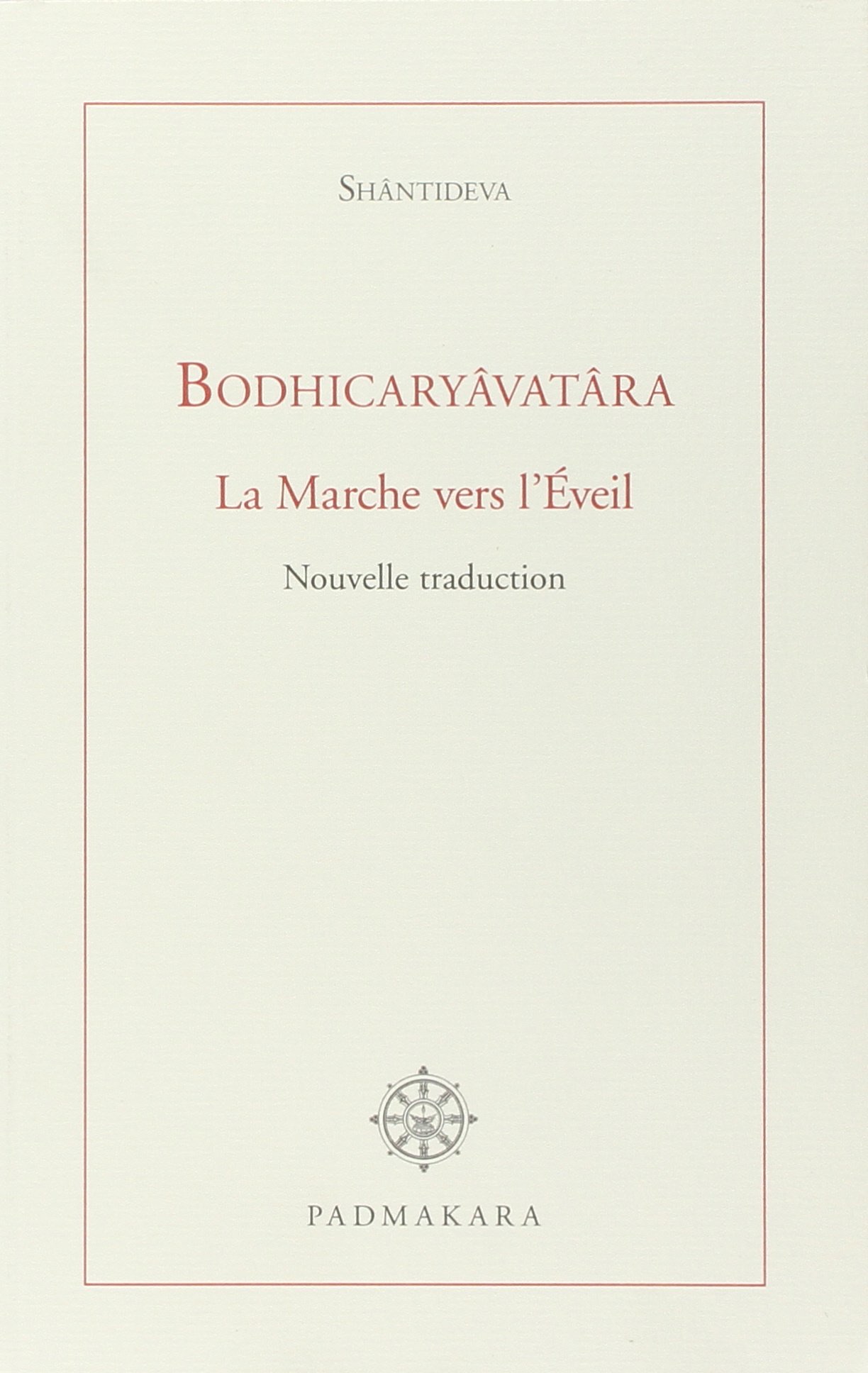
Mais ce n’est pas le cas de mes ennemis, les émotions négatives.[p.73]La Marche vers l'Éveil (2007)

Los enemigos corrientes al ser expulsados de un país,

se retiran y encuentran asilo en otras tierras, y cuando recuperan sus fuerzas regresan de nuevo.

Pero mi enemigo, las pasiones, no actúa como ellos.

La Práctica del Bodisatva-front.jpg
Padmakara Spain 2008

When the ordinary enemy gets expelled from one place

They conquer another place and remain there.[p.26]The Entrance for the Children of the Conquerors
Stracke, Fedor, trans. The Entrance for the Children of the Conquerors: A Commentary on the Introduction to the Actions of Bodhisattvas. By Gyaltsab Rinpoche. N.p.: Happy Monks Publication, 2016. https://happymonkspublication.org/product/bodhisattvacharyavatara-chapter-1-10-commentary/.
Having regained strength they return.

The way of the enemy of the afflictions is not like that.

Ordinary enemies, being expelled

From one place completely take up another, And strengthening themselves return again, but

The technique of the enemy that is the defilements is unlike that.

shift + scroll / swipe
Dūnhuáng §This version is extracted from the book Bodhisattvacaryāvatāra: Entering the Way of the Bodhisattvas (2022, Khenpo Gawang and Wiener), a translation of an edition of the text created from three Dūnhuáng manuscripts. A description and sample pages of these can be found on the Early Tibet Blog. Scans of the actual manuscripts themselves can be found at http://idp.bl.uk

ཐ་མལ་དགྲ་བོ་ཡུལ་ནས་ཕྱུང་ཡང་ནི། །

ཡུལ་གཞན་དག་ཏུ་གནས་ཤིང་ཡོངས་བཟུང་ནས། ། ནུས་པ་བརྟས་ནས་དེ་ནས་ཕྱིར་ལྡོག་གི །

ཉོན་མོངས་དགྲ་ཚུལ་དེ་དང་འདྲ་མ་ཡིན། །[p.81]Entering the Way of the Bodhisattvas (2022, Khenpo Gawang and Wiener)
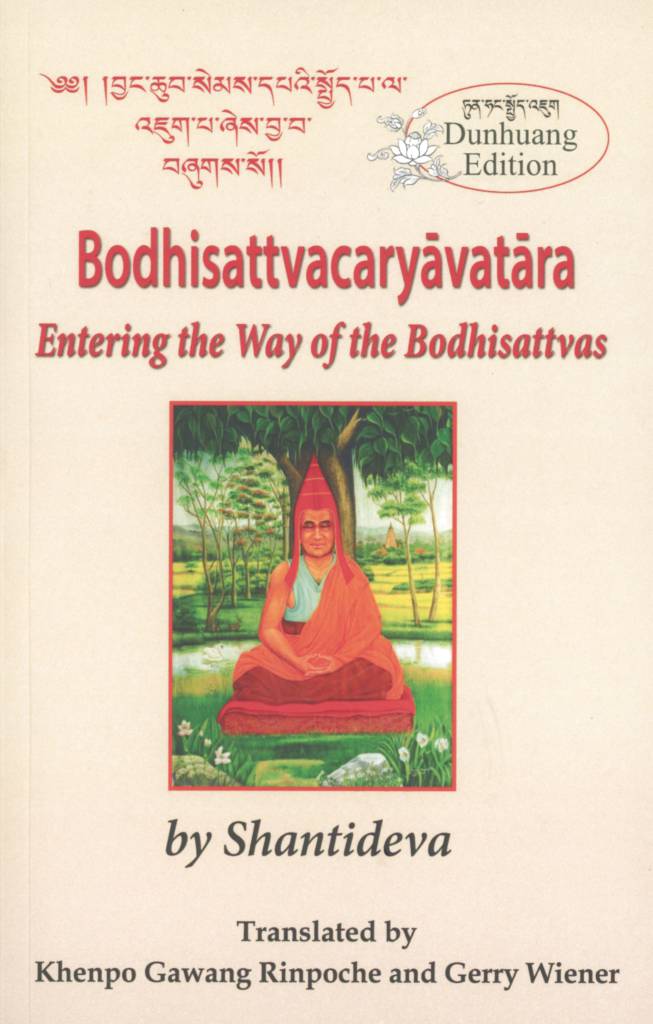
Gawang, Khenpo, and Gerry Wiener, trans. Bodhisattvacaryāvatāra: Entering the Way of the Bodhisattvas by Shantideva - Dunhuang Edition. Memphis, TN: Jeweled Lotus Publishing, 2022.

alt verse 3.45 tm data

Ordinary enemies when expelled from a place

Will abide and then establish themselves somewhere else. When their capabilities increase again they will then return.

The way of the enemy kleshas is not like that.[p.82]Entering the Way of the Bodhisattvas (2022, Khenpo Gawang and Wiener)
Gawang, Khenpo, and Gerry Wiener, trans. Bodhisattvacaryāvatāra: Entering the Way of the Bodhisattvas by Shantideva - Dunhuang Edition. Memphis, TN: Jeweled Lotus Publishing, 2022.

Tsadra Critical Edition §This text was created by comparing four versions of the text from Derge, Cone, Narthang, and Peking Tengyurs from BDRC scans, along with Dunhuang manuscripts IOL Tib J 628, 629, and 630. When Tibetan readings were problematic, the Sanskrit texts from GRETIL and LTB (Oslo) were consulted.

ཐ་མལ་དགྲ་བོ་ཡུལ་ནས་ཕྱུང་ཡང་ནི། །

ཡུལ་གཞན་དག་ཏུ་གནས་ཤིང་ཡོངས་བཟུང་ནས། ། ནུས་པ་བརྟས་ནས་དེ་ནས་ཕྱིར་ལྡོག་གི །

ཉོན་མོངས་དགྲ་ཚུལ་དེ་དང་འདྲ་མ་ཡིན། །

[edit]
Sazang Mati (1294 - 1376)
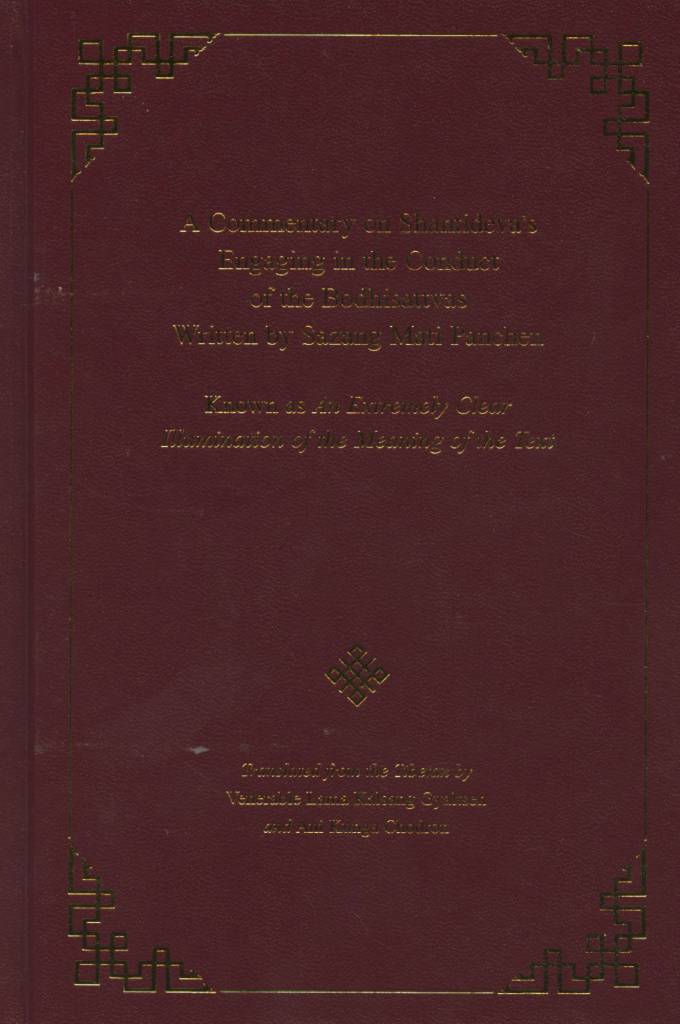
A Commentary on Shantideva's Engaging in the Conduct of the Bodhisattvas (citation)Gyaltsen, Lama Kalsang, and Ani Kunga Chodron, trans. A Commentary on Shantideva's Engaging in the Conduct of the Bodhisattvas Written by Sazang Mati Panchen: Known as An Extremely Clear Illumination of the Meaning of the Text. Walden, NY: Tsechen Kunchab Ling, 2019. Bilingual Edition

(གསུམ་པ་)སྤོང་པར་ནུས་ཚུལ་ལ།

3. How it is possible to abandon 1.2.1.2.2.2.3

གནས་གཞན་མེད་པས་སྤོང་བར་ནུས་ཚུལ་དང༌། རང་བཞིན་མེད་པས་སྤོང་བར་ནུས་ཚུལ་ལོ།

This has two sections:

1. Defilements have no other place to stay,

2. Defilements have no inherent nature.
1.2.1.2.2.2.3

དང་པོ་ནི།

1. Defilements have no other place to stay 1.2.1.2.2.2.3.1

ཐ་མལ་དགྲ་བོ་ཡུལ་ནས་ཕྱུང་ཡང་ནི། །

ཡུལ་གཞན་དག་ཏུ་གནས་ཤིང་ཡོངས་བཟུང་ནས། ། ནུས་པ་བརྟས་ནས་དེ་ནས་ཕྱིར་ལྡོག་གི །

ཉོན་མོངས་དགྲ་ཚུལ་དེ་དང་འདྲ་མ་ཡིན། །

tha mal dgra bo yul nas phyung yang ni/_/

yul gzhan dag tu gnas shing yongs bzung nas/_/ nus pa brtas nas de nas phyir ldog gi_/

nyon mongs dgra tshul de dang 'dra ma yin/_/

Ordinary enemies, being expelled

From one place completely take up another, And strengthening themselves return again, but

The technique of the enemy that is the defilements is unlike that.

ཐ་མལ་པའི་དགྲ་བོ་རྣམས་དབྱུང་བ་ཡང་དཀའ་ཞིང་རེ་ཞིག་ཡུལ་ནས་ཕྱུང་ཡང་ནི༵་ཡུལ་གཞན་དག་ཏུ་གནས་(ཤིང་)བཟང་བ་ཞིག་[p.-137]རབ་གསལ་སྣང་བ་
ཡོངས་སུ་བཟུང་ན༵ས་སྟོབས་དང་ནུས་པ་བརྟས་ཏེ་འཕེལ་བ་ན་དེ་ནས་ཕྱིར་ལྡོག་ཅིང་གནོད་པ་བྱེད་དུ་འོང་གི༵ ཉོན་མོངས་པའི་དགྲའི་ཚུལ་ནི་འཕགས་པའི་ལམ་གྱིས་ལན་ཅིག་ས་བོན་རྩ་བ་ནས་སྤངས་ན་ཐ་མལ་གྱི་དགྲ་དེ་དང་འདྲ་བར་གནས་གཞན་བཟུང་ནས་སླར་ལྡོག་པ་ནི་མ་ཡི༵ན་ནོ། །

If ordinary enemies are temporarily expelled, they may go to another more convenient place where they can increase their power and ability and then return to cause harm. But once the enemies that are the defilements are uprooted through the noble path, they cannot return like ordinary enemies, as they have no place to reside, and hence cannot return.
Gyaltsap Je (1364 - 1432)
The Entrance for the Children of the Conquerors (citation)Stracke, Fedor, trans. The Entrance for the Children of the Conquerors: A Commentary on the Introduction to the Actions of Bodhisattvas. By Gyaltsab Rinpoche. N.p.: Happy Monks Publication, 2016. https://happymonkspublication.org/product/bodhisattvacharyavatara-chapter-1-10-commentary/. Bilingual Edition

གསུམ་པ་ལ་གསུམ།

Meditating on Enthusiasm Because if One Makes an Effort One can Abandon the Afflictions 1.1.1.2.2.3.3

དང་པོ་ནི།

Once the Afflictions are Expelled From One's Continuum They Have no Other Place To Go To 1.1.1.2.2.3.3.1

ཐ་མལ་དགྲ་བོ་ཡུལ་ནས་ཕྱུང་ཡང་ནི། །

ཡུལ་གཞན་དག་ཏུ་གནས་ཤིང་ཡོངས་བཟུང་ནས། ། ནུས་པ་བརྟས་ནས་དེ་ནས་ཕྱིར་ལྡོག་གི །

ཉོན་མོངས་དགྲ་ཚུལ་དེ་དང་འདྲ་མ་ཡིན། །
tha mal dgra bo yul nas phyung yang ni/_/

yul gzhan dag tu gnas shing yongs bzung nas/_/ nus pa brtas nas de nas phyir ldog gi_/

nyon mongs dgra tshul de dang 'dra ma yin/_/

When the ordinary enemy gets expelled from one place

They conquer another place and remain there.[p.26]The Entrance for the Children of the Conquerors
Stracke, Fedor, trans. The Entrance for the Children of the Conquerors: A Commentary on the Introduction to the Actions of Bodhisattvas. By Gyaltsab Rinpoche. N.p.: Happy Monks Publication, 2016. https://happymonkspublication.org/product/bodhisattvacharyavatara-chapter-1-10-commentary/.
Having regained strength they return.

The way of the enemy of the afflictions is not like that.

གལ་ཏེ་ཉོན་མོངས་ལན་གཅིག་གནས་ནས་ཕྱུང་ཡང་འཇིག་རྟེན་པའི་དགྲ་ལྟར་ནུས་པ་རྙེད་པ་དང་། མི་སླར་ཡང་གནོད་པ་བྱེད་པས་དེ་དང་མཐུན་པར་བྱ་རིགས་སོ་ཞེ་ན།

Someone says: Afflictions are like worldly enemies in that, after having been expelled from one place, they find again strength and harm again. So it is appropriate to treat them likewise.

མཚུངས་ཏེ་ཐ་མལ་བ་འཇིག་རྟེན་པའི་དགྲ་བོ་ལན་གཅིག་ཡུལ་ནས་ཕྱུང་ཡང་ནི་ཡུལ་དག་ཏུ་གནས་ཤིང་དེར་ཡུལ་ཡོངས་སུ་བཟུང་ནས་ནུས་པ་བརྟས་ཤིང་སྟོབས་རྙེད་ནས་དེ་ནས་གནོད་ལན་འཇལ་བའི་ཆེད་དུ་ཕྱིར་ལྡོག་གི་ཉོན་མོངས་པའི་དགྲ་ཚུལ་དེ་དང་འདྲ་བ་མ་ཡིན་ཏེ། རྩ་བ་ནས་ཕྱུང་ན་གཞན་དུ་གནས་པ་ཡང་མེད་ནུས་པ་རྙེད་ནས་ཕྱིར་ལྡོག་པའང་མི་སྲིད་པའི་ཕྱིར་རོ། །

Answer: It is not the same. When the ordinary enemy gets expelled from one place they conquer another place, regain their strength there and then return to take their revenge. The way of the enemy of the afflictions is not like that. Once they have been expelled from the root they cannot remain in another place and they cannot return.
Minyak Kunzang Sönam (1823 - 1905)
The Great Hūṃ (citation)Duckworth, Douglas, trans. The Great Hūṃ: A Commentary on Śāntideva's Way of the Bodhisattva. By Minyak Kunzang Sönam. New York, NY: Wisdom Publications, 2025. Bilingual Edition

འདི་ཡང་ང་རྒྱལ་གྱི་རྣམ་པའི་གཉེན་པོ་བསྐྱེད་ནས་དུས་ནམ་ཡང་དེའི་དབང་དུ་མི་གཏོང་ཞེས་གཉེན་པོའི་བསྲན་འཛུགས་པའོ། །དེ་ནས་སྤོང་ནུས་ཀྱི་སྤྲོ་བ་བསྐྱེད་པ་ལ།

This, too, is fortitude with the antidote, generating the antidote with pride and saying, “I will never fall under their power!” Then, to develop enthusiasm for the power to relinquish them, next it shows that afflictions can be relinquished because they have no place to remain:

ཐ་མལ་དགྲ་བོ་ཡུལ་ནས་ཕྱུང་ཡང་ནི། །

ཡུལ་གཞན་དག་ཏུ་གནས་ཤིང་ཡོངས་བཟུང་ནས། ། ནུས་པ་བརྟས་ནས་དེ་ནས་ཕྱིར་ལྡོག་གི །

ཉོན་མོངས་དགྲ་ཚུལ་དེ་དང་འདྲ་མ་ཡིན། །
When ordinary enemies are banished from the land,

they go somewhere else, gather strength, and return;

the enemies that are the afflictions have no such recourse. (4.45)

གནས་པའི་རྟེན་མེད་པས་སྤོང་ནུས་པ་ནི། འདི་ལན་ཅིག་སྤོང་ནུས་[p.220]Byang chub sems dpa'i spyod pa la 'jug pa'i 'grel bshad rgyal sras rgya mtsho'i yon tan rin po che mi zad 'jo ba'i bum bzang
Mi nyag kun bzang bsod nams (མི་ཉག་ཀུན་བཟང་བསོད་ནམས་). byang chub sems dpa'i spyod pa la 'jug pa'i 'grel bshad rgyal sras rgya mtsho'i yon tan rin po che mi zad 'jo ba'i bum bzang [བྱང་ཆུབ་སེམས་དཔའི་སྤྱོད་པ་ལ་འཇུག་པའི་འགྲེལ་བཤད་རྒྱལ་སྲས་རྒྱ་མཚོའི་ཡོན་ཏན་རིན་པོ་ཆེ་མི་ཟད་འཇོ་བའི་བུམ་བཟང།]. [Excellent Vase That Spills Forth an Ocean of the Inexhaustible and Precious Qualities of the Victor's Heirs: An Explanation of the "Way of the Bodhisattva."].
ཀྱང་ནུས་པ་འཕེལ་ནས་ཡང་ཚུར་གནོད་དུ་འོང་བོ་སྙམ་ན། འཇིག་རྟེན་ཐ་མལ་བའི་དགྲ་བོ་རྣམས་ནི་ཡུལ་ནས་དབྱུང་དཀའ་ཞིང་ལན་ཅིག་ཡུལ་ནས་བྱུང་ནུས་པར་གྱུར་ན་ཡང་ནི་ཡུལ་གཞན་དག་ཏུ་གནས་བཅས་ཤིང་ས་ཕྱོགས་བཙན་པོ་གཞན་གྱིས་ཚུར་གནོད་མི་ནུས་པ་ཞིག་ཡོངས་སུ་བཟུང་ནས་དེར་མཐུ་དང་ནུས་པ་བརྟས་པ་སྟེ་འཕེལ་བའམ་རྒྱས་ནས་

You might think, “I may be able to relinquish them once, but they will then gather strength and come back to cause harm.” It is difficult to banish ordinary enemies in the world. Even if you are able to banish them from an area once, they will take up residence somewhere else. They will gather power and strength while in another stronghold where they cannot be harmed. Then, after they have developed and expanded, they will come back to take revenge on their enemy who expelled them from the land, returning to cause harm and destruction.

དེ་ནས་སྔར་རང་ཉིད་ཡུལ་ནས་དབྱུང་མཁན་གྱི་དགྲ་ལ་གནོད་ལན་འཇལ་ཞིང་ཚར་གཅོད་པའི་ཆེད་དུ་སླར་ཡང་ཕྱིར་ལྡོག་ཅིང་གནོད་པ་བྱེད་དུ་འོང་གིཉོན་མོངས་པའི་དགྲའི་ངང་ཚུ་ལ་ལམ་ཚུལ་ལུགས་ནི་དེ་དང་འདྲ་བ་མ་ཡིན་ཏེ་གཉེན་པོའི་སྟོབས་ཀྱིས་ལན་ཅིག་ས་བོན་རྩ་བ་ནས་བྱུང་སྟེ་སྤངས་ན་དེ་ནས་སྤངས་པ་སླར་མི་ལྡོག་པས་གཞན་དུ་ཡུལ་གཟུང་ནས་གནས་པ་ཡང་མེད་ལ་ནུས་པ་འཕེལ་ནས་སླར་ཡང་ཕྱིར་རྒོལ་དུ་འོང་བའང་གཏན་ནས་མི་སྲིད་དོ། །

In contrast, the nature or way of the enemy that is the afflictions [208] is not like this. They are vanquished when they have been expelled from the root once and thereby relinquished by an antidote; they do not come back again. They have no other place to go, so it is totally impossible for them to go anywhere else and increase their strength in order to come back and fight again.

དེ་དག་ནི་གཙོ་བོར་ཀུན་རྫོབ་ཀྱི་གཉེན་པོ་སྒོམ་ཚུལ་ཡིན་ལ། དོན་དམ་གྱི་གཉེན་པོ་སྒོམ་ཚུལ་ལ། བདེན་པར་མ་གྲུབ་པས་སྤོང་ནུས་པ་ནི།

These lines mainly show how to cultivate a conventional antidote. How to cultivate the ultimate antidote is shown next—they can be relinquished because they lack true existence:[p.322]The Great Hum
Duckworth, Douglas, trans. The Great Hūṃ: A Commentary on Śāntideva's Way of the Bodhisattva. By Minyak Kunzang Sönam. New York, NY: Wisdom Publications, 2025.
Kunzang Palden (1862 - 1943)
The Nectar of Manjushri's Speech (citation)Blankleder, Helena, and Wulstan Fletcher (Padmakara Translation Group), trans. The Nectar of Manjushri's Speech: A Detailed Commentary on Shantideva's Way of the Bodhisattva. By Kunzang Pelden. Boston: Shambhala Publications, 2007. Bilingual Edition

ཐ་མལ་དགྲ་བོ་ཡུལ་ནས་ཕྱུང་ཡང་ནི། །

ཡུལ་གཞན་དག་ཏུ་གནས་ཤིང་ཡོངས་བཟུང་ནས། ། ནུས་པ་བརྟས་ནས་དེ་ནས་ཕྱིར་ལྡོག་གི །

ཉོན་མོངས་དགྲ་ཚུལ་དེ་དང་འདྲ་མ་ཡིན། །

tha mal dgra bo yul nas phyung yang ni/_/

yul gzhan dag tu gnas shing yongs bzung nas/_/ nus pa brtas nas de nas phyir ldog gi_/

nyon mongs dgra tshul de dang 'dra ma yin/_/

རང་གི་སྟོབས་ཀྱི་ཐ་མལ་བའི་དགྲ་བོ་གནོད་བྱེད་རྣམས་རང་གི་ཡུལ་ནས་ཡུལ་གཞན་ཞིག་ཏུ་ལན་གཅིག་ཏུ་བསྐྲད་པའམ་ཕྱུང་ཡང་ནི། དགྲ་བོ་དེ་ཉིད་ཡུལ་གཞན་སྟོབས་དང་ལྡན་པ་དག་ཏུ་སོང་ནས་དེར་གནས་བཅས་ཤིང་ཡོངས་སུ་བཟུང་ནས་ཁྲམ་པ་རྐུན་མའི་དཔུང་མང་པོ་བསགས་པ་ལ་སོགས་པའི་སྟོབས་དང་ནུས་པར་བརྟས་པའམ་རྒྱས་ནས་དེ་ནས་རང་ཡུལ་དུ་ཕྱིར་ལྡོག་ཅིང་རང་ལ་ལན་དུ་གནོད་པ་བྱེད་དུ་འོང་གི །ཉོན་མོངས་[p.351]Byang chub sems dpa'i spyod pa la 'jug pa rtsa ba dang 'grel pa (1990)
Slob dpon zhi ba lha and Mkhan po kun dpal. Byang chub sems dpa'i spyod pa la 'jug pa rtsa ba dang 'grel pa. Khreng tu'u: Si khron mi rigs dpe skrun khang, 1990. Buda by BDRC Logo.jpg
པའི་དགྲ་ཡི་ཚུལ་ནི་ཐ་མལ་པའི་དགྲ་དེ་དང་འདྲ་བ་མ་ཡིན་ཏེ་འཕགས་པའི་ལམ་གྱིས་ལན་གཅིག་སྤངས་ཟིན་ནས་ཕྱིར་ལྡོག་ཏུ་མེད་དོ། །

Common foes, when driven from the state,

Retreat and base themselves in other lands, And muster all their strength the better to return.

But enemy afflictions are without such stratagems.

When enemy forces, in the ordinary sense of the word, are forcefully driven from the state, they retreat and base themselves in other countries, where they regroup their forces, mustering many bands of robbers and thieves—the better to return and wreak havoc in retaliation. But negative emotions are not like ordinary enemies. Once they have been driven out through [realizations gained on the] noble path, they can never return.


[edit]
[edit]