4.25

From Bodhicitta

Bodhicaryāvatāra · Verse 4.25


Sources:    

Sanskrit §No information about the source used.

चिरं धक्ष्यति मे कायं नारकाग्निः सुदुःसहः। पश्चात्तापानलश्चित्तं चिरं धक्ष्यत्यशिक्षितम्॥

 
Chanted Verse
Recitation by Professor Kashinath Nyaupane
25

My body will burn for a long time in the unbearable fires of hell; for a long time will burn my unbending mind in the fire of remorse.

Standard Tibetan §Padmakara used the 1990 edition printed by si khron mi rigs dpe skrun khang: Byang chub sems dpa'i spyod pa la 'jug pa rtsa ba dang 'grel pa (1990). Also found in Derge Tengyur D3871, dbu ma, vol. 105, la 1b1–40a7.

དམྱལ་མེ་བཟོད་དཀས་ཡུན་རིང་དུ། །

བདག་གི་ལུས་ལ་སྲེག་འགྱུར་ན། ། འགྱོད་པ་མི་བཟད་མེ་འབར་བས། །

སེམས་གདུང་འགྱུར་བ་གདོན་མི་ཟ། །

 
Chanted Verse
Recitation by Lopen Karma Phuntsho
25

And when my body burns so long

In fires of hell so unendurable, My mind, there is no doubt, will also be tormented,

Burned in fires of unendurable regret.[p.57]The Way of the Bodhisattva (2006)
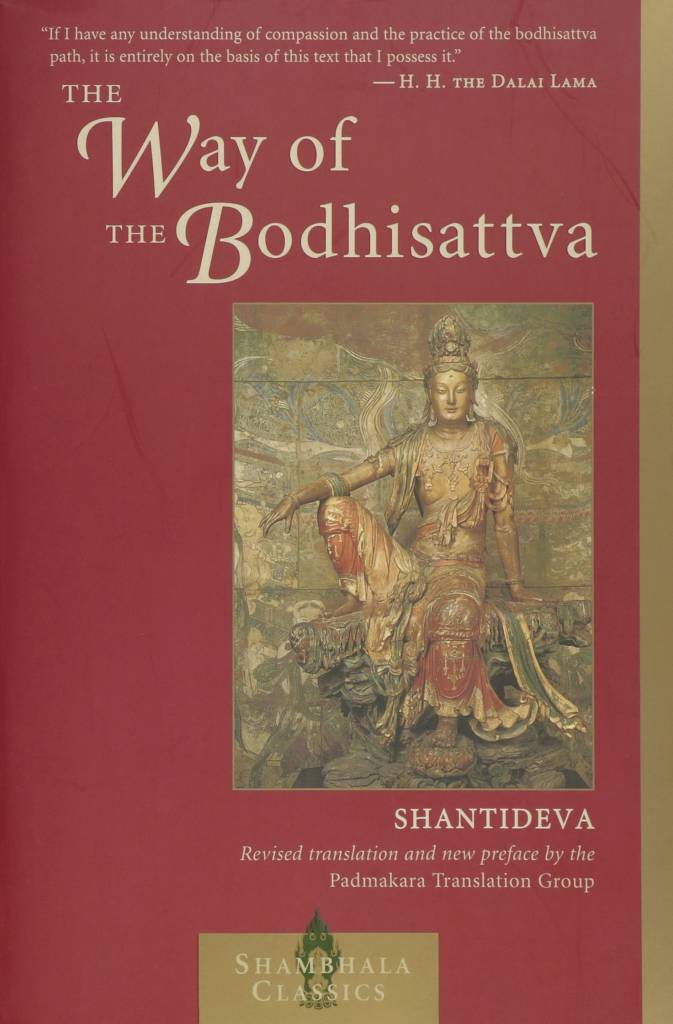
Blankleder, Helena, and Wulstan Fletcher (Padmakara Translation Group), trans. The Way of the Bodhisattva: A Translation of the Bodhicharyāvatāra. By Śāntideva. Rev. ed. Shambhala Classics. Boston: Shambhala Publications, 2006.

Standard Tibetan §Padmakara used the 1990 edition printed by si khron mi rigs dpe skrun khang: Byang chub sems dpa'i spyod pa la 'jug pa rtsa ba dang 'grel pa (1990). Also found in Derge Tengyur D3871, dbu ma, vol. 105, la 1b1–40a7. - Other translations

Tandis que les insupportables flammes de l’enfer

Brûleront longtemps mon corps, L’insoutenable brasier de mes remords

Torturera sans aucun doute mon esprit.

Mientras mi cuerpo se queme, durante un tiempo inmenso,

en el fuego insoportable del infierno, mi mente atormentada se consumirá, sin duda alguna,

en el fuego insoportable del remordimiento.

La Práctica del Bodisatva-front.jpg
Padmakara Spain 2008

When my body is burned by

The difficult to bear fires of hell for a long time, The fire of terrible regret will light up,

And the mind will be despondent, this is certain.

When mv hodv is burned for a long time

By the unbearable fires of hell. Then without doubt, my mind will be agonized

By the flames of unbearable regret.

shift + scroll / swipe
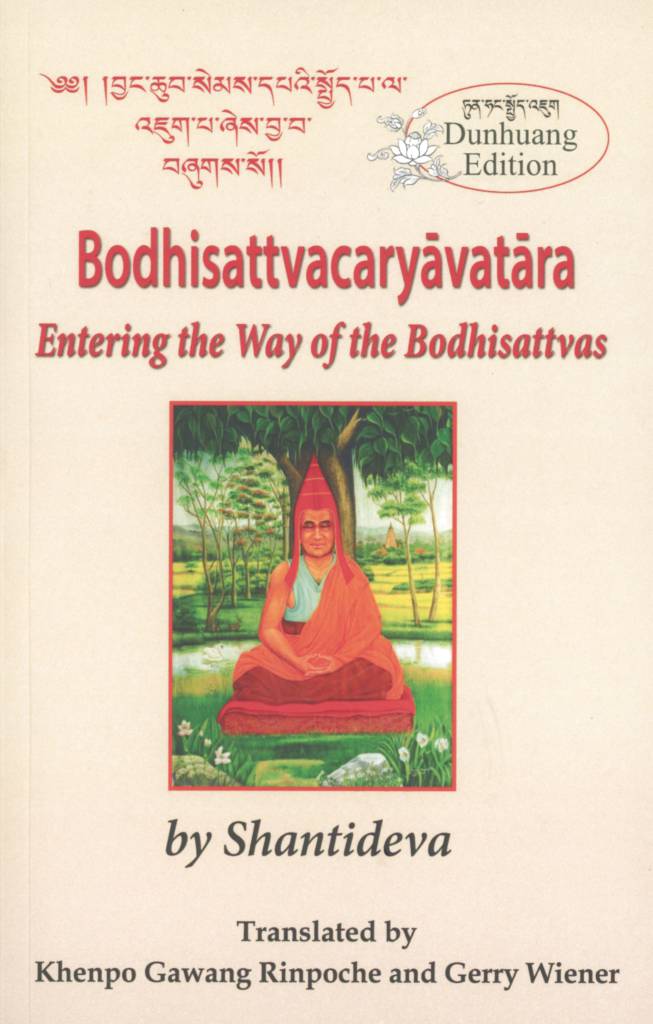
Dūnhuáng §This version is extracted from the book Bodhisattvacaryāvatāra: Entering the Way of the Bodhisattvas (2022, Khenpo Gawang and Wiener), a translation of an edition of the text created from three Dūnhuáng manuscripts. A description and sample pages of these can be found on the Early Tibet Blog. Scans of the actual manuscripts themselves can be found at http://idp.bl.uk

དམྱལ་མེ་བཟོད་དཀས་ཡུན་རིང་དུ། །

བདག་གི་ལུས་ལ་སྲེག་གྱུར་ན། ། འགྱོད་པ་མི་བཟད་མེ་འབར་བས། །

སེམས་གདུང་འགྱུར་བ་གདོན་མི་ཟ། །[p.73]Entering the Way of the Bodhisattvas (2022, Khenpo Gawang and Wiener)
Gawang, Khenpo, and Gerry Wiener, trans. Bodhisattvacaryāvatāra: Entering the Way of the Bodhisattvas by Shantideva - Dunhuang Edition. Memphis, TN: Jeweled Lotus Publishing, 2022.

alt verse 3.25 tm data

While my body burns for a long time

In the unbearable fires of hell, My mind will undoubtedly be tormented

By the blazing fires of intolerable regret.[p.74]Entering the Way of the Bodhisattvas (2022, Khenpo Gawang and Wiener)
Gawang, Khenpo, and Gerry Wiener, trans. Bodhisattvacaryāvatāra: Entering the Way of the Bodhisattvas by Shantideva - Dunhuang Edition. Memphis, TN: Jeweled Lotus Publishing, 2022.

Tsadra Critical Edition §This text was created by comparing four versions of the text from Derge, Cone, Narthang, and Peking Tengyurs from BDRC scans, along with Dunhuang manuscripts IOL Tib J 628, 629, and 630. When Tibetan readings were problematic, the Sanskrit texts from GRETIL and LTB (Oslo) were consulted.

དམྱལ་མེ་བཟོད་དཀས་དུས་རིང་དུ། །

བདག་གི་ལུས་ལ་བསྲེགས་གྱུར་ན། ། འགྱོད་པ་མི་བཟད་མེ་འབར་བས། །

སེམས་གདུང་འགྱུར་བ་གདོན་མི་ཟ། །

[edit]
Sazang Mati (1294 - 1376)
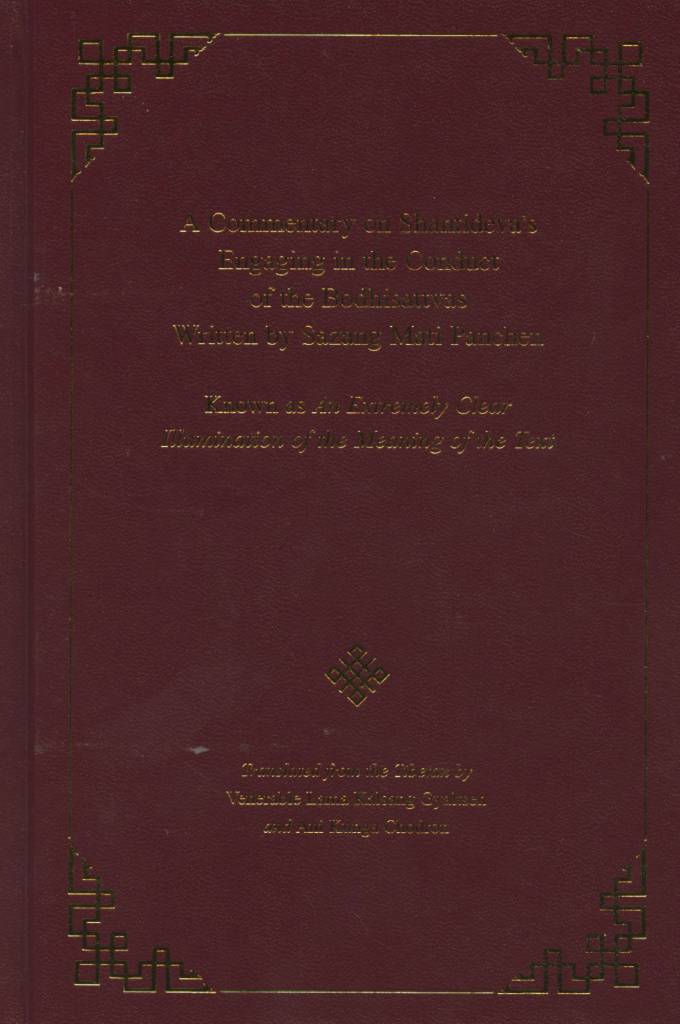
A Commentary on Shantideva's Engaging in the Conduct of the Bodhisattvas (citation)Gyaltsen, Lama Kalsang, and Ani Kunga Chodron, trans. A Commentary on Shantideva's Engaging in the Conduct of the Bodhisattvas Written by Sazang Mati Panchen: Known as An Extremely Clear Illumination of the Meaning of the Text. Walden, NY: Tsechen Kunchab Ling, 2019. Bilingual Edition

དམྱལ་མེ་བཟོད་དཀས་ཡུན་རིང་དུ། །

བདག་གི་ལུས་ལ་སྲེག་འགྱུར་ན། ། འགྱོད་པ་མི་བཟད་མེ་འབར་བས། །

སེམས་གདུང་འགྱུར་བ་གདོན་མི་ཟ། །

dmyal me bzod dkas yun ring du/_/

bdag gi lus la sreg 'gyur na/_/ 'gyod pa mi bzad me 'bar bas/_/

sems gdung 'gyur ba gdon mi za/_/

When mv hodv is burned for a long time

By the unbearable fires of hell. Then without doubt, my mind will be agonized

By the flames of unbearable regret.

ཤི་འཕོས་ནས་ཀྱང་དམྱལ་བར་ལྷུང་སྟེ་ཐ་མལ་བའི་མེ་དང་ཙན་དན་གྱི་མེ་དང་དུས་མཐའི་མེ་དང་དམྱལ་བ་བརྒྱད་ཀྱི་མེ་རྣམས་རིམ་པ་ལྟར་བཞི་འགྱུར་གྱིས་ཚ་བར་གསུངས་པ་ལྟར་ཤིན་ཏུ་བཟོད་པར་དཀའ་བའི་མེས་ཡུན་རིང་དུ༵་བདག་གི་ལུས་གཞོན་ཤ་ཅན་ལ་སྲེག་ཅིང་སྡུག་བསྔལ་བར་འགྱུར་བ་ན༵་དམྱལ་བའི་སྲུང་མ་རྣམས་ཀྱིས་ལས་འདི་ལྟ་བུ་བྱས་པས་སྡུག་བསྔལ་འདི་མྱོང་བ་ཡིན་ནོ་ཞེས་ཟེར་བ་དང་འགྱོད་པ་མི་བཟད་པ་མེ་འབར་བ་དང་འདྲ་བ་སྐྱེ་བ༵ས་སེམས་ལ་གདུང་བ་དྲག་པོ་མྱོང་བར་འགྱུར་བར་གདོན་མི་ཟ༵་བ་ཉིད་དོ། །

After death, I will fall into hell, and burn in the fires of the eight hells which are each successively four times hotter than the previous, and the first of those hells is four times hotter than the fire at the end of an eon, which is four times hotter than sandalwood, which is four times hotter than ordinary fire. In that realm, my body will be as sensitive as that of a baby, and I will be unable to bear the suffering. The messengers of hell will announce the sufferings that I must undergo due to indulging in this and that sin in previous lives. At that time, regret will arise like a blazing fire, and without doubt I will experience great mental agony.
Gyaltsap Je (1364 - 1432)
The Entrance for the Children of the Conquerors (citation)Stracke, Fedor, trans. The Entrance for the Children of the Conquerors: A Commentary on the Introduction to the Actions of Bodhisattvas. By Gyaltsab Rinpoche. N.p.: Happy Monks Publication, 2016. https://happymonkspublication.org/product/bodhisattvacharyavatara-chapter-1-10-commentary/. Bilingual Edition

གསུམ་པ་ནི།

Later One Will Be Beaten Down by the Sufferings of the Lower Realms 1.1.1.2.2.2.3.3

དམྱལ་མེ་བཟོད་དཀས་ཡུན་རིང་དུ། །

བདག་གི་ལུས་ལ་སྲེག་འགྱུར་ན། ། འགྱོད་པ་མི་བཟད་མེ་འབར་བས། །

སེམས་གདུང་འགྱུར་བ་གདོན་མི་ཟ། །
dmyal me bzod dkas yun ring du/_/

bdag gi lus la sreg 'gyur na/_/ 'gyod pa mi bzad me 'bar bas/_/

sems gdung 'gyur ba gdon mi za/_/

When my body is burned by

The difficult to bear fires of hell for a long time, The fire of terrible regret will light up,

And the mind will be despondent, this is certain.

བྱང་ཆུབ་ཀྱི་སེམས་ཉམས་པ་སོགས་ཀྱི་ཉེས་པས་དམྱལ་བར་སྐྱེ་ལ་དམྱལ་བའི་མེ་བཟོད་དཀའ་བས་ཡུན་རིང་དུ་བདག་གི་ལུས་ལ་བསྲེགས་པར་གྱུར་ན་འགྱོད་པ་མི་བཟད་པའི་མེ་འབར་བས་རང་གི་སེམས་གདུང་བར་འགྱུར་བར་གདོན་མི་ཟ་བས་ཉེས་ལྟུང་གིས་མ་གོས་པ་ལ་འབད་པར་བྱའོ། །

Through the faults of degenerating the mind of enlightenment and so forth one will take rebirth in the lower realms. When then the difficult to bear fires[p.17]The Entrance for the Children of the Conquerors
Stracke, Fedor, trans. The Entrance for the Children of the Conquerors: A Commentary on the Introduction to the Actions of Bodhisattvas. By Gyaltsab Rinpoche. N.p.: Happy Monks Publication, 2016. https://happymonkspublication.org/product/bodhisattvacharyavatara-chapter-1-10-commentary/.
of hell burn my body for a long time, the fire of terrible regret will light up and my mind will become despondent. Since this is certain, make an effort to not incur any faults and downfalls.
Minyak Kunzang Sönam (1823 - 1905)
The Great Hūṃ (citation)Duckworth, Douglas, trans. The Great Hūṃ: A Commentary on Śāntideva's Way of the Bodhisattva. By Minyak Kunzang Sönam. New York, NY: Wisdom Publications, 2025. Bilingual Edition

ཕྱི་མར་ངན་སོང་དུའང་འགྱོད་པས་གདུང་བ་ནི།

Next it describes being tormented in the future by regret in the lower realms too:

དམྱལ་མེ་བཟོད་དཀས་ཡུན་རིང་དུ། །

བདག་གི་ལུས་ལ་སྲེག་འགྱུར་ན། ། འགྱོད་པ་མི་བཟད་མེ་འབར་བས། །

སེམས་གདུང་འགྱུར་བ་གདོན་མི་ཟ། །
When my body is burnt

in the unbearable hell-fires for a long time, there is no doubt that my mind will be tormented

by a burning, terrible regret. (4.25)

སེམས་བསྐྱེད་དང་སྡོམ་པ་ཉམས་པ་སོགས་ཀྱི་ཉེས་པས་ཤི་བའི་འོག་ཏུ་ཡང་དམྱལ་བར་སྐྱེས་ནས་དམྱལ་མེ་རབ་ཏུ་བཟོད་པར་དཀའ་བས་ཡུན་རིང་དུ་བདག་གི་ལུས་ཤིན་ཏུ་གཞོན་ཤ་ཅན་ལ་བསྲེགས་ཤིང་སྡུག་བསྔལ་མི་བཟད་པ་མྱོང་བར་གྱུར་པ་ན་རང་ཉིད་ལ་མྱ་ངན་སྐྱེ་བར་མ་ཟད་དམྱལ་སྲུང་རྣམས་ཀྱིས་ཀྱང་ཁྱོད་སྔར་མི་ལུས་ཐོབ་པའི་ཚེ་སྡིག་པའི་ལས་འདི་བྱས་པས་ད་ལྟ་རྣམ་སྨིན་འདི་མྱོང་བ་ཡིན་ནོ་ཟེར་བ་ན་དེ་ལ་བསམ་ནས་ཀྱང་འགྱོད་པ་མི་བཟད་པའི་མེ་འབར་བས་རང་གི་སེམས་བསྲེགས་ནས་གདུང་བར་འགྱུར་བ་གདོན་མི་ཟ་བར་འབྱུང་ངེས་པས་ན་ངན་འགྲོར་སྐྱེ་བའི་རྒྱུར་གྱུར་པའི་སྡིག་ལྟུང་སྦྱོང་བ་དང་སྦྱོང་བ་ལ་བརྩོན་པར་བྱའོ། །འདི་ལ། རྒྱ་དཔེར། ཕྱིས་ཀྱང་གདུང་བའི་མེས་སེམས་ལ། །ཡུན་རིང་བསྲེག་འགྱུར་མ་བསླབ་པས། །ཞེས་ཡོད་ལ། རྒྱ་འགྲེལ་དག་གིས་ཀྱང་དེ་བཞིན་དུ་བཀྲལ་བར་གསུངས་ལ། མ་བསླབ་པས་ཞེས་པ་ནི་བསླབ་པ་ལ་མ་བསླབ་པའོ། །

With the faults of losing the spirit of awakening and vows, after I die and take birth in hell, my body with delicate skin will be burned and experience excruciating suffering for a long time in the unbearable hellfires too. Not only will I be in agony, but the hell guardians will say, “When you previously achieved a human body, you did these negative actions. So now you are experiencing the maturation.” Thinking of this, I will be consumed by the fire of terrible regret, which will burn my mind. It is certain—without a doubt—that my mind will come to be tormented like this. Therefore I should strive to train and purify negative actions and downfalls, which cause[p.298]The Great Hum
Duckworth, Douglas, trans. The Great Hūṃ: A Commentary on Śāntideva's Way of the Bodhisattva. By Minyak Kunzang Sönam. New York, NY: Wisdom Publications, 2025.
birth in the lower realms. Here, the Sanskrit manuscripts read: “Later, the fires of anguish burn the untrained mind for a long time.” The Indian commentaries also explain it in this way and say that “untrained” refers to not having practiced the trainings.

དམྱལ་མེའི་ཚ་ཁྱད་ནི། ཐ་མལ་གྱི་མེ་བས་ཙནྡན་གྱི་མེ་བཞི་འགྱུར་གྱིས་ཚ་ལ་དེ་བཞིན་དུ་དུས་མཐའི་མེ་དང་ཡང་སོས་ཀྱི་མེ་སོགས་ཚ་དམྱལ་བརྒྱད་ཀྱི་མེ་རྣམས་ཀྱང་རིམ་པར་བཞི་འགྱུར་གྱིས་ཚ་བར་གསུངས་སོ། །དེ་ལྟར་ཚོམས་ལས།

The distinctive heat of the hellfires is like this: A sandalwood fire is four times hotter than an ordinary fire. Likewise it is said that the fire at the end of times and those of the eight hot hells, such as the Reviving Hell, are each successively four times hotter. The Collection of Aphorisms says:

དལ་འབྱོར་ཆུད་ནི་མི་ཟོས་པར། །

དེ་ལྟར་བདག་ནི་བསྲུང་བར་བྱ། ། སེམས་ཅན་དམྱལ་བར་སྐྱེས་ན་ཡང་། །

དལ་འབྱོར་ཐལ་བས་འགྱོད་པར་འོང་། །

Without wasting freedom and endowments,
I should protect these.
When sentient beings are born in hell
their freedom and endowments are reduced to dust and they come to have regrets.601Collection of Aphorisms 5.17cd–18, 329b–330a.

ཞེས་དང༌། དཔས་བྱིན་གྱིས་ཞུས་པར།

The Inquiry of Vīradatta says:

ཁྱོད་ཀྱིས་མི་ཡི་ལུས་ནི་ཐོབ་གྱུར་ལ། །

ཐོབ་ནས་སྡིག་པ་སྤང་བ་མ་བྱས་པས། ། ཀྱེ་མ་ད་ལྟ་སྡུག་བསྔལ་མི་བཟད་མྱོང་། ། འདི་ནི་མི་དགེའི་ལས་ཀྱི་རྣམ་སྨིན་ཡིན། ། ལས་ཀྱི་རྣམ་པར་སྨིན་ལ་ཡིད་མ་ཆེས། ། ཁྱོད་ནི་རང་གི་སེམས་ཀྱིས་མི་དགེ་བྱས། ། འདི་ལ་ངས་ནི་ཅི་ཡང་མ་ལན་ཞེས། །

དེ་ལ་ཆོས་རྒྱལ་གཤིན་རྗེ་དེ་སྐད་སྨྲ། །

“Since you attained a human body and
did not shun negative deeds,
alas, now you are experiencing terrible suffering;
this is the maturation of vicious actions.
Without believing in the maturation of karma,
your mind did vicious things.
This is not my fault.”
Thus spoke the Lord of Death, the Dharma king.602Inquiry of the Householder Vīradatta, 1.68–69, 351a–b.

ཞེས་སོགས་གསུངས་ལ། དེ་བཞིན་དུ་ད་ལྟ་མི་ལུས་ཐོབ་དུས་སུ་དགེ་སྡིག་གི་བླང་དོར་ལ་མི་བརྩོན་པར་ལེ་ལོ་དང་རྣམ་གཡེང་གི་དབང་དུ་བཏང་ནས་ཕྱིས་མི་ལུས་ཐོབ་པར་གྱུར་ཅིག་ཅེས་སྨོན་ལམ་འདེབས་པའང་ཤིན་ཏུ་བླུན་པོ་ལེ་ལོ་ཅན་ཏེ་ཕྱི་མར་མི་ལུས་ཐོབ་ནའང་ད་ལྟའི་འདི་དང་མཚུངས་པས་སོ། །དེས་ན་ད་ལྟ་དལ་འབྱོར་ཐོབ་པ་ལ་སྙིང་པོ་མི་ལེན་པར་ཆུད་ཟོས་སུ་གཏོང་བ་དང་དགེ་སྡིག་གི་འདོར་ལེན་ཕྱིན་ཅི་ལོག་ཏུ་བྱེད་པ་ནི་བྱིས་དམྱལ་སོགས་སུ་སྐྱེས་པའི་ཚེ་ཡང་འགྱོད་པ་སྐྱེ་བར་ངེས་སོ། །དེ་ལྟར་ཀླུ་སྒྲུབ་ཀྱིས།

So not to strive to adopt virtues and reject negative deeds now, when you have attained a human body, but out of laziness and distraction to pray, “May I attain a human body in the future!” is extremely foolish and lazy because even if you do achieve a human body later, it will be the same as this one right now. Therefore if you do not extract the essence of having attained freedom and endowments now but squander this opportunity without properly adopting virtues and rejecting negative deeds, then it is certain that you will have regrets when you are born in the hells and so on in the future. Thus Nāgārjuna has said [193]:[p.299]The Great Hum
Duckworth, Douglas, trans. The Great Hūṃ: A Commentary on Śāntideva's Way of the Bodhisattva. By Minyak Kunzang Sönam. New York, NY: Wisdom Publications, 2025.

འདིར་བདག་མི་ཡི་ལུས་ཐོབ་ནས། །

ཕྱི་མར་སྨོན་ལམ་འདེབས་བྱེད་[p.204]Byang chub sems dpa'i spyod pa la 'jug pa'i 'grel bshad rgyal sras rgya mtsho'i yon tan rin po che mi zad 'jo ba'i bum bzang
Mi nyag kun bzang bsod nams (མི་ཉག་ཀུན་བཟང་བསོད་ནམས་). byang chub sems dpa'i spyod pa la 'jug pa'i 'grel bshad rgyal sras rgya mtsho'i yon tan rin po che mi zad 'jo ba'i bum bzang [བྱང་ཆུབ་སེམས་དཔའི་སྤྱོད་པ་ལ་འཇུག་པའི་འགྲེལ་བཤད་རྒྱལ་སྲས་རྒྱ་མཚོའི་ཡོན་ཏན་རིན་པོ་ཆེ་མི་ཟད་འཇོ་བའི་བུམ་བཟང།]. [Excellent Vase That Spills Forth an Ocean of the Inexhaustible and Precious Qualities of the Victor's Heirs: An Explanation of the "Way of the Bodhisattva."].
པ། ། དེ་ནི་བླུན་པོ་ལེ་ལོ་ཅན། །

ངན་སོང་གནས་སུ་རབ་འགྱོད་དེ། །

Having attained this human body now,
if you just pray for the future
this is foolish and lazy;
you will regret it when in the lower realms.603Nāgārjuna, Drop of Nourishment for the People, v. 59 (Jantupoṣaṇabindu, D. 4330), 115a–b.

Kunzang Palden (1862 - 1943)
The Nectar of Manjushri's Speech (citation)Blankleder, Helena, and Wulstan Fletcher (Padmakara Translation Group), trans. The Nectar of Manjushri's Speech: A Detailed Commentary on Shantideva's Way of the Bodhisattva. By Kunzang Pelden. Boston: Shambhala Publications, 2007. Bilingual Edition

དམྱལ་མེ་བཟོད་དཀས་ཡུན་རིང་དུ། །

བདག་གི་ལུས་ལ་སྲེག་འགྱུར་ན། ། འགྱོད་པ་མི་བཟད་མེ་འབར་བས། །

སེམས་གདུང་འགྱུར་བ་གདོན་མི་ཟ། །

dmyal me bzod dkas yun ring du/_/

bdag gi lus la sreg 'gyur na/_/ 'gyod pa mi bzad me 'bar bas/_/

sems gdung 'gyur ba gdon mi za/_/

ཐ་མལ་ཙན་དན་དུས་མཐའ་དང༌། དམྱལ་མེ་རྣམས་ནི་བདུན་འགྱུར་རོ། །ཞེས་པའི་དམྱལ་[p.339]Byang chub sems dpa'i spyod pa la 'jug pa rtsa ba dang 'grel pa (1990)
Slob dpon zhi ba lha and Mkhan po kun dpal. Byang chub sems dpa'i spyod pa la 'jug pa rtsa ba dang 'grel pa. Khreng tu'u: Si khron mi rigs dpe skrun khang, 1990. Buda by BDRC Logo.jpg
བའི་མེ་ཤིན་ཏུ་བཟོད་པར་དཀས་ཞེས་བཟོད་དཀའ་བས་དུས་ཡུན་རིང་དུ་བདག་གི་ལུས་ཀྱང་ད་ལྟ་ལས་ཤིན་ཏུ་གཞོན་ཤ་ཅན་ལ་བསྲེགགས་པའི་སྡུག་བསྔལ་མྱོང་བར་གྱུར་པའི་ཚེ་ན། བདག་གིས་ཆོས་ཞིག་བསྒྲུབས་ན་འདི་འདྲ་མྱོང་དོན་མེད་པས་ཆོས་ཞིག་མ་འགྲུབ་བོ་སྙམ་དུ་བསམས་ནས་སམ་དམྱལ་བ་ལྷུང་རྣམས་ཀྱིས་ལས་འདི་ལྟ་བུ་བྱས་པས་སྡུག་བསྔལ་འདི་མྱོངས་པ་ཡིན་ནོ་ཟེར་བ་ན་ནང་སེམས་ལ་འགྱོད་པ་མི་བཟད་པ་མེ་རབ་ཏུ་འབར་བ་དང་འདྲ་བ་སྐྱེ་བས་སེམས་ལ་སྡུག་བསྔལ་གྱི་གདུང་བ་དྲག་པོ་བཟོད་པར་དཀའ་བ་མྱོང་བར་འགྱུར་བར་གདོན་མི་ཟ་བ་སྟེ་ཐེ་ཚོམ་མེད་དོ། །

And when my body burns so long

In fires of hell so unendurable, My mind, there is no doubt, will also be tormented,

Burned in fires of unendurable regret.[p.57]The Way of the Bodhisattva (2006)
Blankleder, Helena, and Wulstan Fletcher (Padmakara Translation Group), trans. The Way of the Bodhisattva: A Translation of the Bodhicharyāvatāra. By Śāntideva. Rev. ed. Shambhala Classics. Boston: Shambhala Publications, 2006.

It is said that the fires of hell are seven times more fierce than the fires at the end of time, which are themselves seven times hotter than the ordinary fire of burning sandalwood. The experience of hellfire is therefore said to be unbearable and protracted. And when, Shantideva says, his body (which will then be much more sensitive to pain than it is now) experiences the agony of being burned, there is no doubt that his mind too will also be tormented, scorched in the flames of unbearable regret. For, either the thought will come to him that it is because of his failure to practice the Dharma that he must now undergo such experiences, or else the guards of hell will tell him that his pains are the result of this or that deed.


[edit]
[edit]