4.18

From Bodhicitta

Bodhicaryāvatāra · Verse 4.18


Sources:    

Sanskrit §No information about the source used.

यदा कुशलयोग्योऽपि कुशलं न करोम्यहम्। अपायदुःखैः संमूढः किं करिष्याम्यहं तदा॥

 
Chanted Verse
Recitation by Professor Kashinath Nyaupane
18

If I do not practice good while I have the capacity to do so, what will I do when the torments of evil destinies blind me?

Standard Tibetan §Padmakara used the 1990 edition printed by si khron mi rigs dpe skrun khang: Byang chub sems dpa'i spyod pa la 'jug pa rtsa ba dang 'grel pa (1990). Also found in Derge Tengyur D3871, dbu ma, vol. 105, la 1b1–40a7.

གང་ཚེ་དགེ་སྤྱད་སྐལ་ལྡན་ཡང་། །

དགེ་བ་བདག་གིས་མ་བྱས་ན། ། ངན་སོང་སྡུག་བསྔལ་ཀུན་རྨོངས་པ། །

དེ་ཚེ་བདག་གིས་ཅི་བྱར་ཡོད། །

 
Chanted Verse
Recitation by Lopen Karma Phuntsho
18

Here is now my chance for wholesome deeds,

But if I fail to practice virtue, What will be my lot, what shall I do,

Bewildered by the sorrows of the lower realms?[p.56]The Way of the Bodhisattva (2006)
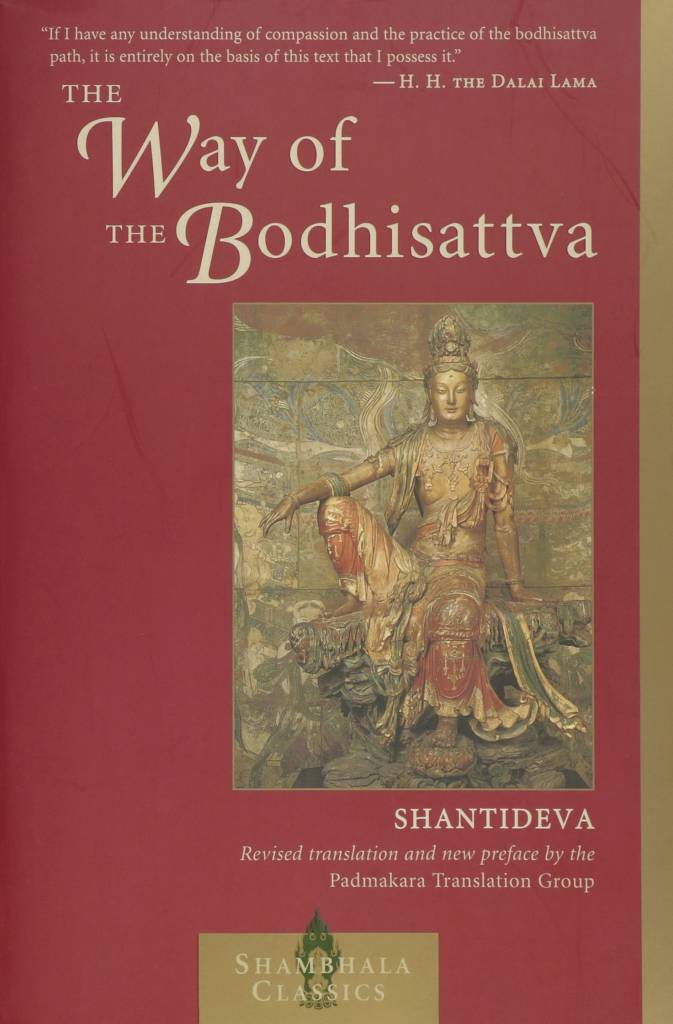
Blankleder, Helena, and Wulstan Fletcher (Padmakara Translation Group), trans. The Way of the Bodhisattva: A Translation of the Bodhicharyāvatāra. By Śāntideva. Rev. ed. Shambhala Classics. Boston: Shambhala Publications, 2006.

Standard Tibetan §Padmakara used the 1990 edition printed by si khron mi rigs dpe skrun khang: Byang chub sems dpa'i spyod pa la 'jug pa rtsa ba dang 'grel pa (1990). Also found in Derge Tengyur D3871, dbu ma, vol. 105, la 1b1–40a7. - Other translations

Si, alors qu’il m’échoit de pratiquer le bien,

Je ne le pratique pas, Que ferai-je quand les souffrances

Des mauvaises destinées m’abrutiront complètement ?

Si ahora que tengo la oportunidad

de actuar virtuosamente, no lo hago, ¿qué haré cuando esté aturdido

por los tormentos de los destinos inferiores?

La Práctica del Bodisatva-front.jpg
Padmakara Spain 2008

If, although having the fortune to practice virtue,

I do not create virtue, Then what am I going to do

When completely confused by the lower realm’s sufferings.[p.13]The Entrance for the Children of the Conquerors
Stracke, Fedor, trans. The Entrance for the Children of the Conquerors: A Commentary on the Introduction to the Actions of Bodhisattvas. By Gyaltsab Rinpoche. N.p.: Happy Monks Publication, 2016. https://happymonkspublication.org/product/bodhisattvacharyavatara-chapter-1-10-commentary/.

When there is an opportunity to perform virtue,

If I do not perform virtue. Then in a lower birth, totally deluded by suffering.

What can I do at that time?

shift + scroll / swipe
Dūnhuáng §This version is extracted from the book Bodhisattvacaryāvatāra: Entering the Way of the Bodhisattvas (2022, Khenpo Gawang and Wiener), a translation of an edition of the text created from three Dūnhuáng manuscripts. A description and sample pages of these can be found on the Early Tibet Blog. Scans of the actual manuscripts themselves can be found at http://idp.bl.uk

གང་ཚེ་དགེ་སྤྱད་སྐལ་ལྡན་ཡང༌། །

དགེ་བ་བདག་གིས་མ་བྱས་ན། ། ངན་སོང་སྡུག་བསྔལ་ཀུན་རྨོངས་པ། །

དེ་ཚེ་བདག་གིས་ཅི་བྱར་ཡོད། །

alt verse 3.18 tm data

If I do not perform virtue at this time,

When I have the fortune to do so, What will I do When I am completely bewildered

By the sufferings of the lower realms?

Tsadra Critical Edition §This text was created by comparing four versions of the text from Derge, Cone, Narthang, and Peking Tengyurs from BDRC scans, along with Dunhuang manuscripts IOL Tib J 628, 629, and 630. When Tibetan readings were problematic, the Sanskrit texts from GRETIL and LTB (Oslo) were consulted.

གང་ཚེ་དགེ་སྤྱད་སྐལ་ལྡན་ཡང་། །

དགེ་བ་བདག་གིས་མ་བྱས་ན། ། ངན་སོང་སྡུག་བསྔལ་ཀུན་རྨོངས་པ། །

དེ་ཚེ་བདག་གིས་ཅི་བྱར་ཡོད། །

[edit]
Sazang Mati (1294 - 1376)
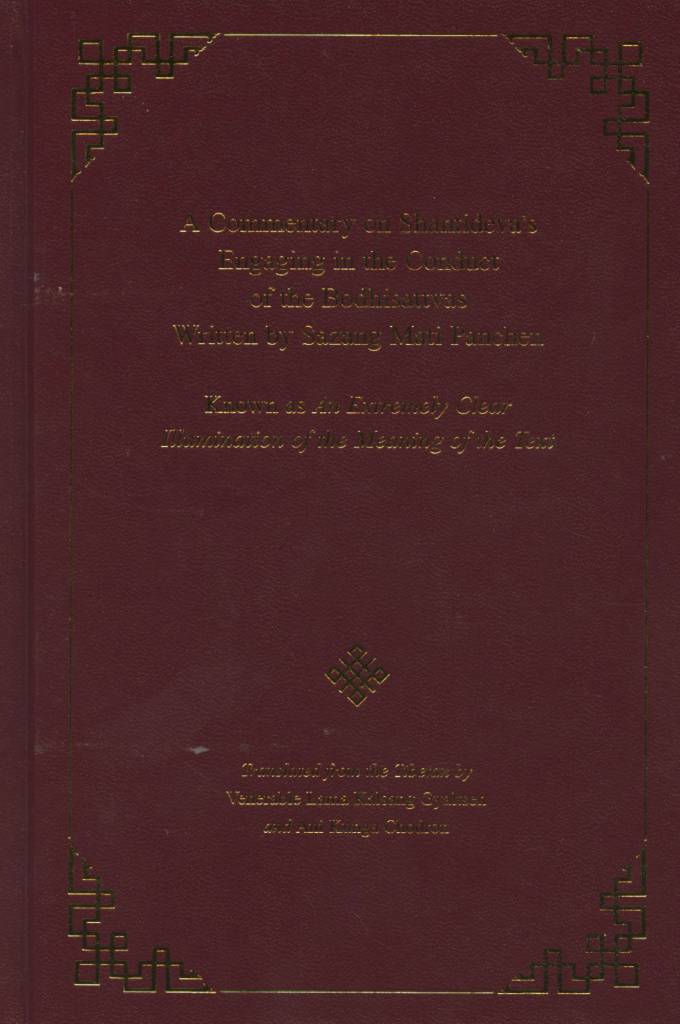
A Commentary on Shantideva's Engaging in the Conduct of the Bodhisattvas (citation)Gyaltsen, Lama Kalsang, and Ani Kunga Chodron, trans. A Commentary on Shantideva's Engaging in the Conduct of the Bodhisattvas Written by Sazang Mati Panchen: Known as An Extremely Clear Illumination of the Meaning of the Text. Walden, NY: Tsechen Kunchab Ling, 2019. Bilingual Edition

གང་ཚེ་དགེ་སྤྱད་སྐལ་ལྡན་ཡང་། །

དགེ་བ་བདག་གིས་མ་བྱས་ན། ། ངན་སོང་སྡུག་བསྔལ་ཀུན་རྨོངས་པ། །

དེ་ཚེ་བདག་གིས་ཅི་བྱར་ཡོད། །

gang tshe dge spyad skal ldan yang /_/

dge ba bdag gis ma byas na/_/ ngan song sdug bsngal kun rmongs pa/_/

de tshe bdag gis ci byar yod/_/

When there is an opportunity to perform virtue,

If I do not perform virtue. Then in a lower birth, totally deluded by suffering.

What can I do at that time?

དལ་འབྱོར་ཐོབ་པ་གང་གི་ཚེ་དགེ་བ་སྤྱད་པའི་སྐལ་བ་དང་ལྡན་བཞིན་དུ་ཡ༵ང་དགེ་བ་ཚོགས་གཉིས་ཀྱི་སྦྱོར་བ་བདག་གིས་མ་བྱས་ན༵་ངན་སོང་དུ་དམྱལ་བ་ལ་སོགས་པའི་སྡུག་བསྔལ་དྲག་པོས་གཟིར་ཞིང་བླང་དོར་གྱིས་གནས་ལ་ཀུན་ཏུ་རྨོངས་པར་གྱུར་པ༵་དེའི་ཚེ་བདག་གིས་དགེ་བ་ཅི་ཞིག་བྱར་ཡོ༵ད་དེ་བྱེད་པའི་སྐབས་མེད་ཅིང༌།

Having attained this leisure and endowment, and possessing the good fortune and opportunity to engage in virtue, if I do not perform the two accumulations, when I experience the terrible sufferings of birth in hell and the lower[p.136]A Commentary on Shantideva's Engaging in the Conduct of the Bodhisattvas
Gyaltsen, Lama Kalsang, and Ani Kunga Chodron, trans. A Commentary on Shantideva's Engaging in the Conduct of the Bodhisattvas Written by Sazang Mati Panchen: Known as An Extremely Clear Illumination of the Meaning of the Text. Walden, NY: Tsechen Kunchab Ling, 2019. First edition published by The Yeshe Dorje Foundation in 2006.
realms, I will be deluded about what to do and what not to do. How will it be possible to accumulate virtue then, as there will be no opportunity?
Gyaltsap Je (1364 - 1432)
The Entrance for the Children of the Conquerors (citation)Stracke, Fedor, trans. The Entrance for the Children of the Conquerors: A Commentary on the Introduction to the Actions of Bodhisattvas. By Gyaltsab Rinpoche. N.p.: Happy Monks Publication, 2016. https://happymonkspublication.org/product/bodhisattvacharyavatara-chapter-1-10-commentary/. Bilingual Edition

གཉིས་པ་ནི།

If One Does Not Strive While in the Happy Realms One Will be Confused in the Lower Realms concerning What is to be Practiced and Abandoned 1.1.1.2.2.1.5.2

གང་ཚེ་དགེ་སྤྱད་སྐལ་ལྡན་ཡང་། །

དགེ་བ་བདག་གིས་མ་བྱས་ན། ། ངན་སོང་སྡུག་བསྔལ་ཀུན་རྨོངས་པ། །

དེ་ཚེ་བདག་གིས་ཅི་བྱར་ཡོད། །
gang tshe dge spyad skal ldan yang /_/

dge ba bdag gis ma byas na/_/ ngan song sdug bsngal kun rmongs pa/_/

de tshe bdag gis ci byar yod/_/

If, although having the fortune to practice virtue,

I do not create virtue, Then what am I going to do

When completely confused by the lower realm’s sufferings.[p.13]The Entrance for the Children of the Conquerors
Stracke, Fedor, trans. The Entrance for the Children of the Conquerors: A Commentary on the Introduction to the Actions of Bodhisattvas. By Gyaltsab Rinpoche. N.p.: Happy Monks Publication, 2016. https://happymonkspublication.org/product/bodhisattvacharyavatara-chapter-1-10-commentary/.

གང་གི་ཚེ་དགེ་བ་སྤྱད་པའི་སྐལ་བ་དང་ལྡན་ཡང་དུས་དེའི་ཚེ་དགེ་བ་བདག་གིས་[p.169]Spyod 'jug rtsa 'grel (Mtsho sngon mi rigs dpe skrun khang 2001)
Śāntideva, and Rgyal tshab rje dar ma rin chen. Spyod 'jug rtsa 'grel and Byang chub sems dpa'i spyod pa la 'jug pa'i rnam bshad rgyal sras 'jug ngogs. Xining: Mtsho sngon mi rigs dpe skrun khang, 2001
འབད་པས་བསྒྲུབས་པར་མ་བྱས་ན།

If, although having the fortune to practice virtue, I do not make an effort now to practice virtue, then how am I going to practice when I am in the lower realms?

ངན་སོང་དུ་སྐྱེས་ནས་དུས་རྒྱུན་དུ་ཚོར་བ་སྡུག་བསྔལ་གྱིས་གདུངས་ཤིང་བླང་དོར་གྱི་གནས་ལ་ཀུན་ཏུ་རྨོངས་པ་དེའི་ཚེ་བདག་གིས་དགེ་བ་ཅི་བྱར་ཡོད་ཅུང་ཟད་ཀྱང་མི་ནུས་པས་

At that time I am miserable because of continuously experiencing the feeling of suffering of the lower realms, and I am confused concerning what has to be practiced and what has to be abandoned. As a result, I cannot practice anything.

དལ་འབྱོར་ཐོབ་པའི་དུས་འདིར་འབད་པར་བྱའོ། །

Hence I need to make an effort now to achieve again a precious human rebirth.
Minyak Kunzang Sönam (1823 - 1905)
The Great Hūṃ (citation)Duckworth, Douglas, trans. The Great Hūṃ: A Commentary on Śāntideva's Way of the Bodhisattva. By Minyak Kunzang Sönam. New York, NY: Wisdom Publications, 2025. Bilingual Edition

བདེ་འགྲོ་དཀོན་ལ་དེར་མ་འབད་ན་ངན་འགྲོར་ཆོས་སྒྲུབ་ཏུ་མེད་པ་ནི།

Next it shows that if you do not strive while in the rare higher realms, you cannot practice the Dharma in the lower realms:

གང་ཚེ་དགེ་སྤྱད་སྐལ་ལྡན་ཡང་། །

དགེ་བ་བདག་གིས་མ་བྱས་ན། ། ངན་སོང་སྡུག་བསྔལ་ཀུན་རྨོངས་པ། །

དེ་ཚེ་བདག་གིས་ཅི་བྱར་ཡོད། །
If I do not practice virtue

while I have the fortune to do so,[p.288]The Great Hum
Duckworth, Douglas, trans. The Great Hūṃ: A Commentary on Śāntideva's Way of the Bodhisattva. By Minyak Kunzang Sönam. New York, NY: Wisdom Publications, 2025.
I will be stupefied by suffering in the lower realms—

what will I do then? (4.18)

ད་རེས་ཀྱི་ལུས་འདི་བོར་ཡང་སྐྱེ་བ་ཕྱི་མར་མི་ལུས་བརྒྱུད་མར་ཐོབ་པས་དེ་དང་དེའི་དུས་སུ་ཆོས་བསྒྲུབ་པས་ཆོག་གོ་སྙམ་ན།དེ་ནི་མི་རིགས་ཏེ། བག་མེད་པའི་དབང་གིས་རྟག་ཏུ་མི་དགེ་བ་འབའ་ཞིག་སྤྱོད་པ་ལས་དགེ་བའི་ཕྱོགས་ལ་བློ་མི་འཇུག་པའི་ད་ལྟའི་དུས་ཀྱི་བདག་གི་སྤྱོད་པ་འདི་འདྲ་བས་ནི་སྐྱེ་བ་ཕྱི་མར་མི་ཡི་ལུས་ཀྱང་ཐོབ་པར་མི་འགྱུར་ཏེ་དེ་ཐོབ་བྱེད་ཀྱི་རྒྱུར་གྱུར་བའི་དགེ་བ་མ་བསྒྲུབས་པས་སོ། །ཀྱང་ཞེས་པས་མི་ལུས་ཀྱང་མི་འཐོབ་ན་ཐར་པ་ལྟ་ཅི་ཞེས་སྡུད་དོ། །

One might think, “Even after leaving this body, in the future I can successively achieve human lives. It is fine if I practice the Dharma at those times.” This is not reasonable. Out of carelessness, if I act as I do now, constantly doing what is vicious with a mind that does not tend toward virtue, then I will not achieve a human body in future lives because I will not have done what is virtuous, the cause for attaining it. The word even here includes the meaning that, given that I do not even achieve a human body, it is needless to speak of achieving liberation.

ཆོས་སྒྲུབ་ཏུ་རུང་བ་མི་ལུས་ལྟ་བུའི་རྟེན་བཟང་བོ་ཐོབ་པར་མ་གྱུར་ན་ཕལ་ཆེར་ངན་འགྲོ་སོགས་མི་ཁོམ་པའི་གནས་སུ་ལྟུང་བ་ཤས་ཆེ་ཞིང་དེར་ནི་སྡིག་པ་འབའ་ཞིག་རྒྱུན་པར་གསོག་ཅིང་སྤྱོད་ཀྱི་དགེ་བ་སྒྲུབ་བའི་སྐལ་བ་དང་གོ་སྐབས་གཉིས་ཀ་ཅུང་ཟད་ཀྱང་མེད་པས་སླར་མི་ལུས་ལན་རེ་ཙམ་ཡང་ཐོབ་དཀའ་ན་བརྒྱུད་མར་མི་ཐོབ་པ་སྨོས་ཅི་དགོས་ཞེས་པ་ཡིན་[p.197]Byang chub sems dpa'i spyod pa la 'jug pa'i 'grel bshad rgyal sras rgya mtsho'i yon tan rin po che mi zad 'jo ba'i bum bzang
Mi nyag kun bzang bsod nams (མི་ཉག་ཀུན་བཟང་བསོད་ནམས་). byang chub sems dpa'i spyod pa la 'jug pa'i 'grel bshad rgyal sras rgya mtsho'i yon tan rin po che mi zad 'jo ba'i bum bzang [བྱང་ཆུབ་སེམས་དཔའི་སྤྱོད་པ་ལ་འཇུག་པའི་འགྲེལ་བཤད་རྒྱལ་སྲས་རྒྱ་མཚོའི་ཡོན་ཏན་རིན་པོ་ཆེ་མི་ཟད་འཇོ་བའི་བུམ་བཟང།]. [Excellent Vase That Spills Forth an Ocean of the Inexhaustible and Precious Qualities of the Victor's Heirs: An Explanation of the "Way of the Bodhisattva."].
ལ།

If I do not achieve a good support like a human body that is capable of practicing the Dharma, most likely I will take a hard fall into an unfree state like the lower realms. There, I will continuously enact and accumulate only negative actions. I will have neither the slightest fortune nor opportunity to practice virtue. Consequently, it will be difficult to achieve even one human life again, so it is needless to mention that I will not do so successively.

དེར་མ་ཟད་ལྷ་ལྟ་བུའི་ལུས་ཐོབ་ནའང་དཔལ་འབྱོར་སོགས་ཆེ་མོད་ཀྱི་སྤྱིར་ཆོས་ལ་སྤྱོད་པ་དང་ཁྱད་པར་ཐེག་ཆེན་གྱི་ལམ་སྒྲུབ་པ་ལ་མིའི་རྟེན་ཁྱད་པར་དུ་འཕགས་པས་ནི་ལྷ་བས་ལྷག་པའི་ལུས་རྟེན་ཞེས་གསུངས་པ་ཡིན་གྱི་མི་ལས་གཞན་པའི་རྟེན་གང་རུང་རེ་ཐོབ་པ་ཙམ་ནི་ཆོས་སྒྲུབ་པའི་རྟེན་ཁྱད་པར་དུ་གྱུར་པ་མིན་ཏེ། སློབ་སྤྲིང་ལས།

Moreover, even if I achieve a god’s body, while I would surely have much more wealth, the human body is the superior support for practicing the Dharma in general and for practicing the Mahāyāna path in particular. Thus it is said to be “a bodily support that is superior to that of the gods.” Yet simply achieving any bodily support other than that of a human is not a special support for practicing the Dharma. The Letter to a Student says:

བདེ་གཤེགས་ལམ་རྟེན་འགྲོ་བ་འདྲེན་པར་ཆས་གྱུར་ཅིང་། །

སེམས་ཀྱི་སྟོབས་ཆེན་མི་ཡིས་རྙེད་པ་གང་ཡིན་པ། ། ལམ་དེ་ལྷ་དང་ཀླུ་ཡིས་མི་རྙེད་ལྷ་མིན་དང༌། །

མཁའ་ལྡིང་རིག་འཛིན་མིའམ་ཅི་དང་ལྟོ་འཕྱེས་མིན། །

The path relied upon and taught by the Sugata to guide beings
can be attained by the powerful minds of humans, but
not by gods, nāgas, demigods,
garuḍas, awareness-holders, kinnaras, or reptiles.585Candragomin, Letter to a Student, v. 64, 50a.

ཞེས་གསུངས་པའི་ཕྱིར། ད་ལྟ་དལ་འབྱོར་ཚང་བའི་མི་ལུས་ཐོབ་པ་གང་གི་ཚེ་བྱ་བ་དང་བྱ་བ་མ་ཡིན་པའི་འདོར་ལེན་ལ་བློ་ལས་སུ་རུང་ཞིང་མཐུ་དང་ལྡན་པས་ཆོས་དགེ་བ་སྤྱད་པའམ་སྒྲུབ་པའི་ནུས་པ་ཡོད་ལ་སྐལ་བ་དང་ལྡན་ཡང་དེའི་ཚེ་དགེ་བསྒྲུབ་ཅི་ནུས་ཤིག་བདག་གིས་འབད་པའི་སྒོ་ནས་བསྒྲུབ་པར་མ་བྱས་ན་ཕྱིས་ངན་སོང་གི་གནས་སུ་སྐྱེས་ཚེ་ཡུན་རིང་པོར་སྡུག་བསྔལ་དྲག་པོས་གདུངས་ཤིང་ཕན་གནོད་ཀྱི་རྒྱུ་དང་བླང་དོར་གྱི་གནས་ལ་ཀུན་ནས་ཀུན་ཏུ་རྨོངས་པར་གྱུར་ནས་ཅི་ཡང་མི་ཤེས་ཤིང་བློ་ལས་སུ་མི་རུང་བས་དགེ་བ་ལ་བཀོལ་དུ་མི་བཏུབ་པར་གྱུར་པ་དེའི་ཚེ་བདག་གིས་དགེ་བའི་ལས་ཅི་ཞིག་བྱར་ཡོད་དེ་ཅུང་ཟད་ཀྱང་མེད་པས་ད་ལྟ་སྒོ་གསུམ་དགེ་བ་ལ་བཀོལ་དུ་རུང་བའི་གནས་སྐབས་འདི་ཉིད་ནས་འབད་དགོས་སོ། །

When I have now achieved a human body with freedoms and endowments, I have the power and agility of mind to accept what is to be done and reject what is not to be done. So I have the fortune of possessing the ability to practice the Dharma and to perform virtues. Yet if I do not strive at this time to accomplish as much virtue as I can, in the future I will take birth in the lower realms. At that time, I will be afflicted by intense suffering for a long time. My mind will not be agile, and without knowing anything, I will be completely oblivious to what is to be accepted and what is to be rejected,[p.289]The Great Hum
Duckworth, Douglas, trans. The Great Hūṃ: A Commentary on Śāntideva's Way of the Bodhisattva. By Minyak Kunzang Sönam. New York, NY: Wisdom Publications, 2025.
not knowing what causes benefit or harm. Thus I will not be able to enact what is virtuous. What virtuous deeds will I be able to do at that time? Not the slightest one. Therefore at this time of being able to perform virtues, you should strive now with body, speech, and mind. [187]

དེ་ལྟར་དབུ་མ་ལ་འཇུག་པ་ལས།

The Introduction to the Middle Way says:

གང་ཚེ་རང་དབང་འཇུག་ཅིང་མཐུན་གནས་པ། །

གལ་ཏེ་འདི་བདག་འཛིན་པར་མི་བྱེད་ན། ། གཡང་སར་ལྟུང་བས་གཞན་དབང་འཇུག་འགྱུར་བ། །

དེ་ལས་ཕྱི་ནས་གང་གིས་སློང་བར་འགྱུར། །

When you have freedom and conducive circumstances,
if you do not seize this,
you will fall into an abyss and come under the power of others;
how will you rise from this again?586Candrakīrti, Introduction to the Middle Way, 2.5, 202b.

ཞེས་གང་གི་ཚེ་གཞན་དབང་དུ་མ་གྱུར་པས་རང་དབང་དུ་འཇུག་ཅིང་མཐུན་པའི་ཡུལ་ལྷ་མིའི་འགྲོ་བར་གནས་པ་ན་གལ་ཏེ་སྐྱེས་བུ་འདི་བདག་ཉིད་ངན་འགྲོར་ལྟུང་བ་ལས་འཛིན་པར་མི་བྱེད་ན། སླར་ངན་སོང་གི་གཡང་སར་རང་དབང་མེད་པར་ལྷུང་བས་གཞན་དབང་གིས་འཇུག་པར་འགྱུར་བའི་ཚེ་ངན་སོང་དེ་ལས་ཕྱི་ནས་གང་གིས་སློང་བར་བྱེད་དེ་དེ་ལྟར་བྱེད་པ་སུ་ཡང་མེད་དོ་ཞེས་པའོ། །དེ་དག་གིས་ད་ལྟ་མི་ལུས་ཐོབ་ཆོས་ལ་སྤྱོད་པའི་སྐལ་བ་དང་ལྡན་པའི་སྐབས་འདིར་མཐོ་རིས་དང་ཐར་པ་ཐོབ་བྱེད་ཀྱི་དགེ་བ་ལ་མ་བརྩོན་ན་ཕྱིས་ངན་འགྲོཁོ་ནར་བརྒྱུད་དུས་དགེ་ཆོས་སྒྲུབ་པའི་སྐལ་པ་མེད་པས་མི་ལུས་ཙམ་སྒྲུབ་བྱེད་ཀྱི་ལམ་ཡང་མི་རྙེད་ན་ཐར་བ་ཐོབ་བྱེད་ཀྱི་ལམ་ལྟ་ག་ལ་རྙེད།

It says that when you are not under the power of others and are in control and in a conducive state in the domain of gods and humans, if you do not seize this life so that you do not fall into the lower realms, then you will again fall helplessly into the abyss of the lower realms and fall under the control of others. At that time, how will you rise up from there? No one who acts this way will. If you do not strive in virtue to achieve higher states and liberation now—when you have the opportunity and fortune of a human body that can practice the Dharma—in the future you will successively go to the lower realms. At that time, you will have no fortune to practice the Dharma. So if you do not even find a path to accomplish just a human body, then it is needless to mention that you will not find a path that accomplishes liberation.

ད་ལྟ་དགེ་སྒྲུབ་སྡིག་སྤོང་ཚུལ་བཞིན་བྱས་ན་ངན་འགྲོར་འགྲོ་མི་སྲིད་ལ་དེར་མ་ཟད་ཐར་པའི་མཆོག་ཀྱང་སྒྲུབ་དུས་ན་མཐོ་རིས་ཙམ་སྒྲུབ་པ་ལ་དཀའ་ཚེགས་ཅི་ཡོད་ཅེས་བསྟན་ལ། །དེའི་ཤུགས་ལ་རྟེན་བཟང་ཐོབ་ཀྱང་དགེ་སྡིག་གི་སྤང་བླང་ལེགས་པར་མ་བྱས་ན་དེ་ཐོབ་པ་ཙམ་གྱིས་ངན་[p.198]Byang chub sems dpa'i spyod pa la 'jug pa'i 'grel bshad rgyal sras rgya mtsho'i yon tan rin po che mi zad 'jo ba'i bum bzang
Mi nyag kun bzang bsod nams (མི་ཉག་ཀུན་བཟང་བསོད་ནམས་). byang chub sems dpa'i spyod pa la 'jug pa'i 'grel bshad rgyal sras rgya mtsho'i yon tan rin po che mi zad 'jo ba'i bum bzang [བྱང་ཆུབ་སེམས་དཔའི་སྤྱོད་པ་ལ་འཇུག་པའི་འགྲེལ་བཤད་རྒྱལ་སྲས་རྒྱ་མཚོའི་ཡོན་ཏན་རིན་པོ་ཆེ་མི་ཟད་འཇོ་བའི་བུམ་བཟང།]. [Excellent Vase That Spills Forth an Ocean of the Inexhaustible and Precious Qualities of the Victor's Heirs: An Explanation of the "Way of the Bodhisattva."].
འགྲོའང་མི་ཁེགས་པར་བསྟན་པས་ན་ད་ལྟ་ཅི་ནས་ཀྱང་ལས་དཀར་ནག་གི་འཇུག་ལྡོག་མ་ནོར་བ་ལ་འོབད་དགོས་པར་ཤེས་པར་བྱའོ། །

If you properly practice accomplishing virtues and avoiding negative actions now, then it will be impossible to go the lower realms. Furthermore, it says that if you can even accomplish supreme liberation, then it will not be difficult to achieve just the higher realms. Also, it implies that if you achieve an excellent support but do not properly adopt what is virtuous and avoid what is vicious, then just achieving this support will not prevent the lower realms. Therefore you should know that you must strive as much as you can to adopt positive actions and reject negative ones.
Kunzang Palden (1862 - 1943)
The Nectar of Manjushri's Speech (citation)Blankleder, Helena, and Wulstan Fletcher (Padmakara Translation Group), trans. The Nectar of Manjushri's Speech: A Detailed Commentary on Shantideva's Way of the Bodhisattva. By Kunzang Pelden. Boston: Shambhala Publications, 2007. Bilingual Edition

མི་ལུས་རིན་པོ་ཆེ་ཐོབ་པར་མ་གྱུར་པར་ངན་སོང་གསུམ་དུ་སྐྱེས་པར་གྱུར་ན། སྡིག་པ་འབའ་ཞིག་བསྒྲུབ་པ་ལས་དགེ་བ་སྒྲུབ་པའི་གོ་སྐབས་མེད་དེ། དེ་ཡང་དུད་འགྲོ་ཕལ་ཆེར་གཞན་གྱི་སྲོག་བཅད་ནས་ཤ་ཁྲག་མ་རྙེད་ན་སྲོག་མི་འཚོ་ཞིང་གཞན་གསོད་ཐབས་ལ་མི་བས་ཀྱང་མཁས་པ་ལྟ་བུ་དང༌།

གང་ཚེ་དགེ་སྤྱད་སྐལ་ལྡན་ཡང་། །

དགེ་བ་བདག་གིས་མ་བྱས་ན། ། ངན་སོང་སྡུག་བསྔལ་ཀུན་རྨོངས་པ། །

དེ་ཚེ་བདག་གིས་ཅི་བྱར་ཡོད། །

gang tshe dge spyad skal ldan yang /_/

dge ba bdag gis ma byas na/_/ ngan song sdug bsngal kun rmongs pa/_/

de tshe bdag gis ci byar yod/_/

དེའི་འཐད་པ་ནི་འདི་འདྲའི་དལ་འབྱོར་ཐོབ་པ་གང་གི་ཚེ་སྒོ་གསུམ་དགེ་བ་ལ་སྤྱད་དུ་རུང་བའི་སྐལ་བ་དང་ལྡན་བཞིན་དུ་ཡང༌། དགེ་བ་ཅུང་ཟད་ཙམ་ཡང་བདག་གིས་མ་བྱས་པར་གྱུར་ན། ཚེ་ཕྱི་མ་སྡིག་པའི་འབྲས་བུ་ངན་སོང་དུ་དམྱལ་བ་ལ་སོགས་པའི་སྡུག་བསྔལ་གྱིས་གཟིར་ཞིང་བླང་དོར་ལ་ཀུན་ཏུ་རྨོངས་པ་རུ་གྱུར་པ།[p.334]Byang chub sems dpa'i spyod pa la 'jug pa rtsa ba dang 'grel pa (1990)
Slob dpon zhi ba lha and Mkhan po kun dpal. Byang chub sems dpa'i spyod pa la 'jug pa rtsa ba dang 'grel pa. Khreng tu'u: Si khron mi rigs dpe skrun khang, 1990. Buda by BDRC Logo.jpg
དེ་ཡི་ཚེ་བདག་གིས་དགེ་བ་ཅི་ཞིག་བྱར་ཡོད་དེ་བྱ་ཐབས་མེད་དོ། །

Moreover, if one fails to obtain a precious human existence and is born in the lower realms, one can only ever accomplish evil; there is no opportunity to practice virtue. For instance, the majority of animals cannot live unless they consume the flesh and blood of the species on which they prey. And in the slaying of their quarry, they are far more skilled even than human beings.

Here is now my chance for wholesome deeds,

But if I fail to practice virtue, What will be my lot, what shall I do,

Bewildered by the sorrows of the lower realms?[p.56]The Way of the Bodhisattva (2006)
Blankleder, Helena, and Wulstan Fletcher (Padmakara Translation Group), trans. The Way of the Bodhisattva: A Translation of the Bodhicharyāvatāra. By Śāntideva. Rev. ed. Shambhala Classics. Boston: Shambhala Publications, 2006.

The argument in the following stanzas continues in the same vein. When one obtains a precious human existence endowed with freedoms and advantages, one is fortunate in having the capacity to do good with one’s body, speech, and mind. But if, Shantideva says, he fails to practice virtue even to the slightest degree, he will, as the result of his evil actions, be tormented in subsequent lives in the hells and other of the lower realms. And being ignorant of what to do and what to avoid, how will he ever be able to accomplish virtue? It is impossible.


[edit]
[edit]