4.17

From Bodhicitta

Bodhicaryāvatāra · Verse 4.17


Sources:    

Sanskrit §No information about the source used.

न हीदृशैर्मच्चरितैर्मानुष्यं लभ्यते पुनः। अलभ्यमाने मानुष्ये पापमेव कुतः शुभम्॥

 
Chanted Verse
Recitation by Professor Kashinath Nyaupane
17

By conduct such as mine I will not reach again the human condition. If I do not attain again human birth, I will only meet sin; whence would arise then what is meritorious?

Standard Tibetan §Padmakara used the 1990 edition printed by si khron mi rigs dpe skrun khang: Byang chub sems dpa'i spyod pa la 'jug pa rtsa ba dang 'grel pa (1990). Also found in Derge Tengyur D3871, dbu ma, vol. 105, la 1b1–40a7.

བདག་གི་སྤྱོད་པ་འདི་འདྲས་ནི། །

མི་ཡི་ལུས་ཀྱང་འཐོབ་མི་འགྱུར། ། མི་ལུས་ཐོབ་པར་མ་གྱུར་ན། །

སྡིག་པ་འབའ་ཞིག་དགེ་བ་མེད། །

 
Chanted Verse
Recitation by Lopen Karma Phuntsho
17

And yet the way I act is such

That I shall not regain a human life! And losing this, my precious human form,

My evils will be many, virtues none.52According to Buddhist teachings (see remarks in the introduction), karmic results follow ineluctably upon the perpetration of acts, irrespective of conscious attitude or moral conscience (although the quality and force of the act may be significantly affected thereby). Thus beings in the lower realms, animals for example, do indeed accumulate karma and must sooner or later experience the consequences of their actions, even though these may be performed under the irresistible influence of instinct. And the karmic situation is compounded, rather than mitigated, by an unconsciousness of the Dharma. The strength of instinctual habit and the ignorance of what behavior is to be adopted and what behavior is to be abandoned are among the principal miseries of existence in states other than that of the precious human condition.

Standard Tibetan §Padmakara used the 1990 edition printed by si khron mi rigs dpe skrun khang: Byang chub sems dpa'i spyod pa la 'jug pa rtsa ba dang 'grel pa (1990). Also found in Derge Tengyur D3871, dbu ma, vol. 105, la 1b1–40a7. - Other translations

Je me conduis de telle sorte

Que je ne retrouverai plus même d’existence humaine. Et si je ne suis plus un homme,

Je ne ferai que le mal, jamais le bien.

Y sin embargo actúo de tal modo

que no volveré a tener un cuerpo humano. Y si no tengo una existencia humana

sólo haré actos negativos, ninguno virtuoso53Según las enseñanzas budistas (véase la introducción), los resultados kármicos siguen ineludiblemente a los actos que llevamos a cabo, independientemente de que se hayan hecho conscientemente o se haya tenido conciencia moral de ellos (aunque la cualidad y la fuerza del acto puede que hayan sido afectadas significativamente por ello). Así pues, los seres en los reinos inferiores, los animales por ejemplo, acumulan de hecho karma y deben antes o después experimentar las consecuencias de sus acciones, aunque hayan sido efectuadas bajo la influencia irrefrenable del instinto. Esta situación kármica además se ve empeorada, en vez de aminorada, por el desconocimiento del darma. La fuerza de un hábito instintivo y el desconocimiento de qué comportamiento es el que hay que adoptar y cuál es el que se debe abandonar constituye una de las principales miserias de la existencia en cualquier otro estado distinto al humano.

La Práctica del Bodisatva-front.jpg
Padmakara Spain 2008

With behaviour like this

I will not even attain a human body. If I do not attain a human body

There will be only negativity and no virtue.

My conduct such as this

Will not even accomplish a human body again. If a human body is not attained.

There will be no virtue, only sin.

shift + scroll / swipe
Dūnhuáng §This version is extracted from the book Bodhisattvacaryāvatāra: Entering the Way of the Bodhisattvas (2022, Khenpo Gawang and Wiener), a translation of an edition of the text created from three Dūnhuáng manuscripts. A description and sample pages of these can be found on the Early Tibet Blog. Scans of the actual manuscripts themselves can be found at http://idp.bl.uk

བདག་གི་སྤྱོད་པ་འདི་འདྲས་ནི། །

མི་ཡི་ལུས་ཀྱང་འཐོབ་མི་འགྱུར། ། མི་ལུས་ཐོབ་པར་མ་གྱུར་ན། །

སྡིག་པ་འབའ་ཞིག་དགེ་བ་མེད། །

alt verse 3.17 tm data

The kinds of activities I am performing

Won’t lead once again to obtaining a human body. If I don’t obtain a human body, I will only perform negative actions

And won’t engage in virtuous activity.

Tsadra Critical Edition §This text was created by comparing four versions of the text from Derge, Cone, Narthang, and Peking Tengyurs from BDRC scans, along with Dunhuang manuscripts IOL Tib J 628, 629, and 630. When Tibetan readings were problematic, the Sanskrit texts from GRETIL and LTB (Oslo) were consulted.

བདག་གི་སྤྱོད་པ་འདི་འདྲས་ནི། །

མི་ཡི་ལུས་ཀྱང་འཐོབ་མི་འགྱུར། ། མི་ལུས་ཐོབ་པར་མ་གྱུར་ན། །

སྡིག་པ་འབའ་ཞིག་དགེ་བ་མེད། །

[edit]
Sazang Mati (1294 - 1376)
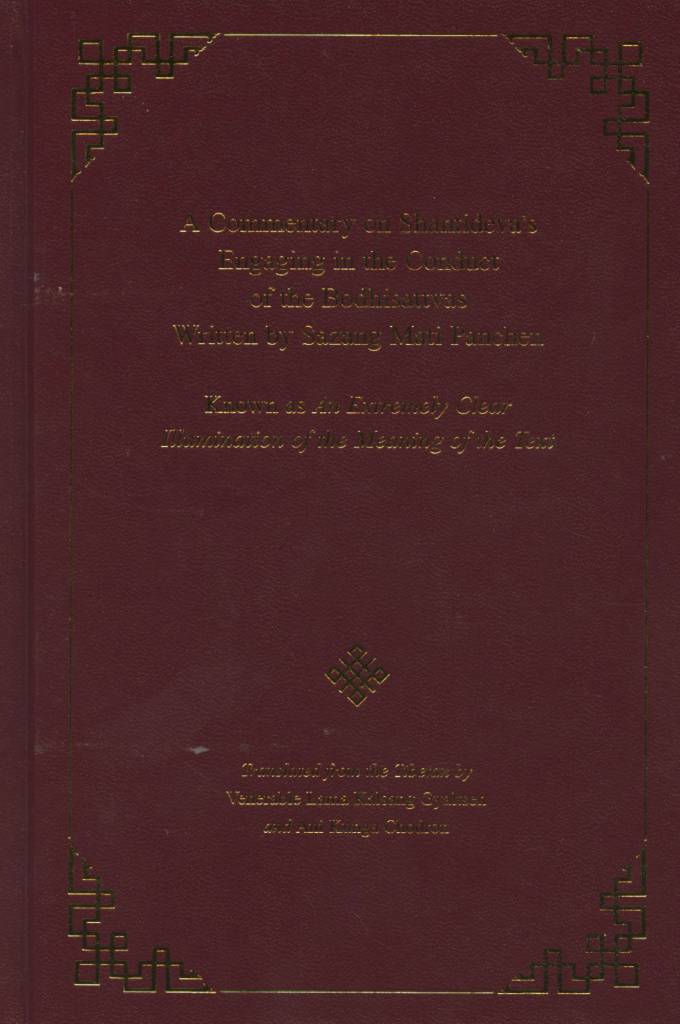
A Commentary on Shantideva's Engaging in the Conduct of the Bodhisattvas (citation)Gyaltsen, Lama Kalsang, and Ani Kunga Chodron, trans. A Commentary on Shantideva's Engaging in the Conduct of the Bodhisattvas Written by Sazang Mati Panchen: Known as An Extremely Clear Illumination of the Meaning of the Text. Walden, NY: Tsechen Kunchab Ling, 2019. Bilingual Edition

(གསུམ་པ་)བདེ་འགྲོ་དཀོན་པར་གསུང་ཚུལ་ནི།

3. How it is rare to attain higher rebirth 1.2.1.2.2.1.3

བདག་གི་སྤྱོད་པ་འདི་འདྲས་ནི། །

མི་ཡི་ལུས་ཀྱང་འཐོབ་མི་འགྱུར། ། མི་ལུས་ཐོབ་པར་མ་གྱུར་ན། །

སྡིག་པ་འབའ་ཞིག་དགེ་བ་མེད། །

bdag gi spyod pa 'di 'dras ni/_/

mi yi lus kyang 'thob mi 'gyur/_/ mi lus thob par ma gyur na/_/

sdig pa 'ba' zhig dge ba med/_/

My conduct such as this

Will not even accomplish a human body again. If a human body is not attained.

There will be no virtue, only sin.

བདག་གི་སྤྱོད་པ་བག་མེད་པའི་དབང་གིས་མི་དགེ་བ་བྱེད་པ་འདི་འདྲས་ནི༵་ཐར་བ་ལྟ་ཞོག་མཐོ་རིས་མིའི་ལུས་ཀྱང་འཐོབ་པར་མི་འགྱུ༵ར་ལ། བདེ་འགྲོ་མའི་ལུས་ཐོབ་པར་མ་གྱུར་ན༵་ཕལ་ཆེར་ངན་སོང་གསུམ་དུ་སྡིག་པ་འབའ་ཞིག་སྤྱོད་ཀྱི་དགེ་བ་སྒྲུབ་པའི་གོ་སྐབས་མེ༵ད་དོ། །

Behavior like mine that heedlessly indulges in non-virtue will make it difficult to attain higher birth as a human, not to mention liberation. If not reborn in a higher realm as a human, I will likely fall into the three lower realms, where there is only indulgence in non-virtue and no opportunity to practice virtue whatsoever.
Gyaltsap Je (1364 - 1432)
The Entrance for the Children of the Conquerors (citation)Stracke, Fedor, trans. The Entrance for the Children of the Conquerors: A Commentary on the Introduction to the Actions of Bodhisattvas. By Gyaltsab Rinpoche. N.p.: Happy Monks Publication, 2016. https://happymonkspublication.org/product/bodhisattvacharyavatara-chapter-1-10-commentary/. Bilingual Edition

བཞི་བ་ལ་གསུམ།

If Reborn in the Lower Realms One has no Opportunity to Generate Virtue 1.1.1.2.2.1.5

དང་པོ་ནི།

There Is no Opportunity For Virtue in the Lower Realms 1.1.1.2.2.1.5.1

བདག་གི་སྤྱོད་པ་འདི་འདྲས་ནི། །

མི་ཡི་ལུས་ཀྱང་འཐོབ་མི་འགྱུར། ། མི་ལུས་ཐོབ་པར་མ་གྱུར་ན། །

སྡིག་པ་འབའ་ཞིག་དགེ་བ་མེད། །
bdag gi spyod pa 'di 'dras ni/_/

mi yi lus kyang 'thob mi 'gyur/_/ mi lus thob par ma gyur na/_/

sdig pa 'ba' zhig dge ba med/_/

With behaviour like this

I will not even attain a human body. If I do not attain a human body

There will be only negativity and no virtue.

དལ་འབྱོར་གྱི་རྟེན་བརྒྱུད་མར་འཐོབ་པས་དེའི་དུས་སུ་བསྒྲུབས་པས་ཆོག་སྙམ་པའི་ལོང་ཡོད་བྱར་མི་རུང་སྟེ།

It is unsuitable to relax, thinking: I will attain a succession of precious human rebirths, so I will practice later on.

སྡིག་པ་བྱེད་ཅིང་དགེ་བ་མི་བྱེད་པའི་བདག་གི་སྤྱོད་པ་འདི་འདྲས་ནི་དུས་ཕྱིས་མི་ཡི་ལུས་ཀྱང་འཐོབ་པར་མི་འགྱུར་ཞིང་

Someone like myself, through actions that create negativity and no virtue, will not even attain a human body in the next life.

མི་ལུས་ཐོབ་པར་མ་གྱུར་ཏེ་ངན་སོང་དུ་སྐྱེས་ན་སྡིག་པ་འབའ་ཞིག་བྱེད་ཅིང་དགེ་བ་བྱེད་པ་ཅུང་ཟད་ཀྱང་མེད་པས་བདེ་འགྲོ་རྙེད་དཀའ་བའོ། །

If I take rebirth in the lower realms, I will only generate non-virtue and not the slightest amount of virtue, and it will be difficult to be reborn again in the happy realms.
Minyak Kunzang Sönam (1823 - 1905)
The Great Hūṃ (citation)Duckworth, Douglas, trans. The Great Hūṃ: A Commentary on Śāntideva's Way of the Bodhisattva. By Minyak Kunzang Sönam. New York, NY: Wisdom Publications, 2025. Bilingual Edition

བདེ་འགྲོ་དཀོན་ལ་དེར་མ་འབད་ན་ངན་འགྲོར་ཆོས་སྒྲུབ་ཏུ་མེད་པ་ནི།

Next it shows that if you do not strive while in the rare higher realms, you cannot practice the Dharma in the lower realms:

བདག་གི་སྤྱོད་པ་འདི་འདྲས་ནི། །

མི་ཡི་ལུས་ཀྱང་འཐོབ་མི་འགྱུར། ། མི་ལུས་ཐོབ་པར་མ་གྱུར་ན། །

སྡིག་པ་འབའ་ཞིག་དགེ་བ་མེད། །
By acting like this,

I will not even achieve a human body again, and if I do not achieve a human body,

there will only be negative deeds without virtues. (4.17)

ད་རེས་ཀྱི་ལུས་འདི་བོར་ཡང་སྐྱེ་བ་ཕྱི་མར་མི་ལུས་བརྒྱུད་མར་ཐོབ་པས་དེ་དང་དེའི་དུས་སུ་ཆོས་བསྒྲུབ་པས་ཆོག་གོ་སྙམ་ན།དེ་ནི་མི་རིགས་ཏེ། བག་མེད་པའི་དབང་གིས་རྟག་ཏུ་མི་དགེ་བ་འབའ་ཞིག་སྤྱོད་པ་ལས་དགེ་བའི་ཕྱོགས་ལ་བློ་མི་འཇུག་པའི་ད་ལྟའི་དུས་ཀྱི་བདག་གི་སྤྱོད་པ་འདི་འདྲ་བས་ནི་སྐྱེ་བ་ཕྱི་མར་མི་ཡི་ལུས་ཀྱང་ཐོབ་པར་མི་འགྱུར་ཏེ་དེ་ཐོབ་བྱེད་ཀྱི་རྒྱུར་གྱུར་བའི་དགེ་བ་མ་བསྒྲུབས་པས་སོ། །ཀྱང་ཞེས་པས་མི་ལུས་ཀྱང་མི་འཐོབ་ན་ཐར་པ་ལྟ་ཅི་ཞེས་སྡུད་དོ། །

One might think, “Even after leaving this body, in the future I can successively achieve human lives. It is fine if I practice the Dharma at those times.” This is not reasonable. Out of carelessness, if I act as I do now, constantly doing what is vicious with a mind that does not tend toward virtue, then I will not achieve a human body in future lives because I will not have done what is virtuous, the cause for attaining it. The word even here includes the meaning that, given that I do not even achieve a human body, it is needless to speak of achieving liberation.

ཆོས་སྒྲུབ་ཏུ་རུང་བ་མི་ལུས་ལྟ་བུའི་རྟེན་བཟང་བོ་ཐོབ་པར་མ་གྱུར་ན་ཕལ་ཆེར་ངན་འགྲོ་སོགས་མི་ཁོམ་པའི་གནས་སུ་ལྟུང་བ་ཤས་ཆེ་ཞིང་དེར་ནི་སྡིག་པ་འབའ་ཞིག་རྒྱུན་པར་གསོག་ཅིང་སྤྱོད་ཀྱི་དགེ་བ་སྒྲུབ་བའི་སྐལ་བ་དང་གོ་སྐབས་གཉིས་ཀ་ཅུང་ཟད་ཀྱང་མེད་པས་སླར་མི་ལུས་ལན་རེ་ཙམ་ཡང་ཐོབ་དཀའ་ན་བརྒྱུད་མར་མི་ཐོབ་པ་སྨོས་ཅི་དགོས་ཞེས་པ་ཡིན་[p.197]Byang chub sems dpa'i spyod pa la 'jug pa'i 'grel bshad rgyal sras rgya mtsho'i yon tan rin po che mi zad 'jo ba'i bum bzang
Mi nyag kun bzang bsod nams (མི་ཉག་ཀུན་བཟང་བསོད་ནམས་). byang chub sems dpa'i spyod pa la 'jug pa'i 'grel bshad rgyal sras rgya mtsho'i yon tan rin po che mi zad 'jo ba'i bum bzang [བྱང་ཆུབ་སེམས་དཔའི་སྤྱོད་པ་ལ་འཇུག་པའི་འགྲེལ་བཤད་རྒྱལ་སྲས་རྒྱ་མཚོའི་ཡོན་ཏན་རིན་པོ་ཆེ་མི་ཟད་འཇོ་བའི་བུམ་བཟང།]. [Excellent Vase That Spills Forth an Ocean of the Inexhaustible and Precious Qualities of the Victor's Heirs: An Explanation of the "Way of the Bodhisattva."].
ལ།

If I do not achieve a good support like a human body that is capable of practicing the Dharma, most likely I will take a hard fall into an unfree state like the lower realms. There, I will continuously enact and accumulate only negative actions. I will have neither the slightest fortune nor opportunity to practice virtue. Consequently, it will be difficult to achieve even one human life again, so it is needless to mention that I will not do so successively.

དེར་མ་ཟད་ལྷ་ལྟ་བུའི་ལུས་ཐོབ་ནའང་དཔལ་འབྱོར་སོགས་ཆེ་མོད་ཀྱི་སྤྱིར་ཆོས་ལ་སྤྱོད་པ་དང་ཁྱད་པར་ཐེག་ཆེན་གྱི་ལམ་སྒྲུབ་པ་ལ་མིའི་རྟེན་ཁྱད་པར་དུ་འཕགས་པས་ནི་ལྷ་བས་ལྷག་པའི་ལུས་རྟེན་ཞེས་གསུངས་པ་ཡིན་གྱི་མི་ལས་གཞན་པའི་རྟེན་གང་རུང་རེ་ཐོབ་པ་ཙམ་ནི་ཆོས་སྒྲུབ་པའི་རྟེན་ཁྱད་པར་དུ་གྱུར་པ་མིན་ཏེ། སློབ་སྤྲིང་ལས།

Moreover, even if I achieve a god’s body, while I would surely have much more wealth, the human body is the superior support for practicing the Dharma in general and for practicing the Mahāyāna path in particular. Thus it is said to be “a bodily support that is superior to that of the gods.” Yet simply achieving any bodily support other than that of a human is not a special support for practicing the Dharma. The Letter to a Student says:

བདེ་གཤེགས་ལམ་རྟེན་འགྲོ་བ་འདྲེན་པར་ཆས་གྱུར་ཅིང་། །

སེམས་ཀྱི་སྟོབས་ཆེན་མི་ཡིས་རྙེད་པ་གང་ཡིན་པ། ། ལམ་དེ་ལྷ་དང་ཀླུ་ཡིས་མི་རྙེད་ལྷ་མིན་དང༌། །

མཁའ་ལྡིང་རིག་འཛིན་མིའམ་ཅི་དང་ལྟོ་འཕྱེས་མིན། །

The path relied upon and taught by the Sugata to guide beings
can be attained by the powerful minds of humans, but
not by gods, nāgas, demigods,
garuḍas, awareness-holders, kinnaras, or reptiles.585Candragomin, Letter to a Student, v. 64, 50a.

ཞེས་གསུངས་པའི་ཕྱིར། ད་ལྟ་དལ་འབྱོར་ཚང་བའི་མི་ལུས་ཐོབ་པ་གང་གི་ཚེ་བྱ་བ་དང་བྱ་བ་མ་ཡིན་པའི་འདོར་ལེན་ལ་བློ་ལས་སུ་རུང་ཞིང་མཐུ་དང་ལྡན་པས་ཆོས་དགེ་བ་སྤྱད་པའམ་སྒྲུབ་པའི་ནུས་པ་ཡོད་ལ་སྐལ་བ་དང་ལྡན་ཡང་དེའི་ཚེ་དགེ་བསྒྲུབ་ཅི་ནུས་ཤིག་བདག་གིས་འབད་པའི་སྒོ་ནས་བསྒྲུབ་པར་མ་བྱས་ན་ཕྱིས་ངན་སོང་གི་གནས་སུ་སྐྱེས་ཚེ་ཡུན་རིང་པོར་སྡུག་བསྔལ་དྲག་པོས་གདུངས་ཤིང་ཕན་གནོད་ཀྱི་རྒྱུ་དང་བླང་དོར་གྱི་གནས་ལ་ཀུན་ནས་ཀུན་ཏུ་རྨོངས་པར་གྱུར་ནས་ཅི་ཡང་མི་ཤེས་ཤིང་བློ་ལས་སུ་མི་རུང་བས་དགེ་བ་ལ་བཀོལ་དུ་མི་བཏུབ་པར་གྱུར་པ་དེའི་ཚེ་བདག་གིས་དགེ་བའི་ལས་ཅི་ཞིག་བྱར་ཡོད་དེ་ཅུང་ཟད་ཀྱང་མེད་པས་ད་ལྟ་སྒོ་གསུམ་དགེ་བ་ལ་བཀོལ་དུ་རུང་བའི་གནས་སྐབས་འདི་ཉིད་ནས་འབད་དགོས་སོ། །

When I have now achieved a human body with freedoms and endowments, I have the power and agility of mind to accept what is to be done and reject what is not to be done. So I have the fortune of possessing the ability to practice the Dharma and to perform virtues. Yet if I do not strive at this time to accomplish as much virtue as I can, in the future I will take birth in the lower realms. At that time, I will be afflicted by intense suffering for a long time. My mind will not be agile, and without knowing anything, I will be completely oblivious to what is to be accepted and what is to be rejected,[p.289]The Great Hum
Duckworth, Douglas, trans. The Great Hūṃ: A Commentary on Śāntideva's Way of the Bodhisattva. By Minyak Kunzang Sönam. New York, NY: Wisdom Publications, 2025.
not knowing what causes benefit or harm. Thus I will not be able to enact what is virtuous. What virtuous deeds will I be able to do at that time? Not the slightest one. Therefore at this time of being able to perform virtues, you should strive now with body, speech, and mind. [187]

དེ་ལྟར་དབུ་མ་ལ་འཇུག་པ་ལས།

The Introduction to the Middle Way says:

གང་ཚེ་རང་དབང་འཇུག་ཅིང་མཐུན་གནས་པ། །

གལ་ཏེ་འདི་བདག་འཛིན་པར་མི་བྱེད་ན། ། གཡང་སར་ལྟུང་བས་གཞན་དབང་འཇུག་འགྱུར་བ། །

དེ་ལས་ཕྱི་ནས་གང་གིས་སློང་བར་འགྱུར། །

When you have freedom and conducive circumstances,
if you do not seize this,
you will fall into an abyss and come under the power of others;
how will you rise from this again?586Candrakīrti, Introduction to the Middle Way, 2.5, 202b.

ཞེས་གང་གི་ཚེ་གཞན་དབང་དུ་མ་གྱུར་པས་རང་དབང་དུ་འཇུག་ཅིང་མཐུན་པའི་ཡུལ་ལྷ་མིའི་འགྲོ་བར་གནས་པ་ན་གལ་ཏེ་སྐྱེས་བུ་འདི་བདག་ཉིད་ངན་འགྲོར་ལྟུང་བ་ལས་འཛིན་པར་མི་བྱེད་ན། སླར་ངན་སོང་གི་གཡང་སར་རང་དབང་མེད་པར་ལྷུང་བས་གཞན་དབང་གིས་འཇུག་པར་འགྱུར་བའི་ཚེ་ངན་སོང་དེ་ལས་ཕྱི་ནས་གང་གིས་སློང་བར་བྱེད་དེ་དེ་ལྟར་བྱེད་པ་སུ་ཡང་མེད་དོ་ཞེས་པའོ། །དེ་དག་གིས་ད་ལྟ་མི་ལུས་ཐོབ་ཆོས་ལ་སྤྱོད་པའི་སྐལ་བ་དང་ལྡན་པའི་སྐབས་འདིར་མཐོ་རིས་དང་ཐར་པ་ཐོབ་བྱེད་ཀྱི་དགེ་བ་ལ་མ་བརྩོན་ན་ཕྱིས་ངན་འགྲོཁོ་ནར་བརྒྱུད་དུས་དགེ་ཆོས་སྒྲུབ་པའི་སྐལ་པ་མེད་པས་མི་ལུས་ཙམ་སྒྲུབ་བྱེད་ཀྱི་ལམ་ཡང་མི་རྙེད་ན་ཐར་བ་ཐོབ་བྱེད་ཀྱི་ལམ་ལྟ་ག་ལ་རྙེད།

It says that when you are not under the power of others and are in control and in a conducive state in the domain of gods and humans, if you do not seize this life so that you do not fall into the lower realms, then you will again fall helplessly into the abyss of the lower realms and fall under the control of others. At that time, how will you rise up from there? No one who acts this way will. If you do not strive in virtue to achieve higher states and liberation now—when you have the opportunity and fortune of a human body that can practice the Dharma—in the future you will successively go to the lower realms. At that time, you will have no fortune to practice the Dharma. So if you do not even find a path to accomplish just a human body, then it is needless to mention that you will not find a path that accomplishes liberation.

ད་ལྟ་དགེ་སྒྲུབ་སྡིག་སྤོང་ཚུལ་བཞིན་བྱས་ན་ངན་འགྲོར་འགྲོ་མི་སྲིད་ལ་དེར་མ་ཟད་ཐར་པའི་མཆོག་ཀྱང་སྒྲུབ་དུས་ན་མཐོ་རིས་ཙམ་སྒྲུབ་པ་ལ་དཀའ་ཚེགས་ཅི་ཡོད་ཅེས་བསྟན་ལ། །དེའི་ཤུགས་ལ་རྟེན་བཟང་ཐོབ་ཀྱང་དགེ་སྡིག་གི་སྤང་བླང་ལེགས་པར་མ་བྱས་ན་དེ་ཐོབ་པ་ཙམ་གྱིས་ངན་[p.198]Byang chub sems dpa'i spyod pa la 'jug pa'i 'grel bshad rgyal sras rgya mtsho'i yon tan rin po che mi zad 'jo ba'i bum bzang
Mi nyag kun bzang bsod nams (མི་ཉག་ཀུན་བཟང་བསོད་ནམས་). byang chub sems dpa'i spyod pa la 'jug pa'i 'grel bshad rgyal sras rgya mtsho'i yon tan rin po che mi zad 'jo ba'i bum bzang [བྱང་ཆུབ་སེམས་དཔའི་སྤྱོད་པ་ལ་འཇུག་པའི་འགྲེལ་བཤད་རྒྱལ་སྲས་རྒྱ་མཚོའི་ཡོན་ཏན་རིན་པོ་ཆེ་མི་ཟད་འཇོ་བའི་བུམ་བཟང།]. [Excellent Vase That Spills Forth an Ocean of the Inexhaustible and Precious Qualities of the Victor's Heirs: An Explanation of the "Way of the Bodhisattva."].
འགྲོའང་མི་ཁེགས་པར་བསྟན་པས་ན་ད་ལྟ་ཅི་ནས་ཀྱང་ལས་དཀར་ནག་གི་འཇུག་ལྡོག་མ་ནོར་བ་ལ་འོབད་དགོས་པར་ཤེས་པར་བྱའོ། །

If you properly practice accomplishing virtues and avoiding negative actions now, then it will be impossible to go the lower realms. Furthermore, it says that if you can even accomplish supreme liberation, then it will not be difficult to achieve just the higher realms. Also, it implies that if you achieve an excellent support but do not properly adopt what is virtuous and avoid what is vicious, then just achieving this support will not prevent the lower realms. Therefore you should know that you must strive as much as you can to adopt positive actions and reject negative ones.
Kunzang Palden (1862 - 1943)
The Nectar of Manjushri's Speech (citation)Blankleder, Helena, and Wulstan Fletcher (Padmakara Translation Group), trans. The Nectar of Manjushri's Speech: A Detailed Commentary on Shantideva's Way of the Bodhisattva. By Kunzang Pelden. Boston: Shambhala Publications, 2007. Bilingual Edition

བདག་གི་སྤྱོད་པ་འདི་འདྲས་ནི། །

མི་ཡི་ལུས་ཀྱང་འཐོབ་མི་འགྱུར། ། མི་ལུས་ཐོབ་པར་མ་གྱུར་ན། །

སྡིག་པ་འབའ་ཞིག་དགེ་བ་མེད། །

bdag gi spyod pa 'di 'dras ni/_/

mi yi lus kyang 'thob mi 'gyur/_/ mi lus thob par ma gyur na/_/

sdig pa 'ba' zhig dge ba med/_/

བདག་གི་སྔོན་ཆད་ཀྱི་སྤྱོད་པ་བླང་དོར་ལ་བག་མེད་པར་མི་དགེ་བ་སྤྱོད་པ་འདི་འདྲས་གནས་པར་བྱེད་ན་ནི་ད་ཕྱིན་ཆད་ཐར་པ་ལྟ་ཅི་མཐོ་རིས་མི་ཡི་ལས་ཀྱང་འཐོབ་པར་མི་འགྱུར་བ། དཔེར་ན་སྔོན་ཀླུའི་རྒྱལ་པོ་རྒྱ་མཚོས་དེ་བཞིན་གཤེགས་པ་རྒྱ་མཚོའི་ནང་དུ་སྤྱན་དྲངས་ཚེ་སྔོན་བདག་འདིར་སྐྱེ་དུས་ཀླུ་ཉུང་ལ་ད་ནི་མང་བས་རྒྱ་མཚོར་མི་ཤོང་བ་ལྟ་བུ་ཅི་ལགས་ཞུས་པ་ལ་བཅས་པ་དང་མ་འབྲེལ་བ་དང་འབྲེལ་བའི་ལྟུང་བ་བྱུང་བས་ཡིན་པ་གསུངས་པ་ལྟར་རོ། །

And yet the way I act is such

That I shall not regain a human life! And losing this, my precious human form,

My evils will be many, virtues none.52According to Buddhist teachings (see remarks in the introduction), karmic results follow ineluctably upon the perpetration of acts, irrespective of conscious attitude or moral conscience (although the quality and force of the act may be significantly affected thereby). Thus beings in the lower realms, animals for example, do indeed accumulate karma and must sooner or later experience the consequences of their actions, even though these may be performed under the irresistible influence of instinct. And the karmic situation is compounded, rather than mitigated, by an unconsciousness of the Dharma. The strength of instinctual habit and the ignorance of what behavior is to be adopted and what behavior is to be abandoned are among the principal miseries of existence in states other than that of the precious human condition.

Previously and until the present time, Shantideva says that he has been careless of what he should and should not do. He has indulged in negative deeds. If he continues to behave in this way, not only can there be no hope of liberation in the future, but he will not even obtain a human existence! [The fact that this can happen is illustrated by] the story of when the naga king Sagara invited the Buddha to visit him in the ocean and said, “When I was born here, there were only a few nagas, but now there are so many that the sea itself cannot contain them. Why is this?” The Buddha replied that it was due to the violation of precepts and other negative actions.


[edit]
[edit]