3.33

From Bodhicitta

Bodhicaryāvatāra · Verse 3.33


Sources:    

Sanskrit §No information about the source used.

सुखभोगबुभुक्षितस्य वा जनसार्थस्य भवाध्वचारिणः। सुखसत्रमिदं ह्युपस्थितं सकलाभ्यागतसत्त्वतर्पणम्॥

 
Chanted Verse
Recitation by Professor Kashinath Nyaupane
32

The caravan of men, which travels through the roads of existence, hungering for pleasure and happiness, finds here the banquet of bliss, in which all those who come to it become satiated.

Standard Tibetan §Padmakara used the 1990 edition printed by si khron mi rigs dpe skrun khang: Byang chub sems dpa'i spyod pa la 'jug pa rtsa ba dang 'grel pa (1990). Also found in Derge Tengyur D3871, dbu ma, vol. 105, la 1b1–40a7.

འགྲོ་བའི་འགྲོན་པོ་སྲིད་པའི་ལམ་རྒྱུ་ཞིང་། །

བདེ་བའི་ལོངས་སྤྱོད་སྤྱད་པར་འདོད་པ་ལ། ། འདི་ནི་བདེ་བའི་མཆོག་ཏུ་ཉེར་གནས་ཏེ། །

སེམས་ཅན་འགྲོན་ཆེན་ཚིམ་པར་བྱེད་པ་ཡིན། །

 
Chanted Verse
Recitation by Lopen Karma Phuntsho
33

Living beings! Wayfarers upon life’s paths,

Who wish to taste the riches of contentment, Here before you is the supreme bliss.

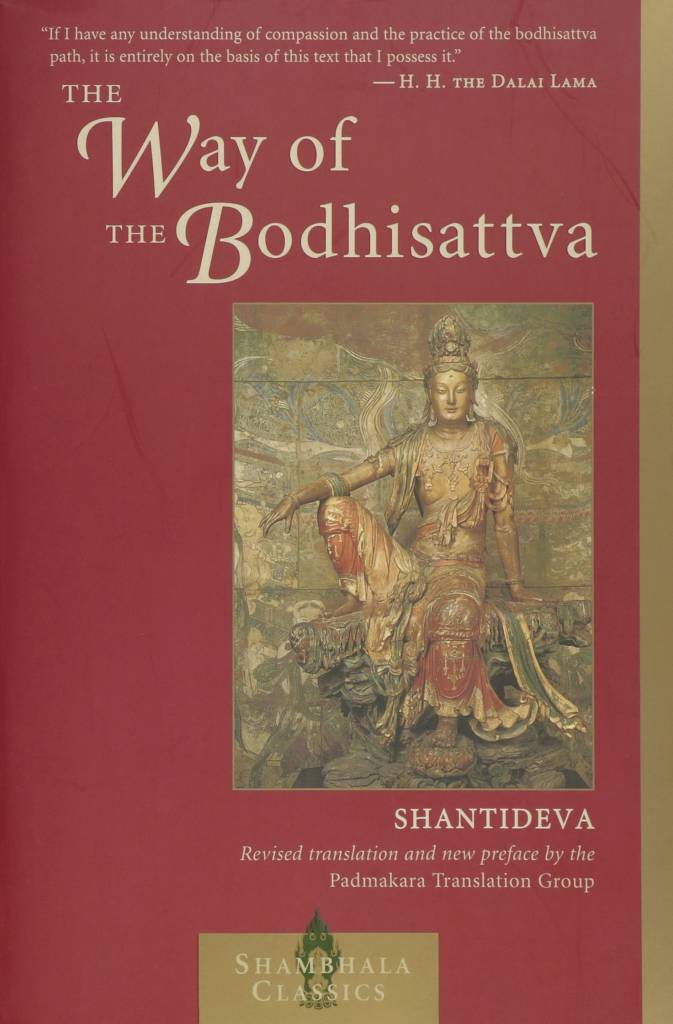
Here, O ceaseless travelers, is your fulfillment![p.52]The Way of the Bodhisattva (2006)
Blankleder, Helena, and Wulstan Fletcher (Padmakara Translation Group), trans. The Way of the Bodhisattva: A Translation of the Bodhicharyāvatāra. By Śāntideva. Rev. ed. Shambhala Classics. Boston: Shambhala Publications, 2006.

Standard Tibetan §Padmakara used the 1990 edition printed by si khron mi rigs dpe skrun khang: Byang chub sems dpa'i spyod pa la 'jug pa rtsa ba dang 'grel pa (1990). Also found in Derge Tengyur D3871, dbu ma, vol. 105, la 1b1–40a7. - Other translations

Ô voyageurs des mondes qui parcourez les voies

Du devenir en aspirant à jouir du bonheur, Vous avez devant vous le bonheur suprême,

La satisfaction de ceux qui errent depuis si longtemps.[p.63]La Marche vers l'Éveil (2007)

Caminantes de los senderos de la existencia

que deseáis disfrutar la riqueza de la dicha: aquí se halla la felicidad suprema.

Eternos transeúntes, ¡esto os hará sentir satisfechos!

La Práctica del Bodisatva-front.jpg
Padmakara Spain 2008

The migrating guests wander on the paths of existence

And wish to engage pleasant enjoyments; It abides close to supreme happiness

And satisfies the great samsaric guests.

For sentient beings traveling on the path of existence,

Who wish to experience happiness, It is the excellent cause of happiness

Which provides a banquet for sentient beings.

shift + scroll / swipe
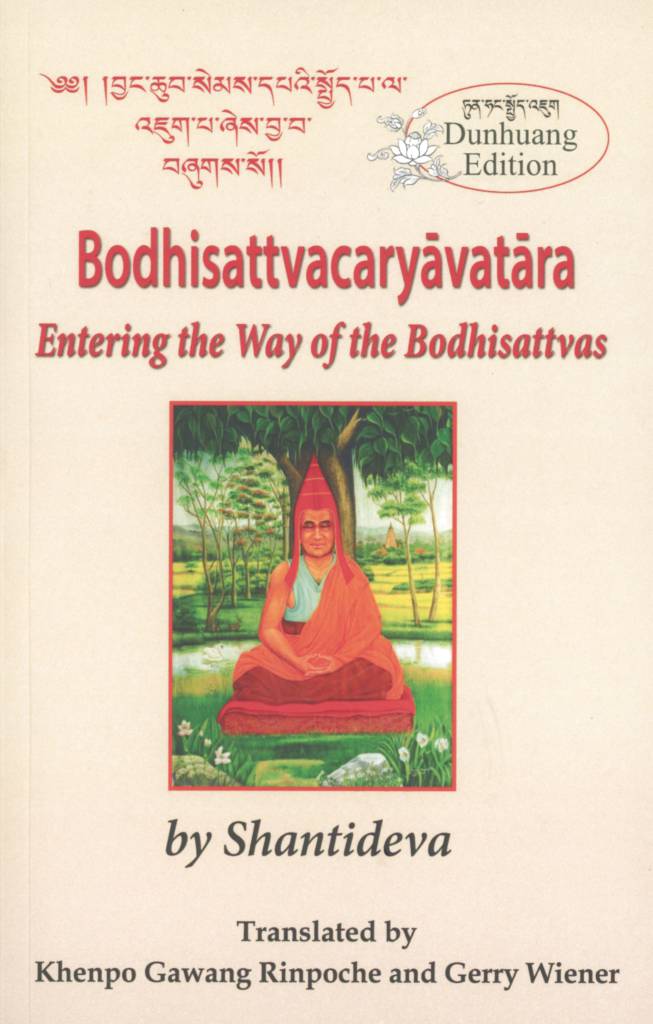
Dūnhuáng §This version is extracted from the book Bodhisattvacaryāvatāra: Entering the Way of the Bodhisattvas (2022, Khenpo Gawang and Wiener), a translation of an edition of the text created from three Dūnhuáng manuscripts. A description and sample pages of these can be found on the Early Tibet Blog. Scans of the actual manuscripts themselves can be found at http://idp.bl.uk

འགྲོ་བའི་འདྲོན་བ་སྲིད་པའི་ལམ་རྒྱུ་ཞིང་། །

བདེ་བའི་ལོངས་སྤྱོད་སྦྱར་བར་འདོད་པ་ལ། ། འདི་ནི་བདེ་བའི་མཆོག་དུ་ཉེར་གནས་ཏེ། །

སེམས་ཅན་མགྲོན་ཆེན་ཚིམ་པར་བྱེད་པ་ཡིན། །

alt verse 2.97 tm data
This version differs from it's counterparts.

For the visitors, the beings who are traveling

On the path of conditioned existence And desire to partake in the enjoyments of happiness, This mind of enlightenment fully abides as supreme happiness.

It brings satisfaction to these great visitors, sentient beings.

Tsadra Critical Edition §This text was created by comparing four versions of the text from Derge, Cone, Narthang, and Peking Tengyurs from BDRC scans, along with Dunhuang manuscripts IOL Tib J 628, 629, and 630. When Tibetan readings were problematic, the Sanskrit texts from GRETIL and LTB (Oslo) were consulted.

འགྲོ་བའི་མགྲོན་པོ་སྲིད་པའི་ལམ་རྒྱུ་[p.105-1-7b]ཞིང་། །

བདེ་བའི་ལོངས་སྤྱོད་སྤྱད་པར་འདོད་པ་ལ། ། འདི་ནི་བདེ་བའི་མཆོག་ཏུ་ཉེར་གནས་ཏེ། །

སེམས་ཅན་མགྲོན་ཆེན་ཚིམ་པར་བྱེད་པ་ཡིན། །

[edit]
Sazang Mati (1294 - 1376)
A Commentary on Shantideva's Engaging in the Conduct of the Bodhisattvas (citation)Gyaltsen, Lama Kalsang, and Ani Kunga Chodron, trans. A Commentary on Shantideva's Engaging in the Conduct of the Bodhisattvas Written by Sazang Mati Panchen: Known as An Extremely Clear Illumination of the Meaning of the Text. Walden, NY: Tsechen Kunchab Ling, 2019. Bilingual Edition

(གཉིས་པ་)གཞན་དགའ་བ་བསྐྱེད་པ་ལ་གཉིས་ལས།

2. Generating joy for others 2.3.2

This has two sections:

1. Generating joy because happiness is exalted,

2. Generating joy that they are honored guests.
2.3.2

(དང་པོ་)བདེ་བའི་མཆོག་ཏུ་གྱུར་བས་དགའ་བ་བསྐྱེད་པ་ནི།

1. Generating joy because happiness is exalted 2.3.2.1

འགྲོ་བའི་འགྲོན་པོ་སྲིད་པའི་ལམ་རྒྱུ་ཞིང་། །

བདེ་བའི་ལོངས་སྤྱོད་སྤྱད་པར་འདོད་པ་ལ། ། འདི་ནི་བདེ་བའི་མཆོག་ཏུ་ཉེར་གནས་ཏེ། །

སེམས་ཅན་འགྲོན་ཆེན་ཚིམ་པར་བྱེད་པ་ཡིན། །

gro ba'i 'gron po srid pa'i lam rgyu zhing /_/

bde ba'i longs spyod spyad par 'dod pa la/_/ 'di ni bde ba'i mchog tu nyer gnas te/_/

sems can 'gron chen tshim par byed pa yin/_/

For sentient beings traveling on the path of existence,

Who wish to experience happiness, It is the excellent cause of happiness

Which provides a banquet for sentient beings.

འགྲོ་བ་རིགས་དྲུག་མཐའ་ཡས་པའི་འགྲོན་པོ་སྲིད་པ་འཁོར་བའི་ལམ་བགྲོད་དཀའ་བ་རྣམས་སུ་ཡང་དང་ཡང་དུ་རྒྱུ་ཞི༵ང་སྡུག་བསྔལ་སྣ་ཚོགས་ཀྱིས་དུབ་པར་གྱུར་པ་ལས། མཐར་བདེ་བ་ཆེན་པོའི་ལོངས་སྤྱོད་ཟད་མི་ཤེས་པ་ཐོབ་ཅིང་སྤྱད་པར་འདོད་པ་རྣམས་ལ༵་བྱང་ཆུབ་ཀྱི་སེམས་འདི་ནི་གནས་སྐབས་དང་མཐར་ཐུག་གི་བདེ་བའི་མཆོག་མ་ལུས་པ་སྒྲུབ་པར་བྱེད་པའི་རྒྱུ་ཉིད་དུ་ཉེ་བར་གནས་ཏེ༵། དེ་བས་ན་སེམས་ཅན་གྱི་འགྲོན་པོ་ཆེན་པོ་རྣམས་བདེ་བའི་བསྙེན་བཀུར་ཕུན་སུམ་ཚོགས་པས་ཚིམ་པར་བྱེད་པ་ཡི༵ན་པས་དགའ་བར་གྱིས་ཤིག་ཅེས་པའོ། །

The limitless beings in the six realms of existence are like guests who travel a difficult and exhausting journey along the path of samsara that is filled with many sufferings. Those among them who wish to reach the destination of inexhaustible great happiness should develop enlightenment thought. It is the cause of accomplishing every type of temporary and ultimate happiness[p.110]A Commentary on Shantideva's Engaging in the Conduct of the Bodhisattvas
Gyaltsen, Lama Kalsang, and Ani Kunga Chodron, trans. A Commentary on Shantideva's Engaging in the Conduct of the Bodhisattvas Written by Sazang Mati Panchen: Known as An Extremely Clear Illumination of the Meaning of the Text. Walden, NY: Tsechen Kunchab Ling, 2019. First edition published by The Yeshe Dorje Foundation in 2006.
without exception. Through it, sentient beings, the great guests, will be satisfied by all types of excellent happiness and joy.
Gyaltsap Je (1364 - 1432)
The Entrance for the Children of the Conquerors (citation)Stracke, Fedor, trans. The Entrance for the Children of the Conquerors: A Commentary on the Introduction to the Actions of Bodhisattvas. By Gyaltsab Rinpoche. N.p.: Happy Monks Publication, 2016. https://happymonkspublication.org/product/bodhisattvacharyavatara-chapter-1-10-commentary/. Bilingual Edition

གཉིས་པ་ནི།

Achieving Every Happiness 1.1.3.2.3.2

འགྲོ་བའི་འགྲོན་པོ་སྲིད་པའི་ལམ་རྒྱུ་ཞིང་། །

བདེ་བའི་ལོངས་སྤྱོད་སྤྱད་པར་འདོད་པ་ལ། ། འདི་ནི་བདེ་བའི་མཆོག་ཏུ་ཉེར་གནས་ཏེ། །

སེམས་ཅན་འགྲོན་ཆེན་ཚིམ་པར་བྱེད་པ་ཡིན། །

gro ba'i 'gron po srid pa'i lam rgyu zhing /_/

bde ba'i longs spyod spyad par 'dod pa la/_/ 'di ni bde ba'i mchog tu nyer gnas te/_/

sems can 'gron chen tshim par byed pa yin/_/

The migrating guests wander on the paths of existence

And wish to engage pleasant enjoyments; It abides close to supreme happiness

And satisfies the great samsaric guests.

འཁོར་བར་འཁྱམས་པའི་འགྲོ་བའི་འགྲོན་པོ་སྲིད་པ་གསུམ་པོའི་ལམ་དུ་རྒྱུ་ཞིང་ལྷ་མིའི་བདེ་བའི་ལོངས་སྤྱོད་ལ་སྤྱད་པར་

The migrating guests wandering in cyclic existence the paths of the three existences wish for the pleasant enjoyments of gods and humans.

འདོད་པ་ལ་སེམས་བསྐྱེད་པ་འདི་ནི་བདེ་བ་སྒྲུབ་པའི་ཐབས་མཆོག་ཏུ་ཉེ་བར་གནས་ཏེ། སེམས་ཅན་གྱི་འགྲོན་ཆེན་ཚིམ་པར་བྱེད་པ་ཡིན་ཏེ། སེམས་ཅན་ཐམས་ཅད་ཀྱི་མངོན་མཐོ་དང་ངེས་ལེགས་སྒྲུབ་པར་བྱེད་པས་སོ། །

This mind generation abides close to the supreme method for establishing happiness and satisfies the many guests from cyclic existence because it establishes the higher status and definite goodness of all sentient beings.[p.15]The Entrance for the Children of the Conquerors
Stracke, Fedor, trans. The Entrance for the Children of the Conquerors: A Commentary on the Introduction to the Actions of Bodhisattvas. By Gyaltsab Rinpoche. N.p.: Happy Monks Publication, 2016. https://happymonkspublication.org/product/bodhisattvacharyavatara-chapter-1-10-commentary/.
Minyak Kunzang Sönam (1823 - 1905)
The Great Hūṃ (citation)Duckworth, Douglas, trans. The Great Hūṃ: A Commentary on Śāntideva's Way of the Bodhisattva. By Minyak Kunzang Sönam. New York, NY: Wisdom Publications, 2025. Bilingual Edition

སེམས་ཅན་རྣམས་ཕན་བདེས་ཚིམ་པར་བྱེད་པས་དགའ་བ་སྒོམ་པ་ནི།

Next it shows the cultivation of joy through satisfying beings with benefits and happiness:

འགྲོ་བའི་འགྲོན་པོ་སྲིད་པའི་ལམ་རྒྱུ་ཞིང་། །

བདེ་བའི་ལོངས་སྤྱོད་སྤྱད་པར་འདོད་པ་ལ། ། འདི་ནི་བདེ་བའི་མཆོག་ཏུ་ཉེར་གནས་ཏེ། །

སེམས་ཅན་འགྲོན་ཆེན་ཚིམ་པར་བྱེད་པ་ཡིན། །

For travelers in the world moving through the paths of existence

who wish for the enjoyments of happiness, this presents the supreme happiness

that satisfies those on this long journey. (3.33)

དམ་པའི་ཆོས་སྡེ་སྣོད་གསུམ་གྱིས་བསྡུས་པའི་གསུང་རབ་འོ་མའི་རྒྱ་མཚོ་ཆེན་པོ་ལྟ་བུ་ཐོས་བསམ་གྱི་ཤེས་རབ་སྲུབ་ཤིང་ལྟ་བུས་ལེགས་པར་བསྲུབས་པ་ལས་ནད་འགའ་ཞིག་ལ་ཕན་པའི་རོ་ནུས་དང་ལྡན་པའི་མར་གྱི་ཉིང་ཁུ་ཕྱུང་བ་ལྟར་དམ་པའི་ཆོས་ཀྱི་སྙིང་པོ་ལས་ཀྱང་ཆེས་ཆེར་སྙིང་པོར་གྱུར་པའི་ཉིང་ཁུ་ཕྱུང་བ་སེམས་ཅན་ཡོངས་ཀྱི་ལས་ཉོན་གྱི་ནད་ཐམས་ཅད་ཞི་བར་བྱེད་ཅིང་ཕན་པ་དང་བདེ་བ་མཐའ་དག་སྟེར་བའི་སྒོ་ནས་ཚིམ་པར་བྱེད་ནུས་པའི་ནུས་བཅུད་ཕུན་སུམ་ཚོགས་པ་དང་ལྡན་པའི་བྱང་ཆུབ་ཀྱི་སེམས་འདི་ཉིད་ད་རེས་རྙེད་པ་ཡིན་པས་དགའ་བ་བསྐྱེད་དེ་འདི་སྲུང་བ་དང་སྤེལ་བའི་ཐབས་སོགས་ལ་འབད་པར་བྱའོ། །

The sacred Dharma, the scriptures comprising the three baskets, is like an ocean of milk, churned well with the churning stick of the wisdom of study and contemplation. From this, the essential essence, the extract that is the heart of the sacred Dharma, comes forth like the extracted butter with a taste that has the power to benefit an illness. This spirit of awakening is the perfect essence with the powerful capacity to bring satisfaction by providing every benefit and happiness, and by pacifying the entirety of sentient beings’ illnesses of karma and afflictions. I have now discovered this spirit of awakening, so I should cultivate joy and strive in methods to protect and develop it.

དེ་བཞིན་དུ་ཡུན་རིང་མོ་ནས་ལས་ཉོན་གྱི་དབང་གིས་འཁོར་བར་འཐུན་པའི་འགྲོ་བའི་འགྲོན་པོ་སྲིད་པ་གསུམ་མམ་སྲིད་པ་བཞིའི་ལམ་བགྲོད་པར་དཀའ་བ་གཅིག་ནས་བརྒྱུད་དེ་གཅིག་ཏུ་རྒྱུ་ཞིང་སྡུག་བསྔལ་སྣ་ཚོགས་ལ་སྤྱོད་པས་ཉམ་ཐག་པར་གྱུར་པ་ལས་གནས་སྐབས་ལྷ་མིའི་བདེ་བ་དང་མཐར་ཐུག་ཟག་མེད་ཀྱི་བདེ་བའི་ལོངས་སྤྱོད་རྒྱ་ཆེན་པོ་ལ་སྤྱད་པར་འདོད་པ་རྣམས་ལ་བྱང་ཆུབ་ཀྱི་སེམས་རིན་པོ་ཆེ་འདི་ནི་དེ་ལྟ་བུའི་ཕུན་སུམ་ཚོགས་པའི་བདེ་བ་མཐའ་དག་སྒྲུབ་པའི་ཐབས་མཆོག་ཏུ་གྱུར་པ་ཉིད་དུ་ཉེ་བར་གནས་ཏེ།

Also, beings are stricken by various sufferings as they continue from one hardship to another while traveling the path of the three or four existences. For a long time, these beings have wandered as guests in cyclic existence through the power of karma and afflictions. For those who wish to enjoy extensively the temporal happiness of the gods and humans, and the consummate, uncontaminated happiness, this precious spirit of awakening[p.182]The Great Hum
Duckworth, Douglas, trans. The Great Hūṃ: A Commentary on Śāntideva's Way of the Bodhisattva. By Minyak Kunzang Sönam. New York, NY: Wisdom Publications, 2025.
presents the supreme method for achieving all the happiness of abundance like this.

རྒྱུ་མཚན་དེའི་ཕྱིར་བྱུང་ཆུབ་ཀྱི་སེམས་འདིས་ནི་ཁམས་གསུམ་གྱི་གནས་རིས་དེ་དང་དེར་རྟག་ཏུ་འགྲོ་འོང་བྱེད་པའི་སེམས་ཅན་[p.118]Byang chub sems dpa'i spyod pa la 'jug pa'i 'grel bshad rgyal sras rgya mtsho'i yon tan rin po che mi zad 'jo ba'i bum bzang
Mi nyag kun bzang bsod nams (མི་ཉག་ཀུན་བཟང་བསོད་ནམས་). byang chub sems dpa'i spyod pa la 'jug pa'i 'grel bshad rgyal sras rgya mtsho'i yon tan rin po che mi zad 'jo ba'i bum bzang [བྱང་ཆུབ་སེམས་དཔའི་སྤྱོད་པ་ལ་འཇུག་པའི་འགྲེལ་བཤད་རྒྱལ་སྲས་རྒྱ་མཚོའི་ཡོན་ཏན་རིན་པོ་ཆེ་མི་ཟད་འཇོ་བའི་བུམ་བཟང།]. [Excellent Vase That Spills Forth an Ocean of the Inexhaustible and Precious Qualities of the Victor's Heirs: An Explanation of the "Way of the Bodhisattva."].
གྱི་འགྲོན་པོ་ཆེན་པོ་སྟེ་འགྲོ་བའི་གནས་དེར་སླེབ་ཟིན་པའི་དུས་མེད་པ་སྐད་ཅིག་ཀྱང་སྡོད་མི་སྲིད་པ་འགྲོ་མཁན་ལ་གྲངོས་བཟུང་དུ་མེད་པ་འགྲོ་བའི་ཡུལ་ལ་མཐའ་མེད་པ་དེ་ལྟ་བུ་རྣམས་ལ་འཕྲལ་དང་ཡུན་གྱི་བདེ་བའི་ལོངས་སྤྱོད་ཀྱི་བསྙེན་བཀུར་གྱ་ནོམ་པ་ཐམས་ཅད་ཀྱིས་ཚིམ་པར་བྱེད་པ་ཡིན་པས་དགའ་བ་བསྐྱེད་ནས་གཅེས་སྤྲས་ཀྱི་སྒོ་ནས་མི་ཉམས་པར་སྲུངས་ཤིག་ཅེས་པའོ། །

Thus sentient beings constantly come and go, traveling through different places in the three realms. There is never a time when these beings have arrived, nor do they remain in place for an instant. The number of travelers is unquantifiable and the places they go are boundless. This spirit of awakening brings satisfaction to those on this long journey through the enjoyments of happiness, esteem, and all that is marvelous for the short term and long term. Thus cultivate joy in it and hold it as very special. Protect it without letting it dissipate. [113]

སྲིད་པར་འཁྱམས་ཚུལ་ནི། བུམ་ནང་གི་བུང་བ་དང་རྫ་མཁན་གྱི་འཁོར་ལོ་ལྟ་བུ་ཡིན་པར་རྒྱ་ཆེར་རོལ་པ་ལས་གསུངས་ལ། སློབ་སྤྲིང་ལས་ཀྱང་།

The Vast Display describes how beings wander in existence like a bee in a jar and like a potter’s wheel.351See Vast Display Sūtra, 142b. Cited in Śāntideva, Anthology of Training, 114b; English trans. in Goodman, The Training Anthology of Śāntideva, 201. The Letter to a Student says:

གང་ཞིག་འཁོར་བའི་འཁོར་ལོ་རྟག་ཏུ་འཁོར་འགྱུར་བའི། །

ནང་དུ་ཞུགས་ནས་བསྟི་བ་ཙམ་ཡང་བདེ་སེམས་པ། ། དེ་ནི་ངེས་པར་རི་དབང་རིམ་གྱིས་བརྒྱ་ཕྲག་ཏུ། །

འགྲོ་བ་མཉམ་དང་མི་མཉམ་ཀུན་ཏུ་འཁྱམས་པར་འགྱུར། །

Those who have entered the constantly turning wheel of cyclic existence and enjoy this brief stay
will certainly wander—hundreds of times, successively and helplessly— in every state of being, those equal and unequal.

འཕགས་པའི་མགྲོན་པོ་དང་བྲལ་ལམ་རྒྱུས་མི་ཤེས་པ། ། འབྲོག་དགོན་འཁྱམས་ན་ཅི་སྟེ་ཡུན་རིང་གདུང་མི་བྱེད། །

Without a sublime guide, they do not know the way;
wandering in isolated and wild places, how are they not tormented?352Candragomin, Letter to a Student, vv. 18 and 12ab, 47a–b. Kunzang Sönam’s “king of mountains” (ri dbang) has been revised to “helplessly” (dbang med), in line with the Tengyur. There are other minor variants.

ཅེས་སོ། །བདེ་བའི་ལོངས་སྤྱོད་ཀྱིས་ཚིམ་པར་བྱེད་ཚུལ་ཡང་སྡོང་པོ་བཀོད་པར་དཔེ་ཉིས་བརྒྱ་དངཉི་ཤུ་ལས་ལྷག་པའི་སྒོ་ནས་བསྟན་པ་ལས་མང་དུ་འབྱུང་ངོ། །འདི་ནི་བདེ་བའི་མཆོག་ཅེས་པ་ནི་སེམས་བསྐྱེད་སྐྱེས་པ་འདི་བདེ་བའི་རྒྱུ་ཡིན་པའི་ཕྱིར་འབྲས་མིང་རྒྱུ་ལ་བཏགས་པ་སྟེ་ཆར་བབས་པ་ན༌འབྲས་ས་ལུ་སྐྱེས་སོ་ཟེར་བ་ལྟར་དང་། སངས་རྒྱས་རྣམས་ནི་འབྱུང་བ་བདེ། །ཆོས་བསྟན་པ་ཡང་བདེ་བ་ཡིན། །ཞེས་སོགས་དང་འདྲའོ། །འགྲེལ་བ་འགའ་ཞིག་ཏུ་ཚིགས་བཅད་འདི་གཞན་དགའ་བ་སྐྱེད་པ་ལ་མར་སྦྱར་ནས་བཤད་དོ། །

As for the way they are satisfied with enjoyments of happiness, there is a lot said in the Densely Arrayed, which demonstrates it with more than 220 examples. The supreme happiness that is the birth of the spirit of awakening is so-called by giving the name of the effect to the cause. This is because it is the cause of happiness, like saying that “rice grows when it rains.” Also, it is like when it is said: “The appearance of the buddhas is happiness; the teaching of the Dharma is also happiness.”353Pratimokṣa Sūtra (H. 2), 3a. In some commentaries, this stanza is explained in the section below on cultivating joy in others.
Kunzang Palden (1862 - 1943)
The Nectar of Manjushri's Speech (citation)Blankleder, Helena, and Wulstan Fletcher (Padmakara Translation Group), trans. The Nectar of Manjushri's Speech: A Detailed Commentary on Shantideva's Way of the Bodhisattva. By Kunzang Pelden. Boston: Shambhala Publications, 2007. Bilingual Edition

འགྲོ་བའི་འགྲོན་པོ་སྲིད་པའི་ལམ་རྒྱུ་ཞིང་། །

བདེ་བའི་ལོངས་སྤྱོད་སྤྱད་པར་འདོད་པ་ལ། ། འདི་ནི་བདེ་བའི་མཆོག་ཏུ་ཉེར་གནས་ཏེ། །

སེམས་ཅན་འགྲོན་ཆེན་ཚིམ་པར་བྱེད་པ་ཡིན། །

gro ba'i 'gron po srid pa'i lam rgyu zhing /_/

bde ba'i longs spyod spyad par 'dod pa la/_/ 'di ni bde ba'i mchog tu nyer gnas te/_/

sems can 'gron chen tshim par byed pa yin/_/

རིགས་དྲུག་གི་འགྲོ་བ་མཐའ་ཡས་པའི་འགྲོན་པོ་སྲིད་པའི་ལམ་སྟེ་མཐོ་སྲིད་པའི་རྩེ་མོ་ནས་དམའ་བ་དམྱལ་བ་མནར་མེད་ཀྱི་བར་དུ་རྒྱུ་ཞིང་འགྲོ་བས་སྡུག་བསྔལ་བར་གྱུར་པ་ལས་གནས་སྐབས་དང་མཐར་ཐུག་གི་བདེ་བའི་ལོངས་སྤྱོད་ལ་སྤྱད་པར་འདོད་པ་རྣམས་ལ་བྱང་ཆུབ་སེམས་དཔའ་འདི་ནི་བྱང་ཆུབ་སེམས་ཀྱི་མཐུས་བདེ་བའི་མཆོག་འཆི་མེད་ཞི་བ་ཐོབ་པ་[p.314]Byang chub sems dpa'i spyod pa la 'jug pa rtsa ba dang 'grel pa (1990)
Slob dpon zhi ba lha and Mkhan po kun dpal. Byang chub sems dpa'i spyod pa la 'jug pa rtsa ba dang 'grel pa. Khreng tu'u: Si khron mi rigs dpe skrun khang, 1990. Buda by BDRC Logo.jpg
ལ་སོགས་པ་གོང་དུ་ཇི་སྐད་བསྟན་པ་རྣམས་ཀྱི་དོན་དུ་འཁོར་བར་སྐྱེས་ནས་ཉེར་གནས་ཞེས་ཉེ་བར་གནས་ཏེ་དཔེར་ན་ཙ་རིའི་ཚོས་ཁ་བཟུང་བ་བཞིན་དུ་སེམས་ཅན་རྣམས་སྐད་ཅིག་མ་ཙམ་དུ་མི་སྡོད་པར་འཆི་བ་ལ་ཐག་ཇེ་ཉེར་འགྲོ་ཞིང་གཏན་དུ་སྡོད་པའི་སར་ཐོན་རྒྱུ་མེད་པས་འགྲོན་པོ་ཆེན་པོར་གྱུར་པ་རྣམས་གང་འདོད་པའི་བདེ་བས་ངོམས་ཤིང་ཚིམ་པར་བྱེད་པ་དེ་ཡང་བྱང་ཆུབ་སེམས་ཀྱི་མཐུས་ཡིན་ནོ་ཞེས་དོན་བསྡུས་སྟེ་བསྟན་པའོ།

Living beings! Wayfarers upon life’s paths,

Who wish to taste the riches of contentment, Here before you is the supreme bliss.

Here, O ceaseless travelers, is your fulfillment![p.52]The Way of the Bodhisattva (2006)
Blankleder, Helena, and Wulstan Fletcher (Padmakara Translation Group), trans. The Way of the Bodhisattva: A Translation of the Bodhicharyāvatāra. By Śāntideva. Rev. ed. Shambhala Classics. Boston: Shambhala Publications, 2006.

The numberless beings that live in the six realms are like wayfarers traveling upon the paths of existence, from the Peak of Existence down to the Hell of Unrelenting Pain. To help those who wish to enjoy the pleasure of a temporary and ultimate respite from the sorrows that they suffer, the Bodhisattvas are reborn in samsara through the power of their bodhichitta, and they remain with beings, staying close to them, in order to bring them to the undying state of supreme bliss referred to previously. They are like the people who pitch refreshment tents for the pilgrims traveling through Tsari. Bodhisattvas bring to beings whatever happiness they desire. Thus they satisfy these ceaseless wanderers who are constantly moving toward their deaths without a moment’s respite, never finding a place of permanent repose. All this is thanks to bodhichitta. With these words, Shantideva brings into focus the teaching of the previous stanzas.


[edit]
[edit]