3.22

From Bodhicitta

Bodhicaryāvatāra · Verse 3.22


Sources:    

Sanskrit §No information about the source used.

एवमाकाशनिष्ठस्य सत्त्वधातोरनेकधा। भवेयमुपजीव्योऽहं यावत्सर्वे न निर्वृताः॥

 
Chanted Verse
Recitation by Professor Kashinath Nyaupane
21

may I in the same manner, in numberless ways, serve as sustenance for this universe of living beings filling the breadth of space, for as long as they have not reached satisfaction and peace.

Standard Tibetan §Padmakara used the 1990 edition printed by si khron mi rigs dpe skrun khang: Byang chub sems dpa'i spyod pa la 'jug pa rtsa ba dang 'grel pa (1990). Also found in Derge Tengyur D3871, dbu ma, vol. 105, la 1b1–40a7.

དེ་བཞིན་ནམ་མཁའི་མཐས་གཏུགས་པའི། །

སེམས་ཅན་ཁམས་ལ་རྣམ་ཀུན་ཏུ། ། ཐམས་ཅད་[p.22]Byang chub sems dpa'i spyod pa la 'jug pa rtsa ba dang 'grel pa (1990)
Slob dpon zhi ba lha and Mkhan po kun dpal. Byang chub sems dpa'i spyod pa la 'jug pa rtsa ba dang 'grel pa. Khreng tu'u: Si khron mi rigs dpe skrun khang, 1990. Buda by BDRC Logo.jpg
མྱ་ངན་འདས་བར་དུ། །

བདག་ནི་ཉེར་འཚོའི་རྒྱུར་ཡང་ཤོག །

 
Chanted Verse
Recitation by Lopen Karma Phuntsho
22

Thus for everything that lives,

As far as are the limits of the sky, May I be constantly their source of livelihood

Until they pass beyond all sorrow.

Standard Tibetan §Padmakara used the 1990 edition printed by si khron mi rigs dpe skrun khang: Byang chub sems dpa'i spyod pa la 'jug pa rtsa ba dang 'grel pa (1990). Also found in Derge Tengyur D3871, dbu ma, vol. 105, la 1b1–40a7. - Other translations

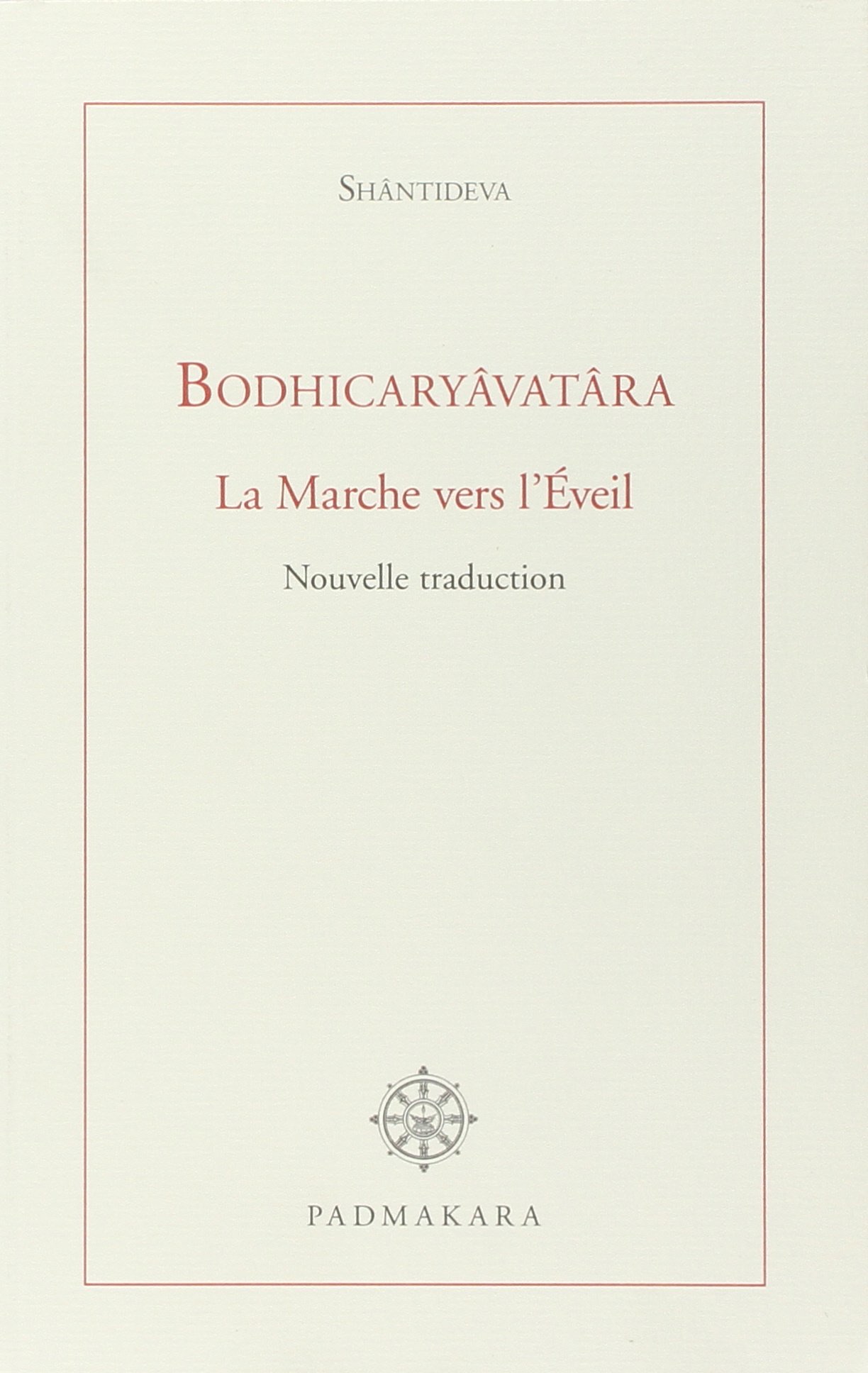
Puissé-je ainsi pourvoir aux besoins des êtres

Jusqu’à la in de l’espace En tout lieu et de tout temps

Jusqu’à ce que tous atteignent le nirvâna !

Asimismo, hasta que todos los seres,

que pueblan el espacio hasta sus últimos confines, pasen más allá del sufrimiento

que los provea de todo lo necesario para la vida.

La Práctica del Bodisatva-front.jpg
Padmakara Spain 2008

Likewise, may I be the cause for the livelihood

Of all the realms of sentient beings, That stretch until the edge of space,

Until they all go beyond misery.

Thus for all sentient beings,

Limitless as the boundaries of space. Until they reach nirvana,

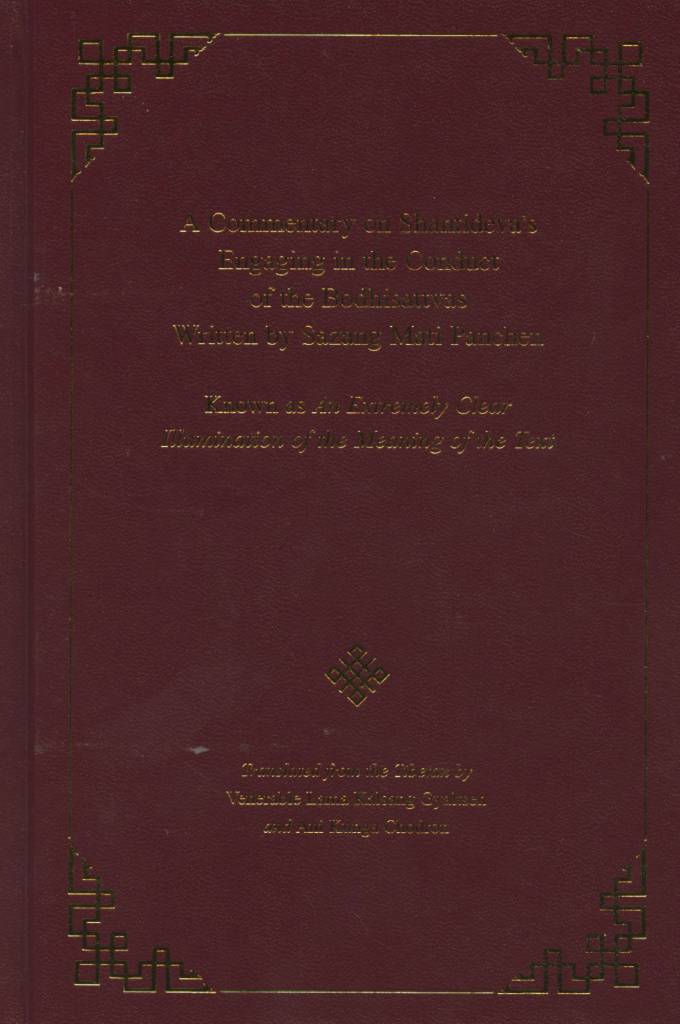
May I be the direct source of their life.[p.106]A Commentary on Shantideva's Engaging in the Conduct of the Bodhisattvas
Gyaltsen, Lama Kalsang, and Ani Kunga Chodron, trans. A Commentary on Shantideva's Engaging in the Conduct of the Bodhisattvas Written by Sazang Mati Panchen: Known as An Extremely Clear Illumination of the Meaning of the Text. Walden, NY: Tsechen Kunchab Ling, 2019. First edition published by The Yeshe Dorje Foundation in 2006.

shift + scroll / swipe
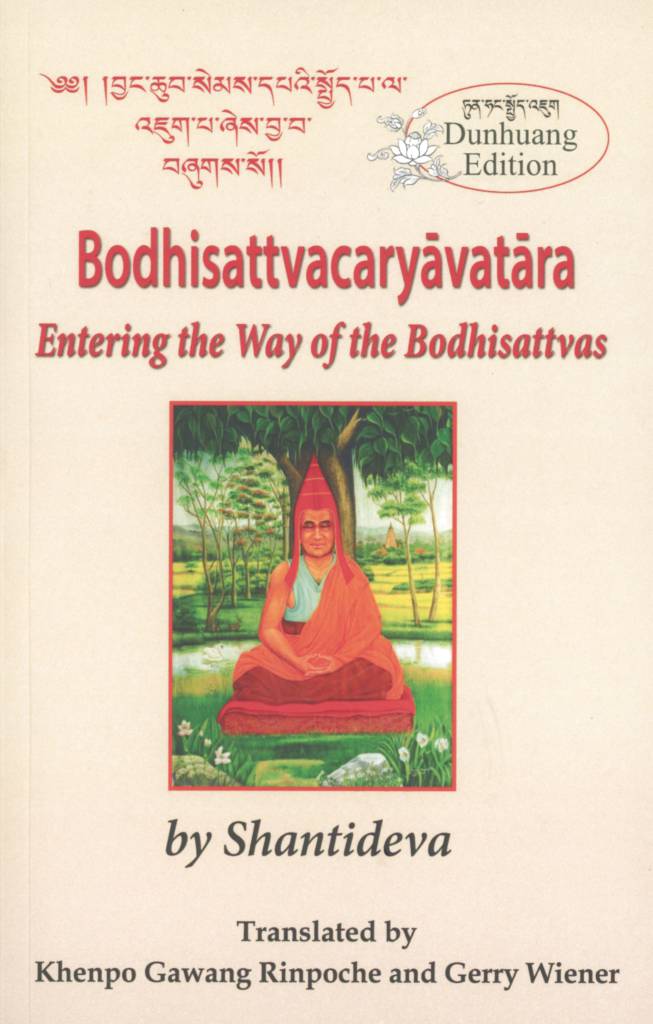
Dūnhuáng §This version is extracted from the book Bodhisattvacaryāvatāra: Entering the Way of the Bodhisattvas (2022, Khenpo Gawang and Wiener), a translation of an edition of the text created from three Dūnhuáng manuscripts. A description and sample pages of these can be found on the Early Tibet Blog. Scans of the actual manuscripts themselves can be found at http://idp.bl.uk

དེ་བཞིན་ནམ་མཁའི་མཐས་གཏུགས་པའི། །

སེམས་ཅན་ཁམས་ལ་རྣམ་ཀུན་དུ། ། ཐམས་ཆད་མྱ་ངན་འདས་བར་དུ། །

བདག་ནི་ཉེར་འཚོའི་རྒྱུར་ཡང་ཤོག །

alt verse 2.86 tm data
This version differs from it's counterparts.

Likewise, in the realms of sentient beings

Reaching the limits of space, May I, at all times, Become the cause that supports life’s necessities

Until all attain nirvana.

Tsadra Critical Edition §This text was created by comparing four versions of the text from Derge, Cone, Narthang, and Peking Tengyurs from BDRC scans, along with Dunhuang manuscripts IOL Tib J 628, 629, and 630. When Tibetan readings were problematic, the Sanskrit texts from GRETIL and LTB (Oslo) were consulted.

དེ་བཞིན་ནམ་མཁའི་མཐས་གཏུགས་པའི། །

སེམས་ཅན་ཁམས་ལ་རྣམ་ཀུན་དུ། ། ཐམས་ཅད་མྱ་ངན་འདས་བར་དུ། །

བདག་ནི་ཉེར་འཚོའི་རྒྱུར་ཡང་ཤོག །

[edit]
Sazang Mati (1294 - 1376)
A Commentary on Shantideva's Engaging in the Conduct of the Bodhisattvas (citation)Gyaltsen, Lama Kalsang, and Ani Kunga Chodron, trans. A Commentary on Shantideva's Engaging in the Conduct of the Bodhisattvas Written by Sazang Mati Panchen: Known as An Extremely Clear Illumination of the Meaning of the Text. Walden, NY: Tsechen Kunchab Ling, 2019. Bilingual Edition

དེ་བཞིན་ནམ་མཁའི་མཐས་གཏུགས་པའི། །

སེམས་ཅན་ཁམས་ལ་རྣམ་ཀུན་ཏུ། ། ཐམས་ཅད་[p.22]Byang chub sems dpa'i spyod pa la 'jug pa rtsa ba dang 'grel pa (1990)
Slob dpon zhi ba lha and Mkhan po kun dpal. Byang chub sems dpa'i spyod pa la 'jug pa rtsa ba dang 'grel pa. Khreng tu'u: Si khron mi rigs dpe skrun khang, 1990. Buda by BDRC Logo.jpg
མྱ་ངན་འདས་བར་དུ། །

བདག་ནི་ཉེར་འཚོའི་རྒྱུར་ཡང་ཤོག །

de bzhin nam mkha'i mthas gtugs pa'i/_/

sems can khams la rnam kun tu/_/ thams cad [p.22]Byang chub sems dpa'i spyod pa la 'jug pa rtsa ba dang 'grel pa (1990)
Slob dpon zhi ba lha and Mkhan po kun dpal. Byang chub sems dpa'i spyod pa la 'jug pa rtsa ba dang 'grel pa. Khreng tu'u: Si khron mi rigs dpe skrun khang, 1990. Buda by BDRC Logo.jpg
mya ngan 'das bar du/_/

bdag ni nyer 'tsho'i rgyur yang shog_/

Thus for all sentient beings,

Limitless as the boundaries of space. Until they reach nirvana,

May I be the direct source of their life.[p.106]A Commentary on Shantideva's Engaging in the Conduct of the Bodhisattvas
Gyaltsen, Lama Kalsang, and Ani Kunga Chodron, trans. A Commentary on Shantideva's Engaging in the Conduct of the Bodhisattvas Written by Sazang Mati Panchen: Known as An Extremely Clear Illumination of the Meaning of the Text. Walden, NY: Tsechen Kunchab Ling, 2019. First edition published by The Yeshe Dorje Foundation in 2006.

ཉེར་འཚོའི་གཞིར་གྱུར་པ་དེ་བཞིན་དུ་ཡུལ་ནམ་མཁའི་མཐས་གཏུགས་པར་ཁྱབ་པ༵འི་སེམས་ཅན་གྱི་ཁམས་རྣམས་ལ་དུས་དང་རྣམ་པ་ཀུན་ཏུ༵་སྟེ་ཐམས་ཅད་འཁོར་བའི་སྡུག་བསྔལ་ལས་གྲོལ་བའི་མྱ་ངན་ལས་འདས་པ་མ་ཐོབ་ཀྱི་བར་དུ༵་བདག་ནི་གང་ལ་ཅི་དགོས་པའི་ཉེར་འཚོའི་ཁྱད་པར་ལོངས་སྤྱོད་སྣ་ཚོགས་པའི་རྒྱུར་ཡང་ཤོ༵ག་ཅིག་ཅེས་པའོ། །

May I also cause the arising of whatever possessions are needed in any form for any purpose for all sentient beings equal in number to the infinity of space until each and every one of them is freed from the suffering of samsara and achieves the liberation of perfect enlightenment.
Gyaltsap Je (1364 - 1432)
The Entrance for the Children of the Conquerors (citation)Stracke, Fedor, trans. The Entrance for the Children of the Conquerors: A Commentary on the Introduction to the Actions of Bodhisattvas. By Gyaltsab Rinpoche. N.p.: Happy Monks Publication, 2016. https://happymonkspublication.org/product/bodhisattvacharyavatara-chapter-1-10-commentary/. Bilingual Edition

གསུམ་པ་ནི།

Dedicating for Uninterrupted Continuum of Object and Time 1.1.1.5.1.3.3

ཇི་ལྟར་འཇམ་དབྱངས་ལ་སོགས་པས། །

རྒྱལ་བ་རྣམས་ལ་མཆོད་མཛད་པ། ། དེ་བཞིན་བདག་གིས་དེ་བཞིན་གཤེགས། །

མགོན་པོ་སྲས་དང་བཅས་རྣམས་མཆོད། །

ji ltar 'jam dbyangs la sogs pas/_/

rgyal ba rnams la mchod mdzad pa/_/ de bzhin bdag gis de bzhin gshegs/_/

mgon po sras dang bcas rnams mchod/_/

Likewise, may I be the cause for the livelihood

Of all the realms of sentient beings, That stretch until the edge of space,

Until they all go beyond misery.

དེ་བཞིན་དུ་ནམ་མཁའི་མཐས་གཏུགས་པའི་སེམས་ཅན་གྱི་ཁམས་རྣམས་ལ་སྒོ་མཐའ་ཡས་པའི་རྣམ་པ་ཀུན་ཏུ་ཐམས་ཅད་མྱ་ངན་ལས་འདས་པ་ཐོབ་པའི་བར་དུ་བདག་ནི་སེམས་ཅན་རྣམས་ཀྱི་ཕན་པ་འབའ་ཞིག་གི་སྒོ་ནས་ཉེར་འཚོའི་རྒྱུར་ཡང་ཤོག་ཅིག་སྙམ་དུ་

Likewise, may I also become the cause for the livelihood of all the realms of sentient beings, which extent to the edge of space, by benefiting them in infinite ways, until they go beyond misery.

ཡང་དང་ཡང་དུ་བསམ་པའི་སྒོ་ནས་བློ་སྦྱང་བར་བྱའོ། །

Train the mind like this again and again.[p.11]The Entrance for the Children of the Conquerors
Stracke, Fedor, trans. The Entrance for the Children of the Conquerors: A Commentary on the Introduction to the Actions of Bodhisattvas. By Gyaltsab Rinpoche. N.p.: Happy Monks Publication, 2016. https://happymonkspublication.org/product/bodhisattvacharyavatara-chapter-1-10-commentary/.
Minyak Kunzang Sönam (1823 - 1905)
The Great Hūṃ (citation)Duckworth, Douglas, trans. The Great Hūṃ: A Commentary on Śāntideva's Way of the Bodhisattva. By Minyak Kunzang Sönam. New York, NY: Wisdom Publications, 2025. Bilingual Edition

ཡུལ་དུས་ཆད་པ་མེད་པའི་སྒོ་ནས་སེམས་ཅན་ལ་ཕན་འདོགས་པར་སྨོན་པ་ནི།

Next is an aspiration to benefit sentient beings everywhere unceasingly:

དེ་བཞིན་ནམ་མཁའི་མཐས་གཏུགས་པའི། །

སེམས་ཅན་ཁམས་ལ་རྣམ་ཀུན་ཏུ། ། ཐམས་ཅད་མྱ་ངན་འདས་བར་དུ། །

བདག་ནི་ཉེར་འཚོའི་རྒྱུར་ཡང་ཤོག །

Likewise may I be a cause for the sustenance

of all beings in every way across limitless space,

until everyone reaches nirvāṇa. (3.22)

སྔ་མ་དེ་བཞིན་དུ་ནམ་མཁའི་ཁམས་ཀྱི་མཐས་གཏུགས་པར་ཁྱབ་པའི་སེམས་ཅན་གྱི་ཁམས་རྒྱ་ཆེ་ཞིང་རྒྱུན་རིང་རྣམས་ལ་རྣམ་ཀུན་ཏུ་སྟེ་སྒོ་མཐའ་ཡས་པ་ནས་སེམས་ཅན་ཐམས་ཅད་འཁོར་བའི་སྡུག་བསྔལ་ལས་གྲོལ་ནས་མི་གནས་པའི་མྱ་ངན་ལས་འདས་པའི་གོ་འཕང་ཐོབ་ཀྱི་བར་རམ་མ་ཐོབ་ཀྱི་བར་དུ་བདག་ནི་[p.111]Byang chub sems dpa'i spyod pa la 'jug pa'i 'grel bshad rgyal sras rgya mtsho'i yon tan rin po che mi zad 'jo ba'i bum bzang
Mi nyag kun bzang bsod nams (མི་ཉག་ཀུན་བཟང་བསོད་ནམས་). byang chub sems dpa'i spyod pa la 'jug pa'i 'grel bshad rgyal sras rgya mtsho'i yon tan rin po che mi zad 'jo ba'i bum bzang [བྱང་ཆུབ་སེམས་དཔའི་སྤྱོད་པ་ལ་འཇུག་པའི་འགྲེལ་བཤད་རྒྱལ་སྲས་རྒྱ་མཚོའི་ཡོན་ཏན་རིན་པོ་ཆེ་མི་ཟད་འཇོ་བའི་བུམ་བཟང།]. [Excellent Vase That Spills Forth an Ocean of the Inexhaustible and Precious Qualities of the Victor's Heirs: An Explanation of the "Way of the Bodhisattva."].
སེམས་ཅན་དེ་དག་གང་ལ་ཅི་དགོས་པའི་ཉེར་འཚོའི་ལོངས་སྤྱོད་ཟད་མི་ཤེས་པའི་གཞིའམ་རྒྱུར་ཡང་ཤོག་ཅིག་སྙམ་དུ་ཡང་ཡང་བསམ་ནས་བློ་སྦྱོང་བར་བྱའོ། །སྔ་ཕྱིའི་དོན་དེ་དག་ཀྱང་བསླབ་བཏུས་སུ་བློ་གྲོས་མི་ཟད་པའི་མདོ་དྲངས་པ་ལས།

In a similar way as stated above, the vast realms of sentient beings encompass the limits of the realms of space. For a long time, until all sentient beings attain the state of nonabiding nirvāṇa after being freed from the suffering of cyclic existence, may I in every way, limitless ways, become the ground or cause for the inexhaustible provisions that sustain beings, whatever they may need. You should train the mind by thinking again and again in this way. The meanings expressed above and later are stated in the Akṣayamati Sūtra, which is cited in the Anthology of Training:

ལུས་འདི་བདག་གིས་སེམས་ཅན་ཐམས་ཅད་ཀྱི་བྱ་བ་ཅི་ཡོད་པ་ལ་དེངས་པར་བྱ་སྟེ། དཔེར་ན་སའི་ཁམས་དང་ཆུའི་ཁམས་དང་མེའི་ཁམས་དང་རླུང་གི་ཁམས་དང་འབྱུང་བ་ཆེན་པོ་བཞི་པོ་འདི་དག་སྒོ་སྣ་ཚོགས་པ་དང་རྣམ་གྲངས་སྣ་ཚོགས་དང་དམིགས་པ་སྣ་ཚོགས་དང་ཡོ་བྱད་སྣ་ཚོགས་དང་སྤྱོད་པ་སྣ་ཚོགས་ཀྱིས་ཉེ་བར་ལོངས་སྤྱོད་པ་དང་ཡོངས་སུ་ལོངས་སྤྱོད་པར་བྱེད་པ་དེ་བཞིན་དུ་བདག་གིས་ཀྱང་འབྱུང་བ་ཆེན་པོ་བཞི་འདུས་པའི་ལུས་འདི་སྒོ་སྣ་ཚོགས་དང་རྣམ་གྲངས་སྣ་ཚོགས་དང་དམིགས་པ་སྣ་ཚོགས་དང་ཡོ་བྱད་སྣ་ཚོགས་དང་ལོངས་སྤྱོད་སྣ་ཚོགས་ཀྱིས༌རྒྱ་ཆེར་སེམས་ཅན་ཐམས་ཅད་ཀྱི་ཉེ་བར་འཚོ་བར་བྱའོ་སྙམ་སྟེ་ཞེས་སོགས་དང༌།

I give away this body to serve whatever sentient beings do. For example, these four great elements—the elements of earth, water, fire, and wind—provide in manifold ways through various functions, various supports, various provisions, and various materials that are used and enjoyed in many ways. Likewise, may my body that is comprised of these four great elements sustain all sentient beings extensively in manifold ways through various functions, various supports, various provisions, and various enjoyments.345Cited in Śāntideva, Anthology of Training, 16a–b; English trans. in Goodman, The Training Anthology of Śāntideva, 25.[p.173]The Great Hum
Duckworth, Douglas, trans. The Great Hūṃ: A Commentary on Śāntideva's Way of the Bodhisattva. By Minyak Kunzang Sönam. New York, NY: Wisdom Publications, 2025.

དྲི་མ་མེད་པར་གྲགས་པས་བསྟན་པ་ལས།

Also, the Vimalakīrti Sūtra says:

ཆུ་དང་མེ་ཡང་རབ་འགྱུར་ཏེ། ། ས་དང་རླུང་དུའང་དེ་བཞིན་ནོ། །

Becoming the water and fire
as well as the earth and wind . . .346Teaching of Vimalakīrti Sūtra, 338a.

ཞེས་དང༌། དཀོན་བརྩེགས་སོགས་ལས་ཀྱང་བྱང་སེམས་འབྱུང་བ་ལྔ་ལྟར་སེམས་ཅན་གྱི་དོན་བྱེད་པར་གསུངས་སོ། །

Texts like the Heap of Jewels also say that, like the five elements, bodhisattvas act for the welfare of beings.

ལུས་དང་དེ་བཞིན་ལོངས་སྤྱོད་དང། །ཞེས་པ་སོགས་འགའ་ཞིག་གིས་བསྔོ་བའི་ཡན་ལག་ཏུ་བཤད་ཀྱང་དེ་ནི་འགྲེལ་པ་རྣམས་སུ་བསྔོ་བ་ལས་ཐ་དད་དུ་བཤད་པ་དང་འགལ་ལ། དེ་བཞིན་དུ་འགའ་ཞིག་གིས་སྨོན་སེམས་སུ་བཞེད་ནའང་འདི་དག་གཞན་ལ་ཕན་པའི་རྒྱུར་སྨོན་པ་ཙམ་ཡིན་ཀྱང་བདག་སངས་རྒྱས་སུ་གྱུར་ཅིག་ཅེས་སྨོན་པ་མེད་པས་སྨོན་སེམས་སུ་མི་རིགས་ལ། འགའ་ཞིག་གིས་དངོས་གཞིའི་ཆོ་གར་བྱེད་ཀྱང་འགྲེལ་བ་རྣམས་ནས་སྦྱོར་ཆོག་ཏུ་བཤད་པ་དང་འགལ་ཞེས་བུ་སྟོན་གསུངས་ལ། དེས་ན་ཤནྟི་པས་རྒྱུ་ནི་སྙིང་རྗེས་སེམས་ཅན་རྗེས་སུ་འཛིན་པར་ཡིད་ལ་བྱེད་པ་དང། རྐྱེན་ནི་ཕྱག་འཚལ་བཤགས་པ་ཡི་རང་བསྔོ་བ་སྨོན་ལམ་ཞེས་ཐ་དད་དུ་བཤད་པ་ལྟར་རིགས་པར་ཡང་གསུངས་སོ། །

Some people describe “I give my body, possessions ...” (3.11) as part of the dedication, but this is contradicted in the commentaries because it is explained as different from the dedication. Similarly, some people hold this to be the aspirational spirit of awakening, but it is not reasonable for it to be so because, despite just having the aspiration to be a cause for benefiting others, there is no aspiration to become a buddha. Also, some people include this in the main part of the ritual, yet the commentaries describe it as the preparation, so this too is contradictory. This was stated by Butön; he also said that Śāntipa’s claim was reasonable, that the cause is attending to holding sentient beings with compassion, and the conditions are explained separately as paying homage, confessing, rejoicing, dedicating, and [107] making aspirations.347See Butön, Moonlight Illuminating the Spirit of Awakening (Byang chub kyi sems gsal bar byed pa zla ba’i ’od zer), 281. Butön identifies that it was Kṛṣṇapa who made the first unreasonable claim (that this is part of the dedication) and that Ngok made the last unreasonable claim (that this is in the main part of the ritual).

དེ་ལྟར་སྐྱབས་འགྲོ་སྔོན་དུ་འགྲོ་བའི་སྡིག་བཤགས་སོགས་འགལ་རྐྱེན་མི་མཐུན་ཕྱོགས་སྦྱོང་པ་དང་། མཆོད་པ་དང་ཡི་རང་སོགས་མཐུན་རྐྱེན་ཚོགས་བསགས་པ་དང༌། བསོད་ནམས་རླབས་པོ་ཆེ་གསོག་པའི་ཐབས་ལུས་སོགས་གཏོང་བ་དང་སྨོན་ལམ་གདབ་པ་སོགས་ཉེར་ལེན་གྱི་རྒྱུ་གཞན་དོན་དོན་གཉེར་གྱི་ལྷག་བསམ་ཁྱད་པར་ཅན་སྐྱེད་ཚུལ་ཏེ་དེ་རྣམས་ནི་སེམས་བསྐྱེད་ཀྱི་སྔོན་དུ་འགྲོ་བའི་ཆོས་མེད་དུ་མི་རུང་བ་སྟེ། གང་ཟག་སྡིག་པ་ཅན་དང་བསམ་པ་ངན་པ་དང་བསོད་ནམས་མ་བསགས་ཤིང་དགེ་རྩ་ངན་ངོན་ཙམ་ལས་མེད་པ་རྣམས་ལ་བྱང་ཆུབ་ཀྱི་སེམས་སྐྱེ་དཀའ་བ་དང་། གཞན་དོན་དོན་གཉེར་དང་བྱང་ཆུབ་དོན་གཉེར་ལྟ་བུའི་དགེ་སེམས་ཁྱད་པར་ཅན་དང་ལྡན་པ་ལ་འབད་[p.112]Byang chub sems dpa'i spyod pa la 'jug pa'i 'grel bshad rgyal sras rgya mtsho'i yon tan rin po che mi zad 'jo ba'i bum bzang
Mi nyag kun bzang bsod nams (མི་ཉག་ཀུན་བཟང་བསོད་ནམས་). byang chub sems dpa'i spyod pa la 'jug pa'i 'grel bshad rgyal sras rgya mtsho'i yon tan rin po che mi zad 'jo ba'i bum bzang [བྱང་ཆུབ་སེམས་དཔའི་སྤྱོད་པ་ལ་འཇུག་པའི་འགྲེལ་བཤད་རྒྱལ་སྲས་རྒྱ་མཚོའི་ཡོན་ཏན་རིན་པོ་ཆེ་མི་ཟད་འཇོ་བའི་བུམ་བཟང།]. [Excellent Vase That Spills Forth an Ocean of the Inexhaustible and Precious Qualities of the Victor's Heirs: An Explanation of the "Way of the Bodhisattva."].
མེད་དུ་སྐྱེ་བར་གསུངས་པའི་ཕྱིར་ཏེ། སྡོང་པོ་བཀོད་པ་ལས།

In this way, the primary causes for generating the distinctive superior intention that seeks to benefit others are: purifying negativity and adverse conditions by confession and so on, which are preliminaries to going for refuge; accumulating conducive conditions such as offering and rejoicing; and the methods for generating great waves of merit, such as giving the body and making aspiration prayers. These are indispensable elements that precede the generation of the spirit of awakening. It is difficult for those who are evil, those who have negative intentions, those who have not accumulated merit, and those who have deficient roots of virtue to give rise to the spirit of awakening. Those who have especially virtuous minds, such that they pursue others’ welfare and awakening, are said to give rise to it effortlessly. The reason for this is stated in the Densely Arrayed:

རིགས་ཀྱི་བུ་འདི་ལྟ་སྟེ་དཔེར་ན་རྡོ་རྗེ་རིན་པོ་ཆེ་མ་རབས་ཀྱི་འབྱུང་ཁུངས་ནས་མི་འབྱུང་གི་རྡོ་རྗེའི་འབྱུང་ཁུངས་སམ་གསེར་གྱི་འབྱུང་ཁུངས་ནས་འབྱུང་ངོ༌། །དེ་བཞིན་དུ་ཐམས་ཅད་མཁྱེན་པ་ཉིད་དུ་སེམས་བསྐྱེད་པ་རྡོ་རྗེ་རིན་པོ་ཆེ་ལྟ་བུ་ཡང་སེམས་ཅན་རྩ་བབསམ་པའི་དགེ་བའི་རྩ་བ་མ་རབས་ཀྱི་རིན་པོ་ཆེའི་འབྱུང་གནས་ནས་མི་སྐྱེ་སྟེ། གཞན་དུ་སེམས་ཅན་ཡོངས་སུ་སྐྱོབ་པའི་སྙིང་རྗེ་ཆེན་པོའི་རྡོ་རྗེའི་འབྱུང་ཁུངས་སམ་ཐམས་ཅད་མཁྱེན་པའི་ཡེ་ཤེས་ལ་ལྷག་པར་དམིགས་པའི་གསེར་གྱི་འབྱུང་ཁུངས་ཆེན་པོ་ནས་འབྱུང་ངོ་ཞེས་དང། རིགས་ཀྱི་བུ་འདི་ལྟ་སྟེ་དཔེར་ན་རྡོ་རྗེ་རིན་པོ་ཆེ་ནི་སྐྱེ་བོ་མ་རབས་ཀྱི་ལག་ཏུ་ཕྱིན་པར་མི་འགྱུར་རོ། །

For example, a precious diamond does not come from a crude mine; rather, it comes from a diamond mine or a gold mine. Likewise, the precious diamond-like spirit of awakening toward omniscience does not arise from a mine of crude roots of virtue in the minds of sentient beings. Rather, it comes from the diamond[p.174]The Great Hum
Duckworth, Douglas, trans. The Great Hūṃ: A Commentary on Śāntideva's Way of the Bodhisattva. By Minyak Kunzang Sönam. New York, NY: Wisdom Publications, 2025.
mine of great compassion to completely protect sentient beings, or from the great gold mine of a superior orientation toward omniscient gnosis... Noble child, consider this. For example, a precious diamond does not fall into the hands of crude beings. Likewise, the precious diamond that is the spirit of awakening toward omniscience does not fall into the hands of gods and humans with crude intentions and deprived roots of virtue.348Flower Garland Sūtra, 284b–286a.

ཞེས་སོགས་གསུངས་པའི་ཕྱིར་རོ། །

Kunzang Palden (1862 - 1943)
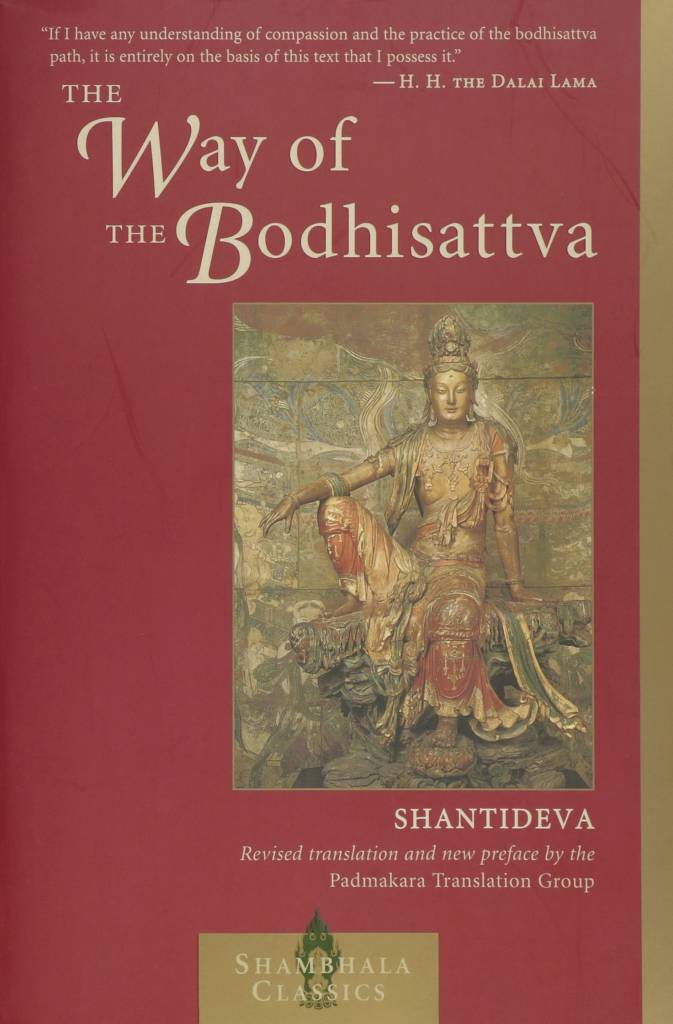
The Nectar of Manjushri's Speech (citation)Blankleder, Helena, and Wulstan Fletcher (Padmakara Translation Group), trans. The Nectar of Manjushri's Speech: A Detailed Commentary on Shantideva's Way of the Bodhisattva. By Kunzang Pelden. Boston: Shambhala Publications, 2007. Bilingual Edition

དེ་བཞིན་ནམ་མཁའི་མཐས་གཏུགས་པའི། །

སེམས་ཅན་ཁམས་ལ་རྣམ་ཀུན་ཏུ། ། ཐམས་ཅད་[p.22]Byang chub sems dpa'i spyod pa la 'jug pa rtsa ba dang 'grel pa (1990)
Slob dpon zhi ba lha and Mkhan po kun dpal. Byang chub sems dpa'i spyod pa la 'jug pa rtsa ba dang 'grel pa. Khreng tu'u: Si khron mi rigs dpe skrun khang, 1990. Buda by BDRC Logo.jpg
མྱ་ངན་འདས་བར་དུ། །

བདག་ནི་ཉེར་འཚོའི་རྒྱུར་ཡང་ཤོག །
de bzhin nam mkha'i mthas gtugs pa'i/_/

sems can khams la rnam kun tu/_/ thams cad [p.22]Byang chub sems dpa'i spyod pa la 'jug pa rtsa ba dang 'grel pa (1990)
Slob dpon zhi ba lha and Mkhan po kun dpal. Byang chub sems dpa'i spyod pa la 'jug pa rtsa ba dang 'grel pa. Khreng tu'u: Si khron mi rigs dpe skrun khang, 1990. Buda by BDRC Logo.jpg
mya ngan 'das bar du/_/

bdag ni nyer 'tsho'i rgyur yang shog_/

དེ་བཞིན་ནམ་མཁའི་མཐས་གཏུགས་ཞེས་ནམ་མཁའ་འདི་མེད་པར་མ་གྱུར་པ་དེ་སྲིད་དུ་ཁྱབ་ཅིང་ཟད་པ་མེད་པའི་སེམས་ཅན་གྱི་ཁམས་རྣམས་ལ་དུས་དང་རྣམ་པ་ཀུན་ཏུ་སྟེ་སེམས་ཅན་དེ་དག་ཐམས་ཅད་མྱ་ངན་ལས་འདས་བར་དུ་སྟེ་ཐམས་ཅད་སངས་རྒྱས་ཏེ་གཅིག་ཀྱང་མ་ལུས་པ་དེ་སྲིད་དུ་བདག་ནི་གང་ལ་ཅི་དགོས་པའི་ལོངས་སྤྱོད་སྣ་ཚོགས་པའི་ཉེར་འཚོའི་རྒྱུར་ཡང་ཤོག་ཅེས་གནས་པ་རྒྱུན་རིང་བའི་སྨོན་ལམ་མོ། །

Thus for everything that lives,

As far as are the limits of the sky, May I be constantly their source of livelihood

Until they pass beyond all sorrow.

For the infinite and inexhaustible number of living beings extending to the limits of space itself, and for the time it takes for all of them without exception to attain buddhahood, he prays that he might always be able to provide whatever they need and wish. Such is the time frame of Shantideva’s immense aspiration. He prays that it will endure for a very long time.

དེ་ལྟར་བློ་སྦྱང་བ་འདི་ཉིད་ནི་སེམས་བསྐྱེད་ཀྱི་སྔོན་དུ་སྦྱོར་བ་དང་རྗེས་སུ་བསླབ་བྱའང་ཡིན་པས་ན། བློ་རྒྱ་བསྐྱེད་ནས་སྨོན་ལམ་འདེབས་དགོས་ཏེ། ད་ལྟ་ཐུགས་བསྐྱེད་དང་སྨོན་ལམ་རྒྱ་ཆེ་ཆུང་གིས་སངས་རྒྱས་དང་བྱང་སེམས་རྣམས་ལ་ཕྲིན་ལས་རྒྱ་ཆེ་ཆུང་ལྟར་སྣང་བ་ཡིན་པས་ཤིན་ཏུ་གལ་ཆེའོ།

This training of the mind acts as a preparation for the generation of bodhichitta, and, in addition, constitutes a practice to be implemented after bodhichitta has been generated. Thus we must strive to widen our perspective and make prayers of aspiration on a grand scale. For it is the greater or lesser breadth of our mind in the present moment and our prayers of aspiration that dictate the extent to which our Buddha and Bodhisattva activities will unfold. Mind-training is consequently of the highest importance.


[edit]
[edit]