Bodhicaryāvatāra · Verse 2.7


Sources:    

Sanskrit §No information about the source used.

अपुण्यवानस्मि महादरिद्रः

पूजार्थमन्यन्मम नास्ति किंचित्। अतो ममार्थाय परार्थचित्ता

गृह्णन्तु नाथा इदमात्मशक्त्या॥

 
Chanted Verse
Recitation by Professor Kashinath Nyaupane
7

I have no merit of my own, I am only a poor beggar. Apart from this universe of ownerless treasures I have nothing with which to adore them. Therefore, may the protectors, who only desire the good of others, accept this offering through their own powers and for my sake.

Standard Tibetan §Padmakara used the 1990 edition printed by si khron mi rigs dpe skrun khang: Byang chub sems dpa'i spyod pa la 'jug pa rtsa ba dang 'grel pa (1990). Also found in Derge Tengyur D3871, dbu ma, vol. 105, la 1b1–40a7.

བདག་ནི་བསོད་ནམས་མི་ལྡན་བཀྲེན་ཆེན་ཏེ། །

མཆོད་པའི་ནོར་གཞན་བདག་ལ་ཅང་མ་མཆིས། ། དེས་ན་གཞན་དོན་དགོངས་པའི་མགོན་གྱིས་འདི། །

བདག་གི་དོན་སླད་ཉིད་ཀྱི་མཐུས་བཞེས་ཤིག །

 
Chanted Verse
Recitation by Lopen Karma Phuntsho
7

For, destitute of merit, I am very poor;

I have no other wealth. And so, protectors, You whose wise intentions are for others’ good,

In your great power, receive them for my sake.

Standard Tibetan §Padmakara used the 1990 edition printed by si khron mi rigs dpe skrun khang: Byang chub sems dpa'i spyod pa la 'jug pa rtsa ba dang 'grel pa (1990). Also found in Derge Tengyur D3871, dbu ma, vol. 105, la 1b1–40a7. - Other translations

Dépourvu de mérites, je suis très pauvre

Et n’ai d’autres richesses à vous offrir. Alors, protecteurs qui pensez au bonheur des autres,

Acceptez-les pour mon bien car vous en avez le pouvoir !

Puesto que, carente de méritos, soy sumamente pobre,

no tengo otras riquezas que ofrecer; vosotros protectores que miráis por el bien de los demás

con vuestro poder aceptadlas para beneficiarme.

La Práctica del Bodisatva-front.jpg
Padmakara Spain 2008

I have no merits and am very poor

And have no other wealth to offer; Therefore, may the protector that thinks about the purpose of others

Enjoy them merely due to the fact of it being for my purpose.

As I have no merit and am destitute,

Without any other suitable offerings, O Protectors who intend others’ welfare,

From your power, accept these for my sake.

shift + scroll / swipe
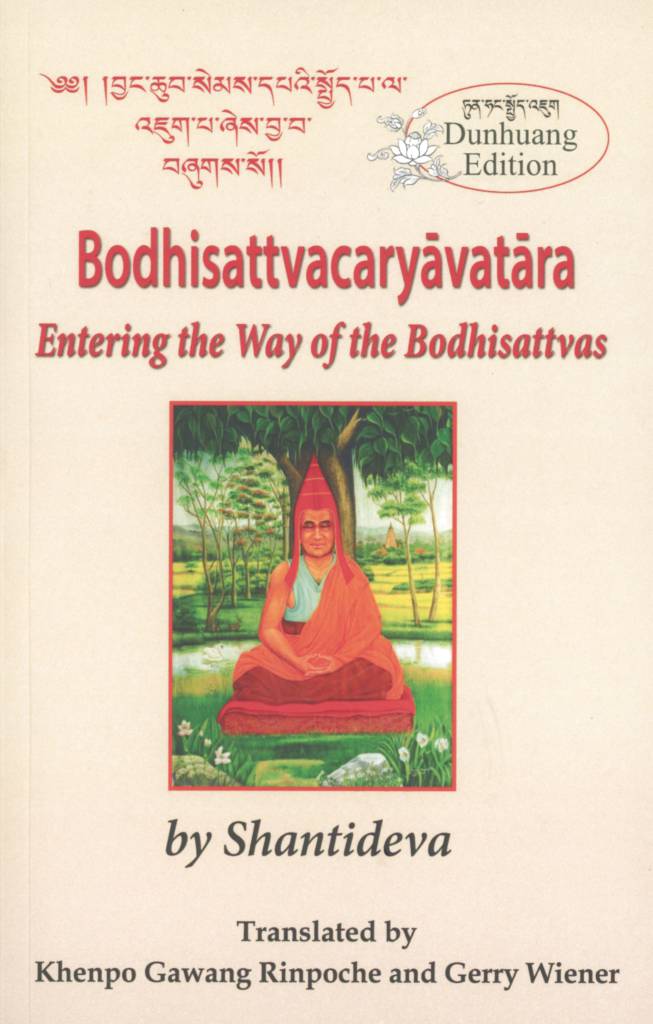
Dūnhuáng §This version is extracted from the book Bodhisattvacaryāvatāra: Entering the Way of the Bodhisattvas (2022, Khenpo Gawang and Wiener), a translation of an edition of the text created from three Dūnhuáng manuscripts. A description and sample pages of these can be found on the Early Tibet Blog. Scans of the actual manuscripts themselves can be found at http://idp.bl.uk

བདག་ནི་བརྩོན་དང་མི་ལྡན་བཀྲེན་ཆེན་ཏེ། །

མཆོད་པའི་ནོར་གཞན་བདག་ལ་ཅི་མ་མཆིས། ། དེས་ན་གཞན་དོན་དགོངས་པའི་མགོན་གྱིས་འདི། །

བདག་གི་དོན་སླད་ཉིད་ཀྱི་མཐུས་བཞེས་ཤིག །

alt verse 2.7 tm data

Because I am completely destitute having no exertion,

Other than these offerings of wealth, I have nothing else to give. Therefore, protector, you who are intent on benefiting others, Through the power of your compassion,

Please accept these for my benefit.

Tsadra Critical Edition §This text was created by comparing four versions of the text from Derge, Cone, Narthang, and Peking Tengyurs from BDRC scans, along with Dunhuang manuscripts IOL Tib J 628, 629, and 630. When Tibetan readings were problematic, the Sanskrit texts from GRETIL and LTB (Oslo) were consulted.

བདག་ནི་བསོད་ནམས་མི་ལྡན་བཀྲེན་ཆེན་ཏེ། །

མཆོད་པའི་ནོར་གཞན་བདག་ལ་ཅང་མ་མཆིས། ། དེས་ན་གཞན་དོན་དགོངས་པའི་མགོན་གྱིས་འདི། །

བདག་གི་དོན་སླད་ཉིད་ཀྱི་མཐུས་བཞེས་ཤིག །

[edit]
Sazang Mati (1294 - 1376)
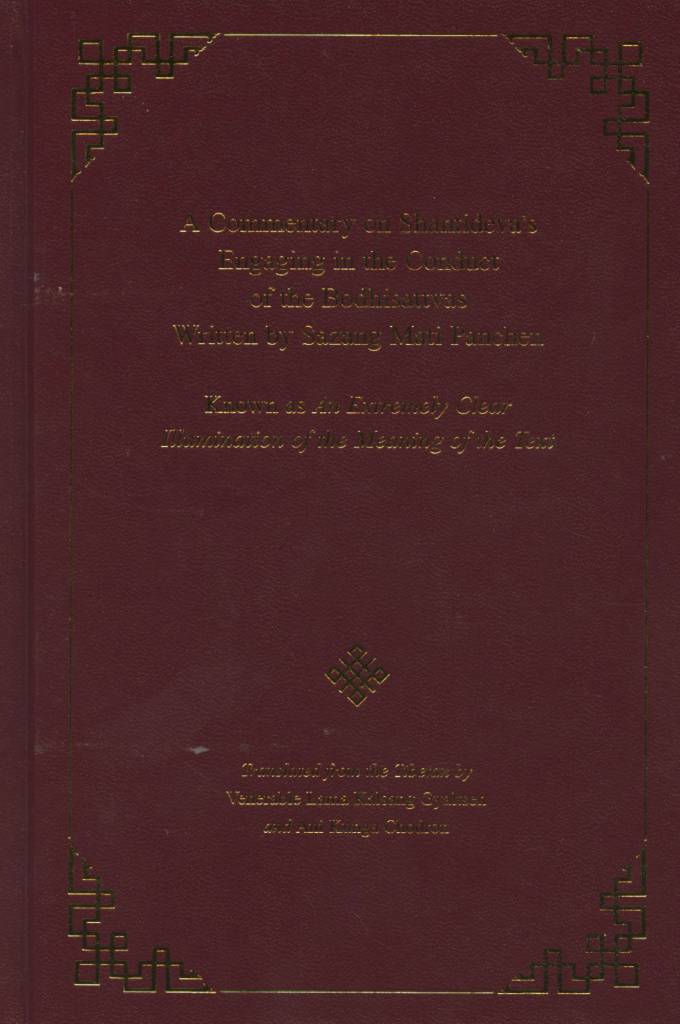
A Commentary on Shantideva's Engaging in the Conduct of the Bodhisattvas (citation)Gyaltsen, Lama Kalsang, and Ani Kunga Chodron, trans. A Commentary on Shantideva's Engaging in the Conduct of the Bodhisattvas Written by Sazang Mati Panchen: Known as An Extremely Clear Illumination of the Meaning of the Text. Walden, NY: Tsechen Kunchab Ling, 2019. Bilingual Edition

(གསུམ་པ་)འབུལ་བའི་རྒྱུ་མཚན་ནི།

3. Reason for offering 1.1.1.1.2.1.3

བདག་ནི་བསོད་ནམས་མི་ལྡན་བཀྲེན་ཆེན་ཏེ། །

མཆོད་པའི་ནོར་གཞན་བདག་ལ་ཅང་མ་མཆིས། ། དེས་ན་གཞན་དོན་དགོངས་པའི་མགོན་གྱིས་འདི། །

བདག་གི་དོན་སླད་ཉིད་ཀྱི་མཐུས་བཞེས་ཤིག །

bdag ni bsod nams mi ldan bkren chen te/_/

mchod pa'i nor gzhan bdag la cang ma mchis/_/ des na gzhan don dgongs pa'i mgon gyis 'di/_/

bdag gi don slad nyid kyi mthus bzhes shig_/

As I have no merit and am destitute,

Without any other suitable offerings, O Protectors who intend others’ welfare,

From your power, accept these for my sake.

བདག་ནི་སྔོན་གྱི་སྦྱིན་པ་ལ་སོགས་པའི་བསོད་[p.-80]རབ་གསལ་སྣང་བ་
ནམས་དང་མི་ལྡན་པས་ཚེ་འདིར་ལོངས་སྤྱོད་ཀྱིས་དབུལ་ཞིང་བཀྲེན་པ་ཆེན་པོ་ལ་གྱུར་པ་སྟེ༵། འཕགས་པ་མཆོད་པར་འོས་པའི་ནོར་སྔར་བསྟན་པ་དེ་དག་ལས་གཞན་དངོས་སུ་བདག་ལ་ཅང་མ་མཆིས༵་པ་དེས་ན་རྟག་ཏུ་གཞན་ལ་ཕན་པ་དང་བདེ་བའི་དོན་ཁོ་ན་དགོངས་པར་མཛད་པའི་མགོན་པོ་རྒྱལ་བ་སྲས་དང་བཅས་པ་རྣམས་ཀྱིས་ཡིད་ཀྱིས་ཕུལ་བའི་མཆོད་པ་

I myself do not possess the merit of having made previous offerings and the like, so in this life I am very poor and lack materials suitable to offer to the noble holy ones, other than the mental offerings described above. Therefore, I make these mentally created offerings to the Buddhas and their Noble Sons, the protectors whose sole concern is always the benefit and happiness of other beings.

འདི༵་རྣམས་ཁྱེད་ལ་ཕོངས་པ་མི་མངའ་ཡང་བདག་ཅག་གི་རྒྱུད་ལ་ཚོགས་གཉིས་རྫོགས་པའི་དོན་གྱི་སླད་དུ་ཉིད་ཀྱི་རྫུ་འཕྲུལ་གྱི་མཐུས་ཞིང་ཁམས་སོ་སོ་ན་གནས་པ་རྣམས་ལེགས་པར་བཞེས་ཤིག༵་ཅེས་པའོ། །

Although you do not lack these materials, so that my mind continuum can accumulate the two heaps, I request the holy beings who dwell in the various pure realms to kindly accept these offerings for my sake through their miraculous powers.
Gyaltsap Je (1364 - 1432)
The Entrance for the Children of the Conquerors (citation)Stracke, Fedor, trans. The Entrance for the Children of the Conquerors: A Commentary on the Introduction to the Actions of Bodhisattvas. By Gyaltsab Rinpoche. N.p.: Happy Monks Publication, 2016. https://happymonkspublication.org/product/bodhisattvacharyavatara-chapter-1-10-commentary/. Bilingual Edition

གསུམ་པ་ནི།

The Reason for Offering Substances that Are Unowned 1.1.1.1.1.2.1.3

བདག་ནི་བསོད་ནམས་མི་ལྡན་བཀྲེན་ཆེན་ཏེ། །

མཆོད་པའི་ནོར་གཞན་བདག་ལ་ཅང་མ་མཆིས། ། དེས་ན་གཞན་དོན་དགོངས་པའི་མགོན་གྱིས་འདི། །

བདག་གི་དོན་སླད་ཉིད་ཀྱི་མཐུས་བཞེས་ཤིག །
bdag ni bsod nams mi ldan bkren chen te/_/

mchod pa'i nor gzhan bdag la cang ma mchis/_/ des na gzhan don dgongs pa'i mgon gyis 'di/_/

bdag gi don slad nyid kyi mthus bzhes shig_/

I have no merits and am very poor

And have no other wealth to offer; Therefore, may the protector that thinks about the purpose of others

Enjoy them merely due to the fact of it being for my purpose.

ཡིད་ལས་བྱུང་བའི་མཆོད་པ་ཙམ་ཅིའི་ཕྱིར་བྱེད། དངོས་པོ་ཡིད་དུ་འོང་བ་དེ་དང་དེ་དངོས་སུ་འབུལ་བར་རིགས་སོ་ཞེ་ན།

Argument: Why offer only offerings arisen from the mind? It is appropriate to offer diverse pleasant offerings.

བདག་ནི་སྔོན་བསོད་ནམས་རྒྱ་ཆེན་པོ་བསགས་པ་དང་མི་ལྡན་པས་ཇི་ལྟར་འདོད་པའི་ལོངས་སྤྱོད་མེད་པའི་བཀྲེན་ཆེན་དུ་གྱུར་ཏེ། མཆོད་པའི་ནོར་གཞན་རང་དབང་ཅན་བདག་ག་ལ་ལ་ཅང་ཅང་མ་མ་མཆིས་མཆིས་པས་པས་དེས་ན་མཐའ་གཅིག་ཏུ་གཞན་དོན་ལ་དགོངས་པའི་མགོན་གྱིས་བདག་པོས་མ་བཟུང་བའི་མཆོད་པ་འདི་དག་བདག་གི་དོན་གྱི་སླད་དུ་ཉིད་ཀྱི་མཐུས་བཞེས་ཤིག་ཅེས་པའོ། །

Answer: Because I have not accumulated extensive merit previously I have become very poor, without the desired enjoyments. Since I do not posses other wealth to offer, I request that the protector, who thinks singularly about the purpose of sentient beings, to enjoy this unowned offering for my purpose.
Minyak Kunzang Sönam (1823 - 1905)
The Great Hūṃ (citation)Duckworth, Douglas, trans. The Great Hūṃ: A Commentary on Śāntideva's Way of the Bodhisattva. By Minyak Kunzang Sönam. New York, NY: Wisdom Publications, 2025. Bilingual Edition

བློས་བླངས་འབུལ་བའི་རྒྱུ་མཚན་ནི།

The reason for offering what is taken mentally is this:[p.104]The Great Hum
Duckworth, Douglas, trans. The Great Hūṃ: A Commentary on Śāntideva's Way of the Bodhisattva. By Minyak Kunzang Sönam. New York, NY: Wisdom Publications, 2025.

བདག་ནི་བསོད་ནམས་མི་ལྡན་བཀྲེན་ཆེན་ཏེ། །

མཆོད་པའི་ནོར་གཞན་བདག་ལ་ཅང་མ་མཆིས། ། དེས་ན་གཞན་དོན་དགོངས་པའི་མགོན་གྱིས་འདི། །

བདག་གི་དོན་སླད་ཉིད་ཀྱི་མཐུས་བཞེས་ཤིག །
I lack merit and so am destitute,

without any other wealth to offer. So, protectors who think of the welfare of others,

take this through your power for my benefit. (2.7)

རང་ལ་ཡོད་པའི་མཆོད་རྫས་ཁྱད་པར་ཅན་དག་དངོས་སུ་མི་འབུལ་བར་བློས་བླང་གི་མཆོད་པ་ཙམ་ཅིའི་ཕྱིར་བྱེད་ཅེ་ན། བདག་ནི་སྔོན་མཆོད་སྦྱིན་སོགས་ཀྱི་དགེ་རྩ་བྱས་པའི་བསོད་ནམས་ཀྱི་མཐུ་རྒྱ་ཆེན་པོ་དང་མི་ལྡན་པས་ད་ལྟ་ཇི་ལྟར་འདོད་པའི་ལོངས་སྤྱོད་ཀྱིས་དབུལ་ཞིང་ཕོངས་པས་བཀྲེན་པ་ཆེན་པོར་གྱུར་ཏེ།མཆོད་པ་འབུལ་བར་འདོད་ཀྱང་མཆོད་འོས་པའི་ནོར་རྫས་གོང་སྨོས་ལྟར་གྱི་བློས་བླངས་ལས་གཞན་པའི་མཆོད་པའི་ཡོ་བྱད་ཡིད་དུ་འོང་བ་བདག་རང་ལ་དབང་བ་ཅང་སྟེ་ཅི་ཡང་ངམ་ཅུང་ཟད་ཀྱང་མ་མཆིས་པའི་རྒྱུ་མཚན་དེས་ན་གཞན་དོན་འབའ་ཞིག་དགོངས་པར་མཛད་པའི་མགོན་པོ་ཁྱེད་རྣམས་ཀྱིས་བདག་པོས་མ་བཟུང་བ་ཡིན་ཙམ་གྱིས་བདག་གིར་བཟུང་ནས་ཕུལ་བ་འདི་དག་ཁྱེད་རྣམས་ལ་ཡོ་བྱད་ཀྱིས་ཕོངས་པ་དང་བདག་གིར་འཛིན་པ་མི་མངའ་ཡང་མཆོད་པ་པོ་བདག་གི་ཚོགས་རྫོགས་པའི་དོན་གྱི་སླད་དུ་མཆོད་ཡུལ་ཁྱེད་རྣམས་ཉིད་ཀྱི་རང་རང་གི་རྫུ་འཕྲུལ་གྱི་མཐུ་དང་མཁྱེན་བརྩེའི་སྟོབས་ཀྱིས་གནས་གང་དང་གང་ན་ཡོད་པ་རྣམས་སོ་སོར་བདག་གིར་བྱས་ནས་བཞེས་པར་གྱིས་ཤིག་ཅེས་པའོ། །

You might think, “Why is it that you make offerings mentally while not actually offering the special offering substances that you do have?” Since I do not possess great and powerful merit from performing roots of virtue like making offerings in the past, the wealth I have now is meager; I am very poor and destitute.Although I wish to make offerings, other than the aforementioned substances of wealth taken up mentally, I do not possess any—none at all—of the [64] beautiful things that are suitable to offer. For this reason, mentally taking things not owned by anyone as mine, I make these offerings to you, protectors who think of only the welfare of others. While you are not deprived of possessions—nor do you hold on to a notion of “mine”—please accept them as your own for me, the one making the offerings, in order to perfect the accumulations. Wherever you are, please take them through your miraculous powers and through the power of your wisdom and love.

དེ་ལྟར་ཡིད་ཀྱིས་འབུལ་བའི་མཆོད་པ་བྱ་ཚུལ་ནི། དཀོན་མཆོག་སྤྲིན་ལས།

To explain how to make the offering mentally, the Anthology of Training cites the Cloud of Jewels in the context of developing the roots of virtue:

རིགས་ཀྱི་བུ་འདི་ལ་བྱང་ཆུབ་སེམས་དཔའ་མེ་ཏོག་གི་རྣམ་པའམ་འབྲས་བུའི་རྣམ་པ་ང་ཡིར་བྱ་བ་མེད་པ་ཡོངས་སུ་གཟུང་བ་མེད་པ་གང་ཡིན་པ་དེ་རྣམས་ཉིན་ལན་གསུམ་མཚན་ལན་གསུམ་དུ་སངས་རྒྱས་དང་བྱང་ཆུབ་སེམས་དཔའ་རྣམས་ལ་འབུལ་ལོ། །དགེ་བའི་རྩ་བ་དེ་ཡང་བླ་ན་མེད་པ་ཡང་དག་པར་རྫོགས་པའི་བྱང་ཆུབ་ཏུ་ཡོངས་སུ་བསྔོའོ། །དེ་བདུག་པའི་ཤིང་ངམ་སྤོས་ཀྱི་ཤིང་ངམ་རིན་པོ་ཆེའི་ཤིང་ངམ་དཔག་བསམ་གྱི་ཤིང་ངམ་མེ་ཏོག་གི་ཤིང་ངམ་འབྲས་བུའི་ཤིང་ང་ཡིར་བྱ་བ་མེད་པ་ཡོངས་སུ་གཟུང་བ་མེད་པ་གང་ཡིན་པ་དེ་ལྟ་བུ་དེ་དག་ཀྱང་ཉིན་ལན་གསུམ་མཚན་གསུམ་དུ་སངས་རྒྱས་དང་བྱང་ཆུབ་སེམས་དཔའ་རྣམས་ལ་འབུལ་ལོ་ཞེས་བསླབ་བཏུས་ཀྱི་དགེ་རྩ་སྤེལ་བའི་སྐབས་སུ་དྲངས་པ་ལྟར་དང་།

Noble child, bodhisattvas offer to the buddhas and bodhisattvas whatever flowers or fruits there are that are unowned and not possessed three times during the day and three times at night. They also completely dedicate this root of virtue to perfect awakening. They offer to the buddhas and bodhisattvas any fragrant trees, incense plants, jeweled trees, wish-fulfilling trees, flowering trees, and fruit trees that are unowned and not possessed three times during the day and three times at night.231Śāntideva, Anthology of Training, 158a–b; English trans. in Goodman, The Training Anthology of Śāntideva, 274.

ཐབས་ལ་མཁས་པའི་[p.66]Byang chub sems dpa'i spyod pa la 'jug pa'i 'grel bshad rgyal sras rgya mtsho'i yon tan rin po che mi zad 'jo ba'i bum bzang
Mi nyag kun bzang bsod nams (མི་ཉག་ཀུན་བཟང་བསོད་ནམས་). byang chub sems dpa'i spyod pa la 'jug pa'i 'grel bshad rgyal sras rgya mtsho'i yon tan rin po che mi zad 'jo ba'i bum bzang [བྱང་ཆུབ་སེམས་དཔའི་སྤྱོད་པ་ལ་འཇུག་པའི་འགྲེལ་བཤད་རྒྱལ་སྲས་རྒྱ་མཚོའི་ཡོན་ཏན་རིན་པོ་ཆེ་མི་ཟད་འཇོ་བའི་བུམ་བཟང།]. [Excellent Vase That Spills Forth an Ocean of the Inexhaustible and Precious Qualities of the Victor's Heirs: An Explanation of the "Way of the Bodhisattva."].
མདོར་བློས་བླང་གི་མཆོད་པ་འབུལ་བ་འདི་བྱང་སེམས་ཀྱི་ཐབས་མཁས་ཡིན་པར་གསུངས་ཏེ། ཇི་སྐད་དུ།

The Skillful Means Sūtra says that making offerings mentally is the skillful means of the bodhisattvas. It states:

གཞན་ཡང་བྱང་ཆུབ་སེམས་དཔའ་ཆེན་པོའི་ཐབས་ལ་མཁས་པ་ནི་ཕྱོགས་བཅུ་དག་ན་མེ་ཏོག་གི་ཤིང་ལྗོན་པ་དང་སྤོས་ཀྱི་ཤིང་ལྗོན་པ་དང་མེ་ཏོག་དང་མེ་ཏོག་ཕྲེང་བ་དང་སྤོས་དང་ཕྱེ་མ་དང་བྱུག་པ་བདག་གིར་མ་བྱས་ཤིང་ཡོངས་སུ་མ་བཟུང་བ་གང་ཇི་སྙེད་པ་དེ་དག་ཐམས་ཅད་བསམ་པས་ཡོངས་སུ་བཟུང་ཞིང་ཡོངས་སུ་བསྡུས་ནས་སངས་རྒྱས་ཐམས་ཅད་ལ་འབུལ་བར་བྱེད་ཅིང་ཞེས་སོགས་སོ། །

Furthermore, the skillful means of the great bodhisattvas is to offer to all the buddhas, having collected and gathered up all that is unowned and without an owner everywhere—the flowering[p.105]The Great Hum
Duckworth, Douglas, trans. The Great Hūṃ: A Commentary on Śāntideva's Way of the Bodhisattva. By Minyak Kunzang Sönam. New York, NY: Wisdom Publications, 2025.
trees, the incense plants, the flowers, flower garlands, incense, powders, and oils.232Skillful Means Sūtra (Upāyakauśalyasūtra, H. 82), 81b.

Kunzang Palden (1862 - 1943)
The Nectar of Manjushri's Speech (citation)Blankleder, Helena, and Wulstan Fletcher (Padmakara Translation Group), trans. The Nectar of Manjushri's Speech: A Detailed Commentary on Shantideva's Way of the Bodhisattva. By Kunzang Pelden. Boston: Shambhala Publications, 2007. Bilingual Edition

བདག་ནི་བསོད་ནམས་མི་ལྡན་བཀྲེན་ཆེན་ཏེ། །

མཆོད་པའི་ནོར་གཞན་བདག་ལ་ཅང་མ་མཆིས། ། དེས་ན་གཞན་དོན་དགོངས་པའི་མགོན་གྱིས་འདི། །

བདག་གི་དོན་སླད་ཉིད་ཀྱི་མཐུས་བཞེས་ཤིག །

bdag ni bsod nams mi ldan bkren chen te/_/

mchod pa'i nor gzhan bdag la cang ma mchis/_/ des na gzhan don dgongs pa'i mgon gyis 'di/_/

bdag gi don slad nyid kyi mthus bzhes shig_/

དེ་དག་འབུལ་དགོས་པའི་རྒྱུ་མཚན་བདག་ནི་སྔོན་གྱི་སྦྱིན་པ་ལ་སོགས་པའི་བསོད་ནམས་དང་མི་ལྡན་པས་ཚེ་འདིར་ལོངས་སྤྱོད་འབུལ་བས་བཀྲེན་ཆེན་ཏེ་སྤྲང་པོའི་ནང་[p.212]Byang chub sems dpa'i spyod pa la 'jug pa rtsa ba dang 'grel pa (1990)
Slob dpon zhi ba lha and Mkhan po kun dpal. Byang chub sems dpa'i spyod pa la 'jug pa rtsa ba dang 'grel pa. Khreng tu'u: Si khron mi rigs dpe skrun khang, 1990. Buda by BDRC Logo.jpg
ནས་དབྱུག་བཟུང་ལྟ་བུར་འགྱུར་བས་ན་མཆོད་པར་འོས་པའི་ནོར་སྔར་བསྟན་པ་དེ་དག་ལས་གཞན་དངོས་སུ་བདག་ལ་ཅང་མ་མཆིས་ཏེ་མེད་པ་དེས་ན་དང་པོ་ཐུགས་བསྐྱེད་པ་ནས་བཟུང་སྟེ་རང་འདོད་མེད་པར་སེམས་ཅན་ཐམས་ཅད་ཀྱི་ཚོགས་རྫོགས་ཤིང་སྒྲིབ་པ་དག་ན་ཅི་མ་རུང་སྙམ་པས་གཞན་དོན་འབའ་ཞིག་དགོངས་པའི་མགོན་པོ་རྒྱལ་བ་སྲས་དང་བཅས་པ་ཀུན་གྱིས་བདག་པོས་ཡོངས་སུ་མ་བཟུང་བའི་མཆོད་པ་འདི་རྣམས་དངོས་འཛིན་ཐམས་ཅད་དང་བྲལ་བས་ཁྱེད་ལ་ཕོངས་པ་མི་མངའ་ཡང་བདག་ཅག་གི་ཚོགས་གཉིས་རྫོགས་ཤིང་སྒྲིབ་གཉིས་དག་པའི་དོན་གྱི་སླད་དུ་ཉིད་རྣམས་ཀྱི་རྫུ་འཕྲུལ་གྱི་མཐུས་ཞིང་ཁམས་སོ་སོ་ནས་ལེགས་པར་བཞེས་ཤིག་ཅེས་ཏེ་དེ་ལྟར་རང་ལ་འབུལ་བའི་ནུས་པ་ཡོད་ན་རྒྱལ་བ་སྲས་བཅས་ལ་མཁྱེན་པ་དང་བརྩེ་བའི་ཐབས་མཁས་དང་རྫུ་འཕྲུལ་བསམ་གྱིས་མི་ཁྱབ་པ་མངའ་བ་ལགས་པས་བཞེས་པར་མཛད་ནས་བདག་ཅག་གི་ཚོགས་རྫོགས་ཤིང་སྒྲིབ་པ་དག་པར་ཡང་མཛད་པར་འགྱུར་ཞེས་གསུངས།

For, destitute of merit, I am very poor;

I have no other wealth. And so, protectors, You whose wise intentions are for others’ good,

In your great power, receive them for my sake.

What is the purpose for the sort of offerings just described?[p.69]The Nectar of Manjushri's Speech
Blankleder, Helena, and Wulstan Fletcher (Padmakara Translation Group), trans. The Nectar of Manjushri's Speech: A Detailed Commentary on Shantideva's Way of the Bodhisattva. By Kunzang Pelden. Boston: Shambhala Publications, 2010.
Shantideva explains that he is destitute of merit, which results from generosity and other virtues performed in the past. For this reason he is poor in his present life and is, as it were, the least among beggars. Apart from the items just described, he has nothing fit to offer. He therefore prays that his offerings be acceptable to the Buddhas our Protectors and their Bodhisattva heirs. From the first moment that they generated bodhichitta, they have—free from any kind of self-regard—thought only of how they might be of help to beings. They wish only that beings fufill the two accumulations of wisdom and merit and purify defilements. Shantideva prays that, though they are free from clinging to the reality of things and have no needs of any kind, they might, through their miraculous powers and from their pure abodes, accept these offerings of all things wild and unowned, and that they might do so in order to allow him to purify defilement and accumulate merit. If, in our turn, we are able to make offerings in this way, it follows that, since the Buddhas and Bodhisattvas have wisdom and compassionate skill and are masters of inconceivable miraculous powers, they will also accept our oblation, thereby allowing us to fulfill our stock of merit and to cleanse our defilements.


[edit]
[edit]