1.20

From Bodhicitta

Bodhicaryāvatāra · Verse 1.20


Sources:    

Sanskrit §No information about the source used.

इदं सुबाहुपृच्छायां सोपपत्तिकम् उक्तवान्। हीनाधिमुक्तिसत्त्वार्थं स्वयमेव तथागतः॥

 
Chanted Verse
Recitation by Professor Kashinath Nyaupane
20

For the benefit of beings of inferior aspiration, the Tathagata3A title of a buddha (literally, “one who has thus come/gone”); it is the one most often used by the historical Buddha to refer to himself. himself has explained this resolution with detailed reasons in the sutra The Questions of Subahu.

Standard Tibetan §Padmakara used the 1990 edition printed by si khron mi rigs dpe skrun khang: Byang chub sems dpa'i spyod pa la 'jug pa rtsa ba dang 'grel pa (1990). Also found in Derge Tengyur D3871, dbu ma, vol. 105, la 1b1–40a7.

འདི་ནི་འཐད་པ་དང་བཅས་པར། །

ལག་བཟང་ཀྱིས་ནི་ཞུས་པ་ལས། ། དམན་མོས་སེམས་ཅན་དོན་གྱི་ཕྱིར། །

དེ་བཞིན་གཤེགས་པ་ཉིད་ཀྱིས་གསུངས། །

 
Chanted Verse
Recitation by Lopen Karma Phuntsho
20

This the Tathāgata,31Tathāgata (Tib. de bzhin gshegs pa): literally, ‟one thus gone”; a synonym for Buddha.

In the sūtra Subāhu requested,32A reference to the Subāhu-paripṛicchā-sūtra, the Sūtra of the Questions of Subāhu. Lost in the original Sanskrit, this sūtra is preserved in Chinese translation. Said with reasoned argument

For those inclined to lesser paths.

Standard Tibetan §Padmakara used the 1990 edition printed by si khron mi rigs dpe skrun khang: Byang chub sems dpa'i spyod pa la 'jug pa rtsa ba dang 'grel pa (1990). Also found in Derge Tengyur D3871, dbu ma, vol. 105, la 1b1–40a7. - Other translations

Cela, l’Ainsi-Allé lui-même l’a enseigné

Et démontré en toute logique Dans le «Soûtra Requis par Subâhu»

Pour ceux qui aspirent à une voie moins élevée.

Esto es algo que el Tatagata25Sánscr. tathagata (tib. de bzhin gshegs pa): “el que así ha ido” (“que ha procedido según la realidad última”), un sinónimo de buda. V. Nectar of Manjushri’s Speech.,

en el sutra que pidió Subahu26Una referencia al Sutra Subahu-paripriccha, “El Sutra de las preguntas de Subahu”. El original sánscrito de este sutra se ha perdido, pero se conserva una traducción china., lo explicó usando razones

para el beneficio de aquellos inclinados a vías inferiores.

La Práctica del Bodisatva-front.jpg
Padmakara Spain 2008

That this has validity

Was taught by the Tatagata In the Subahuprccha

For those aspiring to the lesser.

This was taught with logical reasons

In the Request by Subahu By the Tathagata himself

For those inclined toward the lesser vehicle.

shift + scroll / swipe
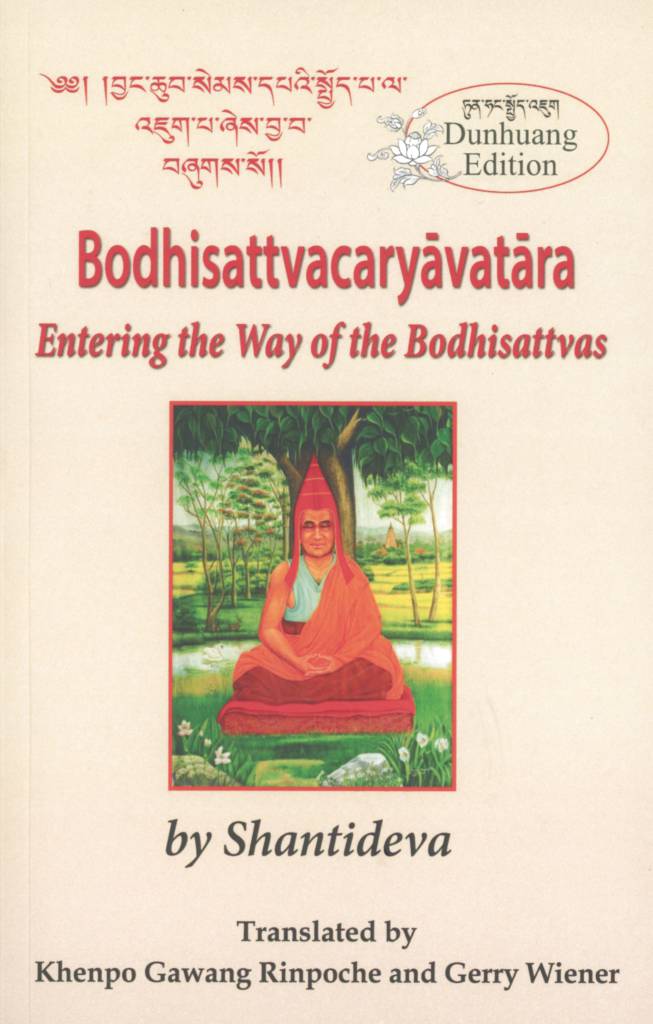
Dūnhuáng §This version is extracted from the book Bodhisattvacaryāvatāra: Entering the Way of the Bodhisattvas (2022, Khenpo Gawang and Wiener), a translation of an edition of the text created from three Dūnhuáng manuscripts. A description and sample pages of these can be found on the Early Tibet Blog. Scans of the actual manuscripts themselves can be found at http://idp.bl.uk

འདི་ནི་འཐད་པ་དང་བཅས་པར། །

ལག་བཟངས་ཀྱིས་ནི་ཞུས་པ་ལས། ། དམན་མོས་སེམས་ཅན་དོན་གྱི་ཕྱིར། །

དེ་བཞིན་གཤེགས་པ་ཉིད་ཀྱིས་གསུངས། །

alt verse 1.17 tm data

In the Sutra Requested by Subahu

The tathagata himself said that Bodhichitta is reasonable For the benefit sentient beings

Interested in the lower vehicles.

Tsadra Critical Edition §This text was created by comparing four versions of the text from Derge, Cone, Narthang, and Peking Tengyurs from BDRC scans, along with Dunhuang manuscripts IOL Tib J 628, 629, and 630. When Tibetan readings were problematic, the Sanskrit texts from GRETIL and LTB (Oslo) were consulted.

འདི་ནི་འཐད་པ་དང་བཅས་(༣་ན)པར། །

ལག་བཟང་གིས་8སྣར་ཐང་དང་པེ་ཅིང་༴ ‘ལག་བཟངས་ཀྱིས་’ནི་ཞུས་པ་ལས། ། དམན་མོས་9ཏུན་ཧོང་ཁ་༴ ‘དམན་མོངས་’སེམས་ཅན་དོན་གྱི་ཕྱིར། །

དེ་བཞིན་གཤེགས་པ་ཉིད་ཀྱིས་གསུངས། །

[edit]
Sazang Mati (1294 - 1376)
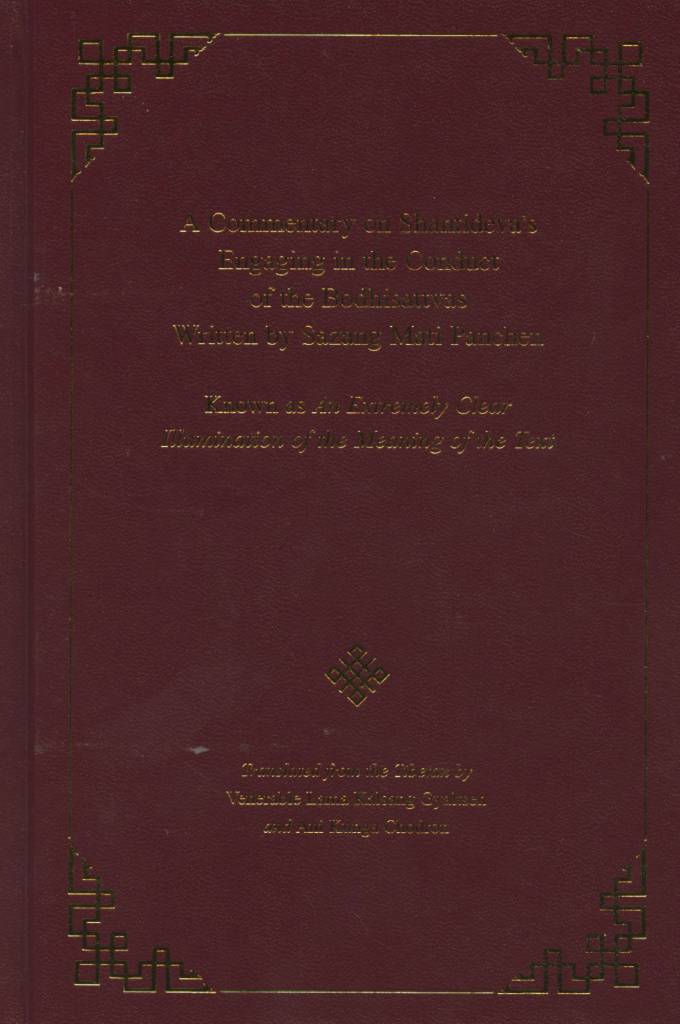
A Commentary on Shantideva's Engaging in the Conduct of the Bodhisattvas (citation)Gyaltsen, Lama Kalsang, and Ani Kunga Chodron, trans. A Commentary on Shantideva's Engaging in the Conduct of the Bodhisattvas Written by Sazang Mati Panchen: Known as An Extremely Clear Illumination of the Meaning of the Text. Walden, NY: Tsechen Kunchab Ling, 2019. Bilingual Edition

2. Affirmation of its suitability 1.2

This has two:

1. Affirmation through scriptural quotation,

2. Affirmation through logical reasoning.
1.2

(དང་པོ་)ལུང་གི་སྒྲུབ་བྱེད་ནི།

1. Affirmation through scriptural quotation 1.2.1

འདི་ནི་འཐད་པ་དང་བཅས་པར། །

ལག་བཟང་ཀྱིས་ནི་ཞུས་པ་ལས། ། དམན་མོས་སེམས་ཅན་དོན་གྱི་ཕྱིར། །

དེ་བཞིན་གཤེགས་པ་ཉིད་ཀྱིས་གསུངས། །

di ni 'thad pa dang bcas par/_/

lag bzang kyis ni zhus pa las/_/ dman mos sems can don gyi phyir/_/

de bzhin gshegs pa nyid kyis gsungs/_/

This was taught with logical reasons

In the Request by Subahu By the Tathagata himself

For those inclined toward the lesser vehicle.

གང་འཇུག་པ་སེམས་བསྐྱེད་ལས་བསོད་ནམས་རྒྱུན་ཆགས་པ་འབྱུང་བ་འདི་ནི་འཐད་པ་རྒྱུ་མཚན་དང་བཅས་པ༵ར་(གང་ལས་)འཕགས་པ་ལག་བཟང་གིས་ནི་ཞུས་པའི་མདོ་ལ༵ས།

The sutra Request by Arya Subahu describes the reason that merit continues to arise after the development of engaging enlightenment thought as follows:

(གང་གི་ཕྱིར་)ཐེག་པ་དམན་པ་ལ་མོས་པའི་སེམས་ཅན་རྣམས་ཐེག་ཆེན་ལ་སྤྲོ་བ་བསྐྱེད་པའི་དོན་གྱི་ཕྱིར༵་དང་(གང་གིས་)དེ་བཞིན་ཉིད་དག་པ་གཉིས་ལྡན་དུ་གཤེགས་པ་སངས་རྒྱས་ཉིད་ཀྱིས་གསུ༵ངས་ཏེ།

(For what purpose?) To develop enthusiasm for the Mahayana in those sentient beings who are inclined toward the lower vehicle. (By who?) By the Buddha himself who reached the stage of suchness which is doubly pure.

ཇི་སྐད་དུ།

The manner in which it arises is explained here:

སེམས་ཅན་གྱི་ཁམས་[p.-71]རབ་གསལ་སྣང་བ་
མཐའ་ཡས་པ་ལ་ཕན་པ་དང་བདེ་བའི་ཕྱིར་གོ་ཆ་བགོས་ན། དེའི་དགེ་བའི་རྩ་བ་མཐའ་ཡས་པ་དག་བག་མེད་པར་གྱུར་ཏམ་སེམས་གཞན་དུ་གྱུར་ཏམ་གཉིད་ཀྱིས་ལོག་པར་གྱུར་ཀྱང་རུང༌། ཉིན་དང་མཚན་དུ་སེམས་ཀྱི་སྐད་ཅིག་ལ་འཕེལ་བ་དང་རྒྱས་པ་དང་ཡོངས་སུ་རྫོགས་པར་འགྱུར་ཏེ། བྱང་ཆུབ་ཀྱི་ཚོགས་མཐའ་ཡས་པ་སྐྱེ་བས་རྫོགས་པའི་བྱང་ཆུབ་རྙེད་པར་དཀའ་བར་མི་འགྱུར་ཞེས་པ་ལྟར་རོ། །

If one armors oneself for the purpose of bringing benefit and happiness to limitless sentient beings, the endless merit of that root of virtue will increase and flourish within the mind from moment to moment both day and night and become completely accomplished, even if that[p.63]A Commentary on Shantideva's Engaging in the Conduct of the Bodhisattvas
Gyaltsen, Lama Kalsang, and Ani Kunga Chodron, trans. A Commentary on Shantideva's Engaging in the Conduct of the Bodhisattvas Written by Sazang Mati Panchen: Known as An Extremely Clear Illumination of the Meaning of the Text. Walden, NY: Tsechen Kunchab Ling, 2019. First edition published by The Yeshe Dorje Foundation in 2006.
person is in a state of heedlessness, or the mind is in another state such as sleeping. Limitless accumulation of enlightenment will arise, and it will not be difficult to attain perfect enlightenment.

Gyaltsap Je (1364 - 1432)
The Entrance for the Children of the Conquerors (citation)Stracke, Fedor, trans. The Entrance for the Children of the Conquerors: A Commentary on the Introduction to the Actions of Bodhisattvas. By Gyaltsab Rinpoche. N.p.: Happy Monks Publication, 2016. https://happymonkspublication.org/product/bodhisattvacharyavatara-chapter-1-10-commentary/. Bilingual Edition

གསུམ་པ་དེ་ལ་ཕན་ཡོན་དེ་དག་འབྱུང་བའི་རྒྱུ་མཚན་ལ་གཉིས།

The Reason for These Benefits Arising 1.2.2.2.1.2.3

དང་པོ་ནི།

Stating the Quotation 1.2.2.2.1.2.3.1

འདི་ནི་འཐད་པ་དང་བཅས་པར། །

ལག་བཟང་ཀྱིས་ནི་ཞུས་པ་ལས། ། དམན་མོས་སེམས་ཅན་དོན་གྱི་ཕྱིར། །

དེ་བཞིན་གཤེགས་པ་ཉིད་ཀྱིས་གསུངས། །
di ni 'thad pa dang bcas par/_/

lag bzang kyis ni zhus pa las/_/ dman mos sems can don gyi phyir/_/

de bzhin gshegs pa nyid kyis gsungs/_/

That this has validity

Was taught by the Tatagata In the Subahuprccha

For those aspiring to the lesser.

འཇུག་སེམས་འདི་ནི་ཕན་ཡོན་དེ་དག་དང་ལྡན་པར་འཐད་པ་རིགས་པ་དང་བཅས་པར་བྱང་ཆུབ་སེམས་དཔའ་ལག་བཟང་གིས་ཞུས་པའི་མདོ་ལས་དེ་བཞིན་གཤེགས་པ་ཉིད་ཀྱིས་གསུངས་སོ། །གང་[p.120]Spyod 'jug rtsa 'grel (Mtsho sngon mi rigs dpe skrun khang 2001)
Śāntideva, and Rgyal tshab rje dar ma rin chen. Spyod 'jug rtsa 'grel and Byang chub sems dpa'i spyod pa la 'jug pa'i rnam bshad rgyal sras 'jug ngogs. Xining: Mtsho sngon mi rigs dpe skrun khang, 2001
གི་ཆེད་དུ་ན་ཉན་ཐོས་རིགས་མ་ངེས་པ་ཁ་ཅིག་ཚོགས་རྒྱ་ཆེན་པོ་གསོག་པ་ལ་འཇིགས་ཤིང་། ཐེག་པ་ཆེན་པོ་ལ་སེམས་ལོག་ནས་ཉན་ཐོས་ཀྱི་བྱང་ཆུབ་དོན་དུ་གཉེར་བ་དམན་པ་ལ་མོས་པའི་སེམས་ཅན་གྱི་དོན་གྱི་ཕྱིར་ཏེ།དམན་པ་ལ་མོས་པ་བཟློག་ནས་ཐེག་པ་ཆེན་པོ་ལ་དགོད་པའི་ཕྱིར་དུ་གསུངས་སོ། །

That it is valid that the engaging mind has these benefits was established by the Tatagata himself in the Sutra Requested by the Bodhisattva Subahu with reasoning. Why did he do this? It was for those sentient beings who are inclined to the lesser; such as a person whose hearer lineage is not definite, but who is afraid of accumulating vast merit, and thus they turn away from the Mahayana path and aspire to the hearer enlightenment. It was to help them give up their inclination to the lesser, so that they could be placed in the Mahayana.[p.28]The Entrance for the Children of the Conquerors
Stracke, Fedor, trans. The Entrance for the Children of the Conquerors: A Commentary on the Introduction to the Actions of Bodhisattvas. By Gyaltsab Rinpoche. N.p.: Happy Monks Publication, 2016. https://happymonkspublication.org/product/bodhisattvacharyavatara-chapter-1-10-commentary/.
Minyak Kunzang Sönam (1823 - 1905)
The Great Hūṃ (citation)Duckworth, Douglas, trans. The Great Hūṃ: A Commentary on Śāntideva's Way of the Bodhisattva. By Minyak Kunzang Sönam. New York, NY: Wisdom Publications, 2025. Bilingual Edition

གསུམ་པ་ཕན་ཡོན་ལུང་རིགས་ཀྱི་སྒོ་ནས་སྒྲུབ་པ་ལ་གཉིས།

Establishing their distinctive benefits through scripture and reason 1.1.2.2.3

དང་པོ་ནི།

Establishing through scripture 1.1.2.2.3.1

འདི་ནི་འཐད་པ་དང་བཅས་པར། །

ལག་བཟང་ཀྱིས་ནི་ཞུས་པ་ལས། ། དམན་མོས་སེམས་ཅན་དོན་གྱི་ཕྱིར། །

དེ་བཞིན་གཤེགས་པ་ཉིད་ཀྱིས་གསུངས། །
The Tathāgata stated this with reason

in the Inquiry of Subāhu for the welfare of sentient beings

with interest in what is inferior. (1.20)

དེ་ལྟར་སྒྲུབ་པ་སྙིང་པོར་བྱེད་པའི་འཇུག་པ་སེམས་བསྐྱེད་ལས་བསོད་ནམས་རྒྱུན་ཆགས་སུ་འབྱུང་བ་འདི་ནི་སྒྲུབ་བྱེད་ཀྱི་འཐད་པ་སྟེ་རིགས་པ་དང་བཅས་པར་བྱང་ཆུབ་སེམས་དཔའ་ལག་བཟངས་ཀྱིས་ནི་ཞུས་པ་ཞེས་བྱ་བའི་མདོ་ལས་གསུངས་ལ། སུའི་དོན་དུ་གསུངས་ན་ཉན་ཐོས་རིགས་མ་ངེས་པ་ཁ་ཅིག་ཚོགས་རྒྱ་ཆེན་པོ་བསགས་དགོས་པ་ལ་འཇིགས་ཤིང་སྐྲག་པས་ཐེག་ཆེན་ལས་མོས་པ་ལོག་ནས་དམན་པ་ཉན་ཐོས་ཀྱི་ལམ་དུ་སེམས་བསྐྱེད་པར་མོས་ཤིང་འདོད་པའི་སེམས་ཅན་རྣམས་དམན་པ་ལ་མོས་པ་བཟློག་ནས་ཐེག་ཆེན་གྱི་ལམ་ལ་གཞུག་པའི་དོན་གྱི་ཕྱིར་དུ་དེ་བཞིན་ཉིད་དུ་མ་ནོར་བར་གསུངས་པའི་དེ་བཞིན་གཤེགས་པ་ཉིད་ཀྱིས་གསུངས་ཏེ། མདོ་དེ་ཉིད་ལས།

The reason or rationale that establishes that there is uninterrupted merit from an engaged spirit that is made the heart of the practice is stated in a sūtra called the Inquiry of Subāhu. This was spoken for some with the undetermined heritage of śrāvakas, those who dread and fear the vast accumulations that must be gathered and thus turn away from interest in the Mahāyāna. For those sentient beings who are interested in cultivating the mind on the inferior path of the śrāvakas, the Tathāgata taught the unerring reality in order for them to turn away from what is inferior and to enter the Mahāyāna path. The sūtra says:

བདག་ནི་སེམས་ཅན་གྱི་ཚོགས་མཐའ་ཡས་ཤིང་མཐའ་ཡས་པ་དེ་ལ་ཕན་པའི་ཕྱིར་གོ་ཆ་བགོས་ལ་སེམས་ཅན་གྱི་ཚོགས་མཐའ་ཡས་ཤིང་མཐའ་ཡས་པ་ལ་བདེ་བའི་ཕྱིར་གོ་ཆ་བགོས་ན། སེམས་ཅན་ཐམས་ཅད་ལ་ཕན་པར་དམིགས་པ་མཐའ་ཡས་ཤིང་མཐའ་ཡས་པ་དང་སེམས་ཅན་ཐམས་ཅད་ལ་བདེ་བར་དམིགས་པ་མཐའ་ཡས་ཤིང་མཐའ་ཡས་པའི་དགེ་བའི་རྩ་བ་མཐའ་ཡས་པ་དག་བག་མེད་པར་གྱུར་ཏམ་སེམས་གཞན་དུ་གྱུར་ཏམ་གཉིད་ཀྱིས་ལོག་ཀྱང་རུང་ཉིན་མཚན་དུ་སེམས་ཀྱི་སྐད་ཅིག་ལ་འཕེལ་བ་དང་རྒྱས་པ་དང་ཡོངས་སུ་རྫོགས་པར་འགྱུར་ནས། བྱང་ཆུབ་ཀྱི་ཚོགས་མཐའ་ཡས་ཤིང་[p.47]Byang chub sems dpa'i spyod pa la 'jug pa'i 'grel bshad rgyal sras rgya mtsho'i yon tan rin po che mi zad 'jo ba'i bum bzang
Mi nyag kun bzang bsod nams (མི་ཉག་ཀུན་བཟང་བསོད་ནམས་). byang chub sems dpa'i spyod pa la 'jug pa'i 'grel bshad rgyal sras rgya mtsho'i yon tan rin po che mi zad 'jo ba'i bum bzang [བྱང་ཆུབ་སེམས་དཔའི་སྤྱོད་པ་ལ་འཇུག་པའི་འགྲེལ་བཤད་རྒྱལ་སྲས་རྒྱ་མཚོའི་ཡོན་ཏན་རིན་པོ་ཆེ་མི་ཟད་འཇོ་བའི་བུམ་བཟང།]. [Excellent Vase That Spills Forth an Ocean of the Inexhaustible and Precious Qualities of the Victor's Heirs: An Explanation of the "Way of the Bodhisattva."].
མཐའ་ཡས་པ་དག་སྐྱེ་བས་རྫོགས་པའི་བྱང་ཆུབ་རྙེད་དཀའ་བར་མི་འགྱུར་ན་ཞེས་སོགས་གསུངས།

I donned the armor to benefit a countless and limitless multitude of sentient beings. If you don the armor for the happiness of a countless and limitless multitude of sentient beings, then there will be limitless roots of virtue and limitless, countless objectives for the benefit of all sentient beings, as well as limitless, countless objectives for the happiness of all sentient beings. These will develop, expand, and become completely fulfilled in each instant of mind, day and night, whether you are careless, thinking of something else, or asleep. Through the arising of a countless and limitless accumulation of awakening, it will not be difficult then to find perfect awakening.175Inquiry of Subāhu Sūtra (Subāhuparipṛcchāsūtra, H. 70), 294a–b.

དེ་ནི་ཐེག་ཆེན་ལ་ཞུགས་པས་ཚོགས་རྒྱ་ཆེན་པོ་བསགས་དགོས་ཀྱང་གཉིད་དང་བག་མེད་སོགས་ཀྱི་དུས་སུའང་སྐད་ཅིག་རེ་རེ་ལ་ཚོགས་དཔག་ཏུ་མེད་པ་སྐྱེ་བས་རྫོགས་བྱང་སྒྲུབ་པ་ལ་འཇིགས་མི་དགོས་པས་ཐེག་ཆེན་ལས་ལྡོག་པར་མི་བྱའོ་ཞེས་གདམས་པ་སྟེ། འོག་ཏུ།

Thus, even though engaging in the Mahāyāna requires a vast accumulation, there is no need to be anxious about accomplishing perfect awakening since limitless accumulations arise in each moment, even at the times of being[p.80]The Great Hum
Duckworth, Douglas, trans. The Great Hūṃ: A Commentary on Śāntideva's Way of the Bodhisattva. By Minyak Kunzang Sönam. New York, NY: Wisdom Publications, 2025.
careless and asleep. Thus this is advice not to turn away from the Mahāyāna. It is similar to what is stated later in the text, when it says:

འདི་ནི་བྱང་ཆུབ་སེམས་སྟོབས་ཀྱིས། །ཞེས་པ་ནས། མཆོག་ཏུ་བཤད། །

Through the power of the spirit of awakening,
they are said to be superior to the śrāvakas. (7.29) 7.29

ཅེས་འཆད་པར་འགྱུར་བ་ལྟར་རོ། །ཕུང་པོ་གསུམ་པའི་མདོ་ལས་ཀྱང༌།

The Three Heaps Sūtra also says:

བྱང་ཆུབ་ཏུ་སེམས་བསྐྱེད་པ་དེ་བསྐྱེད་མ་ཐག་པ་དེར་བསོད་ནམས་ཀྱི་ཕུང་པོ་ནི་རབ་ཏུ་མང་གི་འཇིག་རྟེན་གྱི་ཁམས་ཀྱི་སེམས་ཅན་ཐམས་ཅད་འཁོར་ལོས་སྒྱུར་བ་དང་འཇིག་རྟེན་སྐྱོང་བ་དང་བརྒྱ་བྱིན་དང་ཚངས་པ་དང་ཉན་ཐོས་དང་རང་སངས་རྒྱས་སུ་གྱུར་པའི་བསོད་ནམས་ཀྱི་ཕུང་པོ་ནི་དེ་ཙམ་མ་ལགས་སོ་ཞེས་གསུངས་ཏེ།

As soon as the spirit of awakening has been generated, the heap of merit in this exceeds that of all sentient beings in the world realm, exceeding the heap of merit of the universal emperor, [47] the world guardians, Indra, Brahmā, śrāvakas, and pratyekabuddhas.176Three Heaps Sūtra (Triskandhakasūtra, H. 286), 152b.

སེམས་བསྐྱེད་པ་ཙམ་གྱིས་དེ་ལྟར་ཉན་རང་སོགས་ཀྱི་བསོད་ནམས་ཀྱི་ཕུང་པོ་ཟིལ་གྱིས་གནོན་ན་བླ་མེད་བྱང་ཆུབ་ཐོབ་ནས་ལྟ་ཅི། དེས་ན་བདག་གིས་ཐེག་དམན་དུ་འཇུག་པར་མི་བྱའི་ཐེག་ཆེན་དུ་འཇུག་པར་བྱའོ་སྙམ་པའི་སེམས་བསྐྱེད་པར་བྱ་བའི་ཕྱིར་དེ་སྐད་བསྟན་པར་གསུངས་སོ། །

The heap of merit of just generating the spirit of awakening outshines the heap of merit of the śrāvakas and pratyekabuddhas, so it is needless to mention about the attainment of unexcelled awakening. These lines are stated in this way so that you will generate the spirit of awakening, and think, “I will not engage in the Hīnayāna; I will engage in the Mahāyāna.”
Kunzang Palden (1862 - 1943)
The Nectar of Manjushri's Speech (citation)Blankleder, Helena, and Wulstan Fletcher (Padmakara Translation Group), trans. The Nectar of Manjushri's Speech: A Detailed Commentary on Shantideva's Way of the Bodhisattva. By Kunzang Pelden. Boston: Shambhala Publications, 2007. Bilingual Edition

གསུམ་པ་ལུང་རིགས་ཀྱི་སྒོ་ནས་བསྒྲུབ་པ་ལ།

Proving the Benefits of Bodhichitta by Scripture and with Reasoning 2.2.3.

དང་པོ་༼ལུང་གི་སྒོ་ནས་བསྒྲུབ་པ་༽ནི།[p.192]Byang chub sems dpa'i spyod pa la 'jug pa rtsa ba dang 'grel pa (1990)
Slob dpon zhi ba lha and Mkhan po kun dpal. Byang chub sems dpa'i spyod pa la 'jug pa rtsa ba dang 'grel pa. Khreng tu'u: Si khron mi rigs dpe skrun khang, 1990. Buda by BDRC Logo.jpg

Proving the Benefits of Bodhichitta by Scripture 2.2.3.1.

འདི་ནི་འཐད་པ་དང་བཅས་པར། །

ལག་བཟང་ཀྱིས་ནི་ཞུས་པ་ལས། ། དམན་མོས་སེམས་ཅན་དོན་གྱི་ཕྱིར། །

དེ་བཞིན་གཤེགས་པ་ཉིད་ཀྱིས་གསུངས། །

di ni 'thad pa dang bcas par/_/

lag bzang kyis ni zhus pa las/_/ dman mos sems can don gyi phyir/_/

de bzhin gshegs pa nyid kyis gsungs/_/

འཇུག་སྡོམ་ཐོབ་ཅིང་མ་ཉམས་པ་ལ་ཕན་ཡོན་དེ་ལྟར་ཡོད་པ་འདི་ནི། དམིགས་ཡུལ་སེམས་ཅན་གྱི་གྲངས་དང༌། བསལ་བྱ་སྡུག་བསྔལ་གྱི་རྣམ་གྲངས་དང༌། ཐོབ་བྱ་སངས་རྒྱས་ཀྱི་ཡོན་ཏན་དང༌། དུས་བསྐལ་པའི་ཡུན་གང་ལ་བསམ་ཀྱང་དཔག་ཏུ་མེད་པའི་ཕྱིར་ན་འཐད་པ་བཞི་དང་བཅས་པར་བྱང་ཆུབ་སེམས་དཔའ་ལག་བཟངས་ཀྱིས་ནི་ཞུས་པ་ཡི་མདོ་ལས་དམན་པ་ཉན་རང་གི་ལམ་ལ་མོས་པའི་སེམས་ཅན་གང་ཞིག་ཁ་དྲང་བའི་དོན་ཙམ་མ་ཡིན་པར་དེ་དག་གིས་བྱང་ཆུབ་སེམས་ཀྱིས་ཡོན་ཏན་དང་ཕན་ཡོན་ངེས་པ་ལ་ངེས་པར་མཐོང་ཞིང་ཤེས་པའི་དོན་གྱི་ཕྱིར་དེ་བཞིན་གཤེགས་པ་ཉིད་ཀྱིས་གསུངས་ཏེ།

This the Tathāgata,31Tathāgata (Tib. de bzhin gshegs pa): literally, ‟one thus gone”; a synonym for Buddha.

In the sūtra Subāhu requested,32A reference to the Subāhu-paripṛicchā-sūtra, the Sūtra of the Questions of Subāhu. Lost in the original Sanskrit, this sūtra is preserved in Chinese translation. Said with reasoned argument

For those inclined to lesser paths.

Whether one thinks of the number of beings who are the object of one’s concern or of the amount of their sufferings that are to be dispelled, and whether one thinks of the qualities of buddhahood to be gained or of the span of many ages required for such an accomplishment, the quantities one is dealing with are all are beyond measure. Accordingly, when the vow of active bodhichitta is taken and maintained unimpaired, the benefit that results from it is likewise immeasurable. On the basis of these four reasons, the Buddha has himself proclaimed this truth in the Subahuparipriccha-sutra. And this was not just an expedient teaching for those who only aspire to the lesser paths of the Shravakas and Pratyekabuddhas. The Buddha taught it precisely that they might understand and be certain about the qualities and benefits of bodhichitta.

དེ་ལས། བདག་ནི་སེམས་ཅན་གྱི་ཚོགས་མཐའ་ཡས་པ་དེ་ལ་ཕན་པ་དང་བདེ་བའི་ཕྱིར་གོ་བགོས་ན་སེམས་ཅན་ཐམས་ཅད་ལ་ཕན་པ་དང་བདེ་བར་དམིགས་པ་མཐའ་ཡས་པའི་དགེ་བའི་རྩ་བ་མཐའ་ཡས་པ་དག་བག་མེད་པར་གྱུར་ཏམ། གཉིད་ཀྱིས་ལོག་ཀྱང་ཉིན་མཚན་དུ་སེམས་ཀྱི་སྐད་ཅིག་ལ་འཕེལ་བ་དང༌། རྒྱས་པར་དང་ཡོངས་སུ་རྫོགས་པར་འགྱུར་ཏེ། ཞེས་གསུངས་སོ། །

As it is said in the above sutra, “If, for the benefit and happiness of infinite beings, I don the armor (of courage), the roots of virtue, which are forever directed at the benefit and happiness of all beings, will also be endless. They will increase and spread at all times, day and night, even when I am sleeping or being careless. It is thus that they will be perfected.”


[edit]
[edit]