9.43

From Bodhicitta

Bodhicaryāvatāra · Verse 9.43


Sources:    

Sanskrit §No information about the source used.

सविवादं महायानमिति चेदागमं त्यज। तीर्थिकैः सविवादत्वात्स्वैः परैश्चागमान्तरम्॥

 
Chanted Verse
Recitation by Professor Kashinath Nyaupane
43

The dispensation is rooted in the monkhood and the monkhood itself is imperfectly established. Even the Enlightenment of those whose minds grasp onto entities is imperfectly established.

Standard Tibetan §Padmakara used the 1990 edition printed by si khron mi rigs dpe skrun khang: Byang chub sems dpa'i spyod pa la 'jug pa rtsa ba dang 'grel pa (1990). Also found in Derge Tengyur D3871, dbu ma, vol. 105, la 1b1–40a7.

ཐེག་ཆེན་རྩོད་བཅས་ཕྱིར་ཞེ་ན། །

ལུང་ལ་མུ་སྟེགས་པ་རྣམས་དང་། ། ལུང་གཞན་ལ་ཡང་རང་གཞན་དག །

རྩོད་བཅས་ཡིན་ཕྱིར་དོར་བྱར་འགྱུར། །

 
Chanted Verse
Recitation by Lopen Karma Phuntsho
43

“Mahāyāna is at fault,” you say, “because it is contested.”

But Buddhist texts are questioned by extremists, While Buddhists also vie among themselves;

And so your own tradition you must now abandon.

Standard Tibetan §Padmakara used the 1990 edition printed by si khron mi rigs dpe skrun khang: Byang chub sems dpa'i spyod pa la 'jug pa rtsa ba dang 'grel pa (1990). Also found in Derge Tengyur D3871, dbu ma, vol. 105, la 1b1–40a7. - Other translations

If you say, “Because the great vehicle is disputed,”

You should abandon your scriptures, Because these scriptures are disputed by the forders,

As are certain of their parts between you and others. [43]

– Le Grand Véhicule est contesté !

– Vos textes le sont aussi par les non-bouddhistes Et par certains bouddhistes :

Rejetez-les donc !

“Las escrituras del Mahayana han sido cuestionadas”, decís.

Pero los textos budistas son cuestionados por los no budistas y los budistas también debaten y rivalizan entre ellos mismos,

por lo tanto deberíais abandonar vuestra tradición.

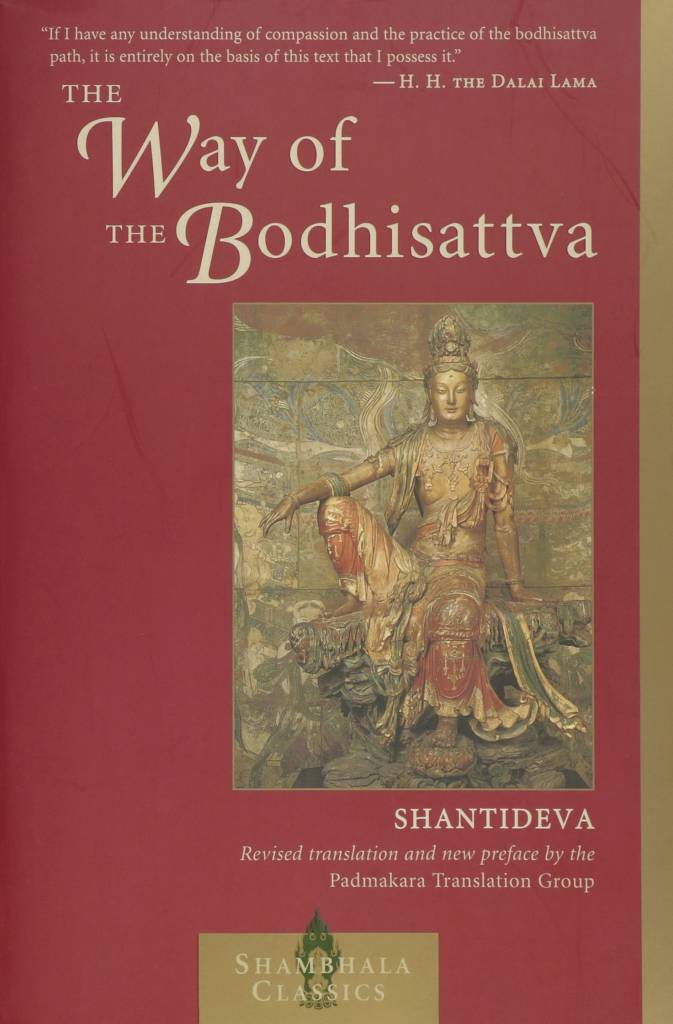
La Práctica del Bodisatva-front.jpg
Padmakara Spain 2008

If you say, ‘The Mahayana is in question’,

Non-Buddhists also question the texts, And other texts are also questioned by

Self and other. Therefore they should be abandoned.

If you say that the Mahayana is disputed,

Then holy scriptures that are disputed by non-Buddhists And scriptures that are disputed by both ourselves and others

Would also be subject to be discarded.

shift + scroll / swipe
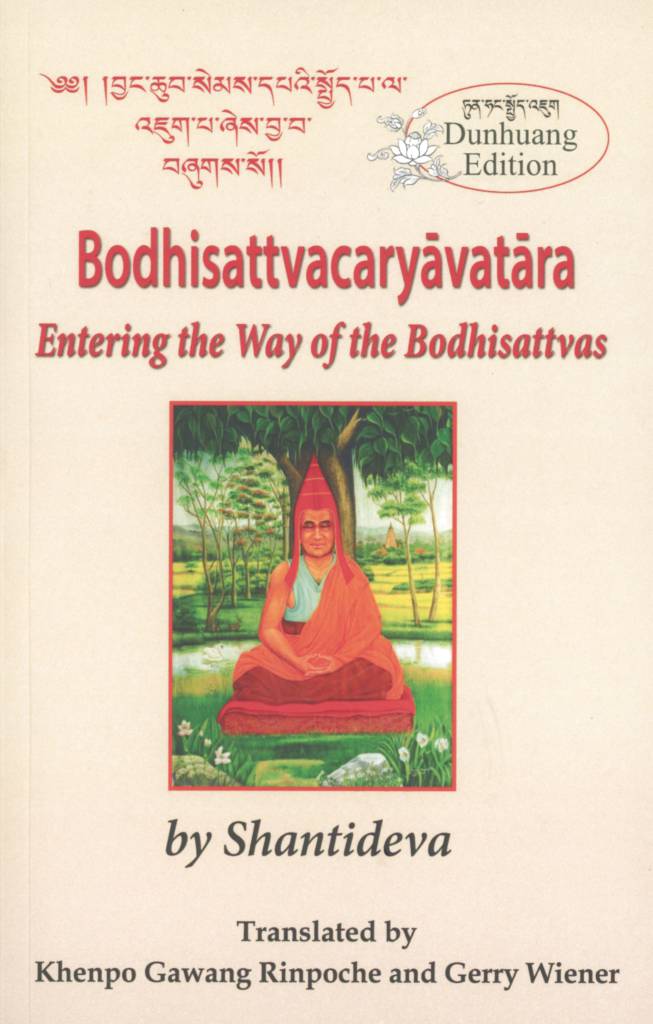
Dūnhuáng §This version is extracted from the book Bodhisattvacaryāvatāra: Entering the Way of the Bodhisattvas (2022, Khenpo Gawang and Wiener), a translation of an edition of the text created from three Dūnhuáng manuscripts. A description and sample pages of these can be found on the Early Tibet Blog. Scans of the actual manuscripts themselves can be found at http://idp.bl.uk

གལ་ཏེ་ཕན་ཚུན་འགལ་ཞེ་ན། །

འདུལ་ལ་སོགས་པའང་དོར་དགོས་སོ། ། སེམས་ཅན་མི་མཐུན་དགའ་བྱའི་ཕྱིར། །

གསུངས་པ་དེ་ཅི་མི་འདོད་དམ། །

alt verse 8.33 tm data

MD: If you say that the Mahayana texts

Are not authentic because we disagree, Then you must abandon the vinaya and your other texts. In order to please different types of sentient beings,

The Buddha taught different teachings — don’t you accept that?

Tsadra Critical Edition §This text was created by comparing four versions of the text from Derge, Cone, Narthang, and Peking Tengyurs from BDRC scans, along with Dunhuang manuscripts IOL Tib J 628, 629, and 630. When Tibetan readings were problematic, the Sanskrit texts from GRETIL and LTB (Oslo) were consulted.

ཐེག་ཆེན་རྩོད་བཅས་ཕྱིར་ཞེ་ན། །

ལུང་ལ་མུ་སྟེགས་པ་རྣམས་དང་། ། ལུང་གཞན་ལ་ཡང་རང་གཞན་དག །

རྩོད་བཅས་ཡིན་ཕྱིར་དོར་བྱར་འགྱུར། །

[edit]
Sazang Mati (1294 - 1376)
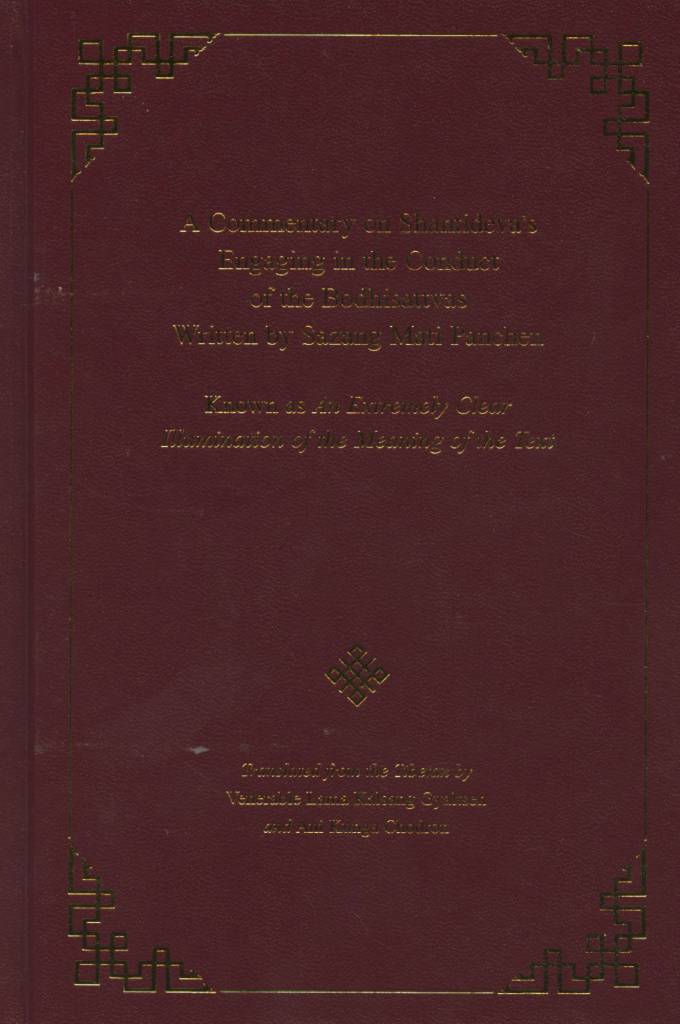
A Commentary on Shantideva's Engaging in the Conduct of the Bodhisattvas (citation)Gyaltsen, Lama Kalsang, and Ani Kunga Chodron, trans. A Commentary on Shantideva's Engaging in the Conduct of the Bodhisattvas Written by Sazang Mati Panchen: Known as An Extremely Clear Illumination of the Meaning of the Text. Walden, NY: Tsechen Kunchab Ling, 2019. Bilingual Edition

ཐེག་ཆེན་རྩོད་བཅས་ཕྱིར་ཞེ་ན། །

ལུང་ལ་མུ་སྟེགས་པ་རྣམས་དང་། ། ལུང་གཞན་ལ་ཡང་རང་གཞན་དག །

རྩོད་བཅས་ཡིན་ཕྱིར་དོར་བྱར་འགྱུར། །
theg chen rtsod bcas phyir zhe na/_/

lung la mu stegs pa rnams dang /_/ lung gzhan la yang rang gzhan dag_/

rtsod bcas yin phyir dor byar 'gyur/_/

If you say that the Mahayana is disputed,

Then holy scriptures that are disputed by non-Buddhists And scriptures that are disputed by both ourselves and others

Would also be subject to be discarded.

ཐེག་ཆུང་བའི་ལུང་ལའང་དཔྱོད་པ་པ་ལ་སོགས་པའི་མུ་སྟེགས་ཅན་རྣམས་ཀྱི་རྩོད་པ་དང་བཅས་པའི་ཕྱིར་ད༵ང༌། རྩ་བའི་སྡེ་བ་གཅིག་ལས་སྡེ་བ་བཅོ་བརྒྱད་དུ་གྱིས་པའི་ལུང་གཞན་དག་ལ་ཡང་རང་གི་སྡེ་བ་དང་དེ་ལས་གཞན་པའི་སྡེ་བ་ད༵ག་ཕན་ཚུན་རྩོད་པ་དང་བཅས་པ་ཡིན་པའི་ཕྱིར་ན་དོར་བར་བྱ་བར་འགྱུ༵ར་ཏེ། དོར་ན་ནི་ཆོས་ཀྱིས་ཕོངས་པར་འགྱུར་པའི་ལས་བསགས་པས་ངན་སོང་དུ་ལྟུང་བར་འགྱུར་རོ། །གཞན་ཡང༌། རྒྱན་ལས།

Madhyamika: Theravadin scriptures are also disputed by other schools, such as Hindu Logicians, and other non-Buddhists. Also, there are eighteen different schools within your own Theravadin tradition, and although the root is the same, you dispute with each other about the teachings. It follows that if the presence of dispute by other traditions were sufficient evidence to invalidate the scriptures, then your own schools’ scriptures would also be invalidated and need to be abandoned. However, if you do abandon them in this way, you would accumulate the bad karma of abandoning the holy Dharma and fall into the lower realms. The Ornament states:

སྔར་ལུང་མ་བསྟན་ལྷན་ཅིག་བྱུང༌། །

སྤྱོད་ཡུལ་མ་ཡིན་གྲུབ་པ་དང༌། ། ཡོད་དང་མེད་ན་ཡོད་མེད་དང༌། །

གཉེན་པོ་དང་ནི་སྒྲ་གཞན་ཕྱིར། །

Not previously prophesied, simultaneously arising,
Not an object of experience, validated,
If existing and non-existing, then existing and non-existing,
Antidote, and other than the word itself.

ཞེས་པ་ལྟར་ཐེག་པ་ཆེན་པོ་ནི་སངས་རྒྱས་ཀྱི་བཀའི་མཐར་ཐུག་པ་ཡིན་པར་གྲུབ་སྟེ།

This ascertains that the Mahayana teachings are the ultimate sermons of the Buddha. An explanation of these reasons follows.

གལ་ཏེ་བཀའ་མ་ཡིན་[p.-333]རབ་གསལ་སྣང་བ་
པ་དམ་པའི་ཆོས་ཀྱི་བར་ཆད་བྱེད་པ་ཞིག་ཕྱིས་འབྱུང་བ་ཡིན་ན་མ་འོངས་པའི་འཇིགས་པ་ཆེན་པོ་བཞིན་དུ་སྔར་ལུང་སྟོན་པར་རིགས་པ་ལས་མ་བསྟན་པའི་ཕྱིར་དང༌།

If the Mahayana teachings were not the Buddha’s sermons, but instead something that arose later to hinder the holy Dharma, the Buddha would have prophesied this fearsome future, yet it was not previously prophesied. 60See reference in the quotation from the Ornament above. It has been said:[p.369]A Commentary on Shantideva's Engaging in the Conduct of the Bodhisattvas
Gyaltsen, Lama Kalsang, and Ani Kunga Chodron, trans. A Commentary on Shantideva's Engaging in the Conduct of the Bodhisattvas Written by Sazang Mati Panchen: Known as An Extremely Clear Illumination of the Meaning of the Text. Walden, NY: Tsechen Kunchab Ling, 2019. First edition published by The Yeshe Dorje Foundation in 2006.

གསུང་གཅིག་ཉིད་དུ་གསུངས་ན་ཡང༌། ། དུ་མ་ཉིད་དུ་སོ་སོར་སྣང༌། །

Although the Buddha taught in one language.
It was perceived in multiple forms by various individuals.

ཞེས་པ་ལྟར་ཉན་ཐོས་པ་རྣམས་ལ་ཐེག་པ་ཆུང་ངུ་གསུང་པ་དང་ལྷན་ཅིག་བྱུང་བའི་ཕྱིར་དང༌། དམན་པ་རྣམས་ཀྱིས་མ་ཐོས་ཀྱང་ཟབ་ཅིང་རྒྱ་ཆེ་བའི་ཆོས་འདི་ནི་རྟོག་གེ་བ་རྣམས་ཀྱི་སྤྱོད་ཡུལ་མ་ཡིན་པའི་ཕྱིར་དང༌། གལ་ཏེ་ཐུབ་པ་ལས་གཞན་པའི་སངས་རྒྱས་གཅིག་གིས་བཤད་པར་འདོད་ནའང་སངས་རྒྱས་ཀྱིས་གསུངས་པའི་ཆོས་ཟབ་མོ་གང་ཡིན་པ་དེ་ཉིད་བཀའི་མཐར་ཐུག་པར་གྲུབ་པའི་ཕྱིར་དང༌།

As this explains, when the Buddha taught the teachings of the Lesser Vehicle to the Arhats, because the same teaching simultaneously arose in a different form for others; those of lesser scope did not hear them, and because of that this profound and vast Dharma was not an object of experience for the Logicians. If it is believed that Buddhas other than Shakyamuni also taught the Dharma, then what the Buddha taught is validated as the ultimately profound sermon.

གལ་ཏེ་ཐེག་པ་ཆེན་པོ་ཞེས་བྱ་བ་ཅུང་ཟད་ཅིག་ཡོད་ན་ནི་ཟབ་ཅིང་རྒྱ་ཆེ་བ་འདི་ལས་གཞན་པ་མ་དམིགས་པས་འདི་ཉིད་བཀའི་མཆོག་ཏུ་ཡོད་པའི་ཕྱིར་དང༌། འོན་ཏེ་ཐེག་པ་ཆེན་པོ་མེད་ན་ནི་དེ་བསྒོམས་པ་ལས་བྱུང་བའི་སངས་རྒྱས་ཀྱང་མེད་པས་དེས་གསུངས་པའི་ཆོས་ཉན་ཐོས་ཀྱི་ཐེག་པའང་མེད་པར་འགྱུར་བའི་ཕྱིར་དང༌།

If there is even the slightest thing known as the Great Vehicle, nothing can be found other than these teachings which are profound and vast. Therefore, these exist as the most exalted teachings; however, if the Great Vehicle were non-existing, then as a product of meditation on them, the Buddha would also not exist', because of that, the teachings of the Hearers’ Vehicle would also be non-existing.

ཐེག་པ་ཆེན་པོ་ལས་འབྱུང་བའི་རྣམ་པར་མི་རྟོག་པའི་ཡེ་ཤེས་བསྒོམས་ན་ཉོན་མོངས་པ་ལ་སོགས་པ་སྤང་བྱ་ཐམས་ཅད་ཀྱི་གཉེན་པོ་མཐར་ཐུག་པར་འགྱུར་བའི་ཕྱིར་དང༌། འདི་ལས་ཆོས་ཐམས་ཅད་ངོ་བོ་ཉིད་མེད་པར་གསུངས་ཀྱང་སྒྲ་ཇི་བཞིན་དུ་མི་གཟུང་གིསྒྲ་གཞན་གྱིས་དོན་གཞན་ཤིན་ཏུ་ཟབ་པ་སྟོན་པའི་ཕྱིར་རོ། །

Meditation on the primordial wisdom of non-conceptual forms which arises from the Mahayana teaching is the ultimate antidote for everything that needs to be abandoned such as the negative emotions. Although this teaching explains that all phenomena lack inherent nature, these teachings should not be taken literally according to the word itself, because the same terms are used to explain other profound meanings.
Gyaltsap Je (1364 - 1432)
The Entrance for the Children of the Conquerors (citation)Stracke, Fedor, trans. The Entrance for the Children of the Conquerors: A Commentary on the Introduction to the Actions of Bodhisattvas. By Gyaltsab Rinpoche. N.p.: Happy Monks Publication, 2016. https://happymonkspublication.org/product/bodhisattvacharyavatara-chapter-1-10-commentary/. Bilingual Edition

གཉིས་པ་ལ་གཉིས།

Establishing This With Logic 1.1.2.2.2.1.2

དང་པོ་ནི།

Establishing This by Way of Similarity 1.1.2.2.2.1.2.1

ཐེག་ཆེན་རྩོད་བཅས་ཕྱིར་ཞེ་ན། །

ལུང་ལ་མུ་སྟེགས་པ་རྣམས་དང་། ། ལུང་གཞན་ལ་ཡང་རང་གཞན་དག །

རྩོད་བཅས་ཡིན་ཕྱིར་དོར་བྱར་འགྱུར། །
theg chen rtsod bcas phyir zhe na/_/

lung la mu stegs pa rnams dang /_/ lung gzhan la yang rang gzhan dag_/

rtsod bcas yin phyir dor byar 'gyur/_/

If you say, ‘The Mahayana is in question’,

Non-Buddhists also question the texts, And other texts are also questioned by

Self and other. Therefore they should be abandoned.

གལ་ཏེ་ཐེག་པ་ཆེན་པོའི་མདོ་སྡེ་ངེད་ལ་བཀར་མ་གྲུབ་ཅིང་ཚད་མར་ཁས་མི་ལེན་པས་ངེད་ལ་མ་གྲུབ་ན་དེ་སྒྲུབ་བྱེད་དུ་བཀོད་ནས་སྟོང་ཉིད་རྟོགས་པ་ཉན་ང་རང་གི་གི་ཡན་ཡང་ལམ་དུ་བསྒྲུབ་པ་ནི་སྒྲུབ་བྱེད་བསྒྲུབ་བྱ་དང་མཚུངས་སོ་ཞེ་ན།

Argument: The Mahayana sutras are not established for me because I do not regard them as the words of the Buddha, and I do not accept them to be valid. Stating them as argument to establish that the realization of emptiness is also the path for the hearers and self-liberators makes the argument equal to the proposition.

ཁྱོད་ཀྱི་ལུང་ཁྱོད་རང་ཚད་མར་འདོད་པའི་ཐེག་དམན་གྱི་སྡེ་སྣོད་འདི་རྣམས་བཀའ་ཡིན་པར་ཇི་ལྟར་གྲུབ་དྲིས་པས་དེ་དག་བཀའ་ཡིན་ཏེ།

Answer: How do you establish the quotes belonging to the Hinayana basket, which you accept to be valid, as the words of the Buddha?

གང་གི་ཕྱིར་ན་འུ་བུ་ཅག་གཉིས་ཀ་ལ་ཐེག་པ་དམན་པའི་མདོ་སྡེ་འདི་བཀར་གྲུབ་བོ་ཞེ་ན།

Reply: The Hinayana sutras are the words of the Buddha because we both accept them to be the words of the Buddha.

རྒྱུ་མཚན་ཀུན་ནས་མཚུངས་ཏེ་ཁྱོད་སྐྱེས་མ་ཐག་པ་དང་ལུང་དོན་རིགས་པས་གཏན་ལ་མ་ཕེབས་པའི་དང་པོ་ཁྱོད་ལ་ཡང་དམན་པའི་སྡེ་སྣོད་འདི་ཚད་མར་མ་གྲུབ་ལ། དུས་ཕྱིས་ལུང་ཚད་མར་ཁས་ལེན་པའི་རྐྱེན་ཏེ་ཐབས་བས་དག་གང་འདུལ་བ་ལ་གནང་། མདོ་སྡེ་ལ་འཇུག མངོན་པའི་ཆོས་ཉིད་དང་མི་འགལ་བར་འཇུག་པའི་ཆེན་པོ་བསྟན་པ་སོགས་ལུང་དོན་རིགས་པས་གཏན་ལ་འབེབས་པའི་[p.Ch9-376]Spyod 'jug rtsa 'grel (Mtsho sngon mi rigs dpe skrun khang 2001)
Śāntideva, and Rgyal tshab rje dar ma rin chen. Spyod 'jug rtsa 'grel and Byang chub sems dpa'i spyod pa la 'jug pa'i rnam bshad rgyal sras 'jug ngogs. Xining: Mtsho sngon mi rigs dpe skrun khang, 2001
ས་གང་གིས་ནི་ལུང་ཚད་མ་དེར་ཡིད་ཆེས་པར་སྒྲུབ་པའི་སྒྲུབ་བྱེད་དེ་ནི་ཐེག་ཆེན་གྱི་མདོ་སྡེ་ལ་ཡང་མཚུངས་པར་ཡོད་པའི་ཕྱིར་རོ། །

Answer: Immediately upon birth, and before you established the meaning of the scriptures with logic, also the Hinayana basket was not established as valid for you. But later, the condition of accepting them to be valid scriptures, the Great Treatise and so forth, which show that the pure method lies within the Vinaya, induce into Sutra, as well as not contradicting the Abhidharma, with the methods for comprehending the words and meanings through reason, you generated faith in the sutras. The arguments with which you established this valid scripture as believable apply equally to the Mahayana sutras.

དེ་ལྟ་མ་ཡིན་པར་གང་ཟག་གཞན་གང་ཡང་རུང་བ་གཉིས་འདོད་པས་ཚད་མར་བདེན་ན་ནི་རིག་བྱེད་ཀྱི་གཞུང་སོགས་ཀྱང་བདེན་པར་འགྱུར་བར་ཐལ། གང་ཟག་གཉིས་ཀྱིས་ཚད་མར་འདོད་པ་ཡོད་པའི་ཕྱིར་རོ། །

If this is not the case, and something becomes valid because two random people accept it, then it follows that also the Vedas and so forth are true - because there are two people that accept them to be true.

ངེད་འདོད་པའི་ཐེག་དམན་གྱི་སྡེ་སྣོད་བཀར་ཁྱེད་ཀྱིས་ཀྱང་འདོད་པས་རྩོད་པ་མེད་ལ་ཐེག་ཆེན་གྱི་སྡེ་སྣོད་ངེད་མི་འདོད་པས་རྩོད་པ་དང་བཅས་པའི་ཕྱིར་ཞེ་ན།

Argument: Because you also accept the Hinayana sutras that I accept as the words of the Buddha, we do not have any dispute there. But because I do not accept that Mahayana sutras to be the words of the Buddha, we have a dispute in that regard.

འོ་ན་ཐེག་དམན་གྱི་ལུང་ལ་མུ་སྟེགས་པ་རྣམས་དང་ཉན་ཐོས་སྡེ་བ་རྣམས་རྩོད་པ་ཡོད་པའི་ཕྱིར་དང་། ཐེག་དམན་གྱི་ལུང་སྡེ་བ་བཅོ་བརྒྱད་པོ་ཐམས་ཅད་ཀྱིས་ཚད་མར་ཁས་ལེན་པ་ཡོད་ཀྱང་ནང་ཚན་གྱི་ལུང་གཞན་བར་སྲིད་ཡོད་པར་སྟོན་པ་སོགས་ཉན་ཐོས་སྡེ་བ་ལ་ལས་བཀར་འདོད་ཀྱང་། ལ་ལས་དེ་མི་འདོད་པས་སྡེ་བ་ནང་དུ་རང་དང་གཞན་རྩོད་པ་དང་བཅས་པ་ཡིན་པའི་ཕྱིར་ཐེག་དམན་གྱི་སྡེ་སྣོད་ཀྱང་ཚད་མ་ཡིན་པ་དོར་བྱར་འགྱུར་བར་ཐལ་ལོ། །

Answer: The Hinayana scriptures are questioned by non-Buddhists and Hinayanists alike. Also, while the Hinayana scriptures are accepted by all eighteen Hinayana schools as valid, there are individual quotes, such as the quotes that show the existence of an intermediate state, which are accepted by some Hinayana schools as the words of the Buddha, but are also not accepted by some other Hinayana schools. It would follow that the Hinayana baskets being valid is also something to give up, as they contain parts that are disputed by Buddhist and non-Buddhist schools.
Pawo Rinpoche, 2nd (1504 - 1566)
The Center of the Sunlit Sky (citation)Brunnhölzl, Karl. The Center of the Sunlit Sky: Madhyamaka in the Kagyü Tradition. Including a translation of Pawo Rinpoche's commentary on the knowledge section of Śāntideva's The Entrance to the Bodhisattva’s Way of Life (Bodhicaryāvatāra). Nitartha Institute Series. Ithaca, NY: Snow Lion Publications, 2004. Bilingual Edition

ཐེག་ཆེན་རྩོད་བཅས་ཕྱིར་ཞེ་ན། །

ལུང་ལ་མུ་སྟེགས་པ་རྣམས་དང་། ། ལུང་གཞན་ལ་ཡང་རང་གཞན་དག །

རྩོད་བཅས་ཡིན་ཕྱིར་དོར་བྱར་འགྱུར། །
If you say, “Because the great vehicle is disputed,”

You should abandon your scriptures, Because these scriptures are disputed by the forders,

As are certain of their parts between you and others. [43]

གཞན་སོགས་རྐང་པ་དྲུག་གིས་གཉིས་ཀས་འདོད་པ་རྩོད་བཅས་ཀྱི་རྟགས་ཀྱིས་དངོས་རྟགས་གང་དུ་ཡང་སྒྲུབ་མི་ནུས་པར་བསྟན་ཏོ། །

These six lines [802] teach that one is not able to establish any kind of reason through [the power of] entities, neither through the reason that something is asserted by both [parties] nor [through the reason] that it is disputed.

གཞན་ཡང་ཁྱོད་ཀྱིས། གང་ཕྱིར་གཉིས་ཀ་ལ་འདི་གྲུབ། །ཅེས་ལན་བཏབ་པ་འདི་ཡང་རྗེས་འགྲོའི་ཚུལ་མ་ངེས་པ་ཡིན་ཏེ། གལ་ཏེ་རྒོལ་བ་རང་གཞན་གཉི་གས་རེ་ཞིག་གྲུབ་པར་འདོད་པས་བདེན་པ་ཡིན་ན་ནི་རིག་བྱེད་བཞི་སོགས་ཀྱང་བདེན་པར་ཁས་བླང་བྱར་འགྱུར་ཏེ་ཕྱི་ནང་གཉིས་ཀས་རེ་ཞིག་ཁས་ལེན་པའི་ཕྱིར། གལ་ཏེ་མི་མཚུངས་ཏེ་ཐེག་ཆེན་ནི་བཀའ་ཡིན་མིན་རྩོད་པ་དང་བཅས་པའི་ཕྱིར་ཞེ་ན། འོ་ན་ཐེག་དམན་གྱི་ལུང་ལ་ཡང་། ཀྱེ་མ་མང་ཐོས་གང་སྨྲ་བ། །དེ་ནི་སྤྱང་ཀིའི་རྗེས་བཞིན་ནོ། །ཞེས་སོགས་ཀྱིས་ཕྱི་རོལ་གྱི་མུ་སྟེགས་པ་རྣམས་དང་རྩོད་བཅས་ཡིན་ཞིང་། སངས་རྒྱས་པའི་ལུང་གཞན་ལ་ཡང་རང་སྡེ་གཞི་ཐམས་ཅད་ཡོད་པར་སྨྲ་བ་དང་གཞན་མང་བཀུར་བ་ལ་སོགས་པ་སྡེ་པ་བཅོ་བརྒྱད་པོ་དག་རྩོད་པ་དང་བཅས་པ་ཡིན་པའི་ཕྱིར་ཐེག་དམན་གྱི་ལུང་ཡང་དོར་བྱར་ཐལ་བར་འགྱུར་རོ། །

[808] Furthermore, also your [previous] answer [in line 41c], “You wonder why? These are established for both [of us]“ is uncertain as to the mode of positive concomitance. If something were true just because two disputing parties—oneself and someone different—provisionally assert that it is established, then also the four Vedas and such would be something to be accepted as true, because they are provisionally accepted by both Buddhists and non-Buddhists. If you say, “This is not the same, because the great vehicle is disputed as to whether it[p.668]The Center of the Sunlit Sky
Brunnhölzl, Karl. The Center of the Sunlit Sky: Madhyamaka in the Kagyü Tradition. Including a translation of Pawo Rinpoche's commentary on the knowledge section of Śāntideva's The Entrance to the Bodhisattva’s Way of Life (Bodhicaryāvatāra). Nitartha Institute Series. Ithaca, NY: Snow Lion Publications, 2004.
is the Buddha’s speech or not,” it would follow that you should also abandon your scriptures of the inferior vehicle. This is because the scriptures of the inferior vehicle are also disputed by the non-Buddhist forders, such as when they say, “Alas, what the Erudites1573Skt. Bahuśrutīya, Tib. mang thos pa. This is one of the eighteen Vaibhāṣika subschools. say is like the footprints of a wolf.”1574The teachings of this Buddhist school are thus compared to a story in ancient India that illustrates that there is often a lot of ado about nothing: In the dusty roads of a town, a man produced some fake footprints that looked like those of a wolf and then proclaimed everywhere that there was a dangerous wolf in town, thus terrifying everybody. There are also disputes about certain of the parts of these Buddhist scriptures between your own faction [within the lesser vehicle]—the Proponents of the Existence of All Bases.1575Skt. Mūlasarvāstivādin, Tib. gzhi thams cad yod par smra ba. This is another of the eighteen Vaibhāṣika subschools.and others, that is, all [remaining] of the eighteen sects, such as the Venerated Ones.1576Skt. Saṃṃitīya, Tib. mang bkur ba, also one of the sects of the Vaibhāṣikas. For various charts of all eighteen schools, see Hopkins 1983, p. 340. For an illuminating discussion of this topic, see Dalai Lama 1988, pp. 45–49.

ཞེས་ལུང་གཞན་ལ་ཡང་རྩོད་བཅས་ཀྱི་ཕྱིར་གྱི་ཁྱབ་མཚུངས་ཀྱི་ན་ཡམས་སུ་བཀོད་ཅིང་།

Thus, he puts forth the speculation that there is an equal application of the entailment by [the reason in lines 43cd:] “As are certain of their parts [disputed] between you and others.” [He continues with verses 44–47:]

ཉེ་བར་དམིགས་པ་ཡོད་པ་རྣམས་ཀྱིས་ཇི་སྲིད་ཕུང་པོར་འཛིན་པ་ཡོད་པ་དེ་སྲིད་ངར་འཛིན་གྱི་ང་རྒྱལ་བྱེད་ལ་ལས་དང་སྐྱེ་བ་ཡོད་པ་དེ་ལྟ་ན་མྱ་ངན་ལས་འདས་པ་ཡང་དཀའོ་གལ་སྟེ་བདེན་པ་མཐོང་བས་ཉོན་མོངས་སྤོང་བའི་ཕྱིར་མི་དཀའོ་ཞེ་ན་དེའི་ཕྱིར་ཉོན་མོངས་སོགས་སོ་ཞེས་དང་། གཞན་དག་ན་རེ་ཉོན་མོངས་ཅན་དང་ལུང་མ་བསྟན་པའི་སྲིད་པ་དང་འདོད་ཁམས་ཀྱི་མི་དགེ་བ་ནི་འདིར་ཡང་སྲིད་འབྱུང་བའི་དབང་དུ་བྱས་པ་ཡིན་སྟེ། དེ་ཡང་དགའ་བའི་འདོད་ཆགས་དང་བཅས་པ་ནི་ཉོན་མོངས་པ་དང་བཅས་ཡིན་ན་ཉོན་མོངས་མེད་ཀྱང་ཞེས་ཅིའི་ཕྱིར་རྟོགས་ཞེས་སྨྲ་ན་འདི་ལྟར་དགོངས་ཏེ་གཏི་མུག་ཡང་ཉོན་མོངས་པའི་ས་པ་ཆེན་པོ་ཡིན་པས་ཉོན་མོངས་ཅན་ཡིན་ལ་དེའི་བག་ཆགས་ཀྱང་ཀུན་དུ་རྨོངས་པའི་ཉོན་མོངས་ཅན་མ་ཡིན་པའི་མི་ཤེས་པ་ནི་སེམས་དམིགས་པ་དང་བཅས་པ་འདི་ལ་ཡོད་པར་འདོད་ཏོ་དེ་བཞིན་དུ་ཉོན་མོངས་ཅན་གྱི་སྲེད་པ་ལ་ཡང་བག་ཆགས་ཉོན་མོངས་ཅན་མ་ཡིན་པ་ཡོད་སྟེ་དེ་ཡང་ཚོར་བ་ཡིན་ནོ་དེ་ཉོན་མོངས་པ་ཅན་མ་ཡིན་ཡང་ལྷན་ཅིག་བྱེད་པའི་རྐྱེན་དང་ཕྲད་ན་ཉོན་མོངས་ཅན་དུ་སྐྱེད་ཏོ་ཅེས་ཡང་སྒྲས་སྟོན་ཏོ་དེས་ན་སྲེད་འདི་ཞེས་སོགས་སྨོས་སོ། །

As long as there is clinging to the aggregates by those who are referential, for that long the pride of clinging to an I is generated and there are actions and births. Thus, nirvāṇa is ill [established] too. You might object, “It is not ill [established], because the afflictions are relinquished by seeing reality.” Therefore, [verse 45] “If liberation came from . . .” is [taught]. . . . Someone else [835] might say, “Here, afflicted and neutral craving as well as negativities of the desire realm are used in terms of the origination of further existences. If possessing joyous[p.695]The Center of the Sunlit Sky
Brunnhölzl, Karl. The Center of the Sunlit Sky: Madhyamaka in the Kagyü Tradition. Including a translation of Pawo Rinpoche's commentary on the knowledge section of Śāntideva's The Entrance to the Bodhisattva’s Way of Life (Bodhicaryāvatāra). Nitartha Institute Series. Ithaca, NY: Snow Lion Publications, 2004.
desire means possessing afflictions, why were [lines 45cd] ‘However, one sees the efficacy of actions . . .’ spoken?” The implication [of this] is as follows: It is asserted that dullness is afflicted too, since it is the great seed for afflictions. Its latent tendencies exist also in this referential mind of unafflicted ignorance that entails basic unawareness. Likewise, unafflicted latent tendencies exist also in unafflicted craving: These are feelings. . . . [Feelings themselves] are not afflicted, but if they meet with cooperative causes, they produce something afflicted. This is what is taught by the term “also” [in line 46c]. Therefore, [lines 46cd–47ab] “Why should they not . . .” are stated. You might say,“Causes are not something that definitely produces results.” Therefore, [lines 47cd] “Referential minds . . .” are given.1638Ibid., @073B–074A.

Mipam Gyatso (1846 - 1912)
The Wisdom Chapter - The Ketaka Jewel (citation)Fletcher, Wulstan, and Helena Blankleder (Padmakara Translation Group), trans. The Wisdom Chapter: Jamgön Mipham's Commentary on the Ninth Chapter of "The Way of the Bodhisattva." Boulder, CO: Shambhala Publications, 2017. Bilingual Edition

ཐེག་ཆེན་རྩོད་བཅས་ཕྱིར་ཞེ་ན། །

ལུང་ལ་མུ་སྟེགས་པ་རྣམས་དང་། ། ལུང་གཞན་ལ་ཡང་རང་གཞན་དག །

རྩོད་བཅས་ཡིན་ཕྱིར་དོར་བྱར་འགྱུར། །
theg chen rtsod bcas phyir zhe na/_/

lung la mu stegs pa rnams dang /_/ lung gzhan la yang rang gzhan dag_/

rtsod bcas yin phyir dor byar 'gyur/_/

Mahāyāna is at fault,” you say, “because it is contested.”

But Buddhist texts are questioned by extremists, While Buddhists also vie among themselves;

And so your own tradition you should now abandon.

གལ་ཏེ་ཐེག་དམན་ནི་བཀའ་ཡིན་པར་རྩོད་པ་མེད་ལ། ཐེག་ཆེན་རྩོད་པ་དང་བཅས་པའི་ཕྱིར་བཀའ་མིན་ནོ་ཞེ་ན། རྩོད་པ་དང་བཅས་པ་ཙམ་གྱིས་ལུང་ཡང་དག་མིན་པར་མི་[p.47]Spyod 'jug sher 'grel ke ta ka (Si khron mi rigs dpe skrun khang 1993)
Mi pham rgya mtsho. Spyod 'jug sher 'grel ke ta ka. Chengdu: Si khron mi rigs dpe skrun khang, 1993.
འགྱུར་ཏེ། གལ་ཏེ་འགྱུར་ན་ནང་པ་སངས་རྒྱས་པའི་ལུང་སྤྱི་ལ་མུ་སྟེགས་པ་རྣམས་ཀྱི་རྩོད་པ་དང་བཅས་ཤིང་། ལུང་གི་བྱེ་བྲག་གི་ཕྱོགས་བཟུང་ནས་གྲུབ་མཐའ་སོ་སོ་དང་ཉན་ཐོས་སྡེ་པ་བཅོ་བརྒྱད་ལ་སོགས་པ་ནང་ཕན་ཚུན་གཅིག་ལ་གཅིག་རྩོད་པ་དང་བཅས་པའི་ཕྱིར་ཐེག་དམན་ཀྱང་ཁྱོད་ཀྱིས་དོར་བྱར་འགྱུར་རོ། །

It might still be objected that whereas there is no debate about the validity of the Hīnayāna, there is a debate about the Mahāyāna, and this is enough to discredit it. But the authenticity of a doctrine is not disproved merely by the fact of its being disputed. If it were, then since the Buddhadharma in general is questioned by non-Buddhists, and since the different Buddhist schools (each with its specific tenets based on a particular aspect of the teachings, as well as the eighteen Shrāvaka schools) all argue among themselves, it follows that the Shrāvakas should also reject the Hīnayāna.
Kunzang Palden (1862 - 1943)
The Nectar of Manjushri's Speech (citation)Blankleder, Helena, and Wulstan Fletcher (Padmakara Translation Group), trans. The Nectar of Manjushri's Speech: A Detailed Commentary on Shantideva's Way of the Bodhisattva. By Kunzang Pelden. Boston: Shambhala Publications, 2007. Bilingual Edition

ཐེག་ཆེན་རྩོད་བཅས་ཕྱིར་ཞེ་ན། །

ལུང་ལ་མུ་སྟེགས་པ་རྣམས་དང་། ། ལུང་གཞན་ལ་ཡང་རང་གཞན་དག །

རྩོད་བཅས་ཡིན་ཕྱིར་དོར་བྱར་འགྱུར། །

theg chen rtsod bcas phyir zhe na/_/

lung la mu stegs pa rnams dang /_/ lung gzhan la yang rang gzhan dag_/

rtsod bcas yin phyir dor byar 'gyur/_/

གལ་ཏེ་ཐེག་དམན་ལ་བཀའ་ཡིན་མིན་རྩོད་པ་མེད་ལ་ཐེག་ཆེན་རྩོད་པ་དང་བཅས་པའི་ཕྱིར་བཀའ་མིན་ནོ་ཞེ་ན། རྩོད་པ་དང་བཅས་པ་ཙམ་གྱིས་ལུང་ཡང་དག་མིན་པར་མི་འགྱུར་ཏེ། གལ་ཏེ་འགྱུར་ན་ནང་པ་སངས་རྒྱས་པའི་ལུང་སྤྱི་ལ་མུ་སྟེགས་པ་རྣམས་ཀྱིས་རྩོད་པ་དང་བཅས་ཤིང༌། ལུང་གི་བྱེ་བྲག་གི་ཕྱོགས་སམ་གཞན་བཟུང་ནས་གྲུབ་མཐའ་སོ་སོ་དང་ཉན་ཐོས་སྡེ་པ་བཅོ་བརྒྱད་ལ་སོགས་པ་ལ་ཡང་ནང་ཕན་ཚུན་རང་གཞན་དག་རྩོད་པ་དང་བཅས་པ་ཡིན་པའི་ཕྱིར་ཐེག་དམན་ཀྱང་ཁྱོད་ཀྱིས་དོར་བྱར་འགྱུར་རོ། །

“Mahāyāna is at fault,” you say, “because it is contested.”

But Buddhist texts are questioned by extremists, While Buddhists also vie among themselves;

And so your own tradition you must now abandon.

All the same, it might be argued that whereas, among Buddhists, there is no debate about the validity of the Shravakayana, the Mahayana is disputed, and this is enough to discredit it. But a doctrine is not disproved merely by the fact of its being objected to. If that were the case, then since the Buddhadharma in general is disputed by non-Buddhists, and since the different Buddhist schools (each with their specific[p.339]The Nectar of Manjushri's Speech
Blankleder, Helena, and Wulstan Fletcher (Padmakara Translation Group), trans. The Nectar of Manjushri's Speech: A Detailed Commentary on Shantideva's Way of the Bodhisattva. By Kunzang Pelden. Boston: Shambhala Publications, 2010.
tenets based on a particular aspect of the teachings, not to mention the eighteen Shravaka schools) all argue amongst themselves, it follows that the Shravakas should reject their own system of teachings as well.


[edit]
[edit]