9.25

From Bodhicitta

Bodhicaryāvatāra · Verse 9.25


Sources:    

Sanskrit §No information about the source used.

यथा दृष्टं श्रुतं ज्ञातं नैवेह प्रतिषिध्यते। सत्यतः कल्पना त्वत्र दुःखहेतुर्निवार्यते॥

 
Chanted Verse
Recitation by Professor Kashinath Nyaupane
25

We do not reject things as they are given to us by perception, tradition, or reason. But we do reject the notion that the mind’s capacity for generating imagined realities is the cause of sorrow in any substantial sense.

Standard Tibetan §Padmakara used the 1990 edition printed by si khron mi rigs dpe skrun khang: Byang chub sems dpa'i spyod pa la 'jug pa rtsa ba dang 'grel pa (1990). Also found in Derge Tengyur D3871, dbu ma, vol. 105, la 1b1–40a7.

ཇི་ལྟར་མཐོང་ཐོས་ཤེས་པ་དག །

འདིར་ནི་དགག་པར་བྱ་མིན་ཏེ། ། འདིར་ནི་སྡུག་བསྔལ་རྒྱུར་གྱུར་པ། །

བདེན་པར་རྟོག་པ་བཟློག་བྱ་ཡིན། །

 
Chanted Verse
Recitation by Lopen Karma Phuntsho
25

It’s not indeed our purpose to disprove

Experiences of sight or sound or knowing. Our aim is here to undermine the cause of sorrow:

The thought that such phenomena have true existence.[p.141]The Way of the Bodhisattva (2006)
Blankleder, Helena, and Wulstan Fletcher (Padmakara Translation Group), trans. The Way of the Bodhisattva: A Translation of the Bodhicharyāvatāra. By Śāntideva. Rev. ed. Shambhala Classics. Boston: Shambhala Publications, 2006.

Standard Tibetan §Padmakara used the 1990 edition printed by si khron mi rigs dpe skrun khang: Byang chub sems dpa'i spyod pa la 'jug pa rtsa ba dang 'grel pa (1990). Also found in Derge Tengyur D3871, dbu ma, vol. 105, la 1b1–40a7. - Other translations

How something is seen, heard, or known

Is not what is negated here. Rather, the object of refutation

Is the cause for suffering, which is the conception of reality. [25]

Nous ne contestons pas les perceptions

De la vue, de l’ouïe ou de la conscience, Mais qu’elles existent réellement, c’est une idée

Que nous voulons éliminer comme étant la cause de la souffrance.

Las experiencias de ver, oír o conocer

no es lo que tratamos de refutar. Lo que intentamos desechar es la causa del sufrimiento:

la creencia de que ellas tengan existencia verdadera.

La Práctica del Bodisatva-front.jpg
Padmakara Spain 2008

Just as the consciousnesses of seeing and listening,

Are not to be refuted here, That which becomes the cause of suffering,

The formulation of true existence, is to be refuted.

Whatever is seen, heard, or understood, etc.,

Is not refuted here. Here, what is rejected is the misapprehension that it truly exists,

Which itself becomes the cause of suffering.

shift + scroll / swipe
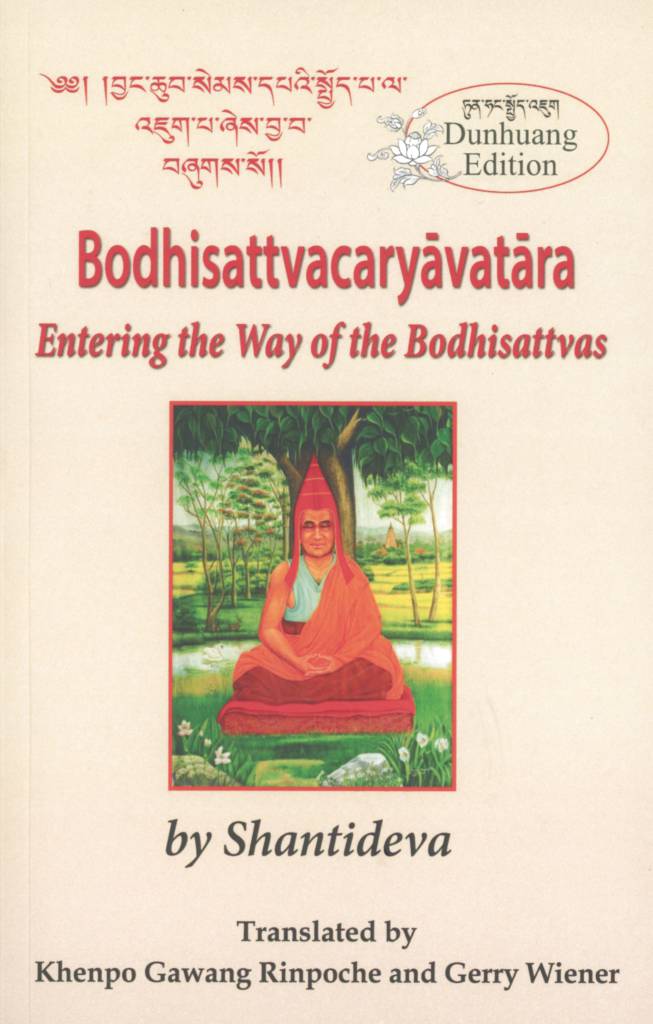
Dūnhuáng §This version is extracted from the book Bodhisattvacaryāvatāra: Entering the Way of the Bodhisattvas (2022, Khenpo Gawang and Wiener), a translation of an edition of the text created from three Dūnhuáng manuscripts. A description and sample pages of these can be found on the Early Tibet Blog. Scans of the actual manuscripts themselves can be found at http://idp.bl.uk

འདི་ལྟར་མཐོང་དང་ཐོས་པ་ཀུན། །

འདི་ལ་དགག་པར་བྱ་མེད་ཀྱི། ། འདིར་ནི་སྡུག་བསྔལ་རྒྱུར་འགྱུར་བ། །

བདེན་བ་ཉིད་དུ་རྟོག་པ་ཟློག །

alt verse 8.22 tm data

MD: All phenomena that are seen and heard

Are not to be refuted. Here, what are to be refuted

Are the concepts that cling to true existence causing suffering.

Tsadra Critical Edition §This text was created by comparing four versions of the text from Derge, Cone, Narthang, and Peking Tengyurs from BDRC scans, along with Dunhuang manuscripts IOL Tib J 628, 629, and 630. When Tibetan readings were problematic, the Sanskrit texts from GRETIL and LTB (Oslo) were consulted.

ཇི་ལྟར་176ཏུན་ཧོང་ཀ་༴ ‘དེ་ལྟར་’ ཏུན་ཧོང་ཁ་༴ ‘འདི་ལྟར་’མཐོང་ཐོས་ཤེས་པ་དག །

འདིར་ནི་དགག་པར་བྱ་མིན་ཏེ། ། འདིར་ནི་སྡུག་བསྔལ་རྒྱུར་གྱུར་པ། །

བདེན་པར་རྟོག་པ་བཟློག་བྱ་ཡིན། །177ཏུན་ཧོང་ཀ་༴ ‘དབེན་པ་ཉིད་དུ་རྟོག་པ་ཟློག །’ ཏུན་ཧོང་ཁ་༴ ‘བདེན་པ་ཉིད་དུ་རྟོག་པ་ཟློག །’

[edit]
Sazang Mati (1294 - 1376)
A Commentary on Shantideva's Engaging in the Conduct of the Bodhisattvas (citation)Gyaltsen, Lama Kalsang, and Ani Kunga Chodron, trans. A Commentary on Shantideva's Engaging in the Conduct of the Bodhisattvas Written by Sazang Mati Panchen: Known as An Extremely Clear Illumination of the Meaning of the Text. Walden, NY: Tsechen Kunchab Ling, 2019. Bilingual Edition

(ལྔ་པ་)དེས་ན་བདེན་ཞེན་བཟློག་པ་ནི།

5. Therefore clinging to true existence is rejected 1.2.2.1.1.3.2.1.2.2.1.5

གལ་ཏེ་རང་རིག་མེད་ན་གཞན་རིག་ཀྱང་མི་འཐད་པའི་ཕྱིར། འཇིག་རྟེན་ན་མཐོང་ཐོས་ཤེས་པ་ལ་སོགས་པའི་ཐ་སྙད་ཐམས་ཅད་མེད་པར་འགྱུར་རོ་ཞེ་ན།

Mind Only School: “If there were no self awareness, awareness of other would be logically impossible, and it would follow that seeing, hearing, and recognizing things in the world on the conventional level would also be impossible.

ཇི་ལྟར་མཐོང་ཐོས་ཤེས་པ་དག །

འདིར་ནི་དགག་པར་བྱ་མིན་ཏེ། ། འདིར་ནི་སྡུག་བསྔལ་རྒྱུར་གྱུར་པ། །

བདེན་པར་རྟོག་པ་བཟློག་བྱ་ཡིན། །

ji ltar mthong thos shes pa dag_/

'dir ni dgag par bya min te/_/ 'dir ni sdug bsngal rgyur gyur pa/_/

bden par rtog pa bzlog bya yin/_/

Whatever is seen, heard, or understood, etc.,

Is not refuted here. Here, what is rejected is the misapprehension that it truly exists,

Which itself becomes the cause of suffering.

དཔྱད་ན་མེད་ཀྱང་སྣང་ཙམ་དུ་ཇི་ལྟར་མངོན་སུམ་གྱིས་མཐོང་བ་དང་ལུང་ལས་ཐོས་པ་དང་རྗེས་དཔག་གིས་ཤེས་པ་ལ་སོགས་པའི་ཐ་སྙད་ད༵ག་འཇིག་རྟེན་འདིར་ནི་དགག་པར་བྱ་བ་མིན་ཏེ༵་ཀུན་རྫོབ་ཇི་ལྟར་གྲགས་པ་བཞིན་དུ་མ་དཔྱད་པའི་བློ་ངོར་ཁས་ལེན་པའི་ཕྱིར་རོ། །འོན་ཀྱང་སྐབས་འདིར་ནི་ཉོན་མོངས་པ་དང་སྡུག་བསྔལ་ཐམས་ཅད་འབྱུང་བའི་རྒྱུར་གྱུར་པ༵་ཡིན་པའི་ཕྱིར་རྣམ་ཤེས་དོན་དམ་དུ་བདེན་པར་རྟོག་པའི་མངོན་ཞེན་བཟློག་ཅིང་དགག་པར་བྱ་བ་ཡི༵ན་ཏེ། དེ་ཁོ་ན་ཉིད་ལ་འཇུག་པར། །

Madhyamika: If rigorously analyzed, phenomena have no true existence, yet they are perceivable. It is not necessary to reject the fact that on the worldly conventional level, phenomena can be directly perceived, or that phenomena can be indirectly perceived, such as by hearing quotations from the scripture, or understanding through logical imputation. It is not necessary because our school accepts on the relative level the things that worldly beings without rigorous analysis accept through consensus. However, the strong craving that adherents of your school feel for a consciousness that has true ultimate existence must be rejected, because that itself is the very cause of all suffering and defilements. Engaging in Suchness states:

བདེན་པར་འཛིན་པའི་དབང་གིས་སྐྱོན། །

འདོད་ཆགས་ཞེ་སྡང་ལ་སོགས་པའི། ། དགྲ་རྣམས་རབ་འབྱུང་དེ་ལྡོག་ན། །

དེ་རྣམས་འབྱུང་པ་ག་ལ་འགྱུར། །

Due to the fault of clinging to true existence,
Attachment, hatred, etc.,
All these enemies quickly arise.
If this is reversed, how could these things occur?[p.359]A Commentary on Shantideva's Engaging in the Conduct of the Bodhisattvas
Gyaltsen, Lama Kalsang, and Ani Kunga Chodron, trans. A Commentary on Shantideva's Engaging in the Conduct of the Bodhisattvas Written by Sazang Mati Panchen: Known as An Extremely Clear Illumination of the Meaning of the Text. Walden, NY: Tsechen Kunchab Ling, 2019. First edition published by The Yeshe Dorje Foundation in 2006.

ཞེས་བཤད་པ་ལྟར་རོ། །

Gyaltsap Je (1364 - 1432)
The Entrance for the Children of the Conquerors (citation)Stracke, Fedor, trans. The Entrance for the Children of the Conquerors: A Commentary on the Introduction to the Actions of Bodhisattvas. By Gyaltsab Rinpoche. N.p.: Happy Monks Publication, 2016. https://happymonkspublication.org/product/bodhisattvacharyavatara-chapter-1-10-commentary/. Bilingual Edition

གཉིས་པ་ལ་གཉིས།

Refuting That Other-Knowers Would Be Impossible If There Were No Self-Knower 1.1.2.1.2.2.2.2.2.2.2.3.2

དང་པོ་ནི།

Actual 1.1.2.1.2.2.2.2.2.2.2.3.2.1

ཇི་ལྟར་མཐོང་ཐོས་ཤེས་པ་དག །

འདིར་ནི་དགག་པར་བྱ་མིན་ཏེ། ། འདིར་ནི་སྡུག་བསྔལ་རྒྱུར་གྱུར་པ། །

བདེན་པར་རྟོག་པ་བཟློག་བྱ་ཡིན། །

ji ltar mthong thos shes pa dag_/

'dir ni dgag par bya min te/_/ 'dir ni sdug bsngal rgyur gyur pa/_/

bden par rtog pa bzlog bya yin/_/

Just as the consciousnesses of seeing and listening,

Are not to be refuted here, That which becomes the cause of suffering,

The formulation of true existence, is to be refuted.

ཅི་སྟེ་རང་རིག་མེད་ན་དྲན་པ་མེད་པས་ཡུལ་མྱོང་བ་དང་མཐོང་ཐོས་སོགས་མེད་པར་འགྱུར་རོ་ཞེ་ན།

Argument: If there is no self-knower, then there is no memory, and therefore the experience of objects and the consciousnesses of seeing, listening and the like become non-existent.

ཇི་ལྟར་མིག་ཤེས་ཀྱིས་མཐོང་བ་དང་ཉན་ཤེས་ཀྱིས་ཐོས་པ་དང་ཡིད་ཀྱིས་ཤེས་པ་ལ་སོགས་པ་དག་ཀུན་རྫོབ་འདིར་ནི་དགག་པར་བྱ་བ་མིན་ཏེ། དེ་དགག་མི་དགོས་ཏེ་དེ་ཙམ་གྱིས་སྡུག་བསྔལ་མི་སྐྱེད་ཅིང་དགྲ་བཅོམ་པ་རྣམས་ལ་ཡང་ཐ་སྙད་དེ་ཡོད་པའི་ཕྱིར་རོ། །དགག་མི་ནུས་ཏེ་འགོག་ན་ལུང་རིགས་ཀྱིས་འགོག་དགོས་ན་དེ་འགོག་ན་ལུང་རིགས་ལ་ཡང་མཚུངས་པའི་ཕྱིར་རོ། །བཀག་ན་སྐྱོན་ཡོད་དེ་ཆད་ལྟ་ཅན་དུ་འགྱུར་བའི་ཕྱིར་རོ། །

Answer: The conventionalities of sight by eye consciousness, hearing by ear consciousness and knowing by mental consciousness are not something to be abandoned. They do not need to be abandoned because suffering is not generated merely through them, and also arhats possess these nominalities. They cannot be abandoned, because this would have to happen either through logic or through quotation, which would in turn also have to be refuted. If these are refuted, it is a mistake because one would adopt a nihilistic view.

དེས་ན་འདིར་ནི་སྡུག་བསྔལ་གྱི་རྒྱུར་གྱུར་པ་ཡུལ་དེ་དག་བདེན་པར་རྟོག་པ་ལྡོག་བྱ་ཡིན་ཏེ་དེ་ཉིད་འཁོར་བའི་རྩ་བ་ཡིན་པའི་ཕྱིར། འཁོར་བའི་རྩ་བ་མ་ལོག་ན་འཁོར་བ་མི་ལྡོག་ཅིང་གཟུགས་སྒྲ་སོགས་བདེན་འཛིན་[p.Ch9-365]Spyod 'jug rtsa 'grel (Mtsho sngon mi rigs dpe skrun khang 2001)
Śāntideva, and Rgyal tshab rje dar ma rin chen. Spyod 'jug rtsa 'grel and Byang chub sems dpa'i spyod pa la 'jug pa'i rnam bshad rgyal sras 'jug ngogs. Xining: Mtsho sngon mi rigs dpe skrun khang, 2001
འཁོར་བའི་རྩ་བར་བསྟན་པས་ཉན་རང་ལ་ཆོས་ཀྱི་བདག་མེད་རྟོགས་པ་ཡོད་པ་གསལ་བར་བཞེད་པ་ཡིན་ནོ། །

Then, because the formulation of these phenomena as truly existent is the cause of suffering, that becoming the cause of suffering is that which is to be refuted, as it is the root of cyclic existence. If one does not reverse the root of cyclic existence, one does not stop cyclic existence, and because the true-grasping at forms, sounds and the like is shown to be the root of cyclic existence, it clearly shows that hearers and self-liberators realize the selflessness of phenomena.

ཁ་རག་པ་ལ་སོགས་པ་དབང་ཤེས་ལ་སྣང་ཙམ་དགག་བྱ་མིན་ལ་དེ་ལ་རྟག་མི་རྟག་དང་ཡོད་མེད་སོགས་གང་དུ་གཟུང་ཡང་དགག་བྱ་ཡིན་ནོ་ཞེས་ཟེར་བ་ནི་རྒྱ་ནག་གི་མཁན་པོ་སླར་འོངས་པ་ཡིན་ནོ། །

The assertion that while the mere appearances to the sense consciousnesses such as a coarse mouth and the like are not objects of negation, but that if they are held as permanent or impermanent, existent or non-existent and the like, that then they are objects of negation, is a comeback response of the Chinese Abbot.
Pawo Rinpoche, 2nd (1504 - 1566)
The Center of the Sunlit Sky (citation)Brunnhölzl, Karl. The Center of the Sunlit Sky: Madhyamaka in the Kagyü Tradition. Including a translation of Pawo Rinpoche's commentary on the knowledge section of Śāntideva's The Entrance to the Bodhisattva’s Way of Life (Bodhicaryāvatāra). Nitartha Institute Series. Ithaca, NY: Snow Lion Publications, 2004. Bilingual Edition

ཇི་ལྟར་མཐོང་ཐོས་ཤེས་པ་དག །

འདིར་ནི་དགག་པར་བྱ་མིན་ཏེ། ། འདིར་ནི་སྡུག་བསྔལ་རྒྱུར་གྱུར་པ། །

བདེན་པར་རྟོག་པ་བཟློག་བྱ་ཡིན། །

How something is seen, heard, or known

Is not what is negated here. Rather, the object of refutation

Is the cause for suffering, which is the conception of reality. [25]

ཇི་ལྟར་སོགས་ཚིགས་བཅད་གཅིག་གིས་བདེན་འཛིན་ཁོ་ན་དགག་བྱར་བསྟན།

This one verse teaches that the object of negation is solely the clinging to reality.

ཞེས་གསུངས་ཏེ། འོ་ན་རང་རིག་མེད་པ་དེའི་ཚེ་གཞན་རིག་མི་འཐད་པས་ཤེས་པ་ཉམས་སུ་མྱོང་བ་དང་གཟུགས་སྒྲ་སོགས་ཉམས་སུ་མྱོང་བ་ཐམས་ཅད་མི་འཐད་པར་འགྱུར་རོ་ཞེ་ན། ཇི་ལྟར་ན་གཟུགས་མཐོང་བ་དང་སྒྲ་ཐོས་པ་ལ་སོགས་པ་ཉམས་སུ་མྱོང་བའི་ཤེས་པ་དག་དེ་ཁོ་ན་ཉིད་ལ་དཔྱོད་པའི་སྐབས་འདིར་ནི་དགག་པར་བྱ་བ་མིན་ཏེ་འཁོར་བའི་སྡུག་བསྔལ་གྱི་རྒྱུར་གྱུར་པ་མཐོང་ཐོས་ཀྱི་ཤེས་སོགས་

It might be said, “However, when self-awareness does not exist, then awareness of something other is not justified either. Therefore, all experiences of consciousness and all experiences of forms, sounds, and such would not be justified.” The knowledges of how they are experienced—such as seeing forms and hearing sounds—are not what is negated here in this context of analyzing true reality.1505Most other commentaries say that line 25a indicates three cognitions: “How something is known” refers to conceptual consciousness as opposed to perception (“seen”) and information from others (“heard”). Rather, the object of refutation is solely the cause for the suffering of cyclic existence, which is the clinging to the reality of such [phenomena] as the consciousnesses that see and hear. [663]

དེ་དག་ལ་བདེན་པར་ཞེན་པ་ཁོ་ན་ཟློག་པར་བྱ་བ་ཡིན་ཏེ། སེམས་ཙམ་པས་དོན་སྨྲ་བའི་ཕྱི་དོན་འགོག་པར་བྱེད་པའི་ཚེ་ཡང་། ལོང་བ་དང་འོན་པ་ལྟར་གཟུགས་མི་མཐོང་སྒྲ་མི་ཐོས་པ་ཞིག་སྒྲུབ་པར་མི་བྱེད་ཀྱི་གཟུགས་སྒྲ་ལ་བདེན་འཛིན་འགོག་པ་ཁོ་ན་དང་མཚུངས་ཏེ། འདིར་ཡང་ཤེས་པ་གསལ་མྱོང་ཙམ་འགོག་པར་མི་བྱེད་ཀྱང་གསལ་མྱོང་དུ་གྲུབ་འཛིན་གྱི་ཞེན་པ་དེ་འགོག་པ་ཡིན་ནོ། །དེས་ན་ཁོ་བོ་ཅག་ལ་དེས་བརྒལ་དུ་མེད་ཀྱང་རྣམ་རིག་པ་ཁྱོད་ཉིད་ལ་གཞན་རིག་མེད་པ་དེའི་ཚེ་རང་རིག་ཀྱང་མེད་པར་འགྱུར་རོ་ཞེས་ལྡོག་སྟེ་བརྗོད་ན་ལན་གྱིས་དབེན་ནོ། །

This corresponds to what the Mere Mentalists do when they negate the outer objects [that] the proponents of outer objects [assert]: They do not prove that, as by deaf and blind people, forms are not seen and sounds are not heard, but they solely negate the grasping at forms and sounds as real. Also here, the mere experience of illuminating consciousness is not negated, but the grasping that this is established as the experience of illumination is negated. Therefore, we cannot be rebutted with such [an objection as the one above]. However, if we state the reverse [of your objection] to you Proponents of Cognizance by saying, “When awareness of something other does not exist, then self-awareness would not exist either,” then you lack an answer.[p.639]The Center of the Sunlit Sky
Brunnhölzl, Karl. The Center of the Sunlit Sky: Madhyamaka in the Kagyü Tradition. Including a translation of Pawo Rinpoche's commentary on the knowledge section of Śāntideva's The Entrance to the Bodhisattva’s Way of Life (Bodhicaryāvatāra). Nitartha Institute Series. Ithaca, NY: Snow Lion Publications, 2004.

ཇི་ལྟར་མཐོང་ཐོས་སོགས་ལ།

With respect to [verse 25] “How something is seen, heard, or known . . . ,” he says:[p.647]The Center of the Sunlit Sky
Brunnhölzl, Karl. The Center of the Sunlit Sky: Madhyamaka in the Kagyü Tradition. Including a translation of Pawo Rinpoche's commentary on the knowledge section of Śāntideva's The Entrance to the Bodhisattva’s Way of Life (Bodhicaryāvatāra). Nitartha Institute Series. Ithaca, NY: Snow Lion Publications, 2004.

མཐོང་ཐོས་དོན་དམ་པར་མེད་པར་འགྱུར་ཟེར་རམ་ཀུན་རྫོབ་ཏུ་མེད་པར་འགྱུར་ཟེར་ཞེས་དྲིའོ། །དང་པོ་ལྟར་ན་འདོད་པ་སྟེ་ཀུན་རྫོབ་པ་ཀུན་དེ་ལ་མེད་པའི་ཕྱིར་རོ། །ཕྱི་མ་ལྟར་ན་མ་གྲུབ་སྟེ་མཐོང་ཐོས་ཤེས་པ་དགག་པ་མ་ཡིན་གྱིས་མ་དཔྱད་པར་ཞོག་ཞིག་དོན་དམ་པར་ནི་མ་ཡིན་སྟེ།

I ask you, “Are you saying that seeing and hearing do not exist ultimately, or are you saying that they do not exist on the seeming level?” If the first is the case, I accept, because everything seeming does not exist within this [ultimate]. If the latter is the case, it is not established: [This here] is not a negation of what is seen, heard, and known. Rather, just leave these [as they are] without analyzing them—they are not ultimate. As it is said:

མཐོང་དང་ཐོས་སོགས་ཐུབ་པ་ཡིས། །

བདེན་དང་བརྫུན་པར་མ་གསུངས་སོ། ། ཕྱོགས་ལ་ལྡོག་ཕྱོགས་ཡོད་པའི་ཕྱིར། །

དེ་གཉིས་དོན་ལ་མེད་པའོ། །

The Sage did not state
That seeing, hearing, and such are real or delusive.
Because one side has an opposite side,
These two do not exist ultimately.1527Ibid., @263A.

Mipam Gyatso (1846 - 1912)
The Wisdom Chapter - The Ketaka Jewel (citation)Fletcher, Wulstan, and Helena Blankleder (Padmakara Translation Group), trans. The Wisdom Chapter: Jamgön Mipham's Commentary on the Ninth Chapter of "The Way of the Bodhisattva." Boulder, CO: Shambhala Publications, 2017. Bilingual Edition

ཇི་ལྟར་མཐོང་ཐོས་ཤེས་པ་དག །

འདིར་ནི་དགག་པར་བྱ་མིན་ཏེ། ། འདིར་ནི་སྡུག་བསྔལ་རྒྱུར་གྱུར་པ། །

བདེན་པར་རྟོག་པ་བཟློག་བྱ་ཡིན། །

ji ltar mthong thos shes pa dag_/

'dir ni dgag par bya min te/_/ 'dir ni sdug bsngal rgyur gyur pa/_/

bden par rtog pa bzlog bya yin/_/

It’s not indeed our purpose to disprove

Experiences of sight or sound or knowing. Our aim is here to undermine the cause of sorrow:

The thought that such phenomena have true existence.

ཇི་ལྟར་མཐོང་ཐོས་དང་ཤེས་པ་འདི་དག་མ་བརྟགས་ཉམས་དགའ་བ་ཙམ་གྱི་དབང་དུ་བྱས་ཏེ་བརྗོད་ན་ནི། འདིར་དགག་པ་མིན་ཏེ་དེ་དགག་མི་ནུས་ལ་དགག་ཀྱང་མི་དགོས་པའི་ཕྱིར། འོ་ན་ཅི་ཞིག་འགོག་ཅེ་ན། འདིར་སྡུག་བསྔལ་གྱི་རྒྱུར་གྱུར་པ་དངོས་པོ་ཀུན་ལ་དེར་ཞེན་གྱི་བདེན་པར་རྟོག་པ་བཟློག་བྱ་ཡིན་ནོ། །འདིར་མཐོང་བ་མངོན་སུམ་དང་། ཐོས་པ་གང་ཟག་གཞན་ནམ་ལུང་ལས་དང་། ཤེས་པ་རྗེས་དཔག་ཚད་མའི་སྒོ་ནས་བཞག་པའི་ཐ་སྙད་ལ་འགྲེལ་པས་བཤད་དོ། །

Regarding the experiences of sight, hearing, and understanding (which seem to exist well enough as long as they are left unexamined), the Madhyamikas have no refutation to offer. It is impossible to deny such experiences, and there is no need to do so. What then are the Madhyamikas attacking? For them, it is the cause of suffering that is to be refuted: the fixated[p.102]The Wisdom Chapter
Fletcher, Wulstan, and Helena Blankleder (Padmakara Translation Group), trans. The Wisdom Chapter: Jamgön Mipham's Commentary on the Ninth Chapter of "The Way of the Bodhisattva." Boulder, CO: Shambhala Publications, 2017.
belief that all things are truly existent. Here, the commentary26That is, the Pañjika of Prajñākaramati. See Oldmeadow, “Study of the Wisdom Chapter,” 76. says that the expression “experiences of sight” refers to sense perceptions generally, “experiences of hearing” refers to knowledge gained from other people or from the scriptures, and “experiences of understanding” refers to the process of inference.

མདོར་ན་རང་རིག་པ་འགོག་པ་ནི་དོན་དམ་པར་འགོག་པ་ཡིན་གྱི་བེམ་པོ་ལས་ལོག་ཙམ་ལ་ཐ་སྙད་དུ་རང་རིག་པར་འདོགས་པའི་ཚུལ་དེ་འགོག་པ་མ་ཡིན་ཏེ། དེ་བཀག་ན་རང་བློ་རང་ལ་ལྐོག་ཏུ་གྱུར་པ་ཁས་ལེན་དགོས་པས་རང་གཞན་གྱི་བློ་ཤེས་པས་གཅོད་ཚུལ་ལ་ཁྱད་མེད་དུ་ཐལ་བ་དང་། རང་རྒྱུད་ལ་བློ་ཡོད་པའི་སྒྲུབ་བྱེད་མི་རིགས་པ་དང་། མཐར་དོན་རིག་གི་ཐ་སྙད་ཀྱང་རྒྱུན་ཆད་པར་འགྱུར་བ་སོགས་རིགས་པའི་དབང་ཕྱུག་གིས་ཇི་སྐད་གསུངས་པས་གནོད་ཅིང་། རང་རིག་འགོག་པའི་རིགས་པ་ཇི་སྙེད་པ་ཐམས་ཅད་ཕུང་སོགས་འགོག་པའི་རིགས་པ་བཞིན་དུ་དོན་དམ་པར་འགོག་གི་ཐ་སྙད་དུ་བཀག་པའི་གཏན་མེད་མ་ཡིན་པར་ཤེས་དགོས་ཤིང་། ལུགས་འདིར་ཐ་སྙད་དུའང་རང་རིག་ཀུན་གཞི་ཁས་མི་ལེན་ཟེར་ཡང་འདིར་ཐ་སྙད་དུ་ནི་དགག་པའང་མེད་ལ་སྒྲུབ་པའང་མེད་ཀྱི་དོན་དམ་པར་བཀག་པ་ཁོ་ན་ཡིན་ནོ། །

To state the matter briefly, when the self-knowing mind is refuted, the refutation is made on the ultimate level. It is not a refutation of the conventionally designated self-knowing mind that is contrasted with inert matter. If this were refuted, it would follow that one’s own mind is hidden from itself—which would mean that there would be no difference between the way one knows one’s own mind and the way one knows the mind of someone else. Moreover, there would be no evidence for the existence of a mind within one’s continuum. Finally, it would put an end to all cognition of conventional phenomena by the other-knowing consciousness.27This is a reference to the epistemological theory of the Sautrāntikas (Dharmakīrti) in which self-cognition is axiomatic. These and other consequences invalidate such a position, as the king of reasoning28That is, Dharmakīrti. explains. All the arguments that refute the self-knowing mind—just like the arguments that refute the aggregates and so on—are refutations on the ultimate level. It is important to understand that they are not at all refutations on the level of the conventional truth. It is said that in the present (Prāsaṅgika) Madhyamaka tradition, the self-knowing mind and also the alaya are not accepted even on the conventional level. The fact is, however, that on the conventional level, they are neither asserted nor denied. They are refuted only on the ultimate level.29The Prāsaṅgikas accept as the relative truth the phenomena experienced within the common consensus of ordinary worldly people. They neither assert nor deny such phenomena but leave them as they are without analysis, using them only as a stepping-stone to the ultimate truth. The implication here is that, in positively denying the existence of the self-knowing mind and the alaya on the conventional level (two of his so-called eight difficult points of Prāsaṅgika), Tsongkhapa is overstepping the limits of the Prāsaṅgika method, which is to make no analysis of the relative, neither accepting nor denying it.

དེ་ལ་[p.31]Spyod 'jug sher 'grel ke ta ka (Si khron mi rigs dpe skrun khang 1993)
Mi pham rgya mtsho. Spyod 'jug sher 'grel ke ta ka. Chengdu: Si khron mi rigs dpe skrun khang, 1993.
ཁ་ཅིག་གིས་དབུ་མ་པ་ཡིན་ན་ཀུན་གཞི་ཁས་ལེན་པར་མི་བྱ་སྟེ། ཀུན་གཞི་ནི་རྣམ་རིག་པའི་ལུགས་ཡིན་ཟེར་ཡང་ལེགས་པར་མ་བརྟགས་པ་སྟེ། ཀུན་གཞི་བདེན་གྲུབ་ཏུ་ཁས་མ་བླངས་ན་ཐ་སྙད་དུ་ཁས་བླངས་པས་དབུ་མའི་ཚུལ་ཅི་ཞིག་ཉམས།ཐ་སྙད་དུ་ཁས་ལེན་མི་རུང་བ་ནི་ཐ་སྙད་དཔྱོད་བྱེད་ཀྱི་ཚད་མས་གནོད་པ་སྤྱི་རྟག་པ་ལ་སོགས་པ་ལྟ་བུ་ཡིན་གྱི། དོན་དམ་པའི་རིག་པས་བཀག་ཚད་ཁས་མི་ལེན་ན་ཕུང་ཁམས་སྐྱེ་མཆེད་ཀྱང་གཏན་མེད་དུ་ཁས་བླངས་དགོས་སོ། །དེ་ཕྱིར་ཐལ་འགྱུར་པའི་གཞུང་དུ་ཀུན་གཞི་དོན་དམ་པར་བཀག་གི་ཐ་སྙད་དུ་མི་འགོག་ཀྱང་དེའི་རྣམ་གཞག་མཛད་དེ་སྒྲུབ་པའང་མིན་ནོ། །དེ་བཞིན་དུ་རང་རིག་ཐ་སྙད་དུ་ཁས་ལེན་པ་ནི་རྟོག་གེའི་བག་ཆགས་གོམས་པའི་དབང་གིས་ཡིན་གྱི་ཁས་བླང་བར་མི་བྱ་ཟེར་བའང་གྱི་ན་སྟེ། དོན་དམ་པ་གཏན་ལ་འབེབས་པ་ལ་རང་རིག་དང་ཀུན་གཞི་མི་དགོས་མོད། ཐ་སྙད་ཀྱི་རྣམ་བཞག་དཔྱོད་པ་ལ་མེད་དུ་མི་རུང་ཞིང་ཐ་སྙད་དཔྱོད་པའི་ཚད་མས་གྲུབ་ན་དེ་ཐ་སྙད་དུ་མེད་ཅེས་འགོག་པའི་རིགས་པ་ནི་མེད་དོ། །

In this context, some will say that if one is a Madhyamika, one should not assert the alaya because it is a notion belonging to the Vijñanavada. This objection however is not based on a correct examination. If the alaya is not asserted to be truly existent but is only asserted on the conventional level, how is the Madhyamaka method harmed thereby? What cannot be asserted on the conventional level are things like permanent universals, which are invalidated by the kind of reasoning that investigates conventional phenomena. If one were to refrain from asserting everything that is refuted by the reasoning that investigates the ultimate level, one would be obliged to say that the aggregates, elements, and the sense fields are utterly nonexistent. That is why, in Prāsaṅgika texts, the alaya is refuted on the ultimate level but is not refuted conventionally. It is posited but not established. Therefore, to say that the self-knowing mind should not be asserted on the conventional level and that to do so is just the result of the habits of intellectual speculation is nonsense. To be sure, there is no need for the self-knowing mind and the[p.103]The Wisdom Chapter
Fletcher, Wulstan, and Helena Blankleder (Padmakara Translation Group), trans. The Wisdom Chapter: Jamgön Mipham's Commentary on the Ninth Chapter of "The Way of the Bodhisattva." Boulder, CO: Shambhala Publications, 2017.
alaya when one is establishing the ultimate level; but in the examination of the conventional level, they are indispensable. And since they are established by valid reasoning that investigates the conventional level, there are no arguments that can refute them, asserting that they have no reality conventionally.

གལ་ཏེ་རིགས་པ་ཅི་སྟེ་མེད་དེ། ཟླ་གྲགས་ཞི་ལྷ་ལ་སོགས་པའི་གཞུང་ན་ཇི་སྙེད་ཅིག་བཤད་པ་འདི་མ་མཐོང་ངམ་ཞེ་ན། དེ་དོན་རིག་ལའང་མཚུངས་སོ། །མི་མཚུངས་ཏེ་དོན་རིག་ནི་ཐ་སྙད་དུ་མི་འགོག་གོ་ཞེ་ན། བདེ་སོགས་རང་གིས་ཉམས་སུ་མྱོང་བ་ཡང་ཐ་སྙད་དུ་ཇི་ལྟར་འགོག་སྟེ་མི་འགོག་གོ། དེས་ན་སེམས་བདེན་གྲུབ་ཏུ་འདོད་པ་ལ་རང་རིག་[p.32]Spyod 'jug sher 'grel ke ta ka (Si khron mi rigs dpe skrun khang 1993)
Mi pham rgya mtsho. Spyod 'jug sher 'grel ke ta ka. Chengdu: Si khron mi rigs dpe skrun khang, 1993.
པ་མི་འཐད་ཀྱང་བདེན་མེད་དུ་འདོད་པ་ལ་རང་རིག་པའི་ཐ་སྙད་ཤིན་ཏུ་འཐད་པར་ཡང་ཤེས་པར་བྱ་སྟེ་ཇི་བཞིན་རྟོགས་པ་ནི་སྔར་ཡང་ཉུང་ངོ་། །

But how, it might be objected, can we say that there are no arguments [to refute the existence of the alaya and the self-knowing mind]? Do we not find any number of them expounded in the texts of Chandrakīrti, Shāntideva, and the like? We answer that the arguments in question are like the ones used in the context of the other-knowing consciousness. To which our opponents will reply that they are not the same since the other-knowing mind is not refuted conventionally. But to this we answer: how can you deny subjective experiences like happiness on the conventional level? They cannot be denied. It should be understood therefore that self-awareness is only untenable for those who believe that the mind is truly existent. It is perfectly tenable, as a conventionality, for those for whom the mind is not truly existent. Few there were, even in the past, who understood the truth of this matter.
Kunzang Palden (1862 - 1943)
The Nectar of Manjushri's Speech (citation)Blankleder, Helena, and Wulstan Fletcher (Padmakara Translation Group), trans. The Nectar of Manjushri's Speech: A Detailed Commentary on Shantideva's Way of the Bodhisattva. By Kunzang Pelden. Boston: Shambhala Publications, 2007. Bilingual Edition

དེ་ལ་སེམས་ཙམ་པ་ན་རེ། ཤེས་པ་ཉིད་གསལ་ཞིང་རིག་པ་མིན་ན་རང་མི་གསལ་བས་གཞན་ཡང་གསལ་མི་ནུས་ལ་དེ་ལྟར་ན་མིག་གིས་མཐོང་བ་དང༌། རྣ་བས་ཐོས་པ་དང༌། ཡིད་ཀྱིས་ཤེས་པའི་ཐ་སྙད་ཐམས་ཅད་རྒྱུན་ཆད་པར་འགྱུར་ཏེ། འདི་ཀུན་གསལ་[p.644]Byang chub sems dpa'i spyod pa la 'jug pa rtsa ba dang 'grel pa (1990)
Slob dpon zhi ba lha and Mkhan po kun dpal. Byang chub sems dpa'i spyod pa la 'jug pa rtsa ba dang 'grel pa. Khreng tu'u: Si khron mi rigs dpe skrun khang, 1990. Buda by BDRC Logo.jpg
རིག་གི་ཤེས་པ་ལ་བརྟེན་ནས་རྣམ་བཞག་བྱ་དགོས་ཀྱི་གཞན་དུ་དེ་མི་སྲིད་པའི་ཕྱིར་ཞེ་ན། །

ཇི་ལྟར་མཐོང་ཐོས་ཤེས་པ་དག །

འདིར་ནི་དགག་པར་བྱ་མིན་ཏེ། ། འདིར་ནི་སྡུག་བསྔལ་རྒྱུར་གྱུར་པ། །

བདེན་པར་རྟོག་པ་བཟློག་བྱ་ཡིན། །

ji ltar mthong thos shes pa dag_/

'dir ni dgag par bya min te/_/ 'dir ni sdug bsngal rgyur gyur pa/_/

bden par rtog pa bzlog bya yin/_/

ཇི་ལྟར་མཐོང་ཐོས་དང་ཤེས་པ་འདི་དག་མ་བརྟག་ཉམ་དགའ་ཙམ་གྱི་དབང་དུ་བྱས་ཏེ་བརྗོད་ན་ནི། འདིར་ནི་དགག་པར་བྱ་བ་མིན་ཏེ་དེ་དག་དགག་མི་ནུས་ལ་དགག་ཀྱང་མི་དགོས་པའི་ཕྱིར། འོ་ན་ཅི་ཞིག་འགོག་ཅེ་ན། འདིར་ནི་སྔུག་བསྔལ་གྱི་རྒྱུར་གྱུར་པ་དངོས་པོ་ཀུན་ལ་དེར་ཞེན་གྱི་བདེན་པར་རྟོག་པ་བཟློག་བྱ་ཡིན་ནོ། །འདིར་མཐོང་བ་མངོན་སུམ་དང༌། ཐོས་པ་གང་ཟག་གཞན་ལས་དང༌། ཤེས་པ་རྗེས་དཔག་ཚད་མའི་སྒོ་ནས་བཞག་པའི་ཐ་སྙད་ལ་འགྲེལ་བས་བཤད་དོ། །

But, the Chittamatrins say, if the mind is not self-illuminating and self-knowing, consciousness of other things is impossible. All conventionalities seen with the eyes and heard with the ears, and all mental cognitions, would be prevented. For they are all necessarily based on the mind’s clarity and self-cognition. They are impossible otherwise.

It’s not indeed our purpose to disprove

Experiences of sight or sound or knowing. Our aim is here to undermine the cause of sorrow:

The thought that such phenomena have true existence.[p.141]The Way of the Bodhisattva (2006)
Blankleder, Helena, and Wulstan Fletcher (Padmakara Translation Group), trans. The Way of the Bodhisattva: A Translation of the Bodhicharyāvatāra. By Śāntideva. Rev. ed. Shambhala Classics. Boston: Shambhala Publications, 2006.

The Madhyamikas answer that they are not refuting experiences such as sight, hearing, and understanding, which appear to have a satisfactory existence provided they are not subjected to analysis. For it is impossible to deny them, and there is no need to do so. What, then, are the Madhyamikas attacking? The cause of suffering: the belief and clinging to the true existence of all things. In this context, “things” are explained as referring to conventionalities validly perceived through sight, hearing, or the mind. And here, “sight” refers to sense perceptions generally; “hearing” refers to reports from other sources; and “mind” refers to the process of inference.


[edit]
[edit]