9.167

From Bodhicitta

Bodhicaryāvatāra · Verse 9.167


Sources:    

Sanskrit §No information about the source used.

कदोपलम्भदृष्टिभ्यो देशयिष्यामि शून्यताम्। संवृत्यानुपलम्भेन पुण्यसंभारमादरात्॥

 
Chanted Verse
Recitation by Professor Kashinath Nyaupane
167

When will I avail myself of the language of convention in order to teach emptiness to those who still perceive a real object of clinging? And when will I be able to teach them with dedication how to gather merit without relying on an object of clinging?

Standard Tibetan §Padmakara used the 1990 edition printed by si khron mi rigs dpe skrun khang: Byang chub sems dpa'i spyod pa la 'jug pa rtsa ba dang 'grel pa (1990). Also found in Derge Tengyur D3871, dbu ma, vol. 105, la 1b1–40a7.

ནམ་ཞིག་དམིགས་པ་མེད་ཚུལ་དུ། །

གུས་པས་བསོད་ནམས་ཚོགས་བསགས་ཏེ། ། དམིགས་པས་ཕུང་བར་འགྱུར་རྣམས་ལ། །

སྟོང་པ་ཉིད་ནི་སྟོན་པར་འགྱུར། །

 
Chanted Verse
Recitation by Lopen Karma Phuntsho
167

My wealth of merit gathered in,

With reverence but without conceptual target, When shall I reveal this truth of emptiness

To those who go to ruin through belief in real existence?

Standard Tibetan §Padmakara used the 1990 edition printed by si khron mi rigs dpe skrun khang: Byang chub sems dpa'i spyod pa la 'jug pa rtsa ba dang 'grel pa (1990). Also found in Derge Tengyur D3871, dbu ma, vol. 105, la 1b1–40a7. - Other translations

As a result of [my] careful gathering of the accumulation of merit

By means of the seeming and in a nonreferential manner, When will I teach emptiness

To those who have referential views? [167]1802The Sanskrit of this verse reads:
kadopalambhadṛṣṭibhyo deśayiṣyāmi śūnyatām saṃvṛttyānupalambhena puṇyasaṃbhāramādarāt
The Tibetan says:
nam zhig dmigs pa med tsul du - Having carefully gathered the accumulation of merit
gus pas bsod nams tsogs bsags te - In a nonreferential manner,
migs pas phung bar gyur rnams la - When will I teach emptiness
stong pa nyid ni ston par ’gyur - To those who are ruined by being referential?
The English translation primarily follows Prajñākaramati’s commentary. He explains that the accumulation of merit is not gathered in a random way, but by very carefully employing the expedient conventions of seeming reality, without which ultimate emptiness cannot be taught. The accumulation of merit consists of the perfections, such as generosity, which are all practiced in a nonreferential manner, that is, by not conceptualizing the triad of giver, recipient, and the act of generosity. Those who have referential views are the realists, that is, those who cling to really existing entities. (ACIP TD 3872@287A–B).

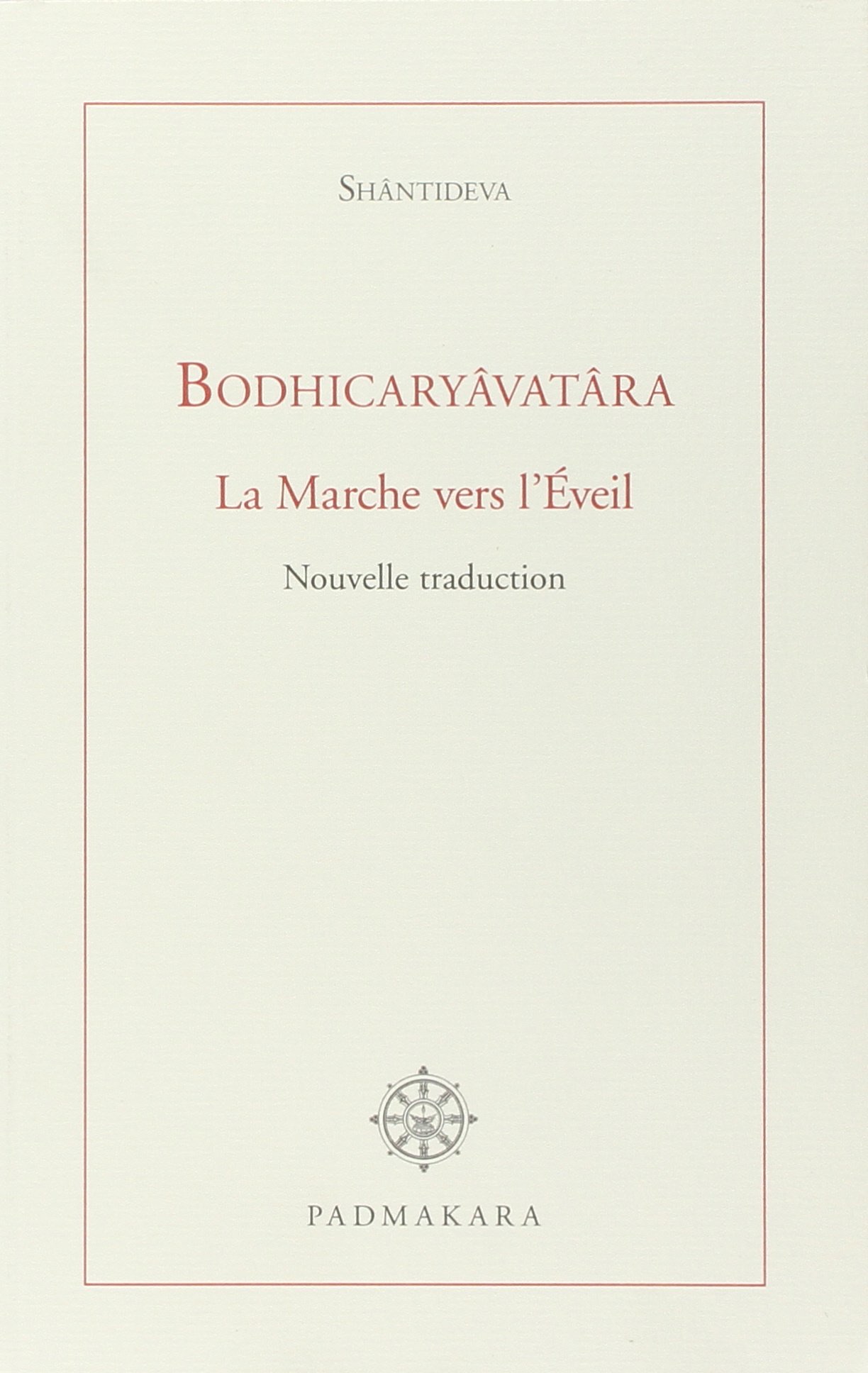
Quand donc aurai-je humblement accumulé

Assez de mérites libres de références Pour montrer la vacuité à ceux

Que les références détruisent ?[p.194]La Marche vers l'Éveil (2007)

¿Cuándo, habiendo reunido suficientes méritos,

con devoción pero sin conceptos, podré exponer la verdad de la vacuidad

a los que van hacia el desastre por creer en la existencia verdadera?[p.179]La Práctica del Bodisatva
Hervás, María Jesús (Padmakara Translation Group, Spain), trans. La Práctica del Bodisatva: Una Traducción del Bodicharyavatara de Shantideva. Translated from the 2006 English translation of Helena Blankleder and Wulstan Fletcher. Novelda, Alicante, Spain: Ediciones Dharma, 2008.

La Práctica del Bodisatva-front.jpg
Padmakara Spain 2008

May I, by respectfully building up the accumulation of merits

In the way that lacks focus, Be able to show emptiness to those

Who are destitute because of having focus.

When will I be able to teach emptiness

To those who struggle with objects, Through my devoted accumulation

Of objectless merit?

shift + scroll / swipe
Dūnhuáng §This version is extracted from the book Bodhisattvacaryāvatāra: Entering the Way of the Bodhisattvas (2022, Khenpo Gawang and Wiener), a translation of an edition of the text created from three Dūnhuáng manuscripts. A description and sample pages of these can be found on the Early Tibet Blog. Scans of the actual manuscripts themselves can be found at http://idp.bl.uk

ནམ་ཞིག་དམིགས་པ་མེད་ཚུལ་དུ། །

གུས་པས་བསོད་ནམས་ཚོགས་བསགས་ནས། ། དམིགས་པས་ཕུང་བར་འགྱུར་རྣམས་ལ། །

སྟོང་པ་ཉིད་ཅིག་སྟོན་པར་འགྱུར། །

alt verse 8.91 tm data

MD: One day, I will accumulate merit

Without reference point. To those having problems with reference points,

I will teach emptiness.

Tsadra Critical Edition §This text was created by comparing four versions of the text from Derge, Cone, Narthang, and Peking Tengyurs from BDRC scans, along with Dunhuang manuscripts IOL Tib J 628, 629, and 630. When Tibetan readings were problematic, the Sanskrit texts from GRETIL and LTB (Oslo) were consulted.

ནམ་ཞིག་དམིགས་པ་མེད་ཚུལ་དུ། །

གུས་པས་བསོད་ནམས་ཚོགས་བསགས་ཏེ། ། དམིགས་པས་ཕུང་བར་འགྱུར་རྣམས་ལ། །

སྟོང་པ་ཉིད་ནི་སྟོན་པར་འགྱུར། །

[edit]
Sazang Mati (1294 - 1376)
A Commentary on Shantideva's Engaging in the Conduct of the Bodhisattvas (citation)Gyaltsen, Lama Kalsang, and Ani Kunga Chodron, trans. A Commentary on Shantideva's Engaging in the Conduct of the Bodhisattvas Written by Sazang Mati Panchen: Known as An Extremely Clear Illumination of the Meaning of the Text. Walden, NY: Tsechen Kunchab Ling, 2019. Bilingual Edition

ནམ་ཞིག་དམིགས་པ་མེད་ཚུལ་དུ། །

གུས་པས་བསོད་ནམས་ཚོགས་བསགས་ཏེ། ། དམིགས་པས་ཕུང་བར་འགྱུར་རྣམས་ལ། །

སྟོང་པ་ཉིད་ནི་སྟོན་པར་འགྱུར། །

nam zhig dmigs pa med tshul du/_/

gus pas bsod nams tshogs bsags te/_/ dmigs pas phung bar 'gyur rnams la/_/

stong pa nyid ni ston par 'gyur/_/

When will I be able to teach emptiness

To those who struggle with objects, Through my devoted accumulation

Of objectless merit?

དུས་ནམ་ཞིག་བསམ་པ་འཁོར་གསུམ་དུ་དམིགས་པ་མེད་པའི་ཚུལ་དུ༵་སྦྱོར་པ་གུས་པ་ཆེན་པོས་རྒྱུ་བསོད་ནམས་ཀྱི་ཚོགས་རྒྱ་ཆེན་པོ་ཉེ་བར་བསགས་ཏེ༵། འབྲས་བུ་སངས་རྒྱས་ཉིད་ཐོབ་ནས། གདུལ་བྱ་དམིགས་པ་ལ་མངོན་པར་ཞེན་པས་བསྒྲིབས་ཤིང་ཕུང་བར་གྱུར་བའི་སེམས་ཅན་དངོས་འཛིན་ཅན་རྣམས་ལ༵་ཆོས་ཟབ་མོ་མཐར་ཐུག་པ་སྟོང་པ་ཉིད་ནི་སྟོན་པར་འགྱུ༵ར་ཞིང་བསྟན་པ་ལྟར་བསྒྲུབ་པས་མྱུར་དུ་བྱང་ཆུབ་ཆེན་པོ་ཐོབ་པར་གྱུར་ཅིག་ཅེས་པ་ནི་ངེས་པར་ལེགས་པའི་གོ་[p.-385]རབ་གསལ་སྣང་བ་
འཕང་ཐོབ་པར་སྨོན་པའོ། །

Aspire that they may attain liberation which is ultimate excellence, by wishing, “When can those sentient beings have a motivation that does not perceive the[p.427]A Commentary on Shantideva's Engaging in the Conduct of the Bodhisattvas
Gyaltsen, Lama Kalsang, and Ani Kunga Chodron, trans. A Commentary on Shantideva's Engaging in the Conduct of the Bodhisattvas Written by Sazang Mati Panchen: Known as An Extremely Clear Illumination of the Meaning of the Text. Walden, NY: Tsechen Kunchab Ling, 2019. First edition published by The Yeshe Dorje Foundation in 2006.
three cycles, an application that accumulates a great heap of merit, and the result of the attainment of Buddhahood? Then, having attained Buddhahood, teach the profound Dharma of ultimate emptiness to those sentient beings who have the view of material clinging, and strong clinging to objects which obscures their minds, that they may practice the Dharma according to what has been taught, and swiftly attain great enlightenment.”

དེ་ལྟར་མངོན་པར་མཐོ་བ་དང་ངེས་པར་ལེགས་པའི་གོ་འཕང་ཐོབ་པར་འདོད་པ་རྣམས་ཀྱིས། སྦྱིན་པ་དང་ཚུལ་ཁྲིམས་དང་བསྒོམས་པ་ལས་བྱུང་བའི་དགེ་བ་རྣམས་ལ་ཞུགས་ན་ཡང་ཕན་ཡོན་ཆེན་པོ་ཐོབ་མོད། དེ་བས་ཀྱང་སྒྲིབ་པ་གཉིས་ཀྱི་གཉེན་པོ་མཐར་ཐུག་པ་ཟབ་མོ་སྟོང་པ་ཉིད་རྟོགས་པའི་ཤེས་རབ་ནི་མཆོག་ཡིན་པས། དེ་སྐྱེད་པའི་དོན་དུ་ཐོས་བསམ་རྣམ་དག་ལ་འབད་པར་རིག་སྟེ། རྒྱུད་བླ་མར།

Thus, those who wish to attain higher rebirth and excellent ultimate liberation engage in virtues that arise from giving, morality, and meditation. Although they can attain great benefit from this, an even more exalted virtue is wisdom, which realizes profound emptiness and is the ultimate antidote to the two obscurations. Therefore, in order to produce wisdom, exert oneself in genuine study and contemplation. The reason for this is stated in the Mahayana Uttaratantra:

གང་ཕྱིར་སྦྱིན་པས་ལོངས་སྤྱོད་དག་ནི་སྒྲུབ་བྱེད་ཅིང༌། །

ཁྲིམས་ཀྱིས་མཐོ་རིས་བསྒོམས་པས་ཉོན་མོངས་སྤོང་བྱེད་མོད། ། ཤེས་རབ་(ཀྱིས་)ཉོན་མོངས་(པ་དང་)ཤེས་བྱ(འི་སྒྲིབ་པ་)ཀུན་སྤོང་དེ་ཡི་ཕྱིར། །

འདི་མཆོག་ཉིད་དེ་དེ་ཡི་རྒྱུ་ཡང་འདི་ཐོས་ཡིན། །

Although giving may provide wealth, morality.
Higher rebirth, meditation, and relinquishment of defilements,
Through wisdom, all the obscurations of defilement and cognition are abandoned.
Therefore, this is exalted and its cause is study.

ཞེས་གསུངས་པ་ལྟར་རོ། །བྱང་ཆུབ་སེམས་དཔའི་སྤྱོད་པ་ལ་འཇུག་པ་ལས་གཙོ་བོར་ཤེས་རབ་བསྐྱེད་ཚུལ་བསྟན་པ་ཞེས་བྱ་བ་སྟེ་ལེའུ་དགུ་པའི་རྣམ་པར་བཤད་འོ༵།། །།

This completes the explanation of the ninth chapter of Engaging in the Conduct of the Bodhisattvas, the principal topic of which is how to develop wisdom.[p.428]A Commentary on Shantideva's Engaging in the Conduct of the Bodhisattvas
Gyaltsen, Lama Kalsang, and Ani Kunga Chodron, trans. A Commentary on Shantideva's Engaging in the Conduct of the Bodhisattvas Written by Sazang Mati Panchen: Known as An Extremely Clear Illumination of the Meaning of the Text. Walden, NY: Tsechen Kunchab Ling, 2019. First edition published by The Yeshe Dorje Foundation in 2006.
Gyaltsap Je (1364 - 1432)
The Entrance for the Children of the Conquerors (citation)Stracke, Fedor, trans. The Entrance for the Children of the Conquerors: A Commentary on the Introduction to the Actions of Bodhisattvas. By Gyaltsab Rinpoche. N.p.: Happy Monks Publication, 2016. https://happymonkspublication.org/product/bodhisattvacharyavatara-chapter-1-10-commentary/. Bilingual Edition

གསུམ་པ་ནི།

Showing the Mode of Apprehension of the Aspect of Great Compassion 1.1.2.2.2.3.3

ནམ་ཞིག་དམིགས་པ་མེད་ཚུལ་དུ། །

གུས་པས་བསོད་ནམས་ཚོགས་བསགས་ཏེ། ། དམིགས་པས་ཕུང་བར་འགྱུར་རྣམས་ལ། །

སྟོང་པ་ཉིད་ནི་སྟོན་པར་འགྱུར། །
nam zhig dmigs pa med tshul du/_/

gus pas bsod nams tshogs bsags te/_/ dmigs pas phung bar 'gyur rnams la/_/

stong pa nyid ni ston par 'gyur/_/

May I, by respectfully building up the accumulation of merits

In the way that lacks focus, Be able to show emptiness to those

Who are destitute because of having focus.

སྔར་གོང་དུ་ཇི་སྐད་བཤད་པའི་ཚུལ་དེ་ལྟར་སྡུག་བསྔལ་མི་བཟད་པ་རྒྱུད་ལ་འོང་བ་དེ་དག་ལ་སྡུག་བསྔལ་གྱིས་མནར་བའི་མནར་ལུགས་ལེགས་པར་བསམས་ནས་དེ་ལྟར་སྡུག་བསྔལ་གྱི་མེས་གདུངས་པའི་སེམས་ཅན་ལ་དམིགས་ནས་

Having contemplated the way they who experience terrifying suffering in their continuum in the way explained earlier, are afflicted by suffering, one should meditate on great compassion in the following manner, keeping in mind the sentient beings that are tortured by the fires of suffering in mind:

སྦྱིན་པ་ལ་སོགས་པའི་བསོད་ནམས་ཀྱི་སྤྲིན་ལས་ལེགས་པར་བྱུང་བའི་སྨན་དང་ཁ་ཟས་སོགས་རང་གི་བདེ་བའི་འཆོག་ཆས་ཀྱིས་དེ་དག་གི་ངན་འགྲོའི་སྡུག་བསྔལ་ཞི་བར་བྱེད་པར་བདག་ནམ་ཞིག་འགྱུར་སྙམ་དུ་སེམས་ཅན་ངན་འགྲོའི་སྡུག་བསྔལ་ལས་མ་ཐར་ན། ཐར་བར་གྱུར་ཅིག ཐར་བ་དེ་བདག་གིས་བྱའོ་

‘When will I become someone that pacifies the sufferings of the lower realms with medicine, food and the like? That which are parts of my collection of happiness, built up from clouds of merits built up by generosity and so forth. How wonderful would it be if sentient beings were free from suffering? May they be free from suffering. May I bring about that freedom.’

སྙམ་དུ་སྙིང་རྗེ་ཆེན་པོ་བསྒོམ་པར་བྱའོ། །

Meditate in the following way on great compassion:

འཁོར་བའི་སྡུག་བསྔལ་ལས་གྲོལ་བའི་རྒྱུར་སྨོན་པ་ནི། བདག་ནམ་ཞིག་ཆོས་ཐམས་ཅད་རང་བཞིན་གྱིས་སྟོང་པར་རྟོགས་པ་དམིགས་པ་མེད་པའི་ཤེས་རབ་དང་ལྡན་པའི་ཚུལ་དུ་གུས་པར་དེའི་ཐབས་སྦྱིན་པ་ལ་སོགས་པའི་བསོད་ནམས་ཀྱི་ཚོགས་མཐའ་ཡས་པ་བསགས་ཏེ་བདེན་པར་ཞེན་པའི་དམིགས་པས་འཁོར་བར་ཕུང་བར་འགྱུར་བའི་སེམས་ཅན་རྣམས་ལ་འཁོར་བའི་སྡུག་བསྔལ་ཞི་བའི་ཆེད་དུ་སྟོང་པ་ཉིད་ནི་སྟོན་པར་འགྱུར་སྙམ་ནས་སེམས་ཅན་རྣམས་འཁོར་བའི་[p.Ch9-433]Spyod 'jug rtsa 'grel (Mtsho sngon mi rigs dpe skrun khang 2001)
Śāntideva, and Rgyal tshab rje dar ma rin chen. Spyod 'jug rtsa 'grel and Byang chub sems dpa'i spyod pa la 'jug pa'i rnam bshad rgyal sras 'jug ngogs. Xining: Mtsho sngon mi rigs dpe skrun khang, 2001
སྡུག་བསྔལ་དང་མ་བྲལ་ན་བྲལ་བར་གྱུར་ཅིག

Dedicating as the cause for liberation from the sufferings of cyclic existence: When will I realize that all phenomena lack inherent existence, and respectfully build up the infinite accumulations of merit of generosity and so forth with the method of the objectless wisdom? When will I show emptiness to the sentient beings that are destitute in cyclic existence due to the object of true-grasping, to pacify their samsaric suffering? How wonderful it would be if all sentient beings were free from the suffering of cyclic existence. May I free them from that suffering.’

བྲལ་བ་དེ་བདག་གིས་བྱའོ་སྙམ་པའི་སྙིང་རྗེ་ཆེན་པོ་བསྒོམ་པར་བྱའོ། །ཐེག་པ་ཆེན་པོའི་ལམ་གྱིས་བསྡུས་པའི་བྱམས་པ་དང་སྙིང་རྗེ་ཆེན་པོ་མཚན་ཉིད་ཡོངས་སུ་རྫོགས་པ་ནི་བདེ་བ་ཐམས་ཅད་དང་ལྡན་པ་དང་སྡུག་བསྔལ་ཐམས་ཅད་དང་བྲལ་བའི་ཡང་དག་པར་རྫོགས་པའི་སངས་རྒྱས་ལ་དགོད་འདོད་པ་དགོས་པ་ཡིན་ནོ། །

To fulfill the definition of great love and compassion that are contained in the Mahayana path one needs to wish to place sentient beings in the state of complete enlightenment that is endowed with all happiness, and which is free from all suffering.

མདོར་ན་ཞི་གནས་ལ་བརྟེན་ནས་གནས་ལུགས་ཀྱི་དོན་བསྒོམ་པར་བྱ་སྟེ་དེ་ཡང་ངའོ་སྙམ་པའི་ང་ནི་ཕུང་པོ་ལ་བཏགས་པ་ཙམ་དུ་བཞག་པར་་ཟད་ཀྱི། རང་བཞིན་གྱིས་གྲུབ་པ་དང་རང་གི་མཚན་ཉིད་ཀྱིས་གྲུབ་པ་དང༌། རང་དབང་བའི་སྡོད་ལུགས་སུ་གྲུབ་པ་ཅུང་ཟད་ཀྱང་མེད་པས་གང་ཟག་གི་ཡོད་པ་ནི་མིང་གི་ཐ་སྙད་ཀྱིས་བཞག་པ་ཙམ་དང་། བཏགས་ནས་ཡོད་པ་དང་ལྟོས་པའི་ཚུལ་གྱིས་ཡོད་པ་ཁོ་ནར་ཟད་པས་རང་བཞིན་མེད་དོ་སྙམ་དུ་ཡིད་ལ་བྱའོ། །

In short, one should meditate on the mode of abiding in dependence on calm abiding. Further, because the ‘I’ of the thought ‘I’ is established as merely labelled in dependence on the aggregates and does not exist inherently, it does not exist intrinsically, it is not established in the slightest in an independent mode. Therefore, the existent person is merely posited in name, it exists only as labelled and in a dependent mode. Hence, take to heart, ‘It does not exist inherently’.

དེ་བཞིན་དུ་ཕུང་བོ་ལ་སོགས་པའི་ཆོས་ཐམས་ཅད་ལ་སྦྱར་ནས་བསྒོམ་པར་བྱའོ། །

Meditate in the same way on all phenomena such as the aggregates and so forth.[p.83]The Entrance for the Children of the Conquerors
Stracke, Fedor, trans. The Entrance for the Children of the Conquerors: A Commentary on the Introduction to the Actions of Bodhisattvas. By Gyaltsab Rinpoche. N.p.: Happy Monks Publication, 2016. https://happymonkspublication.org/product/bodhisattvacharyavatara-chapter-1-10-commentary/.
Pawo Rinpoche, 2nd (1504 - 1566)
The Center of the Sunlit Sky (citation)Brunnhölzl, Karl. The Center of the Sunlit Sky: Madhyamaka in the Kagyü Tradition. Including a translation of Pawo Rinpoche's commentary on the knowledge section of Śāntideva's The Entrance to the Bodhisattva’s Way of Life (Bodhicaryāvatāra). Nitartha Institute Series. Ithaca, NY: Snow Lion Publications, 2004. Bilingual Edition

ནམ་ཞིག་དམིགས་པ་མེད་ཚུལ་དུ། །

གུས་པར་བསོད་ནམས་ཚོགས་བསགས་ཏེ། ། དམིགས་པས་ཕུང་བར་གྱུར་རྣམས་ལ། །

སྟོང་པ་ཉིད་ནི་སྟོན་པར་འགྱུར། །

As a result of [my] careful gathering of the accumulation of merit

By means of the seeming and in a nonreferential manner, When will I teach emptiness

To those who have referential views? [167]1802The Sanskrit of this verse reads:
kadopalambhadṛṣṭibhyo deśayiṣyāmi śūnyatām saṃvṛttyānupalambhena puṇyasaṃbhāramādarāt
The Tibetan says:
nam zhig dmigs pa med tsul du - Having carefully gathered the accumulation of merit
gus pas bsod nams tsogs bsags te - In a nonreferential manner,
migs pas phung bar gyur rnams la - When will I teach emptiness
stong pa nyid ni ston par ’gyur - To those who are ruined by being referential?
The English translation primarily follows Prajñākaramati’s commentary. He explains that the accumulation of merit is not gathered in a random way, but by very carefully employing the expedient conventions of seeming reality, without which ultimate emptiness cannot be taught. The accumulation of merit consists of the perfections, such as generosity, which are all practiced in a nonreferential manner, that is, by not conceptualizing the triad of giver, recipient, and the act of generosity. Those who have referential views are the realists, that is, those who cling to really existing entities. (ACIP TD 3872@287A–B).

གཉིས་པས་ཆོས་ཀྱི་འཁོར་ལོ་བསྐོར་བས་འགྲོ་ཀུན་བྱང་ཆུབ་ལ་འགོད་པར་བསྟན་ཏོ།

This verse teaches that one establishes all beings in [the state of] enlightenment through turning the wheel of dharma.

ཞེས་ཤེས་རབ་དྲི་མ་མེད་པ་ཡེ་ཤེས་ཀྱི་ཚོགས་ལས་མི་གཡོ་བར་ཐབས་ཕ་རོལ་ཏུ་ཕྱིན་པ་ལྔ་རྫོགས་པར་བསྒྲུབས་ཏེ་བླ་ན་མེད་པའི་བྱང་ཆུབ་མངོན་དུ་བྱས་ནས་དམིགས་པ་དང་མཚན་མ་དང་ཞེན་པ་ཁོ་ནས་རང་གཡོས་ཀྱི་འདམ་དུ་རང་ཚུད་པའམ་དར་གྱི་སྲིན་བུ་རང་གི་ཁ་ཆུས་བཅིངས་པ་ལྟར་སྡུག་བསྔལ་བར་གྱུར་པའི་སེམས་ཅན་འདི་རྣམས་ལ་དམིགས་པ་དང་མཚན་མར་ལྟ་བུ་དྲུངས་ནས་འབྱིན་པ་ཤེས་རབ་ཀྱི་ཕ་རོལ་ཏུ་ཕྱིན་པ་སྟོང་པ་ཉིད་ཟབ་མོའི་ཆོས་ཀྱི་འཁོར་ལོ་བསྐོར་སྟེ་རང་རྒྱུད་ཀྱི་ཆོས་སྐུ་མངོན་དུ་བྱེད་པ་ལ་འགོད་པ་དེ་ལྟ་བུར་བདག་ནམ་གྱི་ཚེ་འགྱུར་ཞིག་གུ་ཞེས་སྨོན་པས་ཐུགས་བསྐྱེད་པ་སྟེ།

Without moving away from stainless knowledge—that is, the accumulation of wisdom—one fully accomplishes the means, which are the five perfections. Through this, one manifests unsurpassable enlightenment. Then, one turns the wheel of dharma of profound emptiness, which is the perfection of knowledge that eradicates referentiality and [all] views about characteristics at the root. [One teaches it] to these sentient beings who suffer solely because they are clinging, [apprehend] characteristics, and are referential. They are just like people who sink into a swamp through their own movements or silkworms who tie themselves up with their own saliva. Through [turning the wheel of dharma], one puts them into the state of revealing the Dharma Body in their own continua. [Thus, Śāntideva] generates the aspiring mind [of enlightenment] by saying, “May the time come when I will be like this.”

འདི་ལྟར་ཤེས་པས་སྲིད་པ་ལ་མི་གནས་ཅིང་སྙིང་རྗེས་ཞི་བ་ལ་མི་གནས་པ་འདི་ནི་ཐེག་པ་ཆེན་པོ་ཡོངས་སུ་རྫོགས་ཅིང་ཡོངས་སུ་ཚང་བ་ཡིན་ལ་གང་བསྒོམ་པར་བྱ་བ་སྟོང་ཉིད་སྙིང་རྗེ་དང་དེ་བསྒོམས་པའི་ཕན་ཡོན་དང་དེའི་བྱེད་ལས་ཐམས་ཅད་ཀྱང་ལྷན་ཅིག་དུ་བསྟན་པ་ཡིན་ནོ། །འདིར། བདེ་བའི་འཚོག་ཆས་ཀྱིས། །ཞེས་བཏོན་ན་འཚོག་ཆས་ནི་ཡོ་བྱད་མཁོ་གུའི་དོན་ཡིན་པས་རྫོགས་ལྡན་གྱི་སྤྲིན་ལས་མཁོ་གུ་འབྱུང་བ་ལྟར་ཞེས་བྱ་ལ།

In this way, through knowledge, one does not remain in existence, and, through compassion, one does not remain in [one’s own] peace. This is the complete perfection and full completion of the great vehicle. [Thus, the last verse] teaches, all in one, what is to be meditated upon [emptiness and compassion], the benefit of having meditated, and the function of this.

བསོད་ནམས་སྤྲིན་ནི་བསོད་ནམས་ཀྱི་ཕུང་པོའོ་ཞེས་དང་། བསགས་པ་ནི་ཉེ་བར་བསྡུས་པའོ་ཞེས་འབྲུ་བཀྲལ་ཏོ། །

“The clouds of merit” [in line 166d] are the collection of merit. . . . “Gathering” [in line 167a means] brought together.1807Ibid., @087A–088A.

[This commentary] explains that [verse 167] has a twofold meaning:

འཁོར་གསུམ་མི་དམིགས་པས་བསོད་ནམས་ཀྱི་ཚོགས་བསྒྲུབ་ཏེ་ནམ་ཞིག་གཞན་ལ་སྟོན་པར་འགྱུར་ཞེས་སམ། གསུམ་མི་དམིགས་པས་ཚོགས་གཉིས་བསྒྲུབ་ཏེ་དམིགས་པ་ཅན་རྣམས་ལ་སྟོང་ཉིད་སྟོན་པར་ནམ་འགྱུར་ཞེས་དོན་རྣམ་པ་གཉིས་སུ་བཤད་ཏོ། །

Having accomplished the accumulation of merit through not referring to the three spheres [of agent, object, and action], when will I teach others? Or, having accomplished the two accumulations through not referring to the three [spheres], when will I teach emptiness to those who are referential?

བོད་ཁ་ཅིག་ནི། ཤེས་རབ་ཐོབ་པའི་བྱ་བ་ལ་རང་གི་སྟོང་ཉིད་སྒོམ་ཚུལ་དང་གཞན་ལ་སྙིང་རྗེ་སྒོམ་ཚུལ་ལོ། །དང་པོ་དེ་ལྟར་སྟོང་པའི་སོགས་དང་། གཉིས་པ་བདག་ཉིད་བདེ་བར་སོགས་ལ་འཆད་པ་ནི་ས་བཅད་མི་མཛེས་པར་སྣང་སྟེ་སྙིང་རྗེའང་རང་ཉིད་ཀྱིས་སྒོམ་དགོས་པའི་ཕྱིར། དེས་ན་གནས་ལུགས་སྟོང་ཉིད་སྒོམ་པ་དང་དེ་ལྟར་མ་རྟོགས་པ་ལ་སྙིང་རྗེ་སྒོམ་པ་ཞེས་བཤད་ན་ལེགས་སོ། །བྱང་ཆུབ་སེམས་དཔའི་སྤྱོད་པ་ལ་འཇུག་པ་ལས་ཤེས་རབ་ཀྱི་ཕ་རོལ་ཏུ་ཕྱིན་པའི་ལེའུ་སྟེ་དགུ་པ་རྣམ་པར་ཕྱེ་བའོ།། །།

Some Tibetans [say] that the activity for attaining knowledge is [twofold]: the way of meditating on emptiness by oneself and the way of meditating on compassion[p.790]The Center of the Sunlit Sky
Brunnhölzl, Karl. The Center of the Sunlit Sky: Madhyamaka in the Kagyü Tradition. Including a translation of Pawo Rinpoche's commentary on the knowledge section of Śāntideva's The Entrance to the Bodhisattva’s Way of Life (Bodhicaryāvatāra). Nitartha Institute Series. Ithaca, NY: Snow Lion Publications, 2004.
for others. They explain that the first [pertains to verses 151–154ab] “When phenomena are empty . . .” and that the second [is contained in verses 154cd–167] “Beings become enraged . . .” [However, this explanation] seems to [provide] an outline that is not so nice, [920] because compassion too must be meditated upon by oneself. Therefore, it is better if this is explained as “meditating on the basic nature, which is emptiness, and meditating on compassion for those who do not realize this.”
Minyak Kunzang Sönam (1823 - 1905)
The Profound Reality of Interdependence (citation)Duckworth, Douglas S., trans. The Profound Reality of Interdependence: An Overview of the Wisdom Chapter of the Way of the Bodhisattva. By Künzang Sönam. New York: Oxford University Press, 2019. Bilingual Edition

ནམ་ཞིག་དམིགས་པ་མེད་ཚུལ་དུ། །

གུས་པས་བསོད་ནམས་ཚོགས་བསགས་ཏེ། ། དམིགས་པས་ཕུང་བར་གྱུར་རྣམས་ལ། །

སྟོང་པ་ཉིད་ནི་སྟོན་པར་འགྱུར། །

[IX.167] When, in a non-referential way

With an accumulation of merit respectfully gathered, Will I teach emptiness

To those who are smothered by reference?

ཞེས་གསུངས་ཏེ། ཆོས་གང་ལའང་འཁོར་གསུམ་བདེན་ཞེན་གྱི་དམིགས་པ་མེད་པའི་ཚུལ་དུ་རྟོགས་པའི་ཡེ་ཤེས་ཀྱི་ཚོགས་དང་། དེའི་བྱེད་ལས་སུ་ལས་འབྲས་ལ་གུས་པས་བསོད་ནམས་ཀྱི་ཚོགས་བསགས་ཏེ། ཚོགས་གཉིས་ཟུང་འཇུག་གི་ལམ་ལ་རང་ཉིད་ཀྱིས་བསླབས་ནས། དམིགས་པ་བདེན་འཛིན་གྱི་ལྟ་བས་ཕུང་བར་གྱུར་པ་རྣམས་ལ་སྟོང་པ་ཉིད་ཀྱི་དོན་ནམ་ཞིག་སྟོན་པར་འགྱུར་ཞེས་ཐུགས་སྨོན་མཛད་པའོ། །

To gather the accumulation of gnosis is to understand in a non-referential way, [822] without clinging to the true existence of the three spheres of agent, object, and action regarding anything. It functions to gather the accumulation of merit out of respect for karmic causality. Then an aspiration prayer is made: having trained in the path that is the unity of these two accumulations, when will I teach the ultimate emptiness to those who are smothered by a view of reference that apprehends true existence?

འདིས་ནི་སྤྱོད་པ་ཉམས་ལེན་གྱི་གནད་བསྡུས་ནས་བསྟན་ཏེ། བྱང་སེམས་[p.298]Spyod 'jug shes rab le'u'i spyi don rim par phye ba zab mo rten 'byung gi de kho na nyid yang gsal sgron me
Mi nyag kun bzang bsod nams (མི་ཉག་ཀུན་བཟང་བསོད་ནམས་). spyod 'jug shes rab le'u'i spyi don rim par phye ba zab mo rten 'byung gi de kho na nyid yang gsal sgron me [སྤྱོད་འཇུག་ཤེས་རབ་ལེའུའི་སྤྱི་དོན་རིམ་པར་ཕྱེ་བ་ཟབ་མོ་རྟེན་འབྱུང་གི་དེ་ཁོ་ན་ཉིད་ཡང་གསལ་སྒྲོན་མེ།]. [Lamp that Thoroughly Illuminates the Suchness of Profound Dependent Origination: An Overview of the Divisions of the Wisdom Chapter of Entering into the Conduct [of the Bodhisattva]]. Tengyur.
ཀྱི་སྤྱོད་པ་ཐམས་ཅད་ཕྱིན་དྲུག་ཏུ་འདུ་ཞིང་། དེ་རྣམས་ཚོགས་གཉིས་ཀྱི་ཉམས་ལེན་དུ་འདུ་བའི་ཕྱིར། ཕྱིན་དྲུག་ཚོགས་གཉིས་སུ་བསྡུ་ཚུལ་ལ། རྒྱུད་བླ་མ་ལས། བསོད་ནམས་ཕ་རོལ་ཕྱིན་པ་ལ། །ཞེས་ཕར་ཕྱིན་དང་པོ་ལྔ་བསོད་ནམས་ཀྱི་ཚོགས་སུ་བཤད་ལ། དེ་ནི་སྟོང་ཉིད་རྟོགས་པའི་ལྟ་བས་མ་ཟིན་པའི་ཕར་ཕྱིན་དང་པོ་ལྔའི་དབང་དུ་བྱས་ཤིང་། དབུ་མ་འཇུག་པ་ལས།

This shows the condensed essential point of the practice because all the bodhisattva practices are included within the six transcendent perfections, and[p.257]The Profound Reality of Interdependence
Duckworth, Douglas S., trans. The Profound Reality of Interdependence: An Overview of the Wisdom Chapter of the Way of the Bodhisattva. By Künzang Sönam. New York: Oxford University Press, 2019.
these are further comprised within the practice of the two accumulations. The Sublime Continuum explains the way that the six transcendent perfections are included within the two accumulations: “The five transcendent perfections of merit.”559Maitreya, Sublime Continuum, 72b; English trans. in Fuchs, Buddha-Nature, 289. It describes the first five transcendent perfections as the accumulation of merit. This is in terms of the first five transcendent perfections not being embraced by the view of emptiness. The Introduction to the Middle Way says:

སྦྱིན་སོགས་ཆོས་གསུམ་དེ་དག་ཕལ་མོ་ཆེར། །

བདེ་བར་གཤེགས་པས་ཁྱིམ་པ་རྣམས་ལ་བསྔགས། ། བསོད་ནམས་ཞེས་བྱའི་ཚོགས་ཀྱང་དེ་དག་ཉིད། །

སངས་རྒྱས་གཟུགས་ཀྱི་བདག་ཉིད་སྐུ་ཡི་རྒྱུ། །

These three practices such as generosity are mostly
Praised by the Sugatas for householders.
These are accumulations called “merit” and
Are the cause of a buddha’s Form Body.560Candrakīrti, Introduction to the Middle Way, III.12.

ཞེས་པའི་སྐབས། ཕར་ཕྱིན་དང་པོ་གསུམ་བསོད་ནམས་ཀྱི་ཚོགས་དང་། ཕྱི་མ་གཉིས་ཡེ་ཤེས་ཀྱི་ཚོགས་དང་། བརྩོན་འགྲུས་ཚོགས་གཉིས་ཀར་གཏོགས་པར་གསུངས་པ་ནི། དང་པོ་གསུམ་གཙོ་ཆེར་བསོད་ནམས་ཀྱི་ཚོགས་སུ་གཏོགས་པ་དང་། བསམ་གཏན་ཀྱང་ཡེ་ཤེས་ཀྱི་ཚོགས་ཁྱད་པར་ཅན་གྱི་རྟེན་དུ་བྱས་ནས་དེ་ལྟར་གསུངས་པ་ཡིན་གྱི། དང་པོ་གསུམ་ལ་ཡེ་ཤེས་ཀྱི་ཚོགས་ཀྱི་ཆ་མེད་པ་དང་། བསམ་གཏན་ལ་ཡེ་ཤེས་ཀྱི་ཚོགས་ཀྱིས་ཁྱབ་པར་བསྟན་པ་མིན་ནོ། །མདོ་སྡེའི་རྒྱན་ལས།

In this context, the first three transcendent perfections are the accumulation of merit; the last two are the accumulation of gnosis; and diligence is said to be included in both. The first three are mainly included in the accumulation of merit, and meditative concentration is included in the accumulation of gnosis because it is the distinctive support for it. Nevertheless, this is not saying that the first three do not have any aspect of the accumulation of gnosis, nor does it say that meditative concentration is necessarily the accumulation of gnosis. The Ornament of the Mahāyāna Sūtras states:

སྦྱིན་དང་ཚུལ་ཁྲིམས་བསོད་ནམས་ཀྱི། །

ཚོགས་ཡིན་ཤེས་རབ་ཡེ་ཤེས་ཀྱི། ། གསུམ་པོ་གཞན་ནི་གཉིས་ཀ་སྟེ། །

ལྔ་ཆར་ཡང་ནི་ཡེ་ཤེས་ཚོགས། །

Generosity and discipline are the accumulation of merit, and
Wisdom is the accumulation of gnosis.
The other three are both;
All five also are the accumulation of gnosis.561Maitreya, Ornament of the Mahāyāna Sūtras XIX.40 (D. 4020), 30a; English trans. in Dharmachakra Translation Committee, Ornament of the Great Vehicle Sūtras, 671.

ཞེས་གསུངས་ལ། དེ་ནི་དང་པོ་གཉིས་བསོད་ནམས་ཀྱི་ཚོགས་ཀྱི་ངོ་བོ་དང་ཕྱི་མ་ཡེ་ཤེས་ཀྱི་ཚོགས་ཀྱི་ངོ་བོའི་དབང་དུ་བྱས་ལ། བར་པ་གསུམ་ལ་ཚོགས་གཉིས་ཀའི་ཆ་ཡོད་པར་སྤྱིར་བསྟན་ཞིང་། ཡང་སྟོང་ཉིད་ཀྱི་ལྟ་བས་ཟིན་ན་དང་པོ་ལྔ་ལམ་ཡང་ཡེ་ཤེས་ཀྱི་ཚོགས་ཀྱི་ཆ་ཡོད་པར་བསྟན་ཏོ། །[p.299]Spyod 'jug shes rab le'u'i spyi don rim par phye ba zab mo rten 'byung gi de kho na nyid yang gsal sgron me
Mi nyag kun bzang bsod nams (མི་ཉག་ཀུན་བཟང་བསོད་ནམས་). spyod 'jug shes rab le'u'i spyi don rim par phye ba zab mo rten 'byung gi de kho na nyid yang gsal sgron me [སྤྱོད་འཇུག་ཤེས་རབ་ལེའུའི་སྤྱི་དོན་རིམ་པར་ཕྱེ་བ་ཟབ་མོ་རྟེན་འབྱུང་གི་དེ་ཁོ་ན་ཉིད་ཡང་གསལ་སྒྲོན་མེ།]. [Lamp that Thoroughly Illuminates the Suchness of Profound Dependent Origination: An Overview of the Divisions of the Wisdom Chapter of Entering into the Conduct [of the Bodhisattva]]. Tengyur.
དེ་ལྟར་བསོད་ནམས་ཀྱི་ཚོགས་ནི་ཀུན་རྫོབ་རྒྱ་ཆེ་བའི་ལམ་གྱི་རིམ་པ་དང་། ཡེ་ཤེས་ཀྱི་ཚོགས་ནི་དེ་ཁོ་ན་ཉིད་རྟོགས་པའི་ཟབ་མོའི་ལམ་གྱི་རིམ་པ་སྟེ།

This shows that the first two have the essence of the accumulation of merit and the last one has the essence of the accumulation of gnosis. The middle three have aspects of both accumulations; this is stated in general. Yet when embraced by the view of emptiness, the first five are also taught to have aspects of the accumulation of gnosis. In this way, the accumulation of merit structures the progression of the vast path of conventional truth, and the accumulation of gnosis structures the progression of the profound path of realization of reality.

ཟབ་རྒྱས་གཉིས་སམ་ཐབས་ཤེས་གཉིས་ཀ་ཚང་བའི་ལམ་གྱི་གཤོག་ཟུང་དཀར་པོ་ཡངས་ཤིང་རྒྱས་པར་གྱུར་པའི་རྒྱལ་སྲས་སེམས་དཔའ་ཆེན་པོ་ངང་པའི་རྒྱལ་པོ་ལྟ་བུ་དེ་ནི། །གདུལ་བྱའི་སྐྱེ་བོའི་ངང་པ་དུ་མའི་ཚོགས་ཀྱི་མདུན་དུ་བདར་ནས་ལེགས་བྱས་དགེ་བའི་རླུང་གི་ཤུགས་ཆེན་པོའི་སྟོབས་ལས་སྲིད་ཞིའི་མཐའ་གཉིས་སུ་མི་གོལ་བར་དབུ་མའི་ལམ་གྱི་འཇུག་ངོགས་དྲང་པོར་བསྐྱོད་ནས་རྒྱལ་བ་རྫོགས་པའི་སངས་རྒྱས་ཀྱི་ཡོན་ཏན་ཟབ་ཅིང་རྒྱ་ཆེ་བ་རྒྱུ་མཚོ་ཆེན་པོ་ལྟ་བུའི་ཕ་རོལ་མཆོག་ཏུ་ཐོགས་པ་མེད་པར་བགྲོད་པར་བྱེད་དེ། དབུ་མ་འཇུག་པ་ལས།

The great bodhisattva, the Victor’s heir, is like the swan king with two broad, white wings—the path complete with both the vast and profound, or method and gnosis—leading an assembly of many other swan disciples. From the powerful force of the wind of virtuous goodness, he takes[p.258]The Profound Reality of Interdependence
Duckworth, Douglas S., trans. The Profound Reality of Interdependence: An Overview of the Wisdom Chapter of the Way of the Bodhisattva. By Künzang Sönam. New York: Oxford University Press, 2019.
up a straight path on the middle way, without erring to the two extremes of existence or peace. Thereby, they are brought without obstruction to the supreme other shore of the vast and profound, oceanic qualities of the Victorious Ones, the perfect buddhas. The Introduction to the Middle Way says:

ཀུན་རྫོབ་དེ་ཉིད་གཤོག་ཡངས་དཀར་པོ་རྒྱས་གྱུར་པ། །

ངང་པའི་རྒྱལ་པོ་དེ་ནི་སྐྱེ་བོའི་ངང་པ་ཡི། ། མདུན་དུ་བདར་ནས་དགེ་བའི་རླུང་གི་ཤུགས་སྟོབས་ཀྱིས། །

རྒྱལ་བའི་ཡོན་ཏན་རྒྱ་མཚོའི་ཕ་རོལ་མཆོག་ཏུ་འགྲོ། །

Leading the other swans, the swan king spreads [823]
Broad white wings of the conventional and the ultimate, and
Through the force of the wind of virtue
Takes them to the supreme other shore of the oceanic qualities of the
Victorious Ones.562Candrakīrti, Introduction to the Middle Way, VI.226.

ཞེས་པ་ལྟར་ལགས་སོ། །

Mipam Gyatso (1846 - 1912)
The Wisdom Chapter - The Ketaka Jewel (citation)Fletcher, Wulstan, and Helena Blankleder (Padmakara Translation Group), trans. The Wisdom Chapter: Jamgön Mipham's Commentary on the Ninth Chapter of "The Way of the Bodhisattva." Boulder, CO: Shambhala Publications, 2017. Bilingual Edition

ནམ་ཞིག་དམིགས་པ་མེད་ཚུལ་དུ། །

གུས་པས་བསོད་ནམས་ཚོགས་བསགས་ཏེ། ། དམིགས་པས་ཕུང་བར་འགྱུར་རྣམས་ལ། །

སྟོང་པ་ཉིད་ནི་སྟོན་པར་འགྱུར། །
nam zhig dmigs pa med tshul du/_/

gus pas bsod nams tshogs bsags te/_/ dmigs pas phung bar 'gyur rnams la/_/

stong pa nyid ni ston par 'gyur/_/

My wealth of merit gathered in,

With reverence but without conceptual target, When shall I reveal this truth of emptiness

To those who go to ruin through belief in real existence?

ཡང་ངེས་ལེགས་ཀྱི་དབང་དུ་བྱས་ཏེ་ནམ་ཞིག་འཁོར་གསུམ་གྱི་དམིགས་པ་མེད་པའི་ཚུལ་དུ་སེམས་ཅན་གྱི་དོན་དུ་གུས་ཤིང་ཤིན་ཏུ་སྤྲོ་བའི་བསོད་ནམས་ཀྱི་ཚོགས་མཐའ་ཡས་པ་བསགས་ཏེ། རང་ཉིད་ཀྱིས་ཆོས་ཐམས་ཅད་ཀྱི་དེ་ཁོ་ན་ཉིད་མངོན་དུ་བྱས་ནས། བདེན་ཞེན་གྱི་དམིགས་པ་ཁོ་ནའི་དབང་གིས་འཁོར་བའི་གནས་སུ་ཕུང་བར་གྱུར་པའི་སེམས་ཅན་རྣམས་ལ་དེའི་གཉེན་པོ་ཆོས་ཐམས་ཅད་དམིགས་པ་མེད་པར་སྟོན་པའི་སྟོང་པ་ཉིད་ནི་སྟོན་[p.129]Spyod 'jug sher 'grel ke ta ka (Si khron mi rigs dpe skrun khang 1993)
Mi pham rgya mtsho. Spyod 'jug sher 'grel ke ta ka. Chengdu: Si khron mi rigs dpe skrun khang, 1993.
པར་འགྱུར་ན་ཅི་མ་རུང་ཞིང་། དེ་ལྟར་འགྱུར་བར་བྱའོ་ཞེས་སྙིང་རྗེ་ཆེན་པོ་བསྐྱེད་དོ། །

Moreover, with a view to the definitive goodness of enlightenment, when will we, in emulation of Shāntideva’s words, bring our store of merit to fulfillment in a manner free from the concepts of subject, object, and action, and with joy and reverence for the welfare of living beings? When will we have a direct experience of the true nature of things? And when might we too be able to set forth the doctrine of the emptiness of all phenomena, the remedy for beings who are brought to ruin in samsara through their fixation on the real existence of things? And great compassion is generated with the exclamation: “O may this come to pass!”

རང་ཉིད་ཀྱིས་ཆོས་ཐམས་ཅད་བདེན་མེད་དུ་མཐོང་ན་གཞན་བདེན་འཛིན་གྱི་དབང་གིས་འཁོར་བ་པ་རྣམས་ལ་ནམ་ཡང་མི་གཏོང་བའི་སྙིང་རྗེ་ཆེན་པོ་ཤུགས་ཀྱིས་འབྱུང་ཞིང་འདི་ནས་ཇི་སྐད་གསུངས་པ་ལྟ་བུའི་སེམས་སྐྱེ་བ་ཡང་ཆོས་ཉིད་དོ། །

When phenomena are indeed seen to be devoid of true existence, great compassion will well up effortlessly, a compassion that will never abandon living beings who circle in samsara through their clinging to true existence. For as it has been taught, it is in the nature of things that such an attitude is born.
Kunzang Palden (1862 - 1943)
The Nectar of Manjushri's Speech (citation)Blankleder, Helena, and Wulstan Fletcher (Padmakara Translation Group), trans. The Nectar of Manjushri's Speech: A Detailed Commentary on Shantideva's Way of the Bodhisattva. By Kunzang Pelden. Boston: Shambhala Publications, 2007. Bilingual Edition

ནམ་ཞིག་དམིགས་པ་མེད་ཚུལ་དུ། །

གུས་པས་བསོད་ནམས་ཚོགས་བསགས་ཏེ། ། དམིགས་པས་ཕུང་བར་འགྱུར་རྣམས་ལ། །

སྟོང་པ་ཉིད་ནི་སྟོན་པར་འགྱུར། །
nam zhig dmigs pa med tshul du/_/

gus pas bsod nams tshogs bsags te/_/ dmigs pas phung bar 'gyur rnams la/_/

stong pa nyid ni ston par 'gyur/_/

ཡང་ངེས་ལེགས་ཀྱི་དབང་དུ་བྱས་ཏེ་ནམ་ཞིག་ཆོས་ཐམས་ཅད་སྤྲོས་པ་ཐམས་ཅད་དང་བྲལ་བའི་ཟབ་མོ་སྟོང་པ་ཉིད་འཁོར་གསུམ་དམིགས་པ་མེད་པའི་ཚུལ་ཇི་ཙམ་དུ་ཁོང་དུ་[p.737]Byang chub sems dpa'i spyod pa la 'jug pa rtsa ba dang 'grel pa (1990)
Slob dpon zhi ba lha and Mkhan po kun dpal. Byang chub sems dpa'i spyod pa la 'jug pa rtsa ba dang 'grel pa. Khreng tu'u: Si khron mi rigs dpe skrun khang, 1990. Buda by BDRC Logo.jpg
ཆུབ་ཅིང་རྟོགས་པ་དེ་ཙམ་དུ་སེམས་ཅན་གྱི་དོན་དུ་གུས་པས་ཏེ་གུས་ཤིང་ཤིན་ཏུ་སྤྲོ་བའི་བསོད་ནམས་ཀྱི་ཚོགས་བསགས་ཏེ། རང་ཉིད་ཀྱིས་ཆོས་ཐམས་ཅད་ཀྱི་དེ་ཁོ་ན་ཉིད་སྣང་སྟོང་ཟུང་འཇུག་སྤྲོས་པ་ཐམས་ཅད་དང་བྲལ་བའི་མཉམ་པ་ཉིད་མངོན་སུམ་དུ་བྱས་ནས། དམིགས་པས་ཞེས་དམིགས་པ་བདེན་ཞེན་གྱི་དུག་ཁོ་ནའི་དབང་གིས་ཁམས་གསུམ་འཁོར་བའི་གནས་སུ་ཕུང་བར་གྱུར་པའི་སེམས་ཅན་རྣམས་ལ་དེའི་གཉེན་པོ་ཆོས་ཐམས་ཅད་དམིགས་པ་མེད་པར་སྟོན་པའི་སྟོང་པ་ཉིད་ནི་ཡང་དག་པར་སྟོན་པར་འགྱུར་ན་ཅི་མ་རུང་ཞིང༌། དེ་ལྟར་འགྱུར་བར་བྱའོ་ཞེས་

My wealth of merit gathered in,

With reverence but without conceptual target, When shall I reveal this truth of emptiness

To those who go to ruin through belief in real existence?

And again in Shantideva’s words, with a view to the state of definite goodness, when will we too understand and assimilate the profound emptiness of all phenomena, the state free of all conceptual constructs—the voidness of the three spheres? For, to the extent that we understand it, we will, with joy and reverence for the welfare of living beings, bring our store of merit to fulfillment. When will we too have a direct experience of the suchness of all things, the union of appearance and emptiness—equality itself free from all concepts? And when might we too be able to set this doctrine forth—the medicine for beings poisoned by their clinging to the true existence of things and brought to ruin in the three worlds of samsara? O may this come to pass!

སྙིང་རྗེ་ཆེན་པོ་བསྐྱེད་དེ། རང་ཉིད་ཀྱིས་ཆོས་ཐམས་ཅད་བདེན་མེད་དུ་མཐོང་ན་གཞན་བདེན་འཛིན་གྱི་དབང་གིས་འཁོར་བའི་སེམས་ཅན་རྣམས་ལ་ནམ་ཡང་མི་གཏོང་བའི་སྙིང་རྗེ་ཆེན་པོ་ཤུགས་ཀྱིས་འབྱུང་ཞིང་འདི་ནས་ཇི་སྐད་གསུངས་པ་ལྟ་བུའི་ཆོས་བརྒྱད་མགོ་སྙོམ་པ་དང་གཞན་ལ་བརྩེ་བའི་སྙིང་རྗེ་ཆེན་པོའི་སེམས་སྐྱེ་བ་ཡང་ཆོས་ཉིད་ཡིན་ནོ། །

When we reflect like this, great compassion is brought to birth. And when we see that phenomena are indeed devoid of true existence, we will be engulfed by such a strength of great compassion that we will never abandon living beings who circle in samsara through their fixated belief in true existence. In sum, the birth in the mind of great compassion and love[p.389]The Nectar of Manjushri's Speech
Blankleder, Helena, and Wulstan Fletcher (Padmakara Translation Group), trans. The Nectar of Manjushri's Speech: A Detailed Commentary on Shantideva's Way of the Bodhisattva. By Kunzang Pelden. Boston: Shambhala Publications, 2010.
for others, and complete indifference to the eight worldly concerns, will naturally occur, as this text has explained.

དེ་ལྟར་མངོན་མཐོ་དང་ངེས་ལེགས་ཀྱི་གོ་འཕང་ཐོབ་པར་འདོད་པ་རྣམས་ཀྱིས། སྦྱིན་པ་དང་ཚུལ་ཁྲིམས་དང་བསྒོམ་པ་ལས་བྱུང་བའི་དགེ་བ་རྣམས་ལ་ཞུགས་ན་ཡང་ཕན་ཡོན་ཆེན་པོ་ཐོབ་མོད། །དེ་བས་ཀྱང་སྒྲིབ་པ་གཉིས་ཀྱི་གཉེན་པོ་མཐར་ཐུག་པ་ཟབ་མོ་སྤྲོས་པ་ཀུན་བྲལ་གྱི་སྟོང་པ་ཉིད་རྟོགས་པའི་ཤེས་རབ་ནི་མཆོག་ཡིན་པས། དེ་བསྐྱེད་པའི་དོན་དུ་ཐོས་བསམ་རྣམ་དག་ལ་འབད་པར་རིགས་ཏེ།[p.738]Byang chub sems dpa'i spyod pa la 'jug pa rtsa ba dang 'grel pa (1990)
Slob dpon zhi ba lha and Mkhan po kun dpal. Byang chub sems dpa'i spyod pa la 'jug pa rtsa ba dang 'grel pa. Khreng tu'u: Si khron mi rigs dpe skrun khang, 1990. Buda by BDRC Logo.jpg
རྒྱུད་བླ་མ་ལས།

If those, therefore, who wish for fortunate destinies in samsara and the definite goodness of nirvana practice wholesome ways such as generosity, ethical discipline, and meditation, they will certainly reap great benefit thereby. But greater than these is the wisdom of realizing profound emptiness beyond all conceptual elaborations, the deep and final remedy for the two kinds of obscuration. In order to generate it, we must strive in proper study and reflection. As it is said in the Uttaratantra-shastra:

གང་ཕྱིར་སྦྱིན་པས་ལོངས་སྤྱོད་དག་ནི་སྒྲུབ་བྱེད་ཅིང༌། །

ཁྲིམས་ཀྱིས་མཐོ་རིས་བསྒོམ་པས་ཉོན་མོངས་སྤོང་བྱེད་ལ། ། ཤེས་རབ་ཉོན་མོངས་ཤེས་བྱ་ཀུན་སྤོང་དེ་ཡི་ཕྱིར། །

འདི་མཆོག་ཉིད་དེ་དེ་ཡི་རྒྱུ་ཡང་འདི་ཐོས་ཡིན། །

Thus it is by giving that all wealth will be produced;
Perfect ethics lead to high rebirth, while meditation rids you of defilement.
But the veils, emotional and cognitive, are both removed by wisdom.
Therefore wisdom is supreme. Its cause is study of this teaching.

ཞེས་གསུངས་པས་སོ། །ལེའུའི་མཚན་ནི། བྱང་ཆུབ་སེམས་དཔའི་སྤྱོད་པ་ལ་འཇུག་པ་ལས། ཤེས་རབ་ཀྱི་ཕ་རོལ་ཏུ་ཕྱིན་པའི་ལེའུ་སྟེ་དགུ་པའོ།། །།

Here ends the ninth chapter of the Bodhicharyavatara, on wisdom.[p.390]The Nectar of Manjushri's Speech
Blankleder, Helena, and Wulstan Fletcher (Padmakara Translation Group), trans. The Nectar of Manjushri's Speech: A Detailed Commentary on Shantideva's Way of the Bodhisattva. By Kunzang Pelden. Boston: Shambhala Publications, 2010.


[edit]
[edit]