8.94

From Bodhicitta

Bodhicaryāvatāra · Verse 8.94


Sources:    

Sanskrit §No information about the source used.

मयान्यदुःखं हन्तव्यं दुःखत्वादात्मदुःखवत्। अनुग्राह्या मयान्येऽपि सत्त्वत्वादात्मसत्त्ववत्॥

 
Chanted Verse
Recitation by Professor Kashinath Nyaupane
94

I should put an end to the suffering of others because it is as much suffering as my own suffering. I should be kind to others because they are living beings like myself.

Standard Tibetan §Padmakara used the 1990 edition printed by si khron mi rigs dpe skrun khang: Byang chub sems dpa'i spyod pa la 'jug pa rtsa ba dang 'grel pa (1990). Also found in Derge Tengyur D3871, dbu ma, vol. 105, la 1b1–40a7.

བདག་གིས་གཞན་གྱི་སྡུག་བསྔལ་བསལ། །

སྡུག་བསྔལ་ཡིན་ཕྱིར་བདག་སྡུག་བཞིན། ། བདག་གིས་གཞན་ལ་ཕན་པར་བྱ། །

སེམས་ཅན་ཡིན་ཕྱིར་བདག་ལུས་བཞིན། །

 
Chanted Verse
Recitation by Lopen Karma Phuntsho
94

And therefore I’ll dispel the pain of others,

For it is simply pain, just like my own. And others I will aid and benefit,

For they are living beings, like my body.

Standard Tibetan §Padmakara used the 1990 edition printed by si khron mi rigs dpe skrun khang: Byang chub sems dpa'i spyod pa la 'jug pa rtsa ba dang 'grel pa (1990). Also found in Derge Tengyur D3871, dbu ma, vol. 105, la 1b1–40a7. - Other translations

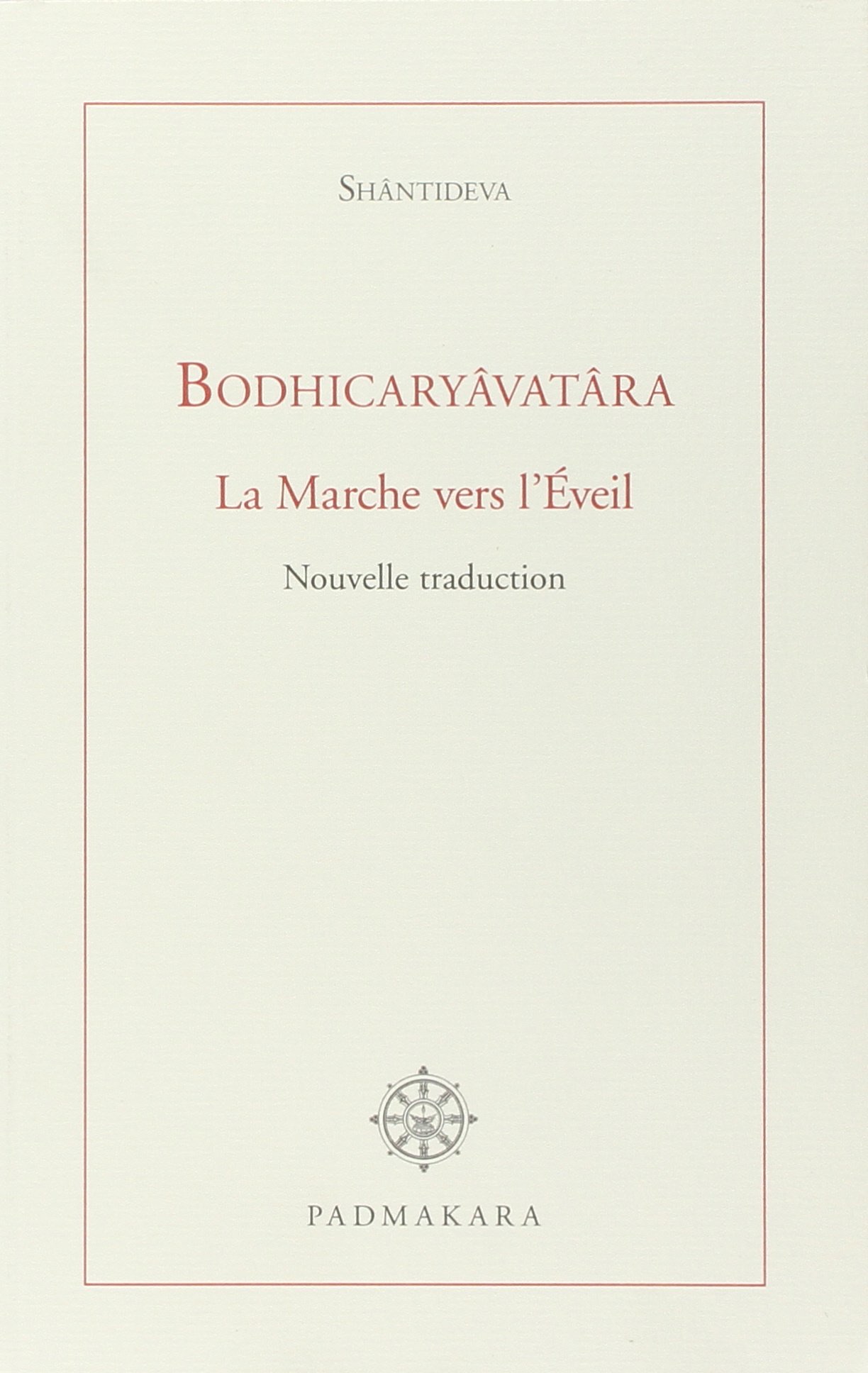
Je dissiperai la souffrance des autres

Parce qu’ils souffrent comme moi ; Je ferai le bien des autres

Parce qu’ils ont un esprit comme moi.

Disiparé el sufrimiento de los otros

pues es sufrimiento como el mío. Beneficiaré y ayudaré a los demás

porque, como mi cuerpo, son seres vivos.

La Práctica del Bodisatva-front.jpg
Padmakara Spain 2008

I shall clear the sufferings of others

Because they are suffering, like my own suffering. I shall benefit others

Because they are sentient beings, like my body.

I must dispel others’ suffering

Because it is suffering, just like my own. I must benefit others because they are sentient beings

Just like myself.

shift + scroll / swipe
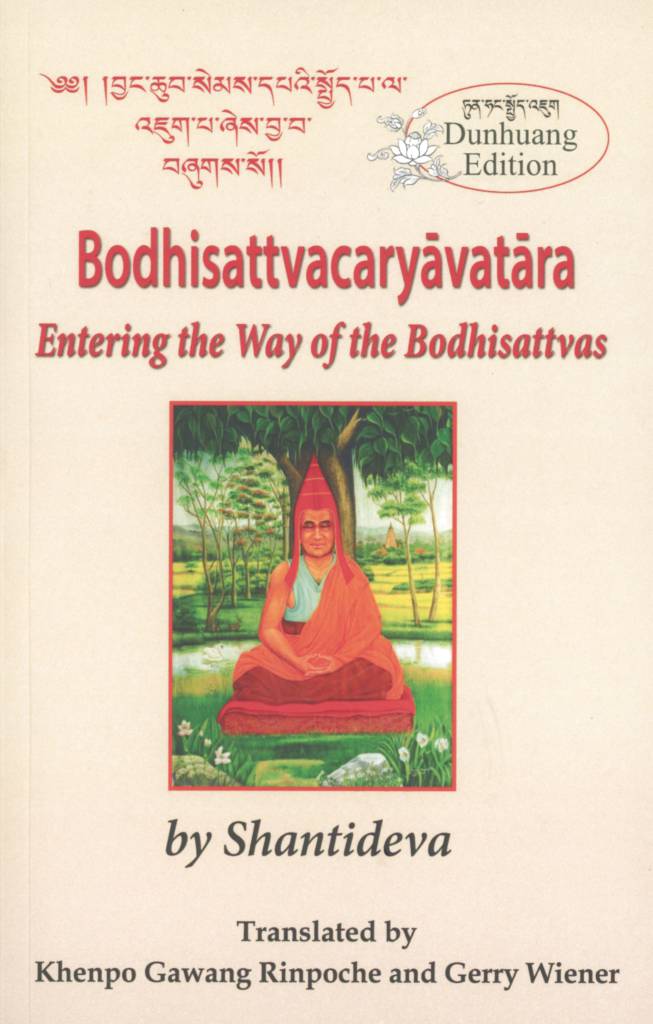
Dūnhuáng §This version is extracted from the book Bodhisattvacaryāvatāra: Entering the Way of the Bodhisattvas (2022, Khenpo Gawang and Wiener), a translation of an edition of the text created from three Dūnhuáng manuscripts. A description and sample pages of these can be found on the Early Tibet Blog. Scans of the actual manuscripts themselves can be found at http://idp.bl.uk

བདག་གིས་གཞན་གྱི་སྡུག་བསྔལ་བསལ། །

སྡུག་བསྔལ་ཡིན་ཕྱིར་བདག་སྡུག་བཞིན། ། བདག་གིས་གཞན་ལ་ཕན་བ་བྱ། །

སེམས་ཅན་ལུས་ཕྱིར་བདག་ལུས་བཞིན། །

alt verse 6.37 tm data
This version differs from it's counterparts.

I must dispel the suffering of others,

Because it is suffering that is just like my own. I must benefit others,

Because the bodies of sentient beings are just like my body.

Tsadra Critical Edition §This text was created by comparing four versions of the text from Derge, Cone, Narthang, and Peking Tengyurs from BDRC scans, along with Dunhuang manuscripts IOL Tib J 628, 629, and 630. When Tibetan readings were problematic, the Sanskrit texts from GRETIL and LTB (Oslo) were consulted.

བདག་གིས་གཞན་གྱི་སྡུག་བསྔལ་བསལ། །

སྡུག་བསྔལ་ཡིན་ཕྱིར་བདག་སྡུག་བཞིན། ། བདག་གིས་གཞན་ལ་ཕན་པར་བྱ། །

སེམས་ཅན་ཡིན་ཕྱིར་བདག་ལུས་བཞིན། །

[edit]
Sazang Mati (1294 - 1376)
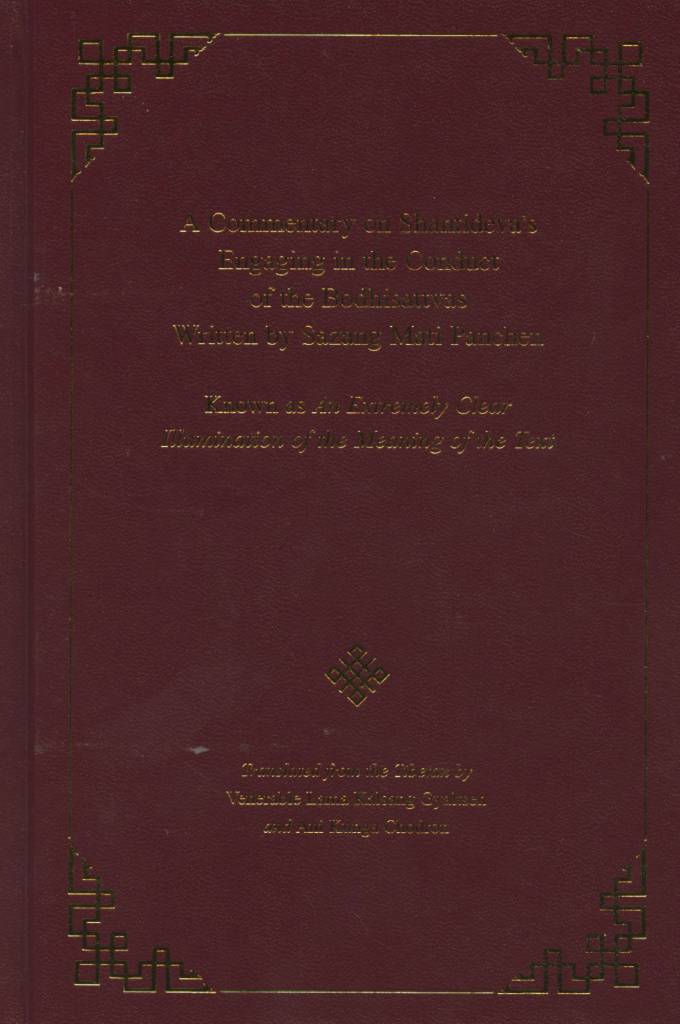
A Commentary on Shantideva's Engaging in the Conduct of the Bodhisattvas (citation)Gyaltsen, Lama Kalsang, and Ani Kunga Chodron, trans. A Commentary on Shantideva's Engaging in the Conduct of the Bodhisattvas Written by Sazang Mati Panchen: Known as An Extremely Clear Illumination of the Meaning of the Text. Walden, NY: Tsechen Kunchab Ling, 2019. Bilingual Edition

(གསུམ་པ་)རིགས་པས་བསྒྲུབ་པ་ལ།

3. Ascertaining how to meditate by logical reasoning 1.2.3.2.1.1.2.3

རྟགས་དགོད་པ་དང༌། ཁྱབ་པ་བསྒྲུབ་པའོ། །

This has two sections:

1. Affirmation of reasons,

2. Confirmation of evidence.[p.296]A Commentary on Shantideva's Engaging in the Conduct of the Bodhisattvas
Gyaltsen, Lama Kalsang, and Ani Kunga Chodron, trans. A Commentary on Shantideva's Engaging in the Conduct of the Bodhisattvas Written by Sazang Mati Panchen: Known as An Extremely Clear Illumination of the Meaning of the Text. Walden, NY: Tsechen Kunchab Ling, 2019. First edition published by The Yeshe Dorje Foundation in 2006.
1.2.3.2.1.1.2.3

དང་པོ་ནི།

1. Affirmation of reasons 1.2.3.2.1.1.2.3.1

བདག་གིས་གཞན་གྱི་སྡུག་བསྔལ་བསལ། །

སྡུག་བསྔལ་ཡིན་ཕྱིར་བདག་སྡུག་བཞིན། ། བདག་གིས་གཞན་ལ་ཕན་པར་བྱ། །

སེམས་ཅན་ཡིན་ཕྱིར་བདག་ལུས་བཞིན། །

bdag gis gzhan gyi sdug bsngal bsal/_/

sdug bsngal yin phyir bdag sdug bzhin/_/ bdag gis gzhan la phan par bya/_/

sems can yin phyir bdag lus bzhin/_/

I must dispel others’ suffering

Because it is suffering, just like my own. I must benefit others because they are sentient beings

Just like myself.

བདག་གིས་གཞན་གྱི་ཕུགས་སུ་མི་ཕན་པའི་སྡུག་བསྔལ་རྣམས་བས༵ལ་བར་བྱ་བ་ཡིན་ཏེ། དགོས་པ་མེད་པའི་སྡུག་བསྔལ་ཡིན་པའི་ཕྱིར་དཔེར་ན་བདག་གི་བཀྲེས་པ་ལ་སོགས་པའི་སྡུག་བསྔལ་བཞི༵ན་ནོ། །བདག་གི་སེམས་ཅན་གཞན་རྣམས་ལ་ནི་ཕན་པ་དང་བདེ་བ་བསྒྲུབ་པར་བྱ༵་བ་ཡིན་ཏེ་སེམས་ཅན་ཡིན་པའི་ཕྱིར་དཔེར་ན་བདག་གི་ལུས་ལ་ཇི་ལྟ་བ་བཞི༵ན་ནོ། །[p.-268]རབ་གསལ་སྣང་བ་

I must eliminate other beings’ sufferings that do not benefit them in the long run because they are useless sufferings, because these are just like my own sufferings, for example hunger and thirst. I must provide happiness and benefit for all sentient beings because they are sentient beings, just as my own body is.
Gyaltsap Je (1364 - 1432)
The Entrance for the Children of the Conquerors (citation)Stracke, Fedor, trans. The Entrance for the Children of the Conquerors: A Commentary on the Introduction to the Actions of Bodhisattvas. By Gyaltsab Rinpoche. N.p.: Happy Monks Publication, 2016. https://happymonkspublication.org/product/bodhisattvacharyavatara-chapter-1-10-commentary/. Bilingual Edition

གཉིས་པ་ལ་གསུམ།

Explaining the Reason Why It Is Suitable to Meditate on It as Equal 1.1.3.1.2.2.2

དང་པོ་ལ་གསུམ།

Extensive Explanation 1.1.3.1.2.2.2.1

དང་པོ་ནི།

Stating the Reason 1.1.3.1.2.2.2.1.1

བདག་གིས་གཞན་གྱི་སྡུག་བསྔལ་བསལ། །

སྡུག་བསྔལ་ཡིན་ཕྱིར་བདག་སྡུག་བཞིན། ། བདག་གིས་གཞན་ལ་ཕན་པར་བྱ། །

སེམས་ཅན་ཡིན་ཕྱིར་བདག་ལུས་བཞིན། །
bdag gis gzhan gyi sdug bsngal bsal/_/

sdug bsngal yin phyir bdag sdug bzhin/_/ bdag gis gzhan la phan par bya/_/

sems can yin phyir bdag lus bzhin/_/

I shall clear the sufferings of others

Because they are suffering, like my own suffering. I shall benefit others

Because they are sentient beings, like my body.

སེམས་ཅན་གཞན་གྱི་སྡུག་བསྔལ་ཆོས་ཅན། བདག་གིས་བསལ་བར་རིགས་ཏེ་སྡུག་བསྔལ་ཡིན་པའི་ཕྱིར། དཔེར་ན་བདག་གི་སྡུག་བསྔལ་བཞིན་ནོ། །བདག་གིས་གཞན་ལ་ཕན་པ་དང་བདེ་བ་བསྒྲུབ་པར་བྱ་རིགས་ཏེ། སེམས་ཅནཾ་ཕ་རོལ་པོ་སེམས་ཅན་ཡིན་པའི་ཕྱིར། དཔེར་ན་བདག་གི་ལུས་ལ་བདེ་བ་བསྒྲུབ་པ་བཞིན་ནོ། །

Take the subject ‘the sufferings of other sentient beings’ - they are suitable to be eliminated by oneself - because they are suffering, e.g. like one’s own suffering. It is appropriate for one to establish the benefit and happiness of others - because the other person is a sentient being, e.g. like establishing the happiness of one’s body.[p.29]The Entrance for the Children of the Conquerors
Stracke, Fedor, trans. The Entrance for the Children of the Conquerors: A Commentary on the Introduction to the Actions of Bodhisattvas. By Gyaltsab Rinpoche. N.p.: Happy Monks Publication, 2016. https://happymonkspublication.org/product/bodhisattvacharyavatara-chapter-1-10-commentary/.
Minyak Kunzang Sönam (1823 - 1905)
The Great Hūṃ (citation)Duckworth, Douglas, trans. The Great Hūṃ: A Commentary on Śāntideva's Way of the Bodhisattva. By Minyak Kunzang Sönam. New York, NY: Wisdom Publications, 2025. Bilingual Edition

མཚུངས་པར་བསྲུང་རིགས་པའི་སྒྲུབ་བྱེད་ལ། རྟགས་དགོད་པ་ནི།

Next it sets forth a reason to establish the argument for protecting others equally:

བདག་གིས་གཞན་གྱི་སྡུག་བསྔལ་བསལ། །

སྡུག་བསྔལ་ཡིན་ཕྱིར་བདག་སྡུག་བཞིན། ། བདག་གིས་གཞན་ལ་ཕན་པར་བྱ། །

སེམས་ཅན་ཡིན་ཕྱིར་བདག་ལུས་བཞིན། །
I should eliminate the suffering of others

because it is suffering, like my own suffering. I should benefit others

because they are sentient beings, like my body. (8.94)

བདག་གིས་སེམས་ཅན་གཞན་གྱི་ཕན་པ་མེད་པའི་སྡུག་བསྔལ་དེ་རྣམས་བསལ་བར་བྱ་རིགས་ཏེ། ཕན་པའི་དགོས་པ་མེད་ཅིང་གནོད་པའི་སྡུག་བསྔལ་ཡིན་པའི་ཕྱིར། དཔེར་ན་བདག་དགོས་མེད་དུ་བཀྲེས་སྐོམ་སོགས་ཀྱི་སྡུག་བསྔལ་[p.529]Byang chub sems dpa'i spyod pa la 'jug pa'i 'grel bshad rgyal sras rgya mtsho'i yon tan rin po che mi zad 'jo ba'i bum bzang
Mi nyag kun bzang bsod nams (མི་ཉག་ཀུན་བཟང་བསོད་ནམས་). byang chub sems dpa'i spyod pa la 'jug pa'i 'grel bshad rgyal sras rgya mtsho'i yon tan rin po che mi zad 'jo ba'i bum bzang [བྱང་ཆུབ་སེམས་དཔའི་སྤྱོད་པ་ལ་འཇུག་པའི་འགྲེལ་བཤད་རྒྱལ་སྲས་རྒྱ་མཚོའི་ཡོན་ཏན་རིན་པོ་ཆེ་མི་ཟད་འཇོ་བའི་བུམ་བཟང།]. [Excellent Vase That Spills Forth an Ocean of the Inexhaustible and Precious Qualities of the Victor's Heirs: An Explanation of the "Way of the Bodhisattva."].
མྱོང་བ་བཞིན་ཞེས་པ་སྟེ། འདི་ནི། སེམས་ཅན་གཞན་གྱི་ཕན་མེད་ཀྱི་སྡུག་བསྔལ་དེ་ཆོས་ཅན། བདག་གིས་བསལ་བྱ་ཡིན་ཏེ། ཕན་མེད་ཀྱི་སྡུག་བསྔལ་ཡིན་པའི་ཕྱིར། དཔེར་ན་བདག་དོན་མེད་དུ་སྡུག་བསྔལ་བ་བཞིན། ཞེས་པའི་དོན་ཏེ་རྟགས་དང་པོ་དང་། དེ་བཞིན་དུ། བདག་གིས་སེམས་ཅན་ཕ་རོལ་པོ་གཞན་རྣམས་ལ་ཕན་པ་དང་བདེ་བ་སྒྲུབ་པར་བྱ་རིགས་ཏེ། ཕ་རོལ་པོ་གཞན་རྣམས་སེམས་ཅན་ཡིན་པའི་ཕྱིར། དཔེར་ན་བདག་གི་ལུས་ལ་ཕན་བདེ་སྒྲུབ་པ་བཞིན་ནོ་ཞེས་པ་སྟེ། འདི་ནི། སེམས་ཅན་གཞན་ཆོས་ཅན། དེ་ལ་བདག་གིས་ཕན་པ་བསྒྲུབ་བར་བྱ་རིགས་ཏེ། སེམས་ཅན་ཡིན་པའི་ཕྱིར། དཔེར་ན་བདག་གི་ལུས་བཞིན་ནོ་ཞེས་པའི་དོན་ཏེ་རྟགས་གཉིས་པ་དགོད་པའོ། །འདི་དག་ནི་ཡུལ་བདེ་སྡུག་མཚུངས་པར་བསྟན་པ་སྟེ་དེས་ཀྱང་བདག་གཞན་མཉམ་པར་གྲུབ་བོ། །

It makes sense to eliminate the suffering of others that does not benefit them because it serves no beneficial purpose and it is harmful suffering. It is just like the case of my own experience of pointless suffering of hunger and thirst. In other words, consider the suffering of another being that serves no benefit. This is to be eliminated by me because it is suffering that is not beneficial, just like, for example, my own pointless suffering. This is the first reason. Likewise it makes sense for me to accomplish the benefit and happiness of other sentient beings because these others are sentient beings. This is[p.759]The Great Hum
Duckworth, Douglas, trans. The Great Hūṃ: A Commentary on Śāntideva's Way of the Bodhisattva. By Minyak Kunzang Sönam. New York, NY: Wisdom Publications, 2025.
just like the case, for example, of accomplishing the benefit and happiness of my own body. In other words, consider other sentient beings. It makes sense for me to benefit them because they are sentient beings, as is the case with, for example, my own body. This a second reason. These lines show that the objective is the same—in terms of happiness and suffering—and thereby establishes the equality of self and other.
Kunzang Palden (1862 - 1943)
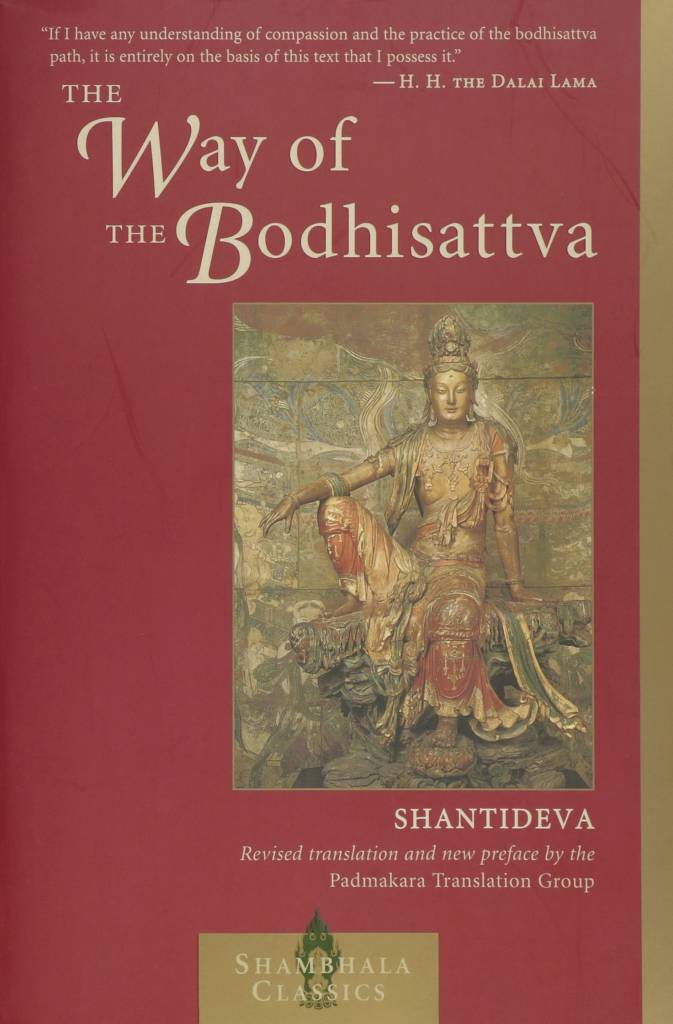
The Nectar of Manjushri's Speech (citation)Blankleder, Helena, and Wulstan Fletcher (Padmakara Translation Group), trans. The Nectar of Manjushri's Speech: A Detailed Commentary on Shantideva's Way of the Bodhisattva. By Kunzang Pelden. Boston: Shambhala Publications, 2007. Bilingual Edition

བདག་གིས་གཞན་གྱི་སྡུག་བསྔལ་བསལ། །

སྡུག་བསྔལ་ཡིན་ཕྱིར་བདག་སྡུག་བཞིན། ། བདག་གིས་གཞན་ལ་ཕན་པར་བྱ། །

སེམས་ཅན་ཡིན་ཕྱིར་བདག་ལུས་བཞིན། །

bdag gis gzhan gyi sdug bsngal bsal/_/

sdug bsngal yin phyir bdag sdug bzhin/_/ bdag gis gzhan la phan par bya/_/

sems can yin phyir bdag lus bzhin/_/

སྡུག་བསྔལ་བསལ་དགོས་པར་རིགས་པས་བསྒྲུབ་པ་འདི་ལྟར་བདག་གིས་སེམས་ཅན་གཞན་གྱི་ཕུགས་སུ་མི་ཕན་པའི་སྡུག་བསྔལ་ཐམས་ཅད་བསལ་བར་བྱ་བ་ཡིན་ཞེས་དམ་བཅས་ཏེ། དོན་མེད་པའི་སྡུག་བསྔལ་ཡིན་པའི་ཕྱིར་ཞེས་རྟགས་བཀོད་པ་དང༌། དཔེར་ན་བདག་གིས་བཀྲེས་སྐོམ་ལ་སོགས་པའི་སྡུག་བསྔལ་བཞིན་ནོ་ཞེས་མཐུན་པའི་དཔེ་བསྟན་པའོ། །དེ་བཞིན་དུ་བདག་གིས་སེམས་ཅན་གཞན་རྣམས་ལ་ནི་ཕན་བདེ་བསྒྲུབ་པར་བྱ་བ་ཡིན་ཏེ། སེམས་ཅན་ཡིན་པའི་ཕྱིར། དཔེར་ན་བདག་གི་ལུས་ལ་ཇི་ལྟ་བ་བཞིན་ནོ། །

And therefore I’ll dispel the pain of others,

For it is simply pain, just like my own. And others I will aid and benefit,

For they are living beings, like my body.

Shantideva’s justification for the necessity of eliminating suffering is presented in the form of a probative argument.179Khenpo Kunpel considers that Shantideva has constructed verse 94 in the form of a probative argument (’byor ba; prayoga, sometimes, though less satisfactorily translated as “syllogism”). According to the rules of Indian logic, a probative argument consists of a thesis or statement composed of a subject and predicate, supported by a valid sign or reason, and illustrated by an example. The standard model of a probative argument runs as follows: “This hill has fire on it (thesis) because there is smoke there (sign or reason), just as we find in a kitchen (example).” Following the same format, Shantideva’s argument runs, “I will eliminate the sufferings of others (thesis) because suffering does not benefit them (reason), just as I remove my own discomforts (example).” Given that probative arguments are normally understood to effect a demonstration or proof that “such and such is the case,” to describe the justificatory statement in verse 94 in such terms may seem rather forced. But it is important to realize that for Shantideva, the decision to benefit others is a matter of logical necessity rather than a sense of duty experienced in response to moral exhortation. His thesis is that he will eliminate all the sufferings of others, that is, the sufferings that will not bring them any ultimate benefit. His reason is that their suffering does them no good, and, by way of example, he says that he will remove it just as he removes his own discomforts of hunger, thirst, and so on. By a similar procedure, he says that he will benefit others and make them happy because they are living beings, and, once again by way of example, he will do this in the same way that he attends to the comfort of his own body.


[edit]
[edit]