8.117

From Bodhicitta

Bodhicaryāvatāra · Verse 8.117


Sources:    

Sanskrit §No information about the source used.

तस्माद्यथार्तिशोकादेरात्मानं गोप्तुमिच्छसि। रक्षाचित्तं दयाचित्तं जगत्यभ्यस्यतां तथा॥

 
Chanted Verse
Recitation by Professor Kashinath Nyaupane
117

Therefore, in the same way that you seek to protect yourself from pain and grief, you should develop an attitude of care and sympathy toward the world.

Standard Tibetan §Padmakara used the 1990 edition printed by si khron mi rigs dpe skrun khang: Byang chub sems dpa'i spyod pa la 'jug pa rtsa ba dang 'grel pa (1990). Also found in Derge Tengyur D3871, dbu ma, vol. 105, la 1b1–40a7.

དེ་བས་ཇི་ལྟར་ཆུང་ངུ་ན། །

མི་སྙན་ལས་ཀྱང་བདག་བསྲུང་བ། ། དེ་བཞིན་འགྲོ་ལ་བསྲུང་སེམས་དང་། །

སྙིང་རྗེའི་སེམས་ནི་གོམས་པར་བྱ། །

 
Chanted Verse
Recitation by Lopen Karma Phuntsho
117

Therefore just as I defend myself

From even slight disparagement, Likewise for beings I shall now grow used

To have a mind protective and compassionate.

Standard Tibetan §Padmakara used the 1990 edition printed by si khron mi rigs dpe skrun khang: Byang chub sems dpa'i spyod pa la 'jug pa rtsa ba dang 'grel pa (1990). Also found in Derge Tengyur D3871, dbu ma, vol. 105, la 1b1–40a7. - Other translations

De même que je me protège

Contre les désagréments les plus anodins, Je cultiverai la pensée de protéger les êtres

Et d’être envers eux compatissant.[p.153]La Marche vers l'Éveil (2007)

Por lo tanto, igual que a mí me defiendo

de incluso la menor acusación o desprecio, del mismo modo, me habituaré a tener hacia los seres

una actitud compasiva y el propósito de protegerlos.[p.145]La Práctica del Bodisatva
Hervás, María Jesús (Padmakara Translation Group, Spain), trans. La Práctica del Bodisatva: Una Traducción del Bodicharyavatara de Shantideva. Translated from the 2006 English translation of Helena Blankleder and Wulstan Fletcher. Novelda, Alicante, Spain: Ediciones Dharma, 2008.

La Práctica del Bodisatva-front.jpg
Padmakara Spain 2008

Hence, when protecting self

From some small unpleasantness Meditate on the mind of protection

And compassion for migrators.

Therefore, wishing to protect

Against even the slightest unpleasantness, Act thus with the thought to protect others.

Familiarize oneself with thoughts of compassion.

shift + scroll / swipe
Dūnhuáng §This version is extracted from the book Bodhisattvacaryāvatāra: Entering the Way of the Bodhisattvas (2022, Khenpo Gawang and Wiener), a translation of an edition of the text created from three Dūnhuáng manuscripts. A description and sample pages of these can be found on the Early Tibet Blog. Scans of the actual manuscripts themselves can be found at http://idp.bl.uk

དེ་བས་ཇི་ལྟར་ཆུང་དུ་ན། །

མི་སྙན་ལས་ཀྱང་བདག་སྲུང་བ། ། དེ་བཞིན་འགྲོ་ལ་བསྲུང་སེམས་དང་། །

སྙིང་རྗེའི་སེམས་ནི་གོམས་པར་བྱ། །

alt verse 6.47 tm data
This version differs from it's counterparts.

Therefore, just as I protect myself

From the expression of an unpleasantry, However small, Likewise, I should become accustomed

To a mind of protection and compassion for sentient beings.

Tsadra Critical Edition §This text was created by comparing four versions of the text from Derge, Cone, Narthang, and Peking Tengyurs from BDRC scans, along with Dunhuang manuscripts IOL Tib J 628, 629, and 630. When Tibetan readings were problematic, the Sanskrit texts from GRETIL and LTB (Oslo) were consulted.

དེ་བས་ཇི་ལྟར་ཆུང་ངུ་ན། །

མི་སྙན་ལས་ཀྱང་བདག་བསྲུང་བ། ། དེ་བཞིན་འགྲོ་ལ་བསྲུང་སེམས་དང་། །

སྙིང་རྗེའི་སེམས་ནི་གོམས་པར་བྱ། །

[edit]
Sazang Mati (1294 - 1376)
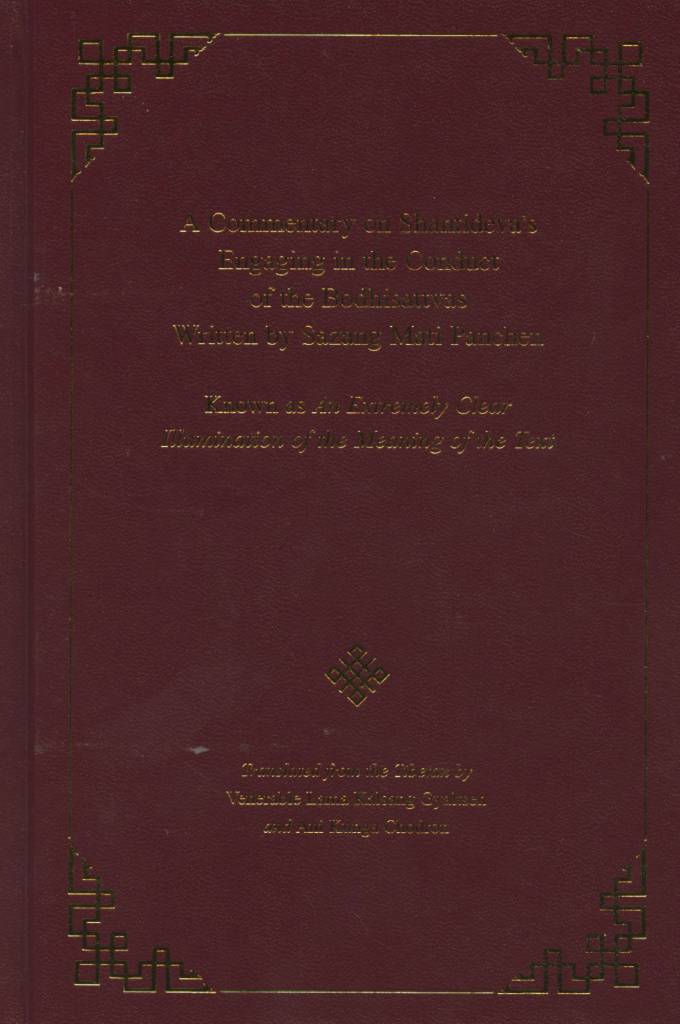
A Commentary on Shantideva's Engaging in the Conduct of the Bodhisattvas (citation)Gyaltsen, Lama Kalsang, and Ani Kunga Chodron, trans. A Commentary on Shantideva's Engaging in the Conduct of the Bodhisattvas Written by Sazang Mati Panchen: Known as An Extremely Clear Illumination of the Meaning of the Text. Walden, NY: Tsechen Kunchab Ling, 2019. Bilingual Edition

(གཉིས་པ་)ཆུང་ངུ་ཉིད་ནས་བསྒོམ་ཚུལ་ནི།

2. How to meditate, starting small 1.2.3.2.1.2.2.1.2

དེ་བས་ཇི་ལྟར་ཆུང་ངུ་ན། །

མི་སྙན་ལས་ཀྱང་བདག་བསྲུང་བ། ། དེ་བཞིན་འགྲོ་ལ་བསྲུང་སེམས་དང་། །

སྙིང་རྗེའི་སེམས་ནི་གོམས་པར་བྱ། །

de bas ji ltar chung ngu na/_/

mi snyan las kyang bdag bsrung ba/_/ de bzhin 'gro la bsrung sems dang /_/

snying rje'i sems ni goms par bya/_/

Therefore, wishing to protect

Against even the slightest unpleasantness, Act thus with the thought to protect others.

Familiarize oneself with thoughts of compassion.

གོམས་པས་བརྗེ་བར་ནུས་པ་དེ་བས་ན་ཇི་ལྟར་ཆུང་ངུའམ་ཐ་ན༵་གནོད་པའི་ཁྱད་པར་ཚིག་མི་སྙན་པ་ཙམ་ལས་ཀྱང་བདག་ཉིད་སྲུང་བ༵ར་བྱེད་པ་དེ་བཞིན་དུ་ཞེས་པའམ།

Through familiarization, it becomes possible to exchange self and other. One always protects oneself from even the smallest harm, such as an unpleasant word.

རྒྱ་དཔེ་དང་འགྲེལ་ཆེན་ལྟར་ན། དེ་བས་ཇི་ལྟར་ལུས་ཀྱི་གདུང་བ་དང་སེམས་ཀྱི་མྱ་ངན་ལ་སོགས་པ་ལས་

The Sanskrit root text and the commentary explain how physical and mental suffering are experienced.

བདག་བསྲུང་བར་འདོད་པ་དེ་བཞིན་དུ་འགྲོ་བ་ཐམས་ཅད་ལའང་བསྲུང་ཞིང་བསྐྱང་བར་འདོད་པའི་སེམས་ད༵ང་སྙིང་རྗེས་ཕན་པར་འདོད་པའི་སེམས་ནི་རིམ་གྱིས་གོམས་པ་ཉིད་དུ་བྱ༵འོ། །

Gradually train and familiarize the mind with the compassionate desire to benefit others, and to protect and guard the feelings of all sentient beings in the same way that one wishes to be protected.
Gyaltsap Je (1364 - 1432)
The Entrance for the Children of the Conquerors (citation)Stracke, Fedor, trans. The Entrance for the Children of the Conquerors: A Commentary on the Introduction to the Actions of Bodhisattvas. By Gyaltsab Rinpoche. N.p.: Happy Monks Publication, 2016. https://happymonkspublication.org/product/bodhisattvacharyavatara-chapter-1-10-commentary/. Bilingual Edition

གཉིས་པ་ནི།

Advice to Make an Effort to Meditate without Hope for a Ripening Result 1.1.3.2.2.1.1.1.2

དེ་བས་ཇི་ལྟར་ཆུང་ངུ་ན། །

མི་སྙན་ལས་ཀྱང་བདག་བསྲུང་བ། ། དེ་བཞིན་འགྲོ་ལ་བསྲུང་སེམས་དང་། །

སྙིང་རྗེའི་སེམས་ནི་གོམས་པར་བྱ། །
de bas ji ltar chung ngu na/_/

mi snyan las kyang bdag bsrung ba/_/ de bzhin 'gro la bsrung sems dang /_/

snying rje'i sems ni goms par bya/_/

Hence, when protecting self

From some small unpleasantness Meditate on the mind of protection

And compassion for migrators.

དཔེར་ན་བདག་ཉིད་ཀྱིས་ནི་རང་གི་ཟས་ཟོས་ནས་ལན་ལ་རེ་བ་མི་འབྱུང་བ་བཞིན་ནོ། །ཕན་ཡོན་མཐའ་ཡས་པ་ཡོད་པ་དེ་བས་བས་ན་ན་ཇི་ལྟར་ཆུང་ངུ་ན་ཚིག་མི་སྙན་པ་ལས་ཀྱང་བདག་བསྲུང་བ་དེ་བཞིན་དུ་འགྲོ་བ་ལ་སྡུག་བསྔལ་ལས་སྲུང་སེམས་དང་སྙིང་རྗེའི་སེམས་ནི་གོམས་པར་བྱའོ། །

For example, it is similar to not expecting a reward for eating one’s food. Since it has infinite benefits, one should meditate on compassion and protecting migrators from suffering just as one would protect oneself from even small unpleasant words.
Minyak Kunzang Sönam (1823 - 1905)
The Great Hūṃ (citation)Duckworth, Douglas, trans. The Great Hūṃ: A Commentary on Śāntideva's Way of the Bodhisattva. By Minyak Kunzang Sönam. New York, NY: Wisdom Publications, 2025. Bilingual Edition

ཞེས་གསུངས་པ་ལྟར་རོ། །དེས་ན་གཞན་ཕན་གྱི་བསམ་སྦྱོར་ལ་གོམས་དགོས་པ་དཔེ་དང་བཅས་པ་ནི།

Thus it shows the necessity of habituating to an altruistic attitude and endeavor, along with an example:

དེ་བས་ཇི་ལྟར་ཆུང་ངུ་ན། །

མི་སྙན་ལས་ཀྱང་བདག་བསྲུང་བ། ། དེ་བཞིན་འགྲོ་ལ་བསྲུང་སེམས་དང་། །

སྙིང་རྗེའི་སེམས་ནི་གོམས་པར་བྱ། །
Therefore, as one protects oneself

from even an unpleasant word, however small, one should habituate to a mindset

that is protective and compassionate toward beings. (8.117)

གཞན་བདག་ཏུ་བླང་རིགས་ཤིངནུས་ལ་ཕན་ཡོན་ཡོད་པ་དེ་བས་ན་ཇི་ལྟར་མི་འདོད་པའི་སྡུག་བསྔལ་ཆུང་ངུའམ་ཐ་ན་ཚིག་ཅི་སྙན་པ་ཙམ་འབྱུང་བ་ལས་ཀྱང་བདག་ཉིད་སྲུང་བར་བྱེད་པའམ་བསྲུང་བ་དེ་བཞིན་དུ་ཞེས་པའམ། རྒྱ་དཔེ་དང་འགྲེལ་ཆེན་དུ། དེ་བས་ཇི་ལྟར་ཉམ་ཐག་དང་། །མྱ་ངན་སོགས་ལས་བདག་སྲུང་འདོད། །ཅེས་ཏེ། ལུས་གདུངབས་ཉམ་ཐག་པ་དང་སེམས་ཀྱི་མྱ་ངན་སོགས་ཅུང་ཟད་ལའང་བདག་སྲུང་བར་འདོད་པ་དེ་བཞིན་དུ་འགྲོ་བ་རྣམས་ལའང་སྡུག་བསྔལ་འབྱུང་བ་ལ་བསྲུང་སེམས་དང་བྱུང་བ་ལ་དེ་དང་འབྲལ་འདོད་ཀྱི་སྙིངརྗེའི་སེམས་ནི་གོམས་པར་བྱ་བའམ་ཡང་ན་ཚེ་འདིའི་གནོད་པ་ལ་བསྲུང་སེམས་དང་ཕྱི་མའི་སྡུག་བསྔལ་དང་འབྲལ་འདོད་ཀྱི་སྙིང་རྗེའི་སེམས་ནི་གོམས་པར་བྱ་དགོས་སོ་ཞེས་གདམས་པར་མཛད་དོ། །རྣམ་བཤད་ལས། སྙིང་རྗེ་ནི་བསྲུངསེམས་དང་ཟློས་པས་བྱམས་པའི་སེམས་ནི་གོམས་ཞེས་པ་ཡིན་ནོ་ཞེས་བཤད་དོ། །

It makes sense to take on others as yourself, you are able to do so, and there are also benefits in doing it. Therefore, as you protect yourself from minor, unwanted sufferings, even just an unpleasant1401For ji snyan pa, read mi snyan pa. word—and here the Sanskrit manuscripts and the great commentary read, “Therefore, as one wishes to protect oneself from things like aggravation and sorrow . . . ,” you wish to protect yourself from even a slight aggravation from physical torment and things like mental anguish—in the same way you should protect other beings from suffering as well and habituate to a compassionate mindset that wishes them to be free from suffering. Alternatively this is advice that you should habituate to a mindset that protects them from harm in this life and to a compassionate mindset that wishes them to be free from future suffering. The Explanation says that since a mindset that is compassionate is redundant with one that is protective, it means habituating to a loving mind.1402See Kṛṣṇapa, Explanation of the Way of the Bodhisattva, 332b. Kṛṣṇapa actually says that since “compassionate mind” is redundant, it should be considered as a textual error and rather read as “spirit of awakening.”

གཞན་གྱིསྡུག་བསྔལ་ཆུང་ངུའང་བསྲུང་དགོས་པའི་རྒྱུ་མཚན་དེ་བས་ན་མགོན་པོ་སྤྱན་རས་གཟིགས་དབངཕྱུག་ཐུགས་རྗེ་ཆེན་པོ་མངའ་བ་དེས་འགྲོ་བ་དུ་མ་ཡི་འཇིགས་པ་ཆེན་པོ་རྣམས་སེལ་བར་མཛད་པ་ལྟ་ཅི་སྨོས་ཐ་ན་འཇིགས་པ་ཆུང་ངུ་འཁོར་གྱི་ནང་དུ་འགའ་ཞིག་སྤོབས་པ་ཞན་པས་བག་ཚ་བའམ་བག་འཁུམས་པའི་འཇིགས་པའང་བསལ་བར་བྱ་བའི་ཕྱིར་དུ་རང་གི་མཚན་འཛིན་པ་ཙམ་མམ་དྲན་པ་ཙམ་ཡང་དེ་ལྟ་བུའི་འཇིགས་པ་དེ་ཉིད་ལ་སྐྱོབ་ནུས་སུ་བྱིན་གྱིས་བརླབས་པར་མཛད་དེ། འགྲེལ་ཆེན་དུ། སེམས་ཅན་འགའ་ཞིག་སེམས་འཕྱོས་པས་ཀྱང་བདག་གི་མིང་འཛིན་པར་བྱེད་ན་དེ་ལ་སྡུག་བསྔལ་རྣམ་པ་ཐམས་ཅད་དུ་འབྱུང་བར་མི་འགྱུར་ལ། ཐོ་ན་འཁོར་གྱིས་འཇིགས་ཤིངསྐྲག་པ་ཙམ་ཡང་འབྱུང་བར་མི་འགྱུར་བར་ང་བྱིན་གྱིས་བརླབས་སོ་ཞེས་དྲངས་པར་མཛད་པ་ལྟར་དང༌། སྡོང་པོ་བཀོད་པར་ཡང་། བདག་གི་མིང་ལན་གསུམ་དྲན་པས་འཁོར་གྱི་ནང་དུ་བག་ཚ་བའི་[p.544]Byang chub sems dpa'i spyod pa la 'jug pa'i 'grel bshad rgyal sras rgya mtsho'i yon tan rin po che mi zad 'jo ba'i bum bzang
Mi nyag kun bzang bsod nams (མི་ཉག་ཀུན་བཟང་བསོད་ནམས་). byang chub sems dpa'i spyod pa la 'jug pa'i 'grel bshad rgyal sras rgya mtsho'i yon tan rin po che mi zad 'jo ba'i bum bzang [བྱང་ཆུབ་སེམས་དཔའི་སྤྱོད་པ་ལ་འཇུག་པའི་འགྲེལ་བཤད་རྒྱལ་སྲས་རྒྱ་མཚོའི་ཡོན་ཏན་རིན་པོ་ཆེ་མི་ཟད་འཇོ་བའི་བུམ་བཟང།]. [Excellent Vase That Spills Forth an Ocean of the Inexhaustible and Precious Qualities of the Victor's Heirs: An Explanation of the "Way of the Bodhisattva."].
འཇིགས་པ་མེད་པར་གྱུར་ཅིག་ཅེས་གསུངས་ལ། ཡང་དགེ་བའི་རྩ་བ་འདི་སེམས་ཅན་ཐམས་ཅད་འཁོར་གྱི་ནང་དུ་བག་ཚ་བའི་འཇིགོས་པ་དང་བྲལ་བར་བྱ་ཕྱིབའི་ར་ཡོངས་སུ་བསྔོའོ་ཞེས་སྤྱན་རས་གཟིགས་ཀྱི་རྣམ་པར་ཐར་པ་ལས་གསུངས་པ་དང་།

Since others should be protected from even minor sufferings, it is needless to mention that the greatly compassionate protector, Avalokiteśvara, dispels great fears from many beings. He [510] blessed his own name with the power of protection from fright; merely recalling or thinking of his name removes minor fears and anxieties for someone who is faint-hearted or timid in front of an audience. The great commentary cites a passage that says, “When someone is ridiculed and remembers my name, they will be free from all suffering, and moreover they will not have the slightest fear or anxiety in front of an audience. This is my blessing.”1403Prajñākaramati, Commentary on the Way of the Bodhisattva, 171b. The Densely Arrayed says: “May those who recall my name three times be free from anxious fear in front of an audience!” Also, the Liberation of Avalokiteśvara says, “I completely dedicate this root of virtue so that all beings become free from anxious fear in front of an audience.”1404Cited in Śāntideva, Anthology of Training, 162a–b; English trans. in Goodman, The Training Anthology of Śāntideva, 278. And,

གང་གིས་རྒུད་ཚེ་བདག་དྲན་ན། །

དེ་ཡི་རྒུད་པ་བདག་གིས་བཟློག ། རང་གི་ཐོག་མའི་སྨོན་ལམ་འདི། །

བདག་ལ་འབྲས་བུར་ལྡན་པར་མཛོད། །

Whoever recalls my name when failing
I will turn that failure around.
This is my first aspiration,
may it come to fruition.1405Cited in Vibhūticandra, Clarifying Distinctions, 252a.

ཅེས་སོ། །རྣམ་བཤད་དུ་བདག་གི་མིང་ཐོས་པ་དེ་དག་ཀྱང་འཇིགས་པ་བརྒྱད་ལས་ཐོར་བར་གྱུར་ཅིག་ཅེས་བྱ་བ་ལ་སོགས་པའི་ཚུལ་གྱིས་སོ་ཞེས་གསུངས་ལ། བི་བྷཱུ་ཏིས་རང་གི་མཚན་སྤྱན་རས་གཟིགས་ཞེས་བྱ་བ་བྱིན་གྱིས་བརླབས་པ་གངཞིག་སྙིང་རླུང་ཅན་ཡིན་ཀྱང་བདག་གི་མིང་བརྗོད་པ་དེའི་སྡུག་བསྔལ་དང་ཐ་ན་ཚོགས་པའི་ནང་དུ་སྤོབས་པ་མེད་པའི་འཇིགས་པ་བསལ་བའི་ཕྱིར་ཏེ་ཞེས་བཤད་དོ། །འདིས་ནི་རྟག་ཏུ་བདག་པས་གཞན་གཅེས་ཀྱི་བསམ་སྦྱོར་དང་ལྡན་པས་གནོད་པ་ཆུང་ངུ་ཡན་ཆད་ཀྱང་བསྲུང་བ་སོགས་ཀྱི་སྒོ་ནས་གཞན་དོན་ཆེད་ཆེར་བྱ་དགོས་པར་བསྟན་ཏོ། །

The Explanation also states, “It is by saying, ‘May those who just hear my name become free from the eight fears!’”1406Kṛṣṇapa, Explanation of the Way of the Bodhisattva, 332b. Vibhūticandra says, “I have blessed my name, Avalokiteśvara. Whoever says my name, even if they have severe depression (snying rlung can), their suffering will be removed and[p.780]The Great Hum
Duckworth, Douglas, trans. The Great Hūṃ: A Commentary on Śāntideva's Way of the Bodhisattva. By Minyak Kunzang Sönam. New York, NY: Wisdom Publications, 2025.
even their fears of insecurity in a crowd will be dispelled.”1407Vibhūticandra, Clarifying Distinctions, 251b. These lines show that you should act more and more for the welfare of others by protecting them, even from minor harms, with an intention and endeavor to constantly cherish others more than yourself.
Kunzang Palden (1862 - 1943)
The Nectar of Manjushri's Speech (citation)Blankleder, Helena, and Wulstan Fletcher (Padmakara Translation Group), trans. The Nectar of Manjushri's Speech: A Detailed Commentary on Shantideva's Way of the Bodhisattva. By Kunzang Pelden. Boston: Shambhala Publications, 2007. Bilingual Edition

དེ་བས་ཇི་ལྟར་ཆུང་ངུ་ན། །

མི་སྙན་ལས་ཀྱང་བདག་བསྲུང་བ། ། དེ་བཞིན་འགྲོ་ལ་བསྲུང་སེམས་དང་། །

སྙིང་རྗེའི་སེམས་ནི་གོམས་པར་བྱ། །

de bas ji ltar chung ngu na/_/

mi snyan las kyang bdag bsrung ba/_/ de bzhin 'gro la bsrung sems dang /_/

snying rje'i sems ni goms par bya/_/

དེ་བས་ཇི་ལྟར་གནོད་པ་ཆུང་ངུ་ཐ་ན་ཅུང་ཟད་ཉེས་སོ་ཞེས་ཚིག་མི་སྙན་པ་ལས་ཀྱང་བདག་བསྲུང་ཞིང་སྐྱོང་པ་དེ་བཞིན་དུ་གཞན་འགྲོ་བ་སེམས་ཅན་རྣམས་ལ་བསྲུང་བའི་སེམས་དང་དེ་ལྟ་བུའི་སྙིང་རྗེའི་སེམས་ནི་གོམས་པར་བྱའོ། །

Therefore just as I defend myself

From even slight disparagement, Likewise for beings I shall now grow used

To have a mind protective and compassionate.

Similarly, just as we defend ourselves from anything unpleasant that might arise (disagreeable words, false accusations), we will grow used to an attitude of compassion and protectiveness toward others.


[edit]
[edit]