7.72

From Bodhicitta

Bodhicaryāvatāra · Verse 7.72


Sources:    

Sanskrit §No information about the source used.

तस्माद् उत्सङ्गगे सर्पे यथोत्तिष्ठति सत्वरम्। निद्रालस्यागमे तद्वत् प्रतिकुर्वीत सत्वरम्॥

 
Chanted Verse
Recitation by Professor Kashinath Nyaupane
71

Therefore, if one feels stupor and sloth approaching, one should react swiftly against them, as anyone would jump up if a snake fell on his lap.

Standard Tibetan §Padmakara used the 1990 edition printed by si khron mi rigs dpe skrun khang: Byang chub sems dpa'i spyod pa la 'jug pa rtsa ba dang 'grel pa (1990). Also found in Derge Tengyur D3871, dbu ma, vol. 105, la 1b1–40a7.

དེ་བས་པང་དུ་སྦྲུལ་འོངས་ན། །

ཇི་ལྟར་རིངས་པས་ལྡང་བ་ལྟར། ། དེ་བཞིན་གཉིད་དང་སྙོམས་འོངས་ན། །[p.76]Byang chub sems dpa'i spyod pa la 'jug pa rtsa ba dang 'grel pa (1990)
Slob dpon zhi ba lha and Mkhan po kun dpal. Byang chub sems dpa'i spyod pa la 'jug pa rtsa ba dang 'grel pa. Khreng tu'u: Si khron mi rigs dpe skrun khang, 1990. Buda by BDRC Logo.jpg

མྱུར་དུ་དེ་དག་བཟློག་པར་བྱ། །

 
Chanted Verse
Recitation by Lopen Karma Phuntsho
72

Just as a man would swiftly stand

If in his lap a serpent were to glide, If sleep and lethargy beset me,

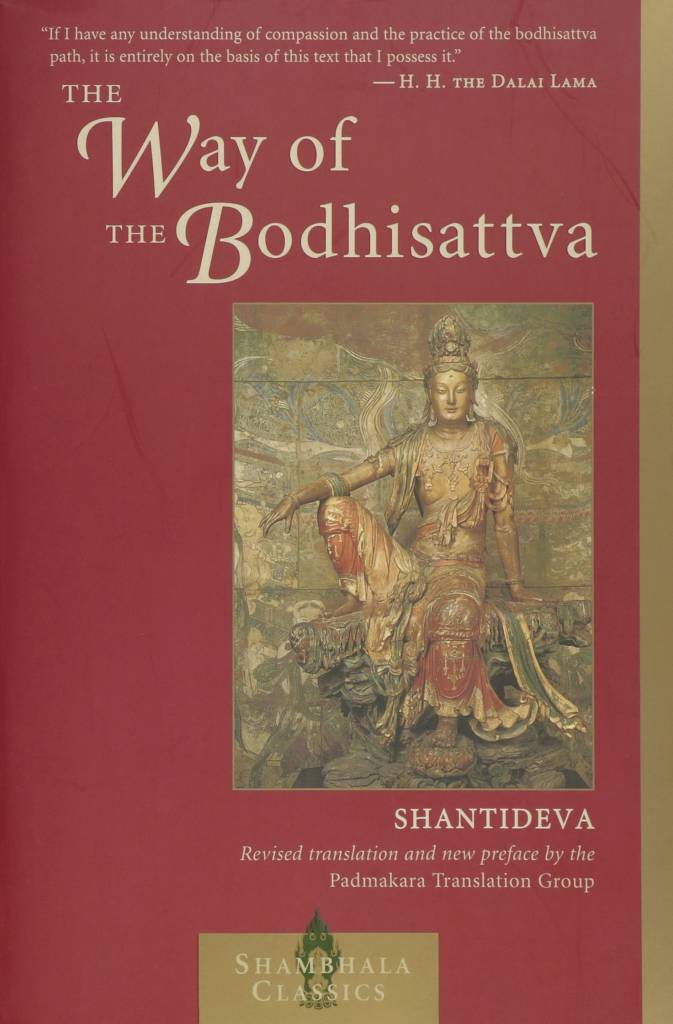
I will speedily repulse them.[p.108]The Way of the Bodhisattva (2006)
Blankleder, Helena, and Wulstan Fletcher (Padmakara Translation Group), trans. The Way of the Bodhisattva: A Translation of the Bodhicharyāvatāra. By Śāntideva. Rev. ed. Shambhala Classics. Boston: Shambhala Publications, 2006.

Standard Tibetan §Padmakara used the 1990 edition printed by si khron mi rigs dpe skrun khang: Byang chub sems dpa'i spyod pa la 'jug pa rtsa ba dang 'grel pa (1990). Also found in Derge Tengyur D3871, dbu ma, vol. 105, la 1b1–40a7. - Other translations

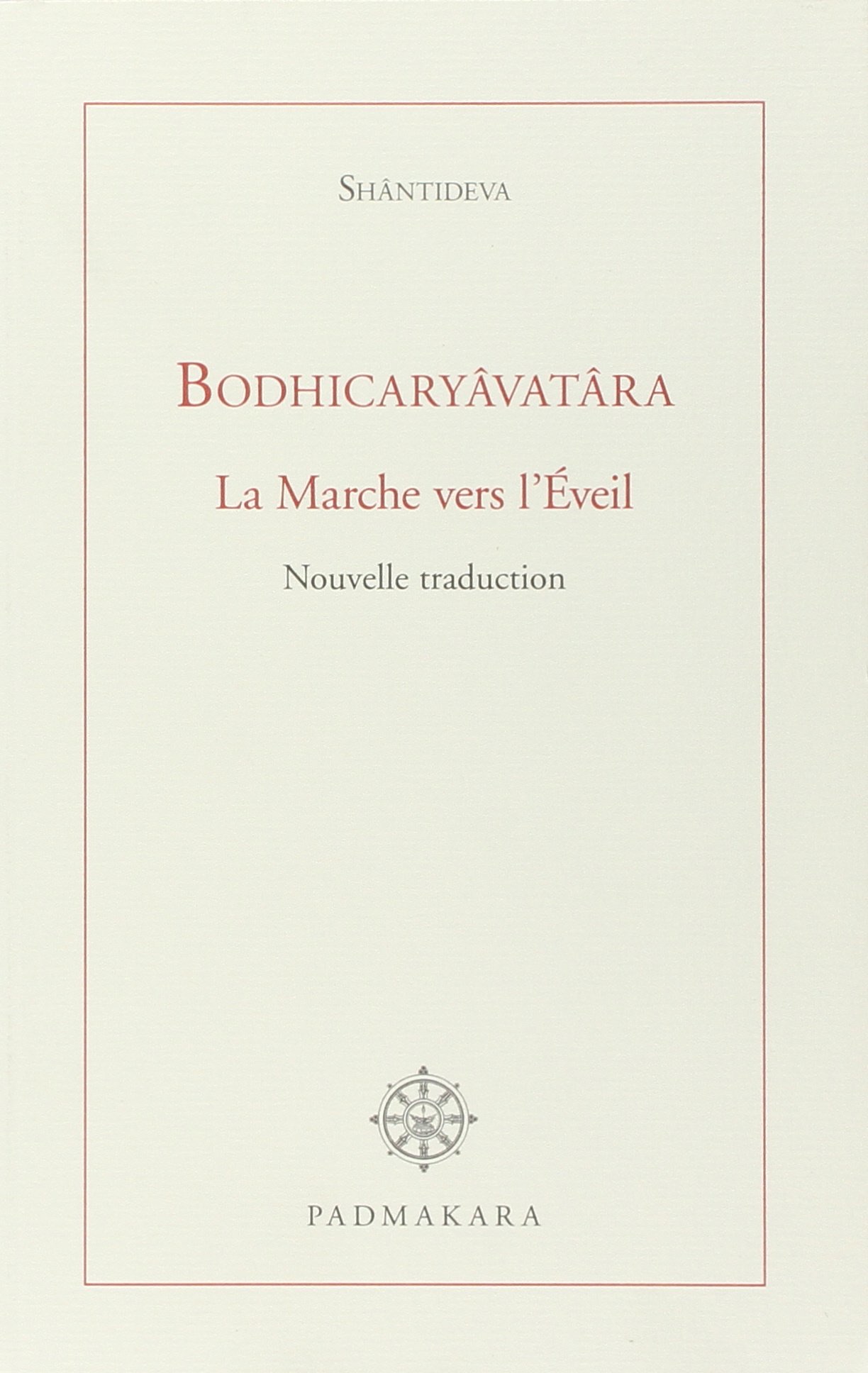
De même que je bondirais aussitôt

Si un serpent se glissait sur mon ventre, Lorsque pointeront le sommeil et l’indolence,

Je les repousserai sur-le-champ !

Igual de rápido que me levantaría

si una serpiente se deslizase en mi regazo, si se acercan el sueño o la indolencia,

así de rápido voy a eliminarlos.

La Práctica del Bodisatva-front.jpg
Padmakara Spain 2008

Therefore, just as one leaps up quickly

If a snake comes into one's lap, If sleep and sloth come

One should stop them quickly.

Like suddenly standing up

If a snake appears on the lap, So swiftly repel them

If sleep and laziness appear.[p.261]A Commentary on Shantideva's Engaging in the Conduct of the Bodhisattvas
Gyaltsen, Lama Kalsang, and Ani Kunga Chodron, trans. A Commentary on Shantideva's Engaging in the Conduct of the Bodhisattvas Written by Sazang Mati Panchen: Known as An Extremely Clear Illumination of the Meaning of the Text. Walden, NY: Tsechen Kunchab Ling, 2019. First edition published by The Yeshe Dorje Foundation in 2006.

shift + scroll / swipe
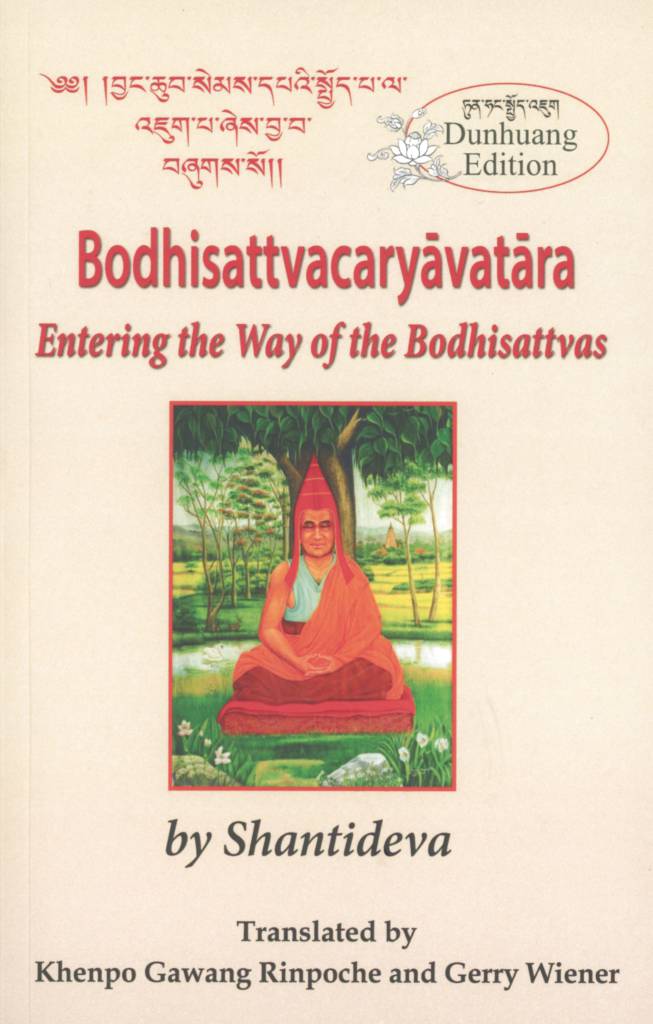
Dūnhuáng §This version is extracted from the book Bodhisattvacaryāvatāra: Entering the Way of the Bodhisattvas (2022, Khenpo Gawang and Wiener), a translation of an edition of the text created from three Dūnhuáng manuscripts. A description and sample pages of these can be found on the Early Tibet Blog. Scans of the actual manuscripts themselves can be found at http://idp.bl.uk

དེ་བས་པང་དུ་སྦྲུལ་འོངས་ན། །

ཇི་ལྟར་རིངས་སུ་ལྡང་བ་ལྟར། ། དེ་བཞིན་གཉིད་དང་སྙོམ་འོངས་ན། །

མྱུར་དུ་དེ་དག་བཟློག་པར་བྱ། །

alt verse 6.32 tm data
This version differs from it's counterparts.

Just as I would immediately stand up

If a snake were to come onto my lap, Likewise, when sleepiness or laziness comes to me,

I should quickly cast them aside.

Tsadra Critical Edition §This text was created by comparing four versions of the text from Derge, Cone, Narthang, and Peking Tengyurs from BDRC scans, along with Dunhuang manuscripts IOL Tib J 628, 629, and 630. When Tibetan readings were problematic, the Sanskrit texts from GRETIL and LTB (Oslo) were consulted.

དེ་བས་པང་དུ་སྦྲུལ་འོངས་ན། །

ཇི་ལྟར་རིངས་པར་ལྡང་བ་ལྟར། ། དེ་བཞིན་གཉིད་དང་སྙོམ་འོངས་ན། །

མྱུར་དུ་དེ་དག་བཟློག་པར་བྱ། །

[edit]
Sazang Mati (1294 - 1376)
A Commentary on Shantideva's Engaging in the Conduct of the Bodhisattvas (citation)Gyaltsen, Lama Kalsang, and Ani Kunga Chodron, trans. A Commentary on Shantideva's Engaging in the Conduct of the Bodhisattvas Written by Sazang Mati Panchen: Known as An Extremely Clear Illumination of the Meaning of the Text. Walden, NY: Tsechen Kunchab Ling, 2019. Bilingual Edition

(གསུམ་པ་)སྤང་བྱ་སྤོང་ཚུལ་ནི།

3. How to discard that which should be abandoned 1.2.3.2.2.1.3

དེ་བས་པང་དུ་སྦྲུལ་འོངས་ན། །

ཇི་ལྟར་རིངས་པས་ལྡང་བ་ལྟར། ། དེ་བཞིན་གཉིད་དང་སྙོམས་འོངས་ན། །[p.76]Byang chub sems dpa'i spyod pa la 'jug pa rtsa ba dang 'grel pa (1990)
Slob dpon zhi ba lha and Mkhan po kun dpal. Byang chub sems dpa'i spyod pa la 'jug pa rtsa ba dang 'grel pa. Khreng tu'u: Si khron mi rigs dpe skrun khang, 1990. Buda by BDRC Logo.jpg

མྱུར་དུ་དེ་དག་བཟློག་པར་བྱ། །

de bas pang du sbrul 'ongs na/_/

ji ltar rings pas ldang ba ltar/_/ de bzhin gnyid dang snyoms 'ongs na/_/[p.76]Byang chub sems dpa'i spyod pa la 'jug pa rtsa ba dang 'grel pa (1990)
Slob dpon zhi ba lha and Mkhan po kun dpal. Byang chub sems dpa'i spyod pa la 'jug pa rtsa ba dang 'grel pa. Khreng tu'u: Si khron mi rigs dpe skrun khang, 1990. Buda by BDRC Logo.jpg

myur du de dag bzlog par bya/_/

Like suddenly standing up

If a snake appears on the lap, So swiftly repel them

If sleep and laziness appear.[p.261]A Commentary on Shantideva's Engaging in the Conduct of the Bodhisattvas
Gyaltsen, Lama Kalsang, and Ani Kunga Chodron, trans. A Commentary on Shantideva's Engaging in the Conduct of the Bodhisattvas Written by Sazang Mati Panchen: Known as An Extremely Clear Illumination of the Meaning of the Text. Walden, NY: Tsechen Kunchab Ling, 2019. First edition published by The Yeshe Dorje Foundation in 2006.

དེ་ལྟར་བསྒྲིམས་དགོས་པ་དེ་བས་ན་པང་དུ་སྦྲུལ་གདུག་པ་ཅན་འོངས་ན༵་དུག་གིས་འཇིགས་པས་ཇི་ལྟར་རིངས་པས་ལྡང་བ་ལྟ༵ར་དེ་བཞིན་དུ་གཉིད་དང་རྨུགས་པ་དང་སྙོམ་ལས་ལ་སོགས་པ་འོངས་ན༵་མྱུར་བ་ཉིད་དུ་དགེ་བའི་བར་ཆད་དེ་དག་བཟློག་པ་ལ་བརྩོན་པར་བྱ༵འོ། །

Thus exertion is necessary. So, just as one would jump up if a cruel, poisonous snake appeared on their lap due to fear of poison, in the same way, if sleep, sluggishness, lethargy, and the like occur, exert oneself in swiftly repelling these hindrances to virtue.
Gyaltsap Je (1364 - 1432)
The Entrance for the Children of the Conquerors (citation)Stracke, Fedor, trans. The Entrance for the Children of the Conquerors: A Commentary on the Introduction to the Actions of Bodhisattvas. By Gyaltsab Rinpoche. N.p.: Happy Monks Publication, 2016. https://happymonkspublication.org/product/bodhisattvacharyavatara-chapter-1-10-commentary/. Bilingual Edition

བཞི་བ་ནི།

If a Fault Arises One Needs to Stop It Immediately 1.1.2.2.2.4

དེ་བས་པང་དུ་སྦྲུལ་འོངས་ན། །

ཇི་ལྟར་རིངས་པས་ལྡང་བ་ལྟར། ། དེ་བཞིན་གཉིད་དང་སྙོམས་འོངས་ན། །[p.76]Byang chub sems dpa'i spyod pa la 'jug pa rtsa ba dang 'grel pa (1990)
Slob dpon zhi ba lha and Mkhan po kun dpal. Byang chub sems dpa'i spyod pa la 'jug pa rtsa ba dang 'grel pa. Khreng tu'u: Si khron mi rigs dpe skrun khang, 1990. Buda by BDRC Logo.jpg

མྱུར་དུ་དེ་དག་བཟློག་པར་བྱ། །

de bas pang du sbrul 'ongs na/_/

ji ltar rings pas ldang ba ltar/_/ de bzhin gnyid dang snyoms 'ongs na/_/[p.76]Byang chub sems dpa'i spyod pa la 'jug pa rtsa ba dang 'grel pa (1990)
Slob dpon zhi ba lha and Mkhan po kun dpal. Byang chub sems dpa'i spyod pa la 'jug pa rtsa ba dang 'grel pa. Khreng tu'u: Si khron mi rigs dpe skrun khang, 1990. Buda by BDRC Logo.jpg

myur du de dag bzlog par bya/_/

Therefore, just as one leaps up quickly

If a snake comes into one's lap, If sleep and sloth come

One should stop them quickly.

ཉོན་མོངས་ཀྱིས་དགེ་བ་བཅོམ་ན་དམྱལ་བར་འགྲོ་བ་དེ་བས་ན་གློ་བུར་དུ་པང་དུ་དུག་སྦྲུལ་འོངས་ན་ཇི་ལྟར་རིངས་པས་ལྡིང་བ་ལྟར། དེ་བཞིན་དུ་འཇུག་པ་རང་དབང་མེད་པར་སྡུད་པའི་གཉིད་དང་སྙོམ་ལས་འོངས་ན་དམྱལ་བའི་འཇིགས་པས་མྱུར་དུ་དེ་དག་ལྡོག་པར་བྱའོ། །

Since one will go to the hell realms if one's virtue is destroyed by afflictions, one should, out of fear of the hell realms, quickly stop sleep and sloth, which cause one to withdraw involuntarily if they come, just as one would leap up quickly if a poisonous snake would come into one's lap.

འོ་ན་ཇི་ལྟར་ལྡོག་ཅེ་ན།

Query: How then should one stop them?

ཉེས་པ་བྱུང་བ་རེ་རེ་ཞིང་སྔར་ཡང་དེ་ལྟར་བྱས་པས་མི་འདོད་པ་སྣ་ཚོགས་ཐོབ་ཅིང་འདོད་པ་མ་ཐོབ་ལ། ད་དུང་དེ་ལྟར་བྱེད་དམ་ཞེས་བདག་ལ་སྨད་ནས་ཅི་ནས་ཀྱང་བདག་ལ་དུས་ཕྱིས་ཉེས་པ་འདི་མི་འབྱུང་བ་དེ་ལྟར་འབད་པར་བྱའོ། །ཞེས་ཡུན་རིང་བོ་བསམ་ཞིང་སྟོབས་བཞི་ཚང་བའི་བཤགས་པ་བྱའོ། །

Answer: With each fault that arises one should criticise oneself, saying 'When I acted like this in the past many unwished-for things happened and I did not achieve what I wanted. Do I really still have to act like this?' Then one confesses with the four powers and motivates for a long time: 'I shall make an effort that this fault never arises again.'[p.34]The Entrance for the Children of the Conquerors
Stracke, Fedor, trans. The Entrance for the Children of the Conquerors: A Commentary on the Introduction to the Actions of Bodhisattvas. By Gyaltsab Rinpoche. N.p.: Happy Monks Publication, 2016. https://happymonkspublication.org/product/bodhisattvacharyavatara-chapter-1-10-commentary/.
Minyak Kunzang Sönam (1823 - 1905)
The Great Hūṃ (citation)Duckworth, Douglas, trans. The Great Hūṃ: A Commentary on Śāntideva's Way of the Bodhisattva. By Minyak Kunzang Sönam. New York, NY: Wisdom Publications, 2025. Bilingual Edition

ཉེས་པ་བྱུང་མ་ཐག་གདོང་བཟློག་བྱ་དགོས་པ་ནི།

Next, the need to turn away faults immediately when they occur:

དེ་བས་པང་དུ་སྦྲུལ་འོངས་ན། །

ཇི་ལྟར་རིངས་པས་ལྡང་བ་ལྟར། ། དེ་བཞིན་གཉིད་དང་སྙོམས་འོངས་ན། །

མྱུར་དུ་དེ་དག་བཟློག་པར་བྱ། །

Therefore, as one gets up quickly

when a snake comes onto their lap, when sleep and idleness come around,

one should turn them away quickly. (7.72)

ཉོན་མོངས་ཕྲ་མོས་ཀྱང་ཉེས་སྤྱོད་ཆེན་པོ་བསྐྱེད་ནས་ངན་འགྲོར་འཕེན། དེ་བས་ན་རང་གི་ཁང་དུ་སྦྲུལ་གདུག་པ་ཅན་དུག་དྲག་པོས་ཁྱབ་པར་བྱེད་པ་གློ་བུར་དུ་འོངས་པར་གྱུར་ན་དུག་གི་འཇིགས་པས་སྐྲག་ནས་ཇི་རིངས་པས་དེ་མྱུར་བ་ཉིད་དུ་སྟན་ལས་ལྡང་ནས་སྤྲུལ་འདོར་བ་ལ་བརྩོན་པ་ལྟར། དེ་བཞིན་དུ་གོང་དུ་བཤད་པ་ལྟར་བསྒྲིམས་ཏེ་གཉེན་པོ་སྟེན་པའི་ཚེ་ཡང་ཉེས་སྤྱོད་སྤྱི་དང་ཁྱད་པར་དབང་ཤེས་ཡུལ་ལ་འཇུག་པ་རང་དབང་མེད་པར་ནང་དུ་སྡུད་པའི་གཉིད་དང་ལུས་སེམས་ལྕི་ཞིང་ལས་སུ་མི་རུང་བའི་རྨུགས་པ་དང་སྙོམ་ལས་སོགས་ལེ་ལོའི་རྒྱུ་བ་འོང་བར་སྣང་ན་དང་དུ་མི་ལེན་པར་འཆི་བ་མི་རྟག་པ་དང་དམྱལ་བའི་འཇིགས་བ་སོགས་དྲན་ནས་དགེ་བའི་བར་ཆད་དེ་དག་མྱུར་དུ་གདོང་ནས་བཟློག་པར་བྱ་བ་ལ་འབད་དགོས་སོ། །དྲི་མ་མེད་པ་རིན་པོ་ཆེའི་ཕྲིན་ཡིག་ལས།

Even a minor affliction can produce enormous negative deeds that bring you to the lower realms. Therefore you need to strive to turn them away quickly, in the way that you would quickly rise from your seat if a venomous snake full of potent venom suddenly came onto your lap; out of fear of the venom, you would strive to throw it out. In the same way, when striving to rely on an antidote as described above, in general when a cause of a negative deed comes about, and in particular when it appears that the causes are coming around for laziness—such as idleness; sleep, which is to be inwardly withdrawn without control over the faculties, consciousness, or objects; and lethargy, which is a heaviness of mind and body that is not workable—do not entertain them. Rather you should strive quickly to turn away these obstacles to virtue by recalling things like impermanence and death, and the fear of hell and so on. The Precious Stainless Letter says:

འདོད་དང་གནོད་སེམས་གཉིས་དང་རྨུགས། །

ལེ་ལོ་སྙོམ་ལས་སེམས་བྱུང་ཚེ། ། དེ་ཚེ་བདག་ལ་རྔན་བགྲང་ཞིང༌། ། བརྟུལ་ཞུགས་སྙིང་པོ་དྲན་བྱས་ཏེ། །

མི་རྟག་པ་དང་འཆི་བ་བསམ། །ཞེས་སོ། །

When mental states of attachment, hostile intent,
sleep, lethargy, laziness, and idleness arise,
at those times, consider these as your deficiencies;
recall the essence of the practice and
think of impermanence and death.1245Atiśa, Precious Stainless Letter (Vimalaratnalekha, D. 4188), 71a.

Kunzang Palden (1862 - 1943)
The Nectar of Manjushri's Speech (citation)Blankleder, Helena, and Wulstan Fletcher (Padmakara Translation Group), trans. The Nectar of Manjushri's Speech: A Detailed Commentary on Shantideva's Way of the Bodhisattva. By Kunzang Pelden. Boston: Shambhala Publications, 2007. Bilingual Edition

དེ་བས་པང་དུ་སྦྲུལ་འོངས་ན། །

ཇི་ལྟར་རིངས་པས་ལྡང་བ་ལྟར། ། དེ་བཞིན་གཉིད་དང་སྙོམས་འོངས་ན། །[p.76]Byang chub sems dpa'i spyod pa la 'jug pa rtsa ba dang 'grel pa (1990)
Slob dpon zhi ba lha and Mkhan po kun dpal. Byang chub sems dpa'i spyod pa la 'jug pa rtsa ba dang 'grel pa. Khreng tu'u: Si khron mi rigs dpe skrun khang, 1990. Buda by BDRC Logo.jpg

མྱུར་དུ་དེ་དག་བཟློག་པར་བྱ། །

de bas pang du sbrul 'ongs na/_/

ji ltar rings pas ldang ba ltar/_/ de bzhin gnyid dang snyoms 'ongs na/_/[p.76]Byang chub sems dpa'i spyod pa la 'jug pa rtsa ba dang 'grel pa (1990)
Slob dpon zhi ba lha and Mkhan po kun dpal. Byang chub sems dpa'i spyod pa la 'jug pa rtsa ba dang 'grel pa. Khreng tu'u: Si khron mi rigs dpe skrun khang, 1990. Buda by BDRC Logo.jpg

myur du de dag bzlog par bya/_/

ཉེས་པ་ཆུང་ངུ་བྱུང་ན་ཡང་གནོད་པ་ཆེན་པོ་འབྱུང་བ་དེ་བས་ན་སྒེགས་མོའི་མགོ་ལ་མེ་ཤོར་ན་མྱུར་དུ་གསོད་པའམ་སྡར་མའི་པང་དུ་དུག་སྦྲུལ་འོངས་པར་གྱུར་ན་ཤིན་ཏུ་སྐྲག་པས་ཇི་ལྟར་རིངས་པས་ཏེ་མྱུར་བར་མྱུར་བར་ལྡང་བ་ལྟར་དེ་བཞིན་དུ་སྲོད་དང་ཐོ་རེངས་སོགས་སུ་གཉིད་རྨུགས་དང་སྙོམ་ལས་ལ་སོགས་པ་འོངས་པར་གྱུར་ན་མྱུར་བ་ཉིད་དུ་མ་ལ་ནས་ལྡང་བ་སོགས་ཀྱིས་དེ་དག་བཟློག་པར་དམ་བཅས་ཏེ་བརྩོན་པར་བྱ་དགོས་ཏེ། དཔེར་ན་ལོ་ཆེན་རིན་ཆེན་བཟང་པོ་ལོ་བདུན་དུ་དམ་མཚམས་[p.519]Byang chub sems dpa'i spyod pa la 'jug pa rtsa ba dang 'grel pa (1990)
Slob dpon zhi ba lha and Mkhan po kun dpal. Byang chub sems dpa'i spyod pa la 'jug pa rtsa ba dang 'grel pa. Khreng tu'u: Si khron mi rigs dpe skrun khang, 1990. Buda by BDRC Logo.jpg
མཛད་པའི་དུས་སུ་རྒྱལ་ཐོ་གསུམ་བཞག་སྟེ་ཕྱི་མ་ལ་བདག་རྒྱུད་ལ་ཉོན་མོངས་པ་སྣ་གཅིག་བྱུང་ན་མཁའ་འགྲོ་ཆོས་སྐྱོང་གིས་བདག་གི་སྲོག་སྙིང་བཞེས་པར་མཛོད་ཅིག་ཅེས་དང༌། དེ་བཞིན་དུ་བར་མ་ལ་རང་འདོད་ཡིད་བྱེད་སྐད་ཅིག་ཙམ་སྐྱེས་ན་ཞེས་སོགས་དང༌། ནང་མ་ལ་བདག་ལ་མཚན་འཛིན་གྱི་རྟོག་པ་སྐད་ཅིག་མ་ཙམ་སྐྱེས་ན་མཁའ་འགྲོ་ཆོས་སྐྱོང་གིས་བདག་གི་སྲོག་སྙིང་བཞེས་པར་མཛོད་ཅིག་ཅེས་དམ་བཅས་ཤིང་ཕྲིན་བཅོལ་ཀྱང་མཛད་པ་ལྟར་

Just as a man would swiftly stand

If in his lap a serpent were to glide, If sleep and lethargy beset me,

I will speedily repulse them.[p.108]The Way of the Bodhisattva (2006)
Blankleder, Helena, and Wulstan Fletcher (Padmakara Translation Group), trans. The Way of the Bodhisattva: A Translation of the Bodhicharyāvatāra. By Śāntideva. Rev. ed. Shambhala Classics. Boston: Shambhala Publications, 2006.

Even minor faults can be productive of great harm. Therefore just as a beautiful woman with her hair on fire will race to put it out or a nervous man will jump with fright on finding a snake coiled in his lap, if we sink into lethargy and sleepiness (in the evening or early morning), we should get up from our seats at once and shake them off. We should make a promise to ourselves that we will do this. For example, when the great translator Rinchen Zangpo was in strict retreat for seven years, he established three boundaries for himself—outer, inner, and intermediate—and he enjoined the dakinis and the dharmapalas as follows. If (for the outer boundary) a single defiled emotion were to arise in his mind; if (for the intermediate boundary) a single selfish thought were to arise; and if (for the inner boundary) a single dualistic thought were to appear, the dakinis and dharmapalas were to take away his heart and life.


[edit]
[edit]