7.65

From Bodhicitta

Bodhicaryāvatāra · Verse 7.65


Sources:    

Sanskrit §No information about the source used.

कामैर् न तृप्तिः संसारे क्षुरधारामधूपमैः। पुण्यामृतैः कथं तृप्तिर् विपाक मधुरैः शिवैः॥

 
Chanted Verse
Recitation by Professor Kashinath Nyaupane
64

In the cycle of transmigration, we are not sated with sense pleasures, though they are like honey on the edge of a razor. Why should anyone ever be sated with the ambrosia of merit, which brings sweet fruits and peace?

Standard Tibetan §Padmakara used the 1990 edition printed by si khron mi rigs dpe skrun khang: Byang chub sems dpa'i spyod pa la 'jug pa rtsa ba dang 'grel pa (1990). Also found in Derge Tengyur D3871, dbu ma, vol. 105, la 1b1–40a7.

སྤུ་གྲིའི་སོར་ཆགས་སྦྲང་རྩི་ལྟའི། །[p.75]Byang chub sems dpa'i spyod pa la 'jug pa rtsa ba dang 'grel pa (1990)
Slob dpon zhi ba lha and Mkhan po kun dpal. Byang chub sems dpa'i spyod pa la 'jug pa rtsa ba dang 'grel pa. Khreng tu'u: Si khron mi rigs dpe skrun khang, 1990. Buda by BDRC Logo.jpg

འདོད་པ་རྣམས་ཀྱིས་མི་ངོམས་ན། ། རྣམ་སྨིན་བདེ་ལ་ཞི་བ་ཡི། །

བསོད་ནམས་ཀྱིས་ལྟ་ཅི་སྟེ་ངོམས། །

 
Chanted Verse
Recitation by Lopen Karma Phuntsho
65

And since they never have enough of pleasure,

Honey on the razor’s edge, How could they have enough of merit,

Fruits of which are happiness and peace?[p.107]The Way of the Bodhisattva (2006)
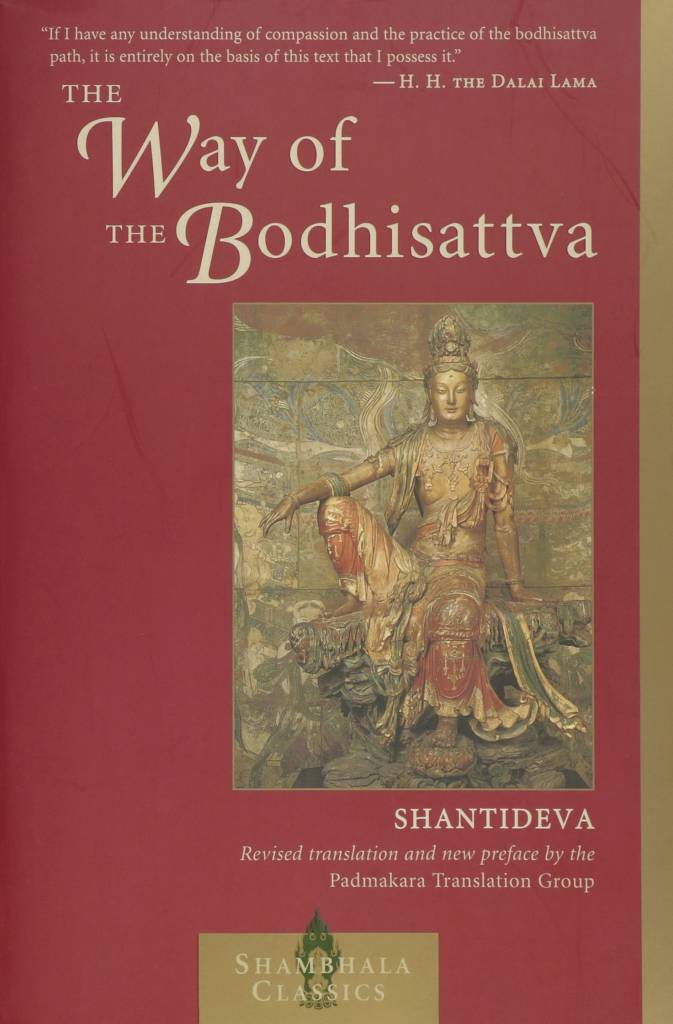
Blankleder, Helena, and Wulstan Fletcher (Padmakara Translation Group), trans. The Way of the Bodhisattva: A Translation of the Bodhicharyāvatāra. By Śāntideva. Rev. ed. Shambhala Classics. Boston: Shambhala Publications, 2006.

Standard Tibetan §Padmakara used the 1990 edition printed by si khron mi rigs dpe skrun khang: Byang chub sems dpa'i spyod pa la 'jug pa rtsa ba dang 'grel pa (1990). Also found in Derge Tengyur D3871, dbu ma, vol. 105, la 1b1–40a7. - Other translations

Si les plaisirs qui sont comme du miel

Sur le fil d’un rasoir ne me suffisent jamais, Comment me rassasierai-je des mérites

Qui ont pour fruit le bonheur et la paix ?

Si nunca se sacian de los placeres,

que son como miel sobre el filo de una cuchilla, ¿cómo pueden estar saciados de los méritos

cuyos frutos serán la paz y la dicha?

La Práctica del Bodisatva-front.jpg
Padmakara Spain 2008

If one is not satisfied by sense pleasures,

Which are like honey on a razor’s edge, Then how can one be satisfied by the merit

Of the ripening result of peaceful happiness?

If desire objects are insatiable,

Like honey on a razor’s edge. Then who could be satiated with merit,

The ripening result of which is happiness and peace?

shift + scroll / swipe
Dūnhuáng §This version is extracted from the book Bodhisattvacaryāvatāra: Entering the Way of the Bodhisattvas (2022, Khenpo Gawang and Wiener), a translation of an edition of the text created from three Dūnhuáng manuscripts. A description and sample pages of these can be found on the Early Tibet Blog. Scans of the actual manuscripts themselves can be found at http://idp.bl.uk

སྤུ་གྲི་སོར་ཆགས་སྦྲང་རྩི་ལྟའི། །

འདོད་པ་རྣམས་ཀྱིས་མི་ངོམས་ན། ། རྣམ་སྨིན་བདེ་ལ་ཞི་བ་ཡི། །

བསོད་ནམས་ཀྱིས་ལྟ་ཅི་སྟེ་ངོམས། །

alt verse 6.22 tm data
This version differs from it's counterparts.

If I am not satisfied with desires,

That are like honey on the edge of a razor blade, How can I be satisfied with merit

That fully ripens in happiness and peace?

Tsadra Critical Edition §This text was created by comparing four versions of the text from Derge, Cone, Narthang, and Peking Tengyurs from BDRC scans, along with Dunhuang manuscripts IOL Tib J 628, 629, and 630. When Tibetan readings were problematic, the Sanskrit texts from GRETIL and LTB (Oslo) were consulted.

སྤུ་གྲིའི་སོར་ཆགས་སྦྲང་རྩི་ལྟའི། །

འདོད་པ་རྣམས་ཀྱིས་མི་ངོམས་ན། ། རྣམ་སྨིན་བདེ་ལ་ཞི་བ་ཡི། །

བསོད་ནམས་ཀྱིས་ལྟ་ཅི་སྟེ་ངོམས། །

[edit]
Sazang Mati (1294 - 1376)
A Commentary on Shantideva's Engaging in the Conduct of the Bodhisattvas (citation)Gyaltsen, Lama Kalsang, and Ani Kunga Chodron, trans. A Commentary on Shantideva's Engaging in the Conduct of the Bodhisattvas Written by Sazang Mati Panchen: Known as An Extremely Clear Illumination of the Meaning of the Text. Walden, NY: Tsechen Kunchab Ling, 2019. Bilingual Edition

(གཉིས་པ་)ལས་དེས་ངོམས་པ་མེད་པར་བྱ་བ་ནི།

2. Insatiable interest in action 1.2.3.2.1.3.2

སྤུ་གྲིའི་སོར་ཆགས་སྦྲང་རྩི་ལྟའི། །[p.75]Byang chub sems dpa'i spyod pa la 'jug pa rtsa ba dang 'grel pa (1990)
Slob dpon zhi ba lha and Mkhan po kun dpal. Byang chub sems dpa'i spyod pa la 'jug pa rtsa ba dang 'grel pa. Khreng tu'u: Si khron mi rigs dpe skrun khang, 1990. Buda by BDRC Logo.jpg

འདོད་པ་རྣམས་ཀྱིས་མི་ངོམས་ན། ། རྣམ་སྨིན་བདེ་ལ་ཞི་བ་ཡི། །

བསོད་ནམས་ཀྱིས་ལྟ་ཅི་སྟེ་ངོམས། །

spu gri'i sor chags sbrang rtsi lta'i/_/[p.75]Byang chub sems dpa'i spyod pa la 'jug pa rtsa ba dang 'grel pa (1990)
Slob dpon zhi ba lha and Mkhan po kun dpal. Byang chub sems dpa'i spyod pa la 'jug pa rtsa ba dang 'grel pa. Khreng tu'u: Si khron mi rigs dpe skrun khang, 1990. Buda by BDRC Logo.jpg

'dod pa rnams kyis mi ngoms na/_/ rnam smin bde la zhi ba yi/_/

bsod nams kyis lta ci ste ngoms/_/

If desire objects are insatiable,

Like honey on a razor’s edge. Then who could be satiated with merit,

The ripening result of which is happiness and peace?

སྤུ་གྲི་རྣོན་པོའི་སོར་ཆགས་པའི་སྦྲང་རྩི་ལ་ལྕེས་ལྡག་པ་ལྟ༵་བུ་ཁེ་ཆུང་ལ་ཉེན་ཆེ་བའི་འདོད་པའི་ཡོན་ཏན་ལྔ་བོ་དག་ལ་འཁོར་བར་ཡང་ཡང་སྤྱད་པ་རྣམས་ཀྱིས་ཀྱང་མི་ངོམས་པར་བྱེད་ན༵། རྣམ་པར་སྨིན་པའི་འབྲས་བུ་མངོན་པར་མཐོ་བའི་བདེ་བ་དང་ལྡན་ལ་ངེས་པར་ལེགས་པ་སྡུག་བསྔལ་མཐའ་དག་ཞི་བ་ཡི༵་མྱ་ངན་ལས་འདས་པའི་རྒྱུ་བསོད་ནམས་དང་ཡེ་ཤེས་ཀྱི་ཚོགས་ཀྱིས་བསྡུས་པ་དམ་པའི་ཆོས་[p.-236]རབ་གསལ་སྣང་བ་
ཀྱི་རོ་བཅུད་བདུད་རྩི་ལྟ་བུ་རྣམས་ཀྱིས་ཅི་སྟེ་ངོ༵མས་ཏེ་ངོམས་མི་ཤེས་པར་བྱའོ། །

If beings insatiably and repeatedly enjoy the experiences of samsara such as the five qualities of desire objects, there is little result and great danger, like licking the honey that clings to the edge of a razor blade. Then why not insatiably enjoy the taste of the nectarlike holy Dharma, which is condensed into the accumulation of merit and primordial wisdom, and causes the ripening result of the happiness of higher rebirth, as well as the certain exaltation of nirvana, the complete pacification of all forms of suffering.[p.259]A Commentary on Shantideva's Engaging in the Conduct of the Bodhisattvas
Gyaltsen, Lama Kalsang, and Ani Kunga Chodron, trans. A Commentary on Shantideva's Engaging in the Conduct of the Bodhisattvas Written by Sazang Mati Panchen: Known as An Extremely Clear Illumination of the Meaning of the Text. Walden, NY: Tsechen Kunchab Ling, 2019. First edition published by The Yeshe Dorje Foundation in 2006.
Gyaltsap Je (1364 - 1432)
The Entrance for the Children of the Conquerors (citation)Stracke, Fedor, trans. The Entrance for the Children of the Conquerors: A Commentary on the Introduction to the Actions of Bodhisattvas. By Gyaltsab Rinpoche. N.p.: Happy Monks Publication, 2016. https://happymonkspublication.org/product/bodhisattvacharyavatara-chapter-1-10-commentary/. Bilingual Edition

གཉིས་པ་ནི།

Accomplishing Virtue by Keeping the Result in Mind 1.1.2.2.1.2.3.2

སྤུ་གྲིའི་སོར་ཆགས་སྦྲང་རྩི་ལྟའི། །[p.75]Byang chub sems dpa'i spyod pa la 'jug pa rtsa ba dang 'grel pa (1990)
Slob dpon zhi ba lha and Mkhan po kun dpal. Byang chub sems dpa'i spyod pa la 'jug pa rtsa ba dang 'grel pa. Khreng tu'u: Si khron mi rigs dpe skrun khang, 1990. Buda by BDRC Logo.jpg

འདོད་པ་རྣམས་ཀྱིས་མི་ངོམས་ན། ། རྣམ་སྨིན་བདེ་ལ་ཞི་བ་ཡི། །

བསོད་ནམས་ཀྱིས་ལྟ་ཅི་སྟེ་ངོམས། །

spu gri'i sor chags sbrang rtsi lta'i/_/[p.75]Byang chub sems dpa'i spyod pa la 'jug pa rtsa ba dang 'grel pa (1990)
Slob dpon zhi ba lha and Mkhan po kun dpal. Byang chub sems dpa'i spyod pa la 'jug pa rtsa ba dang 'grel pa. Khreng tu'u: Si khron mi rigs dpe skrun khang, 1990. Buda by BDRC Logo.jpg

'dod pa rnams kyis mi ngoms na/_/ rnam smin bde la zhi ba yi/_/

bsod nams kyis lta ci ste ngoms/_/

If one is not satisfied by sense pleasures,

Which are like honey on a razor’s edge, Then how can one be satisfied by the merit

Of the ripening result of peaceful happiness?

འཇིག་རྟེན་པ་རྣམས་ལུས་སེམས་བདེ་[p.284]Spyod 'jug rtsa 'grel (Mtsho sngon mi rigs dpe skrun khang 2001)
Śāntideva, and Rgyal tshab rje dar ma rin chen. Spyod 'jug rtsa 'grel and Byang chub sems dpa'i spyod pa la 'jug pa'i rnam bshad rgyal sras 'jug ngogs. Xining: Mtsho sngon mi rigs dpe skrun khang, 2001
བའི་དོན་དུ་ཞིང་ལ་སོགས་པའི་ལས་བྱས་ཀྱང་དེའི་འབྲས་བུ་བདེ་བར་འགྱུར་མི་འགྱུར་གཏོལ་མེད་ཅིང་། བདེ་བ་ཐོབ་པའི་ངེས་པ་མེད་ཀྱི་བྱང་ཆུབ་སེམས་དཔའ་གང་གི་ལས་ཉིད་གནས་སྐབས་དང་མཐར་ཐུག་ཏུ་ངེས་པར་བདེ་བར་འགྱུར་བ་དེ་ལྟ་བུའི་ལས་མི་བྱེད་པ་ཇི་ལྟར་བདེ་འདི་ལྟ་བུའི་བདེ་བ་མི་འབྱུང་ངོ༌། །

Though worldly beings engage in actions such as fieldwork in order to attain mental and physical happiness, it is uncertain whether the result will be happiness or not. Only the actions of bodhisattvas are certain to bring about temporary and ultimate happiness, and if one does not engage in these actions then how could one attain the resultant happiness?

སྤུ་གྲིའི་སོར་ཆགས་པའི་སྦྲང་རྩི་ལྕེས་མྱངས་པས་རོ་ཅུང་ཟད་མྱོང་ཡང་ལྕེ་ཆད་པའི་སྡུག་བསྔལ་མྱོང་བ་ལྟ་བུའི་གཟུགས་སྒྲ་ལ་སོགས་པའི་འདོད་པ་རྣམས་ཀྱིས་འཁོར་བར་ཇི་ཙམ་སྤྱད་ཀྱང་མི་ངོམས་ན། གནས་སྐབས་ཀྱི་འབྲས་བུ་རྣམ་སྨིན་ལྷ་དང་མིའི་མངོན་མཐོ་ཁྱད་པར་ཅན་ཐོབ་པས་བདེ་ལ། མཐར་ཐུག་སྡུག་བསྔལ་ཐམས་ཅད་ཞི་བའི་བདེ་བ་ཐོབ་པར་བྱེད་པའི་རྒྱུ་སྦྱིན་སོགས་བསོད་ནམས་ཀྱིས་ལྟ་ཅི་སྟེ་ངོམས་ངོམས་པ་མེད་པ་གོམས་པར་བྱའོ། །

Sensory happiness of forms, sounds and so forth are like honey on a razor’s edge: when tasted with one's tongue then, although experiencing some taste, one experiences the suffering of being cut on the tongue. If one is not satisfied by cyclic existence, no matter how much one is engaging in it, then how can one be satisfied by the merit of generosity and so forth, which is the cause to attain the[p.31]The Entrance for the Children of the Conquerors
Stracke, Fedor, trans. The Entrance for the Children of the Conquerors: A Commentary on the Introduction to the Actions of Bodhisattvas. By Gyaltsab Rinpoche. N.p.: Happy Monks Publication, 2016. https://happymonkspublication.org/product/bodhisattvacharyavatara-chapter-1-10-commentary/.
temporary happiness of higher rebirth of gods and humans and the ultimate happiness where all suffering has been pacified. One should meditate on them insatiably.
Minyak Kunzang Sönam (1823 - 1905)
The Great Hūṃ (citation)Duckworth, Douglas, trans. The Great Hūṃ: A Commentary on Śāntideva's Way of the Bodhisattva. By Minyak Kunzang Sönam. New York, NY: Wisdom Publications, 2025. Bilingual Edition

ལས་དེས་ངོམས་པར་མི་རིགས་པའི་རྒྱུ་མཚན་གཞན་ནི།

Next it shows another reason why it does not make sense to be satiated with this activity:[p.660]The Great Hum
Duckworth, Douglas, trans. The Great Hūṃ: A Commentary on Śāntideva's Way of the Bodhisattva. By Minyak Kunzang Sönam. New York, NY: Wisdom Publications, 2025.

སྤུ་གྲིའི་སོར་ཆགས་སྦྲང་རྩི་ལྟའི། །

འདོད་པ་རྣམས་ཀྱིས་མི་ངོམས་ན། ། རྣམ་སྨིན་བདེ་ལ་ཞི་བ་ཡི། །

བསོད་ནམས་ཀྱིས་ལྟ་ཅི་སྟེ་ངོམས། །

If one can’t get enough of pleasures

that are like honey on a razor blade, then how could one get enough of merit

that matures into peace and happiness? (7.65)

ལས་དེ་ལ་དགའ་བས་འཇུག་ཀྱང་ཅུང་ཟད་ཀྱིས་ཆོས་གོ་ཞེ་ན། རྒྱུ་མཚན་འདིས་ཀྱང་ངོམས་པར་བྱ་མི་རིགས་ཏེ། ཤིན་ཏུ་རྣོ་བའི་སྤུ་གྲིའི་སོ་[p.463]Byang chub sems dpa'i spyod pa la 'jug pa'i 'grel bshad rgyal sras rgya mtsho'i yon tan rin po che mi zad 'jo ba'i bum bzang
Mi nyag kun bzang bsod nams (མི་ཉག་ཀུན་བཟང་བསོད་ནམས་). byang chub sems dpa'i spyod pa la 'jug pa'i 'grel bshad rgyal sras rgya mtsho'i yon tan rin po che mi zad 'jo ba'i bum bzang [བྱང་ཆུབ་སེམས་དཔའི་སྤྱོད་པ་ལ་འཇུག་པའི་འགྲེལ་བཤད་རྒྱལ་སྲས་རྒྱ་མཚོའི་ཡོན་ཏན་རིན་པོ་ཆེ་མི་ཟད་འཇོ་བའི་བུམ་བཟང།]. [Excellent Vase That Spills Forth an Ocean of the Inexhaustible and Precious Qualities of the Victor's Heirs: An Explanation of the "Way of the Bodhisattva."].
རྩེར་ཆགས་པའི་སྦྲང་རྩིའི་རོ་ལ་ལྕེས་བལྡག་པ་ན་མངར་བའི་རོ་ཅུང་ཟད་ཙམ་མྱོང་རྒྱུ་ཡོད་ཀྱང་ལྕེ་གཤག་པའི་སྡུག་བསྔལ་སྟེར་བར་བྱེད་པ་ལྟ་བུའི་འཕྲལ་བདེ་ཅུང་ཟད་ཙམ་མྱོང་རྒྱུ་ཡོད་ཀྱང་འདི་ཕྱི་ཀུན་ཏུ་སྡུག་བསྔལ་ཚབས་ཆེན་སྟེར་བས་ན་ཁེ་ཆུང་ལ་ཉེན་ཤིན་ཏུ་ཆེ་བའི་འདོད་པའི་ཡོན་ཏན་གཟུགས་སྒྲ་ལ་སོགས་པ་ཡིད་དུ་འོང་བ་དག་ལ་འཁོར་བའི་གནས་རིས་འདིར་ཇི་ཙམ་སྤྱད་ཀྱང་དེ་རྣམས་ཀྱིས་ད་དུང་ཡང་མི་ངོམས་པར་སྤྱོད་པར་བྱེད་ན་ཁ་ན་མ་ཐོ་བ་མེད་ཅིང་གནས་སྐབས་རྣམ་སྨིན་གྱི་འབྲས་བུ་མངོན་མཐོ་ལྷ་མིའི་བདེ་བ་ཁྱད་པར་ཅན་སྟེར་བར་བྱེད་ལ་མཐར་ཐུག་སྲིད་པའི་སྡུག་བསྔལ་རྒྱུ་དང་བཅས་པ་ཉེ་བར་ཞི་བ་ཡི་ངེས་པར་ལེགས་པ་མྱ་ངན་ལས་འདས་པ་ཐོབ་བྱེད་ཀྱི་རྒྱུར་གྱུར་པའི་བསོད་ནམས་དགེ་བའི་ཚོགས་བདུད་རྩི་ལྟ་བུ་རྣམས་ཀྱིས་ལྟ་ཅི་སྟེ་ངོམས་པར་རིགས་སྙམ་དུ་བསམ་ལ་ནམ་ཡང་ངོམས་མི་ཤེས་པའི་བསམ་པ་བསྐྱེད་པར་བྱའོ། །

You might think, “It is sufficient to engage a little bit in this activity with joy.” It does not make sense to be satiated for just this reason: just minor, short-lived pleasures deliver incredible sufferings in this life and in the future. It is like even though there is a slight sweet taste when you lick honey smeared on the edge of a sharp razor blade, there will be the pain of a lacerated tongue. As long as you partake of attractive sense objects in cyclic existence, like visible forms and sounds, there is little gain and great danger, yet you still partake of them insatiably. Given that this is the case, how could you be satiated with the nectar-like collections of virtue and merit that are the causes for attaining the consummate result that is the definite goodness of nirvāṇa? These are irreprehensible and completely alleviate suffering in existence along with its causes. They also deliver temporary matured results in the distinctive pleasures of the higher realms, those of gods and humans. You should contemplate this and cultivate an insatiable attitude.
Kunzang Palden (1862 - 1943)
The Nectar of Manjushri's Speech (citation)Blankleder, Helena, and Wulstan Fletcher (Padmakara Translation Group), trans. The Nectar of Manjushri's Speech: A Detailed Commentary on Shantideva's Way of the Bodhisattva. By Kunzang Pelden. Boston: Shambhala Publications, 2007. Bilingual Edition

སྤུ་གྲིའི་སོར་ཆགས་སྦྲང་རྩི་ལྟའི། །[p.75]Byang chub sems dpa'i spyod pa la 'jug pa rtsa ba dang 'grel pa (1990)
Slob dpon zhi ba lha and Mkhan po kun dpal. Byang chub sems dpa'i spyod pa la 'jug pa rtsa ba dang 'grel pa. Khreng tu'u: Si khron mi rigs dpe skrun khang, 1990. Buda by BDRC Logo.jpg

འདོད་པ་རྣམས་ཀྱིས་མི་ངོམས་ན། ། རྣམ་སྨིན་བདེ་ལ་ཞི་བ་ཡི། །

བསོད་ནམས་ཀྱིས་ལྟ་ཅི་སྟེ་ངོམས། །

spu gri'i sor chags sbrang rtsi lta'i/_/[p.75]Byang chub sems dpa'i spyod pa la 'jug pa rtsa ba dang 'grel pa (1990)
Slob dpon zhi ba lha and Mkhan po kun dpal. Byang chub sems dpa'i spyod pa la 'jug pa rtsa ba dang 'grel pa. Khreng tu'u: Si khron mi rigs dpe skrun khang, 1990. Buda by BDRC Logo.jpg

'dod pa rnams kyis mi ngoms na/_/ rnam smin bde la zhi ba yi/_/

bsod nams kyis lta ci ste ngoms/_/

ཆེས་ཤིན་ཏུ་རྣོན་པོའི་སྤུ་གྲིའི་སོར་ཆགས་པའི་སྦྲང་རྩི་ལྕེས་ལྡག་པ་ལྟའི་སྟེ་ལྟ་བུའི་ཁེ་ཆུང་ལ་ཉེན་ཆེ་བ་གཟུགས་སོགས་འདོད་པ་ཡི་ཡོན་ཏན་ལྔ་པོ་གང་སྤྱད་ཀྱང་ཡུལ་ཤེས་འཕྲད་པའི་བདེ་བ་སྐད་ཅིག་མ་ཙམ་ལ་ཆགས་ཤིང་ལྷག་པར་ཞེན་ནས་ལན་ཚྭའི་ཆུ་ལ་བཏུང་བ་བཞིན་དུ་ཡང་དང་དུ་སྤྱད་པ་རྣམས་ཀྱིས་ཀྱང་མི་ངོམས་པར་བྱེད་ན།

And since they never have enough of pleasure,

Honey on the razor’s edge, How could they have enough of merit,

Fruits of which are happiness and peace?[p.107]The Way of the Bodhisattva (2006)
Blankleder, Helena, and Wulstan Fletcher (Padmakara Translation Group), trans. The Way of the Bodhisattva: A Translation of the Bodhicharyāvatāra. By Śāntideva. Rev. ed. Shambhala Classics. Boston: Shambhala Publications, 2006.

There is little profit and indeed great danger in the enjoyment of the five objects of pleasure (forms and so forth). Indeed, it is like licking honey on the edge of an extremely sharp razor. We are attached to the transient pleasure that comes from the coincidence of an object and its corresponding consciousness. We have a powerful craving for such gratification[p.255]The Nectar of Manjushri's Speech
Blankleder, Helena, and Wulstan Fletcher (Padmakara Translation Group), trans. The Nectar of Manjushri's Speech: A Detailed Commentary on Shantideva's Way of the Bodhisattva. By Kunzang Pelden. Boston: Shambhala Publications, 2010.
and enjoy it again and again. It is like drinking salty water; we never have enough of it.

རྣམ་སྨིན་གྱི་འབྲས་བུ་གནས་སྐབས་མངོན་པར་མཐོ་བ་ལྷ་མའི་བདེ་བ་དང་ལྡན་ལ་མཐར་ཐུག་གི་འབྲས་བུ་ངེས་པར་ལེགས་པ་སྡུག་བསྔལ་ཐམས་ཅད་ཞི་བ་ཡི་མྱ་ངན་ལས་འདས་པ་འཐོབ་པའི་རྒྱུ་བསོད་ནམས་དང་ཡེ་ཤེས་ཀྱི་ཚོགས་ཀྱིས་བསྡུས་པའི་བྱང་ཆུབ་སེམས་དཔའི་སྤྱོད་པ་བདུད་རྩི་ལྟ་བུ་ཁེ་ཆེ་ཞིང་ཉེན་མེད་པ་རྣམས་ཀྱིས་ཅི་སྟེ་ངོམས་ཏེ་ངོམས་མི་ཤེས་པར་བྱ་དགོས་སོ། །

But if we can never have enough of pleasure, how can we ever have enough of the Bodhisattva’s tasks? For they are like nectar, are of the greatest profit, and are completely without danger. They cause us to accumulate wisdom and merit and bring us to the fully ripened effect of human and celestial happiness in higher realms and thence to the ultimate result of buddhahood, the state of peace in which every pain and suffering subsides. We ought never to be satisfied.


[edit]
[edit]