Bodhicaryāvatāra · Verse 4.8


Sources:    

Sanskrit §No information about the source used.

बोधिसत्त्वस्य तेनैवं सर्वापत्तिर्गरीयसी। यस्मादापद्यमानोऽसौ सर्वसत्त्वार्थहानिकृत्॥

 
Chanted Verse
Recitation by Professor Kashinath Nyaupane
8

Therefore every lapse of the bodhisattva is extremely grave, for, every time he lapses he reduces the welfare of all living beings.

Standard Tibetan §Padmakara used the 1990 edition printed by si khron mi rigs dpe skrun khang: Byang chub sems dpa'i spyod pa la 'jug pa rtsa ba dang 'grel pa (1990). Also found in Derge Tengyur D3871, dbu ma, vol. 105, la 1b1–40a7.

དེ་ནི་བྱང་ཆུབ་སེམས་དཔའ་ལ། །

ལྟུང་བའི་ནང་དུ་ལྕི་བ་སྟེ། ། འདི་ལྟར་དེ་ནི་བྱུང་གྱུར་ན། །

སེམས་ཅན་ཀུན་གྱི་དོན་ལ་དམན། །

 
Chanted Verse
Recitation by Lopen Karma Phuntsho
8

This failure, for the Bodhisattva,

Is the gravest of all downfalls. For should it ever come to pass,

The good of every being is thrown down.

Standard Tibetan §Padmakara used the 1990 edition printed by si khron mi rigs dpe skrun khang: Byang chub sems dpa'i spyod pa la 'jug pa rtsa ba dang 'grel pa (1990). Also found in Derge Tengyur D3871, dbu ma, vol. 105, la 1b1–40a7. - Other translations

Cette faute est la plus grave

Que les bodhisattvas puissent commettre Car elle détruit le pouvoir

D’œuvrer au bien de tous les êtres.

Para un bodisatva ésta es

la más grave de todas las faltas. Pues si ocurriese,

el beneficio de todos los seres se vería reducido.

La Práctica del Bodisatva-front.jpg
Padmakara Spain 2008

This is for bodhisattvas

The heavier of the downfalls. Therefore, if one receives it

One harms the purpose of all sentient beings.

This is the heaviest among downfalls

For a Bodhisattva. If that were to occur here.

It would weaken the welfare of beings.

shift + scroll / swipe
Dūnhuáng §This version is extracted from the book Bodhisattvacaryāvatāra: Entering the Way of the Bodhisattvas (2022, Khenpo Gawang and Wiener), a translation of an edition of the text created from three Dūnhuáng manuscripts. A description and sample pages of these can be found on the Early Tibet Blog. Scans of the actual manuscripts themselves can be found at http://idp.bl.uk

དེ་ནི་བྱང་ཆུབ་སེམས་དཔའ་ལ། །

ལྟུང་བའི་ནང་ན་ལྕི་བ་སྟེ། ། འདི་ལྟར་དེ་ནི་བྱུང་གྱུར་ན། །

སེམས་ཅན་ཀུན་གྱི་དོན་ལ་དམན། །

alt verse 3.8 tm data

For bodhisattvas, relinquishing bodhichitta

Is the heaviest among all downfalls. Therefore, if this occurs,

My ability to benefit all sentient beings will weaken.

Tsadra Critical Edition §This text was created by comparing four versions of the text from Derge, Cone, Narthang, and Peking Tengyurs from BDRC scans, along with Dunhuang manuscripts IOL Tib J 628, 629, and 630. When Tibetan readings were problematic, the Sanskrit texts from GRETIL and LTB (Oslo) were consulted.

དེ་ནི་བྱང་ཆུབ་སེམས་དཔའ་ལ། །

ལྟུང་བའི་ནང་ན་ལྕི་བ་སྟེ། ། འདི་ལྟར་དེ་ནི་བྱུང་གྱུར་ན། །

སེམས་ཅན་ཀུན་གྱི་དོན་ལ་དམན། །

[edit]
Sazang Mati (1294 - 1376)
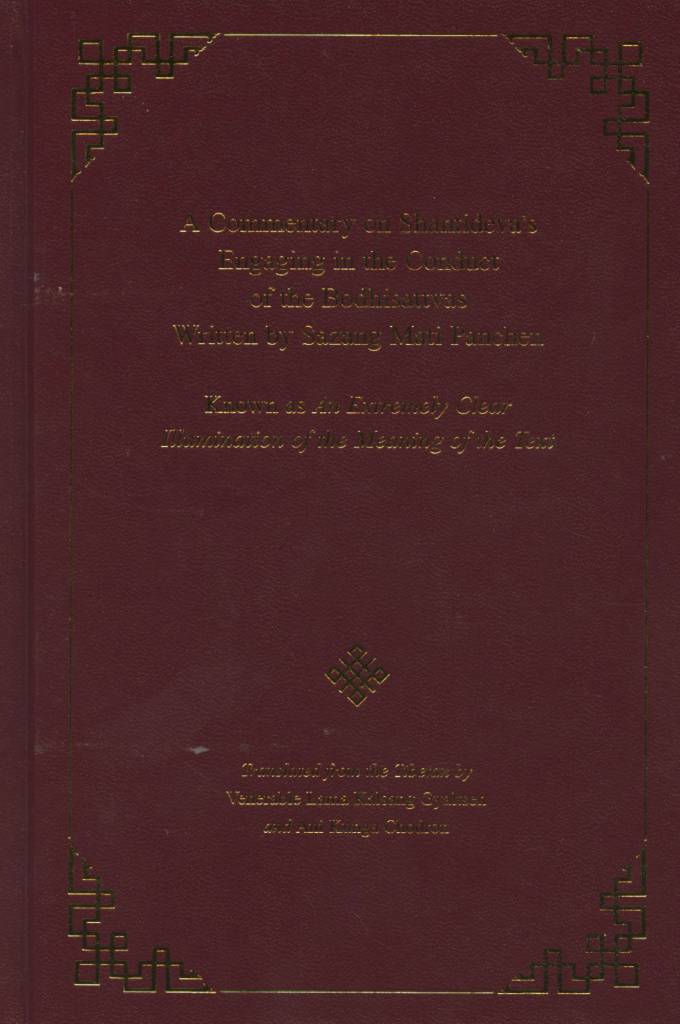
A Commentary on Shantideva's Engaging in the Conduct of the Bodhisattvas (citation)Gyaltsen, Lama Kalsang, and Ani Kunga Chodron, trans. A Commentary on Shantideva's Engaging in the Conduct of the Bodhisattvas Written by Sazang Mati Panchen: Known as An Extremely Clear Illumination of the Meaning of the Text. Walden, NY: Tsechen Kunchab Ling, 2019. Bilingual Edition

(གཉིས་པ་)ལྕི་བར་བསྟན་པ་ནི།

2. Demonstration that it itself is a heavy downfall 1.2.1.2.1.2.2

དེ་ནི་བྱང་ཆུབ་སེམས་དཔའ་ལ། །

ལྟུང་བའི་ནང་དུ་ལྕི་བ་སྟེ། ། འདི་ལྟར་དེ་ནི་བྱུང་གྱུར་ན། །

སེམས་ཅན་ཀུན་གྱི་དོན་ལ་དམན། །

de ni byang chub sems dpa' la/_/

ltung ba'i nang du lci ba ste/_/ 'di ltar de ni byung gyur na/_/

sems can kun gyi don la dman/_/

This is the heaviest among downfalls

For a Bodhisattva. If that were to occur here.

It would weaken the welfare of beings.

སེམས་བསྐྱེད་གཏོང་བ་དེ་ནི་བྱང་ཆུབ་སེམས་དཔའ་རྣམས་ལ༵་ལྟུང་བའི་ནང་ནས་ཤིན་ཏུ་ལྕི་བར་གྱུར་པ་སྟེ༵། དེའི་རྒྱུ་མཚན་འདི་ལྟར་ལྟུང་བ་དེ་ནི་བྱུང་བར་གྱུར་ན༵་སེམས་ཅན་མ་ལུས་པ་ཀུན་གྱི་དོན་སྒྲུབ་པ་ལ་ཀུན་སློང་གི་བསམ་པ་[p.-127]རབ་གསལ་སྣང་བ་
དམ༵ན་པར་གྱུར་པའི་ཕྱིར་རོ། །

Among the downfalls of Bodhisattvas, giving up the resolution of enlightenment thought is an extremely heavy downfall. The reason is that if such a downfall occurs, the motivation to accomplish the benefit of all sentient beings is lessened.
Gyaltsap Je (1364 - 1432)
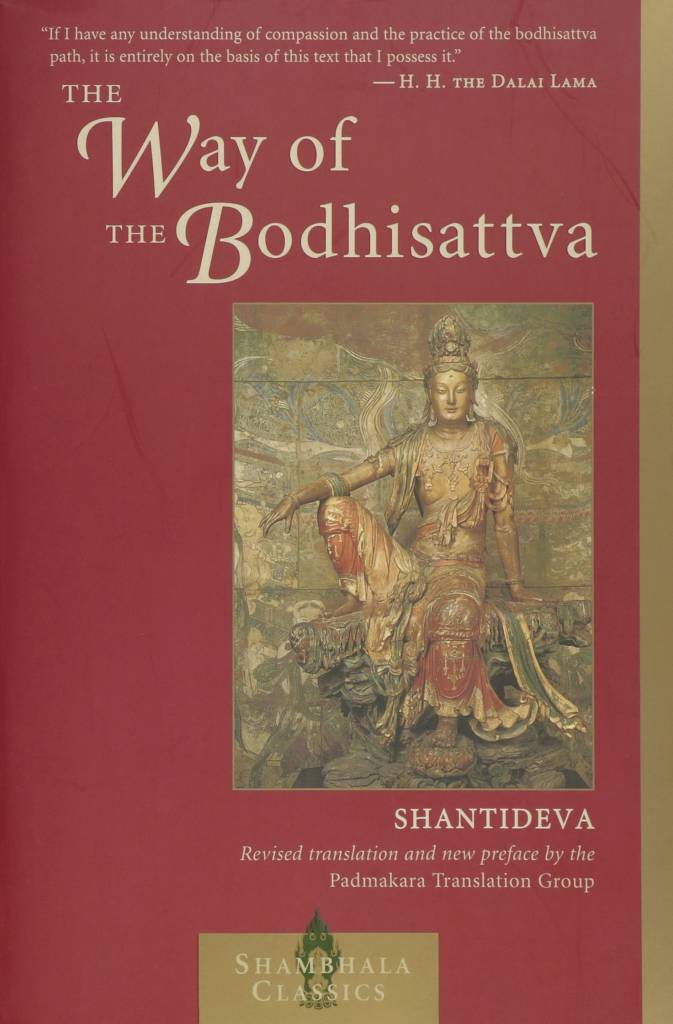
The Entrance for the Children of the Conquerors (citation)Stracke, Fedor, trans. The Entrance for the Children of the Conquerors: A Commentary on the Introduction to the Actions of Bodhisattvas. By Gyaltsab Rinpoche. N.p.: Happy Monks Publication, 2016. https://happymonkspublication.org/product/bodhisattvacharyavatara-chapter-1-10-commentary/. Bilingual Edition

གཉིས་པ་ལ་གསུམ།

One Will Degenerate From the Welfare of Others 1.1.1.2.1.2.2

དང་པོ་ནི།

If One's Bodhicitta Degenerates, Then It is a Heavy Downfall and Will Degenerate One's Work for the Welfare of Others 1.1.1.2.1.2.2.1

དེ་ནི་བྱང་ཆུབ་སེམས་དཔའ་ལ། །

ལྟུང་བའི་ནང་དུ་ལྕི་བ་སྟེ། ། འདི་ལྟར་དེ་ནི་བྱུང་གྱུར་ན། །

སེམས་ཅན་ཀུན་གྱི་དོན་ལ་དམན། །
de ni byang chub sems dpa' la/_/

ltung ba'i nang du lci ba ste/_/ 'di ltar de ni byung gyur na/_/

sems can kun gyi don la dman/_/

This is for bodhisattvas

The heavier of the downfalls. Therefore, if one receives it

One harms the purpose of all sentient beings.

སེམས་བསྐྱེད་ཉམས་པ་དེ་ནི་བྱང་ཆུབ་སེམས་དཔའ་ལ་རྩ་བའི་ལྟུང་བའི་ནང་ན་ཤིན་ཏུ་ལྕི་བ་སྟེ་འདི་ལྟར་ལྟུང་བ་དེ་ནི་བྱུང་བར་གྱུར་[p.165]Spyod 'jug rtsa 'grel (Mtsho sngon mi rigs dpe skrun khang 2001)
Śāntideva, and Rgyal tshab rje dar ma rin chen. Spyod 'jug rtsa 'grel and Byang chub sems dpa'i spyod pa la 'jug pa'i rnam bshad rgyal sras 'jug ngogs. Xining: Mtsho sngon mi rigs dpe skrun khang, 2001
ན་གཞན་དོན་གྱི་བསམ་པ་ཉམས་པས་སེམས་ཅན་ཀུན་གྱི་དོན་ལ་དམན་ཏེ་སྤྱོད་པའི་རྟེན་ཉམས་པའི་ཕྱིར་རོ། །

To degenerate from bodhicitta is for bodhisattvas, out of the root downfalls, the heaviest one. Since the wish to benefit degenerates, if one receives this downfall, then it harms the welfare of all sentient beings, because the basis for practice degenerates.

གལ་ཏེ་བསྐལ་པ་བྱེ་བར་དགེ་བའི་ལས་ལམ་བཅུ། །

སྤྱོད་ཀྱང་རང་རྒྱལ་དགྲ་བཅོམ་ཉིད་ལ་འདོད་བསྐྱེད་ན། ། དེ་ཚེ་ཚུལ་ཁྲིམས་སྐྱོན་བྱུང་ཚུལ་ཁྲིམས་ཉམས་པ་ཡིན། །

སེམས་བསྐྱེད་དེ་ནི་ཕས་ཕམ་བས་ཀྱང་ཤིན་ཏུ་ལྕི། །

Although one has practiced the path and ten grounds
For 10 million eons, if one generates the wish to be a self-liberator arhat,
At that moment morality has received a fault and degenerated.
This mind generation is much heavier than a root down fall.

ཞེས་གསུངས་པ་ལྟར་བྱང་ཆུབ་སེམས་དཔའི་སྡོམ་ལྡན་གྱིས་སྨོན་སེམས་བཏང་ན་རྩ་ལྟུང་འབྱུང་ལ་སྡོམ་པ་མ་བླངས་པས་སེམས་དེ་ཉམས་པར་བྱས་ན། སོ་ཐར་གྱི་ཕམ་པ་ལས་སྡིག་པ་ཆེས་ལྕི་བར་གསུངས་སོ། །

As it is stated, if a bodhisattva with vows gives up bodhicitta, he receives a root downfall. If he has no vows, then his negativity is still heavier then the root downfall of the vows of individual liberation.[p.6]The Entrance for the Children of the Conquerors
Stracke, Fedor, trans. The Entrance for the Children of the Conquerors: A Commentary on the Introduction to the Actions of Bodhisattvas. By Gyaltsab Rinpoche. N.p.: Happy Monks Publication, 2016. https://happymonkspublication.org/product/bodhisattvacharyavatara-chapter-1-10-commentary/.
Minyak Kunzang Sönam (1823 - 1905)
The Great Hūṃ (citation)Duckworth, Douglas, trans. The Great Hūṃ: A Commentary on Śāntideva's Way of the Bodhisattva. By Minyak Kunzang Sönam. New York, NY: Wisdom Publications, 2025. Bilingual Edition

དེ་བཏང་ན་གཞན་དོན་ལས་ཉམས་པས་ལྟུང་བ་ལྕི་བ་ནི།

Next it shows that giving it up is a severe downfall because the welfare of others declines:

དེ་ནི་བྱང་ཆུབ་སེམས་དཔའ་ལ། །

ལྟུང་བའི་ནང་དུ་ལྕི་བ་སྟེ། ། འདི་ལྟར་དེ་ནི་བྱུང་གྱུར་ན། །

སེམས་ཅན་ཀུན་གྱི་དོན་ལ་དམན། །
This is severe among the downfalls

for a bodhisattva; if this occurs

it brings down the welfare of all beings. (4.8)

སེམས་བསྐྱེད་བཏང་བ་དེ་ནི་བྱང་ཆུབ་སེམས་དཔའ་རྣམས་ལ་ལྟུང་བའི་གནས་ཐམས་ཅད་ཀྱི་ནང་ནས་ཤིན་ཏུ་ལྕི་བ་སྟེ། གང་གི་ཕྱིར་ན་འདི་ལྟར་ལྟུང་བ་དེ་ནི་བྱུང་བར་གྱུར་ན་གཞན་དོན་དོན་གཉེར་གྱི་བསམ་པ་ཉམས་པས་སྤྱོད་པའི་སྒོ་ནས་སེམས་ཅན་མ་ལུས་པ་ཀུན་གྱི་དོན་སྒྲུབ་པ་ལ་མཐུ་དང་ནུས་པ་ཐམས་ཅད་ཤིན་ཏུ་དམན་པར་འགྱུར་ཏེ་སྤྱོད་པའི་རྟེན་སེམས་བསྐྱེད་ཉམས་པ་དེའི་ཕྱིར་རོ། །འདིས་སེམས་ཅན་གདོན་པར་དམ་བཅས་པ་ལས་སེམས་བསྐྱེད་ཉམས་པས་སེམས་ཅན་ཀུན་གྱི་དོན་སྒྲུབ་པ་བཅོམ་པར་བྱས་ལ་དེའི་རྒྱུ་མཚན་གྱིས་ལྟུང་བའི་ནང་ནས་ལྕི་བ་ཡིན་པར་བསྟན་ལ། དེ་ལྟར་སྡུད་པ་ལས་ཀྱང་།

Among all the downfalls of a bodhisattva, giving up the spirit of awakening is a very severe downfall. This is because the intention to pursue the welfare of beings declines if this downfall occurs. Thereby, in terms of the activity, all the power and potential to accomplish the welfare of all beings is reduced because the support of the activity, the cultivation of the spirit, declines. The reason why this is said to be severe among the downfalls is that the accomplishment of the welfare of all sentient beings is destroyed by a decline in the cultivation of the spirit that has resolved to free sentient beings. Thus the Verse Summary of the Perfection of Wisdom says:

གལ་ཏེ་བསྐལ་བ་བྱེ་བར་དགེ་བའི་ལས་ལམ་བཅུ། །

སྤྱོད་ཀྱང་རང་རྒྱལ་དགྲ་བཅོམ་ཉིད་ལ་འདོད་བསྐྱེད་ན། ། དེ་ཚེ་ཚུལ་ཁྲིམས་སྐྱོན་བྱུང་ཚུལ་ཁྲིམས་ཉམས་པ་ཡིན། །

སེམས་བསྐྱེད་དེ་ནི་ཕས་ཕམ་བས་ཀྱང་ཤིན་ཏུ་ལྕི། །

Even if you have acted with virtue in the ten courses of action for ten million eons,
if there comes a wish to become a pratyekabuddha arhat,
then a flaw occurs in the discipline and the discipline declines.
Generating this attitude is even more severe than a defeat (phas pham pa).569Verse Summary of the Perfection of Wisdom, 213a.[p.279]The Great Hum
Duckworth, Douglas, trans. The Great Hūṃ: A Commentary on Śāntideva's Way of the Bodhisattva. By Minyak Kunzang Sönam. New York, NY: Wisdom Publications, 2025.

ཞེས་གསུངས་ལ། ཐབས་ལ་མཁས་པའི་མདོ་ལས་ཀྱང་སེམས་བསྐྱེད་གཏོང་བ་རྩ་བའི་ལྟུང་བ་ཤིན་ཏུ་ལྕི་བ་ཉིད་དུ་བསྟན་ཏོ། །དེ་ཡང་བྱང་སྡོམ་ལྡན་པས་སྨོན་སེམས་བཏང་ན་སྨོན་སེམས་འདོར་བའི་རྩ་ལྟུང་དང༌། བྱང་གོམ་མ་བླངས་བས་སྨོན་སེམས་ཉམས་ན་སོ་ཐར་གྱི་ཕམ་པ་ལས་ཀྱང་སྡིག་པ་ལྕི་བར་བསྟན་ཏོ། །ཕས་ཕམ་པའི་ལྟུང་བ་བྱུང་ཡང་སེམས་བསྐྱེད་མ་བཏང་ན་སེམས་ཅན་གྱི་དོན་བྱེད་པ་ལས་ཉམས་པར་མི་འགྱུར་ལ། སེམས་བསྐྱེད་བཏང་བས་དེ་ལས་ཉམས་པས་ལྟུང་བ་ལྕི་བར་བསྟན་ཞེས་རྣམ་བཤད་ལས་སོ། །

The Skillful Means Sūtra says that giving up the cultivation of the spirit is an extremely severe root downfall too. Also, it says that if someone with the bodhisattva vow gives up the aspirational spirit, it is a root downfall of forsaking the aspirational spirit; if the aspirational spirit declines in someone who has not taken the bodhisattva vow, then it is a more severe negative action than even a defeat of the pratimokṣa vow. The Explanation says that even when a downfall that is a defeat occurs, the activity for the welfare of beings will not decline if one has not given up cultivating the spirit, yet it does decline from giving up the cultivation of the spirit, so it is said to be a severe downfall.570Kṛṣṇapa, Explanation of the Way of the Bodhisattva, 306a.
Kunzang Palden (1862 - 1943)
The Nectar of Manjushri's Speech (citation)Blankleder, Helena, and Wulstan Fletcher (Padmakara Translation Group), trans. The Nectar of Manjushri's Speech: A Detailed Commentary on Shantideva's Way of the Bodhisattva. By Kunzang Pelden. Boston: Shambhala Publications, 2007. Bilingual Edition

དེ་ནི་བྱང་ཆུབ་སེམས་དཔའ་ལ། །

ལྟུང་བའི་ནང་དུ་ལྕི་བ་སྟེ། ། འདི་ལྟར་དེ་ནི་བྱུང་གྱུར་ན། །

སེམས་ཅན་ཀུན་གྱི་དོན་ལ་དམན། །

de ni byang chub sems dpa' la/_/

ltung ba'i nang du lci ba ste/_/ 'di ltar de ni byung gyur na/_/

sems can kun gyi don la dman/_/

བྱང་ཆུབ་ཀྱི་སེམས་བཏང་བ་དེ་ནི་བྱང་ཆུབ་སེམས་དཔའ་རྣམས་ལ་ལྟུང་བའི་ནང་ནས་ཤིན་ཏུ་ཉེས་པ་ལྕི་བ་སྟེ། འཕགས་པ་སྡུད་པ་ལས།

This failure, for the Bodhisattva,

Is the gravest of all downfalls. For should it ever come to pass,

The good of every being is thrown down.

To abandon bodhichitta is the gravest and most negative of all the downfalls of a Bodhisattva. As it is said in the Prajnaparamitasanchaya-sutra:[p.147]The Nectar of Manjushri's Speech
Blankleder, Helena, and Wulstan Fletcher (Padmakara Translation Group), trans. The Nectar of Manjushri's Speech: A Detailed Commentary on Shantideva's Way of the Bodhisattva. By Kunzang Pelden. Boston: Shambhala Publications, 2010.

གལ་ཏེ་བསྐལ་པ་བྱེ་བར་དགེ་བའི་ལས་ལམ་བཅུ། །

སྤྱོད་ཀྱང་རང་རྒྱལ་དགྲ་བཅོམ་ཉིད་ལ་འདོད་བསྐྱེད་ན། ། དེ་ནི་ཚུལ་ཁྲིམས་སྐྱོན་བྱུང་ཚུལ་ཁྲིམས་ཉམས་པ་ཡིན། །

སེམས་བསྐྱེད་དེ་ནི་ཕས་ཕམ་བས་ཀྱང་ཤིན་ཏུ་ལྕི། །

If, after practicing the tenfold path of virtue for a million kalpas,
One wishes to become an Arhat or Pratyekabuddha,
Then discipline is faulty and has been perverted.
Such an attitude is graver than a root defeat. 128A root defeat (phas pham pa) is a grave transgression that destroys the monastic ordination. See Treasury, p. 200.

ཞེས་གསུངས་ཤིང༌། །དེའི་རྒྱུ་མཚན་འདི་ལྟར་ལྟུང་བ་དེ་ནི་བྱུང་བར་གྱུར་ན་སེམས་ཅན་མ་ལུས་པ་ཀུན་གྱི་དོན་བསྒྲུབ་པ་ལ་ནུས་པ་དམན་པར་འགྱུར་བའི་ཕྱིར་རོ། །དེ་ལ་སེམས་ཅན་བློས་བཏང་བའི་ལྟུང་བ་བྱུང་ཡང་ཐེག་དམན་གྱི་ཐར་པ་ཐོབ་ནས་ལྷག་མེད་མ་གྲུབ་ཀྱི་[p.328]Byang chub sems dpa'i spyod pa la 'jug pa rtsa ba dang 'grel pa (1990)
Slob dpon zhi ba lha and Mkhan po kun dpal. Byang chub sems dpa'i spyod pa la 'jug pa rtsa ba dang 'grel pa. Khreng tu'u: Si khron mi rigs dpe skrun khang, 1990. Buda by BDRC Logo.jpg
བར་དུ་སེམས་ཅན་གྱི་དོན་བྱེད་ཀྱང་ནམ་མཁས་གར་ཁྱབ་ཀྱི་སེམས་ཅན་གྱི་དོན་མི་ནུས་པས་སེམས་ཅན་ཀུན་གྱི་དོན་ལ་དམན་པར་འགྱུར་ལ་སངས་རྒྱས་འགྲུབ་ན་ནམ་མཁས་གར་ཁྱབ་ཀྱི་སེམས་ཅན་གྱི་དོན་རྒྱ་ཆེན་པོ་བྱེད་པར་འགྱུར་རོ། །

The reason for this is that if such a downfall comes to pass, it casts down [a Bodhisattva’s] capacity to accomplish the good of all beings. For if the downfall of abandoning beings occurs, then even if one attains liberation as described in the Hinayana and one works for beings until achieving nirvana without remainder,129Nirvana without remainder (lhag med myang ’das) occurs at the death of an Arhat, when all the previous karma is exhausted and the five aggregates dissolve. it will be impossible to benefit beings who are present wherever space exists. The welfare of beings is consequently thrown down. If, on the other hand, buddhahood is achieved, the benefit of beings who fill the whole of space is accomplished on a vast scale.


[edit]
[edit]