Bodhicaryāvatāra · Verse 4.7


Sources:    

Sanskrit §No information about the source used.

वेत्ति सर्वज्ञ एवैतामचिन्त्यां कर्मणो गतिम्। यद्बोधिचित्तत्यागेऽपि मोचयत्येवं तां नरान्॥

 
Chanted Verse
Recitation by Professor Kashinath Nyaupane
7

Only the All-knowing One knows the unfathomable course of actions and their fruits. He alone brings to liberation even those who have abandoned the thought of awakening.

Standard Tibetan §Padmakara used the 1990 edition printed by si khron mi rigs dpe skrun khang: Byang chub sems dpa'i spyod pa la 'jug pa rtsa ba dang 'grel pa (1990). Also found in Derge Tengyur D3871, dbu ma, vol. 105, la 1b1–40a7.

མི་གང་བྱང་ཆུབ་སེམས་བཏང་ཡང་། །

དེ་དག་ཐར་བར་མཛད་པ་ནི། ། ལས་[p.25]Byang chub sems dpa'i spyod pa la 'jug pa rtsa ba dang 'grel pa (1990)
Slob dpon zhi ba lha and Mkhan po kun dpal. Byang chub sems dpa'i spyod pa la 'jug pa rtsa ba dang 'grel pa. Khreng tu'u: Si khron mi rigs dpe skrun khang, 1990. Buda by BDRC Logo.jpg
ཚུལ་བསམ་གྱིས་མི་ཁྱབ་སྟེ། །

ཐམས་ཅད་མཁྱེན་པ་ཁོ་ནས་མཁྱེན། །

 
Chanted Verse
Recitation by Lopen Karma Phuntsho
7

As for those who, losing bodhichitta,

Lead others nonetheless to liberation, Karmic law is inconceivable

And only understood by the Omniscient.50The celebrated case of this was that of the Buddhaʼs disciple Shāriputra, as recorded in the Saddharmapuṇdarīka-sūtra, the Lotus Sūtra. It is said that Shāriputra was a practitioner of the Mahāyāna who had progressed far along the path. One day a demon appeared to him and, wishing to put him to the test and if possible contrive his downfall, asked him for his right hand. Shāriputra cut it off and gave it to the demon. But the demon was angry and refused to accept it, complaining that Shāriputra had impolitely offered it to him with his left! At this point, it is said that Shāriputra lost hope of ever being able to satisfy the desires of beings, and turned from the Mahāyāna to pursue the path to arhatship.

Standard Tibetan §Padmakara used the 1990 edition printed by si khron mi rigs dpe skrun khang: Byang chub sems dpa'i spyod pa la 'jug pa rtsa ba dang 'grel pa (1990). Also found in Derge Tengyur D3871, dbu ma, vol. 105, la 1b1–40a7. - Other translations

Seul l’Omniscient connaît

Le karma inconcevable De ceux qui, bien qu’ayant renoncé

À l’esprit d’Éveil, atteignent la libération.

Si algunos tras haber abandonado la bodichita

guían a otros sin embargo a la liberación se debe al efecto inconcebible del karma,

que solo el Omnisciente conoce51Un caso célebre de esto es el del discípulo del Buda llamado Shariputra, como se cuenta en el Sutra Saddharmapundarika (tib. dam pa’i chos pad ma dkar po), El Sutra del Loto. Se dice que en una vida previa Shariputra era un practicante del Mahayana que ya había progresado mucho en el camino. Un día un demonio, deseando ponerlo a prueba y ver si era posible hacerle cometer alguna falta, se le apareció como un brahmán y le pidió que le diese su mano derecha. Shariputra se la cortó y se la dio al demonio. Pero el demonio enfadado no se la aceptó quejándose de que Shariputra se la había ofrecido sin ningún respeto con su mano izquierda. En ese momento, se dice que Shariputra perdió toda esperanza de poder satisfacer los deseos de los seres y abandonó el Mahayana para seguir el camino de los arhats.

La Práctica del Bodisatva-front.jpg
Padmakara Spain 2008

Whichever person who gave up bodhicitta,

Their striving for liberation Is karmic beyond thought,

And only know to the omniscient.[p.5]The Entrance for the Children of the Conquerors
Stracke, Fedor, trans. The Entrance for the Children of the Conquerors: A Commentary on the Introduction to the Actions of Bodhisattvas. By Gyaltsab Rinpoche. N.p.: Happy Monks Publication, 2016. https://happymonkspublication.org/product/bodhisattvacharyavatara-chapter-1-10-commentary/.

Even if someone relinquished enlightenment thought,

But was still liberated, Such an inconceivable karmic system

Can be only be understood by omniscient teachers.

shift + scroll / swipe
Dūnhuáng §This version is extracted from the book Bodhisattvacaryāvatāra: Entering the Way of the Bodhisattvas (2022, Khenpo Gawang and Wiener), a translation of an edition of the text created from three Dūnhuáng manuscripts. A description and sample pages of these can be found on the Early Tibet Blog. Scans of the actual manuscripts themselves can be found at http://idp.bl.uk

མི་གང་བྱང་ཆུབ་སེམས་བཏང་ཡང༌། །

དེ་དག་ཐར་པར་མཛད་པ་ནི། ། ལས་ཚུལ་བསམ་གྱིས་མི་ཁྱབ་དེ། །

ཐམས་ཆད་མཁྱེན་པ་ཁོ་ནས་མཁྱེན། །

alt verse 3.7 tm data

Even though an individual relinquishes bodhichitta,

They may still liberate sentient beings, As the way of karma is incomprehensible

And is only known by the Omniscient One.

Tsadra Critical Edition §This text was created by comparing four versions of the text from Derge, Cone, Narthang, and Peking Tengyurs from BDRC scans, along with Dunhuang manuscripts IOL Tib J 628, 629, and 630. When Tibetan readings were problematic, the Sanskrit texts from GRETIL and LTB (Oslo) were consulted.

མི་གང་བྱང་ཆུབ་སེམས་བཏང་ཡང་། །

དེ་དག་ཐར་བར་བྱེད་པ་ནི། ། ལས་ཚུལ་བསམ་གྱིས་མི་ཁྱབ་སྟེ། །

ཐམས་ཅད་མཁྱེན་པ་ཁོ་ནས་མཁྱེན། །

[edit]
Sazang Mati (1294 - 1376)
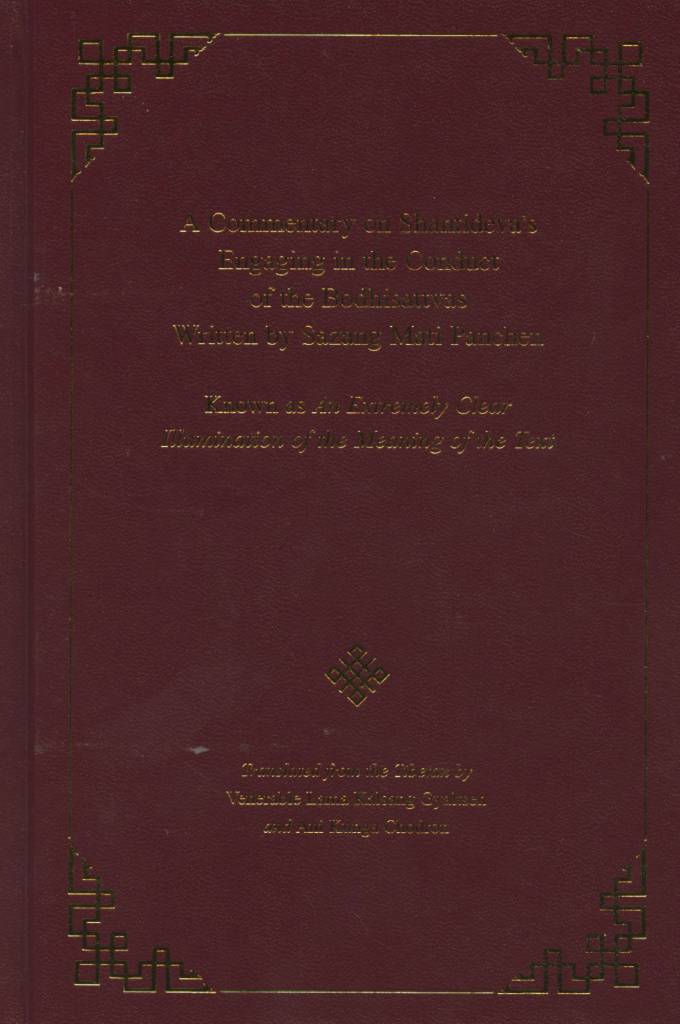
A Commentary on Shantideva's Engaging in the Conduct of the Bodhisattvas (citation)Gyaltsen, Lama Kalsang, and Ani Kunga Chodron, trans. A Commentary on Shantideva's Engaging in the Conduct of the Bodhisattvas Written by Sazang Mati Panchen: Known as An Extremely Clear Illumination of the Meaning of the Text. Walden, NY: Tsechen Kunchab Ling, 2019. Bilingual Edition

(གཉིས་པ་)རྩོད་པ་སྤོང་བ་ནི།

2. Refutation 1.2.1.2.1.2.1.2

མི་གང་བྱང་ཆུབ་སེམས་བཏང་ཡང་། །

དེ་དག་ཐར་བར་མཛད་པ་ནི། ། ལས་[p.25]Byang chub sems dpa'i spyod pa la 'jug pa rtsa ba dang 'grel pa (1990)
Slob dpon zhi ba lha and Mkhan po kun dpal. Byang chub sems dpa'i spyod pa la 'jug pa rtsa ba dang 'grel pa. Khreng tu'u: Si khron mi rigs dpe skrun khang, 1990. Buda by BDRC Logo.jpg
ཚུལ་བསམ་གྱིས་མི་ཁྱབ་སྟེ། །

ཐམས་ཅད་མཁྱེན་པ་ཁོ་ནས་མཁྱེན། །

mi gang byang chub sems btang yang /_/

de dag thar bar mdzad pa ni/_/ las [p.25]Byang chub sems dpa'i spyod pa la 'jug pa rtsa ba dang 'grel pa (1990)
Slob dpon zhi ba lha and Mkhan po kun dpal. Byang chub sems dpa'i spyod pa la 'jug pa rtsa ba dang 'grel pa. Khreng tu'u: Si khron mi rigs dpe skrun khang, 1990. Buda by BDRC Logo.jpg
tshul bsam gyis mi khyab ste/_/

thams cad mkhyen pa kho nas mkhyen/_/

Even if someone relinquished enlightenment thought,

But was still liberated, Such an inconceivable karmic system

Can be only be understood by omniscient teachers.

དེ་ལྟ་ན་(པད་དཀར་དུ་)ཤཱ་རིའི་བུས་སྔོན་བྱང་ཆུབ་ཏུ་སེམས་བསྐྱེད་ནས་སངས་རྒྱས་སྟོང་ཕྲག་བཅུ་ལ་བསྙེན་བཀུར་བྱས་ཤིང་སེམས་ཅན་གྱི་དོན་ལ་ཞུགས་པ་ན། བདུད་སྡིག་ཅན་བྲམ་ཟེར་སྤྲུལ་པས་ལག་པ་བསླངས་པ་ལ་གཡས་པ་བཅད་དེ་གཡོན་པས་བྱིན་པས་གཡོན་པ་མི་གཙང་བས་བྱིན་པ་མི་ལེན་ཟེར་ནས་བསྐྱུར་བ་ལ་སྐྱོ་བར་གྱུར་ནས་སེམས་བསྐྱེད་བཏང་ཡང་ཐར་བ་ཐོབ་ཅིང་སེམས་ཅན་གྱི་དོན་མཛད་པར་གསུངས་པ་དང་འགལ་ལོ་ཞེ་ན།

Some may think, “However The White Lotus Sutra states that previously Shariputra generated enlightenment thought, made offerings to ten thousand Buddhas and venerated them. While he was performing the benefit of sentient beings, Mara Papiyan emanated in the form of a brahman and begged for Shariputra’s hand. Shariputra cut off his right hand and offered it to him with his left hand. Mara Papiyan refused to take it and went away, complaining that it was now soiled because the left hand is used only for touching impure things. Shariputra felt disappointed and abandoned his resolution of enlightenment thought. Even though he gave up his resolution, he later attained liberation and performed the benefit of sentient beings.”

དེ་ལྟ་བུ་ལ་སོགས་པའི་མི་གང་དག་རེ་ཞིག་བྱང་ཆུབ་ཀྱི་སེམས་བཏང་ཡ༵ང་དེ་དག་ངན་འགྲོར་མ་ལྷུང་བར་ཐར་པ་ཐོབ་ཅིང་གཞན་དག་ཀྱང་ཐར་བར་མཛད་པ་ནི༵། ལས་ཀྱི་ཚུལ་སྟོབས་ཆེ་ཆུང་སྣ་ཚོགས་པ་རྣམས་ཚུ་རོལ་མཐོང་བས་བསམ་གྱིས་མི་ཁྱབ་སྟེ༵། (བསྟོད་པ་དང་མཛོད་འགྲེལ་དུ་)

Some may say, “This story contradicts the statement above because it shows that some who abandon enlightenment thought do not fall into the lower realms and even achieve liberation.” However, karmic effects ripen in different ways, and to different degrees. For those who can see only one part of the story this is impossible to understand. Homage to the Buddha and also a commentary on the Abhidharma Kosha state:[p.132]A Commentary on Shantideva's Engaging in the Conduct of the Bodhisattvas
Gyaltsen, Lama Kalsang, and Ani Kunga Chodron, trans. A Commentary on Shantideva's Engaging in the Conduct of the Bodhisattvas Written by Sazang Mati Panchen: Known as An Extremely Clear Illumination of the Meaning of the Text. Walden, NY: Tsechen Kunchab Ling, 2019. First edition published by The Yeshe Dorje Foundation in 2006.

རྨ་བྱའི་མདོངས་ནི་གཅིག་པུ་ལ། །

རྒྱུ་ཡི་དབྱེ་བ་ཇི་སྙེད་པ། ། དེ་མཁྱེན་པ་ནི་ཀུན་མཁྱེན་ཏེ། །

ཀུན་མཁྱེན་ཡེ་ཤེས་མིན་པས་མིན། །

The many colors of a single peacock feather:
Classification of the causes of this
Requires omniscient primordial wisdom.
Besides the omniscient primordially wise, others cannot.

ཞེས་པ་ལྟར་ཕྲ་ཞིབ་རྣམས་ཐམས་ཅད་མཁྱེན་པའི་ཡེ་ཤེས་ཁོ་ནས་མཁྱེ༵ན་གྱི་ཕལ་བ་རྣམས་ཀྱིས་བསམ་པར་མི་ནུས་ཤིང་བསམས་ན་མགོ་མྱོས་པར་འགྱུར་བའི་ཕྱིར་རོ། །(འདིའི་)འགྲེལ་ཆེན་དུ།

Only the primordial wisdom of the Omniscient One can understand such subtlety. It is beyond the conception of ordinary beings, who if they try to think about it will only become more confused. A great commentary on this text explains:

སེམས་བསྐྱེད་བཏང་ཡང་ཐར་པའི་སེམས་མ་བཏང་བའི་ནུས་པས་ཐར་བ་ཐོབ་ནས་སེམས་ཅན་སྒྲོལ་བ་ལ་ཉེས་པ་མེད་ཅེས་བཤད་ཅིང༌།

Although Shariputra gave up the resolution, he did not release the attitude of enlightenment thought. Through that power, he attained liberation and was able to benefit sentient beings. Such an action is without fault.

(དགེ་བའི་ལྷ་)

Some masters, such as Gewei Lha state:

འགའ་ཞིག་སྔར་བཏང་ཡང་ཕྱིས་བླངས་ནས་སེམས་ཅན་རྣམས་གྲོལ་བར་བྱེད་དོ་ཞེས་ཀྱང་འཆད་དོ། །

Although thev previously gave it up, if they take it again they will liberate other sentient beings.

Gyaltsap Je (1364 - 1432)
The Entrance for the Children of the Conquerors (citation)Stracke, Fedor, trans. The Entrance for the Children of the Conquerors: A Commentary on the Introduction to the Actions of Bodhisattvas. By Gyaltsab Rinpoche. N.p.: Happy Monks Publication, 2016. https://happymonkspublication.org/product/bodhisattvacharyavatara-chapter-1-10-commentary/. Bilingual Edition

གསུམ་པ་ནི།

Refuting Objections 1.1.1.2.1.2.1.3

མི་གང་བྱང་ཆུབ་སེམས་བཏང་ཡང་། །

དེ་དག་ཐར་བར་མཛད་པ་ནི། ། ལས་[p.25]Byang chub sems dpa'i spyod pa la 'jug pa rtsa ba dang 'grel pa (1990)
Slob dpon zhi ba lha and Mkhan po kun dpal. Byang chub sems dpa'i spyod pa la 'jug pa rtsa ba dang 'grel pa. Khreng tu'u: Si khron mi rigs dpe skrun khang, 1990. Buda by BDRC Logo.jpg
ཚུལ་བསམ་གྱིས་མི་ཁྱབ་སྟེ། །

ཐམས་ཅད་མཁྱེན་པ་ཁོ་ནས་མཁྱེན། །

mi gang byang chub sems btang yang /_/

de dag thar bar mdzad pa ni/_/ las [p.25]Byang chub sems dpa'i spyod pa la 'jug pa rtsa ba dang 'grel pa (1990)
Slob dpon zhi ba lha and Mkhan po kun dpal. Byang chub sems dpa'i spyod pa la 'jug pa rtsa ba dang 'grel pa. Khreng tu'u: Si khron mi rigs dpe skrun khang, 1990. Buda by BDRC Logo.jpg
tshul bsam gyis mi khyab ste/_/

thams cad mkhyen pa kho nas mkhyen/_/

Whichever person who gave up bodhicitta,

Their striving for liberation Is karmic beyond thought,

And only know to the omniscient.[p.5]The Entrance for the Children of the Conquerors
Stracke, Fedor, trans. The Entrance for the Children of the Conquerors: A Commentary on the Introduction to the Actions of Bodhisattvas. By Gyaltsab Rinpoche. N.p.: Happy Monks Publication, 2016. https://happymonkspublication.org/product/bodhisattvacharyavatara-chapter-1-10-commentary/.

འོ་ན་འཕགས་པ་ཤཱ་རིའི་བུས་སྔོན་བྱང་ཆུབ་ཏུ་སེམས་བསྐྱེད་དེ། སྤྱད་པ་སྤྱོད་པ་ན་བདུད་ཀྱིས་ལག་པ་གཡས་པ་བསླངས་པ་ལ་གཡས་པ་བཅད་དེ་གཡོན་གྱིས་བྱིན་པས། བདུད་ཀྱིས་མ་རངས་པའི་ཚིག་བརྗོད་པས་སྐྱོ་སྟེ། སེམས་བསྐྱེད་བཏང་ཡང་ཕྱིས་དགྲ་བཅོམ་ཐོབ་པར་གསུངས་པ་སོགས་དང་འགལ་ལོ་ཞེ་ན།

Question: The superior Shariputra, after having previously generated bodhicitta, was engaged in the practice of the perfections when he was asked by a demon for his right hand. Shariputra cut off his right hand and gave it to the demon with his left hand. Because of this he was severely abused by the demon and so Shariputra became sad and gave up bodhicitta. Yet he later attained the state of an Arhat. Does this not contradict what is taught in the quotes?

འཕགས་པ་ཤཱ་རིའི་བུ་སོགས་མི་གང་གིས་བྱང་ཆུབ་ཀྱི་སེམས་བཏང་ཡང་དེ་དག་ཐར་བ་ཐོབ་པར་མཛད་པ་ནི་ལལས་ཚུལ་དེ་སོ་སོ་སྐྱེ་བོས་བསམ་གྱིས་མི་ཁྱབ་སྟེ་དེ་ནི་ཐམས་ཅད་མཁྱེན་པ་ཁོ་ནས་མཁྱེན་གྱི་གཞན་གྱིས་བསམ་པར་མི་ནུས་སོ། །

Answer: When Shariputra, or anybody else for that matter, attains Arhatship

despite having abandoned bodhicitta, then that is a karma that is beyond the knowledge of ordinary beings and can only be understood by an all knowing Buddha. It cannot be understood by anybody else.

Minyak Kunzang Sönam (1823 - 1905)
The Great Hūṃ (citation)Duckworth, Douglas, trans. The Great Hūṃ: A Commentary on Śāntideva's Way of the Bodhisattva. By Minyak Kunzang Sönam. New York, NY: Wisdom Publications, 2025. Bilingual Edition

དོན་དེ་ལ་འགལ་བ་སྤོང་བ་ནི།

Next it responds to objections that this is contradictory:

མི་གང་བྱང་ཆུབ་སེམས་བཏང་ཡང་། །

དེ་དག་ཐར་བར་མཛད་པ་ནི། ། ལས་ཚུལ་བསམ་གྱིས་མི་ཁྱབ་སྟེ། །

ཐམས་ཅད་མཁྱེན་པ་ཁོ་ནས་མཁྱེན། །
Some people give up the spirit of awakening

yet achieve liberation; the way of karma is inconceivable

and is only known by the omniscient. (4.7)

འོ་ན་འཕགས་པ་ཤཱ་རིའི་བུ་སྔོན་རྒྱལ་པོ་ཟླ་འོད་དུ་གྱུར་ཚེ་བྱང་ཆུབ་ཏུ་སེམས་བསྐྱེད་ནས་སྤྱོད་པ་ལ་སློབ་པ་ན་སངས་རྒྱས་སྟོང་ཕྲག་བཅུ་ལ་བསྙེན་བཀུར་བྱས་ནས་སེམས་ཅན་གྱི་དོན་མཛད་ཚེ་བདུད་སྡིག་ཅན་བྲམ་ཟེར་སྤྲུལ་ནས་ལག་པ་གཡས་པ་བསླངས་པ་ན་གཡས་པ་བཅད་ནས་གཡོན་པས་བྱིན་པ་ལ་མ་མགུ་ནས་གཡོན་པ་མི་གཙང་བས་བྱིན་པ་མི་ལེན་ཞེས་ཁྲོས་ནས་བསྐྱུར་བ་ལ་སྐྱོ་ནས་སེམས་ཅན་མགུ་བར་བྱེད་མི་ནུས་སོ་སྙམ་ནས་བྱང་ཆུབ་ཀྱི་སེམས་བཏང་ཡང་ཕྱིས་དགྲ་བཅོམ་ཐོབ་པ་དང༌། གསེར་མདོག་གི་སྔོན་གྱི་སྦྱོར་བ་ལས་བྱང་སེམས་བསྐལ་པ་བཞི་བཅུར་སྤྱད་པ་སྤྱོད་པ་ཞིག་བྱང་ཆུབ་ཀྱི་སེམས་བཏང་མ་ཐག་ཏུ་རང་རྒྱལ་དུ་གྱུར་པར་གསུངས་པ་དང་འགལ་ལོ་ཞེ་ན།

You might say, “This is contradictory, because previously the noble Śāriputra cultivated the spirit of awakening during the reign of King Candraprabha. When he trained in conduct, he served ten thousand buddhas and acted for the welfare of sentient beings. Then an evil demon manifested in the appearance of a brahman and requested his right hand. When Śāriputra cut off his right hand and gave it to him with his left, the brahman went away angry, saying that he would not take it because it was disrespectful to give something with his dirty left hand. Śāriputra became sad, thinking, ‘I am unable to please sentient beings,’ and gave up his spirit of awakening and later became an arhat. Further, the Past Life as Kanakavarṇa says that a bodhisattva practiced the conduct for forty eons and then gave up the spirit of awakening and immediately became a pratyekabuddha.”561See Past Life as Kanakavarṇa (Kanakavarṇapūrvayoga, H. 358), 83a–b.

ངས་ནི་འདི་ཡི་ཐར་པ་ཡི། །

ས་བོན་ཤིན་ཏུ་ཕྲ་བ་ཡང་། ། ས་ཡི་ཁོང་ན་ཡོད་པའི་གསེར། །

བག་ལ་ཉལ་བ་བཞིན་དུ་གཟིགས། །

I see this extremely subtle potential
for liberation in them,
a latent potential,
like gold inside the earth.563Kṛṣṇapa, Explanation of the Way of the Bodhisattva, 306a.

ཞེས་པ་འདིར་དྲངས་ལ། ས་བཟང་པས། རྨ་བྱའི་མདོངས་ནི་གཅིག་པུ་ལ། །ཞེས་སོགས་འདིར་དྲངས་ནས་བཤད་དོ། །ཐམས་ཅད་མཁྱེན་[p.190]Byang chub sems dpa'i spyod pa la 'jug pa'i 'grel bshad rgyal sras rgya mtsho'i yon tan rin po che mi zad 'jo ba'i bum bzang
Mi nyag kun bzang bsod nams (མི་ཉག་ཀུན་བཟང་བསོད་ནམས་). byang chub sems dpa'i spyod pa la 'jug pa'i 'grel bshad rgyal sras rgya mtsho'i yon tan rin po che mi zad 'jo ba'i bum bzang [བྱང་ཆུབ་སེམས་དཔའི་སྤྱོད་པ་ལ་འཇུག་པའི་འགྲེལ་བཤད་རྒྱལ་སྲས་རྒྱ་མཚོའི་ཡོན་ཏན་རིན་པོ་ཆེ་མི་ཟད་འཇོ་བའི་བུམ་བཟང།]. [Excellent Vase That Spills Forth an Ocean of the Inexhaustible and Precious Qualities of the Victor's Heirs: An Explanation of the "Way of the Bodhisattva."].
པས་མཁྱེན་གྱི་བདག་ཅག་གིས་མི་ཤེས་སོ་ཞེས་པ་རྣམ་སྣང་དང་རྣམ་བཤད་ཀྱི་བཞེད་པ་ཡིན་ལ། འདི་རྩ་ཚིག་དང་མཐུན་ཞིང་འགྲེལ་པ་ཕལ་ཆེ་བར་ཡང་དེ་ལྟར་རོ། །འགྲེལ་ཆེན་དུ་བྱང་ཆུབ་ཀྱི་སེམས་བཏང་ཡང་ཐར་པའི་སེམས་མ་བཏང་བས་ཐར་བ་ཐོབ་པར་བཤད་པ་ལ་ཉེས་པ་མེད་གསུངས་ཤིང༌། དགེ་ལྷ་བཏང་དུ་ཟིན་ཡང་ཕྱིས་བླངས་ཞེས་བཞེད་དོ། །

Sazang explains this with a citation: “The colors of a peacock’s feather . . .”564Sazang Mati Paṇchen, Light Illuminating the Meaning of the Text, 107.[p.278]The Great Hum
Duckworth, Douglas, trans. The Great Hūṃ: A Commentary on Śāntideva's Way of the Bodhisattva. By Minyak Kunzang Sönam. New York, NY: Wisdom Publications, 2025.
Both the Explanation and Vairocanarakṣita’s commentaries say: “This is known by the omniscient, [180] but not by us.”565Kṛṣṇapa, Explanation of the Way of the Bodhisattva, 306a. I did not find this in Vairocanarakṣita’s commentary. This accords with the words of the root text, and most commentaries explain it this way as well. The great commentary says that even if one gives up the spirit of awakening, the spirit of liberation is not given up, so liberation can be attained.566See Prajñākaramati, Commentary on the Way of the Bodhisattva, 78b–79a. Thus it says there is no problem.

བི་བྷཱུ་ཏིས་ཀུན་རྫོབ་བྱང་སེམས་བཏང་ཡང་དོན་དམ་བྱང་སེམས་མ་བཏང་ཞེས་འཆད་ལ། རྒྱལ་སྲས་ཐོགས་མེད་པས་འདི་འཐད་སྙམ་འོན་ཀྱང་བསམ་གྱིས་མི་ཁྱབ་པ་བསམ་པས་ངལ་བས་ཅི་ཞིག་བྱ་ཞེས་ཀྱང་གསུངས་སོ། །འགའ་ཞིག་སེམས་བསྐྱེད་བཏང་བ་མེད་ཅེས་ཟེར་བ་ནི། སེམས་བཏང་ཡང་། ཞེས་པ་དང་འགལ་བར་བཤད་དོ། །

Kalyāṇadeva explains this by saying that it is relinquished but is taken up later. Vibhūticandra explains that while the relative spirit of awakening is given up, the ultimate spirit of awakening is not given up.567Vibhūticandra, Clarifying Distinctions, 214b. Gyalsé Tokmé says that he thinks this is reasonable but then says, “What is the point of tiring with what is inconceivable?”568Gyalsé Tokmé, Ocean of Good Explanation, 31. Some people say that the spirit of awakening is not given up, but this is said to conflict with what is stated, Some people give up the spirit of awakening.
Kunzang Palden (1862 - 1943)
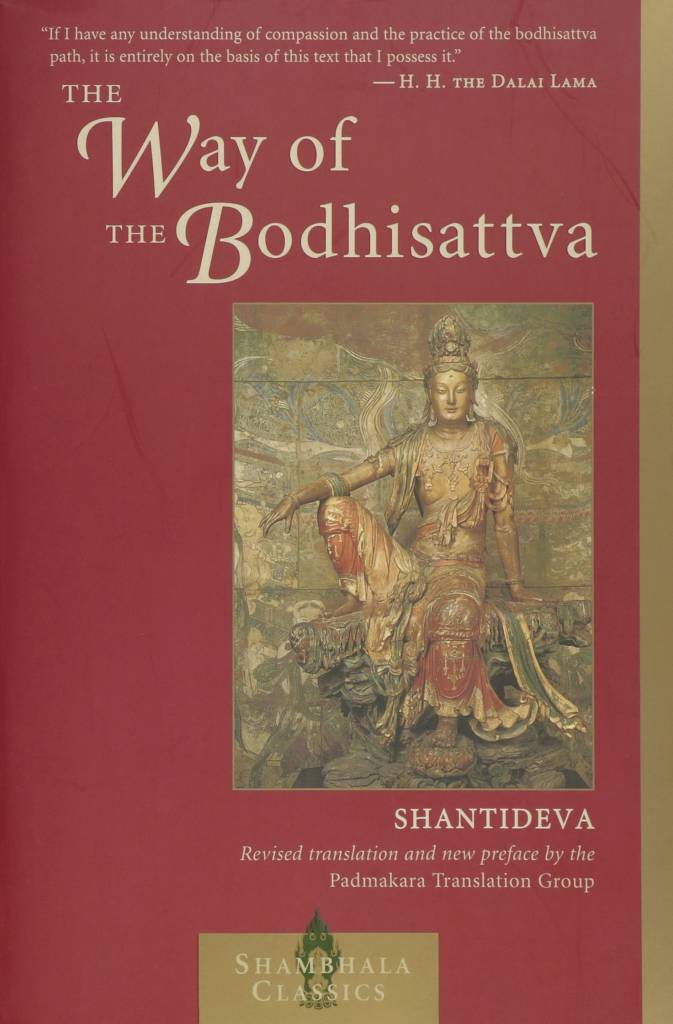
The Nectar of Manjushri's Speech (citation)Blankleder, Helena, and Wulstan Fletcher (Padmakara Translation Group), trans. The Nectar of Manjushri's Speech: A Detailed Commentary on Shantideva's Way of the Bodhisattva. By Kunzang Pelden. Boston: Shambhala Publications, 2007. Bilingual Edition

དེ་ལྟར་ན་པད་དཀར་དུ་ཤཱ་རིའི་བུས་སྔོན་བྱང་ཆུབ་ཏུ་སེམས་བསྐྱེད་ནས་སངས་རྒྱས་སྟོང་ཕྲག་བཅུ་ལ་བསྙེན་བཀུར་བྱས་ཤིང་སེམས་ཅན་གྱི་དོན་ལ་ཞུགས་པ་ན། རྒྱལ་པོ་བི་ན་སི་བར་གྱུར་པ་ལ་བདུད་སྡིག་ཅན་བྲམ་ཟེར་སྤྲུལ་པས་ལག་པ་བསླང་བ་ལ་གཡས་བཅད་དེ་གཡོན་པས་བྱིན་པས་མ་གུས་པས་བྱིན་པ་མི་ལེན་ཟེར་ནས་བསྐྱུར་བ་ལ་སྐྱོ་བར་གྱུར་ནས་སེམས་བསྐྱེད་བཏང་ཡང་རང་ཐར་པ་དགྲ་བཅོམ་པ་ཐོབ་ཅིང་སེམས་ཅན་གྱི་དོན་མཛད་པ་དང་སྔོན་བྱང་སེམས་བསྐལ་པ་བཞི་བཅུར་སྤྱོད་པ་སྤྱད་པའི་མི་ཞིག་གིས་བྱང་ཆུབ་ཀྱི་སེམས་བཏང་ཡང་རང་རྒྱལ་དུ་གྱུར་པར་གསེར་མདོག་ཅན་གྱི་རྟོགས་བརྗོད་དུ་གསུངས་པ་དག་དང་འགལ་ལོ་ཞེ་ན་མི་འགལ་ཏེ།

མི་གང་བྱང་ཆུབ་སེམས་བཏང་ཡང་། །

དེ་དག་ཐར་བར་མཛད་པ་ནི། ། ལས་[p.25]Byang chub sems dpa'i spyod pa la 'jug pa rtsa ba dang 'grel pa (1990)
Slob dpon zhi ba lha and Mkhan po kun dpal. Byang chub sems dpa'i spyod pa la 'jug pa rtsa ba dang 'grel pa. Khreng tu'u: Si khron mi rigs dpe skrun khang, 1990. Buda by BDRC Logo.jpg
ཚུལ་བསམ་གྱིས་མི་ཁྱབ་སྟེ། །

ཐམས་ཅད་མཁྱེན་པ་ཁོ་ནས་མཁྱེན། །
mi gang byang chub sems btang yang /_/

de dag thar bar mdzad pa ni/_/ las [p.25]Byang chub sems dpa'i spyod pa la 'jug pa rtsa ba dang 'grel pa (1990)
Slob dpon zhi ba lha and Mkhan po kun dpal. Byang chub sems dpa'i spyod pa la 'jug pa rtsa ba dang 'grel pa. Khreng tu'u: Si khron mi rigs dpe skrun khang, 1990. Buda by BDRC Logo.jpg
tshul bsam gyis mi khyab ste/_/

thams cad mkhyen pa kho nas mkhyen/_/

དེ་ལྟ་བུ་ལ་སོགས་[p.326]Byang chub sems dpa'i spyod pa la 'jug pa rtsa ba dang 'grel pa (1990)
Slob dpon zhi ba lha and Mkhan po kun dpal. Byang chub sems dpa'i spyod pa la 'jug pa rtsa ba dang 'grel pa. Khreng tu'u: Si khron mi rigs dpe skrun khang, 1990. Buda by BDRC Logo.jpg
པའི་མི་གང་གིས་བྱང་ཆུབ་སེམས་གཏང་ཡང་དེ་དག་རང་ཉིད་ངན་འགྲོར་མ་ལྟུང་བར་ཐར་པ་ཐོབ་ཅིང་གཞན་དག་ཀྱང་ཐར་པར་མཛད་པ་ནི། རང་རང་གི་སྔོན་ལས་ཀྱི་ཚུལ་ཞིག་གིས་ཡིན་ཀྱང་

This point of view seems to be contradicted by the story of Shariputra as recounted in the Pundarika-sutra. He generated the enlightened attitude, venerated ten thousand Buddhas, and worked for the benefit of beings. But in the course of his life as King Vinasiva, he was approached by a malevolent demon who, appearing in the form of a brahmin, asked for his right hand. The king cut off his right hand and presented it with his left. “I will not accept,” the demon cried, “an offering presented with such disrespect!” Shariputra was downcast and forsook his bodhichitta. He attained liberation nevertheless and, having become an Arhat, worked for the welfare of beings. Likewise in the Kanakavarnavadana, it is said that a man forsook his bodhichitta after practicing it for forty kalpas but became a Pratyekabuddha nevertheless. There is however no contradiction here.

As for those who, losing bodhichitta,

Lead others nonetheless to liberation, Karmic law is inconceivable

And only understood by the Omniscient.50The celebrated case of this was that of the Buddhaʼs disciple Shāriputra, as recorded in the Saddharmapuṇdarīka-sūtra, the Lotus Sūtra. It is said that Shāriputra was a practitioner of the Mahāyāna who had progressed far along the path. One day a demon appeared to him and, wishing to put him to the test and if possible contrive his downfall, asked him for his right hand. Shāriputra cut it off and gave it to the demon. But the demon was angry and refused to accept it, complaining that Shāriputra had impolitely offered it to him with his left! At this point, it is said that Shāriputra lost hope of ever being able to satisfy the desires of beings, and turned from the Mahāyāna to pursue the path to arhatship.

When those who, on losing their bodhichitta, do not fall into the lower realms, but on the contrary attain liberation and even lead others to deliverance, this is due to the karma they have previously accumulated.

ལས་ཚུལ་སྣ་ཚོགས་པ་རྣམས་ཚུར་མཐོང་གིས་བསམ་གྱིས་མི་ཁྱབ་སྟེ། ཇི་སྐད་དུ།

The workings of karma, in all its different forms, are indeed beyond the conception of ordinary minds. As it is said:

རྨ་བྱའི་མདོངས་བཀྲ་གཅིག་ལ་ཡང༌། །

རྒྱུ་ཡི་དབྱེ་བ་ཐ་དད་པ། ། དེ་མཁྱེན་པ་ནི་ཀུན་མཁྱེན་ཏེ། །

ཀུན་མཁྱེན་ཡེ་ཤེས་མིན་པས་མིན། །

For a single iridescent eye upon a peacock’s tail,
The causes are both many and distinct.[p.146]The Nectar of Manjushri's Speech
Blankleder, Helena, and Wulstan Fletcher (Padmakara Translation Group), trans. The Nectar of Manjushri's Speech: A Detailed Commentary on Shantideva's Way of the Bodhisattva. By Kunzang Pelden. Boston: Shambhala Publications, 2010.

One who knows them is indeed all-knowing.
Without all-knowing wisdom, they cannot be known.

ཞེས་པ་ལྟར་རྒྱུ་འབྲས་ཕྲ་ཞིང་ཞིབ་པ་དེ་ཐམས་ཅད་མཁྱེན་པ་ཁོ་ནས་མཁྱེན་ཅིང་གཟིགས་པའི་ཁྱད་ཆོས་ལས་གཞན་སུས་ཀྱང་བསམ་གྱིས་མི་ཁྱབ་པ་ཡིན་པས་བསམ་པའི་ངལ་བས་ཅི་ཞིག་བྱ་ཞེས་པ་སྟེ་སེམས་ཅན་ཀྱི་ལས་དང་སངས་རྒྱས་ཀྱི་མཛད་པ་དང༌། ཏིང་འཛིན་དང་སྨན་དང་སྔགས་ཀྱི་ནུས་པ་བསམ་གྱིས་མི་ཁྱབ་པའི་གནས་སུ་གསུངས་པས་སོ། །འདི་ལ་ཡང་བདག་ཅག་གིས་མི་ཤེས་སོ་ཞེས་རྣམ་སྣང་དང་རྣམ་བཤད་ལས་སོ། །

Only the Omniscient can know the causes and effects of actions in all their subtle details; they are beyond the grasp of anyone else. Even the attempt to understand it is said to accomplish nothing but the mind’s exhaustion. What therefore is the point in trying? For as the teachings say, the karma of beings, the activity of the Buddhas, the power of mantra, amrita, and concentration are all inconceivable. As it is said in the Panjika and the Vritti,126I.e., the Bodhisattvacharyavatara-panjika and Bodhisattvacharyavatara-vritti-panjika, both by Vairochanarakshita. See Kretschmar, chap. 4, p. 41. “We are ignorant with regard to these matters.”

དགེ་ལྷ་ནི། ཐབས་ཀྱིས་བཏང་དུ་ཟིན་ཀྱང་ཡང་དག་པར་ལེན་པས་སེམས་ཅན་ཐམས་ཅད་གྲོལ་བར་བྱེད་པ་ཡིན་ནོ་ཞེས་དང༌། བི་བྷུ་ཏི་ནི། ཀུན་རྫོབ་བྱང་སེམས་བཏང་ཡང་དོན་དམ་བྱང་སེམས་མ་བཏང་བ་ཞེས་དང༌། འདིའི་འགྲེལ་ཆེན་དུ་སེམས་བསྐྱེད་བཏང་ཡང་ཐར་པའི་སེམས་མ་གཏང་བའི་ནུས་པས་ཐར་བ་ཐོབ་ནས་སེམས་ཅན་སྒྲོལ་བ་ལ་ཉེས་པ་མེད་ཅེས་བཤད་དོ། །དེ་ལས་དང་པོ་ནི། མདོ་རྒྱན་ལས། ཉན་ཐོས་བྱང་ཆུབ་ཆེན་པོར་འགྱུར་[p.327]Byang chub sems dpa'i spyod pa la 'jug pa rtsa ba dang 'grel pa (1990)
Slob dpon zhi ba lha and Mkhan po kun dpal. Byang chub sems dpa'i spyod pa la 'jug pa rtsa ba dang 'grel pa. Khreng tu'u: Si khron mi rigs dpe skrun khang, 1990. Buda by BDRC Logo.jpg
བར་གསུངས་པ་དེ་ཡིན་ནམ་སྙམ། དེ་ཡང་དགོས་ཆེད་ཀྱིས་བྱང་སེམས་བཏང་ཚུལ་བྱས་ཀྱང་སླར་བླངས་པ་ཡིན་པར་གསུངས། གཉིས་པ་འདི་ཡང་འཐད་ཕྱོགས་སུ་མཛད་པ་འདུག་ཀྱང་མཐོང་ལམ་གྱི་བདེན་པ་བདག་མེད་གཉིས་རྟོགས་ཚེ་ཀུན་རྫོབ་བྱང་སེམས་བཏང་བར་ཇི་ལྟར་འཐད་སྙམ་པ་སོགས་གང་ལའང་དཔྱད་གཞི་ཆེ་ཡང་དགོངས་པར་བསླང་བར་བྱོས་ཤིག །

The pandita Kalyanadeva supplies the explanation that although Shariputra relinquished bodhichitta with regard to skillful means, since he had perfectly retaken the vow, he continued to work for the liberation of all beings. Furthermore, Vibhutichandra commented that although Shariputra had given up relative bodhichitta, he did not give up ultimate bodhichitta. And in the great commentary,127I.e., the Bodhicharyavatara-panjika by Prajnakaramati. See ibid. it is said that although Shariputra stopped cultivating bodhichitta, he did not relinquish his intention to achieve liberation. He was consequently not at fault; he attained liberation and did not fail to liberate others. With regard to the first of these three opinions, perhaps it could be said that this is a reference to the notion stated in the Sutralankara that “the Shravakas attain great enlightenment.” It has been said in any case, that although Shariputra gave up bodhichitta under the pressure of the moment, he took the vow again. As to the second opinion, although it is accepted by some, how can it be admissible to say that relative bodhichitta can be relinquished by one who has realized the truth of the path of seeing, namely, the nonexistence of the two selves? There is much room for discussion concerning this matter, but the important thing is to grasp Shantideva’s real intention.

དེ་ཡང་སྨོན་སེམས་གཏོང་བ་ལའང༌། དགྲ་མི་ཤ་བོར་བ་ལྟ་བུ་སོགས་སུ་ཡིན་ཀྱང་འདི་ལ་ཕན་འདོགས་པའི་དུས་བྱུང་ན་མི་བཏགས་གནོད་པ་བཟློག་པའི་དུས་བྱུང་ན་ཡང་མི་བཟློག་སྙམ་པས་སེམས་ཅན་བློས་བཏང་བར་དང༌། ཐེག་དམན་དུ་སེམས་བསྐྱེད་པ་དང༌། རྩ་ལྟུང་བྱུང་བ་གསུམ་གྱིས་གཏང་ལ།

Bodhichitta in intention may be lost in three ways. In the first place, if the occasion to help someone—even a mortal enemy—arises and one decides not to do so, or if, when there is a chance to save beings from harm, one has no thought of doing so, one is in effect turning away from them. Bodhichitta is also lost if [after entering the Mahayana] one engenders the Hinayana attitude. Finally, bodhichitta is abandoned when any of the root downfalls occur.


[edit]
[edit]