4.47

From Bodhicitta

Bodhicaryāvatāra · Verse 4.47


Sources:    

Sanskrit §No information about the source used.

न क्लेशा विषयेषु नेन्द्रियगणे नाप्यन्तराले स्थिता

नातोऽन्यत्र कुह स्थिताः पुनरमी मथ्नन्ति कृत्स्नं जगत्। मायैवेयमतो विमुञ्च हृदयं त्रासं भजस्वोद्यमं

प्रज्ञार्थं किमकाण्ड एव नरकेष्वात्मानमाबाधसे॥

 
Chanted Verse
Recitation by Professor Kashinath Nyaupane
47

The afflictions do not dwell in the objects of the senses or in the senses themselves, or in between the senses and their objects, or elsewhere; where do they dwell, then, that they can batter the whole world? They are only magical illusions. Fear no more, oh my mind, and strive unceasingly for discernment! Why should you submit yourself to the tortures of hell for no reason at all?

Standard Tibetan §Padmakara used the 1990 edition printed by si khron mi rigs dpe skrun khang: Byang chub sems dpa'i spyod pa la 'jug pa rtsa ba dang 'grel pa (1990). Also found in Derge Tengyur D3871, dbu ma, vol. 105, la 1b1–40a7.

ཉོན་མོངས་རྣམས་ནི་ཡུལ་ན་མི་གནས་དབང་ཚོགས་ལ་མིན་བར་ནའང་མིན། །

དེ་ལས་གཞན་ནའང་མིན་ན་འདི་དག་གར་གནས་འགྲོ་བ་ཀུན་གནོད་བྱེད། ། འདི་ནི་སྒྱུ་འདྲ་དེ་ཕྱིར་སྙིང་ལ་འཇིགས་སྤོངས་ཤེས་ཕྱིར་བརྩོན་པ་བསྟེན། །

དོན་མེད་ཉིད་དུ་བདག་ལ་དམྱལ་སོགས་རྣམས་སུ་ཅི་སྟེ་གནོད་པ་བྱེད། །

 
Chanted Verse
Recitation by Lopen Karma Phuntsho
47

Defilements are not in the object,

Nor within the faculties, nor somewhere in between. And if not elsewhere, where is their abode, Whence they inflict their havoc on the world? They are simple mirages, and so take heart! Banish all your fear and strive to know their nature.

Why suffer needlessly the pains of hell?

Standard Tibetan §Padmakara used the 1990 edition printed by si khron mi rigs dpe skrun khang: Byang chub sems dpa'i spyod pa la 'jug pa rtsa ba dang 'grel pa (1990). Also found in Derge Tengyur D3871, dbu ma, vol. 105, la 1b1–40a7. - Other translations

Estas emociones nocivas no están en los objetos ni en los órganos de los sentidos ni en las consciencias ni en medio.

Y si no están en ningún otro lugar, ¿desde dónde pueden dañar a todos los seres? Son simples espejismos. Por lo tanto, disiparé mis miedos y me esforzaré en conocer su naturaleza.

¿Por qué padecer innecesariamente en los infiernos y demás?

La Práctica del Bodisatva-front.jpg
Padmakara Spain 2008

Afflictions do not abide in the object, not in the faculties nor in-between.

Since they are also nowhere else, where do they go to harm all sentient beings? Since they are like illusions, abandon fear in the heart and rely on striving for wisdom.

Why harm myself meaninglessly with the hells and so forth?

Defilements abide neither in the object, nor the sense organs, nor in between.

As there is nowhere else, where do they dwell to cause harm for all beings ? As they are like an illusion, remove fear from the heart and rely on diligence for the purpose of wisdom.

As they are without meaning, why should they cause me harm in hell?

shift + scroll / swipe
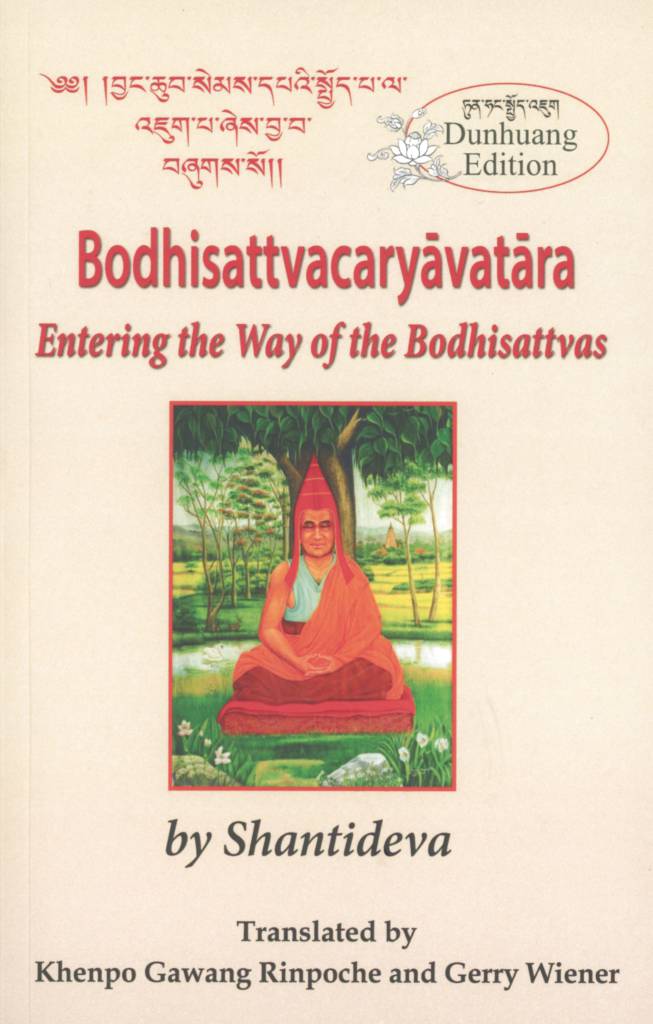
Dūnhuáng §This version is extracted from the book Bodhisattvacaryāvatāra: Entering the Way of the Bodhisattvas (2022, Khenpo Gawang and Wiener), a translation of an edition of the text created from three Dūnhuáng manuscripts. A description and sample pages of these can be found on the Early Tibet Blog. Scans of the actual manuscripts themselves can be found at http://idp.bl.uk

ཉོན་མོངས་རྣམས་ནི་ཡུལ་ན་མི་གནས་དབང་ཚོགས་ལ་མིན་བར་ནའང་མིན། །

དེ་ལས་གཞན་ནའང་མིན་ན་འདི་དག་གར་གནས་འགྲོ་བ་ཀུན་གནོད་བྱེད། ། འདི་ནི་སྒྱུ་འདྲ་དེ་ཕྱིར་སྙིང་ལ་འཇིགས་སྤོངས་ཞེས་ཕྱིར་བརྩོན་པ་བསྟེན། །

དོན་མེད་ཉིད་དུ་བདག་ལ་དམྱལ་བ་རྣམས་སུ་ཅི་སྟེ་གནོད་པ་བྱ། །

alt verse 3.47 tm data

Kleshas do not abide in the object,

In the collection of senses, nor in between. If kleshas do not exist elsewhere from these, How is it then that they harm all beings from wherever they abide? Because kleshas are like an illusion, abandoning fear in my heart, I need to rely on exertion in order to gain understanding. Why do I pointlessly abide in the hells,

And other realms where I am harmed?

Tsadra Critical Edition §This text was created by comparing four versions of the text from Derge, Cone, Narthang, and Peking Tengyurs from BDRC scans, along with Dunhuang manuscripts IOL Tib J 628, 629, and 630. When Tibetan readings were problematic, the Sanskrit texts from GRETIL and LTB (Oslo) were consulted.

ཉོན་མོངས་རྣམས་ནི་ཡུལ་ན་མི་གནས་དབང་ཚོགས་ལ་མིན་བར་ནའང་མིན། །

དེ་ལས་གཞན་ནའང་མིན་ན་འདི་དག་གར་གནས་འགྲོ་བ་ཀུན་གནོད་བྱེད། ། འདི་ནི་སྒྱུ་འདྲ་དེ་ཕྱིར་སྙིང་ལ་འཇིགས་སྤོངས་ཤེས་ཕྱིར་བརྩོན་པ་བསྟེན། །

དོན་མེད་ཉིད་དུ་བདག་ལ་དམྱལ་སོགས་རྣམས་སུ་ཅི་སྟེ་གནོད་པ་བྱེད། །

[edit]
Sazang Mati (1294 - 1376)
A Commentary on Shantideva's Engaging in the Conduct of the Bodhisattvas (citation)Gyaltsen, Lama Kalsang, and Ani Kunga Chodron, trans. A Commentary on Shantideva's Engaging in the Conduct of the Bodhisattvas Written by Sazang Mati Panchen: Known as An Extremely Clear Illumination of the Meaning of the Text. Walden, NY: Tsechen Kunchab Ling, 2019. Bilingual Edition

(གཉིས་པ་)རྒྱས་བཤད་ནི།

2. Detailed explanation 1.2.1.2.2.2.3.2.2

ཉོན་མོངས་རྣམས་ནི་ཡུལ་ན་མི་གནས་དབང་ཚོགས་ལ་མིན་བར་ནའང་མིན། །

དེ་ལས་གཞན་ནའང་མིན་ན་འདི་དག་གར་གནས་འགྲོ་བ་ཀུན་གནོད་བྱེད། ། འདི་ནི་སྒྱུ་འདྲ་དེ་ཕྱིར་སྙིང་ལ་འཇིགས་སྤོངས་ཤེས་ཕྱིར་བརྩོན་པ་བསྟེན། །

དོན་མེད་ཉིད་དུ་བདག་ལ་དམྱལ་སོགས་རྣམས་སུ་ཅི་སྟེ་གནོད་པ་བྱེད། །

nyon mongs rnams ni yul na mi gnas dbang tshogs la min bar na'ang min/_/

de las gzhan na'ang min na 'di dag gar gnas 'gro ba kun gnod byed/_/ 'di ni sgyu 'dra de phyir snying la 'jigs spangs shes phyir brtson pa bsten/_/

don med nyid du bdag la dmyal sogs rnams su ci ste gnod pa byed/_/

Defilements abide neither in the object, nor the sense organs, nor in between.

As there is nowhere else, where do they dwell to cause harm for all beings ? As they are like an illusion, remove fear from the heart and rely on diligence for the purpose of wisdom.

As they are without meaning, why should they cause me harm in hell?

རིག་པས་ལེགས་པར་བརྟགས་ཤིང་དཔྱད་ན་ཉོན་མོངས་པ་རྣམས་ནི་རང་བཞིན་མེད་པས་གཟུགས་སོགས་ཕྱི་རོལ་གྱི་ཡུལ་ལ་མི་གནས་ཤིང་མིག་སོགས་ནང་དབང་པོའི་ཚོགས་པ་ལའང་གནས་པ་མིན་ལ། ཡུལ་དབང་དེ་དག་གི་བར་ནའང་གནས་པ་མི༵ན་ཏེ་གསུམ་པོ་དེ་དག་ལས་གཞན་ནའང་གནས་པ་མིན་ན།

Careful analysis shows that these defilements do not have any inherent nature. They do not abide in external objects, nor do they abide in the internal organs, such as the eye, etc. Nor is there any place between the subject and the object where they can dwell. In that case, where are the defilements located? They have no location.

འདི་དག་གར་གནས་ཏེ་གང་ནའང་གནས་པ་མེད་པས་འགྲོ་བ་ཀུན་ལའང་གནོད་པ་ཇི་ལྟར་བྱེད་དེ་བྱེ༵ད་པ་པོ་མ་གྲུབ་པོ། །དོན་དམ་པར་གྲུབ་པ་མེད་ཀྱང་ཀུན་རྫོབ་ཙམ་དུ་གང་ལ་གནས་པའི་འགྲོ་བ་ཀུན་ལ་གནོད་པ་བྱེད་པའི་ཉོན་མོངས་པ་འདི་ནི་མེད་བཞིན་དུ་སྣང་བ་སྒྱུ་མ་དང་འདྲ་བ་[p.-138]རབ་གསལ་སྣང་བ་
ཡིན་པ་དེའི་ཕྱིར་སྙིང་ལ་སྤང་མི་ནུས་སྙམ་པའི་འཇིགས་པ་སྤངས་ལ་གཉེན་པོ་དེ་ཁོ་ན་ཉིད་ཤེས་པའི་ཤེས་རབ་བསྐྱེད་པའི་ཕྱིར་དུ་བརྩོན་པ་བསྟེ༵ན་པར་རིགས་ཀྱི།

How can they harm all sentient beings, if they have no location? Where are they created? Ultimately, the defilements do not have any inherent nature. Conventionally, the defilements which cause so much harm for sentient beings appear, yet they lack any inherent nature; they are like illusions. Therefore, discard any fear of being unable to overcome these defilements, and develop the antidote which is wisdom that understands suchness.

དོན་ལ་བདེན་པར་མེད་པ་ཉིད་རིག་བཞིན་དུ་བདག་ལ་དམྱལ་བ་ལ་སོགས་པའི་ངན་སོང་རྣམས་སུ་ཅི་སྟེ་སྡུག་བསྔལ་གྱིས་གནོད་པ་བྱེ༵ད་དེ་བྱེད་དུ་འཇུག་པར་མི་རིགས་སོ། །

It is right to be diligent. Seeing that they do not truly exist, how can they harm through the sufferings of lower birth, such as hell and the like? It is not right to allow them to cause harm.

(གསུམ་པ་སྤྱིའི་)དོན་བསྡུ་ནི།

Gyaltsap Je (1364 - 1432)
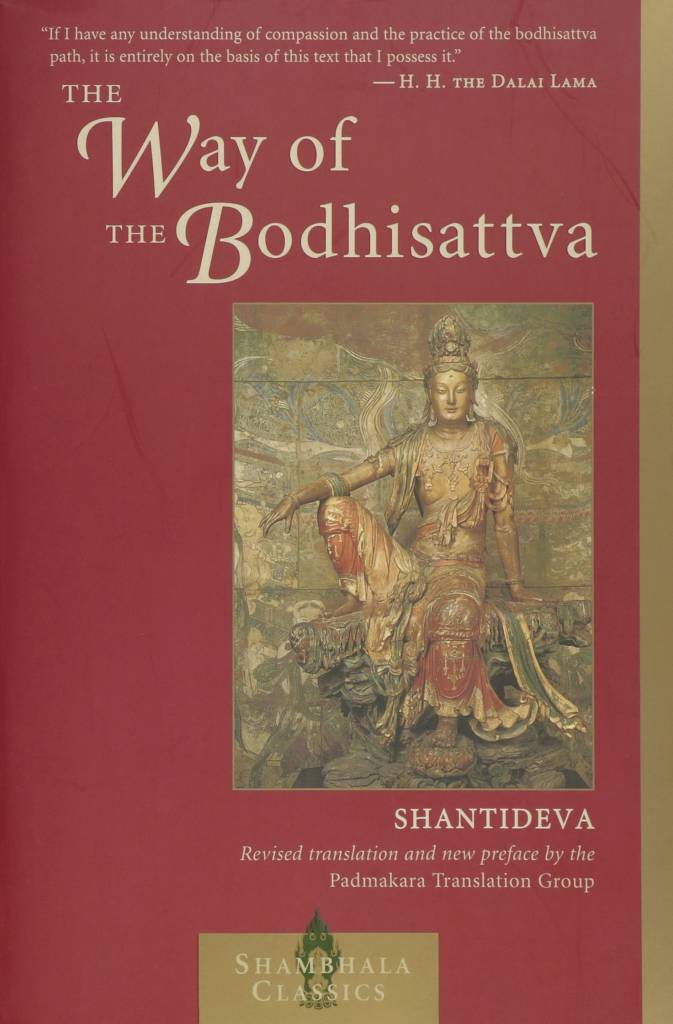
The Entrance for the Children of the Conquerors (citation)Stracke, Fedor, trans. The Entrance for the Children of the Conquerors: A Commentary on the Introduction to the Actions of Bodhisattvas. By Gyaltsab Rinpoche. N.p.: Happy Monks Publication, 2016. https://happymonkspublication.org/product/bodhisattvacharyavatara-chapter-1-10-commentary/. Bilingual Edition

གསུམ་པ་ནི།

If They are Abandoned from the Root, They Cannot Remain Anywhere Else. They Are Suitable to Abandon 1.1.1.2.2.3.3.3

ཉོན་མོངས་རྣམས་ནི་ཡུལ་ན་མི་གནས་དབང་ཚོགས་ལ་མིན་བར་ནའང་མིན། །

དེ་ལས་གཞན་ནའང་མིན་ན་འདི་དག་གར་གནས་འགྲོ་བ་ཀུན་གནོད་བྱེད། ། འདི་ནི་སྒྱུ་འདྲ་དེ་ཕྱིར་སྙིང་ལ་འཇིགས་སྤོངས་ཤེས་ཕྱིར་བརྩོན་པ་བསྟེན། །

དོན་མེད་ཉིད་དུ་བདག་ལ་དམྱལ་སོགས་རྣམས་སུ་ཅི་སྟེ་གནོད་པ་བྱེད། །
nyon mongs rnams ni yul na mi gnas dbang tshogs la min bar na'ang min/_/

de las gzhan na'ang min na 'di dag gar gnas 'gro ba kun gnod byed/_/ 'di ni sgyu 'dra de phyir snying la 'jigs spangs shes phyir brtson pa bsten/_/

don med nyid du bdag la dmyal sogs rnams su ci ste gnod pa byed/_/

Afflictions do not abide in the object, not in the faculties nor in-between.

Since they are also nowhere else, where do they go to harm all sentient beings? Since they are like illusions, abandon fear in the heart and rely on striving for wisdom.

Why harm myself meaninglessly with the hells and so forth?

གལ་ཏེ་ཉོན་མོངས་པ་རྣམས་ཀྱང་རང་གི་རྒྱུ་ལས་སྐྱེས་ཤིང་རང་བཞིན་གྱིས་གྲུབ་པས་ན་གཅིག་ཀྱང་སྤོང་མི་ནུས་སོ་ཞེ་ན། ཉོན་མོངས་པ་རྣམས་ནི་གཟུགས་ལ་སོགས་པའི་ཡུལ་ན་རང་བཞིན་གྱིས་མི་གནས་ཏེ། དེ་ལྟར་ན་དགྲ་བཅོམ་པ་རྣམས་ཀྱིས་ཀྱང་གཟུགས་མཐོང་བ་ལ་སོགས་པའི་ཚེ་ན་ཉོན་མོངས་སྐྱེ་བར་ཐལ་བའི་ཕྱིར་རོ། །

Argument: Since the afflictions are generated from one's own continuum and exist inherently they cannot be abandoned.[p.27]The Entrance for the Children of the Conquerors
Stracke, Fedor, trans. The Entrance for the Children of the Conquerors: A Commentary on the Introduction to the Actions of Bodhisattvas. By Gyaltsab Rinpoche. N.p.: Happy Monks Publication, 2016. https://happymonkspublication.org/product/bodhisattvacharyavatara-chapter-1-10-commentary/.

མིག་ལ་སོགས་པའི་དབང་པོའི་ཚོགས་ལ་ཡང་དེ་ལྟར་གནས་པ་མིན་ཏེ། གནས་ལུགས་ཀྱི་དོན་སེམས་པའི་ཚེ་མིག་ཡོད་ཀྱང་ཉོན་མོངས་མ་དམིགས་པའི་ཕྱིར་རོ། །དེ་དག་གི་བར་ནའང་གནས་པ་མིན་ལ་དེ་ལས་གཞན་ནའང་གནས་པ་མིན་ན་ལན་གཅིག་རྩ་བ་ནས་ཕྱུང་བ་དང་རང་བཞིན་གྱིས་གྲུབ་པ་འདི་དག་གར་གནས་ནས་འགྲོ་བ་ཀུན་ལ་གནོད་པ་བྱེད་དེ་གང་དུ་ཡང་མི་གནས་པའི་ཕྱིར་རོ།

Answer: The afflictions do not remain in the objects of form because in this case Arhats would generate afflictions when they see forms. They also do not remain in the collections of the sense powers of the eyes and so forth, because when one contemplates the meaning of the mode of abiding, the eyes exist, but the affliction do not. They also do not exist in-between or somewhere else.

ཉོན་མོངས་འདི་ནི་རང་བཞིན་གྱིས་གྲུབ་པས་སྟོང་བཞིན་དུ་རང་བཞིན་གྱིས་གྲུབ་པར་སྣང་བ་

Since it is like this, where can the afflictions that were uprooted in this way, and which exist from their own side, go to inflict harm? They do not abide anywhere.

སྒྱུ་མ་དང་འདྲ་བ་དེའི་དུས་རང་བཞིན་གྱིས་གྲུབ་པས་རྩ་བ་ནས་སྤོང་མི་ནུས་སྙམ་དུ་སྙིང་ལ་འཇིགས་པ་སྤོངས་ལ་

These afflictions are like illusions. They are empty of inherent existence and yet appear as if they exist from their own side. Therefore, abandon the fear in your heart that they cannot be abandoned because of existing inherently.

སྟོང་ཉིད་རྟོགས་པའི་ཤེས་རབ་བསྐྱེད་ནས་ཉོན་མོངས་སྤང་བའི་ཕྱིར་བརྩོན་པ་བསྟེན་པར་རིགས་ཀྱི་དེ་ལྟར་ནུས་བཞིན་དུ་དོན་མེད་པ་ཉིད་དུ་བདག་ལ་དམྱལ་བ་ལ་སོགས་པའི་ངན་སོང་རྣམས་སུ་ཅི་སྟེ་གནོད་པ་བྱེད་དུ་འཇུག་[p.180]Spyod 'jug rtsa 'grel (Mtsho sngon mi rigs dpe skrun khang 2001)
Śāntideva, and Rgyal tshab rje dar ma rin chen. Spyod 'jug rtsa 'grel and Byang chub sems dpa'i spyod pa la 'jug pa'i rnam bshad rgyal sras 'jug ngogs. Xining: Mtsho sngon mi rigs dpe skrun khang, 2001
སྟེ་འཇུག་པར་མི་རིགས་སོ། །

Having generated the wisdom that realised emptiness it is suitable to strive in abandoning the mental afflictions. Since one has this ability, why would one create meaninglessly the harm of the lower realms of the hells and so forth? This is unsuitable.

སྔ་མ་རྣམས་ས་བོན་ཕྱུང་ན་གནས་དེ་དག་ཏུ་མི་གནས་པ་ལ་ཡང་བཤད་དོ། །

Previously the meaning of not abiding was also explained as having abandoned the seed.

གསུམ་པ་དོན་བསྡུ་བ་ནི།

Summary 1.1.1.3
Minyak Kunzang Sönam (1823 - 1905)
The Great Hūṃ (citation)Duckworth, Douglas, trans. The Great Hūṃ: A Commentary on Śāntideva's Way of the Bodhisattva. By Minyak Kunzang Sönam. New York, NY: Wisdom Publications, 2025. Bilingual Edition

ཤེས་རབ་ཀྱི་མིག་གིས་སྤོང་ཚུལ་རྒྱས་པར་སྟོན་པ་ནི།

Next it shows extensively how the afflictions are removed by the eye of wisdom:

ཉོན་མོངས་རྣམས་ནི་ཡུལ་ན་མི་གནས་དབང་ཚོགས་ལ་མིན་བར་ནའང་མིན། །

དེ་ལས་གཞན་ནའང་མིན་ན་འདི་དག་གར་གནས་འགྲོ་བ་ཀུན་གནོད་བྱེད། ། འདི་ནི་སྒྱུ་འདྲ་དེ་ཕྱིར་སྙིང་ལ་འཇིགས་སྤོངས་ཤེས་ཕྱིར་བརྩོན་པ་བསྟེན། །

དོན་མེད་ཉིད་དུ་བདག་ལ་དམྱལ་སོགས་རྣམས་སུ་ཅི་སྟེ་གནོད་པ་བྱེད། །

The afflictions do not reside in the objects, in the assemblage

of faculties, or in between. If they do not remain anywhere else, then where do they reside

to cause harm to all beings? (4.47ab)

བརྩོན་པ་ཡོད་ཀྱང་ཤེས་རབ་ཀྱི་མིག་གིས་བལྟས་པ་ཙམ་གྱིས་སྤོང་མི་ནུས་སོ་སྙམ་ན། འོ་རིགས་པ་ཡང་དག་གིས་བརྟགས་ཤིང་དཔྱད་ན་ཉོན་མོངས་པ་རྣམས་ནིགཟུགས་སོགས་ཕྱི་རོལ་གྱི་ཡུལ་གྱི་སྟེང་ན་རང་བཞིན་གྱིས་མི་གནས་ལ། མིག་གི་དབང་པོ་ལ་སོགས་པ་ནང་དབང་པོའི་ཚོགས་ལའང་རང་བཞིན་གྱིས་གནས་པ་མིན་ཞིང་། ཡུལ་དབང་དེ་དག་གི་བར་ནའང་རང་བཞིན་གྱིས་གནས་པ་མིན་ལ། གསུམ་པོ་དེ་དག་ལས་གཞན་ནའང་། རང་བཞིན་གྱིས་གནས་པ་མིན་ན་ཉོན་མོངས་འདི་དག་གམ་དེ་དག་རང་བཞིན་གྱིས་གྲུབ་པ་ཞིག་གར་གནས་ནས་འགྲོ་བ་ཀུན་ལ་གནོད་པ་བྱེད་དེ་གོང་དུའང་མི་གནས་ཤིང་གནོད་བྱ་གནོད་བྱེད་ཐམས་ཅད་རང་བཞིན་གྱིས་མ་གྲུབ་པའི་ཕྱིར། དེ་ལྟར་རང་བཞིན་གྱིས་མ་གྲུབ་པའི་ཚུལ་རིགས་པས་གཏན་ལ་[p.222]Byang chub sems dpa'i spyod pa la 'jug pa'i 'grel bshad rgyal sras rgya mtsho'i yon tan rin po che mi zad 'jo ba'i bum bzang
Mi nyag kun bzang bsod nams (མི་ཉག་ཀུན་བཟང་བསོད་ནམས་). byang chub sems dpa'i spyod pa la 'jug pa'i 'grel bshad rgyal sras rgya mtsho'i yon tan rin po che mi zad 'jo ba'i bum bzang [བྱང་ཆུབ་སེམས་དཔའི་སྤྱོད་པ་ལ་འཇུག་པའི་འགྲེལ་བཤད་རྒྱལ་སྲས་རྒྱ་མཚོའི་ཡོན་ཏན་རིན་པོ་ཆེ་མི་ཟད་འཇོ་བའི་བུམ་བཟང།]. [Excellent Vase That Spills Forth an Ocean of the Inexhaustible and Precious Qualities of the Victor's Heirs: An Explanation of the "Way of the Bodhisattva."].
ཕབ་པ་བཞིན་དུ་ཤེས་ཤིང་རྟོགས་ན་དེ་མ་ཐག་སྤོང་ནུས་སོ། །

You might think, “Even with diligence, the afflictions cannot be relinquished just by the gaze of the eye of wisdom.” When investigated and analyzed with clear reasoning, the afflictions do not intrinsically reside within external objects like material forms. Also, they do not intrinsically reside within the assemblage of internal faculties like the eye faculty. They do not intrinsically reside in between the objects and faculties either. If they also do not intrinsically reside elsewhere than these three places, where do these afflictions intrinsically exist to cause harm to all beings? They do not remain anywhere; there are no intrinsically existent harm-doers nor harms done. Thus they can be immediately relinquished when acknowledged and understood[p.324]The Great Hum
Duckworth, Douglas, trans. The Great Hūṃ: A Commentary on Śāntideva's Way of the Bodhisattva. By Minyak Kunzang Sönam. New York, NY: Wisdom Publications, 2025.
according to an ascertainment by reason as to the way that they lack intrinsic existence.

གཟུགས་སོགས་ལ་གནས་ན་དགྲ་བཅོམ་རྣམས་ཀྱིས་ཀྱང་དེ་དག་མཐོང་ཚེ་དེ་ཡིད་དུ་འོང་མི་འོང་ལ་བརྟེན་ནས་ཆགས་སྡང་སྐྱེ་བའི་རིགས་ན་དེ་མི་སྐྱེ་བས་དེར་མི་གནས་ལ། དབང་ཚོགས་ལ་གནས་ན་དེ་ཁོ་ན་ཉིད་ཀྱི་དོན་སྒོམ་པའི་ཚེའང་མིག་སོགས་ཡོད་ཀྱང་ཉོན་མོངས་མ་དམིགས་པའི་ཕྱིར་དེར་ཡང་མི་གནས་སོ། །རང་བཞིན་གྱིས་གནས་པ་མེད་པར་བསྟན་པ་འདིས་རང་བཞིན་གྱིས་སྐྱེ་བ་དང་འགག་པ་མེད་པའི་ཚུལ་ཡང་ཁོང་དུ་ཆུད་པར་བྱའོ། །འདི་ནི་འཆར་བྱེད་ཀྱིས་ཞུས་པ་ལས་བདག་མེད་པའི་དོན་བསྒོམས་ནས་བདག་ཏུ་འཛིན་པའི་ཉོན་མོངས་སྤོང་དགོས་པར་གསུངས་པ་ལྟར་ཡིན་ལ། སློབ་དཔོན་ཞི་བ་འཚོས་ཀྱང་།

If they were to reside in things like material forms, then when they are seen by arhats, it would be suitable for attachment and anger to arise in dependence upon the object’s being attractive or repulsive, yet these do not arise; so they do not reside there. Also, if they were to reside in the assemblage of the faculties, then when meditating on the meaning of reality, the afflictions would be observed while the faculties like the eyes are present, but they are not; so they do not reside there, either. How they lack intrinsic arising and intrinsic cessation should also be understood through this demonstration of the lack of intrinsic abiding. It is as the Inquiry of Udayana says: you should abandon the affliction of apprehending a self through meditating on the meaning of selflessness. Master Śāntarakṣita also said:

ཆོས་ལ་བདག་མེད་མཁས་པ་ནི། །

རང་བཞིན་མེད་པ་གོམས་བྱས་པས། ། ཕྱིན་ཅི་ལོག་ལས་བྱུང་བ་ཡི། །

ཉོན་མོངས་སྒྲིབ་པ་མེད་པར་སྤོང༌། །

Those who are learned in the selflessness of phenomena
habituate to the lack of intrinsic nature;
thereby the afflictions that [210] arise from distortion
are relinquished without obscuration.651Śāntarakṣita, Ornament of the Middle Way, v. 83 (Madhyamakālaṃkāra, D. 3884), 56a.

ཞེས་དང༌།

And,

དངོས་པོར་ཞེན་པའི་དབང་གིས་སྐྱོན། །

ཆགས་དང་ཞེ་སྡང་ལ་སོགས་པ། ། དགྲ་རྣམས་རབ་བྱུང་དེ་ལོག་ན། །

དེ་རྣམས་འབྱུང་བར་ག་ལ་འགྱུར། །

When enemies like attachment and anger—
the flaws of falling under the power of fixation on entities—
are turned away by a renunciant,
then how could they occur?652This passage, and the one above, are cited in Kṛṣnapa, Explanation of the Way of the Bodhisattva, 309a.

ཞེས་གསུངས་ཏེ་དེའི་དོན་ནི་དངོས་པོར་འཛིན་པའི་བདེན་ཞེན་ལ་བརྟེན་ནས་ཉོན་མོངས་པ་རྣམས་འབྱུང་བས་བདེན་མེད་རྟོགས་པ་ན་དེ་རྣམས་རང་གི་ངང་གིས་འགག་པར་འགྱུར་ཏེ་མེ་བསད་པ་ན་དུ་བ་ཞི་བ་བཞིན་ནོ་ཞེས་པའོ། །དེའང་བདེན་འཛིན་གྱི་ཞེན་ཡུལ་རིགས་པ་ཡང་དག་གིས་སུན་དབྱུང་བའི་སྒོ་ནས་སྤོང་བ་ཡིན་ལ་དེའི་ཚུལ་ནི་འོག་ཏུ་ཤེར་ལེའི་སྐབས་སུ་ཤེས་པར་བྱའོ། །འདིར་ཉོན་མོངས་པ་རྣམས་གང་དུའང་མི་གནས་པར་བསྟན་པ་ནི་དོན་དམ་པར་གང་དུའང་མི་གནས་པའི་དོན་ཡིན་ལ་སྔར་རང་གི་སེམས་ལ་གནས་པར་བཤད་པ་ནི་ཐ་སྙད་ཀུན་རྫོབ་པའི་དབང་དུ་བྱས་པ་ཡིན་པས་མི་འགལ་ལོ། །དེ་དག་ནི་ཉོན་མོངས་པ་དོན་དམ་དུ་མ་གྲུབ་པར་སྒོམ་པ་ཡིན་ནོ། །

What this means is that afflictions occur based on fixation upon true existence— reifying things. When their lack of true existence is realized, the afflictions naturally subside. It is like the way that smoke goes away when fire is extinguished. Further, a conceived object that is apprehended to be truly existent is relinquished through being undermined by a correct reason; this should be known as it is demonstrated later in the Wisdom chapter. Here, it shows that the afflictions do not remain anywhere, which means that they do not ultimately remain anywhere. Previously, they were described as residing in the mind, but this was in terms of the customary or conventional truth, so there is no conflict. These lines are a meditation on the afflictions not being ultimately real.

ཀུན་རྫོབ་ཏུ་སྒྱུ་མ་ལྟ་བུར་སྒོམ་པ་ནི།

Then is a meditation on all conventional things being like an illusion:[p.325]The Great Hum
Duckworth, Douglas, trans. The Great Hūṃ: A Commentary on Śāntideva's Way of the Bodhisattva. By Minyak Kunzang Sönam. New York, NY: Wisdom Publications, 2025.

འདི་ནི་སྒྱུ་འདྲ་དེ་ཕྱིར་སྙིང་ལ་འཇིགས་སྤོངས་ཤེས་ཕྱིར་བརྩོན་པ་བསྟེན། ། དོན་མེད་ཉིད་དུ་བདག་ལ་དམྱལ་སོགས་རྣམས་སུ་ཅི་སྟེ་གནོད་པ་བྱེད། །

Since they are like an illusion, give up this fear in your heart and strive for understanding. Why pointlessly bring this harm of the hells upon yourself ? (4.47cd )

དེས་ན་ཉོན་མོངས་པ་འདི་དག་ནི་རང་བཞིན་གྱིས་གྲུབ་པ་ལྟར་སྣང་ནའང་རང་བཞིན་གྱིས་གྲུབ་པས་སྟོང་པ་སྔགས་རྫས་སོགས་ཀྱི་སྟོབས་ལས་མེད་བཞིན་དུ་ཨ་སྣང་བའི་སྒྱུ་མ་དང་འདྲ་བའི་བརྫུན་པ་ཡིན་པ་དེའི་ཕྱིར། འདི་རང་བཞིན་གྱིས་གྲུབ་པ་ཡོད་སྤོང་ག་ལ་ནུས་སྙམ་དུ་སྙིང་ལ་འཇིགས་པ་སྤངས་ནས་སམ་སྤོང་ལ་གཉེན་པོ་འདིའི་རང་བཞིན་ཤེས་ནུས་པའི་དེ་ཁོ་ན་ཉིད་རྟོགས་པའི་ཤེས་རབ་བསྐྱེད་ནས་དེ་སྤོང་བའི་ཕྱིར་བརྩོན་པ་བསྟེན་རིགས་པས་དེ་ལྟར་འབད་པར་གྱིས་ཤིག་ཅེས་སམ།

In this way, these afflictions appear to exist intrinsically while lacking intrinsic existence. They are deceptive, like an illusion of something that does not exist while appearing through the power of a substance or a mantra. Therefore get rid of this fear in your heart that thinks, “How can I get rid of what intrinsically exists?” Or abandon this and cultivate wisdom that realizes reality, which is the antidote that can understand their nature. It makes sense to rely upon effort in order to get rid of them, so strive. Alternatively it can be understood in this way: in order to cultivate the antidote, which is the wisdom that realizes reality, it makes sense to rely upon effort.

ཡང་ན་གཉེན་པོ་དེ་ཁོ་ན་ཉིད་རྟོགས་པའི་ཤེས་རབ་བསྐྱེད་བའི་ཕྱིར་བརྩོན་པར་བསྟེན་པར་རིགས་ཞེས་སྦྱར་རོ། །དེ་ལྟར་མིན་པར་སྤོང་ནུས་བཞིན་དུ་མི་སྤོང་བར་དོན་དང་[p.223]Byang chub sems dpa'i spyod pa la 'jug pa'i 'grel bshad rgyal sras rgya mtsho'i yon tan rin po che mi zad 'jo ba'i bum bzang
Mi nyag kun bzang bsod nams (མི་ཉག་ཀུན་བཟང་བསོད་ནམས་). byang chub sems dpa'i spyod pa la 'jug pa'i 'grel bshad rgyal sras rgya mtsho'i yon tan rin po che mi zad 'jo ba'i bum bzang [བྱང་ཆུབ་སེམས་དཔའི་སྤྱོད་པ་ལ་འཇུག་པའི་འགྲེལ་བཤད་རྒྱལ་སྲས་རྒྱ་མཚོའི་ཡོན་ཏན་རིན་པོ་ཆེ་མི་ཟད་འཇོ་བའི་བུམ་བཟང།]. [Excellent Vase That Spills Forth an Ocean of the Inexhaustible and Precious Qualities of the Victor's Heirs: An Explanation of the "Way of the Bodhisattva."].
དགོས་པ་ཅི་ཡང་མེད་པ་ཉིད་དུ་ཉོན་མོངས་པའི་དབང་དུ་བཏང་ནས་བདག་ལ་དམྱལ་བ་ལ་སོགས་པའི་ངན་སོང་རྣམས་སུ་ཅི་སྟེ་སྡུག་བསྔལ་གྱིས་གནོད་པ་བྱེད་དུ་འཇུག་སྟེ་བྱེད་དུ་འཇུག་པ་འདི་རྣམ་པ་ཀུན་ཏུ་མི་རིགས་སོ་ཞེས་པའོ། །དེ་རྣམས་ནི་སྤང་བྱ་ཉོན་མོངས་ལ་བསམས་ཏེ་བག་ཡོད་བྱ་བའི་ཚུལ་ཡིན་ལ། དེའང་གཉེན་པོ་བག་ཡོད་པ་ལ་བརྟེན་ནས་སྤང་བྱ་ཉོན་མོངས་ཀྱི་རྒྱུ་བ་འགོག་པར་བྱེད་པ་ཡིན་ཏེ། གསང་བ་བསམ་གྱིས་མི་ཁྱབ་པའི་མདོ་ལས།

Otherwise, when you could get rid of them but don’t, you fall under the power of the afflictions for no purpose or benefit at all and bring yourself to great harms of suffering in the lower realms, like the hells. Why do you do so? It makes no sense at all to bring yourself to this. These lines are contemplations on the afflictions to be relinquished and show how to be careful. Further, the activities of the afflictions to be relinquished are stopped based on the antidote of carefulness, as the sūtra Teaching of the Tathāgata’s Unfathomable Secret says extensively:

གཞན་ཡང་བག་ཡོད་པ་གང་ཞེ་ན། རང་གི་སེམས་འདུལ་བ་དང་གཞན་གྱི་སེམས་རྗེས་སུ་སྲུང་བ་དང་ཉོན་མོངས་པ་ལ་དགའ་བ་སེལ་བ་དང་ཆོས་ལ་དགའ་བས་རྗེས་སུ་འཇུག་པ་དང་། འདོད་པ་ལ་རྣམ་པར་རྟོག་པ་དང་གནོད་སེམས་ཀྱི་རྣམ་པར་རྟོག་པ་དང་རྣམ་པར་འཚེ་བའི་རྣམ་པར་རྟོག་པ་རྣམས་ཀྱི་རྒྱུ་བ་མེད་པ་དང༌། ཞེས་པ་ནས། ཚུལ་བཞིན་མ་ཡིན་པ་ཡིད་ལ་བྱེད་པའི་རྒྱུ་བ་མེད་པ་དང་སྡིག་པ་མི་དགེ་བའི་ཆོས་ཐམས་ཅད་ཀྱི་རྒྱུ་བ་མེད་པ་སྟེ་འདི་ནི་བག་ཡོད་པ་ཞེས་བྱའོ་ཞེས་སོགས་རྒྱས་པར་གསུངས་པ་ལྟར་རོ། །

Moreover, what is carefulness? It is to tame your mind. It is to protect others’ minds. It is to dispel joy in the afflictions. It is to follow the Dharma joyously. It is the lack of activity on the part of attached thoughts, on the part of harmful thoughts, and on the part of violent thoughts . . . It is the lack of activity on the part of improper attention, and the lack of activity of all evil and vicious things. This is “carefulness.”653Teaching of the Tathāgata’s Unfathomable Secret, 272a–b. Part of this passage is cited in Śāntideva, Anthology of Training, 191b; see English trans. in Goodman, The Training Anthology of Śāntideva, 330.

Kunzang Palden (1862 - 1943)
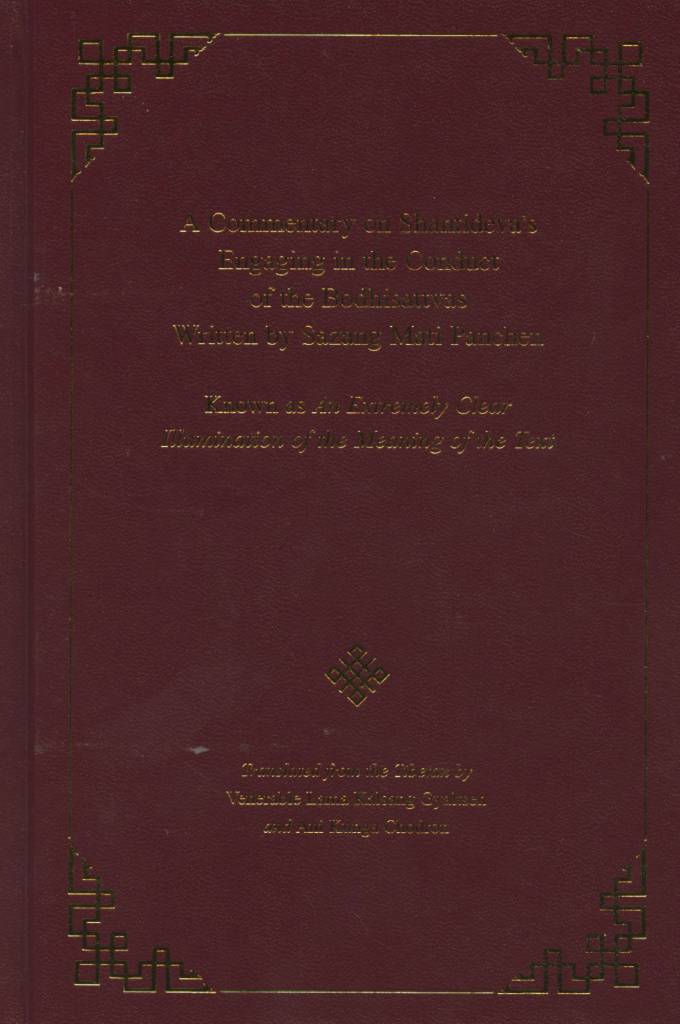
The Nectar of Manjushri's Speech (citation)Blankleder, Helena, and Wulstan Fletcher (Padmakara Translation Group), trans. The Nectar of Manjushri's Speech: A Detailed Commentary on Shantideva's Way of the Bodhisattva. By Kunzang Pelden. Boston: Shambhala Publications, 2007. Bilingual Edition

ཉོན་མོངས་རྣམས་ནི་ཡུལ་ན་མི་གནས་དབང་ཚོགས་ལ་མིན་བར་ནའང་མིན། །

དེ་ལས་གཞན་ནའང་མིན་ན་འདི་དག་གར་གནས་འགྲོ་བ་ཀུན་གནོད་བྱེད། ། འདི་ནི་སྒྱུ་འདྲ་དེ་ཕྱིར་སྙིང་ལ་འཇིགས་སྤོངས་ཤེས་ཕྱིར་བརྩོན་པ་བསྟེན། །

དོན་མེད་ཉིད་དུ་བདག་ལ་དམྱལ་སོགས་རྣམས་སུ་ཅི་སྟེ་གནོད་པ་བྱེད། །
nyon mongs rnams ni yul na mi gnas dbang tshogs la min bar na'ang min/_/

de las gzhan na'ang min na 'di dag gar gnas 'gro ba kun gnod byed/_/ 'di ni sgyu 'dra de phyir snying la 'jigs spangs shes phyir brtson pa bsten/_/

don med nyid du bdag la dmyal sogs rnams su ci ste gnod pa byed/_/

ཤེས་རབ་ཀྱིས་མིག་གིས་ཉོན་མོངས་པའི་རང་བཞིན་ལ་ཇི་ལྟར་ལྟ་ན། རང་རྒྱུད་ལ་ཆགས་སྡང་སོགས་ནམ་སྐྱེས་ན་དེའི་དབང་དུ་མི་བཏང་བར་འདི་ལྟར་བརྟགས་དགོས་ཏེ། ཆགས་སྡང་སོགས་ཉོན་མོངས་རྣམས་ནི་ཕྱི་ཡུལ་དགྲ་གཉེན་ལ་སོགས་པ་དེ་དག་གི་སྟེང་ན་མི་གནས་ཏེ་དེ་དག་མེད་ཀྱང་སྐྱེ་བ་ཡོད་པའི་ཕྱིར་རོ། །གལ་ཏེ་ཡོད་ན་དེ་དག་གང་ཟག་གཞན་སུས་མཐོང་ན་བདག་ལྟར་ཆགས་སྡང་སོགས་སྐྱེ་བར་འགྱུར་དགོས་ནའང་མི་སྐྱེ་བའི་ཕྱིར་དེ་ན་མེད་དོ། །

Defilements are not in the object,

Nor within the faculties, nor somewhere in between. And if not elsewhere, where is their abode, Whence they inflict their havoc on the world? They are simple mirages, and so take heart! Banish all your fear and strive to know their nature.

Why suffer needlessly the pains of hell?

This is how we should scrutinize the nature of the afflictions with the eyes of wisdom. When attachment or hatred arises in our minds, we should not allow ourselves to be overpowered by it, but should examine it in the following way. The defilements of craving and aversion are not [p.161]The Nectar of Manjushri's Speech
Blankleder, Helena, and Wulstan Fletcher (Padmakara Translation Group), trans. The Nectar of Manjushri's Speech: A Detailed Commentary on Shantideva's Way of the Bodhisattva. By Kunzang Pelden. Boston: Shambhala Publications, 2010.
to be found in objects external to us, whether in our enemies or our friends. We know this because the defilements still arise even when external objects are absent. Moreover, if they were actually based in such objects, it would follow that when other people encounter our enemies and friends, they would experience aversion and attraction in the same way that we do, but this is not the case. Therefore defilements do not dwell in the outer objects.

ནང་རང་གི་དབང་[p.352]Byang chub sems dpa'i spyod pa la 'jug pa rtsa ba dang 'grel pa (1990)
Slob dpon zhi ba lha and Mkhan po kun dpal. Byang chub sems dpa'i spyod pa la 'jug pa rtsa ba dang 'grel pa. Khreng tu'u: Si khron mi rigs dpe skrun khang, 1990. Buda by BDRC Logo.jpg
པོ་མིག་སོགས་དང་རྣམ་ཤེས་ཚོགས་པ་ལ་གནས་པ་མིན་ཏེ་དབང་ཤེས་ཚོགས་པ་ཡོད་ཀྱང་མི་སྐྱེ་བའང་ཡོད་པའི་ཕྱིར་རོ། །གལ་ཏེ་ཡོད་ན་མཐོང་ཐོས་ལ་སོགས་པར་གང་དང་གང་བྱུང་བ་ཐམས་ཅད་ལའང་ཆགས་སྡང་སོགས་སྐྱེ་བར་འགྱུར་དགོས་ནའང་མི་སྐྱེ་བའི་ཕྱིར་ན་མེད་དོ། །ཡུལ་དབང་དེ་གཉིས་ཀྱི་བར་ནའང་གནས་པ་མིན་ཏེ་ནམ་མཁའ་སྟོང་པ་ཡིན་པས་གནས་པའི་ཡུལ་ཅི་ཡང་མེད་དོ། །དེ་དག་ལས་གཞན་སེམས་ཅན་གཞན་རྣམས་ཀྱི་སྟེང་ངམ་སྣོད་ཀྱི་ནང་སོགས་གང་ཡང་རུང་བ་ཞིག་ནའང་གནས་པའམ་ཡོད་པ་སྲིད་པ་མིན་ན། འོ་ན་ཐོག་མེད་ནས་དགྲར་གྱུར་པའི་ཉོན་མོངས་པ་དེ་དག་ཡུལ་གར་རམ་གང་ལ་གནས་ནས་བདག་སོགས་འགྲོ་བ་ཀུན་ལ་འདི་ཕྱི་ཐམས་ཅད་དུ་གནོད་པ་ཇི་ལྟར་བྱེད་སྙམ་ན།

But neither do they subsist within the conjunction of the sense organs and consciousness. For even when sense power and consciousness meet, defilements do not automatically arise. If the defilements were intrinsic to such conjunctions, it would mean that whenever we see or hear anything, attachment or aversion would be felt, whereas this does not happen. Nor can the defilements somehow exist in the interstice between object and consciousness, for space is empty. Therefore such defilements have no dwelling place whatsoever. And since they cannot abide elsewhere, whether in beings or in the outer universe that contains them, we may well wonder where they actually are—these same defilements that have been our enemies from time without beginning! How is it that they do so much damage to ourselves and other beings in this and future lives?

ཉོན་མོངས་པ་འདི་ནི་བརྟགས་ཤིང་དཔྱད་ན་སྣང་ལ་རང་བཞིན་མ་གྲུབ་པར་དཔེར་ན་རྐྱེན་ལས་སྐྱེས་པ། བློ་ངོར་སྣང་བ་རང་བཞིན་མེད་པའི་ཆོས་གསུམ་ཚང་བས་མེད་སྣང་སྒྱུ་མ་དང་འདྲ་སྟེ། དགྲ་གཉེན་ལ་སོགས་པའི་རྐྱེན་ལས་སྐྱེས་པ། རང་གི་བློ་ངོར་སྣང་བ། རང་བཞིན་མེད་པ་ཡིན་པ་དེ་ཡི་ཕྱིར་ན་རང་གི་སྙིང་ལ་ཉོན་མོངས་པ་སྤང་མི་ནུས་སྙམ་པའི་འཇིགས་པ་སྤོངས་ལ་ཁྱི་ལ་རྡོ་འཕང་བ་ལྟར་ཡུལ་གྱི་རྗེས་སུ་མི་འབྲང་བར་སེང་གེ་ལ་རྡོ་འཕང་བ་ལྟར་རང་གི་སེམས་ལ་ཆགས་སྡང་སོགས་ཉོན་མོངས་པའི་རྣམ་རྟོག་གང་སྐྱེས་[p.353]Byang chub sems dpa'i spyod pa la 'jug pa rtsa ba dang 'grel pa (1990)
Slob dpon zhi ba lha and Mkhan po kun dpal. Byang chub sems dpa'i spyod pa la 'jug pa rtsa ba dang 'grel pa. Khreng tu'u: Si khron mi rigs dpe skrun khang, 1990. Buda by BDRC Logo.jpg
པ་དེ་གཅེར་གྱིས་ངོས་བཟུང་སྟེ་དེ་ཉིད་དང་པོ་གང་ནས་བྱུང༌། ད་ལྟ་གང་དུ་གནས། མཐར་གང་དུ་འགྲོ་ཞེས་བྱུང་གནས་འགྲོ་གསུམ་ཚོལ་བ་སོགས་ཀྱི་སྒོ་ནས་ཉོན་མོངས་པ་རྣམས་རང་བཞིན་མེད་པར་ཤེས་པར་བྱ་བའི་ཕྱིར་བརྩོན་པ་བསྐྱེད་ཅིང་བརྟེན་ན་རང་བཞིན་མེད་པས་སྤང་སླ་བ་ལ་དེ་ལྟར་མི་བརྩོན་པར་དོན་མེད་པ་ཉིད་དུ་བདག་ལ་དམྱལ་བ་ལ་སོགས་པའི་ངན་སོང་རྣམས་སུ་ཅི་སྟེ་སྡུག་བསྔལ་གྱིས་གནོད་པ་བྱེད་དུ་འཇུག་སྟེ་མ་འཇུག་ཅེས་སོ། །དེ་སྐད་དུ་ཡང༌། འཕགས་པ་དཀོན་མཆོག་བརྩེགས་པ་ལས།

Analysis reveals that the defilements appear and yet lack inherent reality. They are like insubstantial visions, mirages of things that do not exist. Such illusions display three properties. First, they appear when certain conditions arise, second, they are perceived by the mind, and third, they are without intrinsic being. Defilements arise thanks to the circumstantial causes provided by enemies and friends; they appear to our mind, and yet they lack inherent existence. We should take comfort from this fact and not allow ourselves to be alarmed at the thought that we can’t get rid of them. We should not follow after sense objects like dogs running after stones. Instead we should be like lions. Whatever defiled thoughts of craving or aversion arise in the mind, we should recognize them for what they are, in their nakedness. First we should search for where they have come from, then we should search for where they dwell in the present moment, and finally we should search for where they go. If we do this, if we strive to see, by means of this technique, that the defilements are without inherent existence, it will be easy to discard them, for they are without intrinsic being. This being so, Shantideva asks himself why he should stand by and do nothing, allowing them to torment him—all so needlessly—with the pains of hell and other lower destinies? It is said in the Ratnakuta:[p.162]The Nectar of Manjushri's Speech
Blankleder, Helena, and Wulstan Fletcher (Padmakara Translation Group), trans. The Nectar of Manjushri's Speech: A Detailed Commentary on Shantideva's Way of the Bodhisattva. By Kunzang Pelden. Boston: Shambhala Publications, 2010.

མ་འོངས་པའི་དུས་ན་དགེ་སློང་མངོན་པའི་ང་རྒྱལ་ཅན་ཁྱི་རྡོ་ལ་སྙེགས་པ་དང་མཚུངས་པ་དག་འབྱུང་ངོ༌། །འོད་སྲུང་ཇི་ལྟར་ཁྱི་རྡོ་ལ་སྙེགས་པ་དང་མཚུངས་པ་དག་གང་ཞེ་ན། ཁྱི་རྡོ་དེ་ཉིད་ཀྱིས་འཇིགས་པ་ལས། རྡོ་དེ་ཉིད་ཀྱི་ཕྱིར་སྙེགས་ཀྱི། རྡོ་དེ་སུས་འཕང་བ་ལ་མི་སྙེགས་སོ། །འོད་སྲུང་འདི་ལྟར་དགེ་སྦྱོང་དང་བྲ་ཟེ་ཁ་གཅིག་གཟུགས་དང༌། སྒྲ་དང༌། དྲི་དང༌། རོ་དང༌། རེག་བྱ་རྣམས་ཀྱི་ནང་དུ་སོ་སོར་རྟོག་པ་ལ་མངོན་པར་བརྩོན་ཏེ། མི་རྟག་པ་དང༌། བསླུ་བ་དང༌། འཇིག་པའི་ཆོས་སུ་རྟོགས་ཀྱང་དེ་དག་གང་ལས་བྱུང་མི་ཤེས་པས། གྲོང་དང༌། གྲོང་ཁྱེར་དང་གྲོལ་བརྡལ་དང༌། ལྗོངས་དང༌། ཡུལ་འཁོར་དང་རྒྱལ་པོའི་ཕོ་བྲང་དུ་སོང་ན་ཡང༌། གཟུགས་དང༌། སྒྲ་དང༌། དྲི་དང༌། རོ་དང༌། རེག་བྱ་རྣམས་ཀྱིས་གནོད་པར་འགྱུར་རོ། །གལ་ཏེ་དེ་དག་[p.354]Byang chub sems dpa'i spyod pa la 'jug pa rtsa ba dang 'grel pa (1990)
Slob dpon zhi ba lha and Mkhan po kun dpal. Byang chub sems dpa'i spyod pa la 'jug pa rtsa ba dang 'grel pa. Khreng tu'u: Si khron mi rigs dpe skrun khang, 1990. Buda by BDRC Logo.jpg
དགོན་པར་གནས་པ་ལས་འཆི་བའི་དུས་བྱེད་པར་གྱུར་ན་ཡང་འཇིག་རྟེན་གྱི་སྡོམ་པ་ལ་གནས་པ་དེ་དག་མཐོ་རིས་ཀྱི་འཇིག་རྟེན་དུ་སྐྱེ་བར་འགྱུར་ཏེ་དེར་ཡང་དེ་དག་གི་འདོད་པའི་ཡོན་ཏན་ལྔ་པོ་དག་གིས་གནོད་པར་འགྱུར་རོ། །དེ་དག་ཤིང་འཕོས་ནས་ཀྱང་ངན་སོང་ལས་ཡོངས་སུ་མི་གྲོལ་བར་འགྱུར་ཏེ་གང་ཞེ་ན།

In future times, O Kashyapa, there will be conceited monks who will be like dogs running after stones. Excited by [the throwing of] a stone, a dog will chase after it; it will not chase the person who threw it. In the same way, O Kashyapa, certain monks and practitioners will persistently discriminate between forms, sounds, smells, taste, and textures. They will understand that these are impermanent, deceptive, and liable to destruction, yet they will not know whence they arise. Therefore, when they go to villages, towns and cities, provinces and royal palaces, they will be wounded by forms, sounds, smells, tastes, and textures. Even if they stay and die in solitude, since they abide by precepts limited to the world,133I.e., they avoid the ten negative, and strive in the ten positive, actions. they will be reborn in the higher destinies and will continue to be harmed by the objects of the five senses. And when their minds leave that condition at death, they will not find freedom from the evil destinies. And what are these evil destinies? They are the hell realms, the states of animals, the world of the Lord of Death,134I.e., the realm of pretas.and that of the asuras. It is thus that these monks are like dogs chasing after stones.

འདི་ལྟ་སྟེ། སེམས་ཅན་དམྱལ་བ་དང༌། དུད་འགྲོའི་སྐྱེ་གནས་དང༌། གཤིན་རྗེའི་འཇིག་རྟེན་དང༌། ལྷ་མ་ཡིན་ནོ། །དེ་ལྟར་ན་དགེ་སྦྱོང་ཁྱི་རྡོ་ལ་སྙེགས་པ་དང་མཚུངས་པ་ཡིན་ནོ། །འོ་སྲུང་ཕྱི་མའི་དུས་ན་དགེ་སློང་རྣལ་འབྱོར་པ་ཁྱི་རྡོ་ལ་སྙེགས་པ་དང་མི་འདྲ་བ་དག་ནི། དཔེར་ན་སེང་གེ་ལ་རྡོ་འཕང་ན་རྡོ་གང་ལས་བྱུང་ཤེས་པས་རྡོ་ལ་མི་སྙེགས་པར་རྡོ་འཕང་བར་བྱེད་པ་དག་ལ་སྙེགས་པས་ཕྱིར་རྡོ་འབྱུང་བར་མི་འགྱུར་རོ། །དེ་བཞིན་དུ་དགེ་སློང་རྣལ་འབྱོར་སྤྱོད་པ་པ་ཕྱི་རོལ་གྱི་འདོད་པའི་ཡོན་ཏན་མཐོང་བ་དེའི་ཚེ་སེམས་ལས་བྱུང་བར་ཤེས་ནས་སེམས་ལ་བརྟགས་པས་དངོས་པོ་མེད་པར་ཤེས་ནས་གྲོལ་བར་འགྱུར་རོ། །

In times to come, however, O Kashyapa, there will be other monk-yogis who will not be like dogs chasing after stones. If you throw a stone at a lion, it will know where the stone has come from. It will chase not the stone but the one who threw it, with the result that no more stones will be thrown! In the same way, when monks who practice yoga behold the outer objects of the senses, they know that the latter take their origin in the mind. And having examined the mind, they know that it is not truly existent, and thus they are free.


[edit]
[edit]