4.33

From Bodhicitta

Bodhicaryāvatāra · Verse 4.33


Sources:    

Sanskrit §No information about the source used.

सर्वे हिताय कल्पन्ते आनुकूल्येन सेविताः। सेव्यमानास्त्वमी क्लेशाः सुतरां दुःखकारकाः॥

 
Chanted Verse
Recitation by Professor Kashinath Nyaupane
33

Whoever is well treated or receives some service will show some interest in the well-being of those who serve him; but the afflictions bring even greater evil upon those w ho serve them.

Standard Tibetan §Padmakara used the 1990 edition printed by si khron mi rigs dpe skrun khang: Byang chub sems dpa'i spyod pa la 'jug pa rtsa ba dang 'grel pa (1990). Also found in Derge Tengyur D3871, dbu ma, vol. 105, la 1b1–40a7.

མཐུན་པར་རིམ་གྲོ་བསྟེན་བྱས་ན། །

ཐམས་ཅད་ཕན་དང་བདེ་བྱེད་ན། ། ཉོན་མོངས་རྣམས་ནི་བསྟེན་བྱས་ན། །

ཕྱིར་ཞིང་སྡུག་བསྔལ་གནོད་པ་བྱེད། །

 
Chanted Verse
Recitation by Lopen Karma Phuntsho
33

All other foes that I appease and wait upon

Will show me favors, give me every aid, But should I serve my dark defiled emotions,

They will only harm me, draw me down to grief.

Standard Tibetan §Padmakara used the 1990 edition printed by si khron mi rigs dpe skrun khang: Byang chub sems dpa'i spyod pa la 'jug pa rtsa ba dang 'grel pa (1990). Also found in Derge Tengyur D3871, dbu ma, vol. 105, la 1b1–40a7. - Other translations

Quand on les sert en répondant à leurs désirs,

Ils vous aident et cherchent à vous plaire, Mais si vous servez vos émotions négatives,

C’est la souffrance qu’elles apportent en retour.[p.71]La Marche vers l'Éveil (2007)

A otros enemigos si se les sirve y satisface,

a cambio benefician y favorecen. Pero si sirvo a las emociones aflictivas,

solo me dañarán y colmarán de sufrimiento.

La Práctica del Bodisatva-front.jpg
Padmakara Spain 2008

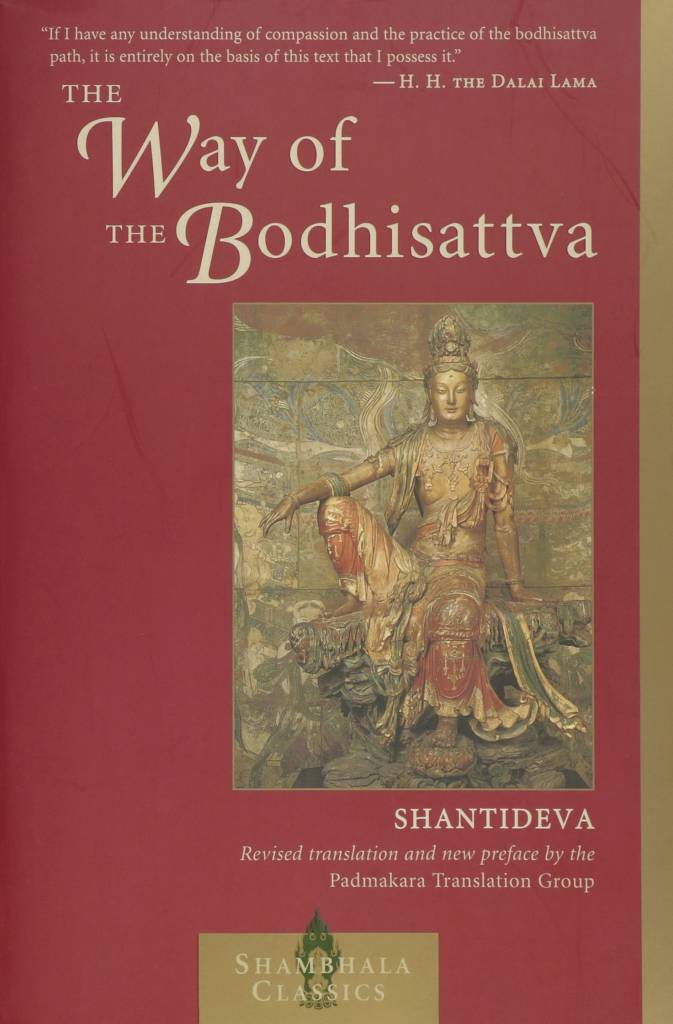
When agreeably and respectfully relied upon

Then everybody acts beneficial and causes happiness, But if one relies on the afflictions

They will retaliate and cause harm.[p.21]The Entrance for the Children of the Conquerors
Stracke, Fedor, trans. The Entrance for the Children of the Conquerors: A Commentary on the Introduction to the Actions of Bodhisattvas. By Gyaltsab Rinpoche. N.p.: Happy Monks Publication, 2016. https://happymonkspublication.org/product/bodhisattvacharyavatara-chapter-1-10-commentary/.

If associated with and honored harmoniously,

Everyone brings benefit and happiness. But association with the defilements

Causes harm and still brings suffering later.

shift + scroll / swipe
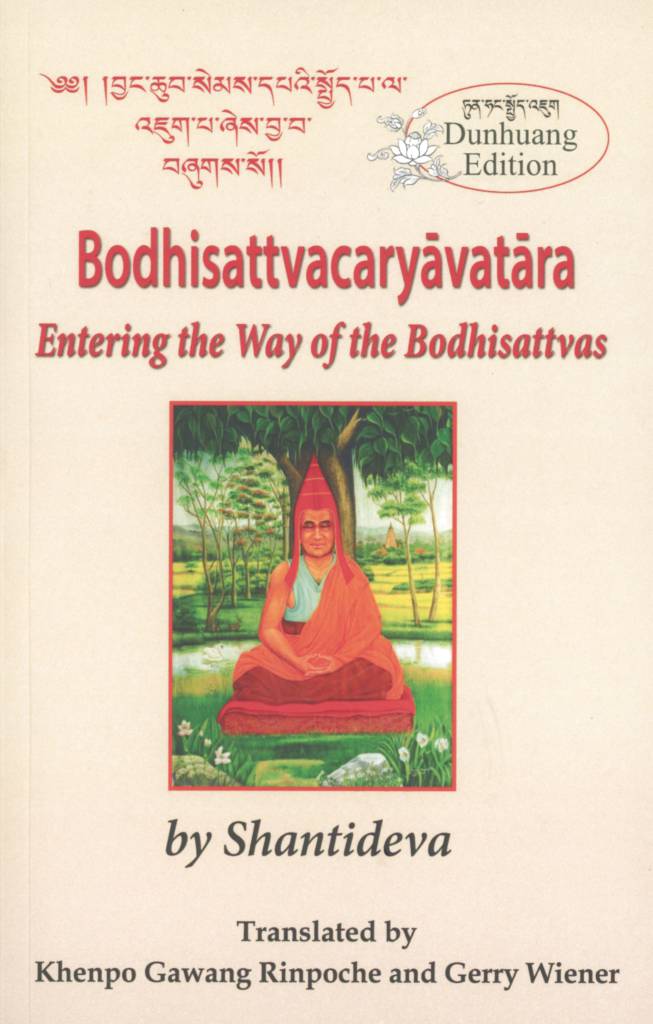
Dūnhuáng §This version is extracted from the book Bodhisattvacaryāvatāra: Entering the Way of the Bodhisattvas (2022, Khenpo Gawang and Wiener), a translation of an edition of the text created from three Dūnhuáng manuscripts. A description and sample pages of these can be found on the Early Tibet Blog. Scans of the actual manuscripts themselves can be found at http://idp.bl.uk

མཐུན་བར་འགྲོ་བ་བསྟེན་བྱས་ན། །

ཐམས་ཆད་ཕན་དང་བདེ་བྱེད་ན། ། ཉོན་མོངས་རྣམས་ནི་བསྟེན་བྱས་ན། །

ཕྱིར་ཞིང་སྡུག་བསྔལ་གནོད་པ་བྱེད། །

alt verse 3.33 tm data

If I serve others providing them agreeable assistance,

All would benefit and please me. But, if I serve the kleshas, They will not return the favor,

But instead, will harm me with suffering.

Tsadra Critical Edition §This text was created by comparing four versions of the text from Derge, Cone, Narthang, and Peking Tengyurs from BDRC scans, along with Dunhuang manuscripts IOL Tib J 628, 629, and 630. When Tibetan readings were problematic, the Sanskrit texts from GRETIL and LTB (Oslo) were consulted.

མཐུན་པར་རིམ་གྲོ་41ཏུན་ཧོང་ཀ་༴ ‘འགྲོ་བ་’བསྟེན་བྱས་ན། །

ཐམས་ཅད་ཕན་དང་བདེ་བྱེད་ལ། ། ཉོན་མོངས་རྣམས་ནི་བསྟེན་བྱས་ན། །

ཕྱིར་ཞིང་སྡུག་བསྔལ་གནོད་པ་བྱེད། །

[edit]
Sazang Mati (1294 - 1376)
A Commentary on Shantideva's Engaging in the Conduct of the Bodhisattvas (citation)Gyaltsen, Lama Kalsang, and Ani Kunga Chodron, trans. A Commentary on Shantideva's Engaging in the Conduct of the Bodhisattvas Written by Sazang Mati Panchen: Known as An Extremely Clear Illumination of the Meaning of the Text. Walden, NY: Tsechen Kunchab Ling, 2019. Bilingual Edition

(བཞི་པ་)བསྟེན་པར་དཀའ་བས་སྤང་ཚུལ་ནི།

4. Abandonment because of the natural difficult of association 1.2.1.2.2.2.1.1.4

མཐུན་པར་རིམ་གྲོ་བསྟེན་བྱས་ན། །

ཐམས་ཅད་ཕན་དང་བདེ་བྱེད་ན། ། ཉོན་མོངས་རྣམས་ནི་བསྟེན་བྱས་ན། །

ཕྱིར་ཞིང་སྡུག་བསྔལ་གནོད་པ་བྱེད། །

mthun par rim gro bsten byas na/_/

thams cad phan dang bde byed na/_/ nyon mongs rnams ni bsten byas na/_/

phyir zhing sdug bsngal gnod pa byed/_/

If associated with and honored harmoniously,

Everyone brings benefit and happiness. But association with the defilements

Causes harm and still brings suffering later.

མཐུན་པར་བཟུང་སྟེ་རིམ་གྲོ་བསྐྱེད་ནས་བསྟེན་པར་བྱས་ན༵་དགྲ་བོ་ཕལ་བ་ཐམས་ཅད་སླར་ཡང་ལན་དུ་ཕན་པ་དང་བདེ་བ་བྱེད་པ་མང་བ་ཡིན་ན༵་ཉོན་མོངས་བའི་དགྲ་བོ་རྣམས་ནི་མཐུན་ཕྱོགས་སུ་བཟུང་སྟེ་བསྟེན་པར་བྱས་ན༵་རང་བཞིན་མི་སྲུན་པས་ཕྱིར་ཞིང་སླར་ཡང་དམྱལ་བ་ལ་སོགས་པའི་སྡུག་བསྔལ་སྐྱེད་ཅིང་གནོད་པ་དྲག་པོ་བྱེ༵ད་པས་སྤང་བར་བྱའོ། །

Through regarding them with a positive attitude, rendering service, and harmonious association, all ordinary enemies will reward one with happiness and benefit. However, harmonious association with the enemy that is the defilements will reward one with the intense suffering of the hells and the like in the future, because their nature is cruel. Therefore, abandon them.
Gyaltsap Je (1364 - 1432)
The Entrance for the Children of the Conquerors (citation)Stracke, Fedor, trans. The Entrance for the Children of the Conquerors: A Commentary on the Introduction to the Actions of Bodhisattvas. By Gyaltsab Rinpoche. N.p.: Happy Monks Publication, 2016. https://happymonkspublication.org/product/bodhisattvacharyavatara-chapter-1-10-commentary/. Bilingual Edition

བཞི་བ་ནི།

Why It is Unsuitable to Befriend the Afflictions 1.1.1.2.2.3.1.1.4

མཐུན་པར་རིམ་གྲོ་བསྟེན་བྱས་ན། །

ཐམས་ཅད་ཕན་དང་བདེ་བྱེད་ན། ། ཉོན་མོངས་རྣམས་ནི་བསྟེན་བྱས་ན། །

ཕྱིར་ཞིང་སྡུག་བསྔལ་གནོད་པ་བྱེད། །
mthun par rim gro bsten byas na/_/

thams cad phan dang bde byed na/_/ nyon mongs rnams ni bsten byas na/_/

phyir zhing sdug bsngal gnod pa byed/_/

When agreeably and respectfully relied upon

Then everybody acts beneficial and causes happiness, But if one relies on the afflictions

They will retaliate and cause harm.[p.21]The Entrance for the Children of the Conquerors
Stracke, Fedor, trans. The Entrance for the Children of the Conquerors: A Commentary on the Introduction to the Actions of Bodhisattvas. By Gyaltsab Rinpoche. N.p.: Happy Monks Publication, 2016. https://happymonkspublication.org/product/bodhisattvacharyavatara-chapter-1-10-commentary/.

འཇིག་རྟེན་པའི་དགྲ་གཞན་ལ་ཁ་ཟས་སོགས་དེ་དང་མཐུན་པར་རིམ་གྲོ་བྱས་ཏེ་བསྟེན་པར་བྱས་ན་དེ་ཐམས་ཅད་རང་ལ་ཕན་པ་དང་བདེ་བའི་གྲོགས་བྱེད་ན།

When one relies on the outer enemy after having honoured them agreeably by serving them food, drink and so forth, then they will benefit us and help us to have happiness.

ཉོན་མོངས་པའི་དགྲ་རྣམས་ནི་རྟེན་ཅིང་དེ་དང་མཐུན་པར་བྱས་ན་སྟོབས་འཕེལ་ནས་ཕྱིར་ཞིང་སྡུག་བསྔལ་གྱིས་གནོད་པ་བྱེད་པས། དེ་གཞོམ་པ་ལ་བརྩོན་པ་ཉིད་རང་ཉིད་བདེ་བའི་ཐབས་ཡིན་ནོ། །

But if we rely on the enemy of the afflictions and act agreeably to them, then they will increase in strength, retaliate and cause us harm. To destroy them is the only method to attain happiness.
Minyak Kunzang Sönam (1823 - 1905)
The Great Hūṃ (citation)Duckworth, Douglas, trans. The Great Hūṃ: A Commentary on Śāntideva's Way of the Bodhisattva. By Minyak Kunzang Sönam. New York, NY: Wisdom Publications, 2025. Bilingual Edition

ཇི་ལྟར་བསྟེན་པ་དེ་ལྟར་གནོད་པ་བྱེད་པ་ནི།

Next it shows that afflictions bring harm to the extent that they are served:

མཐུན་པར་རིམ་གྲོ་བསྟེན་བྱས་ན། །

ཐམས་ཅད་ཕན་དང་བདེ་བྱེད་ན། ། ཉོན་མོངས་རྣམས་ནི་བསྟེན་བྱས་ན། །

ཕྱིར་ཞིང་སྡུག་བསྔལ་གནོད་པ་བྱེད། །

When served and attended to agreeably,

all other enemies bring happiness and help, yet when I serve the afflictions,

they bring harm and suffering in return. (4.33)

མཐུན་པས་བསྟེ་ན་པའམ་བསྡུ་བས་བྱས་ན་གནོད་མི་བྱེད་དོ་ཞེ་ན། འཇིག་རྟེན་པའི་དགྲ་གཞན་ཀུན་ལ་ཁོ་རང་གི་འདོད་པ་དང་རྗེས་སུ་མཐུན་པར་ཟས་གོས་ནོར་སོགས་ཀྱི་བསྙེན་བཀུར་དང་རིམ་གྲོ་བྱས་ཏེ་མཉེས་ཐབས་ཀྱི་སྒོ་ནས་བསྟེན་པར་བྱས་ན་དེ་ཐམས་ཅད་ཀྱིས་རང་ལ་ནུས་པ་ཅི་ཡོད་ཀྱི་སྒོ་ནས་ཚུར་ལའང་ཕན་པ་དང་བདེ་བ་སྒྲུབ་པའི་གྲོགས་བྱེད་པ་ཤ་སྟག་ཡིན་ནའང༌། ཉོན་མོངས་པའི་དགྲ་བོ་མི་བསྲུན་པ་རྣམས་ནི་ཁོ་རང་དང་རྗེས་སུ་མཐུན་པར་ཞུགས་ནས་གྲོགས་ཀྱི་ཚུལ་དུ་བསྟེན་པར་བྱས་ན་སྦྲུལ་ལ་འོ་མ་ཇི་ཙམ་སྟེར་བ་དེ་ཙམ་དུ་དུག་གི་ནུས་པ་འཕེལ་བ་ལྟར་སྟོབས་དང་ནུས་པ་གོང་འཕེལ་དུ་སོང་ནས་ཕྱིར་ཞིང་སྟེ་སླར་ཡང་སྡུག་བསྔལ་དག་པོ་སྐྱེད་ཅིང་གནོད་པ་ཆེན་པོ་བྱེད་པས་ན་དེའི་མཐུན་གྲོགས་མི་བྱ་བར་ཕྱིན་ཆད་རང་བདེ་བའི་ཐབས་སུ་དེ་གཞོམ་པ་ལ་བརྩོན་པར་བྱའོ། །

One might think, “If I attract them and attend to them agreeably, then they will not cause harm.” For every other enemy in the world, when I serve them in pleasing ways in accord with their wishes, attending to them and serving them things like food, clothes, and wealth, all of them will come back to me with assistance, bringing only help and happiness as much as they can. Yet the treacherous enemies that are the afflictions are not like this: when I serve them by assisting them agreeably, they get stronger and more capable, like the potency of a snake’s venom that increases with the more milk that it is given. Then they will return again and produce even more suffering and cause greater harm. Therefore you should not treat afflictions as harmonious friends; you should strive from now on to destroy them as a means to your own happiness.
Kunzang Palden (1862 - 1943)
The Nectar of Manjushri's Speech (citation)Blankleder, Helena, and Wulstan Fletcher (Padmakara Translation Group), trans. The Nectar of Manjushri's Speech: A Detailed Commentary on Shantideva's Way of the Bodhisattva. By Kunzang Pelden. Boston: Shambhala Publications, 2007. Bilingual Edition

མཐུན་པར་རིམ་གྲོ་བསྟེན་བྱས་ན། །

ཐམས་ཅད་ཕན་དང་བདེ་བྱེད་ན། ། ཉོན་མོངས་རྣམས་ནི་བསྟེན་བྱས་ན། །

ཕྱིར་ཞིང་སྡུག་བསྔལ་གནོད་པ་བྱེད། །

mthun par rim gro bsten byas na/_/

thams cad phan dang bde byed na/_/ nyon mongs rnams ni bsten byas na/_/

phyir zhing sdug bsngal gnod pa byed/_/

བརྟེན་པར་དཀའ་བ་ལ་བསམ་ན་ཐ་མལ་གྱི་དགྲ་གཞན་ལ་རྒྱུ་ནོར་ཟས་གོས་སོགས་ཅི་འདོད་བྱིན་ཏེ་ཡིད་དང་མཐུན་པར་རིམ་གྲོ་བསྐྱེད་ཅིང་བསྟེན་པར་བྱས་ན་ཚུར་ལེན་དུ་དུས་རྒྱུན་ཐམས་ཅད་ཕན་པ་དང་བདེ་བའི་ཐབས་ཕན་ཅི་ཐོགས་བྱེད་[p.344]Byang chub sems dpa'i spyod pa la 'jug pa rtsa ba dang 'grel pa (1990)
Slob dpon zhi ba lha and Mkhan po kun dpal. Byang chub sems dpa'i spyod pa la 'jug pa rtsa ba dang 'grel pa. Khreng tu'u: Si khron mi rigs dpe skrun khang, 1990. Buda by BDRC Logo.jpg
པ་ཡིན་ན། ཆགས་སྡང་རྨོངས་གསུམ་སོགས་ཉོན་མོངས་དགྲ་བོ་རྣམས་ནི་ཉོན་མོངས་པས་ཅི་འདོད་ལྟ་བུས་བསྟེན་པར་བྱས་ན་ཕན་པ་དང་བདེ་བ་མི་བྱེད་པར་མ་ཟད་ཕྱིར་ཞིང་ཚེ་འདི་དང་ཕྱི་མར་སྡུག་བསྔལ་སྣ་ཚོགས་ཀྱིས་གནོད་པ་བྱེད་པས་ན་དེ་ལ་མི་བསྟེན་པར་སྤང་བར་བྱ་དགོས་སོ། །

All other foes that I appease and wait upon

Will show me favors, give me every aid, But should I serve my dark defiled emotions,

They will only harm me, draw me down to grief.

There then follows a reflection on the difficulties that ensue from relying on such foes. For Shantideva says that if he were to appease ordinary enemies by giving them the material goods that they want, they will always act favorably to him and give him their assistance. But however much he serves his enemies the afflictions—his craving, hatred, ignorance, and the rest—and yields to their demands, not only will they not show him any favor or give him any help, but they will drag him down to grief both in this life and the next. He must therefore repudiate them instead of aiding and abetting them.[p.157]The Nectar of Manjushri's Speech
Blankleder, Helena, and Wulstan Fletcher (Padmakara Translation Group), trans. The Nectar of Manjushri's Speech: A Detailed Commentary on Shantideva's Way of the Bodhisattva. By Kunzang Pelden. Boston: Shambhala Publications, 2010.


[edit]
[edit]