4.27

From Bodhicitta

Bodhicaryāvatāra · Verse 4.27


Sources:    

Sanskrit §No information about the source used.

अत्र मे चेतना नास्ति मन्त्रैरिव विमोहितः। न जाने केन मुह्यामि कोऽत्रान्तर्मम तिष्ठति॥

 
Chanted Verse
Recitation by Professor Kashinath Nyaupane
27

I know not what to think of this. Like someone who falls under the influence of a magical spell, I know not the cause of my delusion, I know not what is within me.

Standard Tibetan §Padmakara used the 1990 edition printed by si khron mi rigs dpe skrun khang: Byang chub sems dpa'i spyod pa la 'jug pa rtsa ba dang 'grel pa (1990). Also found in Derge Tengyur D3871, dbu ma, vol. 105, la 1b1–40a7.

སྔགས་ཀྱིས་རྨོངས་པར་བྱས་པ་བཞིན། །

བདག་ལ་འདིར་སེམས་མེད་དུ་ཟད། ། ཅིས་རྨོངས་བདག་ཀྱང་མ་ཤེས་ཏེ། །

བདག་གི་ཁོང་ན་ཅི་ཞིག་ཡོད། །

 
Chanted Verse
Recitation by Lopen Karma Phuntsho
27

I am as if benumbed by sorcery,

As if reduced to total mindlessness. I do not know what dulls my wits.

O what is it that has me in its grip?

Standard Tibetan §Padmakara used the 1990 edition printed by si khron mi rigs dpe skrun khang: Byang chub sems dpa'i spyod pa la 'jug pa rtsa ba dang 'grel pa (1990). Also found in Derge Tengyur D3871, dbu ma, vol. 105, la 1b1–40a7. - Other translations

C’est que, comme abêti par un sortilège,

J’ai tout bonnement perdu la raison Et j’ignore ce qui tant m’abrutit :

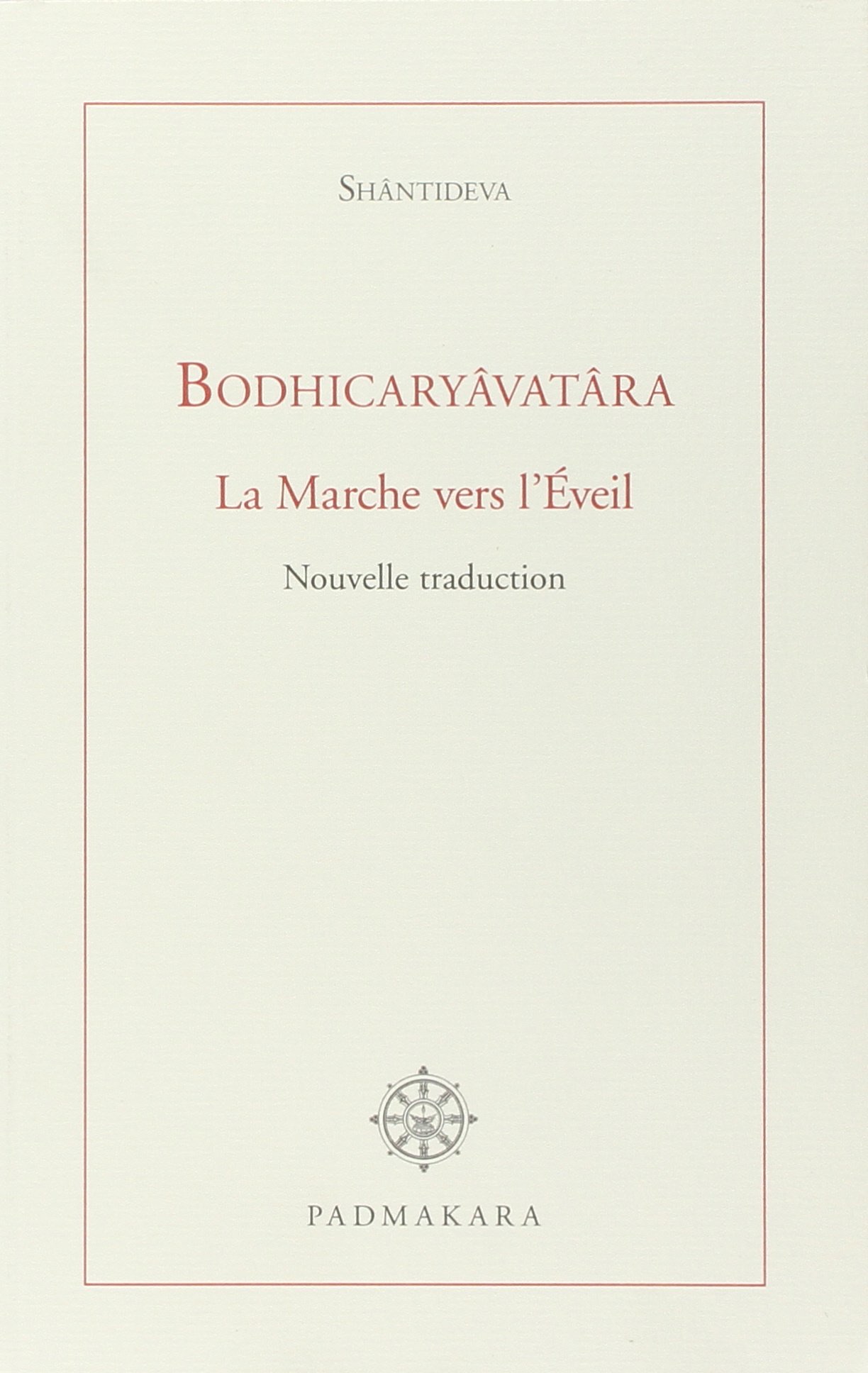
Que se passe-t-il au fond de moi ?[p.70]La Marche vers l'Éveil (2007)

sería como alguien perturbado por un encantamiento,

como si mi mente hubiese sido anulada por completo. No sé qué es lo que me sume en esa necedad,

qué es lo que se apodera de mí.

La Práctica del Bodisatva-front.jpg
Padmakara Spain 2008

Then, similarly to one confused by mantra, This makes me someone without mind.

I do not know how I got so confused, What is lurking inside of me?

Like one charmed by magic

My mind is simply not here! So deluded, I am unaware of my condition,

What else could be dwelling in my body?

shift + scroll / swipe
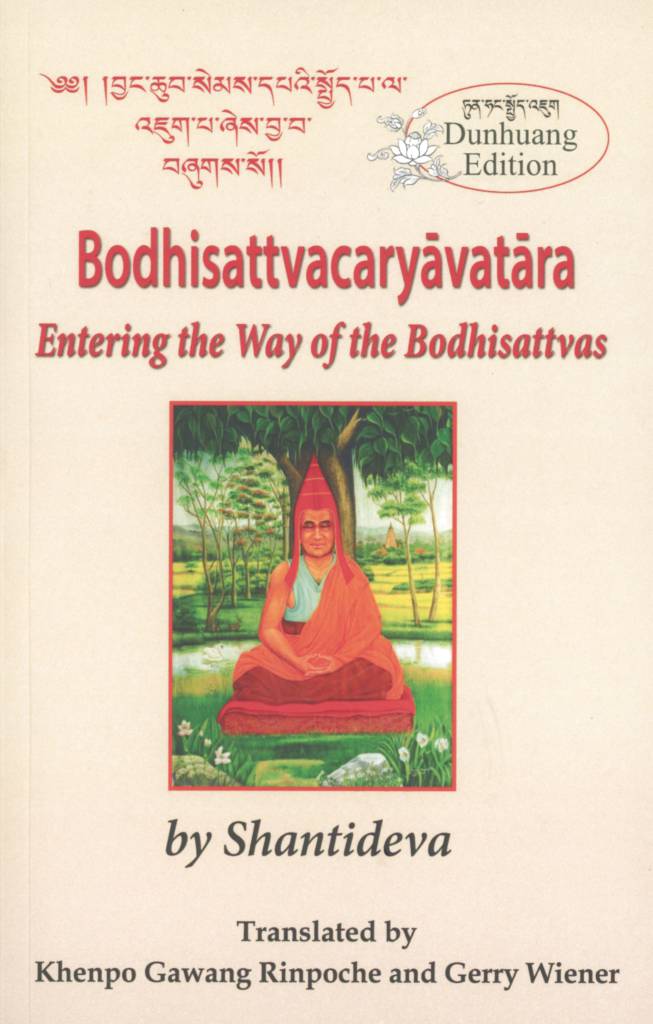
Dūnhuáng §This version is extracted from the book Bodhisattvacaryāvatāra: Entering the Way of the Bodhisattvas (2022, Khenpo Gawang and Wiener), a translation of an edition of the text created from three Dūnhuáng manuscripts. A description and sample pages of these can be found on the Early Tibet Blog. Scans of the actual manuscripts themselves can be found at http://idp.bl.uk

སྔགས་ཀྱིས་རྨོངས་པ་བྱས་པ་བཞིན། །

བདག་ལ་འདིར་སེམས་མེད་དུ་ཟད། ། ཅིས་རྨོངས་བདག་ཀྱང་མ་ཤེས་སྟེ། །

བདག་གི་ཁོང་ན་ཅི་ཞིག་ཡོད། །

alt verse 3.27 tm data

It would be akin to being stupefied by a mantra,

And ending up mindless. Not knowing how ignorant I’ve become,

What do I have within me causing this?

Tsadra Critical Edition §This text was created by comparing four versions of the text from Derge, Cone, Narthang, and Peking Tengyurs from BDRC scans, along with Dunhuang manuscripts IOL Tib J 628, 629, and 630. When Tibetan readings were problematic, the Sanskrit texts from GRETIL and LTB (Oslo) were consulted.

སྔགས་ཀྱིས་རྨོངས་པར་བྱས་པ་བཞིན། །

བདག་ལ་འདིར་སེམས་མེད་དུ་ཟད། ། ཅིས་རྨོངས་བདག་ཀྱང་མ་ཤེས་ཏེ། །

བདག་གི་ཁོང་ན་ཅི་ཞིག་ཡོད། །

[edit]
Sazang Mati (1294 - 1376)
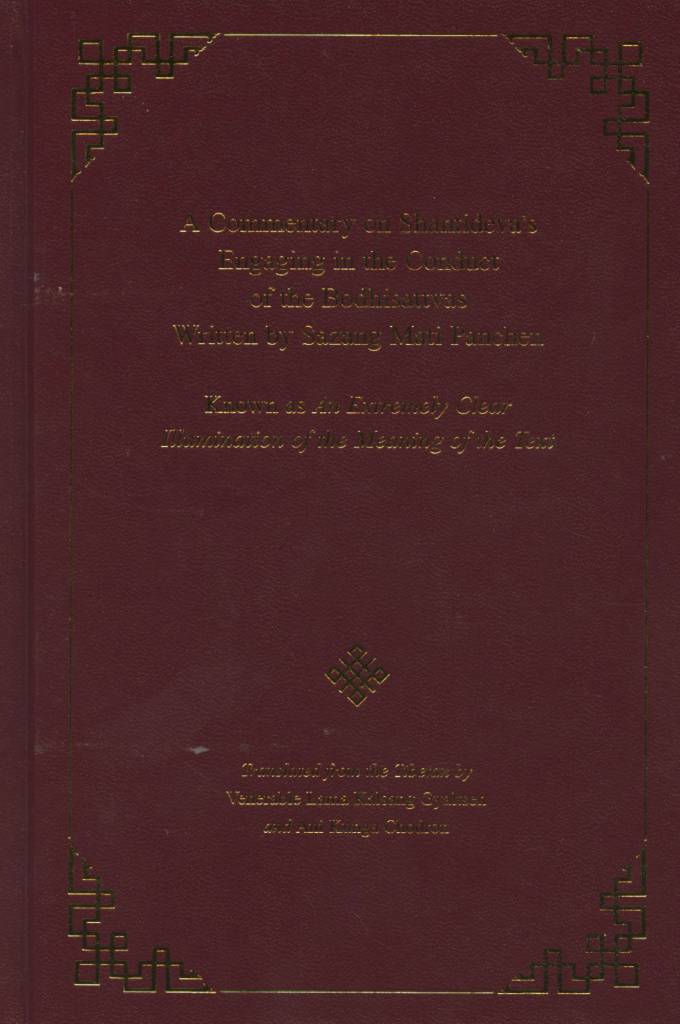
A Commentary on Shantideva's Engaging in the Conduct of the Bodhisattvas (citation)Gyaltsen, Lama Kalsang, and Ani Kunga Chodron, trans. A Commentary on Shantideva's Engaging in the Conduct of the Bodhisattvas Written by Sazang Mati Panchen: Known as An Extremely Clear Illumination of the Meaning of the Text. Walden, NY: Tsechen Kunchab Ling, 2019. Bilingual Edition

སྔགས་ཀྱིས་རྨོངས་པར་བྱས་པ་བཞིན། །

བདག་ལ་འདིར་སེམས་མེད་དུ་ཟད། ། ཅིས་རྨོངས་བདག་ཀྱང་མ་ཤེས་ཏེ། །

བདག་གི་ཁོང་ན་ཅི་ཞིག་ཡོད། །

sngags kyis rmongs par byas pa bzhin/_/

bdag la 'dir sems med du zad/_/ cis rmongs bdag kyang ma shes te/_/

bdag gi khong na ci zhig yod/_/

Like one charmed by magic

My mind is simply not here! So deluded, I am unaware of my condition,

What else could be dwelling in my body?

གཞན་ཡང་ཤིན་ཏུ་རྙེད་པར་དཀའ་ཞིང་ཕན་པ་དང་བདེ་བ་སྒྲུབ་པའི་གཞིའམ་རྟེན་དུ་གྱུར་པས་ས༵་ཆེན་པོ་དང་འདྲ་བའི་དལ་འབྱོར་འདི་ཉིད་ཅི་ཞིག་ལྟར་(ཏེ་)བསོད་[p.-132]རབ་གསལ་སྣང་བ་
ནམས་ཀྱི་སྟེས་དབང་གིས་རྙེད་པར་གྱུར་ན༵ས་བདག་ཉིད་རྟོག་དཔྱོད་ཀྱི་ཤེས་པ་དང་ལྡན་བཞིན་དུ༵་ཕྱིར་ཞིང་སླར་ཡང་སྡིག་པ་བསགས་ནས་དམྱལ་བ་དེར་ཁྲིད་པར་བྱེད་ན༵་འགའ་ཞིག་གིས་རིག་སྔགས་ཀྱིས་རྨོངས་ཤིང་བརྒྱལ་བར་བྱས་པ་བཞི༵ན་དུ་བདག་ལ་སྐབས་འདིར་སེམས་མེད་པ་དང་འདྲ་བ་ཉིད་དུ་ཟ༵ད་དོ། །རྒྱུ་ཅིས་རྨོངས་ཤིང་འཁྲུལ་བར་བྱས་པའི་ཚུལ་བདག་གིས་ཀྱང་མ་ཤིས་ཏེ༵་བདག་གི་ལུས་ཀྱི་ཁོང་ན་རྨོངས་པར་བྱེད་པ་པོ་ཅི་ཞིག་ཡོ༵ད་ཅེས་བརྟགས་ན་ཉོན་མོངས་པ་ལས་གཞན་མེད་པས་དེ་ཉིད་སྤོང་བ་ལ་འབད་པར་རིགས་སོ། །

Now, as a result of meritorious deeds, I have a human body with leisure and endowment, which is extremely difficult to find. Like the great earth, this precious body is the base of accomplishing happiness and benefit. Despite having the wisdom of intellectual analysis, I am still accumulating non-virtue and will be dragged down into hell. Am I under a curse, or dominated by evil mantra? Am I deluded or insensible to act in such a mindless way? What is the cause of this delusion? Why do I not understand this? Analyzing what inside my body causes this delusion, there is nothing to be found other than the defilements. Therefore I must exert myself in methods to eradicate them.
Gyaltsap Je (1364 - 1432)
The Entrance for the Children of the Conquerors (citation)Stracke, Fedor, trans. The Entrance for the Children of the Conquerors: A Commentary on the Introduction to the Actions of Bodhisattvas. By Gyaltsab Rinpoche. N.p.: Happy Monks Publication, 2016. https://happymonkspublication.org/product/bodhisattvacharyavatara-chapter-1-10-commentary/. Bilingual Edition

བཞི་བ་ལ་གཉིས།

Why It Is Appropriate to Abandon Negativity and Practice Virtue 1.1.1.2.2.2.3.4

དང་པོ་ནི།

If One Goes To The Lower Realms After The Power of The Precious Human Rebirth Is Exhausted, Then Equals Something Mindless 1.1.1.2.2.2.3.4.1

སྔགས་ཀྱིས་རྨོངས་པར་བྱས་པ་བཞིན། ། བདག་ལ་འདིར་སེམས་མེད་དུ་ཟད། །

sngags kyis rmongs par byas pa bzhin/_/ bdag la 'dir sems med du zad/_/

Then, similarly to one confused by mantra, This makes me someone without mind.

དལ་འབྱོར་ཤིན་ཏུ་རྙེད་དཀའ་ཞིང་རྙེད་ན་དོན་ཆེ་བས་ཕན་པའི་ས་འདི་ཅི་ཞིག་ལྟར་སྟེས་

This basis of benefit, the precious human rebirth with freedoms and endowments, is extremely difficult to find and, if found, is of great purpose.

དབང་གིས་རྙེད་པར་གྱུར་ནས་བདག་ཉིད་ཕན་གནོད་ཤེས་པའི་ཤེས་རབ་དང་ལྡན་བཞིན་དུ་ཕྱིར་ཡང་དམྱལ་བའི་གནས་དེར་ཁྲིད་ན་རིག་སྔགས་ཀྱིས་རྨོངས་པར་བྱས་པ་བཞིན་དུ་བདག་ལ་འདིར་ཕན་པ་སྒྲུབ་པའི་སེམས་མེད་དུ་ཟད་པའོ་སྙམ་དུ་བསམ་པར་བྱའོ། །

Having found it somehow, should I again go to the lower realms despite having knowledge of what is useful and what is harmful, then that makes me someone without a mind achieving just the purpose of the moment for self, similarly to a person confused by mantra.

གཉིས་པ་ནི།

It Is Appropriate to Contemplate the Cause of Ignorance 1.1.1.2.2.2.3.4.2

ཅིས་རྨོངས་བདག་ཀྱང་མ་ཤེས་ཏེ། ། བདག་གི་ཁོང་ན་ཅི་ཞིག་ཡོད། །

cis rmongs bdag kyang ma shes te/_/ bdag gi khong na ci zhig yod/_/

I do not know how I got so confused, What is lurking inside of me?

ཅིས་རྨོངས་པར་བྱས་ཤེ་ན། རྒྱུ་ཅིས་རྨོངས་ནས་བསླུས་པ་བདག་གིས་ཀྱང་མ་ཤེས་ཏེ་བདག་གི་ཁོང་ན་རྨོངས་པའི་རྒྱུ་ཅི་ཞིག་ཡོད་དེ་ཡོད་

Query: How did one become confused?

Answer: I also do not know due to which cause I got confused and thus deceived. What cause for confusion is lurking inside me? I think there definitely is something.

ངེས་སོ་སྙམ་དུ་ལེ་ལོའི་དབང་དུ་གྱུར་ན་ཡང་དེ་ལྟར་བསམ་པར་བྱའོ། །

If one falls into laziness, then one should think in this way.[p.18]The Entrance for the Children of the Conquerors
Stracke, Fedor, trans. The Entrance for the Children of the Conquerors: A Commentary on the Introduction to the Actions of Bodhisattvas. By Gyaltsab Rinpoche. N.p.: Happy Monks Publication, 2016. https://happymonkspublication.org/product/bodhisattvacharyavatara-chapter-1-10-commentary/.
Minyak Kunzang Sönam (1823 - 1905)
The Great Hūṃ (citation)Duckworth, Douglas, trans. The Great Hūṃ: A Commentary on Śāntideva's Way of the Bodhisattva. By Minyak Kunzang Sönam. New York, NY: Wisdom Publications, 2025. Bilingual Edition

ཞེས་སོ། །སེམས་མེད་དང་མཚུངས་པ་དང་དེའི་རྒྱུ་གང་ཡིན་བརྟག་པ་ནི།

Next it shows how it is the same as being mindless, and examines what the cause for this is:

སྔགས་ཀྱིས་རྨོངས་པར་བྱས་པ་བཞིན། །

བདག་ལ་འདིར་སེམས་མེད་དུ་ཟད། ། ཅིས་རྨོངས་བདག་ཀྱང་མ་ཤེས་ཏེ། །

བདག་གི་ཁོང་ན་ཅི་ཞིག་ཡོད། །
It will be as if I have been stupefied by a spell

that has rendered me mindless. I do not know what is making me stupid—

what is it that is inside of me? (4.27)

ཤིན་ཏུ་རྙེད་དཀའ་ཞིང་རྙེད་ན་རང་གཞན་ལ་འཕྲལ་དང་ཡུན་གྱི་ཕན་བདེ་མཐའ་དག་སྒྲུབ་པའི་གཞི་རྟེན་དུ་གྱུར་པའི་དལ་འབྱོར་གྱི་ལུས་ཁྱད་པར་ཅན་ལོ་ཏོག་སོགས་སྐྱེ་བའི་གཞི་རྟེན་དུ་གྱུར་པའི་ས་གཞི་བཟང་བོ་དང་མཚུངས་པ་འདི་ཇི་ཞིག་ལྟར་ཏེ་སྔོན་བསགས་ཀྱི་བསོད་ནམས་དགེ་བའི་སྟེས་དབང་གིས་རྙེད་པར་གྱུར་ནས་ད་ལྟ་བདག་ཉིད་དགེ་སྡིག་སོགས་ཕན་གནོད་ཀྱི་རྒྱུ་ཇི་བཞིན་དུ་ཤེས་ནུས་པའི་ཐོས་སོགས་ལས་བྱུང་བའི་རྣམ་དཔྱོད་ཀྱི་ཤེས་རབ་དང་ལྡན་བཞིན་དུ་ཡང་བྱ་འོས་པ་སྤངས་ཏེ་བྱ་མི་འོས་པའི་ལས་ངན་མང་དུ་བསགས་ནས་ཕྱིར་ལང་སྟེ་སླར་ཡང་སྔར་ཡུན་རིང་དུ་མ་ཐར་ཞིང་སྡུག་བསྔལ་གྱིས་མནར་བའི་དམྱལ་སོགས་ཀྱི་གནས་ཉམ་ང་བ་དེར་རང་ཉིད་འཁྲིད་པར་བྱེད་ན།

This special body with freedom and endowments is the foundation for accomplishing every benefit and happiness, those temporary and lasting, for myself and others. It is like the good earth that is a foundation for growing crops and so on. This state, so difficult to find, is found through luck; that is, through previously accumulated merit and virtue. Now, while possessing discriminating wisdom that comes from study and so on, and with the ability to know what causes harm and benefit—negative actions and virtues—if I still accumulate many negative actions that I should avoid and avoid things that I should do, I will again bring myself to pitiful places like the hells where, as before, I will be tormented by suffering for a long time without being free.
Kunzang Palden (1862 - 1943)
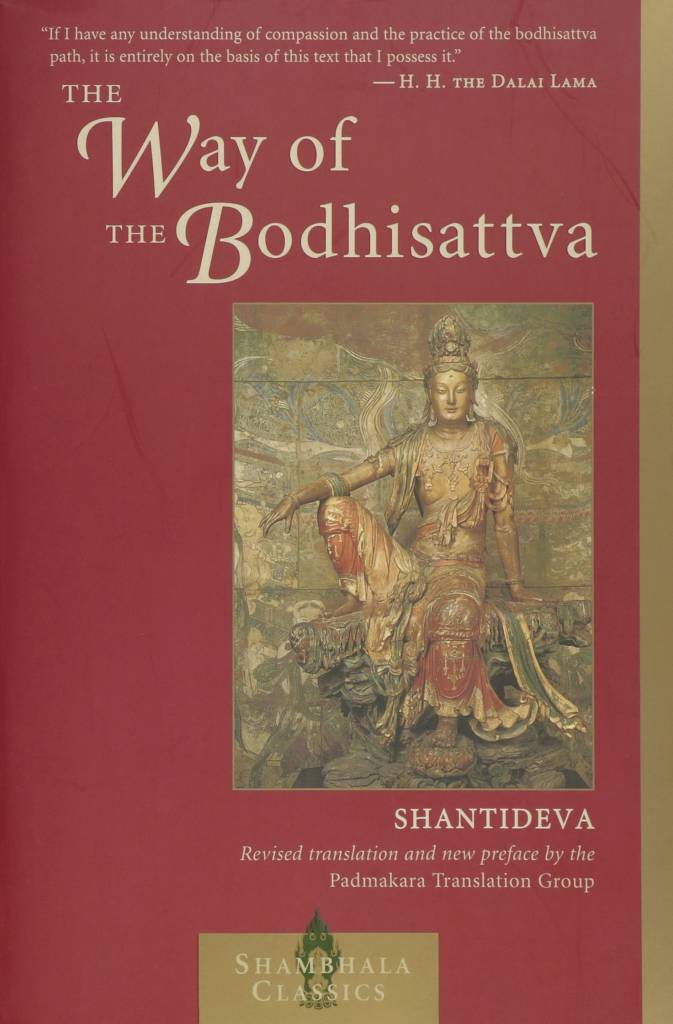
The Nectar of Manjushri's Speech (citation)Blankleder, Helena, and Wulstan Fletcher (Padmakara Translation Group), trans. The Nectar of Manjushri's Speech: A Detailed Commentary on Shantideva's Way of the Bodhisattva. By Kunzang Pelden. Boston: Shambhala Publications, 2007. Bilingual Edition

འདིས་ཤེས་པས་ན་གནས་དེར་སླར་རང་གི་རང་འཁྲིད་ཅིང་བརླག་པར་བྱེད་ན།

སྔགས་ཀྱིས་རྨོངས་པར་བྱས་པ་བཞིན། །

བདག་ལ་འདིར་སེམས་མེད་དུ་ཟད། ། ཅིས་རྨོངས་བདག་ཀྱང་མ་ཤེས་ཏེ། །

བདག་གི་ཁོང་ན་ཅི་ཞིག་ཡོད། །
sngags kyis rmongs par byas pa bzhin/_/

bdag la 'dir sems med du zad/_/ cis rmongs bdag kyang ma shes te/_/

bdag gi khong na ci zhig yod/_/

འགའ་ཞིག་གིས་རིགས་སྔགས་ཀྱིས་མགོ་འཁོར་སྒྲུབ་པས་རྨོངས་པར་བྱས་པ་བཞིན་དུ་གྱུར་པ་ཡིན་ནམ། བདག་ལ་དེང་གི་སྐབས་འདིར་ཕན་གནོད་ངོ་ཤེས་པའི་སེམས་མེད་པ་ཉིད་དུ་ཟད་དེ། ཀུན་མཁྱེན་ཆེན་པོས།

Therefore Shantideva reflects that if, in view of all this, he falls yet again into the situation of allowing himself to be destroyed,

I am as if benumbed by sorcery,

As if reduced to total mindlessness. I do not know what dulls my wits.

O what is it that has me in its grip?

it is as though he has been dazed by witchcraft, or else he is like a mindless person unable to tell the difference between help and harm. The omniscient Longchenpa has said:[p.155]The Nectar of Manjushri's Speech
Blankleder, Helena, and Wulstan Fletcher (Padmakara Translation Group), trans. The Nectar of Manjushri's Speech: A Detailed Commentary on Shantideva's Way of the Bodhisattva. By Kunzang Pelden. Boston: Shambhala Publications, 2010.

བཤད་པས་མི་གོ་བསྟན་ཡང་མི་རྟོགས་པ། །

བདག་སྙིང་ལྕགས་ཀྱི་གར་བུ་ཆེན་པོའམ། །

རྡོ་ཡི་ཁམས་བཞིན་སེམས་པ་མེད་པར་ཟད། །

We do not grasp things when explained;
We do not understand when things are shown to us.
Great balls of iron are our hearts, great lumps of flint.
We’re mindless—there’s the honest truth!

ཞེས་གསུངས་པ་ལྟར་སེམས་མེད་པ་ཡིན་ནམ། །ལེགས་པར་བརྟགས་ན་དེ་གཉིས་གང་ཡང་མ་ཡིན་མོད་འོན་ཀྱང་རྒྱུ་ཅིས་རྨོངས་ཤིང་འཁྲུལ་པ་ཡིན་པའི་ཚུལ་བདག་གིས་ཀྱང་མ་ཤེས་ཏེ། བདག་གི་ལུས་ཀྱི་ཁོང་འདི་ན་ཚུལ་ཁྲིམས་བསྲུང་བ་དང་ཐོས་བསམ་བྱེད་པ་སོགས་དམ་པའི་ཆོས་ཤིག་བསྒྲུབ་སྙམས་ཀྱང་རང་དབང་མེད་པར་བསྒྲུབ་ཏུ་མི་འཇུག་པས་རྨོངས་པར་བྱེད་པ་པོ་ཅི་ཞིག་ཡོད་དེ་ཅིག་ཡོད་ངེས་པས་ད་སྔ་ངོས་མ་ཟིན་པས་འདི་ཅི་ཞིག་ཡིན་ཞེས་ཡང་ཡང་བརྟགས་དགོས་སོ། །[p.341]Byang chub sems dpa'i spyod pa la 'jug pa rtsa ba dang 'grel pa (1990)
Slob dpon zhi ba lha and Mkhan po kun dpal. Byang chub sems dpa'i spyod pa la 'jug pa rtsa ba dang 'grel pa. Khreng tu'u: Si khron mi rigs dpe skrun khang, 1990. Buda by BDRC Logo.jpg

Are we truly as mindless as the verse says? Obviously, our hearts are neither iron balls nor pieces of stone, yet how is it, Shantideva asks, that we do not recognize our stupidity and confusion? Though we think that we will practice the Dharma, that we will keep the discipline, that we will study and reflect upon the teachings, the fact is that we don’t. We are helplessly out of control. What is it that is making us so stupid? For sure, there must be something that we have failed to recognize. We should ask ourselves again and again: What is it?


[edit]
[edit]