Bodhicaryāvatāra · Verse 3.4


Sources:    

Sanskrit §No information about the source used.

चित्तोत्पादसमुद्रांश्च सर्वसत्त्वसुखावहान्। सर्वसत्त्वहिताधानाननुमोदे च शासिनाम्॥

 
Chanted Verse
Recitation by Professor Kashinath Nyaupane
3

I rejoice in the arising of the thought of awakening in those who adopt the teaching, for this thought is an ocean whose tide brings bliss, whose depths hold the treasure of everything that is beneficial to all sentient beings.

Standard Tibetan §Padmakara used the 1990 edition printed by si khron mi rigs dpe skrun khang: Byang chub sems dpa'i spyod pa la 'jug pa rtsa ba dang 'grel pa (1990). Also found in Derge Tengyur D3871, dbu ma, vol. 105, la 1b1–40a7.

སེམས་ཅན་ཐམས་ཅད་བདེ་མཛད་པའི། །

ཐུགས་བསྐྱེད་དགེ་བ་རྒྱ་མཚོ་དང་། ། སེམས་ཅན་ཕན་པར་མཛད་པ་ལ། །

དགའ་བས་རྗེས་སུ་ཡི་རང་ངོ་། །

 
Chanted Verse
Recitation by Lopen Karma Phuntsho
4

Their enlightened attitude, an ocean of great good,

That seeks to place all beings in the state of bliss, And every action for the benefit of beings:

Such is my delight and joy.

Standard Tibetan §Padmakara used the 1990 edition printed by si khron mi rigs dpe skrun khang: Byang chub sems dpa'i spyod pa la 'jug pa rtsa ba dang 'grel pa (1990). Also found in Derge Tengyur D3871, dbu ma, vol. 105, la 1b1–40a7. - Other translations

J’apprécie avec joie

L’océan de mérites que représente Le vœu de rendre heureux tous les êtres,

De même que le bien qu’on leur fait.

Con júbilo me alegro

de ese océano de mérito que entraña la intención de llevar a la felicidad a todos los seres,

así como de todo aquello hecho para su beneficio.

La Práctica del Bodisatva-front.jpg
Padmakara Spain 2008

In the ocean of virtue that is the mind generation,

Which works for the happiness of all sentient beings, And in the actions benefiting sentient beings

I rejoice with pleasure.

I gladly rejoice in the oceans of virtue

Of their holy intent, which Aspires to place all sentient beings in happiness,

And works to benefit all sentient beings.

shift + scroll / swipe
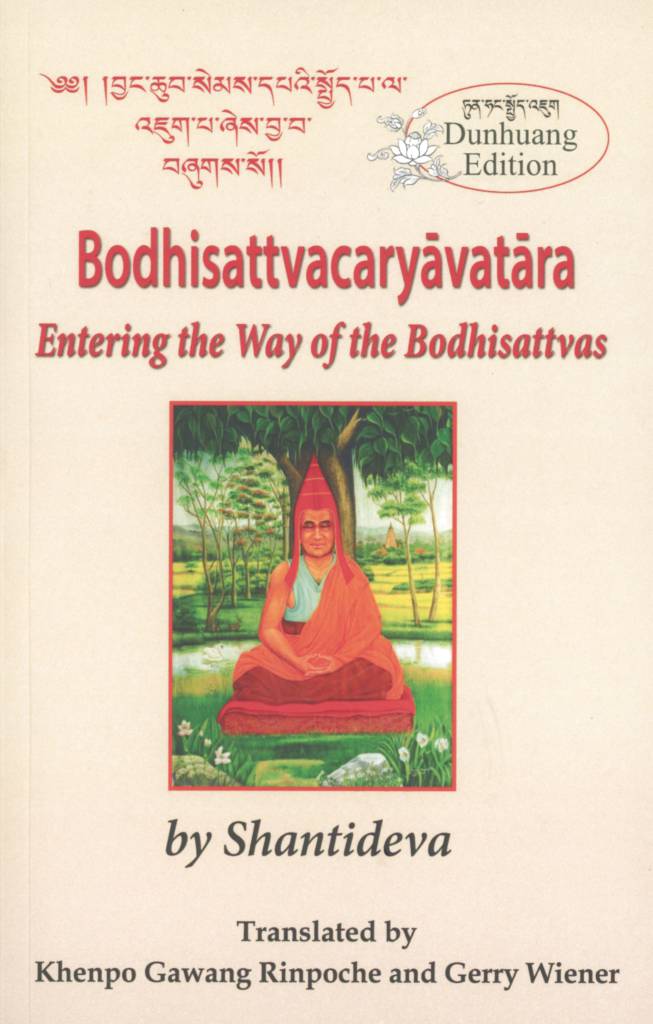
Dūnhuáng §This version is extracted from the book Bodhisattvacaryāvatāra: Entering the Way of the Bodhisattvas (2022, Khenpo Gawang and Wiener), a translation of an edition of the text created from three Dūnhuáng manuscripts. A description and sample pages of these can be found on the Early Tibet Blog. Scans of the actual manuscripts themselves can be found at http://idp.bl.uk

སེམས་ཅན་ཐམས་ཆད་བདེ་མཛད་པའི། །

ཐུགས་བསྐྱེད་དགེ་བ་རྒྱ་མཚོ་དང༌། ། སེམས་ཅན་ཕན་པར་མཛད་པ་ལ། །

དགའ་བས་རྗེས་སུ་ཡི་རང་ངོ༌། །

alt verse 2.68 tm data
This version differs from it's counterparts.

I rejoice with delight

In the ocean of virtue, bodhichitta, That makes all sentient beings happy,

And in the beneficial activities for sentient beings.

Tsadra Critical Edition §This text was created by comparing four versions of the text from Derge, Cone, Narthang, and Peking Tengyurs from BDRC scans, along with Dunhuang manuscripts IOL Tib J 628, 629, and 630. When Tibetan readings were problematic, the Sanskrit texts from GRETIL and LTB (Oslo) were consulted.

སེམས་ཅན་ཐམས་ཅད་བདེ་མཛད་པའི། །

ཐུགས་བསྐྱེད་དགེ་བ་རྒྱ་མཚོ་དང་། ། སེམས་ཅན་ཕན་པ་མཛད་པ་ལ། །

དགའ་བས་རྗེས་སུ་ཡི་རང་ངོ་། །

[edit]
Sazang Mati (1294 - 1376)
A Commentary on Shantideva's Engaging in the Conduct of the Bodhisattvas (citation)Gyaltsen, Lama Kalsang, and Ani Kunga Chodron, trans. A Commentary on Shantideva's Engaging in the Conduct of the Bodhisattvas Written by Sazang Mati Panchen: Known as An Extremely Clear Illumination of the Meaning of the Text. Walden, NY: Tsechen Kunchab Ling, 2019. Bilingual Edition

སེམས་ཅན་ཐམས་ཅད་བདེ་མཛད་པའི། །

ཐུགས་བསྐྱེད་དགེ་བ་རྒྱ་མཚོ་དང་། ། སེམས་ཅན་ཕན་པར་མཛད་པ་ལ། །

དགའ་བས་རྗེས་སུ་ཡི་རང་ངོ་། །

sems can thams cad bde mdzad pa'i/_/

thugs bskyed dge ba rgya mtsho dang /_/ sems can phan par mdzad pa la/_/

dga' bas rjes su yi rang ngo /_/

I gladly rejoice in the oceans of virtue

Of their holy intent, which Aspires to place all sentient beings in happiness,

And works to benefit all sentient beings.

སེམས་ཅན་ཐམས་ཅད་ལ་གནས་སྐབས་དང་མཐར་ཐུག་གི་བདེ་བ་མཛད་པའི༵་ཆེད་དུ་བསམ་པ་བྱང་ཆུབ་ཀྱི་ཐུགས་བསྐྱེད་པའི་དགེ་བ་རྒྱ་མཚོ་ལྟར་ཟབ་ཅིང་རྒྱ་ཆེ་བ་རྣམས་ད༵ང༌། སྦྱོར་བ་བསྡུ་བའི་དངོས་པོ་བཞིས་སེམས་ཅན་ཐམས་ཅད་ལ་ཕན་འདོགས་པར་མཛད་པ་ལ༵་ཡང་རབ་ཏུ་དགའ་ཞིང་དང་བས་རྗེས་སུ་ཡི་རང་ངོ༵་ཞེས་པའོ། །དེ་ལྟ་ན་ནི་ཕན་ཡོན་ཚད་མེད་པ་འཐོབ་སྟེ།

With great joy and clarity of mind, I also rejoice in enlightenment thought, which is the motivation to benefit all beings by placing them in temporary and ultimate happiness by performing virtue as vast and profound as an ocean, and by performing the four social gatherings to benefit them. Such rejoicing gains immeasurable merit. It is said:

མི་ལྡོག་བྱང་ཆུབ་མཆོག་ལ་རབ་ཏུ་ཞུགས་པ་ཡི། །

སེམས་བསྐྱེད་པ་ལ་བསམ་པ་ཐག་པས་ཡི་རང་ལ། ། སྟོང་གསུམ་རི་རབ་སྲང་ལ་གཞལ་བས་ཚད་གཟུང་རུང༌། །

རྗེས་སུ་ཡི་རང་དགེ་བ་དེ་ནི་དེ་ལྟ་མིན། །

When from the depths of the heart one rejoices in the resolution
To irreversibly enter exalted enlightenment;
The weight of the mountains of the three thousand32The 3,000 refers to the 3,000 worlds of existence. can be measured,
But the merit of rejoicing is immeasurable.

ཞེས་པ་ལྟར་རོ། །

Gyaltsap Je (1364 - 1432)
The Entrance for the Children of the Conquerors (citation)Stracke, Fedor, trans. The Entrance for the Children of the Conquerors: A Commentary on the Introduction to the Actions of Bodhisattvas. By Gyaltsab Rinpoche. N.p.: Happy Monks Publication, 2016. https://happymonkspublication.org/product/bodhisattvacharyavatara-chapter-1-10-commentary/. Bilingual Edition

གསུམ་པ་ནི།

Rejoicing in the Causes of Highest Enlightenment, and in Their Effects 1.1.1.1.3

སེམས་ཅན་ཐམས་ཅད་བདེ་མཛད་པའི། །

ཐུགས་བསྐྱེད་དགེ་བ་རྒྱ་མཚོ་དང་། ། སེམས་ཅན་ཕན་པར་མཛད་པ་ལ། །

དགའ་བས་རྗེས་སུ་ཡི་རང་ངོ་། །
sems can thams cad bde mdzad pa'i/_/

thugs bskyed dge ba rgya mtsho dang /_/ sems can phan par mdzad pa la/_/

dga' bas rjes su yi rang ngo /_/

In the ocean of virtue that is the mind generation,

Which works for the happiness of all sentient beings, And in the actions benefiting sentient beings

I rejoice with pleasure.

འགྲོ་བ་གཞན་སྐྱོབ་པ་རྣམས་ཀྱི་རྫོགས་པའི་བྱང་ཆུབ་དང་རྒྱལ་སྲས་རྣམས་ཀྱི་ས་བཅུ་ལའང་ཡི་རང་ངོ༌། །

I also rejoice in the complete enlightenment of the protectors of migrators, and in the ten grounds of the conqueror's children.

དེ་དག་གི་རྒྱུ་སེམས་ཅན་ཐམས་ཅད་བདེ་བར་མཛད་པའི་ཆེད་དུ་བྱང་ཆུབ་མཆོག་ཏུ་ཐུགས་བསྐྱེད་པའི་དགེ་བ་[p.152]Spyod 'jug rtsa 'grel (Mtsho sngon mi rigs dpe skrun khang 2001)
Śāntideva, and Rgyal tshab rje dar ma rin chen. Spyod 'jug rtsa 'grel and Byang chub sems dpa'i spyod pa la 'jug pa'i rnam bshad rgyal sras 'jug ngogs. Xining: Mtsho sngon mi rigs dpe skrun khang, 2001
རྒྱ་མཚོ་ལྟ་བུ་དང་སྦྱོར་བས་སེམས་ཅན་ལ་ཕན་པར་མཛད་པའི་སྤྱོད་པ་ལ་

I also rejoice with joy in the cause of these, the ocean of virtue that is the mind generation for complete enlightenment, which works for the happiness of all sentient beings, and also in the actions that benefit sentient beings.

ཡང་ཡིད་བདེ་བ་དང་མཚུངས་ལྡན་གྱི་དང་བའི་དད་པ་བསྒོམས་ཤིངདགའ་བས་རྗེས་སུ་ཡི་རང་ངོ་། །

On all of these I meditate with clear faith that is combined with mental happiness, and rejoice with pleasure.
Minyak Kunzang Sönam (1823 - 1905)
The Great Hūṃ (citation)Duckworth, Douglas, trans. The Great Hūṃ: A Commentary on Śāntideva's Way of the Bodhisattva. By Minyak Kunzang Sönam. New York, NY: Wisdom Publications, 2025. Bilingual Edition

བླ་མེད་བྱང་ཆུབ་རྒྱུ་འབྲས་ལ་ཡི་རང་བ་ནི།

Next is rejoicing in the cause and effect of unexcelled awakening:

སེམས་ཅན་ཐམས་ཅད་བདེ་མཛད་པའི། །

ཐུགས་བསྐྱེད་དགེ་བ་རྒྱ་མཚོ་དང་། ། སེམས་ཅན་ཕན་པར་མཛད་པ་ལ། །

དགའ་བས་རྗེས་སུ་ཡི་རང་ངོ་། །
In the ocean of virtue from cultivating the spirit

that brings happiness to all beings and in the actions that benefit beings,

I rejoice with delight. (3.4)[p.157]The Great Hum
Duckworth, Douglas, trans. The Great Hūṃ: A Commentary on Śāntideva's Way of the Bodhisattva. By Minyak Kunzang Sönam. New York, NY: Wisdom Publications, 2025.

མཐར་ཐུག་གི་འབྲས་བུ་འགྲོ་བ་གཞན་རྒྱུད་པ་ཀུན་ལས་སྐྱོབ་པར་བྱེད་པའི་སེམས་དཔའ་ཆེན་པོ་རྣམས་ཀྱིས་ཐོབ་བྱར་གྱུར་པ་ཉིད་ཀྱི་རྫོགས་པའི་བྱང་ཆུབ་དང་གནས་སྐབས་ཀྱི་འབྲས་བུ་རྒྱལ་སྲས་རྣམས་ཀྱི་ས་བཅུ་དང་ལམ་ལྔར་གཏོགས་པའི་ཚོགས་གཉིས་ཀྱི་དགེ་བ་རྣམས་ལའང་རྗེས་སུ་ཡི་རང་ངོ༌། །ཡང་ན་རྣམ་འགྲེལ་ལས། སྐྱོབ་པ་ཉིད་གཟིགས་ལམ་གསུངས་པ། །ཞེས་པ་ལྟར། རང་གིས་ཐུགས་སུ་ཆུད་པའི་ལམ་གཞན་ལ་སྟོན་པའི་སྐྱོབ་པ་སངས་རྒྱས་རྣམས་ཀྱི་བྱང་ཆུབ་ཞེས་སྦྱར་རོ། །རྒྱ་དཔེར། བྱང་སེམས་ཉིད་དང་སངས་རྒྱས་ཉིད། །སྐྱོབ་རྣམས་ལ་ཡང་རྗེས་ཡི་རང༌། །ཞེས་ཡོད་ཀྱི་སའི་སྐད་དོད་མེད་དོ་ཞེས་ཀྱང་བཤད་དོ། །

I rejoice in the consummate result, the perfect awakening that is attained by the great beings who protect all other beings from degeneration. I also rejoice in the temporary results, the virtues of the two accumulations that include the ten grounds of the Victor’s children and the five paths. Alternatively, as the Commentary on Epistemology says: “the Protectors see and teach the path,”312Dharmakīrti, Commentary on Epistemology, 2.146, 113a. it refers to the awakening of the buddhas, the Protectors, who teach others the path they have realized themselves. The Sanskrit manuscripts read, “I rejoice in the bodhisattva-nature and buddhahood of the Protectors”; there is no mention of grounds in the Sanskrit.

དེ་དག་འཐོབ་བྱེད་ཀྱི་རྒྱུ་བསམ་པ་ཁྱད་པར་ཅན་སེམས་ཅན་ཐམས་ཅད་གནས་སྐབས་དང་མཐར་ཐུག་ཀུན་ཏུ་༌བདེ་བར་མཛད་པའི་ཆེད་དུ་སྨོན་པའི་སྒོ་ནས་བྱང་ཆུབ་མཆོག་ཏུ་ཐུགས་བསྐྱེད་པའི་ཚེ་སྐད་ཅིག་རེ་རེར་འབྱུང་བའི་དགེ་བའི་རྩ་བ་ཡང་མཐའ་དང་གཏིང་མི་དཔོག་པ་རྒྱ་མཚོ་ལྟ་བུ་འབྱུང་བ་དེ་དང༌། སྦྱོར་བ་ཁྱད་པར་ཅན་ཕར་ཕྱིན་དྲུག་དང་བསྡུ་བཞི་སོགས་ཀྱི་སྤྱོད་པ་ཉམས་སུ་ལེན་པའི་བྱ་བ་ཁྱད་པར་ཅན་གྱིས་དངོས་སུ་ཟིན་པའི་འཇུག་པ་སེམས་བསྐྱེད་ཀྱི་སྒོ་ནས་སེམས་ཅན་ཐམས་ཅད་ལ་དངོས་སུ་ཕན་པ་དང་བདེ་བ་སྐྱེད་པར་མཛད་པའི་དགེ་བ་ལ་ཡང་སེམས་རབ་ཏུ་དང་ལ་དགའ་ཞིང་མགུ་བས་རྗེས་སུ་ཡི་རང་ངོ༌། །

The cause for attaining these is the distinctive intention that aspires to bring all beings to temporal and consummate happiness at the time of generating the spirit of supreme awakening. The depth and extent of the roots of virtue that arise from every moment of this cannot be fathomed; they are boundless like the ocean. Also, it is caused by the distinctive endeavor, which is the engaged spirit that embraces the special practice of the activities, such as the six perfections and the four means of attraction. These virtues directly produce the benefit and happiness of all beings. With faithful joy I rejoice in these with delight and gladness.

སེམས་དང་པོ་བསྐྱེད་པའི་བྱང་སེམས་སོགས་ཀྱི་དགེ་བ་ཁྱད་པར་ཅན་ལ་རྗེས་སུ་ཡི་རང་བ་ལ་ཕན་ཡོན་དཔག་ཏུ་མེད་པ་འཐོབ་སྟེ། སྡུད་པ་ལས།

There is immeasurable benefit achieved from rejoicing in special virtues, like a bodhisattva initially generating the spirit of awakening. The Verse Summary of the Perfection of Wisdom states:

མི་ལྡོག་བྱང་ཆུབ་མཆོག་ལ་རབ་ཏུ་ཞུགས་པ་ཡི། །

སེམས་བསྐྱེད་པ་ལ་བསམ་པ་ཐག་པས་ཡི་རང་ན། ། སྟོང་གསུམ་རི་རབ་སྲང་ལ་གཞལ་བས་ཚད་གཟུང་རུང༌། །

རྗེས་སུ་ཡི་རང་དགེ་བ་དེ་ནི་དེ་ལྟ་མིན། །

The billionfold world and the supreme mountain can be measured,
yet there is no measure for the virtue of rejoicing—[97]
when one rejoices from the depths of the heart in the
spirit that completely engages the supreme, irreversible awakening.313Verse Summary of the Perfection of Wisdom, 208a–b.

ཞེས་གསུངས་སོ། །གཞན་གྱི་དགེ་བ་ལ་ཡི་རང་སྒོམ་པ་ནི་འབད་པ་ཆུང་ངུས་ཚོགས་རླབས་པོ་ཆེ་རྫོགས་པའི་ཐབས་དང་རང་གི་དགེ་[p.101]Byang chub sems dpa'i spyod pa la 'jug pa'i 'grel bshad rgyal sras rgya mtsho'i yon tan rin po che mi zad 'jo ba'i bum bzang
Mi nyag kun bzang bsod nams (མི་ཉག་ཀུན་བཟང་བསོད་ནམས་). byang chub sems dpa'i spyod pa la 'jug pa'i 'grel bshad rgyal sras rgya mtsho'i yon tan rin po che mi zad 'jo ba'i bum bzang [བྱང་ཆུབ་སེམས་དཔའི་སྤྱོད་པ་ལ་འཇུག་པའི་འགྲེལ་བཤད་རྒྱལ་སྲས་རྒྱ་མཚོའི་ཡོན་ཏན་རིན་པོ་ཆེ་མི་ཟད་འཇོ་བའི་བུམ་བཟང།]. [Excellent Vase That Spills Forth an Ocean of the Inexhaustible and Precious Qualities of the Victor's Heirs: An Explanation of the "Way of the Bodhisattva."].
བ་ལ་ཡི་རང་བྱེད་པ་ནི་རང་གི་དགེ་བ་གོང་ནས་གོང་དུ་སྤེལ་བའི་ཐབས་ཡིན་པར་གསུངས་ལ་དེའི་ཕྱིར་འདི་བྱང་སེམས་ཀྱི་ཐབས་མཁས་ཡིན་པར་ཐབས་ལ་མཁས་པའི་མདོར་གསུངས་སོ། །

It is said that to rejoice in others’ virtues requires little effort and is a method to perfect great waves of accumulations, and to rejoice in your own virtue is a method to develop your own virtue more and more. Therefore the Skillful Means Sūtra says that this is the bodhisattva’s skillful means.314See Skillful Means Sūtra, 62a. The text mentions rejoicing in others’ virtues as the bodhisattva’s skillful means.
Kunzang Palden (1862 - 1943)
The Nectar of Manjushri's Speech (citation)Blankleder, Helena, and Wulstan Fletcher (Padmakara Translation Group), trans. The Nectar of Manjushri's Speech: A Detailed Commentary on Shantideva's Way of the Bodhisattva. By Kunzang Pelden. Boston: Shambhala Publications, 2007. Bilingual Edition

སེམས་ཅན་ཐམས་ཅད་བདེ་མཛད་པའི། །

ཐུགས་བསྐྱེད་དགེ་བ་རྒྱ་མཚོ་དང་། ། སེམས་ཅན་ཕན་པར་མཛད་པ་ལ། །

དགའ་བས་རྗེས་སུ་ཡི་རང་ངོ་། །

sems can thams cad bde mdzad pa'i/_/

thugs bskyed dge ba rgya mtsho dang /_/ sems can phan par mdzad pa la/_/

dga' bas rjes su yi rang ngo /_/

རྒྱུ་ལ་བསམ་པ་ནམ་མཁའ་[p.291]Byang chub sems dpa'i spyod pa la 'jug pa rtsa ba dang 'grel pa (1990)
Slob dpon zhi ba lha and Mkhan po kun dpal. Byang chub sems dpa'i spyod pa la 'jug pa rtsa ba dang 'grel pa. Khreng tu'u: Si khron mi rigs dpe skrun khang, 1990. Buda by BDRC Logo.jpg
དང་མཉམ་པའི་སེམས་ཅན་ཐམས་ཅད་བདེ་བ་མཆོག་སངས་རྒྱས་ཀྱི་གོ་འཕང་ལ་འགོད་པར་མཛད་པའི་བྱང་ཆུབ་མཆོག་ཏུ་ཐུགས་བསྐྱེད་པའི་དགེ་བ་རྒྱ་མཚོ་ལྟ་བུ་དང༌། སྦྱོར་བ་ཕ་རོལ་ཏུ་ཕྱིན་པ་དྲུག་ལ་བསླབ་པས་སེམས་ཅན་ཐམས་ཅད་ལ་ཕན་པ་དཔག་ཏུ་མེད་པར་མཛད་པའི་དགེ་བ་ཕན་ཡོན་ལེའུ་ལས་བཤད་པ་ལྟ་བུ་རྒྱ་ཆེ་ཞིང་རྒྱུན་རིང་བ་ནམ་མཁའ་ལྟ་བུ་ལ་ཕྲག་དོག་མེད་པར་སྙིང་ནས་དགའ་བས་རྗེས་སུ་ཡི་རང་ངོ།

Their enlightened attitude, an ocean of great good,

That seeks to place all beings in the state of bliss, And every action for the benefit of beings:

Such is my delight and joy.

Going on to consider the cause of such attainments, he delights sincerely and without envy in the oceanic virtues of bodhichitta, the mental attitude that, with buddhahood as its goal, is motivated by the aim to establish all beings, as infinite in number as the sky is vast, in the supreme bliss of buddhahood. Shantideva rejoices also in the training that consists of the six paramitas, which brings untold help to all beings. The benefits of such wholesome actions are as immense and long lasting as space itself, as the first chapter of the Bodhicharyavatara has already described.

དེ་ལྟར་ཡི་རང་བྱས་ན་དེའི་དགེ་བ་ལས་ཆེ་བ་རང་ཉིད་ཀྱིས་འཐོབ་པའི་ཚུལ་སྔོན་རྒྱལ་པོ་གསལ་རྒྱལ་གྱིས་སངས་རྒྱས་འཁོར་བཅས་སྤྱན་དྲངས་ཏེ་བསྙེན་བཀུར་བྱས་པ་ལ་དབུལ་མོས་ཡི་རང་བྱས་པ་ལས་བསྔོ་བ་དབུལ་མོ་ལ་མཛད་པར་གསུངས་པ་ལྟ་བུ་དང༌། ཕན་ཡོན་ཡང༌། མདོ་སྡུད་པར།

The merit generated by rejoicing in this way even exceeds the merit gained by the perpetrator of the action in the first place. This is illustrated by the story of King Prasenajit, who invited the Buddha and his disciples to his palace and did them service with profound reverence. On seeing this, a poor beggar woman rejoiced in the king’s actions, as a result of which the Buddha dedicated the king’s merit to her. Concerning the benefits of rejoicing, it is said in the Prajnaparamitasanchaya-sutra:

སྟོང་གསུམ་རི་རབ་སྲུང་ལ་གཞལ་བས་ཚད་བཟུང་རུང༌། ། རྗེས་སུ་ཡི་རང་དགེ་བ་དེ་ནི་དེ་ལྟ་མིན། །

Meru and the universe three-thousandfold
May all be weighed upon a weighing scale,
But not the virtue that rejoicing gives!

ཞེས་པ་ལྟར་རོ། །རྗེས་སུ་ཡི་རང་འདི་ནི་ང་རྒྱལ་དང་ངོམས་ཆོས་སུ་མི་འགྲོ་ཞིང་ཚེགས་ཆུང་ལ་བསོད་ནམས་རྒྱ་ཆེན་པོ་མྱུར་དུ་འགྲུབ་པའི་མན་ངག་

To rejoice in the good deeds of others is an essential pith instruction for it allows us to accumulate a great deal of merit easily and swiftly without falling into arrogance and pretension. It is therefore said that when we see or hear of the virtuous actions of others, we should always rejoice in them.


[edit]
[edit]