3.10

From Bodhicitta

Bodhicaryāvatāra · Verse 3.10


Sources:    

Sanskrit §No information about the source used.

दरिद्राणां च सत्त्वानां निधिः स्यामहमक्षयः। नानोपकरणाकारैरुपतिष्ठेयमग्रतः॥

 
Chanted Verse
Recitation by Professor Kashinath Nyaupane
9

May I become inexhaustible wealth for the poor. May I remain at their side ready to satisfy each one of their needs.

Standard Tibetan §Padmakara used the 1990 edition printed by si khron mi rigs dpe skrun khang: Byang chub sems dpa'i spyod pa la 'jug pa rtsa ba dang 'grel pa (1990). Also found in Derge Tengyur D3871, dbu ma, vol. 105, la 1b1–40a7.

སེམས་ཅན་ཕོངས་ཤིང་དབུལ་བ་ལ། །

བདག་ནི་མི་ཟད་གཏེར་གྱུར་ཏེ། ། ཡོ་བྱད་མཁོ་དགུ་སྣ་ཚོགས་སུ། །

མདུན་ན་ཉེ་བར་གནས་གྱུར་ཅིག །

 
Chanted Verse
Recitation by Lopen Karma Phuntsho
10

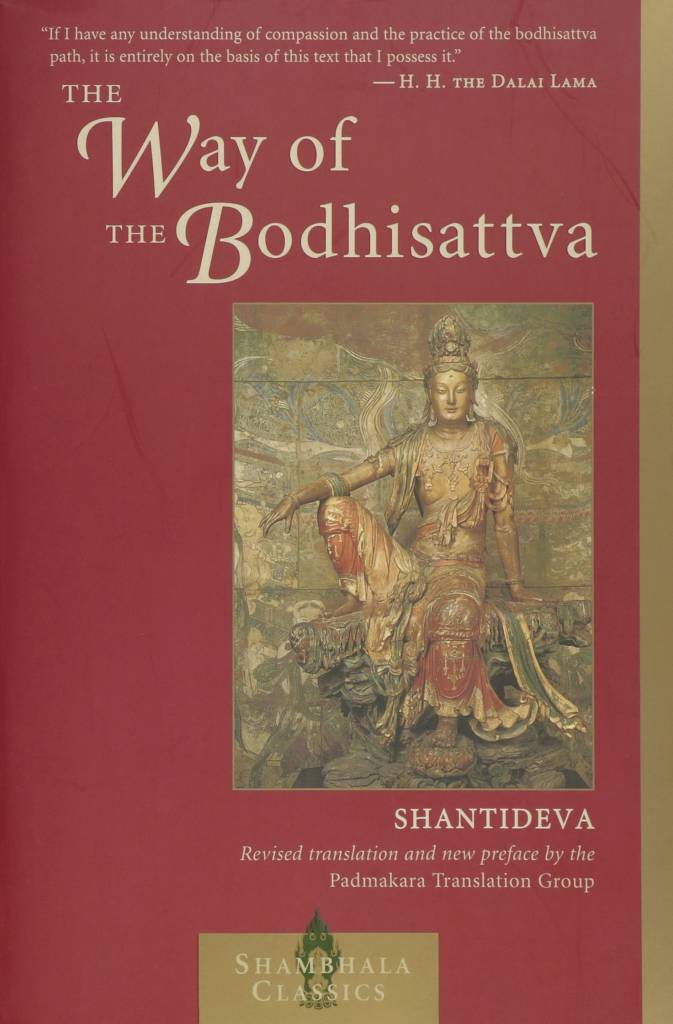
For sentient beings, poor and destitute,

May I become a treasure ever-plentiful, And lie before them closely in their reach,

A varied source of all that they might need.

Standard Tibetan §Padmakara used the 1990 edition printed by si khron mi rigs dpe skrun khang: Byang chub sems dpa'i spyod pa la 'jug pa rtsa ba dang 'grel pa (1990). Also found in Derge Tengyur D3871, dbu ma, vol. 105, la 1b1–40a7. - Other translations

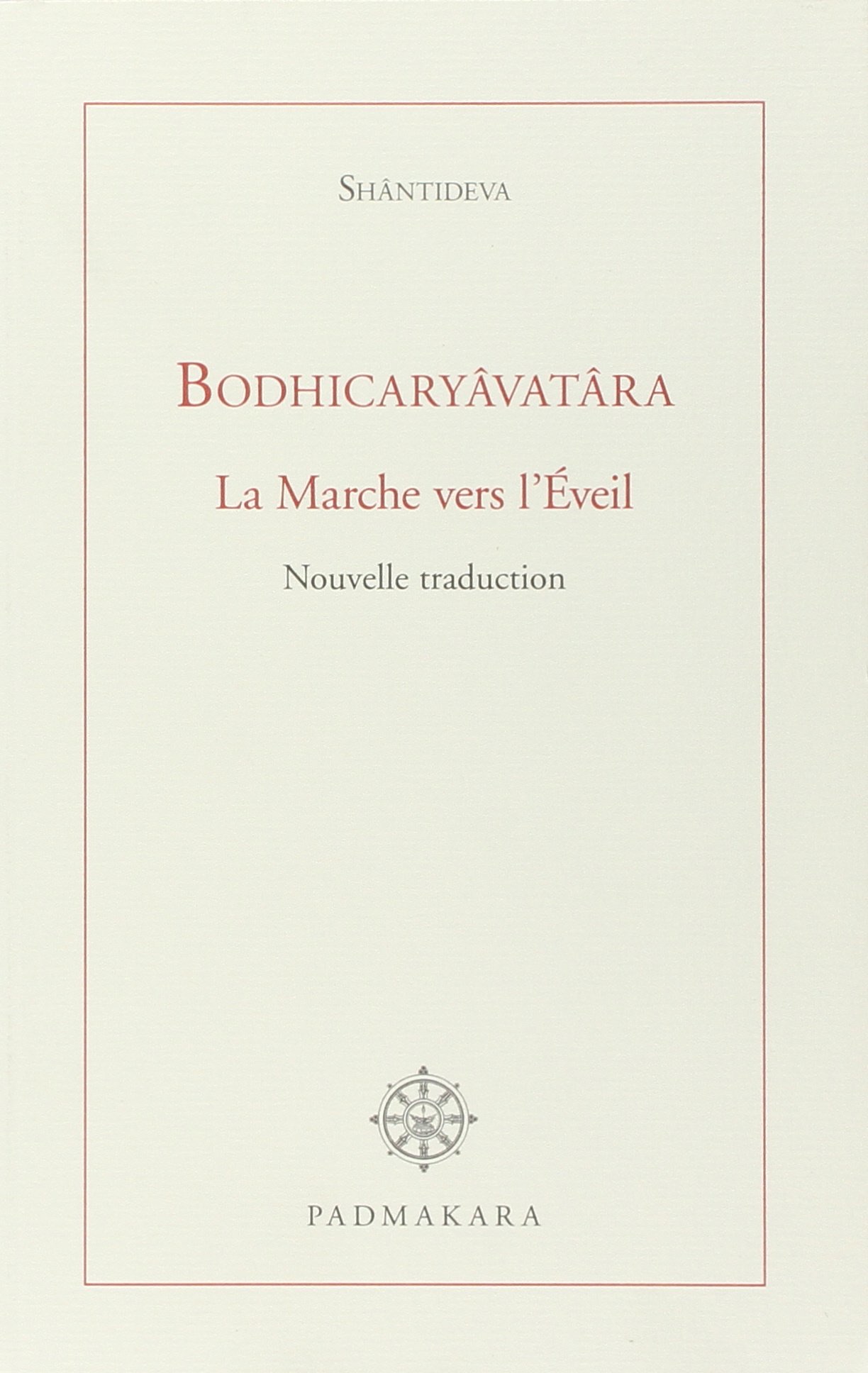
Puissé-je être l’inépuisable trésor

Des pauvres et des démunis Pour que tout ce dont ils ont besoin

Se trouve juste devant eux !

Para los pobres e indigentes

que sea un tesoro inagotable, toda clase de cosas que necesiten

dispuestas a su alcance ante ellos.

La Práctica del Bodisatva-front.jpg
Padmakara Spain 2008

May I become an inexhaustible treasure

For destitute and poor sentient beings, And abide as various requisites and necessities

In front of them.

For the poor and destitute,

May I become an inexhaustible treasure And appear as wealth for every need

Right in front of them.

shift + scroll / swipe
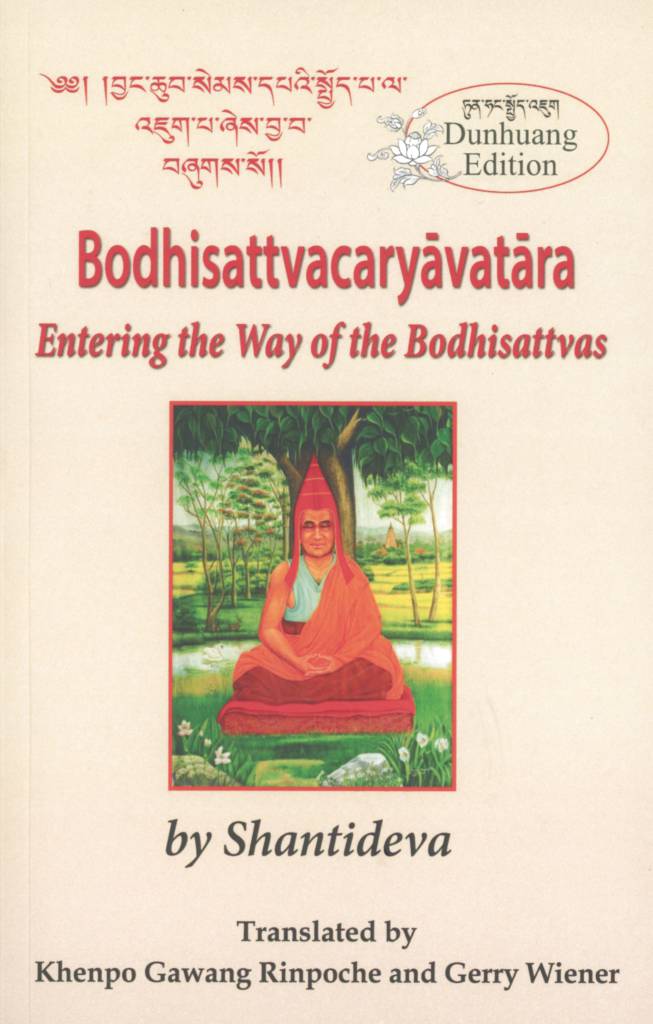
Dūnhuáng §This version is extracted from the book Bodhisattvacaryāvatāra: Entering the Way of the Bodhisattvas (2022, Khenpo Gawang and Wiener), a translation of an edition of the text created from three Dūnhuáng manuscripts. A description and sample pages of these can be found on the Early Tibet Blog. Scans of the actual manuscripts themselves can be found at http://idp.bl.uk

སེམས་ཅན་ཕོངས་ཤིང་དབུལ་བ་ལ། །

བདག་ནི་མི་ཟད་གཏེར་གྱུར་ཏེ། ། ཡོ་བྱད་མཁོ་དགུ་སྣ་ཚོགས་སུ། །

མདུན་དུ་ཉེ་བར་གནས་གྱུར་ཅིག །

alt verse 2.74 tm data
This version differs from it's counterparts.

For sentient beings destitute and poor,

May I be an inexhaustible treasure and, A variety of necessities and implements,

That are close by and accessible.

Tsadra Critical Edition §This text was created by comparing four versions of the text from Derge, Cone, Narthang, and Peking Tengyurs from BDRC scans, along with Dunhuang manuscripts IOL Tib J 628, 629, and 630. When Tibetan readings were problematic, the Sanskrit texts from GRETIL and LTB (Oslo) were consulted.

སེམས་ཅན་ཕོངས་ཤིང་དབུལ་བ་ལ། །

བདག་ནི་མི་ཟད་གཏེར་གྱུར་ཏེ། ། ཡོ་བྱད་མཁོ་དགུ་སྣ་ཚོགས་སུ། །

མདུན་དུ་ཉེ་བར་གནས་གྱུར་ཅིག །

[edit]
Sazang Mati (1294 - 1376)
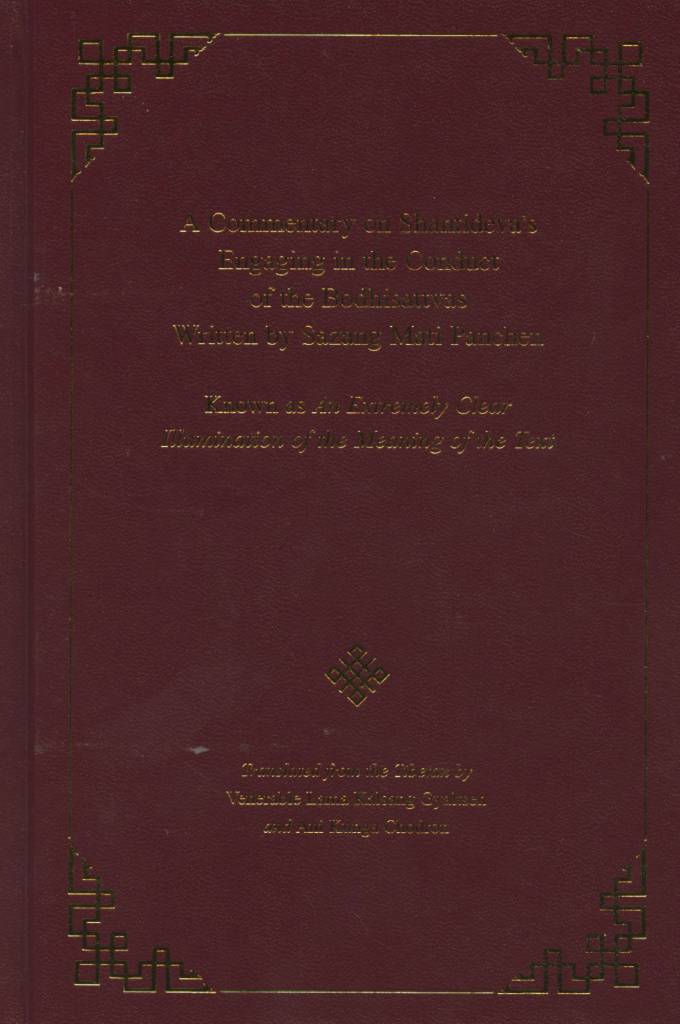
A Commentary on Shantideva's Engaging in the Conduct of the Bodhisattvas (citation)Gyaltsen, Lama Kalsang, and Ani Kunga Chodron, trans. A Commentary on Shantideva's Engaging in the Conduct of the Bodhisattvas Written by Sazang Mati Panchen: Known as An Extremely Clear Illumination of the Meaning of the Text. Walden, NY: Tsechen Kunchab Ling, 2019. Bilingual Edition

(བཞི་པ་)ཕོངས་པའི་སྡུག་བསྔལ་ཞི་བར་བསྔོ་བ་ནི།

4. Dedication to pacify the suffering of poverty 4.1.4

སེམས་ཅན་ཕོངས་ཤིང་དབུལ་བ་ལ། །

བདག་ནི་མི་ཟད་གཏེར་གྱུར་ཏེ། ། ཡོ་བྱད་མཁོ་དགུ་སྣ་ཚོགས་སུ། །

མདུན་ན་ཉེ་བར་གནས་གྱུར་ཅིག །

sems can phongs shing dbul ba la/_/

bdag ni mi zad gter gyur te/_/ yo byad mkho dgu sna tshogs su/_/

mdun na nye bar gnas gyur cig_/

For the poor and destitute,

May I become an inexhaustible treasure And appear as wealth for every need

Right in front of them.

སེམས་ཅན་ཆོག་མི་ཤེས་པས་ཕོངས་ཤིང་ནོར་མེད་པས་དབུལ་བར་གྱུར་པ་རྣམས་ལ༵་བདག་ནི་ལོངས་སྤྱོད་ནམ་ཡང་མི་ཟད་པའི་གཏེར་ཆེན་པོར་གྱུར་ཏེ༵་ཟས་དང་གོས་དང་ནོར་དང་སྨན་དང་གནས་དང་བཞོན་པ་ལ་སོགས་པའི་ཡོ་བྱད་མཁོ་དགུ་སྣ་ཚོགས་པ་རྣམས་སུ༵་རང་རང་གི་མདུན་དུ་ཉེ་བར་གནས་པར་གྱུར་ཅི༵ག་ཅེས་པའོ། །

For those beings that experience want due to poverty and lack of resources, may I become a treasury of wealth to provide whatever physical objects they need, such as food, clothing, wealth, medicine, a residence, or vehicle, and all other necessities, and may I appear before them in their time of need.
Gyaltsap Je (1364 - 1432)
The Entrance for the Children of the Conquerors (citation)Stracke, Fedor, trans. The Entrance for the Children of the Conquerors: A Commentary on the Introduction to the Actions of Bodhisattvas. By Gyaltsab Rinpoche. N.p.: Happy Monks Publication, 2016. https://happymonkspublication.org/product/bodhisattvacharyavatara-chapter-1-10-commentary/. Bilingual Edition

བཞི་བ་ནི།

Dedication for the Fulfillment of All Wishes 1.1.1.4.4

སེམས་ཅན་ཕོངས་ཤིང་དབུལ་བ་ལ། །

བདག་ནི་མི་ཟད་གཏེར་གྱུར་ཏེ། ། ཡོ་བྱད་མཁོ་དགུ་སྣ་ཚོགས་སུ། །

མདུན་ན་ཉེ་བར་གནས་གྱུར་ཅིག །

sems can phongs shing dbul ba la/_/

bdag ni mi zad gter gyur te/_/ yo byad mkho dgu sna tshogs su/_/

mdun na nye bar gnas gyur cig_/

May I become an inexhaustible treasure

For destitute and poor sentient beings, And abide as various requisites and necessities

In front of them.

སེམས་ཅན་ཡོ་བྱད་ཀྱིས་ཕོངས་ཤིང་དབུལ་བ་ལ་བདག་ནི་ལོངས་སྤྱད་པས་མི་ཟད་པའི་གཏེར་དུ་གྱུར་ཏེ་ཅི་འདོད་པའི་ཡོ་བྱད་མཁོ་དགུ་སྣ་ཚོགས་སུ་འགྱུར་ཞིང་བསྒྲུབ་པ་ལ་འབད་རྩོལ་མེད་པར་མདུན་ན་ཉེ་བར་གནས་པར་གྱུར་ཅིག །

For the sentient beings that are destitute and lack the requisites and necessities of life, may I become a treasure that is inexhaustible despite being used. May I abide effortlessly in front of them as the various necessities they need.[p.6]The Entrance for the Children of the Conquerors
Stracke, Fedor, trans. The Entrance for the Children of the Conquerors: A Commentary on the Introduction to the Actions of Bodhisattvas. By Gyaltsab Rinpoche. N.p.: Happy Monks Publication, 2016. https://happymonkspublication.org/product/bodhisattvacharyavatara-chapter-1-10-commentary/.
Minyak Kunzang Sönam (1823 - 1905)
The Great Hūṃ (citation)Duckworth, Douglas, trans. The Great Hūṃ: A Commentary on Śāntideva's Way of the Bodhisattva. By Minyak Kunzang Sönam. New York, NY: Wisdom Publications, 2025. Bilingual Edition

དབུལ་ཕོངས་ཞི་བའི་ཆེད་དུ་བསྔོ་བ་ནི།

Next is a dedication to alleviate poverty and destitution:

སེམས་ཅན་ཕོངས་ཤིང་དབུལ་བ་ལ། །

བདག་ནི་མི་ཟད་གཏེར་གྱུར་ཏེ། ། ཡོ་བྱད་མཁོ་དགུ་སྣ་ཚོགས་སུ། །

མདུན་ན་ཉེ་བར་གནས་གྱུར་ཅིག །

For impoverished and destitute beings,

may I become an inexhaustible treasure of a variety of provisions

laid out before them. (3.10)

ནོར་ལོངས་སྤྱོད་སོགས་ཀྱི་ཡོ་བྱད་མེད་པའི་སེམས་ཅན་ཕོངས་ཤིང་དབུལ་བར་གྱུར་པ་རྣམས་ལ་བདག་ནི་ཅི་ཙམ་ལོངས་སྤྱད་ཀྱང་ནམ་ཡང་མི་ཟད་པའི་གཏེར་ཆེན་པོར་གྱུར་ཏེ་ཟས་གོས་གནས་མལ་འབྲུ་སྨན་རྒྱན་དང་བཞོན་པ་སོགས་གང་ལ་གང་དགོས་པའི་ཅི་འདོད་ཀྱི་ཡོ་བྱད་མཁོ་དགུ་སྣ་ཚོགས་སུ་གྱུར་ཏེ། ཆེད་དུ་སྒྲུབ་པའི་འབད་རྩོལ་ཅི་ཡང་མི་དགོས་པར་རང་རང་གི་མདུན་ན་གང་མཁོ་ཐམས་ཅད་འབད་མེད་དུ་ཉེ་བར་གནས་པར་གྱུར་ཅིག་ཅེས་པ་སྟེ་འདི་ཀླུ་གཏེར་སྟོན་གྱི་སྐྱེས་རབས་བཞིན་ནོ་ཞེས་གསུངས་ལ་དེ་ནི་མདོ་སྡེ་པད་དཀར་ལས་གསུངས་པའི་བྲམ་ཟེ་རྒྱ་མཚོའི་རྡུལ་གྱི་སྐྱེས་རབས་ལས་བྱུང་བ་དེའོ། །དོན་འདི་དག་ནི་དྲི་མ་མེད་པར་གྲགས་པས་བསྟན་པ་ལས།

For all those impoverished and destitute beings without provisions like wealth and enjoyments, may I become a great treasure that never runs out, no matter how much of it is used. May I become anything and everything that is wanted or needed: a variety of provisions like food, clothes, beds, grains, medicines, ornaments, and rides. May all that is needed effortlessly be laid out before each and every one without the need for their exerting any effort to get it. This is said to be similar to the tale of the nāga treasure-revealer. 322Bodong Choklé Namgyal includes a tale of the nāga treasure-revealer (klu gter ston) in volume 113 of his Collected Works, 472–75.This also appears in the story of the brahman Samudrareṇu spoken of in the White Lotus Sūtra. 323The brahman Samudrareṇu appears in the White Lotus of Compassion Sūtra (Karuṇāpuṇḍarikasūtra, H. 115).The meanings here are taught in the Vimalakīrti Sūtra:

ནད་ཀྱི་བསྐལ་བ་བར་མ་ལ། །

དེ་ནི་རྩི་མཆོག་དམ་པར་འགྱུར། ། དེས་ནི་སེམས་ཅན་རྣམ་གྲོལ་ཞིང༌། །

ནད་རྣམས་མེད་ཅིང་བདེ་བར་འགྱུར། །

During the intermediate eon of disease
they become a supreme elixir
whereby all beings become free,
without illness, and happy.

མུ་གེའི་བསྐལ་བ་བར་མ་ལ། །

ཟས་དང་སྐོམ་དུ་བསྒྱུར་ནས་སུ། ། བཀྲེས་ཤིང་སྐོམ་པ་མེད་བྱས་ཏེ། །

སྲོག་ཆགས་རྣམས་ལ་ཆོས་སྟོན་ཏོ། །

During the intermediate eon of famine,
they become food and drink
to remove hunger and thirst, and
teach the Dharma to living beings.

མཚོན་གྱི་བསྐལ་པ་བར་མ་ལ། །

དེ་དག་བྱམས་པ་སྒོམ་འགྱུར་ཏེ། ། སེམས་ཅན་བྱེ་བ་བརྒྱ་མང་པོ། །

གནོད་སེམས་མེད་ལ་འཛུད་པར་བྱེད། །ཅེས་དང་།

During the intermediate eon of weapons,[p.162]The Great Hum
Duckworth, Douglas, trans. The Great Hūṃ: A Commentary on Śāntideva's Way of the Bodhisattva. By Minyak Kunzang Sönam. New York, NY: Wisdom Publications, 2025.

through cultivating love for them,
many billions of sentient beings
are brought to have hostile intent no more ...

སེམས་ཅད་དབུལ་པོ་རྣམས་ལ་ནི། །

ཟད་མི་ཤེས་པའི་གཏེར་དུ་འགྱུར། ། གང་ལ་སྦྱིན་པ་བྱིན་པ་ཡང་། །

དེ་དག་བྱང་ཆུབ་སེམས་བསྐྱེད་བཙུད། །

For impoverished beings,
they become a treasure that knows no end.
Whoever receives these gifts
are induced to cultivate the spirit of awakening.324Teaching of Vimalakīrti Sūtra, 338a–339a. Cited in Śāntideva, Anthology of Training, 175a–b; English trans. in Goodman, The Training Anthology of Śāntideva, 302–3.

ཅེས་བྱང་སེམས་ཀྱི་ཡོན་ཏན་བསྟན་པའི་སྐབས་སུ་འབྱུང་བ་དང་། རྒྱས་པར་རྡོ་རྗེ་རྒྱལ་མཚན་གྱི་བསྔོ་བ་སོགས་ལས་འབྱུང་བ་[p.104]Byang chub sems dpa'i spyod pa la 'jug pa'i 'grel bshad rgyal sras rgya mtsho'i yon tan rin po che mi zad 'jo ba'i bum bzang
Mi nyag kun bzang bsod nams (མི་ཉག་ཀུན་བཟང་བསོད་ནམས་). byang chub sems dpa'i spyod pa la 'jug pa'i 'grel bshad rgyal sras rgya mtsho'i yon tan rin po che mi zad 'jo ba'i bum bzang [བྱང་ཆུབ་སེམས་དཔའི་སྤྱོད་པ་ལ་འཇུག་པའི་འགྲེལ་བཤད་རྒྱལ་སྲས་རྒྱ་མཚོའི་ཡོན་ཏན་རིན་པོ་ཆེ་མི་ཟད་འཇོ་བའི་བུམ་བཟང།]. [Excellent Vase That Spills Forth an Ocean of the Inexhaustible and Precious Qualities of the Victor's Heirs: An Explanation of the "Way of the Bodhisattva."].
ལྟ་བུའོ། །བསྔོ་བས་ནི་དགེ་བ་ཉུང་དུ་ཡང་མང་པོར་སྤེལ་བ་དང་གནས་སྐབས་འབྲས་བུ་ཕྱུང་སྟེ་ཟད་པར་འགྱུར་བ་རྣམས་ཀྱང་ནམ་ཡང་མི་ཟད་པར་བྱེད་པར་གསུངས་ལ། བསྔོ་བ་འདི་ཉིད་བྱང་སེམས་ཀྱི་ཐབས་ལ་མཁས་པ་ཡིན་པར་ཐབས་ལ་མཁས་པའི་མདོར་གསུངས་སོ། །

This occurs in the context of demonstrating the qualities of the spirit of awakening. This is also stated extensively in texts such as the dedication in the Vajra Banner.325See commentary under chapter 7.46. It is said that dedication amplifies a few virtues into many and makes those that have temporary results, which would otherwise go away, never run out. The Skillful Means Sūtra says that dedication is the bodhisattva’s skillful means.326Skillful Means Sūtra, 62a.
Kunzang Palden (1862 - 1943)
The Nectar of Manjushri's Speech (citation)Blankleder, Helena, and Wulstan Fletcher (Padmakara Translation Group), trans. The Nectar of Manjushri's Speech: A Detailed Commentary on Shantideva's Way of the Bodhisattva. By Kunzang Pelden. Boston: Shambhala Publications, 2007. Bilingual Edition

སེམས་ཅན་ཕོངས་ཤིང་དབུལ་བ་ལ། །

བདག་ནི་མི་ཟད་གཏེར་གྱུར་ཏེ། ། ཡོ་བྱད་མཁོ་དགུ་སྣ་ཚོགས་སུ། །

མདུན་ན་ཉེ་བར་གནས་གྱུར་ཅིག །

sems can phongs shing dbul ba la/_/

bdag ni mi zad gter gyur te/_/ yo byad mkho dgu sna tshogs su/_/

mdun na nye bar gnas gyur cig_/

འཇིག་རྟེན་ན་སེམས་ཅན་གང་ཁ་ཟས་སྐོམ་དང་རྒྱབ་གོས་དང་ལག་ནོར་ལོངས་སྤྱོད་ཀྱིས་ཕོངས་ཤིང་དབུལ་བ་རྣམས་ལ་བདག་ནི་ཟས་འདོད་པ་ལ་ཟས་དང་སྐོམ་འདོད་པ་ལ་སྐོམ་ལ་སོགས་པ་གང་འདོད་པ་མི་ཟད་པའི་གཏེར་ཆེན་པོར་གྱུར་ཏེ་ཟས་གོས་ལོངས་སྤྱོད་སོགས་ཅི་འདོད་པའི་ཡོ་བྱད་མཁོ་དགུ་སྣ་ཚོགས་པ་རྣམས་སུ་རང་རང་གི་མདུན་ན་ཉེ་བར་གནས་པར་གྱུར་ཅིག་ཅེས་སོ།

For sentient beings, poor and destitute,

May I become a treasure ever-plentiful, And lie before them closely in their reach,

A varied source of all that they might need.

Again, for all those living in the world who are poor and destitute, without food, drink, clothes, wealth, and possessions, Shantideva prays that he might himself become an inexhaustible treasury of whatever they may wish for: food for the hungry and drink for the thirsty. “May I lie before them,” he says, “closely in their reach, a varied source of all that they might need.”[p.125]The Nectar of Manjushri's Speech
Blankleder, Helena, and Wulstan Fletcher (Padmakara Translation Group), trans. The Nectar of Manjushri's Speech: A Detailed Commentary on Shantideva's Way of the Bodhisattva. By Kunzang Pelden. Boston: Shambhala Publications, 2010.


[edit]
[edit]